

Kim Jong Un Is Upgrading His Spy Network


Apple Regains World’s Most Valuable Company Title as Nvidia Leads Chip Selloff
NEW YORK — Apple reclaimed the title of the world’s most valuable publicly traded company Monday after a sharp semiconductor selloff erased hundreds of billions of dollars from Nvidia’s market value, as investors reacted to reports that China is preparing to ship domestically produced lithography machines for the first time.
Apple shares rose about 1% to a record close, lifting the company’s market capitalization to roughly $4.94 trillion. Nvidia, whose shares fell more than 5%, finished the session valued at about $4.83 trillion, marking the first time Apple has held the top spot since April 2025.
The changing rankings tell a broader story than a single day’s trading. Apple has gained more than 22% so far in 2026, making it the strongest performer among the Magnificent Seven technology companies, while Nvidia’s remarkable run that began in June 2025 encountered its sharpest setback in months.
Much of Monday’s selling traced back thousands of miles away—to an industrial facility in Shanghai.
According to multiple industry reports, a state-backed Chinese company has begun manufacturing immersion deep ultraviolet (DUV) lithography machines, equipment used to print circuit patterns onto semiconductor wafers. Deliveries are expected to begin later this year to major Chinese chipmakers including Semiconductor Manufacturing International Corp. (SMIC), Hua Hong Semiconductor and ChangXin Memory Technologies.
Industry reports identify the manufacturer as Shanghai Yuliangsheng Technology, a startup with reported ties to Huawei and semiconductor equipment maker SiCarrier. The company has reportedly been testing its equipment at SMIC since September 2025. Initial production is expected to support 28-nanometer chips using single-exposure technology, while engineers believe advanced multi-patterning techniques could eventually allow production approaching 7-nanometer and potentially even 5-nanometer chips, although yields remain below those achieved with the most advanced Western systems.
For years, U.S. and Dutch export restrictions prevented China from purchasing ASML’s most advanced lithography equipment, forcing Chinese manufacturers to rely heavily on imported older-generation DUV machines. A viable domestic alternative—even one that initially produces only modest volumes—could gradually reshape that market by reducing China’s dependence on foreign suppliers while creating additional competitive pressure throughout the semiconductor equipment industry.
Markets quickly shifted from optimism to caution.
Nvidia suffered its steepest one-day decline since February 2026. Shares of ASML dropped more than 7%, while Applied Materials, Lam Research, KLA, AMD and Micron also posted significant losses. The Philadelphia Semiconductor Index fell for a third consecutive session as investors reassessed the longer-term implications of China’s expanding semiconductor capabilities.
The reversal came after what had initially been a positive start to the trading day. Semiconductor stocks opened higher following easing geopolitical tensions in the Middle East and reports that Nvidia was discussing financing support for a massive OpenAI data center initiative. Momentum reversed rapidly once news of China’s lithography progress spread through the market.
Apple’s rise has been driven by a very different strategy. Rather than dramatically increasing capital expenditures alongside many of its technology peers, the company has reduced spending over the past three quarters while emphasizing operating discipline and capital efficiency. What many investors previously viewed as caution is increasingly being rewarded as financial strength.
Even so, Apple is not insulated from broader supply-chain pressures. The company recently raised prices on several Mac and iPad models amid the global memory shortage, underscoring how tight semiconductor supply continues to affect hardware manufacturers worldwide.
For businesses across New York, New Jersey and the broader tri-state region, the story extends well beyond Wall Street.
Electronics distributors, manufacturers, IT providers and retailers should watch developments in China’s semiconductor ecosystem closely. Growing domestic production of both memory chips and manufacturing equipment could eventually help stabilize component availability and reduce hardware costs over the next several years. That potential relief, however, is unlikely to arrive in the immediate future as supply constraints continue to work through global markets.
Attention now shifts to Washington, where the Federal Reserve is expected to announce its latest interest-rate decision Wednesday. For businesses financing inventory, equipment purchases or expansion plans, borrowing costs may have a far more immediate impact than which technology company currently holds the world’s highest market valuation.
Whether Apple retains its lead may ultimately matter less than the broader competitive shift now underway. As China steadily expands its semiconductor manufacturing capabilities, global supply chains, investment strategies and technology leadership are entering a new phase that businesses across every sector will be watching closely.
JBizNews Desk | New York
© JBizNews.com All Rights Reserved. Reproduction or distribution without written permission is prohibited


Opinion | AI Wars: The Empire Strikes Back

Opinion | The Economics of the World Cup









Europe’s Heat Waves Fuel Rash of Wildfires








Iran Is Rebuilding Faster Than Expected After U.S.-Israeli Strikes
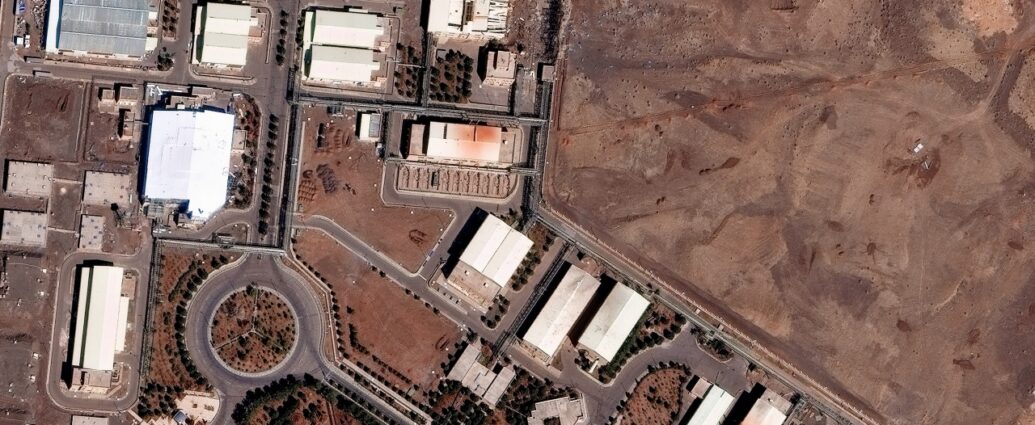
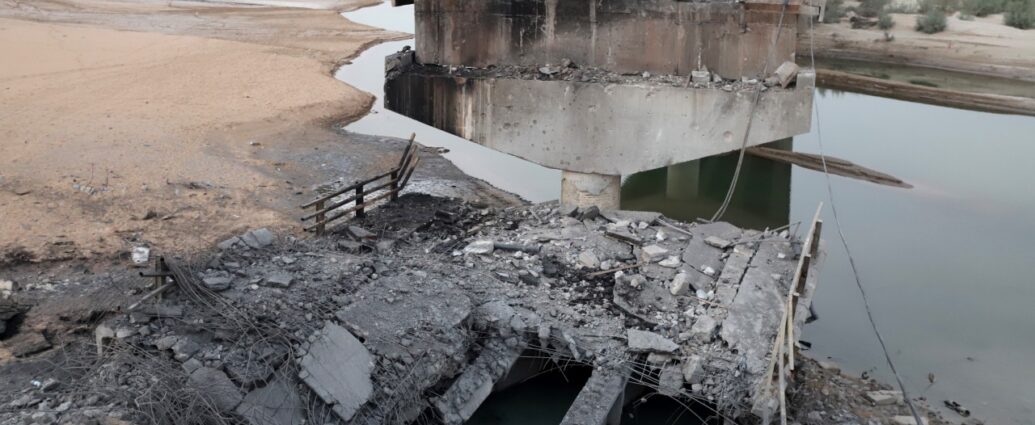
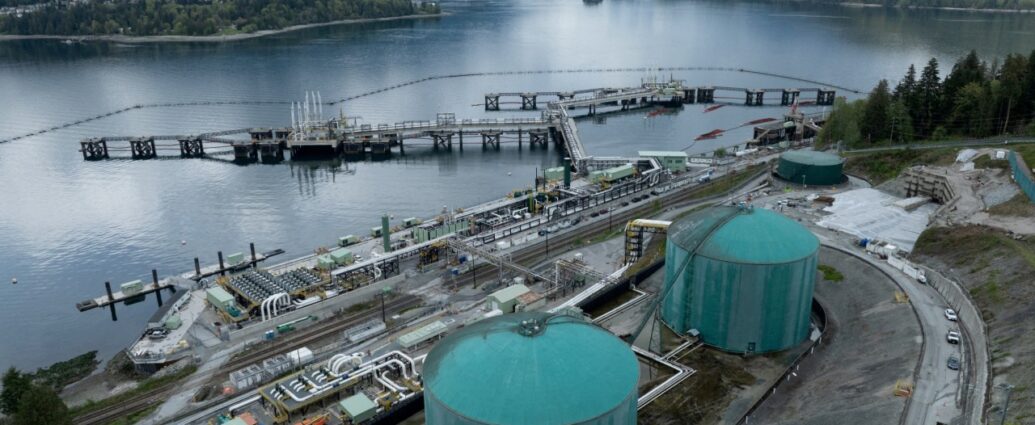
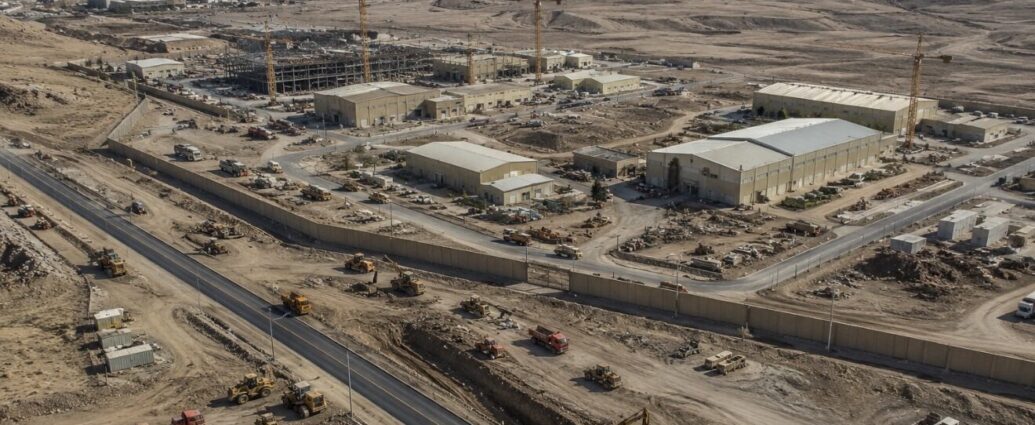
Satellite imagery reviewed Thursday, July 23, 2026, shows Iran rapidly repairing missile-base access roads, tunnel entrances, ports and weapons-production sites damaged during the U.S. and Israeli air campaign, raising doubts about how long the strikes can suppress Tehran’s military capabilities.
The rebuilding does not mean Iran has fully restored what it lost. Advanced machinery, air defenses and specialized missile-production equipment may take months to replace. But the speed of visible repairs suggests Iran can reopen key locations quickly enough to keep operating while forcing the United States and Israel to decide whether to strike the same sites again.
Destroying a facility once is not the same as keeping it disabled.
Near Kangavar in western Iran, March imagery showed airstrikes had damaged two tunnel entrances and an access road serving an underground missile complex. Within weeks, newer images showed a paved road leading toward freshly excavated entrances, indicating that Iran had restored access to part of the site.
At Bandar Anzali on the Caspian Sea, early July imagery showed reconstruction at a shipyard and port connected to the Islamic Revolutionary Guard Corps. Israel had previously said it struck warships, a command center and repair facilities there to disrupt a supply route between Iran and Russia.
Separate high-resolution images released this month showed significant repair activity at Taleghan 2 inside the Parchin military complex. Workers cleared debris, covered penetration holes, brought in cranes and reinforced parts of the hardened facility with concrete and rebar, according to the Institute for Science and International Security. The institute cautioned that visible reconstruction does not prove the site is operational.
That distinction matters. Satellite images can show roads, construction equipment and repaired entrances, but they cannot reveal whether machinery inside a tunnel works or how many missiles remain underground.
Still, Iran does not need to restore every damaged facility to create a strategic and economic problem.
A partly rebuilt missile network can still keep energy markets, shipping companies and governments under pressure.
Continued Iranian missile and drone attacks show that Tehran retained launchers, weapons and underground storage after the strikes. Israeli military estimates cited in current reporting say roughly 200 of Iran’s estimated 470 ballistic-missile launchers were destroyed and another 80 became unusable after tunnel entrances were struck. Iran’s continuing attacks indicate that the surviving network remains substantial.
For businesses, the concern reaches well beyond the battlefield. The longer Iran can absorb attacks and continue threatening the Strait of Hormuz, the longer companies face higher fuel prices, shipping insurance costs, rerouting expenses and supply-chain delays.
The cost imbalance is also difficult to ignore. Iran can clear rubble or repave a road far more cheaply than the United States and Israel can deploy aircraft, interceptors and precision-guided weapons to destroy it again. If repaired sites require repeated strikes, the campaign becomes a contest of endurance rather than a one-time effort.
Iran prepared for that contest over decades. Sanctions pushed the country to develop domestic supply chains, disperse production, stockpile parts and bury important military infrastructure underground. Those capabilities now appear to be helping Tehran repair visible damage while preserving enough capacity to continue fighting.
The air campaign still produced meaningful results. It destroyed equipment, interrupted production and forced Iran to spend money and manpower rebuilding instead of expanding. Some sensitive nuclear facilities also remain damaged or inaccessible, showing that Iran’s recovery is uneven rather than complete.
The unanswered question is whether the disruption lasts long enough to change Iran’s behavior.
Washington and Jerusalem now face a harder decision: repeatedly strike repaired facilities, tighten restrictions on replacement equipment and industrial components, or pursue an enforceable agreement that limits reconstruction and permits outside monitoring.
Iran appears to be betting that it can rebuild faster than its adversaries can sustain the pressure.
The effectiveness of the campaign will ultimately be measured not by how much was destroyed, but by how long Iran is prevented from putting it back into service.
JBizNews Desk | Jerusalem
© JBizNews.com All Rights Reserved. Reproduction or distribution without written permission is prohibited.
Global Container Shipping Rates Rise as Red Sea Risks Continue to Reshape Trade Routes
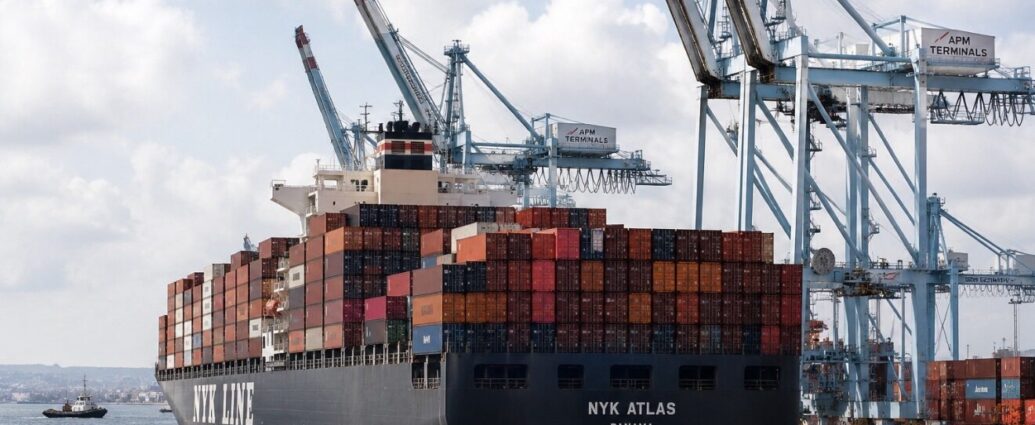
LONDON — Thursday, July 23, 2026: Global container shipping rates continued climbing this week as persistent security threats in the Red Sea forced ocean carriers to maintain costly diversions around southern Africa, extending transit times and tightening vessel capacity on key trade lanes. New freight market data released Thursday shows transportation costs remain well above historical norms despite easing from their wartime peaks earlier this year.
The latest indexes from Drewry’s World Container Index and Freightos Baltic Index indicate that while rates have moderated from the record spikes seen during the height of shipping disruptions, carriers continue charging premiums as vessels avoid the Suez Canal. Routing ships around the Cape of Good Hope adds roughly one to two weeks to many Asia-Europe voyages, increasing fuel consumption, labor costs and equipment shortages.
For importers, the higher shipping costs are filtering into inventory planning ahead of the holiday retail season. Companies dependent on overseas manufacturing—including retailers, electronics distributors, furniture suppliers and industrial manufacturers—are adjusting purchasing schedules to account for longer transit times and higher freight expenses.
The ongoing disruptions have also altered the competitive landscape for global ports. East Coast U.S. ports handling cargo through the Suez Canal have experienced shifting traffic patterns, while some West Coast ports continue benefiting from importers seeking more predictable Pacific shipping routes. Logistics providers say businesses are increasingly diversifying supply chains rather than relying on a single transportation corridor.
Shipping companies have generally benefited from the market conditions. Longer voyage distances reduce available vessel capacity, supporting freight rates even as new container ships continue entering the global fleet. At the same time, insurers have maintained elevated war-risk premiums for vessels operating near conflict zones, adding another layer of cost for global trade.
Economists continue monitoring freight costs because shipping prices often serve as a leading indicator for future goods inflation. Although transportation represents only one component of retail pricing, sustained increases in ocean freight can eventually affect the cost of imported consumer products, machinery and raw materials.
Market participants will continue watching security conditions in the Red Sea, global port congestion and upcoming trade volumes as retailers accelerate inventory purchases for the year-end shopping season. Until normal transit through the Suez Canal resumes on a sustained basis, businesses should expect freight markets to remain more volatile than before the regional conflict.
JBizNews Desk | Wall Street
© JBizNews.com All Rights Reserved. Reproduction or distribution without written permission is prohibited.

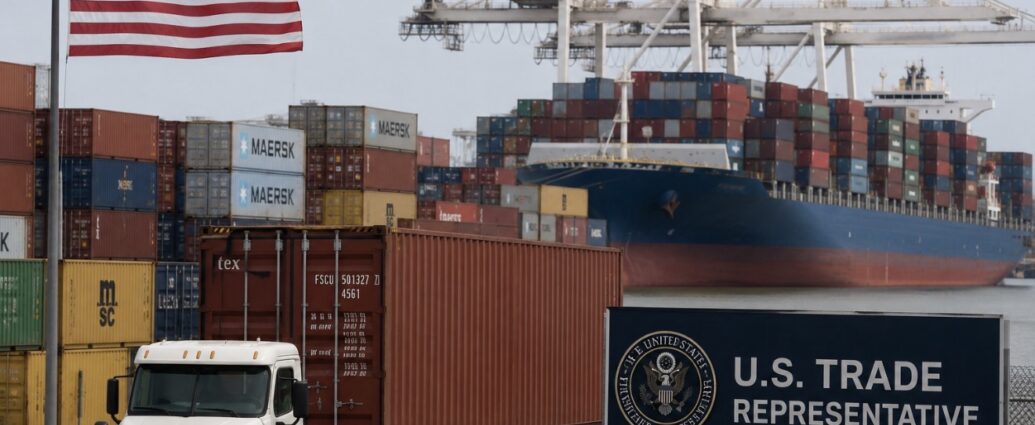
Trump’s New Tariffs Could Change What American Businesses Pay for Imports Starting Tomorrow
WASHINGTON, Thursday, July 23, 2026 — If your business imports products from overseas—or if you own a store, manufacture goods, or simply buy everyday products—today’s trade decision could eventually affect your costs. The Office of the U.S. Trade Representative (USTR) announced new tariffs on imports from 60 major trading partners after completing a months-long investigation into whether those countries failed to stop goods made with forced labor from entering global supply chains. The new duties replace the temporary worldwide tariff program that expires Friday.
For most readers, the obvious question is: What changed today?
Until now, many businesses had been operating under temporary global tariffs. Beginning Friday, those tariffs are being replaced with a new system built under Section 301 of the Trade Act of 1974, giving the administration a new legal foundation after earlier tariffs faced court challenges. Countries that have adopted or agreed to enforce bans on forced-labor imports generally will face a 10% tariff, while those that have not will generally face 12.5%. The program covers America’s 60 largest trading partners, representing more than 99% of U.S. imports.
For business owners, this is more than another Washington policy announcement.
If your company imports inventory, machinery, components, electronics, clothing, furniture, building materials or thousands of other products from overseas, your landed costs could increase depending on where those goods originate. Some businesses may absorb those higher costs, while others may renegotiate supplier contracts, shift production to different countries, or eventually raise prices.
Consumers may not notice changes immediately.
Many retailers already have inventory sitting in U.S. warehouses, and companies often spread higher costs across multiple product lines instead of raising prices overnight. But if manufacturers cannot find alternative suppliers or absorb the additional expense, some imported goods could gradually become more expensive over the coming months.
The administration says the objective extends beyond tariffs themselves.
USTR concluded that many trading partners failed to adequately prohibit or enforce bans on imports produced with forced labor, creating what it describes as both a human-rights concern and an unfair competitive advantage over American workers and manufacturers. The investigation included public hearings, consultations with dozens of governments and thousands of public comments before today’s final action.
Not every product will be affected.
The administration exempted several categories, including products already covered by national-security tariffs, certain raw materials, informational materials, donations, accompanied baggage and selected goods where imposing tariffs could disrupt domestic supply or broader economic activity.
Today’s announcement also sends a message to America’s trading partners.
Countries that strengthen their forced-labor enforcement laws and demonstrate meaningful compliance could qualify for the lower tariff rate or other favorable treatment in the future. In other words, the tariffs are intended not only to generate trade pressure but also to encourage governments to tighten labor enforcement and improve supply-chain transparency.
For importers, the next few days will matter just as much as today’s announcement.
Companies are now waiting for implementation guidance from USTR and U.S. Customs and Border Protection detailing exactly which products are covered, when the duties become effective, how exemptions will work, and what documentation businesses will need to remain compliant.
For many American businesses, today’s decision marks another reminder that global sourcing strategies are becoming as important as pricing strategies. Where products are made—and how they are made—is increasingly becoming a competitive business issue rather than simply a purchasing decision.
JBizNews Desk | Wall Street
© JBizNews.com All Rights Reserved. Reproduction or distribution without written permission is prohibited.

Opinion | The ICC Is No Judicial Superhero

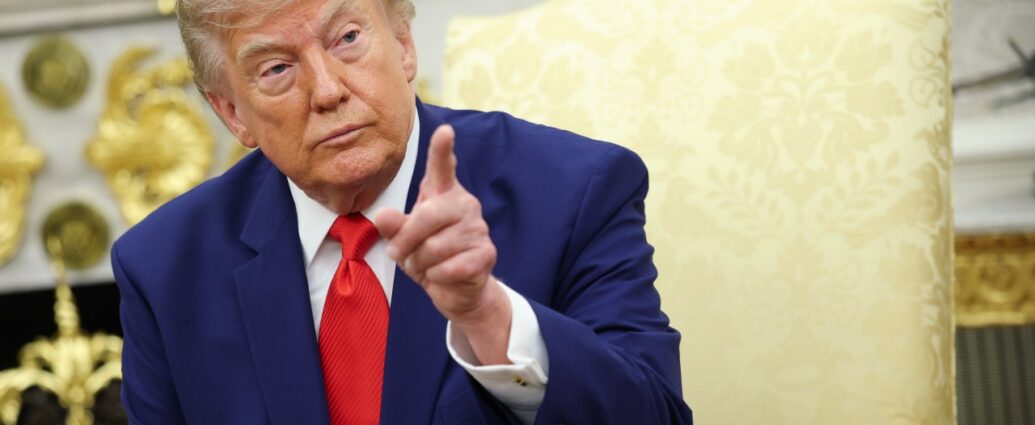



Oil Nears $100 a Barrel, Reigniting Inflation Fears Across Global Markets
LONDON — Thursday, July 23, 2026: Global oil prices climbed toward $100 a barrel on Thursday as renewed military tensions involving Iran and continued attacks on commercial shipping in the Red Sea disrupted energy markets, raising fresh concerns that inflation could accelerate again and delay interest-rate cuts by central banks. The latest move in crude prices rippled through financial markets, lifting government bond yields, pressuring equities and increasing costs for businesses that rely heavily on transportation and fuel.
Brent crude traded near the $100-per-barrel mark during European trading, while U.S. benchmark West Texas Intermediate also posted sharp gains. The rally follows growing concerns over the security of one of the world’s most important energy shipping corridors after additional attacks on vessels transiting the Red Sea and continued military operations involving Iran. Energy traders increasingly fear prolonged disruptions could tighten global supplies during the peak summer demand season.
The surge in oil immediately spread beyond commodity markets. U.S. Treasury yields climbed as investors reduced expectations for lower interest rates, reflecting concerns that higher energy prices could feed into broader inflation. Equity markets moved lower as rising fuel costs threatened corporate profit margins, particularly across airlines, transportation companies, manufacturers and consumer-focused businesses. Technology shares also remained under pressure as investors simultaneously weighed record artificial intelligence spending by major technology companies.
For businesses, sustained increases in crude oil prices often extend well beyond the energy sector. Higher diesel and jet fuel costs raise shipping expenses, increase airline operating costs, elevate manufacturing input prices and can eventually push consumer prices higher. Industries dependent on global supply chains are particularly exposed as ocean freight, trucking and air cargo become more expensive.
Central banks are also facing renewed challenges. Policymakers had been watching for further evidence that inflation was moderating before considering additional interest-rate reductions. A prolonged rise in oil prices could complicate those plans by increasing inflation expectations and keeping borrowing costs elevated for businesses and consumers alike. European government bond yields moved higher Thursday as investors reassessed monetary policy expectations following the latest energy market developments.
The impact was evident across financial markets. Energy producers outperformed while airlines, retailers and other fuel-sensitive sectors traded lower. Market volatility also increased as investors balanced stronger corporate earnings from industrial and defense companies against mounting geopolitical risks and higher commodity prices.
Investors will continue monitoring developments in the Middle East, tanker traffic through regional shipping lanes and any additional changes in global oil inventories. With crude approaching the psychologically important $100-per-barrel threshold, businesses across multiple industries are preparing for the possibility that elevated energy costs could persist through the second half of the year, influencing everything from transportation budgets to consumer inflation.
JBizNews Desk | Wall Street
© JBizNews.com All Rights Reserved. Reproduction or distribution without written permission is prohibited




Hiring Recovery Gains Momentum as Randstad Sees Stronger Demand Across U.S. and Europe
AMSTERDAM — Randstad NV, one of the world’s largest staffing companies, reported Wednesday that second-quarter hiring demand continued to improve across major markets, signaling the labor-market slowdown that has weighed on employers for more than two years may finally be bottoming out. The company released the update with its quarterly earnings report, where Chief Executive Sander van ’t Noordende said business activity strengthened through the quarter and continued improving into July.
Randstad reported 1.9% organic revenue growth, exceeding analyst expectations, with North America, Germany, the United Kingdom and Southern Europe all contributing to the stronger performance. The company also said revenue in North America increased 4% from a year earlier, driven primarily by growth in blue-collar and temporary staffing.
Company executives said employers remain cautious because of geopolitical uncertainty and economic risks, but many businesses are beginning to increase hiring for temporary and operational positions before expanding permanent workforces. Historically, temporary staffing tends to recover before full-time hiring during economic rebounds.
The improvement is welcome news for businesses that have struggled with an uncertain labor market since interest rates began rising. Staffing companies are often viewed as an early indicator of broader employment trends because employers typically use temporary workers before committing to long-term hiring.
For job seekers, the report suggests opportunities may first emerge in manufacturing, logistics, warehousing, transportation and other operational roles before spreading to professional and white-collar positions. Randstad noted that professional staffing remains softer than temporary hiring, reflecting employers’ continued caution when filling permanent positions.
Investors welcomed the results, sending Randstad shares sharply higher after the company exceeded revenue expectations and expressed confidence that business conditions would continue improving during the second half of the year.
While executives cautioned that global uncertainty has not disappeared, they said improving economic activity and stronger demand from larger corporate customers point to a healthier employment environment heading into the remainder of 2026.
JBizNews Desk | Amsterdam
© JBizNews.com. All Rights Reserved. Reproduction or distribution without written permission is prohibited.
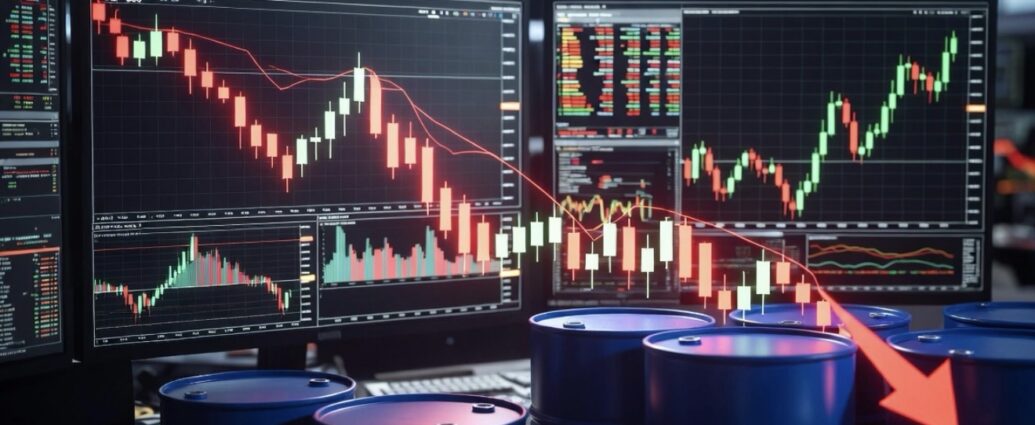
Chip Rebound Powers Asian Equities Higher Even as Crude Extends Climb
Asian equities advanced Wednesday as chip stocks extended a global rebound, with MSCI’s Asia Pacific Index gaining about 1% on the heels of Tuesday’s strongest rally in a month. It was a second straight day of gains for the region, with oil moving higher at the same time on renewed escalation in the U.S.-Iran conflict.
South Korea led. The Kospi surged 4.6% to 7,061.36, while Japan’s Nikkei 225 rose 1.9% to 67,511.12 after government data showed both imports and exports higher than a year earlier — figures inflated in yen terms by the currency’s weakness. Australia’s S&P/ASX 200 added 0.4% to 8,830.60 and the Shanghai Composite gained nearly 0.5% to 3,882.95, while Hong Kong’s Hang Seng bucked the trend, dipping 0.7% to 24,947.30.
Samsung and SK Hynix paced the regional advance as selling pressure from leveraged positions continued to unwind, following a more than 5% jump in a U.S. semiconductor index on Tuesday that pulled it out of bear-market territory after the prior week’s selloff.
Market Movers
Japanese chip names joined the run, with Advantest up 2.8% and Tokyo Electron adding 1.8%. Renesas Electronics gained more than 6% and SoftBank Group rose 1.1%.
The rally did not extend to U.S. futures. Nasdaq 100 futures slipped 0.4% and S&P 500 futures edged lower as traders positioned ahead of Alphabet’s results for a fresh read on AI-related spending.
Commodities and Currencies
Brent crude rose 1.4% to $92.25 a barrel during the Asian session after President Trump played down the prospect of near-term peace talks with Iran, and the move pushed U.S. Treasury yields to a two-month high. Crude kept climbing through the New York session, with Brent ultimately settling at $94.07.
Precious metals also gained, with gold climbing as much as 1.6% to roughly $4,142 an ounce and platinum higher alongside silver. In currencies, the yen stayed under pressure after weakening past 163 per dollar for the first time since 1986, with Japanese officials repeating warnings about the move. Separately, sources indicated the Bank of Japan is watching upside inflation risks that could bring rate increases faster than markets currently expect.
The split matters for importers: crude above $91 raises the energy bill for Asian economies that buy most of their fuel abroad and can widen trade deficits, even while a softer home currency flatters the local-currency earnings of exporters that sell in dollars. For tri-state importers sourcing from Asia, the combination points to firmer landed costs into the fall — currency gains on the invoice offset by freight and fuel surcharges on the way over.
JBizNews Desk | New York
© JBizNews.com All Rights Reserved. Reproduction or distribution without written permission is prohibited.
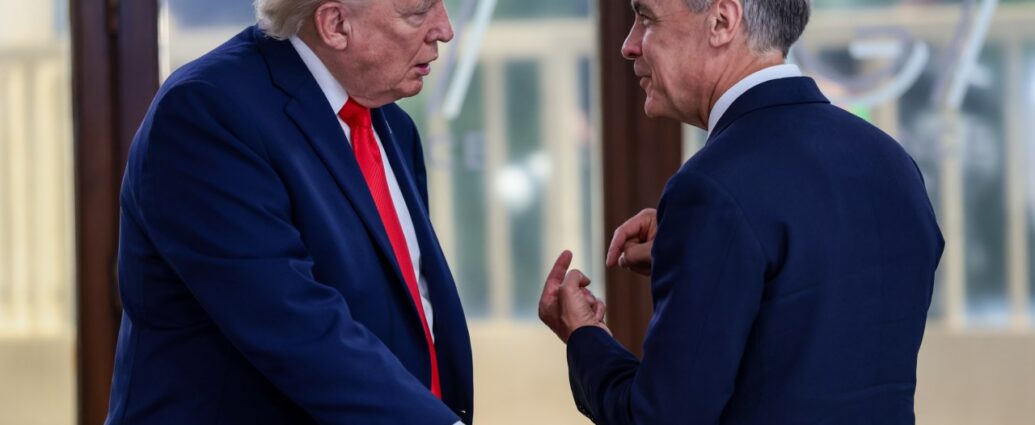

Japan May Shift Focus to Bond Yields Rather Than Yen, Deutsche Bank Says
TOKYO — Japan may increasingly prioritize managing government bond yields instead of directly supporting the yen as financial markets test the Bank of Japan’s next policy moves, according to a new Deutsche Bank analysis released Wednesday. The assessment comes as the Japanese currency remains under pressure while borrowing costs continue to climb across global debt markets.
The report suggests policymakers could place greater emphasis on ensuring stability in Japan’s government bond market rather than intervening aggressively in foreign exchange markets. Such a shift would reflect growing concerns that rising borrowing costs could have broader implications for the country’s financial system and fiscal outlook.
Japan’s benchmark government bond yields have gradually moved higher as investors anticipate additional monetary policy normalization following years of ultra-low interest rates. At the same time, the yen has remained weak against the U.S. dollar, largely reflecting the significant interest-rate gap between Japan and other major economies.
The Bank of Japan has begun unwinding years of extraordinary monetary stimulus, but officials continue to move cautiously to avoid disrupting financial markets or slowing economic growth. Any significant increase in bond yields could raise financing costs for the Japanese government, corporations and households while affecting banks, insurers and pension funds that hold substantial government debt.
For global investors, Japanese monetary policy carries importance well beyond the country’s borders. Higher domestic yields could encourage Japanese institutional investors to shift capital back home, potentially affecting demand for U.S. Treasuries, European government bonds and other international fixed-income assets.
Businesses are also closely watching the policy debate. A weaker yen has benefited many Japanese exporters by making overseas sales more competitive, while companies dependent on imported energy and raw materials continue facing higher operating costs.
Financial markets now await upcoming Bank of Japan communications for further signals on interest rates, bond purchases and the central bank’s long-term strategy. Any indication that policymakers are placing greater emphasis on bond-market stability could influence currency trading, sovereign debt markets and broader global capital flows.
JBizNews Desk | Tokyo
© JBizNews.com. All Rights Reserved. Reproduction or distribution without written permission is prohibited.