The global oil market is confronting a new supply risk as Iran-backed Houthi forces threaten Saudi Arabia’s Red Sea export route while prospects for ending the broader regional conflict continue to recede. The combination is forcing energy traders to price in the possibility that both of the Gulf’s critical shipping corridors could face sustained disruption at the same time.

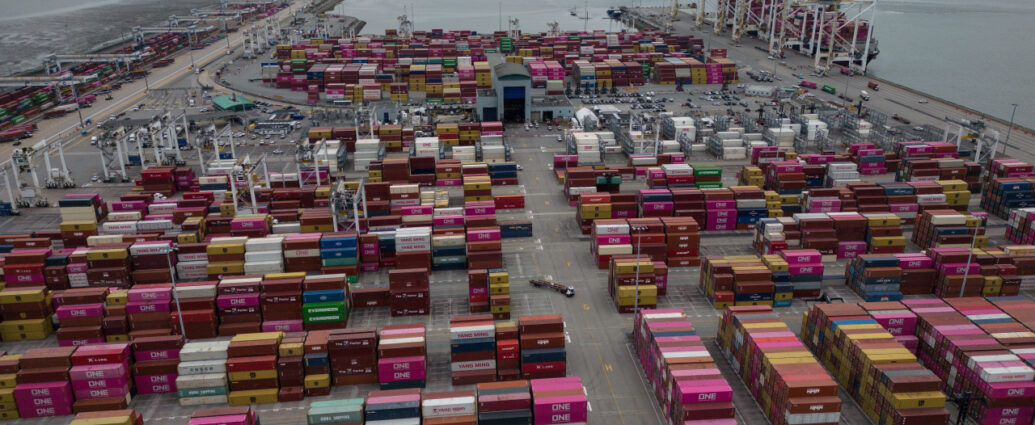
For weeks, the Strait of Hormuz dominated market attention after commercial traffic through the waterway slowed to a near standstill. Tracking data showed only three commodity vessels transited the strait Tuesday, the fewest since early May, while no commercial movements were observed early Wednesday. Saudi Arabia had partially offset that disruption by redirecting crude west through its East-West pipeline to the Red Sea export terminal at Yanbu. That alternative route is now under pressure as well.

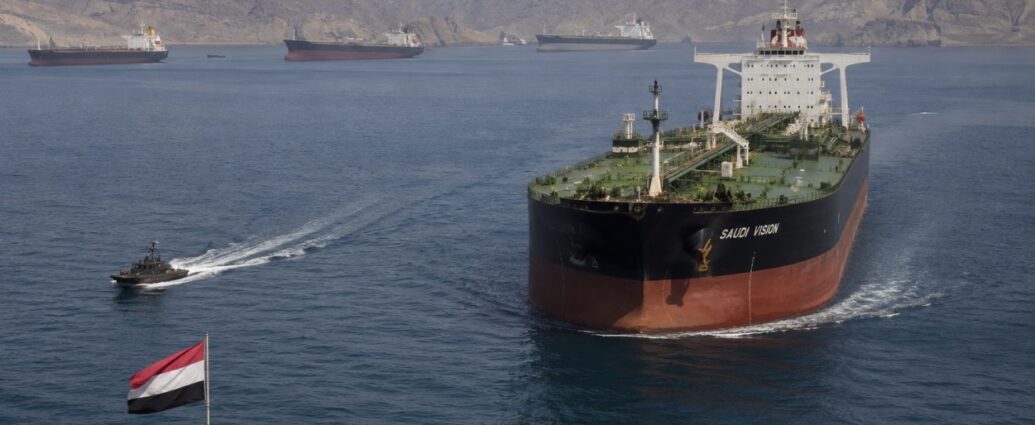
The Houthis this week declared an embargo on Saudi shipping through the Bab el-Mandeb Strait, the narrow passage linking the Red Sea with the Gulf of Aden and carrying roughly 12% of global seaborne oil trade. The announcement immediately altered shipping patterns. No crude tankers have been observed transiting the strait since the group issued its warning to shipowners, while at least six tankers bound for Yanbu have either reversed course or paused in the Arabian Sea as operators reassess security risks. At Yanbu, only two of seven crude-loading berths were occupied Wednesday morning. Saudi crude exports moving through the route have fallen 36% over the past two weeks, and the European Union’s naval mission in the Red Sea has advised commercial vessels to disable transponders while approaching Saudi ports because of heightened security concerns.

The problem for oil markets is no longer a single chokepoint. It is the prospect of two.

When one export corridor comes under pressure, Gulf producers can typically redirect shipments through the other. If both Hormuz and Bab el-Mandeb remain constrained, however, few large-scale alternatives remain. Analysts at Standard Chartered described the situation as a “two-chokepoint problem,” warning that vessels forced to reroute around the Cape of Good Hope could add nearly a month to transit times while driving freight rates, insurance premiums and delivery costs sharply higher.

Crude markets have already begun reflecting that risk. Brent crude has climbed roughly 25% this month to around $95 a barrel, while the average U.S. gasoline price has risen about 15 cents over the past week to nearly $4.00 a gallon. A prolonged disruption at Bab el-Mandeb alone could restrict access to an estimated 7% of global oil supply, and several market forecasts envision triple-digit crude prices should both waterways remain impaired for an extended period. While those scenarios remain far from certain, traders are increasingly assigning them meaningful probability.

The geopolitical premium persists because diplomacy has stalled.

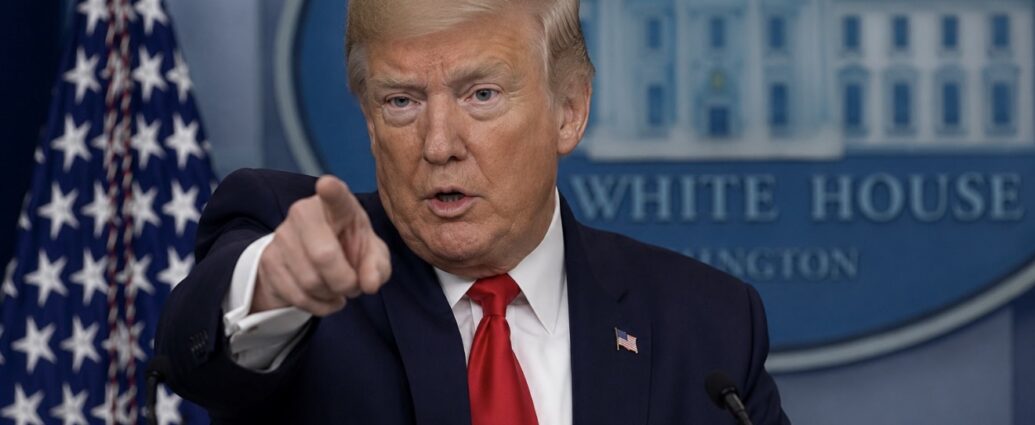
The United States and Iran both indicated Wednesday that they remain unwilling to resume negotiations as renewed fighting entered its second week. U.S. forces carried out an 11th consecutive night of airstrikes, while Iran responded with missile and drone attacks targeting Jordan’s port city of Aqaba. President Donald Trump said Iran had suffered significant military losses following the deaths of four American service members during the past week and warned the United States would target Iranian bridges and power infrastructure if attacks on shipping through Hormuz continued. Iranian media reported that regional mediators are attempting to restore conditions that existed before the latest ceasefire collapsed in early July, underscoring how limited the current diplomatic expectations have become.

For energy markets, the military and diplomatic developments reinforce one another. A sustained threat to Bab el-Mandeb could draw additional U.S. military resources into the Red Sea while complicating efforts to safeguard shipping through Hormuz. At the same time, the absence of a credible diplomatic path removes the mechanism that would ordinarily allow geopolitical risk premiums to unwind.

Whether the Houthis can fully enforce their embargo remains uncertain. For now, however, the threat alone is forcing shipowners, insurers and energy traders to rethink routes that only weeks ago were considered reliable—keeping a significant geopolitical premium embedded in global energy markets.

JBizNews Desk | Dubai

© JBizNews.com All Rights Reserved. Reproduction or distribution without written permission is prohibited.

ISTANBUL — Turkish Airlines is exploring acquisitions and strategic partnerships across Asia and South America as the carrier pursues its long-term goal of expanding its global network beyond organic growth, according to comments from Chairman Ahmet Bolat. The airline said discussions are underway regarding potential joint ventures and equity investments, while a previously announced minority investment in Spain’s Air Europa moves closer to completion. 

Bolat said Turkish Airlines is actively evaluating opportunities in Asia through either joint ventures or share acquisitions, signaling the carrier’s willingness to use investments alongside route expansion to strengthen its position in some of the world’s fastest-growing aviation markets. He added that the airline is also reviewing opportunities in North and South America as it broadens its international footprint. 

The strategy reflects Turkish Airlines’ ambition to build on its position as one of the world’s largest international carriers. Operating from its Istanbul hub, the airline already serves more countries than any other airline and has used its geographic location to connect Europe, Asia, Africa and the Americas through a single network. 

A key part of that strategy is its planned minority investment in Spain’s Air Europa. Turkish Airlines agreed earlier this year to invest approximately €300 million through convertible debt, a transaction expected to result in a 25% to 27% ownership stake once regulatory approvals and closing conditions are satisfied. Air Europa’s extensive Latin American network would significantly strengthen Turkish Airlines’ connectivity throughout the region without requiring a controlling acquisition. 

Industry analysts say acquisitions have become an increasingly attractive growth strategy as aircraft delivery delays from Boeing and Airbus limit how quickly airlines can expand fleets. Rather than waiting years for additional aircraft, carriers are increasingly pursuing partnerships, equity investments and joint ventures that immediately provide access to new markets and passenger traffic.

For business travelers and international exporters, a broader Turkish Airlines network could improve connectivity between emerging markets in Asia, Europe and Latin America while strengthening Istanbul’s role as a major global aviation hub. Additional partnerships could also expand cargo capacity, an important revenue driver as international trade continues to grow.

The airline has not identified specific acquisition targets, and Bolat emphasized that discussions remain ongoing. Any transaction would likely require regulatory approvals in multiple jurisdictions and would be subject to commercial negotiations.

Investors will be watching whether Turkish Airlines completes additional investments beyond Air Europa, as the carrier continues positioning itself for long-term international growth despite supply-chain challenges affecting the global aviation industry.

JBizNews Desk | Istanbul

© JBizNews.com. All Rights Reserved. Reproduction or distribution without written permission is prohibited


President Donald Trump announced on Truth Social Tuesday that imported generic drugs will carry a 0% tariff for two years beginning August 1, before the rate climbs to 100% for one year and then to 200% thereafter. The phased schedule pushes the first real cost onto importers in August 2028, giving manufacturers a runway the administration says is meant for one purpose: moving production onto American soil.

Trump framed the escalating duties as leverage rather than immediate policy. The goal, he wrote, is to reshore generic pharmaceutical production into America, with a penalty for companies that decline to build plants and equipment within the window they’ve been given. Branded and patented medicines are untouched by Tuesday’s move; that policy stays as it stands under the Section 232 order the White House issued in April.

The stakes are defined by scale. More than 90% of medicines sold in the United States are generics, according to the Food and Drug Administration — the low-cost, high-volume backbone of American pharmacies, hospital formularies, and Medicare Part D. A tariff of 100%, doubling to 200%, aimed at that segment is not a niche trade adjustment. It targets the exact category most Americans depend on to fill routine prescriptions, which is precisely why the administration built in a two-year delay before any charge takes effect.

Import geography sharpens the picture. India alone supplies close to half of the generic medicines used in the U.S. market, and Indian producers have long anchored the affordable end of the global drug supply chain. Industry figures there noted earlier this year that most large Indian manufacturers already run U.S. manufacturing or repackaging operations and have been exploring further acquisitions — a hedge that looks more valuable now that a concrete tariff date sits on the calendar. Companies with existing or planned domestic footprints are best positioned to sidestep the levy; those importing finished generics from abroad without a U.S. facility face the sharpest exposure.

The move fits a broader pressure campaign the administration has run on drugmakers throughout the year. Trump has leaned on his most-favored-nation pricing framework, which ties U.S. drug prices to the lower amounts paid in other wealthy countries. Under the April framework, companies that sign MFN pricing agreements with Health and Human Services and onshoring agreements with the Commerce Department qualify for a 0% tariff running through January 20, 2029. More than a dozen major drugmakers, including Eli Lilly, Pfizer, and Novo Nordisk, have already struck deals lowering prices on new and existing medicines in exchange for tariff relief.

For the generic sector specifically, the calculus is different than it is for branded pharma. Generic margins are thin by design — the entire business model runs on volume and price competition. A manufacturer weighing whether to build a U.S. plant has to measure the capital cost of new facilities against a tariff that, for now, is a 2028 problem rather than a 2026 one. That gap is the pressure point the administration is betting on: enough time to make a plant decision rational, enough penalty to make inaction expensive.

The supply-chain security argument underpins the whole effort. The administration has repeatedly cast domestic pharmaceutical capacity as a national-security matter, arguing that dependence on foreign production of essential medicines is a vulnerability in a period of strained global logistics. Whether tariffs are the right instrument to rebuild that capacity — or whether they mainly raise costs on the medicines Americans already struggle to afford — is the debate the next two years will settle.

For now, nothing changes at the pharmacy counter. Generic imports continue at zero tariff through August 2028. The signal to manufacturers, though, is unambiguous: the clock has started, and the cost of staying offshore has a number attached to it.

JBizNews Desk | Washington, D.C.

© JBizNews.com All Rights Reserved. Reproduction or distribution without written permission is prohibited.

Kalshi, the largest prediction market operator in the United States, poured $990,000 into direct federal lobbying during the first six months of 2026 — and close to $1.8 million once the outside firms it retained are counted, according to newly filed disclosures reviewed this week. The figure already tops the roughly $1 million the company spent across all of 2025 and stands as its heaviest six-month push since it first registered to lobby in July of last year.

The spending surge reflects a widening fight in Washington over who gets to regulate an industry that now handles billions of dollars in weekly trades. From April through June alone, Kalshi reported $500,000 in federal lobbying on “matters affecting prediction markets” — its largest single-quarter outlay on record. The company also brought on a team at FTP, the firm previously known as Forbes Tate Partners, to work on legislation governing how the platforms are overseen.

The opposition is spending just as aggressively. The American Gaming Association, which represents casinos and traditional sportsbooks, laid out roughly $1.39 million in direct lobbying so far this year, climbing toward $1.8 million with outside firms — about 30 percent above its pace in the first half of 2025. The trade group spent $630,000 in the second quarter targeting, among other issues, event contracts tied to sports. The Cherokee Nation, which runs casino and gaming operations, added another $600,000 over the same six-month stretch.

Polymarket, Kalshi’s chief rival, is running a leaner operation. Its parent company, Blockratize, paid $90,000 to Advocus Partners in the second quarter for counsel on digital asset and information-market policy. The platform is nonetheless making a bold return to the American market after a multiyear ban, with federal investigators recently closing their probes into the company.

Sports betting giants have opened a second front. DraftKings reported $350,000 in second-quarter federal lobbying, while FanDuel spent a combined $480,000 between April and June and retained FGS Global to press its case on online wagering. Their central argument is that prediction-market sports contracts amount to sports betting by another name and should face the same state-level rules. The American Gaming Association estimates states have forfeited more than $1.2 billion in tax revenue as the platforms have expanded.

The money is also flowing toward the midterms. Win for America, a super PAC, has raised $70 million from sports betting companies including FanDuel, DraftKings and Fanatics Betting and Gaming — a war chest earmarked for the 2026 election cycle.

Lawmakers, meanwhile, are circling. The Senate unanimously approved a measure in April barring members and their staff from placing bets on prediction markets. The House has not followed suit, though Representative Bryan Steil, the Wisconsin Republican who chairs the House Administration Committee, introduced a bill last month that would extend the prohibition to members’ spouses and dependent children. Representative James Comer, the Kentucky Republican who leads the House Oversight Committee, opened an investigation in May into what he described as unchecked insider trading on the platforms.

Much of the regulatory tug-of-war centers on the Commodity Futures Trading Commission, which has sued New York, Wisconsin, Arizona, Connecticut and Illinois while asserting sole authority over the industry. President Donald Trump weighed in on May 26, posting that it was critically important for the agency to keep exclusive control. Concerns over misuse have sharpened the debate: the Justice Department in April charged an Army soldier with using classified information to win roughly $400,000 betting on the timing of a foreign leader’s capture.

Olivia Chalos, deputy chief legal officer at Polymarket, has argued that a single federal framework serves responsible operators and the customers they handle, noting the platform has made close to 100 referrals to law enforcement over suspicious activity. For now, both sides appear prepared to keep writing checks until Congress decides where the lines fall.

JBizNews Desk | Washington, D.C.

© JBizNews.com All Rights Reserved. Reproduction or distribution without written permission is prohibited.

Japan’s exports jumped 19.3 percent in June from a year earlier, the fastest growth the country has posted since November 2022, as semiconductor equipment shipments and a persistently weak yen propelled shipments higher, Finance Ministry data showed. The gain outpaced the 18.6 percent rise economists surveyed by Reuters had penciled in, and marked a step up from the 16.8 percent recorded in May.

Imports climbed even faster, rising 25.4 percent year on year — a sign of firm domestic demand alongside the currency effects that inflate the cost of goods bought from abroad.

The export story is, once again, largely a chip story. Semiconductor shipments alone surged 53.8 percent in June, riding a wave of artificial intelligence investment that has lifted the shares of Japanese equipment makers including Tokyo Electron, Renesas Electronics and Advantest by anywhere from 50 to 93 percent since the start of the year. Regional demand did much of the work: shipments across Asia rose 22.7 percent, led by a striking 46.4 percent leap in goods sent to Taiwan. Exports to China, Japan’s single largest trading partner, gained 17.6 percent, while goods bound for the United States rose 13 percent.

There is, however, an important wrinkle beneath the headline number. While the value of exports soared, actual volumes barely moved, edging up just 0.2 percent. That gap underscores how much of the growth is being driven by pricing and the yen’s weakness rather than by a broad increase in the physical quantity of goods leaving Japanese ports. A softer currency makes Japanese products cheaper and more competitive abroad, but it simultaneously raises the cost of imported energy and materials, squeezing households and businesses at home.

The trade figures land against a backdrop of steady if unspectacular growth. Japan’s economy expanded 0.5 percent in the first quarter on a sequential basis, translating to a revised 1.8 percent annualized pace, with exports remaining one of its most reliable engines. The durability of that engine now hinges heavily on whether the global appetite for AI-related hardware holds up and whether the yen stays weak enough to keep Japanese goods attractive on price.

For Japanese manufacturers, the June data is a welcome signal that demand for their highest-value products — the specialized tools and components that feed the world’s chip factories — remains robust. The challenge for policymakers is that a currency weak enough to power exports is also weak enough to keep imported inflation stubbornly elevated, a balance the Bank of Japan continues to navigate as it weighs the path of interest rates.

JBizNews Desk | Tokyo

© JBizNews.com All Rights Reserved. Reproduction or distribution without written permission is prohibited.

Treasury Secretary Scott Bessent said Tuesday that the United States is prepared to impose sanctions on foreign artificial-intelligence developers if it determines they built their models by lifting capabilities from American systems, sharpening a months-long dispute over how China’s fast-rising AI sector has closed the gap with Silicon Valley.

Bessent framed the issue as a matter of intellectual property rather than open-source competition, drawing a line the administration says it intends to enforce. “This administration supports open-source models, but what we do not support is IP theft,” he said in a televised interview, adding that Washington retains “the ability to sanction them because of this theft” if overseas developers are found to be extracting from U.S. companies.

The most striking claim was technical. Bessent said federal officials have detected “watermarks” of American large language models embedded in numerous Chinese systems, a pattern he called unacceptable and said Treasury would examine “in the coming days or weeks.” He did not define what he meant by watermarks, name any Chinese company or model under review, or specify which sanctions authority the administration would invoke. Treasury has not publicly identified a target for any formal action.

At the center of the concern is a training method known as distillation, in which the outputs of a more advanced “teacher” model are used to train a smaller “student” model at a fraction of the cost. The practice is widespread and legal in much of the AI industry, but American frontier labs and administration officials have increasingly described the large-scale, unauthorized version of it as a national competitiveness threat. A White House science and technology memo earlier this year characterized the China-led form of the practice as adversarial and pledged to help U.S. labs detect and block it.

The timing is not incidental. The warning follows the recent release of Kimi K3, a new model from Chinese startup Moonshot AI that has drawn attention for matching or beating leading American systems on several benchmarks while undercutting them dramatically on price. That combination has rattled both Silicon Valley and Washington, where officials worry about the durability of the U.S. lead in a technology now viewed as strategically decisive. Moonshot has said demand for the model is straining its computing capacity.

American AI companies have been building this case publicly for months. OpenAI has accused Chinese developer DeepSeek of attempting to free-ride on capabilities developed by U.S. labs, and Anthropic last month leveled similar allegations against Alibaba. The accusations remain contested, and no company has been formally charged with wrongdoing.

For businesses, the more consequential signal may be a second lever Bessent floated: potential disclosure requirements. He raised the question of whether American firms that rely on Chinese AI models should be obligated to tell their customers they are doing so. Such a rule, if pursued, would reach well beyond the developers themselves and into the growing number of U.S. companies that have begun integrating lower-cost Chinese open-weight models into their products and internal operations. Open-weight models—those whose trained parameters are released publicly while the underlying code and data stay private—have spread quickly precisely because they are cheap and adaptable, and any disclosure mandate would introduce new compliance and reputational calculations for firms across the economy.

The sanctions threat also lands at a delicate diplomatic moment. The two governments are preparing for their first formal AI dialogue under President Trump, with talks expected in September ahead of a planned visit by Chinese President Xi Jinping on September 24. Bessent is set to lead the American delegation in those discussions. An agreement reached at the Trump-Xi summit in the spring established the framework for intergovernmental AI talks; Beijing has signaled it wants those conversations to stay technical rather than political. A move toward sanctions in the interim would inject fresh friction into a channel both sides have described as fragile but necessary.

For now, Bessent’s remarks amount to a warning shot rather than a policy. No sanctions have been announced, no disclosure rule has been drafted, and the underlying “watermark” evidence has not been made public. But the message to both Chinese developers and their American customers is unambiguous: the administration considers the current trajectory of Chinese AI advancement a matter of enforcement, not merely competition, and it is signaling that regulatory tools—financial and otherwise—are on the table.

How aggressively Washington follows through will depend heavily on what Treasury says it finds in the weeks ahead, and on whether the coming diplomatic talks give either side a reason to hold fire.

JBizNews Desk | Washington, D.C.

© JBizNews.com All Rights Reserved. Reproduction or distribution without written permission is prohibited.

TOKYO — Wednesday, July 22, 2026 — Sony Group Corp. is accelerating its transition to a digital-first gaming strategy after confirming that future first-party PlayStation titles released beginning in January 2028 will no longer be produced on physical discs, a move that could reshape the video-game retail industry and reduce one of gaming’s largest secondary markets.

The decision marks one of the biggest changes in PlayStation’s nearly three-decade history. While players will still be able to purchase and download games digitally through the PlayStation Store, collectors, retailers and used-game sellers face a future in which newly released Sony-developed titles will no longer have physical editions available for resale.

The announcement immediately renewed debate across the gaming industry over digital ownership. Unlike physical discs that can be sold, traded or collected, digital purchases are tied to a customer’s online account and generally cannot be resold. That shift could gradually reduce the inventory flowing through used-game retailers while strengthening Sony’s direct relationship with consumers.

Industry analysts estimate the global market for pre-owned video games generates several billion dollars annually through retailers, online marketplaces and independent game stores. While third-party publishers may continue offering physical editions beyond 2028, Sony’s decision affects some of the industry’s largest franchises, including titles produced by PlayStation Studios.

For Sony, the economics strongly favor digital distribution. Eliminating disc manufacturing, packaging, shipping and retail logistics reduces production costs while allowing the company to retain a larger share of software revenue through direct digital sales. Digital distribution also enables faster global launches, automatic updates and expanded downloadable content without the constraints of physical inventory.

The move follows a broader trend across the entertainment industry. Music, movies and television have largely shifted from physical media to digital platforms over the past decade, and video games have steadily followed as internet speeds, cloud infrastructure and digital storefronts have improved. Sony has reported that digital downloads now account for a substantial majority of PlayStation software purchases.

Retailers, however, face new challenges. Chains that have historically relied on high-margin used-game sales may need to place greater emphasis on gaming hardware, accessories, collectibles, subscriptions and other services as physical software sales continue to decline. Independent game stores could face similar pressure as fewer new physical titles enter the resale market.

Consumers remain divided. Supporters argue digital distribution offers greater convenience, instant access and eliminates damaged or lost discs. Critics counter that physical games provide true ownership, preserve resale value and offer protection against future licensing changes or the removal of digital content from online stores.

The transition is expected to unfold gradually over the next 18 months, giving retailers and consumers time to adjust before Sony’s new policy takes effect. Even after January 2028, physical games from third-party publishers are expected to remain available unless those companies adopt similar strategies.

For businesses and investors, Sony’s decision underscores a broader shift toward recurring digital revenue models that continue reshaping the entertainment industry. As publishers increasingly prioritize direct-to-consumer sales, the economics of gaming are likely to continue moving away from physical products and toward digital ecosystems.


JBizNews Desk | Wall Street

© JBizNews.com. All Rights Reserved. Reproduction or distribution without written permission is prohibited.

Moody’s Ratings left Israel’s sovereign credit rating unchanged at Baa1 with a stable outlook in its latest review, and the message underneath the numbers is simple: the economy has been through hell and it’s still on its feet. The agency made a point of saying this wasn’t a formal rating decision, just a mid-year check-in on where things stand. And where things stand, it turns out, is a standoff. The good news and the bad news are pushing against each other hard enough that neither one wins.

Start with the good. This is an economy that was supposed to crack and didn’t. Moody’s pointed to the things that held it together through shock after shock: strong institutions, a business base that isn’t dependent on any single sector, and the ability to keep borrowing on international markets when it needed to. Inflation, which has punished households across much of the world, actually cooled here, down to 1.9% in May. A stronger shekel helped, and so did the fact that Israel simply doesn’t lean on imported energy the way its neighbors do. Moody’s now expects inflation to sit around 2% through 2026 and 2027, right where the Bank of Israel wants it.

Now the bill. Fighting a long war costs money, and Israel has been spending it. Defense and security run about 6% of everything the economy produces, year in and year out, and that kind of load leaves a mark. Moody’s cut its growth forecast for this year to 3.7%, down from the 5% it expected earlier, though it sees growth bouncing back toward 5% in 2027 if the ceasefires with Iran, Hezbollah, and Hamas actually hold. Last year the economy grew 2.9%. The Bank of Israel is a shade more hopeful, betting on 4% this year.

The deficit is where the pressure is easiest to see. Moody’s expects the central government to run a shortfall near 5.3% of GDP in 2026 before it tightens to 4.4% the following year, against 4.7% last year. Count everything and the broader deficit lands closer to 5.9% this year. National debt is expected to settle around 70% of GDP over the next two years, a touch above the 68.5% where it ended 2025. Manageable, but not comfortable.

Then Moody’s did what ratings agencies do and sketched out both directions Israel could go. If the region calms down and the government gets serious about closing the gap, a higher rating is on the table down the road. But if the fighting flares up again, or the books deteriorate for reasons that have nothing to do with security, or the country’s institutions weaken, the judicial system especially, the rating could slide the other way. That warning about institutions wasn’t thrown in casually. Moody’s has been uneasy about it since before the war, and it hasn’t let go.

It’s worth remembering how far Israel had to climb to get back to steady. It walked into this period rated A1. Then came the first downgrade ever in February 2024, after the war began, and another cut in September that knocked it down two full rungs to where it sits today at Baa1. Moody’s blamed the erosion of institutions and governance and the ballooning cost of the conflict. The recovery didn’t start until late last year, when S&P nudged its outlook up to stable in November, and Moody’s followed in January, moving Israel off negative while keeping the rating itself in place.

So why hold now instead of moving? Because the election is in the way. Israelis go to the polls by the end of October, and almost everything about the country’s fiscal future runs through that vote, who governs, what budget they pass, how hard they’re willing to squeeze. No ratings agency wants to call a game that’s still being played. The safe money says nothing changes until the ballots are counted.

For anyone running a business or moving capital, the takeaway is stability. A steady Baa1 keeps Israel comfortably inside investment grade and means borrowing costs aren’t about to jump because of anything Moody’s does in the near term. The economy spent two brutal years proving it could shoulder a war without collapsing, and now the agency that doubted it has looked again and decided there’s no reason to move, up or down, until the dust settles. For a country that swallowed two downgrades in twelve months, standing still with a clear path upward is a win worth taking.

JBizNews Desk | New York

© JBizNews.com All Rights Reserved. Reproduction or distribution without written permission is prohibited.
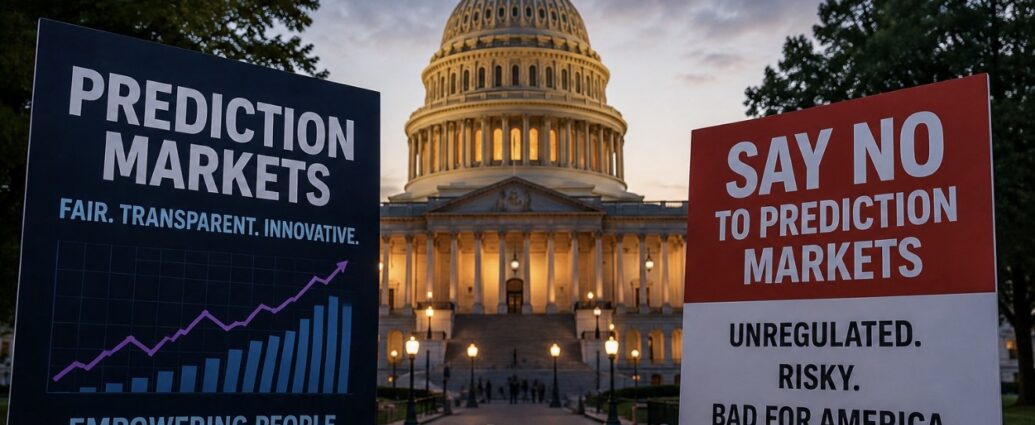
SINGAPORE — Wednesday, July 22, 2026 — Asian equities finished higher Wednesday as investors aggressively bought semiconductor and artificial intelligence stocks ahead of a pivotal week of U.S. technology earnings, while crude oil prices climbed for a second consecutive session amid continuing concerns over Middle East supply risks. The combination of renewed optimism in AI spending and firmer energy prices set the tone for trading across the region.

Japan’s Nikkei 225 led the advance, supported by strong gains in chip-related companies including Advantest and Tokyo Electron, as investors positioned for earnings from major U.S. technology companies expected to provide fresh insight into demand for AI infrastructure and semiconductor equipment. The rally reflected growing confidence that capital spending on data centers and advanced computing remains resilient despite broader economic uncertainty.

South Korea’s Kospi also moved higher, driven by strength in Samsung Electronics and SK Hynix, two of the world’s largest memory-chip producers. Investors continued betting that demand for high-bandwidth memory chips used in artificial intelligence servers will remain robust through the second half of the year, supporting earnings across the semiconductor sector.

Hong Kong’s Hang Seng Index gained as buyers returned to large-cap technology shares after recent volatility, while mainland China’s CSI 300 also advanced on expectations that Beijing will continue implementing targeted economic measures aimed at supporting business investment, manufacturing activity and consumer demand.

Energy markets remained firmly in focus. Brent crude and West Texas Intermediate futures both extended gains as traders continued monitoring geopolitical developments across the Middle East. Although global oil supplies have not been materially disrupted, markets continue assigning a geopolitical premium to crude prices because of uncertainty surrounding key shipping routes and regional security. Higher oil prices also renewed concerns that inflationary pressures could persist longer than previously expected.

Currency trading was relatively subdued as investors awaited additional economic data and looked ahead to a series of central bank speeches later this week. Government bond yields remained largely stable while equity investors focused on corporate earnings rather than macroeconomic releases.

Attention is now shifting to one of the busiest earnings weeks of the quarter. Reports from Alphabet, Tesla, Intel, and several other major technology companies are expected to provide critical insight into artificial intelligence spending, cloud-computing demand, corporate capital expenditures and executive outlooks for the remainder of 2026. Because many Asian technology manufacturers supply components used by these companies, their results could influence trading across regional markets in the days ahead.

For businesses and investors alike, Wednesday’s session underscored two dominant themes shaping global financial markets: continued confidence in artificial intelligence as a long-term growth driver and persistent concern that geopolitical tensions could keep energy prices elevated. Together, those forces continue influencing corporate investment decisions, inflation expectations and market sentiment worldwide.


JBizNews Desk | Wall Street

© JBizNews.com. All Rights Reserved. Reproduction or distribution without written permission is prohibited

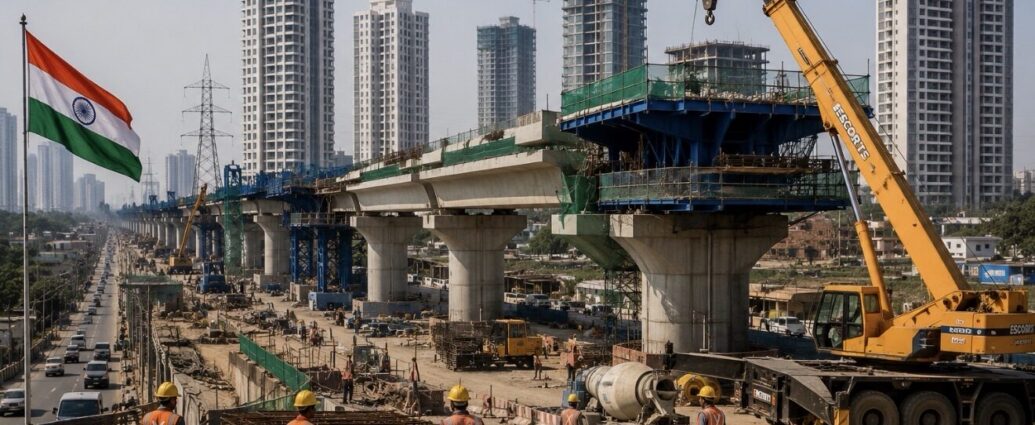
NEW DELHI — India’s core infrastructure industries expanded 5.0% in June compared with a year earlier, according to data released Monday by the Government of India, signaling that one of the world’s fastest-growing major economies continues to benefit from strong industrial investment, construction activity and government infrastructure spending. The latest figures indicate that key sectors supporting India’s manufacturing base remain resilient despite ongoing geopolitical uncertainty, higher global energy prices and slowing growth across several developed economies.

The Core Infrastructure Index measures output across eight industries that form the backbone of India’s economy: coal, crude oil, natural gas, refinery products, fertilizers, steel, cement and electricity. Together, these sectors account for approximately 40% of the country’s Index of Industrial Production, making the monthly report one of the earliest indicators of overall economic activity.

June’s growth reflected continued strength in electricity generation, steel manufacturing and cement production as large public and private infrastructure projects continued moving forward. India has invested heavily in transportation networks, logistics hubs, industrial corridors, renewable energy projects and urban development as part of a long-term strategy to strengthen domestic manufacturing and expand its position as a global production center.

The report arrives as multinational companies continue diversifying global supply chains and increasing manufacturing investment across India. Rising production in electronics, automotive manufacturing, pharmaceuticals and advanced manufacturing has created additional demand for industrial facilities, transportation infrastructure and reliable energy supplies.

Government initiatives encouraging domestic manufacturing have also helped support continued capital investment. Programs designed to attract international manufacturers and strengthen local production have accelerated development across multiple industries while creating new employment opportunities throughout the country.

For businesses, stronger infrastructure output generally signals expanding demand for construction materials, heavy equipment, logistics services, engineering firms, transportation providers and commercial financing. Higher production in steel and cement often reflects increased activity in commercial construction, manufacturing facilities, warehouses and public infrastructure projects.

The latest figures also reinforce India’s importance to the global economy. As businesses seek to diversify manufacturing beyond traditional production centers, India continues positioning itself as a leading destination for industrial investment through improved infrastructure, expanding transportation networks and a rapidly growing domestic consumer market.

While higher global energy prices and geopolitical developments continue presenting risks to international trade, India’s domestic investment cycle has remained comparatively resilient. Continued public infrastructure spending, combined with growing private-sector investment, has helped sustain economic expansion while supporting long-term industrial development.

Investors will now closely monitor upcoming industrial production, inflation and gross domestic product reports for further evidence that the momentum seen during the first half of the year is carrying into the second half of 2026. If sustained, continued infrastructure growth would strengthen India’s position as one of the world’s most significant drivers of global manufacturing, trade and economic expansion.

JBizNews Desk | New Delhi

© JBizNews.com All Rights Reserved. Reproduction or distribution without written permission is prohibited.
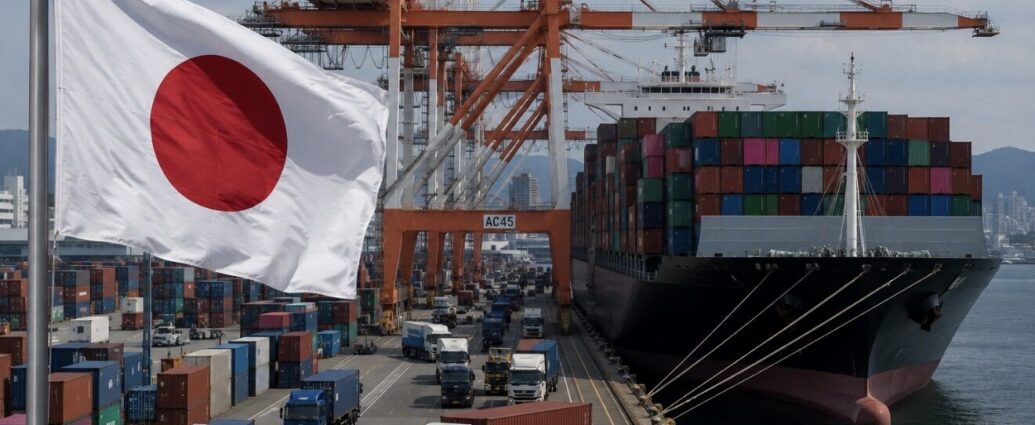
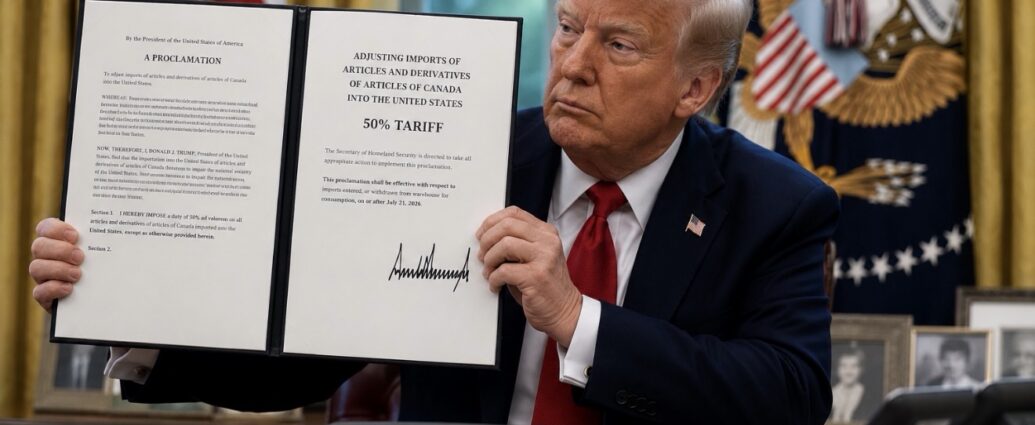
President Donald Trump has invoked Section 338 of the Tariff Act of 1930 — a provision on the books for nearly a century but never once used to actually impose tariffs — to place an additional 50% duty on roughly $20 billion in Canadian imports, opening a new front in his trade agenda and a fresh legal question over how far presidential tariff power reaches.

The proclamations, signed Monday, target a broad slice of Canadian goods running from wine, cement and furniture to autos, dairy products and alcohol. A White House fact sheet described the coverage as spanning everything “from wine to hockey sticks to cement,” with the dairy list reaching various milks, creams, whey, lactose and cheeses. The duties are set to take effect in roughly 30 days, putting them on track to land in August, ahead of the holiday shopping season.

Section 338 lets the president impose tariffs of up to 50% on goods from countries found to discriminate against U.S. commerce. Trump chose the maximum penalty the statute allows. The administration frames the action as a response to Canada’s decision to retaliate against earlier U.S. tariffs — a step officials note only China had otherwise taken. U.S. Trade Representative Jamieson Greer described the new duties as a direct consequence of that retaliation in a Tuesday morning interview, casting them as the natural result of Ottawa’s countermeasures rather than an opening salvo.

What makes the move unusual is the tool itself. Section 338 sits inside the 1930 law commonly known as Smoot-Hawley, the tariff act frequently blamed for deepening the Great Depression. This particular provision, though, was threatened over the decades but never triggered. A 2016 legal analysis found no public record of the section being invoked since 1949, and senior administration officials acknowledged to reporters that using it this way has no precedent. One official, speaking on background, conceded the novel use could draw a court challenge but argued the situation “fits squarely with what the statute allows.”

The timing is not accidental. The administration turned to Section 338 after courts earlier this year narrowed the emergency tariff powers Trump had leaned on, and after the Supreme Court ruled against the use of those emergency authorities for the so-called “Liberation Day” tariffs. That decision sent the White House hunting for alternative legal footing. Section 338 offers a faster path than other trade tools — the Section 232 national security route and the Section 301 unfair-trade statute both require investigations and public comment periods that can stretch for months. The stopgap 10% global levy the White House imposed under Section 122 to replace many invalidated tariffs happens to expire this Friday, adding urgency to the search for durable authority.

For American consumers, the duties carry a direct cost. Landing on autos, alcohol and dairy just as holiday spending ramps up, the tariffs raise the prospect of higher shelf prices and add to inflation pressure at a moment when energy costs are already elevated by conflict in the Middle East. One market strategist estimated the measure would lift the average tariff rate on Canadian goods by about 2.3 percentage points. The political exposure is real too, with the added costs arriving before November’s midterm elections — a vulnerability some lawmakers have flagged in past efforts to repeal Section 338 over worries about its potential for misuse.

The larger significance lies in what the maneuver signals to the rest of the world. The discrimination rationale at the heart of Section 338 is built for reciprocal disputes, and Trump has long complained that trading partners charge higher import rates than the United States. The European Union’s 10% tariff on passenger cars — four times the 2.5% U.S. rate — has been a recurring irritant, and trade attorneys point to the bloc as a logical next target for the same argument now being tested on Canada. In that sense, Ottawa is less the endpoint than the proving ground.

Canadian Prime Minister Mark Carney criticized the tariffs as the latest in a series of U.S. actions straining an already tense relationship. Whether Canada answers with a legal challenge, further retaliation, or both will shape the next month before the duties bite. The broader renegotiation of the USMCA framework, now potentially extending for years, remains the central venue for resolving the underlying fights over dairy, autos and alcohol that prompted Monday’s move.

For now, businesses and foreign governments are left to absorb a familiar lesson from this White House: even when a specific tariff is delayed or struck down, the willingness to reach for untested authority keeps the threat alive — and keeps companies planning for higher costs.

JBizNews Desk | Washington, D.C.

© JBizNews.com All Rights Reserved. Reproduction or distribution without written permission is prohibited.
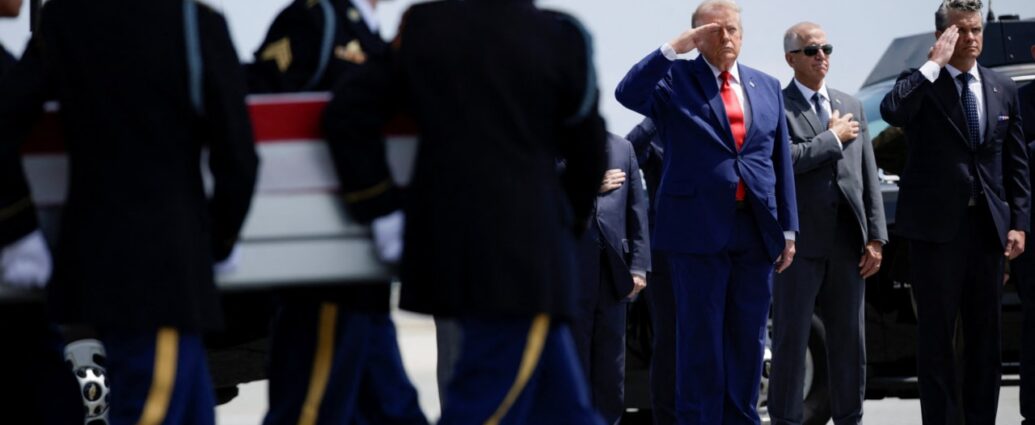
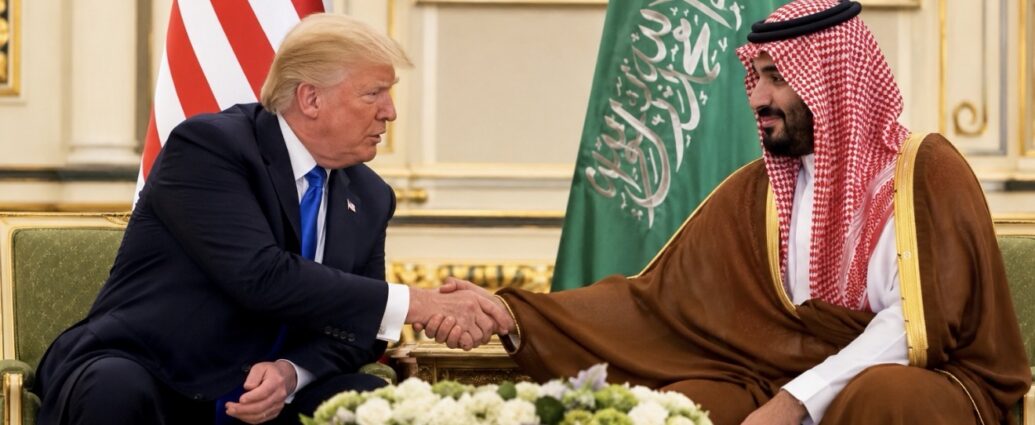
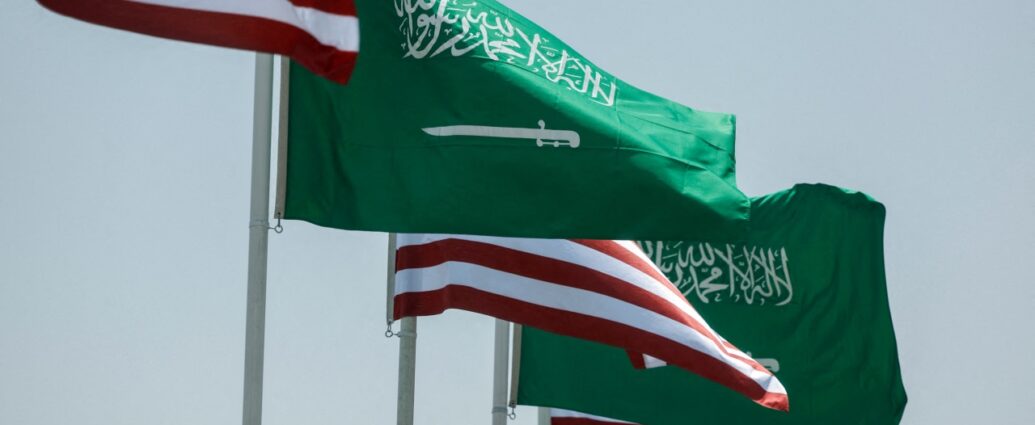
WASHINGTON — Tuesday, July 21, 2026 — President Donald Trump has approved a landmark civilian nuclear cooperation agreement with Saudi Arabia, clearing the way for a 30-year partnership expected to generate tens of billions of dollars in investment while giving American companies a leading role in building the kingdom’s nuclear-energy infrastructure. The agreement is scheduled to be formally signed Wednesday by U.S. Energy Secretary Chris Wright and Saudi Energy Minister Prince Abdulaziz bin Salman. 

The accord represents one of the most significant U.S.-Saudi commercial agreements in years and marks a major step in Riyadh’s effort to diversify its economy beyond oil under its Vision 2030 strategy. American engineering, energy, construction, and advanced technology companies are expected to compete for contracts tied to reactor construction, fuel-cycle services, engineering support, safety systems, and long-term operations. 

A key provision of the agreement allows for the possibility of a U.S.-built uranium enrichment facility inside Saudi Arabia if a future joint American-Saudi technical review concludes such a project is justified. Administration officials argue that allowing U.S. companies to participate directly would provide Washington with greater oversight and influence over the kingdom’s civilian nuclear program while keeping competitors from securing those projects. 

The agreement now heads to Congress for formal review, where lawmakers from both parties are expected to closely examine its nonproliferation provisions. Critics have raised concerns that permitting uranium enrichment within Saudi Arabia could increase nuclear proliferation risks in the Middle East, while supporters argue that U.S. involvement provides stronger safeguards than allowing Riyadh to seek technology from other nations. Because the agreement falls under existing federal review procedures, blocking it would require congressional action capable of overcoming a potential presidential veto. 

For American businesses, the economic implications could extend well beyond reactor construction. Large-scale nuclear projects typically generate decades of work involving manufacturing, engineering, cybersecurity, maintenance, environmental services, workforce training, and fuel management. The agreement also positions U.S. firms to compete for future expansion as Saudi Arabia works to increase domestic electricity production while reducing reliance on oil-fired power generation. 

Energy analysts say expanding civilian nuclear capacity would allow Saudi Arabia to free more crude oil for export rather than domestic electricity production, potentially strengthening long-term government revenues while supporting broader industrial development. Nuclear power is expected to become one component of the kingdom’s wider strategy that also includes renewable energy, hydrogen production, and advanced manufacturing.

Financial markets are also watching the agreement because it could stimulate investment across America’s nuclear supply chain. Companies involved in reactor technology, specialized construction, uranium services, electrical equipment, industrial manufacturing, and engineering consulting could benefit if major projects move forward over the coming years.

The agreement also reinforces Washington’s broader economic relationship with Saudi Arabia at a time when both governments continue expanding cooperation across energy, infrastructure, technology, defense, and critical minerals. Administration officials describe the accord as both an economic opportunity for American industry and a strategic partnership designed to strengthen U.S. influence in one of the world’s most important energy-producing regions. 


JBizNews Desk | Wall Street

© JBizNews.com. All Rights Reserved. Reproduction or distribution without written permission is prohibited.

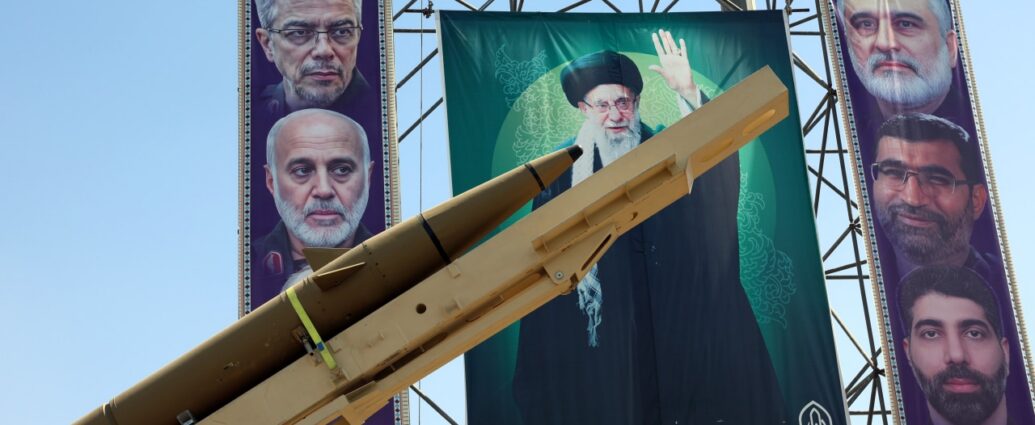
President Trump on Tuesday tamped down expectations for a diplomatic breakthrough with Iran, even as Tehran’s threat to a second critical oil chokepoint kept energy markets on edge nearly five months into a conflict that has already reshaped global crude flows.

The renewed uncertainty centers on the Bab el-Mandeb, the narrow passage at the southern end of the Red Sea that has become the oil market’s relief valve since the Strait of Hormuz was effectively shut early in the war. Iran has asked the Houthis in Yemen to stand ready to close the Red Sea route if the U.S. strikes Iranian power infrastructure, a threat that has repeatedly pushed crude higher this month. With one of the region’s two primary export arteries already disrupted, traders are pricing in the risk that both could be constrained at once.

The stakes are substantial. Petroleum moving through Bab el-Mandeb totaled roughly 7.4 million barrels a day in June, about 7% of global output, up sharply from 4.2 million barrels a day a year earlier—a jump that reflects how heavily producers have leaned on the Red Sea since Hormuz seized up. Saudi Arabia has surged barrels through its East-West pipeline to the Red Sea, helping offset lost supply to buyers in Japan and South Korea. Cutting the southern route would strip away that workaround.

Analysts tracking the shipping picture warn that a simultaneous squeeze would ripple well beyond the price at the pump. Constraints hitting Hormuz and Bab el-Mandeb together would amplify supply-chain stress, tighten tanker availability, and drive insurance premiums higher. Those freight and coverage costs feed directly into landed fuel prices for importers already navigating a disrupted map.

There have been intermittent signs of de-escalation. Iran’s release of a U.S. citizen was read by some traders as a possible path away from all-out war, briefly easing prices, and supply has crept back elsewhere: Iraqi crude loadings more than doubled to roughly 1.2 million barrels a day in the first half of July as exports accelerated. But those gains have done little to offset the structural loss of Hormuz volumes.

Price action has tracked the diplomatic mood swings closely. Brent jumped nearly 4% to break $90 a barrel after the U.S. confirmed at least three service members had died in recent fighting, then eased when Iran’s foreign ministry signaled negotiations could still be pursued. For American households, the war premium has been steady: the national average pump price sat near $3.94 a gallon in recent days.

The conflict, which began Feb. 28, has turned energy logistics into the central economic story of 2026. Every threat to a waterway now carries an immediate cost, and Trump’s cool tone toward talks suggests the market’s risk premium is unlikely to unwind soon.

JBizNews Desk | Washington

© JBizNews.com All Rights Reserved. Reproduction or distribution without written permission is prohibited.

The global shipping industry is offering some of the largest hazard-pay bonuses in recent years as companies struggle to recruit crews willing to transit the Strait of Hormuz, where repeated attacks on commercial vessels have transformed one of the world’s busiest maritime trade routes into one of its most dangerous. The latest development follows India’s July 16 order directing shipowners, ship managers and recruitment agencies to halt the deployment of new Indian seafarers through Hormuz after multiple crew members were killed in recent attacks and security conditions sharply deteriorated. 

The growing reluctance of sailors to enter the region is creating a new bottleneck for global trade. While vessel owners can secure ships and cargo, they cannot move them without qualified crews. Shipping executives say bonuses, enhanced insurance coverage, higher salaries, expanded death and disability benefits, and guaranteed repatriation packages are now being offered to convince mariners to accept assignments that many now consider life-threatening. 

The labor shortage comes at a critical moment for global energy markets. Approximately one-fifth of the world’s seaborne crude oil and significant volumes of liquefied natural gas normally pass through the Strait of Hormuz, making uninterrupted shipping essential to global fuel supplies. Every delay reduces tanker availability, raises freight costs, and increases transportation expenses that ultimately work their way into gasoline, diesel, heating fuel, manufacturing, airline operations, and consumer prices worldwide. 

Industry officials say the risks have escalated beyond what traditional war-risk compensation was designed to address. Missile and drone attacks against commercial shipping have intensified concerns among both crews and operators, while several captains have reportedly refused assignments despite substantial financial incentives. Even vessels participating in protected transit operations have encountered growing hesitation from crews who fear additional attacks could occur with little warning. 

India’s directive has particularly significant implications because the country supplies more than 300,000 merchant mariners, making it one of the world’s largest sources of commercial shipping labor. The Directorate General of Shipping instructed that no additional Indian seafarers be deployed on voyages involving the Strait of Hormuz until further notice while requiring ships already operating in the region to maintain heightened security procedures and continuously monitor navigational warnings. Officials cited the deaths of Indian sailors and the rapidly deteriorating security environment as the basis for the emergency order. 

For shipping companies, the crisis extends beyond wages. War-risk insurance premiums have climbed sharply, voyage planning has become increasingly complicated, and charter rates remain elevated as available crews become harder to secure. Operators must now balance rising operating expenses against contractual obligations to transport crude oil, refined petroleum products, chemicals, liquefied natural gas, and containerized cargo through one of the world’s most strategically important waterways.

Businesses dependent on international supply chains could also feel the effects. Higher shipping costs typically ripple through manufacturing, wholesale distribution, retail inventories, and consumer pricing. Energy-intensive industries—including airlines, trucking companies, logistics providers, and manufacturers—are particularly exposed to prolonged disruptions in Gulf shipping, while importers may face longer delivery times and increased transportation expenses.

Maritime analysts caution that even if military tensions ease, restoring confidence among seafarers may take considerably longer. Experienced crews remain reluctant to return until commercial vessels can once again navigate the Strait without extraordinary security precautions. Until then, shipping companies are expected to continue relying on unusually generous financial incentives to keep trade flowing through one of the world’s most vital maritime chokepoints. 


JBizNews Desk | New York

© JBizNews.com All Rights Reserved. Reproduction or distribution without written permission is prohibited.
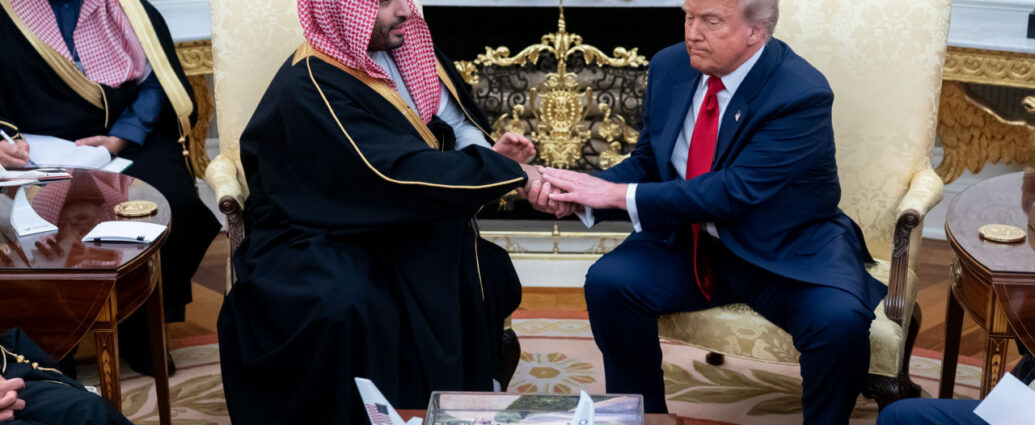
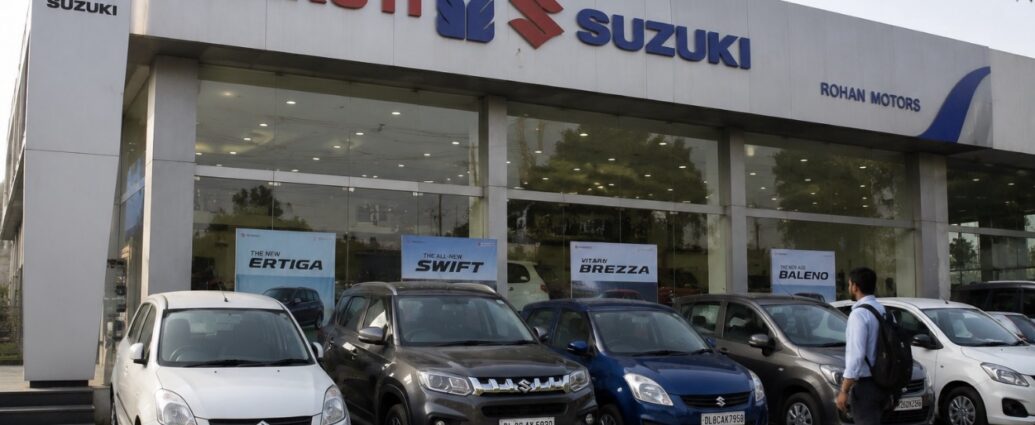
NEW DELHI — Maruti Suzuki is undertaking one of the most significant transformations in its history as India’s largest automaker shifts away from its long-standing focus on budget vehicles to meet rapidly changing consumer demand for premium sport utility vehicles and advanced technology. The strategic pivot comes after the company acknowledged that Indian buyers are increasingly choosing larger, feature-rich vehicles, prompting Maruti to accelerate investment in new models, engineering and product development while defending its leadership in the world’s third-largest automobile market.

For decades, Maruti Suzuki built its dominance by offering reliable, affordable transportation to millions of first-time car buyers. That strategy helped the company command more than half of India’s passenger vehicle market at its peak. Today, however, India’s growing middle class is reshaping the automotive industry as consumers increasingly prioritize comfort, technology and lifestyle features alongside affordability.

Industry data show Maruti’s market share has slipped to roughly 39%, one of its lowest levels in years, as competitors such as Tata Motors and Mahindra & Mahindra gained momentum by introducing SUVs equipped with panoramic sunroofs, larger touchscreen displays, connected technology, advanced safety systems and more upscale interiors.

Company executives have acknowledged that consumer preferences evolved faster than expected. Features once viewed as unnecessary luxuries have become major selling points for younger buyers, particularly in the fast-growing SUV segment. While Maruti remained focused on value and operating efficiency, competitors successfully positioned themselves as premium alternatives for an increasingly affluent customer base.

In response, Maruti is significantly expanding its future product lineup.

The automaker plans to introduce seven additional SUVs by 2030 while strengthening its engineering operations within India and giving local management greater influence over vehicle development decisions. The company is also working to shorten development cycles so new vehicles can reach consumers more quickly as market trends continue changing.

The shift extends beyond simply adding more vehicles.

Maruti is redesigning its strategy to appeal to customers seeking technology, design and driving experience rather than price alone. Premium interiors, larger infotainment systems, connected digital services and improved safety technology are expected to play a much larger role in future product launches.

Despite losing market share, Maruti Suzuki remains financially strong. Revenue has more than doubled over the past five years to approximately $19 billion, while annual profit has climbed to roughly $1.5 billion. India continues to represent Suzuki Motor’s most important global market, generating roughly 60% of worldwide vehicle sales and nearly half of the Japanese automaker’s earnings.

Industry analysts say the transformation illustrates a broader shift occurring across India’s consumer economy. Rising incomes are encouraging households to purchase more premium products across numerous industries, forcing companies that traditionally competed on affordability to rethink their long-term strategies.

For suppliers, dealerships and investors, Maruti’s transition could create new opportunities across India’s automotive supply chain as demand grows for higher-value components, advanced electronics and digital technologies. At the same time, the company faces the challenge of modernizing its brand while maintaining the affordability and reliability that made it India’s market leader.

Whether Maruti successfully balances those two priorities may determine not only its own future, but also the next chapter of India’s rapidly evolving automobile industry.

JBizNews Desk | New Delhi

© JBizNews.com All Rights Reserved. Reproduction or distribution without written permission is prohibited.

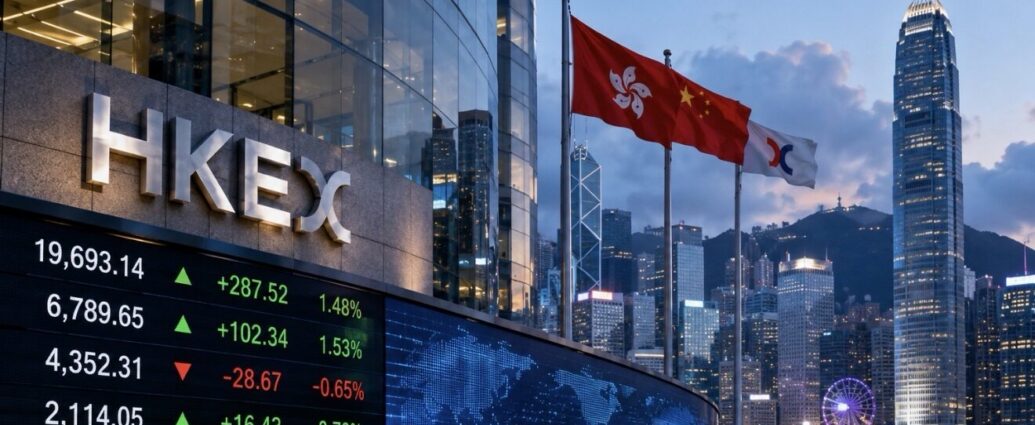
HONG KONG — Hong Kong Exchanges and Clearing (HKEX) confirmed Monday, July 20, that it is reviewing potential changes to trading hours as part of an effort to improve market accessibility and reinforce Hong Kong’s position as a leading international financial center. The review includes proposals to begin equity trading earlier each morning and eliminate the exchange’s long-standing midday lunch break, although officials emphasized that no final decisions have been made and the discussions remain in the early stages. The exchange said its immediate focus is on expanding derivatives trading hours, while possible changes to the cash equity market remain under evaluation. (reuters.com⁠)

The initiative comes as stock exchanges around the world compete more aggressively for trading activity, international listings and institutional investment. As one of Asia’s largest financial centers, Hong Kong serves as the primary financial gateway between mainland China and global investors, making any changes to trading operations significant for banks, investment firms, multinational corporations and pension funds.

According to HKEX, the first proposal under formal review involves extending trading hours for derivatives products. Those discussions are already underway with market participants and regulators. Potential adjustments to the stock market—including opening trading 30 minutes earlier and removing the traditional one-hour lunch break—remain at a preliminary stage and would require additional consultation before any implementation.

If adopted, the changes would represent one of the most significant operational reforms at Hong Kong’s stock exchange in more than a decade. Global financial markets increasingly operate across multiple time zones, with institutional investors trading around the clock. Many competing exchanges—including New York, London and several European markets—already operate continuous trading sessions without lengthy midday interruptions.

Supporters argue that eliminating the lunch break would improve market liquidity, increase trading efficiency and make Hong Kong more attractive to international investors. Longer trading sessions would also provide greater flexibility for global asset managers responding to economic data, geopolitical developments and overnight market movements occurring outside Asia.

The proposal could also strengthen Hong Kong’s competitiveness in attracting new public listings. Companies seeking to raise capital often consider trading volumes, market accessibility and international participation when selecting where to list their shares. More convenient trading hours could improve the exchange’s appeal while supporting higher daily transaction volumes.

Not everyone within the financial industry supports the idea.

Brokerage firms have historically opposed extending trading hours, arguing that longer market sessions increase staffing costs, place additional burdens on smaller firms and require employees to work substantially longer days. Similar concerns surfaced when HKEX shortened its lunch break and adjusted opening hours in 2011, prompting protests from portions of Hong Kong’s brokerage community.

Another important consideration involves Hong Kong’s Stock Connect program with mainland China. Cross-border trading between Hong Kong and the Shanghai and Shenzhen stock exchanges has become a major source of market liquidity. Bloomberg reported that southbound Stock Connect transactions represented approximately 23% of Hong Kong’s daily stock-market turnover during 2025, meaning any change to trading hours would likely require coordination with mainland regulators and exchange operators.

The review comes during a period of renewed momentum for Hong Kong’s capital markets. Initial public offerings have recovered, international investment activity has strengthened and policymakers continue working to reinforce the city’s role as a leading global financial center amid growing competition from Singapore and other regional markets.

For businesses, extended trading hours could improve liquidity, enhance access to capital and provide greater flexibility for institutional investors managing international portfolios. Investment banks, brokerage firms, asset managers and trading firms would likely need to adjust staffing, technology and operational schedules if the proposals are ultimately approved.

HKEX stressed that no timetable has been established and that any changes would only proceed following additional consultation with market participants and regulators. Even so, the review signals the exchange’s willingness to modernize its trading structure as competition among the world’s largest financial markets continues intensifying.

JBizNews Desk | Hong Kong

© JBizNews.com All Rights Reserved. Reproduction or distribution without written permission is prohibited.