Novo Nordisk has stopped two trials of a drug that aims to tame inflammation as a way to improve cardiovascular health, another blow for the approach.

The company said it had halted the HERMES and ATHENA trials of its drug, ziltivekimab, after a data monitoring committee found they were unlikely to succeed. Novo informed trial investigators on Friday.

The move follows the earlier failure of the drug in the ZEUS trial, which showed that the medicine, despite lowering markers of inflammation, did not reduce the risk of major clinical complications, including deaths and heart attacks.


Continue to STAT+ to read the full story…

This post was originally published here. 

Three months later, the story is not over.

On Sept. 1  the American Diabetes Association issued top-line findings from an internal panel charged with reviewing the June 5 expulsion of five members from its conference in New Orleans. The full review remains confidential, ADA said last week, but on Sunday, members of its audit and governance committee (AGC) said it was not done.


“The AGC has notified the Board that its initial findings did not take into account the full breadth and depth of the AGC’s investigation and certain interviews that were conducted after the initial findings were prepared,” Sunday’s release said. “Additional findings are expected to be presented to the Board, which may clarify or correct information previously provided and could result in further actions by the Board.”

Continue to STAT+ to read the full story…

This post was originally published here. 

First Opinion is STAT’s platform for interesting, illuminating, and provocative articles about the life sciences writ large, written by biotech insiders, health care workers, researchers, and others.

To encourage robust, good-faith discussion about issues raised in First Opinion essays, STAT publishes selected Letters to the Editor received in response to them. You can submit a Letter to the Editor here, or find the submission form at the end of any First Opinion essay.

Read the rest…

This post was originally published here. 

A closely watched cardiovascular drug from Novartis failed in a pivotal study, the company said Friday, a major blow to the firm and to efforts to target a common heart disease risk factor. 

The drug, called pelacarsen, had shown in earlier trials that it could drastically lower levels of what’s called Lp(a), a little blob of lipids and proteins that at elevated concentrations increases the likelihood of severe heart problems.

But Novartis said that in the Phase 3 HORIZON trial, pelacarsen failed to reduce the risk of cardiovascular death or emergencies like heart attacks or stroke compared to placebo.

Continue to STAT+ to read the full story…

This post was originally published here. 

Eldon Clingan has had the same cancer specialist at Dana-Farber Cancer Institute for more than two decades. He trusts her,he said, and credits her with saving his life.

Starting Oct. 1, though, the 88-year-old retired accountant will either have to find a new oncologist or change insurance plans because his Medicare Advantage plan is dropping Dana-Farber from its network.

The Medicare plan, run by the insurance arm of Mass General Brigham, has about 20,500 members, though only a fraction are receiving cancer care at Dana-Farber at any one time.

Continue to STAT+ to read the full story…

This post was originally published here. 

The failure of an experimental drug for Angelman syndrome, a rare genetic disease that causes severe developmental delays, was a major blow to patients and the drug’s maker, Ultragenyx, which announced the outcome of its late-stage trial earlier this week. 

But experts cautioned that there is still reason to think similar experimental medicines might yet succeed. That could potentially pave the way for genetic medicines in other neurological conditions that could restore cognition, communication, and other skills in patients with intellectual disabilities.

“I don’t think this really says anything about the other trials that are ongoing,” said Mark Zylka, an Angelman researcher at the University of North Carolina. “I wouldn’t say that just because this one trial fails that means [this is a bad mechanism].”

Continue to STAT+ to read the full story…

This post was originally published here. 

After nearly tripling its contract ceiling with the VA, Congress wants to hear from Oracle’s Executive Chairman Larry Ellison and CEO Mike Sicilia about the project’s escalating costs and lengthy timeline.

This post was originally published here. 

Want to stay on top of the science and politics driving biotech today? Sign up to get our biotech newsletter in your inbox.

Today, we look at the FDA’s interest in botanical drugs, the persistent barriers to clozapine use, and the ways in which pig kidneys could bridge patients to human transplants.

No better place than a SoCal gym to unfurl the mechanics of unapproved peptide trafficking. Trust me.

Continue to STAT+ to read the full story…

This post was originally published here. 

Good morning, Jason Mast here filling in from Pharmalot’s Manhattan Bureau, where we’re sipping on a bit of instant this morning. With the right amount of steamed milk, the right amount of cardamom, it’s delectable. Trust me. 

Inside sources report Mr. Pharmalot’s steady hands will be back steering this ship after the holiday weekend. But in the meantime, here’s the news:

Bristol Myers Squibb told regulators, researchers and patient advocacy groups in early June that it was pausing trials of its CAR-T therapy for autoimmune diseases after observing life-threatening side effects, the Wall Street Journal reports. The pause — along with three deaths in similar trials run by Novartis — only came to light after an analyst note and news reporting this week, raising transparency concerns.

Continue to STAT+ to read the full story…

This post was originally published here. 

Amid soaring measles cases, the U.S. health secretary and leadership at his CDC have picked a fight with the Commonwealth of Pennsylvania about what counts as a measles death. The last thing public health needs is drama when the focus needs to be on responding to the outbreak itself.

States have a standard process for notifying the CDC about notifiable diseases, using established case definitions. Developing those definitions is usually a long, deliberative process involving epidemiologists, scientists, and agency review through the Council of State and Territorial Epidemiologists and the CDC. Right now, that standard process is under threat and will further drive a wedge between states and how they work with the CDC and the administration.

Read the rest…

This post was originally published here. 

Thirteen medications across 30 different prescriptions. Five clinicians. Two hospitals. 

In the four months before killing her three children and attempting to kill herself, Lindsay Clancy desperately sought help for her deteriorating mental condition. But as her ongoing murder trial has made clear, the help she got was scattered across multiple providers who gave conflicting advice and, crucially, didn’t talk to one another.

For Americans with private insurance, Clancy included, this kind of fragmented care is the norm. Not only are providers siloed within their own employers with little incentive to communicate, there’s no universal electronic health records where they can see the totality of a patient’s care and medications. Experts following the Clancy case said if there had been someone in the driver’s seat responsible for overseeing all of her care, things may have turned out differently. 

Continue to STAT+ to read the full story…

This post was originally published here. 

On Feb. 24, 2025, the Food and Drug Administration did something it arguably should have done long ago: It removed the elaborate monitoring program that has governed one of psychiatry’s most important drugs, clozapine, for more than 30 years. For anyone who treats serious mental illness, this is welcome news.

But I want to say something more complicated about it, because I have spent a large part of my career prescribing this drug (or trying to) to the most vulnerable population there is: children with psychosis. The paperwork was never really the problem.

Read the rest…

This post was originally published here. 

When doctors think about sticking an organ from another animal into a person, one of their many questions is about what might happen after they take that organ out. Would the patient produce antibodies that would complicate a human-to-human transplant later on?

The scientists at eGenesis didn’t think so, based on what they saw in primate studies. But now they have confirmation. On Thursday evening, the biotech company — one of a handful racing to develop xenografts, as these interspecies transplants are called — announced that two of its first recipients of genetically engineered pig kidneys have now successfully gotten organs from human donors. 

It wasn’t a seamless transition. In both cases, doctors removed the xenograft and the patient went back on dialysis for months before a human organ was available. But the fact that the two of them could spend the better part of a year not needing to be hooked up to tubes represented a milestone. The whole project of putting pig kidneys in humans is motivated by the fact that there aren’t enough human organs for everyone who needs them. Many die waiting. 

Continue to STAT+ to read the full story…

This post was originally published here. 

Ionis Pharmaceuticals on Thursday received Food and Drug Administration approval for the first disease modifying therapy for Alexander disease, a rare and deadly neurological condition.

The FDA approved the drug, Zanvastro, for use in children and adults after a pivotal trial showed that walking speed, a common measure of motor function in neurologic disease, stayed stable in treated patients while those in the control group saw a 33% decline. 

The study also contained hints that treating young children can improve motor function, not just stabilize it. Researchers found that the drug was generally safe, with serious adverse events more common in the control group than among those treated.

Continue to STAT+ to read the full story…

This post was originally published here. 

Tactical athletes may be the most important professionals you’ve never heard of. 

They are not famous and they do not play in professional leagues. What sets these EMTs, firefighters, police officers, Marine pilots, Navy SEALs, Army engineers, and astronauts apart from competitive athletes is who they’re playing for: not for themselves, not for a team, but for their community.

Read the rest…

This post was originally published here. 

You’re reading the web edition of D.C. Diagnosis, STAT’s twice-weekly newsletter about the politics and policy of health and medicine. Sign up here to receive it in your inbox on Tuesdays and Thursdays.

My new colleague Margaret Manto pointed out this odd art from HHS’ children’s book about the harms of screen time. The eye chart reads like a shriek, and the teddy bear has extra limbs. Send news tips and AI slop to John.Wilkerson@statnews.com or John_Wilkerson.07 on Signal.

‘Sound familiar?’

Former top U.S. infectious-disease expert Anthony Fauci said Wednesday that Americans have “selective amnesia” about the Covid-19 pandemic, which has distorted how they now think of pandemic mitigation measures like masking and lockdowns.

Continue to STAT+ to read the full story…

This post was originally published here. 

Want to stay on top of the science and politics driving biotech today? Sign up to get our biotech newsletter in your inbox.

Today, a crushing Phase 3 failure for Ultragenyx in Angelman syndrome, a new accelerator from Nobel laureate David Baker to use AI to map nature’s design rules, and more.

The sniffly 5-year-old in my bed is coloring a remarkable green-blue rainbow at present. Visionary, truly.

Continue to STAT+ to read the full story…

This post was originally published here. 

Hello there from STAT’s Andrew Joseph, writing to you from London and filling in for Mr. Pharmalot for the day. We just picked up a new bag of coffee beans that boasts notes of cola, cherry, and grape, so we’ll have to see if we pick up on any of that when we grind them up for tomorrow’s cup of stimulation. For now, though, perhaps some headlines will suffice … 

An experimental gene therapy for Angelman syndrome from Ultragenyx failed in a Phase 3 study, STAT reports. The medicine showed no benefit compared to a sham treatment in the rare disease, which causes severe intellectual disability and developmental delays. The drug, called GTX-102, had shown powerful results in early trials, raising the hopes of families affected by the devastating condition. The trial failure is also a significant blow to Ultragenyx’s business, and the company said it’s now planning “significant expense reductions.”

Just a week after the landmark U.S. approval of a game-changing drug for advanced pancreatic cancer, the same therapy is showing promise against the world’s biggest cancer killer, Nature tells us. In a small trial in non-small cell lung cancer, the drug, Revolutions Medicines’ Rasonque, shrank tumors in more than 30% of participants. Each patient had tumor-promoting mutations in a member of the RAS family of proteins, and had previously tried other therapies. A larger study in which participants with non-small cell lung cancer are randomly assigned to receive either the drug, also called daraxonrasib, or standard chemotherapy is underway.

Continue to STAT+ to read the full story…

This post was originally published here. 

You’re reading the web edition of STAT’s Health Tech newsletter, our guide to how technology is transforming the life sciences. Sign up to get it delivered in your inbox every Tuesday and Thursday.

Good morning health tech readers!

Today, a look at how some generative AI medical devices are getting on the market quickly. Plus: OpenEvidence’s new AI models and some hubbub about OpenAI and Epic.

Continue to STAT+ to read the full story…

This post was originally published here. 

This story first appeared in Adam’s Biotech Scorecard, a subscriber-only newsletter. STAT+ subscribers can sign up here to get it delivered to their inbox.

Biotech M&A activity is off the charts, yet the French drugmaker — developer of obefazimod, a treatment for ulcerative colitis with blockbuster commercial potential — remains unbetrothed. We’re nine months into a year in which a takeout of Abivax for $20 billion (give or take a few billion) was deemed likely to happen any day. The absence of said transaction has caused the stock’s investor fanbase much grief and consternation.

Without visibility into the actual sale process, there is no way to pinpoint exactly what’s happening between Abivax and its Big Pharma suitors. We can guess, of course, starting with the most facile explanation I’ve heard: Abivax is French and the French don’t work in August.

Continue to STAT+ to read the full story…

This post was originally published here. 

As the Food and Drug Administration wrestles with how to regulate medical devices that rely on generative artificial intelligence to make decisions about care, it’s provisionally allowing some developers to launch their products on the market.

AI products from Cadence and Limbic are among four devices recently accepted into the agency’s TEMPO pilot program that will allow digital health companies to release their products without marketing authorization. 

The pilot is intended to beef up the number of technologies available for the Medicare ACCESS model, an experiment in paying for technology to help beneficiaries manage chronic conditions. But it also offers the agency and companies the opportunity to experiment with AI regulation in the real world.

Continue to STAT+ to read the full story…

This post was originally published here. 

Back in June 2025, Robert F. Kennedy Jr., then just months into his tenure as health secretary, revealed on a podcast that he had received unproven stem cell treatments in the Caribbean to treat his throat condition. At the time, I worried that it signaled clinics selling questionable stem cell treatments in the U.S. would escape Food and Drug Administration scrutiny moving forward.

Much to my surprise, the FDA has done well so far during Trump 2.0 on two big fronts related to the problem of unproven stem cell clinics. In a time of ideologically and politically driven decision-making in medical regulations, the FDA’s recent science-based successes here are all the more surprising, worth discussing, and even celebrating a bit.

The U.S. has a major problem with stem cell clinics and related firms selling a variety of unproven and non-FDA-approved cellular products. The best estimate, drawn from a paper counting clinics a few years ago, is that there are more than 2,000 such firms across the country.

Continue to STAT+ to read the full story…

This post was originally published here. 

I was standing in an operating room waiting impatiently for the abdominal prep to dry before an urgent cesarean delivery following a failed trial of labor after cesarean. 

The room was filled the quiet urgency that comes just before incision. The scrub tech was counting instruments. Anesthesia was checking the epidural level. In the corner, the NICU team was prepping the warmer. Everyone was focused on the same thing: getting the baby out safely.

Read the rest…

This post was originally published here. 

LAKEVILLE, Mass. — She didn’t have any trouble with her current pediatricians in Fall River. Really, she didn’t. She liked them. They were kind. They were great with her newborn daughter. They had helpful answers to most of her new-mom questions. 

“My only issue was the vaccines. They push ’em,” she said, rocking her 6-week-old’s carrier. “They’re like, ‘Well, she needs them all by 2 or we can’t keep her as a patient. And I’m like, ‘OK, I understand that, but at the same time, like, why?’ And they’re like, ‘It’s our protocol.’”

Read the rest…

This post was originally published here. 

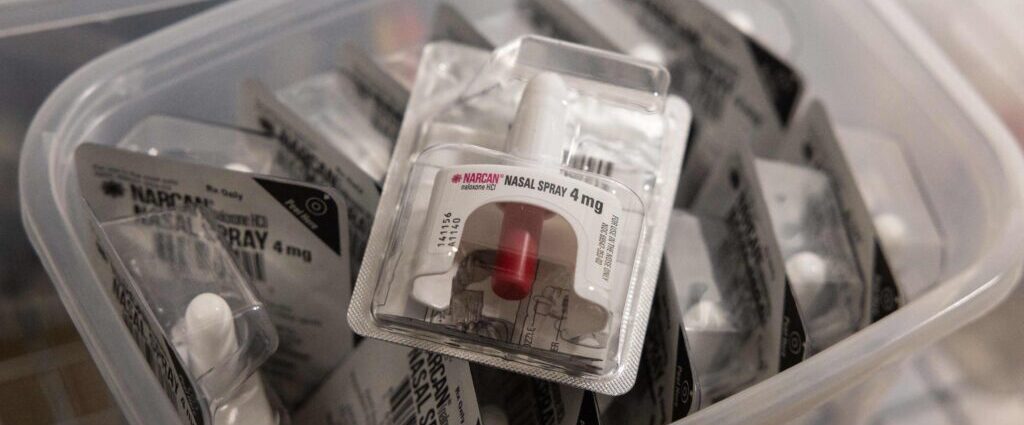
From 2021 to 2023, more than 105,000 people in the U.S. died from a drug overdose each year — tens of thousands more than the already high rates seen in the lead-up to the Covid pandemic. Then, suddenly, the death rates dropped.

In 2024, U.S. overdose deaths decreased 27%. Preliminary data from 2025 show another meaningful drop, though overdose mortality is still quite high. Other countries with major overdose problems also saw fewer deaths: In Scotland, there was a 13% decrease in 2024, and in Canada, 9%. 

Read the rest…

This post was originally published here. 

The list tells providers what treatments will no longer need preapproval this October, part of UnitedHealthcare’s pledge to cull 30% of its much-maligned utilization management controls. The codes span a broad range of services.

This post was originally published here. 

The biotech company Ultragenyx said Wednesday that its experimental therapy for Angelman syndrome, a rare disease that causes severe intellectual disabilities and developmental delays, showed no benefit compared to a sham treatment in a large Phase 3 trial. 

The drug, GTX-102, had shown powerful results in early trials, raising the hopes of families affected by the devastating condition. Many advocates for patients with other neurological conditions also hoped it could be the first of many medicines that improve cognition, communication, and other aspects of the lives of patients with intellectual disabilities.

The news is a significant blow for Ultragenyx’s business as well. Although the company has multiple approved medicines, they are for mostly ultra-rare diseases, and investors had been banking on the Angelman drug as the company’s path to profitability.

Continue to STAT+ to read the full story…

This post was originally published here. 

Professional organizations representing pediatricians, family physicians, obstetricians, and other medical professionals jointly released guidelines Wednesday for who should get vaccines aimed at staving off influenza, Covid-19, and respiratory syncytial virus, or RSV, this coming winter.

The combined effort, undertaken in conjunction with the University of Minnesota’s Vaccine Integrity Project, has two goals: to help medical professionals guide their patients, and to help individuals plan to get the vaccinations that should help them either evade these ailments, or minimize their risks of severe illness if they do become infected.

Read the rest…

This post was originally published here. 

Hello there again from STAT’s London outpost, with Andrew Joseph here filling in for Mr. Pharmalot. Typing that out, I just misspelled my own last name, so it does in fact appear to be Wednesday. Let’s just get to the headlines … 

The drug pricing deals the White House signed with drug companies this week might not amount to much, at least not immediately, STAT explains. That’s because they chiefly apply to Medicaid, which by law gets the lowest prices of any U.S. payer, while exempting companies from mandatory price reductions that are being considered in Medicare. STAT also lays out some of the biggest outstanding questions about the new deals. 

UniQure has submitted its experimental Huntington’s gene therapy to the Food and Drug Administration for an accelerated approval review, the company announced. The move is notable because the FDA, under officials who have since left the agency, earlier told the company it couldn’t submit the therapy based on its Phase 1/2 trial, which showed that the medicine could slow the progression of the fatal neurodegenerative disease. The FDA reversed that stance in June. UniQure said it had also applied for approval to the U.K.’s regulatory agency. 

Continue to STAT+ to read the full story…

This post was originally published here. 

You’re reading the web edition of STAT’s AI Prognosis newsletter, our subscriber-exclusive guide to artificial intelligence in health care and medicine. Sign up to get it delivered in your inbox every Wednesday. 

Your assignment for today: Forward this email to a friend!

Hi, friend — STAT is running a Labor Day promo where you can get access to this STAT+ subscriber-only newsletter, as well as all of our journalism, for a special rate of just $40 for four months.

Continue to STAT+ to read the full story…

This post was originally published here. 

Want to stay on top of the science and politics driving biotech today? Sign up to get our biotech newsletter in your inbox.

Good morning. I was extremely confused when I saw a Spirit Halloween pop-up yesterday, but then realized October is indeed next month. Very spooky.

The need-to-know this morning

  • UniQure submitted applications to the FDA and the UK’s MHRA, seeking the marketing approval of AMT-130, its treatment for Huntington’s disease.

New Trump deals may undercut efforts to lower costs 

The midterms are fast approaching, and President Trump hailed the new deals he struck with biopharma companies this week as part of his commitment to lowering drug costs. But in reality, the agreements may not amount to much, STAT’s John Wilkerson writes — and could even undercut the administration’s own efforts.

Continue to STAT+ to read the full story…

This post was originally published here. 

Get your daily dose of health and medicine every weekday with STAT’s free newsletter Morning Rounds. Sign up here.

Good morning. The art for the Trump administration’s new publication, “The Magic Tablet,” has a very uncanny valley feel. Read Isa’s report below and let me know what you think. 

Read the rest…

This post was originally published here. 

WASHINGTON — The White House announced more drug pricing deals on Monday, this time with midsize biotechnology companies. In doing so, President Trump once again grabbed headlines on a topic he believes will benefit Republicans in the midterm elections. 

But the voluntary deals might not amount to much, at least not immediately, according to analysts. That’s because they chiefly apply to Medicaid, which by law gets the lowest prices of any U.S. payer, while exempting companies from mandatory price reductions in Medicare. 

The idea behind the agreements, called most-favored nation, or MFN, is that the United States should pay prices comparable to peer nations. 

Continue to STAT+ to read the full story…

This post was originally published here. 

It usually takes 10 minutes for Marc Abrahams, founder of the Ig Nobel Prizes, to walk from his home in Cambridge, Mass., to the annual award ceremony — a world-renowned spectacle celebrating quirky scientific achievements.

But this year, Abrahams’s trip involves an international flight.

For the first time since the awards — a satirical version of the Nobel prizes — were created in 1991, the ceremony, which takes place Thursday and draws hundreds of scientists and journalists from around the world, is not being held in Cambridge or Boston. Organizers said they decided to move the event to Zurich, Switzerland, due to concerns that many international participants, including award winners, would not feel comfortable or be able to come to the United States amid the Trump administration’s immigration crackdown and upending of science.

Continue to STAT+ to read the full story…

This post was originally published here. 

This fall, clinicians and researchers around the world will gather at conferences to discuss the future of psychiatric care, including the next edition of the Diagnostic and Statistical Manual of Mental Disorders (DSM), expected in 2030.

It will be the first revision since 2013, when TikTok didn’t exist and generative AI wasn’t a source of health information. That same year, Facebook retired its old ranking system and moved to a machine learning model built to predict what would keep someone scrolling. The way algorithms now shape how people think about food, their bodies, and themselves would have seemed like science fiction in 2013.

Read the rest…

This post was originally published here. 

On June 5, at the American Diabetes Association’s Scientific Sessions in New Orleans, several attendees were removed after repeated disruptions. I apologized soon after — to the individuals directly involved and to the broader diabetes community — for the distress that day caused, and I meant it.

I also promised a full accounting by independent reviewers of what happened. That review, conducted by five independent volunteer investigators, is now complete. I believe its findings deserve to be heard directly, rather than filtered through three months of competing narratives.

Read the rest…

This post was originally published here. 

Almost three months after five members of the American Diabetes Association were ejected from the group’s scientific sessions in New Orleans for handing out an editorial criticizing federal funding cuts, an internal review has rejected claims of silencing protest and involving local police.

The findings from a five-person committee selected by ADA were described in a press release issued Tuesday evening. The review is being sent to the ADA board for action, STAT has learned, but it appears unlikely to quiet controversy that has persisted since June 5. 

The review dismissed suggestions that the organization acted in reaction to the  substance of an April 29 commentary, published in its Diabetes Care journal, and distributed outside the hall where the National Institutes of Health director was scheduled to speak. Instead, it  concluded that the action was spurred by behavior of people handing out the document – saying  they violated a code of conduct for conference attendees that prohibits distribution of printed materials in certain areas.

Continue to STAT+ to read the full story…

This post was originally published here. 

WASHINGTON — The House voted Tuesday to pass a stopgap government-funding bill that temporarily blocks the White House’s proposal to give political appointees more control over federal research grants.

The vote was 370 to 48 in favor. The Senate passed the same bill a month ago, so it now goes to the president for his signature. 

The reprieve is brief. The bill funds the government until Dec. 11 to get past the midterm elections without a government shutdown, and the ban on the research-funding policy expires at the same time.

Continue to STAT+ to read the full story…

This post was originally published here. 

After a grueling five-week trial, the Massachusetts jury attempting to determine whether Lindsay Clancy is criminally responsible for killing her three children is deadlocked. Her defense argued that the health care system failed her. The prosecution argued that the murders were premeditated. For now, the judge has asked the jury to keep deliberating. But whatever happens, psychiatry has been changed.

I specialize in caring for women’s mental health issues during pregnancy and the postpartum period. I do not know Ms. Clancy, nor have I ever been involved in any element of her care, so I cannot say what mental health condition she was plagued with or where her care may have gone awry. Nor do I care to opine on her guilt or innocence.

Read the rest…

This post was originally published here. 

An analysis of more than 550 million healthcare encounters from the EHR giant’s research division illuminates how restricting Medicaid coverage leaves low-income patients more directly on the hook for medical bills.

This post was originally published here.