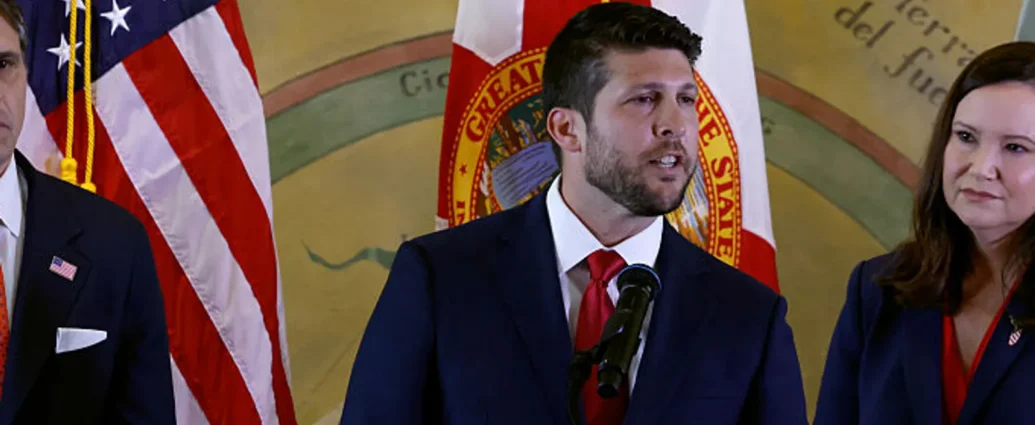
WASHINGTON — President Trump on Monday announced the next round of pricing deals with drugmakers, with nine new companies joining the 17 that reached agreements with the administration previously.

The new companies striking deals — Alcon, Astellas, BeOne, BridgeBio, CSL, Sun Pharma, Kyowa Kirin, Teva, and UCB — made pledges similar to those made by larger drugmakers before them: to sell new medications to U.S. patients at prices comparable to the lowest prices in peer countries, to offer their drugs to state Medicaid programs at “most-favored nation” prices, and, in some instances, to bolster domestic manufacturing and contribute to the U.S. medical stockpiles. In return, it’s believed at least some of the companies will avoid tariffs. 

UCB, Sun Pharma, Teva, and Astellas will, together, contribute 290 metric tons of active pharmaceutical ingredients to the country’s strategic reserves as part of the deals. All of the new companies except BridgeBio are headquartered outside of the U.S.

Continue to STAT+ to read the full story…

This post was originally published here. 

The Trump administration on Monday announced a second group of pharmaceutical companies had pledged to lower drug prices to levels comparable to those in other nations.

But the details of the deals, which President Trump has touted from the White House as one of the most important breakthroughs in health care, aren’t public. Some key questions remain — including whether all the companies in the second wave would avoid tariffs or otherwise mandatory Medicare drug pricing pilot programs. (The White House did not respond to requests for comment about these questions.)

Here are some of the biggest questions about the agreements.

Continue to STAT+ to read the full story…

This post was originally published here. 

You’re reading the web edition of STAT’s Health Tech newsletter, our guide to how technology is transforming the life sciences. Sign up to get it delivered in your inbox every Tuesday and Thursday.

Good morning health tech readers!

Happy September! Are you ready to get busy or are you waiting until after Labor Day?

Continue to STAT+ to read the full story…

This post was originally published here. 

Hello there from STAT’s London outpost, with Andrew Joseph here filling in for Mr. Pharmalot for a couple of days. The calendar may say September, but just remember, a combination of stubbornness, denial, and determination can keep the summer feeling alive for yet a few more weeks. One thing certainly not on summer break is the headlines. To them we go …

President Trump has announced the next round of pricing deals with drugmakers, with nine companies joining the 17 that reached agreements with the administration previously, STAT tells us. The new companies striking deals — Alcon, Astellas, BeOne, BridgeBio, CSL, Sun Pharma, Kyowa Kirin, Teva, and UCB — made pledges similar to those made by larger drugmakers before them: to sell new medications to U.S. patients at prices comparable to the lowest prices in peer countries, to offer their drugs to state Medicaid programs at “most-favored nation” prices, and, in some instances, to bolster domestic manufacturing and contribute to the U.S. medical stockpiles. The details of the new deals, however, have not been publicly released, and it’s not clear what broad effect these agreements will have on drug costs and accessibility.

Novartis and Bristol Myers Squibb have paused multiple trials evaluating their respective cell therapy programs against autoimmune conditions after observing inflammatory side effects in testing, BioPharma Dive reports. The holds came as three patients in Novartis trials of the CAR-T rap-cel died from a dangerous immune system reaction, Endpoints adds. Bristol Myers has also voluntarily paused enrollment in autoimmune trials evaluating its own CAR-T treatment zola-cel. One possible explanation is that both rap-cel and zola-cel are being developed with technology that’s meant to speed up production compared to earlier CAR-T products.

Continue to STAT+ to read the full story…

This post was originally published here. 

Want to stay on top of the science and politics driving biotech today? Sign up to get our biotech newsletter in your inbox.

Good morning. I know this week probably feels extra long as we approach Labor Day weekend, but we will get through it together.

The need-to-know this morning

Trump strikes more drug pricing deals with biotechs

President Trump yesterday announced that his administration has made deals with nine new companies, joining the 17 that it previously struck agreements with.

Continue to STAT+ to read the full story…

This post was originally published here. 

You’re reading the web edition of D.C. Diagnosis, STAT’s twice-weekly newsletter about the politics and policy of health and medicine. Sign up here to receive it in your inbox on Tuesdays and Thursdays.

A New York bar sells a spritz in a Hermès-esque glass purse, while in Baltimore you can get a spritz made with Miller High Life beer. Way to keep it real, guys. Send news tips and your favorite cocktail of the Deadliest Drug to John.Wilkerson@statnews.com or John_Wilkerson.07 on Signal.

The need-to-know this week

  • The House returns for one week and will vote on the Senate’s stopgap funding bill that temporarily blocks the White House’s proposal to give political appointees control over federal research grants. The House will use a fast-track process that requires two-thirds support for passage, signaling that House GOP leadership believes the Senate bill will pass. The House vote is expected Tuesday evening, according to Punchbowl News. Were it to fail, lawmakers would have to wait until the Senate returns on Sept. 14 to work out differences between the two chambers’ bills.
  • Congressional Medicare advisers kick off their annual public meeting cycle on Thursday. This cycle, the Medicare Payment Advisory Commission will analyze the Part D benefit redesign. The redesign reduced cost sharing for beneficiaries and gave insurers more reason to manage costs, but it has probably also contributed to more spending. MedPAC also will study clinician quality measurements, and commissioners will continue their work on Medicare Advantage.

Nine, or 10, more MFN deals

President Trump announced nine more deals to set drug prices in Medicaid on par with prices available in peer countries, Daniel Payne and Elaine Chen report. But it seems they missed one.

Continue to STAT+ to read the full story…

This post was originally published here. 

Under the Trump administration, competition for government funding for biomedical research has reached new heights. In June, the National Institutes of Health proposed one solution: limiting the number of grants each individual scientist can have at a given moment. 

The agency recently released the anonymized 3,307 responses to its call for feedback, and it appears the proposal has drawn more mixed reactions than earlier such proposals. The NIH estimates that 40% of the responses opposed the proposal, 27% supported the idea of a cap, and 32% were mixed. 

In a post on its site, the agency said it hopes a cap could “contribute to a more balanced research portfolio, advancing stewardship, workforce sustainability, and the goals of the NIH Unified Funding Strategy.” But even some experts who agree with the spirit of the proposal worry that it could be another source of disruption for researchers in what has been a tumultuous time; some also argue that a straight cap on the number of grants may be too simplistic. 

Continue to STAT+ to read the full story…

This post was originally published here. 

If you have ever interacted with the federal government, it’s probably involved a lot of paperwork. According to the federal government’s own estimate, in 2023, 10,503 million hours were spent filling out paperwork across federal agencies. The amount of time that people spend trying to navigate government bureaucracy to get benefits, services, or funding has been coined the “time tax” by journalist Annie Lowrey. This wasted time takes away from time that could otherwise be spent productively on work or leisure and worse, can discourage people from accessing benefits they are entitled to. The government estimates that, each year, about $140 billion in benefits goes unclaimed because of this time tax. 

This was the situation before the Trump administration, and it’s likely become much worse. Despite a stated focus on “finding efficiencies,” the administration has significantly increased the bureaucracy Americans — from scientists seeking grants to Medicaid beneficiaries — have to navigate, especially at the Department of Health and Human Services. All of this will have a dramatic effect on America’s health care system and its biomedical research industry.

Read the rest…

This post was originally published here. 

WASHINGTON — Changing Americans’ nutrition has been among the Trump administration’s most prominent health policies since Robert F. Kennedy Jr. became health secretary. Officials have flipped the food pyramid to emphasize the role of protein in the diet, encouraged the public to cut back on highly processed foods, and started overhauling meals served at schools, on military bases, and in hospitals. 

Some of the administration’s ambitious food goals, however — including expanding nutrition coaching in primary care and helping chronically ill people eat more fresh produce — may be harder to achieve, as they require an atrophying workforce: dietitians. 

Read the rest…

This post was originally published here. 

Michael Grasher is joining Teladoc effective immediately, filling a finance leadership vacuum left after Mala Murthy departed in November.

This post was originally published here. 

Drugmakers are often accused of manipulating the U.S. patent system to crowd out rivals. But an escalating court battle is focusing attention on a nuanced but crucial question: When does acquiring a patent application allow a company to unfairly maintain a monopoly on a medicine?

The litigation — which pits a large health insurer against Amgen, a big biotech company — is being closely watched, because the outcome has the potential to place pharmaceutical patent deals under wider scrutiny at a time when patent maneuvers are sometimes cited as a tool used by drugmakers to maintain high prices.

Adding to the intrigue, the U.S. Federal Trade Commission has unexpectedly weighed in on the side of payers and consumers by arguing the maneuver deserves such attention due to antitrust concerns.
Continue to STAT+ to read the full story…

This post was originally published here. 

This is the online version of STAT’s weekly email newsletter Health Care Inc. Sign up here.

If you’re not doing anything tomorrow at 2 p.m. ET, come watch a webinar about how federal health agencies are stonewalling the press. I’ll be on the panel with Sheryl Gay Stolberg of the New York Times, Robert King of Politico, Caitlin Vogus of the Freedom of the Press Foundation, and Joyce Frieden of MedPage Today. RSVP here, and as always, hurl your feedback at me: bob.herman@statnews.com.

Are GLP-1s breaking employers?

GLP-1 drugs are almost single-handedly forcing employers to reconsider how they pay for their workers’ care.

Continue to STAT+ to read the full story…

This post was originally published here. 

Bradley Bolivar is taking the reins of Centene’s IT strategy as artificial intelligence drives a sea change for how insurers do business.

This post was originally published here. 

Good morning and greetings from Pharmalot’s New York bureau. Jason Mast here filling in. Today, I’m still listening to the music recommendation from Pharmalittle’s Friday dispatch — I’ll admit that until today my Traffic knowledge started and ended with a certain saxophone-flecked 1971 hit — and trying to celebrate the coming autumn, rather than mourn the end of summer. Here’s today news:

Bayer, Takeda, and CSL Behring — alongside several mid-sized drugmakers — are part of the new drug pricing deals the White House is expected to announce Monday, the Financial Times reports. The agreements are the latest in a slate of deals the Trump administration has signed with major drugmakers, generally extracting drug pricing concessions in exchange for salary relief — although it’s been unclear how meaningful the drug pricing concessions are. 

The FDA approved Takeda and Protagonist’s drug for a slow-growing cancer, STAT tells us. The weekly injection, called Mimrylo, is approved to treat polycythemia vera, a cancer marked by the overproduction of red blood cells. The cells thicken a patient’s blood, putting them at higher risk for life-threatening heart attacks, strokes, and blood clots. The companies did not disclose a price.

Continue to STAT+ to read the full story…

This post was originally published here. 

Get your daily dose of health and medicine every weekday with STAT’s free newsletter Morning Rounds. Sign up here.

Good morning. Liz Cooney here filling in for Theresa. Our colleague, Europe correspondent Andrew Joseph, has been covering the European Society of Cardiology meeting in Munich this past weekend (more below). I typically pick up American Heart Association meetings stateside.

Read the rest…

This post was originally published here. 

A new study led by Boston-area researchers has set my media feeds abuzz with the finding that nearly 1 in 4 NFL players in their sample had CTE at time of death. CTE, or chronic traumatic encephalopathy, is a degenerative brain disease. It is caused by repeated concussions and smaller non-concussive hits.

As shocking as the 25% statistic is to many, the authors have suggested that this estimate is on the “low end,” with maximum possible prevalence around 98%. Although they take care to note that the findings of this study “cannot necessarily be generalized to the American football community,” and reporters dutifully report on this caution, the announcement of this new evidence has been treated in the media as a landmark event for the whole of football. In a statement reported by ESPN, the NFL Players Association remarked that “the findings should serve as a call to action across the entire football ecosystem.”

Read the rest…

This post was originally published here. 

The mRNA technology that built Moderna and BioNTech’s Covid-19 vaccines and is now being used to build cancer vaccines has been through political whiplash. But now, with clinical success from Moderna and Merck on using a personalized mRNA vaccine for melanoma, experts are hoping for a more stable future for the field. 

“I don’t know how this will be received among parts of our society that have become suspicious of the word ‘vaccine.’ There’s a possibility that people will say, ‘Oh, if we can vaccinate against cancer, that’s good,’” said Ryan Sullivan, a Mass General Brigham melanoma physician and immunologist who has worked with Moderna. “Maybe that will thaw some of the stigma around vaccines. I don’t think it’ll fix all of it, but maybe just a little bit helps us think of ‘vaccine’ not as a dirty word, ‘mRNA’ as not a four-letter word.”

mRNA technology allows scientists to instruct cells to construct practically any protein or protein pieces by simply rewriting the mRNA’s genetic code. That is one of the technology’s greatest strengths, and what made it possible for scientists to develop Covid vaccines in under a year. It was also possible in part thanks to Operation Warp Speed, which helped fund and push the vaccine’s development. President Trump still calls it a “monumental national achievement” of his first term. 

Continue to STAT+ to read the full story…

This post was originally published here. 

Louise Emmett wants radiopharmaceutical developers to be bolder. 

Radiopharmaceuticals are a powerful new tool in oncology. She and other experts believe that these 21st-century spins on radiation could destroy cancer cells and help patients live longer. But Emmett, who is a leader in the field and works with global drugmakers including AstraZeneca and Novartis, among others, thinks the pharma industry is scared of their power. More specifically, she and likeminded experts believe the treatments can be dosed more frequently than they are.

As this field has grown over the last five years, however, some drug developers have found that their experimental therapies inadvertently affect patients’ kidneys, liver, or bone marrow. Such safety concerns have led at least one company to shut down in recent months and caused headaches at other organizations. 

Continue to STAT+ to read the full story…

This post was originally published here. 

The Food and Drug Administration on Friday approved a new treatment for a rare and slow-growing cancer that causes an overproduction of red blood cells. 

The drug, called rusfertide, was developed by the biotech company Protagonist Therapeutics. It will be sold by Takeda, the Japanese pharma company, under the brand name Mimrylo. 

Administered via a weekly injection, Mimrylo was cleared to treat polycythemia vera, a chronic blood cancer in which overproduction of red blood cells thickens a patient’s blood, resulting in higher risk for life-threatening heart attacks, strokes, and blood clots.

Continue to STAT+ to read the full story…

This post was originally published here. 

When AstraZeneca on Friday detailed the failed trial of its drug Wainua in a heart condition known as ATTR-CM, the bad news, according to one school of thought, extended to Alnylam Pharmaceuticals. 

Some analysts interpreted the study’s miss as a broad sign that silencers — the kind of medicine that Alnylam sells and that AstraZeneca was testing — offered no added benefits if patients were already on another kind of drug known as a stabilizer, and as an indication that stabilizers might be superior.

Now, Alnylam is mounting a defense of its silencers, with ramifications both for its marketed drug Amvuttra, and for its next-gen treatment nucresiran. 

Continue to STAT+ to read the full story…

This post was originally published here. 

A newly acquired Novartis drug successfully lowered signs of inflammation in a midstage study, as experts wait to hear how the company plans to advance the drug as a potential cardiovascular treatment. 

In the Phase 2 TRANQUILITY study, the drug, pacibekitug, led to sustained decreases in biomarkers of inflammation, according to results presented Saturday at the European Society of Cardiology’s annual meeting in Munich. Investigators reported a dose-dependent drop in biomarker levels on certain measures, meaning higher doses led to greater reductions, a sign the drug is having an effect.

Pacibekitug is an antibody that targets IL-6, or interleukin-6, a protein involved in regulating immune responses. 

Continue to STAT+ to read the full story…

This post was originally published here. 

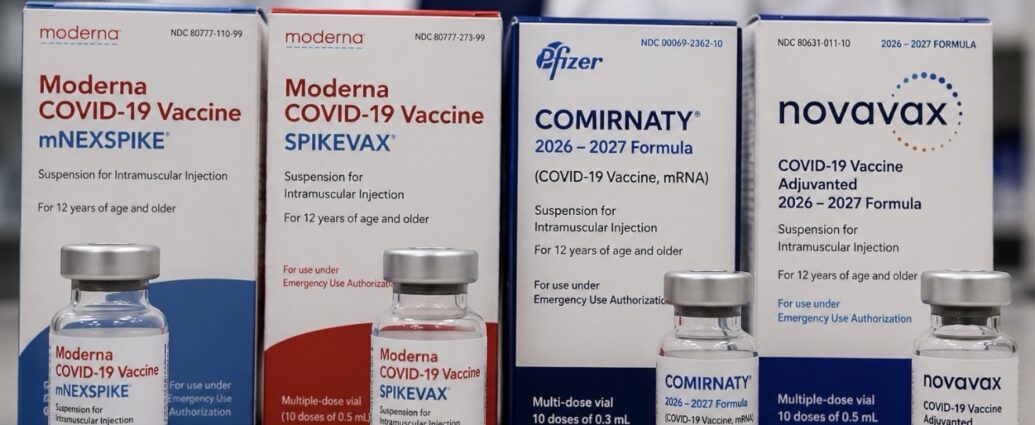
WASHINGTON — The FDA has approved updated COVID-19 vaccines for the 2026–27 respiratory-virus season, clearing new formulations from Moderna, Pfizer-BioNTech and Novavax-Sanofi ahead of the fall vaccination campaign.

The updated shots are designed to target the XFG variant, the strain selected for the new season.

The approved vaccines include Moderna’s mNEXSPIKE and Spikevax, Pfizer-BioNTech’s Comirnaty, and the protein-based Novavax-Sanofi vaccine.

The decision gives pharmacies, physicians and health systems the green light to begin preparing for another fall vaccination push as respiratory illnesses typically rise when colder weather returns.

The update matters because COVID-19 vaccines are reformulated periodically as the virus changes, much like seasonal flu shots are adjusted to better match circulating strains.

For consumers, the practical question will be which product is available locally and whether insurance covers it without out-of-pocket cost.

The protein-based Novavax option may also appeal to people who prefer a vaccine that does not use mRNA technology.

The FDA’s approval does not mean every person will necessarily be advised to receive the updated shot. Recommendations on who should get vaccinated and when typically depend on federal public-health guidance, age, health status and individual risk.

Older adults, people with weakened immune systems and those with underlying medical conditions generally face the greatest risk of severe COVID-19 illness.

The updated vaccines are expected to begin reaching pharmacies and healthcare providers ahead of the fall respiratory season.

For families planning flu and COVID vaccinations together, the approval provides clarity that the next generation of COVID shots is ready for distribution.

JBizNews Desk | Washington

© JBizNews.com All Rights Reserved. Reproduction or distribution without written permission is prohibited.

Federal regulators on Friday cleared Juul Labs to sell a new version of its e-cigarette that can be locked until the user verifies that they are old enough to buy it.

The Food and Drug Administration’s decision allows Juul to introduce an updated device in the United States for the first time since the original launched more than a decade ago.

The Juul2 will be sold with updated tobacco- and menthol-flavored cartridges. Its age-verification feature is optional: users can activate it through an online app, requiring the device to remain locked until the verification process is completed.

The legal age to purchase e-cigarettes in the United States is 21.

The technology is central to Juul’s attempt to rebuild its business after years of controversy over teenage use. The company laid off hundreds of employees and agreed to pay roughly $3 billion to settle government and private lawsuits. In 2019, it stopped selling the fruit and candy flavors that had become especially popular among teenagers.

Regulators emphasized that Friday’s decision is a marketing authorization—not an FDA approval or endorsement. The agency continues to warn that people who do not already use tobacco products should not begin using Juul or any other e-cigarette.

The FDA’s finding is narrower: adult smokers who switch completely from combustible cigarettes to Juul products may reduce their exposure to carcinogens and other harmful chemicals produced by burning tobacco.

Company studies reviewed by the agency found that between 20% and 50% of smokers using Juul products had stopped smoking cigarettes after six weeks, depending on the flavor, nicotine strength and measurement used.

The commercial challenge is more complicated.

Juul is no longer America’s best-selling vape brand. That position belongs to Vuse, made by Reynolds American, the tobacco company behind Camel and Newport. Teen vaping has also declined overall, while many young users who continue vaping have shifted to unauthorized disposable products imported from China and sold in the fruit and candy flavors Juul abandoned.

That is the competitive problem the age lock does not solve. Unauthorized disposable vapes generally do not require digital identity verification, face little meaningful FDA oversight at the point of sale and often undercut authorized products on price.

The clearance also comes amid a changing regulatory climate. In May, the FDA authorized the first fruit-flavored e-cigarettes intended for adult smokers—a significant shift following months of lobbying by the vaping industry directed at President Donald Trump and his administration.

For retailers, the practical question is whether consumers will choose an app-connected device with optional age controls over a roughly $15 disposable vape that works immediately out of the package.

JBizNews Desk | Washington, D.C.

© JBizNews.com All Rights Reserved. Reproduction or distribution without written permission is prohibited.

WASHINGTON — Vaping company Juul Labs on Friday received federal permission to sell an updated version of its e-cigarette, which includes an optional age-verification system designed to prevent underage use.

The decision from the Food and Drug Administration allows the company to sell a new version of its top-selling vaping device for the first time since it launched more than a decade ago. In recent years, the company has had to lay off hundreds of employees while paying roughly $3 billion to settle government and private lawsuits over teen use of its products.

Read the rest…

This post was originally published here. 

Much of the focus on the Lindsay Clancy case has been on the reported systemic failures of the mental health system, with the hope that this case will revamp the approach to maternal mental health. We, as forensic and reproductive psychiatrists, agree that the system is not perfect. But we are concerned that this focus could have a dangerous unintended consequence: The legal and public scrutiny around the Clancy case could make psychiatrists more reluctant to treat mothers with mental illness.

In an ideal world, all mothers would have easy access to reproductive psychiatrists. The reality is that only about 500 reproductive psychiatrists are practicing in the United States. As a result, general psychiatrists (as in the Clancy case) and OB-GYNs are often the frontline providers for perinatal mental illnesses. Both are trained to assess and treat these disorders but do not have a dedicated focus on them.

Read the rest…

This post was originally published here. 

Want to stay on top of the science and politics driving biotech today? Sign up to get our biotech newsletter in your inbox.

We have some news out of a meeting of the European Society of Cardiology, Roivant won a key autoimmune drug approval, and former Stanford president Marc Tessier-Lavigne is pushing back against revived allegations of research fraud.

RIP to Yayoi Kusama. Wearing manic polka dots today in tribute.

Continue to STAT+ to read the full story…

This post was originally published here. 

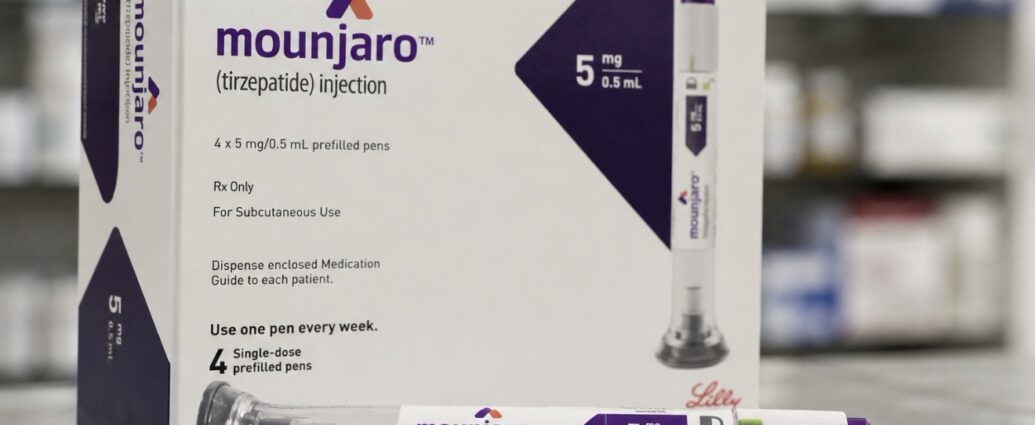
INDIANAPOLIS — The FDA has expanded approval of Eli Lilly’s Mounjaro, allowing the diabetes drug to be used to reduce the risk of heart attack, stroke or cardiovascular death in adults with type 2 diabetes who are at high cardiovascular risk.

The decision gives one of the country’s fastest-growing diabetes drugs a major new use beyond controlling blood sugar.

Mounjaro, whose active ingredient is tirzepatide, is already widely prescribed for type 2 diabetes and is also sold under the Zepbound brand for obesity treatment.

The expanded approval is based on a large head-to-head cardiovascular trial involving more than 13,000 patients with type 2 diabetes and elevated heart risk.

In that study, patients taking Mounjaro experienced an 8% lower rate of major cardiovascular events compared with patients taking Lilly’s older diabetes drug Trulicity.

Those events included heart attack, stroke and cardiovascular death.

The result is important because people with type 2 diabetes face a substantially higher risk of cardiovascular disease, making heart protection an increasingly important part of diabetes treatment.

The approval could also influence which drugs physicians choose for higher-risk patients.

Until now, Mounjaro’s primary role was improving blood sugar control. The new cardiovascular indication gives doctors another reason to prescribe the drug to patients who are already at elevated risk of heart attack or stroke.

It could also affect insurance coverage.

Health plans often make coverage decisions based partly on a drug’s FDA-approved uses. A formal cardiovascular indication gives Lilly another argument for broader access to Mounjaro among patients with diabetes and heart disease.

Mounjaro has become one of Lilly’s biggest products.

Sales reached approximately $9.9 billion in the second quarter, up 91% from a year earlier as global demand for GLP-1 and related metabolic drugs continues to surge.

The approval also intensifies competition with Novo Nordisk, whose Wegovy and other diabetes and obesity medicines have received cardiovascular-related indications.

For patients, the significance goes beyond weight loss or blood sugar.

The competition among the major GLP-1 drugmakers is increasingly shifting toward whether these medicines can prevent some of the most serious and costly complications associated with diabetes and obesity.

With Friday’s FDA decision, Mounjaro can now officially make that claim for high-risk adults with type 2 diabetes.

JBizNews Desk | Indianapolis

© JBizNews.com All Rights Reserved. Reproduction or distribution without written permission is prohibited.

And so, another working week will soon come to a close. Not a moment too soon, yes? This is, you may recall, our treasured signal to daydream about weekend plans. Our agenda is still taking shape, but we plan on promenading with the official mascots, catching up on our reading, escorting Mrs. Pharmalot to a speakeasy and, if time permits, holding another listening party, where the rotation will likely include this, this, this, this and this. And what about you? The end of summer is nigh, but there is still opportunity to make your way to a beach, hike some trails and paddle about lakes. You can fuss about the kitchen and make a favorite dish or finish that stack of books taking up space. Or maybe this is a moment to simply plan the rest of your life. Well, whatever you do, have a grand time. But be safe. Enjoy, and see you in a week and a half, since we will be on a brief respite. Never fear, though, we have a stable of pinch hitters who will bring you Pharmalittle each day…

AstraZeneca detailed the surprise failure of a closely watched heart disease clinical trial, laying out how its experimental drug offered no additional benefits for patients who were largely already on another type of medicine, the latest twist in a multibillion dollar market, STAT explains. The study indicated that patients with a progressive condition known as ATTR-CM who received AstraZeneca’s drug, what’s called a silencer, saw no improvements if they were already taking another type of drug called a stabilizer, an effect so powerful that it tanked the whole Phase 3 study.

A U.S. appeals court ruled the Food and Drug Administration went through the proper process when it declared Novo Nordisk and Eli Lilly’s diabetes and obesity drugs are no longer in shortage, Bloomberg Law notes. The order is a loss for the Outsourcing Facilities Association, which representing large-scale compounders and challenged FDA decisions in the last two years that shortages ended for Novo’s Ozempic and Wegovy and Lilly’s Mounjaro and Zepbound. That declaration restricted compounders from legally mass-producing versions of the drugs.


Continue to STAT+ to read the full story…

This post was originally published here. 

It took Cytokinetics 27 years to win its first regulatory approval. The second one could happen much faster than that.

The biotech on Friday unveiled the full pivotal study data of its drug aficamten in an inherited heart condition called non-obstructive hypertrophic cardiomyopathy, showing that the medicine improved how patients felt and their exercise capacity.

While some experts have described the benefits as limited, Cytokinetics plans to submit the drug to the Food and Drug Administration by the end of the year. If approved, it would be the first treatment specifically cleared for what’s known as nHCM. 

Continue to STAT+ to read the full story…

This post was originally published here. 

AstraZeneca on Friday detailed the surprise failure of a closely watched heart disease clinical trial, laying out how its experimental drug offered no additional benefits for patients who were largely already on another type of medicine — the latest twist in a multi-billion dollar market. 

The study indicated that patients with a progressive condition known as ATTR-CM who received AstraZeneca’s drug — what’s called a silencer — saw no improvements if they were already taking another type of drug called a stabilizer, an effect so powerful that it tanked the whole Phase 3 study. Most participants were on a stabilizer at the outset of the trial.

The trial’s miss has had implications not just for AstraZeneca and its development partner Ionis Pharmaceuticals, but for other companies that market ATTR-CM drugs, including Alnylam Pharmaceuticals, which sells another silencer, and BridgeBio, the maker of a new stabilizer. Analysts have said the study’s outcome bolstered the case that stabilizers, which are oral drugs, were perhaps superior to injectable silencers. 

Continue to STAT+ to read the full story…

This post was originally published here. 

Vaccines took center stage at the federal autism advisory committee meeting Thursday, as committee members explicitly pointed to vaccines as a potential cause of autism, even though the link has been routinely debunked.

“We don’t want to close the door for any potential trigger, and that would include things like glutamate or aspirin, or a vaccination,” said Laura Cellini, the founder and CEO of Elucidate ASD, a nonprofit pushing for more medical treatments of autism. “We are quite open to investigating anything and everything. This plan closes no door.”

Vaccines are not mentioned in the committee’s new and already contentious strategic plan, which was the stated goal of discussion for the meeting. Multiple public members pointed to vaccines as possible culprits for their childrens’ “regression” into autism. None of the committee members challenged those statements — a sign that a new normal has been established on this committee, said Greg Robinson, director of public policy at the Autistic Self Advocacy Network.

Continue to STAT+ to read the full story…

This post was originally published here. 

Beatrice (not her real name) is here to see me after her fall, but our visit doesn’t end there. I watch the security footage of the fall on her phone, check her head to toe, and plan a pain regimen that won’t worsen her gastritis. And then I tackle her renewed anxiety, adjust her thyroid medication, offer an overdue vaccine, and plan for our nurse to check in later that week.

This is what it’s always meant to be a primary care doctor. And as of two years ago, Medicare enrollees can find it as a line item on their doctor’s bill.

Read the rest…

This post was originally published here. 

One year ago, we jointly submitted our resignations from the Centers for Disease Control and Prevention. Each of us had been tested as we tried to protect our communities and the agency we loved, but we realized we could no longer remain quiet under this administration.

But the political interference and scientific integrity issues we warned about were not isolated. They exposed vulnerabilities that still exist, and will remain after today’s leaders are gone. The answer is not simply to restore the CDC to what it was, but to build a stronger and more resilient public health institution for the future. That requires safeguards so that no administration, Republican or Democratic, can replace independent public health decision-making with partisan ideology.

Read the rest…

This post was originally published here. 

The Food and Drug Administration on Thursday approved a new medicine from Roivant and its subsidiary Priovant for the treatment of dermatomyositis, a rare autoimmune disease characterized by muscle weakness and a painful skin rash. 

The drug, called brepocitinib, will be marketed under the brand name Lisraya. It’s a pill taken once daily. 

High doses of steroids and other immune-suppressing drugs are the current standard of care for patients with dermatomyositis, which affects between 40,000 and 70,000 people in the U.S., according to Roivant. 

Continue to STAT+ to read the full story…

This post was originally published here. 

Three years after a closely watched research misconduct investigation of Stanford’s then-president, Marc Tessier-Lavigne, led to his resignation, the prominent neuroscientist revealed new details this week from his research and travel in an attempt to refute allegations that he published fraudulent results and orchestrated a cover-up. 

These allegations found new life this year with the release of “How to Rule the World,” a book by former Stanford Daily reporter Theo Baker, who presents Tessier-Lavigne as a case study in Silicon Valley’s culture of corner-cutting. A key part of that story revolves around a major paper on neurodegeneration that Tessier-Lavigne co-authored in 2009, while he was a top scientist at the South San Francisco biotech Genentech.

The former university head on Wednesday posted a more than 3,000-word response to the book on his Stanford lab website, alongside emails with former colleagues meant to bolster his defense of the study, published in the journal Nature. 

Continue to STAT+ to read the full story…

This post was originally published here. 

You’re reading the web edition of D.C. Diagnosis, STAT’s twice-weekly newsletter about the politics and policy of health and medicine. Sign up here to receive it in your inbox on Tuesdays and Thursdays.

Joe Rogan and podcast guest Shane Gillis criticized Republicans for labeling people who want universal health care as communists. Send news tips and political signs of the times to John.Wilkerson@statnews.com or John_Wilkerson.07 on Signal.

Turbulent times for hospitals

Hospitals would like to lobby Congress for increased government payments, new reimbursement incentives, and less red tape. Instead, they’re having to spend much of their time and political capital trying to delay and mitigate some of the $1 trillion in health care spending cuts that helped fund Republicans’ tax cuts, Daniel Payne reports.

Continue to STAT+ to read the full story…

This post was originally published here. 

Want to stay on top of the science and politics driving biotech today? Sign up to get our biotech newsletter in your inbox.

Today, we look at how a China biotech crackdown could benefit Europe, what a rival drug failure might mean for Alnylam, the algorithm behind the Moderna-Merck cancer vaccine, and a landmark approval in pancreatic cancer.

Read the rest…

This post was originally published here.