In high school, Ashley Delgado dreamed of becoming a doctor and one day buying her father a Rolls-Royce. “She wanted to heal people,” said her father, James Taylor. She had a high GPA, Taylor added, and did especially well in science and Latin.  

In her mid-20s, Ashley suffered a leg injury and was prescribed OxyContin. The painkiller marked the beginning of a yearslong descent through addiction — from prescription opioids to methamphetamine, then heroin, and finally, fentanyl.

Read the rest…

This post was originally published here. 

GLP-1 weight loss drugs like Novo Nordisk’s Wegovy and Eli Lilly’s Zepbound have been on the market for a few years now. The medications are wildly popular, so it’s no surprise that other pharmaceutical companies like Pfizer and Amgen are trying to grab a piece of the market with similar drugs of their own.

In this week’s STATus Report, we’ll see how several pharma companies are trying to compete with Novo and Lilly’s already safe and effective products. We’ll also learn what Novo and Lilly are cooking up in order to stay dominant in the weight loss marketplace. And I drop in for a visit with my STAT colleagues from “The Readout LOUD” podcast for their thoughts on this head-spinning GLP-1 news cycle.

This post was originally published here. 

WASHINGTON — Senate Democrats are opening an inquiry into the Trump administration’s remaking of federal vaccine policy, demanding officials produce records by next week.

In a letter to health secretary Robert F. Kennedy Jr. viewed by STAT, Senate Finance Committee Democrats Ron Wyden (Ore.) and Maggie Hassan (N.H.) denounced the changes Kennedy has made to federal vaccine policy, focusing on the remaking of the Advisory Committee on Immunization Practices. Last year, Kennedy fired all previous members of ACIP and packed the panel with vaccine-skeptical allies.

The Democrats requested documents, including records of messages, that could indicate who made and approved the decision to revamp ACIP, the risks that were considered before making the change, and the vetting process for the new members of the committee — saying they want to “assess the legality, decision-making process, and public health consequences” of the committee’s overhaul.

Continue to STAT+ to read the full story…

This post was originally published here. 

The first thing to know is that the baby is all right now. She’s coming up on her second birthday, playful and curious. She chases the family dog around the house, trying to give him kisses, and mimics her dad by wiggling her hips as he shows her how to hula hoop. 

But her home holds a few clues to her past. An oddly huggable orange stuffed animal shaped like Clostridium botulinum, the bacteria that causes botulism. And enshrined in plexiglass, a bottle of BabyBIG, the antitoxin treatment that saved her life when she was 7 months old.

Read the rest…

This post was originally published here. 

Whether our nation’s foreign policy is grounded in America First or American exceptionalism, improving global health should be a top policy priority of the United States. The recent hantavirus outbreak and evolving Ebola crisis serve as a reminder to Congress that the well-being of Americans is tied to the well-being of people around the globe.

Two of us, as former U.S. senators, were fortunate to play leading roles in the launch of PEPFAR, the President’s Emergency Plan for AIDS Relief, in 2003. Our research at the Bipartisan Policy Center demonstrated that beyond saving 26 million lives and preventing millions of HIV infections, PEPFAR contributed to a positive opinion of the U.S., better socioeconomic indices, and reduced political instability in target countries compared with non-PEPFAR countries. We termed this effect “strategic health diplomacy” — the idea that by addressing global health, America advances its own national strategic interests.

Read the rest…

This post was originally published here. 

The Trump administration on Wednesday said it was announcing $700 million in “new funding” for mental health and addiction programs, with an emphasis on combating homelessness resulting from severe, untreated mental illness. 

But behavioral health experts instantly cast doubt on the claim, identifying the $700 million not as new funding but as the long-awaited release of existing grants that Congress had previously authorized and that the federal government already planned to spend. 

Read the rest…

This post was originally published here. 

Legal experts say the speed and decisiveness of the Department of Justice’s proposed antitrust settlement with OhioHealth should put other hospitals on notice. 

The DOJ and Ohio Attorney General’s proposed settlement announced Wednesday would require nonprofit OhioHealth to quit using certain contracting practices that the agencies say prevented health insurers from selling cheaper policies. The deal, which comes just four months after the agencies sued the Columbus-based system, will likely push other health systems to examine their own contracting practices. 

“I would expect lawyers will get pretty busy looking at contracts with payers,” said Katie Keith, the director of Georgetown University’s Center for Health Policy and the Law. 

Continue to STAT+ to read the full story…

This post was originally published here. 

The Centers for Disease Control and Prevention (CDC) reported that the U.S. infant mortality rate fell to an all-time low in 2025, with slightly fewer than 5.4 deaths per 1,000 live births, according to preliminary government data. On Tuesday, the agency released a deeper analysis of 2024 figures that pointed in the same direction, showing declines among both the youngest newborns and older infants. In raw numbers, U.S. infant deaths dropped to roughly 19,350 last year, down from about 20,050 in 2024.

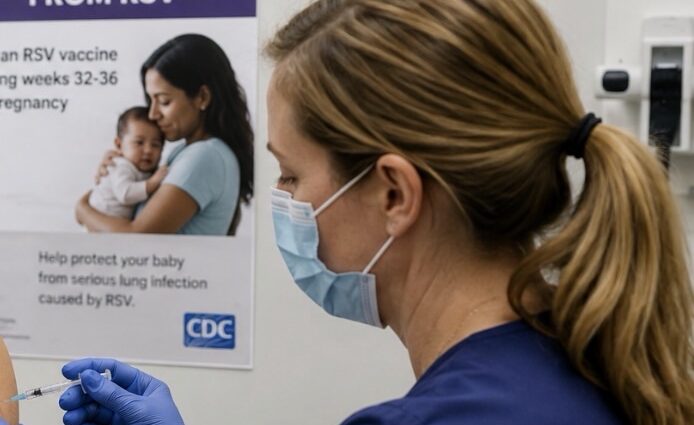
The improvement has a clear business story behind it. A major driver, experts believe, is a vaccination push against respiratory syncytial virus (RSV) — a common illness that causes cold-like symptoms but can turn dangerous, even deadly, for babies. Beginning in 2023, U.S. health officials recommended two new tools to protect infants, and both come from large pharmaceutical companies now selling them at scale.

The first is a vaccine given to pregnant women between 32 and 36 weeks, sold by Pfizer under the name Abrysvo, which passes protection to the baby before birth. The second is a lab-made antibody shot given directly to infants, called Beyfortus, marketed by Sanofi and AstraZeneca. Together they have created a fast-growing commercial market built around a problem that previously had few good defenses.

The payoff shows up most clearly in hospital data. The CDC has reported that infant hospitalizations for RSV dropped after the shots became available, with the largest reductions among babies up to two months old. That matters financially because severe RSV cases often mean stays in intensive care, which rank among the most expensive forms of pediatric treatment. Each hospitalization avoided is a cost not borne by a family, a hospital, or an insurer.

That makes the immunization push a rare win across the health-care economy. Insurers and employer health plans save when fewer babies need costly emergency care. Medicaid, which covers roughly four in ten U.S. births, stands to benefit heavily, since a large share of vulnerable infants fall under government coverage. Hospitals, meanwhile, can redirect strained pediatric capacity toward other patients. Prevention that costs a few hundred dollars per shot replaces care that can run into the tens of thousands.

For the drugmakers, the opportunity is still expanding. CDC figures show that as of late January, only about 41.6% of eligible pregnant women had received the RSV vaccine, with coverage uneven across different groups. That low rate is a problem for public health but a growth runway for Pfizer, Sanofi, and AstraZeneca, since millions of births each year represent a recurring market that is far from saturated. Closing the coverage gap means steady demand for years.

The ripple effects reach further into the health sector. Pharmacies and clinics that administer the shots gain a new line of routine business, and the broader push around maternal and infant health supports demand for prenatal care, pediatric services, and the workers who provide them. Health care has been one of the strongest areas for job growth, and preventive programs like this one help sustain that momentum by keeping a steady stream of patients moving through doctors’ offices and pharmacies rather than emergency rooms.

There are real limits to the good news. Even at a record low, the U.S. rate still trails other wealthy countries such as Italy, Japan, Spain, and Sweden, a gap experts tie to poverty and gaps in prenatal care that no single shot can fix. The benefits of the RSV products are also spread unevenly, with lower vaccination rates among some groups that face the highest risk. And the latest figures are provisional, meaning they could shift slightly as the CDC finishes its analysis.

Still, the direction is encouraging, and it carries a lesson that businesses across health care are watching closely. A targeted prevention effort, backed by products from a handful of major companies, appears to be saving lives and cutting costs at the same time. For an industry often criticized for spending heavily on treatment after people get sick, the RSV story is a reminder that prevention can be good medicine and good business at once.

The next test is whether the gains hold as the 2025 numbers are finalized and whether coverage climbs from here. If it does, the companies behind these shots, the insurers footing the bills, and the families raising healthier babies all stand to come out ahead.

Washington – JBizNews Desk

© JBizNews.com All Rights Reserved. Reproduction or distribution without written permission is prohibited.

NEW YORK — Whey protein prices have surged as much as 250% over the past year, according to dairy-data firm Ever.Ag, transforming what was once a byproduct of cheese production into one of the most sought-after ingredients in the food industry.

The firm reports that 80% whey protein concentrate now trades above $13 per pound in the United States, while more refined whey protein isolate prices have climbed roughly 150% year-over-year. In late May, DCA Market Intelligence reported a record average price of €26,450 ($30,518) per metric ton for 80% concentrate, more than double its level less than a year ago.

The latest U.S. Department of Agriculture dairy-market reports describe the whey market as firm, with tight inventories and elevated pricing even as some other dairy products soften.

The reason is simple: demand is growing faster than supply.

High-protein diets have moved beyond fitness enthusiasts and become mainstream, fueling demand for protein shakes, snack bars, cereals, meal replacements, and fortified foods.

A major new catalyst has been the rapid adoption of GLP-1 weight-loss drugs such as Ozempic and Wegovy. With roughly 12% of Americans now taking such medications, healthcare providers increasingly recommend higher protein intake to help preserve muscle mass during weight loss.

The result has been a sharp increase in demand across the protein industry.

Over the past two years, whey protein concentrate prices have risen approximately 108%, while isolate prices have climbed roughly 139%.

Supply, however, cannot easily expand.

Whey is a byproduct of cheese production, meaning manufacturers cannot simply increase output in response to demand. Production depends largely on how much cheese is being made, not how much protein powder consumers want.

Even as U.S. milk production reaches record levels, the specialized facilities that process whey into protein concentrates and isolates are operating near capacity.

USDA reports indicate that food manufacturers are increasingly competing for available whey supplies, while many producers have already committed most of their production through the end of 2026.

The impact is increasingly visible to consumers.

Sports-nutrition companies are raising prices, reducing package sizes, or incorporating alternative proteins to manage costs. Some finished protein products now cost 50% to 110% more than they did in 2024.

“We’re seeing whey protein prices reach historic highs,” said Darcy Davenport, chief executive of BellRing Brands, maker of the Premier Protein product line.

Retail-data firm Datasembly found that U.S. concentrate prices have increased approximately 15% over the past year, with premium isolate products rising even faster.

Dairy companies are racing to expand production.

Glanbia is adding new whey-isolate capacity through a joint venture in New Mexico. Tirlán has committed approximately €126 million to premium whey production, while Idaho Milk Products is investing $200 million in new facilities.

Across the industry, billions of dollars are being committed to additional processing infrastructure.

Most of that capacity, however, will not become operational until late 2026 or beyond, leading many analysts to conclude that meaningful relief may not arrive until 2027.

Some manufacturers are responding by sourcing lower-grade whey from overseas markets, while premium brands continue emphasizing quality and domestic supply chains.

Industry observers believe the demand surge may prove long-lasting.

Unlike previous cycles driven largely by bodybuilders and athletes, whey protein now serves a broad range of markets, including mainstream food products, medical nutrition, weight-management programs, and international exports.

That expansion suggests prices could remain structurally higher even after additional production comes online.

The shortage is also accelerating research into alternative proteins, including plant-based blends and other dairy-derived ingredients, as manufacturers seek greater supply flexibility.

For consumers, the effects are already apparent through higher prices on protein powders, shakes, bars, and protein-enhanced foods.

For dairy producers, the boom represents both an opportunity and a challenge — the chance to generate significant profits from what was once considered a low-value byproduct, provided new production can keep pace with demand.

JBizNews will continue monitoring the whey and broader dairy markets for what they mean for food inflation, consumer spending, and the profitability of America’s dairy processors.

Wall Street — JBizNews Desk

© JBizNews.com. All Rights Reserved. Reproduction or distribution without written permission is prohibited.

The Federal Trade Commission and four state attorneys general have sued the main professional organization for gender-affirming care clinicians, alleging it made false claims to sell medical services to kids.

The lawsuit against the World Professional Association for Transgender Health (WPATH), filed Wednesday in a federal court in Texas, is part of the Trump administration’s broader effort to end gender-affirming care for minors. 

Read the rest…

This post was originally published here. 

The path to becoming a scientist is long and twisting, making it difficult to assess whether programs intended to help those careers along are successful. 

But on Wednesday, the results of one such study are being published after 20 years of research. The paper in the journal Science Advances, found that two diversity-oriented programs supported by the National Institutes of Health doubled the odds that an undergraduate student would earn a Ph.D. 

Read the rest…

This post was originally published here. 

NEW YORK — Luigi Mangione plans to assert a psychiatric defense at his state murder trial, claiming he was suffering from extreme emotional disturbance when he gunned down UnitedHealthcare CEO Brian Thompson, a judge said Wednesday. That could mean less prison time if he’s convicted.

A jury that accepts such a defense would be obligated to convict Mangione of manslaughter, which carries a maximum sentence of 25 years in prison, instead of murder, which could put him behind bars for the rest of his life. An emotional disturbance defense isn’t available in Mangione’s federal case, where he also faces a possible life sentence.

Read the rest…

This post was originally published here. 

More than 60 organizations filed a petition urging the Food and Drug Administration to withdraw approval for what they called the “unsafe” use of antibiotics for preventing disease in food-producing livestock.

In arguing their case, the groups noted 34 million pounds of antibiotics are used in livestock feed and water to treat diagnosed diseases. But this leads to the accumulation of bacteria resistant to antibiotics that are important for maintaining human health — and are blamed for about 35,000 deaths and over 2 million illnesses each year in the U.S.

“The FDA is obligated to ensure that drugs given to animals do not harm humans. Yet, despite overwhelming scientific evidence, the FDA has allowed this practice to continue,” said Peter Lehner, an attorney at Earthjustice Sustainable Food and Farming, one of the groups that filed the petition.

Continue to STAT+ to read the full story…

This post was originally published here. 

OhioHealth has agreed to void problematic contracts with insurers and not seek such terms moving forward, the Justice Department said. The Ohio nonprofit continues to deny all wrongdoing.

This post was originally published here. 

Aaron Lewis, who has served as CFO since 2024, takes on the role as the health system looks to expand its footprint and add new services.

This post was originally published here. 

The No Surprises Act “might not have the effects that CBO anticipated,” the agency wrote in petitioning for more research into the 2020 law’s effect on healthcare prices and other trends. It’s a welcome development for payers.

This post was originally published here. 

Want to stay on top of the science and politics driving biotech today? Sign up to get our biotech newsletter in your inbox.

Good morning. Today, one venture capitalist weighs in on the China biotech debate. Let me know if you agree with her or not.

UniQure will submit Huntington’s therapy for approval

The FDA has reversed its opposition to a closely watched experimental treatment for Huntington’s disease, clearing a path for its maker, the biotech company UniQure, to file for U.S. approval, the company said morning.

Continue to STAT+ to read the full story…

This post was originally published here. 

Good morning, everyone, and welcome to the middle of the week. Congratulations on making it this far, and remember there are only a few more days until the weekend arrives. So keep plugging away. After all, what are the alternatives? While you ponder the possibilities, we invite you to join us for a needed cup of stimulation. Our choice today is maple bourbon. A shot of salvation, if you will. Meanwhile, here is the latest menu of tidbits to help you on your way. We hope you conquer the world and have a wonderful day. And as always, please do stay in touch. …

A cyber extortion group claimed ​to have stolen more than a terabyte of data from Novo Nordisk and said it is ‌exploring selling parts of the data after unsuccessfully demanding $25 million from the company, Reuters reports. FulcrumSec, a cyber extortion group that emerged in October 2025, said in a long message posted to its website that it spent more than two months in Novo Nordisk’s networks stealing data. It said that data included company source code, proprietary information on ​released and unreleased drugs, trial data, employee, doctor, and patient data, information related to company processing facilities, and internal AI model ​information.

The U.S. Food and Drug Administration reversed its opposition to a closely watched experimental treatment for Huntington’s disease, clearing a path for UniQure to file for marketing approval, STAT writes. The decision comes after a recent meeting with FDA officials during which the agency agreed that a three-year analysis of an early-stage study that showed a benefit for patients with Huntington’s was “acceptable” to support a marketing application. These are the same data that former FDA officials, most notably Commissioner Marty Makary and Vinay Prasad, the agency’s top regulator of cell and gene therapies, previously concluded were insufficient to support a marketing application. 

Continue to STAT+ to read the full story…

This post was originally published here. 

The Food and Drug Administration has reversed its opposition to a closely watched experimental treatment for Huntington’s disease, clearing a path for its maker, the biotech company UniQure, to file for U.S. approval, the company said Wednesday. 

UniQure will submit a marketing application in the third quarter seeking accelerated approval for the treatment, called AMT-130. The decision comes after a recent meeting with FDA officials during which the agency agreed that a three-year analysis of an early-stage study that showed a benefit for patients with Huntington’s was “acceptable” to support a marketing application, the company said. 

These are the same AMT-130 data that former FDA officials, most notably Commissioner Marty Makary and Vinay Prasad, the agency’s top regulator of cell and gene therapies, previously concluded were insufficient to support a marketing application. 

Continue to STAT+ to read the full story…

This post was originally published here. 

Get your daily dose of health and medicine every weekday with STAT’s free newsletter Morning Rounds. Sign up here.

Good morning. The season finale of the “First Opinion Podcast” airs today. Sarah Mupo, STAT’s director of editorial operations and lead gal in charge of the style guide, joined Torie Bosch to discuss the decision to keep “health care” two words. Take a listen.

Read the rest…

This post was originally published here. 

You’re reading the web edition of STAT’s AI Prognosis newsletter, our subscriber-exclusive guide to artificial intelligence in health care and medicine. Sign up to get it delivered in your inbox every Wednesday. 

I cried reading about people’s shared moments with strangers at the bottom of last week’s edition of “We’re Here,” the community newsletter from Hank and John Green.

My colleague Eric Boodman’s stories usually make me cry as well, but his recent article about babies being born with congenital syphilis, which is usually totally preventable with penicillin from Pfizer, made me want to tear my hair out.

Continue to STAT+ to read the full story…

This post was originally published here. 

Should the federal government try to slow — or even block — U.S. biotech deals that could benefit China?

The question of what, if anything, the U.S. should do about the growing strength of the Chinese biotech industry has reached a new intensity in recent months. A handful of legislators are pushing to add biotechnology to the list of industries covered by the COINS Act, which allows the U.S. government to restrict investments in certain cases. That would enable federal scrutiny of licensing deals, equity investments, and other arrangements that are becoming evermore prevalent in the biotech industry. 

Venture capitalist Julie Grant feels that would be shortsighted, a misguided effort to try to turn back time on an interdependency between U.S. and Chinese industries that’s been growing for decades. Even if it were feasible to cut off American companies’ reliance on Chinese research organizations and drug developers, she believes doing so would actually hamper U.S. drug development and hurt patients. 

Continue to STAT+ to read the full story…

This post was originally published here. 

I knock on the door and open it. Before I say anything, there is silence.

My patient had been through more than someone in his 30s ever should: a transplant, post-transplant lymphoma, chemotherapy, a relapse in the central nervous system, months of treatment that had taken apart the life he once knew, and then another auto transplant. His entire family was there, sitting close together, bracing for what I might say.

Read the rest…

This post was originally published here. 

The medical journalism world was rocked recently when the mavens behind the Associated Press Stylebook announced a seismic change: It was embracing “healthcare” as one word, after decades of styling it as two.

When the change was debuted at ACES, a conference of editors, “people cheered, there was a commotion. It seemed like it was really warmly received,” Sarah Mupo, STAT’s director of editorial operations and keeper of the STAT style guide, told me on this episode of the “First Opinion Podcast.”

Read the rest…

This post was originally published here. 

In 2024, the Centers for Disease Control and Prevention reported nearly 4,000 new cases of syphilis in babies, the highest case number since the mid-1950s. Typically about 5%-10% of those reported cases are stillbirths or die soon after delivery. Many surviving babies are left with lifelong disability or developmental delay. 

The increase reflects the national loss of syphilis control that began with the Great Recession and the defunding of local public health programs in 2008. As a physician and former public health official, I have never been more concerned about those rates of congenital syphilis.

Read the rest…

This post was originally published here. 

The proposed change adds Medicare coverage for beneficiaries with asymptomatic severe aortic valve stenosis who are enrolled in a CMS-approved study.

This post was originally published here. 

You’re reading the web edition of STAT’s Health Tech newsletter, our guide to how technology is transforming the life sciences. Sign up to get it delivered in your inbox every Tuesday and Thursday.

Good morning health tech readers!

Think anyone will notice if I sneak out to go to a parade in New York on Thursday?

Continue to STAT+ to read the full story…

This post was originally published here. 

Most of Centene’s 61,000 employees will be eligible to apply for voluntary separation. But the program doesn’t amount to a complete overhaul of the company, a spokesperson said.

This post was originally published here. 

Most of Centene’s 61,000 employees will be eligible to apply for voluntary separation. But the program doesn’t amount to a complete overhaul of the company, a spokesperson said.

This post was originally published here. 

When the Bureau of Labor Statistics released its May jobs report on Friday, June 5, it named only a handful of industries that added workers. Health care was one of them. The economy added 172,000 jobs for the month and the unemployment rate held at 4.3% — but strip away hospitals, clinics, and care providers, and the picture turns much weaker.

Health care added roughly 35,200 jobs in May. That alone is a story. For more than a year, while most of the economy has cooled, one sector has kept hiring every single month.

Just how lopsided is it? According to Revelio Labs, health care has added 410,700 jobs since January 2025 — nearly double the 208,800 added by every other part of the economy combined. The pattern held all last year too: in 2025 the sector added about 693,000 jobs, while gains elsewhere were largely offset by losses in other industries, leaving total U.S. employment growth at just 116,000. Take health care out, and the country would have lost jobs outright.

So why is one industry hiring when almost everyone else has slowed down?

The answer is sitting in plain sight, and it is not complicated: America is getting old.

Baby boomers make up about one-fifth of the country, and within the next few years all of them will be old enough for Medicare. The oldest are already in their late 70s and 80s — the age when people start needing far more medical care. McKinsey notes that Americans aged 70 and older will grow faster than any other group through the rest of the decade.

More older people means more doctor visits, more procedures, and more management of conditions like diabetes and heart disease. That demand does not rise and fall with the stock market. It just keeps climbing.

There is also a squeeze on the people who provide that care. The number of potential caregivers for every American over 80 is projected to fall from more than seven in 2010 to about four by 2030. Fewer hands, more patients.

The jobs are also moving. Care is shifting out of big hospitals and into doctors’ offices, outpatient centers, and patients’ own homes. That is where most of May’s hiring landed — ambulatory services added 25,700 jobs, far more than hospitals. Many of these employers are small, local practices, so the openings are spread across the country rather than bunched in a few big cities.

Here is the part that matters for anyone looking for work: the jobs are real, and there are not enough people to fill them.

A June 11 report from Staffing Industry Analysts found open health care and social assistance positions have stayed near 1.3 million nationwide since late 2024. Employers posted 180,800 non-clinical health care jobs in 2025 alone — an 8% increase from the year before, according to Robert Half — and those are just the desk and support roles.

Looking ahead, the field is expected to generate about 1.9 million openings every year for the next decade. Indeed warns the country could be short 4.6 million support workers by the end of this year.

And many of these jobs do not require medical school or years of debt.

Home health and personal care aides — the fastest-growing health job in the country — need only a high school diploma and a set number of training hours, often paid and on the job. The work pays a median of about $34,900 per year, and the BLS expects the field to grow 17% over the next decade.

A step up, medical assistants earn around $42,000 per year, or roughly $20 per hour, and can train in a matter of months. The role mixes front-desk and clinical work and often becomes a launch pad into nursing or a specialty.

For those willing to study longer, the ladder keeps going. Occupational therapy assistants earn a median near $70,800 with a two-year associate degree. Physician assistants — a popular path for career switchers — earn about $133,000 annually with a master’s degree that takes roughly two years. The BLS projects most of these roles to grow at least 10% this decade, more than triple the rate for jobs overall.

The catch is on the employer’s side. Sixty percent of hiring managers at non-clinical health care organizations told Robert Half that finding skilled people is much harder than a year ago. That gap — open jobs that no one is filling — is exactly what turns a tight labor market into an opportunity for job seekers.

It is not all good news inside the field. Indeed’s survey found 2 in 5 health care workers call their jobs unsustainable, and 1 in 4 are thinking about leaving this year. Burnout and paperwork keep pushing experienced staff out the door — which only deepens the shortage and keeps the help-wanted signs up.

The next jobs report, covering June, comes out on Thursday, July 2. If the past year is any guide, health care will be near the top of the list again — the one corner of the economy still reliably adding work.

JBizNews Desk

© JBizNews.com All Rights Reserved. Reproduction or distribution without written permission is prohibited.

Rise and shine, everyone, another busy day is on the way. And it is getting off to a pleasant start here on the Pharmalot campus, where clear blue skies and comfy breezes are greeting us. Moreover, the official mascots succeed in spotting various varmints — foxes and possums, to be specific, but thankfully, no vultures. As for us, we are heating our spiffy new replacement kettle for another cuppa stimulation. Our choice today is old-fashioned green teas. And here is a helpful tip — a teaspoon of honey enhances the flavors splendidly. Of course, you are invited to join us. For the full experience, we are now hawking replicas — take a look. Meanwhile, here are a few items of interest. As always, do keep in touch. We appreciate feedback, criticism, and tips. …

Weight loss drugs will be available to adults 65 and older in Medicare for the first time next month, thanks to a government program that is supposed to be temporary — but it may be difficult to end, STAT explains. By law, Medicare is prohibited from paying for obesity drugs, but the Trump administration is circumventing the law by making the drugs available in a demonstration program. Initially, Medicare hoped to push private Medicare insurers to voluntarily cover the drugs in a three-year program called Balance, which would have started following a short transitional period. But insurers balked, so the government is instead extending the transitional coverage program, called Bridge, until the end of next year.

Novo Nordisk chief executive officer  Mike ​Doustdar said the company plans to seek Chinese regulatory approval ‌for its Wegovy weight loss pill “very soon” as it moves to catch up with Eli Lilly in the world’s second-largest pharmaceutical market, Reuters tells us. The patent for semaglutide, the active ​ingredient in Novo’s blockbusters Wegovy and Ozempic, expired in China in March, though the company ​has regulatory data protection until early next year. Doustdar said he expected competition from generic drugmakers from the second quarter of next year. Novo won early approval in the U.S. and the U.K. for its Wegovy pill and launched ​it in the U.S. ​this year. Lilly ⁠followed quickly, securing U.S. approval in April for its oral drug orforglipron.

Continue to STAT+ to read the full story…

This post was originally published here. 

Want to stay on top of the science and politics driving biotech today? Sign up to get our biotech newsletter in your inbox.

Good morning. Let’s get straight to the news today.

The need-to-know this morning

  • Moderna said Ester Banque joined the company as chief commercial officer. She was formerly president of U.S. operations for Zoetis. Moderna President Stephen Hoge has also been given an expanded role overseeing several of the company’s drug development programs.

New AI model aims to improve trial enrollment

The biotech Verge Labs today released a new AI model that it says will help determine which patients will respond to treatment better, leading to fewer people dropping out while also increasing the statistical power of a trial.

Continue to STAT+ to read the full story…

This post was originally published here. 

As the saying goes, one man’s trash is another man’s treasure. Or as Verge Labs might put it, one company’s failed clinical trial … is that same company’s new AI benchmarking dataset.

Over a decade ago, Alice Zhang co-founded Verge Genomics with the idea that by looking at the network of genes causing neurodegenerative diseases like Parkinson’s, ALS, or Alzheimer’s, the company would be able to come up with better drugs. The company did target discovery work, for example, coming up with two targets that Eli Lilly nominated to its internal pipeline in 2024. Verge also had its own pipeline, where it was pursuing an ALS drug — that is, until its Phase 1b trial failed last month.

The company published a postmortem explaining what exactly went wrong with the trial, in which a third of the patients dropped out because they could not tolerate the drug. “While the temptation is strong, when a trial doesn’t meet the anticipated end points, to kind of look away and not talk about it, we think there are a lot of learnings that can come — not just for us, but for the field and for ALS broadly — that’s really important to share. That’s not done very often,” Zhang told STAT in an interview. 

Continue to STAT+ to read the full story…

This post was originally published here. 

A decade since its founding, the International Human Cell Atlas Consortium is hosting a high-profile meeting in Boston this week, with panels featuring more than two dozen prominent academics and biotech industry leaders, including Genentech’s Aviv Regev, David Altshuler of Vertex Pharmaceuticals, and Eric Lander from the Broad Institute. The event, which is expected to draw hundreds of scientists from across the globe, comes at an inflection point in the HCA’s ambitious aim to build a comprehensive reference map of all the different types of cells that make up a human body. 

Later this year, the HCA expects to deliver a first draft — the completion of single-cell atlases across all of the major organs and tissues — that promise to boost researchers’ understanding of how the body works. So far the HCA has focused on building a reference of healthy cells and the genes they express. In its next phase, it plans to tackle disease, and that means amassing knowledge about where particular cells are located, who their neighbors are, and who they’re communicating with — a rapidly emerging field known as spatial biology.

It’s embarking on this expansion when the field is awash in new technology options from companies like Vizgen, Bruker, Illumina, Takara Bio, Bio-Techne, and 10x Genomics, a Bay Area company whose single-cell RNA sequencing technology was the workhorse of the HCA’s first phase. Scientists who want to join this effort will be faced with decisions about which commercially available solutions to use. 

Continue to STAT+ to read the full story…

This post was originally published here. 

The Trump administration has taken important steps to strengthen America’s national health security by preserving the Administration for Strategic Preparedness and Response, known as ASPR, within the Department of Health and Human Services and recently nominating a new assistant secretary to guide the agency.

Congress should now build on that momentum by swiftly confirming the administration’s nominee and reauthorizing the law that provides ASPR’s authorities, the Pandemic and All-Hazards Preparedness Act.

Read the rest…

This post was originally published here. 

For years, my family noticed my father making small mistakes. We did what most families do: We explained it away. The stress of his schedule, we said — he was working constantly, under real pressure.

But when he came to meet my second daughter the week after she was born, I could no longer explain it away. As he entered the gate to our yard, he looked down at our small dog — an animal who had been a fixture in my home for years, a face he should have known well — and his expression went uncertain. Then he asked if I had gotten a new dog.

Read the rest…

This post was originally published here. 

WASHINGTON — The Food and Drug Administration said Monday that it will allow Colorado to import certain prescription drugs from Canada in an effort to bring prices down for residents, making it the second U.S. state to be granted such authorization. 

Patients have sought out drugs from Canada over the years for relief from the ever-rising costs of American drugs. The first Trump administration officially endorsed the practice in 2020, when it published a regulation allowing states and Indian tribes to propose import plans. The Biden administration affirmed this rule with an executive order in 2021. And Florida became the first state to earn FDA approval in 2024. 

But state importation programs have proved extremely difficult to carry out, even with bipartisan support. Florida has yet to actually import any drugs from Canada, in part due to pushback from the Canadian drug industry and fears the program will affect Canada’s drug supply. In May, the FDA extended its approval by six months to give Florida more time to get its program up and running. 

Continue to STAT+ to read the full story…

This post was originally published here. 

WASHINGTON — Weight loss drugs will be available to adults 65 and older in Medicare for the first time next month, thanks to a government program that’s supposed to be temporary. It may be difficult to end it.

Medicare is prohibited by law from paying for obesity drugs. The Trump administration is circumventing that law by making the drugs available via a demonstration program.

Initially, Medicare had hoped to push private Medicare insurers to voluntarily cover the drugs via a three-year program called BALANCE, which would have started following a short transitional period. But insurers balked, so the federal government is instead extending the transitional coverage program, called Bridge, until the end of next year.

Continue to STAT+ to read the full story…

This post was originally published here. 

The largest health insurer in the country is spending $3 billion to wire artificial intelligence into nearly every corner of its business — and in one early trial, the software is picking up the phone to call doctors’ offices and book appointments for patients. UnitedHealth Group executives, describing the effort in remarks reported Friday, said the company plans to spend the money across 2026 and 2027 and is already seeing about $2 back for every $1 invested, as the technology automates manual work and makes staff more efficient.

The examples are striking. At UnitedHealth, AI reads summaries of medical charts aloud to nurses as they drive to patients’ homes, and it listens to millions of recorded customer calls to figure out what is driving complaints. The company has also rolled out a member chatbot named Avery that interacts with more than 20 million members. The appointment-scheduling test, in which AI agents call physicians’ offices on a patient’s behalf, is one of the newest experiments.

The scale of the buildout is hard to overstate. UnitedHealth now employs about 22,000 software engineers worldwide, and more than 80% of them use AI to write code or build new digital agents — programs designed to carry out tasks on their own. The company says it has already put more than 1,000 AI applications into production. In 2024, its chatbots handled more than 65 million customer calls, and in early 2025, members performed roughly 18 million AI-assisted searches to find doctors and healthcare providers.

The reason is money and speed. Sandeep Dadlani, who oversees technology operations at Optum Insight, has said the goal is to cut through healthcare’s notoriously slow and expensive administrative systems. AI is being deployed to automate fraud detection, generate clinical notes, review medical documentation, assist customer-service representatives, and help select billing codes that determine how much a medical visit costs and who ultimately pays for it.

The push comes at a critical time for the company. UnitedHealth has been grappling with rising medical costs while continuing to recover from the massive 2024 Change Healthcare cyberattack, one of the largest healthcare data breaches in American history. Executives believe automation can help offset those pressures while improving service for members and providers.

For a company of UnitedHealth’s size, even small productivity gains can translate into enormous savings. The insurer’s businesses touch tens of millions of Americans through employer-sponsored coverage, Medicare Advantage plans, pharmacy services, and physician networks. Industry analysts have described the initiative as one of the largest corporate AI investments ever made in healthcare.

At the same time, the rapid expansion raises questions about transparency and trust. When artificial intelligence becomes involved in healthcare decisions or communications, patients often have little visibility into how it is being used or whether a human reviewed the recommendation. A recent examination by STAT found that many patients remain unaware when AI systems are helping shape their healthcare experiences.

Healthcare experts have also warned that AI assistants can occasionally produce inaccurate information or incomplete recommendations. Public trust in healthcare chatbots remains mixed, particularly when conversations involve sensitive medical issues.

UnitedHealth says it is drawing clear boundaries around the technology. The company notes that more than 90% of claims are automatically approved, largely using traditional rules-based systems rather than generative AI. Dadlani has repeatedly emphasized that AI is intended to support human decision-making and will not be used to independently deny insurance claims.

That distinction matters because insurers’ use of algorithms in coverage decisions has already generated lawsuits, regulatory scrutiny, and public criticism in recent years. Consumer advocates continue to push for greater transparency whenever automated systems influence healthcare outcomes.

Not all of the results have focused on cost cutting. One AI tool developed by the company reviews patient records to identify conditions that may have gone undiagnosed. Early testing found physicians were approximately twice as effective at identifying certain health problems when supported by the AI system, according to company data.

The broader healthcare industry is watching closely. Rivals including CVS Health, Humana, and Cigna have all increased investments in artificial intelligence, but none has publicly announced a commitment approaching UnitedHealth’s $3 billion plan. The race reflects a growing belief across healthcare that AI could reshape everything from scheduling appointments to processing claims and identifying diseases.

It adds up to one of the largest AI bets any healthcare company has ever made. Whether UnitedHealth’s investment ultimately makes healthcare faster, cheaper, and easier to navigate — or simply inserts more machines between patients and their care — will be determined in real time by the tens of millions of Americans whose healthcare journeys increasingly intersect with artificial intelligence.

JBizNews Desk
Healthcare & Technology Bureau

© JBizNews.com All Rights Reserved. Reproduction or distribution without written permission is prohibited.

A key step in the origin of many pandemics occurs when an animal-borne virus infects humans and then evolves to spread more efficiently from person to person.

For that reason, scientists and doctors keep closely monitoring viruses that could jump from animals to humans, such as emerging strains of avian flu and bat coronaviruses, as well as those such as hantavirus and Ebola that have already crossed into humans but, for now, spread poorly among people.

In just a few months, the researchers recreated in a test tube the evolutionary path the coronavirus followed during the COVID-19 pandemic – from the original Wuhan strain to the emergence of the highly contagious Omicron variants.

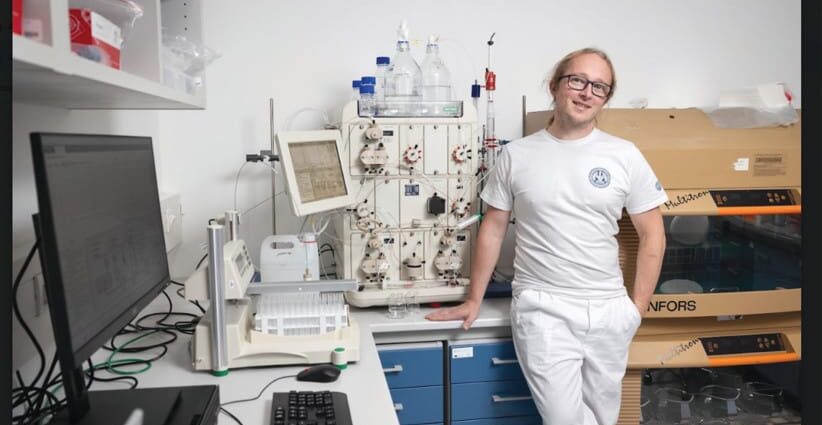
This achievement resulted from a new collaboration among the laboratories of Prof. Gideon Schreiber of the Weizmann Institute of Science, Dr. Jirí Zahradník of the First Faculty of Medicine, Charles University in Prague, and the BIOCEV Center. 

The findings, published in Nature Communications under the title “Stringent selection drives convergence toward omicron-like SARS-CoV-2 receptor-binding motifs,” raise hopes that in the future, scientists could predict how viruses are likely to evolve and under what conditions new waves of infection could emerge.

Weak selection pressure leads to multiple viral variants

The experiment simulating this scenario, conducted at Weizmann, was led by Aviv Shoshany from Schreiber’s team. Under weak selection pressure, by contrast, many viral variants survive, and advantageous mutations become enriched without taking over completely. This scenario was simulated by Ruojin Tian, Dr. Miguel Padilla-Blanco, and Dr. Martin Mokrejš from Zahradník’s group in Czechia.

Zahradník, who previously did his postdoctoral work in Schreiber’s lab, focused on weak selection, while the Weizmann lab staff focused on stronger selection. “We found that if you begin with Omicron, even if it’s weak, it’s stable and remains there. We worked on only a section of protein in the virus, and most of the mutations were in that segment.”

“It took only a few months to make our discovery, but we spent more than two years preparing a journal article for publication, because we had to conduct many tests, including mathematical calculations,” Schreiber recalled. “It was unbelievable. Billions of people were infected, but for all, there was the same result – we found the essence of the evolution of the virus. There aren’t many cases like that.”

In August 2021, Schreiber and colleagues published the results of an in vitro evolution experiment that identified a pair of mutations in the coronavirus’s binding site that make the virus highly contagious by improving its ability to bind to receptors in the human respiratory tract.

About three months later, the Omicron variant was first identified in South Africa; when researchers sequenced it, they found the same pair of mutations. That was the moment Schreiber realized that the in vitro evolution method developed in his lab could potentially predict major turning points in the course of pandemics.

Schreiber, who earned his degrees at the Hebrew University of Jerusalem and did post-doctoral work at Cambridge University, told The Jerusalem Post in an interview that evolution proceeds through mutations and natural selection. To survive and spread, viruses replicate at high speed, which can often lead to genetic errors that accumulate, producing new variants. In the new study, the researchers replicated the gene encoding the coronavirus binding site using a deliberately error-prone mechanism, thereby simulating in “fast forward” the appearance of mutations.

Using genetically engineered baker’s yeast cells, they exposed millions of resulting variants to human receptors and, imitating natural selection, retained only those that still bound successfully. By repeating cycles of mutation and selection over and over, the scientists reconstructed the evolution of the virus-human interaction over the course of a whole pandemic.

At the starting line of this evolutionary race in a test tube were the original Wuhan strain and several variants that emerged during the pandemic – including Alpha, Beta, and Omicron. The researchers studied how their binding sites evolved under two scenarios – strong selection pressure and weak selection pressure. Strong selection pressure is a situation in which only a small number of viruses survive each evolutionary stage, allowing advantageous mutations to rapidly become dominant.

“No matter which viral variant we started with, under strong selection pressure, a variant remarkably similar to Omicron and its sub-variants emerged early on and rapidly took over the entire population,” Schreiber said. “The exact same trajectory was observed during the coronavirus pandemic, which has not undergone another major shift since Omicron appeared and became dominant at the end of 2021.

“Some future pandemics that spill over from animals to humans may follow a similar path – accelerated evolution culminating in the dominance of a viral variant that is highly contagious and specifically adapted to bind to human receptors,” Schreiber predicted.

The evolutionary pathway leading to Omicron dominance was not viewed under weak selection pressure – and computer simulations revealed why, he continued. During the mutation process, several mutations can sometimes arise simultaneously. If one mutation gives a new viral variant a survival advantage and helps it dominate the population, other mutations – those that are neutral or even detrimental – can “hitchhike” alongside it and spread as well. The simulations showed that under strong selection pressure, advantageous mutations become dominant before the hitchhikers get a chance to accumulate. Under weak selection pressure, however, beneficial mutations drag many additional mutations with them, diminishing their own dissemination advantage.

“To survive in their bodies, the virus had repeatedly to fight their residual immune activity and repeatedly infect receptors in the respiratory tract,” Schreiber explained. “Those are precisely the conditions of strong selection pressure, and our study shows they are essential for the emergence of Omicron – further supporting the hypothesis that it originated in immunocompromised people. Interestingly, when we started the selection from Omicron, both strong and weak selection pressures were sufficient to maintain the Omicron sequences, explaining why this variant persists in the general population. This highlights how important it is to properly treat immunosuppressive conditions such as AIDS before the next global pandemic strikes, and to protect immunocompromised individuals from infection and chronic disease.”

He concedes that today, the coronavirus arouses much less interest here and abroad compared to four years ago. “People forgot, because of new crises, but next time, I hope we’ll be better prepared to cope with pandemics. We have very good tools now to understand how they advance.”

“The in vitro evolution method we developed could be applied in the future to other viruses of concern,” he adds. “We will be able to isolate viral proteins and investigate how they are expected to evolve under different scenarios. Our approach makes it possible to identify dangerous variants before they become dominant, helping focus efforts on preventing the conditions that allow them to take over – and preparing for them in advance.”

This post was originally published on here. 

Recent Covid vaccination appears to have broad cardioprotective effects, according to a new study, which found reduced risk of events like heart attacks and stroke, hospitalization, and death in people who had received the vaccine. 

The study, published in JAMA Internal Medicine on Monday along with several other Covid-related papers, followed more than one million veterans who received flu vaccinations at Veterans Affairs health care facilities in 2024; about a third of them also received a Covid vaccine. 

Read the rest…

This post was originally published here. 

Amid ongoing concern about clinical trial transparency, a new analysis found that results for less than half of the studies registered in a key European database were reported within the required time frame and complete results were fully reported for only 42%.

While the quality of the registration data was high overall — more than 99% of expected data was found in the 234 clinical trials for which results were supposed to have been disclosed — the researchers contended that overall compliance with legal reporting requirements was weak and regulatory oversight is lacking.

European Union and member state regulators “have so far not delivered the promised ‘high levels of transparency never seen before for clinical trials,’” the authors wrote in their analysis. It was recently posted on the medRxiv preprint server, which displays unpublished research that has not yet been peer-reviewed.

Continue to STAT+ to read the full story…

This post was originally published here.