How healthcare AI is closing the revenue gap
2026-06-15


It’s hard for Jennifer Kucera to escape the past. The nursing home where she says she got scabies, was punched in the face, and was sexually assaulted is just three short blocks away from her current home in Berea, Ohio.
“I didn’t even know what scabies were,” said Kucera, who has spinal muscular atrophy and needs around-the-clock care from Medicaid-funded providers to help her bathe, dress, and otherwise navigate her life. “These are all things that really shouldn’t happen in a place where you’re supposed to be protected.”

The request was an emergency. In late March, a woman in Gila County, Arizona, was diagnosed with syphilis, and she was pregnant. She needed an injection of penicillin — if possible, 30 days before delivery — but the bacteria corkscrewing through her body increased her risk of delivering early. Without timely treatment, her pregnancy could end in miscarriage, stillbirth, or infant death, and if the infant survived, the child might live with bone deformities, brain damage, blindness, and deafness, among other complications.
All of that could be prevented with one of the oldest antibiotics in the book — specifically, an injectable form of penicillin sold under the brand name Bicillin L-A.
It was the only treatment approved in the United States for syphilis during pregnancy, and there’d been a national shortage since July 2025. But Pfizer, the only company that sells it, had a protocol in place for exactly this scenario: an emergency request system “to be used for confirmed congenital and risk of congenital syphilis patients only.”
That was what was unfolding in Gila County — and on Friday, March 27, public health officials submitted a request. Pfizer confirmed receipt the next Monday, according to emails obtained by STAT. But over a week after that, on April 7, the medication still hadn’t arrived.
“What can be done to get bicillin for this patient ASAP? These are the kind of delays that make the emergency request line not a viable option for public health response,” a leader at the National Coalition of STD Directors wrote to a Pfizer representative, stepping in to help secure the drug.
“Did they submit a medical request form first? I checked with Customer Service and they can’t locate. If we can get this medical request we will get it processed,” the Pfizer representative wrote back that same day.
But by the time this exchange was taking place, it was already too late. “Mom has delivered and we have missed our opportunity to prevent congenital syphilis,” wrote an official at the Arizona Department of Health Services, adding, “Yes, the county completed the medical request form.”
It was the outcome everyone was trying to avert. In February, the National Coalition of STD Directors had asked Pfizer to donate a fraction of its Bicillin L-A reserves to state health departments, so they’d have it on hand as a backstop in case this kind of emergency arose. But Pfizer hadn’t — and in early June, nearly four months after the coalition’s proposal, the company said it was still evaluating the idea of proactively sending out doses. This case in Arizona was a realization of the fears that had spurred the suggestion in the first place.

California legislator Jesse Gabriel has made a name for himself with a suite of bills aimed at reducing the health harms of ultra-processed food. So it might seem counterintuitive that inside his office is a pillow shaped like a bag of Skittles, complete with the brand’s iconic upside-down rainbow and a few oversized felt candies peeking through a clear plastic window.
“It’s an inside joke,” Gabriel explained one recent afternoon over Zoom, speaking from his office in downtown Sacramento. His staff gave him the pillow after he introduced a bill in 2023 that opponents dubbed, inaccurately, the “Skittles ban.” In fact, Skittles remain alive and well since his California Food Safety Act was signed into law, prohibiting the use of four additives (including brominated vegetable oil and potassium bromate) that have been linked to higher risk of cancer, reproductive problems, and other health issues. And the Food and Drug Administration eventually followed California’s lead by taking action on all four additives.
Gabriel was elected to the California State Assembly in 2018, but it’s only in the last few years that he’s emerged as a leader on the national stage in the fight against ultra-processed food. Since the 2023 food additives law, he’s been the force behind another state law banning six artificial food dyes, as well as one establishing the first U.S. legal definition of ultra-processed foods and banning those foods from school meals.

“I’m so sorry I’m late,” I said, slipping into the exam room.
The boy sat perfectly still, watching “Bluey” on an iPad propped against his stroller.

The CDC’s latest data show autism prevalence is 1 in 31 children in the United States. That is 16% higher than the previous estimate in 2020. It is the kind of number that should change how health systems allocate resources, how pediatricians screen, and how schools plan.
But there is a population this number barely touches: South Asian American families, where an autism diagnosis is still, in many homes, a secret.
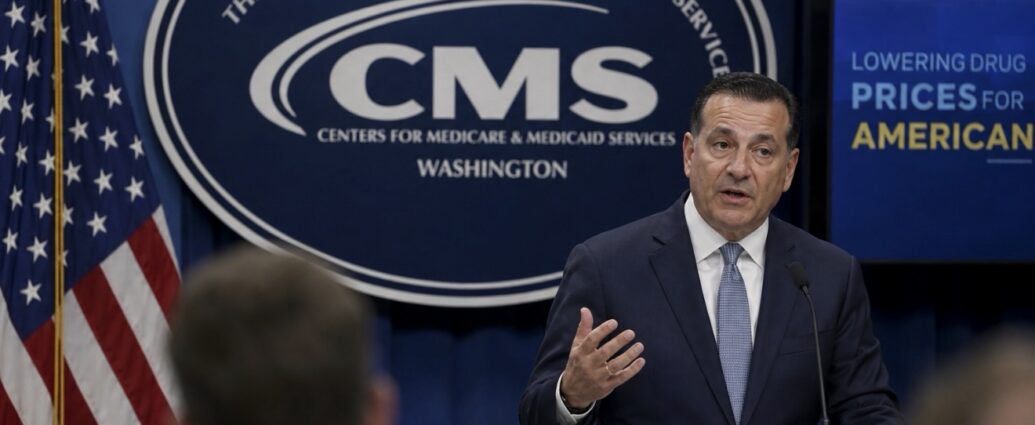
The Trump administration moved Friday, June 12, 2026, to close a loophole that allows pharmaceutical companies to avoid Medicare drug price negotiations by making limited changes to existing medicines.
In a proposed annual rule, the Centers for Medicare & Medicaid Services (CMS) outlined a policy aimed at drugmakers that add active ingredients to an existing medication in order to keep it off Medicare’s negotiation list. The proposal also establishes the framework CMS will use to select the next 20 drugs and biologics for negotiation, with that list scheduled to be released by February 1, 2027, and negotiated prices taking effect in 2029.
For the pharmaceutical industry, the proposal could affect billions of dollars in future revenue. For seniors and taxpayers, it could expand savings under Medicare’s drug pricing program.
Under the Medicare negotiation program, the government identifies the medicines that cost Medicare the most money and negotiates directly with manufacturers over pricing.
However, some companies have been able to avoid selection by reformulating existing products. By combining an original active ingredient with another ingredient, the revised product can sometimes qualify as a different medicine under current rules, even though the core drug remains largely unchanged.
Critics argue that the strategy allows manufacturers to delay negotiations and continue charging higher prices for years longer than intended.
In simple terms, Medicare may target a high-cost drug for negotiation, only to find that the manufacturer has introduced a slightly modified version that falls outside the program’s eligibility requirements.
Federal officials examined a similar policy last year but ultimately delayed implementation while conducting further review.
The issue is returning now because the upcoming selection cycle is the first that CMS must administer through a formal rulemaking process rather than informal agency guidance.
CMS previously indicated that combination and reformulated products would likely be addressed during this stage of the program’s development.
The timing rules built into Medicare’s negotiation program create a significant incentive for manufacturers to keep products out of the system.
Current law generally requires Medicare to wait:
before becoming eligible for negotiation.
Biologics — complex medicines often administered through injections or infusions — receive longer protection periods than traditional oral medications.
That extended timeline creates opportunities for manufacturers to introduce updated versions of existing products and potentially extend the period before Medicare can negotiate lower prices.
Drugmakers argue the proposal could discourage legitimate innovation.
The industry maintains that improvements to existing medicines often provide meaningful benefits for patients and should not automatically be treated as the same product for negotiation purposes.
Manufacturers contend that applying negotiated prices to reformulated drugs could reduce incentives to invest in better versions of existing therapies.
The administration sees the issue differently.
Federal officials argue the proposal is designed to preserve the integrity of the negotiation program and prevent companies from using technical product changes solely to avoid government price negotiations.
The Medicare drug negotiation program was created under the Inflation Reduction Act of 2022 during the administration of President Joe Biden and has continued under President Donald Trump.
According to CMS, the first round of negotiations reduced prices on 10 medications by approximately 38% to 79%, generating an estimated $6 billion in annual savings.
A second round involving 15 additional drugs produced discounts reaching into the mid-80% range.
Closing the reformulation loophole could bring additional medicines into the program and potentially increase future savings for both Medicare and taxpayers.
The program now extends beyond pharmacy-counter prescriptions.
Under CMS Administrator Dr. Mehmet Oz, Medicare’s negotiation authority also covers certain physician-administered medications reimbursed through Medicare Part B.
That expansion is significant because many of the highest-cost biologic treatments administered in medical settings are precisely the types of products most likely to be marketed in combination or reformulated forms.
For now, the proposal remains just that — a proposal.
CMS will accept public comments before issuing a final rule.
The pharmaceutical industry has aggressively challenged Medicare’s negotiation program in federal court since its creation, and any final rule that closes the reformulation loophole is expected to face additional legal scrutiny and potential lawsuits.
The next major milestone will come with CMS’s selection of the next 20 drugs eligible for negotiation, a process that could become even more consequential if the administration succeeds in tightening the rules around reformulated medicines.
JBizNews Desk — Washington
© JBizNews.com All Rights Reserved. Reproduction or distribution without written permission is prohibited.

Can any of the new obesity medications in development stand out from the pack? Which company just broke records with its IPO? And will the Food and Drug Administration allow greater access to experimental peptides?
We discuss all that and more on this week’s episode of “The Readout LOUD,” STAT’s biotech podcast.
Undark’s Sara Talpos joins the podcast to discuss her reporting on the peptide BPC-157, and how it’s jumped from a Croatian lab to bodybuilding forums on Reddit to the FDA. (STAT co-published Talpos’ articles; the second piece was supported by the Pulitzer Center). We also discuss the latest news in the life sciences, including obesity data from the American Diabetes Association meeting and a record-breaking IPO.
WASHINGTON, D.C. — The federal agency that runs Medicare and Medicaid is building a new office focused entirely on technology, a move that could reshape how tens of millions of Americans interact with their health coverage and how companies sell software and digital services to the government.
The Centers for Medicare & Medicaid Services (CMS) announced on June 10 that it is creating the Office of Health Technology and Products (OHTP). The change became official in a Federal Register notice published on June 11, amending the agency’s formal statement of organization and responsibilities. The office will be responsible for modernizing the technology and digital products that support Medicare, Medicaid, the Children’s Health Insurance Program (CHIP), and other federal health programs.
In practical terms, the goal is to improve the websites, applications, and data systems that patients, healthcare providers, insurers, and government agencies rely on every day. Anyone who has attempted to compare Medicare plans, track a claim, or transfer medical records between providers understands how fragmented and outdated many of those systems remain.
According to CMS, the new office will work closely with the agency’s Chief Information Officer and operate under existing cybersecurity, information technology governance, and spending oversight policies. The structure is intended to ensure technology initiatives align with broader agency priorities and avoid duplication or disconnected development efforts.
The office will consist of several specialized groups.
Among them is an Open Source Program Group, which will oversee policies related to software built on open-source technology rather than proprietary systems controlled by a single vendor.
A separate Standards and Interoperability Group will focus on improving data-sharing capabilities across healthcare systems. The group includes divisions dedicated to data platforms and interoperability policy.
CMS is also creating a Product Development Group and a Digital Service at CMS unit, both designed to support the development and deployment of digital tools across the agency.
The agency said OHTP will provide enterprise-wide leadership for CMS health technology and digital product strategy.
The business implications are significant.
CMS is among the nation’s largest purchasers of healthcare technology, and any shift in standards or procurement strategy can influence billions of dollars in contracts. The agency’s increased focus on open-source technologies could create opportunities for smaller and emerging firms that have historically struggled to compete against large incumbent government contractors.
Likewise, the emphasis on interoperability—the ability of different systems to securely exchange information—has implications for hospitals, insurers, electronic health record providers, software developers, and virtually every organization connected to federal healthcare programs.
The move is part of a broader restructuring effort across the Department of Health and Human Services (HHS). On March 31, HHS announced changes reversing portions of a 2024 reorganization of federal health information technology leadership. The creation of OHTP is one of the first major organizational changes resulting from that effort.
The office also aligns with a larger federal push to bring private-sector technology expertise into healthcare modernization initiatives.
At a White House event earlier this year, CMS secured commitments from major technology companies—including Amazon, Apple, Google, OpenAI, and Anthropic—to help build what federal officials described as a next-generation digital health ecosystem.
HHS Secretary Robert F. Kennedy Jr. said the effort is intended to eliminate barriers that prevent patients from easily accessing and controlling their own health information. Approximately 30 companies reportedly pledged support for the initiative.
The foundation for many of these efforts was established in July 2025, when CMS launched its Health Technology Ecosystem Initiative to improve healthcare data sharing and interoperability. Early participants included Google, Amazon, Epic Systems, and UnitedHealth Group, with initial tools beginning to roll out this year.
A key challenge for the new office will be talent recruitment.
Federal agencies often struggle to compete with private technology firms for experienced engineers, software developers, cybersecurity specialists, and product managers. The success of OHTP may depend largely on its ability to attract and retain professionals capable of executing large-scale digital transformation projects.
For consumers, success would likely appear in simple but meaningful ways: easier enrollment processes, faster claims handling, improved access to health information, and medical records that move seamlessly between providers.
Whether the office ultimately delivers those results remains to be seen. For now, CMS has made clear that health technology modernization is becoming a central priority—and one important enough to warrant its own dedicated office.
JBizNews Desk — Washington
© JBizNews.com All Rights Reserved. Reproduction or distribution without written permission is prohibited.

PARIS, France — June 14, 2026 — The Food and Drug Administration (FDA) on Friday granted accelerated approval to Sanofi’s Tzield for children ages 8 to 17 who have recently been diagnosed with stage 3 type 1 diabetes, opening the therapy to its largest patient population yet and significantly expanding the commercial opportunity for one of the company’s most closely watched products.
The decision marks the first time a drug has been approved in the United States to help preserve the body’s remaining insulin production in children who already have stage 3 disease. While Tzield does not cure diabetes or eliminate the need for insulin injections, it is designed to slow the autoimmune attack that destroys insulin-producing cells in the pancreas, potentially giving newly diagnosed children more stable blood sugar levels during the critical early months following diagnosis.
For Sanofi, the approval represents another step in turning its $2.9 billion acquisition of Provention Bio in 2023 into a major growth driver. Every expansion of Tzield’s approved uses increases the number of patients eligible for treatment and broadens the potential market for a therapy that carries a list price of approximately $194,000 per course.
Type 1 diabetes is an autoimmune disease in which the immune system mistakenly attacks and destroys beta cells in the pancreas, preventing the body from producing sufficient insulin. By the time patients reach stage 3 disease, enough of those cells have been lost to cause dangerous blood sugar elevations and symptoms including extreme thirst, frequent urination, sudden weight loss, fatigue, and blurred vision.
From that point forward, patients typically require lifelong insulin therapy.
Tzield works differently from traditional diabetes treatments. Rather than replacing insulin, the drug targets the immune system itself. Administered through a series of intravenous infusions, it slows the immune attack responsible for destroying the remaining insulin-producing cells.
The FDA’s decision was based primarily on data from the Phase 3 PROTECT study, which enrolled 328 children and adolescents diagnosed with type 1 diabetes within the previous six weeks. Participants receiving Tzield maintained significantly greater natural insulin production compared with those receiving a placebo, suggesting the therapy can preserve pancreatic function longer after diagnosis.
Doctors have long viewed preservation of insulin production as a meaningful goal because even small amounts of natural insulin can help improve blood-sugar management and reduce the risk of severe highs and lows.
The treatment is not without risks.
According to Sanofi, the most common side effects observed in clinical trials included decreased white blood cell counts, vomiting, rash, headache, and temporary immune-system reactions. The therapy also carries warnings regarding cytokine release syndrome, a potentially serious inflammatory response, as well as the possible reactivation of dormant viral infections.
Despite those risks, diabetes specialists have increasingly viewed Tzield as one of the most significant advances in type 1 diabetes treatment in decades because it addresses the disease process itself rather than simply managing symptoms.
The business debate surrounding Tzield has largely centered on price.
The drug’s list price of roughly $194,000 for a complete treatment course drew attention from insurers and healthcare analysts when it first launched. At the time, some Wall Street analysts had projected pricing closer to $70,000 to $115,000, leading to concerns that insurance companies could push back on coverage.
As a result, access to the treatment often depends on prior authorization and case-by-case review by insurers.
Sanofi has sought to address affordability concerns through its COMPASS patient-support program, which offers copay assistance and support services designed to help eligible patients obtain coverage. Even so, healthcare experts expect reimbursement decisions by commercial insurers and government payers to remain a major factor in determining how widely the treatment is adopted.
The latest approval follows a series of regulatory wins for the therapy.
Tzield first received FDA approval in November 2022 for delaying the onset of stage 3 type 1 diabetes in individuals with stage 2 disease. In April 2026, regulators expanded that indication to include children as young as 1 year old.
Friday’s approval opens an entirely new category by allowing treatment after stage 3 diagnosis, a substantially larger population than the preventive-use market.
According to Sanofi, approximately 64,000 people are diagnosed with type 1 diabetes each year in the United States, creating a significant opportunity if physicians and insurers broadly embrace the treatment.
The approval was granted through the FDA’s accelerated approval pathway, which allows therapies for serious diseases to reach patients sooner based on surrogate measures that are reasonably likely to predict clinical benefit. In this case, preserved insulin production served as the key marker supporting approval.
Sanofi is currently conducting a confirmatory trial known as BETA-PRESERVE to verify the long-term benefits of the therapy. Failure to demonstrate those benefits could result in the FDA revisiting the approval in the future.
Sanofi (NASDAQ: SNY) shares closed at $44.25 on Thursday, June 11, little changed ahead of the announcement as investors weighed the potential impact of the latest regulatory expansion.
JBizNews Desk — Health Care
© JBizNews.com All Rights Reserved. Reproduction or distribution without written permission is prohibited.

WASHINGTON — The Food and Drug Administration on Friday approved teplizumab, a type 1 diabetes drug developed by Sanofi, for children aged 8 and older with stage 3 diabetes.
The drug was selected to go through a speedy review program launched last year by former FDA Commissioner Marty Makary, but the agency missed its goal date of April 21 to deliver a decision.
STAT previously reported that Sanofi asked to pull its drug out of the program after former top drug regulator Tracy Beth Høeg disagreed with a staff decision to approve the drug. It’s rare for a center director, and particularly a political appointee like Høeg, to get involved in individual scientific reviews.

The director-general of the World Health Organization is “really worried” about the Ebola outbreak in the Democratic Republic of the Congo and Uganda, already the third largest on record.
In an exclusive interview with STAT, Tedros Adhanom Ghebreyesus described the conditions he saw after returning from his second visit to the affected area since the outbreak was declared on May 15, and designated a public health emergency of international concern on May 17. Already there have been at least 708 confirmed cases combined in the two countries, 141 of whom have died.

Below is a lightly edited, AI-generated transcript of the “First Opinion Podcast” interview with Dawn Zuidgeest-Craft. Be sure to sign up for the weekly “First Opinion Podcast” on Apple Podcasts, Spotify, or wherever you get your podcasts. Get alerts about each new episode by signing up for the “First Opinion Podcast” newsletter. And don’t forget to sign up for the First Opinion newsletter, delivered every Sunday.
Torie Bosch: So I get a surprising number of ideas for First Opinion by watching TikTok. It’s for work, I swear. Recently, I came across a video of a woman proudly sharing the fact that her mother, age 72, had just completed medical school and matched into residency. I had to talk to the septuagenarian to find out more about going to medical school at an age when most people have already retired. And much to my delight, she agreed.

WASHINGTON — The Trump administration on Friday proposed to change a policy that is designed to prevent drugmakers from avoiding Medicare price negotiation by adding active ingredients to drugs.
The policy is part of an annual proposed rule that establishes the process that the Centers for Medicare and Medicaid Services uses to choose the next 20 drugs and biologics for price negotiation. Those drugs will be announced by Feb. 1, 2027, and their negotiated prices will take effect in 2029. The administration also considered a similar policy last year but put off a decision to study it further.
Medicare must wait seven to 11 years after a product is approved by the Food and Drug Administration before it can negotiate its price, depending on the type of medicine. Biologics that are typically administered in doctor offices get more time than drugs taken orally.

Want to stay on top of the science and politics driving biotech today? Sign up to get our biotech newsletter in your inbox.
AI continues to draw massive capital and new use cases in biopharma: Take Prometheus’ $12 billion raise to build “artificial general engineers,” or Abridge’s new partnerships with Eli Lilly and Nvidia, which aims in part to optimize the clinical trial recruitment process.
Plus, a nonprofit buys a shelved drug for a pediatric leukemia with plans to distribute it for free.

And so, another working week will soon draw to a close. Not a moment too soon, yes? This is, you may recall, our treasured signal to daydream about weekend plans. Our agenda includes promenading with the official mascots, catching another round of live musical vibes here and there, and taking pride in some folks who are dear to us. We also hope to hold yet another listening party, where the rotation will likely include this, this, this, this and this. And what about you? This is a wonderful time of year to sample the many outdoor activities popping up — street fairs, festivals, and all sorts of gatherings can be sampled. If the weather fails to cooperate, though, you could curl up with a good book, sit in front of the telly to take in one or more sporting events, or plan a needed getaway. If none of this strikes your fancy, you could simply park yourself somewhere comfortable for a while and remain zen. Well, whatever you do, have a grand time. But be safe. Enjoy, and see you soon. …
In a rare move, the nonprofit organization Blood Cancer United announced it was buying the remaining supplies of Luvelta, a discontinued investigational cancer drug, STAT reports. As part of the transaction, Blood Cancer United, previously known as the Leukemia & Lymphoma Society, also will acquire the investigational new drug designation and manage the compassionate-use program for children with a rare form of blood cancer, distributing the medication to patients at no cost while supplies last. Sutro Biopharma discontinued development in March 2025 and also eliminated a compassionate use program.
Novo Nordisk identified a security incident in which certain information, including patient data from some clinical trials, was copied externally without authorization from its internal IT systems, Reuters notes. The company said it launched a probe with the assistance of external cybersecurity experts and is in contact with the relevant authorities. The potential categories of personal data affected may include patient ID, year of birth, sex, and health or immunogenicity data among others. Novo did not provide further details, but does not believe the incident will enable any third party to identify participants in its clinical trials.

Get your daily dose of health and medicine every weekday with STAT’s free newsletter Morning Rounds. Sign up here.
So much news today that I didn’t have space to write an item about hot tubs as a breeding ground for Legionnaires’ disease. Here’s the CDC report, if you’re curious.

The Florida-based medical marijuana operator becomes the first American cannabis company that grows and sells marijuana to trade on a major U.S. stock exchange, marking a milestone years in the making for the industry.
A U.S. marijuana company traded on the floor of the New York Stock Exchange for the first time on Wednesday, June 10, 2026, as Trulieve Cannabis Corp. began trading under the ticker TRLV.
The Tallahassee, Florida-based company became the first American “plant-touching” cannabis operator—one that directly cultivates, processes and sells marijuana—to secure a listing on a major U.S. stock exchange.
The achievement represents a breakthrough for an industry that has spent years seeking broader access to public capital markets.
“As the first U.S. cannabis company to list on a major U.S. exchange, we are excited,” said Kim Rivers, Trulieve’s founder and chief executive officer, in announcing the listing.
Rivers said the move is expected to expand the company’s shareholder base, improve market visibility and increase awareness of the medical cannabis industry.
Prior to the NYSE listing, Trulieve traded over-the-counter under the symbol TCNNF and on the Canadian Securities Exchange, where it has been listed since 2018.
For years, major U.S. exchanges largely prohibited listings by American cannabis companies because marijuana remained classified as a Schedule I controlled substance under federal law.
That classification placed marijuana alongside drugs considered by the federal government to have no accepted medical use, creating significant legal and regulatory obstacles for companies directly involved in the cannabis business.
As a result, most U.S. cannabis operators were forced to raise capital through Canadian exchanges or over-the-counter markets, which generally offer lower trading volumes and reduced access to institutional investors.
The regulatory landscape changed this spring.
In April 2026, Acting Attorney General Todd Blanche announced the reclassification of medical marijuana to Schedule III, a category reserved for substances recognized as having accepted medical uses and a lower potential for abuse.
The move created a pathway for state-licensed medical marijuana businesses to register with the Drug Enforcement Administration (DEA) and potentially qualify for listing on major U.S. exchanges.
Trulieve still needed to restructure its business to meet listing requirements.
Because only medical marijuana was rescheduled, the company separated its adult-use recreational cannabis operations into a distinct entity. Through a third-party investment arrangement, Trulieve fully deconsolidated its recreational business, leaving the publicly traded company focused exclusively on medical marijuana.
While Kim Rivers continues to maintain control over the recreational operation, its financial results are no longer included within the NYSE-listed company.
The remaining medical cannabis business remains substantial.
Trulieve operates 206 state-licensed dispensaries and approximately 3.5 million square feet of DEA-registered cultivation and production facilities. The company is also one of the dominant players in Florida’s medical marijuana market, where it is estimated to control between 30% and 40% of statewide medical cannabis revenue.
Investors responded positively to the listing.
Shares initially rose about 4% during Wednesday morning trading before moderating later in the session. The larger market reaction came after the June 5 listing announcement, when Trulieve shares surged approximately 20%.
The stock is now up roughly 38% in 2026.
The broader cannabis sector has also benefited.
The AdvisorShares Pure US Cannabis ETF (NYSE: MSOS), one of the industry’s most widely followed exchange-traded funds, recently reached its highest level of the year. Trulieve represents approximately 30% of the fund’s holdings.
For individual investors, the NYSE listing significantly simplifies access.
Investors can now purchase Trulieve shares through traditional brokerage accounts, retirement accounts and popular investing platforms without navigating over-the-counter markets or Canadian exchanges.
Industry competitors are already positioning themselves to follow.
Curaleaf Holdings announced a 1-for-3 reverse stock split in late May, while Verano Holdings implemented a 1-for-5 reverse split, moves widely viewed as preparation for potential uplistings if regulatory conditions continue to improve.
Curaleaf has cautioned, however, that additional regulatory clarity will still be necessary before a listing can move forward.
Meanwhile, Canadian cannabis companies including Tilray Brands, SNDL, and Canopy Growth have long traded on major U.S. exchanges because they operate under Canada’s federally legal cannabis framework rather than directly touching U.S. marijuana operations.
Additional regulatory developments could arrive soon.
Industry participants are closely watching a DEA hearing later this month that could further reshape federal cannabis policy. The move to Schedule III also offers another major benefit: relief from certain federal tax rules that have historically imposed heavy burdens on cannabis businesses.
Lower tax costs could significantly improve profitability across the industry.
Industry advocates view Trulieve’s listing as a turning point.
Michael Bronstein, president of the American Trade Association for Cannabis and Hemp, said U.S. cannabis companies have long argued they deserve the same access to capital markets available to international competitors.
With Trulieve now trading on the New York Stock Exchange, that argument is finally being tested on Wall Street.
JBizNews Desk — Markets
© JBizNews.com All Rights Reserved. Reproduction or distribution without written permission is prohibited.

NATIONAL HARBOR, Md. — At this week’s annual meeting of hospital finance leaders, the exhibit hall was packed with dozens of billing and collections companies. Armed with candy, tote bags, and pens, they smiled at passersby, eager to explain why their tactics would extract the most money from health insurers.
The sheer number of “revenue cycle” vendors who attended the Healthcare Financial Management Association’s annual conference in Maryland — outnumbering even the hospital attendees, according to a list shared by an organizer — was a visible reminder of the enormous industry built around just paying medical bills.
The U.S. health care industry spends roughly $200 billion annually on financial transactions: claims processing, payment, collections, and prior authorization. And yet the proliferation of billing vendors seemed to clash with the main theme of HFMA’s conference, affordability, spotlighting the need to simplify the billing process so that health care is less costly and more accessible for patients.

Ebola can be called the disease of compassion: It “spreads through acts of care” like tending to a sick loved one and burying those who died of the disease. It is also a disease in which mistrust, misinformation, and fear run rampant, leading to attacks on health care facilities and frantic efforts to recover bodies of Ebola victims.
Religious and traditional leaders, who oversee burial and funeral rites, are often the most trusted voices in their communities. They need to be engaged immediately as the Ebola outbreak spreads rapidly in the Democratic Republic of the Congo and Uganda.

Childhood leukemia, a likely death sentence when I was a medical student, is now survivable for most children. Cancer immunotherapy is extending life for many who would have died a decade ago. New technology is letting us repair genetic diseases at their source. The same American scientific research enterprise that produced these breakthroughs also gave us GPS, the modern semiconductor, and the early architecture of the internet.
All of it came out of an American research enterprise that the federal government is now proposing to fundamentally rewire for no good reason.

The expulsion of five diabetes experts from the American Diabetes Association meeting in New Orleans earlier this week caused quite a stir. Many in the diabetes research community expressed shock and disbelief that their colleagues were threatened with arrest for passing out paper copies of an editorial. After a few days of doubling down in the face of significant backlash, the ADA did formally apologize on Wednesday. But is their mea culpa too little, too late?
In this week’s STATus Report, I chat with STAT cardiovascular disease reporter Elizabeth Cooney. She was in New Orleans for the diabetes meeting, and we discussed what exactly happened, what the reaction was like on the ground, what it says about the climate of biomedical research in the second Trump administration, and more.
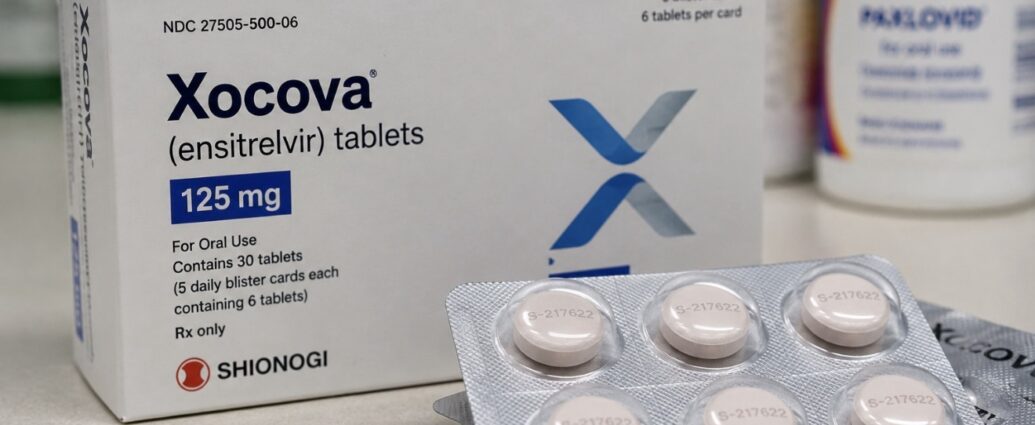
For the first time, Americans exposed to COVID-19 will have access to a prescription pill designed to help prevent the illness from developing after contact with an infected person. The approval marks a new phase in the long-term management of a virus that has largely faded from public attention but continues to cause hospitalizations and deaths across the United States.
Shionogi & Co. announced on June 1 that the U.S. Food and Drug Administration (FDA) approved Xocova (ensitrelvir) for post-exposure prevention of COVID-19 in adults and adolescents age 12 and older who have been exposed to someone infected with the virus.
According to the company, Xocova becomes the first FDA-approved oral medication specifically cleared to reduce the risk of developing COVID-19 after exposure.
The treatment is designed to be simple and fast. Patients take three tablets on the first day followed by one tablet daily for the next four days, creating a five-day regimen intended to begin shortly after exposure.
The approval is based on results from the SCORPIO-PEP clinical trial, which enrolled 2,387 participants who had been exposed to an infected household member. According to trial data, people who received Xocova experienced a 67% reduction in the risk of developing symptomatic COVID-19 compared with those who received a placebo.
The drug works by targeting a key enzyme the coronavirus needs to reproduce. By blocking the virus’s main protease, ensitrelvir interferes with viral replication before the infection becomes established.
Reported side effects in clinical trials included headache, diarrhea, and cough. The medication also carries standard warnings regarding use during pregnancy and other medical considerations that should be discussed with a healthcare provider.
While COVID no longer dominates headlines, the virus remains a significant public health concern.
According to estimates from the Centers for Disease Control and Prevention, the United States recorded between 3.8 million and 12.4 million COVID-19 cases between October 2025 and late May 2026. Those infections were associated with as many as 240,000 hospitalizations and 42,000 deaths during the period.
The approval also highlights an important shift within the pharmaceutical industry.
During the pandemic, companies such as Pfizer and Moderna generated billions of dollars from vaccines and treatments developed during the global emergency. As COVID became endemic and demand for those products declined, revenue from pandemic-era medicines fell sharply.
Shionogi is betting that a preventive treatment aimed at recently exposed individuals can fill a different market niche.
The company estimates that nearly half of people living with an infected household member ultimately contract the virus themselves, creating a potentially significant population that may seek preventive treatment following exposure.
The approval follows a lengthy regulatory process.
After earlier efforts to secure U.S. approval for ensitrelvir as a treatment for active COVID-19 infections faced challenges, the company shifted its focus toward prevention, where clinical trial results proved more successful. The FDA granted approval ahead of its scheduled June 16 decision deadline.
The medicine is already approved in Japan, where it initially received emergency authorization in 2022 before later receiving full approval.
Outside experts say the drug’s value lies in its ability to intervene early.
By slowing viral replication shortly after exposure, the treatment may reduce the likelihood that the virus gains a foothold and progresses into symptomatic illness.
For investors and the pharmaceutical industry, the approval represents a test of whether COVID prevention remains a viable commercial market years after the pandemic emergency ended.
The vaccine boom may be over, but COVID continues to circulate globally. The success of Xocova will depend on whether physicians and patients embrace post-exposure treatment as a routine part of managing the virus, or whether most people continue to rely on vaccination, natural immunity, and time.
Either way, the FDA’s decision opens an entirely new category of COVID prevention in the United States.
This article is general business and healthcare reporting and should not be considered medical advice. Individuals should consult a qualified healthcare professional regarding treatment options.
JBizNews Desk — Health Care
© JBizNews.com All Rights Reserved. Reproduction or distribution without written permission is prohibited.

Updated June 11, 2026
WASHINGTON — A pledge to “Make America Healthy Again” earned Robert F. Kennedy Jr. his job atop U.S. health agencies a year and some change ago. He’s now had the opportunity to turn his words into action, with mixed results.
“All one needs” to prove the health secretary’s attentiveness is to “review my unprecedented list of accomplishments on a wide range of issues, all of which I drove,” Kennedy posted on X on Wednesday in response to a journalist.

WASHINGTON, June 11 — A food-safety issue that began with bulk powdered milk continues to spread through the food supply chain as additional products made with the recalled ingredient are removed from store shelves.
The original recall began on April 20, 2026, when California Dairies Inc. voluntarily recalled large quantities of powdered milk and buttermilk powder due to potential Salmonella contamination, according to the U.S. Food and Drug Administration.
Since then, the FDA has continued tracing products that used the ingredient, leading to additional recalls involving downstream manufacturers.
The original action involved approximately 2.68 million pounds of low-heat nonfat dry milk and an additional 19,841 pounds of buttermilk powder.
Because the ingredients were sold primarily to manufacturers and distributors rather than directly to consumers, the contamination concern quickly spread throughout the food production system.
Companies that purchased the ingredients incorporated them into a variety of products or repackaged them under separate brand names.
As a result, the list of affected products continues to expand.
The recall received a Class I designation, the FDA’s most serious recall classification.
A Class I recall indicates a reasonable probability that exposure to the product could cause serious health consequences or death.
Salmonella infections can produce fever, diarrhea, abdominal cramps, and severe illness.
According to the Centers for Disease Control and Prevention, Salmonella causes approximately 1.35 million infections, 26,500 hospitalizations, and 420 deaths annually in the United States.
Young children, older adults, and people with weakened immune systems face the greatest risk.
Powdered milk appears in far more products than many consumers realize.
It is commonly used in baking mixes, snack foods, soups, sauces, chocolate products, processed foods, and numerous packaged goods.
That widespread use makes recalls involving powdered milk particularly difficult to contain.
A single contaminated ingredient can affect dozens of brands and manufacturers across the country.
Consumers are encouraged to review current FDA recall notices and compare affected lot numbers and product codes with items in their homes.
Products included in recall notices should be discarded or returned according to manufacturer instructions.
Because additional products may continue to be identified, food-safety experts recommend periodically checking updated FDA recall lists.
The case highlights how interconnected modern food production has become.
A single supplier can provide ingredients to numerous manufacturers, distributors, and retailers nationwide.
When contamination occurs, recalls often extend far beyond the original company.
Industry experts say the incident demonstrates the importance of traceability systems that allow regulators and manufacturers to quickly identify where affected ingredients were used.
Those systems help limit public exposure and reduce the scope of food-safety incidents.
JBizNews Desk — Washington
© JBizNews.com All Rights Reserved. Reproduction or distribution without written permission is prohibited.

You’re reading the web edition of STAT’s Health Tech newsletter, our guide to how technology is transforming the life sciences. Sign up to get it delivered in your inbox every Tuesday and Thursday.
Good morning health tech readers!
I’ve been a remote worker since early March 2020. Even if it suits me fine, I was surprised to learn it might be ruining my life.

New data released Thursday suggest the prevalence of drinking during pregnancy increased in recent years.
National survey data published in a Centers for Disease Control and Prevention report show about 15% of adult pregnant women reported current drinking (use in the prior 30 days) between 2021 and 2024. About 13.5% of women reported the same between 2018 and 2020.

WASHINGTON — Health secretary Robert F. Kennedy Jr. on Wednesday pointed to his “publicly available calendar” as an example of his commitment to transparency and to beat back unfavorable reporting.
But no such calendar, detailing who Kennedy meets with or how he spends his time, has been released by the administration. STAT has been asking the Department of Health and Human Services for Kennedy’s calendar for more than a year, via Freedom of Information Act requests and emails to the press office.

During the first five years of life, more than half the calories a growing child consumes go to fueling the massive construction project inside their cranium. Building a brain — all the neuronal connections that form memories, store language, perceive the world, control bodily movements — is an energy-intensive act of singular creation. The unique architecture of a child’s mind — what defines how they think and feel — is constantly being shaped by the interplay of the surrounding environments and the genetic blueprints spooled inside their developing tissues.
Scientists have long wondered which aspects of childhood most influence neural development. But it’s only in the last few years that collections of data large enough to start to answer those questions have emerged. Now, after analyzing brain scans from nearly 12,000 9- and 10-year old kids, a group of researchers at Washington University School of Medicine has found that the number one environmental factor influencing brain structure and function — more than IQ, parenting style, or health history — is the socioeconomic status of a child’s family.

In a rare move, nonprofit organization Blood Cancer United announced Thursday it was buying the remaining supplies of Luvelta, a discontinued investigational cancer drug.
As part of the transaction, Blood Cancer United, previously known as the Leukemia & Lymphoma Society, will also acquire the investigational new drug designation and manage the compassionate-use program for children with a rare form of blood cancer, distributing the medication to patients at no cost while supplies last.

NEW YORK — Health care AI company Abridge on Thursday announced new deals with two trillion-dollar companies, pharma giant Eli Lilly and chip-maker Nvidia, as it aims to gain an edge in the competitive market that supports doctors and streamlines hospital billing and operations.
Draped head-to-toe in black, on a day forecast to be in the 90s, Abridge CEO Shiv Rao announced that Eli Lilly would make a strategic investment in the company. Abridge also announced a new partnership with Nvidia to develop “the first foundation model purpose-built for clinical conversations,” according to a release.
Abridge has disclosed nearly $800 million in funding and was most recently valued at over $5 billion. The company gained huge momentum for its ambient scribe that can listen to a conversation between a doctor and patient and draft a clinical note. The AI scribe technology has gained momentum, especially thanks to its ability to help health systems bill for services more efficiently and comprehensively.

You’re reading the web edition of D.C. Diagnosis, STAT’s twice-weekly newsletter about the politics and policy of health and medicine. Sign up here to receive it in your inbox on Tuesdays and Thursdays.
For those interested in peptides, stem cells, supplements, red light treatments, hyperbaric chambers, body vibration devices, or getting ion balances through walking barefoot — RFK Jr.’s most recent podcast might be worth a listen. Send news tips and wellness advice to John.Wilkerson@statnews.com or John_Wilkerson.07 on Signal.
Casey Ross and Bob Herman have a follow-up to their award-winning reporting on how large Medicare Advantage insurers used artificial intelligence to override clinicians’ judgment and deny care to seriously ill older and disabled patients.

Want to stay on top of the science and politics driving biotech today? Sign up to get our biotech newsletter in your inbox.
Medicare drug spending is climbing faster than expected, driven by surging use of GLP-1 medicines and ongoing fallout from Democrats’ Part D redesign.
Also, Enliven’s leukemia drug has encouraging early data, Novartis is expanding its molecular glue ambitions, and SonoThera raised $125 million to advance an ultrasound-based approach to gene delivery.
Top of the morning to you, and a fine one it is. Sunny skies and mild breezes are enveloping the Pharmalot campus once again, making it possible for the official mascots to eat breakfast on the deck and take long naps. As for us, we are firing up the trusty kettle to make another cuppa stimulation. Our choice today is English breakfast, an old standby. Please feel free to join us. Meanwhile, here are a few items of interest. Hope you have a meaningful and productive day and, of course, do stay in touch. …
Some employers are planning to drop coverage of GLP-1 drugs for weight loss next year as more people take the medications, counteracting some savings from lower prices for Novo Nordisk’s and Eli Lilly’s Zepbound and Foundayo, Reuters reports. About 10% of employers who now cover GLP-1 drugs for weight loss said they planned to drop the drugs in 2027, according to the Business Group on Health, a policy research group for large employers. A second survey by benefits consultancy Mercer said 5% of large employers — which it defines as employing over 500 people — plan to drop coverage in 2027. Mercer said 44% of companies with more than 500 employees cover the drugs for obesity. Data from the Business Group on Health show 67% of large employers cover GLP-1s in 2026.
Rapidly expanding use of weight loss medicines in the U.K. has wiped about $1 billion off annual grocery spending, Bloomberg News writes. Households with at least one user of GLP-1 weight loss drugs bought 299 million fewer food items in the year after adoption of the medication, with users reporting a dwindling number of cravings and cutting back on treats like chocolate and potato chips, according to a study from Worldpanel by Numerator. Use of the drugs has nearly tripled in two years, the group said, with 6.3% of households in the U.K. including at least one current user of GLP-1s such as Ozempic and Mounjaro. That’s up from 4.1% in 2025 and 2.3% in 2024.

This story first appeared in Adam’s Biotech Scorecard, a subscriber-only newsletter. STAT+ subscribers can sign up here to get it delivered to their inbox.
Never before have I covered so much positive news about pancreatic cancer in such a short period of time. What happens next? Could Revolution Medicines buy Tango Therapeutics? Or, perhaps Bristol Myers Squibb goes all out and acquires Revolution Medicines?
To be clear, neither of these deals has been announced, or even rumored. I’m just playing the biotech M&A speculation game. But a strong case for something to happen can be made in the wake of Monday’s exciting report from Tango. In an early-stage clinical trial, patients with advanced pancreatic cancer benefited more from a combination of two targeted drugs — a PRMT5 inhibitor from Tango and Revolution’s pan-RAS inhibitor — than they might from each drug on its own.

A targeted drug from Enliven Therapeutics induced molecular responses in nearly half of patients with advanced leukemia, including higher response rates in patients treated at an earlier stage of their disease.
The updated early-stage study results reported Thursday for the Enliven drug, ELVN-001, compare favorably to a current blockbuster medicine sold by Novartis and an upstart experimental drug recently bought by Merck.
At 24 weeks, an 80 mg, once-daily dose of ELVN-001 achieved a major molecular response in 48% of patients with chronic myeloid leukemia, or CML, a slow-growing cancer that starts in myeloid cells.

Get your daily dose of health and medicine every weekday with STAT’s free newsletter Morning Rounds. Sign up here.
Good morning. Today we’ve got an item from STAT’s new AAAS media fellow Lauren Chan. She’ll be reporting with us this summer. Scroll down to read her report on a sugary soda study.

Throughout Lawrence Tabak’s 25 years at the National Institutes of Health, serving first as the head of one of its institutes before becoming principal deputy director and subsequently acting director, he took many trips to universities around the country to talk to researchers. He made a point to prioritize state schools and smaller institutions.
Never on those visits was there a shortage of researchers brimming with ideas they hoped would attract the funding to pursue. But without easy access to leaders within a field or top-of-the-line lab equipment, researchers outside top universities often struggle to compete for grants from the NIH.
“There was never an institution I went to that I wasn’t blown away by a few young people,” Tabak said. “But it made me upset, because I realized the maldistribution of resources was compromising their ability to reach their potential.”
One proposal that’s been floated several times to help spread the wealth is to cap the number of grants individual researchers can receive from the NIH. Most recently, it was proposed in 2017 but was quickly walked back by the first Trump administration after pushback from high-rolling universities who would be harmed by the policy.