LONDON — Sanofi on Monday named a new leader for its research and development efforts, as the French pharma company looks to reinvigorate its pipeline under new CEO Belén Garijo. 

Paulo Fontoura will become global head of R&D for Sanofi’s pharma work starting Sept. 1. A neurologist by training, Fontoura was most recently the chief medical officer at Xaira Therapeutics, an AI-focused drug discovery company. He previously spent more than 15 years at Roche. 

Fontoura is replacing Houman Ashrafian, who joined Sanofi in 2023 following years as a health care investor. Sanofi said Ashrafian “has decided to pursue an opportunity outside the company.” 

Continue to STAT+ to read the full story…

This post was originally published here. 

A new gene-editing startup has threaded the needle of negotiating contracts with a Chinese drug company, raising $230 million in funding, and executing a reverse merger with a preexisting biotech company. 

The result? Serapha Bio, which launched Tuesday to develop a one-and-done treatment for a liver and lung disease called Alpha-1 Antitrypsin Deficiency, or AATD, founding investors RA Capital and RTW Investments told STAT exclusively. 

RA and RTW arranged $138 million in Series A funding for Serapha, along with $92 million in additional funds tied to the company’s reverse merger with Boundless Bio. Boundless Bio launched in 2019 to study extrachromosomal DNA and its role in cancer growth but ran into trouble with its lead program.

Continue to STAT+ to read the full story…

This post was originally published here. 

WASHINGTON — Millions of Americans with obesity are eagerly awaiting a powerful new drug from Eli Lilly called retatrutide, which has demonstrated bariatric-surgery levels of weight loss. Some aren’t even waiting for approval from the Food and Drug Administration, instead racing to acquire it through sketchy means.

But STAT has learned that Eli Lilly and the FDA have allowed one person to gain access to the drug through the FDA’s “compassionate use” program, a pathway that gives patients with serious and immediately life-threatening medical issues access to experimental treatments. 

This person was a 79-year-old man at the time the request was made in April, according to three sources familiar with the matter. Those sources, who requested anonymity due to fear of reprisals, said it drew the interest of top health officials, suggesting the person receiving this drug was well connected.

Continue to STAT+ to read the full story…

This post was originally published here. 

Doctors using OpenEvidence will soon be able to upload an image of an electrocardiogram to get an algorithmic prediction of whether a patient has structural heart disease. 

Called EchoNext, the artificial intelligence model was developed by researchers at New York-Presbyterian Hospital and Columbia University and is being commercialized by a spinout called Pathway Labs. The company this month received a sweeping Food and Drug Administration clearance for the technology that can sniff out seven forms of structural heart disease — including conditions where blood doesn’t flow properly through the organ owing to blocked or leaky valves and where the chambers of the heart don’t pump blood as well as they should — from EKG. 

In addition to marketing it to hospitals, Pathway will take the novel step of licensing the technology to OpenEvidence, a medical evidence search engine that’s used by hundreds of thousands of clinicians.

Continue to STAT+ to read the full story…

This post was originally published here. 

Sometime before the end of June, the Supreme Court is expected to deliver its opinion in Trump v. Barbara, the case challenging President Trump’s executive order seeking to end birthright citizenship in the United States. At stake is the long-standing interpretation of the Citizenship Clause of the 14th Amendment, which for more than a century has been understood and affirmed to mean that any child born in the United States, regardless of their parents’ citizenship status, is a U.S. citizen (with a remarkably narrow exception carved out for the children of diplomats).

Ending the guarantee of birthright citizenship would dramatically increase the size of the undocumented population in the U.S. and could invite a future executive to nullify the citizenship of countless American-born children of immigrants. It would also have stark consequences at the intersection of bioethics and public health.

Read the rest…

This post was originally published here. 

There’s a particular cruelty buried in the new Medicaid work requirement rules recently proposed by the administration, and it’s received almost no attention. It’s not just the law itself, the One Big Beautiful Bill Act, which cut Medicaid by nearly $1 trillion last summer. The problem is the regulation implementing those cuts, which goes further than the law requires.

When OBBBA passed, Congress was explicit: People with disabilities were exempt from work requirements. The bill’s own champions, including House Energy and Commerce Committee Chair Brett Guthrie (R-Ky.), promised repeatedly that work requirements would not affect disabled people, and that Medicaid cuts were about “strengthening Medicaid for those who truly need it.” The law backed that up with a broad exemption for people who are “medically frail.”

Read the rest…

This post was originally published here. 

The Trump administration released a memo last week that seeks to upend landmark disability laws and court rulings that prioritize people with disabilities receiving care while living in their community instead of at institutions like nursing homes.

The memo — written by the Department of Justice Office of Legal Counsel in response to an inquiry from White House officials — breaks with decades of disability law and practice and argues that the “integration mandate” is not actually a mandate, especially for people with “severe mental illness or disabilities.”

Read the rest…

This post was originally published here. 

Pfizer said Monday that an experimental drug it hoped could replace a widely used chemotherapy in one of the most common forms of lung cancer fell short in a clinical trial.

Expectations had been high that the drug, sigvotatug vedotin, could replace docetaxel, a chemotherapy initially approved in 1996. Last year Pfizer’s CEO, Albert Bourla, said on an earnings call the drug “could be a driver of growth later this decade.” In a note to investors in May, Leerink analyst David Risinger called the upcoming data readout a “major oncology catalyst” and said he had spoken to a doctor who was “optimistic” about its potential.

Pfizer acquired sigvotatug vedotin when it bought the biotechnology firm Seagen for $43 billion in 2023.

Continue to STAT+ to read the full story…

This post was originally published here. 

Dubai’s largest free zone is planting a flag in one of the fastest-growing corners of the global health economy. DMCC, the Dubai Multi Commodities Centre, said on Monday that it has formalised a new DMCC Longevity Centre, with Executive Chairman and CEO Ahmed Bin Sulayem unveiling the move in a post on LinkedIn. The step converts a loose cluster of health businesses already operating inside the zone into a structured, commercially defined sector. It builds directly on Law No. (17) of 2026, issued on Wednesday, June 10, by Sheikh Mohammed bin Rashid Al Maktoum, Vice President and Prime Minister of the UAE and Ruler of Dubai, which created the Dubai Longevity Authority and elevated health, wellness and longevity to a strategic economic pillar for the emirate.

The raw material was already there. By DMCC’s own count, the zone hosts 308 health-focused companies, 108 of them approved by the Dubai Health Authority, alongside a broad mix of physical and mental wellbeing centres. The free zone has run regular blood drives, partnered with the wellness firm Nook, and backed causes including the Al Jalila Foundation. What it lacked, Bin Sulayem said, was the formal structure to turn that critical mass into a coherent sector that investors and operators could read clearly.

DMCC’s pitch leans on assets most health hubs cannot match. The plan is to fuse the zone’s commodity-trading backbone, its growing artificial-intelligence and gaming ecosystems, and the carefully regulated arrival of peptide science in the region. The stated aim is to draw the world’s leading peptide businesses and health-related AI services, while positioning DMCC as a trusted bridge between East and West. In an op-ed published in Gulf Business, Bin Sulayem framed the longevity push as less about simply living longer and more about building the systems, institutions and communities that sustain human performance at every level.

The scale behind the announcement is significant. DMCC is regularly ranked the world’s number-one free zone and now counts more than 26,000 member companies from 180 countries, employing over 90,000 people across its Jumeirah Lakes Towers district and the newer Uptown Dubai development. Bin Sulayem has led the centre since 2006, expanding it from a small commodities zone into a sprawling business district spanning trade, logistics, finance and digital assets. Layering a regulated longevity vertical onto that base gives the centre an immediate tenant pipeline that most rivals would need years to assemble.

The wider government framework gives the effort regulatory teeth. Under Decree No. (14) of 2026, Sheikh Hamdan bin Mohammed bin Rashid Al Maktoum, Crown Prince of Dubai and Chairman of the Executive Council, will serve as President of the Dubai Longevity Authority. Helal Saeed Almarri, Director General of the Dubai Department of Economy and Tourism, was named Chairman.

Almarri called longevity and advanced health one of the world’s fastest-growing economic frontiers. He said the authority would offer regulatory certainty across the entire value chain, from research and clinical trials through manufacturing, delivery and patient care. Officials describe what they are building as a sovereign market for advanced therapeutic products, designed to attract investment, industrial capability and specialised talent.

That certainty matters because the underlying market is already moving fast, sometimes ahead of the rules. Peptide therapy clinics have multiplied across Dubai, marketing treatments for recovery, metabolic health and anti-aging, often at prices starting in the high hundreds of dirhams. Much of that activity has run on thin clinical evidence and uneven oversight.

By licensing the full chain, from laboratories to clinics, the new authority is betting that clear standards will pull serious operators and capital into the regulated market rather than the grey one. The Dubai Longevity Authority will coordinate with the Dubai Health Authority, Dubai Health, Dubai Municipality and the Dubai Future Foundation, and says it will hold the sector to international standards.

For Dubai, the economic logic ties directly into the Dubai Economic Agenda D33 and the Dubai Social Agenda 33, which together aim to place the emirate among the world’s top three cities for quality of life. Longevity, wellness and advanced healthcare are treated not as social spending but as an export-grade industry capable of drawing foreign companies, clinical-trial work, manufacturing and high-skill jobs. The emirate has used the same playbook before, standing up dedicated authorities for space, artificial intelligence and virtual assets ahead of most other jurisdictions, then watching companies cluster around the regulatory clarity.

The open questions now are commercial. DMCC will have to prove it can attract genuine peptide and health-AI innovators rather than repackaged wellness brands, and the new authority will have to show its rules can move as quickly as the science. But with a national framework in place, a ready base of 308 companies, and a free zone built to court global capital, Dubai has made its intent unmistakable: it wants to own the business of living longer.

JBizNews Desk

© JBizNews.com All Rights Reserved. Reproduction or distribution without written permission is prohibited.

WASHINGTON — Federal health officials announced a pilot program Monday to speed up early-stage clinical trials, which they say will reduce development timelines by six to 12 months, in hopes of encouraging U.S.-based trials and combating Chinese dominance in the field.

The pilot comes as the Food and Drug Administration, through the president’s 2027 fiscal budget, asks Congress to establish a permanent, faster process for the existing Investigational New Drug pathway. That proposal was championed by former FDA Commissioner Marty Makary before he resigned last month, though officials said on a Monday morning call that this program had been in the works even before Makary.

In a Fox News op-ed, health secretary Robert F. Kennedy Jr. wrote that the U.S. is “losing ground” against China in clinical research and touted the actions as a way to reverse that trend.

Continue to STAT+ to read the full story…

This post was originally published here. 

BUNIA, Congo — Confirmed cases in the Ebola outbreak in eastern Congo have reached 1,003, including 254 deaths, officials said, as tracing those who had been in contact with patients remains a major challenge.

A total of 100 people have recovered in the outbreak concentrated in the Ituri province since it was declared on May 15, Congo’s Ministry of Health said Sunday. At least 365 patients are in hospitals or in isolation, it said.

Read the rest…

This post was originally published here. 

Get your daily dose of health and medicine every weekday with STAT’s free newsletter Morning Rounds. Sign up here.

Good morning. Here’s a poem for the first Monday of (official) summer. As Alex Dimitrov writes, “Unfortunately / for me and you, we have / the rest of it to get to.” Let’s get to it. 

A looming threat to health disparities research in NIH grant proposal

Since the Trump administration announced its plan to overhaul the federal grantmaking process to give more power to political appointees, researchers have expressed alarm at the potential impact such a change could have on American science. And within the 412-page proposal, there’s one particular section that health disparities researchers say could disqualify their work from federal funding — a change that poses perhaps the biggest threat yet to the future of their field.

Continue to STAT+ to read the full story…

This post was originally published here. 

AbbVie on Monday said it would buy Apogee Therapeutics, the developer of immunology drugs, for $10.9 billion in cash, continuing a run in which pharma companies have been scooping up biotechs.

The deal values Apogee at $135.11 per share, a roughly 50% premium on its previous closing price. The Financial Times reported last week the deal was in the works. 

Apogee’s lead drug, called zumilokibart, could be a long-lasting option for patients with a range of inflammatory diseases. It’s being tested in atopic dermatitis and, in combination with another experimental medicine, in asthma. The drug, which targets an inflammatory cytokine called IL-13 that drives a number of conditions, could be given to patients just two to four times a year after they start treatment. 

Continue to STAT+ to read the full story…

This post was originally published here. 

Definium Therapeutics said Monday that its LSD therapy significantly helped patients with major depression in its first Phase 3 trial, bringing the psychedelic drug closer to a potential approval.

Six weeks after a single dose, patients on the pill, called DT120, experienced a 13.3-point drop on a depression test called the Montgomery-Åsberg Depression Rating Scale (MADRS), compared with a 5.2-point drop among patients taking placebo.

By 12 weeks, the effect waned a bit but was largely maintained, as patients on the pill had an 11-point drop from their baseline, compared with a 3.6-point drop in the placebo group.

Continue to STAT+ to read the full story…

This post was originally published here. 

The Food and Drug Administration will reconsider approving an experimental gene therapy for a deadly and rare childhood brain disorder that it rejected just four months ago, the therapy’s developer, Regenxbio, said on Monday. 

The sudden turnaround is the latest in a series of apparent FDA reversals in the past two months, after leaders installed by the Trump administration resigned or were fired. Just last week, UniQure announced it was cleared to submit an application for a Huntington’s disease gene therapy that the agency had previously spurned and that former commissioner Marty Makary appeared to disparage on national television.

In Regenxbio’s case, the company had applied for approval for a gene therapy for mucopolysaccharidosis type II, also known as MPS II or Hunter syndrome. An enzyme-replacement therapy has long been available for MPS II, but the enzyme can’t enter the brain, so children with the neurological form of the disease experience progressive cognitive decline. 

Continue to STAT+ to read the full story…

This post was originally published here. 

Deep inside a White House proposal to overhaul how the government awards grants is a short section that health disparities researchers say could disqualify much of their work from federal funding — perhaps the most serious threat yet to the future of their field.

Since it was issued last month, the 412-page proposal has drawn thousands of public comments, in large part because it would diminish the power of peer review in determining which grants are funded, and place that authority with political appointees. Less attention has been given to how the proposed changes could affect efforts to eliminate health disparities research. 

Read the rest…

This post was originally published here. 

Dark purple. I see the chat bubble in the top left corner of the electronic health record on my screen flip colors. The change in hue represents a new message: urgent, perhaps, or just another patient who cannot sleep. As one of only two psychiatry providers overnight in the psychiatric emergency room, I know it is most likely a message beamed into the ether by a nurse located 15 feet away from me, locked inside a fishbowl similar to mine.

A long row of eight desktop screens glows in the dim of the workroom. I am a third-year psychiatry resident, and my supervising attending psychiatrist and I sit at opposite ends of the worktop that runs lengthwise across the room. Decades of experience and the heavy scent of stale papers and bleach hang in the balance between us. Behind the dusty screens, a cork bulletin board is crammed with instructionals on how to fill out involuntary hold paperwork, draped communal stethoscopes, and grayscale printouts showcasing the staff’s pets. The occupational therapist’s bug-eyed goldfish and my attending’s regal twin tabbies, Sasha and Mischa, stare back at me from the wall. They are the only living things in the room that look relaxed.

Read the rest…

This post was originally published here. 

Pharmaceutical companies are hungry to make deals, and they’re making more than they have in years. 

In the past six months, there have been 32 biotech acquisitions valued at $1 billion or more. Pharmaceutical companies and even some large biotech companies have spent around $123 billion on these deals.

They’ve blown past last year’s totals in roughly half the amount of time. Pharma companies struck 26 blockbuster M&A deals in 2025, spending $112 billion altogether. 

Continue to STAT+ to read the full story…

This post was originally published here. 

The clinical research ecosystem has never been more technologically capable — or more burdened by its own ambition.

In December 2025, the Tufts Center for the Study of Drug Development and our team at TransCelerate published research that suggests nearly 30% of the data collected in clinical trials do not directly inform key decisions, yet patients are still asked to provide it. Additionally, since 2005, the number of procedures per protocol has increased by nearly 140%, endpoints by more than 200%, and data points collected by over 600%.

I work with heads of R&D from 18 of the world’s largest pharma companies. It is abundantly clear to me — and to many of them — that the industry’s tendency toward “more is better” when it comes to data collection is fundamentally undermining trials, not improving them.     

Continue to STAT+ to read the full story…

This post was originally published here. 

And so, another working week will soon draw to a close — at least on this side of the pond where we have a holiday tomorrow. This means we are staring down a longer-than-usual agenda to fill. So far, we plan to manicure the Pharmalot campus and promenade extensively with the official mascots, and we hope to hold still another listening party, where the rotation will likely include this, this, this, this and this. And what about you? The great outdoors, as always, is beckoning, which could mean a jaunt to the beach or perhaps a hike in the woods. Or maybe a stroll along city streets with an iced drink in hand. If the weather fails to cooperate, the great indoors also provides comfort — you can cook a favorite meal, curl up with an e-book, or binge-watch the telly. Well, whatever you do, have a grand time. But be safe, enjoy, and see you soon. And if dad is still around, remember to say hello. …

Johnson & Johnson has no plans to enter the booming obesity market, opting instead to focus on diseases such as cancer, Bloomberg News writes. This sets J&J apart from many of its rivals trying to develop or acquire obesity medicines following blockbuster weight loss drugs from Eli Lilly and Novo Nordisk. J&J chief executive officer Joaquin Duato said the company aims to become the world’s leading cancer company, with oncology as one of its core growth pillars. Last year, J&J paid $3.05 billion in cash for Halda Therapeutics, gaining access to an innovative new type of oral therapy for prostate cancer. His remarks come as J&J continues to reshape itself following the spin off of its Kenvue consumer health business.

The U.S. Food and Drug Administration approved GSK’s oral antibiotic to treat complicated urinary tract ​infections, giving patients a new treatment option ‌against drug-resistant infections, Pharmaphorum notes. While the pill, called Utebzi, does not offer a novel mechanism of action, it provides an alternative to the current intravenously administered carbapenems, which are often used as a last resort for infections resistant to other antibiotics. GSK acquired rights to Utebzi in a $591 million licensing deal in 2022 with Spero Therapeutics, just a few months after the FDA rejected Spero’s first marketing application for the antibiotic with a request for an additional clinical trial.

Continue to STAT+ to read the full story…

This post was originally published here. 

Chicago — Whey protein, the main ingredient in most protein powders and shakes, is in such short supply that some producers are sold out through the end of 2026, according to market data from the U.S. Department of Agriculture, dairy industry reports, and company earnings calls. Prices have climbed to record levels, squeezing manufacturers, retailers, gyms, and consumers who rely on protein products as part of their daily routines.

The numbers are striking. Standard whey powder prices have jumped more than 50% since the beginning of the year, according to DCA Market Intelligence. Whey protein concentrate containing 80% protein recently traded above $11 per pound, while whey protein isolate has climbed into the $12-per-pound range, according to USDA market reports. Both levels are historic highs.

For consumers, the impact is becoming impossible to miss. Protein powders that sold for $50 to $60 a few years ago are now approaching or exceeding $80 per container. Ready-to-drink shakes, protein bars, and other fortified foods are also becoming more expensive as manufacturers absorb or pass along higher ingredient costs.

The pressure is already showing up in corporate earnings reports. BellRing Brands, which owns Premier Protein and Dymatize, recently warned investors that whey prices have reached what CEO Darcy Davenport described as “historic highs.” The company said it is evaluating pricing actions while attempting to protect market share.

Other food manufacturers face similar challenges. Protein has become one of the fastest-growing categories in the grocery industry, and demand now stretches far beyond traditional gym users and athletes. Food companies increasingly market high-protein versions of yogurt, cereal, snacks, frozen meals, beverages, and even desserts.

According to the International Food Information Council, roughly 70% of Americans now say they are actively trying to increase their protein intake, up significantly from just a few years ago. That shift has dramatically increased demand for whey, which is prized because it contains all essential amino acids and is easily absorbed by the body.

The boom has been amplified by the rapid adoption of popular weight-loss medications such as Ozempic, Wegovy, and Mounjaro. Doctors and nutrition experts frequently recommend high-protein diets for patients taking those drugs because rapid weight loss can also lead to muscle loss.

As millions of Americans begin using those medications, demand for protein supplements has surged. Many consumers who previously paid little attention to protein are now actively seeking shakes, powders, and protein-rich foods as part of medically supervised weight-loss programs.

The shortage is not the result of a milk shortage. In fact, dairy production remains relatively healthy.

Instead, the bottleneck lies in processing capacity. Whey is produced as a byproduct of cheese manufacturing, but transforming raw whey into highly concentrated protein powders requires specialized filtration, purification, and drying facilities. Building those facilities requires significant capital investment and years of construction.

Industry executives say many existing plants are already operating near full capacity.

The dairy industry is investing aggressively to address the problem. According to the International Dairy Foods Association, more than $11 billion in new dairy processing projects have been announced across 19 states. Those investments are expected to increase production capacity substantially over the next several years.

However, most of those facilities will not begin producing meaningful new whey supplies until late 2026 or 2027, meaning current shortages are unlikely to disappear anytime soon.

The supply squeeze is hitting smaller businesses especially hard.

Large food companies often secure long-term contracts that guarantee access to whey supplies. Smaller supplement brands and startup food manufacturers frequently buy on the spot market, where prices have become far more volatile.

Some producers report being unable to obtain enough raw material to launch new products. Others have reformulated recipes to include plant-based proteins such as pea, soy, rice, or hemp protein.

Those alternatives may offer some relief, but many manufacturers and consumers still prefer whey because of its taste, texture, amino-acid profile, and performance benefits.

The shortage is also creating ripple effects internationally.

The United States is one of the world’s largest exporters of whey products. Buyers in China, which has historically imported significant quantities of American whey, have increasingly turned toward European suppliers as U.S. inventories tighten.

At the same time, European producers have retained more production for domestic markets, helping push prices higher overseas as well. Industry analysts describe the shortage as a global supply imbalance rather than a regional problem.

For retailers, higher whey costs create difficult decisions about pricing and inventory management. Some chains are reducing promotional discounts, while others are limiting orders on popular products to ensure adequate supply throughout the year.

Consumers may increasingly notice empty shelves, reduced package sizes, or higher prices across a wide range of protein products.

Nutrition experts note that protein powders remain only one source of dietary protein. Eggs, dairy products, poultry, fish, beans, and other whole-food options continue to provide affordable protein for many households.

Still, for fitness enthusiasts, athletes, and consumers seeking convenience, protein powders remain one of the easiest ways to increase daily protein intake.

Industry forecasts suggest relief is unlikely before late 2026 at the earliest. Until new processing plants come online, demand is expected to continue outpacing supply.

For consumers, that means protein products may remain expensive for the foreseeable future. For food companies, supplement makers, and dairy processors, the current shortage represents both a challenge and a major opportunity as one of the hottest categories in food continues to grow.

JBizNews Desk | New York

© JBizNews.com All Rights Reserved. Reproduction or distribution without written permission is prohibited.

First Opinion is STAT’s platform for interesting, illuminating, and provocative articles about the life sciences writ large, written by biotech insiders, health care workers, researchers, and others.

To encourage robust, good-faith discussion about issues raised in First Opinion essays, STAT publishes selected Letters to the Editor received in response to them. You can submit a Letter to the Editor here, or find the submission form at the end of any First Opinion essay.

Read the rest…

This post was originally published here. 

Below is a lightly edited, AI-generated transcript of the “First Opinion Podcast” interview with Sarah Mupo. Be sure to sign up for the weekly “First Opinion Podcast” on Apple Podcasts, Spotify, or wherever you get your podcasts. Get alerts about each new episode by signing up for the “First Opinion Podcast” newsletter. And don’t forget to sign up for the First Opinion newsletter, delivered every Sunday.

Torie Bosch: In recent years, there’s been a quiet shift in medicine. I’m not talking about a new drug or a new insurance headache. I’m talking about the way we write “health care.” Historically, it’s been two words. But increasingly, people, especially in the industry, have changed it to one word. At STAT, perhaps no linguistic decision is as important as: Should “health care” be one word or two?

Read the rest…

This post was originally published here. 

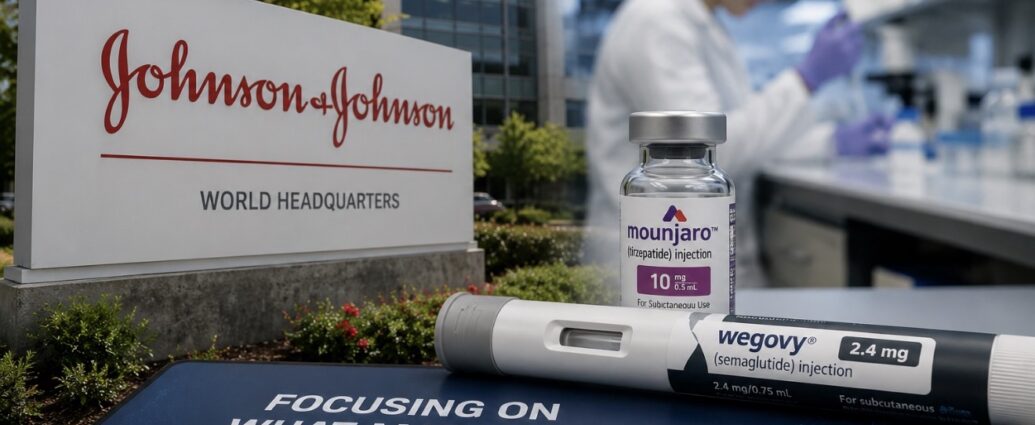
Johnson & Johnson has made a surprising decision at a time when much of the pharmaceutical industry is racing toward obesity treatments: it is staying out of the market entirely.

Speaking Tuesday at the Economic Club of Washington, D.C., Johnson & Johnson CEO Joaquin Duato said the healthcare giant has no plans to develop or acquire drugs in the booming GLP-1 category, the class of medicines behind blockbuster weight-loss and diabetes treatments that have transformed the industry over the past several years.

“We are not going to be in the GLP-1 area,” Duato said during a discussion with Carlyle Group co-founder David Rubenstein.

The statement places J&J among a small group of major pharmaceutical companies choosing not to chase one of the fastest-growing markets in healthcare history. While rivals have spent billions of dollars acquiring obesity-drug developers and launching their own programs, Johnson & Johnson is betting that its future lies elsewhere.

Instead, Duato said the company will focus its resources on two areas where it believes it can achieve greater medical and commercial success: cancer treatment and neuroscience.

“Our goal is to be No. 1 by 2030,” Duato said of the company’s oncology business.

The company already holds a strong position in multiple cancer categories. Johnson & Johnson markets leading treatments for multiple myeloma, one of the most common blood cancers, and maintains a growing portfolio of lung cancer therapies. Last year, the company expanded its oncology pipeline through a $3.05 billion acquisition of Halda Therapeutics, gaining access to a promising oral prostate cancer treatment.

The decision reflects the reality of a market already dominated by a handful of powerful competitors.

Eli Lilly and Novo Nordisk currently control the obesity-drug landscape through blockbuster products that have generated tens of billions of dollars in annual sales. Demand for GLP-1 medications has surged as studies continue to show benefits extending beyond weight loss, including improvements in diabetes management and potential cardiovascular benefits.

Lilly has emerged as the dominant player. The company became the first pharmaceutical manufacturer to surpass a $1 trillion market valuation last year, driven largely by demand for its obesity and diabetes drug tirzepatide. Lilly executives have estimated that the company captures roughly 70% to 75% of new patients entering the GLP-1 market.

For Johnson & Johnson, competing against such entrenched leaders may not represent the best use of research and development dollars.

The company’s position also aligns with a broader strategic transformation that has been underway for several years.

Johnson & Johnson has streamlined its operations to concentrate on higher-growth healthcare businesses. The company spun off its consumer-health division into Kenvue, separating well-known brands such as Tylenol, Band-Aid, and Listerine from the parent company. It has also restructured portions of its medical-device operations while increasing investments in pharmaceuticals and advanced medical technologies.

Duato highlighted the company’s recent performance, noting that Johnson & Johnson delivered a 47% total shareholder return in 2025, reflecting investor confidence in its current strategy.

Technology is also expected to play a major role in the company’s future growth.

Duato said artificial intelligence has the potential to accelerate drug discovery, improve clinical development, and enhance the effectiveness of medical devices, particularly in the field of robotic surgery.

“We are just at the beginning,” he said, describing healthcare as entering a period of significant technological change.

For investors and patients alike, the announcement underscores a growing divide within the pharmaceutical industry. Some companies are betting heavily on obesity treatments, viewing them as the defining medicines of the next decade. Others are choosing to focus on diseases where competition is less intense and unmet medical needs remain substantial.

Johnson & Johnson’s decision means one fewer major competitor pursuing obesity drugs, a market where additional competition could eventually help lower prices and improve access for patients. At the same time, the company’s vast research budget will remain focused on cancer and neurological disorders, areas where millions of patients continue to face limited treatment options.

As the obesity-drug market continues its rapid expansion, Johnson & Johnson is making a different wager: that breakthroughs in cancer and neuroscience will ultimately prove more valuable than joining the industry’s biggest gold rush.

Whether that strategy pays off will become clearer as the company works toward Duato’s goal of becoming the world’s leading oncology company by 2030.

JBizNews Desk
New Brunswick, N.J.

© JBizNews.com All Rights Reserved. Reproduction or distribution without written permission is prohibited.

The countdown has started. Robert Gould has 73 days before federal funding delays ruin decades of his institution’s work increasing knowledge and understanding of the Americans with Disabilities Act. 

“It’s sickening,” said Gould, a professor in the Department of Disability and Human Development at University of Illinois Chicago, and the director of research for the Great Lakes ADA Center. “So many people rely on and use our services. … It’s not a partisan issue, so it doesn’t make sense to me that these delays keep on happening.”

Read the rest…

This post was originally published here. 

The drug is now marketed and sold across the state in roadside shops and small-town strip malls with little oversight from health authorities. Highway billboards advertise ivermectin as “Available Without a Prescription in Tennessee!” while dozens of pharmacies offer highly concentrated pills, sometimes at 10 or 20 times the potency of a standard tablet.

Read the rest…

This post was originally published here. 

On May 31, at the American Society of Clinical Oncology (ASCO) meeting in Chicago, an international study co-led by a UCLA research team reported that patients with pancreatic cancer who took the drug daraxonrasib lived substantially longer, for an average of 13.2 months, compared with 6.6 to 6.7 months for patients who had chemotherapy alone.

This is welcome news, and in anticipation of these results, the FDA, just a month earlier, announced it was granting early access to the drug for selected patients who had failed guideline-directed treatments for this lethal malignancy. 

Widespread media coverage of this regulatory pivot in drug access highlights the intense, enduring interest among the general public, as well as in the scientific and medical communities, for identifying treatments that can move the survival needle lethal for complex, heterogeneous malignancies, thereby derailing effective treatment, especially when only single drugs are deployed to improve clinical outcomes.

Continue to STAT+ to read the full story…

This post was originally published here. 

A pregnant woman in rural America may have to drive two hours — sometimes more — to reach a hospital that can deliver her baby. If labor comes early or complications arise, that distance becomes dangerous.

This is happening in the United States in 2026 — not because we lack medical knowledge or technology, but because we have failed to train and place the physicians where they are most needed.

Read the rest…

This post was originally published here. 

Federal officials have recalculated the quality ratings for 2026 Medicare Advantage plans, a new government memo shows. The consequential decision was prompted by yet another legal action from the health insurance industry.

Over the past few years, health insurance companies that sell Medicare Advantage plans have inundated the Centers for Medicare and Medicaid Services with lawsuits that challenged their lower star ratings, which jeopardized taxpayer-funded bonuses. Many insurers have lost their cases, but a handful have won. Two years ago, CMS had to redo Medicare Advantage star ratings after federal judges said the government erred with its original calculations.

Medicare Advantage plans that get at least four out of five stars get bonus payments. Those bonuses have ballooned to $16 billion this year — almost the entire budget of the Centers for Disease Control and Prevention and an amount that has doubled since 2020. 

Continue to STAT+ to read the full story…

This post was originally published here. 

A panel of advisers to the Food and Drug Administration gave its endorsement Thursday to a seasonal mRNA flu vaccine that was developed by Moderna and that earlier this year became the subject of controversy when a top agency official briefly refused to even consider accepting it for review.

The Vaccines and Related Biological Products Advisory Committee — known as VRBPAC — voted unanimously that the benefits of the vaccine outweigh the risks for both adults aged 50 to 64, and those 65 and older. It remains to be seen what the FDA will decide, but staff presentations during the meeting suggested the agency sees the vaccine as having cleared sufficient hurdles to be licensed via a traditional pathway for the younger group, and an accelerated pathway for the older group. 

Multiple flu vaccines currently on the market were first licensed using an accelerated pathway, Wellington Sun, a former FDA employee, noted during the meeting’s public comment period. (After leaving FDA, Sun worked for Moderna, but he is no longer with the company.)

Continue to STAT+ to read the full story…

This post was originally published here. 

On this week’s episode of “The Readout LOUD”: New hope for people living with Huntington’s disease, and a report card on RFK Jr.’s effort to remake health in America. 

The Food and Drug Administration reversed its opposition to a closely watched gene therapy for Huntington’s disease, clearing a path for its maker, the biotech company UniQure, to file for U.S. approval. Joining us to discuss this new development and what it means for the Huntington’s community is Lauren Holder, a Huntington’s disease advocate who is living with the early stages of the disease. 

Read the rest…

This post was originally published here. 

Making good on its threat, Eli Lilly has begun eliminating mandated price breaks to a few dozen hospitals that participate in a federal drug discount program after failing to receive comprehensive claims data.

The move comes after the company warned earlier this month it would take such a step as part of a policy announced in January in order to reduce what it calls duplicate discounts paid to the hospitals. Trade groups representing hospitals, however, argue the move is unlawful and want Congress to intervene.

At the time, Lilly maintained that more than 2,300 hospitals had complied with its demand, but some larger hospitals systems around the U.S. refused to do so, despite recent follow-up letters regarding the policy, which went into effect Feb. 1. Up to 1,000 had so far not complied, and Lilly indicated it was pressing about 50 larger hospitals to provide data.

Continue to STAT+ to read the full story…

This post was originally published here. 

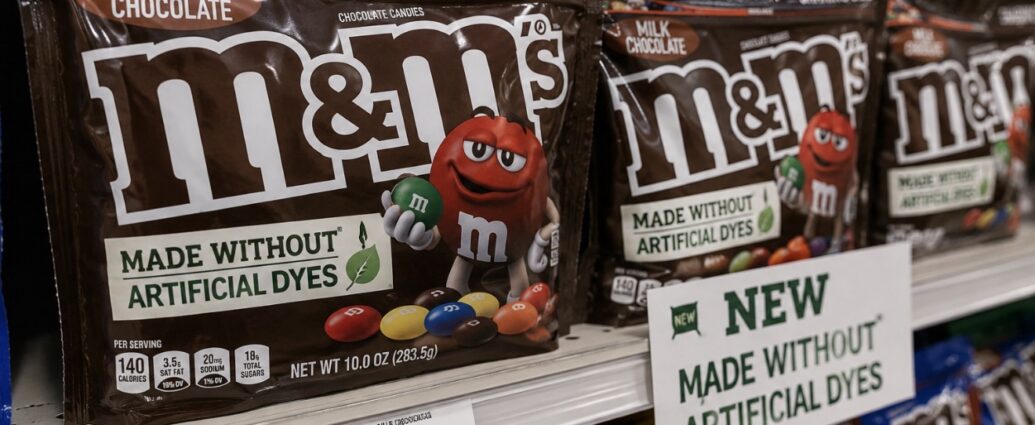
Mars Wrigley North America is moving forward with plans to sell dye-free versions of some of its most recognizable candy brands, marking a significant shift for a company that previously resisted removing artificial colors from its products.

The initiative, first announced in July 2025 and now rolling out during 2026, will introduce versions of M&M’s Chocolate, Skittles Original, Starburst Original, and Extra Spearmint Gum made without synthetic petroleum-based food dyes. The move aligns with growing pressure from regulators, lawmakers, and consumer advocates associated with the Make America Healthy Again (MAHA) movement championed by Health and Human Services Secretary Robert F. Kennedy Jr.

The reformulated products will be sold alongside existing versions rather than immediately replacing them nationwide.

According to Anton Vincent, President of Mars Wrigley North America, the company’s approach is intended to be both “consumer-focused and science-led.”

The announcement represents a notable reversal from Mars’s earlier position.

In 2016, the company pledged to remove artificial colors from its global food portfolio within several years. That commitment was later scaled back after Mars concluded many consumers did not view synthetic dyes as a major concern.

At the time, the company said its research showed that many customers around the world did not consider artificial colors to be ingredients they actively sought to avoid.

Since then, however, the political and regulatory environment has changed dramatically.

The Food and Drug Administration (FDA) banned Red No. 3 from foods in early 2025, requiring manufacturers to remove the additive by 2027. Federal regulators have also encouraged food manufacturers to reduce reliance on other synthetic dyes, including Red 40, while approving additional natural coloring alternatives derived from fruits, vegetables, and other natural sources.

Several states have enacted laws limiting or banning artificial food dyes in school meals, further accelerating industry reformulation efforts.

The issue has also drawn legal scrutiny.

Texas Attorney General Ken Paxton launched an investigation into Mars, seeking company records and questioning why some products sold in Europe already use alternative formulations while U.S. versions continue to contain artificial dyes. Paxton directly linked the inquiry to broader MAHA health initiatives and called on manufacturers to move more aggressively toward reformulation.

For food companies, replacing synthetic dyes is not a simple or inexpensive process.

Natural color alternatives often provide less vibrant colors, can be less stable over time, and frequently have shorter shelf lives than synthetic additives. Supply chains for natural color ingredients are also more limited, creating additional cost pressures as demand increases across the industry.

The National Confectioners Association has warned that large-scale transitions away from synthetic dyes could significantly increase manufacturing costs and strain supplies of natural coloring ingredients.

Despite those challenges, much of the industry is already moving in the same direction.

Kraft Heinz, General Mills, PepsiCo, ConAgra, The Hershey Company, Nestlé USA, McCormick, and J.M. Smucker have all announced plans to reduce or eliminate artificial food dyes, with most targeting completion between 2027 and 2028.

That leaves Mars no longer as an outlier but as part of a broader transformation sweeping through the American food industry.

For consumers, the rollout comes with an important distinction: the traditional versions of these products are not disappearing immediately. Instead, Mars is initially introducing dye-free alternatives and allowing shoppers to choose between the two.

The scientific debate surrounding food dyes also remains unresolved. The FDA continues to maintain that approved food-color additives are safe for most consumers when used as directed. However, some researchers and health advocates point to studies suggesting certain artificial dyes may contribute to hyperactivity and behavioral issues in a subset of children.

As a result, the shift is being driven not only by science, but also by changing consumer preferences, political pressure, and evolving market expectations.

For Mars, a privately held company generating tens of billions of dollars in annual revenue, the calculation appears increasingly straightforward: the cost of reformulation may now be lower than the reputational risk of resisting a trend that is rapidly gaining momentum among regulators, lawmakers, and consumers.

Whether the dye-free versions ultimately replace the originals remains to be seen. But one thing is clear: the candy aisle is becoming the latest battleground in America’s growing debate over food ingredients and public health.

JBizNews Desk

© JBizNews.com All Rights Reserved. Reproduction or distribution without written permission is prohibited.

DAKAR, Senegal — The Ebola outbreak in Congo and Uganda has claimed more than 200 lives in its first month and is the worst known outbreak at this stage, with up to 35,000 suspected potential contacts, Africa’s Centres for Disease Control and Prevention said on Thursday.

With 894 confirmed cases so far, the current outbreak is three times worse than a previous outbreak in Uganda in 2000, which had 281 cases at the same point, said Dr. Wessam Mankoula, a medical epidemiologist at Africa CDC.

Read the rest…

This post was originally published here. 

Employers are considering raising premiums and increasing other forms of cost sharing as they grapple with stubbornly rising health costs, according to a new survey from Mercer.

This post was originally published here. 

Want to stay on top of the science and politics driving biotech today? Sign up to get our biotech newsletter in your inbox.

Washington’s vaccine wars are escalating again as Senate Democrats seek to build a paper trail around Health Secretary Robert F. Kennedy Jr.’s controversial overhaul of the CDC’s vaccine advisory committee.

Also, Enanta’s pushing forward with its RSV antiviral, we take a critical look at Patrick Soon-Shiong’s pancreatic cancer claims, and some news from longevity player Cambria.

Continue to STAT+ to read the full story…

This post was originally published here. 

If you’re an older adult, getting vaccinated against shingles could lower your risk of developing dementia.

A new study found that elderly nursing home residents who received at least one dose of the shingles vaccine known as Shingrix, the only shot of its kind available in the United States, were 24 percent less likely to develop dementia over a four-year period compared to those who were not vaccinated, according to results published this week in the peer-reviewed journal Annals of Internal Medicine.

The research adds to the growing body of evidence showing a connection between the viral infection and cognitive decline.

Continue to STAT+ to read the full story…

This post was originally published here. 

The drug middlemen lobby has had a busy week. It’s the second major lawsuit the PCMA has filed against a state law reforming the PBM industry since Monday.

This post was originally published here. 

Health and Human Services Secretary Robert F. Kennedy Jr. announced more than $700 million for addiction treatment, mental health services, and homelessness programs during a visit Wednesday to an Easterseals behavioral health clinic in Clinton Township, Michigan, calling the effort part of the administration’s push to expand recovery services nationwide.

Kennedy said the investment would help move people struggling with addiction and mental illness off the streets and into treatment, strengthen families, and improve public safety.

But behavioral health advocates and policy experts quickly noted that most of the money is not newly appropriated funding. Instead, they said, the majority represents grants and programs that had already been approved by Congress and were expected to be distributed through existing federal channels.

The distinction is important because new appropriations expand federal spending, while previously approved grants simply continue programs already operating throughout the country.

The only major newly launched initiative announced Wednesday was a $96 million program known as STREETS — short for Safety Through Recovery, Engagement, and Evidence-Based Treatment and Support. The program will fund eight communities, each eligible for up to $3 million annually for four years, to coordinate treatment, housing, healthcare providers, law enforcement, and local governments in addressing homelessness, addiction, and serious mental illness.

The remaining $612 million will be distributed through existing federal behavioral health programs.

The largest allocation, nearly $239 million, supports the 988 Suicide and Crisis Lifeline, the national crisis hotline that provides phone, text, and online support around the clock. Another $223 million will go to community behavioral health clinics that provide mental health and substance-use treatment regardless of a patient’s ability to pay. Additional grants support mobile crisis teams, childhood trauma programs, tribal suicide prevention initiatives, and services for at-risk infants.

The funding announcement is tied to President Donald Trump’s Great American Recovery Initiative, created by executive order earlier this year. Kennedy co-chairs the effort alongside Kathryn Burgum, the White House senior adviser for addiction recovery.

Drawing on his own history of addiction recovery, Kennedy emphasized the role of faith and spirituality in treatment. He praised 12-step programs such as Alcoholics Anonymous and said faith-based recovery organizations would receive equal consideration for federal funding opportunities. He stressed that secular providers would continue to receive support as well.

The announcement comes after several months of controversy surrounding federal behavioral health funding. Earlier this year, HHS briefly canceled approximately $2 billion in mental health and substance-abuse grants before reversing course following criticism from lawmakers and treatment providers.

The administration also faced legal challenges after attempting to terminate billions of dollars in public-health grants tied to pandemic-era programs. A federal court later blocked those efforts.

Because of that history, providers say they are paying close attention to whether announced funding is truly additional money or simply part of existing grant cycles.

HHS has not disputed that much of Wednesday’s funding will flow through established programs. Instead, department officials have emphasized that the administration intends to direct resources toward recovery-focused approaches, accountability measures, and faith-based partnerships.

For treatment providers, the ultimate measure of success will not be the size of the announcement but whether funding reaches clinics, crisis lines, and local recovery organizations quickly and consistently.

The new STREETS initiative will likely serve as the administration’s first major test. If the program successfully connects vulnerable individuals with treatment, housing, and support services, officials will point to it as evidence that the recovery strategy is working. If implementation stalls, critics may argue that the announcement represented more symbolism than substance.

JBizNews Desk
Washington, D.C.

© JBizNews.com All Rights Reserved. Reproduction or distribution without written permission is prohibited.

WASHINGTON — Twannetta Weaver felt like she made the responsible choice when she enrolled in a high-deductible health insurance plan through her employer, an option that avoided high premiums and allowed her to save for retirement.

Then, in 2025, she slipped a disk in her back, requiring medication and physical therapy. Suddenly, the medical bills were so overwhelming that Weaver, an adult learner working toward a leadership degree on the side, had to delay graduation by a year.

Read the rest…

This post was originally published here. 

Want to stay on top of the science and politics driving biotech today? Sign up to get our biotech newsletter in your inbox.

Good morning. There’s a lot of great reporting to share today, so be sure to read all the way through the newsletter. We won’t have a newsletter tomorrow, Juneteenth, so I’ll talk to you again on Monday.

Read the rest…

This post was originally published here. 

This is the online version of Adam’s Biotech Scorecard, a subscriber-only newsletter. STAT+ subscribers can sign up here to get it delivered to their inbox.

I am entirely enthralled by the World Cup. I am watching a ton of soccer on TV. I love the Tartan Army that has invaded Boston for Scotland’s games at Gillette Stadium. Tiny Cape Verde drawing mighty Spain was incredible. Messi, 39, playing in his sixth (!) World Cup, is still the GOAT. 

And England still hasn’t played but will in a couple of hours, as I get this newsletter finished on Wednesday afternoon. Olé!

Programming note: This newsletter is taking a holiday next week but will be back in your inboxes July 2.

What Soon-Shiong says vs. what he has delivered

I’ve taken a good bit of heat (and hate) from online fans of Patrick Soon-Shiong who view the billionaire physician as a selfless scientist/entrepreneur trying to rid the world of cancer. That’s a laudable goal, of course, except Soon-Shiong’s proclamations are mostly fluff, financially self-serving and have led to FDA wrist-slapping.

A wide gap exists between what Soon-Shiong says his cancer drugs can achieve and what they actually do, based on real clinical evidence.

Pancreatic cancer is an instructive and presently relevant example. Long before Soon-Shiong became rich and famous, he treated diabetic patients with pancreas transplants and performed surgery on patients with pancreatic cancer. A desire to transform the treatment of pancreatic cancer with novel immunotherapies inspired Soon-Shiong’s “Bioshield” mission, according to his own treatise.

Continue to STAT+ to read the full story…

This post was originally published here. 

This is the online version of Adam’s Biotech Scorecard, a subscriber-only newsletter. STAT+ subscribers can sign up here to get it delivered to their inbox.

I am entirely enthralled by the World Cup. I am watching a ton of soccer on TV. I love the Tartan Army that has invaded Boston for Scotland’s games at Gillette Stadium. Tiny Cape Verde drawing mighty Spain was incredible. Messi, 39, playing in his sixth (!) World Cup, is still the GOAT. 

And England still hasn’t played but will in a couple of hours, as I get this newsletter finished on Wednesday afternoon. Olé!

Programming note: This newsletter is taking a holiday next week but will be back in your inboxes July 2.

What Soon-Shiong says vs. what he has delivered

I’ve taken a good bit of heat (and hate) from online fans of Patrick Soon-Shiong who view the billionaire physician as a selfless scientist/entrepreneur trying to rid the world of cancer. That’s a laudable goal, of course, except Soon-Shiong’s proclamations are mostly fluff, financially self-serving and have led to FDA wrist-slapping.

A wide gap exists between what Soon-Shiong says his cancer drugs can achieve and what they actually do, based on real clinical evidence.

Pancreatic cancer is an instructive and presently relevant example. Long before Soon-Shiong became rich and famous, he treated diabetic patients with pancreas transplants and performed surgery on patients with pancreatic cancer. A desire to transform the treatment of pancreatic cancer with novel immunotherapies inspired Soon-Shiong’s “Bioshield” mission, according to his own treatise.

Continue to STAT+ to read the full story…

This post was originally published here.