WASHINGTON — Vice President JD Vance on Wednesday announced new steps in the Trump administration’s initiative to root out fraud in federal health programs, including a $1.3 billion deferral in Medicaid reimbursements to California.

“These fraudulent health care providers are getting rich by giving people medications they don’t even need,” Vance said during an event at the White House, adding that taxpayers and program beneficiaries are victimized by such fraud.

Read the rest…

This post was originally published here. 

Arriving in the isolation ward of a biocontainment hospital is an unsettling, scary experience. In 2014, I spent 19 days in one while being treated for Ebola, watching the news cycle churn around me as my world receded to a small window, a phone, and the handful of providers in protective suits who came into my room every day.

More than a dozen Americans are living some version of that right now in a Nebraska quarantine facility —passengers from the MV Hondius, the cruise ship that at the center of a small but instructive outbreak of Andes hantavirus.

Read the rest…

This post was originally published here. 

I started creating health content online in medical school. I realized I could reach thousands of people in seconds and share medically accurate information with students around the world. For example, I made a video showing how deep an injection goes for vaccination. The public is both fascinated and afraid of injections, but dispelling the rumors that a massive needle could go as deep as your bone goes a long way in vaccine adoption.

During my emergency medicine residency, though, things changed. What had been seen during my interview process as a strength and skill set became “high risk” overnight. I was told that continuing to post on social media could jeopardize my career.

Read the rest…

This post was originally published here. 

The agency is halting enrollments for six months as part of the Trump administration’s broader attempt to crack down on fraud in government healthcare programs. Hospice and home health groups said they largely supported the moratorium.

This post was originally published here. 

NEW YORK — About 70,000 Americans died of drug overdoses last year — about 14% fewer than the previous year, according to preliminary government data.

It was the third straight annual drop, making it the longest decline in decades, according to federal data released Wednesday. The 2025 total is about the same as the tally in 2019, before the Covid-19 pandemic.

Read the rest…

This post was originally published here. 

WASHINGTON — The Trump administration is moving quickly to identify the next commissioner of the Food and Drug Administration after the resignation of Marty Makary on Tuesday, with an eye for someone who can rebuild trust with agency staff, focus on the agency’s food policy, and continue to drive drug-approval reforms.

Administration leaders hope to conduct the search over “the next several weeks,” according to an official with knowledge of the process, granted anonymity to speak candidly. Despite chatter among lobbyists about who is in contention, there’s currently no short list of candidates, the official said.

Despite the urgency, the process will take a while. The Senate is in session for only so many days, and the administration also needs to confirm Erica Schwartz, the Centers for Disease Control and Prevention nominee, and Nicole Saphier, the surgeon general nominee. It’s possible Kyle Diamantas, formerly in charge of the FDA’s food center, will still be acting commissioner when the midterms arrive in November. 

Continue to STAT+ to read the full story…

This post was originally published here. 

You’re reading the web edition of STAT’s Health Tech newsletter, our guide to how technology is transforming the life sciences. Sign up to get it delivered in your inbox every Tuesday and Thursday.

I’ve been loving the satire on the “In Preparation” Substack, which includes fake articles like “Nobel Laureate Jennifer Doudna Leaves Science For Trade School, Tells Postdocs ‘Learn Welding While You Can.’”

I’ll be in San Francisco May 18 – 20 for the STAT Breakthrough West Summit. Even if you can’t make it to our very cool event, let me know if you want to meet up and talk AI or data, have a cool lab to show me, or just want to grab some ice cream: aiprognosis@statnews.com

Continue to STAT+ to read the full story…

This post was originally published here. 

Good morning, everyone, and how are you today? The middle of the week has finally arrived, and you should congratulate yourselves for making it this far and deciding to soldier on. After all, consider the alternatives. None too pleasant, yes? This calls for a delicious cup or three of stimulation. Our choice today is bananas Foster. As always, we invite you to join us. Meanwhile, here are some tidbits. Hope you have a meaningful and productive day, and please do keep in touch. We treasure your messages. …

U.S. Food and Drug Administration Commissioner Marty Makary is resigning from his role, and Kyle Diamantas, the top food regulator at the agency, will step in as acting commissioner, STAT notes. A group within the U.S. Department of Health and Human Services was unhappy with Makary’s leadership and had been looking into ways to remove him for months. His tenure was filled with the announcement of dozens of new and ambitious initiatives, including efforts to shorten drug review timelines, crack down on misleading ads, and pressure the food industry to remove chemical dyes. But it was also tumultuous, marked by personnel drama, departures of long-time staff, and controversy over political pressure impeding the FDA’s scientific process.

Eli Lilly disclosed that patients in ​a late-stage trial who had been taking an injectable GLP-1 medication for over a year did not ‌regain significant weight after switching to its new weight loss pill Foundayo, Reuters writes. People who switched from Novo Nordisk’s injectable Wegovy to Lilly’s oral Foundayo regained an average of 2 pounds after a year, according to study results presented at an obesity conference. Patients who switched to Foundayo from Lilly’s ​own more potent injectable Zepbound regained an average of 11 pounds. The study looked at patients ​switching to Foundayo, known chemically as orforglipron, after 72 weeks of losing weight on Lilly’s tirzepatide, sold as Zepbound and Mounjaro, or injectable ‌semaglutide, Novo’s ⁠Wegovy and Ozempic.

Continue to STAT+ to read the full story…

This post was originally published here. 

Want to stay on top of the science and politics driving biotech today? Sign up to get our biotech newsletter in your inbox.

Good morning. Let’s get straight into all the news out of D.C. today.

Makary is officially out as FDA commissioner

President Trump yesterday confirmed that Marty Makary is resigning from his role leading the FDA. Kyle Diamantas, the top food regulator at the agency, will step in as acting commissioner.

Continue to STAT+ to read the full story…

This post was originally published here. 

Several hospitals have received federal grand jury subpoenas regarding the provision of gender-affirming care to minors, according to a statement from NYU Langone, a step that suggests the Department of Justice has begun a criminal investigation. 

The inquiry for NYU records, sent last week by the U.S. Attorney’s Office in the Northern District of Texas, directs the hospital to turn over information on minors who received care between 2020 and 2026, the clinicians who saw them, and anyone else involved. 

Read the rest…

This post was originally published here. 

Don’t call it the “obesity pandemic.” That one-size-fits-all label no longer captures the diverse trajectories of weight gain around the world, a new report argues. In some countries rising obesity rates are slowing or even sliding downward, trajectories largely linked to the wealth of nations. 

Looking instead at velocity to see not how far, but how fast obesity is rising — or not — revealed rates that continue to climb in most low- and middle-income countries, but are flattening in most high-income countries and possibly declining in a few of those more prosperous places. 

Read the rest…

This post was originally published here. 

The Centers for Medicare and Medicaid Services on Wednesday placed a moratorium on new hospice and home health agency providers in a bid to “crush” on fraudulent businesses. 

The six-month pause is the latest effort from the Trump administration to end “fraud, waste, and abuse” in federal health care spending, as it threatened a two-year licensing freeze for new providers of home and community-based services in Minnesota in January and instituted a similar nationwide halt on durable medical equipment suppliers in February. 

Read the rest…

This post was originally published here. 

Dr. Gianrico Farrugia has led the system since 2019. The Rochester, Minnesota-based health system said it could elect Mayo’s next leader in November.

This post was originally published here. 

Get your daily dose of health and medicine every weekday with STAT’s free newsletter Morning Rounds. Sign up here.

Good morning. After what sometimes felt like endless speculation, FDA Commissioner Marty Makary resigned from his role yesterday. Kyle Diamantas, the agency’s top food regulator, will step in as acting commissioner. STAT’s Lizzy Lawrence has the details. And Matt Herper has a hot take: Marty Makary was the worst FDA commissioner in 25 years.

Read the rest…

This post was originally published here. 

By JBizNews Desk
May 11, 2026

Johnson & Johnson Chairman and Chief Executive Officer Joaquin Duato this week reiterated the company’s commitment to invest more than $55 billion in the United States over the next four years, tying artificial intelligence, domestic manufacturing, and advanced medical research together as central pillars of the company’s long-term growth strategy.

Duato emphasized the investment initiative in recent public remarks and company materials as Johnson & Johnson continues expanding manufacturing capacity, AI-driven drug development, and research infrastructure across its pharmaceutical and medical-technology businesses.

The $55 billion commitment — first outlined earlier this year — represents approximately a 25% increase over the company’s spending during the prior four-year period and reflects a broader industry race to localize supply chains, accelerate drug discovery through AI, and strengthen U.S.-based production capabilities following years of geopolitical and pandemic-related disruptions.

At the center of the strategy is a new $2 billion biologics manufacturing facility currently under construction in Wilson, North Carolina.

The 500,000-square-foot plant is designed to manufacture advanced medicines targeting cancer, autoimmune disorders, and neurological diseases — categories increasingly driving growth and profitability across the pharmaceutical industry.

Johnson & Johnson has also confirmed plans for three additional advanced manufacturing facilities in the United States, though locations have not yet been publicly disclosed.

The company’s financial scale provides substantial support for the initiative.

Johnson & Johnson reported approximately $88.8 billion in full-year 2024 revenue, according to its most recent annual filings, with sales rising 4.3% year over year.

Its Innovative Medicine division generated the majority of revenue, while MedTech continued benefiting from growing demand for robotic surgery systems, cardiovascular devices, and hospital technology infrastructure.

The spinout of Johnson & Johnson’s consumer-health division into Kenvue sharpened the company’s focus further toward higher-margin pharmaceutical, biotechnology, and medical-device operations.

Artificial intelligence now plays a central role in that strategy.

Johnson & Johnson executives said AI technologies are increasingly being integrated into drug discovery, clinical-trial design, patient recruitment, manufacturing operations, and data analysis — areas where efficiency gains can dramatically reduce the cost and timeline associated with bringing new therapies to market.

The company’s approach reflects a broader shift underway throughout the pharmaceutical sector as machine-learning systems become increasingly embedded in biomedical research and development workflows.

Johnson & Johnson said its R&D priorities remain focused on six major growth categories: oncology, immunology, neuroscience, cardiovascular disease, robotic surgery, and vision care.

The company spent more than $32 billion on research, development, acquisitions, and strategic partnerships during 2025, including transactions involving Intra-Cellular Therapies and Halda Therapeutics, alongside approximately 40 additional collaborations, licensing agreements, and partnership deals.

The broader U.S. innovation ecosystem continues supporting the company’s thesis.

The Food and Drug Administration’s Center for Drug Evaluation and Research approved 50 novel medicines during 2024, while industry trade group PhRMA estimates that biopharmaceutical companies collectively invest more than $100 billion annually into U.S.-based research and development.

Johnson & Johnson’s domestic manufacturing push also reflects lessons drawn from the COVID-era supply-chain disruptions that exposed vulnerabilities tied to extended international logistics networks.

Major pharmaceutical and medical-device companies increasingly view localized production capacity as strategically critical after pandemic shortages disrupted supplies of medicines, medical equipment, and industrial inputs worldwide.

The company noted in filings with the Securities and Exchange Commission that government pricing pressure, litigation risks, patent disputes, and regulatory changes continue creating uncertainty across the pharmaceutical sector.

That backdrop makes the scale of Johnson & Johnson’s long-term U.S. investment especially notable.

Earlier this year, Duato reached a voluntary agreement with the Trump administration under which Johnson & Johnson committed to aligning certain drug prices more closely with levels in other developed nations while expanding Medicaid access to select medicines.

In return, the administration expressed support for the company’s broader manufacturing and innovation initiatives.

“I’m proud that Johnson & Johnson is answering President Trump’s call to lower drug prices for everyday Americans while maintaining our role in improving and saving lives,” Duato said at the time.

For investors, the $55 billion initiative reinforces a broader strategic shift increasingly visible across the global health-care industry.

The companies expected to dominate the next generation of medicine are no longer viewed simply as pharmaceutical manufacturers.

They are increasingly becoming vertically integrated scientific and technology platforms combining artificial intelligence, manufacturing depth, data infrastructure, and advanced research ecosystems capable of accelerating the path from laboratory discovery to patient treatment.

Johnson & Johnson’s bet is that the future leaders in health care will be the companies controlling not only the science itself, but also the factories, computing infrastructure, and AI systems powering the next era of medical innovation.

And at $55 billion, the company continues making that bet overwhelmingly inside the United States.

— JBizNews Desk
© JBizNews.com. All rights reserved. This article is original reporting by JBizNews Desk. Unauthorized reproduction or redistribution is strictly prohibited.

When 13-month-old Adam’s stem cell transplant failed, doctors had two options: A second transplant, which they warned carried a 10% to 15% risk of death, or a new and untested gene therapy.

His parents, Mary Beth and Dave Brennan, had watched Adam endure the first transplant. At one point, he couldn’t breathe and nurses rushed into the room to keep him alive. So they went with gene therapy — and then watched Adam, born with a life-threatening rare disease, reach milestones, learn sign language, and teach himself to read. 

Then last year a routine scan revealed a golf-ball sized tumor on his brain.

Continue to STAT+ to read the full story…

This post was originally published here. 

BOSTON — A medicine increasingly used to mitigate the risk of deadly gene therapy side effects could also blunt the therapy’s effectiveness, a new study finds.

The trial, from the startup Encoded Therapeutics, tested a gene therapy for Dravet syndrome, a severe form of genetic epilepsy. A key concern in gene therapy trials is that patients could mount an immune response against the engineered viruses used to deliver new genes into the brain. 

In the study, Encoded assigned most of the 21 children in the trial to receive steroids, the most commonly used immune suppressant. A subset — including most of the patients on the highest dose level — were assigned to also receive sirolimus, also known as rapamycin, a drug historically given to prevent rejection in transplant recipients. 

Continue to STAT+ to read the full story…

This post was originally published here. 

I recently helped a woman in her early 60s taper off fluoxetine (often known by the brand name Prozac), which she had taken for over 35 years, followed by bupropion (aka Wellbutrin), which she had taken for over a decade.

But Kennedy’s initiative conflates that genuine clinical need with claims unsupported by evidence — and some that are actively dangerous. 

Read the rest…

This post was originally published here. 

In 2023, Netflix released a documentary titled “Live to 100: Secrets of the Blue Zones,” which looked at some small, geographically isolated places around the world in which, reportedly, residents regularly lived to 100 or beyond.

It was just the most recent installment to a longevity franchise that began roughly 25 years ago. But how real are “blue zones”? And has the concept’s commercialization drowned out its scientific value?

Read the rest…

This post was originally published here. 

During the first heat wave of 2025, 55-year-old Shauna Thomas was found dead in her suburban St. Louis apartment after spending at least three days without air conditioning or water. Police said she had “several medical issues” that may have contributed.

Clinicians, community leaders, and public health workers often advise people with chronic diseases such as diabetes to use air conditioning or go to an air-conditioned building. But that advice presumes that cooling is actually affordable and available.

Read the rest…

This post was originally published here. 

BATON ROUGE, La. — When it comes to Bill Cassidy, most everyone in Louisiana politics — supporters and detractors alike — feels bad for the senator.

For his 20 years in politics, he’s mostly been a doctor in lawmaker’s clothing: evidence-obsessed, carefully calculating the right policy prescriptions for the issues before him, according to more than a dozen people who’ve worked with or for him. Those traits, along with his firsthand knowledge of America’s health care system, made him a respected leader on the subject in the Capitol. 

He could be at the zenith of his power: He’s leading the Senate committee that oversees health policy, with Republicans in charge across the federal government and health care affordability emerging as the top political issue ahead of the midterm elections. He’s led the GOP in health reform plans for nearly a decade, and his recent policy proposals are, at times, more Trump-aligned than those of many colleagues.

Instead, Cassidy, 68, has increasingly set aside his health policy credentials in favor of proving his MAGA bona fides. He’s facing a tooth-and-nail primary fight on May 16 to keep his Senate seat, with President Trump and the politically ascendant Make American Healthy Again movement endorsing one of his challengers.

In some polls, Cassidy is trailing his rivals — Trump-backed Rep. Julia Letlow and John Fleming, Louisiana state treasurer — though the data is far from definitive.

But win or lose, Cassidy’s friends, allies, and critics told STAT that the senator seems unlikely to ever fully recover from his collapse in stature and power as the changed political landscape demands that Republican lawmakers either be all in on Trump or cast aside. Cassidy has tried to play both sides: voting, his friends say, with his conscience as a physician while also trying to support the president. The result is a party that accuses him of being a Republican in name only for casting a crucial vote against Trump — and a health care establishment appalled by what it sees as a betrayal of his Hippocratic oath and an erosion of his own legacy.

Continue to STAT+ to read the full story…

This post was originally published here. 

The United States is hardly the only country where heavy and binge drinking is a problem. But Americans face a unique crisis: This country’s obesity and diabetes epidemics, combined with heavy alcohol use, are causing more people to get sick from a liver disease that, until recently, didn’t even have a name. 

Metabolic dysfunction and alcohol-associated liver disease, or MetALD, is now a leading concern among doctors in the U.S. as more young people and women face serious illness and die from the condition. Doctors worry that many more Americans might be silently developing MetALD, at least in part because many people do not realize they are drinking too much. 

MetALD occurs in people who have liver fat, metabolic risk factors — obesity, prediabetes or diabetes, high blood pressure, or high cholesterol — and who have more than 10 alcoholic drinks per week for women, or more than 15 for men.

The share of Americans who meet those criteria has more than doubled since 1990, some studies suggest. Nearly 1 in 10 U.S. adults report overlapping heavy drinking and obesity, according to a recent JAMA Internal Medicine study. 

MetALD is now nearly twice as common as alcohol-associated liver disease, and the risk factors are hitting younger adults: People 26 to 34 years old have the most overlapping alcohol use disorder and obesity of any age group, national survey data reveal.

“If you drink alcohol, you are going to accumulate fat in the liver,” liver researcher and transplant hepatologist Juan Pablo Arab said. “But what happens if you already have obesity and insulin resistance, and you already have fat in your liver?” 

It’s a bad combination, physicians like Arab told STAT. Over one-third of Americans are thought to have troubling levels of fat accumulation in their livers, what’s known broadly as steatotic liver disease. A third of adults also meet the criteria for MASLD, or metabolic dysfunction-associated steatotic liver disease — formerly known as non-alcoholic fatty liver disease. 

Continue to STAT+ to read the full story…

This post was originally published here. 

More than 90% of employers agreed a rebate-free approach is easier to understand and would improve drug price transparency, according to the survey conducted for Evernorth, which operates a pharmacy benefit manager.

This post was originally published here. 

I have covered the FDA for the past 25 years, and so I don’t say this lightly: Marty Makary was the worst commissioner in that time.

Makary, who resigned under pressure from the Food and Drug Administration on Tuesday, brought to the job a fundamental lack of understanding of the nature of the role, of the functions of his agency, and of the needs of the employees who worked for him. He allowed too much of the senior leadership of the agency to leave or be removed, weakened its standards, and ignored staffers who understood both the science and the political art of regulation. Toward the end of his tenure, he seemed isolated and obsessed with notching “wins” that often amounted to very little.

That is not to say he did no good at all: Makary’s efforts to foster the use of artificial intelligence in drug development, to speed the drug review process by reducing dead time as companies wait for responses from reviewers, and to accelerate clinical trials were all strong ideas.

Continue to STAT+ to read the full story…

This post was originally published here. 

Death by suicide is a male emergency. Although three times as many women as men report suicidal ideation and attempts, the vast majority of deaths by suicide in the U.S. — up to 80% — are among men. The reasons: higher impulsivity, lower reported fear of death, and, crucially, easy access to guns. 

The most recent report from Crisis Text Line — a nonprofit working with the 988 Suicide & Crisis Lifeline to provide free and confidential text-based mental health support —  sheds light on another explanation: Men reach out for help a lot less than women. 

Read the rest…

This post was originally published here. 

The European Union reached a provisional deal to strengthen the supply of essential medicines — such as antibiotics, insulin, vaccines, and painkillers — and avoid shortages by ‌boosting domestic production and reducing reliance on imports.

Known as the Critical Medicines Act, the initiative seeks to avoid the kinds of withering drug shortages that were seen during the Covid-19 pandemic. Specifically, the proposal targets supply-chain weaknesses for more than 200 medicines that are considered critical ​to the region’s health security, including treatments for rare diseases.

“With today’s agreement, we are taking practical action to reduce our vulnerabilities, diversify supply chains and strengthen Europe’s capacity to produce critical medicines and their ingredients closer to home,” said Neophytos Charalambides, the health minister for Cyprus, in a statement.

Continue to STAT+ to read the full story…

This post was originally published here. 

WASHINGTON — Food and Drug Administration Commissioner Marty Makary is resigning from his role, according to an administration source familiar with the matter. Kyle Diamantas, the top food regulator at the agency, will step in as acting commissioner.

President Donald Trump confirmed Makary’s resignation while taking questions from reporters ahead of his trip to China.

“He’s going to go on and he’s going to lead a good life,” Trump said of Makary. “He was having some difficulty. He’s a great doctor. He’s going to go on and do well. Everybody wants that job.”

Continue to STAT+ to read the full story…

This post was originally published here. 

Top of the morning to you, and a fine one it is. Sunny skies and mild breezes are enveloping the Pharmalot campus once again. Who could ask for anything more? Actually, we could. Specifically, we would like another cup of stimulation. So off we go to the Pharmalot cafeteria to fire up the coffee kettle. Our choice today is maple cinnamon French toast. Please feel free to join us. Meanwhile, we have assembled a few items of interest for you to peruse. We hope you have a smashing day and conquer the world. And of course, do stay in touch. …

The 17 pharmaceutical companies anchoring TrumpRx, the White House’s new prescription drug-pricing program, poured more than $130 million into federal lobbying in 2025 — a nearly 23% surge that outpaced the broader industry as the plan was being shaped behind the scenes, according to OpenSecrets, the nonprofit that tracks campaign financing and lobbying. Those companies accounted for more than a quarter of the record $457.3 million spent on lobbying last year across the pharmaceutical and health products industry. And while newly filed 2026 first-quarter reports show no slowdown — industry-wide spending topped $131 million, a 5.7% year-over-year increase — the most consequential lobbying push came in 2025, ahead of TrumpRx’s February launch.

Eli Lilly paused its obesity awareness campaign in India after the nation’s drugs regulator warned the company it could violate rules against advertising prescription ​medicines to consumers even indirectly, Reuters reports. The campaign titled “We Know Now” was launched in mid-2025, ‌shortly after Lilly introduced its Mounjaro diabetes and obesity treatment in India. Its message focused on reframing obesity as a chronic disease rather than a personal failing. The campaign featured newspaper ads, social media posts, billboards, collaborations with Bollywood celebrities, and posters in a few residential communities. Lilly’s corporate logo appeared on the messages, but Mounjaro was not mentioned. In a 16-page letter dated April ​10 and sent to the Drugs Controller General of India, Lilly said it had halted the campaign “out of an abundance of regulatory caution” following a March ​advisory from the regulator.

Continue to STAT+ to read the full story…

This post was originally published here. 

“Under-babied.” Dr. Oz said that’s the name for a condition that affects one-in-three Americans. I guess that means over-babied is the condition of having too many kids, but then what do you call having the right number of babies? Baby-neutral? Balanced-babied? Send news tips and your favorite lines from Raising Arizona to John.Wilkerson@statnews.com or John_Wilkerson.07 on Signal.

Scrambling for work requirement exemptions

Patient groups are jockeying for exemptions from Medicaid work requirements, but the unusually fast implementation timeline for states is causing headaches.

Advocates for people in Medicaid would prefer that the federal government exempt specific patient populations from new requirements that able-bodied adult Medicaid beneficiaries work at least 20 hours a week, or be in school or volunteer for community service. Otherwise, it’ll be difficult to help people navigate a state-by-state patchwork of rules.

Continue to STAT+ to read the full story…

This post was originally published here. 

Want to stay on top of the science and politics driving biotech today? Sign up to get our biotech newsletter in your inbox.

Good morning. My colleagues today launched a series investigating one of the biggest public health crises in the U.S. — the alcohol epidemic. Their stories will examine factors ranging from the influence of the alcohol industry to the gaps in treatment options for addiction. Read part 1 of the series here.

The need-to-know this morning

  • Rigel Pharma will market the newly approved breast cancer drug Veppanu under a commercialization agreement signed with Arvinas and Pfizer. 
  • Roche received European clearance for a new blood test to detect early Alzheimer’s disease. 
  • BridgeBio submitted an application to the FDA seeking approval of its drug encaleret to treat patients with autosomal dominant hypocalcemia type 1, or ADh2, a rare genetic disease that causes low calcium levels in the blood.

Bristol turns to Chinese drugmaker for early-stage pipeline restock

Bristol Myers Squibb this morning announced a partnership with Hengrui Pharma covering more than a dozen early-stage programs, the latest and a notably large case of a global pharmaceutical company looking to China for its next medicines, my colleague Andrew Joseph reports.

Continue to STAT+ to read the full story…

This post was originally published here. 

You’re reading the web edition of STAT’s Health Tech newsletter, our guide to how technology is transforming the life sciences. Sign up to get it delivered in your inbox every Tuesday and Thursday.

Good morning health tech readers!

Today, my colleagues Isabella Cueto and Lev Facher are launching the Deadliest Drug, a series on the often ignored public health crisis around alcohol, which kills nearly 500 Americans every day. Start with the lead story spelling out the problem and make sure to check out the whole package exploring its many dimensions.

Continue to STAT+ to read the full story…

This post was originally published here. 

Get your daily dose of health and medicine every weekday with STAT’s free newsletter Morning Rounds. Sign up here.

Good morning. My co-workers and pals Isabella Cueto and Lev Facher have been talking about alcohol for years. As STAT’s reporters on chronic disease and addiction, respectively, it’s right at the intersection of their beats, yet rarely covered as a public health issue. I’m happy to share that all their talking turned to reporting, and now an incredible series. The first parts are up now. Scroll down or skip ahead to start reading. 

Read the rest…

This post was originally published here. 

Strikes at Kaiser, including a monthlong work stoppage among 31,000 nurses and other employees, added to the nonprofit health system’s rising expenses in the first quarter, which dinged its operating margin.

This post was originally published here. 

By JBizNews Desk

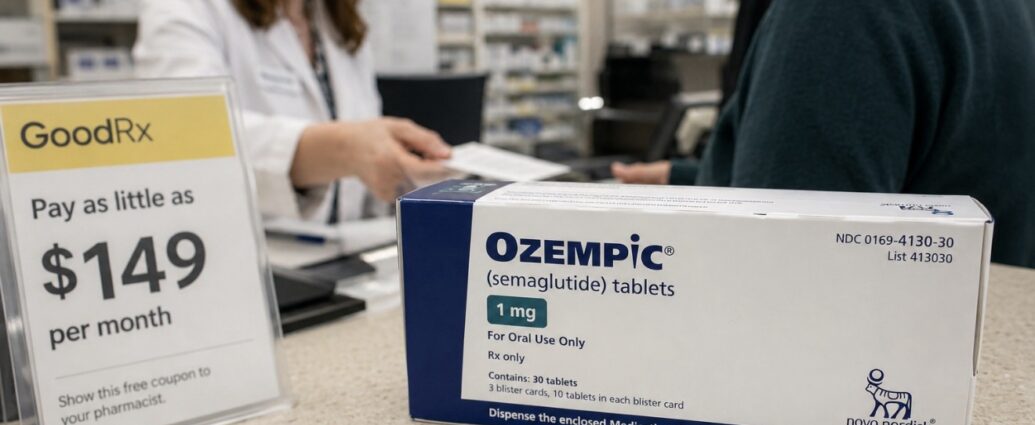
GoodRx and Novo Nordisk are launching one of the most aggressive affordability pushes yet in the booming GLP-1 market, rolling out a nationwide self-pay pricing program for the newly introduced oral formulation of Ozempic that could significantly expand access for millions of Americans with type 2 diabetes.

The companies announced that eligible patients can now access oral semaglutide — the pill version of the blockbuster diabetes drug — for as little as $149 per month through GoodRx’s network of roughly 70,000 pharmacies nationwide, bypassing many of the insurance barriers that have slowed access to GLP-1 medications across the country.

The launch marks a major strategic shift not only for Novo Nordisk, but for the broader pharmaceutical industry, where drugmakers are increasingly experimenting with direct consumer pricing models as public frustration grows over insurance denials, prior authorizations, and the soaring cost of specialty medications.

Under the new pricing structure, the oral Ozempic formulation will be available at three cash-pay tiers: 1.5mg for $149, 4mg for $199, and 9mg for $299 monthly. Some insured patients may qualify for pricing as low as $25 for up to three months, according to the companies.

For consumers, the numbers matter. Traditional injectable Ozempic can cost uninsured patients more than $900 monthly at retail prices before discounts or manufacturer programs. Even discounted self-pay injectable pricing has often ranged between $349 and $499 per month, placing the medication beyond reach for many working Americans without strong prescription coverage.

The oral formulation fundamentally changes that equation.

“This is an important step forward, offering a convenient alternative to the established injectable,” said Wendy Barnes, President and Chief Executive Officer of GoodRx, describing the rollout as part of a broader expansion of the company’s partnership with Novo Nordisk across its semaglutide portfolio.

Ed Cinca, Senior Vice President of Marketing and Patient Solutions at Novo Nordisk, said the collaboration is designed to expand patient access through a transparent pricing structure while giving physicians more flexibility in tailoring treatment options.

The stakes for both companies are enormous.

GLP-1 receptor agonists — the drug class that includes Ozempic, Wegovy, Mounjaro, and Zepbound — have become one of the fastest-growing pharmaceutical markets in modern history. Originally developed for diabetes treatment, the medications have transformed obesity care, cardiovascular risk management, and metabolic disease treatment, fueling tens of billions of dollars in annual drug sales.

According to the Centers for Disease Control and Prevention, approximately 38 million Americans have diabetes, while tens of millions more remain prediabetic. Yet despite strong clinical demand, access has consistently been constrained by cost.

A large claims-based study published in JAMA Network Open found that higher out-of-pocket costs for GLP-1 drugs significantly reduce both treatment initiation and long-term adherence, underscoring how pricing remains one of the largest barriers to widespread adoption.

The timing of the rollout is also highly strategic.

Novo Nordisk has faced mounting competitive pressure from Eli Lilly & Co., whose rival GLP-1 drugs Mounjaro and Zepbound have captured significant market share and delivered record sales growth. Investors and analysts have increasingly focused on whether Novo Nordisk can maintain its leadership position as the market evolves from supply shortages toward broader mass-market adoption.

The oral Ozempic expansion offers Novo Nordisk a new way to differentiate itself.

Unlike injections, oral medications typically face lower psychological barriers among patients hesitant to begin injectable therapies. Healthcare providers have long argued that a lower-cost pill format could dramatically expand the eligible patient pool, particularly among individuals newly diagnosed with diabetes or patients resistant to injections.

For GoodRx, the partnership signals a broader transformation of its own business model.

Long known primarily as a prescription discount and price-comparison platform, the company is increasingly positioning itself as a direct healthcare access infrastructure provider for pharmaceutical manufacturers. Company executives said the new Novo Nordisk collaboration demonstrates how GoodRx can help manufacturers deliver transparent nationwide pricing while directly reaching patients through retail pharmacies.

The platform now serves approximately 25 million consumers annually and more than one million healthcare professionals, giving drugmakers immediate national distribution scale without building separate patient-access systems.

Wall Street has been closely watching whether the GLP-1 market begins shifting away from scarcity-driven pricing toward broader retail competition and transparent self-pay models. Analysts say the GoodRx-Novo Nordisk arrangement could become a template for future pharmaceutical partnerships as manufacturers seek to avoid mounting political scrutiny over drug pricing while simultaneously expanding patient adoption.

The implications extend well beyond diabetes care.

As oral GLP-1 options become more widely available and consumer pricing becomes easier to understand, healthcare economists say the industry may be entering the next phase of the weight-loss and diabetes drug revolution — one where pharmacy access, affordability, and convenience become as important as clinical effectiveness.

For millions of Americans who previously assumed Ozempic remained financially out of reach, the pharmacy conversation may have just changed overnight.

JBizNews Desk
© JBizNews.com. All rights reserved. This article is original reporting by JBizNews Desk. Unauthorized reproduction or redistribution is strictly prohibited.

Capsida Biotherapeutics said Tuesday that it still had no answers in its investigation into the death of a child in a gene therapy trial last September.

Its scientists’ efforts, it said, have been stymied because the hospital where the study was conducted has declined to share tissue samples from an autopsy. 

The therapy, known as CAP-002, was the first of a wave of new gene therapies designed to deliver genes deep into the brain. Scientists around the world engineered viruses that could slide through the blood-brain barrier that walls off our most vital organ from the rest of the body. Companies spun up promising treatments for devastating rare genetic diseases and common conditions like Alzheimer’s and Parkinson’s.

Continue to STAT+ to read the full story…

This post was originally published here. 

Five years ago, the bottom fell out of sepsis prediction software. Hundreds of hospitals had adopted an algorithm from electronic health record company Epic that promised to alert physicians to predicted cases of sepsis, a life-threatening reaction to infection that kills more than 350,000 people in the United States every year. 

The AI was a technical flop. Despite its results on paper, the technology failed to perform in the real world, and sent so many alerts that doctors tuned them out or hospitals turned them off. 

Half a decade on, new sepsis models are hitting the scene. Epic released a retooled version of its own algorithm. Startups are testing their models in health systems. A team uses large language models to mine clinical notes for signs of sepsis. And on Tuesday, a sepsis flagging device from Bayesian Health, with origins at Johns Hopkins, announced it has received clearance from the Food and Drug Administration.

Continue to STAT+ to read the full story…

This post was originally published here. 

PCOS is dead. Long live PMOS. 

Revealed Tuesday, the one-letter change in nomenclature for a common metabolic condition in women may seem unremarkable, but it follows more than a decade of vigorous debate over the need for a name that more precisely and completely describes what until now was known as polycystic ovary syndrome (PCOS). 

Read the rest…

This post was originally published here. 

WASHINGTON — Patient groups are jockeying for exemptions from Medicaid work requirements, but the unusually fast implementation timeline for states is causing headaches.

Federal officials have until June 1 to tell states how to implement a provision of President Trump’s tax cut bill that requires certain Medicaid beneficiaries to show that they’re working, in school, or volunteering in order to keep their coverage. Once that regulation is out, states will have to put their systems in place by Jan. 1.

Advocates for people with certain diseases have been meeting with federal officials to urge that those patients be automatically exempt from the work requirements. For example, Patients with sickle cell disease recently met with White House budget officials to request an exemption. Advocacy groups for people with HIV are making a similar push.

Continue to STAT+ to read the full story…

This post was originally published here. 

In early 2025, biotech experienced a “DeepSeek moment” when biotech and pharma leaders alike realized how quickly China was gaining ground with innovation, speed of drug development, and share of licensing deals. In 2020, global pharmaceutical companies spent about $9 billion on licensed drug assets from China. In 2025, that number shot to more than $137 billion. The first two months of 2026 alone accounted for nearly $50 billion in deals. As a December 2025 report from the National Security Commission on Emerging Biotechnology put it, “in just three years, China’s biopharmaceutical industry rose from near irrelevance to dominance.”

China’s rise is happening with the blessing of U.S. pharmaceutical executives, who are allowing their own industry to be destroyed.

I am a co-chair of a working group at the Council on Foreign Relations investigating the U.S.’s generic pharmaceutical dependence on China. An estimated 60% of our generic medications have an active ingredient that originates in China; some estimates have this figure as high as 80-90%. (The exact percentage is unknown because the Food and Drug Administration doesn’t formally track this information, and because a significant percentage of our drugs are imported from India, which in turn imports chemical precursors from China.)

Continue to STAT+ to read the full story…

This post was originally published here. 

It is a drug that kills nearly 500 Americans every day, and causes more deaths in a typical year than every infectious disease combined. It is manufactured abroad and domestically, then sold by powerful multinational organizations with a vast network of distributors. Its promoters can appear indifferent to its addictive and ruinous properties. 

For decades — for centuries, really — it has destroyed lives, torn apart families, stunted the economy, and caused millions of deaths. Yet alcohol, by far the most popular and most harmful mind-altering substance in the U.S., is not seen as a public health emergency.

Alcohol is central to American life because of its social and cultural benefits to the many people who drink without issue. But alcohol’s ubiquity persists in the face of mountains of research linking heavy drinking to cancer, heart disease, stroke, cognitive decline, developmental disorders, gun violence, injuries, and countless other consequences. Alcohol-related injuries, disease, and fatalities have spiked in recent years, starting in 2020. Older adults, women, and young people have been especially harmed, including by a sharp rise in liver-related deaths. Alcohol-related emergency department visits nearly doubled in the U.S. between 2003 and 2022.

For those addicted, alcohol is “an absolute poison,” Jenny Wilson, an emergency physician in downtown Reno, Nev., said. Acute and chronic problems caused by excessive alcohol use show up in her work, “every single day, multiple, multiple times. Without question.”

But the mass death and sickening of Americans due to drinking is not an inevitability. A STAT investigation shows that this epidemic is a generational failure of the medical and public health systems, of industry, and of government — and that the Trump administration is wasting a unique opportunity to attack the problem. 

Political leaders, including those in the health-conscious Make America Healthy Again movement led by health secretary Robert F. Kennedy Jr., have largely ignored alcohol’s toll. Even the economic costs of excessive alcohol use, which top $240 billion annually — more than every American’s medical debt combined — have been disregarded. Alcohol tax revenue, on the other hand, has declined for decades as the cost of drinking goes down and inflation goes up.

Successive presidential administrations have done little to diminish alcohol’s harms. From the Reagan administration’s “Just Say No” campaign to the Obama administration’s “drug policy for the 21st century,” White House efforts on substance use have targeted illicit substances like crack cocaine, heroin, or marijuana. Alcohol’s brief moment in the spotlight occurred in January 2025, just before President Trump took office again, when Biden-era Surgeon General Vivek Murthy issued a report highlighting alcohol’s links to cancer. Trump’s second term has marked a return to business as usual, with some extra favors for a powerful alcohol industry. 

If ever there were leaders touched by the ravages of drinking, they would be Kennedy and President Trump. Trump’s older brother, Fred Jr., died at the age of 42 from a heart attack caused by alcohol addiction, a loss the president says made him a teetotaler. Kennedy is the first health secretary in open recovery from alcohol addiction. Both men have vowed to reduce rates of chronic illness, and addiction specifically. 

“Now I’m the chief of trying to solve it,” Trump told the Washington Post in 2019. “… I don’t know that I’d be doing that had I not had the experience with Fred.”

But neither has followed through with significant policy about the country’s favorite drug. Instead, the administration has loosened guidelines on drinking and slashed efforts to understand alcohol addiction, prevent more of it, and help people find a way out.

“These claims are baseless,” HHS spokesperson Emily Hilliard said. “Under Secretary Kennedy’s leadership, HHS continues to prioritize practical, evidence-based approaches to help people with substance use disorders access care and achieve long-term recovery.”

Hilliard cited the billions of dollars in treatment and recovery funding provided by HHS, including to state and local municipalities, as evidence that Kennedy is taking the issue seriously. Requests for interviews with Kennedy and HHS leaders handling alcohol efforts were not granted. The White House could not be reached for comment.

Industry groups, meanwhile, are quashing proposals for higher taxes or stricter regulation by exerting pressure on lawmakers and cozying up to power players in the worlds of philanthropy, medicine, and science. 

The public health establishment has sidelined medication-based treatment and harm-reduction strategies that can prevent addiction, illness, and injury. In some cases, health officials and major medical associations are using disputed science to tout the supposed health benefits of alcohol. What few efforts do exist to address alcohol’s harms have been overshadowed by the opioid crisis, a parallel drug epidemic that attracts more funding, spurs more policy change, and garners more media attention despite being vastly less deadly.

STAT’s account is based on interviews with more than 100 researchers, public health experts, doctors, patients, industry insiders, and lawmakers, as well as a review of the latest scientific literature, addiction treatment protocols, laws and public health guidance, and lobbying disclosures from alcohol companies and the trade groups that represent them. 

Drink’s hidden toll 

Of 178,000 deaths that occur each year from alcohol, roughly one-third are from causes like car crashes and alcohol poisoning. The rest are from cancer, heart disease, liver failure, and other chronic conditions that result from sustained heavy drinking. As far as drugs are concerned, alcohol’s toll is only outpaced by the prolonged damage of tobacco. 

But though the U.S. has dramatically cut tobacco use, it has never made a serious effort to curb alcohol-related harms other than in the infamous era of Prohibition. Over twice as many Americans consumed alcohol in 2024 than used tobacco products, federal estimates suggest. 

Alcohol is a leading preventable cause of cancer similar to obesity and tobacco. Researchers have estimated that if Americans who drink consumed only one alcoholic beverage per day, it could avert 17,450 cases of cancer each year. Addressing problem drinking is one of the best ways to save more lives for less money, according to the World Health Organization. 

The U.S. has gone in the opposite direction. Drinking-related deaths climbed in recent years, surging by 16% during the pandemic. Though alcohol consumption has since declined, alcohol deaths remain far above 2019 levels.

Continue to STAT+ to read the full story…

This post was originally published here. 

Stop in for your annual physical, and you may be asked some version of this question: How much alcohol do you consume most weeks? Or maybe, how many days over the last week did you have a drink? Or even just: Do you drink at all?

Most doctors agree that asking about alcohol consumption — and assessing whether drinking is interfering with physical and mental well-being — is an essential part of a checkup. And there are evidence-backed tools to talk about alcohol use, even at a 15-minute appointment. Yet alcohol screening and counseling are too often compressed or skipped during primary care visits, studies suggest.

This gap is costing patients and the health care system a great deal. Excessive alcohol use — beyond one drink a day for women or two for men —  is known to cause or worsen dozens of diseases and shorten lifespans. Even moderate use has been linked to an increased risk of cancer, hypertension, liver damage, and other conditions. 

Continue to STAT+ to read the full story…

This post was originally published here. 

Bristol Myers Squibb announced on Tuesday a partnership with Hengrui Pharma covering more than a dozen early-stage programs, the latest and a notably large case of a global pharmaceutical company looking to China for its next medicines. 

The licensing agreement includes a $600 million upfront payment from Bristol to Hengrui, and has a potential value of up to $15.2 billion if all milestones for the included drugs are reached.

As part of the deal, Bristol will gain the rights to four Hengrui oncology and hematology drug candidates outside of mainland China, Hong Kong, and Macau. The pact also gives Hengrui the rights to commercialize four immunology drugs from Bristol in that region. And the companies will work together to advance five other drugs, with Hengrui taking the lead on the early clinical development of all the programs. 

Continue to STAT+ to read the full story…

This post was originally published here. 

WASHINGTON — The Supreme Court is leaving women’s access to a widely used abortion pill untouched until at least Thursday, while the justices consider whether to allow restrictions on the drug, mifepristone, to take effect.

Justice Samuel Alito’s order Monday allows women seeking abortions to continue obtaining the pill at pharmacies or through the mail, without an in-person visit to a doctor. It prevents restrictions on mifepristone imposed by a federal appeals court from taking effect for the time being.

Read the rest…

This post was originally published here. 

GENEVA — The United Nations warned Monday that the ongoing disruption in the Strait of Hormuz is no longer simply an energy crisis — it is rapidly becoming a global food emergency that could push tens of millions of people toward hunger and starvation within weeks if fertilizer shipments are not restored.

The warning marks one of the starkest humanitarian assessments yet tied to the escalating Iran conflict and underscores how deeply the blockade is beginning to affect the global economy beyond oil markets alone.

Jorge Moreira da Silva, executive director of the U.N. Office for Project Services and head of a task force monitoring the growing food supply threat, said the world is approaching a critical point.

“We have a few weeks ahead of us to prevent what will likely be a massive humanitarian crisis,” Moreira da Silva told French news agency AFP. “We may witness a crisis that will force 45 million more people into hunger and starvation.”

The warning stems from the Persian Gulf’s central role in global fertilizer production and export infrastructure.

Countries surrounding the Gulf account for approximately:

  • 30% to 35% of global urea exports
  • 20% to 30% of global ammonia exports

Both products are essential components in modern fertilizer production and are critical to maintaining agricultural yields across large portions of the developing world.

Farmers throughout:

  • South Asia
  • Sub-Saharan Africa
  • Latin America
  • Parts of Southeast Asia

depend heavily on fertilizer shipments that normally transit through the Strait of Hormuz.

But since the joint U.S.-Israeli military campaign against Iran began in February — and Tehran effectively moved to close or heavily restrict traffic through the waterway — many of those supply chains have been severely disrupted for more than ten weeks.

The consequences are beginning to compound globally.

Fertilizer shortages are arriving on top of already elevated agricultural production costs caused by surging oil and fuel prices.

Modern farming relies heavily on diesel fuel, transportation networks, irrigation systems, and mechanized equipment — all of which become more expensive as energy prices rise.

At the same time, fertilizer shortages directly threaten crop yields themselves.

Lower fertilizer availability can reduce agricultural output dramatically, particularly in lower-income countries where farmers already operate with minimal margins and limited reserves.

The resulting risk is not simply higher food prices — but actual shortages.

The U.N. warning Monday followed similarly grim comments from Saudi Aramco CEO Amin Nasser, who said the broader supply disruption now unfolding across energy and commodity markets may take years to normalize even under optimistic scenarios.

“If the Strait of Hormuz opens today, it will still take months for the market to rebalance,” Nasser warned earlier Monday. “And if its opening is delayed by a few more weeks, then normalization will last into 2027.”

Several Gulf energy producers have already declared force majeure conditions during the crisis.

Qatar halted portions of natural gas production earlier in the conflict, while other Gulf exporters have struggled with shipping constraints tied directly to the security environment in and around the strait.

The humanitarian risks are now moving rapidly from theoretical concern to operational emergency.

Global food systems operate on tightly synchronized planting, shipping, and harvesting cycles. Fertilizer disruptions lasting only several weeks can have effects that ripple across multiple growing seasons.

That reality is increasingly alarming governments, food producers, commodity traders, and humanitarian organizations alike.

For businesses, the implications extend far beyond agriculture alone.

Food manufacturers, grocery retailers, restaurant chains, transportation firms, and commodity markets all depend on stable agricultural output and predictable fertilizer availability.

Further disruptions could intensify inflation pressures that consumers worldwide have already struggled with for years following the pandemic, energy volatility, and supply chain fragmentation.

The humanitarian consequences could be even more severe in poorer nations already facing economic fragility, drought conditions, or political instability.

The figure cited Monday by the United Nations — 45 million people potentially pushed toward hunger or starvation — reflects not a distant scenario, but what officials describe as the leading edge of a rapidly escalating food security threat.

And as the ceasefire between Iran and the United States remains fragile and negotiations continue to deteriorate, the world’s most strategically important shipping corridor is increasingly becoming not only an energy chokepoint — but a growing fault line for global food stability itself.

JBizNews Desk

© JBizNews.com. All rights reserved. This article is original reporting by JBizNews Desk. Unauthorized reproduction or redistribution is strictly prohibited.

A South American court upheld the steps taken by the Colombian government when it issued a compulsory license two years ago for an HIV medicine, a move that confirmed the legal framework for using such an approach in the future.

The Court of Justice of the Andean Community — a tribunal that settles trade, intellectual property, and labor disputes for Bolivia, Colombia, Ecuador, and Peru — also ruled that the Colombian government had properly justified the reasons for issuing a license and appropriately set an expiration date for its license.

“The court concluded that Colombia did not incur a breach of Andean regulations, since such measures are valid when there are reasons of public interest,” the health ministry said in a statement. “Colombia adequately complied with the obligation to determine the duration of the compulsory license” for the medicine, which is sold by ViiV Healthcare.

Continue to STAT+ to read the full story…

This post was originally published here.