Eugene Braunwald, who was widely recognized as “The Father of Modern Cardiology,” died on April 22 at the age of 96. When I first learned about his death, I thought about our many conversations — particularly the two major visions he told me that he had for his career.  

His first vision was to work with other scientists to successfully turn a theory into real ways to help prevent a heart attack and to minimize heart muscle damage after an attack began. He achieved that, becoming the most important cardiologist of his generation and radically changing the everyday practice of medicine.

Read the rest…

This post was originally published here. 

WASHINGTON — After defending the Trump administration’s dramatic health cuts as a solution to bureaucratic bloat, the health department’s leaders are beginning to realize that a demoralized, diminished workforce will not help them achieve their goals. 

Health and Human Services Secretary Robert F. Kennedy Jr. fired around 3,500 workers from the Food and Drug Administration last year. He’s now aiming to hire more than 3,200, including scientific reviewers and investigators. As of late April, the FDA has hired about 350.

HHS leaders have now acknowledged that earning the trust of and retaining staff is a priority. Spokesperson Andrew Nixon said the FDA is “actively investing in its workforce to ensure continuity of expertise and prevent the loss of critical institutional knowledge.” Marty Makary, the FDA commissioner, has touted the plan in media appearances and town halls over the past few months. 

Continue to STAT+ to read the full story…

This post was originally published here. 

The Italian company Angelini Pharma said Thursday it would buy the rare-disease focused Catalyst Pharmaceuticals for roughly $4.1 billion in cash. 

The deal values Florida-based Catalyst at $31.50 a share, a 28% premium to the 30-day period before April 22, when it became publicly known that a deal was in the works. 

Buying Catalyst, which sells three approved medicines, will give Angelini a foothold in the U.S. market. It also builds on its work in neurology. 

Continue to STAT+ to read the full story…

This post was originally published here. 

JBizNews Desk | May 6, 2026

Johnson & Johnson is moving forward with a closely watched inflammatory bowel disease therapy despite mixed results from two mid-stage clinical trials — a sign the healthcare giant believes the drug still has strong potential for patients with few remaining treatment options.

The company on Tuesday released Phase 2b data for JNJ-4804, an investigational co-antibody therapy designed to target both interleukin-23 and tumor necrosis factor-alpha, two key inflammatory pathways associated with Crohn’s disease and ulcerative colitis.

The results were presented at Digestive Disease Week 2026 in Chicago and focused on patients with moderately to severely active disease that had already proven resistant to multiple systemic therapies.

A New Approach to IBD Treatment

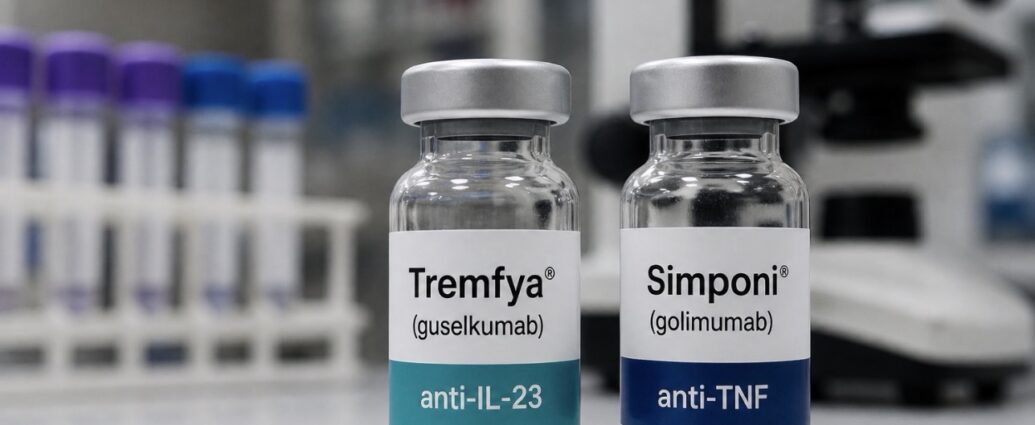
The studies — known as the DUET trials — evaluated a combination approach involving Johnson & Johnson’s existing drugs Tremfya and Simponi.

The goal was to determine whether simultaneously blocking two inflammatory mechanisms could deliver stronger and more durable remission rates than traditional single-drug treatments.

The program builds on earlier clinical data from 2022 that showed combination therapy could significantly improve remission rates in inflammatory bowel disease, helping spark broader industry interest in dual-target treatment strategies.

Inflammatory bowel disease, or IBD, includes Crohn’s disease and ulcerative colitis, chronic autoimmune disorders in which the immune system mistakenly attacks the digestive tract, often causing severe pain, inflammation, bleeding, and long-term complications.

What the Trials Showed

The topline results were mixed.

In Crohn’s disease patients, week-48 clinical remission rates reached 50.8% for patients receiving high-dose JNJ-4804, compared with 25.4% for golimumab alone and 42.5% for guselkumab alone.

Endoscopic response — a key measurement evaluating actual physical healing inside the digestive tract — reached 38.1% for JNJ-4804 compared with 19.8% and 33.9% for the individual therapies.

In ulcerative colitis patients, week-48 clinical remission rates came in at 41.0% for JNJ-4804 versus 11.5% for golimumab and 34.0% for guselkumab.

While those numbers outperformed the standalone therapies in several categories, the combined treatment failed to achieve statistically significant improvement across the broader patient population — missing the primary endpoint thresholds generally required for a clear trial success.

That outcome initially weighed on investor sentiment and raised questions about whether the drug would advance further in development.

Where the Strongest Signal Emerged

The more promising data came from a narrower but critically important group of patients: those who had already failed multiple prior treatments.

Among patients who had previously failed two or more systemic therapy classes, JNJ-4804 produced substantially stronger remission results.

In Crohn’s disease, remission rates nearly doubled compared with the strongest comparator treatment. In ulcerative colitis, remission rates were roughly 60% higher than the closest competing therapy.

That subgroup is considered one of the hardest-to-treat populations in gastrointestinal medicine, with many patients exhausting available biologic therapies over time.

“Currently in IBD treatment, each successive therapy produces diminishing returns, and patients who have failed multiple treatments have very limited options,” said Dr. Bruce E. Sands, Dr. Burrill B. Crohn Professor of Medicine at the Icahn School of Medicine and lead author of the Crohn’s disease study.

“By combining two mechanisms of action, we’re seeing efficacy that appears to be additive — without increasing safety risk,” Sands said.

Safety Profile and Phase 3 Plans

Johnson & Johnson said the safety profile for JNJ-4804 was generally consistent with the safety of the two individual therapies when used separately.

Serious adverse events were relatively uncommon across both studies and were primarily gastrointestinal in nature.

Despite the mixed topline outcome, the company confirmed it plans to move the therapy into Phase 3 testing for both Crohn’s disease and ulcerative colitis.

The next-stage studies are expected to operate under the names DUET ENCORE-CD and DUET ENCORE-UC.

Johnson & Johnson describes JNJ-4804 as the first fixed-dose co-antibody therapy specifically designed to create “molecular synergy” in inflammatory bowel disease by simultaneously targeting both IL-23 and TNF pathways.

Why It Matters

For the estimated 3 million Americans living with Crohn’s disease or ulcerative colitis, treatment failures remain one of the biggest challenges in long-term care.

Many patients cycle through multiple biologic therapies over years with diminishing effectiveness, leaving them with limited alternatives once resistance develops.

By advancing JNJ-4804 into Phase 3 trials despite the mixed broader results, Johnson & Johnson is signaling confidence that dual-pathway therapies may still represent the next major frontier in IBD treatment — particularly for patients who have exhausted nearly every other option.

— JBizNews Desk
**© JBizNews.com. All rights reserved. This article is original reporting by JBizNews Desk. Unauthorized reproduction or redistribution is strictly prohibited.

After a tidal wave of blowback that culminated in a lawsuit, a nonprofit health system has reversed course in its plan to replace its Oregon emergency physicians with a national chain. 

PeaceHealth’s announcement Wednesday didn’t disclose what prompted its change of heart, but those familiar with the situation say it’s because the health system’s plan was poised for defeat in a legal challenge. When PeaceHealth said in February it was cutting ties with Eugene Emergency Physicians, the local group that had staffed its Oregon hospitals for 35 years, the news drew tremendous pushback from doctors, nurses, lawmakers, mayors, and emergency medicine groups. 

Then, on March 20, the Eugene emergency physicians sued, arguing that PeaceHealth’s plan to use the Atlanta-based staffing chain ApolloMD violated a new Oregon law prohibiting managed service organizations from directly owning medical practices or interfering with clinical decisions. The case has had four hearings, in which the judge was “quite clear” that the scheme violated the law, Senate Bill 951, said Hayden Rooke-Ley, an attorney who represented the doctors and a senior fellow for health care with the American Economic Liberties Project.

Continue to STAT+ to read the full story…

This post was originally published here. 

Rise and shine, another busy day is on the way. However, this is also shaping up as a beautiful day as well, given the clear and sunny skies — and delicious breezes — enveloping the Pharmalot campus this morning. This calls for celebration with a cup of stimulation, and we are opening a new package of cinnamon buns for the occasion. Spring has sprung, after all. What is upon us right now, however, is our ever-growing to-do list. Sound familiar? So here are some items of interest. Have a great day, everyone. …

U.S. Health and Human Services Secretary Robert F. Kennedy Jr. announced several initiatives intended to rein in the prescription of selective serotonin reuptake inhibitors, the most widely prescribed class of antidepressants, which he has described as exceptionally difficult to quit, The New York Times writes. The initiative focuses on the most widely prescribed class of psychiatric medications, first-line treatments for depression and anxiety that include Zoloft, Lexapro, Paxil, and Prozac. In 2026. 16.7% of U.S. adults, or roughly one in six, reported currently taking one of these pills. The changes — new trainings, reimbursement mechanisms, and clinical guidelines — nudge clinicians to help patients get off medications, and to consider non-pharmaceutical interventions, like therapy, nutrition, and exercise.

A closely watched therapy developed by Johnson & Johnson failed to show a statistically meaningful improvement for patients with inflammatory bowel disease. But the company plans to advance the drug into late-stage testing, focusing on a growing subgroup of patients, STAT tells us. On Tuesday, trial investigators presented the results of a study that tested how well combining the drugs Tremfya and Simponi would stop the immune system from mistakenly attacking healthy tissues in the digestive tract. J&J tested the combined therapy in two Phase 2b clinical trials hitting both major forms of inflammatory bowel disease — ulcerative colitis and Crohn’s disease. In each trial, the combination performed better than the individual drugs, but did not meet the primary endpoint of clinical remission. 

Continue to STAT+ to read the full story…

This post was originally published here. 

The White House’s new strategy for addressing the nation’s drug crisis calls for a number of consensus public health measures: the overdose-reversal medication naloxone, medication-assisted treatment, and test strips used to detect fentanyl or other drug supply adulterants. 

But the May 4 document appears to run counter to many of the Trump administration’s latest drug policy actions. In particular, it comes just days after the administration issued new restrictions on using federal dollars to distribute test strips and warned against the use of medication-assisted treatment unless accompanied by other services, like counseling. 

Read the rest…

This post was originally published here. 

In 2019, Sebastiaan van Heesch was trying to pry apart the secrets of a broken heart. A systems biologist, van Heesch used a newish method to analyze the contents of ribosomes, cellular protein factories, in a collection of frozen hearts donated by 80 people, many of whom had died from end-stage heart failure. By uncovering all the proteins being produced in each heart, he and his team hoped to learn what had gone wrong. 

What they found with this “ribosome profiling” tool produced more questions than answers. In addition to proteins encoded by known genes, the ribosomes also seemed to be making hundreds of never-before-seen mini-proteins — molecules just a few dozen amino acids long whose code could be traced back to portions of the genome that weren’t thought to produce proteins. The main destination for many of these “dark proteins” was the mitochondria, raising the possibility that they were influencing the energy production process necessary for the muscles of the heart to beat properly.

“All of a sudden we could look at all of these noncoding RNAs getting translated,” van Heesch said. “All of these weird things we didn’t know were happening before suddenly became visible.”

Continue to STAT+ to read the full story…

This post was originally published here. 

WASHINGTON — The Food and Drug Administration authorized fruit-flavored vapes for the first time on Tuesday, after reports of pressure from President Trump. 

The approval might sound like a move guaranteed to alarm public health experts. But the decision is instead proving divisive among researchers and anti-smoking advocates as they debate whether the potential benefits in helping people quit cigarettes outweigh the risks of youth uptake. 

Read the rest…

This post was originally published here. 

The way Color Health’s CEO Othman Laraki sees it, cancer has a scaling problem. New science regularly sets new standards of care, increasing the intricacy of managing an already complex illness. Cancer patients are multiplying faster than oncologists, Laraki said, and costs, too, are exploding. All this makes it difficult for everyone to receive the best possible therapy. The solution that the Silicon Valley executive sees is inevitable.

“In our mind, the only way this is going to be addressed and solved is in a virtual first, AI-driven manner,” Laraki said. “In the coming years, the biggest cancer centers will be virtual first.”

Virtual care for cancer may sound like an oxymoron. After all, the pillars of cancer treatment are almost all hands-on: surgery, radiation, infusions, and the like. But Color Health has been building out a virtual cancer clinic — including a virtual “tumor board” of multidisciplinary experts —  that the company says can deliver and manage care at a high quality. The company just received a certification from the American Society of Clinical Oncology to back it up.

Continue to STAT+ to read the full story…

This post was originally published here. 

WASHINGTON — Sanofi has asked the Food and Drug Administration to pull its type 1 diabetes drug, teplizumab, out of Commissioner Marty Makary’s new speedy drug review program. 

The move comes after acting Center for Drug Evaluation and Research Director Tracy Beth Høeg disagreed with a staff decision to approve the drug, according to sources familiar with the dispute who requested anonymity due to fear of reprisal. The agency has missed its goal date of April 21 to deliver a decision to Sanofi.

Such decisions are typically made by career scientists. It’s rare for a center director to become involved in scientific review of a single drug, and particularly a political appointee like Høeg. Makary recently told CNBC that he stands behind review teams, and that “disaster” occurs whenever political leaders overrule scientific staff. 

Continue to STAT+ to read the full story…

This post was originally published here. 

WASHINGTON — The Trump administration on Tuesday released the most detailed look to date at its drug pricing policy and its purported impact, claiming huge future savings from the program.

The report, from the administration’s own Council of Economic Advisers, lays out the definition of “most-favored nation” pricing. That’s the definition pharmaceutical giants agreed to in their confidential deals with the administration, a White House spokesperson told STAT in an email. The most-favored nation pricing calculation represents a key underpinning of one of the White House’s top election-year talking points — though many key details of the deals remain private, and their ultimate impacts for consumers uncertain.

The analysis estimated the drug companies’ pledge to offer all new drugs at most-favored nation pricing would save the U.S. $529 billion over the coming decade — though the projection comes with big caveats. 

Continue to STAT+ to read the full story…

This post was originally published here. 

The healthcare giant increased its adjusted earnings guidance for 2026 by more than 4% as CVS saw “substantial improvement” in its health benefits segment, CFO Brian Newman said on an earnings call.

This post was originally published here. 

Nearly 8 in 10 reported the expensive weight loss medications are increasing their company’s healthcare costs, according to a survey by the Business Group on Health.

This post was originally published here. 

A closely watched therapy developed by Johnson & Johnson failed to show a statistically meaningful improvement for patients with inflammatory bowel disease. But the company plans to advance the drug into late-stage testing, focusing on a growing subgroup of patients. 

On Tuesday, trial investigators presented the results of Johnson & Johnson’s DUET study, testing how well combining the drugs Tremfya and Simponi would stop the immune system from mistakenly attacking healthy tissues in the digestive tract. It’s a follow-up to a 2022 clinical trial that showed a significant benefit to patients, nearly doubling the rates of disease remission and spurring several companies to start developing combination approaches for IBD. 

Johnson & Johnson tested its combined therapy, dubbed JNJ-4804, in two Phase 2b clinical trials hitting both major forms of inflammatory bowel disease — ulcerative colitis and Crohn’s disease. In each trial, the combination therapy performed better than the individual drugs, but did not meet the primary endpoint of clinical remission. 

Continue to STAT+ to read the full story…

This post was originally published here. 

You’re reading the web edition of STAT’s AI Prognosis newsletter, our subscriber-exclusive guide to artificial intelligence in health care and medicine. Sign up to get it delivered in your inbox every Wednesday. 

I’m stoked for the STAT Breakthrough West summit in San Francisco on May 19. I’ll be interviewing professor-turned-billionaire-philanthropist Seemay Chou on her bold vision for science in the age of AI and it will be *insert fire emoji*.

STAT+ subscribers get 40% off of virtual and in-person tickets, and reduced government, academia, and nonprofit passes are still available (email events@statnews.com).

Continue to STAT+ to read the full story…

This post was originally published here. 

Good morning, everyone, the middle of the week has arrived, and this calls for a celebratory cup or two of stimulation. How so? Well, you made it this far, which can be an accomplishment, after all. Moreover, there is always good reason to forge ahead, given that there is so much more to do and the effort just might pay off. With this in mind, we have fired up the trusty coffee kettle. Our choice today is crème brûlée. Meanwhile, we have assembled the usual menu of tidbits for your perusal. Hope you have a smashing day, and do drop us a line when you run across something interesting. …

One of the most powerful pharmaceutical lobbying groups in Washington is launching a new seven-figure advertising blitz targeting a federal drug discount program that has ballooned in recent years, Bloomberg Law reports. The campaign set to run Wednesday by the Pharmaceutical Research and Manufacturers of America takes aim at the 340B Drug Pricing Program, a federal plan that requires manufacturers under Medicaid to provide drugs at significantly reduced prices to health providers that care for a high number of low-income and uninsured patients. In the 30-second ad, a group of administrators at a fictional nonprofit hospital manipulate the program to divert 340B benefits to the hospital instead of patients, then use the money for other perks.

The U.S. Food and Drug Administration rejection rate for cell and gene therapies was 18% from 2020 to 2024, but subsequently rose to 38% over the subsequent 15 months, STAT tells us, citing data from the Alliance for Regenerative Medicine. The numbers underscore concern expressed at the Meeting on the Med conference in Rome last week. Rejections and reversals of prior directives at the FDA division responsible for reviewing cell and gene therapies have destabilized the already shaky footing of this field. What companies previously saw and relied on as regulatory stability and collaboration has teetered. Although the industry hopes for a friendlier replacement for Vinay Prasad, who headed the division but was recently pushed out, worries about the ongoing turmoil at the FDA, including many offices being understaffed, cropped up on other panels at the conference.

Continue to STAT+ to read the full story…

This post was originally published here. 

Want to stay on top of the science and politics driving biotech today? Sign up to get our biotech newsletter in your inbox.

Good morning. We’ve got more earnings today, and my colleague Drew Joseph brings us a dispatch from Rome.

The need-to-know this morning

  • German drug maker Bayer said it is acquiring Perfusion Therapeutics, a privately held developer of treatments for eye diseases. 
  • Vivek Ramaswamy, the biotech executive-turned politician, won the Republican primary for governor of Ohio on Tuesday. 
  • Madrigal Pharma said sales of its MASH drug Rezdiffra were $311 million in the first quarter, topping Wall Street estimates. 
  • United Therapeutics also reported earnings. 

Novo Nordisk saw its shares rise after being able to report some less-bad news.

The Danish firm, which had been trailing rival Eli Lilly in the obesity drug market, has gained some recent momentum with the hugely successful launch of its Wegovy pill in the U.S. And in releasing first quarter results Wednesday, Novo ticked up its guidance for the year, saying that adjusted sales will drop from 4% to 12% (the company previously said they would be down 5% to 13%), an identical shift also seen in its forecast for adjusted operating profit. The improving outlook is largely driven by better sales performance, Novo said.

Continue to STAT+ to read the full story…

This post was originally published here. 

Get your daily dose of health and medicine every weekday with STAT’s free newsletter Morning Rounds. Sign up here.

Good morning. Are you keeping up with “The Odyssey”? I’m right on track, six books in. Athena’s working hard for her boys. 

Read the rest…

This post was originally published here. 

I have spent the last 10 years of my life investigating psychedelics as novel treatments for mental health conditions. When President Trump signed his executive order on psychedelic medicines, my first thought was: He got this one right. My second thought: My field may not be ready for it.

The order itself is sweeping. It directs the Food and Drug Administration to issue priority review vouchers to accelerate approval timelines, expands right-to-try pathways for ibogaine, dedicates $50 million in ARPA-H funding to psychedelic research, authorizes the Drug Enforcement Administration to speed scheduling of FDA-approved psychedelics, and launches collaboration with Veterans Affairs on therapies for veterans.

Read the rest…

This post was originally published here. 

So far, artificial intelligence company OpenAI’s work in health care has been largely limited to nonregulated areas. In January, the company released ChatGPT Health for consumers. Then, it launched ChatGPT for Healthcare for hospitals, followed by ChatGPT for Clinicians. 

Along with the launch of its chatbot for clinicians last month, OpenAI also published a wish list that the company described as a blueprint for unlocking AI’s potential to change the broader health care system. The policy proposals outlined in the document, experts told STAT, are somewhat reasonable, but they also disproportionately benefit the company. 

“They’re trying to have their cake and eat it too,” said David Blumenthal, a former national coordinator for health IT and a health policy professor at Harvard University. “They’re trying to potentially sound like responsible parties in the current conversation while at the same time wanting the markets to stay open for their products.”

Continue to STAT+ to read the full story…

This post was originally published here. 

ROME — When Tim Hunt, who leads an organization for cell and gene therapy makers, reached for some reasons for optimism for the jittery field at a conference here last week, he highlighted the recent approvals of rare disease treatments from the likes of Rocket Pharmaceuticals and Regeneron Pharmaceuticals.

There was one other headline he touted as potentially promising: “FDA vaccine chief to leave the agency again.”

The allusion to Vinay Prasad — the Food and Drug Administration’s top regulator of gene and cell therapies as well as vaccines until his departure from the agency last week — was an indication that even at this event, designed to emphasize the opportunities and roadblocks the sector faces in Europe, it couldn’t escape the decisions that are coming from 4,500 miles away.

Continue to STAT+ to read the full story…

This post was originally published here. 

His real name is Will Flanary, but you probably know him as Dr. Glaucomflecken — the internet’s go-to doctor/comedian. On this episode of the “First Opinion Podcast,” we talked about how he mixes humor with some of the most pressing issues facing health care, from misinformation on social media to the corporate takeover of medicine.

In particular, Flanary has been deeply involved with advocacy around PeaceHealth’s decision to use a corporate group to staff the emergency department in Eugene, Oregon, instead of the community-based physicians who had been there for more than 35 years.

Read the rest…

This post was originally published here. 

I was at the close of my interview with Muriel, wife and caregiver of my patient Jim, who has dementia caused by Alzheimer’s disease. Jim was in the waiting area so I could have a candid conversation with Muriel.

I’d asked her about his cognitive symptoms, mood, and behavior, and how they impact his ability to perform daily tasks. I reviewed their living situation, his medications, and his medical history. I’d inquired about her. How are you doing? Is there anything you need? Now, it was time to ask my closing question:

“What is it like to be Jim?”

Continue to STAT+ to read the full story…

This post was originally published here. 

The pharmaceutical industry saw its reputation among patient groups inch up last year, but the rise masks fresh concerns about the extent to which some companies are sufficiently focusing on patient needs, according to a new survey.

Of more than 2,400 groups queried, 57% reported that drugmakers had an “excellent” or “good” reputation as they went about the business of developing and providing medicines. That was up a notch from 56% in 2024 and back to the level seen the previous year. Even so, the results place the industry below the 60% rating in 2022.

The biggest factors contributing to the slight turnabout were patient centricity — which refers to prioritizing patient needs — and ensuring patient safety, according to PatientView, a research firm that canvassed patient groups from 35 countries between December 2025 and March 2026. The firm rated the reputation of 47 companies.

Continue to STAT+ to read the full story…

This post was originally published here. 

You’re reading the web edition of STAT’s Health Tech newsletter, our guide to how technology is transforming the life sciences. Sign up to get it delivered in your inbox every Tuesday and Thursday.

Good morning health tech readers!

In two weeks, we’re holding our Breakthrough Summit West in San Francisco. I’ll be there interviewing OpenEvidence co-founder and CTO Zachary Ziegler. The agenda is positively loaded, and there’s still time to register.

Continue to STAT+ to read the full story…

This post was originally published here. 

You’re reading the web edition of D.C. Diagnosis, STAT’s twice-weekly newsletter about the politics and policy of health and medicine. Sign up here to receive it in your inbox on Tuesdays and Thursdays.

Brain Reid, who writes a newsletter on drug pricing policies, wrote “health care [sic]” in his Friday edition. I feel like a huge dork for laughing at that “sic” notation. Share your thoughts on the AP’s new compound noun dictum here, and send news tips to John.Wilkerson@statnews.com or John_Wilkerson.07 on Signal.

CPT codes are the new front in fraud allegations

House oversight committee Chair James Comer (R-Ky.) is taking aim at the American Medical Association, linking the biggest doctor lobby’s billing codes to potential fraud, waste, and abuse.

Continue to STAT+ to read the full story…

This post was originally published here. 

Want to stay on top of the science and politics driving biotech today? Sign up to get our biotech newsletter in your inbox.

Good morning. I was having a fine day yesterday until my colleague shared this game that tests how good (or how bad in my case) your color perception is.

The need-to-know this morning

  • Vertex Pharma reported first-quarter earnings that generally matched consensus, although the company said it was shelving an early stage, mRNA-based therapy for cystic fibrosis due to poor tolerability. The drug, called VX-522, was being developed as part of a collaboration with Moderna. 
  • Pfizer and Alkermes also reported earnings.
  • Viridian Therapeutics announced positive top-line results from a Phase 3 study of its drug, called elegrobart, in patients with chronic thyroid eye disease.

Cytokinetics drug Myqorzo meets twin efficacy goals in study of genetic heart disease

Cytokinetics said its drug Myqorzo significantly improved heart failure symptoms and cardiovascular fitness in patients with non-obstructive hypertrophic cardiomyopathy, an inherited heart disorder.

Continue to STAT+ to read the full story…

This post was originally published here. 

WakeMed would become part of Advocate Health, Atrium’s parent company. The deal has sparked concern from local lawmakers, who worry it could raise healthcare prices in North Carolina’s most populous county.

This post was originally published here. 

Johnson & Johnson’s experimental combination therapy for inflammatory bowel disease is showing its greatest impact where existing treatments fall short — in patients who have already cycled through multiple therapies — positioning the drug as a potential breakthrough for one of the most difficult segments of the market.

The company on Tuesday presented results from two large Phase 2b trials at Digestive Disease Week 2026, demonstrating that its dual-mechanism therapy, JNJ-78934804 (JNJ-4804), delivered the strongest outcomes in patients with the highest level of treatment resistance.

The drug combines guselkumab, an anti-IL-23 therapy marketed as Tremfya, with golimumab, an anti-TNF therapy sold as Simponi — targeting two separate inflammatory pathways simultaneously, a strategy researchers say may overcome the diminishing returns seen with single-drug approaches.

Results Driven by the Most Difficult Cases

Both trials — DUET-Crohn’s and DUET-UC — enrolled patients with moderate-to-severely active disease who had failed one or more prior therapies, including biologics and newer oral treatments. The Crohn’s study included 693 patients, while the ulcerative colitis trial enrolled 572.

The most striking results emerged in patients who had exhausted multiple prior options.

In the Crohn’s disease trial, high-dose JNJ-4804 produced clinical remission rates more than 20 percentage points higher than guselkumab and nearly 40 percentage points higher than placebo among patients who had failed two or more therapies.

The ulcerative colitis study showed a similar pattern. High-dose JNJ-4804 significantly outperformed golimumab on the primary endpoint of clinical remission at 48 weeks, with the largest gains again concentrated in the most treatment-resistant subgroup. In those patients, remission rates exceeded guselkumab by more than 20 percentage points and placebo by nearly 20 points, with comparable improvements in endoscopic and histologic measures of disease control.

Why Dual-Pathway Therapy Matters

Bruce E. Sands, MD, of the Icahn School of Medicine at Mount Sinai and lead author of the Crohn’s study, said the results address a longstanding limitation in IBD treatment.

“Currently in IBD treatment, each successive therapy produces diminishing returns, and patients who have failed multiple treatments have very limited options,” Sands said. “By combining two mechanisms of action, we’re seeing efficacy that appears to be additive — without increasing safety risk.”

Maria T. Abreu, MD, Executive Director of the F. Widjaja IBD Institute at Cedars-Sinai and lead author of the ulcerative colitis study, described the biological rationale more directly.

“In some patients, the immune system essentially finds a way around single therapies,” Abreu said. “By targeting two pathways at once, we may be able to outsmart the immune system and achieve better outcomes.”

Safety Profile and Next Phase

Across both trials, the safety profile of the combination therapy was broadly comparable to either drug used alone. Serious adverse events were relatively uncommon and primarily gastrointestinal in nature, according to the data presented.

Researchers said the results support advancing JNJ-4804 into Phase 3 trials, a key step toward potential regulatory approval.

Building on Earlier Signals — and Investor Backing

The DUET trials build on earlier findings from the VEGA Phase 2a study in 2022, which first demonstrated the potential of combining guselkumab and golimumab. In that study, 36% of patients achieved clinical remission, compared with roughly 21–22% for each monotherapy alone — an early signal that helped drive industry interest in dual-pathway strategies.

That momentum is now backed by significant capital. In March 2026, Royalty Pharma agreed to provide $500 million in research and development co-funding to Johnson & Johnson across 2026 and 2027 to support the advancement of JNJ-4804 — a move that underscores growing confidence in the therapy’s commercial potential.

A Large Unmet Need

Inflammatory bowel disease affects millions of Americans and includes both ulcerative colitis and Crohn’s disease, chronic conditions that often require lifelong treatment. Despite a crowded market of biologics and newer therapies, a substantial portion of patients fail to achieve sustained remission and cycle through multiple drugs with limited success.

The subgroup highlighted in the DUET trials — patients who have already failed several treatments — represents one of the largest remaining unmet needs in the field.

What Comes Next

If the Phase 3 program confirms the current findings, JNJ-4804 could emerge as one of the first widely adopted therapies designed specifically for treatment-resistant IBD — a shift that would not only expand clinical options but could reshape how physicians approach sequencing therapy in advanced disease.

For Johnson & Johnson, the results mark a potential entry into a high-value segment of the IBD market. For patients, they may represent something rarer: a meaningful step forward after multiple treatments have failed.

JBizNews Desk

Cytokinetics said Tuesday that its drug Myqorzo significantly improved heart failure symptoms and cardiovascular fitness in patients with non-obstructive hypertrophic cardiomyopathy, an inherited heart disorder. 

The results, reported in a company press release, achieved the dual efficacy goals of a Phase 3 clinical trial, called ACACIA, with statistical significance.

Cytokinetics is in the early days of Myqorzo’s commercial launch as a treatment for the more severe “obstructive” form of hypertrophic cardiomyopathy, or HCM. The successful outcome of the ACACIA study, if also cleared by regulators, could greatly expand the number of HCM patients eligible for treatment — and boost the drug’s peak sales to $5 billion annually, according to analyst forecasts. 

Continue to STAT+ to read the full story…

This post was originally published here. 

Good morning. Yesterday, the writer Yiyun Li won a Pulitzer Prize for her heartbreaking memoir, “Things in Nature Merely Grow.” Lately, I’ve been reading her short stories. Here’s one for after you’ve read the news, about a health care worker of sorts: “A Sheltered Woman.” 

The latest on the abortion pill

A Monday order from the Supreme Court, signed by Justice Samuel Alito, temporarily restored broad access to mifepristone after a federal appeals court ruling on Friday jeopardized access to the abortion medication at pharmacies or through the mail. The Supreme Court order will remain in effect until the end of the day next Monday, giving both sides time to respond while the court considers the issue. The AP has more details.

Read the rest…

This post was originally published here. 

WASHINGTON — For decades, politicians have blamed the country’s biggest doctor lobby for some of the health care systems problems. Now it faces a new line of attack as Republicans portray their health care cuts as fraud-fighting policies. 

The law requires that doctors bill for services in Medicare and Medicaid using Current Procedural Terminology, or CPT, codes, which are owned by the American Medical Association. The codes describe what services a patient received.

A key House Republican is requesting a meeting with Centers for Medicare and Medicaid Services officials to discuss their oversight of the CPT coding system as part of his committee’s investigation into fraud, waste, and abuse. In the letter, Rep. James Comer (Ky.) suggests the “complexity” of medical coding “may be contributing to improper billing and higher costs” and “creates an environment where billing inaccuracies can flourish.”

Continue to STAT+ to read the full story…

This post was originally published here. 

Three passengers are dead. Seven people are ill. The ship is anchored off Cape Verde, passengers cannot disembark, and the World Health Organization is coordinating the response.

The suspected cause is hantavirus, a rodent-borne pathogen with no cure and no approved vaccine. It is not a disease we associate with cruise ships. The MV Hondius departed Ushuaia, Argentina, on April 1, transited Antarctica and the island of St. Helena, and is now the site of what infectious disease experts are calling a genuinely unprecedented outbreak in this kind of setting. Notably, authorities in the Argentine province of Tierra del Fuego— from which the ship departed — have confirmed that no hantavirus cases have ever been recorded there. WHO notes, however, that the virus is endemic in other regions of Argentina and Chile.

Read the rest…

This post was originally published here. 

About 10 years after a breast surgeon we interviewed returned to Dubai to practice, a colleague stopped her in a hospital corridor to tell her: “It’s great — since you came back I no longer see those advanced cases of breast cancer.”

She had not stopped to notice. “You get on the wheel,” she told us in an interview for our research. When you return to your home country after training abroad, you run your clinics, train your nurses, drive out to women’s groups in the hinterlands to give talks, design educational videos that explain breast self-examination without showing a breast, because that is what the censors will pass. You argue to have the word “breast” printed on your medical license; the authorities prefer “chest.” You establish a support group, then a drop-in center, likely the only cancer drop-in center in the Middle East. Somewhere in the middle of all that, you alter what late-stage breast cancer looks like in your country.

Read the rest…

This post was originally published here. 

By JBizNews Desk | Tuesday, May 5, 2026

The U.S. Department of Justice is escalating its crackdown on healthcare fraud with the launch of a new multi-district enforcement unit targeting some of the fastest-growing fraud hotspots in the country, with Silicon Valley’s digital health sector now firmly in focus.

The newly formed West Coast Health Care Fraud Strike Force brings together the DOJ’s Fraud Division with U.S. Attorney’s Offices in the Northern District of California, the District of Arizona, and the District of Nevada, marking a significant expansion of federal enforcement efforts aimed at protecting taxpayer-funded healthcare programs.

Colin McDonald, Assistant Attorney General for the DOJ’s Criminal Division, said the initiative is driven by “a significant and accelerating increase in healthcare fraud across these regions, including sophisticated schemes leveraging technology platforms and complex billing structures.” He added that enforcement would be aggressive, warning that “no scheme is too complex, no network too large, and no individual beyond the reach of accountability.”

The new strike force builds on a national model that has already delivered substantial results. Federal prosecutors note that existing Health Care Fraud Strike Force operations have charged more than 6,200 defendants nationwide, involving over $45 billion in fraudulent billings to Medicare, Medicaid, and private insurers. Officials say the West Coast expansion reflects both the scale of the threat and the need for more targeted, data-driven enforcement.

Silicon Valley Under Intensified Scrutiny

Federal authorities are placing particular emphasis on Northern California, where technology-driven healthcare fraud has become increasingly prominent. Prosecutors say digital health platforms, telemedicine providers, and online prescribing operations have created new opportunities for abuse.

Craig H. Missakian, U.S. Attorney for the Northern District of California, said “Silicon Valley has emerged as a focal point for innovative healthcare delivery—but also for schemes that exploit that innovation to defraud public programs.” He emphasized that the strike force is designed to combine prosecutorial expertise with advanced data analytics to detect and dismantle these operations.

Recent cases illustrate the scale and complexity of the problem. Federal prosecutors secured convictions against executives of a digital health company accused of orchestrating a scheme exceeding $100 million, involving fraudulent prescriptions and improper distribution of controlled substances through online platforms. Authorities say such cases highlight how rapidly evolving technologies can be misused to bypass traditional safeguards.

Arizona and Nevada: Expanding Fraud Networks

The inclusion of Arizona and Nevada reflects what federal officials describe as a geographic shift in fraud activity, with networks increasingly migrating into states with rapidly expanding healthcare systems and Medicaid programs.

In Arizona, federal prosecutors have pursued some of the largest healthcare fraud cases in recent years. Two owners of a wound care company were sentenced to lengthy prison terms after pleading guilty to a scheme exceeding $1 billion in fraudulent billing tied to Medicare and Medicaid. Authorities seized more than $100 million in assets, including cash, luxury vehicles, and precious metals.

In a separate case, federal officials charged an overseas-based billing operator with orchestrating a scheme involving dozens of treatment clinics and hundreds of millions of dollars in alleged fraudulent claims. The case underscores the global nature of modern healthcare fraud, with networks operating across borders while targeting U.S. programs.

Officials say Nevada has also seen an uptick in fraud activity, particularly involving billing irregularities and misuse of telehealth services.

Multi-Agency Enforcement Power

The strike force will be staffed by specialized prosecutors from the DOJ’s Health Care Fraud Section, working in coordination with multiple federal and state agencies. Investigative partners include the Federal Bureau of Investigation (FBI), the Department of Health and Human Services Office of Inspector General (HHS-OIG), and the Drug Enforcement Administration (DEA), along with state-level enforcement bodies.

Scott J. Lampert, Acting Deputy Inspector General at HHS-OIG, said “recent enforcement actions have uncovered increasingly sophisticated schemes designed to appear legitimate while exploiting patients and inflating claims at scale.” He noted that enhanced coordination between agencies is critical to identifying and disrupting these operations more quickly.

Senior administration officials have publicly backed the initiative, framing it as part of a broader effort to combat fraud, waste, and abuse in federal programs. Policymakers say healthcare fraud not only drains taxpayer resources but also undermines trust in the healthcare system.

Implications for the Healthcare Industry

The launch of the strike force sends a clear signal to healthcare providers, digital health companies, and billing operators across the western United States: regulatory scrutiny is intensifying, and enforcement actions are likely to accelerate.

For companies operating in these sectors, the heightened focus translates into increased compliance requirements and greater legal risk. Industry analysts warn that businesses—particularly those leveraging telehealth, remote prescribing, and third-party billing services—may face more frequent audits, investigations, and enforcement actions.

Investors are also taking note. The expanded enforcement environment could influence valuations, due diligence processes, and deal timelines in the rapidly growing digital health sector.

At the same time, officials stress that the initiative is intended not only to prosecute wrongdoing but also to protect legitimate providers and ensure that healthcare resources are used appropriately.

What Comes Next

With data-driven enforcement, multi-agency coordination, and a clear mandate to pursue complex and large-scale fraud schemes, the West Coast Health Care Fraud Strike Force represents a significant escalation in federal oversight.

As enforcement activity ramps up, companies across the healthcare ecosystem—from startups to established providers—will need to reassess compliance frameworks and operational controls.

What comes next: With fraud networks evolving and expanding, federal authorities are signaling a sustained and aggressive enforcement posture, positioning the new strike force as a central tool in protecting billions in healthcare spending and reshaping compliance expectations across the industry.

The biotech industry has long operated on a simple premise: FDA-regulated, evidence-based science determines how medicines reach patients, not litigation. That premise was already tested in an earlier Texas case challenging mifepristone’s Food and Drug Administration approval — an unprecedented effort to unwind decades of scientific review through the courts. It is now, once again, under strain.

On Friday, the 5th Circuit Court of Appeals reinstated an in-person dispensing requirement for mifepristone, a medication that has been used safely by millions for more than two decades. The drug manufacturer, Danco, appealed to the Supreme Court within hours and on Monday morning, SCOTUS granted one-week stay halting the order. In other words, mifepristone is available again through the mail and at pharmacies — but it’s unclear for how long that will be true. And it signals that even well-established, FDA-approved medicines are vulnerable to judicial override of FDA regulatory decisions.

Read the rest…

This post was originally published here. 

As competition mounts in the red-hot market for weight loss drugs, France’s medicines regulator fined Novo Nordisk approximately $2 million for running “misleading” advertisements for its Wegovy and Saxenda medications.

At the same time, the National Agency for Medicines and Health Products Safety also fined Eli Lilly roughly $127,000 over advertising for its Mounjaro obesity treatment that purportedly amounted to indirect promotion of a medicine for which a prescription is required.

The penalties reflect increasing concern among regulators that weight loss medicines may be misused and, as result, promotions run by pharmaceutical companies are being closely scrutinized. Two years ago, the regulator issued a bulletin on the risks associated with the drugs, especially inappropriate use.

Continue to STAT+ to read the full story…

This post was originally published here. 

The sector recorded 12 bankruptcy filings in the first quarter, up 33% from the fourth quarter of 2025, according to the analysis by Gibbins Advisors.

This post was originally published here. 

The strike force allows the department’s healthcare fraud unit to coordinate with U.S. attorney’s offices in Arizona, Nevada and the Northern District of California, where the DOJ says fraud schemes are increasing.

This post was originally published here. 

Want to stay on top of the science and politics driving biotech today? Sign up to get our biotech newsletter in your inbox.

The U.S. is starting to feel the downstream effects of tighter immigration policies, as visa delays and uncertainty push international scientists away. Also, new funding for gene therapy startup Latus Bio, China’s tightening the reins on its supply chain, and more.

Read the rest…

This post was originally published here. 

This is the online version of STAT’s weekly email newsletter Health Care Inc. Sign up here.

Hey! Are you going to be in Washington, D.C. on May 19? I’ll be moderating a Georgetown University panel discussion on vertical integration in health care. Jonathan Kanter, the former top antitrust official at the Department of Justice, also will make remarks. It’s gonna be lit. Reserve a spot here. And as always, a penny for your thoughts: bob.herman@statnews.com.

The Elevance exec you need to know

Lawsuits alleging health insurers defrauded Medicare and other government programs take forever to litigate. Maybe they’re more about the friends you make along the way.

Continue to STAT+ to read the full story…

This post was originally published here. 

Maternal health is a known crisis in the U.S., where pregnant women and new mothers die at a rate several times higher than in comparable countries. In recent years, increased awareness of the problem has led to interventions at the federal and state level and a strengthening of surveillance and data collection. Even as sizable improvements continue to be elusive, the picture of how many new mothers are dying, and why, is becoming clearer. 

A research letter published on Monday in JAMA Pediatrics argues fathers deserve similar attention. To bolster their assertion, the authors reported the results of a pilot study in Georgia of deaths among fathers of children born in a single year, which found nearly 800 deaths in the first five years of fatherhood. 

Read the rest…

This post was originally published here. 

WASHINGTON — The Supreme Court on Monday restored broad access to the abortion pill mifepristone, blocking a ruling that had threatened to upend one of the main ways abortion is provided across the nation.

The order signed by Justice Samuel Alito temporarily allows women seeking abortions to obtain the pill at pharmacies or through the mail, without an in-person visit to a doctor.

Read the rest…

This post was originally published here. 

Good morning, everyone, and welcome to another working week. We hope the weekend respite was relaxing and invigorating because that oh-too-familiar routine of meetings, deadlines, and online calls has returned with a vengeance. You knew this would happen, though, yes? To cope, we are relying, as always, on a cuppa stimulation. Our choice today is laced ginger honey. Please feel free to join us. Remember, no prescription is required. Meanwhile, here is a menu of items of interest to help you along. We hope you conquer the world today and, of course, do keep in touch. …

Two drugmakers asked the U.S. Supreme Court to restore mail-order access to mifepristone, a move that would continue to allow women access to one of the most widely used abortion methods pending ​ongoing legal challenges, Reuters notes. Danco Laboratories and GenBioPro both filed applications with the top court on Saturday, one day after an appeals court temporarily blocked ‌deliveries, significantly curtailing access to the drug nationwide and particularly in states that have banned abortion. The lower court ruling, while temporary, is the first to significantly curtail access to mifepristone in a series of lawsuits challenging the drug’s initial approval in 2000 and subsequent rules making it easier to obtain.

UCB has made its second acquisition of the year, agreeing to a front-loaded takeover of Candid Therapeutics, a move designed to build its presence in therapies for autoimmune diseases, Pharmaphorum writes, The deal — which includes an upfront payment of $2 billion with another $200 million in potential milestones — will give UCB a pipeline of four T-cell engager candidates, of which two are in early-stage clinical testing. For Candid, hitching its wagon to UCB means that it has opted not to complete a reverse merger agreement with Rallybio — announced at the start of March — that would have delivered a Nasdaq listing and $505 million in concurrent financing.

Continue to STAT+ to read the full story…

This post was originally published here.