


Opinion | An SOS From the Cuban People
U.S. and Iran Escalate Strikes Over Strait of Hormuz as Oil Nears $76
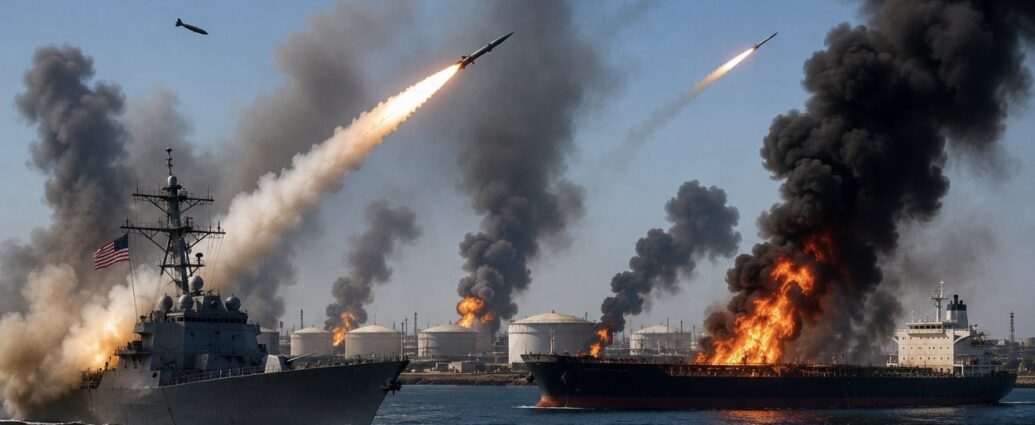
U.S. Central Command said Sunday, July 12, that American forces struck about 140 Iranian military targets over the weekend, the third round of strikes in a week, after Iran’s Islamic Revolutionary Guard Corps attacked a container ship in the Strait of Hormuz and again declared the waterway closed. The command said the operation, ordered by President Donald Trump on Saturday, lifted the three-night total to more than 300 targets and was meant to strip Tehran of the ability to fire on commercial shipping.
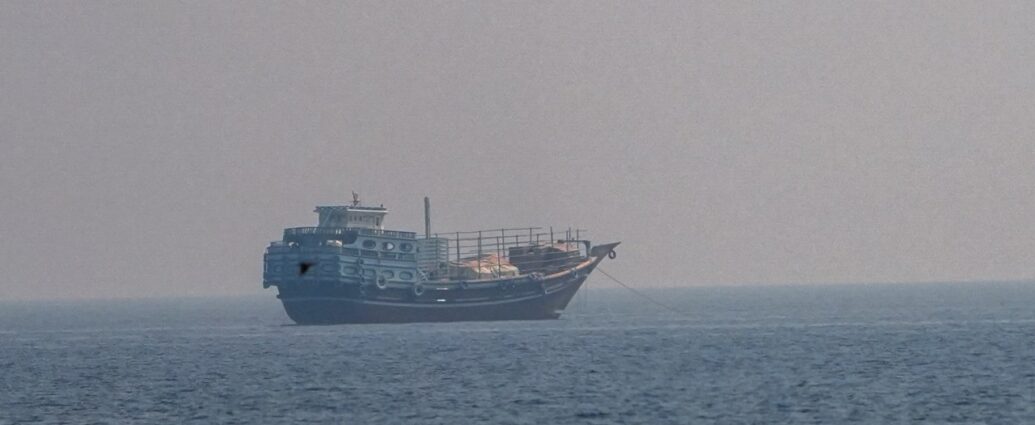
The targets included missile and drone positions, naval assets, ammunition depots, communications networks and coastal radar, CENTCOM said. The escalation followed the IRGC’s strike on the Cyprus-flagged GFS Galaxy, whose engine room was heavily damaged; one Indian crew member remained missing and ten others were rescued after the crew abandoned ship to a lifeboat. Iran answered by firing across the Gulf, claiming attacks on Jordan, where three missiles struck near the Prince Hassan Air Base; on Qatar, where shrapnel from an intercept injured three people, including a child, near the Al Udeid base; and on Kuwait, where a Kuwait Oil Company drilling platform was hit and a worker hurt. The United Arab Emirates, Oman and Bahrain reported intercepting missiles and drones.
The fighting runs straight through the price of oil. Brent crude, the international benchmark, has held near $76 a barrel and settled as high as $78.19 last week, while West Texas Intermediate climbed above $73, leaving Brent up more than 5% on the week. Roughly 20% of the world’s oil and liquefied natural gas — about 20 million barrels of crude a day — moved through Hormuz before Iran began choking the channel in late February. Equities have swung with each headline: the Dow Jones Industrial Average shed 577 points, or 1.1%, the day Trump told a NATO summit the ceasefire was “over,” while the energy-tracking XLE fund rose more than 2% as crude jumped. The S&P 500 and Nasdaq Composite have traded choppily since, and the yield on the 10-year Treasury note climbed toward 4.60%, up from 3.97% before the war, as bond investors priced in faster inflation.
Washington also tightened the financial screws. The U.S. Treasury moved to revoke the 60-day waiver that had allowed sales of Iranian oil through August 21, barring transactions after July 17 and cutting off revenue Tehran had counted on under the “Islamabad Memorandum” the two sides signed last month. That deal was meant to pause the war for 60 days, reopen Hormuz and buy time to negotiate Iran’s nuclear program; it has instead frayed with each attack.
The disruption reaches well beyond crude. Major carriers including Maersk, Hapag-Lloyd, CMA CGM and MSC have suspended or sharply limited Hormuz transits and rerouted Asia-Europe cargo around the Cape of Good Hope, adding 10 to 14 days and thousands of dollars per container in war-risk and emergency surcharges. War-risk insurance premiums have run near 0.5% of a vessel’s value per transit, about four times pre-crisis levels, with some underwriters pulling Gulf cover entirely. Maritime trackers said the number of ships waiting west of the strait had fallen below 700. Energy majors are feeling it too: Shell trimmed its second-quarter gas output guidance, citing lost Qatari volumes, and the International Monetary Fund cut its 2026 global growth forecast to 3%, blaming the energy shock even as booming AI investment cushioned the blow.
The political temperature matched the military one. Defense Secretary Pete Hegseth wrote on social media, “Iran made a poor choice. Now they pay.” Iran’s new Supreme Leader, Mojtaba Khamenei, who took over after his father was killed in the war’s opening strikes on February 28, vowed vengeance, and senior negotiator Mohammad Bagher Ghalibaf declared “the era of one-sided deals is OVER.” CENTCOM, disputing Tehran’s closure claim, insisted the corridor stays open: “Iran does not control the strait. Traffic is flowing,” it said, adding that U.S. forces had helped move more than 800 commercial vessels and 400 million barrels of crude since early May.
For businesses, the risk is a fresh energy and price shock at a delicate moment. Berenberg chief economist Holger Schmieding noted that Trump, facing November midterm elections, wants cheaper fuel, while Tehran’s Guard covets the cash that sanctions relief would bring — competing pressures pulling the strait in opposite directions. Verdence chief investment officer Megan Horneman called the standoff “highly inflationary and highly uncertain,” warning that markets may be growing numb to an on-again, off-again war. With Oman’s mediation stalling and both sides digging in, the crude that fuels the world economy remains hostage to a 21-mile channel.
JBizNews Desk | Washington © JBizNews.com All Rights Reserved. Reproduction or distribution without written permission is prohibited.
Opinion | Iran Is Too Weak to Make Peace
Graham’s Final Call to Trump Came Hours Before Death, Clouding 500% Russia Sanctions
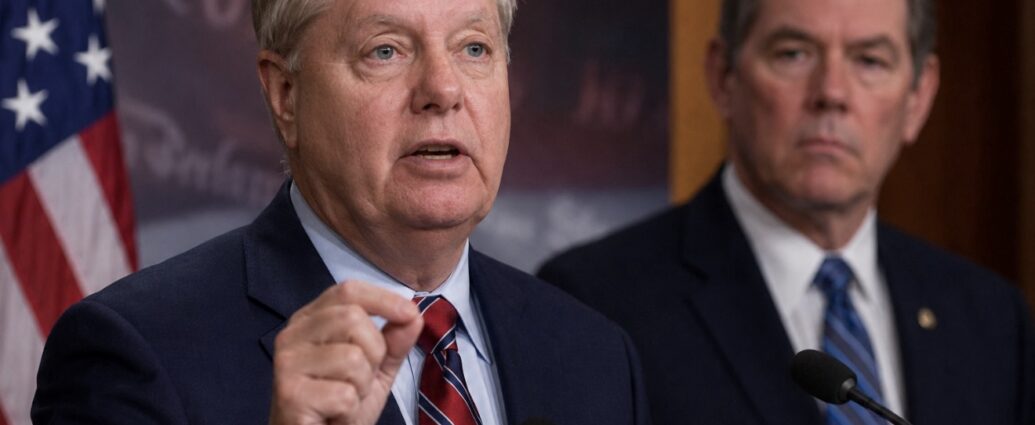
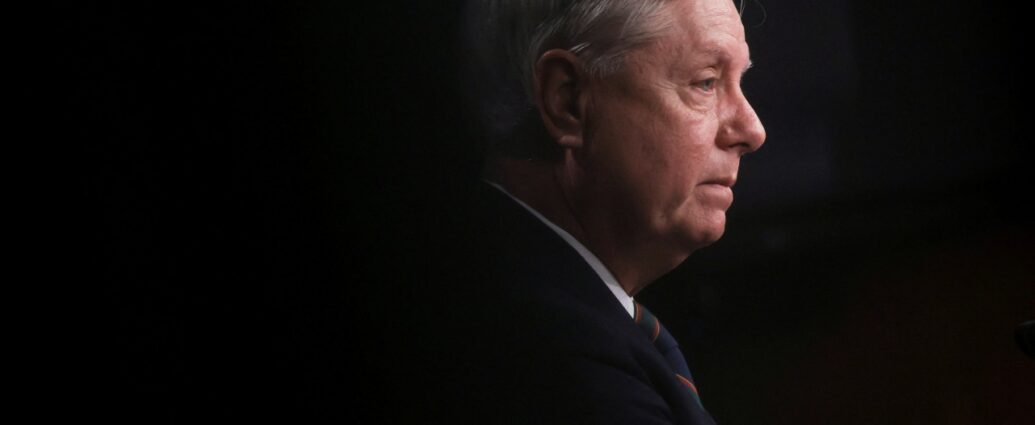
Washington — The sudden death of Senator Lindsey Graham, announced by his office early Sunday, July 12, removes the single most important congressional force behind a sanctions package that energy traders, defense contractors, and Kyiv had tracked for months. President Trump, speaking Sunday on NBC’s “Meet the Press,” said he spoke with the South Carolina Republican by phone Saturday evening — possibly Graham’s final call — and that the senator was still pushing legislation hours before he died at 71 of what his office called a brief and sudden illness.
The immediate economic casualty is Graham’s Sanctioning Russia Act, the bill he co-authored with Senator Richard Blumenthal that would slap a 500% tariff on any country buying Russian oil, gas, uranium, and other goods. Just two days earlier, on July 10, Graham stood in Kyiv after his tenth wartime visit and told reporters he had reached a deal with the White House on a version the administration would support, declaring it would become law. The measure carried 85 cosponsors — past the two-thirds threshold needed to override a veto — and had been designed to pressure buyers like China, India, and Brazil to abandon discounted Russian crude. Graham was the engine keeping it alive after Senate Majority Leader John Thune repeatedly slowed it to give Trump room to negotiate with Vladimir Putin.
With Graham gone, the bill loses its most relentless salesman at the exact moment it was closest to a floor vote. Blumenthal and Senator Jeanne Shaheen remain attached, but neither commands the same standing with Trump, and the timing question now reopens. For markets, the stakes are concrete. A 500% secondary tariff on Russian-energy buyers would ripple straight into global oil pricing, refiner margins, and the shipping and insurance costs already inflamed by the closure of the Strait of Hormuz. The same trip produced Trump’s political green light for Ukraine to co-produce Patriot missile interceptors and advance a bilateral drone agreement — deals that funnel real dollars to U.S. and allied defense manufacturers and that Graham had personally championed.
The Middle East loses a comparable weight. Graham was the Senate’s loudest advocate for military pressure on Iran, arguing for months that Tehran’s leadership was an unreliable negotiating partner and backing the U.S. and Israeli campaign now in its fifth month. His death lands as Iran has shut the Strait of Hormuz, fired on a commercial tanker, and drawn a third round of American strikes — a crisis pushing Brent crude back near $76 a barrel and war-risk insurance toward 3% of a vessel’s value. Graham had been among the most forceful voices tying that confrontation to a regime-change outcome, and his absence shifts the balance of hawks shaping how far Washington presses.
For Israel, the loss is personal and strategic. Prime Minister Benjamin Netanyahu, who long called Graham the country’s best friend in Washington, paid tribute Sunday and was said to be weighing a trip to the funeral. Graham cosponsored anti-boycott legislation and consistently defended U.S. security assistance — the kind of aid that underwrites contracts across the American defense-industrial base.
Trump, who described Graham as “like a member of the family to me,” framed the death partly through the lens of his stalled legislative wish list, calling it “a big blow” to the SAVE America Act, the voter-identification bill Graham was pressing in that last call. “We’re going to get it done, Lindsey,” Trump recalled telling him. Whether the president can move either the sanctions package or the election bill without Graham’s floor management is now an open question in a chamber where he supplied both the votes and the urgency.
There is also a South Carolina seat to fill. Graham was running for a fifth term this fall, and Trump said Sunday he already has a successor in mind but considers it too soon to name. The appointment will shape the balance on the Senate Budget Committee, which Graham chaired, and the fate of the spending and sanctions priorities he steered through it.
For now, the desks watching Russia sanctions, Ukraine reconstruction, defense procurement, and Iran policy face the same recalculation: a bill that looked destined to pass, and a hawkish posture that looked locked in, both suddenly depend on who inherits the fight. Graham spent three decades turning foreign-policy conviction into legislation and contracts. Replacing the conviction is one problem. Replacing the man who could count the votes is another.
JBizNews Desk | Washington © JBizNews.com All Rights Reserved. Reproduction or distribution without written permission is prohibited.

Australia’s ABC Defends Gaza Coverage at Antisemitism Inquiry Rejecting IHRA Definition
Australia’s national public broadcaster defended its reporting on the Israel-Hamas war while rejecting calls to adopt the International Holocaust Remembrance Alliance (IHRA) definition of antisemitism during testimony before a national inquiry examining antisemitism and social cohesion.
The issue arose Thursday as Australian Broadcasting Corporation (ABC) Editorial Director Gavin Fang appeared before Australia’s Royal Commission into Anti-Semitism and Social Cohesion, which was established following a rise in antisemitic incidents across the country.
During the hearing, Fang said the ABC believes its existing editorial standards, anti-racism policies and internal guidelines are sufficient to address antisemitism and maintain balanced journalism.
He argued that formally adopting the IHRA working definition could create concerns about the broadcaster’s editorial independence.
The IHRA definition has been adopted by numerous governments and organizations worldwide, including the Australian government, and includes examples of antisemitic conduct related to Jewish identity and, in certain circumstances, criticism of Israel.
Fang described the definition as “contested” and maintained that the ABC’s existing editorial framework already provides appropriate guidance for journalists.
The broadcaster’s position drew criticism during the inquiry.
Australia’s Special Envoy to Combat Antisemitism, Jillian Segal, testified that many members of Australia’s Jewish community believe the ABC’s reporting has disproportionately focused on Gaza while presenting coverage they consider unfair toward Israel.
Segal questioned why the broadcaster had adopted formal editorial standards addressing issues such as harassment and genocide but had declined to adopt a recognized definition of antisemitism.
She also proposed creating an independent oversight body to review complaints involving coverage of the Middle East rather than relying solely on the broadcaster’s own internal review process.
During questioning, Fang acknowledged one significant editorial mistake involving the ABC’s reporting of claims about humanitarian conditions in Gaza during 2025.
He said the broadcaster should have corrected inaccurate information more quickly after later evidence demonstrated the original reporting was incorrect.
However, Fang rejected broader allegations that the ABC systematically favors one side in its Middle East coverage.
He noted that complaints received by the broadcaster are roughly divided between viewers who believe coverage is too favorable toward Israel and those who believe it is too critical of Israel.
The ABC also submitted a written statement maintaining that its journalism remains evidence-based, impartial and fully consistent with its public broadcasting responsibilities.
The broadcaster said no formal findings of systemic editorial bias regarding its Middle East reporting have been upheld by its internal ombudsman.
The inquiry also heard testimony from representatives of Australia’s multicultural broadcaster SBS, which likewise defended its editorial practices while condemning antisemitism.
The commission forms part of Australia’s broader effort to address rising antisemitism following increased tensions surrounding the Israel-Hamas conflict.
Beyond examining public broadcasters, the inquiry has also reviewed social media platforms, online hate speech, community safety and the spread of antisemitic content across digital platforms.
For media organizations, the proceedings highlight growing scrutiny over how major news organizations report on highly polarizing international conflicts while balancing editorial independence with public confidence.
The inquiry may ultimately recommend additional oversight mechanisms or policy changes affecting publicly funded media organizations.
For businesses, the hearings also underscore the broader reputational and governance challenges facing media companies operating in an increasingly polarized information environment where questions surrounding trust, transparency and editorial standards continue attracting greater public attention.
The Royal Commission is expected to continue hearing testimony from government officials, community leaders, media organizations and academic experts before issuing its final recommendations.
JBizNews Desk | Sydney
© JBizNews.com All Rights Reserved. Reproduction or Distribution without Written Permission is Prohibited.
Opinion | One Plus One Doesn’t Add Up: Iran Wants the President Dead, and Washington’s Big Demand Is “Open the Strait by Saturday”
By Duvi Honig, Founder and CEO of the Orthodox Jewish Chamber of Commerce
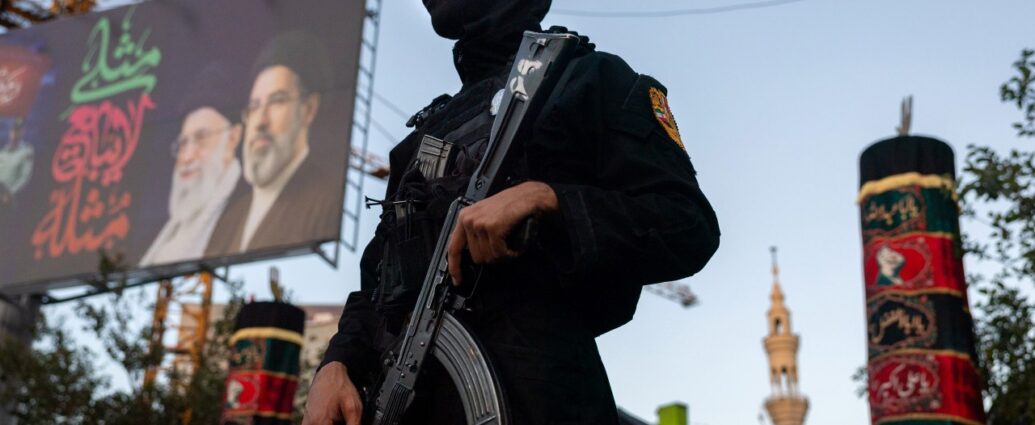
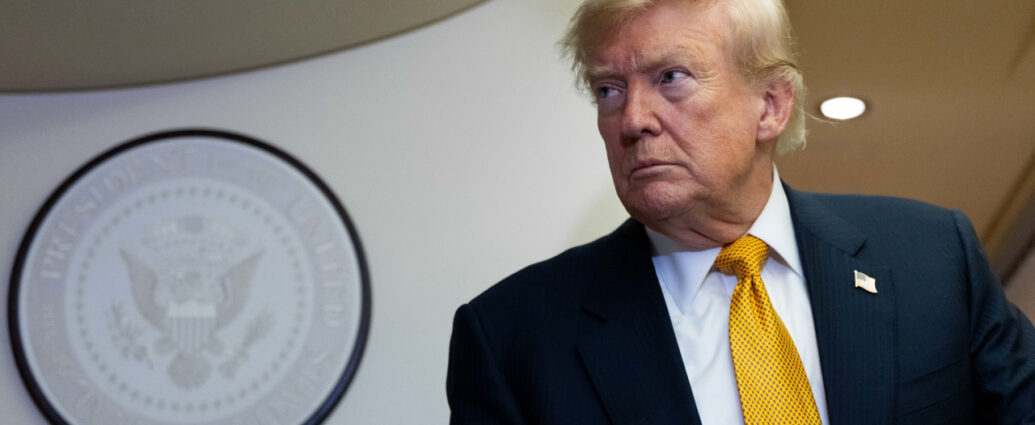
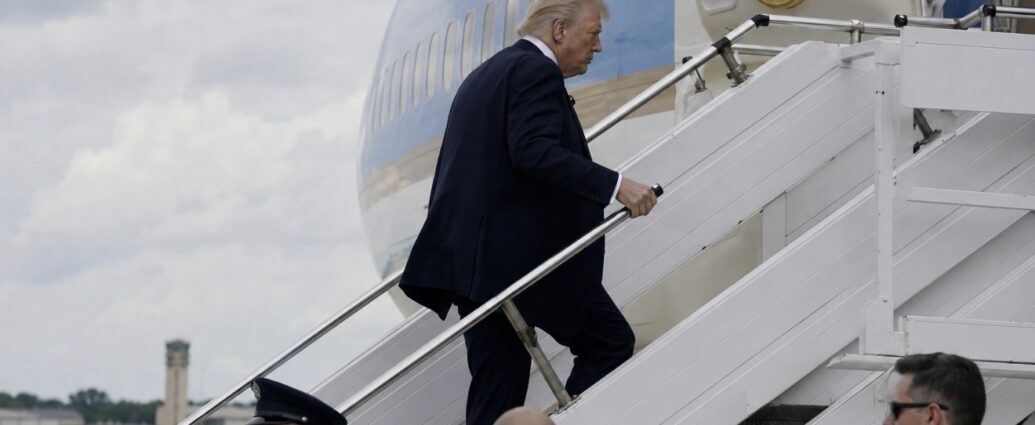
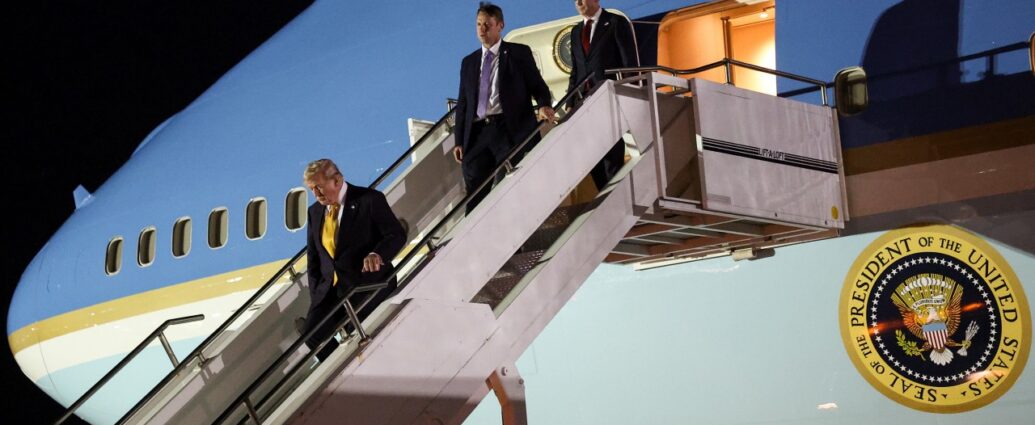
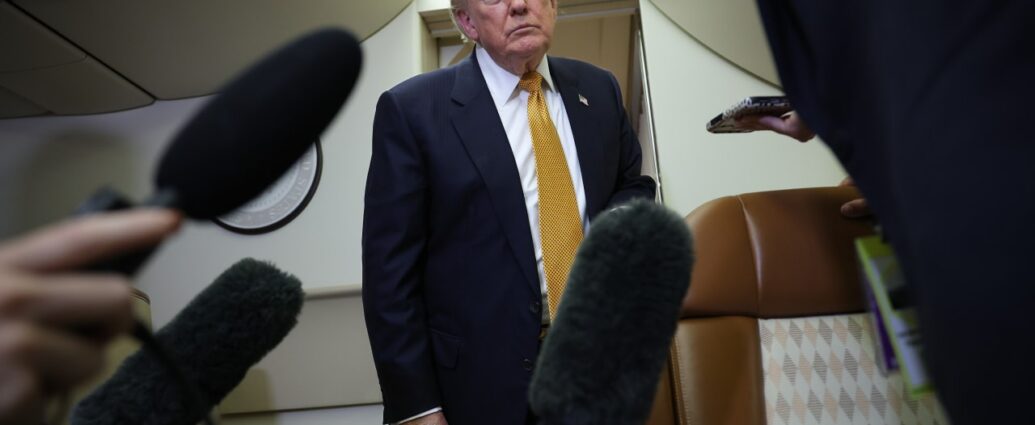
Start with the tell. This week President Trump flew home from the NATO summit in Turkey on the old Air Force One — not the gleaming, Qatari-gifted jet he’s been showing off. Why? Because the older plane carries the full set of defensive measures and the new one doesn’t, and multiple reports tied the switch directly to the Iran threat. The President wasn’t coy about it. “I’m number one on the kill list for Iran,” he said. Israel had just handed Washington fresh intelligence — reported by The Wall Street Journal and confirmed by CNN and Fox News — pointing to a new Iranian plan to assassinate him. At the Ayatollah’s funeral, crowds waved “Kill Trump” signs and posters offering $100 million for his head.
So the commander in chief accepts, publicly, that a foreign regime is actively trying to murder him. He changes planes over it.
Now look at what that same administration put at the top of its agenda this week. A Saturday deadline — delivered to Tehran through Axios by three U.S. officials — demanding that Iran publicly declare the Strait of Hormuz open and pledge to stop shooting at tankers. Open the shipping lane by the weekend, or else.
Read those two paragraphs back to back and tell me the math works. One plus one doesn’t add up.
We are being asked to treat a plot to kill the President of the United States and a dispute over oil-tanker tolls as if they’re the same negotiation, on the same clock, with the same regime. They are not apples to apples. They are not even in the same orchard. A shipping-lane deadline has exactly nothing to do with whether Iran gets to put a bullet in the president. Reopening the strait by Saturday does not lower the kill list. It does not recall the assassins. It does not make the man safer on the older plane. So what, precisely, does it have to do with our security?
Here’s the part nobody in Washington seems willing to say out loud: you cannot run a routine maritime haggle with a government you simultaneously believe is trying to assassinate your head of state. Either the threat is real — in which case the strait is a sideshow and the entire posture should be built around the President’s life — or the threat isn’t real, in which case somebody explain the old plane. It can’t be both. Pick one. Right now the government is behaving as if both are true at once, and that is the definition of asleep at the wheel.
And let me say this as a businessman, because the strait is my beat. I know exactly what that waterway is worth. It carries roughly one-fifth of the world’s oil. War-risk insurance that was a rounding error before the war now runs 2% to 6% of a ship’s value — a $6 million toll to move one tanker — and transits have collapsed by as much as 90%. Every dollar of it lands at the American pump and on the American shelf. I have built my career arguing that these everyday costs matter. They do.
But a shipping crisis is a commercial problem. A plot to kill the President is an existential one. Confusing the two — putting a Saturday tanker deadline in the same news cycle, the same breath, the same priority slot as an active assassination threat — is not strategy. It’s a scrambling of first things and last things.
Comparing apples to apples would mean this: the number-one item on every desk in that administration is keeping the President alive. Full stop. The strait, the tolls, the insurance premiums, the oil price — real as they are — come after. Instead we got a weekend ultimatum about a waterway and a president slipping onto the safer plane, and we’re all supposed to nod along as if that adds up.
It doesn’t. One plus one still equals two. Secure the President first. Then, and only then, worry about who opens the strait and when. Anyone treating those as the same equation is either not doing the arithmetic — or asleep at the wheel.
Opinion | Trump, Turkey and the F-35s

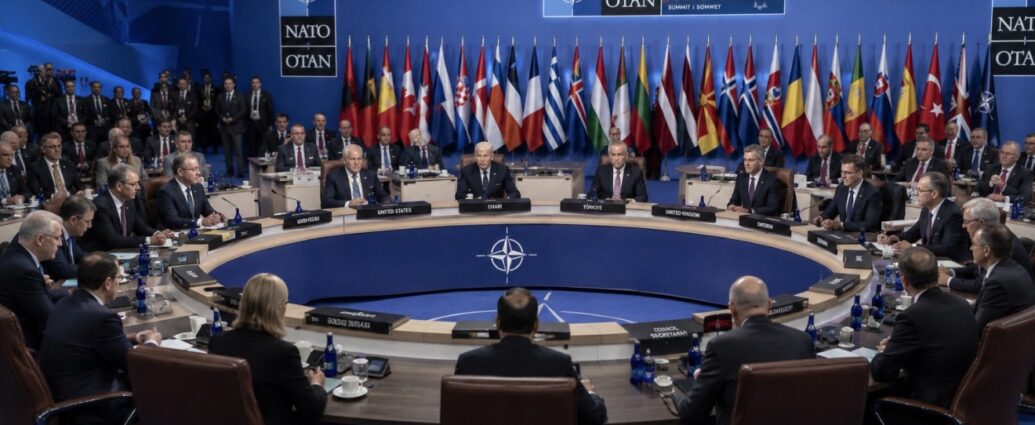
NATO Unveils Billions in Arms Deals as Allies Court Trump in Turkey
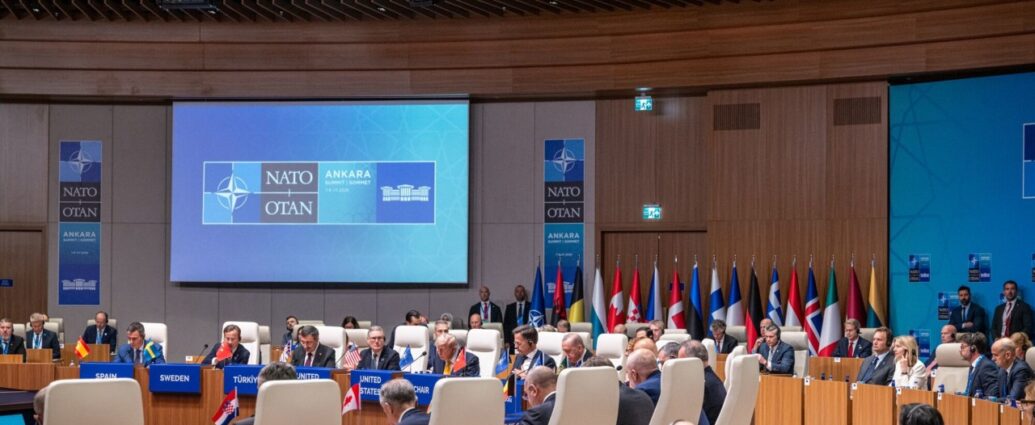
NATO leaders gathered in Ankara, Turkey, this week for a summit centered on defense spending, military production and alliance commitments, as member nations sought to demonstrate to President Donald Trump that they are increasing defense investment and strengthening the alliance’s industrial base. The meeting, held Tuesday and Wednesday at the Beştepe Presidential Complex and chaired by NATO Secretary General Mark Rutte, brought together leaders from all 32 member countries against a backdrop of billions of dollars in newly announced defense contracts.
Rutte focused the summit on three priorities: increasing allied defense spending, expanding defense manufacturing capacity and maintaining support for Ukraine. Ahead of the gathering, he called for what he described as a “transatlantic defense industrial revolution,” pointing to tens of billions of dollars in expected defense-related contracts and a defense industry forum that brought together senior government officials and major weapons manufacturers. NATO used the summit to highlight military procurement projects, underscoring how increased defense budgets are translating into production orders and industrial expansion.
The spending initiative builds on commitments made at last year’s NATO summit in The Hague, where member nations agreed to work toward spending 5% of gross domestic product on defense and security by 2035, including 3.5% for core military capabilities and 1.5% for broader security investments. This year’s summit focused on measuring progress toward that goal. Matt Whitaker, the U.S. ambassador to NATO, said the alliance would evaluate how quickly members are moving toward the benchmark. He noted that Poland, the Nordic nations and the Baltic states have made the fastest progress, while Germany expects to reach the target by 2029.
The United States continues to account for the largest share of NATO defense spending. The U.S. defense budget for 2026 totals approximately $901 billion, representing about 3.3% of the nation’s GDP. NATO officials say European allies and Canada have collectively increased defense spending by roughly $1.2 trillion over the past decade, including an approximately 20% increase during the past year. Despite that growth, analysts note that many European militaries remain heavily dependent on U.S. equipment, logistics and operational support.
The Trump administration has promoted a broader strategy often referred to as “NATO 3.0,” encouraging European allies to assume greater responsibility for conventional defense while allowing the United States to shift more military resources toward other strategic priorities. The approach has been reinforced by Defense Secretary Pete Hegseth’s review of U.S. force deployments in Europe and by repeated calls from President Trump for allies to increase their financial contributions to collective defense.
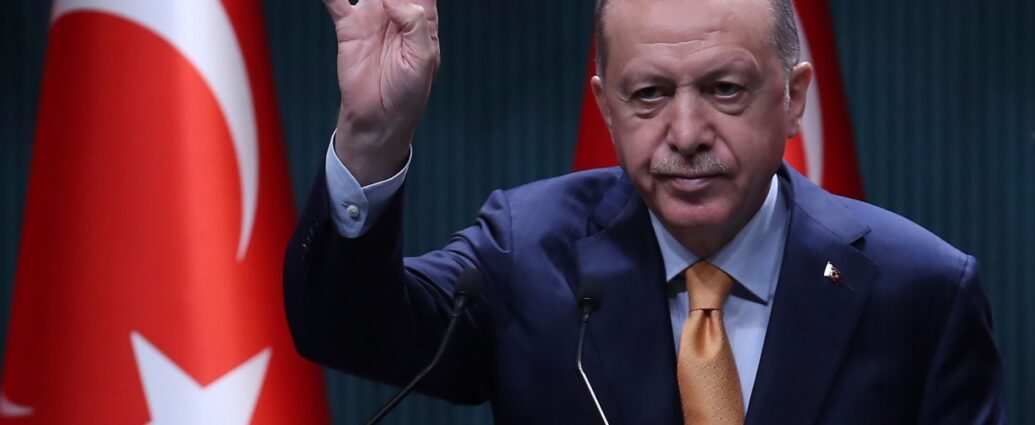
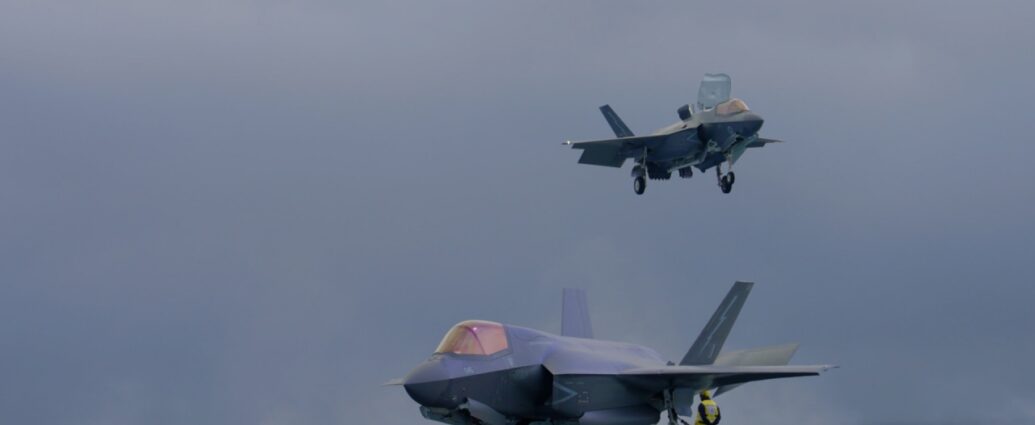
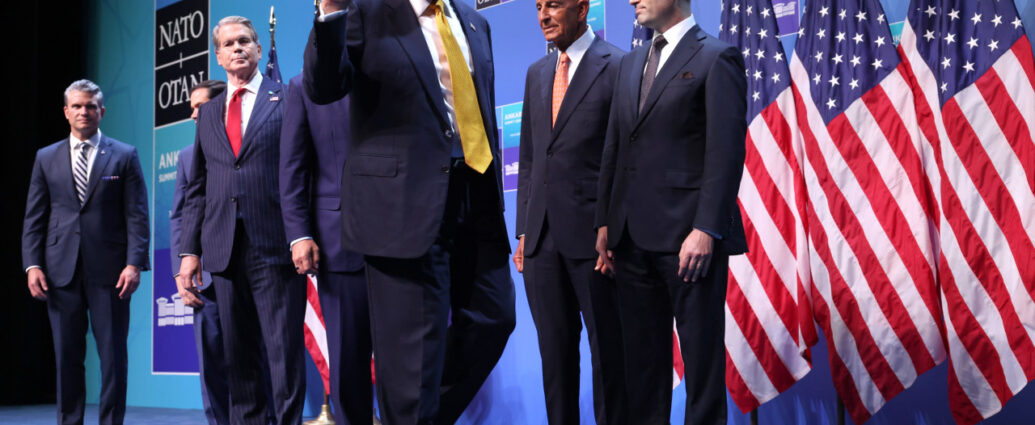
The summit also produced significant defense-industry news involving Turkey. During a bilateral meeting with Turkish President Recep Tayyip Erdoğan, President Trump said the United States would lift sanctions on Turkey and would consider resuming sales of Lockheed Martin F-35 fighter aircraft, a move that could reopen a major defense procurement relationship between the two NATO allies. The potential return of Turkey to the F-35 program would represent one of the most significant defense export developments discussed during the summit.
Regional security concerns also shaped discussions. The summit took place amid renewed tensions involving Iran, ongoing instability near the Strait of Hormuz and continued Western support for Ukraine. Ukrainian President Volodymyr Zelenskyy attended the gathering as allies increasingly highlighted Ukraine’s battlefield innovations in drone technology and electronic warfare alongside continued military assistance.
For the defense industry, the summit underscored a clear trend: long-term NATO spending commitments are increasingly translating into contracts, manufacturing expansion and new procurement opportunities for defense companies across Europe and the United States. As governments accelerate military modernization, defense contractors are expected to remain among the primary beneficiaries of higher alliance spending over the coming decade.
JBizNews Desk | Ankara, Turkey
© JBizNews.com All Rights Reserved. Reproduction or distribution without written permission is prohibited.
Ticket Prices Tumble 65% for World Cup Quarterfinals After U.S. and Mexico Crash Out
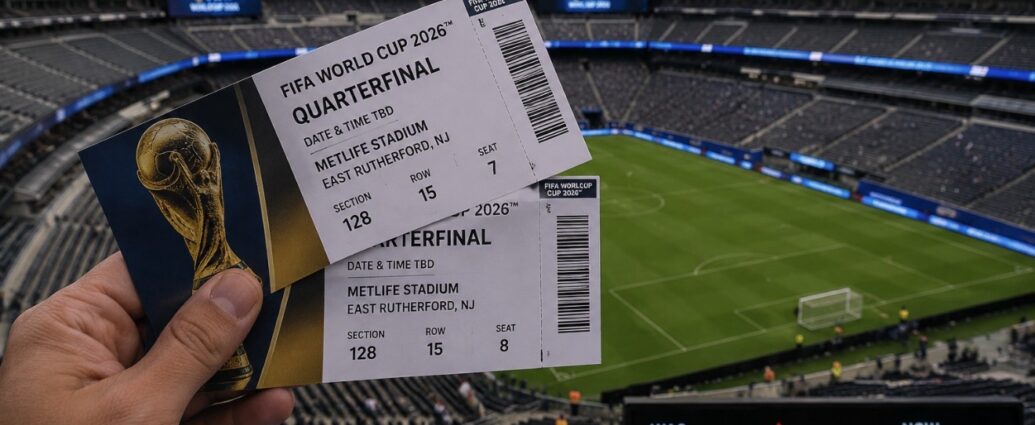
Ticket resale prices for the final stretch of the 2026 FIFA World Cup have plunged after the United States and Mexico were eliminated, underscoring how strongly host-nation teams drive demand. According to figures reported Friday by secondary ticket marketplace TickPick, the cheapest resale ticket for Friday’s quarterfinal between Belgium and Spain in Los Angeles fell to about $1,100, down roughly 65% from approximately $3,200 before the U.S. was knocked out earlier this week.
The reason is simple: home fans buy tickets to watch home teams. With all three co-hosts—the United States, Mexico and Canada—eliminated before the quarterfinals, demand in the resale market dropped sharply almost overnight. The U.S. was defeated 4-1 by Belgium in Seattle on Monday, while England eliminated Mexico 3-2 on July 5. Canada exited the tournament the previous weekend after losing to Morocco.
The United States had generated enormous local demand throughout the tournament, drawing a sellout crowd of 66,925 fans in Seattle for its final match. Mexico’s passionate fan base created even stronger demand in many host cities, helping push resale prices to record highs during the knockout rounds.
The decline extends well beyond one match. Ticket marketplace Gametime reported that entry prices across all quarterfinal matches have fallen by roughly 50% since July 4. Belgium-Spain in Los Angeles dropped from $3,047 to $1,072. Norway vs. England in Miami fell from $3,756 to $1,975, while Argentina vs. Switzerland in Kansas City declined from $2,470 to $1,186. Thursday’s France-Morocco quarterfinal also saw resale prices tumble by roughly 66% before kickoff.
For fans who waited, the selloff has created a rare opportunity. Tickets that were financially out of reach just days ago are now selling for roughly one-third of their previous prices, allowing many more spectators to attend one of the world’s biggest sporting events.
The impact extends well beyond ticket marketplaces. Businesses that expected weeks of spending from American and Mexican supporters are now adjusting their forecasts. Tom’s Watch Bar, which operates 18 sports bars across the United States, counted World Cup matches involving the U.S. and Mexico among its busiest days of the year.
Co-founder and Co-Chief Executive Brooks Schaden said games featuring the two host nations delivered “massive lifts” in sales but expects World Cup business to fall by roughly half now that both teams have been eliminated. He noted that Mexican supporters typically spent more and stayed longer, making their absence particularly noticeable. Even so, the remaining World Cup matches continue generating approximately 25% more revenue than an average business day.
The changing ticket market reflects the broader economics surrounding major sporting events. Hotels, restaurants, bars, rideshare drivers and retailers in host cities benefited most when local fans had teams to support. With the host nations gone, demand now depends primarily on traveling supporters from Europe, South America and Africa—a smaller but still enthusiastic group.
Attention now shifts toward the tournament’s final stages. The semifinals will be played in Dallas and Atlanta, while the World Cup Final is scheduled for July 19 at MetLife Stadium in New Jersey. Historically, championship matches continue commanding premium prices regardless of who qualifies, suggesting demand could strengthen again as the tournament reaches its climax.
For now, the quarterfinals remain a bargain by World Cup standards. The stadiums are still expected to be full—but the fans sitting in those seats are paying far less than they would have just a week ago.
JBizNews Desk | New York
© JBizNews.com All Rights Reserved. Reproduction or distribution without written permission is prohibited.


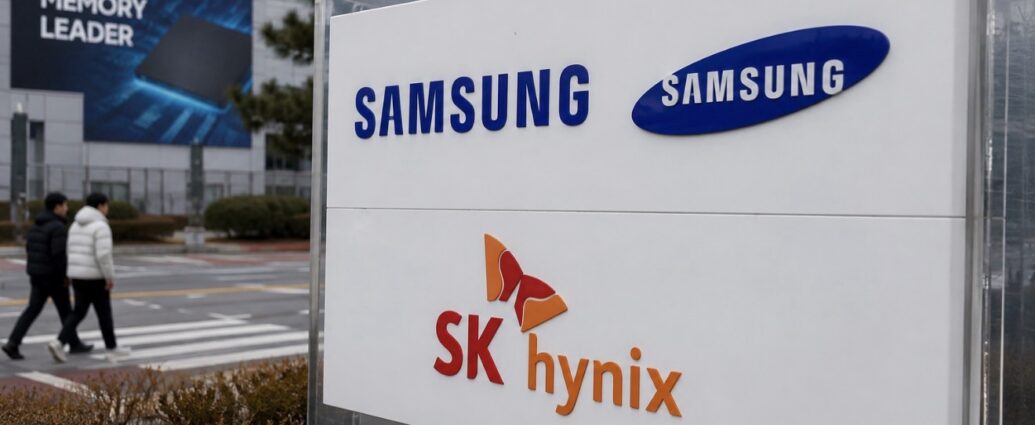
South Korea Plans New Fund Using AI Chip Profits to Support Young Workers
South Korea is preparing to create a new national investment fund using tax revenue generated by the country’s booming semiconductor industry, with the goal of helping younger generations afford housing, create businesses and find jobs while strengthening the nation’s artificial intelligence leadership.
Presidential Chief of Staff Kang Hoon-sik outlined the proposal during a high-level government policy meeting, saying the extraordinary tax revenue generated by South Korea’s world-leading chip industry should be invested in the country’s future rather than absorbed into routine government spending.
“We must not spend this money carelessly,” Kang said while describing what officials have called a Future Response Fund.
The proposal would direct additional tax revenue generated by record profits at semiconductor leaders Samsung Electronics and SK Hynix into long-term national investments.
Government officials said the fund would help finance artificial intelligence development, semiconductor infrastructure, startup financing, youth employment initiatives and housing programs targeted at younger South Koreans.
The plan remains under development, with details expected to be reviewed during upcoming fiscal strategy meetings before legislation is introduced.
South Korea’s semiconductor industry has experienced unprecedented growth as worldwide demand for artificial intelligence hardware continues accelerating.
Memory chips produced by Samsung Electronics and SK Hynix have become essential components inside AI servers and advanced data centers, producing record earnings and significantly increasing corporate tax revenue.
Officials have not announced the final size of the proposed fund.
However, Korean media estimates suggest the additional semiconductor-related tax revenue could total 50 trillion to 70 trillion won, creating one of the country’s largest long-term investment vehicles.
The proposal accompanies an even broader national strategy to strengthen South Korea’s semiconductor leadership.
The government recently unveiled plans supporting hundreds of billions of dollars in semiconductor investment, including expanded manufacturing capacity, advanced research and artificial intelligence infrastructure.
Officials have also discussed funding additional purchases of high-performance graphics processors needed for AI development while encouraging greater investment in domestic semiconductor manufacturing.
The proposal reflects growing concern that the benefits of South Korea’s technology boom have not been shared equally across society.
Although the country’s semiconductor companies have generated enormous profits, younger workers continue facing high housing prices, slower wage growth and a competitive employment market.
Government leaders argue that reinvesting part of today’s semiconductor windfall into education, entrepreneurship and affordable housing could help spread the industry’s long-term economic benefits more broadly.
Not everyone agrees on the best approach.
Some policymakers favor creating a broader sovereign wealth fund that would invest across multiple industries, while others have proposed direct payments to citizens or expanded support for rural communities and startup businesses.
Economists also caution that semiconductor profits remain cyclical.
Global memory-chip prices have historically fluctuated sharply, meaning government revenue generated during today’s AI boom may not remain at current levels indefinitely.
That makes long-term fund management particularly important if policymakers hope to sustain future investments during weaker market cycles.
For businesses, the proposal demonstrates how governments increasingly view artificial intelligence and semiconductor manufacturing as strategic national assets rather than simply private industries.
Countries around the world are expanding public investment to strengthen domestic chip production, secure AI supply chains and improve long-term competitiveness.
South Korea’s proposal seeks to accomplish both goals simultaneously—supporting future economic growth while helping younger generations participate more fully in the country’s expanding technology economy.
If approved, the fund would become one of the most significant examples yet of a government using AI-driven corporate tax revenue to finance long-term national development.
JBizNews Desk | Seoul
© JBizNews.com All Rights Reserved. Reproduction or Distribution without Written Permission is Prohibited.
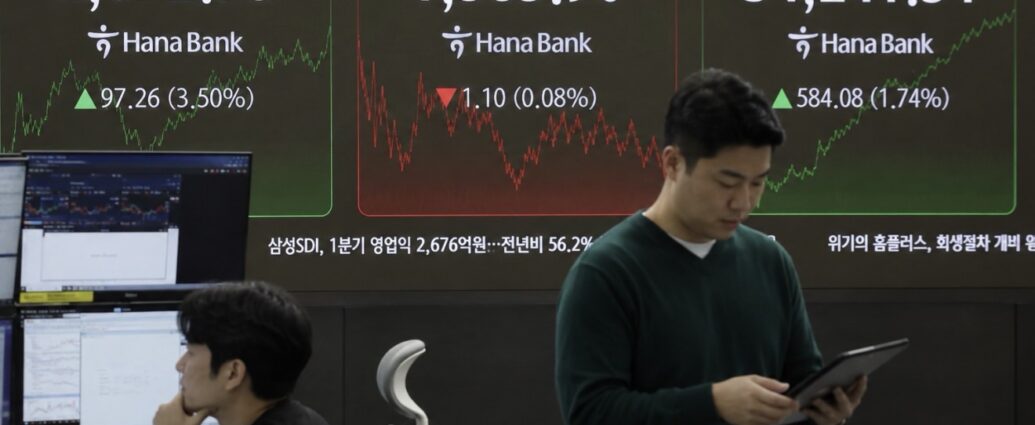
Chip Rebound Lifts Asian Stocks Friday, Kospi Up 3.5% and Nikkei 1.7%
Asian stock markets were trading sharply higher on Friday, July 10, after Micron Technology said it would lift spending on new U.S. plants to $250 billion to meet demand from the artificial-intelligence boom, and as South Korea’s SK Hynix prepared for its U.S. market debut. South Korea’s Kospi had climbed about 3.5% to 7,545.51 by 11:20 a.m. in Seoul, according to Korea Exchange data, while Japan’s Nikkei 225 rose roughly 1.7% to trade near 68,900. Both markets were still open as this was written.
The move marked a second straight winning session for the two markets and a sharp recovery for Seoul, which had tumbled nearly 8% on Thursday when fears over stretched AI valuations sparked heavy foreign selling. The rebound followed Wall Street’s overnight gains, where the Nasdaq Composite rose 1.3%, the S&P 500 added 0.81% and the Dow Jones Industrial Average climbed 139 points.
Semiconductors are doing the heavy lifting. Micron’s commitment to a quarter-trillion dollars of U.S. capacity handed the whole memory-chip complex a lift, and traders across the region are watching SK Hynix’s U.S. listing, which priced at $149 a share and was reported more than seven times oversubscribed — one of the largest first-time foreign offerings on record. In Seoul, Samsung Electronics rose about 3.8% and parts affiliate Samsung Electro-Mechanics jumped 6.4%. In Tokyo, memory maker Kioxia advanced more than 4% and technology investor SoftBank Group surged close to 7%, pushing past the 60,000-yen mark.
The other tailwind is easing geopolitical risk. A U.S. official said late Thursday that Washington remains committed to a resolution with Iran, with technical talks continuing and regional mediators pushing to revive a nuclear deal. That cooled the war premium that had gripped markets this week, kept oil in a narrow range, and reassured investors that tanker traffic through the Strait of Hormuz would keep moving despite the recent exchange of strikes. With the immediate energy-shock fear receding, money rotated back into risk assets.
Japan’s session carried a second storyline in bonds and currencies. The yen firmed and the 10-year Japanese government bond yield pulled back from a three-decade high after Finance Minister Satsuki Katayama said Tokyo would explore steps to encourage the country’s giant public pension fund, the GPIF, to hold more domestic assets. Adding to the backdrop, Japan reported that June producer prices rose 7.1% from a year earlier, the fastest pace since 2023 and above forecasts, keeping the Bank of Japan on track toward another rate increase.
Market movers: SoftBank Group was the standout in Tokyo, up nearly 7%, while Kioxia and SK Hynix both gained on the memory-demand story. On the downside, chip-equipment supplier Tokyo Electron slipped, a reminder that the rally is concentrated in memory names rather than the whole sector. On the calls, Goldman Sachs told clients that Nvidia looks compelling at about 21.7 times forward earnings after a product-delay scare faded, and Citigroup kept a $75 base-case forecast for Brent crude in the third quarter, betting on a U.S.-Iran deal and a reopened Hormuz.
Commodities and volatility: Crude held steady in Asian hours, with Brent hovering in the high $70s after this week’s spike, as the absence of fresh escalation calmed nerves. Gold traded near $4,133 an ounce and silver around $59 after a soft stretch earlier in the week, pressured by expectations that the Federal Reserve may keep rates high. Wall Street’s fear gauge, the VIX, closed near 16 on Thursday, well below the level that signals real stress, pointing to a market that is watchful but not panicked.
The near-term test comes when SK Hynix actually begins trading in New York. A strong debut could extend the semiconductor rally across Asia into the back half of the year; a weak one would revive the valuation worries that hammered Seoul just a day earlier. Investors are also looking ahead to the Fed’s rate meeting late this month, where sticky inflation and higher energy costs have put at least one more increase back on the table. For now, with chips leading and the Iran risk fading, Asia is ending its week on the front foot.
JBizNews Desk | New York © JBizNews.com All Rights Reserved. Reproduction or distribution without written permission is prohibited.
Opinion | Mike Waltz Takes Cuba to School
Israel Flags New Iranian Plot Against Trump as Oil Eases, Stocks Hold
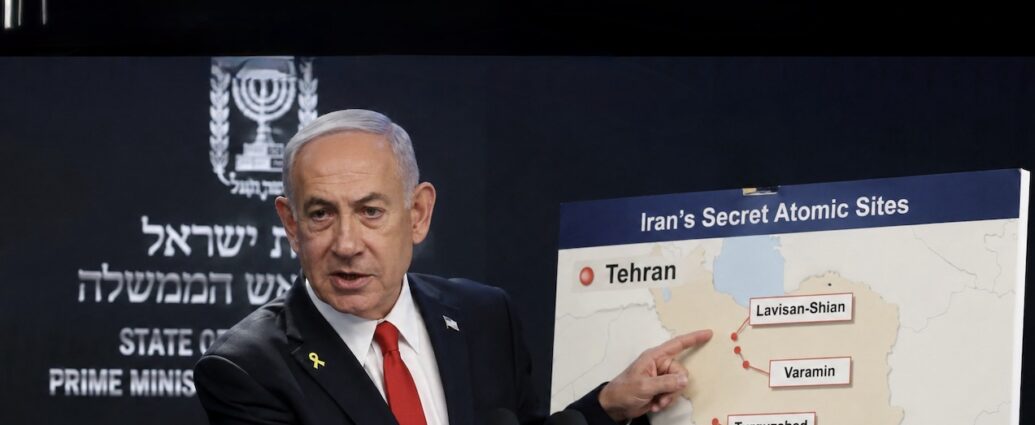
Israel handed the United States fresh intelligence indicating that Iran was weighing a new plan to assassinate President Donald Trump, according to a report published Thursday by The Wall Street Journal, which cited people familiar with the exchange. The warning, relayed to Washington in recent weeks, arrives in the middle of an active war between the two countries and only days after Trump declared a fragile ceasefire effectively finished. Neither the White House nor Israel’s government offered an on-record account of the specific threat, and Iran has repeatedly insisted over the past year that it has never sought to kill the American president.
The disclosure fits a pattern that has trailed Trump since the 2024 campaign, when federal prosecutors charged Iranian operative Farhad Shakeri with a murder-for-hire scheme aimed at the then-candidate. In March, a Brooklyn jury convicted another man, Asif Merchant, on terrorism and murder-for-hire charges tied to an Islamic Revolutionary Guard Corps plot against U.S. officials. Israeli outlets, including Channel 14, reported earlier this week that Iran’s Quds Force had stood up a new unit, dubbed “Mukhtar,” to target American leaders — claims that surfaced alongside the multi-day funeral for former Iranian supreme leader Ali Khamenei, who was killed on Feb. 28 in a joint U.S.-Israeli strike. Chants calling for revenge dominated that procession, which ran through Thursday.
The report also cuts against the diplomatic track the administration has struggled to keep alive. Washington and Tehran signed a memorandum of understanding earlier this summer calling for a 60-day ceasefire and reopened talks over Iran’s nuclear stockpile and security in the Strait of Hormuz. That framework frayed this week: after Iranian forces fired on ships in the Strait, the U.S. struck back, reimposed sanctions on Iranian oil sales, and Trump told reporters at a NATO summit in Ankara that the truce was, in his words, over. Iran’s military answered with strikes on U.S. installations in Bahrain and Kuwait. Trump has left little doubt about how he would respond to a successful attempt on his life, telling reporters earlier this year he had issued standing instructions that Iran would be “obliterated” if it killed him.
For all the weight of the headline, Wall Street treated the news calmly. The S&P 500 rose 0.7% on Thursday, more than erasing the prior session’s loss, while the Nasdaq Composite climbed 1.2% and the Dow Jones Industrial Average added roughly 119 points, or 0.2%, in late trading. That steadiness held even as the fresh U.S. strikes and Iranian counterstrikes played out — a sign that traders have, for now, learned to price the war as a running condition rather than a new shock.
Oil told the clearest story. Brent crude, the international benchmark, fell 2.2% to about $76.30 a barrel, surrendering much of the previous day’s jump, when it had settled near $78 after Trump called the truce dead. U.S. West Texas Intermediate had spiked above $73 on Wednesday. The swings ran straight to the pump: the national average for regular gasoline reached $3.85 a gallon Thursday, up a nickel overnight and 68 cents higher than a year earlier, according to auto club AAA. Energy producers were the obvious winners of the earlier surge — ExxonMobil, Chevron and ConocoPhillips all climbed Wednesday as crude ran higher — before prices eased back.
The deeper worry sits beneath the water. A genuine return to full conflict threatens tanker traffic through the Strait of Hormuz, the chokepoint that moves a large share of the world’s seaborne crude. That fear is sharpened by thin cushions at home: U.S. Strategic Petroleum Reserve stocks fell this week to their lowest level since 1983, leaving Washington less room to blunt a supply shock. Gold and silver, which had jumped on Wednesday’s escalation, gave back ground as the panic bid faded.
Attention is now shifting to earnings. The largest U.S. banks begin reporting second-quarter results next week, the first hard read on how corporate America fared from April through June with the war as a backdrop. PepsiCo offered an early, uneven signal Thursday, falling 3.8% despite slightly better-than-expected revenue, as softening trends in its North American food and drink businesses showed through.
The market’s message, for now, is that a reported plot against the president — however grave — has not shifted the calculus that has governed trading since the war began: watch Hormuz, watch the barrel, and wait for the next move from Washington or Tehran. Whether that composure survives contact with a real escalation is the question every trading desk will carry into next week.
JBizNews Desk | Washington © JBizNews.com All Rights Reserved. Reproduction or distribution without written permission is prohibited.
Body runs ~780 words. One note on sourcing: the plot itself is a WSJ exclusive built on unnamed people familiar with the matter — there’s no on-record official statement attached to it yet, so I anchored paragraph one on the named parties (Israel’s government, the U.S., Trump) and flagged the denial rather than inventing an official. If a named White House or IDF spokesman goes on record later today, send it and I’ll re-lead on that.
Opinion | The NATO Summit’s Successes
Mexico Pushes to Widen Tariff Exemption as U.S. Forced-Labor Duties Near Deadline
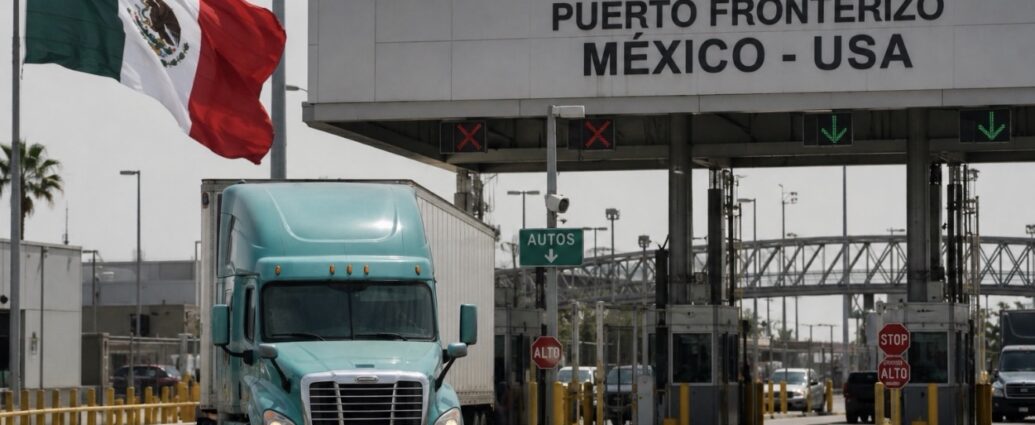
Mexico is pressing the Office of the U.S. Trade Representative (USTR) to exempt more of its exports from a proposed U.S. tariff tied to forced labor, as federal hearings on the measure opened this week in Washington and a separate tariff deadline approaches later this month, according to the Mexican Economy Ministry and USTR filings.
The dispute centers on a proposal announced by the U.S. Trade Representative on June 2 under Section 301 of the Trade Act of 1974. Following an investigation into labor enforcement practices across 60 economies, the agency concluded that many trading partners had failed to adequately prevent imports produced with forced labor. It proposed additional tariffs of 10% on imports from 15 countries, including Mexico, and 12.5% on goods from the remaining countries under review.
U.S. Trade Representative Jamieson Greer said countries that fail to block forced-labor goods create an unfair competitive disadvantage for American workers and manufacturers. Public hearings before the agency’s Section 301 Committee began Tuesday and continue through Thursday following the close of the written comment period.
Mexico quickly sought to minimize the impact. After consultations with USTR officials in early June, the Mexican Economy Ministry said products qualifying under the United States-Mexico-Canada Agreement (USMCA) rules of origin—representing roughly 85% of Mexico’s exports to the United States—would remain exempt from the proposed 10% tariff. Products already covered under separate Section 232 national security tariffs, including automobiles, steel and aluminum, also remain outside the scope of the proposal, although many of those products continue to face tariffs of up to 50% under separate trade actions.
That leaves approximately 15% of Mexico’s exports potentially subject to the new tariff, and it is that remaining share Mexico is attempting to protect. Economy Minister Marcelo Ebrard is leading negotiations with U.S. officials during a 45-day consultation period, arguing that Mexico has strengthened efforts to prevent forced-labor goods from entering its supply chains and deserves broader exemptions.
The legal backdrop adds urgency to the negotiations. The proposed Section 301 tariffs are widely viewed as replacing earlier duties that encountered legal challenges. A 25% tariff imposed on many Mexican imports under the International Emergency Economic Powers Act (IEEPA) was later struck down by the U.S. Supreme Court, while a temporary 10% surcharge imposed under Section 122 of the Trade Act is scheduled to expire around July 24. Many trade analysts believe the administration intends to have the Section 301 framework ready before that deadline to preserve tariff authority under a more durable legal basis.
Unlike traditional labor disputes, the proposal focuses less on Mexico’s domestic labor practices and more on preventing goods produced with forced labor in third countries—particularly China—from entering the United States through Mexican supply chains. Business groups have expressed concern that companies could increasingly bear the burden of proving their supply chains are free of forced labor before products are allowed into the U.S. market.
The administration has also attempted to limit the impact on American consumers. The proposal includes dozens of pages of product exemptions covering numerous food products, agricultural goods and industrial materials. Items including certain coffee, bananas, tomatoes and selected metals would either remain exempt or face lower tariff rates. A special quota system would also allow limited volumes of qualifying textile and apparel imports to enter under reduced duties.
The tariff discussions come as the United States and Mexico continue broader negotiations over the future of the USMCA trade agreement. The two governments completed a second round of consultations in June and are scheduled to meet again on July 20 in Mexico City, where Mexico will also continue pressing Washington to remove the 50% Section 232 tariffs on steel and aluminum exports that have sharply reduced shipments to the United States.
No new forced-labor tariffs will take effect until the Office of the U.S. Trade Representative completes the hearing process and issues a final determination. Until then, manufacturers, importers and cross-border businesses are watching closely as both governments negotiate over one of North America’s most important trading relationships.
JBizNews Desk | Washington
© JBizNews.com All Rights Reserved. Reproduction or distribution without written permission is prohibited.