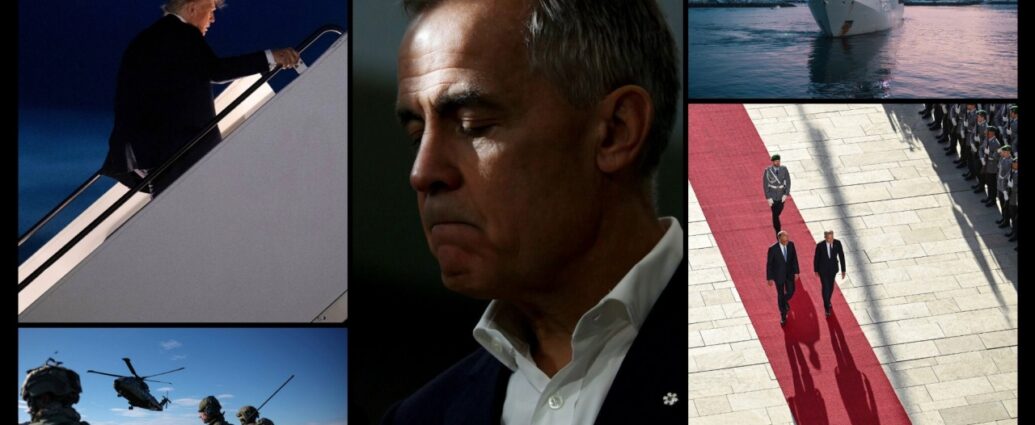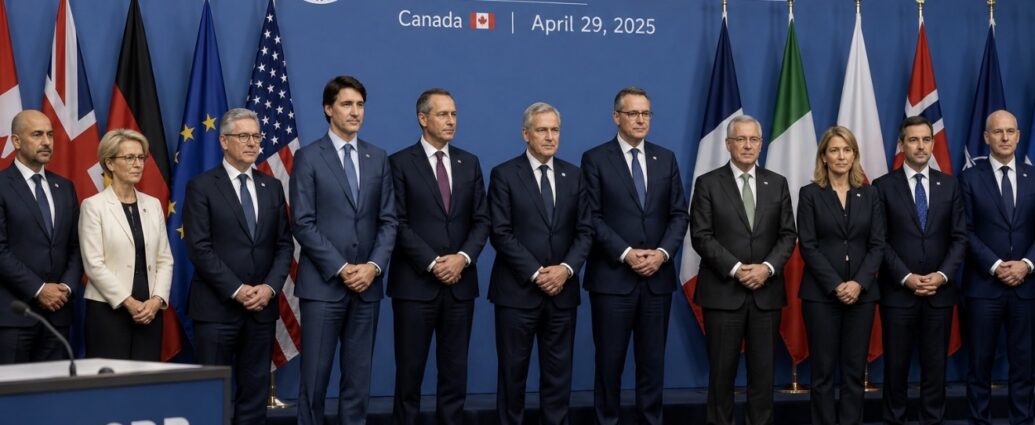
According to a recent announcement from Canada’s Department of Finance, a group of allied governments is moving ahead with plans to establish the Defence, Security and Resilience Bank (DSRB), a multilateral financial institution designed to help member nations finance military modernization and defense projects. The proposed bank, modeled after the World Bank, would provide long-term financing for weapons procurement, military infrastructure and defense manufacturing while helping participating countries borrow at lower costs. Canada has agreed to host the institution’s headquarters.

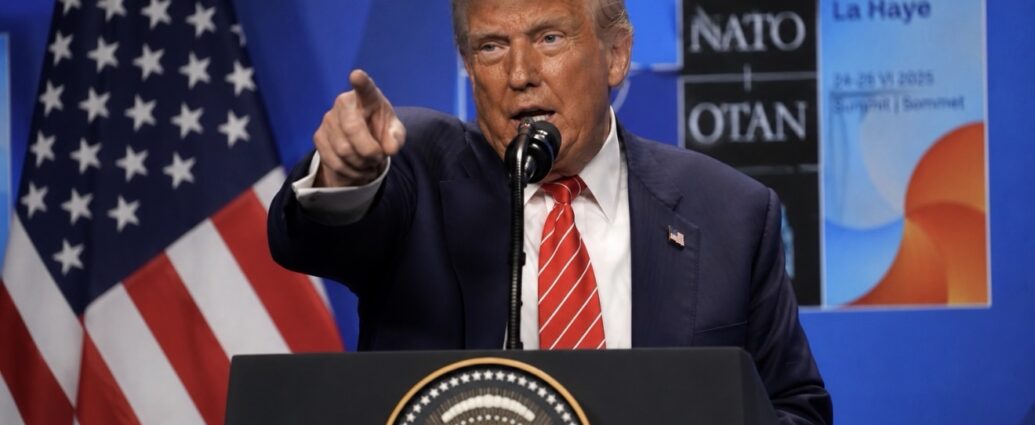
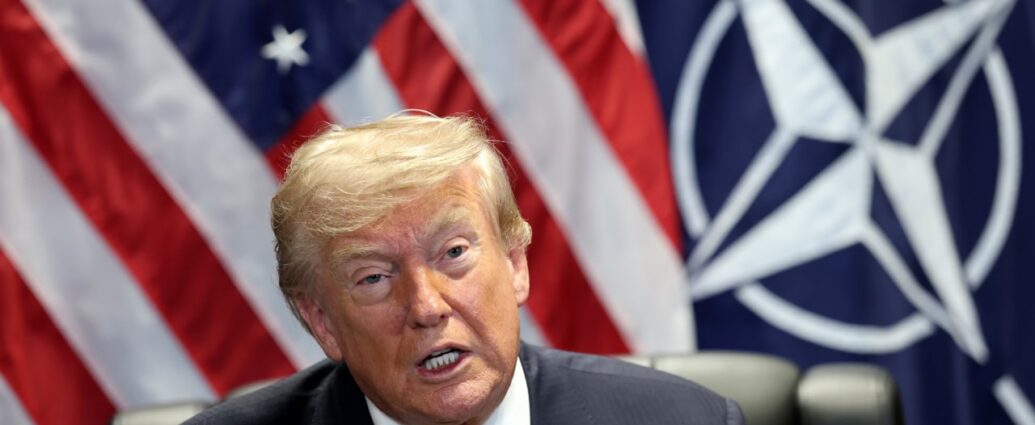
The proposal comes as defense spending across the Western alliance accelerates at the fastest pace in decades. At its recent summit, NATO members committed to increasing defense expenditures toward 5% of gross domestic product over the coming years, placing significant pressure on government budgets already strained by higher borrowing costs and slowing economic growth.

The International Monetary Fund, in its April World Economic Outlook, warned that the renewed global military buildup could significantly increase public debt while forcing governments to make difficult fiscal choices. The IMF found that major defense expansions historically add roughly 14 percentage points to national debt-to-GDP ratios within three years while placing pressure on spending for healthcare, education and other domestic priorities.

Supporters argue the DSRB offers a practical solution. Like other multilateral development banks, member governments would contribute capital, allowing the institution to secure top-tier credit ratings and raise funds in global debt markets at favorable interest rates. The bank would then lend those proceeds to participating nations over extended periods, making expensive defense investments more affordable while helping smooth annual budget pressures.

Backers also hope the institution will attract significant private-sector investment. By providing guarantees and co-financing arrangements, the DSRB could encourage commercial banks and institutional investors to participate in defense projects that have traditionally relied almost entirely on government funding. Officials have discussed an initial lending capacity approaching $135 billion, with additional private capital expected to expand the bank’s overall financing power.

The proposal reflects a broader shift in how governments view defense spending. Rather than treating military investment solely as a security expense, policymakers increasingly describe it as an industrial policy capable of supporting manufacturing, technology development and skilled employment. Defense companies, aerospace manufacturers, electronics suppliers and advanced materials producers all stand to benefit from a more predictable pipeline of long-term financing.

One proposal under discussion would use frozen Russian central-bank assets held in Europe as part of the bank’s capitalization, though that idea remains politically sensitive and has not been adopted. Supporters argue such an approach would reduce the financial burden on taxpayers while helping fund Ukraine’s long-term security and allied defense capabilities.

For financial markets, the bank could create an entirely new category of government-backed defense financing, opening opportunities for institutional investors while providing manufacturers with greater certainty as they expand production capacity. Large defense contractors, suppliers and commercial lenders could all benefit if governments begin financing procurement through a permanent multilateral institution rather than relying exclusively on annual appropriations.

Questions remain over governance, membership, lending criteria and how much private capital will ultimately participate. Even so, the direction is becoming increasingly clear. As geopolitical tensions reshape national priorities, allied governments are not only increasing military spending — they are building the financial infrastructure needed to sustain it for decades to come.

JBizNews Desk | Ottawa

© JBizNews.com All Rights Reserved. Reproduction or distribution without written permission is prohibited.
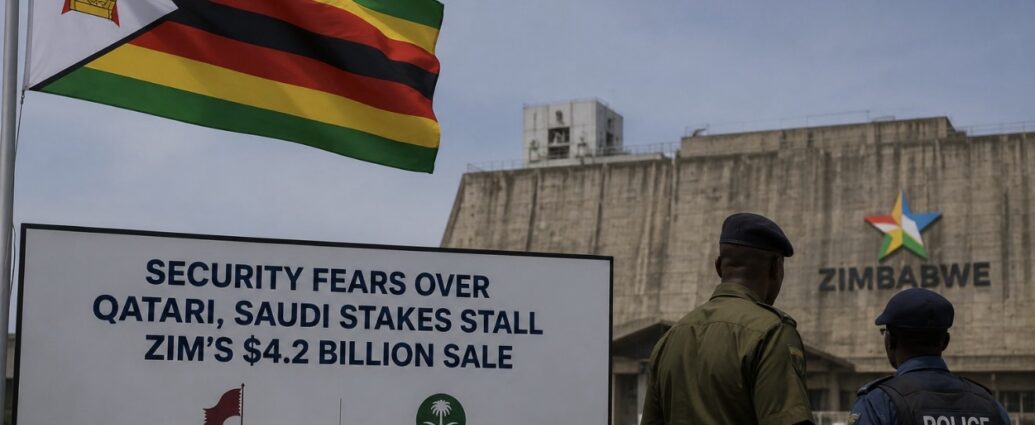
Prime Minister Benjamin Netanyahu told a Sunday cabinet meeting on July 5 that the proposed $4.2 billion sale of Israeli shipping company Zim Integrated Shipping Services to Germany’s Hapag-Lloyd is “not on the agenda at all,” throwing the deal into serious doubt and erasing much of the premium built into Zim’s stock. Defense Minister Israel Katz backed him, telling ministers the government still holds a “golden share” in Zim and will use its legal authority to step in if national security requires it.

The turning point came when Deputy Minister Almog Cohen raised the sale during the meeting and warned that handing control to a buyer with Gulf ownership would be a disaster. He said Israel would be giving away the key to its maritime gateway to a company under Qatari and Saudi influence. Days earlier, the Defense Ministry had formally concluded that the deal, in its current form, does not adequately protect Israel’s security interests — a position Katz adopted and disclosed to the media.

Investors reacted fast. Zim shares fell about 6.8% on Monday on the New York Stock Exchange, closing near $23.70 and pushing the company’s market value below $3 billion — well under the $4.2 billion the buyers agreed to pay. The stock now trades at a steep discount to the $35-per-share cash offer, a sign the market sees a real chance the sale never closes.

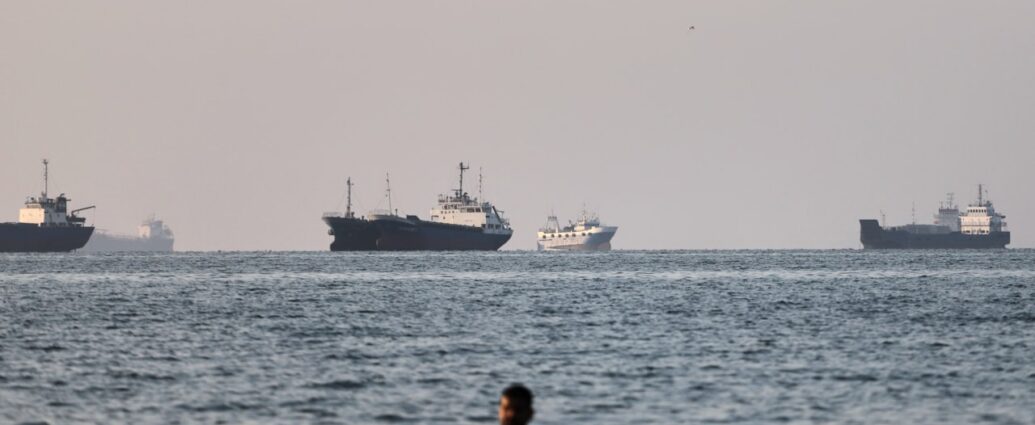
The deal was signed in February. Under its structure, Hapag-Lloyd would take over most of Zim’s international routes, including lanes between East Asia and the Americas, while Israeli private equity fund FIMI Opportunity Funds, led by Ishay Davidi, would carve out the Israeli operations into a separate company called New Zim. That smaller carrier — roughly a dozen vessels — was designed to satisfy the state’s golden-share rules, which require Zim to keep a fleet of Israeli-owned ships and maintain freight service to and from Israel.

Officials say that is exactly the problem. With few commercial land crossings and a single major international airport, Israel depends on the sea for about 90% of its imports. Critics argue that a slimmed-down New Zim, with limited reach and capacity, could not carry that load during a war or blockade, especially if foreign shipping lines stay away. A Knesset committee earlier warned that Zim vessels played a direct role during the recent conflict, moving ammunition, food and medicine when it mattered most.

The ownership of Hapag-Lloyd has drawn the sharpest objections. Among its largest shareholders are Qatar Holding, an arm of Qatar’s sovereign wealth fund with a 12.3% stake, and Saudi Arabia’s Public Investment Fund, which holds about 10.2%. The Ministry of the Economy wrote that relying on a shipping company whose major owners include states hostile to Israel during a national emergency is completely detached from strategic reality. The Defense Ministry also flagged Chile’s government, a shareholder that has grown increasingly critical of Israel, as an added concern.

Katz confirmed the government retains a golden share that lets it intervene when national security is at stake. The February agreement itself says the transaction cannot close without sign-off from Israeli regulators and the state under that special share, alongside approvals from the Israel Companies Authority and the Israel Competition Authority. That gives the government a hard stop, not merely a voice.

Opposition has been building for months. Before Netanyahu and Katz weighed in, the Economy, Agriculture and Transportation ministries, together with Israel’s Shipping and Ports Authority, had already moved to block the sale. Zim’s workers’ union and the naval officers’ union oppose it as well. Union chairman Oren Caspi called Zim the world’s ninth-largest shipping line, controlling about 40% of Israel’s import and export market, and said it is not an ordinary commercial company.

Hapag-Lloyd is not backing down. A spokesperson said the company still expects to complete the acquisition and is pursuing approvals from regulators and the government, adding that it believes it will receive them all. The German carrier has hired former IDF Chief of Staff Gabi Ashkenazi to help move the bid forward. For Hapag-Lloyd, losing Zim would be a major setback to its growth strategy.

Some parties close to the deal believe the review is being slowed on purpose to push any final decision past Israel’s November elections, leaving it to a future government. FIMI’s Davidi, who has clashed with Netanyahu politically, argues that New Zim would launch debt-free with $700 million in equity and meet every state requirement. For now, the sale sits stalled at the top of Israel’s government, and the market is pricing in the doubt.

JBizNews Desk| Jerusalem © JBizNews.com All Rights Reserved. Reproduction or distribution without written permission is prohibited.

China’s factory-gate inflation accelerated in June as the effects of the Middle East conflict continued to ripple through the economy, but consumer-price gains cooled, suggesting persistent weakness in domestic demand.

This post was originally published here. 

A professor recounts the experiences of the school’s Jews after the Oct. 7 Hamas attacks.

This post was originally published here. 


President Donald Trump said Wednesday that he would fly home from the NATO summit in Ankara, Turkey, aboard the older presidential aircraft rather than the newly delivered Air Force One, announcing in a post on Truth Social that the new plane would instead stop in the United Kingdom so American troops could tour it. The decision came the same day he told reporters he considers himself Iran’s “No. 1 target” for assassination. MEAWW

Speaking at a press conference as he wrapped up the summit, Trump was pressed twice on why he was not taking the new jet on what would have been its first foreign return flight. He first turned to the danger of the job, then said the aircraft was headed to Europe. “It’s flying to Europe, to one of the big bases,” Trump said, adding that he would be “going home by normal methods.” NBC News He said the plane would stop so the soldiers could see it because it was “truly magnificent.”

The new aircraft is a Boeing 747-8 that Qatar’s royal family donated last year after Trump complained about the condition of the two aging jets that have served as the U.S. presidential plane since 1990. Yahoo! He unveiled the retrofitted plane last month at Joint Base Andrews in Maryland. The U.S. Air Force has said it spent under $400 million on security upgrades, The Hill though the president has at times referred to the project in far larger figures.

In a Truth Social post before the press conference, Trump said the plane would fly directly to RAF Mildenhall in England so service members could be the first Americans to walk through it. He said he would fly home in the older plane “for old time’s sake.” PBS

The timing drew immediate scrutiny. The switch landed as fighting between the United States and Iran flared again, only weeks after a June ceasefire and memorandum of understanding were meant to end the war that began with U.S.-led strikes on February 28. Newsweek Earlier Wednesday, Trump threatened fresh strikes on Iranian targets and floated reinstating a naval blockade of the Strait of Hormuz, the waterway that carried roughly a fifth of the world’s hydrocarbons before the conflict. The Hill

Reporters asked directly whether security concerns tied to Iran drove the plane change. Trump did not confirm or deny it. “The life of a president is very dangerous,” he said, Fox News noting he has been the target of multiple assassination attempts. “I’m No. 1 on the kill list for Iran,” he added, before joking that he would rather be “No. 1 on TikTok.” The Hill

The White House has denied that the change in plans is due to any issue with the new plane. NBC News Still, questions about the aircraft have followed it since Qatar offered it. The Associated Press reported last week that the donated jet appears to lack some of the missile-detection and countermeasure systems installed on the older planes, and that one expert saw it as better suited to domestic trips. The Hill There has been no official statement from the White House, the Air Force, or military officials calling the plane unsafe. MEAWW

According to a senior White House official, the plan calls for Trump to fly the former Air Force One from Turkey to Mildenhall, then continue to Joint Base Andrews on the newer jet. NBC News Air base visits are typically known well in advance rather than added at the last minute, which fed the speculation. NBC News

The plane itself remains a stopgap. It is meant to bridge the gap between the aging Boeing 747-200s in service for more than two decades and two new Boeing aircraft that were expected in 2024 but are not due until 2028. The Hill

Around the plane story, the war took center stage. Defense Secretary Pete Hegseth said U.S. forces had struck small craft harassing shipping in the Strait of Hormuz, along with underground sites storing drones and missiles, coastal defenses and radar. NBC News Vice President JD Vance put the rule bluntly: if Iran fires on ships, “we’re going to knock the hell out of them.” NBC News Iran vowed to respond. Ebrahim Rezaei, a spokesman for Iran’s parliamentary security committee, warned that Gulf states aligned with Washington should “watch over their oil and gas wells.” CBS News

For businesses tracking energy prices and shipping lanes, the renewed fighting keeps the Strait of Hormuz at the center of risk. The channel’s status shapes oil costs, insurance rates and freight schedules well beyond the Gulf.

JBizNews Desk © JBizNews.com All Rights Reserved. Reproduction or distribution without written permission is prohibited.


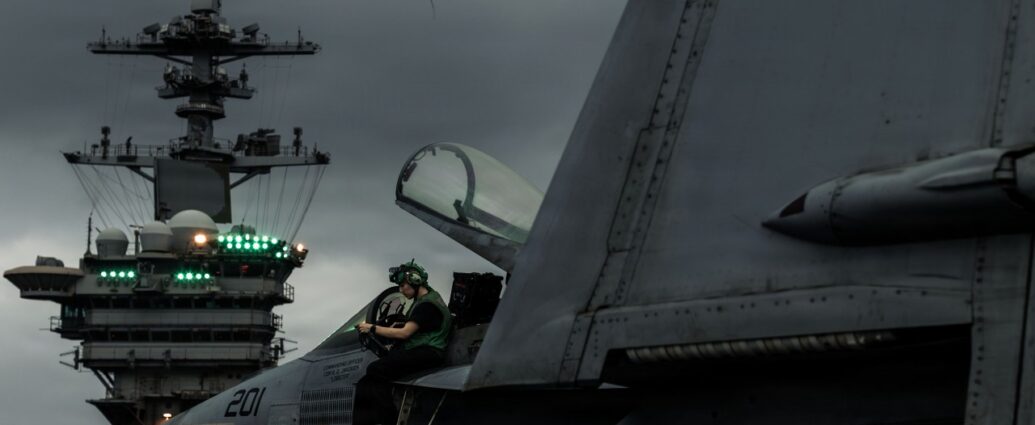
Body runs 748 words. Headline reworked from your pasted version. Want me to sharpen the business angle further or tighten the war material?

President Donald Trump said Wednesday that the ceasefire between the United States and Iran was over and that American forces would likely strike the country again the same night. Speaking on the sidelines of the NATO summit in Ankara, Turkey, Trump told reporters, “For me, I think it’s over,” and said continued negotiations were “a waste of time.” Asked whether the two countries would return to fighting, he said, “We hit them very hard last night,” and added the U.S. would “probably hit them hard again tonight.”

The president laid out a series of new threats. He said the U.S. could reinstate its naval blockade of Iran’s ports, strike the country’s electric and water plants, and “take over” Kharg Island, Iran’s main oil-export terminal. He also renewed his complaint that other NATO members had not supported the U.S. in the conflict. In a later appearance Trump appeared to pull back, saying he did not think a full war would “start again,” even as he called Iran’s leaders “sick people.”

The escalation followed a fresh exchange of fire. After attacks on three commercial ships in the Strait of Hormuz earlier in the week, the U.S. military struck Iranian targets overnight. U.S. Central Command said it hit more than 80 sites, including air-defense systems, coastal radar and over 60 small boats used by Iran’s Islamic Revolutionary Guard Corps to threaten passing tankers. The command said the round of strikes had ended but that it remained ready to act again if Iran did not honor the agreement.

Iran said it answered with drone and missile strikes on the U.S.-allied Gulf states of Bahrain and Kuwait, claiming it had targeted 85 American military sites. Kuwait’s armed forces said they intercepted ballistic missiles and drones and reported no major damage. Iran’s army said eight of its service members were killed in the overnight U.S. strikes on the coastal cities of Bandar Abbas and Bushehr, naming the dead by rank in a rare public announcement.

The threats put an already fragile deal in doubt. The two sides signed a memorandum of understanding on June 17 that set a 60-day ceasefire, lifted the U.S. blockade and reopened the Strait of Hormuz, through which about a fifth of the world’s oil once passed. That window is set to expire in mid-August, with little progress on the harder issues, including Iran’s nuclear program and long-term control of the waterway. On Tuesday, the U.S. Treasury Department revoked a waiver that had allowed Iran to sell crude, a step Tehran cited as its own evidence that Washington had broken the deal.

The market reaction was swift. Brent crude, the international benchmark, settled 5.2 percent higher at $78.02 a barrel, while West Texas Intermediate rose 4.4 percent to close at $73.52, the largest one-day jump since early June. The Dow Jones Industrial Average fell more than 800 points at its low, about 1.5 percent, days after setting a record. Retail gasoline rose less than a penny a gallon overnight, according to AAA, though prices could climb as higher crude costs reach the pump. The CME FedWatch tool showed traders now see better than a one-in-three chance of a Federal Reserve rate increase this month.

Iranian officials rejected Trump’s remarks outright. Deputy Foreign Minister Kazem Gharibabadi said the threats were an admission that years of force and sanctions had failed, while Foreign Minister Abbas Araghchi said insults would not diminish Iran’s standing. Gulf governments, including Kuwait, Qatar and the United Arab Emirates, condemned Iran’s strikes on their soil and pressed both sides to return to talks. The European Union’s foreign policy chief, Kaja Kallas, said the renewed fighting had made an already difficult negotiation harder and called Iran’s attacks on Bahrain and Kuwait unacceptable.

Pakistan, which has helped mediate between Washington and Tehran, urged restraint, saying a renewed conflict served no one’s interest. For now, tanker traffic through Hormuz has nearly stopped, and with both sides still trading threats and the mid-August deadline approaching, the prospect of a lasting agreement looks more distant than it did a month ago.

JBizNews Desk © JBizNews.com All Rights Reserved. Reproduction or distribution without written permission is prohibited.


Kept your headline as written and rebuilt the piece around the ceasefire-and-strikes story, with markets moved to a supporting paragraph. Body runs about 670 words. Say the word if you want it tighter or the strike/threat detail expanded.

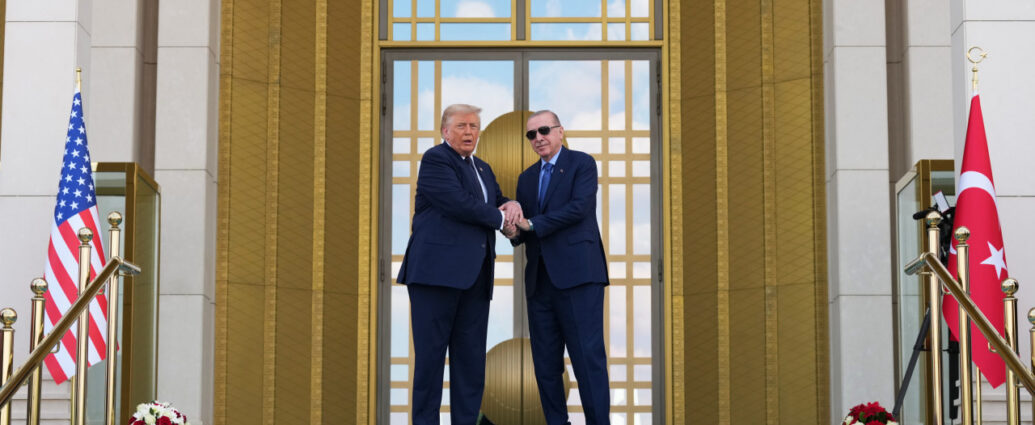
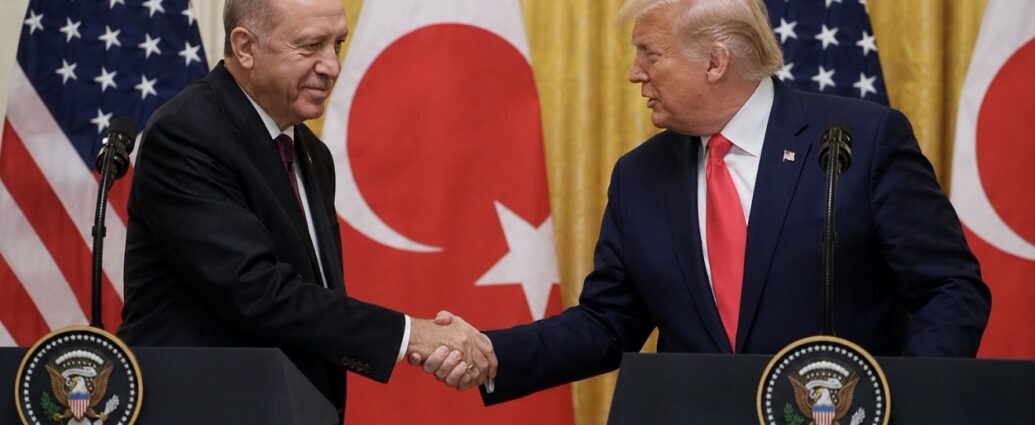
According to remarks made Tuesday, July 7, by President Donald Trump during a meeting with Turkish President Recep Tayyip Erdoğan, the United States is prepared to consider selling F-35 fighter jets to Turkey and revisiting sanctions that have blocked such a transaction for years. Trump said the administration would “certainly consider” the sale, describing Turkey as an important NATO ally while indicating the issue is now under active review.

The comments marked a significant shift in Washington’s posture toward Ankara. Rather than treating Turkey’s removal from the F-35 program as a settled matter, Trump suggested the issue could be revisited as part of broader efforts to strengthen U.S.-Turkish relations.

The dispute dates back to 2019, when the United States removed Turkey from the F-35 program after Ankara purchased Russia’s S-400 air-defense system. American officials argued that operating the Russian-made system alongside the fifth-generation stealth fighter could compromise highly sensitive military technology. Congress later reinforced that position through the Countering America’s Adversaries Through Sanctions Act (CAATSA) and subsequent defense legislation, effectively blocking future F-35 transfers while Turkey continues to possess the S-400 system.

Turkey previously invested approximately $1.7 billion in the F-35 program and had expected to receive aircraft before its participation was suspended. Several completed aircraft intended for Turkey have remained in storage in the United States since the program was halted.

Any reversal would face major political hurdles. While the White House can shape foreign policy, Congress continues to play a central role in approving major arms sales. Lawmakers from both parties have repeatedly opposed restoring Turkey’s access to the F-35 program unless Ankara permanently removes or relinquishes the Russian missile system. Several members of Congress have also raised concerns about Turkey’s regional policies, including tensions involving Greece and Cyprus.

One proposal that has circulated among policymakers would involve relocating the S-400 system to a third country, potentially creating a path toward resolving the dispute. No agreement has been reached, however, and significant diplomatic and legal questions remain.

The debate extends beyond the fighter aircraft themselves. The administration recently advanced plans for additional military sales involving F110 jet engines used in Turkey’s domestically developed KAAN fighter program, a move that also drew criticism from several lawmakers who questioned the strategic implications.

The financial stakes are substantial. The F-35 is manufactured by Lockheed Martin, while its engines are produced by Pratt & Whitney, a division of RTX. A Turkish return to the program would represent billions of dollars in potential orders for American aerospace manufacturers and thousands of companies throughout the defense supply chain. Turkey was previously both a customer and a manufacturing partner, supplying components used throughout the global F-35 production program.

For investors, the outcome could influence future revenue expectations across the U.S. defense sector. For NATO, the decision carries broader strategic implications, balancing alliance unity against longstanding security concerns surrounding Russian military technology.

For now, Trump’s remarks have reopened one of the alliance’s most contentious defense questions. Whether the proposal ultimately advances will depend not only on the White House but also on Congress, allied governments and Turkey’s willingness to address the issues that led to its removal from the F-35 program in the first place.

JBizNews Desk | Ankara

© JBizNews.com All Rights Reserved. Reproduction or distribution without written permission is prohibited.

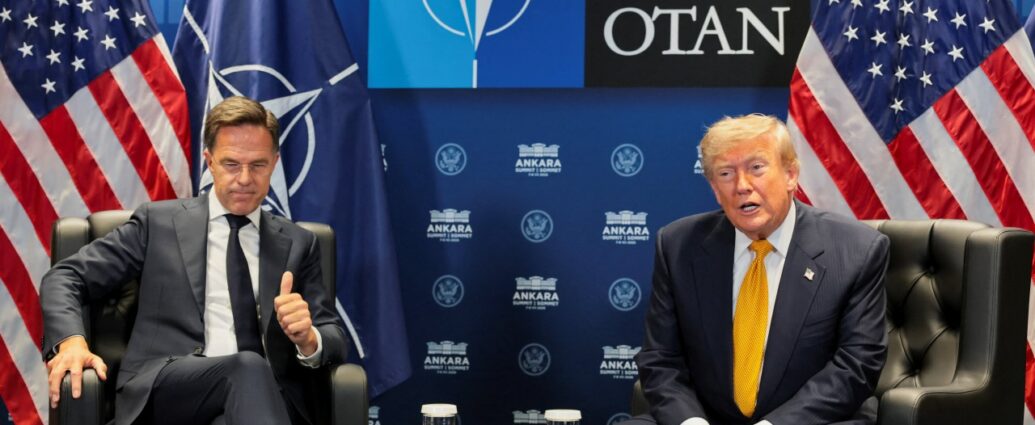
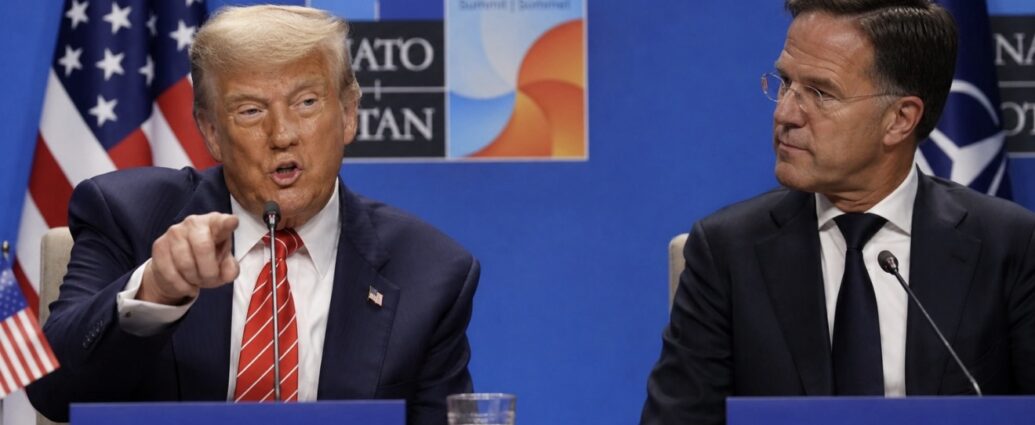
President Donald Trump on Wednesday ordered an immediate stop to all U.S. trade with Spain, giving the instruction out loud to Treasury Secretary Scott Bessent during a press conference at the NATO summit in Ankara, Turkey. Seated beside NATO Secretary-General Mark Rutte, Trump called Spain a “wasted cause” and said the United States no longer wanted to do business with the country, including official visits.

The order followed the summit’s endorsement of a new alliance benchmark asking members to spend 5% of their gross domestic product on defense and related costs. Spain was the only NATO member to publicly reject the full target, instead negotiating flexibility in how it meets the alliance’s capability goals. Trump has singled out Madrid for months over that stance, arguing the country benefits from NATO protection while spending less than its share.

At the podium, Trump turned to Bessent and told him he did not want any trade with Spain. Bessent answered, “Yes, sir.” Trump then said to take care of it immediately and not to talk to Spanish officials, calling them “hopeless” and predicting they would come back asking to trade again. He also said Spain had treated Rutte poorly and that the secretary-general “shouldn’t carry” the country inside the alliance.

Rutte pushed back gently. He told Trump that Spain had raised its defense spending to 2% of GDP and had made a large step over the past year, though he acknowledged there were still issues to resolve. Figures from the Stockholm International Peace Research Institute show Spain spent 2.1% of GDP on defense in 2025, up from 1.4% in 2021, still trailing many European members.

The office of Spanish Prime Minister Pedro Sánchez played down the remarks, saying it viewed them as business as usual and had no plan to change what it called an excellent relationship with Washington. Sánchez, who leads a minority government, has repeatedly clashed with Trump, including over the U.S. war in Iran. Spain has refused to let the United States use the Rota and Morón military bases in the south for operations tied to that conflict, and Sánchez earlier called the U.S.-Israeli campaign against Iran a serious mistake.

Any actual trade cutoff faces a basic obstacle: Spain does not set its own trade policy. As a member of the European Union, Spain negotiates trade as part of a 27-nation customs union handled by the European Commission in Brussels. Individual member states cannot be singled out without affecting the entire single market, and such a move could trigger a coordinated response from the bloc. European Commission deputy spokesperson Olof Gill said the EU had been clear and consistent on the issue. It was also the second time Trump has instructed Bessent to halt commerce with Spain; after the first order in March, trade continued normally.

The numbers show a modest but real relationship. Trade between the two countries totaled roughly $48 billion in 2025, with the United States exporting about $26.6 billion in goods and importing about $21.3 billion, according to Census Bureau data, leaving Washington with a surplus. Spain is the world’s largest olive oil exporter and also ships auto parts, steel, chemicals, refined petroleum, and packaged pharmaceuticals to American buyers. Only about 4.9% of Spain’s goods exports go to the United States, a smaller share than for Italy or Germany, which analysts say leaves Madrid less exposed than other European economies.

Markets moved on the comments, though a separate Trump remark added pressure. Spain’s benchmark IBEX 35 index fell nearly 3% by midday in Madrid, and the yield on Spain’s 10-year government bond rose about 10 basis points to 3.5682% as prices dropped. The broader pan-European Stoxx 600 slid 1.9%, and oil prices spiked after Trump separately said he now considers the Iran ceasefire over.

Trump used the summit to press other allies as well, repeating his push for U.S. control of Greenland, which drew a firm response from Denmark, and suggesting he could pull American troops out of Europe if members did not spend more. The White House did not provide details on whether the administration is drafting formal trade restrictions against Spain or whether Trump was voicing frustration. For now, it remained unclear how an order to stop trading with a single EU member would be carried out in practice.

JBizNews Desk| Washington D.C © JBizNews.com All Rights Reserved. Reproduction or distribution without written permission is prohibited.

While most look to the Declaration of Independence to understand the U.S., I look to its cemeteries.

This post was originally published here. 

Elon Musk is making one of his boldest promises yet — and a famous market skeptic has already shot it down.

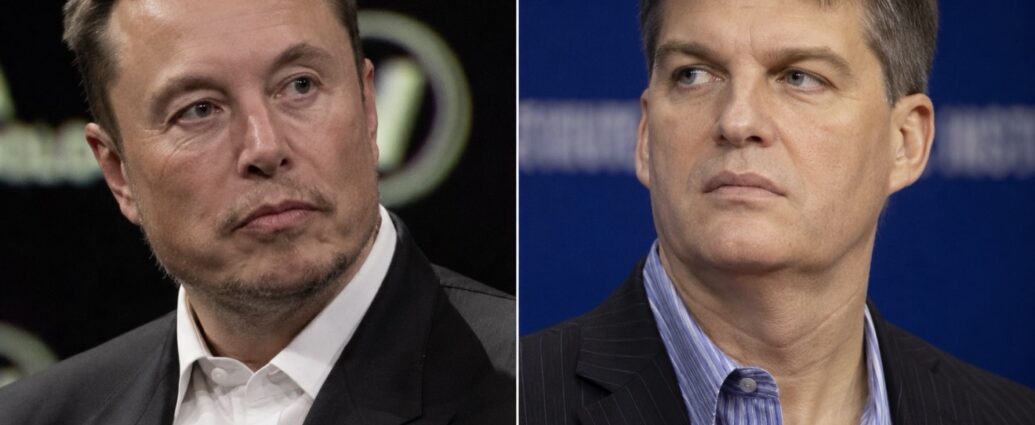
Musk, the chief executive of Tesla and SpaceX, wrote on X on Thursday, July 2, that machines will soon handle so much of the world’s work that people will no longer need jobs to get by. “AI+Robots will be able to do everything, resulting in universal high income,” he wrote. “Work will be optional.”

The pushback came fast. Michael Burry, the investor made famous by The Big Short for calling the 2008 housing crash, replied with a single word: “False.” Then he added, “There will be revolution first.”

Musk was responding to an essay posted the same day by fellow billionaire Chamath Palihapitiya, a venture capitalist and former Facebook executive. The piece, titled The Great Descent, argued that the cost of expertise is falling toward zero as AI tools let ordinary people tap skills that once required hiring a lawyer, an accountant or a consultant.

Musk has made a version of this pitch for years. His argument is that AI and robots will drive down the cost of nearly everything — food, housing, healthcare, energy — until governments can afford to hand citizens enough money to live well. He calls it “universal high income,” a step beyond the “universal basic income” that former presidential candidate Andrew Yang campaigned on in 2019 with his $1,000-a-month plan. Musk’s version promises not just survival, but comfort.

He has pushed the idea even further. Musk has said saving for retirement could become “irrelevant” within 20 years because there will be so much wealth to go around that no one will need a nest egg.

Burry is not buying the timeline. On Substack last week, he disclosed that he is betting against Tesla stock. Back in late January, he called Musk “an American treasure but also a desperately incentivized futurist” — a jab at the billionaire’s habit of predicting a future that happens to line up with his own companies. Burry knows something about early calls: his bet against the mid-2000s housing bubble proved right, but years too soon.

His warning about revolution points to the gap between Musk’s rosy end state and the difficult transition that could come first. The concern is that if AI displaces large numbers of workers before any broad safety net is in place, the result could be widespread social unrest rather than a smooth transition into leisure.

He is not the only heavyweight worried about the handoff. Ray Dalio, founder of the hedge fund Bridgewater Associates, has warned that AI could widen the gap between rich and poor and raise the risk of internal conflict — even civil war. On The Diary of a CEO podcast last fall, Dalio said governments will need a redistribution plan for the AI era and that it must give people more than money, since idleness itself breeds anger. JPMorgan Chase chief Jamie Dimon has likewise spoken about how sharply AI could reshape the workplace.

For everyday workers, the debate is not academic. Some companies have cited AI as one factor in workforce reductions, and the promise of a comfortable government income remains a long way from any paycheck. The question sitting under the billionaire back-and-forth is simple: who pays, and when.

A “high income” for everyone would mean moving trillions of dollars from the companies and investors who own the AI to the workers it replaces. That is a political fight, not a technical one — and critics doubt the same billionaires cheering the technology would line up to fund the redistribution. As analysts have noted, the whole vision rests on wealthy backers agreeing to a massive transfer of their own money.

Governments have tested small versions of the idea. Cash-transfer pilots and one-time stimulus checks have come and gone. But turning that into a permanent, comfortable income for entire populations would demand a rebuilt tax system and a level of political agreement that does not exist right now.

For now, the two men stand at opposite poles: Musk promising abundance and Burry warning of upheaval before it arrives. The workers caught in between are left watching the machines improve every month — and wondering which billionaire has it right.

JBizNews Desk

© JBizNews.com All Rights Reserved. Reproduction or distribution without written permission is prohibited.
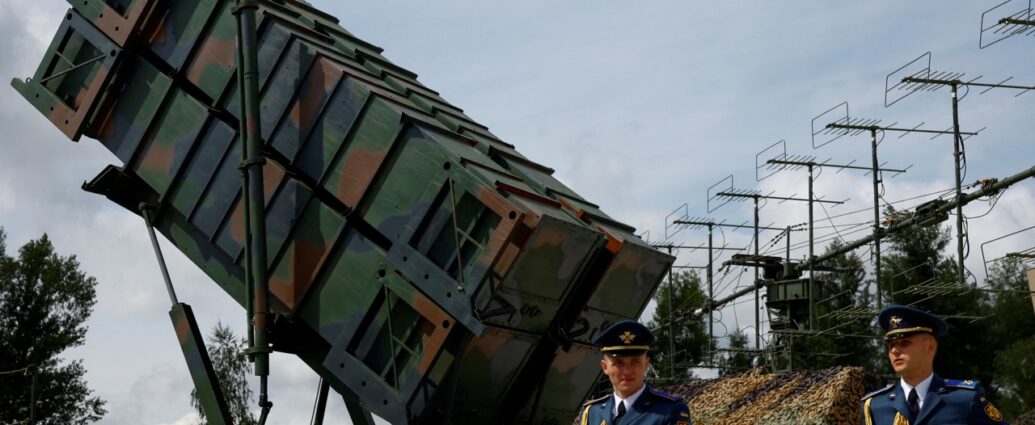
WASHINGTON — The International Monetary Fund (IMF) lowered its outlook for the world economy on Wednesday, July 8, trimming its 2026 global growth forecast to 3.0% and raising its inflation projection, even as it argued that the world had absorbed the shock of the Middle East war better than many had feared. Deniz Igan, who leads the World Economic Studies division of the Fund’s research department, presented the newly released update during a morning briefing in Washington.

The new figure marks a slight downgrade from the 3.1% growth forecast the IMF issued in April. The Fund expects global growth to recover to 3.4% in 2027, though that would still remain below the 3.5% average pace recorded in 2024 and 2025. On prices, it raised its 2026 headline inflation forecast by three-tenths of a percentage point to 4.7%, before projecting inflation to ease to 3.9% in 2027.

The Fund’s cautiously optimistic outlook rests on one critical assumption. Its forecast is built on expectations that the Strait of Hormuz—the narrow Persian Gulf shipping lane through which a significant share of the world’s oil supply travels—will begin reopening in mid-July and gradually return to normal conditions by March 2027. Based on that assumption, the IMF credited releases from strategic petroleum reserves, ample commercial inventories and resilient demand from the technology sector with helping the global economy withstand the conflict better than many economists had expected.

That assumption appeared to come under pressure almost immediately.

The report was released the same morning that President Donald Trump, speaking in Ankara ahead of a NATO summit, declared that the understanding between the United States and Iran was “over.” His remarks followed overnight military action after attacks on commercial vessels near the Strait of Hormuz. Iran’s Islamic Revolutionary Guard Corps said it had targeted U.S. military facilities in Bahrain and Kuwait in response, while the U.S. Treasury Department revoked the license that had allowed Iran to continue selling oil on global markets.

The contrast between the IMF’s assumptions and rapidly changing geopolitical developments was striking.

While the Fund’s baseline forecast assumes the energy shock will gradually ease, renewed tensions threaten to keep oil prices elevated and increase the risk of additional supply disruptions. Brent crude traded above $76 per barrel, while West Texas Intermediate (WTI) remained above $72 per barrel, extending gains as traders monitored developments in the Gulf. The IMF noted that energy prices were already running roughly 25% higher than before the conflict began on February 28. Should disruptions in the Strait of Hormuz continue, the Fund’s baseline projections could prove overly optimistic.

The regional outlook reflected those risks.

The IMF left its 2026 U.S. growth forecast unchanged at 2.3% and slightly increased its 2027 estimate to 2.2%. It reduced its outlook for the euro area to 0.9% from 1.1%, lowered Japan to 0.6%, and trimmed India, while still among the world’s fastest-growing major economies, to 6.4%. The largest downgrade came in the Middle East and Central Asia, where projected 2026 growth fell by 1.2 percentage points to just 0.7%, although the IMF expects a stronger rebound in 2027 if regional conditions stabilize.

Global trade is also expected to cool.

The IMF projects world trade growth will slow to 3.5% in 2026, down from 5% in 2025, a year boosted by companies accelerating imports ahead of higher U.S. tariffs. Trade growth is then expected to recover to 4.3% in 2027.

One subtle but significant change also stood out.

In its April forecast, released shortly after the conflict began, the IMF outlined multiple economic scenarios, including a severe case in which prolonged energy disruptions pushed inflation above 6% and significantly weakened global growth. In Wednesday’s report, however, the Fund returned to a single baseline forecast and removed those alternative downside scenarios, even as geopolitical uncertainty appears to be increasing.

For American businesses and consumers, the report offers both reassurance and caution.

The IMF continues to see the U.S. economy expanding at a healthy pace while inflation gradually moderates over the next two years. At the same time, much of that outlook depends on energy markets remaining relatively stable. Higher oil prices eventually ripple through transportation, manufacturing, shipping and retail prices, affecting everything from gasoline to groceries.

The IMF’s message is that the global economy has shown greater resilience than many expected. Whether that optimism proves justified will depend largely on events unfolding in the Middle East. As markets digested the report, investors were already watching developments in the Gulf that could reshape the very assumptions underlying the Fund’s latest forecast.

JBizNews Desk | Washington

© JBizNews.com All Rights Reserved. Reproduction or distribution without written permission is prohibited.
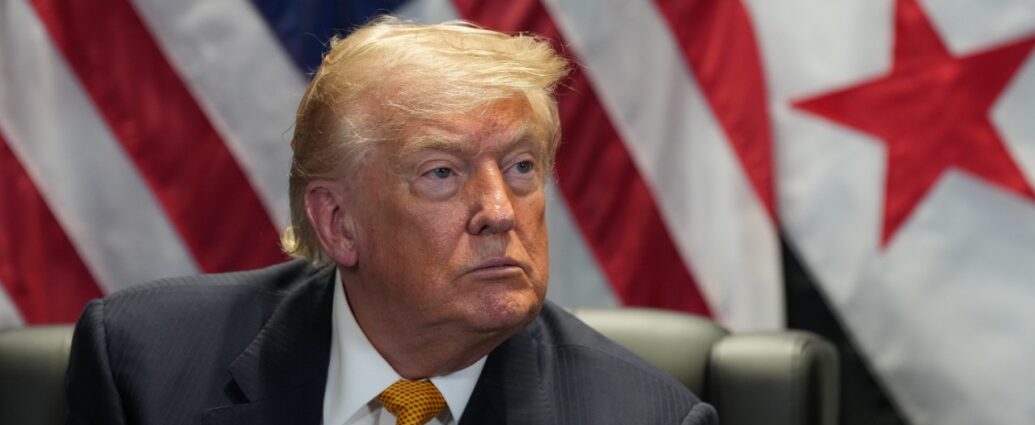
The U.S. men’s national team saw its World Cup run come to an end in front of the largest soccer audience the country has ever produced. Fox Corp. said on Tuesday, July 7, that its coverage of Monday night’s USA-Belgium round-of-16 match in Seattle drew 30 million viewers, the most-watched soccer telecast in U.S. history. Add the 12 million who watched the Spanish-language broadcast on Telemundo and Peacock, and the total American audience reached 42 million, according to preliminary Nielsen figures and Adobe Analytics data released by the networks.

That is a staggering number for a sport that spent decades on the margins of American television. It topped the record set only a week earlier, when the USA-Bosnia and Herzegovina group-stage game pulled in 26.4 million on Fox. The Belgium match peaked at 36.9 million viewers between 9:15 and 9:30 p.m. Eastern, right as Belgium pulled away in a 4-1 win that knocked the U.S. out of the tournament it is co-hosting.

The audience tells one story. The money behind it tells another.

Fox paid a reported $485 million for the English-language U.S. rights to the 2026 World Cup, a price several industry analysts have called two to three times below what those rights would fetch in an open market. The reason Fox got a bargain and is now cashing in comes down to geography. This is the first World Cup in 30 years played in U.S. time zones, which means marquee games land in prime time instead of at breakfast. Team USA’s run gave Fox its most valuable inventory of all.

Advertising rates climbed with each round. During the group stage and early knockout matches, spots ran around $300,000, sources told Front Office Sports. For later rounds, prices reached an estimated $1 million to $2 million. Fox charged close to $1 million for some commercials in Team USA’s opening games and could command more as the tournament advanced.

A new wrinkle added even more. FIFA introduced two three-minute hydration breaks per match this year, officially to protect players from summer heat. For Fox, they became a windfall. The breaks let the network run full-screen commercials inside the match itself, something soccer never allowed before. The Hollywood Reporter estimated those in-game spots sold for $200,000 to $750,000 each, and pegged the total value of the breaks across the tournament at $250 million to $600 million.

Put it all together and the two U.S. rights holders are on track for a combined $850 million in ad sales, according to estimates cited by Sportico. That is more than double the $384.3 million Fox and Telemundo booked during the 2018 tournament in Russia, the last summer World Cup.

For the sport’s American backers, Monday’s number is validation. Telemundo called its 12 million audience the largest for any U.S. men’s national team soccer match in Spanish-language history, with 6.7 million streaming on Peacock and 4.8 million watching the linear broadcast. Streaming, not just traditional TV, is carrying more of the load than in any prior tournament.

Still, it helps to keep the World Cup’s place in the American advertising market in perspective. Luke Stillman, managing director at consultancy Madison & Wall, put it bluntly: in the U.S., the World Cup is a $400 million to $500 million event inside a $60 billion to $70 billion television ecosystem. For comparison, the 2025 Super Bowl averaged 127.7 million viewers, and last month’s NBA Finals between the New York Knicks and San Antonio Spurs averaged 20.6 million on ABC and ESPN. Soccer is growing rapidly in the United States, but it has not yet reached football’s scale.

The brands showed up anyway. Official FIFA partners including Coca-Cola, Visa, Hyundai and, for the first time, Lenovo anchored the sponsor roster, while Bank of America, Verizon and American Airlines signed on as tournament sponsors. On the advertising side, Michelob Ultra, Lay’s, Home Depot, Budweiser and Quaker all ran national campaigns tied to the games.

The commercial question now is what happens without the home team. Team USA’s elimination removes the single biggest draw from Fox’s remaining schedule. The tournament runs through the July 19 final in New York and New Jersey, and later-round matches will still command premium advertising rates. But the network no longer has the one storyline that turned casual American viewers into a record-breaking audience.

For one night in Seattle, though, 42 million people proved the American appetite for soccer is real—and worth a fortune to whoever owns the broadcast.

JBizNews Desk
© JBizNews.com All Rights Reserved. Reproduction or distribution without written permission is prohibited.

Asian markets opened sharply lower on Wednesday, hit by a fresh wave of selling in semiconductor stocks and a jump in oil prices after the United States struck Iran overnight. The twin blows landed within hours of each other. Late Tuesday in Washington, the U.S. Treasury Department revoked the license that had allowed Iran to sell its oil on world markets, and U.S. Central Command followed with a new round of military strikes inside Iran. Together they sent crude prices up roughly 6% and rattled a region already nervous about chips.

South Korea took the hardest hit. The Kospi index plunged 3.34% to 7,400.24 shortly after the open, its lowest level since late May. Japan’s Nikkei 225 fell 1.34% to 67,341.86, sliding to a level last seen in mid-June.

The pain was concentrated in the same memory-chip giants that had led the region’s blistering 2026 rally. Samsung Electronics dropped 4.32%, extending a slide that began a day earlier when the company’s record earnings guidance failed to satisfy investors who had bet on even bigger numbers. Rival SK Hynix fell 4.77%, slipping toward the 2 million won mark. In Japan, tech-investment heavyweight SoftBank Group eased 1.18%.

One name bucked the trend. Kioxia, the Japanese memory maker, rose 1.16% at the open, a rare spot of green in an otherwise red screen.

The selloff was a second act. On Tuesday, Samsung’s “sell the news” drop was severe enough to trigger a rare circuit breaker in South Korean trading, a mechanism that briefly pauses activity when moves get too violent. Wednesday’s open picked up where that left off.

What’s driving the chip slide

The immediate trigger came from Wall Street. Overnight, the Philadelphia Semiconductor Index — the main gauge of U.S. chip stocks — fell sharply again, and the Nasdaq Composite dropped 1.16% to close at 25,818.69. The Dow Jones Industrial Average slipped 0.25% to 52,925.15 after touching a record high earlier in the day, while the S&P 500 lost 0.45% to 7,503.85.

Underneath the numbers is a bigger worry. Investors are starting to question whether the enormous sums Big Tech is pouring into artificial intelligence can keep justifying the sky-high prices of the chips that power it. Samsung’s results made the point in miniature: profit soared nearly 19-fold from a year earlier to a company record, yet the stock still fell because expectations had climbed even higher. When a record isn’t good enough, nervous investors sell.

Oil and the Iran shock

The energy story added a second layer of stress. On July 7, the U.S. Treasury Department’s Office of Foreign Assets Control scrapped a waiver issued only weeks ago that had let Iran sell crude oil internationally, replacing it with a far narrower authorization. The move came after a string of attacks on tankers in the Strait of Hormuz, the narrow waterway through which a large share of the world’s oil passes.

Hours later, U.S. Central Command said it had carried out strikes inside Iran, targeting air-defense systems, command networks, coastal radar and anti-ship missile sites, and destroying several Iranian Revolutionary Guard patrol boats.

Oil markets reacted fast. West Texas Intermediate crude, the U.S. benchmark, climbed about 5.25% to roughly $72.15 a barrel, while international standard Brent crude rose about 5.7% to near $76.14. For a region that imports almost all of its energy, higher oil prices are a direct threat — they raise costs for manufacturers, squeeze household budgets, and feed inflation just as central banks had hoped to ease off.

Why it matters beyond the trading floor

For everyday consumers across Asia, the two stories connect at the wallet. Pricier oil means costlier fuel and shipping, which eventually shows up in the price of goods. And the memory chips made by Samsung, SK Hynix and Kioxia sit inside the phones, laptops, cars and data centers that people and businesses buy every day. When these companies stumble, the effects ripple through supply chains, jobs and investment plans well outside the stock market.

The bigger question now is whether Wednesday’s drop is a healthy pause after a red-hot run or the start of something deeper. South Korea’s Kospi and Japan’s Nikkei are both still up strongly for 2026, powered by the AI-driven chip boom. But with oil climbing and the U.S.-Iran conflict flaring again, the mood has turned cautious. Traders across the region will be watching two things above all in the days ahead: whether chip stocks find their footing, and how far oil runs if the standoff with Iran gets worse.

JBizNews Desk
© JBizNews.com All Rights Reserved. Reproduction or distribution without written permission is prohibited.
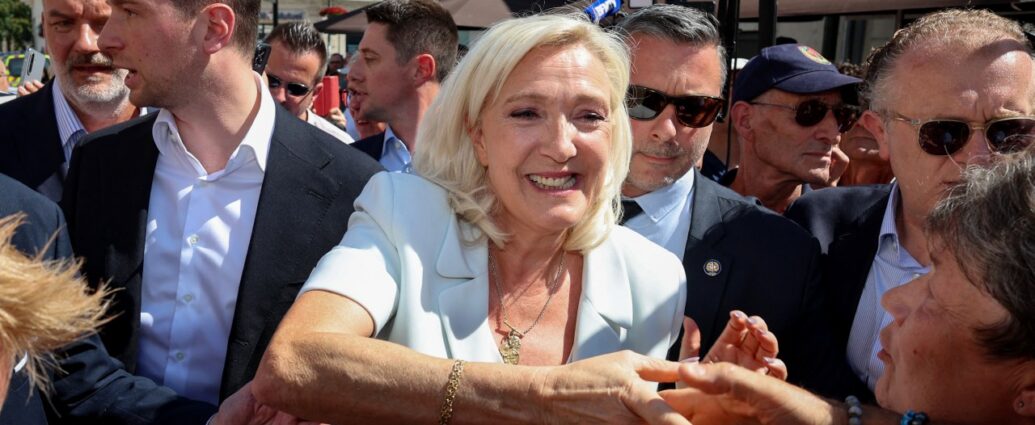
The U.S. Treasury Department revoked the license that had allowed Iran to sell its oil on the world market on Tuesday, July 7, choking off a key source of revenue for Tehran after attacks on commercial ships in the Strait of Hormuz. The department’s Office of Foreign Assets Control (OFAC) said it withdrew the authorization because the understanding reached with Iran last month was contingent on compliance, and U.S. officials said Iran had failed to uphold its commitments.

A senior U.S. official said Iran’s actions in the Strait of Hormuz were unacceptable and warranted consequences while emphasizing that Washington remains committed to pursuing a broader diplomatic agreement if Tehran changes course.

The Treasury action effectively unwinds an arrangement that was only weeks old. Under last month’s interim agreement, Iran had been permitted to continue limited oil exports through August 21 while negotiations continued. Tuesday’s move dramatically shortens that timeline. Existing transactions must now be wound down by July 17, with any payments required to remain in blocked, interest-bearing accounts inside the United States. New oil sales under the license are no longer permitted.

The decision follows a fresh escalation in one of the world’s most important energy corridors.

According to the United Kingdom Maritime Trade Operations (UKMTO), three commercial vessels were attacked in or near the Strait of Hormuz in recent days. The incidents included damage to the Qatari liquefied natural gas carrier Al-Rekayyat, along with attacks involving an oil tanker and another commercial vessel. Dr. Majed Al Ansari, spokesperson for Qatar’s Ministry of Foreign Affairs, confirmed the incident involving the LNG carrier. U.S. military forces later responded with strikes against Iranian targets, according to U.S. Central Command, although the Treasury action stands as a separate economic response.

Energy markets reacted immediately.

Brent crude, the international benchmark, settled approximately 3% higher at $74.16 per barrel, while U.S. West Texas Intermediate (WTI) finished 2.8% higher at $70.44. Following news of the Treasury’s license revocation, prices continued climbing in after-hours trading, with Brent approaching $76 per barrel and WTI rising above $72, representing gains of roughly 5% from the previous trading session.

“Obviously today is the next level of breakaway from the memorandum of understanding,” said Bob Yawger, director of energy futures at Mizuho, describing the market’s reaction to the deteriorating relationship between Washington and Tehran.

For Iran, the financial consequences could be significant.

Oil exports remain one of the country’s primary sources of hard currency, generating billions of dollars annually. China continues to be the largest purchaser of Iranian crude, making restrictions on export sales particularly meaningful for Tehran’s already strained economy.

Maritime analysts believe the attacks may have been intended to increase pressure on Gulf shipping routes rather than simply disrupt individual vessels.

Michelle Wiese Bockmann, senior maritime intelligence analyst at Windward, said the recent incidents appear designed to destabilize shipping along the southern corridor protected by the U.S. Navy while encouraging greater reliance on routes where Iran maintains stronger influence.

For American consumers, however, the immediate concern is fuel prices.

The Strait of Hormuz carries roughly 20% of the world’s seaborne oil, making it one of the most strategically important waterways in global commerce. Any disruption to shipping through the strait can quickly affect crude prices, which eventually filter down to gasoline stations, airlines, trucking companies and businesses dependent on transportation.

Higher diesel prices are especially important because they affect freight transportation across the United States. Increased fuel costs for trucks, railroads and delivery companies often work their way into the prices consumers pay for groceries, household goods and countless everyday products.

There is also a balancing effect.

As one of the world’s largest oil producers and exporters, the United States benefits financially when global energy prices rise. Domestic producers generally earn higher revenues during periods of elevated crude prices. At the same time, households, manufacturers, airlines, shipping companies and small businesses typically face higher operating costs as fuel becomes more expensive.

Investors will now turn their attention to U.S. inventory data.

The American Petroleum Institute estimated that domestic crude stockpiles fell by roughly 399,000 barrels last week, while the Energy Information Administration is scheduled to release its official inventory report on Wednesday. Those figures will help determine whether tightening global supply is also being reflected inside the United States.

For now, the Treasury’s decision marks one of Washington’s strongest economic responses since the latest Hormuz crisis began. While U.S. officials continue to leave the door open for negotiations, the revocation of Iran’s oil-sales license sends a clear message that future sanctions relief will depend on Tehran’s actions, not simply ongoing diplomacy.

JBizNews Desk | Washington, D.C.

© JBizNews.com All Rights Reserved. Reproduction or distribution without written permission is prohibited.
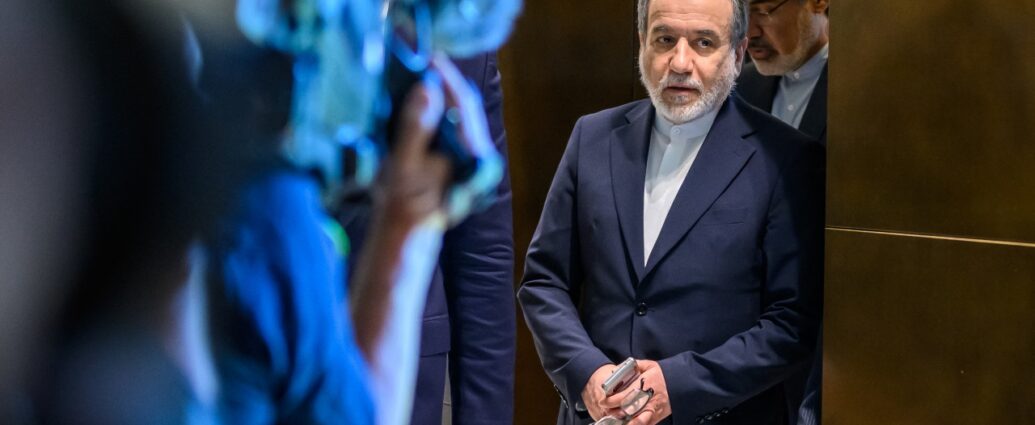
The United Arab Emirates is pressing ahead with a multibillion-dollar plan to route its oil, gas and cargo around the Strait of Hormuz entirely, the country’s foreign trade minister said in an interview laying out the strategy in mid-June. Dr. Thani Al Zeyoudi, the UAE’s Minister of Foreign Trade, said the Gulf state is working toward what he called “zero Hormuz dependency” — and that it will keep building whether or not the waterway stays open. The National

“We’re moving toward having zero Hormuz dependency, and that’s regardless of whether it’s open or not,” Al Zeyoudi said. “It’s going to open and we hope that will happen quickly, but we will not stop the new plan.” Bloomberg

The timing is pointed. The Strait of Hormuz — the narrow channel between Iran and Oman — normally carries about a fifth of the world’s crude oil and liquefied natural gas. Iran has effectively controlled the strait since shortly after the war with the United States began on February 28, virtually shutting the passage for roughly 20% of the world’s oil. NPR That closure drove fuel, food and shipping costs higher around the globe.

A June 15 interim peace deal between Washington and Tehran is meant to reopen the strait and lift the dueling naval blockades NPR, and oil prices fell sharply on the news. But shippers remain cautious, and Iranian officials insist they will impose a transit fee once the deal’s 60-day window expires. Council on Foreign Relations That uncertainty is exactly what the UAE says it wants to design out of its economy.

At the center of the plan is a major expansion of the UAE’s eastern ports — Fujairah, Khor Fakkan and Dibba — all of which sit on the Gulf of Oman, outside the strait. Al Zeyoudi said the country also intends to build at least one new harbor along that coastline. The National

Connecting those ports to the country’s oilfields, gasfields and petroleum facilities will require new pipelines, rail lines and roads linking the eastern coast to inland sites. The National

The energy piece is moving fastest. The UAE is accelerating a second pipeline that would double crude export capacity through Fujairah and is evaluating a third petroleum line on top of that. Outlook Business Today a single 1.5 million barrel-per-day pipeline to Fujairah is the country’s only overland crude lifeline. Pipeline-journal Planned expansion could lift total capacity above 3.5 million barrels a day, according to figures cited by Reuters. Marine Insight Officials are also weighing ways to move petrochemicals, LNG and other products without touching Hormuz.

Al Zeyoudi said the projects remain in the planning stage with no disclosed timeline or price tag, but acknowledged they would require billions of dollars. Outlook Business

He was candid about the limits. Crude oil is the easy part, because it can be pushed through pipelines. Liquefied natural gas, aluminum and container imports are far harder to shift. The Liberty Daily The UAE also leans heavily on Gulf ports such as Jebel Ali for imports and regional trade, so moving more cargo east would raise transport costs Marine Insight — though the minister said expanded rail and road links should hold those costs down while Jebel Ali and Khalifa Port keep serving as hubs.

The recent shutdown was a live stress test. During the conflict the UAE kept some crude moving through its existing Fujairah pipeline and leaned harder on eastern ports israelnationalnews, while redirecting cargo through ports in countries including Egypt and India and turning to air freight to keep supply chains intact. israelnationalnews

The Emirates are not racing alone. Saudi Arabia pushed its Hormuz-bypassing East-West Pipeline to a full 7 million barrels a day during the war, diverting oil to Red Sea terminals at Yanbu. Zero Hedge Iraq is expanding its northern pipeline through Turkey, and Kuwait has held early talks with Saudi Arabia and the UAE about cross-border lines. Zero Hedge The states with the fewest options — Kuwait, Qatar and Bahrain — remain almost entirely dependent on Hormuz Council on Foreign Relations, leaving them exposed if Iran revives its threats.

For businesses and households far from the Gulf, the stakes are simple. Every barrel that can skip the strait is a barrel less vulnerable to the next standoff — and less likely to spike prices at the pump, on store shelves and in shipping contracts. Moody’s Ratings expects crude to average between $90 and $110 this year IndexBox, a reminder of how heavily the closure still weighs on the global economy.

The UAE, for its part, is hedging both ways. Even as it builds to escape the chokepoint, the government said this week that the “uninterrupted flow of traffic through the Strait of Hormuz” israelnationalnews remains essential to regional and global prosperity.

JBizNews Desk © JBizNews.com All Rights Reserved. Reproduction or distribution without written permission is prohibited.

The United States is bombing Iran. On Tuesday, July 7, U.S. Central Command said American forces had begun launching powerful strikes against Iranian targets, and hours later a senior U.S. official said the strikes were still ongoing. Explosions were reported across southern Iran near Bandar Abbas, Qeshm Island and the port of Sirik. The fragile ceasefire that has held since last month is now on the brink of collapse, and oil prices are climbing.

CENTCOM said the strikes answered Iranian attacks on three commercial ships in the Strait of Hormuz, calling Tehran’s actions a clear violation of the ceasefire and vowing to impose heavy costs for hitting vessels crewed by civilians. A senior U.S. official told Fox News the strikes are “significantly larger” than the limited round the U.S. carried out last month. The targets inside Iran include air defense systems, coastal surveillance posts, surface-to-air and anti-ship missile sites, drone launch sites and port facilities.

President Donald Trump, speaking at a NATO summit in Ankara, referred to the broader U.S. campaign, begun February 28, as Operation Epic Fury. The United Kingdom Maritime Trade Operations center raised its threat level for the strait to severe, warning that deliberate hostile action is likely and that mine risk and Iranian naval pressure on vessels persist.

The trigger was the ships. Earlier Tuesday, a tanker was struck by a drone off Oman, a day after the Qatari liquefied natural gas carrier Al Rekayyat took an engine-room fire and a Saudi crude tanker was damaged nearby. Qatar and Saudi Arabia both condemned the attacks as assaults on international shipping and global energy supplies.

This is the gravest test yet of the memorandum of understanding that Trump and Iranian President Masoud Pezeshkian signed June 17. Iran’s deputy foreign minister, in a statement via the FARS news agency, called the strikes a serious breach and said Tehran would take decisive measures. Foreign Minister Seyed Abbas Araghchi said talks on a final deal will not resume until the memorandum’s terms are met, starting with a ceasefire and an Israeli withdrawal from Lebanon. The warning followed Trump’s Monday vow to “make a deal or finish the job.”

Oil markets moved fast. Brent crude, the international benchmark, settled 3% higher at $74.16 a barrel on Tuesday, while U.S. West Texas Intermediate rose 2.8% to $70.44. Both climbed further after hours once Washington opened a second front, with Brent up 5.6% to $76.04 and WTI up 5.4% to $72.25.

That second front was economic. The Treasury Department’s Office of Foreign Assets Control revoked the license that had let Iran sell oil and petrochemicals. Former U.N. ambassador Nikki Haley, on CNBC, argued Iran had been emboldened by earlier concessions, saying released frozen assets and oil waivers left Tehran collecting billions by the day.

For ordinary Americans, a crisis in a distant waterway lands at the gas pump and in the grocery aisle. The U.S. Energy Information Administration has projected wholesale gasoline running roughly 50% above pre-conflict forecasts this year, with diesel higher still. Diesel is the one to watch, because it moves the trucks and trains carrying food, packages and building supplies, so spikes reach store shelves within weeks.

One thing is keeping prices from spiking harder. OPEC+, led by Saudi Arabia, agreed over the weekend to raise production quotas again, and Saudi Aramco cut its Arab Light crude price for Asian buyers by $11 a barrel. That extra supply is why Brent, even after Tuesday’s jump, sits well below the $105 peaks of earlier in the war.

For businesses that live on fuel costs — airlines, truckers, manufacturers and small operators — the message is that the Hormuz risk never left. With U.S. strikes still underway and Iran vowing to hit back, the next move belongs to Tehran, and markets will be watching the strait for where prices head next.

JBizNews Desk © JBizNews.com All Rights Reserved. Reproduction or distribution without written permission is prohibited.

Tesla’s push into humanoid robots could eventually reshape not only manufacturing but the way companies generate recurring revenue, according to industry executives who believe the real opportunity lies beyond selling robots outright.

Speaking in an interview published Monday, Jerry Wang, Global Executive Chairman of Faraday Future and CEO of AIxCrypto Holdings, said the biggest profits in robotics may come from leasing and operating robots rather than simply manufacturing them.

The comments come as Tesla CEO Elon Musk continues to position the company’s Optimus humanoid robot as one of Tesla’s most important long-term growth opportunities.

Musk has repeatedly said Optimus could eventually become more valuable than Tesla’s electric vehicle business, with plans to begin larger-scale production by the end of 2026.

Rather than focusing solely on robot sales, Wang argues companies should think of humanoid robots as long-term revenue-producing assets.

Instead of selling a robot once, manufacturers could lease robots to factories, warehouses, hospitals and businesses, generating recurring monthly income while continuously improving the machines through software updates and real-world operating data.

The model resembles the evolution of cloud software, where recurring subscriptions have largely replaced one-time software purchases.

Industry interest continues accelerating.

Companies including Figure AI, Agility Robotics, Boston Dynamics, and several Chinese manufacturers are investing billions of dollars into humanoid robotics as advances in artificial intelligence make machines increasingly capable of performing repetitive physical tasks.

The rapid expansion is also creating opportunities throughout the supply chain.

Chipmakers, memory manufacturers, sensor companies and battery producers all stand to benefit as humanoid robots require enormous computing power to process vision, movement and decision-making in real time.

Despite the excitement, significant hurdles remain.

Tesla has not yet begun commercial sales of Optimus, and the robots currently operate primarily inside Tesla facilities. Industry experts also note that manufacturing costs remain well above Musk’s long-term target price, making widespread commercial adoption dependent on further technological advances and higher production volumes.

Regulatory standards, workplace safety requirements and customer acceptance will also influence how quickly humanoid robots move from pilot programs into everyday business operations.

For investors, the debate highlights a broader question facing the robotics industry: whether future profits will come primarily from hardware sales or from long-term service and leasing models.

If companies ultimately treat robots more like subscription platforms than traditional equipment, recurring revenue could become one of the sector’s most valuable assets.

With Tesla, Figure AI and other competitors racing to commercialize humanoid robots, the coming years may determine not only who builds the best machines, but who develops the most profitable business model around them.

JBizNews Desk | Austin, Texas

© JBizNews.com All Rights Reserved. Reproduction or distribution without written permission is prohibited.
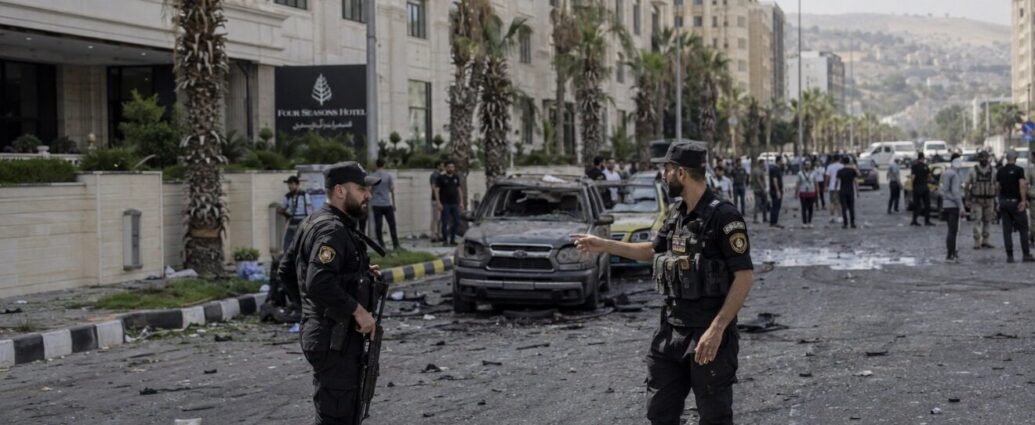
President Emmanuel Macron of France and Syrian President Ahmed al-Sharaa announced a sweeping package of economic and infrastructure agreements on Tuesday, July 7, at a reconstruction forum in Damascus — hours after two bombs tore through a nearby street, wounding at least 18 people and laying bare the security risk hanging over Syria’s push to rebuild. The Élysée Palace said Macron was already at the presidential palace when the explosions hit and was unharmed. The visit went ahead as planned.

The economic message was the whole point of the trip. Macron arrived Monday night with a delegation of French business leaders, the first French president to visit Syria in 18 years and the first Western leader since Bashar al-Assad was ousted in December 2024. He came to sign deals — and to signal that France wants a front-row seat in a rebuild that could run into the hundreds of billions of dollars.

At the center of the package was a framework declaration for comprehensive cooperation and a major maritime, air transport and logistics agreement with French shipping giant CMA CGM, whose chairman and CEO Rodolphe Saadé joined the trip. CMA CGM already holds a 30-year contract to develop the Port of Latakia, signed in 2025 for €230 million, and later committed another €200 million to expand the port’s handling capacity. The new deal pushes the company into air cargo handling at Damascus airport.

Macron also put France’s name on Syria’s financial plumbing. He said France would provide technical assistance directly to the Central Bank of Syria and help restructure a banking sector shattered by 14 years of war. “We want to continue working on the restructuring of the banking sector,” Macron said. Additional protocols covered water treatment and energy projects in Homs province, civil aviation, and a memorandum with the French Development Agency to rebuild state institutions. The two countries also agreed to restore full diplomatic ties and reappoint ambassadors.

For al-Sharaa, the pitch to investors was geography. He framed Syria as a future transit hub linking the Mediterranean, the Gulf and Iraq — and tied it directly to the disruption in global shipping. “Syria has a strategic location linking the Mediterranean with the Gulf and Iraq, and is only a few hours by sea from Marseille,” he said. “After the Strait of Hormuz crisis, the world realized the value of safe and stable corridors here.”

That line matters well beyond Damascus. With traffic through the Strait of Hormuz still choked, companies and governments are hunting for alternative routes to move oil and goods between Europe and the Middle East. Syria is betting its coastline can become one of them.

Al-Sharaa laid out a long shopping list for foreign capital: modernized airports and air-navigation systems, offshore energy exploration, upgraded electricity and water networks, university hospitals, food processing, digital infrastructure and a rebuilt civil registry. “Our industrial cities are ready to become a platform for your investments,” he told the room. “We are building a modern investment environment governed by the rule of law and strong institutions.”

Energy is already drawing interest. Syria has signed a memorandum with TotalEnergies, U.S.-based ConocoPhillips and QatarEnergy to explore for oil and gas in its territorial waters. TotalEnergies chief Patrick Pouyanné was also part of Macron’s delegation.

The groundwork was laid over the past year. Macron pushed Europe and the United States to drop most sanctions on Syria, and the European Union lifted its economic penalties in May 2025. Clearing those barriers is what lets French and other Western firms sign contracts at all.

But Tuesday’s blasts underscored why many companies are still holding back. The two explosions — caused by devices planted in a garbage bin and a parked car, according to Syria’s Interior Ministry — went off near the Four Seasons Hotel, where Macron had spent the night. They came less than a week after a café bombing killed around 10 people in the same city. No group claimed responsibility for either attack.

That is the hard math for investors. Syria needs hundreds of billions of dollars, and it has already signed memorandums with several countries and companies — but many of those pledges have yet to become actual projects. Reconstruction money tends to wait for stability, and stability is exactly what Tuesday’s bombs called into question.

Macron tried to keep the focus on the opportunity. He said France would set up expanded joint economic committees, working alongside Gulf countries, to support the rebuild. “There are also many opportunities for our partnership,” he said. Whether Western capital follows the handshakes will depend less on the deals signed inside the palace than on the streets outside it.

JBizNews Desk | Damascus

© JBizNews.com All Rights Reserved. Reproduction or distribution without written permission is prohibited.

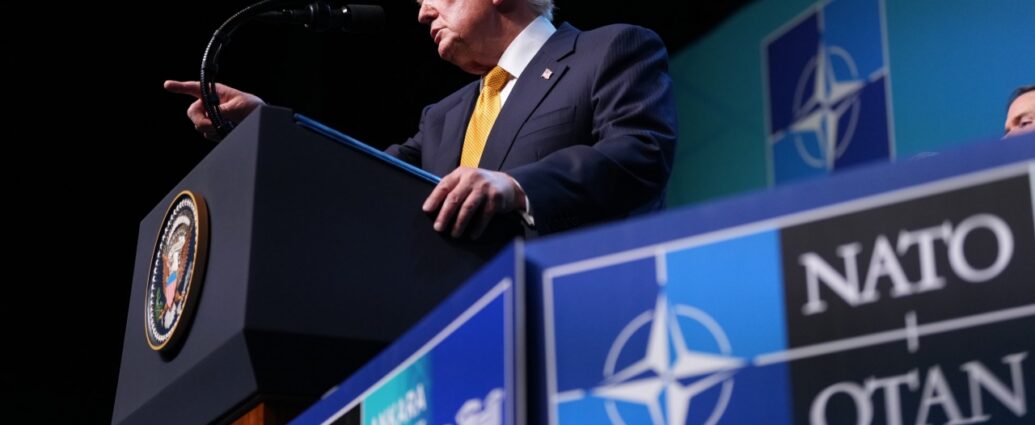
According to remarks made Tuesday, July 7, by President Donald Trump during a bilateral meeting with Turkish President Recep Tayyip Erdoğan in Ankara, Trump renewed his call for the United States to control Greenland and warned that Washington could reconsider its military presence in Europe if NATO allies continue resisting U.S. priorities. The comments came shortly after Trump arrived in Turkey for the annual NATO summit, immediately raising geopolitical and market concerns across Europe.

Trump argued that Denmark does little for Greenland. “Greenland doesn’t help Denmark. Denmark doesn’t spend money to really help Greenland, but it’s an important part for the United States,” he said. He repeated his claim that the island is “surrounded by China ships and Russian ships,” then added that the United States “could remove all of our soldiers out of Europe.”

Asked whether additional American troops could leave Europe, Trump declined to make a commitment. “Well, we’re going to see,” he told reporters. He linked his frustration to what he described as insufficient NATO support during the recent conflict with Iran and said the Greenland dispute had damaged his relationship with the alliance.

For business, the issue extends well beyond geopolitics. Investors are increasingly focused on who will finance Europe’s expanding defense commitments and which companies stand to benefit from a new era of military spending.

European defense stocks have rallied into the summit as investors anticipate higher defense budgets across the continent. A Goldman Sachs basket of European defense companies recovered roughly 17% from its late-June 2026 low ahead of the gathering. On Monday, Fincantieri surged 12.84% to €12.30, while Leonardo, Saab, Hensoldt, Rheinmetall, Thales, Dassault Aviation and Safran also posted gains.

Germany’s Rheinmetall, Europe’s largest defense contractor, traded near €1,121.80 after climbing more than 15% during the past week, although the shares remain well below earlier highs following Germany’s cancellation of its F126 frigate program. The volatility underscores the risks facing investors as governments rapidly reshape military procurement priorities.

The broader spending trend continues to strengthen. NATO members have committed to increasing defense expenditures toward 5% of GDP over the coming decade. According to figures cited by NATO Secretary-General Mark Rutte, non-U.S. members increased military spending 20% last year to $574 billion, while Germany alone boosted defense expenditures 24% to $114 billion. Rutte has warned that manufacturers are now struggling to keep pace with demand.

The summit is also producing new commercial opportunities. Lockheed Martin and Rheinmetall announced plans to jointly produce ATACMS missiles in Germany, marking the first production of the system outside the United States. NATO leaders also outlined more than $40 billion in planned investments over the next five years to strengthen anti-drone capabilities. Belgium is preparing a €3.1 billion air-defense purchase that includes 20 Skyranger systems produced by Rheinmetall, pending final government approval.

Analysts increasingly believe Europe will rely more heavily on domestic defense manufacturers. Analysts Adrien Rabier and Douglas Harned of Bernstein estimate that while U.S. companies still account for roughly 60% of European defense procurement, that balance is likely to shift toward European suppliers over time. They identify BAE Systems, Dassault Aviation, Rheinmetall and Thales among the companies best positioned to benefit from the trend. Berenberg analyst George McWhirter continues to rate Rheinmetall a Buy with a €2,100 price target.

The economic implications extend beyond defense contractors. If the United States reduces its military commitment to Europe, governments across the continent could face difficult budget decisions as higher defense spending competes with funding for healthcare, education and other public services. Businesses operating across Europe are also watching closely, as greater geopolitical uncertainty could influence investment decisions and cross-border trade.

Turkey also has significant commercial interests tied to the summit. Reports indicate Trump and Erdoğan discussed potential agreements involving F-35 fighter aircraft and related defense equipment, creating possible opportunities for both Turkey’s defense industry and major U.S. aerospace manufacturers.

European leaders sought to lower tensions following Trump’s remarks. Danish Prime Minister Mette Frederiksen reiterated that Greenland is not for sale and called on allies to respect Denmark’s sovereignty. Finnish President Alexander Stubb urged cooperation among Arctic allies, emphasizing the strategic importance of maintaining unity within NATO.

With defense spending accelerating, geopolitical tensions rising and investors closely watching every announcement from Ankara, the outcome of the summit could influence both global security policy and defense-sector markets for years to come.

JBizNews Desk | Ankara

© JBizNews.com All Rights Reserved. Reproduction or distribution without written permission is prohibited.

According to a July 2026 research note from J.P. Morgan, gold’s historic bull run has stalled, and Wall Street is now arguing over how much further the metal can fall. As of early July, gold traded near $4,100 an ounce — down about 29% from the record of roughly $5,590 it set in late January, its worst stretch in years. Greg Shearer, head of base and precious metals at J.P. Morgan, described the metal as stuck in a “technical no-man’s land,” caught between buyers and sellers with neither side willing to commit.

The reversal has been swift. Gold slipped below the $4,000 mark in late June for the first time since November 2025, capping a four-month pullback. That is a sharp turn for an asset that gained 66% in 2025 and kept climbing into January, powered by geopolitical fear, trade uncertainty and worries about the independence of the Federal Reserve.

What changed is the outlook for interest rates. Under Fed Chair Kevin Warsh, markets have shifted from expecting rate cuts to bracing for possible hikes, driven partly by energy-fueled inflation from the Middle East conflict. Higher rates and a stronger dollar hurt gold, which pays no interest, because investors can earn more holding cash or Treasuries instead. At the same time, an easing of some Middle East tensions and a rush back into technology and AI stocks pulled money out of safe-haven assets.

Central banks, long the backbone of gold’s rise, also stepped back. After buying at a torrid pace for years, official institutions turned into net sellers early in 2026. Türkiye alone sold about 60 tons in March, and net reported purchases slowed sharply in the first quarter, according to World Gold Council data.

The bears now have the momentum. Analysts at OCBC Bank expect prices to keep drifting lower into year-end on rising Treasury yields and a firm dollar. Technical traders point to the break below $4,000 as a warning that the easy money has been made.

But plenty of big names still see the sell-off as a pause, not an ending. J.P. Morgan maintains a year-end target near $6,000 an ounce. UBS told clients gold could recover toward $5,200 over the next year, calling the drop a buying opportunity. Goldman Sachs has kept a target around $5,400. Their case rests on the same long-term forces that drove the rally: heavy government debt, central-bank diversification away from the dollar, and lingering geopolitical risk. Strategists at Barclays argued that even with screens flashing “overvalued,” a durable premium above the metal’s roughly $4,000 fair value suggests this is not a bubble bursting.

For everyday investors, the swing matters more than the Wall Street debate. Gold sits in millions of retirement accounts and exchange-traded funds as portfolio insurance, and the past few months are a reminder that even so-called safe assets can drop hard and fast. For gold-mining companies, stabilizing prices around current levels would still leave healthy margins for low-cost producers, supporting jobs and cash flow, while a deeper slide would squeeze weaker miners and stall new projects.

Notably, even after the correction, gold remains one of the better-performing assets of 2026, still ahead for the year. The next moves will hinge on the Fed’s late-July meeting, fresh inflation data and whether central banks return as buyers. For now, the metal that spent two years defying gravity is finally testing where the floor is.

JBizNews Desk | New York

© JBizNews.com All Rights Reserved. Reproduction or distribution without written permission is prohibited.