The defense contractor said it is working in partnership with the U.S. government and multiple other NATO nations to conduct a series of feasibility studies that would qualify new suppliers in Europe for priority components of its advanced medium-range air-to-air missile.


This post was originally published here. 

A group of allied countries want to use the same kind of government-backed financing that helped rebuild Eastern Europe after communism to now tackle the price tag of facing down Russia and China.

This post was originally published here. 

Orthodox Jewish Chamber of Commerce Launches Hands-On AI Platforms Certification to Help Students, Employees and Businesses Save Time, Reduce Costs, Increase Productivity and Grow Revenue

EATONTOWN, N.J. — The next essential workplace skill has arrived.

Twenty years ago, knowing how to use Microsoft Word, Excel, Outlook and email separated job candidates from the competition. Today, those programs are standard requirements in nearly every workplace.

Now, the same transformation is happening with today’s leading AI platforms.

Employers increasingly expect workers to know how to use platforms such as ChatGPT, Claude, Gemini, Microsoft Copilot, Grok, Perplexity, Meta AI and Mistral to write documents, analyze spreadsheets, create presentations, automate repetitive tasks, communicate with customers and dramatically improve productivity.

The payoff is significant.

According to PwC’s 2026 Global AI Jobs Barometer, workers skilled in today’s leading AI platforms earn an average of 62% more than comparable workers without those skills. After analyzing more than one billion job postings across six continents, PwC concluded that AI platform skills have become one of the fastest-growing drivers of higher salaries, promotions and career advancement.

To help individuals and businesses prepare for this workplace transformation, the Orthodox Jewish Chamber of Commerce, drawing on more than 20 years of workforce development, executive education and employer partnerships, is hosting the JBiz AI Operations Summit on July 13–14, 2026, at the Sheraton Eatontown in New Jersey.

The intensive two-day certification program is designed for everyone.

Whether you’re preparing to enter the workforce, applying for your first office job, working as a secretary or administrative assistant, building your career, changing professions, supervising employees or running your own business, learning today’s leading AI platforms can immediately increase your productivity and long-term earning potential.

Unlike technical courses designed for software developers, the summit focuses entirely on practical workplace applications that participants can begin using the very next day.

Participants will receive hands-on training using today’s leading AI platforms, including ChatGPT, Claude, Gemini, Microsoft Copilot, Grok, Perplexity, Meta AI and Mistral, and learn how to:

Save Time

  • Automate repetitive tasks.
  • Complete reports, emails and presentations in minutes instead of hours.
  • Organize meetings, schedules and daily workflows more efficiently.

Increase Productivity

  • Produce higher-quality work in less time.
  • Analyze spreadsheets and business data faster.
  • Improve communication across every department.

Reduce Costs

  • Streamline administrative work.
  • Eliminate unnecessary manual processes.
  • Improve operational efficiency across the organization.

Increase Revenue

  • Create stronger marketing campaigns.
  • Improve customer service and client communications.
  • Generate better sales materials, proposals and business presentations.
  • Free employees to focus on higher-value work that drives business growth.

Upon successful completion, every participant will receive an AI Platforms Certification from the Orthodox Jewish Chamber of Commerce, recognizing practical proficiency in today’s leading workplace AI platforms.

An Investment With Immediate ROI

For employers, this is more than employee training—it’s a business investment.

Equip your workforce with practical AI platform skills that help your company:

  • Save time.
  • Reduce operating costs.
  • Increase employee productivity.
  • Improve customer service.
  • Produce higher-quality work.
  • Strengthen decision-making.
  • Increase sales.
  • Grow revenue.
  • Build a more competitive organization.

The result is a workforce that delivers measurable value every day.

For employees, the benefits are equally compelling.

These practical skills strengthen résumés, improve job performance, increase confidence, position workers for promotions and create opportunities for higher-paying positions throughout their careers.

The Numbers Tell the Story

The demand for AI platform skills continues to accelerate.

  • 62% average salary premium for workers with AI platform skills (PwC).
  • Up to 118% salary premium in customer-facing industries (PwC).
  • 8× faster growth in demand for AI platform skills than the overall job market (PwC).
  • 7.5 hours saved every week by professionals using AI platforms (London School of Economics).
  • 2.3 hours saved every workday through AI-assisted tasks (GoTo Workplace Survey).
  • 8%–15% greater chance of receiving a job interview when AI platform skills appear on a résumé (University of Oxford, shared by the World Economic Forum).

“Every generation has a workplace skill that becomes essential,” said Duvi Honig, Founder and CEO of the Orthodox Jewish Chamber of Commerce. “Yesterday it was Word, Excel, Outlook and email. Today it’s learning how to use today’s leading AI platforms. Whether you’re entering the workforce, working as a secretary, advancing your career or growing a business, these are practical skills that help people save time, increase productivity, reduce costs, increase revenue and become more valuable in today’s economy.”

JBiz AI Operations Summit

July 13–14, 2026
Sheraton Eatontown
Eatontown, New Jersey

Every participant who completes the two-day program will earn an AI Platforms Certification from the Orthodox Jewish Chamber of Commerce.

For registration and corporate or group discounts:

Orthodox Jewish Chamber of Commerce
212-659-5270 ext. 104
Esther@OJChamber.com
www.OJChamber.com

About the Orthodox Jewish Chamber of Commerce

For more than 20 years, the Orthodox Jewish Chamber of Commerce has helped businesses and individuals grow through workforce development, executive education, certification programs, government partnerships and business advocacy. Through the JBiz AI Operations Summit, the Chamber continues its mission of equipping today’s workforce with practical, in-demand skills that help businesses save time, reduce costs, increase productivity, grow revenue and compete in the modern economy, while advancing its mission of “Uniting the World Through Commerce.”

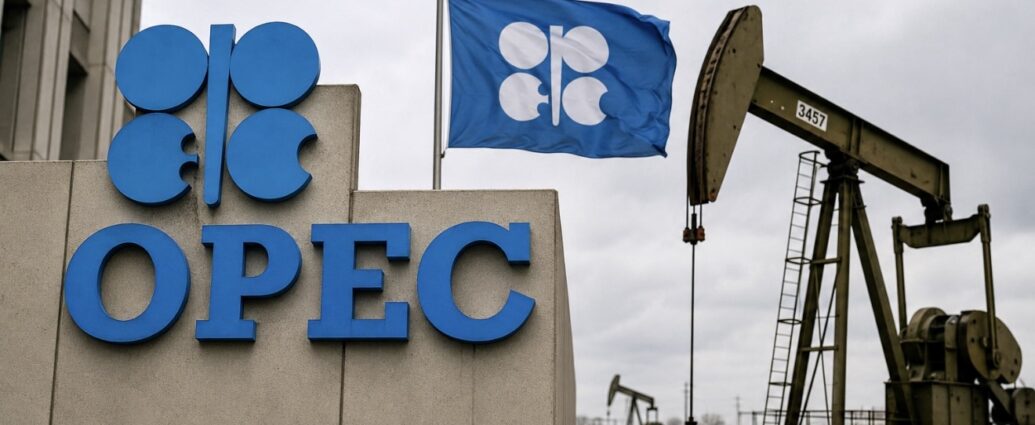
Seven members of the OPEC+ alliance, led by Saudi Arabia and Russia, agreed on Sunday, July 5, to increase oil production by another 188,000 barrels per day beginning in August, according to a statement released by OPEC. On the surface, it was the group’s fifth consecutive monthly production increase. Beneath that decision, however, is a growing battle over the future of the nearly 70-year-old oil cartel—one that could ultimately send crude prices sharply lower and deliver significant savings to consumers.

Only a few months ago, the world faced the opposite problem.

The conflict that erupted in late February involving the United States, Israel and Iran disrupted shipping through the Strait of Hormuz, the narrow waterway that normally carries roughly one-fifth of the world’s oil supply. Energy markets reacted immediately. Brent crude, the international benchmark, surged to $138 per barrel on April 7, its highest level since 2022, while fears of prolonged supply shortages sent fuel prices soaring around the globe.

Today, the picture has changed dramatically.

Commercial traffic has resumed through the Strait of Hormuz, production is returning, and crude prices have largely erased their wartime gains. On Monday, July 6, Brent crude traded near $71.70 per barrel, while West Texas Intermediate (WTI) hovered around $68.40, almost exactly where both benchmarks stood before the conflict began.

Several energy analysts now believe prices may have further to fall.

The pressure is coming from inside OPEC itself.

During the conflict, Gulf producers with limited export routes—including Iraq, Kuwait and Iran—were forced to sharply reduce production after shipping through the Persian Gulf became constrained. Saudi Arabia was better positioned because it continued exporting significant volumes through its East-West Pipeline to the Red Sea port of Yanbu, allowing it to maintain a much larger share of production.

Now that exports have resumed, countries that lost months of revenue want to increase production aggressively.

Iraq has publicly indicated it wants authorization to pump as much as 5 million barrels per day, with a longer-term objective of reaching 7 million barrels daily. Iraqi officials have also suggested the country could reconsider its membership in OPEC if larger production quotas are not approved.

That threat highlights the organization’s growing dilemma.

To keep member nations satisfied, OPEC may need to permit significantly higher production, increasing global supply and driving oil prices lower. But limiting production to support higher prices risks encouraging frustrated members to leave the organization altogether, weakening the cartel’s influence over world energy markets.

It is a difficult balancing act.

Saudi Arabia remains OPEC’s dominant producer and effectively controls the group’s direction. Flooding the market too quickly could send prices sharply lower, reducing revenues for every member. Holding production back, however, risks internal divisions that could permanently weaken the alliance.

Signs of that pressure are already emerging.

State-owned Saudi Aramco recently reduced official selling prices for its flagship crude grades destined for Asian buyers, one of its most aggressive pricing moves in years. The reductions reflect increasing competition for market share as additional barrels begin returning to global markets.

Demand trends are adding another layer of uncertainty.

Higher oil prices earlier this year accelerated investment in electric vehicles, renewable energy and energy efficiency across many countries. Some analysts believe a portion of that lost oil demand may never fully return, even as prices moderate.

According to JPMorgan commodities strategist Natasha Kaneva, the market now faces the prospect of previously constrained oil supplies returning just as global consumption growth begins slowing—a combination that could create a significant supply surplus.

Several forecasters believe that scenario could push prices considerably lower over the next several years.

Capital Economics economist Kieran Tompkins has suggested oil could average around $60 per barrel next year, with prices potentially falling toward $50 later in the decade. Some market analysts have argued that if OPEC loses control of production discipline altogether, prices could temporarily decline to $40 per barrel.

For oil-producing nations, that would represent a painful financial blow.

Saudi Arabia is widely estimated to require oil prices near $91 per barrel to balance its national budget, while several other producing countries depend heavily on petroleum revenues to fund government spending and economic development.

For consumers, however, lower oil prices would be welcome news.

Cheaper crude typically leads to lower gasoline and diesel prices, reduced airline fuel costs, lower shipping expenses and slower inflation across much of the economy. Because transportation costs affect nearly every product consumers purchase, sustained declines in oil prices often ripple throughout supply chains and eventually reach household budgets.

The larger story extends beyond this month’s production increase.

For decades, OPEC has exercised enormous influence over global oil markets by carefully managing supply. Today, growing internal disagreements, shifting energy demand and changing geopolitical realities are testing that influence as never before.

Whether the organization preserves its unity or fractures under competing national interests could determine not only the future of global energy markets, but also what consumers pay at the gas pump for years to come.

JBizNews Desk

© JBizNews.com All Rights Reserved. Reproduction or distribution without written permission is prohibited.

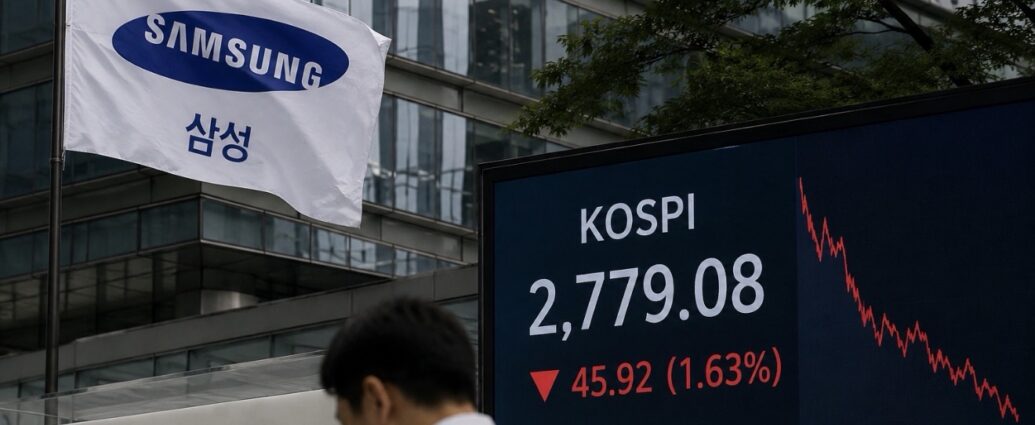
Samsung Electronics reported record quarterly earnings on Tuesday, July 7, forecasting operating profit of approximately 89.4 trillion Korean won ($58.4 billion) for the April-to-June quarter, according to the company’s official earnings guidance. The figure represents roughly 19 times the profit reported a year earlier and marks the largest quarterly operating profit in Samsung’s history, underscoring the extraordinary demand for artificial intelligence-related semiconductor chips.

Despite the historic results, investors reacted cautiously.

South Korea’s benchmark Kospi index opened sharply lower, falling about 1.6%, while Samsung shares dropped nearly 5% in early trading. The market’s response reflected growing investor concern that much of the AI-driven optimism has already been priced into technology stocks after an exceptional rally this year.

The company continues benefiting from surging demand for advanced memory chips used in artificial intelligence servers and high-performance computing. Samsung’s high-bandwidth memory business has become one of the biggest beneficiaries of the global AI boom as cloud providers and technology companies continue investing billions of dollars in new data centers.

Samsung’s projected operating profit exceeded analyst expectations of roughly 84 trillion won, while quarterly revenue reached approximately 171 trillion won, representing another significant increase from a year earlier.

The results confirm that demand for AI infrastructure remains exceptionally strong.

Memory chips have become one of the most valuable components inside AI systems, and Samsung remains one of the world’s largest producers alongside fellow South Korean manufacturer SK Hynix. Strong pricing for advanced memory products has helped offset weakness in several of Samsung’s traditional consumer electronics businesses.

Market movers

Analysts say Tuesday’s market reaction was driven less by Samsung’s earnings and more by investor expectations.

After semiconductor stocks posted enormous gains throughout 2026, many investors chose to lock in profits following the earnings announcement. The classic “sell the news” reaction has become increasingly common after major technology companies report results that, while impressive, may not significantly exceed already elevated expectations.

Several market strategists noted that Samsung’s earnings could still provide broader support for South Korea’s technology sector if investors regain confidence that AI-related spending remains sustainable.

Elsewhere in South Korea, shares of Hanwha Ocean fell sharply after Germany’s ThyssenKrupp Marine Systems was selected as the preferred bidder for Canada’s next submarine program, disappointing investors who had anticipated a major contract for the Korean shipbuilder.

Japan’s markets were more resilient.

The Nikkei 225 remained relatively stable while the broader Topix continued trading near record levels, supported by a weaker Japanese yen that continues benefiting the country’s exporters.

Wall Street also provided a positive backdrop.

On Monday, the Dow Jones Industrial Average closed above 53,000 for the first time, while the S&P 500 and Nasdaq Composite also finished higher as semiconductor shares extended recent gains. Strong performances from major U.S. chip companies helped reinforce optimism surrounding continued AI investment.

Commodities and volatility

Energy markets remained relatively calm despite ongoing geopolitical concerns.

Brent crude traded near $71.70 per barrel, while West Texas Intermediate (WTI) hovered around $68.40, close to pre-conflict levels. Lower oil prices continue easing inflation concerns for many Asian economies that rely heavily on imported energy.

Meanwhile, the Cboe Volatility Index (VIX) remained subdued, indicating investors continue viewing broader market risks as relatively contained.

What’s next

Investors now turn their attention to several major developments later this week.

SK Hynix is preparing for its planned Nasdaq listing, one of the year’s most closely watched semiconductor offerings, while markets also await the release of minutes from the Federal Reserve’s latest policy meeting under Chair Kevin Warsh.

Those developments could influence global technology stocks, interest-rate expectations and investment flows into Asian markets.

For businesses and investors alike, Samsung’s record profit highlights the enormous economic impact artificial intelligence continues having across the semiconductor industry. At the same time, Tuesday’s market reaction serves as a reminder that extraordinary earnings alone may no longer be enough to sustain the sector’s remarkable rally.

JBizNews Desk | Seoul, South Korea

© JBizNews.com All Rights Reserved. Reproduction or distribution without written permission is prohibited.

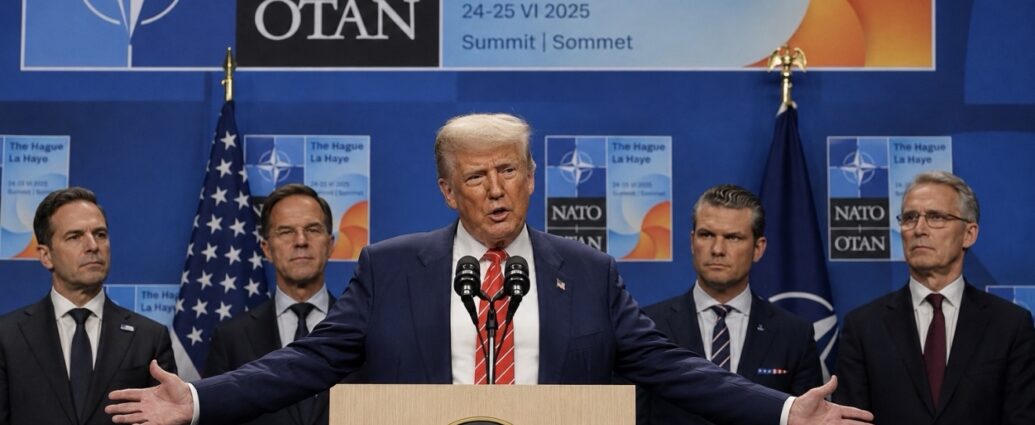
President Donald Trump arrived in Turkey on Monday for this week’s NATO Summit, where he is expected to pressure alliance members to accelerate military spending and follow through on commitments made at last year’s summit.

Ahead of the meetings, U.S. Ambassador to NATO Matt Whitaker said the administration expects allies to move quickly toward the alliance’s new goal of spending 5% of gross domestic product (GDP) on defense and related security programs.

“President Trump fully expects that all allies will step up immediately and get on the path to 5%,” Whitaker told reporters before the summit opened.

The new benchmark, agreed to in principle last year, calls for 3.5% of GDP to be spent on core military capabilities and an additional 1.5% on broader security investments, including cyber defense, military infrastructure and defense-related industries.

For businesses, the summit carries significant economic implications.

Higher defense budgets across Europe are expected to generate billions of dollars in new contracts for aerospace companies, defense manufacturers, cybersecurity firms and suppliers throughout the United States and Europe.

NATO Secretary-General Mark Rutte has identified increased defense production as one of the summit’s top priorities, arguing that allied nations must expand manufacturing capacity to replenish weapons stockpiles while continuing military support for Ukraine.

A draft summit declaration also calls for approximately €70 billion ($80 billion) in military assistance to Ukraine during 2026, with additional funding expected in 2027.

The spending surge is already creating opportunities for U.S. manufacturers. Just days before the summit, the Trump administration approved the sale of more than $700 million worth of GE Aerospace F110 jet engines to Turkey, highlighting how increased defense spending is translating into new export orders.

While countries including Poland, Germany and the Baltic nations have accelerated military investment, U.S. officials say several NATO members continue to lag behind agreed targets.

Trump has repeatedly argued that European allies should assume a greater share of NATO’s financial burden, allowing the United States to focus more resources on emerging global security challenges.

Beyond geopolitics, the outcome of this week’s summit could have lasting effects on the defense industry. Increased military spending typically supports demand for aircraft, missiles, radar systems, cybersecurity services, shipbuilding and advanced manufacturing, benefiting thousands of companies throughout the defense supply chain.

For investors and manufacturers, NATO’s spending commitments represent one of the largest long-term growth opportunities in the global defense sector. Whether member nations convert those commitments into actual contracts will be closely watched by markets in the months ahead.

JBizNews Desk | Ankara, Turkey
© JBizNews.com All Rights Reserved. Reproduction or distribution without written permission is prohibited.

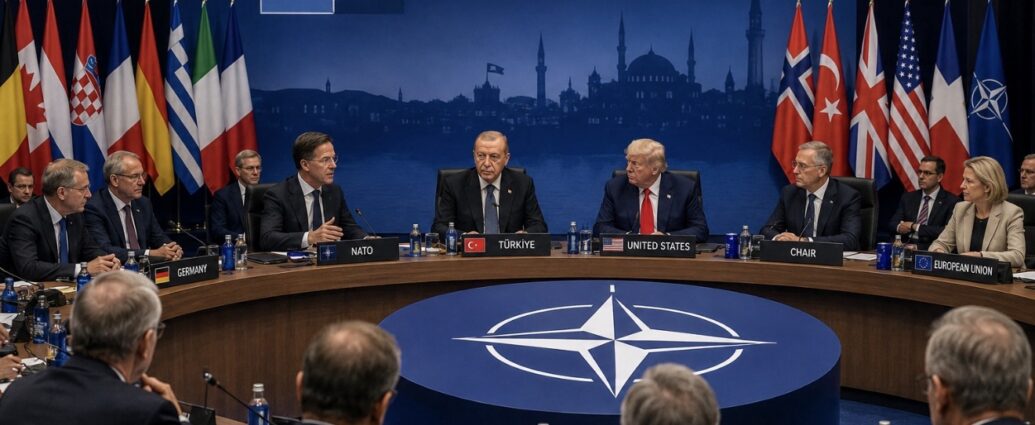
When leaders of all 32 NATO members meet in Ankara, Turkey, the biggest business story on the table won’t be troops or treaties. It will be money — specifically, the roughly $300 billion in European orders for American-made military equipment that NATO Secretary General Mark Rutte has been highlighting to the White House. Rutte displayed that figure during a June 24 Oval Office meeting with President Donald Trump, pairing it with the claim that the buying wave is creating tens of thousands of U.S. factory jobs. He credited the American president directly for the shift.

That pitch is the commercial engine behind this week’s gathering. In a report prepared for the summit, the Congressional Research Service said allied leaders are expected to announce tens of billions of dollars in new defense contracts in Ankara, while outlining Rutte’s three priorities: raising allied defense spending, expanding transatlantic defense-industrial production, and sustaining support for Ukraine. Rutte has described a “sea change” in how European governments approach military budgets since Trump returned to office.

The spending numbers are substantial. According to NATO‘s own accounting, European allies and Canada increased defense spending by 20% in 2025 and together spent more than $574 billion, adjusted to 2021 prices. Those increases stem from the pledge reached at last year’s summit in The Hague, where every member except Spain committed to spending 5% of GDP on defense by 2035 — 3.5% for core military capabilities and 1.5% for security-related investments such as infrastructure and cybersecurity. The Ankara meeting is where governments are expected to show how those commitments will translate into real procurement.

A significant share of those contracts is expected to benefit American manufacturers. U.S. defense companies dominate many of the categories NATO is urgently seeking to expand, including air and missile defense systems, precision-guided munitions, and combat aircraft, after the war in Ukraine exposed major shortages across Europe. NATO’s new capability targets call for a fivefold increase in air defense, while officials have warned that ammunition stockpiles remain insufficient across much of the alliance. That backlog is the “$300 billion” Rutte continues to reference, pointing directly to U.S. production lines and manufacturing jobs. Germany, now Europe’s largest defense spender at roughly $120 billion in 2025, has more than doubled its military budget since 2022.

For the first time, the defense industry itself takes center stage. The full day of the summit’s opening session is dedicated to the NATO Summit Defence Industry Forum, which organizers say will run longer than the leaders’ own formal meeting. One of the key initiatives under discussion is what NATO describes as a “front door” for industry—an AI-enabled platform designed to help companies navigate the alliance’s procurement process more efficiently. Jason Israel, a senior fellow at the Center for European Policy Analysis and a former National Security Council defense-policy director, has pointed to joint purchasing and interoperability as essential goals while cautioning that NATO’s procurement system was never designed to move at today’s pace.

The political backdrop remains complicated. Trump has pushed for more than increased military spending, repeatedly calling for greater allied “loyalty.” He has threatened to reduce the U.S. military presence in Europe, floated annexing Greenland—a semiautonomous territory of NATO ally Denmark—and questioned whether the United States should defend members he believes are not contributing enough. Former NATO Secretary General Jens Stoltenberg wrote in his memoir that the alliance nearly fractured during the 2018 summit amid disputes with Trump, warning that NATO’s collective-defense guarantee loses credibility if an American president openly questions it. Fresh disagreements following the recent U.S.-Iran conflict, in which several allies declined to participate, have added new strains ahead of the Ankara meeting.

Hosting duties fall to Turkish President Recep Tayyip Erdoğan, whose relationship with Trump could help keep the American president engaged despite broader disagreements within the alliance. Turkey also has its own commercial interests. Its drone manufacturers have become major suppliers across Europe, yet Ankara has been excluded from parts of the European Union’s joint procurement efforts. Rutte has repeatedly argued that limiting Turkish participation raises costs and slows defense production.

Despite the political friction, public support for NATO remains strong in the United States. A Chicago Council on Global Affairs survey conducted June 5–7 found that roughly two-thirds of Americans favor maintaining or increasing the nation’s commitment to the alliance. Whether that support translates into signed contracts—and how many of those contracts go to American manufacturers—will be the key measure of the summit’s success.

JBizNews Desk | Ankara, Turkey

© JBizNews.com All Rights Reserved. Reproduction or distribution without written permission is prohibited.

The 2026 FIFA World Cup is turning into a spending bonanza for the North American cities hosting it. Card purchases across the tournament’s 16 host cities rose 5.4% from a year earlier during the June 10 to June 28 stretch, with spending by out-of-town visitors jumping 17.4%, according to a report from the Bank of America Institute. Behind those numbers are soccer fans opening their wallets like rarely before—some laying out a few thousand dollars, others spending as much as $150,000 to follow their teams across the United States, Canada and Mexico.

The tickets alone can cost a small fortune. On FIFA’s official sales platform, seats for the 104-match tournament have ranged from about $60 to nearly $11,000, with prices adjusting based on demand. For the July 19 final at MetLife Stadium, top-tier seats that started around $6,700 climbed to $10,990, while the priciest Front Category seats reached roughly $33,000. On the resale market, premium seats for marquee knockout matches were listed for about $20,000 on StubHub as of July 2.

Add flights, hotels, rental cars, meals and merchandise, and the trip quickly balloons. Fans interviewed near matches said their total costs ranged from about $2,500 for a single-city visit to as much as $150,000 for supporters purchasing FIFA hospitality packages and following the tournament from city to city. Many described the experience as a once-in-a-lifetime opportunity worth every dollar.

The biggest financial winner is FIFA itself. In a study prepared with the World Trade Organization, soccer’s governing body projected the tournament would generate $80.1 billion in gross economic activity worldwide, including $30.5 billion in the United States alone. FIFA, which operates as a nonprofit organization, says tournament revenue is reinvested into growing the sport globally and has defended its dynamic ticket pricing by citing extraordinary demand.

For host cities, the payoff has been substantial, though uneven. A report from FCM Consulting found that 13 of the 16 host cities have experienced hotel rate increases of at least 80% compared with a year ago. In Guadalajara, average room rates climbed from about $90 last summer to $511, while Boston led U.S. markets at roughly $611 per night and Houston averaged about $205.

Even with higher room rates, not every hotel has benefited equally. Before kickoff, the American Hotel & Lodging Association reported that roughly 80% of host-city hotels were seeing bookings below expectations, with many operators pointing to visa delays and geopolitical uncertainty for softer-than-expected international travel.

That matters because overseas visitors typically spend significantly more than domestic travelers. The U.S. Travel Association estimates international visitors spend more than $5,000 each during their trips, more than $200 above the average domestic traveler. Domestic fans, however, have accounted for much of the tournament traffic, while short-term rental analytics firm AirDNA reported that a surge of new listings has limited earnings for many property owners despite strong demand.

The soaring prices have also sparked criticism. New York officials partnered with Global Citizen to host a free Central Park watch party for 50,000 fans during the final, while host cities from Atlanta to Los Angeles have organized free fan festivals for supporters unable to afford stadium tickets. Even NJ Transit faced backlash after initially proposing a $150 round-trip fare from Penn Station to MetLife Stadium on game days before reducing the price to $98. Andrew Giuliani, who leads the White House task force overseeing the tournament, has said ticket prices are simply too high.

With the knockout rounds underway and the championship scheduled for July 19, the biggest matches are expected to generate another wave of last-minute travel and consumer spending. Whether host cities ultimately realize the long-term economic gains projected by organizers remains an open question. A study by the University of Toronto found that host cities experienced a net economic loss in 12 of the last 14 World Cups, highlighting the difference between short-term spending booms and lasting financial benefits.

For now, however, the numbers are difficult to ignore. Spending is breaking records, businesses across host cities are benefiting from an influx of visitors, and fans continue paying unprecedented prices for the chance to witness soccer’s biggest tournament in person.

JBizNews Desk | New York

© JBizNews.com All Rights Reserved. Reproduction or distribution without written permission is prohibited.

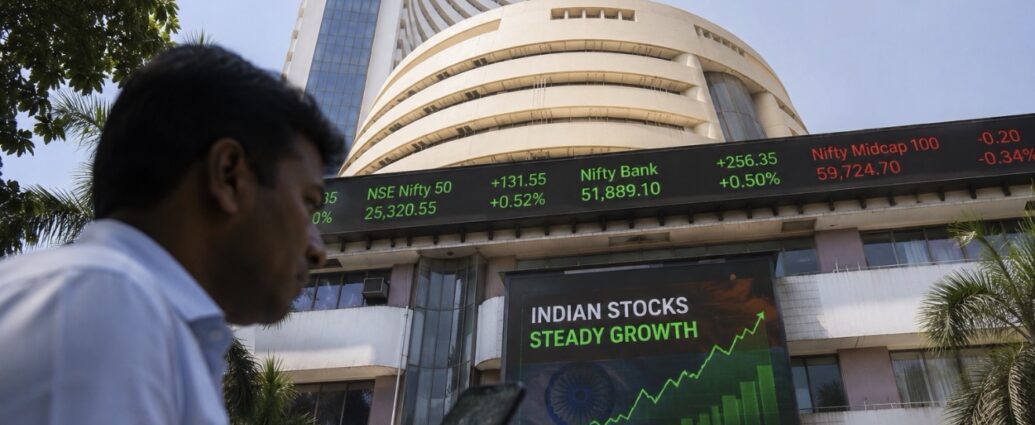
India has emerged as a shelter for global investors rattled by sharp swings in artificial-intelligence stocks, with the NSE Nifty 50 posting steadier returns than most emerging-market rivals through the first half of 2026 and foreign money beginning to flow back. Through June, the Nifty 50 outpaced the MSCI Emerging Markets Index by its widest margin since November, while foreign investor outflows slowed to their lowest level in four months—a shift that has prompted several strategists to rethink a market they had largely written off earlier in the year.

The irony is that India’s recent strength stems largely from what it lacks. For much of 2026, the country’s limited exposure to major AI companies weighed on investor interest as global capital poured into technology-heavy markets such as South Korea and Taiwan, home to many of the semiconductor manufacturers driving the artificial intelligence boom. Now, with those same AI-related investments swinging sharply on every headline about spending, valuations and earnings, India’s relative lack of exposure has become an advantage rather than a weakness. During the first half of the year, the Nifty 50 experienced daily moves of 1% or more far less frequently than most major emerging-market indexes, offering investors a level of stability that has become increasingly valuable.

The broader economic backdrop has improved as well. A stronger Indian rupee, declining oil prices and lower commodity costs have eased inflation concerns while improving the country’s growth outlook. That combination of more stable prices, resilient economic growth and lower market volatility has strengthened the investment case for India and helped distinguish it from many other emerging markets.

Oil prices remain an important part of the story. India imports most of its crude oil, making the economy particularly sensitive to fluctuations in global energy prices. The recent decline in oil prices following earlier spikes tied to geopolitical tensions in the Middle East has provided meaningful relief by reducing inflationary pressures, improving corporate profit margins and giving policymakers greater flexibility.

Monetary policy remains an important variable. The Reserve Bank of India (RBI) kept its benchmark interest rate unchanged at 5.25% in early June while lowering its growth forecast and modestly raising its inflation outlook. The cautious stance suggests policymakers remain unwilling to declare victory over inflation despite improving economic conditions. Investors positioning India as a relatively safe destination are effectively betting that the RBI can continue controlling inflation without significantly slowing economic growth.

Corporate earnings now become the next major test. Investors are closely watching results from Tata Consultancy Services (TCS), India’s largest information-technology services company, scheduled to report later this week. Analysts will be looking to see whether lower operating costs and steady domestic demand translate into stronger earnings. As one of India’s largest technology companies, TCS could also offer important clues about how artificial intelligence may affect the country’s massive outsourcing industry, where automation presents both opportunities and long-term competitive challenges.

For business leaders and investors, the appeal of India increasingly comes down to diversification. The renewed interest is not based on expectations that India will dominate the artificial intelligence revolution. Instead, investors are seeking exposure to one of the world’s largest equity markets whose performance is less dependent on the handful of mega-cap AI companies that have increasingly driven—and disrupted—global stock markets. At a time when a single earnings report from a technology giant can move markets worldwide, an economy supported more by domestic consumption than by semiconductor manufacturing offers a different risk profile.
That does not make India immune from global uncertainty. The rupee could weaken, oil prices could climb again if geopolitical tensions escalate, and a severe downturn in global technology stocks would almost certainly spill into emerging markets as well. Even so, the investment case has become increasingly clear. In a year dominated by both the excitement and volatility surrounding artificial intelligence, India is offering investors something increasingly difficult to find: stability.

JBizNews Desk | Mumbai
© JBizNews.com All Rights Reserved. Reproduction or distribution without written permission is prohibited.

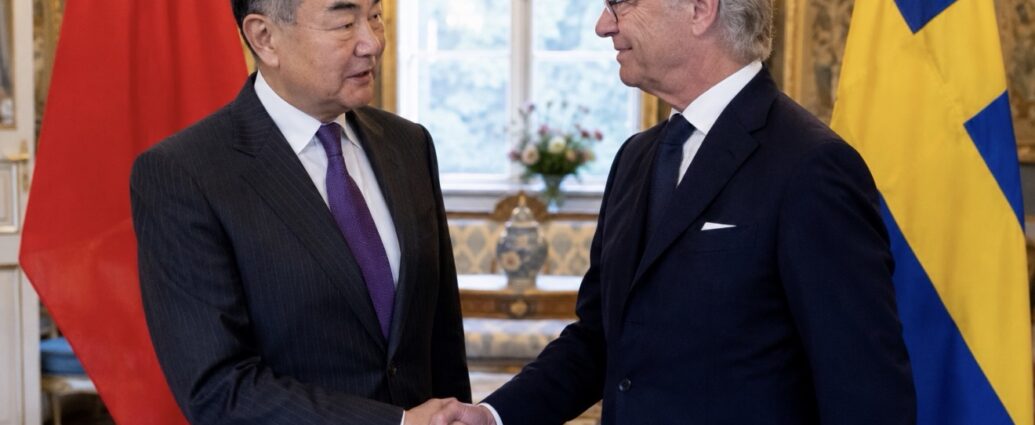
Chinese Foreign Minister Wang Yi told one of Europe’s most prominent business families that China is open for their investment, using a meeting in Stockholm to pitch deeper economic cooperation at a time when President Donald Trump’s tariff disputes have strained relations with several U.S. allies.

According to a statement from China’s Ministry of Foreign Affairs, Wang met Jacob Wallenberg, chairman of Swedish investment company Investor AB, on Saturday and welcomed Swedish and broader European businesses to expand cooperation with China for what he described as mutual benefit.

“Investing in China means investing in the future,” Wang said, noting that the Wallenberg family was among the first European business groups to invest in China following the country’s economic opening during the 1970s and 1980s.

The timing is significant.

Wang’s visit to Sweden is part of a week-long tour of Denmark, Sweden, Finland, and Norway—countries that were among those targeted earlier this year by the Trump administration’s tariff threats.

In January, President Trump threatened a 10% tariff on imports from Denmark and seven other European nations, including Sweden, Norway, and Finland, as part of his campaign to acquire Greenland, warning the tariffs could rise to 25%.

The eight governments responded with a joint statement saying the threats “undermine transatlantic relations and risk a dangerous downward spiral.”

Into that environment stepped China’s top diplomat, presenting Beijing as a cooperative economic partner rather than a competitor.

The messaging has been consistent.

Earlier in Copenhagen, Wang said China and Europe are “partners, not rivals,” arguing that cooperation—not confrontation—should define the relationship. Chinese state media has increasingly portrayed what it calls “transatlantic turmoil”—including U.S. tariffs and disputes over Greenland—as an opportunity for China to attract greater European investment and business.

The implication for European executives is difficult to miss: while Washington threatens additional trade barriers, Beijing is offering expanded access to one of the world’s largest consumer markets.

Whether U.S. tariff policy ultimately pushes European business toward China remains less clear.

The Trump administration’s tariff program has become one of the broadest in decades. After the U.S. Supreme Court struck down the administration’s emergency-powers tariffs in February—forcing refunds estimated at $166 billion collected from more than 330,000 businesses—the administration replaced them with a universal 10% tariff under different statutory authority through late July, while President Trump has suggested raising that rate to 15%.

Separate tariffs on steel, aluminum, copper, and automobiles remain as high as 50%. The average effective U.S. tariff rate reached approximately 11.8% in April, among the highest levels in more than a century.

Those policies have already reshaped global trade flows.

U.S. imports from China declined sharply during the first half of last year as tariffs took effect. In response, China has accelerated efforts to expand exports into other markets, particularly Europe. For many European companies, the business calculation is evolving: if exporting to the United States becomes more expensive and unpredictable, China’s market and manufacturing ecosystem may appear relatively more attractive.

That is the audience Wang Yi was targeting in Stockholm.

The picture, however, remains more complicated than Beijing suggests.

Europe has spent several years pursuing a strategy of “de-risking” its relationship with China by tightening foreign-investment screening, imposing tariffs on Chinese electric vehicles, and raising concerns about Chinese industrial overcapacity. European governments generally welcome investment while remaining cautious about increasing dependence on China, particularly in strategically sensitive industries.

The European Union and China only recently established a new trade and investment consultation mechanism, reflecting an effort to manage tensions rather than fundamentally realign their relationship.

Despite current tariff disputes, the transatlantic economy remains by far the world’s largest commercial partnership. Trade between the European Union and the United States totaled approximately €1.68 trillion during 2024, a level of economic integration that cannot easily be replaced.

The broader challenge for Washington may therefore be less about companies relocating to China than about geopolitical influence.

A tariff strategy intended in part to counter China’s economic rise also risks creating diplomatic openings that Beijing can exploit. When Wang Yi tells European executives that China offers stability and predictability, he is reinforcing an argument made more persuasive by ongoing trade disputes between the United States and its closest allies.

For businesses, the lesson centers on leverage.

Tariffs can reduce trade deficits and strengthen negotiating positions, but imposing trade barriers on allies also increases their incentive to diversify economic relationships elsewhere. China is betting that if Washington continues treating close partners as trade adversaries, more European investment and commercial activity will gradually shift eastward.

Whether that strategy succeeds will depend less on Beijing’s diplomatic outreach than on how the United States manages its economic relationships with the allies China is now actively courting.

JBizNews Desk | Stockholm
© JBizNews.com All Rights Reserved. Reproduction or distribution without written permission is prohibited.

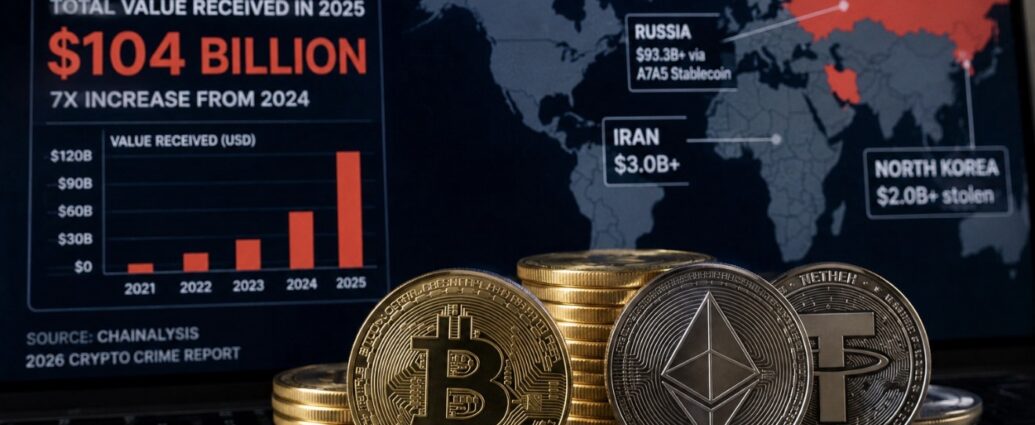
Governments and organizations under international sanctions moved roughly $104 billion through cryptocurrency in 2025, a nearly sevenfold increase that made sanctions evasion the single largest driver of illicit digital-asset activity, according to the 2026 Crypto Crime Report published by blockchain analytics firm Chainalysis. The firm found that total illicit crypto flows reached approximately $154 billion for the year, up 162% from 2024, with the surge driven overwhelmingly by state and state-linked actors seeking to maintain access to global markets despite Western sanctions.

The report, released earlier this year and reinforced by a parallel study from analytics firm TRM Labs, points to a structural shift rather than a one-time spike. Chainalysis concluded that cryptocurrency is no longer a fringe workaround for sanctioned governments but has become a core component of their financial infrastructure, supporting international trade settlements, weapons procurement and cross-border money transfers. Roughly 84% of illicit transaction volume flowed through stablecoins—digital tokens pegged to traditional currencies and valued for maintaining price stability while funds move across borders.

Russia sits at the center of the findings. Chainalysis identified a ruble-backed stablecoin known as A7A5, which processed approximately $93.3 billion in transactions in less than one year, effectively serving as a settlement network for sanctioned Russian businesses. The activity was linked to the cryptocurrency exchange Garantex and its successor, Grinex—entities that the U.S. Department of the Treasury’s Office of Foreign Assets Control (OFAC) has sanctioned alongside a Kyrgyz-issued token and a network of associated companies. According to the report, when one exchange is shut down, operators increasingly establish a replacement. Grinex was created by former Garantex personnel after law enforcement action disrupted the original platform.

Iran’s use of cryptocurrency appears more operational. The report found that networks associated with the Islamic Revolutionary Guard Corps (IRGC) accounted for more than half the value flowing into Iranian cryptocurrency services during the second half of 2025, with total transfers reaching approximately $3 billion. The funds were used to support regional proxy groups while facilitating arms and oil transactions. North Korea experienced its largest cryptocurrency theft year on record, stealing more than $2 billion, including approximately $1.5 billion during a single cyberattack against the Bybit exchange—the largest crypto theft reported to date. Investigators concluded that the proceeds helped finance the regime’s weapons programs.

For the broader cryptocurrency industry, the findings present two competing narratives. Supporters point out that illicit transactions still represent less than 1% of total cryptocurrency activity and argue that public blockchains are inherently transparent, allowing investigators to trace transactions in ways impossible with cash. That transparency has fueled demand for compliance software from firms such as Chainalysis and TRM Labs, which now sell blockchain monitoring tools to governments, banks and digital-asset exchanges.

The headline figures nevertheless present a significant challenge for an industry still working toward mainstream financial acceptance. A $104 billion sanctions-evasion network is precisely the type of statistic that strengthens the resolve of regulators and makes traditional financial institutions more cautious about working with cryptocurrency firms. It raises compliance expectations—and compliance costs—for legitimate exchanges and stablecoin issuers, which increasingly face pressure to identify sanctioned wallets, monitor transactions and freeze suspicious assets or risk losing access to the traditional banking system. Enforcement has likewise evolved, with OFAC, the European Union, and the United Kingdom’s sanctions authorities increasingly identifying specific cryptocurrency wallet addresses directly in their sanctions lists.

The role of stablecoins deserves particular attention from the business community. As dollar-backed digital tokens move closer to mainstream financial adoption, the report’s conclusion that stablecoins now carry the majority of illicit transaction volume places issuers in a difficult position. Their future growth depends on being viewed as safe, regulated financial products closely connected to the banking system, yet those same characteristics also make them attractive tools for sanctioned governments seeking efficient cross-border payments.

The findings also arrive against an active geopolitical backdrop. With global energy markets already under pressure from conflict involving Iran, the report’s conclusion that Tehran increasingly relies on cryptocurrency to move oil revenue and finance regional proxy groups underscores how digital assets have become an important pressure valve for governments facing international sanctions. For banks, exchanges and payment companies, the message is increasingly clear: the primary illicit-finance risk surrounding cryptocurrency is no longer dominated by scams and ransomware attacks. It is increasingly driven by nation-states—and measured in the tens of billions of dollars.

JBizNews Desk | New York
© JBizNews.com All Rights Reserved. Reproduction or distribution without written permission is prohibited.

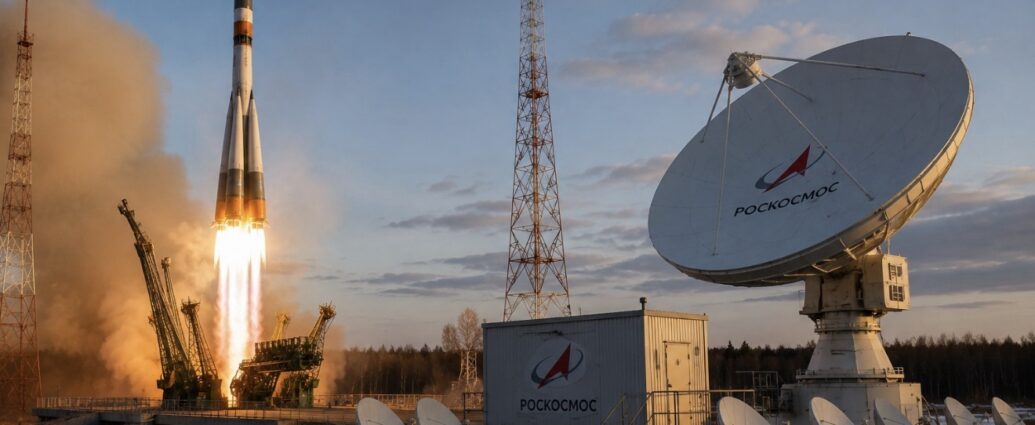
Russia is spending enormous sums to build its own version of SpaceX, and the early results have been messy. The effort is led by Dmitry Bakanov, who has run the country’s state space corporation, Roscosmos, since February 2025. His job, in plain terms, is to drag Russia’s once-proud space program back into the top tier. So far the climb has been steep.

The clearest sign of trouble came from Russia’s answer to Starlink, the internet-from-space network owned by Elon Musk. The Russian system is called Rassvet, which means “Dawn.” On March 23, the private aerospace firm Bureau 1440 launched the first 16 operational Rassvet satellites into orbit aboard a Soyuz-2.1b rocket from the Plesetsk Cosmodrome. The company, part of IKS Holding, described the launch as a transition from testing to building a commercial service.

Then one of those satellites failed. One of the spacecraft launched in March suffered an apparent thruster failure and burned up in the atmosphere on June 6. Bureau 1440 confirmed the loss in a report published June 9, saying 15 of the 16 satellites from the March deployment remain in orbit and that the network’s capabilities were not affected. Losing a satellite only months into a flagship program is not the start Moscow wanted.

The gap with SpaceX is difficult to overstate. SpaceX has more than 10,000 Starlink satellites in low-Earth orbit and began launching the network roughly six years ago. Russia placed its first operational group of 16 satellites into orbit only this spring. Analysts say Rassvet will need at least 250 satellites before it can function as a reliable broadband network. Bureau 1440 plans to have 156 satellites in orbit by the end of 2026 and expand the constellation to about 900 satellites by 2035.

Money is not the obstacle. The Russian federal budget has earmarked 102.8 billion rubles, about $1.26 billion, for Rassvet, while Bureau 1440 plans to invest another 329 billion rubles, roughly $4 billion, of its own funds through 2030. President Vladimir Putin has praised the project, saying it can compete with Starlink and eventually surpass it in certain markets.

There is also a military urgency behind the effort. In February 2026, Ukraine said unauthorized Starlink terminals used by Russian forces had been deactivated following coordination with SpaceX, disrupting Russian communications and drone operations. A domestically controlled satellite network would remove that vulnerability. Rassvet satellites are also designed to function as space-based 5G stations and support drone operations that are more difficult to jam.

The satellite network is only half of Bakanov’s challenge. The other is rockets. For decades Russia relied on reliable but expendable Soyuz launch vehicles, discarding used stages after every mission. SpaceX changed the economics of spaceflight by landing and reusing the first stage of its Falcon 9, dramatically lowering launch costs. Roscosmos is now attempting to follow the same model.
Bakanov has openly acknowledged the influence of Musk’s approach. In an interview with business newspaper RBC, he said reusing a rocket’s first stage instead of discarding it delivers significant cost savings. Russia’s answer is the Amur-SPG, a methane-fueled reusable rocket designed to replace the Soyuz-2. Roscosmos hopes each launch will cost about $22 million, well below the roughly $50 million it assigns to a Falcon 9 mission, with a first stage engineered for multiple flights.

The challenge is timing. As of January, Roscosmos expected the Amur-SPG to be completed around 2030—roughly 15 years after Falcon 9 first achieved a successful booster landing. Bakanov has said the immediate priority is proving the first stage can safely return and land. Roscosmos has already completed methane engine fire tests and selected landing sites in Russia’s Sverdlovsk region. Even Elon Musk, years ago, publicly suggested Russia should pursue full rocket reusability or risk developing technology that would already be outdated.

The full picture came into sharper focus this week as fresh reporting on Russia’s roughly $60 billion space revival highlighted how far the country still trails the industry leader. While Moscow counts its first operational satellites and conducts engine tests, SpaceX had completed 671 Falcon 9 and Falcon Heavy launches as of July 2, with 668 full mission successes. The ambition inside Roscosmos is real, and so is the funding. Whether Dmitry Bakanov can close a lead measured in thousands of satellites and hundreds of launches remains the question hanging over every ruble Russia spends.

JBizNews Desk | Moscow
© JBizNews.com All Rights Reserved. Reproduction or distribution without written permission is prohibited.

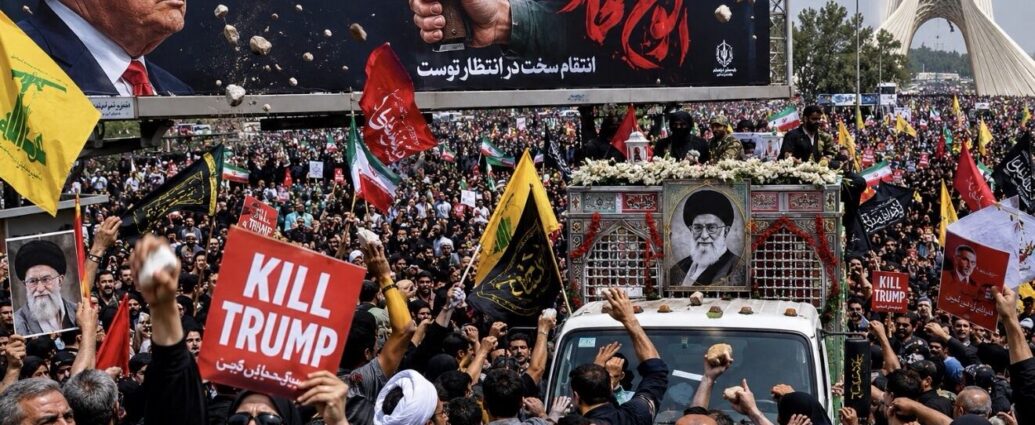
Iran turned the funeral procession of Ayatollah Ali Khamenei through Tehran on Monday, July 6, into a mass call for revenge against the United States and Israel, with the day’s defining image a billboard showing President Donald Trump with a bullet pointed at his head. Mourners pelted it with stones as they passed beneath, and leaders of Hezbollah and other allied militant groups marched among the crowds. As the largest gathering of the week filled the streets, Iran’s military spokesman said on state media that the armed forces were on full alert, had used the ceasefire to sharpen their capabilities and had updated their “target bank,” warning that any new attack would draw a harsher response than before.

The revenge message ran straight from the top of Iran’s military and government. Army commander-in-chief Major Gen. Amir Hatami told broadcaster IRIB that Khamenei’s death had hardened Iran’s resolve to avenge him. The Supreme National Security Council said in a weekend statement that the country’s message was resistance against its enemies and vengeance for its slain leader. Crowds chanted that their one word was revenge.

Delegations from Hezbollah, the Iranian-backed Lebanese group, marched in the procession alongside Hamas, the Houthis and Kataib Hezbollah — the network Tehran calls its “Axis of Resistance.” Mourners waved Hezbollah’s yellow flags and the red flags that signal revenge in Shiite tradition. On Sunday, Iranian Parliament Speaker Mohammad Bagher Ghalibaf met senior Hezbollah officials, including Mohammed Fenish, and called the group’s role in the war a “historic turning point,” according to state news agency IRNA.

Much of the anger was aimed squarely at Washington. Beyond the stoned billboard, women in black chadors held red placards reading “KILL TRUMP” in English, an effigy of Trump was strung up along the route, and a eulogist called for the president’s death from the stage. Placards also targeted Prime Minister Benjamin Netanyahu, Vice President JD Vance and War Secretary Pete Hegseth. Iran has repeatedly denied plotting to kill Trump. Israeli Defense Minister Israel Katz answered that Khamenei had been killed because he led a plan to destroy Israel, and that any Iranian leader who tried again would meet the same end.

Khamenei, who ruled Iran for nearly 37 years, was killed on February 28 at age 86 in a U.S.-Israeli airstrike at the start of the war. Four members of his family died in the same strike. Their coffins were driven Monday on a truck decorated to resemble the grating around a Shiite shrine, moving toward Azadi Tower as fire hoses misted water over the crowds in the heat.

For business, the story runs through the Strait of Hormuz, the narrow waterway that carries much of the world’s oil. Iran paused its talks with the United States for the funeral week, and Trump said he was giving Tehran time off from the negotiations. That pause matters to energy markets, because the war shut most shipping through the strait earlier this year and drove crude sharply higher before a fragile ceasefire reopened the route.

Prices have since fallen back toward pre-war levels. By the end of last week Brent crude was near $72 a barrel and West Texas Intermediate was around $68, both close to where they traded on February 27, the day before the war began. Oil was heading for a fourth straight weekly loss as tankers returned to the strait and the war premium drained out of prices.

Supply is loosening too. OPEC+ agreed Sunday to raise output by 188,000 barrels a day, its fifth straight increase since the war began. Saudi Arabia and the United Arab Emirates have brought exports back close to pre-war levels, lifting combined flows through the strait above 10 million barrels a day. Citigroup expects Brent to keep sliding toward $60 a barrel by year-end as shipping normalizes and Chinese buying softens.

The calm is easily rattled. Tracking data showed at least eight tankers turning back at the strait on Saturday after trying to slip through by hugging the Omani coast, a sign captains remain wary. Maritime authorities describe traffic as steady but not yet growing, and the strait’s security is expected to come up at this week’s NATO summit.

Iran’s government is using the vast turnout, which officials say could reach 15 to 20 million and would rank as the country’s largest state funeral, to project strength while its new leader stays out of sight. Khamenei’s son and successor, Mojtaba Khamenei, who took over in March and is believed to have been wounded in the strike that killed his father, has not appeared in public. The procession continues this week from Qom into the Iraqi cities of Najaf and Karbala before Khamenei is buried Thursday in Mashhad. Netanyahu is expected in Washington to meet Trump as early as next Monday, a session likely to shape whether the ceasefire — and oil’s calm — holds.

JBizNews Desk| Washington
© JBizNews.com All Rights Reserved. Reproduction or distribution without written permission is prohibited.

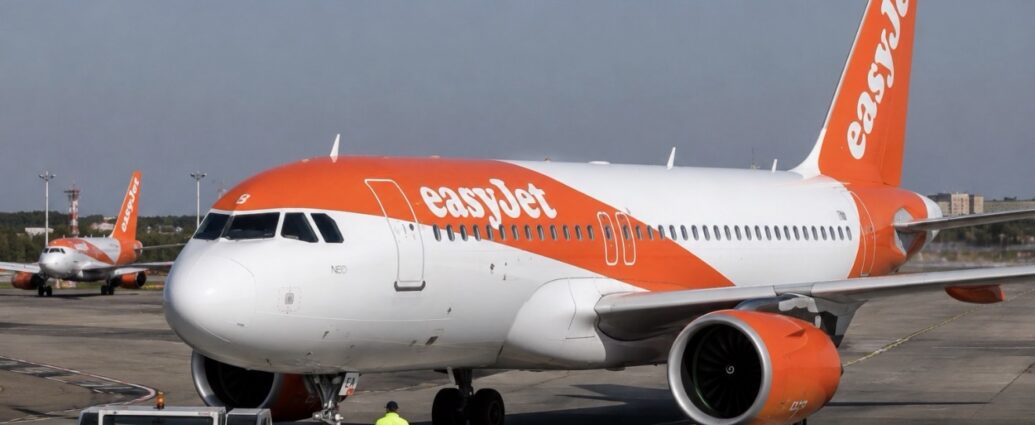
EasyJet said on Sunday it has agreed in principle to a takeover by Castlelake, the U.S. investment firm, capping weeks of resistance with a cash deal that values the British budget airline at £5.23 billion.

The Minneapolis-based private credit firm offered £6.90 per share in cash, giving the airline an equity value of about £5.2 billion, or £5.5 billion on a fully diluted basis. In its statement, EasyJet said its board concluded the fifth proposal had reached a level it “would be minded to recommend” to shareholders after reviewing the offer with its advisers.

The agreement followed weeks of negotiations. Castlelake first approached the airline on May 29 with an offer of 560 pence per share, gradually increasing the bid to 690 pence. EasyJet rejected the earlier proposals, calling them “highly opportunistic” and arguing they undervalued the company. Even after turning down a £4.93 billion offer last month, the airline agreed to provide limited commercial information so discussions could continue.

The timing proved significant. Castlelake launched its bid as EasyJet faced higher jet fuel costs and softer travel demand following the U.S.-Iran war and disruptions to shipping through the Strait of Hormuz. The airline’s shares closed Friday at 558.2 pence, roughly 20% below the takeover price, making the offer increasingly attractive despite the board’s earlier resistance.

Not all investors are convinced. Some shareholders had hoped for at least £7 per share, raising questions about whether the final proposal will receive enough support. The companies have extended the UK’s “put up or shut up” deadline until 5 p.m. London time on August 3, allowing additional time to finalize the transaction.

To satisfy European airline ownership rules limiting non-EU control, Castlelake structured the bid with EU-based partners, including Brookfield, along with aviation executives Mark Breen and Peter Bellew. Bellew, a former EasyJet chief operating officer, left the airline in 2022. Castlelake said it intends to invest in the carrier’s long-term growth and fleet modernization.

For travelers, ownership changes rarely affect flights immediately, but they can reshape an airline over time. Private equity owners often streamline operations, adjust route networks and renegotiate aircraft purchases, decisions that ultimately influence ticket prices, schedules and expansion plans. As one of Europe’s largest low-cost carriers, EasyJet’s future strategy could affect millions of passengers.

The proposed acquisition also adds to concerns over the shrinking number of major companies listed on the London Stock Exchange. If the deal closes, EasyJet would become another well-known British company to leave the public market, continuing a trend that has drawn growing attention from UK policymakers seeking to strengthen London’s position as a global financial center.

JBizNews Desk | London
© JBizNews.com All Rights Reserved. Reproduction or distribution without written permission is prohibited.

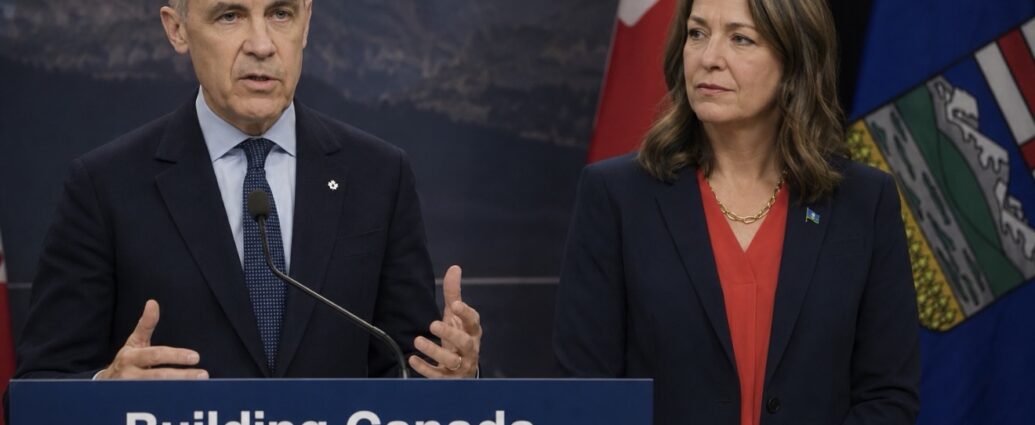
On Thursday, July 2, 2026, the Government of Canada announced that Prime Minister Mark Carney will refer Alberta’s proposal for a new West Coast oil pipeline to the federal Major Projects Office, formally advancing a line built to carry Canadian crude past the United States to buyers in Asia. Standing beside Alberta Premier Danielle Smith in Calgary, Carney called it an approach that gives businesses the certainty they need to build.

The project, labeled the West Coast oil pipeline, would move more than 1 million barrels of oil a day from Bruderheim, Alberta, northeast of Edmonton, to the Roberts Bank marine terminal in Delta, British Columbia, just south of Vancouver. From there, tankers would ship the crude to Asian markets. The route closely follows the existing Trans Mountain corridor, allowing the partners to avoid opening British Columbia’s northern coast, where an oil tanker ban remains in force.

Alberta’s submission package puts the cost between C$35.2 billion and C$43.7 billion, including contingency. The province says it has already spent C$18.3 million on planning.

Who builds it and who pays. The ownership group brings together the federally owned Trans Mountain Corporation, the Alberta Petroleum Marketing Commission, and Calgary-based Pembina Pipeline Corporation (TSX: PPL). Canada and Alberta would be the majority owners, splitting the bulk of the project between Trans Mountain and the Alberta commission. Pembina would hold a 10% economic interest through construction, with an option to increase its stake by another 10% once the pipeline enters service.

Pembina made clear it is not putting money at risk yet. The company said it will retain full discretion over any final investment decision and will not commit its own capital before that decision is made. Scott Burrows, President and Chief Executive Officer of Pembina, called the project a once-in-a-generation opportunity to build nation-scale energy infrastructure. The company has targeted September to finalize definitive agreements.

Why it matters for the economy. Carney has set a goal of doubling Canada’s non-U.S. exports over the next decade. More than 90% of Canadian energy exports currently go to the United States, forcing Canadian heavy crude to sell at a discount because it has limited access to other markets. A second Pacific export route, in addition to the Trans Mountain Expansion that entered service in 2024, would give producers greater bargaining power and could narrow that price discount, increasing revenue for both energy companies and governments.

The government estimates construction could support approximately 140,000 jobs at peak activity, including about 45,000 in Alberta and 70,000 in British Columbia. Once operational, the project is expected to support roughly 50,000 direct and indirect jobs annually.

Getting British Columbia on board. Earlier Thursday, Carney appeared in Vancouver with British Columbia Premier David Eby to announce a separate agreement the Prime Minister said could unlock more than C$200 billion in new investment, with British Columbia serving as the “linchpin.” Ottawa pledged to maintain the northern oil tanker ban, compensate British Columbia for environmental risks if the project proceeds, and assume financial responsibility for potential spill liabilities. Eby said the agreement does not obligate him to support the pipeline but confirmed the province would not challenge a federally approved project in court.

The pipeline proposal is paired with a second agreement. On the same day, Canada, Alberta, and the Oil Sands Alliance—Canadian Natural Resources Limited, Suncor Energy, Cenovus Energy, Imperial Oil, and ConocoPhillips—signed a memorandum of understanding supporting the Pathways carbon capture and storage project, which aims to reduce oil sands emissions by 16 million tonnes annually. Companies meeting those targets would see carbon compliance costs increase more gradually. Final agreements are expected later this fall.

Not everyone is convinced the economics justify the investment. No private company has offered to finance and build the project independently, leaving the federal and Alberta governments responsible for most of the cost. Janetta McKenzie of the Pembina Institute—an environmental policy organization unrelated to Pembina Pipeline—said the lack of private investment raises legitimate questions, arguing that expanding existing infrastructure would likely cost less than building a new line. Federal Conservative Leader Pierre Poilievre criticized Carney for maintaining the northern tanker ban and argued the private sector should build the project without government ownership.

For now, the referral to the Major Projects Office formally starts the federal review process. Ottawa plans to decide by October 1, 2026, whether to designate the pipeline a national-interest project under the Building Canada Act, while Indigenous consultations begin immediately. Smith, who has said Alberta should double oil production to 8 million barrels per day over the next 10 to 15 years, called the proposal transformational infrastructure that would generate lasting wealth for Canada.

JBizNews Desk | Calgary, Alberta
© JBizNews.com All Rights Reserved. Reproduction or distribution without written permission is prohibited.

Orders rose 1.9% on month, showing tentative signs of stabilizing despite continued uncertainty from the Middle East conflict.

This post was originally published here. 

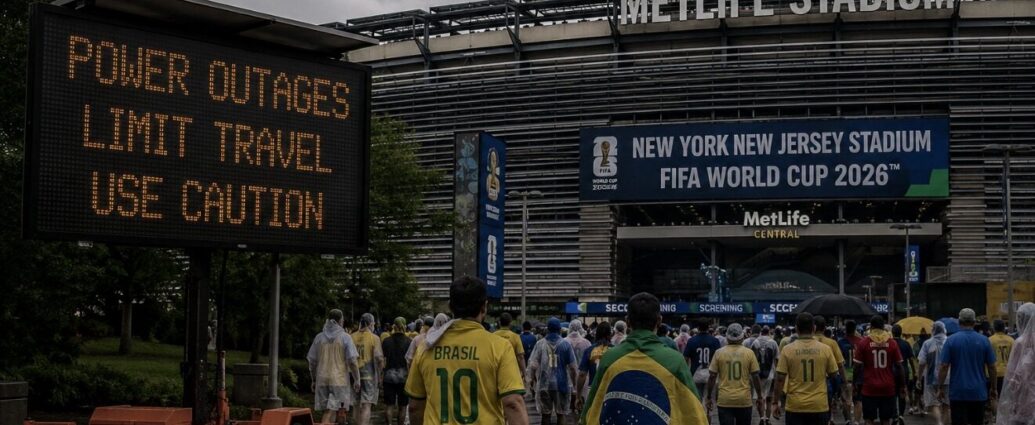
New Jersey entered one of the busiest days of the July Fourth holiday weekend on Sunday with thousands of homes still without electricity, major commuter rail disruptions and a global FIFA World Cup audience descending on MetLife Stadium, creating a costly test of the state’s infrastructure just as it welcomed visitors from around the world.

State health officials said Sunday that the prolonged heat wave’s suspected death toll had risen to at least 22, up from 19 a day earlier, according to New Jersey Department of Health spokesperson Dalya Ewais. Health Commissioner Dr. Raynard Washington said many victims were found inside homes without air conditioning, highlighting the dangers of extended power outages during extreme temperatures.

The combination of severe weather, record heat and one of the world’s biggest sporting events placed extraordinary pressure on utilities, transportation systems and local businesses, many of which were expecting one of the strongest weekends of the summer tourism season.

The largest share of the outages remained on the system operated by FirstEnergy’s Jersey Central Power & Light (JCP&L). According to New Jersey’s outage tracker, roughly 90,000 JCP&L customers remained without power Sunday, accounting for the majority of approximately 124,000 outages statewide. Morris County was among the hardest-hit areas, with more than 30,000 homes and businesses still in the dark.

JCP&L spokesman Chris Hoenig said crews had restored electricity to more than 230,000 customers by Saturday night but warned that the most heavily damaged areas could remain without service until Thursday, a worst-case estimate. More than 1,000 foresters and utility workers continued clearing fallen trees, replacing damaged utility poles and restringing power lines across the region.

The widespread damage was caused by intense thunderstorms that swept through New Jersey on Friday evening, bringing wind gusts of up to 71 miles per hour. Thousands of trees fell onto roads, homes and utility lines, while debris blocked transportation corridors across northern and central New Jersey.

The storms also crippled NJ Transit, the backbone of commuter and event transportation throughout the region. President and CEO Kris Kolluri said crews lost approximately 60 trees along rail lines while catenary wires and signal systems sustained significant damage in just a 20-to-30-minute period.

Repair crews worked around the clock to restore service before the start of the new workweek. The Montclair-Boonton and North Jersey Coast lines reopened Sunday morning, but service on the Morris & Essex and Gladstone Branch lines remained suspended as emergency repairs continued.

The timing presented an enormous operational challenge because NJ Transit serves as the primary transportation provider for thousands of fans attending the 2026 FIFA World Cup. Sunday’s Round of 16 match between Brazil and Norway at MetLife Stadium, temporarily renamed New York New Jersey Stadium for the tournament, was expected to draw another international crowd after weeks of record tournament attendance.

For transportation officials, restoring reliable rail service was about more than moving commuters. The World Cup represents one of the largest international events ever hosted by the region, and agencies including NJ Transit, Amtrak, the Port Authority of New York and New Jersey, and the Metropolitan Transportation Authority have spent years coordinating operations to showcase the area’s transportation network to millions of visitors.

Businesses also felt the impact of the prolonged disruptions. Restaurants, supermarkets, convenience stores and other retailers faced spoiled refrigerated inventory, reduced customer traffic and canceled holiday plans. Hotels, entertainment venues and tourism operators had to navigate transportation delays while accommodating thousands of visitors arriving for World Cup festivities.

Utility restoration efforts also carry significant financial costs. Emergency crews have been working 16-hour shifts in near-100-degree temperatures, requiring substantial overtime while utilities continue replacing damaged infrastructure. Those storm recovery expenses can ultimately affect future operating costs and infrastructure investment decisions.

Many residents are also reconsidering investments in backup generators and other emergency preparedness equipment, echoing the sharp increase in generator demand that followed Hurricane Sandy in 2012.

Weather forecasts called for cooler temperatures during the coming week, offering some relief to utility crews and residents still waiting for power to be restored. Even so, the holiday weekend exposed the growing challenge of maintaining reliable electric and transportation infrastructure as New Jersey continues hosting the 2026 FIFA World Cup through the July 19 final.

For businesses counting on tourism, hospitality and consumer spending, the lesson was clear: major international events can generate enormous economic opportunities, but only if the infrastructure supporting those visitors can withstand increasingly frequent severe weather and record demand.

JBizNews Desk | New Jersey
© JBizNews.com All Rights Reserved. Reproduction or distribution without written permission is prohibited.

Crude oil settled near its lowest level since before the Iran war even as a Washington research group warned that Tehran has quietly continued building an underground complex that could one day house a nuclear enrichment facility.

West Texas Intermediate closed near $69 a barrel Friday while Brent crude hovered around $72, roughly where both benchmarks traded on February 27—the day before Israeli and U.S. strikes on Iran ignited the conflict. The last time WTI futures closed below $70 was on Feb. 27. Prices have steadily retreated as commercial shipping resumed through the Strait of Hormuz and traders increasingly bet the fragile ceasefire will hold.

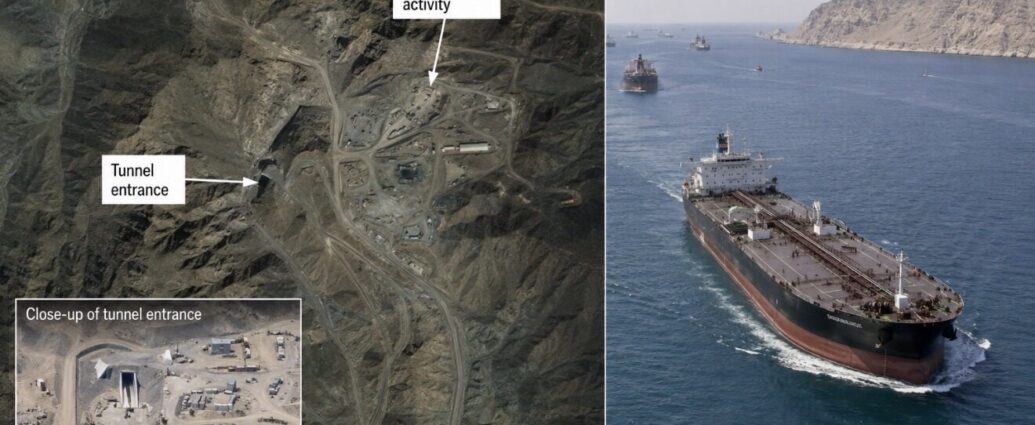
The warning came from the Institute for Science and International Security, a Washington-based nonprofit that monitors nuclear activity using commercial satellite imagery. The organization said images captured in late June show continued excavation and construction at Pickaxe Mountain, a heavily fortified site in Iran’s Zagros Mountains, located just south of the heavily damaged Natanz uranium enrichment complex.

Spencer Faragasso, a senior fellow at the Institute, wrote on X that excavation at the site has continued since at least 2020 and appears designed to preserve Iran’s nuclear capabilities if negotiations with Washington fail. According to the Institute’s analysis, the underground tunnels appear large enough to house an enrichment facility. Inspectors from the International Atomic Energy Agency (IAEA) have not been granted access to the site.

Faragasso argued that if Iran is negotiating in good faith, halting construction at Pickaxe Mountain would be an obvious confidence-building measure. Continued excavation, he said, raises fresh questions about Tehran’s long-term intentions.

The report carries significant implications for energy markets because the nuclear dispute remains the central issue behind the recent conflict. The Islamabad Memorandum, signed remotely by President Donald Trump and Iran’s president on June 17, calls for preserving the status quo while broader negotiations continue. The Institute argues that continuing construction at a suspected nuclear site would conflict with that objective. If confirmed, the activity could strengthen opposition to the agreement in both Washington and Jerusalem and quickly return geopolitical risk to oil markets.

For now, traders are looking beyond the report.

Commercial shipping through the Strait of Hormuz has climbed back above 10 million barrels per day, while Saudi Arabia has restored crude exports to roughly 90% of pre-war levels. The United Arab Emirates has also returned exports to more than 3.9 million barrels per day, using both the Strait of Hormuz and its bypass pipeline network. Combined with emergency reserve releases, those supply increases have transformed a market that faced severe shortages only months ago into one with considerably more available oil.

The next major test could come within days.

Al Arabiya reported that the next round of U.S.-Iran negotiations is expected to begin in Pakistan on July 11, with discussions expected to focus on Iran’s nuclear program, economic sanctions, and frozen Islamic Revolutionary Guard Corps (IRGC) assets. Neither Washington, Tehran, nor Pakistan has formally confirmed the meeting date.

The difference between earlier forecasts and today’s market tells the broader economic story. The U.S. Energy Information Administration (EIA) had projected Brent crude would average approximately $105 per barrel during June and July if disruptions in the Strait of Hormuz continued. Instead, oil prices have remained more than $30 below those projections as shipping resumed much faster than expected. That reversal has prevented the sharp increases in gasoline and diesel prices many economists feared heading into the busy July Fourth travel season.

For businesses that rely heavily on fuel—including trucking companies, airlines, manufacturers, and shipping firms—the decline has provided welcome relief after Brent briefly surged above $118 per barrel during the height of the conflict.

That relief, however, depends almost entirely on the ceasefire holding and negotiations continuing.

If evidence mounts that Iran has continued expanding a secret underground nuclear facility while talks proceed—or if the expected July negotiations break down—the geopolitical risk premium could return to oil markets quickly. Any renewed tensions in the Middle East would likely ripple through fuel prices, transportation costs, global supply chains, and ultimately the prices consumers pay for everyday goods.

JBizNews Desk | Washington, D.C.

© JBizNews.com All Rights Reserved. Reproduction or distribution without written permission is prohibited.

The 2026 FIFA World Cup has shattered soccer’s all-time attendance record, with packed stadiums across the United States, Canada and Mexico drawing unprecedented crowds and delivering a major economic boost to host cities. A total of 4,644,549 fans passed through the turnstiles during the group stage that concluded late last month, filling 99.7% of available seats and averaging 64,508 spectators per match, according to FIFA. The total surpassed the previous group-stage attendance record of about 3.6 million, set when the United States hosted the tournament in 1994.

“This is a true reflection of our fans’ love for the beautiful game,” FIFA President Gianni Infantino said as the group stage wrapped. With the knockout rounds now underway and the July 19 final approaching, the crowds continue to grow. The tournament also set a single-day attendance record of 426,834 spectators on June 25, while fans from 210 countries and territories have attended matches so far.

For host cities, those record crowds are translating into significant business activity. Card spending across the tournament’s 16 host cities climbed 5.4% from a year earlier between June 10 and June 28, while spending by out-of-town visitors surged 17.4%, according to the Bank of America Institute. Hotels, restaurants, bars, retailers and rideshare companies have all benefited from the influx of visitors, while FIFA fan festivals in cities from Philadelphia to Los Angeles have attracted millions more who never entered a stadium.

The concession numbers tell their own story. During the group stage alone, fans purchased more than 2.8 million beers, 300,000 hot dogs and nearly one million bottles of water inside stadiums, according to FIFA. More than three million supporters also signed up for digital Fan IDs, giving organizers and sponsors direct access to one of the largest global sports audiences ever assembled.

Attending the tournament has not come cheaply. On FIFA’s official ticketing platform, seats for the 104-match tournament have ranged from about $60 to nearly $11,000, with prices fluctuating based on demand. For the championship match at MetLife Stadium outside New York, premium seats reached roughly $33,000, while resale tickets for marquee knockout matches were listed near $20,000 on StubHub. Fans following their teams from city to city have reported spending anywhere from about $2,500 for a single destination trip to as much as $150,000 for premium hospitality packages covering multiple matches.

The travel boom has been uneven across the hospitality industry. A report from FCM Consulting found hotel rates in 13 of the 16 host cities climbed at least 80% compared with last year. Rooms in Guadalajara that averaged about $90 last summer were going for $511, while Boston averaged roughly $611 a night and Houston about $205. Before kickoff, however, the American Hotel & Lodging Association reported that roughly 80% of host-city hotels were seeing bookings below expectations, with many operators citing visa delays and geopolitical uncertainty that discouraged some international travelers. Domestic visitors have made up much of the attendance.

The excitement on the field continues to keep stadiums full. The U.S. Men’s National Team faces Belgium in the Round of 16 on Monday in Seattle, though it will be without leading scorer Folarin Balogun, who is suspended after receiving a red card in the victory over Bosnia and Herzegovina. Mauricio Pochettino’s squad is seeking its first World Cup quarterfinal appearance since 2002, while defending powers led by stars including Kylian Mbappé remain among the favorites to win the tournament.

For businesses, every sold-out match brings another wave of customers. FIFA, which operates as a nonprofit and reinvests tournament revenue into developing the sport, estimates in a study prepared with the World Trade Organization that the World Cup will generate $80.1 billion in global economic activity, including $30.5 billion in the United States alone. Whether host cities ultimately realize lasting economic gains will be debated long after the final whistle, but for now the numbers are unmistakable: stadiums are packed, businesses are bustling, and the 2026 FIFA World Cup has already made attendance history.

JBizNews Desk | New York

© JBizNews.com All Rights Reserved. Reproduction or distribution without written permission is prohibited.