Definium Therapeutics said Wednesday that its LSD therapy significantly helped patients with generalized anxiety disorder in the first of two large trials.

It’s the second major win for Definium in the past two months, following a Phase 3 success in major depression. 

In the Phase 3 anxiety study, 214 patients were randomly assigned to receive a single dose of DT120 — Definium “proprietary, pharmaceutically optimized” LSD pill — or a placebo. 

Continue to STAT+ to read the full story…

This post was originally published here. 

You’re reading the web edition of STAT’s AI Prognosis newsletter, our subscriber-exclusive guide to artificial intelligence in health care and medicine. Sign up to get it delivered in your inbox every Wednesday. 

As you read today’s main item and the associated story, let me know whether you think these are just the typical growing pains of a company trying to live up to its investors’ expectations while transforming health care, or something bigger. You can reply to this email or send a message to aiprognosis@statnews.com.

And if you have tips I should consider for future investigations, email them to me or contact me on Signal (an encrypted messaging app) at btrang.01.

Continue to STAT+ to read the full story…

This post was originally published here. 

Over the last five years, German researcher Georg Schett has made a name for himself as a pioneer in autoimmune disease treatment, showing that CAR-T therapy could be used to reset patients’ immune systems. 

He has become a scientific adviser de rigueur for the field, joining a half-dozen startup advisory boards. 

Now, for the first time, he’s co-founding a biotech company. But it has no immediate plans to work in CAR-T. 

Continue to STAT+ to read the full story…

This post was originally published here. 

A group of physicians and experts in Prader-Willi syndrome, a rare disease that causes an insatiable desire to eat, on Tuesday notified clinicians of a series of patient deaths and cases of severe side effects potentially associated with Vykat XR, a newly approved drug sold by Neurocrine Biosciences. 

Vykat was approved by the Food and Drug Administration in March 2025 to curb the intense hunger sensation in children and adults with Prader-Willi syndrome, or PWS. But since its clearance, seven people prescribed the drug have died, according to the FDA’s Adverse Event Monitoring System. Additionally, more than 100 reports of serious adverse events, mostly cases of patients being hospitalized for swelling, respiratory, and heart complications, have been reported to the FDA. 

“The intention of this statement is to increase awareness of the risks for people with PWS when starting Vykat XR,” the physicians and experts wrote. Neither the deaths nor the severe side effects have been definitively linked to the drug, the group added. 

Continue to STAT+ to read the full story…

This post was originally published here. 

The sky was a smoky grayish-orange and trees a few hundred yards away had turned to ghostly outlines. This July marked the third summer since I’ve lived in Chicago that the city was covered in a suffocating blanket of smoke from Canadian wildfires, and the air quality was breaking records: as high as 753 on the air quality index one afternoon, earning an “extremely hazardous” warning. Even with all our windows closed and two air purifiers running in different rooms, I was still getting headaches, a sore throat, and burning eyes. And my arthritis pain was worsening.

I’ve lived with chronic illnesses for most of my adult life and have racked up six of them at this point (endometriosis, psoriatic arthritis, Celiac disease, Graves and Hashimoto’s diseases, and interstitial cystitis). I know that my joints hurt more in cool, wet weather, that I’m prone to overheating when the temperature spikes above the 90s. I’m not alone: I’ve talked to dozens of people with different chronic conditions about how the weather affects them. Those with lupus need to avoid the sun, while some with psoriasis get relief from it; storms can trigger migraines and joint pain; hot weather worsens postural orthostatic tachycardia syndrome (POTS). Everyone’s body has a unique pattern of interacting with the weather, such that it’s difficult for patients to predict what might cause a flare.

Read the rest…

This post was originally published here. 

From its inception, Commure was built on the dream of automation.

The Silicon Valley technology company set out in 2020 to build a new operating system for health care. Its executives began to cast the company as a kind of Robin Hood: It would leverage artificial intelligence to take power and money from massive insurers and other industry giants — and give it back to doctors.

“I would love a world where the market cap of a UnitedHealth is a fifth, but every doctor is a millionaire,” Commure CEO Tanay Tandon said in a recent interview with Y Combinator, an investor in the company, currently valued at $7 billion.

But Commure isn’t just promising to fatten doctors’ wallets with money from insurers. For those willing to talk up its AI, it also offers to kick in compensation of its own.

A STAT investigation found the company offers thousands of dollars, in various forms, to medical clinics and other parties who refer its products to new business prospects. The compensation is part of a strategy to swiftly sell AI tools it says can unburden clinicians burned out by health care’s endless bureaucratic morass.

Based in Mountain View, Calif., Commure is among the most ambitious and all-encompassing efforts to automate the administrative tasks that underlie these businesses. Many of its customers speak of the company in heroic terms. In marketing videos and podcast interviews, they testify that its products for billing, scheduling, and clinical documentation have restored joy, and reliable revenue, to their practices. The company claims its tools are used by more than 500 health care organizations across the country, including “130 of the nation’s largest health systems,” such as for-profit giants HCA Healthcare and Tenet Healthcare.

Continue to STAT+ to read the full story…

This post was originally published here. 

President Donald Trump’s administration said that Medicaid will stop paying for gender-affirming surgeries and hormone treatments for transgender minors and the state Children’s Health Insurance Program won’t pay for the treatments for those under 19.

The announcement is the latest in a series of policies from the administration aimed at transgender people that began the day Trump returned to office last year.

Read the rest…

This post was originally published here. 

Not long after guidelines shifted to considering statin therapy as early as age 30, new research from France suggests there may be no harm in stopping the cholesterol-lowering drugs at age 75 in people with no history of cardiovascular disease. The lessons, however, may not translate elsewhere. 

The “non-inferiority” study, published Tuesday in the Lancet Healthy Longevity, does not advise doctors to tear up statin prescriptions for older people. Nor does it conclude that going off statin therapy is better than staying on. It does say patients should talk to their doctors to see if they’d be no worse off for dropping the daily pills.

Read the rest…

This post was originally published here. 

A Cambridge, Massachusetts biotech has put an experimental gene therapy into a deaf child’s inner ear for the first time, aiming at the single most common genetic cause of deafness in the world.

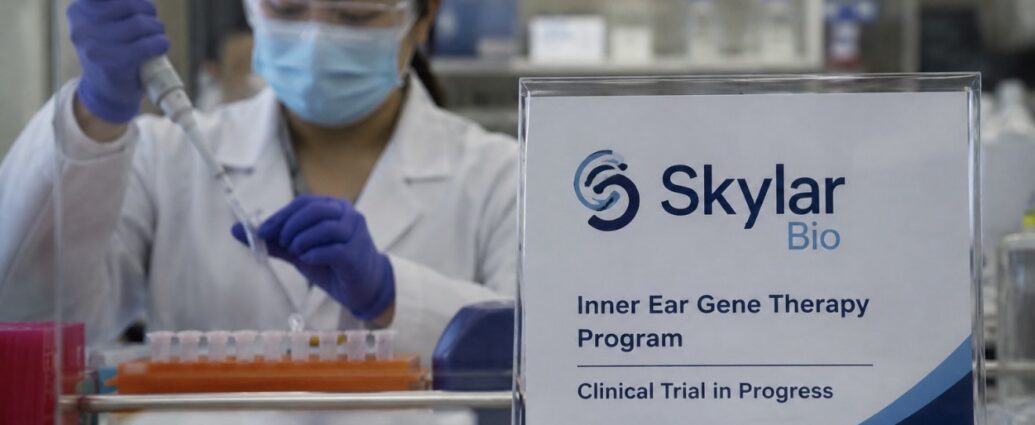
Skylark Bio came out of stealth Tuesday to announce it has dosed the first patient in its trial of SKY-GJB2, a one-time treatment for children born deaf because of mutations in the GJB2 gene.

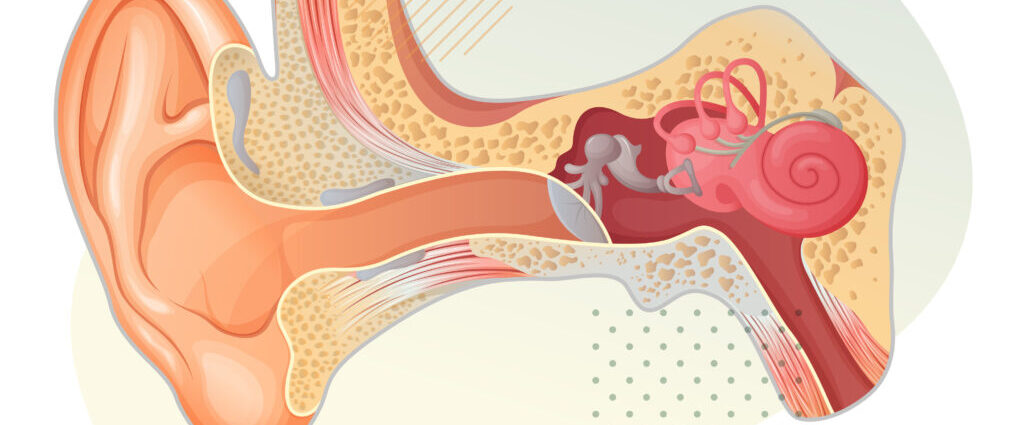
Here is what the mutation does. The GJB2 gene tells the body how to build a protein called connexin 26, which sits between cells in the inner ear and lets them pass signals to one another. When the gene is broken, the protein does not work, and sound never gets converted into a signal the brain can use. Mutations in GJB2 are the most common cause of inherited, non-syndromic hearing loss worldwide, and the resulting deafness is usually present at birth.

The therapy is an attempt to fix that at the source. SKY-GJB2 uses an engineered adeno-associated virus to carry a working copy of the GJB2 gene directly into the affected cells of the inner ear, treating the genetic cause rather than compensating for it the way a cochlear implant does. In the trial, called SONIX, each child receives a single infusion into one ear through a purpose-built one-time-use device, the SKY-CAT.

The trial

SONIX is enrolling ten children: six between nine months and two years old, and four between two and seven. Participants must carry two pathogenic variants in GJB2 and have hearing loss of at least 85 decibels in the treated ear. The primary focus is safety of both the therapy and the delivery device, with hearing improvement measured alongside it.

The company is small and recently capitalized. Skylark has raised about $40.9 million across a single round, and is led by chief executive Jodi A. Cook, with Shawn Harriman as chief scientific officer. In June it signed a manufacturing and development partnership with Forge Biologics to produce the AAV vector under cGMP conditions for the clinical program. A second program, SKY-PEN, targets SLC26A4-related hearing loss, or Pendred syndrome, and the company says it also has an undisclosed central nervous system program.

Why the market opened up

None of this would be happening on this timeline without what Regeneron proved in April. The FDA granted accelerated approval to Otarmeni, the first gene therapy ever approved for genetic hearing loss, based on a trial in which 80% of participants hit the primary hearing endpoint and 42% reached normal hearing with longer follow-up. Otarmeni treats a different mutation — in the OTOF gene — an ultra-rare condition affecting roughly 50 newborns a year in the United States. The therapy came to Regeneron through its 2023 acquisition of Decibel Therapeutics.

Regeneron’s commercial decision is the part the industry is still digesting. The company is providing Otarmeni at no cost to clinically eligible U.S. patients, though out-of-pocket costs for the administration procedure can vary. That came bundled with an agreement with the U.S. government to tie current and future drug prices to those in other developed countries. For a rare-disease population of 50 births a year, giving the product away was a defensible trade. GJB2 is a different arithmetic. Skylark describes it as affecting tens of thousands of patients — a population large enough that pricing will be a real commercial question rather than a goodwill gesture.

A three-country race

Skylark is not running alone. France’s Sensorion raised €60 million in January, including a €20 million strategic investment from Sanofi, specifically to push its GJB2 candidate SENS-601 toward regulatory clearance and first-cohort enrollment, with cash runway extended into the first half of 2027. Chinese groups are pursuing the same target. Being first into humans, which Skylark now is, matters for the obvious reason in biotech: the first credible efficacy data sets the terms for everyone else’s financing.

Skylark’s chief executive indicated at a scientific conference in May that early data would arrive by the end of this year. That is the date to watch. A safe dose in one child proves very little on its own; the question is whether a child who has never heard anything begins to respond to sound, and whether that holds.

For investors in the hearing space, the sequence is now established: an approval that showed regulators will clear these therapies, a manufacturing base being built out, and a much larger patient population entering the clinic behind it.

JBizNews Desk | Boston

© JBizNews.com All Rights Reserved. Reproduction or distribution without written permission is prohibited.

WASHINGTON — Health industry leaders pushed back on President Trump’s executive order on vaccines this week — including those he may need to rely on for his agenda.

On Monday, Trump signed an order that sought to unilaterally change the federal government’s approach to vaccinating children: recommending fewer shots, spreading them over longer periods, and doing so without evidence to back up the changes.

Trump was particularly interested in breaking up the vaccine that protects against measles, mumps, and rubella into three separate shots, saying — against all current evidence — that the combination shot could be lethal. (Trump later said he had no evidence for the claim; his health officials have repeatedly said they recommend the shot.)

Continue to STAT+ to read the full story…

This post was originally published here. 

The executive order — which wasn’t accompanied by any new scientific evidence — aims to split the MMR vaccine into three separate shots and revives the administration’s attempt to slim down the immunization schedule.

This post was originally published here. 

You’re reading the web edition of D.C. Diagnosis, STAT’s twice-weekly newsletter about the politics and policy of health and medicine. Sign up here to receive it in your inbox on Tuesdays and Thursdays.

Sen. Bill Cassidy (R-La.) is not happy with Trump’s call for the MMR shot to be broken up. If only there had been a way to stop that. Send news tips and your biggest regrets to John.Wilkerson@statnews.com or John_Wilkerson.07 on Signal.

Trump’s about-face on vaccines

The president thrust controversial vaccine policy matters back into the spotlight on Monday.

Continue to STAT+ to read the full story…

This post was originally published here. 

History tells us that President Trump’s executive order calling for the measles, mumps, and rubella vaccine to be split into separate shots could do real harm. If policymakers prevail on vaccine makers, it will mean more missed vaccine doses, and more sick kids. But first a lesson on where the shot comes from.

In March 1963, a 5-year-old girl named Jeryl Lynn woke up with a sore throat at 1 a.m. Her father, a six-foot-one widower who had lost his wife to breast cancer four months earlier, bent down and felt the lumps on her neck. He was a scientist at the pharmaceutical company Merck, and he checked “The Merck Manual,” a medical reference book. “Oh my God,” he said. “You’ve got the mumps.”

Read the rest…

This post was originally published here. 

Top of the morning to you, and a fine one it is. Sunny skies and mild breezes are enveloping the Pharmalot campus once again. And to celebrate, we are brewing still more cups of stimulation and inviting you to join us. Our choice today is blackberry hibiscus. Remember, a prescription is not required. So no need to mess with rebates or even TrumpRx. Meanwhile, here are a few items of interest. Hope you have a meaningful and productive day and, of course, do stay in touch. …

The U.S. Food and Drug Administration rejected a radiopharmaceutical therapy because of manufacturing issues, halting what would have been a competitor for Novartis, STAT notes. The drug had been developed by ITM Isotope Technologies Munich SE, a long-standing player in the field of radiopharmaceuticals, which are an emerging treatment designed to shoot radioactive isotopes directly at tumor cells. The company had been anticipating the FDA would sign off on the drug and last month launched a new division, Lumara Bio, to commercialize and sell it.

Hims & Hers plans to jump into the peptides market before the end of the year, seeing opportunity to seize on a booming corner of the health industry, Bloomberg News says. The telehealth company is preparing to sell already-allowed popular compounds that patients seek for wellness and longevity benefits despite limited clinical evidence. The plan comes as the FDA decides whether to loosen restrictions on seven different compounds. Last month, the agency held a hearing in which outside advisers recommended easing limits on production and expanding access.

Continue to STAT+ to read the full story…

This post was originally published here. 

Two years ago, scientists made history with a gene therapy that restored hearing for a small group of children who had been born deaf, allowing some of them to hear for the first time. Indistinct murmurs turned into audible whispers. The robust gains and lack of safety concerns led the Food and Drug Administration to approve Regeneron’s Otarmeni therapy in April for the small group of people with this rare genetic mutation.

“[Otoferlin-related mutations] are more of a Goldilocks. The ear stays completely intact in animal models, even into geriatric models,” said Joe Burns, former senior vice president of research at Decibel Therapeutics, which was acquired by Regeneron in 2023.

Scientists are now eyeing other hearing-loss targets, including the holy grail — the GJB2 gene. Startups in the United States, France, and China are racing to concoct a solution, with Skylark Bio emerging from stealth on Tuesday to announce that they have dosed their first patient with a therapy aimed at restoring hearing in a child with a GJB2 mutation. 

Continue to STAT+ to read the full story…

This post was originally published here. 

You’re reading the web edition of STAT’s Health Tech newsletter, our guide to how technology is transforming the life sciences. Sign up to get it delivered in your inbox every Tuesday and Thursday.

Happy Tuesday, health tech readers! Mario is out on a very well-deserved break, so you’ll get dispatches from the rest of STAT’s health tech team this week. 

Today, a word from nurses on how AI really impacts their work. And finally, more details on the RAPID pathway that aims to help medical devices escape the valley of death.

Continue to STAT+ to read the full story…

This post was originally published here. 

Biotech companies don’t hide or obfuscate strong data. 

It’s an old saw but one that I have found to be a reliable predictor of future success or failure, particularly when judging clinical trial results. Yet once again, MoonLake Immunotherapeutics has announced “positive” results from a study of its autoimmune drug candidate marred by a level of data obtuseness that renders the word meaningless. 

It’s a subject I keep returning to, because with MoonLake it happens again, and again, and again. 

Continue to STAT+ to read the full story…

This post was originally published here. 

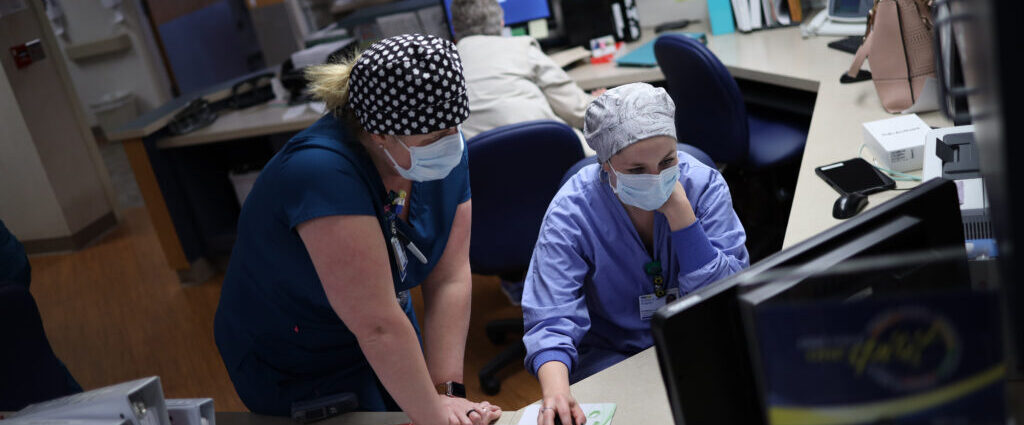
Nurses, who make up the largest part of the health care workforce, are getting more vocal about the risks posed by clinical artificial intelligence to their jobs and patient care as the technology makes deeper inroads into the practice of medicine. 

At Montefiore hospital in the Bronx, laid-off nurses have raised the alarm about administrative AI they say is replacing them. Across the country in California, nurses at Kaiser Permanente are striking and picketing against the AI surveilling their work and playing a growing role in patient care. Collectively, the loudest voices have come from unions like National Nurses United, which represents over 200,000 nurses, including those at Kaiser and Montefiore. 

As that workplace advocacy and bargaining continue, educators and researchers also have their eyes on the future: They’re trying to build solutions to support the next generation of nurses through training and involvement in how patient-facing AI is developed and deployed. By giving nurses a voice in AI’s inevitable disruption of health care, they hope to make the current adversarial relationship more collaborative.

Continue to STAT+ to read the full story…

This post was originally published here. 

In Venice, Italy, the fabled Bridge of Sighs spans a narrow canal, its small stone-barred windows once offering prisoners a final glimpse of freedom as they were escorted to their cells. The name reflects their resignation, the quiet exhale of those who knew what awaited them.

For many primary care physicians, a similar sigh now accompanies the start of Medicare’s “Bridge” program, which promises discounted access to the GLP‑1 weight loss medications Wegovy, Zepbound, and Foundayo. Despite its admirable goal — making highly effective treatments more affordable — the program risks doing the opposite by creating a complex, burdensome process that could limit access in practice.

Read the rest…

This post was originally published here. 

A physician is eating dinner with her family when an encrypted message appears on her phone. A frightened 17-year-old explains that she took misoprostol — one of the medications commonly used to end a pregnancy. Four weeks later, she is still nauseated and her pregnancy test remains positive.

She wants to know: Can she see a doctor without her parents finding out? Could she get into legal trouble for taking abortion pills?

Read the rest…

This post was originally published here. 

When Stephen Rosenfeld and Patricia Seymour founded the not-for-profit North Star Review Board, they’d become disillusioned with the scientific oversight system in America. IRBs, or institutional review boards, are supposed to have one priority top of mind: the rights and welfare of human research participants. But after decades as research ethicists, Rosenfeld and Seymour thought the industry had lost its way.

The problem, they said, isn’t just theoretical. Over the last couple of decades, IRB scandals have cast a spotlight on a fundamental problem in the system, experts said. In one such example, the Government Accountability Office in 2009 tested whether a group of for-profit IRBs could successfully detect a bogus unethical research protocol and reject it. One of the three companies tested, Coast IRB in Colorado, approved the fictitious application, even though the fake device had specifications and matched several examples of “significant risk” per FDA guidance. The sting operation revealed what the GAO called a vulnerability to “unethical manipulation” in the IRB system.

Read the rest…

This post was originally published here. 

WASHINGTON — The Trump administration, which in recent months had avoided public discussions of vaccine policy because of concern around the political repercussions, is changing course. 

Speaking from the Oval Office, President Trump on Monday unveiled a new executive order as he and his top health officials presented a new, skeptical government approach to vaccines, making extraordinary claims without evidence to support the remade federal agenda.

Read the rest…

This post was originally published here. 

President Trump signed an executive order at the White House on Monday that tells the federal government to recommend fewer vaccines for American children and to stop giving several of the remaining ones on the same day. A draft of the order said the number of vaccines recommended for children should be more limited, and it gave the Department of Health and Human Services 90 days to reassess the sequencing and timing of the childhood schedule.

In plain terms: the shots a child gets, the order they get them in, and how many can be given in a single visit are all being rewritten, and the clock on that rewrite started Monday.

The order pushes single-dose vaccines over combination shots, stating that childhood immunizations should be given at separate medical visits to the maximum extent feasible. It calls for the MMR vaccine to be broken into three separate shots, and it moves RSV and hepatitis A and B into a category reserved for high-risk children. The draft text did not mention autism. The president did.

Speaking before signing, Trump said the administration was announcing what he called the country’s “Gold Standard” childhood vaccination recommendations, and said autism was among the subjects involved. He also said the cause of autism is not known. Decades of studies involving millions of children have found no link between vaccines and autism.

Why drugmakers are watching

The federal childhood schedule is not just guidance. It drives insurance coverage, state school requirements, and the government’s own Vaccines for Children program, which buys shots for roughly half the children in the country. A vaccine that comes off the recommended list loses much of its market in a single stroke.

Merck sits closest to the fire. The company makes the MMR shot used in the United States, along with the combination version that adds chickenpox. Standalone measles, mumps, and rubella vaccines are not currently licensed or sold in this country — Merck stopped making them more than fifteen years ago. An instruction to split MMR into three separate shots therefore points at products that do not exist on the American market today and would take years and new regulatory approval to bring back. Merck’s HPV franchise, Gardasil, is separately exposed if the review reaches recommendations for that shot. Pfizer, Moderna, Sanofi, GSK, BioNTech, and Novavax all carry exposure to routine and childhood immunization revenue.

Analysts had already flagged the risk that even a vague executive action erodes voluntary uptake and destabilizes payer networks and state mandates, while noting the counterargument that the order might direct new studies rather than restrict access outright. Monday’s text lands closer to the first case: it does not ban anything, but it tells the government to trim the list and space out the visits.

The legal wall already standing

This is the second run at the schedule this year. The CDC in January recommended cutting childhood vaccination down to 11 diseases. The American Academy of Pediatrics refused to follow and kept its recommendations at 18. In March, a federal judge blocked the CDC’s changes. The new order acknowledges that litigation has delayed the earlier push, which is the stated reason for pursuing additional measures now.

It cites efforts to align the American schedule with what it calls best practices from peer nations, along with religious liberty and parental authority. The American Academy of Pediatrics has countered that peer nations face different disease conditions and that best practices vary accordingly.

That leaves the same question hanging over Monday’s signature that hung over January’s guidance: whether it survives contact with the courts.

What comes next

The 90-day review is the number to watch. HHS, under Secretary Robert F. Kennedy Jr., now has until roughly early November to come back with a reassessed schedule. Trump’s own political advisers had urged Kennedy to stay off vaccine issues until after the November midterms, out of concern the fight would cost Republicans. The signing overrides that advice.

For manufacturers, the near-term financial hit is not the order itself but what the review produces in the fall — which shots stay on the list, which move to high-risk-only status, and whether pediatricians and insurers follow Washington or follow the pediatricians’ academy. For parents, the practical change, if the recommendations hold, is more trips to the doctor’s office for the same set of shots.

JBizNews Desk | Washington

© JBizNews.com All Rights Reserved. Reproduction or distribution without written permission is prohibited.

The sector added 22,000 jobs in July, well below the monthly average of 36,000 new jobs added in the past year. Still, healthcare buoyed what was otherwise a weaker-than-expected report for the economy overall.

This post was originally published here. 

For decades, food companies have been able to decide on their own that an ingredient is safe, put it into American food and never tell the Food and Drug Administration.

The Trump administration moved Monday to close that gap.

The FDA proposed requiring manufacturers to notify the agency when they conclude that a substance is “Generally Recognized as Safe,” or GRAS, and provide the scientific basis supporting that conclusion. The system is currently voluntary.

If finalized, the rule would give the FDA something it does not have today: a much fuller picture of the ingredients entering the U.S. food supply without traditional food-additive approval.

Nothing changes on grocery shelves immediately. The proposal is scheduled for publication in the Federal Register on August 11 and must go through the federal rulemaking process before it can become binding.

The distinction matters. The FDA is not proposing to eliminate GRAS, nor would every new ingredient require traditional FDA premarket approval.

Companies could still conclude that an ingredient qualifies as GRAS when qualified experts generally recognize it as safe for its intended use. What would disappear is the ability to make that determination privately and never notify the government.

“By proposing mandatory GRAS notifications, we are closing critical information gaps and giving the FDA greater visibility into substances entering the food supply,” Acting FDA Commissioner Kyle Diamantas said in announcing the proposal.

The GRAS exemption dates to 1958 and was designed to exempt substances whose safety was already generally recognized. Over time, however, manufacturers increasingly used independent GRAS conclusions for newer ingredients.

FDA currently encourages companies to submit their conclusions voluntarily. When they do, the agency reviews the supporting information and can say it has no questions, determine that the filing does not establish an adequate GRAS basis, or stop reviewing the notice at the company’s request.

But a manufacturer that does not voluntarily notify FDA can currently market an ingredient based on its own GRAS conclusion, provided it is legally supportable.

That is the part the administration wants to change.

FDA’s own economic analysis estimates that roughly 2,000 substances already entered interstate commerce based on independent GRAS conclusions, with the agency estimating the actual number could range from approximately 1,000 to 3,000.

For those already-existing ingredients, the proposal would create a temporary streamlined reporting process. Companies would submit information describing substances and their existing uses, giving FDA and the public visibility into products that may have been sold for years without a GRAS notice.

For new uses going forward, companies covered by the rule would generally have to submit a full GRAS notice rather than keeping the determination entirely inside company files.

That means more paperwork for manufacturers, ingredient suppliers and food companies — and a much larger public record.

FDA maintains a public inventory for GRAS notices it receives. Expanding mandatory reporting would make information about substantially more ingredients, their intended uses and the reasoning behind their safety determinations visible to regulators, retailers, competitors, researchers and consumers.

The proposal could also expose weak safety determinations. FDA says mandatory notification would allow it to identify cases where there is insufficient scientific support for a GRAS conclusion and determine whether an ingredient instead requires formal food-additive approval.

That does not mean FDA will approve every GRAS ingredient before it reaches stores. GRAS substances would continue to operate under a different legal framework from conventional food additives.

But manufacturers would no longer have the same ability to operate outside the agency’s view.

The compliance burden could be substantial. FDA estimates the rule would have a significant economic impact on many small businesses and projects annualized industry and government costs in the millions of dollars, with a larger one-time burden as companies inventory existing ingredients and reconstruct older safety records.

That could be particularly difficult for businesses relying on GRAS determinations made years or decades ago.

The rule also raises a larger legal and regulatory fight. Food manufacturers have long argued that GRAS is not a loophole but an exemption written into federal law by Congress. The administration is attempting to require notification without transforming GRAS into a full approval program, a distinction that could become important if industry groups challenge the final rule in court.

Separately Monday, HHS and the Agriculture Department said they submitted the federal government’s first proposed definition of “ultra-processed foods” for final review.

The definition itself has not yet been released.

The two moves point in the same direction: Washington is preparing to take a more active role in determining what ingredients are in processed foods, how those ingredients entered the market and how much information manufacturers must disclose.

For consumers, there is no immediate ban and no overnight reformulation of supermarket products.

For the food industry, however, the direction is clear: the era in which a company could make a GRAS determination entirely behind closed doors may be coming to an end.

JBizNews Desk | Washington

© JBizNews.com⁠ All Rights Reserved. Reproduction or distribution without written permission is prohibited.

The Food and Drug Administration has rejected a radiopharmaceutical therapy due to manufacturing issues, halting what would have been a competitor for Novartis. 

The drug, ITM-11, had been developed by ITM Isotope Technologies Munich SE, a long-standing player in the field. Radiopharmaceuticals are an emerging type of treatment designed to shoot radioactive isotopes directly at tumor cells. 

ITM’s therapy was designed to treat gastroenteropancreatic neuroendocrine tumors, or GEP-NETs, a rare type of cancer that grows in the pancreas, stomach, small intestine, and other parts of the gastrointestinal system. ITM reported in March 2025 that patients with the earliest forms of this cancer who received ITM-11 infusions lived for 23.9 months without their tumors growing. Meanwhile, patients taking another treatment on the market, everolimus, went a median 14.1 months before their cancer progressed. 

Continue to STAT+ to read the full story…

This post was originally published here. 

Want to stay on top of the science and politics driving biotech today? Sign up to get our biotech newsletter in your inbox.

Radiopharma’s precision promise runs into toxicity problems, China puts new guardrails around its biotech innovation engine, and Grail’s Galleri heads to an FDA advisory panel.

This Readout was partially produced at a sun-splashed kiddie pool party in SoCal. Each matriarch toenail is perfectly shellacked.

Continue to STAT+ to read the full story…

This post was originally published here. 

This is the online version of STAT’s weekly email newsletter Health Care Inc. Sign up here.

The cyclosporiasis outbreak means a lot of poop has been tested. Spare a thought for the lab professionals who are up to their knees in you-know-what. Feel free to send me samples … of your thoughts and tips only, come on now: bob.herman@statnews.com.

Should prior authorization be eliminated?

Hannah Garden-Monheit is asking for a simple health care policy change: ban prior authorizations (for the most part). 

Continue to STAT+ to read the full story…

This post was originally published here. 

WASHINGTON — The Department of Health and Human Services on Monday announced a new effort to catalog the many additives in the U.S. food supply, most of which entered with little oversight. 

Companies looking to add a new substance to human or animal foods will need to notify the Food and Drug Administration, and provide details on how they deemed the additive “generally recognized as safe,” or GRAS. Manufacturers with GRAS substances already on the market would need to let the FDA know for the first time how the additive is used — information that would be made public in a database, HHS officials said. 

Read the rest…

This post was originally published here. 

Good morning, everyone, and welcome to another working week. We hope the weekend respite was relaxing and invigorating because that oh-too-familiar routine of meetings, deadlines, and the like has returned with a vengeance. You knew this would happen, yes? To cope, we are relying, as always, on a cuppa stimulation. Our choice today is honeybush vanilla turmeric. Feel free to join us. Remember, no prescription is required. Meanwhile, here are some tidbits to help you along. Best of luck accomplishing your goals today and, of course, do keep in touch. …

Sanofi is experiencing shortages of two medicines used to treat Pompe disease, and the problem emerged shortly after the U.S. Food and Drug Administration warned the company over manufacturing issues at the Irish facility where the drugs are made, STAT reports. In recent days, the drugmaker has alerted patient groups and physicians in both the U.S. and Europe that supplies of Myozyme, an older standard of care, and Nexviazyme, a newer treatment, are dwindling due to what has been described as a bottleneck in the final manufacturing phase, as well as quality control issues at its Waterford plant.

Jazz Pharmaceuticals agreed to buy Actio Biosciences in a deal valued at ​up to $1.32 billion, adding an experimental treatment for ‌a rare inherited form of epilepsy that has no approved therapies, Reuters notes. The treatment, called ABS-1230, is being developed for KCNT1-related epilepsy, ​a severe disease that causes frequent seizures ​and developmental problems in children. KCNT1-related epilepsy affects about ​2,500 patients in the U.S., according to the company. ABS-1230 reduced seizures in ‌an ⁠early study of children and is being evaluated in a study intended to support a U.S. approval application.

Continue to STAT+ to read the full story…

This post was originally published here. 

The federal government has begun stripping Network for Hope of the certification that allows it to serve as the federally designated organ procurement organization for Kentucky and parts of Indiana, Ohio and West Virginia, after repeated reviews found serious patient-safety failures that regulators say were not adequately corrected.

The Department of Health and Human Services announced the action in Lexington on Aug. 5. The process is now underway but is not yet complete, and Network for Hope says it will appeal.

An organ procurement organization, or OPO, coordinates organ donation after a hospital determines that donation may be possible. It evaluates donor suitability, works with families, arranges recovery and helps move donated organs into the transplant system. Network for Hope’s federal designation is overseen through the Centers for Medicare & Medicaid Services, making decertification an existential threat to its ability to continue operating as the region’s OPO.

The most serious issue is not paperwork or performance. It is whether patients were being placed into the organ-donation process when they should not have been.

Between 2021 and 2024, the Health Resources and Services Administration reviewed 351 Network for Hope cases in which organ donation had been authorized but ultimately was not completed. Federal investigators found 103 cases — 29.3% — with concerning features, including 73 patients who showed neurological signs considered incompatible with organ donation.

HHS also said some potential donors may not have been deceased when the procurement process was initiated.

Investigators cited poor neurological assessments, inadequate coordination with medical teams, questionable consent practices and misclassification of causes of death, particularly in overdose cases.

That distinction matters because an OPO does not have the authority to declare someone dead. The determination belongs to the treating hospital physician. Only after the appropriate declaration can the procurement organization assume responsibility for coordinating recovery and matching organs with transplant recipients.

Network for Hope had already been placed under heightened federal scrutiny. HRSA identified significant safety concerns in 2025 and directed the Organ Procurement and Transplantation Network to impose a corrective-action plan and monitoring program.

HRSA and CMS then conducted separate reviews to determine whether the problems had been resolved. Both concluded that the organization had not demonstrated sufficient improvement.

A separate CMS review completed in May found continuing quality concerns involving donor evaluation, review of adverse events and administration. Those findings became part of the basis for beginning the decertification process.

Health Secretary Robert F. Kennedy Jr. said organizations that repeatedly fail federal standards and put patients at risk will be held accountable. CMS Administrator Mehmet Oz said the action was also intended as a warning to other providers participating in federal health programs that patient safety and stewardship of taxpayer dollars are conditions of continued participation.

Network for Hope disputes the government’s conclusions. Chief Executive Barry Massa said the organization strongly disagrees with Kennedy’s decision and will appeal. He said Network for Hope complies with transplant-network policies and has implemented a “pause in procedure” safeguard allowing concerns about a potential donor to stop the process.

Kentucky has since incorporated such a pause requirement into state law.

For hospitals across the four-state service area, the immediate question is continuity. HRSA Administrator Tom Engels said patients served by Network for Hope will continue receiving care while CMS works through the replacement process and federal officials monitor the transition.

The enforcement action is highly unusual. Until 2025, the federal government had never decertified an OPO. CMS moved last year to terminate Miami-based Life Alliance Organ Recovery Agency after finding longstanding deficiencies, and a replacement organization began serving South Florida this year.

The scrutiny surrounding Network for Hope predates this week’s announcement. One of the most prominent cases involved a Kentucky man who survived after reportedly showing signs of consciousness while organ-recovery preparations were underway. Federal findings later broadened the issue far beyond a single patient, identifying dozens of cases involving neurological signs that should have raised concerns about donor eligibility.

The stakes extend beyond one organization. More than 100,000 Americans are currently waiting for organ transplants, and the federal government is trying to tighten safety rules without disrupting a system that depends on rapid coordination among hospitals, OPOs and transplant centers.

If Network for Hope loses its certification after the appeal process, another organization will have to assume responsibility for organ procurement across its territory. The government’s challenge will be replacing the provider without interrupting donations or delaying transplants — while restoring confidence that every potential donor is protected before organ recovery begins.

JBizNews Desk | Lexington, Kentucky

© JBizNews.com⁠ All Rights Reserved. Reproduction or distribution without written permission is prohibited.

Sionna Therapeutics said Monday that its experimental pill for cystic fibrosis did not show any benefit when added onto Vertex Pharmaceuticals’ Trikafta in a Phase 2 trial. 

The company will no longer try to advance the drug, called SION-719, as an add-on therapy for CF patients. And it hinted at potential layoffs, saying it will “take actions to preserve capital while evaluating next steps.”

Monday’s results are a major blow to Sionna. The company was founded in 2019, the same year that Trikafta reached the market, changing the lives of tens of thousands of CF patients and earning Vertex billions of dollars.

Continue to STAT+ to read the full story…

This post was originally published here. 

An experimental medicine from Silence Therapeutics stabilized red blood cell levels in patients with a rare blood cancer in a new trial — a result that could position it to compete with a drug nearing approval from Takeda Pharmaceuticals.

The cancer, polycythemia vera, is marked by runaway production of red blood cells and puts patients at risk of life-threatening blood clots, bleeds, and other cancers. 

In the 48-person, Phase 2 trial, 88% of patients who received Silence’s drug, called divesiran, every six weeks or 12 weeks achieved a clinical response, the company said Monday. By contrast, only 19% of patients on placebo did. 

Continue to STAT+ to read the full story…

This post was originally published here. 

Tenax Therapeutics reported negative results Monday from a late-stage clinical trial evaluating an experimental treatment for a type of heart failure associated with high blood pressure in the lungs.

Shares of the biotech company plunged 84% to $2 in early trading. 

In the Phase 3 study called LEVEL, Tenax’s drug, an oral formulation of levosimendan, improved exercise capacity by 14 meters on a six-minute walking test compared to an improvement of 10.4 meters for a placebo. The difference was not statistically significant, failing to achieve the study’s primary efficacy goal, the company said. 


Continue to STAT+ to read the full story…

This post was originally published here. 

For years, U.S. scientists and biotech companies have watched warily as China has made strides onto the global stage, overtaking them in research spending, patent applications, and clinical trials.

To many observers, it has been a sign that the U.S. needs to urgently modernize a lumbering clinical trial and regulatory system. But now, a key driver of China’s roaring biomedical engine — one that many researchers believe the U.S. should replicate — is being fine-tuned, and a system that was credited with supporting the country’s wild success has come under scrutiny.

That system has been fueled by what are known as investigator-initiated trials, or ITTs, in which researchers were long permitted to launch clinical trials without sign-off from the National Medical Products Administration, China’s equivalent of the Food and Drug Administration, and without the rigorous review that would otherwise come with it. The studies have allowed China to speed up the translation of medical research, encourage physicians to become a part of the country’s drug innovation engine, and help produce billions of dollars in sales of newly approved medicines.

They also appear to have come at a price, raising questions about patient safety, a lack of transparency, and the use of intellectual property.

Continue to STAT+ to read the full story…

This post was originally published here. 

When most people hear “Ebola,” they think of a single disease caused by a single virus.

Scientists know better. Ebola virus disease is caused by several distinct virus species capable of causing devastating outbreaks in humans, each with important biological differences that influence diagnostics, vaccines, therapeutics, and outbreak response. Yet for much of the past decade, global preparedness efforts have largely focused on a single species: Zaire ebolavirus (EBOV).

Read the rest…

This post was originally published here. 

In cancer treatment, the pitch has been simple: What if, instead of blasting radiation across patients’ bodies, crop-dusting not only malignant cells but also neighboring healthy tissues, we could shoot chemical weapons directly at only the noxious tumors?

That has been the central promise of radiopharmaceuticals, which have grabbed the drug industry’s attention and created a shining new field of drug development. But, as more and more of these therapies move into clinical trials, developers are finding it’s not so clear-cut. 

The isotopes that make up radiopharmaceuticals are just as virulent as the beam radiation patients have begrudgingly tolerated for decades. They are designed to be far more targeted. But while they’re hurtling to biological bull’s-eyes, some are inadvertently zapping patients’ kidneys, liver, or bone marrow along the way. 

Continue to STAT+ to read the full story…

This post was originally published here. 

In September, states must start to notify Medicaid enrollees affected by new changes — including work requirements and new twice-yearly eligibility checks — that will begin in 2027.

These changes, introduced by the One Big Beautiful Bill Act of 2025 with a short implementation timetable, are expected to reduce Medicaid enrollment and potentially create confusion and chaos as beneficiaries try to understand whether and how new requirements affect them. States are required to notify people affected by the changing requirements using at least two outreach methods, but the exact methods are up to the state.

Read the rest…

This post was originally published here. 

Sanofi is experiencing shortages of two medicines used to treat Pompe disease, and the problem emerged shortly after the Food and Drug Administration warned the company over manufacturing issues at the Irish facility where the drugs are made.

In recent days, the drugmaker has alerted patient groups and physicians in both the U.S. and Europe that supplies of Myozyme, an older standard of care, and Nexviazyme, a newer treatment, are dwindling due to what has been described as a bottleneck in the final manufacturing phase, as well as quality control issues at its Waterford plant.

The site is responsible for what is known as batch release, which refers to the final quality assurance and regulatory process where a manufactured amount of medicine is formally certified, approved, and cleared for distribution and use by patients. This step is supposed to verify the batch of medicine meets safety and potency requirements.

Continue to STAT+ to read the full story…

This post was originally published here. 

A South Korean company is preparing to sell an injection made from donated human fat, aimed at the sunken cheeks and hollow temples that show up on people who lose weight fast on drugs like Ozempic and Zepbound.

Here is what it actually does. Fat left over from donor tissue is stripped down to its underlying structure — the scaffolding that fat cells normally sit inside — and that scaffold is injected into the face. A patient’s own fat cells then move into the empty framework and grow there, rebuilding volume with the body’s own tissue instead of a synthetic filler that eventually dissolves.

L&C Bio, the Kosdaq-listed biotech behind the product, developed the technology roughly five years ago and holds patents on it in South Korea, the United States and China, chief executive Lee Whan Chul said in an interview. The product carries the working name MegaAdipoECM.

The reason it has not been sold until now had nothing to do with the science. South Korean law classified donated fat as medical waste, which barred companies from reusing it. Lawmakers changed that this year, and L&C Bio expects to launch after a one-year grace period, most likely in late 2027.

The American Hook

The condition the product targets is a byproduct of an American pharmaceutical boom. GLP-1 drugs — Novo Nordisk’s Ozempic and Wegovy, Eli Lilly’s Mounjaro and Zepbound — strip weight quickly, and the face often thins first. The result can include a hollowed-out look, sunken eyes, deeper wrinkles and sagging skin along the jaw and neck. Doctors stress it is a cosmetic effect rather than a medical danger, and that it is not a recognized diagnosis — but it is showing up in dermatology offices in volume.

That has already created a US retail category. Skincare brands have rolled out topical lines aimed at GLP-1 users, though dermatologists are candid that creams cannot put back what was lost. Topicals can improve texture, hydration and collagen density; they cannot restore the fat underneath, which is what creates the hollow cheeks in the first place. That gap — between what a serum can do and what the patient sees in the mirror — is the market L&C Bio is aiming at.

The company also intends to be selling in the United States around the same window. It has said it plans to enter the US market by 2027.

Why the Company Thinks It Will Sell

L&C Bio is not guessing at demand. It already sells a related product built on donated human skin rather than fat.

That product, Re2O, was introduced in late 2024 and runs roughly $400 to $530 per session. The company’s first-quarter operating profit came in at 6 billion won — about $4 million — a jump of more than 900% from a year earlier, and the stock has more than doubled over the past year. In January, Lee said the company was targeting record annual sales of 150 billion won, close to $104 million, with an operating margin above 20%.

Demand has been brisk enough to cause shortages. Shares spiked nearly 30% in a single session last year after a Daegu dermatologist posted that the product had sold out, and the company said the crunch reflected a timing mismatch between clinic inventories and distribution rather than a manufacturing limit.

The company has been pushing the line outward market by market. It launched two versions in Mongolia this spring after regulatory clearance, part of an expansion into Central Asia. Injectable boosters made from donated human tissue have become one of the faster-growing corners of South Korea’s aesthetics business.

The Objection

Injecting material derived from a deceased donor into a healthy person’s face for cosmetic reasons is not a settled question, even in Seoul.

A Korean attorney, Kwon Dongju, has called for banning the cosmetic use of human tissue and wants injectable tissue products reclassified as drugs. L&C Bio argues the donated material is rigorously processed, and points to certification from the Association for Advancing Tissue and Biologics, a Washington-based body, which has said it is not aware of any effect on tissue supply for medical treatment and that donation honors the donor’s wishes.

That regulatory argument will follow the product to the US, where tissue-derived injectables face a stricter and slower approval path than the cosmetic category L&C Bio operates in at home. The Korean law change cleared the way to manufacture. It did not clear the way to sell in America.

Two years remain before the product reaches a clinic anywhere. In the meantime, the weight-loss drugs that created the problem keep adding patients — and the company has effectively made a bet that the aftermath of the injection will be worth as much as the injection itself.

JBizNews Desk | Seoul

© JBizNews.com All Rights Reserved. Reproduction or distribution without written permission is prohibited.

The Senate committee hearings last week on the origins of the Covid-19 pandemic presented a master class in political distraction from what is important for the nation’s public health. And Thursday the committee held Anthony Fauci in contempt of Congress for invoking his Fifth Amendment defense to a committee chaired by someone who has already said Fauci “should go to prison.”

The Covid-19 pandemic originated in Wuhan, China. The Chinese government vigorously suppressed information about the epidemic in the first weeks and months. It dragged its feet on alerting the international community to the threat. It frustrated the World Health Organization’s attempts to discover basic facts about the transmissibility of the virus, denying the rest of the world crucial weeks to prepare. And once the virus had escaped China and spread to Europe and then North America, it covered up the initial facts about the epidemic, silenced whistleblowers, and prevented investigations into the origin of the virus by refusing international investigations, locking WHO representatives in their hotel rooms on the specious theory that the virus had been imported from abroad. It then denied international access to scientists in Wuhan, their laboratory records, and the records of local public health authorities. Countries that demanded an open investigation were threatened with economic retaliation.

Read the rest…

This post was originally published here.