Top of the morning to you, and a fine one it is. Clear blue skies and cool breezes are wafting over the Pharmalot campus, where the official mascots are snoozing in their respective corners. This means we are free to focus on the matters at hand — rummaging through our to-do list and making cups of stimulation. Our choice today is wild mountain blueberry, a summer treat. Please feel free to join us. Meanwhile, here is the latest menu of tidbits to help you get started yourself. We hope your day is productive and meaningful. And of course, do keep in touch. We appreciate the insights and ideas. …

Eli Lilly is halving its originally planned $2.67 billion investment in the production of weight-loss syringes in Germany, Handelsblatt reports. The reason is the announced cost-cutting law by Health Minister Nina Warken, which provides for higher discounts from pharmaceutical companies — meaning less money per medication — and stricter reimbursement rules. Furthermore, health insurance companies will be allowed to group comparable patented medicines and encourage doctors to prescribe the cheaper option. This is likely to significantly intensify the price war between brand-name drugs. At the same time, Boehringer Ingelheim will reduce investments in Germany by $1 billion due to a lack of investment predictability in the pharmaceutical sector in the country.

Acting U.S. FDA Commissioner Kyle Diamantas ​met with rare disease groups as he seeks ‌to repair relations with a sector disappointed by his predecessor, Reuters tells us. Representatives for rare disease organizations including Friends of Cancer Research and the Foundation for Angelman Syndrome Therapeutics are pushing Diamantas for greater certainty and support for treatments for small patient populations. Diamantas is seeking to steady operations and mend fences following Commissioner Marty ​Makary’s resignation last month. Some rare disease groups ⁠had grown unhappy with Makary, under whose leadership the agency dealt a series of blows to drugmakers.

Continue to STAT+ to read the full story…

This post was originally published here. 

You’re reading the web edition of STAT’s Health Tech newsletter, our guide to how technology is transforming the life sciences. Sign up to get it delivered in your inbox every Tuesday and Thursday.

Good morning health tech readers!

If you’re the type of person who forgets everything someone tells you immediately after they tell it to you, the first item is for you.

Continue to STAT+ to read the full story…

This post was originally published here. 

Want to stay on top of the science and politics driving biotech today? Sign up to get our biotech newsletter in your inbox.

The inventor of some of AI’s technical underpinnings is shifting focus to an RNA startup. Also, Rick Pazdur has some ideas on how to determine whether Revolution Medicines’ pancreatic cancer drug can work in a first-line setting. And an oncologist explains why she believes the failed Grail trial matters.

The AI architect taking aim at RNAi 

Jakob Uszkoreit helped create the transformer architecture — the “T” in ChatGPT — that sparked the generative AI boom. Now he’s trying to do something just as ambitious in drug development, STAT’s Brittany Trang writes. His startup, Inceptive Nucleics, is building biological foundation models that can be applied across a wide range of sequence-based medicines, from RNA interference therapies to mRNA and antisense drugs.

Continue to STAT+ to read the full story…

This post was originally published here. 

Get your daily dose of health and medicine every weekday with STAT’s free newsletter Morning Rounds. Sign up here.

Good morning. You may have noticed a missing link in yesterday’s issue. You can read Sarah Todd’s great story on ultra-processed food research and policy here. 

Read the rest…

This post was originally published here. 

This is the online version of Adam’s Biotech Scorecard, a subscriber-only newsletter. STAT+ subscribers can sign up here to get it delivered to their inbox.

Revolution Medicines’ daraxonrasib is a certain approval for patients with metastatic pancreatic cancer and tumor progression following chemotherapy. The only gating factor seems to be the speed at which the company can submit the drug to the Food and Drug Administration. Once that happens, daraxonrasib will be cleared quickly and become the new standard of care in the second-line setting.

After the drug’s standing ovation during the ASCO plenary session, the talk shifted to how (and when) the use of daraxonrasib might be expanded to patients with newly diagnosed, metastatic pancreatic cancer.

Continue to STAT+ to read the full story…

This post was originally published here. 

Patients are getting used to being recorded in the doctor’s office. More than a quarter of U.S. practices now use AI-based listening tools called ambient scribes, which capture visits in real time and draft clinical notes for clinicians to enter into patients’ medical records. 

But what happens when it’s the patient doing the recording?

Nearly every patient now has a recording device in their pocket, and commercial large language models have made it easier than ever for them to transcribe and interpret audio files. A growing number of consumer apps — with names like VisitRecall, Advoca Health, and AlignCare — are using AI to do just that, delivering summaries and action items for patients after the fact. One called Kin Health, with backing from the co-founder of GoodRx, announced a $9 million seed round in May. 

Continue to STAT+ to read the full story…

This post was originally published here. 

In May 2025, I joined more than 160 blood cancer advocates on Capitol Hill. At the time, Congress was considering changes to Medicaid, a state and federal program that is a lifeline for more than 75 million Americans, including older adults, children, veterans, people with disabilities, pregnant people, and adults with low incomes. Together, we advocated against policies that threatened to put health care out of reach for millions.  

One of those concerning policies was work reporting requirements for people covered by Medicaid. The then-proposed legislation mandated that states verify Medicaid enrollees’ monthly work status at least every six months to ensure that they are engaging each month in a minimum of 80 hours of community service, educational activities, and/or work. But undergoing cancer treatment is already a full-time job; many patients are unable to work because of their condition.  

Read the rest…

This post was originally published here. 

At least 12 of my colleagues boarded planes to the American Society of Clinical Oncology conference in Chicago last week to hear Charles Swanton of the Francis Crick Institute in London share results from the world’s first randomized trial on a multi-cancer early detection test.

The trial — a partnership between the U.K. National Health Service and Grail, which makes the Galleri MCED test — randomized 143,000 average English adults aged 50-77 to receive either usual care or MCED testing. The primary endpoint was reduction of stage 3 and 4 cancers across all cancer types.

Read the rest…

This post was originally published here. 

The longevity movement is often associated with people that have enough money for a thousand lifetimes — and want to live long enough to spend it all. When my STAT colleague Sarah Todd recently attended the longevity festival known as Vitalist Bay, however, she discovered that the movement isn’t all wealthy Silicon Valley tech bros. 

In this week’s STATus Report, I chat with Sarah about her trip to this California conference, the science of longevity, what the heck a “bodyoid” is, and more. 

This post was originally published here. 

Puberty is an inevitable part of human maturation, and it increasingly appears to hold a key to understanding individuals’ risk for developing poor health outcomes later in life. Research in girls has established a significant relationship between disease risk and the timing of puberty onset.

Early puberty has been connected to a higher risk for illnesses including endometriosis, type 2 diabetes, heart disease, breast cancer, depression, eating disorders, uterine fibroids, and osteoarthritis, as well as all-cause mortality. Many of these health outcomes exist on a sliding scale where the risk increases as the age of puberty onset decreases. On the other end of the spectrum, late puberty has been associated with celiac disease, asthma, and poor sleep, but it’s also protective against some conditions. Both early and late puberty — before 8 and after 13 years old — are associated with early menopause, which comes with its own health risks. 

Read the rest…

This post was originally published here. 

President Trump issued an executive order on Wednesday defining thousands of positions within the civil service sector that the administration will reclassify as political appointees.

Among those merit-based positions, which the White House estimates to be 8,000, are many high-level officials who oversee the review and disbursement of research grants from the National Institutes of Health. Biomedical researchers and policy experts decried the change when it was proposed, saying that by removing the protections of federal workers, they will be easier to fire.

Science officials fear the shift makes the grants process more susceptible to political whims and risks destabilizing the research enterprise, which requires predictability over longtime horizons. 

Continue to STAT+ to read the full story…

This post was originally published here. 

A fourth major health insurer is suing HaloMD over its use of the No Surprises Act’s arbitration process, arguing that the middleman deceived arbitrators by sending them a “sham letter” and misleading price data. 

Highmark Health, a Pennsylvania-based Blue Cross Blue Shield licensee with over 7 million members, claims in a complaint filed June 1 in U.S. District Court in Western Pennsylvania that HaloMD and one of its clients, a neuromonitoring provider called Bromedicon, submitted more than 450 ineligible disputes with the company and won more than $3.9 million. Like the three Blue Cross plans before it, Highmark wants those awards tossed and its money returned.

“Defendants’ scheme is not a good faith attempt to obtain fair reimbursement,” Highmark’s complaint says. “It is a deliberate effort to wrongfully extract inflated payments from Highmark.” 

Continue to STAT+ to read the full story…

This post was originally published here. 

Jakob Uszkoreit went from inventing the “T” in ChatGPT to putting the “AI” in Alnylam’s RNAi therapeutics.

After over a dozen years at Google, where he’d co-authored the seminal “Attention is all you need” paper that laid the foundations for artificial intelligence models like GPT, Uszkoreit in 2021 left a job at Google Brain to start Inceptive Nucleics. The company is building “AI foundation models of life” — models that will hopefully learn so much about how biology operates that they will be reusable across many different tasks without having to be trained specifically to do them. 

On Wednesday, Alnylam and Inceptive announced a new, three-year strategic collaboration worth up to $2 billion, with $30 million upfront in cash and equity in the startup. The additional payments will be predicated on the co-discovered drugs achieving preclinical, regulatory, and commercial sales milestones. In 2025, Alnylam’s total revenues were $3.7 billion. 

Continue to STAT+ to read the full story…

This post was originally published here. 

You’re reading the web edition of STAT’s AI Prognosis newsletter, our subscriber-exclusive guide to artificial intelligence in health care and medicine. Sign up to get it delivered in your inbox every Wednesday. 

The sequel to last week’s graduation speeches that garnered boos for AI: Comedian Ronny Chieng addressed Harvard’s graduating class and told them their mission was to “destroy AI,” which prompted a roar of approval.

He wasn’t referring to uses of AI in medicine and physics, he specified, but rather offloading writing and creating to AI. The journey of making and learning and figuring out is “the point of all of this,” he said. “Why would I want AI to take that away from me?”

Continue to STAT+ to read the full story…

This post was originally published here. 

Good morning, everyone, and welcome to the middle of the week. Congratulations on making it this far, and remember there are only a few more days until the weekend arrives. So keep plugging away. After all, what are the alternatives? While you ponder the possibilities, we invite you to join us for a delightful cup of stimulation. Our choice today is maple cinnamon French toast. Meanwhile, here is the latest menu of tidbits to help you on your way. Have a wonderful day and please do stay in touch. …

Cigna will stop covering GLP-1 weight loss drugs including Novo Nordisk’s Wegovy and Eli Lilly’s Zepbound in its ​employee health plan effective July 1, Reuters reports. In a document ​circulated to employees on June 1, Cigna suggested those currently using the drug can choose to pay with cash through manufacturer sites or TrumpRx. The cash-pay purchases will not apply toward a deductible or the amount of ​spending required before enrollees can use their health coverage. The price of weight loss ​drugs has been falling in 2026 with the launch of Novo’s Wegovy pill and Lilly’s oral Foundayo, with ⁠prices that start at $149 per month for the lowest dose. Americans have been increasingly pushed to the cash-pay market and, at the same time, employers have been cutting back on their coverage of the drugs.

Taking weight loss drugs for at least three years could prevent thousands of knee replacements a year, The Guardian writes, citing new research. The study, published in Regional Anesthesia & Pain Medicine, found that taking GLP-1 medications for one year was associated with a 1.4% reduced risk of knee replacement surgery at the three-year follow-up point and a 2.8% lower risk after eight years. But the greatest reduction in risk was with newer weight loss drugs and longer treatment. Taking semaglutide or tirzepatide for three years was associated with a nearly 5% lower chance of needing knee replacement at the eight-year follow-up assessment.

Continue to STAT+ to read the full story…

This post was originally published here. 

Want to stay on top of the science and politics driving biotech today? Sign up to get our biotech newsletter in your inbox.

Good morning. Yesterday was a brutal day for biotech stocks, but one company withstood the broad selloff. We also look at investor excitement for longevity startups and yet another licensing deal made by Eli Lilly.

Legend Biotech emerged as a rare market winner

Shares of Legend Biotech soared over 40% yesterday after the company disclosed early data on its in vivo CAR-T therapy that showed promise in Non-Hodgkin’s lymphoma.

Continue to STAT+ to read the full story…

This post was originally published here. 

Get your daily dose of health and medicine every weekday with STAT’s free newsletter Morning Rounds. Sign up here.

Good morning. As discussed, it’s Ice Cream Every Day Season. But yesterday I was reminded, through a harrowing arachnid encounter while pedaling uphill, that it’s also Spiders On My Bike Every Day Season. (I park next to a shrub.)

Read the rest…

This post was originally published here. 

The all-star lineup of ultra-processed food researchers who teamed up on a new special edition of the American Journal of Public Health have an overarching message for policymakers: “Do policy!”

That directive, offered by food politics scholar Marion Nestle during a press call ahead of the issue’s release, is accompanied by new polling that shows broad cross-partisan concerns over the health harms associated with ultra-processed foods. 

A survey of 2,000 U.S. adults included in the new issue found that the overwhelming majority of Democrats, Republicans, and independents agreed that ultra-processed foods are addictive and a major cause of obesity, type 2 diabetes, and cardiovascular disease. The survey also found majority support in all parties for government interventions including testing additives for safety before they can be included in food products, banning artificial dyes, requiring warning labels, and ordering companies to reduce the amount of sugar and salt in their foods.

Read the rest…

This post was originally published here. 

Medicaid leaders and advocates say they’re shocked by the Trump administration’s harsh directives for implementing Medicaid work requirements, which they say mark a pivot from how federal officials had characterized their plans just weeks ago. 

Much of the conversation around the nearly 400-page rule that the Centers for Medicare and Medicaid Services released Monday afternoon centers on one of the ways that people can be exempted from work requirements: medical frailty. Getting that exemption will be more difficult than most people had expected, meaning that more sick and disabled people are likely to lose their Medicaid coverage. 

“This is where we’ll see large and harmful coverage losses,” said Benjamin Sommers, an economics professor at the Harvard T. H. Chan School of Public Health. “This is a population that has high medical needs and is at major risk for harm if they lose coverage. That is the headline implication of the new rule.”

Continue to STAT+ to read the full story…

This post was originally published here. 

As a yoga instructor in a clinic for people with eating disorders, I don’t see many straight cisgender male clients. But when I do, many have one thing in common: military service.

It is so common that, anecdotally, I would say a military background is one of the greatest risk factors for eating disorders in this population. Indeed, troops and veterans experience eating disorders and disordered eating at higher rates than civilians. For example, veterans have bulimia at rates about three times higher than civilians. Many of the male service members and veterans I work with feel their bodies will never be lean enough, strong enough, or “combat-ready” enough.

Read the rest…

This post was originally published here. 

Back in September, at what would prove to be an infamous press conference, President Trump repeated a claim popular among vaccine critics: Autism “doesn’t exist with the Amish community, and they don’t take all of this junk,” he said, referring to vaccines.

That’s not true, according to Braxton Mitchell, a professor of medicine at the University of Maryland School of Medicine, and Cory Anderson, who is a postdoctoral researcher in population health and demography at Pennsylvania State University’s Population Research Institute. Both have studied the Amish and public health — and, they say, vaccination and autism are not the only interesting and important topics here.

Read the rest…

This post was originally published here. 

In 2020, the National Institutes of Health funded a network of 10 centers intended to “expand knowledge on re-emerging and emerging infectious diseases.” But when dangerous Ebola and hantaviruses spilled over and caused outbreaks in recent months, those research centers have not been in a position to provide aid. In 2025, the centers’ grants were terminated by the Trump administration as part of cuts that targeted work related to Covid-19 and pandemic preparedness.

The network “has been deemed unsafe for Americans and not a good use of taxpayer funding,” the agency told its grantees in May 2025. Of the $82 million allocated to the program over the course of five years, $14.9 million remained unspent, according to data collected by Grant Witness. 

While the centers weren’t on the front lines of outbreak responses like the Centers for Disease Control and Prevention or USAID, some researchers involved in the network said the NIH cuts have weakened relationships with experts in other countries that they spent years fostering, with the hopes that it would streamline outbreak responses and the creation of diagnostics and treatments. 

Continue to STAT+ to read the full story…

This post was originally published here. 

In November 2020, Bisi Bennett went into labor at seven months pregnant. Halfway to AdventHealth hospital, with her husband, Chris, behind the wheel, she gave birth to their son Dorian in their Mitsubishi Outlander. He didn’t breathe. At the hospital, before they wheeled Bisi away from her newborn, she heard four magical words: “We’ve got a pulse.”

Dorian spent 56 days in the neonatal intensive care unit getting respiratory support, surgery, cardiology, and nutritional care, and thrived. The doctors and nurses had, by any measure, performed a small miracle.

Read the rest…

This post was originally published here. 

DETROIT — Two scientists at a U.S. government lab were charged with smuggling vials of deactivated mpox virus into the country from Africa and lying about it during interviews with investigators at a Michigan airport, authorities said Tuesday.

A criminal complaint was unsealed in federal court in Detroit against Vincent Munster, who is chief of the virus ecology section at Rocky Mountain Laboratories in Hamilton, Montana, and Claude Kwe, who works with him as a research fellow.

Read the rest…

This post was originally published here. 

By JBizNews Desk

June 2, 2026

The neighborhood Walgreens that many Americans have relied on for prescriptions, over-the-counter medicines, and everyday essentials is undergoing one of the biggest transformations in its history.

Under its new private-equity owner, Walgreens Boots Alliance is accelerating store closures, eliminating hundreds of jobs, and restructuring major parts of its business as it pursues a dramatic turnaround plan aimed at restoring profitability.

According to state labor filings in Illinois and Texas, Walgreens is cutting at least 628 jobs, including 469 positions at corporate offices in Deerfield and Chicago and another 159 jobs tied to the closure of a Houston-area distribution center. The reductions took effect June 1 and represent the latest stage of a broader restructuring effort that has been unfolding for more than a year.

The cuts come after private-equity firm Sycamore Partners completed its roughly $10 billion acquisition of Walgreens in 2025, ending nearly a century as a publicly traded company.

The new owners have made their objective clear.

According to reports, Sycamore aims to double Walgreens’ earnings over the next several years, increasing profitability from roughly $2 billion annually to approximately $4 billion. Achieving that goal requires aggressive cost-cutting, operational changes, and a significant reduction in underperforming locations.

For customers, the most visible impact will be store closures.

Walgreens had already begun shutting down locations before the acquisition. Former CEO Tim Wentworth announced plans in 2024 to close approximately 1,200 underperforming stores over three years after acknowledging that the company’s existing footprint had become unsustainable.

More than 500 stores had already closed by early 2026.

Since taking control, Sycamore has accelerated that strategy, focusing resources on locations that generate stronger financial returns while eliminating stores that consistently lose money.

The result is a leaner Walgreens—but also a smaller one.

For many communities, particularly urban neighborhoods and lower-income areas, the closures raise concerns about growing “pharmacy deserts” where residents must travel farther to access medications and healthcare services.

Healthcare advocates warn that millions of Americans already live in areas with limited pharmacy access, and additional closures could worsen the problem.

The issue is particularly significant for seniors, patients with chronic conditions, and individuals without reliable transportation.

For those customers, the closure of a nearby pharmacy can mean more than inconvenience—it can affect healthcare outcomes.

Behind the scenes, Walgreens is also dismantling parts of the broader healthcare empire it spent years assembling.

The company has reorganized itself into several separate operating units, including its U.S. retail business, the Boots pharmacy chain in the United Kingdom, Shields Health Solutions, CareCentrix, and VillageMD.

Industry analysts expect some of those businesses could eventually be sold or spun off entirely.

The company is increasingly focusing on what management sees as its core strength: pharmacy operations.

One key component of that strategy is automation.

Walgreens has expanded the use of centralized fulfillment centers that can process prescriptions more efficiently than individual stores. Company officials say these facilities now handle a significant percentage of prescription volume, allowing pharmacists to spend more time with patients while reducing labor costs.

The broader challenges facing Walgreens are not unique.

Drugstore chains across the country have struggled with shrinking profit margins, reimbursement pressures from pharmacy benefit managers, rising theft, changing consumer behavior, and growing competition from online retailers.

The traditional drugstore model has come under increasing strain.

Rite Aid entered liquidation proceedings in 2025, while CVS Health has increasingly focused on healthcare services and insurance operations rather than relying solely on retail pharmacy sales.

The era when neighborhood drugstores generated substantial profits from front-of-store purchases such as cosmetics, snacks, seasonal merchandise, and convenience items has largely faded.

Inflation and changing shopping habits have pushed consumers to spend more cautiously.

For Walgreens employees, the restructuring creates uncertainty.

Workers at surviving stores often face increased responsibilities as staffing levels are reduced and operations become more centralized. Corporate employees face ongoing concerns about future rounds of restructuring.

For investors and management, however, the strategy is designed to create a company that is smaller but financially stronger.

Whether that goal can be achieved without further weakening customer loyalty remains one of the biggest questions facing the company.

For consumers, the practical reality is already becoming visible.

Fewer stores. Fewer employees. More automation.

The Walgreens of the future will likely look very different from the one that dominated American street corners for decades.

The challenge for the company is ensuring that efficiency gains do not come at the expense of the community presence that helped make Walgreens one of the most recognizable names in retail healthcare.

Retail & Healthcare — JBizNews Desk

© JBizNews.com All Rights Reserved. Reproduction or distribution without written permission is prohibited.

JBizNews Desk

June 2, 2026

A growing battle over autism-therapy billing is no longer just a concern for insurers and government healthcare programs. It is increasingly becoming a financial issue for the union health funds that cover millions of American workers and their families.

The warning comes as The Wall Street Journal reports that insurers are raising concerns about alleged fraud, excessive charges, and rapidly escalating costs within parts of the autism-treatment industry. In one case highlighted by the newspaper, a family received a surprise bill totaling $911,400 for autism-related services.

At the center of the controversy is Applied Behavior Analysis (ABA) therapy, one of the most widely used treatments for children diagnosed with autism spectrum disorder. The therapy is designed to help children develop communication, social, and everyday living skills. Demand has grown significantly across the United States over the past decade as autism diagnoses have increased.

While the need for treatment is broadly recognized, the cost of providing that care has become a growing concern among employers, insurers, government agencies, and benefit administrators.

The issue is particularly important for Taft-Hartley health funds, the jointly administered labor-management health plans established under the Labor Management Relations Act of 1947. These self-funded plans cover millions of union workers, retirees, and dependents in industries ranging from construction and transportation to manufacturing and public services.

Unlike traditional insurance companies, many Taft-Hartley plans directly pay healthcare claims using funds contributed by employers under collective bargaining agreements. When healthcare costs rise sharply, the financial burden ultimately falls on the fund and its participating members.

Under the federal Mental Health Parity and Addiction Equity Act, many self-funded plans are required to provide coverage for autism treatment in a manner comparable to other medical benefits. That means trustees often have limited flexibility when faced with large claims, particularly when services are delivered by out-of-network providers charging substantially higher rates.

Recent data suggest those pressures are accelerating.

According to benefits consultant Mercer, members generating annual autism-related claims exceeding $200,000 accounted for approximately 16% of total autism spending in 2024, up from 9% the previous year. Mercer found that many of the largest claims were associated with out-of-network providers.

In practical terms, a relatively small number of cases are consuming a growing share of healthcare dollars.

Large insurers have begun publicly acknowledging the challenge. Centene Corp., one of the nation’s largest healthcare companies, cited elevated autism-treatment costs as a contributor to higher-than-expected reimbursement expenses. Company executives described some of those costs as both “unanticipated” and “unacceptable.”

For union health plans operating with smaller reserves than national insurers, a handful of unusually large claims can have a disproportionate impact on finances.

Regulators have also intensified scrutiny of the industry.

Indiana has emerged as one of the most closely watched states after years of rapid growth in autism-treatment billing. According to public records reviewed by regulators, some providers billed rates as high as $640 per hour for services delivered by relatively junior staff members. One provider reportedly collected approximately $340,000 per patient in a single year.

State officials later revised reimbursement rules and moved to terminate certain provider billing privileges as part of a broader effort to curb excessive spending.

Meanwhile, federal investigators are examining billing practices nationwide. The Department of Health and Human Services Office of Inspector General found improper or potentially improper payments in every sampled Medicaid ABA claim reviewed across Colorado, Indiana, Maine, and Wisconsin, representing nearly $200 million in questioned spending.

The findings have intensified concerns that aggressive billing practices may not be confined to government healthcare programs.

Adding another layer to the issue is the growing role of private investment in the autism-treatment sector. Industry analysts estimate that private-equity firms have acquired more than 500 autism-treatment centers over the past decade, creating larger networks capable of rapidly expanding services and billing volume.

Supporters argue that investment has increased access to treatment for families seeking care. Critics counter that financial incentives can encourage excessive utilization and higher reimbursement demands.

For trustees overseeing union health funds, the challenge is becoming increasingly difficult.

Unlike publicly traded insurers, Taft-Hartley funds answer directly to workers and employers. Significant cost increases can translate into higher contributions, reduced reserves, increased participant costs, or difficult benefit decisions.

Healthcare experts say the growing debate over autism-treatment billing may ultimately extend far beyond Medicaid budgets and insurance-company earnings reports.

Federal investigators, state regulators, insurers, and benefits consultants are all examining the issue. The next question is whether the same cost pressures that have already affected government programs and large healthcare companies will increasingly land on self-funded union health plans.

If they do, the impact will be felt not on corporate balance sheets alone, but on the healthcare benefits that millions of working families rely upon every day.

Healthcare — JBizNews Desk

© JBizNews.com All Rights Reserved. Reproduction or distribution without written permission is prohibited.

Ascension needs to sell seven surgery centers if it wants the deal to close, regulators said. Ascension, which is pursuing the AmSurg acquisition as part of a larger financial turnaround, said it was pleased with the compromise.

This post was originally published here. 

By JBizNews Desk

June 2, 2026

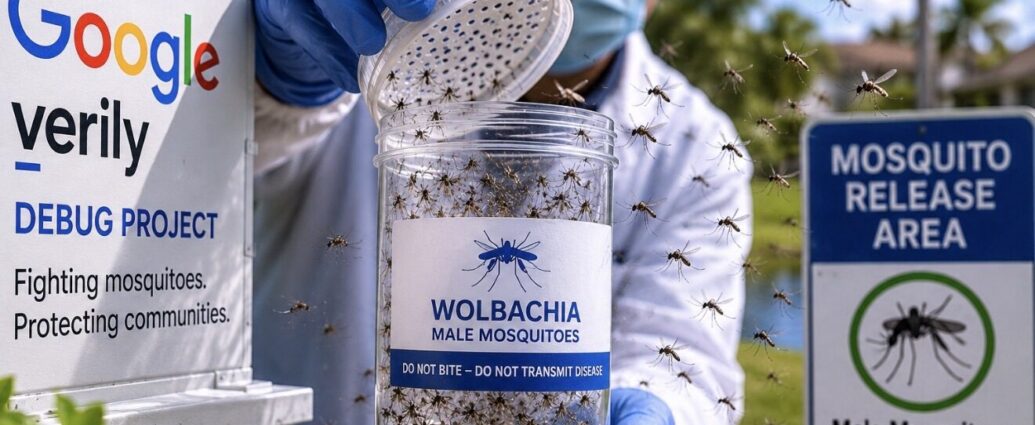
WASHINGTON — Alphabet Inc. is asking federal regulators for permission to release up to 32 million laboratory-bred mosquitoes across California and Florida over the next two years, a proposal that sounds alarming at first glance but is designed to do the opposite: reduce mosquito populations and limit the spread of disease.

The request, currently under review by the U.S. Environmental Protection Agency (EPA), was submitted by Verily, Alphabet’s life-sciences subsidiary, as part of its long-running Debug Project. The filing was published in the Federal Register on Monday, opening a public-comment period before regulators decide whether to approve the plan.

If approved, Verily would release approximately 16 million mosquitoes annually in each of the next two years at locations that have not yet been publicly identified.

The proposal may seem counterintuitive.

Why would a company fight mosquitoes by releasing millions more of them?

The answer lies in the type of mosquito being released.

Verily breeds male Aedes aegypti mosquitoes carrying a naturally occurring bacterium known as Wolbachia. When these males mate with wild female mosquitoes, the resulting eggs fail to hatch, reducing mosquito populations over time.

The males themselves do not bite humans and cannot transmit disease.

The approach is based on the Sterile Insect Technique, a method used for decades to combat agricultural pests including fruit flies and screwworms. What makes Verily’s effort different is the scale.

The company has spent years developing automated systems capable of breeding, sorting, and distributing mosquitoes in volumes large enough for widespread deployment.

According to Verily, automation and data-driven production techniques could dramatically reduce costs compared with traditional mosquito-control methods.

The public-health implications are significant.

The targeted mosquito species, Aedes aegypti, is responsible for spreading diseases including dengue fever, Zika virus, yellow fever, and chikungunya.

The Centers for Disease Control and Prevention has repeatedly identified mosquitoes as one of the world’s most dangerous disease vectors. Globally, mosquito-borne illnesses affect hundreds of millions of people annually and contribute to hundreds of thousands of deaths each year.

While the United States does not experience the same levels of mosquito-borne disease seen in tropical regions, outbreaks have increased in recent years.

Florida has periodically reported locally transmitted cases of dengue and Zika, while California has seen expanding populations of invasive mosquito species as temperatures rise and climate conditions change.

For state and local governments, mosquito control is big business.

Counties and municipalities spend millions of taxpayer dollars each year on spraying programs, public education campaigns, larvicide treatments, and monitoring operations designed to limit mosquito populations.

Verily argues that biological control methods could eventually reduce dependence on chemical pesticides.

That claim has attracted attention throughout the pest-control industry.

Traditional mosquito-management programs rely heavily on insecticides and field crews tasked with identifying breeding sites. If Verily’s approach proves effective and economically competitive, it could reshape portions of the mosquito-control market and create new competition for existing providers.

For Alphabet, the proposal represents something larger than a public-health initiative.

The project is part of the company’s broader effort to expand beyond its core advertising and search businesses.

Over the years, Alphabet has invested billions of dollars into “Other Bets” ventures ranging from autonomous vehicles and healthcare technologies to life sciences and environmental solutions.

Many of those projects have struggled to become profitable commercial businesses.

Verily’s mosquito program is viewed internally as one of the more promising opportunities to build a scalable service with measurable public-health outcomes.

A successful EPA approval could serve as an important validation of both the technology and the underlying business model.

The potential market is substantial.

Mosquito-control programs operate worldwide, particularly in regions where mosquito-borne diseases place significant burdens on healthcare systems and local economies.

Tourism-dependent destinations are especially vulnerable.

A disease outbreak can quickly discourage travel, reduce hotel occupancy, and impact local businesses. For states such as Florida, where tourism represents a major economic engine, mosquito management carries direct economic importance.

Environmental groups and community organizations are expected to closely examine the proposal during the EPA review process.

Questions remain regarding release locations, long-term monitoring requirements, ecological impacts, and overall program costs.

Verily maintains that the released mosquitoes pose minimal environmental risk because only male insects are used and the Wolbachia-based approach does not involve genetic modification.

Still, any proposal involving the release of millions of insects is likely to generate public scrutiny.

For now, the decision rests with federal regulators.

What appears on the surface to be an unusual science experiment is, in reality, a test of whether a major technology company can transform a public-health intervention into a scalable commercial business.

If the EPA grants approval, California and Florida could become the first major proving grounds for a strategy that Alphabet hopes can be deployed around the world.

Washington — JBizNews Desk

© JBizNews.com All Rights Reserved. Reproduction or distribution without written permission is prohibited.

Longevity startup NewLimit plans to launch its first clinical trial of a liver medicine after raising a staggering $435 million in new funding.

NewLimit announced its plans and Series C fundraising Tuesday. Founders Fund, the noted Silicon Valley venture capital firm co-founded by Peter Thiel, led the financing, which also included Thrive Capital, Lilly Ventures, and money from tech entrepreneurs Nat Friedman and Daniel Gross. The company is now valued at around $3.1 billion, according to co-founder and CEO Jacob Kimmel. 

NewLimit was founded in 2021 by Coinbase CEO and co-founder Brian Armstrong, former GV partner and bioengineer Blake Byers, and Kimmel, a stem cell biologist. The South San Francisco-based startup has been moving rapidly, and grabbing investors’ attention. This is the third time in the last year that the company has announced it has raised money from investors — first, a $130 million Series B round in May 2025, followed by another $45 million in October. 

Continue to STAT+ to read the full story…

This post was originally published here. 

By JBizNews Desk

June 2, 2026

WASHINGTON — The biggest change to Medicaid eligibility in years officially arrived Monday as the Centers for Medicare & Medicaid Services (CMS) released long-awaited rules requiring certain Medicaid recipients to work, attend school, participate in job training, or perform community service to maintain coverage.

The new policy, mandated under the Working Families Tax Cut Act (Public Law 119-21) signed by President Donald Trump on July 4, 2025, establishes an 80-hour monthly work requirement for many adults enrolled through Medicaid expansion programs and could reshape enrollment, insurance-company revenue, hospital finances, and state healthcare systems across the country.

CMS Administrator Dr. Mehmet Oz said the policy is designed to encourage workforce participation while preserving access to healthcare for vulnerable Americans.

“This rule helps Americans build skills, strengthen communities, and move toward greater independence through work, education, training, or service,” Oz said in announcing the regulation.

The deadline was set by Congress, leaving CMS little flexibility. The agency was required to issue the rule by June 1, and Monday’s release starts the countdown toward implementation across much of the country.

Under the new requirements, most non-pregnant adults ages 19 to 64 enrolled through Medicaid expansion programs must either complete 80 hours per month of qualifying activities or earn income equal to at least 80 times the federal minimum wage, roughly $580 per month under current standards.

Qualifying activities include employment, education, job-training programs, apprenticeships, and approved community-service work.

The rule applies primarily to adults enrolled through the Medicaid expansion population created under the Affordable Care Act. Currently, 43 states and the District of Columbia cover this group and will be required to implement the new standards.

Most states are expected to begin enforcement by January 1, 2027.

CMS attempted to soften some concerns by providing broad exemptions.

Individuals classified as medically frail, pregnant women, and certain other vulnerable populations will not be subject to the requirements. States will also be permitted to accept initial self-attestation for some exemptions before requiring additional documentation.

Medicaid Director Dan Brillman said the agency worked extensively with state officials to reduce administrative burdens and minimize disruptions for eligible beneficiaries.

The healthcare industry is already preparing for significant financial consequences.

Medicaid is not simply a government benefit program—it is a major business line for some of America’s largest health insurers.

Companies including UnitedHealth Group, Elevance Health, CVS Health’s Aetna, Centene Corp., and Molina Healthcare receive fixed monthly payments from states for each Medicaid member they cover.

If enrollment declines, so does revenue.

That is why investors and analysts have spent months focusing on the potential impact of work requirements.

The Congressional Budget Office estimates the new law could reduce Medicaid expansion enrollment by approximately 7 million adults over the next decade. Additional coverage losses among children and other adult populations could push the total significantly higher.

Among publicly traded insurers, Molina Healthcare and Centene appear particularly exposed because Medicaid represents a larger share of their business compared with diversified competitors.

Molina executives have already told investors they expect enrollment declines among expansion members once the requirements take effect.

The financial implications extend beyond insurance companies.

Hospitals, particularly rural hospitals and safety-net systems, are closely monitoring implementation plans because reductions in insurance coverage often translate into increases in uncompensated care.

When uninsured patients seek treatment, hospitals frequently absorb part of the cost.

That burden tends to fall most heavily on facilities already operating with thin margins.

The rule also creates a new business opportunity.

Millions of beneficiaries will need to document work hours, training participation, educational enrollment, or exemption status.

States must build systems capable of tracking and verifying that information.

Technology firms, Medicaid contractors, data-management providers, and eligibility-verification companies are already positioning themselves to help states manage the administrative workload.

For many vendors, implementation of work requirements could generate years of new contracts and recurring revenue.

Several states are moving ahead quickly.

Nebraska began enforcement efforts earlier this year, while Arkansas plans to begin a soft-launch process in July that will monitor compliance before formal penalties take effect.

States are expected to begin extensive beneficiary outreach programs during the summer and fall to educate recipients about the new requirements.

The political debate remains intense.

Supporters argue the rules encourage workforce participation, reduce dependency, and help preserve Medicaid resources for the most vulnerable populations.

Critics contend that paperwork and reporting requirements—not a lack of work—are the primary risk.

Previous state-level experiments with Medicaid work requirements found that many individuals who lost coverage were already working or otherwise eligible but failed to complete required documentation.

Healthcare advocates warn that administrative barriers could cause coverage losses even among people who satisfy the rules.

Regardless of where the debate ultimately lands, the operational reality is now clear.

The regulation has been issued.

States have begun preparing.

Insurers are modeling enrollment losses.

Hospitals are assessing financial exposure.

And millions of Medicaid beneficiaries now face a new set of requirements that could determine whether they remain covered after January 2027.

The next seven months will determine how smoothly one of the largest healthcare policy shifts in recent years unfolds—and how many Americans ultimately remain in the Medicaid system when the transition is complete.

Healthcare & Policy — JBizNews Desk

© JBizNews.com All Rights Reserved. Reproduction or distribution without written permission is prohibited.

Want to stay on top of the science and politics driving biotech today? Sign up to get our biotech newsletter in your inbox.

Good morning. Today, we’re looking at mixed reactions to a closely watched immunology trial and growing scrutiny of a type of telehealth business model.

The need-to-know this morning

  • Vera Therapeutics and the FDA reached an agreement to allow Vera to accelerate the analysis of a confirmatory Phase 3 study involving atacicept, its treatment for the chronic kidney disease IgA nephropathy. The drug is already under review for accelerated approval, with a decision expected by July 7. The new FDA agreement will allow Vera to analyze its Phase 3 study, needed for full approval, in the third quarter, rather than wait for an additional year of data to accrue.

Abivax’s positive data weighed down by cancer concerns

Abivax said yesterday that its experimental treatment for ulcerative colitis showed significant efficacy in a closely watched maintenance trial.

Continue to STAT+ to read the full story…

This post was originally published here. 

Select hospitals have refused to share data to prove they’re not double-dipping drug discounts, Lilly said. The drugmaker is giving them until Monday to comply or lose out on 340B savings altogether. Hospitals urged the government to intervene.

This post was originally published here. 

Nearly three-quarters of clinicians said losing critical thinking or decision-making skills will be one of the greatest risks of adopting artificial intelligence, according to a survey by Wolters Kluwer Health.

This post was originally published here. 

Rise and shine, everyone, another busy day is on the way. And it is getting off to a pleasant start here on the Pharmalot campus, where clear blue skies and comfy breezes are greeting us. Who could ask for anything more? Actually, we could — it is time to reheat the kettle for another cuppa stimulation. Our choice today is old-fashioned green tea. And here is a helpful tip — a teaspoon of honey enhances the flavors splendidly. Of course, you are invited to join us. For the full experience, we are now hawking replicas — take a look. Meanwhile, here are a few tidbits to help you along. As always, do keep in touch. We appreciate feedback, criticism, and tips….

Eli Lilly has told about 50 hospitals participating in a federal drug discount program to submit comprehensive claims data over the next five days or they will no longer receive the mandated price breaks, STAT writes. The move comes after the company announced a policy last January demanding such data in a bid to reduce what it calls duplicate discounts paid to participating hospitals. For the past few years, more than 2,300 hospitals have complied with the demand, but Lilly said that some of the larger hospitals systems around the U.S. have refused to do so, despite recent follow-up letters regarding the policy that went into effect on Feb. 1.  Up to 1,000 have so far not complied.

The U.S. Food and Drug Administration is scheduled to have a closed-door roundtable this week with over a dozen groups advocating for rare disease treatments, Bloomberg Law reports. The meeting, scheduled for Wednesday, will connect FDA Acting Commissioner Kyle Diamantas and other senior agency officials with at least 10 rare disease groups for a private conversation about advancing treatments that often struggle to meet the agency’s rigorous approval process. The meeting comes as the rare disease community has sought more clarity from regulators amid turmoil over recent decisions for rare drugs. Under former Commissioner Marty Makary, who resigned last month, several initial rejections were issued to companies seeking to market rare disease drugs and gene therapies.

Continue to STAT+ to read the full story…

This post was originally published here. 

In less than a decade, telehealth has expanded from a sideshow of health care to an industry worth tens of billions of dollars. Companies like Hims & Hers and Teladoc have become household names, their ads interrupting streaming TV and flooding social media feeds with the promise of quick, convenient care.

Despite their popularity, few patients understand who’s actually taking care of them when they click through a telehealth site. 

National telehealth brands present a unified front to patients across the country. But in more than 30 states, it’s illegal for corporations to practice medicine. So behind the scenes, telehealth companies work with distinct, independent medical groups. Owned by physicians — who often hold 50 state licenses at once — those practices are meant to act as a firewall, making sure that clinical decisions are driven by patients’ needs, not the profits of the corporations they deal with. 

Continue to STAT+ to read the full story…

This post was originally published here. 

The word patient comes from the Latin patiens — an adjective meaning enduring, suffering. In medicine, that endurance has long meant waiting: waiting to be seen, to be diagnosed, to be treated. Over the past two decades of practicing emergency medicine, my shifts have begun the same way — walking past a room full of people waiting for care.

That room is not called a lobby or a reception area. It is called a waiting room, because the expectation of waiting is built into the architecture and culture of medicine. Triage — the systematic process of prioritizing patients by the severity of their condition — determines the length of the delay. The sickest are seen first; everyone else bears both their illness and the constraints of the system they have turned to for help.

Read the rest…

This post was originally published here. 

The highly anticipated interim final rule weighs in on key issues for states hustling to operationalize work requirements before the 2027 deadline. But there’s still some gray area — and lots of critics.

This post was originally published here. 

WASHINGTON — The Trump administration on Monday published a highly anticipated document that lays out the rules for sweeping new requirements that many adult Medicaid beneficiaries work or attend school in order to qualify for coverage.

The rule, from the Centers for Medicare and Medicaid Services, establishes standards states must use to implement Medicaid work requirements, including who is exempt from the requirements, how to verify exemptions, and state reporting requirements. The work requirements, created as part of President Trump’s 2025 tax cut bill, are popular among Republican politicians, but generally opposed by Democrats and advocates for people who are seriously ill or have lower incomes.

According to initial estimates, the work requirement policy was expected to reduce federal Medicaid spending by $326 billion and cost 5.3 million people their Medicaid coverage. On Monday, a division of the federal Department of Health and Human Services published a research brief contending that the rules may push more people to work, reducing poverty by 1.6 million to 2.9 million people. 

Continue to STAT+ to read the full story…

This post was originally published here. 

Abivax said Monday that its experimental treatment for ulcerative colitis showed significant efficacy in a closely watched maintenance trial, but shares of the company tanked in post-market trading as it reported a few cases of cancer among treated patients.

The Phase 3 trial enrolled 580 patients who had responded in a pair of earlier, shorter trials. The participants were then followed for 44 weeks, and 50.8% of those taking the 25-milligram dose of the daily pill, called obefazimod, experienced clinical remission, while 51.3% of those taking the 50-mg dose did, compared with 10.4% of those on placebo.

The study appears to have posted the highest placebo-adjusted clinical remission rates observed in a long-term ulcerative colitis trial, Leerink analyst Thomas Smith wrote.

Continue to STAT+ to read the full story…

This post was originally published here. 

With no licensed vaccines available to protect against the Ebola virus currently spreading in Democratic Republic of Congo, efforts are underway to fast-track development of at least three vaccines. But even with infusions of cash to help fund the work, it is likely to be months before clinical trials of vaccines that specifically target the Bundibugyo ebolavirus can begin.

The Coalition for Epidemic Preparedness Innovations (CEPI) announced Monday that it is providing three entities with roughly $62 million in funding to help manufacture and test Bundibugyo vaccines. The only licensed Ebola vaccine, Merck’s Ervebo, targets the Zaire ebolavirus.

Bundibugyo virus has rarely caused outbreaks in the past; only two previous epidemics, in 2007 and 2012, have been recorded. Because it has been so infrequently seen, work to develop vaccines and therapeutics to use against this particular form of Ebola has trailed development of tools to combat other filoviruses — the family to which Ebola belongs — such as Sudan ebolavirus or Marburg, a separate virus that triggers disease similar to that caused by Ebola viruses.

Continue to STAT+ to read the full story…

This post was originally published here. 

Eli Lilly has told about 50 hospitals participating in a federal drug discount program to submit comprehensive claims data over the next five days or they will no longer receive the mandated price breaks.

The move comes after the company announced a policy last January demanding such data in a bid to reduce what it calls duplicate discounts paid to participating hospitals. The issue has riled the pharmaceutical industry and contributed to a long-standing clash with hospitals over the 340B drug discount program.

For the past few years, more than 2,300 hospitals have complied with the demand, but some of the larger hospitals systems around the U.S. have refused to do so, despite recent follow-up letters regarding the policy that went into effect on Feb. 1, according to Derek Asay, senior vice president for government strategy and federal accounts at Lilly.

Continue to STAT+ to read the full story…

This post was originally published here. 

CHICAGO — At every annual meeting of the American Society of Clinical Oncology, the congregation of oncologists scrutinizes data on survival and mortality, among other measures of the care they provide. But comparatively few conversations focus on the grief and loss that is inherent in the work of oncologists. That changed a bit this year. 

In his opening address, the organization’s outgoing president, Eric Small, spoke about his partner, University of California, San Francisco, oncologist Amy Lin, who died in December. She had metastatic clear cell ovarian cancer, a rare disease with few treatment options. Small also brought a different kind of specialist to ASCO’s main stage: David Kessler, an expert on grief and loss, who gave a talk about compassionate end-of-life care.

STAT sat down with Small to talk about the meeting, about Lin, and about how loss has changed his perspective on oncology. His “presidential theme” for the year was “The Science and Practice of Translation: Improving Cancer Outcomes Worldwide.”

Continue to STAT+ to read the full story…

This post was originally published here. 

We asked Brian Wolpin, the presenter for yesterday’s plenary on the daraxonrasib pancreatic cancer study, about the sustained standing ovation that interrupted his remarks.

“Honestly, it was tough to hold it together in that moment and then keep going. It felt like 20 years of work all rolled into 12 minutes,” he told us.

It was a truly memorable ASCO meeting. With this newsletter, we say goodbye from Chicago. Thanks again for spending time with us. You can still join our virtual recap on Wednesday!

Continue to STAT+ to read the full story…

This post was originally published here. 

JBizNews Desk

CHICAGO — June 1, 2026

The American Society of Clinical Oncology said its 2026 Annual Meeting, running May 29 through June 2 at McCormick Place in Chicago, drew a record number of studies led by Chinese researchers. A total of 95 studies led by researchers from China, Hong Kong, Macao, and Taiwan were selected for oral and featured presentations, marking a new record and the third consecutive year of significant growth.

That figure is more than a conference statistic. It is one of the clearest signs yet that China has evolved from a low-cost manufacturing center into a major force in global drug innovation—and the world’s largest pharmaceutical companies are taking notice.

The headline moment in Chicago belongs to Akeso, the Chinese biotechnology company whose late-stage lung cancer study earned a coveted place in ASCO’s prestigious Plenary Session. It is only the second time in the conference’s six-decade history that a clinical study involving an original Chinese-developed drug has received that distinction.

The study focused on ivonescimab, a lung-cancer treatment that has already attracted significant international attention. Summit Therapeutics, the U.S.-based company that licensed rights to the drug outside China, is currently awaiting an FDA decision after the agency accepted its filing earlier this year. A regulatory decision is expected on November 14, 2026.

Another company drawing attention is Ascentage Pharma, which operates in both Maryland and Suzhou, China. The company presented six studies at the meeting, including three selected for rapid oral presentations and three poster presentations, highlighting experimental cancer therapies developed largely through clinical trials conducted in China.

The scientific achievements on display in Chicago are being matched by an extraordinary surge in dealmaking.

For decades, pharmaceutical innovation largely flowed from Western laboratories to the rest of the world. Today, that flow is increasingly moving in both directions.

According to Vision Lifesciences, Chinese biotechnology firms now account for nearly 30% of global drug development activity, with more than 1,200 novel drug candidates currently in clinical trials. Global pharmaceutical companies that once viewed China primarily as a manufacturing hub are increasingly looking there for the next generation of blockbuster medicines.

The financial figures illustrate the scale of the shift.

Data from PharmCube show that cross-border licensing agreements between companies in Greater China and multinational pharmaceutical firms reached a record $137.7 billion in 2025, nearly ten times the $13.9 billion recorded in 2021. The number of completed out-licensing transactions rose to 186 deals, compared with 65 deals just a few years earlier.

The momentum has continued into 2026.

Chinese regulatory officials reported that cross-border licensing agreements involving Chinese biotechnology companies reached approximately $60 billion during the first quarter alone, representing a substantial increase from the same period a year earlier.

The driving forces behind the trend are straightforward.

Major pharmaceutical companies face an approaching wave of patent expirations that threatens hundreds of billions of dollars in revenue. Industry analysts estimate that patent losses could erase as much as $200 billion in annual pharmaceutical sales between 2026 and 2030, forcing drugmakers to search aggressively for new products capable of replacing those revenues.

At the same time, many Chinese biotechnology firms have demonstrated an ability to develop promising therapies more quickly and at lower cost than many Western competitors.

As demand has increased, so have prices.

Industry data cited by analysts show average upfront payments in Western-Chinese licensing agreements have climbed dramatically in recent years. What was once viewed as a lower-cost source of pharmaceutical innovation is increasingly commanding premium valuations as competition for promising assets intensifies.

The list of global buyers underscores how seriously the industry is taking the trend.

Gilead Sciences, Eli Lilly, AstraZeneca, AbbVie, GSK, Sanofi, and UCB have all entered major licensing agreements involving Chinese biotechnology firms. One of the most significant transactions came earlier this year when AstraZeneca announced a deal with CSPC Pharmaceutical covering obesity treatments, a transaction that could ultimately be worth up to $18.5 billion if development and commercial milestones are achieved.

For patients, the implications could be positive. Increased competition and larger drug pipelines may accelerate the arrival of new cancer therapies, obesity treatments, and other medicines.

For the United States biotechnology sector, however, the implications are more complicated.

While American companies continue to dominate many areas of fundamental scientific research, executives increasingly acknowledge concerns that some of the most commercially valuable early-stage discoveries are emerging elsewhere. The result could be growing pressure on U.S. biotechnology hubs that have long served as centers for high-paying research and development jobs.

Washington has attempted to address some of these concerns through various policy proposals and heightened scrutiny of certain China-related biotechnology activities. Yet despite geopolitical tensions, licensing activity continues to accelerate.

The reason is simple: pharmaceutical companies facing looming patent cliffs cannot afford to ignore promising science, regardless of where it originates.

That reality was impossible to miss at McCormick Place this week.

The immediate story is a record-setting conference, breakthrough cancer research, and billions of dollars in pharmaceutical dealmaking. The larger story is a fundamental shift in the geography of drug innovation—and a growing debate over whether the United States can maintain its long-standing leadership position as China rapidly expands its role in developing the medicines of the future.

Chicago — JBizNews Desk

© JBizNews.com All Rights Reserved. Reproduction or distribution without written permission is prohibited.