New contamination testing results from the Food and Drug Administration confirm the safety of infant formula in the U.S., the agency said Wednesday. 

The FDA tested 312 samples from 16 infant formula brands for contaminants like heavy metals, pesticides, and the “forever chemicals” known as per- and polyfluoroalkyl substances, or PFAS. The vast majority had undetectable or very low levels of contaminants, the agency said, with levels of lead, mercury, cadmium, and arsenic coming in below federal requirements for drinking water across all samples. 

Read the rest…

This post was originally published here. 

Top of the morning to you. The middle of the week is upon us and, since you made it this far, why not forge ahead? After all, there is always light at the end of the proverbial tunnel. You never know what you may accomplish. So please join us as we celebrate this notion with a cup or three of delicious stimulation. Our choice today is chocolate raspberry. Meanwhile, we have assembled the latest menu of tidbits to help you along. So please dig in. Have a smashing day, and please feel free to forward any secrets you come across. Our “in basket” is always open. …

The U.S. Food and Drug Administration announced efforts to make clinical trials more efficient, starting by reviewing data in real time from trials conducted by AstraZeneca and Amgen, STAT writes. The agency also asked the public to weigh in on a potential pilot program to work with companies that use AI to enhance safety monitoring and medication dose selections, identify safety signals, and improve patient recruitment in clinical trials. The trials will rely on a real-time data platform built by Paradigm Health, and the goal is to cut down on the time regulators and companies spend sending data back and forth. FDA Commissioner Marty Makary said at a press conference that agency reviewers will be able to view safety signals and clinical endpoints via Paradigm’s platform.  

Pfizer settled ‌patent disputes with three generic drugmakers over its blockbuster heart drug Vyndamax, effectively extending its patent protection until 2031 and delaying cheaper ​copies from entering the market, Reuters says. The deals resolve ​patent infringement lawsuits against Dexcel Pharma, Hikma Pharmaceuticals, ⁠and Cipla in Delaware federal court over Pfizer’s ​oral drug Vyndamax. A trial over the patent had started ​this week. Pfizer sold nearly $6.4 billion of Vyndamax and related drugs, which treat a serious heart condition called transthyretin amyloid cardiomyopathy, in 2025. The settlements extend ​U.S. patent protection for Vyndamax until June 1, ​2031, subject to other pending litigation. The company had previously expected ‌a ⁠sharp drop in U.S. revenue for the drug in 2029 but now expects sales to hold relatively steady from 2028 through mid-2031.

Continue to STAT+ to read the full story…

This post was originally published here. 

Want to stay on top of the science and politics driving biotech today? Sign up to get our biotech newsletter in your inbox.

Good morning. Several biotech leaders were named in this list of the most influential Bostonians. Is there anyone you think should have made the list who didn’t? Let me know your thoughts.

The need-to-know this morning

  • The Italian pharma company Chiesi is buying KalVista Therapeutics for $1.9 billion, adding an approved treatment for a genetic swelling disorder to its rare-disease portfolio. The deal values KalVista at $27 per share, or a 40% premium to its Tuesday closing stock price. The KalVista medicine, called Ekterly, is a pill used to treat acute swelling attacks in people with hereditary angioedema.
  • Biogen, AstraZeneca, Regeneron Pharma, Abbvie and GSK reported first-quarter earnings.

FDA plans to review AZ, Amgen trials in real time

In an effort to get drugs on the market faster, the FDA announced yesterday it will start reviewing trial data in real time, starting with oncology studies conducted by AstraZeneca and Amgen.

Continue to STAT+ to read the full story…

This post was originally published here. 

A sweeping new report from the International Labour Organization (ILO) has quantified the global toll of toxic workplace conditions, finding that more than 840,000 people die each year from health issues directly linked to stress, burnout, harassment, and excessive working hours.

The report marks one of the most comprehensive global assessments of workplace-related psychosocial risks, identifying cardiovascular disease and mental health disorders — including suicide — as the primary causes of these deaths.

“These are not isolated issues — they are systemic,” said Manal Azzi, team lead on occupational safety and health policy at the ILO. “Psychosocial risks are now one of the defining challenges of modern work.”

The data paints a stark picture. The report estimates nearly 45 million disability-adjusted life years lost annually, capturing not just mortality but years of productivity lost to illness and disability. The economic cost is equally significant, amounting to roughly 1.37% of global GDP, or about $1.6 trillion annually.

In Europe alone, workplace stress-related conditions account for more than 112,000 deaths each year, with a measurable drag on economic output. The findings underscore how workplace environments have evolved — and in many cases deteriorated — amid increasing demands, job insecurity, and blurred boundaries between work and personal life.

The most common health outcomes identified include depression, anxiety, chronic fatigue, and sleep disorders. These conditions often trigger secondary health risks, including substance use, obesity, and hypertension.

For employers, the implications are increasingly financial. “Companies that ignore workplace wellbeing are effectively taking on hidden liabilities,” said one labor economist. Rising absenteeism, turnover, and healthcare costs are directly tied to workplace conditions.

The ILO is calling for systemic reforms, including improved job design, stronger employee protections, and proactive mental health support systems. The report also urges companies to treat workplace wellbeing as a core operational priority rather than a secondary human resources issue.

As businesses navigate a shifting labor market, the findings reinforce a growing reality: workforce health is not just a social issue — it is a central pillar of long-term economic performance.

JBizNews Desk

State Farm, the largest home insurer in the United States, is facing an expanding legal battle spanning multiple states, with hundreds of homeowners alleging the company engaged in a coordinated effort to deny or underpay legitimate claims tied to hail and wind damage — even when those claims fell within the terms of their policies.

The litigation, which includes more than 600 active cases in Oklahoma alone, centers on accusations that the insurer implemented internal practices designed to limit costly roof replacement payouts. Plaintiffs argue that beginning around 2020, State Farm quietly introduced new internal standards — particularly in Texas before expanding elsewhere — that effectively narrowed the definition of what constitutes covered damage.

According to court filings and attorneys involved in the cases, one of the primary tactics involved requiring proof of “functional damage,” a threshold that critics say is not outlined in standard policy language. By applying these criteria, plaintiffs allege, the company was able to deny claims outright or significantly reduce payouts, leaving homeowners responsible for repairs they believed were covered.

The dispute has escalated to the level of state government. Oklahoma Attorney General Gentner Drummond has joined one of the lawsuits, alleging what he described as a “systematic scheme” to deny valid claims. His involvement has amplified national attention on the case, particularly as homeowners across the country grapple with rising insurance costs and growing uncertainty about coverage reliability.

State Farm has pushed back strongly against the allegations. In public statements, the company has maintained that it evaluates claims based strictly on policy terms and individual circumstances. “We pay what we owe under the policy,” the insurer said, rejecting claims of any coordinated misconduct and warning that inflated claims from contractors and legal firms can distort the system.

Still, critics point to a pattern of multimillion-dollar confidential settlements in some cases as evidence of potential exposure. Legal analysts say the volume and consistency of the lawsuits suggest deeper systemic questions about claims practices across the industry.

The timing is particularly sensitive. The Insurance Information Institute estimates that severe storms caused $51 billion in insured losses last year, driven in part by increasing frequency and intensity of extreme weather events. At the same time, insurers have raised premiums sharply or withdrawn from high-risk markets altogether.

“This is happening at a moment when homeowners are already under enormous pressure,” said one industry analyst. “If trust in claims payouts erodes, that undermines the entire insurance model.”

The outcome of the litigation could have far-reaching implications — not only for State Farm, but for how insurers nationwide define, evaluate, and pay storm-related claims in an era of rising climate risk.

JBizNews Desk

Get your daily dose of health and medicine every weekday with STAT’s free newsletter Morning Rounds. Sign up here.

Morning. In the same way that Athena orchestrated the logistics around Telemachus’s journey in the first three books of “The Odyssey,” I hope some gods out there are coordinating a “Survivor” season 50 win for Cirie Fields. She’s earning it, but I wouldn’t mind some divine intervention to make sure.

Read the rest…

This post was originally published here. 

As Google faces pressure to take greater accountability for the mental health impacts of its artificial intelligence products, the company’s clinical director Megan Jones Bell welcomed the challenge of making artificial intelligence helpful to people who come to its Gemini chatbot with a mental health crisis.

“It can seem sometimes like shutting something down is a way of preventing harm,” Jones Bell told STAT. “We believe that making our product experience safer and more helpful and strengthening that bridge to support it is the more effective path to support mental health for the most people.”

Google recently made updates to its Gemini app so that it more prominently features connections to crisis hotlines when it detects a person may be at risk of self harm. In conversations about mental health, the AI will frequently point people to outside resources — but the bot doesn’t disengage, reminding a user, for example, that “I’m here to listen.”

Continue to STAT+ to read the full story…

This post was originally published here. 

WASHINGTON — Democrats and Republicans are at odds over a consequential health care policy embedded in last year’s tax cut law. 

Democrats say the law’s Medicaid work requirements will create red tape that leads to people losing their coverage. Republicans say the measure encourages work.

But because the law doesn’t require states to report on the implementation of this massive change to Medicaid, we may never get a detailed account of how the policy is working.

Continue to STAT+ to read the full story…

This post was originally published here. 

Governments, industry, and philanthropies are investing in neuroscience at an unprecedented scale, and the ambition behind this impetus is a noble one: to reduce the growing burden of brain diseases and extend healthy cognitive life. We fully support this movement’s push for “brain health” to mirror successful frameworks established for cancer and heart health that prioritize early screening and aggressive preventive treatments, making it possible to act before irreversible damage sets in.

Even as this agenda gains momentum, however, a critical blind spot is emerging. As governments refocus their policies to tackle conditions like Alzheimer’s disease and other neurodegenerative disorders, mental illness is often being sidelined as a secondary concern rather than as a primary component of brain health. This artificial divide is a scientific and a strategic error.

Read the rest…

This post was originally published here. 

Eli Lilly struck a deal Tuesday to develop new forms of gene editors potentially capable of inserting entire genes into patients. 

The collaboration, with artificial intelligence-focused biotech Profluent, is sparse on details, including the number of programs the two companies would work on, the types of diseases they’ll pursue, or how much Lilly was paying upfront. But if every one of its efforts works out, Lilly would pay Profluent $2.25 billion in milestones payments.

The deal is part of a larger push by Lilly into gene editing. The big pharma, flush with record revenues from its obesity and diabetes drugs, has opened a new genetic medicine center in Boston and bought up a series of gene editing or gene therapy companies over the last few years.

Continue to STAT+ to read the full story…

This post was originally published here. 

Get your daily dose of health and medicine every weekday with STAT’s free newsletter Morning Rounds. Sign up here.

Good morning. The other night I watched a shocking episode of “The Vampire Diaries.” A series of cursed, ghost-like hallucinations attempt to convince a teen vampire to end her own life using some disturbingly coercive, cogent arguments. Ultimately, the character is saved. And while this episode aired more than a decade ago, I was surprised by how many parallels there were to current debates about the risks of AI chatbots and people in mental health crises. 

Read the rest…

This post was originally published here. 

Rise and shine, everyone, another busy day is on the way. And it is getting off to a good start here on the Pharmalot campus, where clear blue skies and pleasant breezes are greeting us. Who could ask for anything more? Actually, we could — it is time to reheat the kettle for another cuppa stimulation. Our choice today is apple hibiscus. And here is a helpful tip — a teaspoon of honey enhances the flavors splendidly. Of course, you are invited to join us. For the full experience, we are now hawking replicas — take a look. Meanwhile, here are a few tidbits to help you along. As always, do keep in touch. We appreciate feedback, criticism, and tips. …

Novartis chief executive officer Vas Narasimhan warned that the U.S. drug pricing policy under President Trump poses a “very difficult situation” and the reality will soon catch up with both drugmakers and patients, CNBC tells us. He maintained that Novartis is focused on getting European and Japanese governments to quickly change how they reward innovation, and added that if this does not happen, then novel medicines might see delayed entry into these markets and patients won’t have access to the drugs. The most-favored-nation drug pricing policy, or MFN, implemented by Trump last year means that prices in the big and lucrative U.S. market are tied to prices in comparably wealthy countries. Trump has made lower drug prices for Americans a priority and has long criticized what he calls “foreign nations freeloading on American-financed innovation.”

Japan risks missing out on new blockbuster treatments due to a drug pricing scheme being adopted in the U.S., Nikkei Asia writes. The Trump administration has been moving forward with a most-favored-nation pricing plan, which matches the price of a given drug to those set in other major countries. The new pricing will be applied to drugs purchased through the Medicare and Medicaid programs, and Japan is listed as a reference country for price calculations. The pricing scheme under Medicare references prices in 19 countries, including Japan, South Korea, Australia, and various European nations. Manufacturers of the target drugs are required to participate in the Medicare scheme. But drug companies would not need to reference Japan’s drug prices if they do not launch their products there. This raises the possibility of drugmakers refraining from selling products in Japan to avoid lowering prices in the U.S.

Continue to STAT+ to read the full story…

This post was originally published here. 

You’re reading the web edition of STAT’s Health Tech newsletter, our guide to how technology is transforming the life sciences. Sign up to get it delivered in your inbox every Tuesday and Thursday.

Good morning health tech readers!

Does letting general purpose chatbots talk to people with a mental health crisis do more good than harm? Google answers below.

Continue to STAT+ to read the full story…

This post was originally published here. 

Want to stay on top of the science and politics driving biotech today? Sign up to get our biotech newsletter in your inbox.

Good morning. I started the morning reading this story of how a botched football kick may have saved someone’s life.

The need-to-know this morning

  • Novartis shares were down in early trading after the company reported a drop in sales and operating profit in the first quarter, with generic competition hitting drugs like Entresto hard. The company affirmed its guidance for the year, with net sales expected to grow in the low single digits, and core operating profit forecasted to decline slightly.
  • The FDA has taken further actions to withdraw the approval of Amgen’s rare-disease drug Tavneos and remove it from the market. Tavneos was approved in 2021, but new information indicates the drug is ineffective and the application used to support approval contained “untrue statements of material fact,” the FDA said. Amgen has refused to withdraw Tavneos voluntarily, insisting the drug is safe.

Lilly bets on next-gen gene editors with new deal

Eli Lilly this morning announced a deal with AI-focused biotech Profluent to develop new forms of gene editors potentially capable of inserting entire genes into patients.

Continue to STAT+ to read the full story…

This post was originally published here. 

The Supreme Court on Wednesday will hear oral arguments about a simmering controversy over a wonky but important topic called skinny labels, which will be closely watched for its implications for the availability of generic medicines.

Skinny labeling refers to moves by generic companies that seek regulatory approval to market a medicine for a specific use, but not other patented uses for which a brand-name drug is prescribed. For instance, a generic drug could be marketed to treat one type of heart problem but not another. In doing so, the generic company seeks to avoid lawsuits claiming patent infringement.

This tactic has been a key tool for generic companies ever since the Hatch-Waxman Act was signed into law more than four decades ago. The law established the mechanisms by which generic drugs can more readily enter the marketplace. And skinny labeling, which amounts to a carve-out tactic, is one way that Congress attempted to foster more competition and benefit consumers.

Continue to STAT+ to read the full story…

This post was originally published here. 

WASHINGTON — David Morens, a former top National Institute of Allergy and Infectious Diseases official, was indicted Tuesday on allegations that he concealed records from Freedom of Information Act requests. 

Trump administration officials said in a legal filing that Morens hid and falsified records to undermine debate about the origins of the virus that spurred the Covid-19 pandemic — and received kickbacks for doing so, including wine and offers of future meals at high-end restaurants. Morens was a senior adviser to former NIAID Director Anthony Fauci, who is not named directly in the indictment. 

Read the rest…

This post was originally published here. 

Why does it take a new drug 10 years, on average, to come to market? Part of the reason lies in the dead time in the process.  

Historically, trials have required tedious tabulations and repeated application submissions between phases, which is why 45% of the time from a Phase 1 trial until final submission is spent without any ongoing clinical trial in progress — idle time in the system.   

Read the rest…

This post was originally published here. 

The Associated Press Stylebook, the foundational journalism guide for how newsrooms report and write their stories, made waves last week when it decreed that “health care” should now be written as one word, not two. The change, announced at the annual ACES: The Society for Editing’s conference, was prompted by shifting usage and years of appeals to make the switch.

STAT closely follows AP style and has used “health care” since its founding in 2015. Now, we have to decide whether to adopt this new guidance, but our newsroom is divided. 

Read the rest…

This post was originally published here. 

WASHINGTON — The Food and Drug Administration on Tuesday announced efforts to make clinical trials more efficient, starting by reviewing data in real time from trials conducted by AstraZeneca and Amgen.  

The agency also asked the public to weigh in on a potential pilot program to work with companies that use AI to enhance safety monitoring and medication dose selections, identify safety signals, and improve patient recruitment in clinical trials. 

AstraZeneca is conducting a Phase 2 trial of its combination therapy for patients with an aggressive form of lymphoma. The trial will take place at the University of Texas MD Anderson Cancer Center and the University of Pennsylvania. Amgen is conducting a Phase 1b trial of its treatment for small cell lung carcinoma. The trials will rely on a real-time data platform built by Paradigm Health. 

Continue to STAT+ to read the full story…

This post was originally published here. 

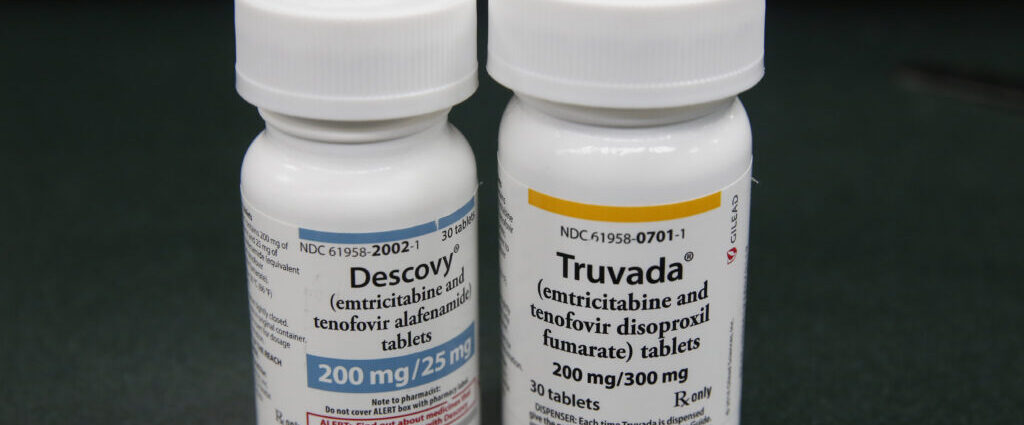
An AIDS activist group filed a lawsuit against the Trump administration for failing to disclose a research and development agreement that was at the heart of a settlement between the U.S. government and Gilead Sciences over patents for HIV prevention.

The settlement resolved a contentious lawsuit that was filed six years ago by the previous Trump administration after the Centers for Disease Control and Prevention maintained that Gilead infringed its patent rights. The agency had helped fund academic research that later formed the basis for two Gilead HIV pills, Truvada and Descovy.

The administration had alleged that Gilead ignored the contributions by CDC scientists, exaggerated its own role in developing HIV prevention drugs, and refused to sign a licensing agreement despite “multiple attempts” at reaching a deal after unfairly reaping hundreds of millions of dollars from research funded by taxpayers.

Continue to STAT+ to read the full story…

This post was originally published here. 

The four health system CEOs summoned before a Congressional committee Tuesday likely breathed sighs of relief early in the hearing, when it became clear they had friends in the audience. 

Instead, committee members largely blamed the other party’s health care policies for driving U.S. health care prices to levels inaccessible to many Americans.

The hearing was part of the House Ways and Means Committee’s effort to understand the root causes of rising health care costs in the U.S. It comes three months after the committee heard from the CEOs of the country’s largest health insurers, who largely deflected blame onto hospitals and drugmakers. 

In attendance were the CEOs of some of the country’s largest health systems: HCA Healthcare, a for-profit system of 190 hospitals, and CommonSpirit Health, a nonprofit system of 158 hospitals. The CEOs of New York-Presbyterian and North Carolina’s ECU Health were also there.

Continue to STAT+ to read the full story…

This post was originally published here. 

The federal autism advisory committee met for the first time since Trump took office, months after health secretary Robert F. Kennedy Jr. fired most of the committee’s scientific experts and replaced them with activists and advocates who more closely align with his controversial views on the link between autism, vaccines, and environmental factors.

In its first meeting in 19 months, the Interagency Autism Coordinating Committee, which helps set the federal research agenda and the hundreds of millions that come with it, focused on how to help autistic people with the highest support needs. The group voted on Tuesday to recommend several proposals to help this population, including a directive that would change the existing scientific definition of people with “profound autism.” 

Read the rest…

This post was originally published here. 

A report released Wednesday highlights successes in reducing health disparities in U.S. states. Since the last iteration of the analysis by the Commonwealth Fund, two states expanded eligibility for Medicaid, many states extended postpartum coverage for mothers, and enrollment in Affordable Care Act marketplace plans increased at an unprecedented clip. 

But given the report covered the years 2022 to 2024, many equity researchers fear the gains may be short-lived. Outside experts who reviewed the report predict that policies from the second Trump administration, including changes to insurance coverage and vaccine policies and cuts to programs promoting diversity, equity, and inclusion, will exacerbate inequities.

Read the rest…

This post was originally published here. 

I’ve been waiting for health secretary Robert F. Kennedy Jr. to do something big on oversight of what I call pop peptides, like BPC-157 and GHK-Cu. He had long signaled that he was going to free such peptides from what he saw as a past, misguided FDA that had banned them in 2023.

It’s finally happened — and the way it went down shook me up a bit.

For a few years, a loophole in compounding rules had allowed specialty pharmacies to make and market these peptides. It effectively meant that substances nominated for compounding — even unproven drugs — could be made and marketed by qualified pharmacies while the FDA pondered the nominations. But in 2023, the Food and Drug Administration rightly moved peptides to a no-compounding-allowed status called Category 2 due to concerns about safety and lack of clinical trial data. Now Kennedy is working to undo that with major risks to the public.

Continue to STAT+ to read the full story…

This post was originally published here. 

One of health secretary Robert F. Kennedy’s refrains has focused on medical education: Doctors don’t know enough about nutrition and preventive medicine, he likes to say. He has encouraged medical schools to beef up (tallow up?) their education on healthy eating and its connection to chronic disease.

What do medical students think of this?

Read the rest…

This post was originally published here. 

If all goes well — which is to say if you are generally healthy — you mostly experience the doctor’s office as an inconvenience, going to primary care appointments that are an hour of waiting for 20 minutes of care.

If you’re ill, you fall into a Kafka-esque labyrinth of specialists, waiting rooms, and prior authorizations. You will be held tightly by the medical system, but you are unlikely to feel good.

Read the rest…

This post was originally published here. 

The insurer, a mainstay in government programs like Medicaid and the ACA exchanges that have been wracked by higher spending, successfully controlled costs in the quarter, leading to $1.5 billion in profit.

This post was originally published here. 

Mark Cuban is intensifying his campaign against the structure of the American healthcare system, arguing that the industry’s profit model is fundamentally misaligned with patient care while advancing a consumer-focused alternative designed to bypass traditional insurers. The billionaire entrepreneur and Cost Plus Drug Company co-founder used a series of public statements and conference remarks to frame the debate not as incremental reform, but as a structural overhaul of how healthcare is financed and delivered in the United States.

In recent posts on X, Mark Cuban sharply criticized major health insurers, arguing they operate less as risk managers and more as financial entities extracting value from system complexity. “Most insurers aren’t insurers,” Cuban wrote, describing large carriers as holding companies that exploit regulatory gaps and contractual inefficiencies across federal, state, and employer-sponsored systems. His comments came in response to healthcare policy expert Larry Levitt of the Kaiser Family Foundation, who questioned what value consumers receive relative to insurer overhead and sustained profitability.

Cuban expanded on these concerns during remarks at the Punchbowl News Conference in Washington, D.C., where he pointed to consolidation across the healthcare ecosystem as a central driver of rising costs. He argued that large insurers’ ownership stakes in pharmacy benefit managers and affiliated services allow them to exert outsized influence over pricing and access. According to Cuban, this structure contributes to high deductibles that leave patients effectively underinsured, forcing hospitals into the role of lenders when individuals cannot meet out-of-pocket obligations.

The critique is paired with a quantitative claim: Cuban has estimated that eliminating insurer-driven administrative complexity and fraud could reduce healthcare costs by 20% to 30%. While that figure remains debated among policy analysts, it underscores his broader argument that inefficiency—not just pricing—is a core driver of U.S. healthcare spending.

To translate that thesis into a practical model, Cuban has outlined a consumer-directed framework informally dubbed “The 10 Plan.” The proposal centers on monthly contributions capped at roughly 10% of household income, designed to mirror the cost of a mid-tier Affordable Care Act plan. Using an example of approximately $2,100 per month for a family of five, Cuban proposes allocating around $300 toward stop-loss insurance with a $30,000 cap, and approximately $200 toward a direct primary care arrangement with a local provider.

The remaining funds—roughly $1,600 in his example—would be directed into a restricted-use medical account, similar to a health savings account but with broader application. Under the model, unused funds would accumulate and earn interest over time, remaining under the control of the account holder until retirement age. For expenses exceeding available balances but falling below catastrophic thresholds, the system would offer a lending mechanism, with future contributions used to repay the borrowed amount.

Cuban’s proposal builds on the transparency-first approach he introduced with the Mark Cuban Cost Plus Drug Company, launched in 2022. That platform bypasses traditional insurance channels, selling medications at cost plus a fixed 15% markup and clearly disclosed fees for pharmacy operations and shipping. By publicly listing drug prices, the company has sought to challenge longstanding opacity in pharmaceutical pricing.

That same transparency principle now extends into his broader healthcare strategy. Through Cost Plus Wellness, Cuban is working to connect self-insured employers directly with healthcare providers via pre-negotiated, publicly available contracts. The platform currently includes dozens of agreements covering thousands of providers and facilities, including participation from Baylor Scott & White Health, one of the largest nonprofit health systems in Texas. Cuban argues that such direct contracting reduces administrative layers while giving employers and patients clearer visibility into pricing.

The timing of Cuban’s renewed push coincides with rising employer healthcare costs, which are projected to increase by more than 9% this year to roughly $17,000 per employee, according to consulting firm Aon. Analysts have pointed to factors such as the rapid adoption of high-cost therapies, including GLP-1 weight-loss drugs, as key contributors to the upward pressure. Against this backdrop, Cuban has called on major insurers to divest non-core assets, arguing that vertical integration has made the market “completely inefficient.”

Cuban has also signaled openness to collaboration with government-led initiatives. He recently commented on the TrumpRx direct-to-consumer drug platform, giving it an “A-” rating as its formulary expanded to include dozens of medications, including fertility treatments and GLP-1 drugs. In remarks to Healthcare Brew, Cuban said, “anything that saves patients money is a good thing,” noting that Cost Plus is working to support broader distribution efforts.

At the center of Cuban’s argument is what he describes as “profit engineering” within the healthcare system—layers of billing practices, coding strategies, and administrative processes that collectively inflate costs. “Healthcare is a simple business that has been made complicated,” he wrote, summarizing his view that systemic complexity, rather than medical necessity, often drives pricing outcomes.

Whether Cuban’s consumer-directed model gains traction will depend on regulatory feasibility, employer adoption, and patient behavior in a system historically anchored in insurance-based risk pooling. Still, his continued push—from pharmaceuticals to primary care financing—signals a sustained effort to reframe healthcare economics around transparency and individual control, challenging one of the largest and most entrenched sectors of the U.S. economy.

JBizNews Desk

Washington, D.C. — U.S. Health and Human Services Secretary Robert F. Kennedy Jr. is rapidly reshaping the economic foundations of American healthcare, driving sweeping changes that extend far beyond Washington and into pharmaceutical pricing, food production, hospital systems, and rural healthcare infrastructure.

After a series of congressional appearances—including his eighth hearing this month before the House Energy and Commerce Committee—the most consequential developments of Kennedy’s tenure are emerging across the private sector, where policy shifts are translating into measurable cost changes and operational adjustments for major industries.

Fifteen months into leading the nation’s largest civilian agency, Secretary Robert F. Kennedy Jr. has advanced a broad “Make America Healthy Again” (MAHA) agenda that is already producing tangible economic outcomes across pharmaceuticals, agriculture, and healthcare delivery systems.

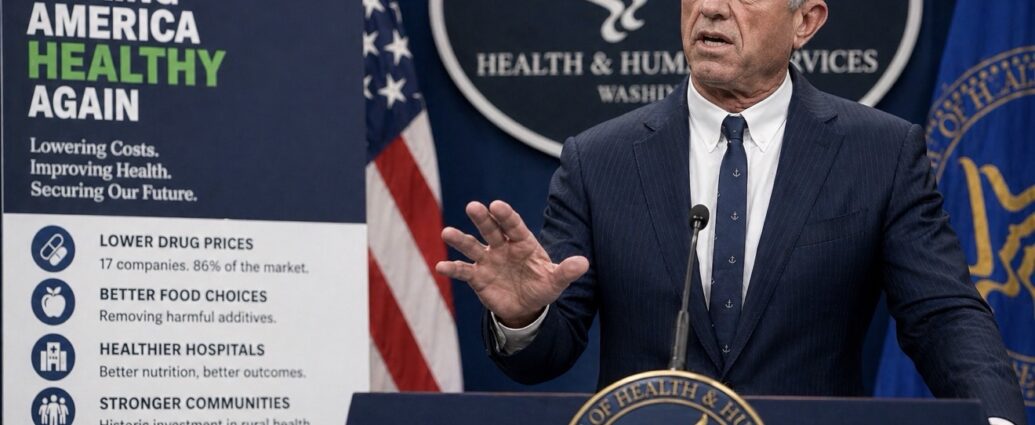
At the center of the initiative is the administration’s Most Favored Nation (MFN) drug pricing program, implemented through the TrumpRx platform launched in February 2026. The platform initially covered 40 high-cost branded medications, aligning U.S. prices with the lowest levels paid in other developed countries.

The program has since expanded significantly. As of April 23, agreements have been reached with 17 major pharmaceutical companies, including Pfizer, Johnson & Johnson, Merck, Novartis, Bristol Myers Squibb, Amgen, Gilead Sciences, and Regeneron, collectively representing approximately 86% of the U.S. branded drug market. The pricing impact has been substantial: Novo Nordisk’s Wegovy has fallen from roughly $1,350 per month to about $350, while Eli Lilly’s Zepbound has declined from more than $1,000 to approximately $346. Discounts across the platform range from roughly 30% to more than 90% on select therapies.

A recent agreement with Regeneron underscores the program’s expanding scope. The company committed to reducing the price of its cholesterol drug Praluent from $537 to $225 and agreed to apply MFN pricing to all future therapies. The same announcement included FDA approval of a gene therapy for a rare congenital form of deafness, which Regeneron said it would provide at no cost to eligible patients.

Beyond pharmaceuticals, the MAHA initiative is reshaping the food and beverage industry. More than 40% of U.S. food producers have committed to phasing out petroleum-based artificial dyes, while the Food and Drug Administration (FDA) has approved new natural alternatives derived from fruits and vegetables. PepsiCo said it will remove synthetic FD&C colors from several major beverage lines, replacing them with plant-based ingredients.

The initiative is also influencing medical education and clinical practice. More than 50 medical schools have committed to expanding nutrition education from an average of two hours to approximately 40 hours of coursework, reflecting a shift toward prevention-focused care and diet-related health management.

Within hospital systems, Secretary Kennedy directed the Centers for Medicare & Medicaid Services (CMS) to issue updated guidance requiring facilities receiving federal funding to align patient meals with national dietary standards. The directive focuses on reducing ultra-processed foods, sugar-sweetened beverages, and refined carbohydrates—effectively bringing nutrition policy into the core of clinical care.

Rural healthcare has emerged as another key pillar of the agenda. Through the $50 billion Rural Health Transformation Fund, federal officials are channeling resources into underserved communities. This month alone, more than $135 million has been allocated to expand rural residency programs, improve healthcare access, and strengthen nutrition services in remote regions.


Duvi Honig, a national business leader and public policy advocate, praised the Secretary’s leadership and broader impact. “Secretary Bobby Kennedy is making history with a bold, results-driven approach that is transforming healthcare economics in real time,” Honig said. “We are proud to work closely together and support these efforts—from lowering drug prices to advancing critical public health initiatives. We are especially encouraged by the ongoing work with HHS and the CDC on long-overdue Lyme disease awareness and updated clinical guidance, and we look forward to those updates being released.”

On Capitol Hill, Kennedy’s latest testimony also addressed leadership at the Centers for Disease Control and Prevention (CDC), where he voiced support for the nomination of Dr. Erica Schwartz, a former deputy surgeon general with extensive public health experience. Kennedy confirmed he has spoken with Schwartz and supports her candidacy.

As the MAHA agenda continues to take shape, its economic footprint is becoming increasingly visible across multiple sectors. By targeting drug pricing, food standards, hospital practices, and rural health access simultaneously, the administration is advancing a comprehensive approach that is redefining both the cost structure and delivery of healthcare in the United States.

Looking ahead, the durability of these changes will depend on continued industry participation and regulatory execution. But with broad adoption already underway, the MAHA initiative is positioning itself as a defining force in the next phase of American healthcare—where economics, policy, and public health outcomes are more tightly linked than ever.

JBizNews Desk

WASHINGTON — The Supreme Court seemed divided Monday over whether to block thousands of lawsuits alleging the maker of the weedkiller Roundup failed to warn people it could cause cancer.

The case came before the justices after a tidal wave of litigation that included some multibillion-dollar verdicts against the global agrochemical manufacturer Bayer, which owns Roundup maker Monsanto.

Read the rest…

This post was originally published here. 

A new U.S. policy that recommends offering hepatitis B vaccine at birth only to babies perceived to be at risk of neonatal infection will lead to increased numbers of infected infants and more cases of chronic hepatitis B infection in children that will generate millions of extra dollars in health care costs, two studies published Monday project.

“Avoiding an increase in neonatal infections under the targeted recommendation would require historically unattained levels of maternal [hepatitis B] screening or birth-dose coverage among infants of unscreened mothers,” said one of the studies, from researchers at Boston University, the University of Florida, and Johns Hopkins University.

Read the rest…

This post was originally published here. 

The Trump administration is doubling down on its opposition to harm reduction services for people who use illicit drugs. 

In an open letter on April 24, the federal agency overseeing addiction and mental health policy warned its grantees against using federal funds to buy harm reduction supplies including sterile syringes and pipes, or to distribute test strips for common drug supply adulterants like fentanyl, xylazine, and medetomidine. 

Read the rest…

This post was originally published here. 

WASHINGTON — Last week, Sen. Ben Ray Luján (D-N.M.) asked health secretary Robert F. Kennedy Jr. whether he would release — by Friday — the contract of a longtime vaccine critic who was hired by the Department of Health and Human Services.

“Yeah, I’m happy to,” Kennedy responded.

But Friday came and went without a response from Kennedy. On Monday, Luján’s office said they plan to follow up with HHS.

Continue to STAT+ to read the full story…

This post was originally published here. 

The drugmaker Erasca said Monday that its RAS-targeting pill shrank tumors in 40% of patients with advanced pancreatic cancer and 62% of patients with advanced non-small cell lung cancer, results that the company said exceeded its expectations. 

The new data, collected from studies done in the U.S. and China, are still preliminary. However, Erasca said the clinical benefit and tolerability of its drug, called ERAS-0015, compared favorably to daraxonrasib, a similar RAS-targeting drug from Revolution Medicines that recently showed a doubling of overall survival in patients with advanced pancreatic cancer. 

“I’m excited about both datasets, but I think lung is more definitive at this point. The pancreatic results are maturing, but are very, very promising,” Erasca CEO Jonathan Lim told STAT. “All options are on the table.” 

Continue to STAT+ to read the full story…

This post was originally published here. 

The hit was in line with HCA’s expectations. The hospital operator is the first of its peers to detail financial impacts from the expiration of more generous subsidies in Affordable Care Act plans.

This post was originally published here. 

This is the online version of STAT’s weekly email newsletter Health Care Inc. Sign up here.

Well, it appears the Associated Press chose violence with this grammar decision. Over my deadbody, AP. This debate has played out so many times, so do I dare ask you, loyal reader: Is it health care or healthcare? bob.herman@statnews.com.

‘The denial is the outcome’

Archelle Georgiou understands Americans’ frustrations with prior authorization. She helped squash the practice before, at what is now the country’s largest health insurance company.

Continue to STAT+ to read the full story…

This post was originally published here. 

Good morning, everyone, and welcome to another working week. We hope the weekend respite was relaxing and invigorating because that oh-too-familiar routine of meetings, deadlines, and the like has returned with a vengeance. You knew this would happen, yes? To cope, we are relying, as always, on a cuppa stimulation. Our choice today is ginger honey. Feel free to join us. Remember, no prescription is required. Meanwhile, here are some tidbits to help you along. Best of luck accomplishing your goals today and, of course, do keep in touch. …

Intellia Therapeutics disclosed that a single dose of its gene editing treatment dramatically reduced swelling attacks in patients with a rare genetic disorder in a Phase 3 trial, setting up a potential approval, STAT tells us. The therapy, known as lonvo-z, would be the second approved CRISPR-based medicine, after Vertex Pharmaceutical’s sickle cell treatment Casgevy. Intellia has already initiated a rolling submission with the agency. This would be the first in vivo treatment, meaning it edits patient DNA directly in the body. The question for Intellia and for the field will be how attractive the one-and-done approach will be to patients and doctors. Hereditary angioedema, or HAE, which affects around 20,000 patients in the U.S. and Europe, has seen an influx of new treatments over the last few years. 

Sun Pharmaceutical agreed to acquire Organon in a deal valued at $11.75 billion, putting the Indian drugmaker on track to become one of the top three global players in women’s health, The Wall Street Journal notes. Sun, which specializes in generics and is one of the biggest pharma names in India by market cap, will fund the deal through a combination of internal cash resources and financing from banks. Organon, which was formed through a spinoff from Merck, has a portfolio of more than 70 products across women’s health and general medicines, including biosimilars, commercialized across 140 countries. Its 2025 revenue was $6.2 billion. The acquisition will help lift Sun into the top 25 global pharmaceutical companies, with a revenue of $12.4 billion.

Continue to STAT+ to read the full story…

This post was originally published here. 

Want to stay on top of the science and politics driving biotech today? Sign up to get our biotech newsletter in your inbox.

New hair loss data for a sort of amped-up minoxidil is looking very plush. Also Astellas is reentering the clinic with a next-generation gene therapy for XLMTM and Intellia’s CRISPR therapy for hereditary angioedema impresses.

The need-to-know this morning

  • Eli Lilly said it is buying Ajax Therapeutics, a privately held developer of blood cancer drugs, for as much as $2.3 billion. Ajax’s lead medicine is a next-generation JAK2 inhibitor currently being evaluated in a Phase 1 study in patients with myelofibrosis.
  • Ligand Pharmaceuticals said it is buying Xoma, an aggregator of drug royalties, for $739 million.  
  • Compass Therapeutics said its drug for advanced biliary cancer delayed tumor progression but failed to prolong survival compared to chemotherapy in a clinical trial. 
  • BridgeBio shares were higher this morning on reports from the weekend that Pfizer had settled two of three patent cases regarding Vyndamax, its medicine for the heart condition known as ATTR-CM. While terms of the settlement have not been disclosed, any extension of patent protection for Vyndamax is also positive for BridgeBio, which sells a competing ATTR-CM drug called Attruby.

CRISPR therapy slashes rare swelling attacks

Intellia Therapeutics said this morning that its one-time CRISPR treatment lonvo-z cut attack rates by 87% in a Phase 3 trial of hereditary angioedema, STAT’s Jason Mast writes. With more than 60% of patients becoming attack-free and no serious safety signals reported, the therapy is being positioned as a functional cure — or at least a major upgrade over existing options.

Continue to STAT+ to read the full story…

This post was originally published here. 

Get your daily dose of health and medicine every weekday with STAT’s free newsletter Morning Rounds. Sign up here.

Good morning. The AP Stylebook broke major news in journalism circles on Friday. Health care, they now say, is one word: healthcare. “Crying, screaming, throwing up,” one STAT staffer said on Slack. “ihateit,” another wrote. We’re clearly still digesting all our feelings, and we’ll let you know soon where we land.

Read the rest…

This post was originally published here. 

A long-acting injectable treatment for plaque psoriasis helped 63% of patients achieve complete skin clearance in a mid-stage clinical trial, its maker, Oruka Therapeutics, reported Monday. 

Separately, Oruka said an updated analysis of blood exposure levels supported the potential for the drug, ORKA-001, to be injected just once per year. 

Oruka still needs to conduct late-stage clinical trials, but Monday’s results bolster ORKA-001’s potential to become a new treatment for the autoimmune skin disease with remission rates equal to or greater than current commercial blockbusters Skyrizi and Bimzelx, while requiring fewer injections.

Continue to STAT+ to read the full story…

This post was originally published here. 

An oral medicine for hair loss successfully spurred hair growth in a late-stage trial, startup Veradermics announced Monday.

Veradermics assessed the pill in two ways: by how many hairs grew within a square centimeter of the scalp, on average, and by how satisfied participants were with the results. Over the course of six months, men who took the drug, known as VDPHL01, either once or twice daily had between 30 and 33 more hairs per square centimeter of scalp. Men in the placebo group grew approximately seven additional hairs.

Between 79% and 86% of men taking VDPHL01 said they saw improvement, along with between 72% and 84% of the clinical trial investigators — results that pleased Reid Waldman, a dermatologist turned Veradermics’ chief executive.

Continue to STAT+ to read the full story…

This post was originally published here. 

Intellia Therapeutics said Monday that a single dose of its gene editing treatment dramatically reduced swelling attacks in patients with a rare genetic disorder in a Phase 3 trial, setting up a potential approval.

The therapy, known as lonvo-z, would be the second approved CRISPR-based medicine, after Vertex Pharmaceutical’s sickle cell treatment Casgevy. Intellia has already initiated a rolling submission with the agency. It would be the first in vivo treatment, meaning it edits patients’ DNA directly in the body. 

In the 80-patient study, volunteers with hereditary angioedema (HAE) who received lonvo-z saw their attack rates drop 87%, relative to placebo. Just over 60% were entirely attack-free over the period, compared to 11% for the placebo patients.

Continue to STAT+ to read the full story…

This post was originally published here. 

Fewer than half of papers published by NIH-funded researchers analyze or report their data by sex, which could make it harder to know what the results mean for men and women, a new study found.

Over a decade ago, the National Institutes of Health set out to promote sex-inclusivity in study design by introducing the expectation that research it funded consider sex as a biological variable (SABV). The guidelines are broad, asking researchers to consider SABV in their design, analysis, and reporting, without mandating that sex differences be examined in the results. 

Read the rest…

This post was originally published here. 

Wake up. Brush your teeth. Wash your face. 

And put on your lifesaving baseball hat.

That’s right. If you have treatment-resistant depression, this could be the regular morning routine in your future. The hat would activate a blueberry-sized device implanted in your skull that sends a pulse of electricity into your brain.

This is Jacob Robinson’s vision — and it got closer to reality on Friday after the Food and Drug Administration approved a request from Robinson’s startup, Motif Neurotech, to start an initial feasibility trial to test the efficacy of their device in treating depression that hasn’t responded to other treatments. Scientists have been zapping brains to alleviate depression for decades through a method called transcranial magnetic stimulation, or TMS. Motif wants to do the same thing, but with a twist.

Continue to STAT+ to read the full story…

This post was originally published here. 

In April 2020, people around the globe were struggling to come to grips with the strictures of unprecedented societal shutdowns aimed at slowing the spread of Covid-19. Flattening the curve, in 2020-speak.

Six years later, school and business closures, mask wearing, and social distancing are dim, unpleasant memories. And Covid, though it still animates political animus plenty, feels like a threat from yesteryear. 

Read the rest…

This post was originally published here.