April 27, 2026 | JBizNews Desk

American consumers already feeling pressure at the grocery store may be facing a second, more severe wave of food inflation. While headline numbers are already striking—wholesale tomato prices up 102% and diesel costs soaring 88% since late February—economists and federal officials warn that the full impact of the Middle East crisis has yet to reach U.S. households.

The disruption traces back to the Strait of Hormuz, a critical global artery through which roughly 20% of the world’s oil supply and nearly one-third of globally traded fertilizer flows. Following the outbreak of conflict on February 28, closures and instability triggered what the International Energy Agency described as the largest oil supply shock in modern history. The result is a cascading effect on food prices that unfolds in stages—energy first, fertilizer next, and ultimately crop yields—each layer compounding the next.

Tyler Schipper, an economist at the University of St. Thomas, explained the mechanism clearly: “Pretty much everything you buy off a shelf is delivered by a truck that uses diesel. It’s the transmission belt from an energy shock to consumer prices.” Diesel, which powers both transportation and farm equipment, surged to over $5.60 per gallon in March and has continued climbing, with cumulative increases approaching 88% across key regions and wholesale markets.

That surge is now working its way through the supply chain. David Ortega, a food economist at Michigan State University, noted that diesel impacts every stage of production and distribution. “Tractors run on diesel. Most food moves by truck. These higher fuel costs translate directly into higher prices—and eventually, the consumer feels it.” Perishable goods, which rely on refrigerated transport, are being hit first and hardest.

Nowhere is that more visible than in tomatoes. Often viewed as a bellwether for produce inflation, tomatoes have become the clearest early indicator of stress in the system. At the retail level, prices have climbed to roughly $2.25 per pound, an 18.6% increase since February, according to David Branch of the Wells Fargo Agri-Food Institute. But wholesale dynamics are far more dramatic. Distributors report prices jumping from $25 to over $80 per 25-pound box in just weeks—a more than 200% increase in some cases.

The surge reflects a convergence of factors. Domestic supply was already constrained after Florida crops were hit by winter freezes, while Mexico’s production suffered from disease and weather disruptions. The added pressure from rising fuel costs has intensified the spike, particularly for a product that is highly perishable and heavily reliant on trucking.

Critically, economists emphasize that these increases are only partially reflected at the retail level. Ricky Volpe, an agribusiness professor at California Polytechnic State University, warned that the pricing pipeline is still catching up. “There’s more pain ahead,” he said, noting that it typically takes one to two months for energy-driven cost increases to fully reach grocery shelves.

Beyond transportation, a second and potentially more damaging wave is building at the farm level. A recent American Farm Bureau Federation survey found that 70% of farmers cannot afford all the fertilizer they need, while nearly 60% report worsening financial conditions. Fertilizer prices have surged sharply, with urea up 49%, UAN up 38%, and anhydrous ammonia up 32%, according to analyst Josh Linville.

For farmers, the economics are increasingly unsustainable. Matt Frostic, a Michigan-based operator, said nitrogen fertilizer has jumped from $350 per ton to nearly $600 in just a few months. Meanwhile, the U.S. Department of Agriculture estimates that corn costs approximately $5 per bushel to produce, yet sells for around $4.20, while soybeans cost $12.27 to produce and fetch just $10.30. That gap is forcing farmers to cut inputs—decisions that could reduce yields and tighten supply later this year.

Agriculture Secretary Brooke Rollins acknowledged the growing strain, stating that “everything is on the table” to support farmers. However, with only 20% to 25% of farmers exposed to current fertilizer prices—the rest having locked in earlier—the full impact is expected to materialize during the upcoming harvest cycle.

The USDA now projects food-at-home prices to rise 3.1% in 2026, nearly double earlier forecasts. Yet analysts caution that even this revised estimate may understate what’s coming, as it does not fully account for sustained energy volatility or reduced agricultural output.

Lydia Boussour, senior economist at EY-Parthenon, pointed to lingering structural pressures. “The impact will extend beyond the duration of the conflict,” she said, citing ongoing supply chain constraints and energy capacity limits. Similarly, Adam Hanieh of the SOAS Middle East Institute warned that earlier projections underestimated the scale of disruption. “Food inflation is very much on the table for the remainder of the year,” he said.

For consumers, the message is straightforward: the current spike may not represent the peak. The shock that began in the Strait of Hormuz is still moving through the system—measured not in days, but in months.

What comes next will depend on how long energy markets remain volatile and whether supply chains stabilize. But for now, the data points in one direction: higher prices ahead.

— JBizNews Desk

One year after Beijing’s export curbs, efforts intensify to loosen its grip

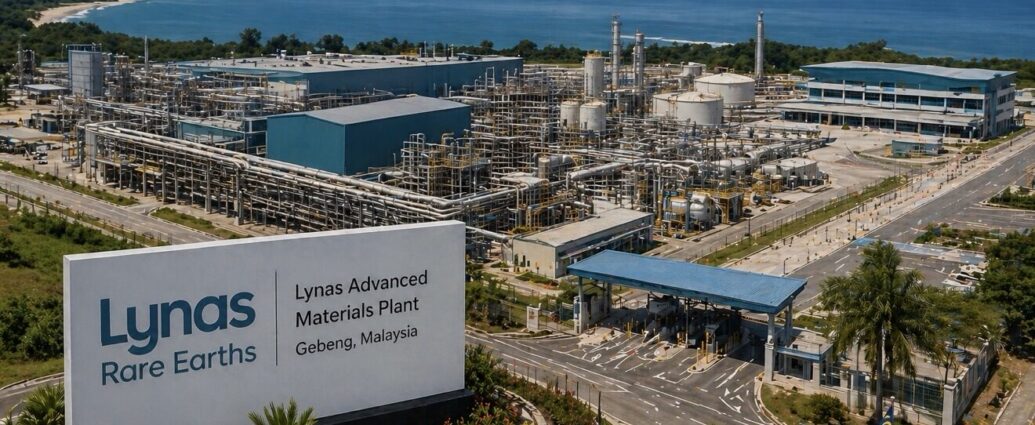
KUANTAN, Malaysia — April 27, 2026 — On Malaysia’s eastern coastline, far from Washington and Beijing, a sprawling industrial complex has quietly become one of the most critical nodes in the global balance of power. The Lynas Advanced Materials Plant, operated by Lynas Rare Earths Ltd., is now at the center of the Pentagon’s urgent push to break China’s grip on the rare earth supply chain — a dependency long viewed as one of America’s most dangerous strategic vulnerabilities.

Stretching across more than 220 football fields and powered by a workforce of roughly 850 engineers and chemists, the facility executes more than 1,300 production steps to isolate 15 rare earth elements — including samarium, terbium, and dysprosium, essential inputs for high-performance magnets used in advanced weapons systems, fighter jets, and missile guidance technologies.

The timing is no coincidence. After China imposed sweeping export restrictions on rare earth materials last year, global supply chains were shaken within weeks. Automakers from Ford Motor Co. in the United States to Suzuki Motor Corp. in Japan were forced to slow or halt production, exposing just how deeply the modern industrial economy depends on a narrow set of materials largely controlled by Beijing.

“Rare earths represent one of the most acute vulnerabilities in U.S. defense preparedness,” said Mike Cadenazzi, Assistant Secretary of Defense for Industrial Base Policy, speaking at the NDIA Pacific Operational Science and Technology Conference in Honolulu. He noted that China controls roughly 30% of global manufacturing output and dominates the processing of critical minerals essential to modern warfare.

Nowhere is that dominance more evident than in heavy rare earths — where 98% to 99% of global processing capacity remains inside China. Until recently, even Western producers had no alternative. Lynas itself, the largest rare earth miner outside China, was forced to send key materials back to Chinese refiners for final separation.

That changed in 2025, when the Malaysian plant became the first facility outside China capable of commercially separating heavy rare earth oxides at scale — a breakthrough that has rapidly elevated its geopolitical significance.

The Pentagon has responded with unusual urgency. The U.S. Department of Defense has backed Lynas with direct financial support and long-term procurement commitments, including a $110-per-kilogram price floor on key materials under a multi-year offtake agreement. The goal is clear: eliminate China’s ability to manipulate prices and choke off Western competitors.

“Price suppression has been one of China’s most effective tools,” said Amanda Lacaze, CEO of Lynas Rare Earths. “A guaranteed floor price ensures that Western production remains viable regardless of market fluctuations.”

The strategy is being coordinated across allies. Japan has adopted a similar pricing mechanism, creating a unified front designed to neutralize Beijing’s longstanding tactic of undercutting global prices to drive competitors out of business.

At the same time, the U.S. is extending the supply chain back home. The Pentagon has committed $258 million to support Lynas in building a rare earth processing facility in Texas, while also investing in domestic players including MP Materials, where it has taken a direct equity stake to accelerate U.S.-based production.

The broader push spans multiple continents. During recent diplomatic engagements, the U.S. secured agreements with Malaysia, Thailand, Japan, and Australia to expand rare earth exploration, processing, and stockpiling — part of a coordinated effort to rebuild a supply chain that had quietly migrated to China over decades.

The urgency is driven by a hard deadline. Under U.S. defense policy, starting January 1, 2027, no Chinese-origin rare earth materials can be used in American weapons systems. The rule follows a 2022 incident in which a Chinese-made magnet was discovered in an F-35 fighter jet, triggering a temporary production halt and exposing the depth of U.S. reliance on adversarial supply chains.

That deadline is forcing rapid action across the defense-industrial base. Companies like REalloys, backed by senior defense officials including former Pentagon Chief of Staff Joe Kasper and retired General Jack Keane, are racing to build domestic capabilities in rare earth metal production — one of the most technically challenging segments of the supply chain.

Yet even as investments surge, the challenge remains immense. Analysts estimate that rebuilding a fully independent Western rare earth ecosystem could take years, if not decades — particularly given China’s scale, cost advantages, and entrenched infrastructure.

For now, Malaysia has emerged as the unexpected frontline.

In a global contest increasingly defined not just by military power but by control over supply chains, the Lynas facility in Kuantan represents more than an industrial site — it is a strategic pivot point in the effort to rebalance economic and national security power away from Beijing.

Whether the West can translate urgency into sustained production before China reasserts its dominance may prove to be one of the defining industrial and geopolitical questions of the decade.

JBizNews Desk
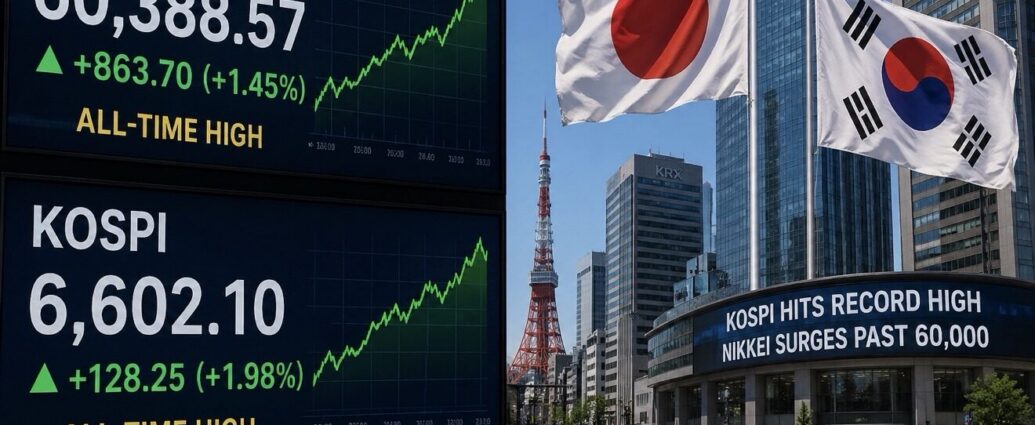
TOKYO / SEOUL — April 27, 2026 — Asian markets pushed to historic highs Monday as investors doubled down on the global artificial intelligence boom, brushing aside stalled U.S.-Iran negotiations and elevated oil prices to drive equities in Japan and South Korea to record levels.

Japan’s Nikkei 225 surged as much as 1.45%, breaking above the 60,000 mark intraday and trading near 60,585 before closing around 60,388 — a milestone that underscores the market’s deepening alignment with global AI-driven growth. The rally was led by export-heavy technology names tied to semiconductor demand, even as Brent crude hovered above $100 per barrel, reflecting ongoing tensions in the Middle East.

“AI and chip supply chains remain the dominant theme,” said Masashi Hashimoto, equity strategist at Nomura Securities. “Japanese exporters are benefiting from resilient global demand that has little to do with the Strait of Hormuz right now.”

In South Korea, the Kospi index climbed nearly 2%, reaching a fresh all-time high near the 6,600 level, driven by heavyweight semiconductor firms including Samsung Electronics and SK Hynix. The rally reflects surging global demand for high-bandwidth memory (HBM) — a critical component powering next-generation AI infrastructure.

Government officials in Tokyo and Seoul signaled cautious optimism. Bank of Japan policymakers, led by Governor Kazuo Ueda, continue to monitor inflation risks tied to higher energy prices while maintaining an accommodative stance that supports equity markets. Meanwhile, South Korea’s export data showed accelerating semiconductor shipments, reinforcing the strength of the country’s tech-led recovery.

Despite the strong momentum, analysts warn that the current disconnect between markets and geopolitics may not hold indefinitely. “Markets are shrugging off the news for now, but prolonged disruption in oil flows would eventually pressure importers like Japan and South Korea,” said Eunice Park, Asia macro strategist at Goldman Sachs. “Still, the AI capital expenditure cycle appears durable enough to absorb near-term volatility.”

The rally comes even as diplomatic efforts between Washington and Tehran stall. President Donald Trump canceled a planned envoy trip over the weekend, citing lack of progress on key issues including nuclear limits and regional security. Iranian officials have rejected recent proposals, and tensions remain elevated around critical shipping routes, particularly the Strait of Hormuz.

Yet markets across Asia have effectively decoupled from the headlines. The MSCI Asia Pacific Index rose approximately 1.3%, tracking gains on Wall Street where U.S. technology earnings continue to exceed expectations despite mixed economic signals.

Underpinning the surge are structural tailwinds. Japan’s corporate sector has benefited from governance reforms, stronger shareholder returns, and a weaker yen that boosts exporter earnings. In South Korea, policy shifts under President Lee’s administration aimed at supporting strategic industries have helped unwind the long-standing “Korea Discount,” drawing renewed foreign capital into equities.

“Semiconductor revenues are growing at double-digit rates,” said Rajiv Shah, head of Asia equity strategy at JPMorgan Chase. “That growth more than offsets the drag from higher energy costs.”

Still, the risks are real. Analysts estimate that a sustained increase in oil prices could shave up to 0.5 percentage points off GDP growth in both economies. Japan and South Korea remain heavily dependent on energy imports, leaving them exposed to prolonged geopolitical disruptions.

For now, however, the momentum is firmly with technology. Traders in Tokyo described Monday’s session as a “classic decoupling” — geopolitical headlines dominated screens, but capital continued flowing aggressively into semiconductor and AI-linked names. Market volumes remained strong without signs of speculative excess, suggesting conviction rather than short-term trading.

The coming days will test whether that conviction holds. A wave of U.S. corporate earnings — particularly from major technology firms — could reinforce or challenge the AI-driven narrative. At the same time, any escalation in the Middle East could quickly shift sentiment.

For now, the message from Asia’s two largest tech-driven markets is unmistakable: the AI boom is powerful enough to override geopolitical uncertainty — at least for the moment.

JBizNews Desk
Nvidia Corporation has done what no company in market history has ever achieved — crossing and sustaining a $5 trillion market capitalization, cementing its position as the most valuable enterprise ever to trade on a public exchange and redefining the upper limits of global equity markets.

The milestone, reached with a valuation of approximately $5.08 trillion, places Nvidia (NASDAQ: NVDA) far ahead of its closest rivals, with Alphabet Inc. valued near $4.1 trillion and Apple Inc. at roughly $3.97 trillion, while Microsoft Corp. and Amazon.com Inc. trail behind. “This is not just another record — it’s a structural break in how markets value dominance,” said Dan Ives, Managing Director at Wedbush Securities, calling Nvidia “the backbone of the AI economy.”

The scale of Nvidia’s valuation now defies traditional comparison — and even among America’s largest corporations, the gap is staggering. At roughly $5 trillion, Nvidia is worth more than the combined market value of companies like JPMorgan Chase, Walmart, Exxon Mobil, Procter & Gamble, Coca-Cola, PepsiCo, McDonald’s, Nike, Disney, Boeing, and IBM — a collection of iconic Fortune 500 names that collectively define entire sectors of the U.S. economy. “You’re talking about compressing decades of industrial leadership across multiple sectors into a single company,” said Bank of America analyst Vivek Arya, adding that “there has never been this level of value concentration in modern market history.”

Put another way, it would take roughly 10 to 15 of the most recognizable blue-chip companies in America combined to approach Nvidia’s valuation today. Even entire sectors struggle to match it: the total market capitalization of many traditional industries — from airlines to retail conglomerates — falls short of Nvidia alone. “This is a once-in-a-generation concentration of market power,” said Goldman Sachs analyst Toshiya Hari, noting that “AI has created a winner-take-most dynamic at a scale we haven’t seen before.”

Friday’s surge was catalyzed in part by a blowout earnings report from Intel Corp., which delivered first-quarter 2026 revenue of $13.58 billion, far exceeding the $12.42 billion consensus estimate, alongside adjusted earnings per share of $0.29 versus expectations of just $0.02. Intel’s data-center segment jumped 22% year-over-year, sending its shares to their strongest single-day gain since 1987. “The read-through for Nvidia is immediate — data center demand is accelerating, not slowing,” said Stacy Rasgon, semiconductor analyst at Bernstein, emphasizing that “every incremental dollar spent on AI infrastructure disproportionately benefits Nvidia.”

The rally quickly spread across the semiconductor landscape. Advanced Micro Devices Inc. surged more than 14%, Qualcomm Inc. climbed more than 8%, and the Philadelphia Semiconductor Index (SOX) reached a fresh all-time high. “This is a rising tide moment for chips, but Nvidia remains the clear leader,” Arya added, pointing to the company’s unmatched ecosystem and pricing power.

Underpinning Nvidia’s historic valuation is a financial profile that continues to exceed even the most aggressive forecasts. The company reported fourth-quarter revenue of $68.1 billion, up 73% year-over-year, bringing full fiscal 2026 revenue to $215.9 billion — a 65% annual increase. Data Center revenue alone reached $62.3 billion in the quarter, surging 75% from the prior year. Looking ahead, Nvidia has guided for approximately $78 billion in current-quarter revenue, implying roughly 77% year-over-year growth. “These are numbers that simply didn’t exist at this scale before,” said Morgan Stanley analyst Joseph Moore, describing Nvidia’s trajectory as “hyper-growth at megacap size.”

But Nvidia’s significance extends beyond its financial dominance. The company has become the foundational infrastructure layer for the global artificial intelligence economy — supplying the high-performance GPUs that power everything from advanced AI models to enterprise automation, autonomous systems, and national-scale computing. “Nvidia isn’t just selling chips — it’s selling the engines of modern intelligence,” said Jensen Huang, Co-Founder and Chief Executive Officer of Nvidia, who has repeatedly described AI as a new industrial revolution reshaping every sector.

That transformation traces back to humble beginnings. Nvidia was founded in 1993 by Jensen Huang, Chris Malachowsky, and Curtis Priem, who met at a Denny’s in Silicon Valley with a vision to build advanced graphics processors for gaming. The company’s early years were marked by extreme risk, including a near-collapse before the successful launch of its RIVA 128 chip in 1997. “We were thirty days from going out of business,” Huang has said, highlighting how close the company came to failure before establishing itself.

The inflection point came in 2006 with the launch of CUDA, Nvidia’s parallel computing platform, which allowed developers to use GPUs for general-purpose computing. That move — initially underappreciated — ultimately became the backbone of modern AI computing. “CUDA created the ecosystem that competitors still struggle to replicate,” said Stacy Rasgon, emphasizing that Nvidia’s software advantage now reinforces its hardware dominance.

The next phase of expansion is already underway. Nvidia’s upcoming Vera Rubin platform, expected to launch in the second half of 2026, is projected to drive up to $1 trillion in combined lifetime sales alongside its Blackwell architecture through 2027. Huang has stated that Nvidia could reach $1 trillion in annual revenue within two years. “AI is the most powerful technology force of our time,” he said, adding that “we are at the beginning of a new industrial revolution.”

Wall Street remains overwhelmingly supportive. Of the 57 analysts covering the stock, 56 rate it a buy, with price targets ranging as high as $380. Goldman Sachs, Bank of America, Wedbush, and Cantor Fitzgerald all maintain bullish outlooks. “We see continued upside driven by unmatched demand visibility,” said Cantor analyst C.J. Muse, citing Nvidia’s backlog and long-term supply agreements.

The immediate test now shifts to Nvidia’s largest customers. Microsoft, Alphabet, Meta Platforms, and Amazon — among the biggest buyers of Nvidia’s chips — are set to report earnings this week, with investors focused on capital spending plans that will signal whether AI demand remains at current levels. Nvidia itself reports next on May 20.

From a near-bankrupt startup to a company now worth more than a dozen of America’s most iconic corporations combined, Nvidia’s rise reflects a fundamental shift in how value is created in the global economy.

What comes next will determine whether $5 trillion is a ceiling — or simply the next starting point.

JBizNews Desk

Ottawa — Canadian retail spending demonstrated notable resilience in the first quarter of 2026, rising 0.7% in February and an estimated 0.6% in March, delivering three consecutive months of gains for the first time since spring 2023 and tracking a solid roughly 2.1% quarter-over-quarter increase.

“It suggests that consumers were on a robust footing at the start of the year and are likely in a better position to face the sharp rise in energy prices,” said Charles St-Arnaud, chief economist at Servus Credit Union.

February retail sales climbed to C$72.1 billion, according to Statistics Canada data released on April 24. The increase was broad-based, with seven of nine major subsectors posting gains. Core retail sales, excluding volatile motor vehicles and gasoline stations, advanced a healthy 0.6%. In volume terms (adjusted for price changes), overall sales rose 0.3%, while year-over-year growth stood at 3.8%.

“Retail sales suggest that before the impact of higher energy costs from the Iran conflict, Canadian consumers were quite resilient,” noted St-Arnaud.

Motor vehicle and parts dealers led February’s advance with a 1.0% increase, supported by strong demand for both new and used vehicles. General merchandise retailers, food and beverage stores, and clothing outlets also contributed positively. Softness was limited mainly to building materials and garden equipment categories.

“We’ve seen relatively healthy spending in the first quarter,” added St-Arnaud.

“Overall, it appears that retail sales in Q1 have posted their best quarter for growth since before U.S. trade tensions started to negatively impact consumer sentiment,” said Andrew Grantham, senior economist at CIBC Capital Markets.

Fuel Costs Set to Test Consumers

The early-year momentum now confronts a significant headwind as surging global oil prices tied to the ongoing Iran conflict drive Canadian gasoline prices sharply higher. While higher pump prices inflate headline retail figures in the short term, they erode disposable income for other purchases.

“With higher pump prices limiting the ability of some households to make discretionary purchases, we expect consumer spending to slow again in volume terms during the second quarter,” warned Andrew Grantham of CIBC.

The duration and intensity of Middle East tensions will likely dictate the extent of any consumer pullback. Prolonged elevated energy costs could force households to curtail spending on big-ticket items, dining out, travel, and non-essential goods. A quicker resolution might allow fuel prices to moderate and help sustain some of the recent strength.

“Softer spending volumes and signs of further weakness in March suggest consumers can only hold on for so long,” said Shelly Kaushik, senior economist at Bank of Montreal Capital Markets.

Beyond energy prices, Canadian households face additional pressures including a cooling labor market, persistent housing affordability challenges, and ongoing uncertainty around U.S.-Canada trade relations. Many consumers remain heavily indebted after years of elevated borrowing costs, limiting their capacity for further discretionary outlays.

Provincial data showed broad strength, with eight of ten provinces recording increases in February. Particularly strong gains appeared in Nova Scotia and Manitoba, indicating the rebound extended beyond major urban centers.

On the positive side, the Bank of Canada’s earlier interest rate cuts are expected to ease financial pressure on variable-rate borrowers later in the year. However, this relief may arrive too late to fully offset the immediate impact of the energy shock.

“The estimated rise in retail sales in March was softer than some economists expected after prices at the pump notched the biggest one-month jump on record,” noted analysts at Capital Economics, underscoring early signs of price sensitivity.

For retailers, the outlook is mixed. Necessity-driven categories such as groceries and fuel may continue to see nominal gains, while discretionary sectors like clothing, electronics, and home improvement could experience margin pressure if volumes weaken. E-commerce, which represented about 7% of total retail trade in February, may provide some cushion as cost-conscious shoppers hunt for deals online.

Longer term, the first-quarter resilience highlights underlying household strength amid global uncertainty. Yet the combination of geopolitical risks and domestic constraints means the coming months will be pivotal in determining whether this rebound can endure or if it marks a final surge before a more pronounced slowdown.

Market participants and policymakers will watch upcoming GDP, inflation, and consumer confidence releases closely. Retail sales remain a critical gauge of household consumption, which drives a substantial share of Canada’s overall economic activity. Any sustained softening could prompt revisions to growth forecasts for the second half of 2026.

JbizNews Desk Canada
Technology & Geopolitics | Saturday, April 25, 2026 | JBizNews Desk

China is tightening its grip on foreign capital in strategic sectors, directing leading technology companies—including some of its most prominent artificial intelligence firms—to reject U.S.-linked investments unless explicit government approval is secured, according to officials familiar with the policy and regulatory notices issued in recent weeks.

The directive, led by the National Development and Reform Commission (NDRC) alongside other central agencies, applies to major firms such as ByteDance Ltd., parent company of TikTok, as well as rising AI players including Moonshot AI and StepFun. Under the new framework, companies must obtain prior clearance before accepting funding or executing secondary share sales involving American investors, a move designed to protect technologies deemed critical to national security and economic competitiveness.

Officials in Beijing have framed the policy as a safeguard against the transfer of sensitive intellectual property and talent to geopolitical rivals. The restrictions effectively place China’s most valuable technology firms under tighter state supervision, particularly in sectors tied to artificial intelligence, advanced computing, and data infrastructure.

The shift follows growing concern inside China’s leadership over the outflow of high-value innovation. The catalyst, according to multiple analysts, was Meta Platforms Inc.’s acquisition of Manus, a Singapore-based AI startup founded by Chinese entrepreneurs, in a deal valued at approximately $2 billion that closed in late 2025. The transaction triggered alarm among Chinese regulators, who viewed it as a loss of advanced AI capabilities to a U.S. technology giant.

Chinese authorities subsequently launched a multi-agency review into the structure of the deal, focusing on whether Manus had effectively bypassed domestic controls by relocating operations abroad—a strategy often described as “Singapore-washing.” The investigation exposed gaps in China’s ability to monitor overseas entities founded by Chinese nationals, prompting calls for tighter regulatory oversight.

The new policy represents a clear escalation—and mirrors steps taken by Washington in recent years. The United States has imposed sweeping restrictions on Chinese access to advanced technologies through export controls, entity list designations, and investment bans targeting sectors such as semiconductors, artificial intelligence, and quantum computing. Companies including Huawei Technologies Co. and ZTE Corp. have been central targets of those measures.

By requiring government approval for U.S. capital inflows, Beijing is effectively adopting a reciprocal stance. Analysts describe the move as part of a broader tit-for-tat dynamic, as the world’s two largest economies increasingly decouple in critical technology domains.

For decades, American capital played a pivotal role in building China’s technology ecosystem. U.S. venture capital firms, pension funds, and institutional investors were early backers of companies such as Alibaba Group Holding Ltd., Tencent Holdings Ltd., and ByteDance. That era of relatively open cross-border investment is now rapidly giving way to a more fragmented and controlled global system.

The implications for China’s AI sector are significant. Companies like Moonshot AI, known for its Kimi chatbot, and StepFun, which has attracted strong investor interest, now face additional hurdles in raising international capital. Industry participants say the added regulatory layer could increase financing costs, slow expansion timelines, and push firms toward domestic or state-backed funding sources.

ByteDance, already under scrutiny in multiple jurisdictions, may also face constraints on liquidity events for early investors and employees due to tighter controls on secondary share sales. The broader impact could include a reorientation of capital flows, with companies increasingly turning to non-U.S. investors such as Middle Eastern sovereign wealth funds or European institutions—though those channels may also come under heightened review.

Analysts at several global investment firms warn that overly restrictive policies could have unintended consequences. Artificial intelligence development, they note, often depends on open collaboration, cross-border talent mobility, and access to diverse capital sources. Limiting those inputs risks slowing innovation in a sector Beijing has identified as a national priority.

The policy also aligns with China’s broader “dual circulation” strategy, which emphasizes domestic self-reliance while maintaining selective engagement with global markets. In practice, however, the balance is becoming harder to sustain as geopolitical tensions intensify.

For international investors, the changes introduce a new layer of complexity. U.S.-based funds already navigating domestic restrictions on China exposure now face additional barriers from Beijing itself, narrowing access to some of the country’s most promising technology startups.

Looking ahead, the move underscores a structural shift in the global technology landscape. As Washington and Beijing continue to prioritize national security over economic integration, companies operating at the intersection of both systems will be forced to adapt—balancing rapid innovation with increasingly strict regulatory oversight on both sides.

The result is a more fragmented, competitive, and politically sensitive global tech ecosystem—one in which capital, talent, and ideas are no longer as freely exchanged as they once were.

JBizNews Desk

The European Union approved $105 billion in loans to keep Kyiv afloat—but it may not be enough.

This post was originally published here. 

Defense & Energy | Friday, April 24, 2026 | JBizNews Desk

The Pentagon signaled a major escalation in U.S. strategy toward Iran on Friday, as Secretary of Defense Pete Hegseth outlined a sweeping expansion of naval enforcement operations that now extend far beyond the Middle East, transforming what began as a regional containment effort into a global pressure campaign targeting Tehran’s economic lifelines.

Speaking at a Pentagon briefing alongside Air Force Gen. Dan Caine, Chairman of the Joint Chiefs of Staff, Hegseth described the operation—dubbed Operation Epic Fury—as “ironclad,” with U.S. naval forces now actively enforcing restrictions on Iranian-linked shipping routes across multiple oceans. “They can watch their regime’s fragile economic state collapse under the unrelenting pressure of American power,” Hegseth said, framing the blockade as a calculated effort to cut off Iran’s ability to export oil, generate foreign currency, and sustain core government functions.

The expanded operation reflects a strategic shift from geographic containment at the Strait of Hormuz to a broader interdiction model. U.S. Navy forces are now monitoring and, where necessary, turning back vessels tied to Iranian ports or cargo flows regardless of location. Pentagon officials confirmed that 34 non-Iranian vessels have been cleared to proceed after inspections, while multiple tankers have been stopped and boarded since enforcement began.

The global reach of the campaign was underscored this week by the interception of two Iranian “Dark Fleet” vessels in the Indo-Pacific, according to Pentagon officials. These ships—part of a loosely regulated network used to transport sanctioned oil outside traditional monitoring systems—had departed Iranian ports prior to the enforcement window but were nonetheless seized. The move signals Washington’s intent to enforce restrictions well beyond traditional chokepoints and into open ocean transit routes.

At the same time, U.S. military posture in the region continues to intensify. Hegseth confirmed that a second U.S. aircraft carrier will join the operation in the coming days, adding to an already substantial presence that includes the USS Abraham Lincoln, USS Gerald R. Ford, and USS George H.W. Bush carrier strike groups. Collectively, the deployment represents one of the largest concentrations of U.S. naval power in the region in decades, with more than 200 aircraft and approximately 15,000 personnel operating across multiple theaters.

Hegseth emphasized that the current approach is designed to achieve strategic objectives without immediate escalation into broader direct conflict. “The blockade is the polite way this can go,” he said, signaling that economic and logistical pressure is intended to force a shift in Tehran’s nuclear posture. At the same time, he made clear that military options remain active, noting U.S. forces are prepared to act if necessary under directives from President Donald Trump.

The briefing also included a firm warning on maritime security. “We will shoot to destroy. No hesitation,” Hegseth said, referring to Iranian efforts to deploy naval mines or threaten commercial shipping lanes. Pentagon officials indicated that rules of engagement have been tightened to allow rapid response against any perceived threats to international shipping, particularly in and around the Strait of Hormuz.

Energy markets are already reflecting the impact. Brent crude prices have climbed above $102 per barrel, as traders assess the risk of prolonged disruption to one of the world’s most critical energy corridors. According to data from the U.S. Energy Information Administration, roughly 20% of global oil and a significant portion of liquefied natural gas flows through the Strait of Hormuz—most of it bound for U.S. allies in Asia.

Hegseth also directed pointed remarks toward international partners, urging greater participation in enforcement efforts. “The time for free riding is over,” he said, noting that Europe and Asia remain significantly more dependent on Gulf energy flows than the United States. The comments come as several economies—including Germany and key Southeast Asian nations—face mounting energy pressures linked to ongoing disruptions.

The broader economic implications are beginning to materialize across global supply chains. Shipping costs, insurance premiums, and fuel prices have all moved higher in recent weeks, creating ripple effects for industries ranging from manufacturing to aviation. Analysts say the longer the current restrictions remain in place, the more deeply those costs will embed into global pricing structures.

For Washington, the objective remains clear: leverage economic pressure and military positioning to force a strategic recalibration in Tehran without triggering a wider conflict. For markets and multinational businesses, however, the situation introduces a new layer of uncertainty—one where geopolitical risk is directly shaping the cost and flow of global trade.

As the operation expands and additional forces come online, attention will shift to whether Iran responds through escalation, negotiation, or alternative trade channels. The outcome will not only determine the next phase of the conflict but also set the tone for how economic warfare is deployed in future geopolitical confrontations.

JBizNews Desk

The pope should speak as the conscience of Christians of nations with substantial Christian populations. Would someone please do the same for Tehran?

This post was originally published here. 

Energy | Friday, April 24, 2026 | JBizNews Desk

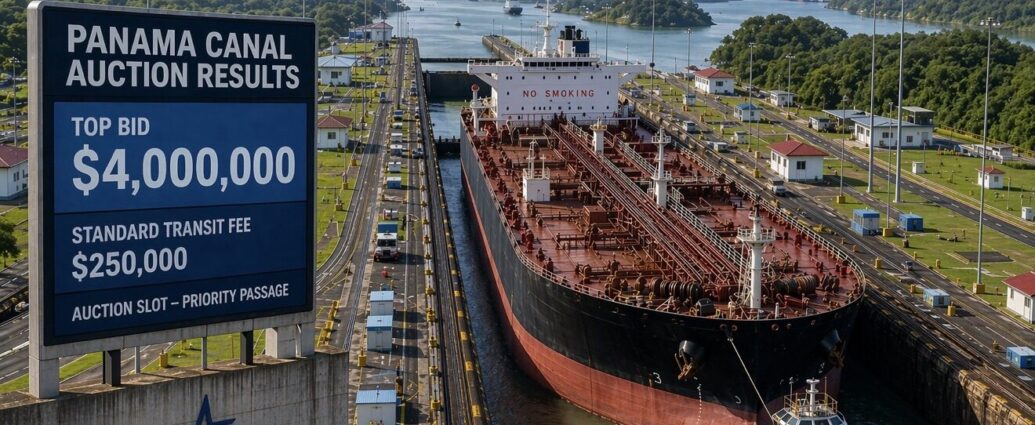
The closure of the Strait of Hormuz is rapidly redrawing the map of global commerce, forcing companies to pay unprecedented sums—up to $4 million—for expedited access through the Panama Canal, according to Ricaurte Vásquez, Administrator of the Panama Canal Authority, as supply chains strain under the weight of a prolonged geopolitical shock.

What was once a predictable, tariff-based transit system has turned into a high-stakes bidding war. Under standard conditions, vessels secure canal crossings through advance reservations at fixed rates. But with the Middle East’s most critical energy corridor effectively shut, shippers are flooding the auction market for last-minute slots—driving prices to levels rarely seen in modern maritime trade. Several energy firms have paid more than $3 million above base transit fees to fast-track shipments, underscoring the urgency gripping global logistics networks.

“They decide how high a price to go,” Vásquez said, emphasizing that the record-breaking bids reflect individual companies’ willingness to absorb extraordinary costs rather than face delays amid volatile energy markets. He noted that while pricing has surged, the canal itself is not experiencing unusual congestion, allowing the authority to capitalize on demand without operational bottlenecks. The result is a sharp increase in canal revenues, even as global trade becomes more unstable.

At the center of the disruption is the Strait of Hormuz, historically one of the most vital arteries in global energy transport. Roughly 20% of the world’s oil supply and up to 30% of global jet fuel shipments pass through the narrow waterway, according to data from the U.S. Energy Information Administration. Since late February, however, escalating military activity tied to U.S. and Israeli operations against Iran has either closed or severely restricted passage, forcing a systemic rerouting of global shipping flows.

That rerouting has elevated the Panama Canal from a strategic shortcut to a critical pressure valve for global trade. Tankers and cargo ships that would typically traverse the Persian Gulf are now navigating longer, more complex routes across the Atlantic and Pacific, often relying on the canal to maintain delivery timelines. The shift is not merely logistical—it is fundamentally economic, reshaping cost structures across multiple industries.

The financial ripple effects are already cascading through the system. Maritime insurers have sharply increased premiums for vessels operating near the Gulf, with some underwriters effectively withdrawing coverage for high-risk routes, according to market participants cited by Lloyd’s of London. Meanwhile, tanker charter rates for alternative routes have more than doubled in recent weeks, reflecting both heightened demand and elevated risk exposure.

Beyond the Atlantic-Pacific corridor, pressure is building in other global chokepoints. Policymakers in Southeast Asia are now openly discussing the possibility of imposing transit tolls through the Strait of Malacca, one of the world’s busiest shipping lanes, as governments assess how to manage surging traffic volumes and infrastructure strain. The mere consideration of such fees highlights how deeply the current crisis is reverberating across interconnected trade routes.

For U.S. businesses, the consequences are beginning to show up closer to home. Higher transportation costs, longer delivery times, and surging insurance premiums are feeding directly into supply chains, placing upward pressure on consumer prices. Data cited by CBS News indicates that U.S. food prices have already risen nearly 20% since the conflict began, a reflection of both energy-driven cost increases and disrupted global distribution networks.

Major multinational corporations are facing particularly acute challenges. Complex logistics systems built around just-in-time delivery are being forced to adapt in real time, often at significant expense. Each additional week of disruption in the Strait of Hormuz is estimated to add hundreds of millions of dollars in cumulative costs across fuel, freight, and insurance, according to industry analysts tracking the crisis.

The broader implication is clear: global trade is entering a period of structural recalibration. The Panama Canal’s surge pricing is not simply a short-term anomaly but a visible indicator of a deeper shift in how goods, energy, and capital move around the world under geopolitical stress.

As long as the Strait of Hormuz remains compromised, the strain on alternative routes—and the premium placed on access to them—is likely to intensify. What began as a regional conflict has now evolved into a global economic shock, with the cost of moving goods becoming one of the clearest measures of its reach.

JBizNews Desk

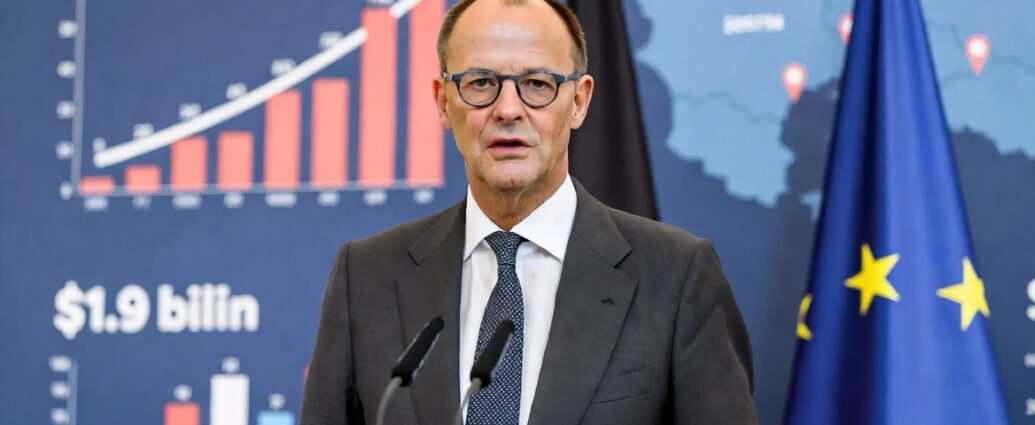
German Chancellor Friedrich Merz has unveiled a €1.6 billion ($1.9 billion) fuel relief package aimed at shielding households and businesses from surging energy costs triggered by the Iran conflict, as Europe’s largest economy grapples with the growing fallout from global supply disruptions.

The package, announced following coalition discussions within the German Federal Government, includes temporary reductions in fuel taxes and provisions allowing employers to provide tax-free bonuses to workers. The measures are designed to offset rising inflation and stabilize economic activity amid a rapidly shifting energy landscape.

“The war is the root cause of the problems we face,” Friedrich Merz said, directly linking Germany’s economic challenges to disruptions in global oil markets. His remarks underscore the extent to which geopolitical developments are influencing domestic policy decisions.

Fuel prices across Europe have surged following disruptions tied to the Strait of Hormuz, according to data from the International Energy Agency (IEA). Germany, as a major industrial economy, is particularly sensitive to energy costs, which feed directly into production, transportation, and consumer prices.

Economic forecasts are already being revised downward. Leading institutions including the Ifo Institute and DIW Berlin have cut their outlook for Germany’s 2026 growth, citing higher energy costs and weakening industrial output.

Katherina Reiche, Germany’s Economy Minister, is pushing additional support measures, including expanded subsidies for energy-intensive industries, highlighting concerns about competitiveness and employment.

The impact extends beyond Germany. Governments across Asia, including the Philippines Department of Energy, have declared energy emergencies, while countries such as Thailand have introduced conservation measures and remote work policies to reduce fuel consumption.

Despite the scale of intervention, Friedrich Merz acknowledged the limits of government action. “The state cannot absorb all uncertainties, not all risks, not all disruptions,” he said, signaling that further economic adjustments are likely.

Critics argue that the package is a short-term solution to a structural problem, as Europe continues to grapple with dependence on global energy markets. At the same time, fiscal constraints limit the government’s ability to provide broader support without undermining long-term policy goals.

The broader implication is clear: the Iran conflict is no longer a regional issue — it is a global economic shock affecting growth, inflation, and policy decisions across continents.

For Germany, the coming months will test its ability to navigate that reality while maintaining economic stability.

The energy crisis is evolving — and its full impact is still unfolding.

JbizNews Desk – Europe

The partnership will see both sides seek to cooperate on areas from minerals exploration and extraction to recycling under a memorandum of understanding signed by EU trade commissioner Maros Sefcovic and U.S. Secretary of State Marco Rubio.

This post was originally published here. 

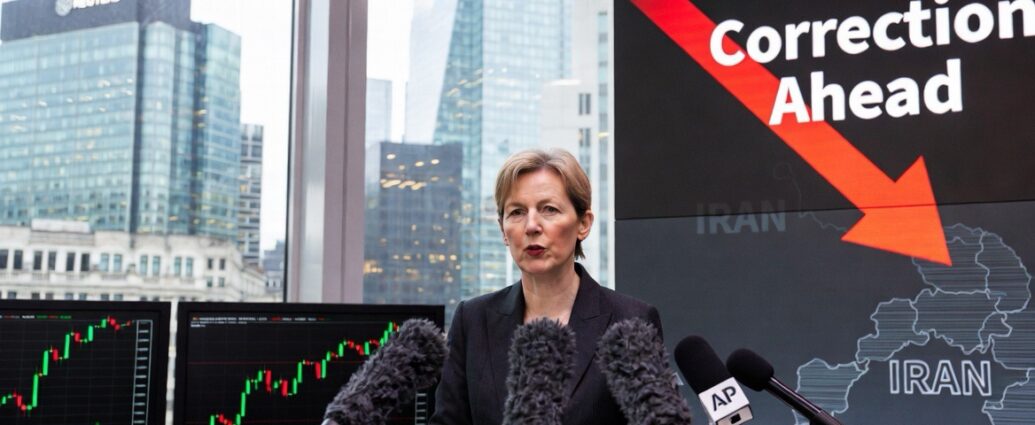
Global equity markets have staged a powerful rebound from early geopolitical shocks, climbing back to record highs even as the Iran conflict continues and energy markets remain volatile — a divergence that is drawing increasing concern from central bankers and market strategists.

The MSCI World Index, tracked by MSCI Inc., has fully erased losses tied to the outbreak of hostilities and pushed to new highs, reflecting a rapid shift in investor sentiment. On Wall Street, the S&P 500 and Nasdaq Composite, according to data from Bloomberg, recently reached fresh intraday records, supported by strong corporate earnings and easing fears of worst-case scenarios.

Much of the rally has been driven by a reversal in positioning. Billy Leung, investment strategist at Global X ETFs, said investors who had moved into defensive assets during the early stages of the conflict quickly reversed course as ceasefire expectations improved. “That repositioning has done most of the heavy lifting,” he said.

A similar view was expressed by Ray Farris, chief economist at Eastspring Investments, who noted that markets have largely discounted extreme outcomes. “Investors are taking out worst-case scenarios, particularly around oil prices, and refocusing on earnings,” he said in remarks reported by CNBC.

Corporate performance has reinforced the bullish outlook. Data from FactSet shows that a significant majority of S&P 500 companies reporting this earnings season have exceeded both profit and revenue expectations, providing a strong fundamental backdrop for equity valuations.

However, warnings are growing louder. Sarah Breeden, Deputy Governor at the Bank of England, told the BBC that markets may be underestimating risk. “There’s a lot of risk out there and yet asset prices are at all-time highs,” she said. “We expect there will be an adjustment at some point.”

Other strategists share that concern. Kristina Hooper of Man Group has expressed skepticism about the sustainability of the rally, while Craig Johnson of Piper Sandler warned that market technicals are becoming increasingly fragile following the rapid shift from oversold to overbought conditions.

Energy prices remain a key risk factor. Oil continues to trade at elevated levels amid uncertainty surrounding the Strait of Hormuz, and any renewed escalation could quickly reverse recent gains in equities.

The divergence between market performance and underlying macro risks is becoming more pronounced. While investors are betting that the worst of the geopolitical shock has passed, policymakers are signaling that volatility may not be fully priced in.

For now, momentum remains with the bulls. But as warnings from institutions like the Bank of England intensify, the sustainability of the rally is coming under increasing scrutiny.

Markets have proven resilient — but whether that resilience reflects strength or complacency remains an open question.

JBizNews Desk- World Markets

Lyft Inc. is making a decisive push into Europe’s largest ride-hailing market, acquiring the United Kingdom taxi operations of Gett in a deal valued at approximately $50 million — a move that significantly strengthens its position in London and accelerates its international expansion strategy.

The acquisition hands Lyft access to roughly three-quarters of London’s iconic black cab drivers, dramatically expanding its footprint in a market long dominated by Uber Technologies Inc. and local competitors. The deal, which is subject to standard regulatory approvals, is expected to close within the coming weeks, according to people familiar with the transaction.

For Lyft, the move represents a strategic shortcut into a tightly regulated and highly competitive market. By integrating Gett’s established network, the company avoids the years-long process of building driver relationships and navigating London’s complex licensing framework from scratch.

Lyft executives have signaled that the transition for users will be gradual. Existing Gett customers will continue to use the current app in the near term, while Lyft begins integrating operations into its broader European platform. Over time, Gett’s UK business is expected to be folded into Lyft’s Freenow network, which already operates across more than 180 cities in nine European markets.

The combined platform is expected to create one of the most comprehensive urban mobility networks in London, spanning traditional black cabs, ride-hailing vehicles, and micromobility offerings. Lyft already has a foothold in the city through its role powering the Santander Cycles bike-share program, and the company has indicated plans to expand further into next-generation transport.

A key part of that strategy includes autonomous vehicles. Lyft is preparing to launch self-driving ride testing in London later this year in partnership with Chinese technology company Baidu Inc., positioning itself among a small group of global platforms aiming to operate both human-driven and autonomous fleets within the same urban ecosystem.

The competitive implications are significant. With the addition of Gett’s driver base, Lyft will be better positioned to challenge Uber CEO Dara Khosrowshahi’s dominance in London, while also putting pressure on Bolt Technology OU and other regional players. Analysts say the scale of the combined Lyft-Gett-Freenow network could shift pricing power and driver availability in Lyft’s favor.

On the Israeli side, the transaction marks a strategic retreat from international operations for Gett, a company originally founded in Tel Aviv that once pursued aggressive global expansion. The UK business had struggled to achieve consistent profitability, weighed down by high operating costs and intense competition.

The decision to divest aligns with the strategy of Gett’s new ownership group, which acquired the company last year for approximately $188 million. Investors — including Leumi Partners, Mizrahi Tefahot Bank, and Phoenix Financial Ltd. — had reportedly identified the UK unit as a non-core asset even before completing the acquisition.

Following the sale, Gett will refocus exclusively on its Israeli operations, where management sees stronger margins and clearer growth opportunities. The company is expected to expand into adjacent transportation and mobility services within Israel, leveraging its established brand and customer base.

Post-transaction, Gett is projected to retain net assets of roughly $70 million, while significantly reducing its exposure to loss-making international markets. The restructuring effectively transforms the company into a leaner, domestically focused operator — a shift that investors believe will improve profitability and long-term stability.

The deal underscores a broader trend reshaping the global ride-hailing industry: consolidation and strategic retrenchment. As capital becomes more disciplined and profitability takes precedence over rapid expansion, companies are increasingly focusing on core markets while shedding underperforming international assets.

For Lyft, the acquisition signals a renewed willingness to compete aggressively beyond the United States. For Gett, it marks the end of its global ambitions — and the beginning of a more focused, Israel-centered chapter.

JBizNews Desk- London

The central bank cut its key interest rate for an eighth straight meeting, and said further reductions were possible despite a jump in oil prices.

This post was originally published here. 

The euro fell modestly after a key measure of German manufacturing and services activity swung into contraction in April.

This post was originally published here. 

The government narrowed the deficit, but further progress in reducing borrowing is likely to be challenging if the conflict in the Middle East is prolonged.

This post was originally published here.