


Opinion | A Rabbi Takes On Pope Leo

Fed Holds Rates Steady as Expected — But Powell Hints at Cuts Later This Year Amid Cooling Labor Market
By JBizNews Desk — April 29, 2026
Powell’s Message to Families and Businesses
The Federal Reserve kept its benchmark interest rate unchanged today, as widely anticipated, but Chair Jerome Powell signaled that rate cuts could still come later in 2026 if inflation continues to moderate and the labor market keeps cooling. For everyday Americans with mortgages, car loans, and credit card debt, this leaves high borrowing costs in place for now — while offering hope for relief down the road.
Diane Swonk, chief economist at KPMG, called the decision “a classic hold-and-watch move.” She noted that the Fed is balancing persistent inflation pressures from energy prices against signs of a softening job market.
Key Takeaways from Today’s Decision
• Federal funds rate remains in the 4.25%–4.50% range
• Powell emphasized data-dependent approach with no preset path
• Officials still project two rate cuts for 2026 in their dot plot
• Higher gasoline prices cited as a risk that could keep inflation “stickier”
Heather Long, chief economist at Navy Federal Credit Union, explained the real-world impact: “Mortgage rates near 7% and elevated credit card rates continue to squeeze household budgets. Any delay in cuts means families and small businesses pay more for borrowing longer.”
Why the Fed Is Staying Cautious
Elevated oil prices above $110 per barrel and ongoing supply chain concerns are keeping core inflation from falling as quickly as hoped. At the same time, the March jobs report showed hiring moderation and steady (but not overheating) wage growth — giving the Fed room to consider easing without reigniting price pressures.
Oliver Allen, senior U.S. economist at Pantheon Macroeconomics, said: “This is the Goldilocks scenario the Fed has been hoping for — not too hot, not too cold. But gas prices at the pump could quickly change that balance.”
Impact on Everyday Americans
• Homebuyers and refinancers remain sidelined by high mortgage rates
• Small businesses face expensive credit for expansion or inventory
• Auto loans and credit card debt become more burdensome
• Savers and retirees benefit from still-attractive yields on deposits
Nicole Bachaud, economist at ZipRecruiter, highlighted the labor side: “With hiring cooling and unemployment at 4.3%, workers have slightly less bargaining power, which helps keep wage-driven inflation in check — but also means slower income growth for many households.”
Gina Bolvin, president of Bolvin Wealth Management Group, is advising clients to prepare for potential rate relief later this year: “Lock in fixed-rate debt where possible now, but stay flexible. The Fed’s tone suggests help is coming — just not immediately.”
Broader Economic Picture
Retailers are already warning of weaker back-to-school spending due to gas prices, while small businesses battle rising insurance and supply costs. A eventual rate cut could provide much-needed breathing room, but timing remains uncertain.
Outlook
Markets are pricing in a possible cut as soon as September. Powell stressed patience, saying the Fed will “wait for more good data.” For millions of families and small business owners, today’s announcement means high borrowing costs persist through the summer — but the door remains open for lower rates before year-end if inflation and the job market cooperate.
The next big test comes with May’s jobs report and updated inflation numbers. Until then, everyday economic decisions — from filling the tank to buying a home — remain more expensive than many would like.
JbizNews- Desk

Closing Bell: U.S. Markets Close Mixed After Fed Holds Rates Steady as High Oil Prices Continue to Pressure Families and Small Businesses
By JBizNews Desk — April 29, 2026
Closing Bell Summary
U.S. stocks ended the day mixed as investors processed the Federal Reserve’s widely expected decision to hold interest rates steady while high oil prices above $110 per barrel continued to weigh on consumer spending and business costs. The S&P 500 closed slightly lower, the Dow Jones Industrial Average posted a modest gain, and the Nasdaq finished essentially flat.
This closing picture directly builds on the business trends we have covered throughout the day — from the Fed’s rate hold and cooling labor market to persistently high gasoline prices squeezing household budgets and threatening summer retail sales. Energy-sensitive sectors showed relative strength, while consumer-facing and retail names lagged, reinforcing the everyday pressures reported earlier.
Key Business Developments of the Day
Beyond the headline market numbers, several operational and corporate stories stood out:
• Major retailers continued to warn of a potentially weak back-to-school season, echoing our mid-morning coverage of families cutting discretionary spending to cope with gas prices near $4.20–$4.50 per gallon in many markets.
• Ongoing talks around Spirit Airlines’ potential restructuring and a possible Trump administration bailout remained in focus, highlighting how airline industry challenges directly affect affordable travel options for everyday families.
• Corporate leaders, including Jamie Dimon’s renewed call in Oslo to eliminate empty, time-wasting meetings, underscored a broader push for operational efficiency as businesses navigate higher costs and tighter margins.
Notable Market Movers
Several stocks and sectors stood out in today’s trading, reflecting the broader business themes of energy costs and consumer caution:
• Energy giants rose sharply — ExxonMobil and Chevron gained more than 2% each as oil prices held firm above $110, directly benefiting from the supply tightness we have tracked all day.
• Retail and consumer discretionary names lagged — Walmart, Target, and Kohl’s each closed down 1–2%, consistent with warnings about weaker back-to-school spending as families prioritize fuel over discretionary purchases.
• Airline stocks were mixed — Spirit Airlines shares remained volatile amid bailout talks, while larger carriers like Delta and United showed modest gains on higher fuel-cost pass-through expectations.
• Small-cap stocks held up better than large-caps, offering a modest positive signal for the small businesses that employ nearly half of the U.S. workforce.
Diane Swonk, chief economist at KPMG, described the day as “steady but watchful.” She noted that the Fed’s decision provides some predictability, but the combination of firm energy prices and a cooling labor market means businesses are staying disciplined on costs and expansion plans.
Heather Long, chief economist at Navy Federal Credit Union, pointed to the real-world impact on households: “With gas still hovering near $4.20–$4.50 in many areas, families are making the same trade-offs we reported on this morning — prioritizing the tank over retail or travel purchases.”
Oliver Allen, senior U.S. economist at Pantheon Macroeconomics, added: “The labor market’s cooling trend we covered earlier today is giving the Fed breathing room, but it also means businesses remain selective with hiring and investment.”
Nicole Bachaud, economist at ZipRecruiter, noted that the day’s market action could influence seasonal hiring in retail and tourism sectors heading into summer.
Gina Bolvin, president of Bolvin Wealth Management Group, advised clients to view today’s close through a practical lens: “For small business owners and everyday investors, the message is continuity — high borrowing costs persist, energy expenses remain elevated, and operational efficiency matters more than ever.”
Outlook
Today’s closing bell leaves the business landscape largely unchanged from the themes that dominated the day: a resilient but cautious economy where high energy costs and moderating labor demand are the dominant forces. The Fed’s steady stance buys time, but the pressure on household budgets and small business margins continues.
Looking ahead, tomorrow’s data calendar and any fresh developments around oil supply, corporate partnerships, or acquisition talks will be closely watched. For business enthusiasts and Main Street operators, the focus remains on managing costs, watching consumer behavior, and staying agile in an environment where general business fundamentals — not just market swings — will determine success through the rest of 2026.
JBizNews Desk
© JBizNews.com. All rights reserved. This article is original reporting by JBizNews Desk. Unauthorized reproduction or redistribution is strictly prohibited.


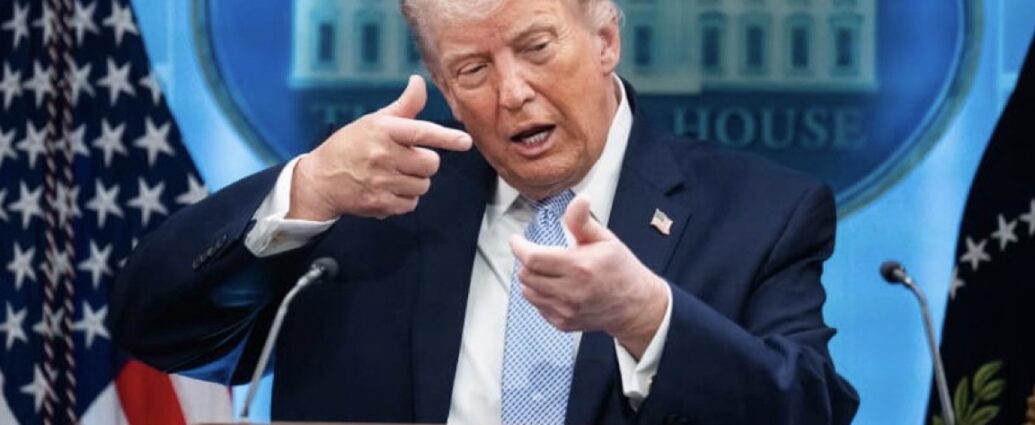
Trump: Iranian naval blockade stays until Tehran agrees to nuclear deal – Axios
US President Donald Trump on Wednesday told Axios that Iran will remain under a naval blockade until the Islamic regime agrees to a deal that addresses US concerns about its nuclear program.
The blockade is “somewhat more effective than bombing,” Trump told the outlet.
“They are choking like a stuffed pig. And it is going to be worse for them. They can’t have a nuclear weapon,” he added.
“They want to settle. They don’t want me to keep the blockade. I don’t want to [lift the blockade], because I don’t want them to have a nuclear weapon,” he said.
Meanwhile, US Central Command (CENTCOM) has begun preparing plans for a “short and powerful” wave of strikes on Iran, hoping to break the negotiating deadlock, three sources with knowledge told Axios.

Trump sees continuing the blockade as the primary means to gain leverage
After the wave of strikes, which would likely include targeting infrastructure, the US would press the regime to return to the negotiating table and show more flexibility, according to Axios.
Trump sees continuing the blockade as the primary means to gain leverage over Tehran, but would consider military action if Iran does not give in, sources told Axios.
Trump declined to discuss any military plans during the 15-minute phone conversation with Axios, the report noted.
However, a senior Iranian security source was cited by Iran’s English-language state-run broadcaster, Press TV, as saying that the US naval blockade will “soon be met with practical and unprecedented action.”
Iran’s military has shown restraint in order to give diplomacy a chance, the source said.
Iran wants to provide Trump with an opportunity to end the conflict, but emphasized that Iran’s military “believes that patience has its limits and that a punishing response is necessary” if the blockade continues.

Spirit Airlines May Be Days from Total Collapse as Trump Administration Advances $500M Bailout Talks
By JBizNews Desk — April 29, 2026
Carrier on the Brink of Liquidation
Spirit Airlines is facing an imminent cash crunch that could force liquidation within days, as soaring jet fuel prices have shattered the assumptions in its Chapter 11 restructuring plan. A lawyer for the airline told bankruptcy court Thursday that available cash “is not going to last for very much longer,” according to court filings and people familiar with the matter.
Trump Administration Steps In
The Trump administration is in advanced discussions for a potential $500 million federal bailout package that could include a loan in exchange for warrants giving the government up to a 90% ownership stake in Spirit. Heather Long, chief economist at Navy Federal Credit Union, described the move as a last-ditch effort to preserve jobs and competition in the ultra-low-cost carrier segment.
Fuel Costs Derail Turnaround
Spirit had planned to emerge from its second bankruptcy filing this summer as a smaller, more focused airline. But the sharp rise in jet fuel prices tied to Middle East tensions has added hundreds of millions in unexpected costs. Diane Swonk, chief economist at KPMG, said the surge has made the company’s financial projections unworkable without immediate new capital.
Creditor Support and Political Pushback
Two of Spirit’s three major creditor groups have signaled support for the bailout plan. However, some conservative voices — including Sen. Ted Cruz — have criticized the idea of government ownership in a private airline. Oliver Allen, senior U.S. economist at Pantheon Macroeconomics, noted that while the administration appears able and willing to move forward, political and legal hurdles remain.
What a Collapse Would Mean
Guy Berger, chief economist at Homebase, warned that a Spirit liquidation would remove a major low-fare competitor, likely pushing up ticket prices for millions of budget travelers. Nicole Bachaud, economist at ZipRecruiter, added that thousands of jobs at the airline and its suppliers hang in the balance. Gina Bolvin, president of Bolvin Wealth Management Group, urged investors and travelers to prepare for major disruption.
Outlook
The next 48–72 hours are critical. Without the bailout or access to restricted cash, Spirit — once America’s largest ultra-low-cost carrier — could be forced to cease operations. The Trump administration’s willingness to intervene marks a dramatic shift, but no final agreement has been reached yet.
JBizNews Desk
© JBizNews.com. All rights reserved. This article is original reporting by JBizNews Desk. Unauthorized reproduction or redistribution is strictly prohibited.



Trump Signals Prolonged Naval Blockade of Iranian Ports
By JBizNews Desk — April 29, 2026
No Letup in Maximum Pressure Campaign
President Donald Trump has instructed aides to prepare for an extended U.S. naval blockade of Iranian ports and the Strait of Hormuz, according to multiple reports. Heather Long, chief economist at Navy Federal Credit Union, described the move as a calculated shift toward sustained economic pressure rather than renewed kinetic action.
Blockade Aimed at Choking Oil Exports
The strategy seeks to further restrict Iran’s ability to export oil, forcing Tehran back to the negotiating table. Oliver Allen, senior U.S. economist at Pantheon Macroeconomics, noted that the blockade has already significantly reduced Iranian oil revenues and is contributing to elevated global energy prices.
Oil Markets React Sharply
Brent crude extended gains and traded above $110–$114 per barrel amid the news. Diane Swonk, chief economist at KPMG, warned that prolonged disruption in the Strait of Hormuz — through which roughly 20% of global oil passes — could keep energy costs elevated and complicate the Federal Reserve’s inflation outlook.
Geopolitical and Economic Risks
Guy Berger, chief economist at Homebase, highlighted that while the blockade is seen as lower-risk than direct military escalation, it continues to drive up domestic gasoline prices (now averaging around $4.22 nationally) and adds uncertainty for global supply chains. Iran has reportedly sought relief from the measures, with stalled talks adding to tensions.
Market and Investor Implications
Energy stocks gained on the developments while broader risk sentiment remained cautious. Nicole Bachaud, economist at ZipRecruiter, observed that sustained high oil prices could support certain domestic sectors but risk weighing on consumer spending if prolonged. Gina Bolvin, president of Bolvin Wealth Management Group, advised clients to monitor energy exposure closely as the situation evolves.
Broader Context
The signal comes as the UAE prepares to exit OPEC effective May 1, further complicating global oil coordination. Analysts expect the blockade to remain a central feature of U.S. policy toward Iran in the near term.
What to Watch
• Any official White House or Pentagon statements on the duration of the blockade.
• Impact on upcoming Fed communications and Big Tech earnings reactions today.
• Developments in global oil supply and tanker traffic through the Strait of Hormuz.
JBizNews Desk
© JBizNews.com. All rights reserved. This article is original reporting by JBizNews Desk. Unauthorized reproduction or redistribution is strictly prohibited.



Canada Launches First Sovereign Wealth Fund to Build Major Projects
Prime Minister Mark Carney announced on Tuesday the creation of Canada’s first sovereign wealth fund, the Canada Strong Fund, designed to finance major national infrastructure and resource projects.
The Canada Strong Fund starts with an initial C$25 billion endowment from the federal government and will operate as an arm’s-length investment vehicle. Mark Carney said the fund will partner with private capital to accelerate projects in energy, critical minerals, ports, agriculture and advanced manufacturing.
“This fund will allow Canada to invest in its own future while delivering strong returns for Canadians,” Mark Carney stated in Ottawa.
Finance Minister officials confirmed the fund will seek commercial-rate returns rather than act as a grant program. Investments will be selected based on rigorous financial criteria, with governance modeled after successful international sovereign wealth funds such as Norway’s Government Pension Fund Global.
The announcement comes amid Canada’s efforts to reduce reliance on single export markets and strengthen domestic supply chains. Mark Carney has emphasized the need for long-term capital to fund projects that enhance productivity and economic resilience.
Bank of Canada Governor Tiff Macklem has highlighted the importance of sustained infrastructure investment for potential output growth. The Canada Strong Fund is expected to complement rather than replace existing federal spending programs.
Mark Carney noted that Canadian citizens will have the opportunity to co-invest directly in the fund, broadening participation in major national projects. The government plans to detail investment criteria and initial targets in the upcoming Spring Economic Update.
Private sector leaders welcomed the initiative. Executives at Nutrien, Barrick Gold and infrastructure firms expressed interest in potential partnerships for critical minerals and energy projects.
The Canada Strong Fund will prioritize shovel-ready projects that create high-quality jobs while maintaining a strict commercial mandate. Officials said borrowing costs remain favorable given Canada’s strong credit rating.
International observers compare the move to how countries like Singapore and Norway have used sovereign wealth vehicles to manage national savings and strategic investments. Canada’s version will focus heavily on domestic development.
Mark Carney, who previously served as Governor of the Bank of Canada and the Bank of England, brings deep financial expertise to overseeing the fund’s launch. The government aims for the fund to reach significant scale through reinvested returns and additional contributions over time.
Market reaction was measured. Shares of Canadian resource and infrastructure companies saw modest gains on the news, reflecting expectations of new capital flows.
Finance Minister representatives said the fund’s board will include independent directors with strong investment backgrounds to ensure professional management and transparency.
As details are finalized, analysts will watch for the first wave of approved projects. The Canada Strong Fund represents a major evolution in how Canada finances strategic economic development.
JBizNews Desk — April 28, 2026
© JBizNews.com. All rights reserved. This article is original reporting by JBizNews Desk. Unauthorized reproduction or redistribution is strictly prohibited.

Opinion | Why the U.A.E. Broke Up With OPEC


U.S.-Iran War’s Next Casualty: Global Food



United Arab Emirates’ Sudden Exit from OPEC and OPEC+ Sends Shockwaves Across Global Oil Markets
JBizNews – The United Arab Emirates on April 28, 2026, announced its withdrawal from the Organization of the Petroleum Exporting Countries and the broader OPEC+ alliance effective May 1, a move that severs nearly six decades of membership and has sent shockwaves through global energy markets, signaling a fundamental realignment of its energy policy toward greater production flexibility amid evolving global demand and regional tensions.
The decision, conveyed through the state-run WAM news agency and confirmed by UAE Energy Minister Suhail Mohamed al-Mazrouei, follows a comprehensive review of the country’s production policy, current capacity and future expansion plans, Rystad Energy analyst Jorge Leon noted. UAE officials framed the exit as aligned with the country’s long-term strategic and economic vision, enabling it to respond more nimbly to market dynamics without the constraints of collective quotas. The UAE, which joined OPEC in 1967 via the Emirate of Abu Dhabi and retained membership after the federation’s formation in 1971, produces roughly 3.2 million to 3.5 million barrels per day and has been investing heavily to lift capacity toward 5 million barrels per day by 2027, ICIS director of energy and refining Ajay Parmar highlighted.
Suhail Mohamed al-Mazrouei described the step as a policy decision taken after careful consideration. “This decision follows decades of constructive cooperation,” the energy ministry stated, while reaffirming the UAE’s commitment to global market stability through gradual and measured output adjustments guided by demand. The announcement comes with just days’ notice, raising questions about coordination with fellow members, energy market analysts observed. UAE diplomatic adviser Anwar Gargash separately cited frustrations with insufficient political and military support from Gulf Cooperation Council partners during the ongoing Iran conflict, adding a geopolitical layer to the economic rationale.
The exit represents a sudden and significant shock to OPEC and OPEC+ unity and to the broader global oil market, Rystad Energy analyst Jorge Leon emphasized. “The UAE withdrawal marks a significant shift for OPEC. Alongside Saudi Arabia, it is one of the few members with meaningful spare capacity,” he said, warning that the longer-term implication is a structurally weaker group and a potentially more volatile oil market. The timing amplifies the impact amid the Iran war’s disruption of flows through the Strait of Hormuz.
UAE officials downplayed immediate market disruption, noting current logistical constraints in the Gulf limit near-term export effects. Still, the move hands a symbolic victory to U.S. President Donald Trump, who has long criticized OPEC for inflating prices, global energy analysts pointed out. Oil prices trimmed some intraday gains following the news but remained elevated overall, reflecting the surprise factor.
Saudi Arabia, the de facto leader of OPEC+, now faces heightened challenges in maintaining group cohesion, energy sector analysts at Goldman Sachs noted. The UAE had frequently pushed for higher baselines to reflect its expanded capacity, a point of past tension within the alliance.
For global energy markets, the departure removes one of the cartel’s most consequential producers and could encourage other members to reassess their commitments. UAE authorities stressed the exit does not signal hostility toward former partners and pledged continued responsible contributions to supply security, consensus analyst views from Rystad and ICIS tracked.
Shares of major international oil companies with exposure to the Gulf reacted with caution, while benchmark Brent crude futures hovered near recent highs above $100 per barrel.
The developments carry implications for consumers worldwide through possible shifts in price volatility and for producing nations weighing the trade-offs between collective influence and sovereign flexibility. Regulatory and geopolitical factors, including the Iran conflict’s blockade effects and evolving energy transition pressures, add layers of complexity to the UAE’s new independent path.
UAE’s performance as an independent producer will be closely watched as a test case for whether exiting the cartel delivers the production upside it seeks without destabilizing global supply balances, Wolfe Research energy analysts observed. The global oil sector has already navigated pandemic recovery, demand uncertainties and now war-induced shocks; the UAE’s bold departure could accelerate a fragmentation trend or prompt renewed efforts at coordination among remaining members.
Looking ahead, the UAE’s trajectory will depend on its ability to ramp up output gradually while maintaining market stability commitments, the success of ongoing capacity investments by Abu Dhabi National Oil Company, and how OPEC+ responds to the loss of a key player. Further details on implementation and any ripple effects on quotas are expected in coming days, with analysts cautioning that near-term supply impacts may be muted but longer-term implications point to greater oil market volatility and questions over the future cohesion of producer alliances.
JBizNews Desk
April 28, 2026
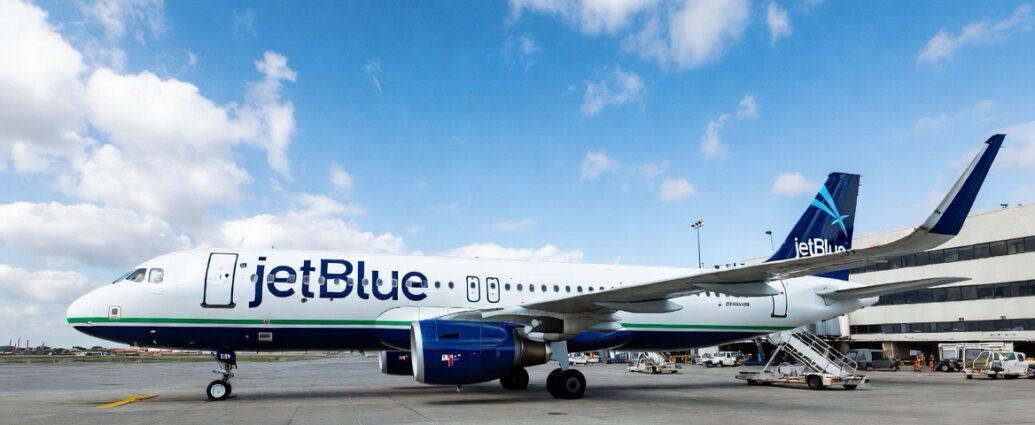
JetBlue Airways Widens First-Quarter 2026 Loss as Surging Fuel Costs Outpace Revenue Growth, Prompting Deeper Cost Cuts
JBizNews – JetBlue Airways Corp. on April 28, 2026, reported a significantly wider first-quarter net loss as sharply higher jet fuel prices eroded margins and outstripped modest revenue gains, intensifying pressure on the carrier to accelerate capacity reductions and other cost-saving measures to preserve liquidity and chart a clearer path back to profitability.
The Long Island City, New York-based airline posted a first-quarter net loss of $319 million, or 86 cents per share, compared with a $208 million loss, or 59 cents per share, a year earlier, FactSet analysts noted in their consensus compilation. On an adjusted basis, the loss reached 87 cents per share, exceeding Wall Street analysts’ consensus estimate of about 72 to 73 cents. Operating revenue rose 4.7 percent to $2.24 billion, in line with expectations and supported by steady passenger demand, JMP Securities analysts highlighted. Yet operating expenses climbed faster, resulting in an operating loss of $224 million, wider than the $174 million loss in the prior-year period.
Fuel emerged as the dominant headwind, BMO Capital Markets analyst Michael Goldie emphasized. The average price per gallon climbed to $2.96, up 15.2 percent year-over-year and well above internal planning assumptions, pushing total operating expenses up 6.5 percent. Operating expense per available seat mile rose 8.3 percent, while CASM excluding fuel increased 6.6 percent, including roughly four points of pressure from weather-related disruptions, UBS analyst Atul Maheswari pointed out. System capacity declined 1.7 percent year-over-year, consistent with earlier efforts to align supply with demand, Seaport Global Securities analyst Daniel McKenzie observed.
Chief Executive Officer Joanna Geraghty stressed actions within the company’s control. “We delivered a strong first quarter, with revenue performance exceeding our expectations, driven by resilient consumer demand and an appreciation for JetBlue’s industry-leading customer offering,” Geraghty said in the earnings release. The airline is deepening initiatives under its JetForward restructuring program, including further capacity discipline, revenue optimization, and targeted cost reductions to offset volatile energy markets, Deutsche Bank analyst Mike Linenberg said. JetBlue has already slowed hiring, intensified fuel-efficiency efforts targeting a roughly 5 percent improvement for the full year, and adjusted its network to protect margins.
These challenges reflect broader pressures across the U.S. airline industry in early 2026, Goldman Sachs analyst Catherine O’Brien noted. Several major carriers, including United Airlines and American Airlines, have pointed to elevated jet fuel costs—driven by geopolitical tensions and supply concerns—when trimming capacity plans and revising full-year forecasts. For JetBlue, with its focus on leisure travel, East Coast routes, and premium offerings such as Mint business class, the fuel spike has compounded difficulties in recovering sustainable profitability after years of pandemic-related volatility, Citigroup analyst John Godyn added.
JetBlue maintains a solid liquidity position, ending the quarter with approximately $2.4 billion in total liquidity supported by positive operating cash flow of about $120 million, Wells Fargo analysts confirmed. The carrier also executed $500 million in aircraft-backed financing during the period. Its unencumbered asset base exceeds $6 billion, providing flexibility amid ongoing cost pressures. Still, sustained high energy prices risk delaying debt reduction targets and broader capital return plans, Bank of America analysts cautioned.
Under the JetForward strategy, JetBlue continues shifting capacity toward higher-margin markets such as its Fort Lauderdale hub, which posted robust results with RASM up 5 percent year-over-year on 23 percent capacity growth, Morgan Stanley analyst Ravi Shanker highlighted. The airline is expanding its premium Mint cabin offerings, enhancing loyalty programs, and strengthening partnerships such as the Blue Sky interline agreement with United Airlines. Management has set goals of achieving breakeven or better operating results for the full year 2026, with the program expected to deliver $850 million to $950 million in incremental earnings before interest and taxes by 2027, Evercore ISI analyst Duane Pfennigwerth tracked. Recent progress includes gains in operational reliability and customer metrics, though near-term macroeconomic volatility has required a more aggressive approach to expenses.
Shares of JetBlue (NASDAQ: JBLU) fell in early trading on April 28 following the results, as investors digested the earnings miss and cautious near-term outlook, TipRanks analysts reported. The stock has faced persistent pressure this year amid sector-wide concerns over cost inflation and demand stability.
Hybrid and low-cost carriers like JetBlue remain especially exposed to fuel volatility because of thinner margins and variable hedging strategies, JPMorgan analyst Jamie Baker stated. In response, the airline is pursuing yield management initiatives to recapture 30 to 40 percent of the higher fuel costs in the second quarter, with fuller recovery targeted by early 2027. Capacity for the April-to-June period is now expected to rise between 1.5 percent and 4.5 percent, with revenue per available seat mile projected to grow 7.0 percent to 11.0 percent. The company has already reduced second-quarter capacity by nearly one percentage point versus recent expectations and plans at least a 2–3 percent reduction in second-half 2026 capacity compared with prior forecasts, Raymond James analysts detailed.
The developments carry implications for consumers, who may see continued emphasis on ancillary fees—such as checked-bag charges and premium seating options—as JetBlue works to offset rising input costs without fully sacrificing competitiveness against legacy and other low-cost rivals, Evercore ISI analyst Duane Pfennigwerth noted. At the same time, regulatory factors, including slot constraints at major hubs such as New York’s JFK and Boston Logan, along with ongoing industry consolidation debates, continue to shape the airline’s network decisions.
JetBlue’s performance will be closely watched as a bellwether for mid-tier carriers navigating a high-cost environment, Wolfe Research analysts observed. The broader U.S. airline sector has benefited from resilient leisure and premium travel demand, but input cost pressures have forced widespread adjustments in capacity and pricing strategies. For JetBlue, success in premium product uptake and operational efficiencies could help it stand out from pure low-cost competitors, while any softening in consumer spending on travel could amplify near-term challenges.
Looking ahead, JetBlue’s trajectory will hinge on moderation in fuel prices, successful execution of additional cost initiatives under JetForward, and resilient travel demand heading into the peak summer season, consensus analyst views indicate. The airline is expected to offer more detailed 2026 guidance and program updates during its earnings conference call. Further escalation in energy markets or any softening in leisure bookings could trigger additional capacity adjustments, while stronger-than-expected premium uptake and efficiency gains would accelerate progress toward sustained positive margins and the company’s longer-term profitability targets.
JBizNews Desk
April 28, 2026
This article is for informational purposes only and does not constitute investment advice. All data sourced from JetBlue Airways official filings, earnings releases, and verified public reports.

Claire’s Exits UK High Street for Good, Leaving 1,300 Out of Work
London | April 27, 2026 — JBizNews Desk
The iconic purple storefronts of Claire’s Accessories have gone dark across the United Kingdom and Ireland for the final time, marking the end of nearly three decades on the high street after the retailer shuttered all 154 remaining standalone stores. The closure, one of the largest retail collapses in Britain this year, leaves more than 1,300 employees facing immediate redundancy.
Administrators from Kroll Advisory Ltd. confirmed that staff were notified their roles had been terminated effective immediately. “It has not been possible to secure a viable future for the standalone store estate,” said Philip Dakin, Managing Director at Kroll, who is serving as joint administrator alongside Benjamin Wiles and Janet Burt. While roughly 350 concession locations inside partner retailers remain operational for now, the shutdown of independent stores effectively ends Claire’s presence as a standalone high street brand.
The collapse follows a prolonged period of financial distress. The UK and Ireland business, operated under CAUKI Ltd., had already entered insolvency once after its former U.S. parent filed for bankruptcy. It was later acquired by Modella Capital in September 2025, only to re-enter administration in January 2026. Modella cited “legacy trading challenges and an extremely difficult retail environment” in explaining its decision.
Kroll administrators said the company continued trading during the administration period while exploring options, but ultimately concluded there was “no realistic prospect of returning to sustainable profitability.” The result was a full wind-down of the standalone store network.
Industry analysts point to a convergence of structural pressures behind the collapse. Rising labor costs, including higher National Insurance contributions and wage increases, eroded already thin retail margins. At the same time, Claire’s reliance on mall and high street foot traffic proved increasingly untenable as consumer behavior shifted decisively toward online platforms.
Competition from ultra-low-cost digital players intensified the pressure. Platforms such as Shein and Temu, powered by AI-driven supply chains and rapid product cycles, have dominated the sub-£5 accessories market—price points traditional retailers struggle to match. Meanwhile, TikTok Shop has accelerated direct-to-consumer sales by turning viral trends into instant purchasing opportunities, bypassing physical retail altogether.
“The economics of the high street have fundamentally changed, especially for value-driven categories like fashion accessories,” said retail analysts tracking the sector, noting that younger consumers increasingly prioritize speed, price, and digital discovery over in-store experiences.
Claire’s also faced shifting consumer tastes. Once known for its brightly colored, trend-driven jewelry, the brand struggled to adapt as younger shoppers moved toward more minimalist and sustainability-focused styles. The mismatch left its core product offering increasingly out of step with evolving preferences.
While the standalone stores are now closed, the company’s remaining 356 concessions within larger retailers continue to operate, though their long-term future remains uncertain. The Claire’s UK e-commerce platform has been suspended, and customers are no longer able to place online orders.
Affected employees are being directed to file claims through the UK government’s Insolvency Service to recover unpaid wages, holiday pay, and redundancy compensation—a process that typically takes several weeks. Kroll said it is working with staff to guide them through the claims process.
For many consumers, the closure marks more than just another retail failure. Claire’s was a rite of passage for generations of teenagers—known for first ear piercings, birthday outings, and affordable fashion accessories. Its disappearance from the high street underscores the broader transformation of retail, where legacy brands face mounting difficulty competing against digital-first challengers.
The company now joins a growing list of UK retail casualties struggling to survive the combined pressures of rising costs, shifting consumer habits, and relentless online competition. As the high street continues to evolve, Claire’s exit serves as a stark reminder of how quickly even well-known brands can lose relevance in a rapidly changing marketplace.
Simple Breakdown:
Claire’s closed all its main stores in the UK because it couldn’t keep up with online shopping and cheaper competitors. Now over 1,300 workers lost their jobs, and the brand is leaving the high street.
JBizNews Desk- London

Markets Open Mixed as UAE Quits OPEC, OpenAI Doubts Rattle Tech, and Fed Meeting Kicks Off
Tuesday, April 28, 2026 — 9:35 AM ET | JBizNews Desk
Wall Street opened Tuesday navigating a convergence of geopolitical shocks, corporate uncertainty, and central bank anticipation, as investors digested the United Arab Emirates’ abrupt exit from OPEC, fresh concerns surrounding OpenAI’s growth trajectory, and the start of what may be Federal Reserve Chair Jerome Powell’s final policy meeting.
Markets showed early divergence. The S&P 500 fell 0.6%, while the Nasdaq Composite dropped 1.2%, weighed down by technology stocks. The Dow Jones Industrial Average rose 0.3%, supported by its lower exposure to tech. The Russell 2000 edged down 0.17%. Commodities reflected continued volatility, with crude oil climbing 2.76% to $99.03 per barrel, while gold pulled back 2.05% to $4,597.50. The 10-year Treasury yield ticked up to 4.364%, signaling persistent rate sensitivity.
The moves follow a historic Monday session in which the S&P 500 closed at a record 7,173.91, and the Nasdaq reached an all-time high of 24,887.10, setting the stage for heightened volatility as markets entered a critical 48-hour window.
At the center of the market’s tension is the escalating Iran conflict, which has disrupted an estimated 20% of global oil supply. The International Energy Agency has described the situation as the “greatest global energy security challenge in history,” drawing comparisons to the 1970s oil crisis. Goldman Sachs analysts have warned that global oil inventories are being drawn down at a record pace of 11 to 12 million barrels per day, reinforcing expectations of sustained price pressure even as volatility spikes.
Diplomatic efforts remain fragile. Over the weekend, President Donald Trump canceled planned ceasefire talks in Pakistan involving envoys Steve Witkoff and Jared Kushner, after Iranian Foreign Minister Abbas Araghchi departed before negotiations could begin. Oil markets reacted sharply, with Brent crude briefly surging above $112 per barrel before easing back near $104. Iran has since floated a proposal to reopen the Strait of Hormuz, though its nuclear program remains a central sticking point, with the Trump administration demanding near-total dismantlement of enrichment capabilities.
Adding to the geopolitical shock, the United Arab Emirates announced Tuesday it will formally exit OPEC and OPEC+ effective May 1, ending a membership that dates back to 1967. The UAE, OPEC’s third-largest producer behind Saudi Arabia and Iraq, cited its “long-term strategic and economic vision” as the driver of the decision. Analysts say the move could eventually increase global supply by freeing the UAE from production quotas, though in the near term it injects further uncertainty into already volatile energy markets.
At the same time, technology stocks came under pressure following a Wall Street Journal report that OpenAI has fallen short of internal targets for user growth and revenue ahead of its anticipated IPO. Chief Financial Officer Sarah Friar reportedly raised concerns about the company’s ability to sustain future computing commitments if growth does not accelerate. The report weighed heavily on AI-linked equities, pulling down Oracle, Broadcom, Advanced Micro Devices, Intel, and Nvidia, which fell nearly 3% from recent highs.
Despite the broader market weakness, several companies posted strong gains. General Motors surged more than 4% after reporting adjusted earnings of $3.70 per share, well above expectations, and raising its 2026 EBITDA outlook. Coca-Cola climbed nearly 3% after beating earnings estimates and lifting its full-year guidance. Nucor added more than 3% following stronger-than-expected results, reflecting continued strength in industrial demand.
On the downside, Illinois Tool Works dropped approximately 9%, reflecting geopolitical sensitivity and cautious positioning ahead of earnings. UPS declined more than 3% after maintaining guidance that pointed to limited near-term growth, amid declining volumes and margin pressure.
Analyst activity remained active. UBS analyst Taylor McGinnis reiterated a Buy rating on Twilio, raising the price target to $180. Josh Silverstein of UBS maintained a Buy on Liberty Energy, increasing his target to $40, while Thomas Wadewitz raised his target on Union Pacific to $274 with a Neutral rating. Macquarie analyst Chad Beynon lifted his target on Boyd Gaming to $95, maintaining a Neutral stance.
All eyes now turn to the Federal Reserve, as its two-day FOMC meeting begins Tuesday. Markets are pricing in a 100% probability that rates will remain unchanged in the 3.5% to 3.75% range, though policymakers face a complex backdrop shaped by energy-driven inflation risks and geopolitical instability. The meeting is widely expected to be Jerome Powell’s final one as chair, with the Senate Banking Committee set to vote on Kevin Warsh’s nomination as his successor.
The week’s significance extends beyond monetary policy. Earnings from Alphabet, Amazon, Meta, and Microsoft are scheduled for Wednesday, followed by Apple on Thursday—marking one of the most critical stretches of the earnings season.
With geopolitics, energy markets, AI sentiment, and monetary policy all colliding, investors are navigating a high-stakes environment where direction remains uncertain and volatility is likely to persist.
Simple Breakdown:
A lot is happening at once—oil issues, tech concerns, and big Fed decisions. That’s why some stocks are going up while others are falling.
JBizNews Desk


Iran Offers a New Proposal to End War


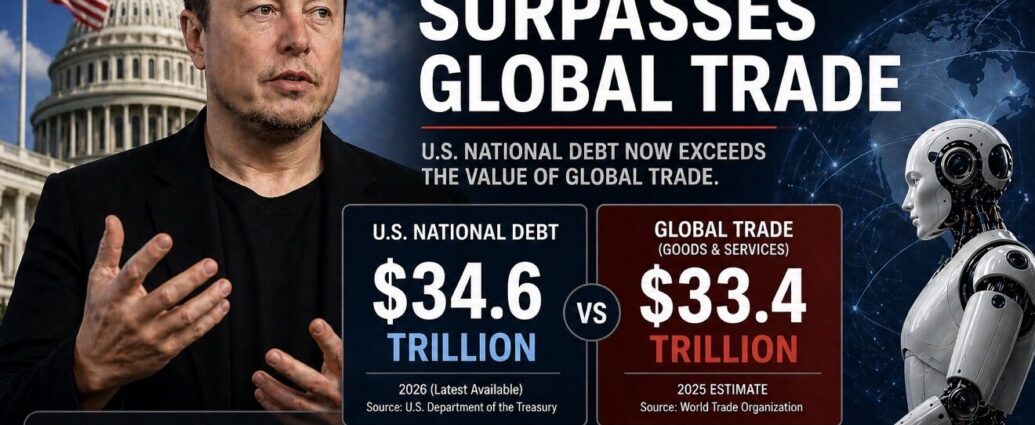
Elon Musk Warns U.S. Will “1,000%” Go Bankrupt From Debt — Says AI Is the Only Solution
Markets & Economy | April 27, 2026 | JBizNews Desk
Has the United States crossed a line that markets and policymakers can no longer ignore? With federal borrowing now roughly $34–35 trillion, and the total value of global trade hovering near $33–34 trillion annually, the world’s largest economy has entered a symbolic — and for some, alarming — new phase. The comparison is not a perfect one, but it raises a fundamental question: how sustainable is America’s fiscal trajectory when its debt rivals the scale of global commerce itself?
The figures, drawn from the U.S. Department of the Treasury and estimates compiled by the World Trade Organization, highlight just how rapidly U.S. borrowing has expanded in the post-pandemic era. While the U.S. continues to benefit from the dollar’s reserve currency status and deep capital markets, the pace of debt accumulation is forcing a renewed debate in Washington and on Wall Street.
Few have framed the issue more starkly than Elon Musk, CEO of Tesla Inc. and SpaceX, who has increasingly warned that only a dramatic leap in productivity — driven by artificial intelligence and automation — can offset what he sees as an unavoidable fiscal crisis. Speaking on the Dwarkesh Podcast, Musk delivered a blunt assessment that is now echoing across business and policy circles.
“We are 1,000% going to go bankrupt as a country and fail as a country… without AI and robots,” Musk said. “Nothing else will solve the national debt. We just need enough time to build the AI and robots to not go bankrupt before then.”
Musk’s comments reflect a growing view in parts of the technology sector that traditional policy levers — taxation, spending adjustments, and monetary tools — may not be sufficient to counter the scale of the problem. Instead, proponents argue, only transformative productivity gains can meaningfully shift the equation.
But is that realistic — or is it an overreliance on future innovation?
Jerome Powell, Chair of the Federal Reserve, has taken a more measured tone in recent public remarks, emphasizing that while U.S. debt is on an “unsustainable path,” the immediate focus remains on inflation control and economic stability. At the same time, Powell and other policymakers have repeatedly noted that long-term fiscal sustainability ultimately falls to Congress, not the central bank.
Meanwhile, economists at the Congressional Budget Office have projected that federal debt will continue rising as a share of GDP for decades under current law, driven largely by entitlement spending and interest costs. In its latest outlook, the CBO warned that higher debt levels could slow economic growth, increase borrowing costs, and limit the government’s ability to respond to future crises.
Janet Yellen, U.S. Treasury Secretary, has defended the resilience of the U.S. financial system, pointing to strong demand for Treasury securities and the continued dominance of the dollar in global trade and finance. Still, even Treasury officials acknowledge that the trajectory of debt cannot rise indefinitely without consequences.
Adding a global and demographic perspective to the discussion, Duvi Honig, Chief Economist and Founder of the National Roundtable for Presidents of Chambers of Commerce in Washington, D.C., and Founder & CEO of the Wall Street–based Orthodox Jewish Chamber of Commerce, framed the imbalance in stark terms.
“Think about it — the world’s population is roughly 8.3 billion, while the United States has about 349 million people. That means America represents just about 4% of the global population, yet we are carrying approximately $34–35 trillion in debt, while total global trade is only about $33–34 trillion annually — effectively the economic activity tied to the remaining 96% of the world.
It’s unsustainable. It’s financial lunacy — and we’re in denial. Eventually, it will catch up to us.”
The comparison between national debt and global trade is, by definition, imperfect — one is a cumulative stock, the other an annual flow. But analysts say the symbolism is difficult to ignore. It reflects the extent to which U.S. fiscal expansion has outpaced not just domestic growth, but global economic benchmarks.
On Wall Street, reactions are mixed. Some investors continue to view U.S. Treasurys as the world’s safest asset, particularly in times of geopolitical uncertainty. Others are beginning to question whether persistently high deficits and rising interest costs could eventually erode that confidence.
Larry Summers, former U.S. Treasury Secretary, has repeatedly warned that the U.S. is entering a period where fiscal policy is becoming increasingly constrained. In recent remarks, Summers argued that higher real interest rates could make it significantly more expensive to service the debt, compounding the challenge over time.
At the same time, major asset managers, including BlackRock Inc., have pointed to structural demand for U.S. debt from global investors, pension funds, and central banks — a factor that continues to support the system, even as headline debt levels rise.
So where does that leave policymakers — and markets?
Is Musk right that only a technological leap can prevent a crisis? Or will traditional fiscal tools, combined with steady economic growth, prove sufficient to stabilize the trajectory?
For now, the answer remains uncertain. What is clear is that the scale of U.S. borrowing has reached a point where it is no longer just a domestic issue — it is a central pillar of the global financial system.
And as debt levels continue to climb, the stakes are rising. Interest costs are consuming a larger share of federal spending. Fiscal flexibility is narrowing. And the margin for error — whether economic, political, or geopolitical — is shrinking.
The question is no longer whether the United States can carry high levels of debt. It is whether it can continue to do so indefinitely without triggering a broader reckoning — and whether innovation, policy, or markets themselves will ultimately force the adjustment.
— JBizNews Desk

Opinion | Qatar and the ICC Prosecutor


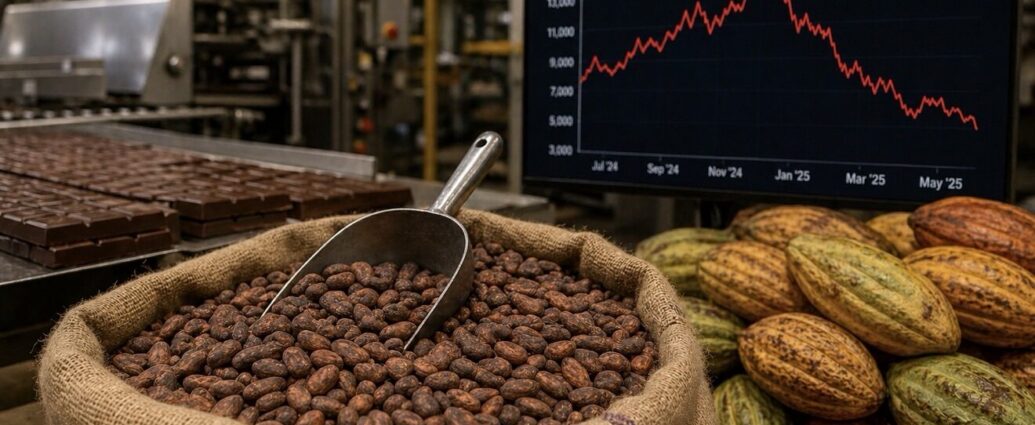
Chocolate Makers Reset Supply Plans After Cocoa Price Swings Reshape Global Industry
The global chocolate industry is undergoing one of its most consequential structural resets in decades, as extreme volatility in cocoa prices forces the world’s largest confectionery companies to rethink sourcing, pricing, and product composition—all while consumers continue to face elevated prices at the register.
Cocoa futures, which surged to a record $12,931 per metric ton in late 2024, have since fallen more than 70%, stabilizing in the $5,000 to $6,000 range in early 2026. Despite the sharp decline, prices remain well above historical norms, leaving manufacturers navigating a fundamentally altered cost environment. The volatility—driven by poor harvests in West Africa, climate disruptions, disease, and years of underinvestment—has exposed deep structural vulnerabilities across the cocoa supply chain.
“The scale of the shock changed how companies think about cocoa entirely,” industry analysts note, pointing to a shift from short-term hedging strategies toward long-term supply resilience. Cocoa’s role extends far beyond chocolate bars, feeding into bakery products, snacks, dairy, and beverages—meaning pricing disruptions ripple across the broader food economy.
For The Hershey Company (NYSE: HSY), the response has centered on tightening hedging strategies while expanding sourcing flexibility. Chief Financial Officer Steve Voskuil told investors the company has strengthened its commodities governance framework, combining derivatives, market intelligence, and structured oversight to manage volatility. “We have very good visibility into our cost basket, including cocoa, albeit at significantly higher pricing levels than prior years,” Voskuil said, adding that hedging allows Hershey to cap downside risk while maintaining upside exposure if prices fall.
At the same time, Hershey has quietly adjusted certain product formulations. Some seasonal and specialty items have shifted away from traditional milk chocolate toward alternative coatings using sugar and vegetable oils, a move that has sparked consumer backlash. The company has defended its core products, particularly Reese’s Peanut Butter Cups, while acknowledging ongoing experimentation across its portfolio.
Despite the controversy, Hershey has outperformed peers. The company’s latest earnings beat expectations, sending shares higher and supporting a stronger outlook for 2026. Analysts note that Hershey has managed to maintain elevated retail prices even as input costs began to ease—effectively preserving margins in a way reminiscent of previous commodity cycles.
In contrast, Mondelēz International (NASDAQ: MDLZ) has faced a more constrained recovery. Although the company exceeded earnings estimates, its shares declined after management issued a cautious outlook. Analysts point to longer-duration cocoa hedges as a key factor limiting its ability to benefit from falling prices. Chief Executive Officer Dirk Van de Put emphasized that consumer demand for chocolate remains resilient but signaled that pricing pressure could persist. “For sure, cocoa prices will remain higher than they’ve been in the past, but they will come down eventually from the current high,” Van de Put said.
Across Europe, reformulation trends are accelerating. Nestlé S.A. (SWX: NESN) removed the legal designation of “chocolate” from certain products in the UK after reducing cocoa content below regulatory thresholds, relabeling them as “chocolate-flavored” coatings. Pladis Global, the maker of Penguin and Club bars, has taken similar steps. These changes have triggered backlash from consumers, with critics arguing that the industry has moved beyond shrinkflation into ingredient substitution.
“Chocolate manufacturers are looking for ways to decrease the impact of supply challenges, quality fluctuations, and volatile cocoa pricing,” said Billy Roberts, Food & Beverage Economist at CoBank. “But such moves have not been without controversy, whether from taste changes or negative public perception.”
Retail data underscores the disconnect between commodity prices and consumer experience. Despite the sharp drop in cocoa futures, chocolate prices in U.S. stores continued to rise into early 2026. Datasembly reported a 14.4% year-over-year increase in shelf prices during the opening weeks of the year, reflecting the lag effect of higher-cost inventories and sustained pricing strategies by manufacturers.
The most significant structural shift may be unfolding at the supply chain level. Barry Callebaut AG (SWX: BARN), the world’s largest chocolate producer, is reportedly exploring options to separate its cocoa trading and processing business from its chocolate manufacturing division. Potential scenarios include a spin-off, joint venture, or sale, according to people familiar with the matter. The move would mark a major departure from the integrated model that has long defined the industry. Shares in Barry Callebaut surged following reports of the potential restructuring.
The concentration of the cocoa market adds urgency to these discussions. Just three companies—Barry Callebaut, Cargill Inc., and Olam Group Ltd. (SGX: VC2)—control an estimated 60% to 70% of global cocoa grinding capacity, giving them outsized influence over supply dynamics. Their scale-driven model, built on predictable sourcing and cost efficiency, has been strained by the unprecedented volatility of recent years.
In response to growing pressure at the farm level, major industry players are also turning toward collective action. In February, companies including Mars Inc., Mondelēz, Nestlé, Hershey, and Lindt & Sprüngli AG (SWX: LISN) launched TogetherCocoa, a joint initiative aimed at improving farmer incomes and stabilizing production in Côte d’Ivoire and Ghana—the world’s two largest cocoa producers. “We are working closely with governments and supply chain partners to address long-term sustainability challenges,” said Todd Scott, Senior Communications Manager at Hershey.
The initiative reflects a broader acknowledgment that the root causes of cocoa volatility—aging tree stock, climate stress, farmer poverty, and lack of reinvestment—cannot be solved through financial hedging or product reformulation alone. With more than 90% of global cocoa produced by smallholder farmers, many of whom face declining yields and economic pressures, the long-term outlook for supply remains uncertain.
For consumers, the implications are clear. Even after a dramatic collapse in commodity prices, retail chocolate costs are unlikely to fall significantly in the near term. Companies that absorbed higher costs through price increases have little incentive to reverse them quickly, particularly as structural risks in the supply chain persist.
The result is a new reality for the global chocolate market—one defined by higher baseline prices, evolving product formulations, and a supply system still under strain. Whether this reset ultimately stabilizes the industry or introduces a new era of volatility will depend on how effectively companies—and governments—address the deeper structural challenges now laid bare.
JBizNews Desk

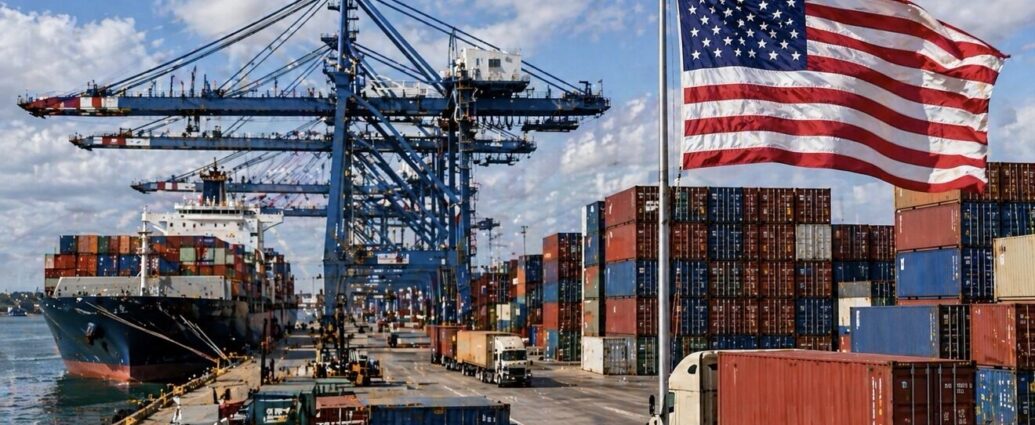
Trump’s Next Tariff Wave Begins Tomorrow: USTR Hearings Open On New Section 301 Duties As Radio Flyer, American Manufacturers Brace For Impact
Trump’s Next Tariff Wave Begins Tomorrow: USTR Hearings Open On New Section 301 Duties As Radio Flyer, American Manufacturers Brace For Impact
April 27, 2026 | JBizNews Desk
The Trump administration’s trade strategy enters a new and more durable phase this week, as the U.S. Trade Representative (USTR) opens the first in a series of public hearings that will shape the next generation of American tariffs — this time built on legal authority that has already withstood judicial scrutiny.
The hearings, scheduled for April 28 and May 5, follow a major U.S. Supreme Court ruling in February that struck down tariffs imposed under the International Emergency Economic Powers Act (IEEPA). Writing for the majority in a 6–3 decision, Chief Justice John Roberts ruled that “the power to impose tariffs rests with Congress alone,” forcing the administration to rebuild its trade framework.
Now, that replacement is taking shape under Section 301 of the Trade Act of 1974 — a far more established and court-tested authority.
From Emergency Powers to Permanent Policy
In response to the court ruling, the administration quickly invoked Section 122 to impose a temporary 10% global tariff — a stopgap measure limited to 150 days — while launching sweeping Section 301 investigations targeting practices across more than 75 countries.
Those investigations focus on two core issues: failures to prevent forced labor in supply chains and structural overcapacity in global manufacturing. Unlike IEEPA, Section 301 provides a clear legal pathway for tariffs, with no statutory cap on rates and no expiration timeline, making it significantly harder to challenge in court.
Trade experts note that Section 301 was the same mechanism used to impose tariffs on China during Trump’s first term — measures that remain in place today at rates ranging from 7.5% to 100% on many goods.
Analysts at the Peterson Institute for International Economics say the current investigations are intentionally broad, covering an estimated 99% of U.S. imports, effectively replicating — and potentially expanding — the reach of the previous tariff regime under stronger legal footing.
The “Radio Flyer” Effect on Everyday Business
The real-world implications are already coming into focus.
Industry observers have pointed to Radio Flyer, the iconic American wagon brand, as a clear example of how deeply the new tariffs could reach into consumer markets. While the brand is American, much of its manufacturing is based overseas — particularly in China — making it highly exposed to sustained import duties.
For companies like Radio Flyer, the shift to Section 301 tariffs represents more than a temporary cost increase. It signals a long-term restructuring of supply chains, where sourcing decisions made decades ago may no longer be economically viable.
With limited short-term alternatives, many businesses face difficult choices: absorb higher costs, pass them on to consumers, or invest heavily in shifting production.
Hearings That Will Shape the Outcome
The hearings opening tomorrow will play a critical role in determining how these tariffs are applied. The USTR has already requested consultations with governments across dozens of countries, and companies have submitted written comments outlining the potential economic impact.
The first hearing, beginning April 28, will focus on forced labor enforcement, followed by a second session on May 5 addressing global manufacturing imbalances.
Businesses that participate will have a chance to influence how tariffs are structured — including which industries are targeted and at what rates.
The $160 Billion Legal Fallout
At the same time, the administration is dealing with the financial consequences of the Supreme Court’s earlier ruling.
More than 2,000 lawsuits have been filed by companies seeking refunds for tariffs previously collected under IEEPA, with total claims estimated between $160 billion and $175 billion.
U.S. Customs and Border Protection (CBP) is currently developing a system — known as the Consolidated Administration and Processing of Entries (CAPE) — to manage potential refunds, though no timeline has been announced.
Trade advisors are urging companies to pursue claims through both litigation and administrative channels, as the process remains uncertain.
Despite the legal challenges, Treasury Secretary Scott Bessent has indicated the administration intends to maintain overall tariff revenue levels by combining multiple authorities, including Sections 122, 232, and 301 — ensuring that even if refunds are issued, the broader tariff structure remains intact.
A Structural Shift for U.S. Business
For American companies, the message is increasingly clear: tariffs are not being rolled back — they are being rebuilt.
What began as a contested use of emergency powers is now evolving into a long-term trade framework grounded in established law, with the potential to reshape global supply chains and pricing structures for years to come.
As the hearings begin, businesses across sectors — from manufacturing to retail — are preparing for a future where tariffs are not a temporary disruption, but a permanent feature of the economic landscape.
The companies that engage now may help shape that future. Those that do not may find themselves adapting to it.
— JBizNews Desk