Hello, everyone, and how are you today? We are doing just fine, thank you, especially since the middle of the week is upon us. After all, we have made it this far, so we are determined to hang on for another couple of days. And why not? The alternatives — at least those we can identify — are not so appetizing. And what better way to make the time fly than to keep busy. So grab that cup of stimulation and get started. Our flavor today is strawberry creme, for those tracking our habits. Now, though, the time has come to get busy. So please grab your own cup and dig in to the items of interest assembled below. We hope you have a wonderful day, and please do keep in touch. …

President Trump is expected to nominate Heidi Overton, deputy director of domestic policy for the White House, to serve as the next commissioner of the U.S. Food and Drug Administration, STAT writes. Overton, who has been a powerful health policy voice in Trump’s second term and, at times, frustrated leaders of the Make America Healthy Again movement, will have to face scrutiny from a U.S. Senate panel before getting the job, should Trump choose her. Overton joined the White House at the start of Trump’s term and has led health policy ever since, working closely with the U.S. Health and Human Services Department.

A personalized mRNA cancer vaccine, added to an existing treatment, slowed the return of melanoma and its spread to other parts of the body in a late-stage clinical trial, results that could herald a new, powerful approach in oncology, STAT writes. Merck and Moderna did not immediately release detailed data, but if the results hold up, they could deliver new hope and potentially longer lives for patients. They could also be a further testament to the power of mRNA as a platform to develop both traditional vaccines and therapeutics. Approval of the treatment would also be a boon for Moderna’s mRNA platform, which has become a political lightning rod.


Continue to STAT+ to read the full story…

This post was originally published here. 

JPMorgan’s data and analytics chief is joining CVS’ board this fall, while the CEO of activist hedge fund Glenview Capital Management is leaving after a two-year stint.

This post was originally published here. 

Ochsner Health in Louisiana is the first to go live with Epic’s new outpatient office visit tool, which leans on Epic’s artificial intelligence capabilities to pull insights from patient records.

This post was originally published here. 

Get your daily dose of health and medicine every weekday with STAT’s free newsletter Morning Rounds. Sign up here.

Good morning. You may have noticed (did you??) that this newsletter was sent a little later than usual this morning. That’s because of some big breaking news in the first item. Take a look!

Read the rest…

This post was originally published here. 

You’re reading the web edition of STAT’s AI Prognosis newsletter, our subscriber-exclusive guide to artificial intelligence in health care and medicine. Sign up to get it delivered in your inbox every Wednesday. 

Before and after intermission at its annual meeting, a couple Epic staffers announce a list of new customers (and which EHR that health system switched from). They also play a snippet of a song that goes along with the health system’s name or location — e.g., Louis Armstrong’s “Hello Dolly” for the Dolly Parton Children’s Hospital.

Here’s what I’d love to know: Who picks these songs? Seems like a tough job. For another song that played during the executive address, scroll down to Song of the Week.

Continue to STAT+ to read the full story…

This post was originally published here. 

A personalized mRNA cancer vaccine, added to an existing treatment, slowed the return of melanoma and its spread to other parts of the body in a late-stage clinical trial, the drugmakers Merck and Moderna announced Wednesday, results that could herald a new, powerful approach in oncology.

So-called “neoantigen” vaccines have long been seen as having potential as cancer treatments, but this is the first randomized Phase 3 clinical trial aimed at definitively proving their benefit. In this case the personalized vaccine, intismeran, was combined with Merck’s Keytruda in adjuvant melanoma, meaning patients’ disease had been surgically removed. 

If the results hold up — the drugmakers did not immediately release detailed data — they could deliver new hope and potentially longer lives for patients. They could also be a further testament to the power of mRNA as a platform to develop both traditional vaccines and therapeutics. 

Continue to STAT+ to read the full story…

This post was originally published here. 

In 2019, amid a national conversation about climate change as a public health issue, the accrediting body for the nation’s public health schools posted an article on its blog noting that its curriculum standards include many of the issues raised in the debate.

One of these core competencies highlighted in the blog post, titled “When current events collide with CEPH competencies,” asked that students “Discuss the means by which structural bias, social inequities, and racism undermine health and create challenges to achieving health equity at organizational, community, and societal levels.” 

Read the rest…

This post was originally published here. 

Three months before a young boy died in Huidagene’s gene editing trial last year, the company’s former CEO Alvin Luk presented its early data at the American Society for Gene and Cell Therapy’s Presidential Symposium, one of the field’s biggest stages. 

STAT asked several experts in gene editing and muscle disorders to review video of the presentation. They came away divided — often starkly — on the quality of the company’s science and the wisdom of the approach.

“I’m not impressed,” said Dongsheng Duan, who has spent a decade studying gene editing for Duchenne at the University of Missouri, in an email. 

Continue to STAT+ to read the full story…

This post was originally published here. 

“Can we talk … in private?” The man was nervous, hands wringing like a little boy in trouble, though he was perhaps a decade older than I am.

A minute later, we were seated in the tiniest exam room, the one off in the corner that we try to never use. (I’ve re-created the conversation here to the best of my recollection.)

Read the rest…

This post was originally published here. 

At the age of 23, Elisabeth Marnik approached her doctor with an unusual request: Vaccinate me. Against everything. 

She had never received a single vaccine. But now, angry and defiant, she was turning away from the beliefs of her childhood, instilled by a mother who distrusted science. A doctor for adults doesn’t typically have childhood immunizations on hand, so she made her way to a travel clinic and eventually got all the once-forbidden shots.

Read the rest…

This post was originally published here. 

Every few weeks, another headline announces that artificial intelligence has matched a doctor, beaten a doctor, or is finally ready to become one. The latest wave arrived with familiar force: Several studies claim that AI outperforms physicians on clinical reasoning tasks.

The implication is hard to miss. Doctors are slow, expensive, and human. AI is faster, and potentially better. 

Read the rest…

This post was originally published here. 

WASHINGTON — President Trump is expected to nominate Heidi Overton, deputy director of domestic policy for the White House, to serve as the next commissioner of the Food and Drug Administration, according to a person familiar with the matter. 

Overton, who has been a powerful health policy voice in Trump’s second term and, at times, frustrated leaders of the Make America Healthy Again movement, will have to face scrutiny from a Senate panel before getting the job, should Trump choose her.

Overton joined the White House at the start of Trump’s term and has led health policy ever since, working closely with the Health and Human Services department. She has helped oversee signature health policy efforts, including the administration’s push to redesign the food pyramid, overhaul the childhood vaccine schedule, and work out pricing deals with pharmaceutical companies. 

Continue to STAT+ to read the full story…

This post was originally published here. 

WASHINGTON — David Morens, a former top National Institute of Allergy and Infectious Diseases official, pleaded guilty Tuesday on charges related to concealing records from Freedom of Information Act requests. 

Morens, a longtime senior adviser to former NIAID leader Anthony Fauci, said he had agreed, with at least one other individual, to knowingly avoid the public disclosure law and to use his influence to advance the interests of a particular company.

Read the rest…

This post was originally published here. 

For Bon Secours Mercy Health, Ensemble Health Partners is the gift that keeps on giving. 

Seven years after the nonprofit health system sold stakes in its in-house billing and collections company to private equity investors, it still rakes in eye-popping amounts of cash from its minority position, with payments topping $1 billion so far this year.  

About two weeks ago, the Cincinnati, Ohio-based system said it got a hefty $671 million payment from Ensemble Health Partners when the company signed a new private equity sponsor. That’s on top of a $427 million distribution Bon Secours Mercy recorded in February. Both payments were reported on the nonprofit system’s financial report for the second quarter, which ended June 30. 

Continue to STAT+ to read the full story…

This post was originally published here. 

Groups representing academic institutions and educators on Tuesday sued the Department of Homeland Security over an imminent and sweeping policy change that would limit how long foreign students and scholars can remain in the United States.

In the lawsuit, filed in the U.S. District Court in Massachusetts, the plaintiffs alleged that DHS violated the Administrative Procedure Act, a law that governs how agencies implement new regulations, in its efforts to end a longstanding policy that had allowed students and scholars to remain in the U.S. for the duration of their training, regardless of how long it took. 

Read the rest…

This post was originally published here. 

The Trump team can’t help itself.

In recent days, the White House has been crowing about the fact that the latest Consumer Price Index showed prescription drug prices had recorded the “steepest monthly drop in more than 60 years.”

To wit, the Bureau of Labor Statistics reported that drug prices fell 3.1% over the last 12 months ending in July, which was the steepest annual decline since 1963, and fell 0.8% from June to July, marking the third straight monthly drop.

Not surprisingly, President Trump has been given all the credit by his aides. A hearty thanks went to the TrumpRx consumer website, as well as to executive actions he is said to have engineered.

But like so much else in life, nothing is that simple.

Continue to STAT+ to read the full story…

This post was originally published here. 

Want to stay on top of the science and politics driving biotech today? Sign up to get our biotech newsletter in your inbox.

Good morning. We’ve got a fair number of data readouts for a summer Tuesday, so let’s get right into it.

Amylyx reports success in a pivotal trial

Amylyx this morning said that, in a pivotal trial, its experimental drug significantly helped patients who experience sudden drops in blood sugar after bariatric surgery.

Continue to STAT+ to read the full story…

This post was originally published here. 

Compensation for the chief executives of major health care systems in Massachusetts rose to new heights in 2024, according to newly released records.

Many health care CEOs received big pay raises while their hospital systems grappled with rising expenses after the pandemic, narrow operating margins, and statewide upheaval following the collapse of Steward Health Care. Those increases reflected market rates for health care leaders amid tumultuous times, specialists said.

“Compensation is high in absolute terms, but these are very large and complex organizations to run,” said David E. Williams, president of Health Business Group, a Boston management consulting firm. “They have to attract talent in a national market, which is the main reason salaries go up.”

Continue to STAT+ to read the full story…

This post was originally published here. 

You’re reading the web edition of D.C. Diagnosis, STAT’s twice-weekly newsletter about the politics and policy of health and medicine. Sign up here to receive it in your inbox on Tuesdays and Thursdays.

I’d like to welcome Margaret Manto, who will be reporting on the FDA, and welcome back Nick Florko, who launched this newsletter in 2019, invented STAT’s commercial determinants of health beat, and will be pioneering a new beat covering declining trust in science. Send news tips and tearful reunions to John.Wilkerson@statnews.com or John_Wilkerson.07 on Signal.

GENEROUS deadline approaches for states

States have until Sept. 30 to decide whether to take part in a federal program giving them “most-favored nation” drug prices in Medicaid.

Continue to STAT+ to read the full story…

This post was originally published here. 

Imagine Google Earth, but for a human cell. Zoom in closely enough, and instead of streets and buildings, there are proteins and strands of RNA and DNA. Then knock out a gene, or drop in a drug, and you’d see the system predict how the cellular landscape changes.

That’s the idea behind AIDO Cell, a new virtual cell system unveiled Tuesday by Palo Alto, Calif., startup GenBio AI. If Google DeepMind’s AlphaFold sought to predict the structure of individual proteins, AIDO Cell is taking much broader aim: predicting how the molecular machinery of an entire cell behaves.

“With AlphaFold, you’re predicting the structure of one house or learning about one person in that city, whereas in AIDO Cell, you’re sort of predicting how that whole city works,” said David Baker, a University of Washington scientist who co-founded GenBio AI and shared the 2024 Nobel Prize in chemistry with the makers of AlphaFold for his work in computational protein design.

Continue to STAT+ to read the full story…

This post was originally published here. 

Top of the morning to you. Gray skies are hovering over the Pharmalot campus right now, but our spirits remain sunny, nonetheless. Why? We will trot out a bit of insight from the Morning Mayor, who would say “Every new day should be unwrapped like a precious gift.” To celebrate the notion, we are brewing still more cups of stimulation and inviting you to join us. Our choice today is blueberry cobbler, a summer treat. Meanwhile, here is the latest menu of tidbits. Hope you have a smashing day, and of course, do stay in touch. …

Eyepoint disclosed that patients administered its experimental treatment for a common cause of age-related blindness failed to maintain vision with less frequent injections compared to a standard treatment — meaning a Phase 3 clinical trial had fallen short of its primary goal, STAT says. The setback imperiled plans to seek regulatory approval for the drug, Duravyu, and caused its stock price to plummet. Shares of Ocular Therapeutix, which plans later this year to seek regulatory approval for its competing treatment, rose in reaction. Both companies are developing drugs to maintain vision in people with wet age-related macular degeneration.

Novartis will not pursue reimbursement in Canada for Vanrafia, its newly approved treatment for a rare kidney disease, due to the current “access environment,” CityNews Toronto reports. Drug companies have to follow a complex process that can take years after getting Health Canada approval before making it into pharmacies and medicine cabinets. Data available through the Canada Drug Agency reveals that fewer than 50% of medicines approved by Health Canada proceed to the next stage, limiting its availability through hospitals, and private and public insurance.

Continue to STAT+ to read the full story…

This post was originally published here. 

Nestlé is turning one of the biggest threats facing packaged-food companies into a new business opportunity.

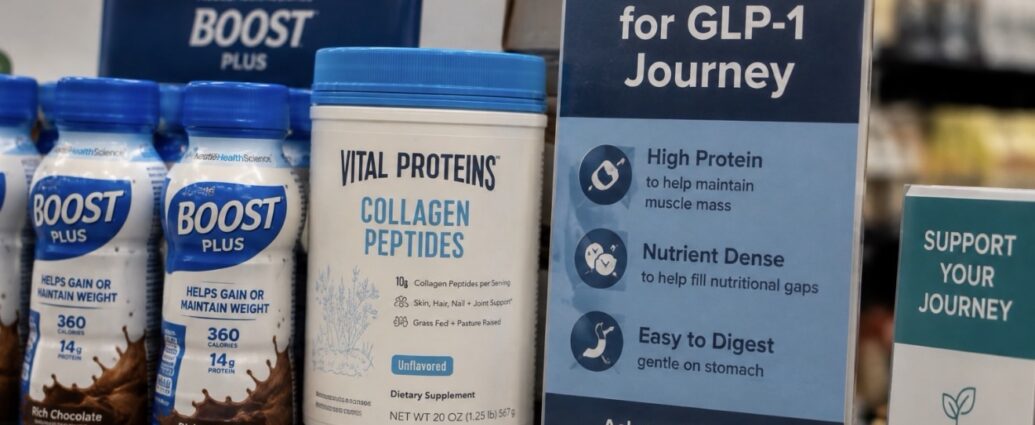
The company is developing foods and nutritional products specifically for people taking GLP-1 weight-loss drugs such as Ozempic, Wegovy, Mounjaro and Zepbound, using artificial intelligence and nutrition research to design products around the way those medicines are changing how millions of Americans eat.

Roughly 16 million Americans are currently taking GLP-1 drugs, according to data cited by Reuters, creating a consumer group large enough to reshape grocery shelves, restaurant menus and food-company research budgets. 

At first, the rise of GLP-1 drugs looked like a direct threat to companies like Nestlé.

The medicines suppress appetite, and that means users often eat less, snack less and buy fewer high-calorie foods. Investors have worried for years that widespread adoption could permanently reduce sales of packaged meals, sweets, snacks and beverages.

Nestlé now sees another side of the equation.

People losing weight rapidly may need more protein, hydration and certain nutrients to help preserve muscle mass and maintain adequate nutrition. Nestlé says it is using AI to analyze clinical research, identify useful nutrient combinations and help reformulate products for those consumers. 

That work is already influencing products across brands including Vital Proteins and Boost, with the company exploring higher-protein formulations, collagen and other targeted nutrition products.

The opportunity is potentially much larger than selling smaller frozen meals.

If GLP-1 use continues expanding, food companies could build an entirely new category around people taking weight-loss medication — much the way the industry created dedicated markets around sports nutrition, low-carbohydrate diets and plant-based foods.

But this one could be different because the behavioral change is being driven by prescription medicine rather than a temporary diet trend.

GLP-1 users have been shown to consume significantly fewer calories and spend less on groceries and fast food, forcing food companies to rethink not only ingredients but portion sizes, packaging and marketing.

Nestlé is betting that consumers who eat less may still spend more on foods they believe provide the nutrients they need.

That could shift competition away from simply selling more calories and toward selling higher-value nutrition in smaller quantities.

The company has already been adapting. Nestlé previously introduced products aimed specifically at GLP-1 users, while other food companies have added high-protein meals, smaller portions and products positioned around fiber and digestive health.

The bigger business story is that obesity drugs are no longer only disrupting pharmaceutical companies and healthcare.

They are beginning to reorganize the food industry itself.

For years, packaged-food companies made money by convincing consumers to eat more.

The next growth market may be figuring out how to profit when millions of customers are deliberately eating less.

JBizNews Desk | Vevey, Switzerland

© JBizNews.com All Rights Reserved. Reproduction or distribution without written permission is prohibited.

Amylyx Pharmaceuticals said Tuesday that its experimental drug significantly helped patients who experience sudden drops in blood sugar after bariatric surgery, paving the way for its potential approval as the first treatment for the condition.

In a Phase 3 trial of people with post-bariatric hypoglycemia, or PBH, those taking the drug experienced a 55% reduction in the rate of serious low blood sugar events compared with those on placebo. This was better than expected; the study was statistically powered to show a 35% improvement over placebo.

A serious event is a medical emergency that could mean the person loses consciousness or experiences a seizure, so “any reduction in these hypoglycemic events would be very meaningful for people with PBH and their families,” said Amylyx co-CEO Justin Klee. To see such a large effect in the study “is just so exciting.”

Continue to STAT+ to read the full story…

This post was originally published here. 

If you could design an oral treatment that limits appetite and mimics some effects of physical activity, you might call it exercise in a pill. Now a company is releasing early results for a compound to do just that.

The pill, the company hopes, can maintain weight loss without the common gastrointestinal effects of GLP-1s. The component of exercise it is designed to re-create is preservation of lean muscle mass, a concern when people yo-yo on and off GLP-1 drugs, losing more muscle each time.

Enveda, a 5-year-old biotech based in Boulder, Colo., announced Phase 1 results in a press release Tuesday for an oral drug candidate that imitates lactate phenylalanine (lac-phe for short), a small molecule metabolite discovered by Stanford scientists. Those researchers showed in a 2022 Nature paper that lac-phe can suppress appetite and lower obesity in animals. Lac-phe and ENV-308, Enveda’s chemically engineered version, both act on leptin, a hormone that has been the target of scientists and drug developers for decades. If confirmed in clinical trials, the company says, ENV-308 would be the first “leptin sensitizer in a pill.” 

Continue to STAT+ to read the full story…

This post was originally published here. 

Ah, Doritos: a classic farm-to-table food right up there with heirloom tomatoes, organic roasted chicken, and artisanal cheese boards sourced from local cows greeted each morning by name.

At least that’s what new marketing for the tangy chips seems to imply, with slogans like “PepsiCo partners with farmers to bring Doritos from the field to you” and images of corn seedlings and a farmer, clad in a PepsiCo hat, astride a rusted tractor.

Yet Doritos are famously ultra-processed, the antithesis of the “Eat Real Food” edict rolled out by health secretary Robert F. Kennedy Jr. as part of his Make America Healthy Again movement to fight chronic disease. Food industry experts say the Doritos ads show the food industry is scrambling to improve its image while avoiding more fundamental changes to the ultra-processed products that make up 60% of the American diet.

Continue to STAT+ to read the full story…

This post was originally published here. 

In the climate debate, low- and middle-income countries have often been blamed for rising emissions, while the vastly greater historical contribution of wealthy nations is treated as yesterday’s story.

Something similar has happened with the global antimicrobial resistance (AMR) crisis. Low- and middle-income countries (LMICs) have long been portrayed as the worst offenders of antibiotic overuse, with over-the-counter sales and weak regulation seen as one of the main reasons behind the rise and spread of drug-resistant infections. But a new study now challenges this narrative.

Read the rest…

This post was originally published here. 

In March 1986, Mary Beth Whitehead and her husband went to a New Jersey hospital and kidnapped a baby girl. She had given birth to the girl three days earlier. They took the infant to Florida, launching the first case examining the legitimacy of surrogate motherhood in America. Four decades later, surrogacy is so out of control that it risks being banned in the U.S. and around the world.

Whitehead had signed an agreement with William and Elizabeth Stern. She agreed to be artificially inseminated with William’s sperm, using her own eggs, carry any pregnancy to term, and then relinquish her parental rights to the Sterns. She was to be paid $10,000. When the baby was born, she changed her mind and decided to keep the girl — thus the escape to Florida.

Read the rest…

This post was originally published here. 

Residents of Pennsylvania’s Dauphin County — home of the state capital, Harrisburg, and the chocolaty oasis of Hersheypark — were shocked with unwelcome news in December 2024. For the first time in two decades, the county’s leaders had not only voted to raise their property taxes, but did so by a whopping 22%.

What they may not have realized: That higher tax bill was needed to help offset the soaring health care costs of the county’s employees.

Over the past 20 years, even as Dauphin County cut its workforce by 19%, its health care spending more than doubled. Per-employee costs tripled. If the county didn’t raise property taxes, officials would have had to consider slashing health benefits for a dwindling staff who rely on them.

Continue to STAT+ to read the full story…

This post was originally published here. 

Chris Neczypor, the finance chief at Lincoln Financial, will succeed Drew Asher on Jan. 1. Asher plans to retire at the end of 2027.

This post was originally published here. 

Sanofi, one of Massachusetts’ largest pharmaceutical employers, will lay off 229 workers, according to records the company filed with the state.

The workers losing their jobs have been employed with Blueprint Medicines, a Cambridge-based biotech that Sanofi acquired in a $9.1 billion deal in July 2025.

The workers’ positions will be cut between Oct. 9 and late June 2027, according to the filing with the state’s Executive Office of Labor and Workforce Development.

Continue to STAT+ to read the full story…

This post was originally published here. 

Eyepoint said Monday that patients administered its experimental treatment for a common cause of age-related blindness failed to maintain vision with less frequent injections compared to a standard treatment — meaning a Phase 3 clinical trial had fallen short of its primary goal.

The study setback imperiled Eyepoint’s plans to seek regulatory approval for the drug, Duravyu, and caused its stock price to plummet. Shares of Ocular Therapeutix, the maker of a competing eye treatment that will be submitted to the Food and Drug Administration later this year, rose in reaction. 

Both Eyepoint and Ocular are developing drugs to maintain vision in people with wet age-related macular degeneration, or wet AMD; those drugs can be injected into the eye less frequently than currently approved treatments.

Continue to STAT+ to read the full story…

This post was originally published here. 

Two large investors are suing UnitedHealth Group’s directors, arguing the board saw the warning signs of fraud, weak cybersecurity and bad claims practices for years and did nothing about them.

The case is what lawyers call a derivative suit, meaning the shareholders are suing the directors on the company’s behalf rather than for themselves — any money recovered goes back into UnitedHealth. The plaintiffs include Rhode Island’s public employee retirement system and Swedish asset manager Länsförsäkringar Fondförvaltning, which holds more than $123 million of UnitedHealth stock. They accuse directors and officers of missing red flags of misconduct and serious regulatory problems and taking no steps to fix them.The complaint covers conduct from September 2021 through July 2025 and says the fallout erased more than $277 billion in shareholder value between December 2024 and August 2025.

The cybersecurity piece is the part most readers will recognize. Plaintiffs say the company misled a federal court about data firewalls during its $13 billion purchase of Change Healthcare, and that weak security helped cause the 2024 ransomware attack that exposed data on roughly 190 million people — better than one in two Americans. Change Healthcare processes a large share of the nation’s medical claims, and the attack froze payments to doctors and hospitals for weeks.

Some of the new allegations come from former Change Healthcare employees identified in the filing as confidential witnesses, two of whom described lax security practices. The filing is an amended version of a suit first brought in 2024, and shareholders reviewed company books and records before filing it, though much of that material is blacked out in the public copy.

On the billing side, the suit alleges UnitedHealth inflated Medicare Advantage revenue by making members appear sicker than they were through diagnoses the plaintiffs call unnecessary, pulling in $8.7 billion in federal money in 2021 alone, and that it used automated algorithms to deny rehabilitation care after hospital stays. It also claims executives including Stephen Hemsley, Andrew Witty and the late UnitedHealthcare chief Brian Thompson sold more than $237 million of stock while the alleged problems were still hidden from investors.

None of this has been proven. The next step belongs to the judge, who decides whether the claims are strong enough to proceed to discovery — the stage where internal emails and board minutes get pulled into the open. That is the real pressure point in a case like this, and it is usually where settlements start.

UnitedHealth is fighting on more than one front. A separate securities fraud case led by the California Public Employees’ Retirement System is awaiting a ruling on the company’s motion to dismiss, and the company, based in Eden Prairie, Minnesota, is facing several shareholder suits tied to the stock’s slide from its 2024 record.

For investors, the practical question is cost. Shares were quoted near $399 in recent trading, up more than 20 percent this year but still well under the 2024 high. Legal exposure of this size tends to land as settlement charges, higher insurance costs and tighter oversight requirements — expenses that eventually show up in premiums.

JBizNews Desk | New York

© JBizNews.com All Rights Reserved. Reproduction or distribution without written permission is prohibited.

An outside party gained access to some company systems, but the medical device maker found no evidence that sensitive or protected data was obtained and said its operations are running normally.

This post was originally published here. 

This is the online version of STAT’s weekly email newsletter Health Care Inc. Sign up here.

Hello, everyone. Like usual, I’m writing to you from northwest Indiana. But the circumstances are a bit different: We had power for four days. At least six tornadoes touched down in the area as part of a sprawling derecho — the worst storms I’ve experienced in my life, by far. Mother Nature remains undefeated. Talk to me about sump pumps and your health care tips: bob.herman@statnews.com.

The taxman is coming for UnitedHealth Group

The Internal Revenue Service is investigating UnitedHealth, “seeking to significantly increase taxable income” from 2017 through 2020, and may force UnitedHealth to pay more “for subsequent years after 2020,” the health insurer revealed in a recent regulatory filing. 

Continue to STAT+ to read the full story…

This post was originally published here. 

Want to stay on top of the science and politics driving biotech today? Sign up to get our biotech newsletter in your inbox.

Today we regale you with mid-August delights from the EMA, ICER, and a federal appeals court.

Hope you had a lovely weekend. My kids went to Disneyland, an aquarium, and the beach — but now seem thrilled most of all by the television.

Continue to STAT+ to read the full story…

This post was originally published here. 

Good morning, everyone, and welcome to another working week. We hope the weekend respite was relaxing and invigorating because that oh-too-familiar routine of meetings, deadlines, and the like has returned with a vengeance. You knew this would happen, yes? To cope, we are relying, as always, on a cup of stimulation. Our choice today is witch’s potion. Feel free to join us. Remember, no prescription is required. Meanwhile, here are some tidbits to help you along. Best of luck accomplishing your goals today, and of course, do keep in touch. …

AstraZeneca is discontinuing a late-stage trial that tested an experimental drug ‌called volrustomig plus chemotherapy in patients with metastatic non-small cell lung cancer, extending a run of setbacks that has deepened scrutiny of its development pipeline, Reuters explains. The decision followed a recommendation from an independent data monitoring committee, which found the combination was unlikely to meet either of its primary endpoints of progression-free survival or overall ​survival in patients whose tumors lacked the PD-L1 protein. Separately, the company reported positive ⁠readouts from two other late-stage lung cancer trials.

Prescription drug prices fell 0.8% in July and are down 3.1% from a year ago, which is the steepest annual decline in more than six decades, and prices have not risen in any month this year, Axios says, citing recent Consumer Price Index data. The White House is taking a victory lap for the drop, although the TrumpRx website likely only accounts for part of the decline. Eli Lilly and Novo Nordisk struck deals with the administration that cut cash prices for GLP-1 drugs and expanded Medicare access. Medicare negotiations established under the Inflation Reduction Act took effect in January for 10 of the program’s costliest drugs. And changes in what Medicare pays pharmacies can show up in the prescription drug CPI.

Continue to STAT+ to read the full story…

This post was originally published here. 

Bringing Talkspace on board should expand behavioral health services for UHS’ existing patients, while ushering more consumers through the health system’s doors, UHS CEO Marc Miller said.

This post was originally published here. 

President Donald Trump’s effort to bring U.S. prescription-drug prices closer to those paid overseas is already changing pharmaceutical companies’ behavior far beyond America.

Drugmakers are increasingly holding back applications for insurance reimbursement in Switzerland because lower Swiss prices could eventually be used as benchmarks under the administration’s most-favored-nation drug-pricing policy.

A survey released Thursday by Swiss pharmaceutical industry group Interpharma found that seven of 22 newly introduced innovative medicines between January 2025 and June 2026 were never submitted for inclusion on Switzerland’s mandatory health-insurance reimbursement list. Three additional medicines were not submitted for Swiss market approval at all. 

The reimbursement list matters because it determines whether Swiss compulsory health insurance will cover a drug and also helps establish the price paid in the country.

That is now becoming a strategic concern for manufacturers.

Trump’s most-favored-nation approach seeks to prevent Americans from paying substantially more for medicines than patients in other wealthy nations. Switzerland is among the markets that can be used as an international pricing reference. 

For drugmakers, that creates a new calculation.

Launching a medicine at a relatively low reimbursed price in Switzerland could potentially put pressure on the much larger and more profitable U.S. market. Companies therefore have an incentive to delay reimbursement, hold back a launch or seek a higher overseas price rather than risk creating a cheaper benchmark that could follow them back to America.

Interpharma said just 15 new medicines were submitted for Swiss reimbursement during the 18-month period, compared with an average of 24 during comparable periods between 2019 and 2025. 

The business consequence is one of the most important unintended effects emerging from international reference pricing.

A policy designed to lower American drug costs does not necessarily change only what Americans pay. It can also influence where pharmaceutical companies launch medicines, how quickly they seek reimbursement and what prices they demand from foreign governments.

That could leave countries accustomed to negotiating lower drug prices with less leverage.

The trend is not limited to Switzerland. Drugmakers have also delayed some European launches amid concern that lower prices there could undermine U.S. pricing under the administration’s international benchmarking push. 

For American consumers, the administration’s objective remains straightforward: use the enormous size of the U.S. pharmaceutical market to push domestic prices closer to the lowest prices paid by other developed countries.

But the early response from manufacturers suggests the policy may change the global pricing system itself.

Instead of simply lowering American prices to European levels, pharmaceutical companies may increasingly try to prevent European prices from falling far below American ones.

That means the next phase of the drug-price battle may not be fought only inside U.S. pharmacies and insurance companies.

It may be fought over which countries get new medicines first — and how much they will have to pay to get them.

JBizNews Desk | Washington

© JBizNews.com All Rights Reserved. Reproduction or distribution without written permission is prohibited.

LOS ANGELES — In the chapel of a homeless shelter, health secretary Robert F. Kennedy Jr. stood behind a lectern with a “Cancel Corruption” sign and lambasted local officials for mishandling the city’s homelessness and substance use crisis.

Just 24 hours earlier, Kennedy was in the Oval Office, standing alongside President Trump, as the president signed an executive order calling for major changes to childhood vaccinations.

The change in tone — from day to day and coast to coast — shows how Kennedy’s sprawling political messages tied to his Make America Healthy Again movement vary depending on the audience he is in front of. 

Continue to STAT+ to read the full story…

This post was originally published here. 

The Internal Revenue Service is investigating UnitedHealth Group, with an initial probe determining the health care conglomerate underpaid taxes during a four-year period by funneling money through a foreign subsidiary.

The IRS is “seeking to significantly increase taxable income” from 2017 through 2020 and may force UnitedHealth to pay more “for subsequent years after 2020,” UnitedHealth revealed in a recent regulatory filing. UnitedHealth received the notices, which have not been reported, from the IRS in March. 

These types of audits from the IRS are exceedingly rare and focus on how big companies transfer profits within themselves. Given UnitedHealth’s size as one of the five largest companies in the world by revenue, this examination likely involves substantial sums of money. 

Continue to STAT+ to read the full story…

This post was originally published here. 

Every August, Epic Systems founder Judy Faulkner holds court with over 20,000 people, including staff and executives from her most devoted customers, in an auditorium buried five stories into the Wisconsin earth. At the company’s annual meeting, she takes the stage to unveil her company’s latest innovations — products that inevitably form a technological road map for America’s hospitals.

This year, the crowd will also be watching Faulkner’s speech for another reason. 

The company she founded nearly half a century ago, now the nation’s dominant seller of electronic health records software, is facing an unprecedented series of challenges driven by antitrust lawsuits, questions about its artificial intelligence strategy, an exodus of key technology leaders, and, most recently, the disclosure that state and federal investigators are looking into the company’s business practices.

Continue to STAT+ to read the full story…

This post was originally published here. 

America’s health care affordability crisis is not a partisan problem. It is bankrupting families, straining state budgets, and overwhelming emergency rooms from rural Appalachia to downtown Seattle.

While it is not a cure-all, we want to share something that worked in the purple state of North Carolina, in some of the most underserved rural communities in America, built with support from both sides of the aisle. We call it the Healthy Opportunities Pilots, and the results recently came in. They are worth everyone’s attention.

Read the rest…

This post was originally published here.