HOUSE ADVANCES PERMANENT DAYLIGHT SAVING TIME BILL AS TRUMP BACKS END TO CLOCK CHANGES, WITH RETAILERS, RESTAURANTS AND WORKFORCE POISED FOR ECONOMIC BOOST

By JBizNews Desk

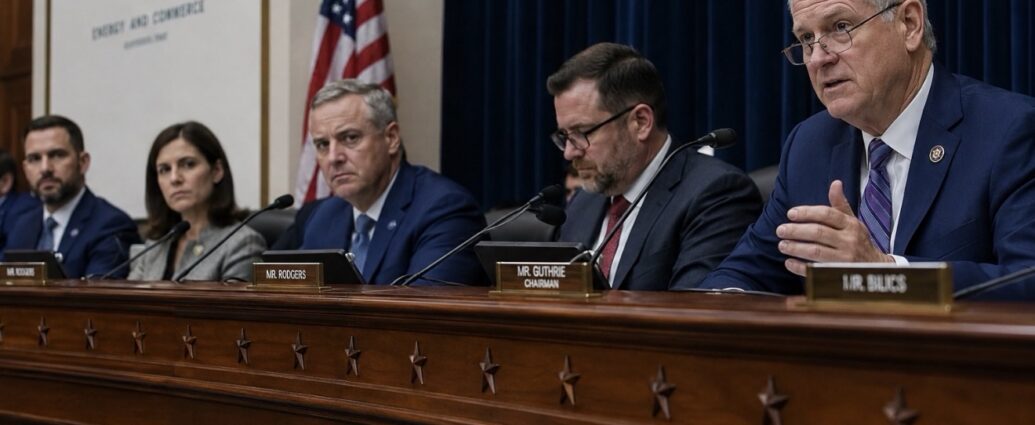
May 23, 2026 — The House Energy and Commerce Committee on Thursday, May 22, voted 48-1 to advance the Sunshine Protection Act, folding the long-stalled measure into the broader Motor Vehicle Modernization Act and sending it to the House floor in what Congressional sponsors are billing as the most serious push in four years to lock the United States into permanent daylight saving time. President Donald Trump endorsed the vote Thursday evening on Truth Social, writing that “Hundreds of Millions of Dollars are spent every year by people, Cities, and States, being forced to change their Clocks,” and pledging to “work very hard” to see the bill signed into law.

The legislation, originally introduced by Sen. Rick Scott (R-Fla.) and Rep. Vern Buchanan (R-Fla.), would permanently advance the nation’s clocks forward one hour, ending the twice-yearly springing forward and falling back that has governed American timekeeping for decades. Buchanan’s office confirmed the bill carries 32 bipartisan cosponsors in the House, with the Senate companion measure carrying 18 cosponsors. States such as Hawaii and most of Arizona that currently opt out of daylight saving would retain that flexibility under the bill’s framework.

For American businesses, the economic stakes are substantial. Chambers of Commerce across the country have historically backed permanent daylight saving time, citing extended evening daylight as a proven driver of after-work foot traffic into restaurants, retail centers, sporting venues and entertainment districts. Analysis from the JPMorgan Chase Institute has previously documented that the fall switch back to standard time triggers card-spending declines of between 2.2% and 4.9% depending on metro area, with supermarkets absorbing per-capita retail drops of nearly 6%. Locking in permanent daylight time would, in effect, eliminate that recurring autumn drag on consumer activity, delivering what one Orrin G. Hatch Foundation policy director previously described as “a stimulus package all on its own.”

Hospitality stands to be a primary beneficiary. PNC economist Kurt Rankin has noted that restaurants, hotels, golf operators, fuel retailers and outdoor recreation businesses capture outsized sales lifts from extended evening daylight, sectors that collectively employ tens of millions of American workers and remain central to small-business job creation. The National Retail Federation has historically backed daylight saving time as a tailwind for member sales, and the trade group has been actively examining the implications of a permanent shift on the broader retail economy.

The workforce productivity case is equally direct. University-based research has long documented that the spring-forward transition costs the average American worker roughly 40 minutes of sleep, producing measurable spikes in workplace errors, injuries and absenteeism in the days that follow. A 2014 University of Colorado Boulder study tied a 17% jump in traffic fatalities to the spring transition, while other peer-reviewed work has linked the biannual disruption to elevated heart attack and stroke risk in the immediate aftermath. Employers across manufacturing, logistics, healthcare and corporate sectors absorb those costs through lost output, higher insurance claims and degraded performance, a recurring annual tax on American labor productivity that the Sunshine Protection Act would eliminate outright.

Compliance and operational costs would also fall. Cities, school districts, transit systems, broadcasters and Fortune 500 IT departments collectively spend significant sums each year reconfiguring scheduling systems, signage, public clocks and software for the twice-annual shift, costs Trump highlighted in his Thursday statement, noting that “many of these Clocks are located in Towers, and the cost of renting, or using, Heavy Equipment to do this twice a year is prohibitive.” For multinational corporations coordinating across U.S. time zones, a fixed national clock simplifies meeting logistics, payroll cycles and supply-chain coordination with international partners.

The bill’s prospects on the House floor remain uncertain. The Senate unanimously passed an earlier version of the Sunshine Protection Act in March 2022 only to see it stall in the House, and Senate Commerce Committee Chair Ted Cruz has previously cautioned that there are “very real and complicated issues and countervailing arguments on both sides,” with sleep scientists and pediatric medicine groups continuing to lobby in favor of permanent standard time rather than permanent daylight time. But the 48-1 committee vote, the bipartisan cosponsor roster and direct White House backing mark the most favorable alignment for the measure since 2022.

For Congress, the calculation is increasingly an economic one. With the U.S. consumer economy representing roughly two-thirds of gross domestic product and small businesses driving the majority of net new job creation, even modest, durable tailwinds for retail and hospitality spending carry real macroeconomic weight. Eliminating the recurring productivity hit on the American workforce — across factories, offices, hospitals and the federal payroll itself — represents a rare piece of legislation with the potential to deliver measurable gains to GDP, employment and consumer activity without expanding the deficit. Whether the House converts this momentum into final passage will shape the daylight, and the economic rhythm, of every American workday going forward.

JBizNews Desk

© 2026 JBizNews. All Rights Reserved. Reproduction or distribution without written permission is prohibited.

DEVELOPING — Saturday, May 23, 2026. A damaged chemical tank at the GKN Aerospace plant in Garden Grove, California has forced as many as 50,000 people from their homes across four Orange County cities and shut down a critical defense and commercial aerospace factory, after emergency crews concluded the tank can no longer be safely controlled and will either crack open or explode.

Garden Grove, a city of more than 170,000 residents in Southern California’s Orange County, sits roughly 30 miles from downtown Los Angeles and just five miles from Disneyland in neighboring Anaheim. Disneyland officials said Saturday the situation is not affecting their resorts and theme parks, which remain open to visitors.

The plant, at 12122 Western Avenue, is GKN Aerospace’s main U.S. transparencies facility. It is the sole producer of cockpit canopies for the Lockheed Martin F-35 Lightning II, the backbone of American and allied air power. The same factory also makes cockpit windshields and passenger cabin windows for the Boeing 787 Dreamliner, Boeing 737, Airbus A350, HondaJet, and Bombardier C-Series, according to GKN’s corporate website. That places the incident at the intersection of national security supply chains and global commercial aviation.

Orange County Fire Authority Division Chief Craig Covey said at a news conference Friday afternoon that the 34,000-gallon tank — still holding roughly 6,000 to 7,000 gallons of methyl methacrylate, a highly flammable acrylic chemical — cannot be drained or neutralized because of a faulty valve blocking access. “This thing is going to fail, and we don’t know when,” Covey said. Speaking separately to CBS Los Angeles, he added, “This is as bad as I’ve ever seen.”

The crisis began around 3:30 p.m. Thursday when the tank overheated and began venting toxic vapors. Evacuations were ordered, then briefly lifted Thursday night after crews believed cooling efforts were working. Early Friday morning, the tank destabilized again. By Saturday, the mandatory evacuation zone had expanded across Garden Grove, West Anaheim, Cypress, and Stanton, with ABC7 Los Angeles reporting roughly 50,000 residents displaced and CBS Los Angeles placing the figure above 44,000. Schools have closed, roads are shut, and regional events have been canceled.

California Governor Gavin Newsom declared a state of emergency for Orange County on Saturday, unlocking additional response resources and opening state-owned properties as shelter space. “We are mobilizing every state resource available to support local responders,” Newsom said. Evacuation centers at Savanna High School in Anaheim, Ocean View High School in Huntington Beach, John F. Kennedy High School in La Palma, and Freedom Hall at Mile Square Regional Park in Fountain Valley have absorbed displaced residents, with Freedom Hall reaching capacity Friday night.

A GKN Aerospace spokesperson said specialized hazardous-materials teams are assessing the situation and that “there are no reports of injuries at this time and our priority remains the safety of our employees, responders, and the surrounding community.” The company said it is “fully focused on working with emergency services and the relevant authorities.”

The business stakes are significant. GKN Aerospace, now part of Dowlais Group after being spun out of Melrose Industries in 2023, describes itself as “the world-leading supplier of cockpit transparencies and passenger cabin windows.” The Garden Grove site is qualified to build the F-35 canopy — a complex stealth-coated piece essential to the jet’s low-observable design — as well as transparencies for the F-22 Raptor, Boeing F-15 Eagle, F/A-18 Hornet, and AV-8B Harrier II.

For Lockheed Martin, the world’s largest defense contractor, any extended shutdown of canopy supply would add to existing pressure on the F-35 program, which has battled engine, sustainment, and parts-availability problems through the spring. Lockheed Martin shares closed Friday at elevated levels on heightened defense spending expectations tied to the Iran conflict; investors will be watching closely Monday for any guidance on production continuity. The Pentagon has historically kept only limited backup sourcing for military transparencies. PPG Industries runs a parallel canopy line at its Sylmar, California plant for the F-35A and F-35C variants, but qualification work on the F-35B short-takeoff version remains in progress, leaving GKN the dominant qualified supplier for parts of the fleet.

On the commercial side, the timing is rough for both Boeing and Airbus. Boeing, still working through 737 MAX certification and quality issues under chief executive Kelly Ortberg, relies on GKN’s Garden Grove output for windshield and cabin window assemblies on the 787 and 737 programs. Airbus, led by chief executive Guillaume Faury, sources transparencies for the A350 wide-body line from the same site. Both manufacturers are working through multi-year backlogs of thousands of aircraft, and supplier interruptions of even a few weeks have historically caused delivery delays, customer compensation claims, and disruption to airline fleet plans.

Beyond aerospace, the incident has revived broader questions about U.S. industrial safety, aging chemical storage infrastructure, and the concentration of defense-critical manufacturing in dense suburban areas. Methyl methacrylate is a known respiratory irritant; Orange County health officer Dr. Regina Chinsio-Kwong warned that vapor exposure can cause respiratory issues, eye irritation, nausea, and headaches. Crews have built sandbag containment barriers around the plant to prevent any chemical spill from reaching storm drains, creeks, or the nearby Pacific coast.

Wall Street will scrutinize Dowlais Group’s disclosures in the coming days for the financial impact, including potential damages, lost production, business interruption insurance recoveries, and any liability tied to the faulty valve at the heart of the failure. Analysts at major brokerages have not yet published formal notes on the incident, but defense and aerospace supply chain specialists are likely to flag the event as a case study in single-point-of-failure risk across high-value manufacturing.

For residents, the immediate concern is when they can return home. Chief Craig Covey and OCFA Chief TJ McGovern have offered no timeline, with McGovern acknowledging Friday, “We understand how disruptive and frightening this is to the public, particularly for the residents who have been asked to leave their homes for their own safety.” For investors, customers, and Pentagon planners, the more difficult question is how quickly the Garden Grove plant — and the strategic flow of canopies, windshields, and cabin windows it supplies — can be brought back online once the tank crisis is finally resolved.

— JBizNews Desk

© 2026 JBizNews. All Rights Reserved. Reproduction or distribution without written permission is prohibited.

Below is a lightly edited, AI-generated transcript of the “First Opinion Podcast” interview with Patricia Bencivenga and Adriane Fugh-Berman. Be sure to sign up for the weekly “First Opinion Podcast” on Apple Podcasts, Spotify, or wherever you get your podcasts. Get alerts about each new episode by signing up for the “First Opinion Podcast” newsletter. And don’t forget to sign up for the First Opinion newsletter, delivered every Sunday.

Torie Bosch: Brain fog and weight gain and hair loss and insomnia — those are the calling cards of perimenopause. At least that’s what the new perimenopause awareness movement claims. But what’s real and what’s just social media misinformation?

Read the rest…

This post was originally published here. 

Hospitals and other providers are bracing for an end to the extra money they’ve gotten for treating Medicaid patients, one of the many cuts contained in Republicans’ sweeping 2025 tax law.

But the Trump administration disclosed this week that it plans to take the cuts to so-called state directed payments even further, setting up what’s likely to be a showdown with provider groups. 

Since 2024, some hospitals, doctors, nursing homes, and other types of providers have been reimbursed for Medicaid services at much higher commercial rates, thanks to a Biden-era change. The One Big Beautiful Bill Act, passed in July, directs the Centers for Medicare and Medicaid Services to gradually trim those payments beginning in 2028 until they’re close to or on par with Medicare rates. 

Continue to STAT+ to read the full story…

This post was originally published here. 

Hospitals affiliated with Mount Sinai, the University of Michigan and the University of Kansas allege that CVS artificially deflated reimbursement for 340B drugs for years, causing them to lose out on savings.

This post was originally published here. 

The department will use AI to examine audits from states and other federal grant recipients, and potentially withhold funds if they aren’t able to fix errors.

This post was originally published here. 

Want to stay on top of the science and politics driving biotech today? Sign up to get our biotech newsletter in your inbox.

Merck’s bet on an antibody-drug conjugate developed in China has paid off in a major Phase 3 lung cancer study, where sacituzumab tirumotecan paired with Keytruda sharply outperformed Keytruda alone in a subset of lung cancer patients.

Also, the NIH is down another leader, and Sam Altman-backed longevity startup Retro Biosciences raises more funds.

Continue to STAT+ to read the full story…

This post was originally published here. 

Get your daily dose of health and medicine every weekday with STAT’s free newsletter Morning Rounds. Sign up here.

Good morning and happy Friday. I hope you’ve got great long weekend plans ahead. But first, scroll down to read about a Senate hearing on the NIH, a Supreme Court death penalty decision, and two related items on confusion around STIs. 

Read the rest…

This post was originally published here. 

And so, another working week will soon draw to a close. Not a moment too soon, yes? This is, you may recall, our treasured signal to daydream about weekend plans. Our agenda is unusually busy thanks to a lengthy to-do list that must be tackled before we walk one of the no-longer-so-short people down the aisle. What else? Hard to keep track, but once the chaos subsides, we hope to settle in for another listening party, where the rotation will likely include this, this, this, this and this. And what about you? Spring is in the air, so perhaps this is time to hike a trail, stroll through a park, or take a long drive to nowhere. You could also plan a summer getaway (book now before those fuel costs rise again) or clear out the perennial clutter. If all this is too much or the weather fails to cooperate, you could simply go into zen mode and plan the rest of your life. Well, whatever you do, have a grand time. But be safe. Enjoy, and see you on Tuesday, since there is a long weekend due to a holiday on this side of the pond. …

Biogen and Denali Therapeutics said Thursday that their experimental therapy for Parkinson’s disease failed to slow the degenerative brain disorder in a randomized trial, dealing a substantial blow to a scientific approach that stoked excitement among advocates and academics, STAT explains. In the study, 648 adults with Parkinson’s were randomized to receive either a placebo or a pill targeting a protein called LRRK2. In 2004, researchers discovered that mutations in the LRRK2 gene can cause a rare, inherited form of Parkinson’s. And in 2018, another group of scientists showed that blocking the protein might actually benefit all patients with the disease. The results are a significant setback to the latter idea.

Earlier this month, Genentech offered countless academics and other researchers up to $125,000 in grants to generate papers about several topics that read like key talking points for a trip to Capitol Hill, STAT reports. The company is seeking “rigorous, independent” work that focuses on the potential consequences of U.S. pricing policies on future innovation, the idea that pharmaceutical discovery is a strategic national asset, and the risks surrounding R&D, according to a request for proposals that came with a June 30 deadline for submissions. Such overtures are hardly new, but this particular solicitation appears notable partly because the company is being very direct about seeking research that is designed to address specific points, rather than solicit topics that may — or may not — dovetail with corporate goals.

Continue to STAT+ to read the full story…

This post was originally published here. 

Retro Biosciences, the longevity startup backed by OpenAI CEO Sam Altman, has raised more money at a $1.8 billion valuation, it announced Friday. 

Retro has a big mission: Add 10 healthy years to the human lifespan. It is seeking to do that by using a variety of technologies, including in vivo gene therapies, cell replacement therapies, and other approaches to spur younger, healthier cells into aging tissues. 

The company is currently running its first clinical trial — testing a pill designed to enhance the body’s ability to better clear out protein aggregates in patients with Alzheimer’s disease. Retro CEO Joe Betts-LaCroix told the audience at STAT’s Breakthrough Summit West on Tuesday that the trial is going “super good” and that researchers haven’t seen any dose-limiting toxicities. He said he anticipates releasing some data from the trial around August. 

Continue to STAT+ to read the full story…

This post was originally published here. 

WASHINGTON — Just before he was sworn in as assistant secretary for health at the end of 2025, Admiral Brian Christine — a urologist whose practice treated primarily male patients — talked at an FDA panel on testosterone  about a series of alarming statistics: Male life expectancy is close to seven years shorter than women’s; men have higher mortality rates in 10 of the leading causes of death; and they make up the vast majority of deaths by suicide.

“We have a men’s health crisis in this country. Now we need a national strategy,” he said, in a panel on testosterone replacement. He added that establishing a “parallel track” to women’s health for men at the Department of Human and Health Services was a priority of HHS secretary Robert F. Kennedy Jr., and reiterated the message on the day of his swearing in. 

Read the rest…

This post was originally published here. 

Earlier this month, Genentech offered countless academics and other researchers up to $125,000 in grants to generate papers about several topics that read like key talking points for a trip to Capitol Hill.

The company is seeking “rigorous, independent” work that focuses on the potential consequences of U.S. pricing policies on future innovation, the idea that pharmaceutical discovery is a strategic national asset, and the risks surrounding R&D, according to a request for proposals that came with a June 30 deadline for submissions.

“As the U.S. seeks to address persistent challenges related to healthcare affordability, access, and long-term system sustainability, there is an important need for a clearer understanding of the role that biopharmaceutical innovation plays within the healthcare system and broader U.S. landscape,” the proposal states.

Continue to STAT+ to read the full story…

This post was originally published here. 

I was the only person seated in the waiting room of an internal medicine specialty clinic for blood pressure issues. The day before the appointment I had completed the online registration, including demographics, past medical history, medications, allergies, etc. 

Upon arrival I was directed, as I am at the airport, to check in at a kiosk. However, instead of a person nearby to assist me to complete the process like at the airport, I then needed to go to the front desk, where the receptionist confirmed, again, the correct spelling of my name, my date of birth, insurance information, and queried about recent international travel. I was advised to sit in an adjacent room and wait.

Read the rest…

This post was originally published here. 

She came in wanting to do right by her husband.

He’d been losing weight — the kind of weight loss that says something’s wrong — and she’d spent weeks trying to reverse it. Cream in his coffee, butter in his soups, all the gristle he could handle. She’d read somewhere that fat was the most calorie-dense food she could give him, and she was right.

Read the rest…

This post was originally published here. 

BOSTON — In a meeting for Mass General Brigham doctors in November 2024, Dr. Giles Boland, president of Brigham and Women’s Hospital, laid out the vision for becoming the best in the country. Thanks to a corporate merging of its hospitals, he said, the system was well on its way, making progress on delivering the best outcomes possible for patients, including its most important job — keeping people alive.

Boland specifically pointed to MGB’s strides on a metric called observed-to-expected mortality, which compares how many people died while admitted to the hospital, versus how many were projected to die, given their levels of illness.

Read the rest…

This post was originally published here. 

Biogen and Denali Therapeutics said Thursday that their experimental therapy for Parkinson’s disease failed to slow the degenerative brain disorder in a randomized trial, dealing a substantial blow to a scientific approach that stoked excitement among advocates and academics.  

In the study, 648 adults with Parkinson’s were randomized to receive either a placebo or a pill targeting a protein called LRRK2. In 2004, researchers discovered that mutations in the LRRK2 gene can cause a rare, inherited form of Parkinson’s. And in 2018, another group of scientists showed that blocking the protein might actually benefit all patients with the disease. 

Thursday’s results are a significant setback to the latter idea. 

Continue to STAT+ to read the full story…

This post was originally published here. 

Thursday’s Senate Appropriations Committee hearing was intended to focus on President Trump’s proposed budget for the National Institutes of Health’s fiscal year 2027 budget. 

Instead, many of the senator’s questions for NIH Director Jay Bhattacharya and the five institute directors who joined him focused on more immediate concerns: a leadership vacuum at the agency’s sprawling infectious disease institute amid two outbreaks, the slow pace of funding over the course of the current fiscal year, and the impact of various Trump administration policies on the research community. 

Here are three questions that were raised during the hearing: 

Continue to STAT+ to read the full story…

This post was originally published here. 

A type of targeted chemotherapy developed by China-based Kelun-Biotech and licensed to Merck cut the risk of tumor progression by 65% in patients with lung cancer, according to Phase 3 study results reported Thursday. 

A preliminary survival benefit favoring the Kelun-Merck drug, called sacituzumab tirumotecan, or sac-TMT, was also seen in the study, but will require longer follow-up to confirm.

The study, conducted in China, is the first successful combination of an antibody-drug conjugate with a PD-1-targeted immunotherapy in patients with advanced but previously untreated non-small cell lung cancer. 

Continue to STAT+ to read the full story…

This post was originally published here. 

On this week’s episode of “The Readout LOUD,” the hosts discuss STAT’s Breakthrough Summit West, where powerful leaders from health care and science rubbed shoulders. They share some of the juicy conversations and insights, including BridgeBio CEO Neil Kumar’s comments that the company is publishing  “not the right structures” in their research publications.

Listeners also will hear Allison’s interview with Joe Betts-LaCroix, CEO of the Sam Altman-backed longevity company Retro Biosciences. Retro is preparing for its first clinical data readout and examining just how much impact AI can have in drug development.

Read the rest…

This post was originally published here. 

Want to stay on top of the science and politics driving biotech today? Sign up to get our biotech newsletter in your inbox.

Gene therapy delivered before birth may finally be inching toward reality, as UCSF researchers have submitted an FDA application to target a devastating neurodegenerative disorder that kills many children before age 3.

Also, the FDA leadership tumult is rattling investors, destabilizing rare disease drug development, and raising concern about the agency’s scientific independence.

Continue to STAT+ to read the full story…

This post was originally published here. 

You’re reading the web edition of D.C. Diagnosis, STAT’s twice-weekly newsletter about the politics and policy of health and medicine. Sign up here to receive it in your inbox on Tuesdays and Thursdays.

The Pitt star Noah Wyle is at the Capitol this week pushing for legislation to give tax credits to health care providers in staff-shortage areas, among other health care bills. Send news tips and your favorite Pitt episodes to John.Wilkerson@statnews.com or John_Wilkerson.07 on Signal.

MAHA is mad about this Trump win

When Sen. Bill Cassidy (R-La.) lost his primary, MAHA rejoiced. Not so with Rep. Thomas Massie, the Kentucky Republican who lost against a Trump-backed challenger.

Continue to STAT+ to read the full story…

This post was originally published here. 

The healthcare AI company said San Oo’s appointment comes at an inflection point for Abridge as it inks deals with more health systems.

This post was originally published here. 

Houston Hospital Ends Pediatric Gender Procedures, Terminates Five Physicians and Will Open Detransition Clinic; Both Parties Deny Liability as Federal Probe Sweeps Major U.S. Health Systems

By JBizNews Desk

HOUSTON, May 21, 2026 — The largest pediatric hospital system in the United States agreed to pay $10 million and overhaul a major clinical line under a settlement with the U.S. Department of Justice and the Texas Attorney General’s office, in a deal that signals materially higher federal compliance exposure for U.S. hospital systems that have billed Medicaid or private insurers for pediatric gender-transition care.

Texas Children’s Hospital (TCH) announced on May 15 that it had resolved a multi-year federal and state investigation into its billing of Texas Medicaid for pediatric gender-transition procedures. Under the agreement, TCH will pay $10 million in damages and civil penalties, terminate the hospital privileges of five physicians who performed the procedures, end administration of puberty blockers and cross-sex hormones to minors, and build a first-in-the-nation detransition clinic to provide restorative care. The settlement resolves allegations that the hospital violated the False Claims Act, the Federal Food, Drug, and Cosmetic Act, and federal fraud and conspiracy statutes by submitting false billings to public and private payors. Neither party admitted liability, and TCH stated it had been “compliant with all laws” and characterized the resolution as a decision to avoid further legal costs.

A Sector-Wide Federal Probe

The TCH settlement is the first resolution under what the DOJ has described as an ongoing national investigation. Acting U.S. Attorney General Todd Blanche said in the department’s announcement that “the Justice Department will use every weapon at its disposal to end the destructive and discredited practice of so-called ‘gender-affirming care’ for children.” Assistant Attorney General Brett A. Shumate confirmed the settlement is the first in a series. NYU Langone Health, one of the nation’s largest academic medical centers, has confirmed it received a federal grand jury subpoena related to its provision of gender-affirming care — a signal that DOJ is moving aggressively against hospital systems that have billed federal and state health programs for these services.

The probe creates direct financial exposure for U.S. hospital systems. Healthcare-sector False Claims Act settlements have historically reached tens of millions of dollars per institution — Children’s National Medical Center paid $12.9 million in 2015 to resolve unrelated False Claims Act allegations, and Citizens Medical Center of Victoria, Texas paid $21.75 million that same year for separate Stark Law violations. The TCH agreement establishes a new template combining monetary penalties, terminated clinical lines, terminated physician privileges, and mandated new services — significantly expanding the operational and reputational impact of a single federal resolution.

What TCH Is Paying For

The $10 million payment specifically resolves allegations that Texas Children’s coded gender-transition procedures under different diagnosis codes in order to obtain Texas Medicaid reimbursement for services the state’s Medicaid program does not cover. Texas Attorney General Ken Paxton’s office described the conduct as “unallowable and illegal ‘gender-transition’ interventions.” The DOJ said TCH “took significant steps entitling it to credit for cooperation” during the investigation, including turning over more than five million documents over a five-year probe. The five terminated physicians will be permanently barred from re-hire and credentialing at the hospital.

The probe began in 2023 after a TCH-affiliated surgeon, Dr. Eithan Haim, publicly disclosed that the hospital had continued performing the procedures after publicly announcing it had stopped them in response to a new Texas law. Haim was subsequently indicted by the Biden Justice Department for HIPAA-related allegations tied to the disclosures, and the case against him was later dismissed.

Counter-Perspectives

Legal advocates for the hospitals under federal probe have publicly challenged the legitimacy of the DOJ’s administrative subpoenas. According to coverage by the Washington Blade, attorney Loewy, representing trans-rights legal groups, said that “every court that has considered those subpoenas has found them illegitimate and issued for an improper purpose, or at least narrowed them really dramatically.” Medical professionals interviewed by NBC News, including Dr. Morissa Ladinsky, a clinical professor of pediatrics at Stanford University School of Medicine, questioned the settlement’s requirement that the hospital fire the physicians who previously provided transition care — arguing they would have been the most clinically equipped to staff a detransition clinic.

Hospital-Sector Implications

For hospital-system CFOs, the TCH settlement establishes three new realities. First, federal False Claims Act exposure on pediatric gender care is no longer theoretical. Second, the DOJ resolution template includes operational mandates — clinical-line closure, physician terminations, and new-service buildouts — that materially exceed a standard monetary penalty. Third, the broader probe sweeping NYU Langone and other major academic medical centers suggests sector-wide reserve adjustments and compliance reviews are likely to follow.

DOJ officials have signaled additional resolutions are expected. Investors and healthcare-sector analysts should expect further announcements from the department’s national investigation, with implications for hospital-system financial reporting, physician-credentialing policies, and insurance-billing compliance across the U.S. healthcare industry.

JBizNews Desk

© 2026 JBizNews. All Rights Reserved. This article may not be reproduced, distributed, or republished in whole or in part without the express written permission of JBizNews.

The nonprofit giant has offered health insurance for decades. But recent challenges, including higher costs and regulatory changes, have placed Providence in an untenable position, according to the integrated system’s CEO.

This post was originally published here. 

New Federal Advisory Urges Parents to Cut Daily Screen Exposure, Putting Pressure on Tech Platforms While Boosting Demand for Offline Activities

WASHINGTON — The U.S. Department of Health and Human Services on Wednesday issued a new surgeon general’s advisory urging families to significantly reduce children’s screen time, escalating federal concerns over how phones, tablets, gaming, and social media are affecting childhood development, sleep, mental health, and learning.

The advisory, released by the Office of the Surgeon General under Health and Human Services Secretary Robert F. Kennedy Jr., recommends no screen exposure for children younger than 18 months and limiting recreational screen use to no more than two hours daily for children and teenagers.

For many parents, the message was simple and direct: children are spending too much time on screens, and the federal government now believes the long-term consequences may be more serious than many families realize.

The advisory cited growing concerns surrounding sleep disruption, reduced attention spans, anxiety, behavioral issues, academic struggles, social-development challenges, and declining physical activity among children and teenagers heavily exposed to screens for long periods of time.

Federal officials said screen use now often begins before children turn one year old and steadily increases throughout childhood and adolescence.

The average American teenager now spends roughly four or more hours daily on recreational screen activities, according to data referenced in the advisory — including social media, gaming, YouTube, streaming video, texting, and other app-based entertainment.

For parents already struggling to manage devices inside the home, the report effectively formalizes what many families, pediatricians, and teachers have increasingly worried about for years.

The advisory encourages parents to create screen-free routines, reduce device usage during meals and before bedtime, encourage outdoor activity and face-to-face interaction, and more actively monitor how children use social media and digital platforms.

Schools, pediatricians, and local governments were also urged to help families establish healthier technology habits.

The warning also places growing pressure on some of the largest companies in the technology industry.

Social-media companies including Meta Platforms, TikTok parent ByteDance, Snap, and YouTube parent Alphabet have increasingly faced criticism from lawmakers, educators, and parents over whether platform features such as autoplay, endless scrolling, notifications, and algorithm-driven recommendations are designed to maximize engagement among younger users.

Gaming companies and app developers are also likely to face increased scrutiny as policymakers continue debating youth online safety, social-media restrictions, and screen-time regulation.

The advisory arrives as several states, including Florida and Utah, have already moved to restrict certain forms of social-media access for minors.

For parents and families, however, the issue often feels less political and more personal.

Many families say screens have become deeply embedded into everyday routines — from schoolwork and entertainment to communication and social interaction — making limits increasingly difficult to enforce.

The rapid expansion of smartphones, tablets, streaming platforms, gaming systems, and social media over the past decade has dramatically reshaped how children spend free time, interact with friends, consume information, and even relax before sleep.

The business implications are also significant.

Technology companies derive enormous value from user engagement, particularly among younger demographics who spend large portions of their day online. Reduced screen time could ultimately impact advertising revenue, app engagement, gaming purchases, and subscription activity across portions of the digital economy.

At the same time, industries tied to offline activities could benefit if families begin shifting more time away from screens.

Toy makers, youth sports programs, tutoring centers, summer camps, arts-and-crafts retailers, children’s publishing companies, and outdoor recreation businesses could all see stronger demand as parents search for alternatives to constant digital engagement.

Companies selling parental-control software, family safety tools, educational products, and sleep-related products may also benefit from increased awareness around healthy screen habits.

Some technology companies have already attempted to respond to growing parental concern.

Apple, for example, has expanded Screen Time and parental-control features across its devices, while other platforms have introduced teen safety settings, content restrictions, and time-management tools.

Still, critics argue those measures remain insufficient given how heavily digital platforms compete for user attention.

For schools, the advisory may reopen broader debates about classroom technology use following the major expansion of laptops and tablets during the pandemic years.

Many districts that adopted one-device-per-student programs are now facing growing questions from parents and health experts about how much screen exposure is appropriate during the school day.

For businesses serving families, the federal warning could reshape marketing, product development, and consumer behavior over time.

For parents, though, the issue is likely far more immediate.

The central message from Wednesday’s advisory was not that technology itself is inherently harmful, but that balance, moderation, sleep, physical activity, in-person interaction, and healthy development increasingly risk being crowded out by excessive screen exposure during childhood.

The advisory signals that federal health officials now view excessive screen time not simply as a parenting challenge, but as a growing public-health issue likely to remain at the center of future policy, education, and technology debates.

JBizNews Desk

© JBizNews.com. All rights reserved. This article is original reporting by JBizNews Desk. Unauthorized reproduction or redistribution is strictly prohibited.

Peter Haytaian, a former top executive at health insurance company Elevance Health, will have to sit for a deposition in the federal government’s case that alleges Elevance committed fraud in its Medicare Advantage plans, a judge ruled late Wednesday.

The decision is a victory for the Department of Justice, which initiated the highly watched case six years ago and has sought to interview Haytaian since February. It also creates a rare chance for a high-ranking official to discuss, under oath, how a Medicare plan operates.

Elevance has blocked DOJ from accessing Haytaian for a deposition, arguing he “lacks personal knowledge of the business practices at issue” even though he oversaw Elevance’s government health plans for more than four years — which included the time period when Elevance allegedly overbilled the government for its Medicare Advantage plans.

Continue to STAT+ to read the full story…

This post was originally published here. 

Yet another leadership position at the National Institutes of Health appears to be vacant. Jeffery Taubenberger, who has been serving as acting head of the National Institute for Allergy and Infectious Diseases, has stepped down, Sen. Tammy Baldwin revealed Thursday during a hearing of the Senate Appropriations Committee.

It was unclear when Taubenberger, who has been serving in the role since April 2025, stepped down, or why, though there has been chatter in infectious diseases research circles that  Taubenberger had stepped down about two weeks ago. STAT has asked the Department of Health and Human Services about his status several times; those queries have gone unanswered and unacknowledged. 

Taubenberger was still listed as acting director on the institute’s website on Thursday. In the HHS’s employee directory he is listed as the chief of the viral pathogenesis and evolution section. He has not responded to repeated queries from STAT about his status.

Continue to STAT+ to read the full story…

This post was originally published here. 

National Institutes of Health Director Jay Bhattacharya is appearing in front of the Senate Appropriations Committee Wednesday, starting at 10 a.m. ET, to discuss President Trump’s budget proposal for the 2027 fiscal year. 

That budget, released in April, proposed cutting the agency’s budget by $5 billion and eliminating five of its 27 institutes. Those proposals are unlikely to be enacted, given lawmakers’ strong rebuke of Trump’s 2026 proposal, which called for even steeper cuts. While the most drastic proposals have not manifested, the biomedical research community is still under intense stress. 

Read the rest…

This post was originally published here. 

Good morning, everyone, and how are you today? We are doing just fine, thank you, despite the soggy skies hovering over the otherwise peaceful Pharmalot campus. After all, the Morning Mayor once advised us that “every new day should be unwrapped like a precious gift.” So go ahead, tug on the ribbon while we will brew yet another cuppa stimulation. Our choice today is ginger peach. For the full experience, we are now hawking replicas — take a look. Meanwhile, here are a few tidbits to help you along. We hope your day is productive and peaceful. As always, do keep in touch and do feel free to send along secret dossiers and internal memos.…

Eli Lilly reported that in a late-stage trial, its next-generation obesity drug led to levels of weight loss approaching the effectiveness seen with bariatric surgery, but there were high rates of side effects and discontinuations, raising questions about how appealing the treatment would be, STAT says. In the Phase 3 study, which enrolled obese and overweight people without diabetes, those on the highest dose who stayed on treatment, lost on average 28.3% of their weight after 80 weeks. But 11% of the patients on the highest dose discontinued due to adverse events, and when analyzing all patients, including those who discontinued, the efficacy was 25%. In pivotal trials of Novo Nordisk’s Wegovy and Lilly’s Zepbound, those rates were 7%.

A statistical approach used to support amyloid-targeting treatment for Alzheimer’s disease may lead to overstated claims about amyloid-cognition relationships, MedPage Today writes, citing an analysis. The study focused on quantile aggregation, a statistical technique that divides trial data into quantiles, averages the results of each quantile, and looks for patterns across groupings. Weak relationships between amyloid and cognition in individual-level analyses were much stronger when quantile aggregation was used. Quantile aggregation recently was used in a secondary analysis that evaluated post-treatment amyloid and clinical outcomes in people who received placebo or Kisunla for early symptomatic Alzheimer’s disease. The Eli Lilly-sponsored analysis reported that lower post-treatment amyloid levels correlated with slower clinical progression.

Continue to STAT+ to read the full story…

This post was originally published here. 

Get your daily dose of health and medicine every weekday with STAT’s free newsletter Morning Rounds. Sign up here.

Good morning and happy Thursday. Later this morning, NIH director Jay Bhattacharya will testify on his agency’s budget before the Senate Appropriations Committee. We’ll have the news as it comes, but for now, let’s start with the below.

Read the rest…

This post was originally published here. 

You’re reading the web edition of STAT’s AI Prognosis newsletter, our subscriber-exclusive guide to artificial intelligence in health care and medicine. Sign up to get it delivered in your inbox every Wednesday. 

Below we’ve got a roundup of the fantastic panels at Tuesday’s health-tech-focused STAT Breakthrough Summit West in San Francisco. If you want to watch any of the panels on demand, you can do so here — make sure you’re logged in for your 40% subscriber discount.

It’s worth watching for 2-year-old Jorie Kraus, who sat on her dad’s lap and reached out to hold the hand of Whitney Thompson, one of the doctors who restored her development with an AI-discovered repurposed drug.

Continue to STAT+ to read the full story…

This post was originally published here. 

Eli Lilly reported Thursday that in a late-stage trial, its next-generation obesity drug led to levels of weight loss approaching the effectiveness seen with bariatric surgery, but that there were high rates of side effects and discontinuations, raising questions about how appealing the treatment would be. 

In the Phase 3 study, which enrolled obese and overweight people who didn’t have diabetes, those who took the highest dose and stayed on the treatment, called retatrutide, lost on average 28.3% of their weight after 80 weeks.

But 11% of patients on the highest dose discontinued due to adverse events, and when analyzing all participants, including those who discontinued, the efficacy was 25%. (In pivotal trials of drugs on the market — Novo Nordisk’s Wegovy and Lilly’s Zepbound — discontinuation rates due to side effects were up to 7%.)

Continue to STAT+ to read the full story…

This post was originally published here. 

SAN FRANCISCO — Wearable maker Whoop has not resolved a dispute with the Food and Drug Administration over a blood pressure feature the company launched last year, according to a top health executive at the company. 

FDA warned Whoop last July over the feature that gives users a daily estimate of their systolic and diastolic blood pressure, saying that it’s a medical device that requires agency review. Whoop argues that the feature is exempt from FDA review because it is intended for wellness purposes.

In January, FDA updated its guidance on general wellness products to include those that provide information about blood pressure, provided they are not intended to treat and diagnose disease. To avoid being classified as medical devices, these products also must meet other criteria, including that they be non-invasive and that they “do not include values that mimic those used clinically unless validated.” 

Continue to STAT+ to read the full story…

This post was originally published here. 

I was at the annual American Society of Gene & Cell Therapy (ASGCT) meeting in Boston when news broke last week that Food and Drug Administration Commissioner Marty Makary was being ousted. The general reaction from my colleagues seemed to be a resigned sense that chaos is the new norm.

And then we learned that it wasn’t just Makary. Tracy Beth Høeg was also fired last week as Center for Drug Evaluation and Research (CDER) leader, and Katherine Szarama was removed from being acting Center for Biologics Evaluation and Research (CBER) director shortly after she had started that role.

All at once, three of the most crucial posts at the FDA have only acting leaders, with extra instability at CBER with its revolving-door leadership. This feels like an unprecedented ideological purge.

Continue to STAT+ to read the full story…

This post was originally published here. 

Oronde McClain was only 10 when he was shot in the head while caught in the gunfire of a drive-by shooting. He had to learn how to walk and talk again after an eight-week coma and the removal of one-third of his brain. 

Twenty-five years later, McClain still lives with the health consequences of this incident. He has seizures, and his right side is partially paralyzed. He also lives with the physical remnants of what happened that day — specifically 36 retained bullet fragments that are lodged inside his brain and skull. 

Read the rest…

This post was originally published here. 

AbbVie and Regeneron Remain Among Final Major Holdouts as Administration Pushes Drugmakers Toward Lower U.S. Prices and Domestic Manufacturing

WASHINGTON — President Donald Trump’s new 100% tariff framework on patented pharmaceutical imports is intensifying pressure on the remaining holdouts in the drug industry, with AbbVie Inc. and Regeneron Pharmaceuticals Inc. now among the final major manufacturers that have not yet agreed to pricing and manufacturing terms sought by the administration.

The tariff structure, established through an executive order signed earlier this year, ties tariff relief directly to whether pharmaceutical companies agree to two major conditions: participation in a “most-favored-nation” drug pricing arrangement tied to U.S. prices and commitments to expand pharmaceutical manufacturing capacity inside the United States.

Under the administration’s framework, companies agreeing to both conditions can avoid tariffs entirely, while firms expanding domestic manufacturing without pricing agreements face escalating tariff exposure over several years. Companies declining both conditions face the full 100% tariff on covered patented pharmaceutical imports.

The strategy has rapidly reshaped negotiations across the pharmaceutical industry.

Major manufacturers including Pfizer Inc., AstraZeneca Plc, Eli Lilly & Co., Novo Nordisk, Johnson & Johnson, Merck & Co., GSK Plc, Novartis AG, Sanofi SA, Amgen Inc., Bristol Myers Squibb Co., Gilead Sciences Inc., and others have already entered agreements with the administration tied to pricing concessions, domestic manufacturing expansion, or both.

That leaves AbbVie and Regeneron increasingly isolated as negotiations continue.

The administration argues the policy is intended to lower prescription drug costs for American consumers while simultaneously rebuilding domestic pharmaceutical manufacturing capacity after decades of overseas dependence.

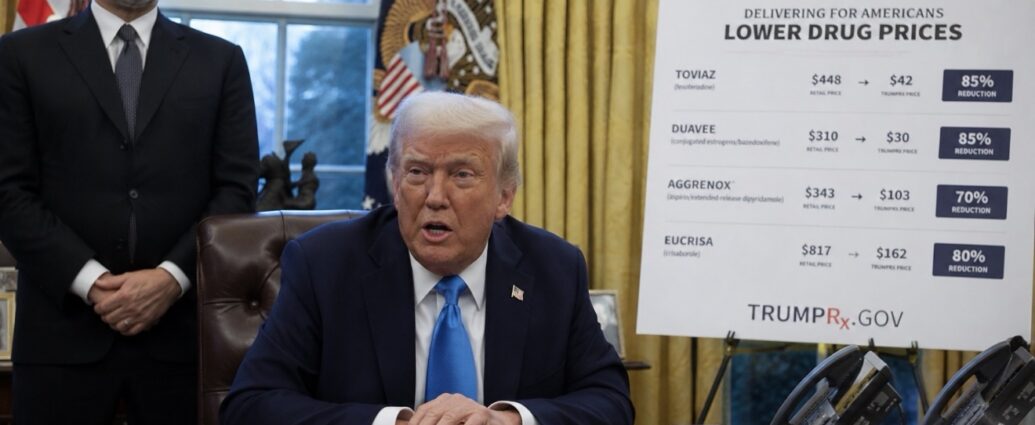
The pricing agreements are tied in part to the administration’s new TrumpRx.gov platform, which is designed to help consumers access discounted medications directly through participating pharmaceutical manufacturers.

Officials say certain medications under the agreements could eventually see discounts ranging from roughly 50% to as high as 85% depending on the product and purchasing structure.

The administration has framed the broader tariff threat as leverage rather than purely punitive trade policy.

Commerce Secretary Howard Lutnick has indicated the White House remains engaged in ongoing negotiations with companies that have not yet signed agreements, suggesting the tariff structure is intended primarily to force concessions around pricing and domestic production.

For the pharmaceutical industry, however, the financial implications are enormous.

The United States remains by far the world’s most profitable pharmaceutical market, with Americans paying substantially higher prices for many branded medications than consumers in other developed countries.

Industry groups including PhRMA have strongly criticized the administration’s approach, arguing tariffs and pricing controls could ultimately increase costs, disrupt supply chains, reduce innovation incentives, and complicate long-term research and development investment.

Stephen J. Ubl, Chief Executive Officer of PhRMA, warned that tariffs on advanced medicines could threaten billions of dollars in existing and future U.S. investment tied to pharmaceutical development and manufacturing.

Investors are now closely watching AbbVie and Regeneron to determine whether the companies ultimately agree to pricing terms, expand U.S. manufacturing commitments, or attempt to challenge portions of the framework politically or legally.

AbbVie, headquartered in North Chicago, manufactures major blockbuster drugs including Humira, Skyrizi, and Rinvoq, while Regeneron, based in Tarrytown, New York, is known for products including Eylea and its partnership with Sanofi on the asthma treatment Dupixent.

Because portions of their manufacturing and supply chains remain tied to facilities outside the continental United States, prolonged tariff exposure could create pressure on pricing, margins, manufacturing strategy, or future investment decisions.

The broader business implications extend far beyond pharmaceutical companies themselves.

Domestic manufacturing firms, construction contractors, logistics providers, chemical suppliers, packaging companies, and industrial real-estate developers all stand to benefit if more drugmakers accelerate U.S.-based production expansion in response to tariff pressure.

At the same time, pharmacy chains including CVS Health, Walgreens Boots Alliance, and Walmart could see changes in prescription purchasing behavior if discounted direct-purchase drug programs gain traction among consumers.

Pharmacy benefit managers including CVS Caremark, Express Scripts, and OptumRx may also face pressure as the pricing landscape evolves under the administration’s framework.

For consumers, the potential outcome remains mixed.

Some Americans paying cash for medications could see immediate savings through direct-discount programs tied to participating manufacturers.

Others, however, may still face higher prices elsewhere if companies attempt to offset lower prices on certain drugs by raising prices on products outside the agreements or passing along supply-chain costs tied to tariffs.

The legal foundation of the pharmaceutical tariffs also differs from several of Trump’s earlier trade actions.

Administration officials have argued the pharmaceutical measures fall under Section 232 national-security authority, which historically gives the executive branch broader power to impose tariffs tied to national security concerns surrounding supply-chain dependence and industrial capacity.

That distinction may make the pharmaceutical tariffs more legally durable than some previous tariff actions challenged in court.

For now, Wall Street and the broader health-care industry are watching one central question:

Whether the remaining holdouts ultimately negotiate agreements with the administration — or whether the White House moves forward with fully imposing one of the most aggressive pharmaceutical tariff regimes in modern U.S. history.

JBizNews Desk

© JBizNews.com. All rights reserved. This article is original reporting by JBizNews Desk. Unauthorized reproduction or redistribution is strictly prohibited.
Senate and House Democrats introduced resolutions Wednesday to overturn a Medicare pilot that uses artificial intelligence to approve or deny care. The technology experiment has led to allegations of delayed care for seniors in at least one of the six states it is currently being implemented. 

The newest effort to force a vote to stop the experiment follows a Government Accountability Office ruling from last week. The GAO determined that the Wasteful and Inappropriate Service Reduction program (WISeR) is subject to Congressional approval and should have been submitted to Congress before going into effect in January.

Read the rest…

This post was originally published here. 

WASHINGTON — Health secretary Robert F. Kennedy Jr. is issuing a U.S. surgeon general’s advisory urging families, schools, and providers to reduce children’s screen time, according to a draft of the report reviewed by STAT.

The report, which comes from the surgeon general’s office even though there is no Senate-confirmed nominee, calls on parents, schools, and all levels of government to work together to shift the use of devices with screens, saying some patterns of use “can pose real harm to children.”

Read the rest…

This post was originally published here. 

SAN FRANCISCO — While Tippi MacKenzie was a postdoctoral fellow in the early 2000s, she and her lab mates experimented with using the then-new technology of gene replacement therapy to try to treat inherited disorders in mice before they were born. Over and over it worked. They cured mice with hemophilia and mice with tyrosinemia. And the whole time, people kept telling her that gene therapy in human fetuses was just around the corner, just five years away. 

It’s now been 25 years, and such a reality has yet to materialize. But after promising discussions with the Food and Drug Administration, MacKenzie is now closer than anyone’s ever been.

Her team has submitted an investigational new drug (IND) application to the agency seeking approval for a small trial that aims to treat five fetal patients with a rare lysosomal storage disorder. The agency told them they could bypass animal testing, because the safety profile of the vector they plan to use already has been so well characterized by other academics and companies developing gene therapies for kids and adults.

Continue to STAT+ to read the full story…

This post was originally published here. 

The story of type 1 diabetes begins in the pancreas, long seen as a battleground between insulin-producing beta cells and misdirected immune defenders. Scientists have been searching for ways to spot this internal warfare early enough to prevent a lifelong disease that depletes the body’s source of insulin. 

Two new papers published Wednesday in Science Translational Medicine offer new clues to what happens in these beta cells before type 1 diabetes emerges. Experiments in human cells and in mouse models used biosensors and genetic analyses to illuminate this pathway and detect possible ways to halt beta-cell destruction.

In the first study, a team from the Indiana University School of Medicine explored how certain immune cells involved in inflammation, known as signaling cytokine interferon-alpha, normally trigger beta cells to produce other molecules  that play a role in inflammation, cell proliferation, and cell death. These reactive oxygen species, ROS for short, sometimes cause collateral damage. But cells from patients with type 1 diabetes did not have ROS-producing beta cells, suggesting they lacked the cytokines that stimulate their ROS production. That dearth might be useful in flagging the decline of beta cells early on in type 1 diabetes, the study authors surmised. 
Continue to STAT+ to read the full story…

This post was originally published here. 

The federal government is sending nearly $8 billion in supplemental Medicaid funds to hospitals in Florida for care they delivered last year, delivering a windfall to facilities in the politically influential state ahead of the imposition of new limits stemming from President Trump’s 2025 tax cut bill.

The extra cash is another victory for hospitals, which now are routinely getting paid much-higher commercial prices to treat Medicaid patients. Florida’s hospitals, which lobbied to get these extra funds approved, could get billions more on top of that once federal Medicaid officials mull over this year’s application.

On April 30, officials with the Centers for Medicare and Medicaid Services approved the money through a mechanism called a state directed payment program. CMS released the approval letters this week. The $8 billion, which also was authorized by state lawmakers, covers Medicaid patients treated from Oct. 1, 2024, through Sept. 30, 2025.

Continue to STAT+ to read the full story…

This post was originally published here. 

Amid another Ebola outbreak, hundreds of Africans are sick, displaced, fearful, or dead. Health care workers across Central Africa are once again caring for patients in overstretched hospitals with limited supplies, uncertain staffing, and enormous personal risk. Yet, as has happened before, the story has suddenly become about an American — in this case, a missionary and physician who became infected.

His suffering matters. But it’s frustrating to watch public attention during Ebola outbreaks gravitate toward the Western aid workers who become infected, while the local health care workers who sustain the response under far more difficult conditions receive far less recognition. Many work longer, with fewer resources and greater personal risk, yet their suffering remains largely invisible beyond the communities they serve.

Read the rest…

This post was originally published here. 

WASHINGTON — Health secretary Robert F. Kennedy Jr. has fired two leaders of a panel that advises the federal government on which preventive services should be covered by insurance. 

Vice chairs John Wong and Esa Davis were dismissed from the U.S. Preventive Services Task Force in letters sent to them by Kennedy on May 11. The letters, viewed by STAT, terminate them due to a review of the current appointments. 

“This action is administrative in nature and is unrelated to your performance or many years of dedicated service to the Task Force. It is not to be understood as a removal based on your leadership or contributions. To the contrary, the Department is taking this step to help protect the Task Force and preserve confidence in the continuity and durability of its work,” the letters read.

Continue to STAT+ to read the full story…

This post was originally published here. 

SAN FRANCISCO — Drug industry executives and an academic expert agreed Wednesday that the ouster of key officials at the Food and Drug Administration has created tremendous anxiety and uncertainty for the developers of rare disease drugs, and debated how much flexibility the agency should allow in designing clinical trials. 

At the STAT Breakthrough Summit West, Mahzi Therapeutics CEO Yael Weiss said she has faced constant, nervous questions from investors about how personnel chaos at the FDA will impact her company’s future. 

“There isn’t a day where I don’t find an email in my inbox where my investors are questioning the recent news they read, and how it will affect our future as a company, our certainty of getting our drugs approved,” Weiss said. “It’s a roller coaster.”

Continue to STAT+ to read the full story…

This post was originally published here. 

Good morning. I’m feeling jealous of my colleagues who get to enjoy some good weather today in San Francisco for our Breakthrough West Summit.

The need-to-know this morning

  • Relay Therapeutics reported promising Phase 2 data of its drug zovegalisib in a group of rare diseases that cause abnormal vasculature development, sending company shares up 9% in premarket trading.

Lilly tops peers on R&D performance, report finds

Eli Lilly ranked first in not one, but two categories in a prominent analysis of drugmakers’ R&D activity.

Every year, the consulting firm IDEA Pharma ranks companies on innovation, which takes into account revenue from new drugs; and invention, which looks at the number of drugs a company has in development and its R&D investment. This is the first time that one company has ranked first in both categories.

Continue to STAT+ to read the full story…

This post was originally published here.