


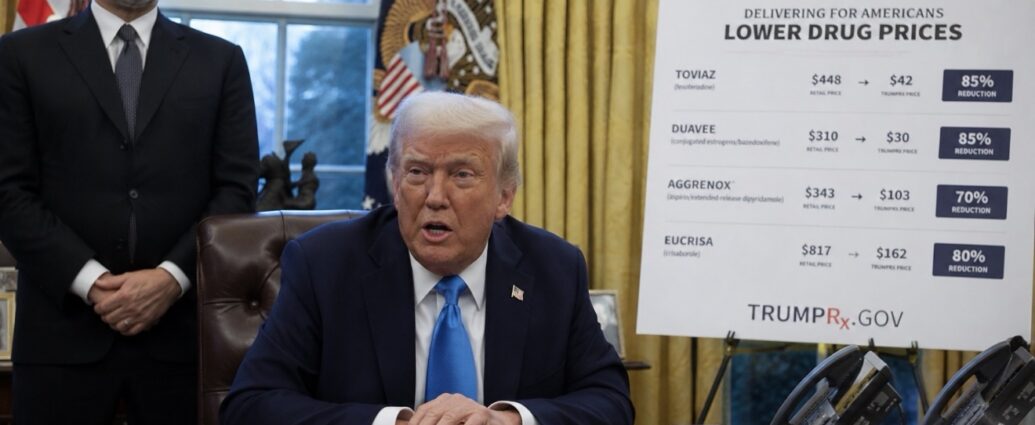
Trump’s 100% Pharma Tariff Pressures Holdout Drugmakers as Most Manufacturers Sign Pricing Deals
AbbVie and Regeneron Remain Among Final Major Holdouts as Administration Pushes Drugmakers Toward Lower U.S. Prices and Domestic Manufacturing
WASHINGTON — President Donald Trump’s new 100% tariff framework on patented pharmaceutical imports is intensifying pressure on the remaining holdouts in the drug industry, with AbbVie Inc. and Regeneron Pharmaceuticals Inc. now among the final major manufacturers that have not yet agreed to pricing and manufacturing terms sought by the administration.
The tariff structure, established through an executive order signed earlier this year, ties tariff relief directly to whether pharmaceutical companies agree to two major conditions: participation in a “most-favored-nation” drug pricing arrangement tied to U.S. prices and commitments to expand pharmaceutical manufacturing capacity inside the United States.
Under the administration’s framework, companies agreeing to both conditions can avoid tariffs entirely, while firms expanding domestic manufacturing without pricing agreements face escalating tariff exposure over several years. Companies declining both conditions face the full 100% tariff on covered patented pharmaceutical imports.
The strategy has rapidly reshaped negotiations across the pharmaceutical industry.
Major manufacturers including Pfizer Inc., AstraZeneca Plc, Eli Lilly & Co., Novo Nordisk, Johnson & Johnson, Merck & Co., GSK Plc, Novartis AG, Sanofi SA, Amgen Inc., Bristol Myers Squibb Co., Gilead Sciences Inc., and others have already entered agreements with the administration tied to pricing concessions, domestic manufacturing expansion, or both.
That leaves AbbVie and Regeneron increasingly isolated as negotiations continue.
The administration argues the policy is intended to lower prescription drug costs for American consumers while simultaneously rebuilding domestic pharmaceutical manufacturing capacity after decades of overseas dependence.
The pricing agreements are tied in part to the administration’s new TrumpRx.gov platform, which is designed to help consumers access discounted medications directly through participating pharmaceutical manufacturers.
Officials say certain medications under the agreements could eventually see discounts ranging from roughly 50% to as high as 85% depending on the product and purchasing structure.
The administration has framed the broader tariff threat as leverage rather than purely punitive trade policy.
Commerce Secretary Howard Lutnick has indicated the White House remains engaged in ongoing negotiations with companies that have not yet signed agreements, suggesting the tariff structure is intended primarily to force concessions around pricing and domestic production.
For the pharmaceutical industry, however, the financial implications are enormous.
The United States remains by far the world’s most profitable pharmaceutical market, with Americans paying substantially higher prices for many branded medications than consumers in other developed countries.
Industry groups including PhRMA have strongly criticized the administration’s approach, arguing tariffs and pricing controls could ultimately increase costs, disrupt supply chains, reduce innovation incentives, and complicate long-term research and development investment.
Stephen J. Ubl, Chief Executive Officer of PhRMA, warned that tariffs on advanced medicines could threaten billions of dollars in existing and future U.S. investment tied to pharmaceutical development and manufacturing.
Investors are now closely watching AbbVie and Regeneron to determine whether the companies ultimately agree to pricing terms, expand U.S. manufacturing commitments, or attempt to challenge portions of the framework politically or legally.
AbbVie, headquartered in North Chicago, manufactures major blockbuster drugs including Humira, Skyrizi, and Rinvoq, while Regeneron, based in Tarrytown, New York, is known for products including Eylea and its partnership with Sanofi on the asthma treatment Dupixent.
Because portions of their manufacturing and supply chains remain tied to facilities outside the continental United States, prolonged tariff exposure could create pressure on pricing, margins, manufacturing strategy, or future investment decisions.
The broader business implications extend far beyond pharmaceutical companies themselves.
Domestic manufacturing firms, construction contractors, logistics providers, chemical suppliers, packaging companies, and industrial real-estate developers all stand to benefit if more drugmakers accelerate U.S.-based production expansion in response to tariff pressure.
At the same time, pharmacy chains including CVS Health, Walgreens Boots Alliance, and Walmart could see changes in prescription purchasing behavior if discounted direct-purchase drug programs gain traction among consumers.
Pharmacy benefit managers including CVS Caremark, Express Scripts, and OptumRx may also face pressure as the pricing landscape evolves under the administration’s framework.
For consumers, the potential outcome remains mixed.
Some Americans paying cash for medications could see immediate savings through direct-discount programs tied to participating manufacturers.
Others, however, may still face higher prices elsewhere if companies attempt to offset lower prices on certain drugs by raising prices on products outside the agreements or passing along supply-chain costs tied to tariffs.
The legal foundation of the pharmaceutical tariffs also differs from several of Trump’s earlier trade actions.
Administration officials have argued the pharmaceutical measures fall under Section 232 national-security authority, which historically gives the executive branch broader power to impose tariffs tied to national security concerns surrounding supply-chain dependence and industrial capacity.
That distinction may make the pharmaceutical tariffs more legally durable than some previous tariff actions challenged in court.
For now, Wall Street and the broader health-care industry are watching one central question:
Whether the remaining holdouts ultimately negotiate agreements with the administration — or whether the White House moves forward with fully imposing one of the most aggressive pharmaceutical tariff regimes in modern U.S. history.
JBizNews Desk
© JBizNews.com. All rights reserved. This article is original reporting by JBizNews Desk. Unauthorized reproduction or redistribution is strictly prohibited.

Opinion | Is Raúl Castro the Next Maduro?
Opinion | Trump Reaches an Iran Crossroads

UK Floats £5 Million ‘Invite-Only’ Investor Visa to Lure Wealthy Back After Tax-Driven Exodus
The British government is quietly exploring a new “invite-only” visa program aimed at attracting wealthy foreigners willing to invest at least £5 million — roughly $6.7 million — into the UK economy, as officials try to reverse a growing exodus of millionaires and global investors from London.
For everyday readers, the proposal highlights a growing reality facing governments worldwide: countries are increasingly competing for wealthy individuals, entrepreneurs and investment dollars as economic growth slows and public finances tighten.
Under the plan being discussed, wealthy foreigners who invest £5 million into approved British businesses or priority industries could receive residency rights and potentially qualify for permanent settlement after three years.
Unlike Britain’s old “golden visa” system, the new version would reportedly be far more selective.
Officials are considering an “invite-only” model where the government actively approaches approved investors through wealth advisers and family offices rather than opening applications broadly to anyone with enough money.
The proposal is still under discussion, but the shift marks a major reversal from Britain’s previous stance.
The UK shut down its earlier investor visa program in 2022 amid concerns that it allowed questionable foreign money — particularly from Russian oligarchs — to flow into British assets with limited oversight.
Now, however, British officials are increasingly worried about something else: wealthy people leaving the country.
The pressure intensified after the government abolished the UK’s long-standing “non-dom” tax system, which had allowed many wealthy foreign residents to shield overseas income from British taxes for years.
Since those tax changes took effect, advisers say many affluent individuals and business owners have relocated assets and residences to places like Dubai, Switzerland, Italy, Singapore and Portugal.
That outflow has raised concerns inside government about losing investment, spending, tax revenue and global talent.
The proposed investor visa appears designed to slow that trend while avoiding some of the political backlash tied to the earlier program.
Property purchases would reportedly not qualify under the new system, meaning investors would need to place money into businesses, infrastructure or other targeted sectors instead of simply buying luxury London real estate.
That distinction is important because soaring housing prices became one of the biggest criticisms of “golden visa” programs across Europe.
Several countries — including Spain, Portugal and Ireland — have recently scaled back or eliminated similar residency-by-investment programs after public anger over housing affordability and concerns about wealthy foreigners buying access to residency.
Britain’s proposed £5 million threshold would also rank among the highest in the world.
For comparison:
- The U.S. EB-5 investor visa requires roughly $1 million.
- Portugal’s program starts around €500,000.
- Greece ranges from roughly €250,000 to €800,000.
At £5 million, Britain would clearly target ultra-high-net-worth individuals rather than a broader investor market.
Supporters argue the UK still holds major advantages for wealthy global investors, including London’s financial system, elite schools, strong legal protections and extensive international business connections.
Critics, however, say offering special residency paths to the ultra-wealthy while tightening immigration rules for everyone else could become politically explosive.
The UK has simultaneously moved toward stricter immigration requirements for many workers and migrants, including tougher language rules and longer timelines for permanent residency.
That contrast could make the proposed investor visa highly controversial if formally introduced.
Still, economic pressures may be pushing policymakers toward compromise.
Britain’s economy has struggled with slower growth, rising debt pressures and weaker business investment in recent years. Officials increasingly fear that losing wealthy residents and entrepreneurs to competing countries could worsen those problems.
For now, the investor visa remains under review, and no final legislation has been introduced.
But the discussions themselves signal how aggressively governments are now competing for global wealth — especially as mobile millionaires gain increasing leverage over where they choose to live, invest and pay taxes.
— JBizNews Desk
© JBizNews.com. All rights reserved. This article is original reporting by JBizNews Desk. Unauthorized reproduction or redistribution is strictly prohibited.
Trump, Netanyahu Hold Testy Call Over Iran


Google Overhauls Search Bar in Biggest Change in Years as AI Battle With OpenAI and Anthropic Intensifies
Google is changing the internet’s most famous search bar.
At its annual developer conference Tuesday, the company unveiled the biggest redesign of Google Search in years, transforming the simple search box millions use every day into something much closer to an AI assistant that can answer questions, complete tasks and even work on projects for users automatically.
For everyday consumers, the shift signals a major change in how people may use the internet going forward — and how aggressively Google is trying to compete with ChatGPT, Claude and other AI tools that are rapidly changing online behavior.
Instead of typing a few keywords and getting a list of blue links, users will increasingly interact with Google more like they chat with an AI assistant.
The new search experience allows people to ask longer, conversational questions, create AI “agents” that track tasks over time and even delegate ongoing work directly through Google.
The overhaul is powered by Google’s newest AI model, Gemini 3.5 Flash, which is becoming the core engine behind the company’s expanding AI features.
Google executives framed the redesign as the next evolution of search itself.
The company is betting that people increasingly want answers and completed tasks — not just links to websites.
Some examples of what the new AI-powered Google can do:
- Monitor topics over time
- Summarize emails and documents
- Create to-do lists
- Research products
- Track recurring tasks
- Work across Gmail, Google Docs and Slides
- Continue working even after users close their devices
Google is also introducing a feature called “Spark,” which acts more like a persistent digital assistant capable of operating in the background over extended periods.
The changes reflect how quickly the AI race has intensified.
For the first time in its history, Google faces a serious threat to its core search business from AI competitors.
OpenAI’s ChatGPT, Anthropic’s Claude and AI-native search startups like Perplexity have increasingly pulled users away from traditional Google searches, especially for research, coding and information-heavy questions.
That has created enormous pressure inside Google to reinvent search before competitors redefine how people access information online.
Despite those threats, Google says overall search activity continues growing.
Still, the company clearly recognizes that the format of search is changing rapidly.
For decades, Google made money by showing users links alongside advertisements. AI-generated answers could disrupt that model because users may no longer need to click through to websites as often.
That creates a delicate balancing act for Alphabet, Google’s parent company:
- Push aggressively into AI
- While protecting the advertising business that generates most of its profits
The company also faces another challenge: trust.
AI assistants remain imperfect and can still make mistakes, misunderstand requests or provide incorrect information.
Even Google executives acknowledged the technology is not yet fully reliable enough for users to completely trust autonomous AI agents with important tasks.
Still, the industry is moving rapidly in this direction.
OpenAI, Google, Anthropic and Microsoft are all racing to create AI systems that function more like full digital assistants rather than standalone chatbots.
The companies increasingly envision a future where AI continuously helps manage schedules, communications, research, shopping and everyday work in the background.
For consumers, that could eventually make computers and phones feel less like tools people manually operate — and more like systems actively helping them complete tasks automatically.
The speed of competition has become extreme.
Google executives said some internal AI teams now release updates nearly every day to keep pace with rivals.
The pressure is especially intense because whoever becomes the dominant AI assistant platform could control the next generation of internet behavior — much like Google Search dominated the last one.
The rollout of Google’s new AI search features will happen gradually over the coming months, with some advanced capabilities initially limited to paying subscribers.
But Tuesday’s announcement makes one thing clear:
the simple Google search bar that defined the internet for nearly 30 years is rapidly evolving into something very different.
And the battle over what replaces it is becoming the biggest fight in technology.
— JBizNews Desk
© JBizNews.com. All rights reserved. This article is original reporting by JBizNews Desk. Unauthorized reproduction or redistribution is strictly prohibited.


Toll Brothers Climbs as Luxury-Home Orders Hit Two-Year High
Toll Brothers, the country’s largest luxury-home builder, says wealthy Americans are still buying expensive homes despite high mortgage rates and growing worries about the housing market.
The company reported Tuesday that orders for new homes reached their highest level in two years, helping push shares higher after earnings topped Wall Street expectations.
For everyday consumers, the results highlight a growing split in the U.S. housing market: middle-class buyers are struggling with high monthly payments, while wealthier buyers continue purchasing million-dollar homes with far less pressure from interest rates.
Toll Brothers signed contracts for 2,834 homes during its latest quarter, up 7% from a year ago. The average selling price topped $1 million per home.
CEO Douglas Yearley Jr. said the company continued to perform well despite what he called a “challenging market,” adding that demand at the high end of the housing market remains strong.
The results stand out because much of the broader housing market has slowed sharply.
Mortgage rates remain near their highest levels in years, with the average 30-year fixed mortgage climbing close to 6.7%. Higher Treasury yields — which heavily influence mortgage rates — have continued rising amid inflation fears tied to the Iran war and energy prices.
For many Americans, that has made buying a home increasingly unaffordable.
Monthly mortgage payments on a typical U.S. home are now hundreds of dollars higher than they were just a few years ago. Many homeowners who locked in low 3% mortgage rates during the pandemic are also refusing to sell, creating a shortage of homes on the market.
But Toll Brothers operates in a very different part of the market.
Its customers are typically wealthier buyers who often make larger down payments, carry smaller mortgages relative to home values, or pay cash entirely. That makes them less sensitive to rising interest rates compared with first-time or middle-income buyers.
The company said many of its luxury communities are still raising prices, showing that demand at the top end of the market remains healthy even as entry-level housing slows.
Toll Brothers also raised its forecast for the rest of the year, signaling confidence that wealthy buyers will continue spending despite economic uncertainty.
The company ended the quarter with more than $1 billion in cash and continued buying back its own stock while increasing its dividend to shareholders.
The strong earnings report adds to growing evidence that the U.S. economy is increasingly splitting into two different realities.
Higher-income Americans have continued benefiting from strong stock markets, rising asset values and accumulated wealth from recent years. Many can still comfortably afford luxury homes even with elevated interest rates.
Meanwhile, many middle-class families are finding it harder to qualify for mortgages or afford monthly payments at current prices.
Housing analysts say that divide has become one of the defining trends of today’s real estate market.
Existing home sales across the country remain near multi-decade lows, while builders targeting first-time buyers have increasingly relied on incentives and mortgage-rate discounts to attract customers.
Luxury builders like Toll Brothers, however, continue seeing stronger demand than much of the industry.
For now, the company’s latest results suggest wealthy buyers are still willing to spend — even as much of the rest of the housing market remains under pressure.
— JBizNews Desk
© JBizNews.com. All rights reserved. This article is original reporting by JBizNews Desk. Unauthorized reproduction or redistribution is strictly prohibited.

Opinion | China Gets Sparta All Wrong



Trump Squeezes Havana While U.S. Capital Eyes Post-Castro Cuba
The collapse of Cuba’s economy under a tightening American pressure campaign has shifted from a geopolitical story into a business story, with U.S. investors, Cuban-American executives, and global mining, tourism, and telecom interests openly modeling what a post-Castro island opening could mean for capital flows just 90 miles off the Florida coast.
Secretary of State Marco Rubio, in remarks delivered this month after President Donald Trump signed Executive Order 14404 on May 1, framed the administration’s endgame in explicit commercial terms. Rubio said Cuba “would enjoy an enormous expatriate community, Cuban Americans that would go back and invest,” while pointing to the island’s tourism industry, fertile farmland, and strategic mineral reserves, including rare earth deposits critical to modern technology supply chains.
“Cuba should not be a poor country,” Rubio said. “Its people should not be starving. Its people should be prosperous.”
That investment thesis collided this week with the reality unfolding across the island.
Cuban Energy Minister Vicente de la O Levy acknowledged on state television that Cuba has effectively run out of crude oil, diesel, and fuel oil, leaving only domestically produced natural gas keeping portions of the power grid alive. Blackouts in Havana are now lasting as long as 20 to 22 hours a day, according to government statements, as the Trump administration’s escalating pressure campaign cuts off fuel shipments and financial lifelines to the communist government.
The economic collapse is becoming increasingly visible. Food shortages have intensified, transportation networks have deteriorated, and factories across the island are operating intermittently or shutting down entirely because of power outages and fuel scarcity.
At the same time, Washington’s posture toward Havana is hardening.
CIA Director John Ratcliffe traveled to Havana last week in the most senior U.S. intelligence visit to Cuba in decades. Ratcliffe reportedly met with senior Cuban security officials and delivered a direct message from President Trump that the United States is prepared to discuss economic normalization and security cooperation only if Cuba undertakes “fundamental changes,” according to officials cited by the Associated Press.
The administration is simultaneously escalating legal and financial pressure on the regime.
Federal prosecutors in Miami are reportedly examining potential charges tied to senior Cuban officials connected to the 1996 shootdown of planes operated by the exile group Brothers to the Rescue. While Trump declined to confirm potential indictments, he signaled the administration views the Cuban government as vulnerable.
“They need help,” Trump told reporters aboard Air Force One. “You talk about a declining country — they are really a nation in decline.”
For financial markets and multinational corporations, the most consequential move came through the State Department’s sanctions escalation under Executive Order 14404.
Rubio announced sanctions against GAESA, the military-controlled conglomerate that dominates much of Cuba’s economy, alongside Moa Nickel S.A., one of the island’s most strategically important mining operations. The State Department described GAESA as the core financial engine of Cuba’s communist system, estimating the organization controls more than 40% of the country’s economy through tourism, retail, banking, transportation, and industrial assets.
The move immediately rattled one of Cuba’s largest foreign corporate partners: Canada’s Sherritt International.
Sherritt, which owns a 50% stake in the Moa nickel joint venture and major energy assets on the island, initially announced plans to suspend participation in Cuban operations and began withdrawing expatriate employees after the sanctions announcement. Several company directors resigned shortly afterward.
But in a notable reversal this week, Sherritt said it was reconsidering dismantling its Cuban operations after consultations with advisers and government officials, citing what it called a “potential value-preserving opportunity.”
That language immediately caught Wall Street’s attention.
Analysts increasingly believe some foreign investors are quietly positioning for a possible post-Castro opening rather than abandoning Cuban assets entirely. The logic is straightforward: maintain strategic exposure now in hopes of benefiting from a future transition that could unlock billions of dollars in tourism, infrastructure, telecom, agriculture, and mining investment.
The opportunity is substantial.
Cuba possesses some of the world’s largest undeveloped nickel and cobalt reserves — materials essential to electric vehicle batteries and advanced defense technologies. With Washington aggressively seeking alternatives to China-dominated mineral supply chains, Cuba’s resource base has suddenly taken on greater geopolitical significance.
The island also sits directly adjacent to one of the wealthiest consumer markets on earth.
Before the revolution, Cuba was among the Caribbean’s premier tourism destinations. American hotel operators, airlines, cruise lines, telecom providers, and agricultural exporters have spent decades studying what a reopening could look like. Some estimates from prior U.S. trade studies projected billions of dollars in annual economic activity if restrictions were normalized.
But the same sanctions designed to pressure Havana are simultaneously increasing the risks for companies attempting to move too early.
Executive Order 14404 significantly expands the threat of secondary sanctions against foreign firms and financial institutions doing business with sanctioned Cuban entities. European banks, Canadian miners, and Latin American conglomerates that previously operated under older sanctions frameworks now face far greater legal and financial exposure if they continue transactions linked to GAESA or other targeted sectors.
For ordinary Cubans, the geopolitical and financial maneuvering translates into worsening daily hardship.
The Wall Street Journal reported this week that blackouts lasting nearly an entire day are fueling unrest across the island, with protests increasingly breaking out in Havana and other cities as shortages deepen. Inflation continues eroding purchasing power while the peso weakens further against the dollar.
The next key deadline arrives June 5, when the Treasury Department’s temporary wind-down period for foreign companies connected to GAESA-related transactions expires. After that date, enforcement risks rise sharply for multinational corporations still operating on the island.
For investors and policymakers alike, the stakes are becoming clearer.
If the pressure campaign succeeds in forcing meaningful political and economic reform, Cuba could become one of the most significant untapped emerging-market opportunities in the Western Hemisphere. If it fails, companies maintaining exposure risk being trapped inside a collapsing economy facing deeper isolation, fuel shortages, and intensifying political instability.
Either way, the business landscape of the Caribbean is changing rapidly — and global capital is already preparing for what comes next.
— JBizNews Desk
© JBizNews.com. All rights reserved. This article is original reporting by JBizNews Desk. Unauthorized reproduction or redistribution is strictly prohibited.

Sherritt to Sell Majority Stake to Gillon

Musk Calls Israel ‘By Far Number One’ in Innovation Per Capita at Tel Aviv Summit
Elon Musk, the world’s wealthiest individual and chief executive of Tesla and SpaceX, declared Israel the global leader in innovation per capita during a virtual address Monday to a major technology conference in Tel Aviv — comments that drew immediate amplification from Israeli Prime Minister Benjamin Netanyahu and arrived just days before what is expected to be the largest initial public offering in U.S. history.
“I’m a huge admirer of the innovation coming out of Israel,” Musk said in video remarks delivered to the Samson International Smart Mobility Summit at Expo Tel Aviv. “I think it is objectively true that Israel punches high above its weight for population. My hat is off to Israel for just how much incredible innovation. I’d say innovation per capita, Israel must be number one in the world.”
Asked specifically to share a message with Israeli innovators in the audience, Musk added: “Innovation per capita, Israel is by far number one in the world.”
Israeli Prime Minister Benjamin Netanyahu shared video of the remarks Tuesday on X, calling Musk “the world’s leading man in innovation.” The endorsement, delivered at a government-hosted conference during a period of heightened geopolitical tension, gave Israel’s technology sector a major public boost from one of the world’s most influential business leaders.
Musk had originally been scheduled to appear in person at the summit earlier this year before the conference was postponed following the outbreak of the U.S.-Israeli military operation against Iran. Speaking remotely from Austin, Texas, Musk apologized for not attending physically and pointed to the pending SpaceX IPO as the reason.
“I would be there in person, but this is IPO, you know, going to get the IPO, SpaceX IPO going pretty soon, I think,” Musk said.
The SpaceX public offering, expected as soon as June, is projected to become the largest IPO in history, potentially valuing the combined SpaceX-xAI business at nearly $2 trillion.
Musk’s comments reinforced a long-standing narrative surrounding Israel’s technology ecosystem.
Despite a population of only around 10 million people, Israel consistently ranks among the world’s top countries in venture capital investment, startup density, research and development spending, cybersecurity innovation and artificial intelligence development.
According to the World Intellectual Property Organization’s Global Innovation Index, Israel ranks among the global leaders in:
- R&D spending as a percentage of GDP
- Venture capital investment
- University-industry collaboration
- Startup activity
- Unicorn company creation
Israel has produced globally recognized technology firms and innovations including:
- Mobileye
- Waze
- Check Point Software
- ICQ
- Key Intel chip architectures
- Major cybersecurity platforms
- Autonomous driving systems
- Water and agricultural technologies
The conference itself focused heavily on artificial intelligence, autonomous vehicles and the future of transportation.
Musk reiterated his belief that AI-powered autonomous driving will eventually become safer than human driving and predicted that fully autonomous Tesla vehicles could become widely available in the United States before the end of the year.
“The vehicle will feel human, you will really be able to sense the entity inside the vehicle,” Musk said. “It feels alive.”
He also forecast rapid expansion in robotics and AI-driven productivity over the next decade, including major advances tied to Tesla’s Optimus humanoid robot project.
“Within five to ten years, 90% of all transportation will be powered by artificial intelligence,” Musk said.
The remarks come as Israel continues positioning itself as a global AI and defense technology hub during the ongoing regional conflict with Iran. The country’s technology and cybersecurity sectors have remained among the strongest-performing parts of the Israeli economy despite geopolitical instability.
Musk’s relationship with Israel has drawn significant attention since his November 2023 visit following the Oct. 7 Hamas attacks, when he toured Kibbutz Kfar Aza alongside Netanyahu and met with hostage families and victims.
Starlink, Musk’s satellite internet company, later expanded operations into Israel, providing connectivity support for government agencies and critical infrastructure.
For Netanyahu, the timing of Musk’s praise was politically valuable.
The Israeli prime minister has faced sustained international scrutiny over military operations and regional tensions tied to the Iran war. A high-profile endorsement from Musk shifted attention back toward Israel’s innovation economy and global technology leadership.
For Musk, the appearance also reinforced the future-focused narrative surrounding SpaceX, artificial intelligence and autonomous technologies just weeks ahead of the company’s anticipated IPO.
The remarks closed with Musk thanking the Israeli audience and expressing hope that he would visit Israel again after the SpaceX listing is complete.
For now, one of the world’s most influential technology entrepreneurs has publicly reinforced a claim Israel’s startup ecosystem has promoted for decades:
that few countries produce as much innovation relative to their size.
— JBizNews Desk
© JBizNews.com. All rights reserved. This article is original reporting by JBizNews Desk. Unauthorized reproduction or redistribution is strictly prohibited.
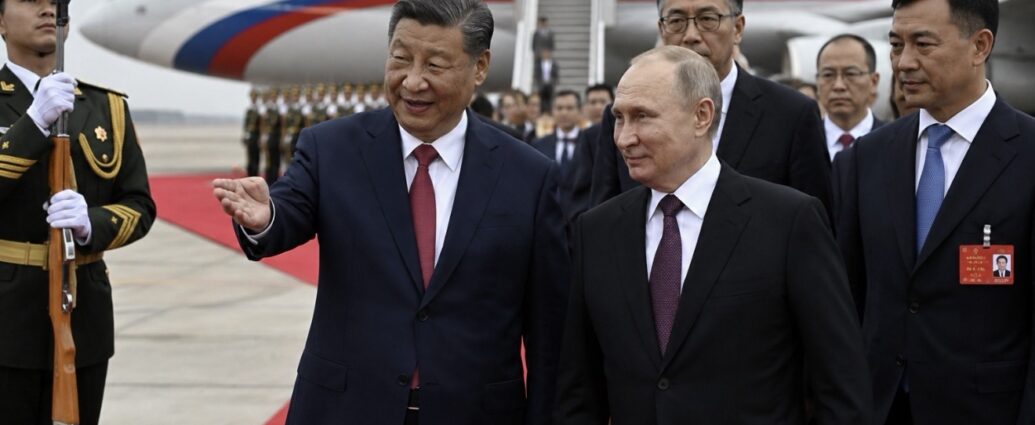
Putin Arrives in Beijing Days After Trump-Xi Summit, Pressing for Gas Deal and Ukraine Signals
Russian President Vladimir Putin arrived in Beijing late Tuesday for a two-day state visit with Chinese President Xi Jinping, just one week after President Donald Trump wrapped his own high-stakes visit to the same capital — a back-to-back diplomatic sequence that has placed China at the center of competing efforts by Washington and Moscow to shape the post-Iran-war global order.
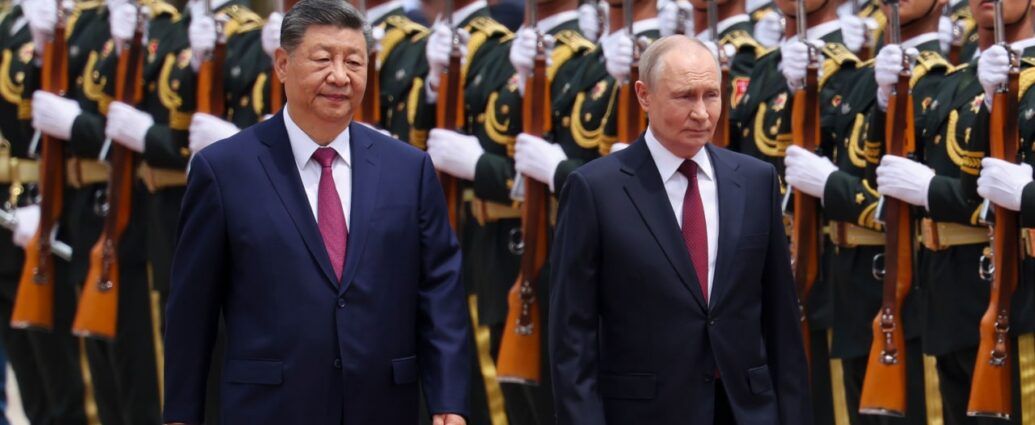
Putin was greeted at Beijing Capital Airport by Chinese Foreign Minister Wang Yi in a state-level ceremony that mirrored the diplomatic pomp Xi afforded Trump the previous week. China’s Foreign Ministry said it is Putin’s 25th visit to the country. The trip commemorates the 30th anniversary of the China-Russia strategic cooperative partnership and the 25th anniversary of the 2001 Sino-Russian Treaty of Friendship.
The timing itself has drawn global attention.
Within a span of days, Xi hosted both Trump and Putin in Beijing — reinforcing China’s increasingly central role in global diplomacy at a moment of growing geopolitical instability. Chinese state media portrayed the sequence as evidence Beijing has become an indispensable power broker between rival global blocs.
The core focus of Putin’s visit is energy.
At the top of the agenda is the long-delayed Power of Siberia 2 natural gas pipeline, a proposed project that would transport massive volumes of Russian gas into China. Moscow urgently needs new long-term buyers after losing much of its European energy business following the Ukraine war, while Beijing continues leveraging its position to negotiate favorable pricing and terms.
The Iran war has only increased the strategic importance of that relationship.
With instability disrupting Middle Eastern energy flows and pressure mounting around the Strait of Hormuz, China has relied increasingly on discounted Russian oil and gas imports. Russia has simultaneously become more dependent on Chinese trade, financing and industrial support as Western sanctions continue weighing on its economy.
Russian oil exports to China reportedly surged roughly 35% during the first quarter of 2026, according to Kremlin foreign policy adviser Yuri Ushakov.
Ahead of the trip, Putin praised what he called the “unprecedented level” of cooperation between Moscow and Beijing, saying the two countries support each other on issues involving sovereignty and strategic interests.
Chinese state media echoed the message, describing the partnership as “unshakable” despite mounting global tensions.
Beyond energy, analysts say Putin is also likely seeking insight into Trump’s recent discussions with Xi — particularly surrounding Ukraine and possible future negotiations involving Russia and the West.
The Trump administration has pursued intermittent diplomatic talks aimed at eventually ending the Ukraine war, though little concrete progress has emerged publicly.
“Putin may want to know Trump’s latest thinking on Ukraine and potential peace negotiations,” said Natasha Kuhrt, senior lecturer in war studies at King’s College London, in comments cited by NBC News.
Analysts say the visit also highlights a growing imbalance in the China-Russia relationship.
While Moscow still presents itself publicly as a global power equal to Beijing, many observers believe Russia now enters negotiations increasingly from a weaker position economically and diplomatically. China, meanwhile, has gained leverage by becoming one of the few major economies willing to maintain deep trade ties with Moscow despite Western sanctions.
Trump’s own Beijing visit last week produced limited public breakthroughs but avoided major escalation between Washington and Beijing. The two sides discussed trade, technology restrictions, Taiwan and critical minerals, while both governments signaled willingness to continue dialogue.
Xi warned during Trump’s visit that mishandling Taiwan could “push the two countries into conflict,” underscoring how fragile U.S.-China relations remain despite renewed diplomacy.
Putin’s visit is being framed differently.
Rather than negotiating a reset, Moscow and Beijing are portraying the trip as a reaffirmation of an already established strategic partnership — one built increasingly around energy, trade and mutual resistance to Western pressure.
Still, China continues walking a careful line.
Beijing has supported economic ties with Russia while trying to avoid becoming directly entangled in Western sanctions. Chinese banks and corporations have periodically limited certain Russian transactions to reduce exposure to secondary sanctions from the United States and Europe.
That balancing act reflects Beijing’s broader strategy: maintaining leverage and relationships with both Washington and Moscow without fully aligning with either side.
The back-to-back Trump and Putin visits underscore a larger reality emerging in global politics — nearly every major power now sees Beijing as a relationship it cannot afford to ignore.
Whether Xi ultimately positions China as a neutral mediator, a strategic partner to Russia, or a rival to the United States remains less clear.
For now, though, one image stands out above the rest:
Putin in Beijing days after Trump left — with Xi at the center of both meetings.
— JBizNews Desk
© JBizNews.com. All rights reserved. This article is original reporting by JBizNews Desk. Unauthorized reproduction or redistribution is strictly prohibited.

Florida Pet Supplies Plus Franchisee Files Chapter 11 as Small-Store Operators Face Pressure
A small Florida franchisee of Pet Supplies Plus has filed for Chapter 11 bankruptcy protection, offering a fresh glimpse into the growing financial strain facing independent retail operators even as the broader U.S. pet industry continues expanding.
According to a petition filed May 12 in the U.S. Bankruptcy Court for the Middle District of Florida, Holiday, Florida-based PSP TS LLC listed assets between $100,000 and $500,000 and liabilities ranging from $1 million to $10 million. The filing did not specify a direct cause for the bankruptcy, though court records show the company’s lone Pet Supplies Plus store remains open during the proceedings.
The parent franchisor itself was not part of the filing.
On paper, the bankruptcy is relatively modest. In practice, however, it reflects a wider challenge increasingly surfacing across America’s franchise economy: national brands continue growing while smaller operators underneath them struggle to absorb rising operating costs, labor expenses, insurance premiums, and interest rates.
The contrast is especially striking inside the pet industry, one of the most resilient sectors in consumer retail.
According to the American Pet Products Association’s 2026 State of the Industry Report, total U.S. pet-industry sales reached approximately $158 billion last year and are projected to rise to roughly $165 billion in 2026.
Consumer demand for premium pet food, veterinary care, grooming, supplements, and pet wellness services has remained relatively strong even as higher interest rates and inflation pressure spending in many other retail categories.
But beneath those strong industry-level numbers, smaller franchise operators are increasingly facing margin compression.
Industry observers say single-store and small-cluster franchisees have become particularly vulnerable because they lack the scale advantages available to larger corporate chains and multi-unit operators.
The PSP TS filing follows several similar franchisee restructurings across Florida over the past year.
In January, J.L.E.T. Enterprises, a Florida-based operator of multiple Three Dog Bakery locations, also sought bankruptcy protection in the same federal district after its franchise agreement was terminated, according to court records reviewed by restructuring consultants.
The broader Pet Supplies Plus brand itself has been navigating major changes over the past two years.
Headquartered in Livonia, Michigan, the company now operates roughly 725 stores across 44 states alongside 26 Wag N’ Wash grooming and pet-care locations. The chain carries more than 10,000 products across roughly 400 brands and has continued adding new franchise agreements despite broader retail-sector uncertainty.
Entrepreneur Magazine recently ranked Pet Supplies Plus among its top franchise systems nationally, while Forbes included the company among its leading customer-service brands.
The franchisor side of the business has remained relatively stable following a turbulent corporate restructuring at its former parent company.
Pet Supplies Plus previously operated under Franchise Group Inc., the holding company that also owned businesses including The Vitamin Shoppe, American Freight, Buddy’s Home Furnishings, Sylvan Learning, and Liberty Tax.
Franchise Group filed for Chapter 11 bankruptcy protection in late 2024 after struggling under a heavy debt load tied to aggressive acquisitions and rising interest costs.
The company eventually restructured through a deal backed by major lenders and private-equity firms, emerging from bankruptcy in mid-2025 after selling off several assets and winding down portions of its retail portfolio.
Pet Supplies Plus and Wag N’ Wash were later separated into a standalone entity known as Fusion Parent LLC.
“Even though we were already operating as an independent business, this decision allows us to formally chart our own course,” CEO Chris Rowland said at the time of the separation.
The company has since continued pursuing expansion plans and recently secured a large securitized financing facility commonly used by major franchise systems to support growth.
Analysts say the corporate-level restructuring has largely stabilized the franchisor itself.
The pressure now appears increasingly concentrated at the franchisee level.
Neil Saunders, managing director at GlobalData, said after Franchise Group’s restructuring that Pet Supplies Plus remained one of the healthier brands inside the former holding company but warned that franchise operators still face intense competition and rising operating expenses in a slowing economy.
That tension has become a defining challenge across large parts of American franchised retail.
National brands continue signing new agreements, adding locations, and posting growing revenue, while many individual operators struggle to maintain profitability at the local level.
For franchisees, costs tied to labor, rent, insurance, utilities, inventory financing, and wages have risen faster than revenue growth in many regional markets.
At the same time, consumers are increasingly shifting spending toward e-commerce, subscription delivery services, and large-scale national platforms with greater pricing power.
The result is a widening divide between franchise systems that appear healthy at the top and local operators fighting to preserve cash flow store by store.
Pet Supplies Plus still maintains a pipeline of roughly 200 pending franchise agreements across its brands, suggesting expansion plans remain firmly intact.
For smaller operators such as PSP TS LLC, however, the immediate question is far more practical: whether bankruptcy reorganization can provide enough breathing room to keep neighborhood pet stores operating in an industry where overall sales continue rising, but the economics increasingly favor scale over independence.
JBizNews Desk
© JBizNews.com. All rights reserved. This article is original reporting by JBizNews Desk. Unauthorized reproduction or redistribution is strictly prohibited.


U.K. Inflation Slowed in April

Asian Markets Sink Across the Board as Bond Yields Hit Multi-Decade Highs
Asian stock markets fell sharply Wednesday as rising global bond yields rattled investors and increased fears that borrowing costs could stay high much longer than markets had hoped.
For everyday investors, the message from global markets is becoming increasingly clear:
higher interest rates are starting to pressure stocks around the world.
Japan led regional losses, with the Nikkei 225 dropping nearly 1% after government bond yields surged to their highest levels since the late 1990s. Markets in South Korea, Australia, Hong Kong and other major Asian economies also moved lower as investors reacted to the ongoing global bond selloff.
The pressure is coming primarily from government bond markets, where yields have climbed rapidly over the past several days.
In the United States:
- The 30-year Treasury yield briefly topped 5.19%
- The 10-year Treasury yield climbed near 4.7%
Those are some of the highest levels seen in nearly two decades.
In simple terms, rising bond yields mean borrowing money becomes more expensive throughout the economy.
That affects:
- Mortgage rates
- Business loans
- Credit cards
- Corporate borrowing
- Government financing costs
Higher yields also tend to hurt stocks because safer investments like bonds begin offering more attractive returns relative to equities.
The latest surge has been fueled largely by concerns that inflation may remain stubbornly high because of the ongoing Iran war and elevated oil prices.
Crude oil has stayed near $110 per barrel, increasing fears that energy costs could continue pushing inflation higher globally.
As a result, investors are rapidly abandoning expectations that central banks will cut interest rates anytime soon.
Some analysts are now even discussing the possibility that the Federal Reserve may eventually need to raise rates again if inflation pressures worsen.
That shift in expectations has triggered heavy selling across global bond markets.
Japan’s move is especially important because Japanese investors are among the largest holders of U.S. government debt.
As Japanese bond yields rise at home, investors may increasingly move money out of U.S. assets and back into Japan, potentially adding even more pressure to global financial markets.
Technology and AI-related stocks have also come under pressure, particularly in South Korea and Hong Kong.
South Korea’s market has been especially volatile in recent sessions as investors reassess valuations in semiconductor and AI companies after enormous rallies earlier this year.
Markets are now closely watching Nvidia earnings later Wednesday, which could heavily influence sentiment across global technology stocks.
China’s slowing economy is adding another layer of concern.
Recent Chinese economic data has disappointed investors, with weaker-than-expected retail sales and industrial output raising fears about slowing demand across Asia.
At the same time, geopolitical uncertainty remains elevated.
Russian President Vladimir Putin arrived in Beijing this week for meetings with Chinese President Xi Jinping, while markets continue monitoring developments tied to the Iran conflict and broader global tensions.
Despite the selloff, some sectors have held up better than others.
Australia’s market, for example, has been somewhat supported by mining and commodity companies benefiting from higher raw material prices.
Still, analysts say the direction of global markets now depends heavily on one central issue:
whether bond yields continue rising.
If yields stabilize, stock markets could recover relatively quickly.
But if inflation stays elevated and central banks become even more aggressive, investors may face continued pressure across both stocks and bonds — an unusually difficult environment for traditional portfolios.
For now, markets around the world are adjusting to a reality investors had hoped to avoid:
higher interest rates may not be going away anytime soon.
— JBizNews Desk
© JBizNews.com. All rights reserved. This article is original reporting by JBizNews Desk. Unauthorized reproduction or redistribution is strictly prohibited.




UK Quietly Lifts Ban on Fuel Refined From Russian Oil as Iran War Squeezes Diesel and Jet Fuel Supplies
The British government has quietly relaxed part of its sanctions policy on Russian energy, allowing imports of diesel and jet fuel refined from Russian crude oil in third countries as the Iran war continues disrupting global fuel supplies.
For everyday consumers, the decision highlights how severe the global fuel shortage has become — and how governments are increasingly prioritizing energy stability over strict sanctions enforcement as diesel and airline fuel prices surge.
Under the new policy issued Tuesday, the UK will now allow imports of diesel and jet fuel produced from Russian oil if that oil is refined in countries such as India, Turkey or China before being sold to Britain.
The move effectively reopens a supply channel Britain had blocked last year.
Officials say the change is aimed at easing pressure on fuel markets after months of war-driven disruptions in the Middle East pushed oil, diesel and aviation fuel prices sharply higher.
The Iran conflict and ongoing instability around the Strait of Hormuz — one of the world’s most important oil shipping routes — have created major supply problems for global energy markets.
Diesel prices are especially important because diesel fuels much of the economy, including trucking, shipping, farming equipment, construction machinery and parts of public transportation.
Jet fuel shortages have also become a growing issue for airlines, where fuel can account for roughly one-third of operating costs.
As fuel prices rise, the effects often spread quickly through the broader economy in the form of higher shipping costs, more expensive airline tickets and increased prices for goods in stores.
The UK’s decision follows a similar move by the United States earlier this week extending a waiver tied to Russian oil purchases amid concerns about global energy shortages.
The European Union has also softened certain restrictions as governments try to prevent deeper fuel crises.
The situation reflects a difficult balancing act facing Western governments.
Since Russia’s invasion of Ukraine, the UK, U.S. and Europe have tried to reduce Moscow’s energy revenues through sanctions and trade restrictions. But Russia remains one of the world’s largest oil exporters, and much of its crude has continued flowing into global markets through countries that never joined Western sanctions.
India and Turkey, in particular, dramatically increased purchases of discounted Russian crude over the past several years. Refineries there then process the oil into diesel, jet fuel and other products that can legally be resold internationally.
Critics argue the policy shift weakens pressure on Russia and undermines sanctions designed to limit funding for Moscow’s war effort.
Supporters counter that restricting fuel supplies during a global energy crisis could cause major economic damage for households, businesses and airlines while doing little to actually stop Russian exports.
The UK government has framed the move as a practical response to extraordinary market conditions rather than a broader reversal of sanctions policy.
The policy currently applies only to diesel and jet fuel — not gasoline — and officials retain the authority to cancel or revise the license later if global conditions improve.
Still, the decision underscores a growing reality in global energy markets: despite years of sanctions, Russian oil remains deeply embedded in the world economy.
Analysts say many Western governments are increasingly acknowledging privately that completely removing Russian energy from global supply chains may not be realistic during periods of major geopolitical instability and tight fuel supplies.
For British consumers, the immediate impact may be modest but potentially helpful.
The move could ease some upward pressure on diesel and airline fuel prices over time, though oil prices themselves remain heavily influenced by developments in the Middle East and the ongoing Iran conflict.
As long as global crude prices stay elevated, drivers and travelers are still likely to feel pressure at gas stations and airports.
But the policy shift signals that governments are becoming more willing to compromise on sanctions enforcement when fuel shortages begin threatening broader economic stability.
— JBizNews Desk
© JBizNews.com. All rights reserved. This article is original reporting by JBizNews Desk. Unauthorized reproduction or redistribution is strictly prohibited.

Opinion | Britain’s Labour Party Pains


Opinion | Anthropic vs. China



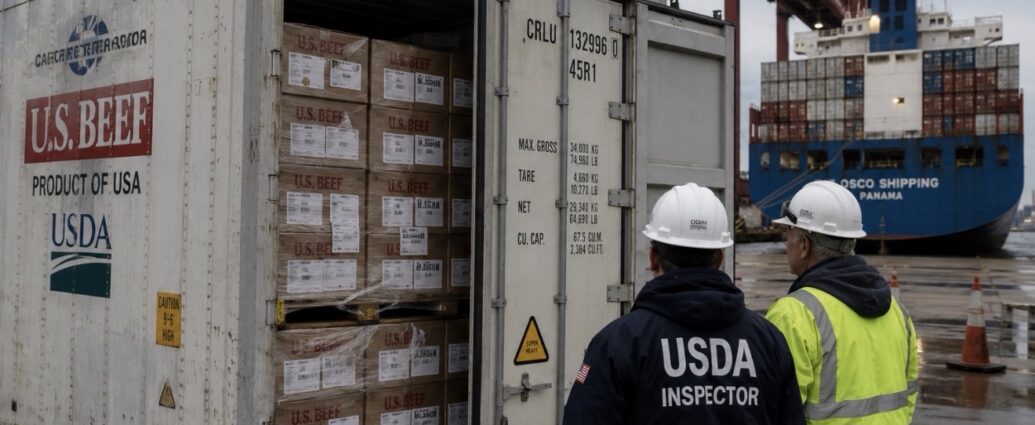
Trump Says China Agrees to $17 Billion Annual U.S. Farm Purchases — Why It’s Good News Despite the Beef Shortage
President Donald Trump’s administration on Sunday announced that China has committed to purchasing at least $17 billion in U.S. agricultural products annually in 2026, 2027 and 2028, restoring market access for American beef producers shut out for most of the past year — a major boost for U.S. ranchers at a time when the domestic cattle supply has fallen to its lowest level since 1951 and beef prices remain near record highs.
According to the official White House fact sheet released after Trump’s summit in Beijing with Chinese President Xi Jinping, China will renew expired export listings for more than 400 U.S. beef facilities and work with American regulators to lift suspensions on dozens more. The agreement restores access to one of the world’s most lucrative premium beef markets after Chinese restrictions caused U.S. beef exports to the country to collapse over the past year.
U.S. Trade Representative Jamieson Greer said Sunday the agreement is designed to reopen critical export channels for American ranchers and processors that had effectively lost access to China’s consumer market. Agriculture Secretary Brooke Rollins called the arrangement “a historic win for American cattle producers.”
The timing is significant because the U.S. beef industry is facing one of the tightest supply environments in modern history.
The U.S. cattle herd stood at 86.2 million head as of January 2026, according to USDA data — the smallest national herd since 1951. Ground beef prices climbed to roughly $6.69 per pound late last year, up nearly 20% from a year earlier and more than 70% above pre-pandemic levels. USDA forecasts wholesale beef prices will continue rising throughout 2026 as supply constraints persist.
At the same time, the United States remains cut off from millions of potential imported feeder cattle after the U.S.-Mexico border closed to live cattle shipments because of the spread of New World screwworm, a parasitic livestock threat that sharply disrupted North American cattle flows.
At first glance, exporting more beef overseas during a domestic shortage may appear contradictory.
In reality, industry economics work very differently.
Why This Is Good News for American Ranchers
China’s reopening does not suddenly create entirely new beef demand. Instead, it restores access to a market American producers already previously served before Chinese restrictions caused exports to collapse.
U.S. beef exports to China peaked at approximately $2.14 billion in 2022 before plunging below $500 million in 2025 after facility licenses expired and trade tensions escalated.
The cattle were still being raised. The beef was still being processed.
But without access to China, many high-value cuts were forced into lower-margin domestic or alternative export channels.
That matters because Chinese consumers often pay premium prices for cuts many American consumers rarely buy at scale, including short ribs, tongue, tendon and organ meats. Those products generate substantially higher margins in Asian markets than they typically do inside the United States.
For ranchers, access to those premium export channels can significantly improve profitability across the entire animal.
The Real Cause of High Beef Prices
The current beef shortage is not being caused by exports.
The core problem is simple: America does not currently have enough cattle.
Years of drought, elevated feed costs, labor shortages, rising borrowing costs and rancher liquidation dramatically reduced herd sizes nationwide. Rebuilding cattle inventories is a slow biological process that can take years because ranchers must retain breeding stock rather than immediately selling animals into the food supply.
The American Farm Bureau Federation has warned meaningful herd expansion likely will not occur until at least 2028.
Meanwhile, the closure of the Mexican cattle border eliminated a major supplemental supply source exactly when the domestic herd was already historically tight.
Restricting exports would not solve those structural supply problems.
In fact, industry economists argue it could make them worse.
Why Exports Can Actually Help Lower Prices Later
The economics are counterintuitive but important.
If ranchers cannot generate strong profits during high-price cycles, many reduce herd expansion plans or sell breeding cattle instead of investing in future production. That shrinks long-term supply even further and prolongs elevated beef prices.
Premium export markets like China help put more revenue back into the hands of cattle producers whose financial stability ultimately determines whether the U.S. herd expands again.
In other words, profitable ranchers are more likely to rebuild herds.
And larger herds eventually increase beef supply and moderate prices over time.
The Trump administration has simultaneously attempted to address domestic supply pressure through other channels, including expanding beef-import quotas from countries such as Argentina and launching antitrust investigations into the major meatpacking companies — including Tyson Foods, JBS USA, Cargill, and National Beef — which together dominate most U.S. beef processing capacity.
Federal officials argue those measures target supply bottlenecks and market concentration without sacrificing export revenue for American ranchers.
What Happens Next
The agreement with China also creates ongoing trade mechanisms intended to reduce future agricultural disputes.
Chinese Foreign Minister Wang Yi said both countries agreed to establish new U.S.-China trade and investment boards aimed at maintaining regular economic dialogue and resolving market-access issues more quickly.
Greer said Sunday the administration remains prepared to impose additional tariffs or penalties if China fails to meet its beef purchase commitments.
For now, the agreement represents the clearest sign yet that one of the most damaging parts of the recent U.S.-China trade breakdown for American cattle producers may finally be reversing.
For American consumers, however, relief at the grocery store is likely to take far longer.
The underlying cattle shortage remains severe, herd rebuilding is measured in years rather than months, and beef prices are expected to remain elevated throughout much of 2026 regardless of export policy.
© JBizNews.com. All rights reserved. This article is original reporting by JBizNews Desk. Unauthorized reproduction or redistribution is strictly prohibited.




Federal Loan Cuts Push 440,000 Graduate Students Toward Costly Private Borrowing
A sweeping overhaul of the federal student-loan system is poised to reshape graduate education across the United States beginning July 1, 2026, when the Federal Direct Graduate PLUS Loan program officially closes to new borrowers under legislation signed last year by President Donald Trump.
According to final regulations issued April 30 by the U.S. Department of Education, roughly 440,000 graduate and professional students annually who previously relied on Grad PLUS financing will lose access to the uncapped federal borrowing program that has underpinned American graduate education since 2006.
The policy change imposes strict federal borrowing ceilings that, for many students attending high-cost medical, law, dental, pharmacy, and graduate programs, fall dramatically below the actual cost of attendance.
Under the new rules, graduate students will be limited to borrowing $20,500 annually and $100,000 total in federal loans. Professional degree programs — including medicine, law, dentistry, veterinary medicine, optometry, podiatry, theology, clinical psychology, osteopathic medicine, chiropractic medicine, and pharmacy — will face annual caps of $50,000 and aggregate limits of $200,000.
In addition, a new lifetime federal borrowing ceiling of $257,500 across all degree levels will now apply, with prior Grad PLUS balances counted toward that cap.
The result is expected to trigger one of the largest migrations from federal student lending into private credit markets in modern U.S. higher-education history.
For nearly two decades, Grad PLUS loans allowed students to borrow up to the full cost of attendance, including tuition, housing, books, fees, and living expenses. At many elite private law and medical schools, tuition and fees alone now exceed $200,000 before accounting for housing and daily expenses.
Without Grad PLUS, the gap between actual program costs and available federal aid becomes immediate and unavoidable.
The Department of Education itself acknowledged in regulatory analysis that private student-loan originations are likely to surge as a direct result of the new caps.
Major lenders positioned to absorb the displaced volume include Sallie Mae, SoFi Technologies, Citizens Financial Group, Discover Financial Services, Earnest — a subsidiary of Navient — and College Ave Student Loans.
The financial consequences for students could be significant.
Federal Grad PLUS loans currently carry a fixed interest rate of 8.94% for the 2025–2026 academic year, with protections built directly into federal law, including income-driven repayment plans, deferment while enrolled, Public Service Loan Forgiveness eligibility, and regulated collection standards.
Private graduate loans typically provide none of those protections.
Many private loans use variable interest rates tied to broader market conditions, often require strong credit histories or cosigners, and may impose substantial late fees, refinancing penalties, or aggressive collection practices.
“There’s still no question that federal loans remain the best option available,” said Robert Farrington, founder of The College Investor, who has publicly warned that the new caps are too low to realistically finance many professional programs. “The problem is that millions of students simply won’t have enough federal funding anymore to complete these degrees.”
Existing graduate borrowers received limited protection under the legislation.
Students already enrolled in graduate or professional programs who borrowed through Direct Unsubsidized or Grad PLUS loans before July 1, 2026, may continue under the current rules for up to three additional academic years or until graduation, whichever comes first.
That carve-out, however, applies only to students who remain continuously enrolled in the same program. Anyone entering a new graduate program after July 1, 2026 — or switching degree tracks — immediately falls under the stricter borrowing caps.
The legislation also significantly tightens borrowing rules for parents.
Federal Parent PLUS Loans, previously uncapped up to full attendance costs, will now be limited to $20,000 annually per dependent student and capped at $65,000 total per child.
Banks and financial institutions are already moving aggressively to capitalize on the financing vacuum.
Major lenders including Bank of America, Wells Fargo, and U.S. Bancorp have reportedly expanded marketing around private education loans and home-equity-backed borrowing products aimed at parents financing college tuition.
Supporters of the legislation argue the reforms are necessary to curb runaway tuition inflation inside graduate education.
Republican lawmakers and incoming Education Secretary Linda McMahon have argued that unlimited federal borrowing artificially insulated universities from market pressure, allowing institutions to continuously raise tuition while students absorbed escalating debt burdens backed by taxpayers.
By limiting federal credit availability, supporters believe universities will eventually be forced to lower prices or compete more aggressively on program value and employment outcomes.
Critics argue the consequences could reshape the demographics of America’s professional workforce for decades.
Organizations including the American Medical Association, American Bar Association, American Association of University Professors, and the Association of Graduate Schools have warned the changes may disproportionately block lower-income, minority, and first-generation students from entering professions already facing labor shortages.
The American Medical Association has specifically warned that the borrowing caps could worsen a physician shortage projected to reach 86,000 doctors nationwide by 2036.
Medical schools, law schools, and graduate institutions are already scrambling to prepare.
Financial-aid offices at Harvard University, Columbia University, Stanford University, George Washington University, the University of Virginia, the University of Washington, and numerous large public university systems have begun issuing transition guidance directing prospective students toward private lending marketplaces, institutional aid programs, scholarships, and alternative financing structures.
For private lenders, meanwhile, the changes represent a potentially historic business opportunity.
The private student-loan industry has spent nearly two decades competing against a federal Grad PLUS system that effectively dominated graduate borrowing. Beginning next summer, a large portion of that market will reopen for the first time since the financial crisis era reshaped federal higher-education financing.
The broader question now facing universities, students, lenders, and policymakers is whether graduate education itself becomes structurally less accessible — or whether institutions ultimately respond by lowering tuition after years of relentless cost escalation.
The answer could redefine the economics of American professional education for an entire generation.
JBizNews Desk
Data Centers Drive U.S. Electric Bills Higher as AI Boom Begins Hitting American Households
For years, Americans were told artificial intelligence would make life cheaper, faster, and more efficient.
Now many are beginning to encounter AI in a very different place: their electricity bill.
Across the country this summer, households are opening utility statements that look noticeably heavier than they did just a few years ago. Air conditioning costs are climbing again. Delivery fees are rising. Utilities are requesting new rate increases almost monthly. And behind much of the pressure sits something most consumers never see directly — giant data centers quietly multiplying across America to power artificial intelligence systems that never sleep.
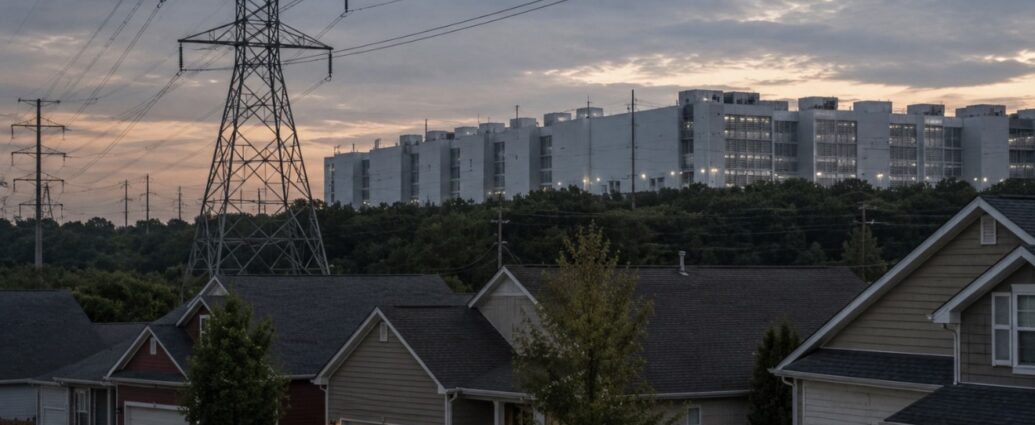
The buildings themselves often look anonymous from the outside. Long gray warehouse-style structures surrounded by fencing, cooling equipment, and endless rows of power lines. But inside, tens of thousands of computer chips run continuously every hour of every day, processing AI searches, generating content, training models, storing cloud data, and powering the digital systems increasingly woven into everyday life.
Each facility consumes staggering amounts of electricity.
And America is suddenly building them everywhere.
The issue moved into sharper focus Friday after reports emerged that NextEra Energy is in talks to acquire Dominion Energy, partly to gain greater access to Northern Virginia — home to the world’s largest concentration of data centers and one of the fastest-growing electricity-demand regions on earth.
To Wall Street, the potential deal is about positioning for the future of AI infrastructure.
To many consumers, however, it raises a much simpler question: who pays for all this power?
Utilities insist ordinary households are not subsidizing the AI boom. Large technology companies including Amazon, Microsoft, Google, and Meta are spending billions expanding infrastructure and signing long-term power agreements. Executives argue those investments eventually strengthen the grid and spread costs across a broader customer base.
But many Americans are struggling to see that benefit right now.
Instead, what they see are utility bills that keep rising faster than expected.
According to the U.S. Energy Information Administration, residential electricity prices have risen more than 31% since 2020, with another increase expected this year. In many regions, consumers are already cutting back elsewhere to absorb higher monthly energy costs alongside elevated insurance, grocery, and housing expenses.
The anxiety becomes more understandable once people realize how much electricity modern AI systems actually consume.
A single large AI-focused data center can use as much power as tens of thousands of homes. Entire clusters of facilities now operate around the clock in places like Northern Virginia, Texas, Arizona, Ohio, and Georgia. Unlike traditional office buildings or factories that may reduce activity overnight, AI infrastructure runs continuously — every search query, chatbot interaction, image generation request, and cloud backup drawing electricity every second.
That nonstop demand is forcing utilities into one of the largest infrastructure expansions in decades.
New transmission lines must be built. Substations upgraded. Backup systems expanded. Renewable-energy projects accelerated. Utilities are also scrambling to add natural-gas generation, battery storage, and nuclear capacity fast enough to prevent shortages as electricity demand surges for the first time in years after decades of relatively flat growth.
Consumers are increasingly caught in the middle.
Inside the utility industry itself, executives are starting to publicly acknowledge the tension. Earlier this month, Eversource Energy CEO Joe Nolan openly questioned whether attracting more data centers actually benefits ordinary households. “It’s only going to drive up the price of energy,” Nolan warned during an earnings call.
That fear is spreading beyond energy executives.
In parts of the country where data-center construction is accelerating fastest, local residents are beginning to push back against massive power usage, water consumption, land acquisition, and the growing visibility of utility infrastructure surrounding these projects.
At the same time, utilities argue they have little choice. America’s economy is rapidly becoming more digital, more electric, and more dependent on AI systems. The power demand is coming whether the grid is ready or not.
That leaves regulators trying to answer an increasingly uncomfortable question: how much of the cost should households absorb while technology companies race to build the next generation of AI infrastructure?
For now, there is no clear answer.
What is clear is that the AI boom is no longer an abstract story about Silicon Valley innovation or futuristic software demonstrations. It is becoming a real-world infrastructure story playing out across suburbs, power grids, utility commissions, and kitchen tables across the country.
For many Americans, artificial intelligence may eventually make work more productive and businesses more efficient.
But before they experience those benefits, they may first experience the cost.
JBizNews Desk
© JBizNews.com. All rights reserved. This article is original reporting by JBizNews Desk. Unauthorized reproduction or redistribution is strictly prohibited.



Trump Postpones Iran Strike on ‘Very Good Chance’ of Deal — Oil Sinks, Pumping Hope Into Consumer Wallets
Crude prices tumble after Trump pauses planned Iran strike, offering possible relief for inflation, gas prices and interest-rate pressure across the U.S. economy.
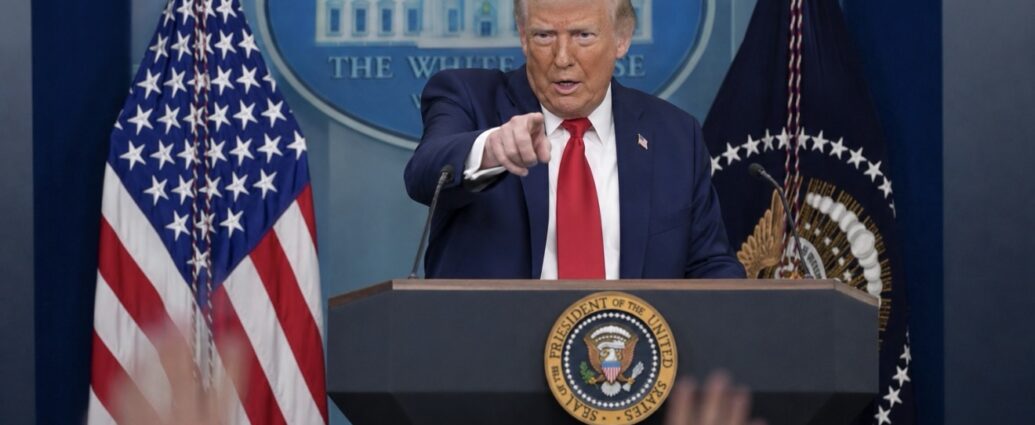
WASHINGTON — President Donald Trump said Monday evening that he postponed a planned U.S. military strike on Iran after Gulf leaders personally urged him to allow additional time for negotiations, triggering an immediate selloff in oil prices and injecting the first major wave of optimism into global markets since the U.S.-Iran conflict erupted earlier this year.
“There seems to be a very good chance that they can work something out. If we can do that without bombing the hell out of them, I would be very happy,” Trump told reporters during a White House event Monday night, confirming he halted a military operation that had been scheduled for Tuesday.
Earlier in the day, Trump disclosed the decision in a Truth Social post, writing that he had instructed the U.S. military that “we will NOT be doing the scheduled attack of Iran tomorrow,” while simultaneously warning the Pentagon to remain ready “to go forward with a full, large scale assault of Iran, on a moment’s notice” if negotiations collapse.
The market reaction was immediate.
U.S. West Texas Intermediate crude futures dropped more than 2% in early Asian trading Tuesday to roughly $102 a barrel after surging 3.1% during Monday’s session. International benchmark Brent crude fell toward $107 after briefly trading above $112. Despite the decline, oil prices still remain more than 50% higher than where they stood before the U.S.-Israeli conflict with Iran escalated earlier this year.
For American consumers already squeezed by elevated inflation, the move matters enormously.
AAA data shows average U.S. gasoline prices hovering around $4 per gallon nationally, up sharply since the conflict intensified. Airlines, trucking firms, retailers and manufacturers have all warned that prolonged energy disruptions are beginning to flow directly into consumer pricing. Companies including Walmart Inc. and Whirlpool Corp. previously warned investors that sustained transportation and fuel costs could force additional price increases across household goods.
Energy inflation has also become one of the Federal Reserve’s biggest concerns.
April’s Consumer Price Index accelerated to 3.8%, with energy costs responsible for a significant share of the monthly increase. Wholesale inflation has also climbed sharply, raising fears inside financial markets that prolonged conflict in the Persian Gulf could keep interest rates elevated far longer than investors previously expected.
Trump said the postponement followed direct requests from leaders in Saudi Arabia, Qatar and the United Arab Emirates, who urged the administration to allow several more days for diplomatic talks to continue.
“They think they are getting very close to making a deal,” Trump said. “Hopefully maybe forever, but possibly for a little while.”
Iran signaled publicly Monday that negotiations remain active.
Iranian Foreign Ministry spokesman Esmaeil Baghaei confirmed Tehran submitted a revised proposal to Washington through Pakistani intermediaries, though Iranian officials declined to publicly release details. Reuters reported that the latest proposal closely resembles earlier Iranian offers that Trump had previously criticized as inadequate.
At the center of the global economic concern remains the Strait of Hormuz, the narrow waterway through which roughly one-fifth of the world’s oil supply normally flows. Shipping traffic through the region remains heavily disrupted, while hundreds of oil tankers remain stranded or delayed throughout the Persian Gulf amid continued military tensions and naval restrictions.
Saudi Aramco Chief Executive Amin Nasser warned earlier this month that more than 600 tankers remain trapped inside Gulf shipping lanes, with another 240 vessels waiting outside the strait. He cautioned that even if a diplomatic breakthrough emerges soon, normalization of global oil flows could still take many months.
The military situation also remains fragile despite the diplomatic pause.
The April ceasefire between Washington and Tehran technically remains in place, but drone and missile strikes targeting regional energy infrastructure have continued intermittently. Trump himself acknowledged last week that the ceasefire was effectively on “life support.”
Retired Admiral James Stavridis, former NATO Supreme Allied Commander Europe, warned during a CNBC appearance that the administration now faces limited options if negotiations fail: expand military operations, attempt to forcibly reopen the Strait of Hormuz, or step back entirely and risk broader regional instability.
“None of them are good,” Stavridis said.
Financial markets are now laser-focused on whether negotiations can produce a breakthrough quickly enough to stabilize oil prices before deeper economic damage spreads globally.
The Federal Reserve’s next policy meeting on June 16-17 has become especially important. Newly confirmed Fed Chairman Kevin Warsh enters the meeting facing rising bond yields, elevated energy inflation and increasing investor concern that interest rates may need to remain higher for longer.
A diplomatic resolution with Iran could ease pressure on oil markets, inflation readings and borrowing costs almost immediately.
A collapse in talks could do the opposite.
For now, traders, policymakers and consumers alike are watching the Persian Gulf more closely than Washington economic reports.
Because for millions of Americans staring at higher grocery bills, rising credit-card balances and expensive gas station receipts, the next few days overseas may directly determine how much financial pressure they face at home this summer.
© JBizNews.com. All rights reserved. This article is original reporting by JBizNews Desk. Unauthorized reproduction or redistribution is strictly prohibited.