Sticky

As we enter Rosh Hashanah, I want to share something personal.

Google DeepMind has now mapped predictions for roughly nine billion possible single-letter changes in human DNA. Think about that: nine billion possible changes inside one human genome, each potentially affecting something different in the body.

A scientist can spend a lifetime trying to understand one tiny part of one gene, one atom or one biological process, and we rightly call that brilliance. Entire generations can spend decades and centuries collectively trying to understand just one small piece of what was already there before any of us arrived.

Now look at what already exists.

The human body. The brain. DNA. Trees. Flowers. Oceans. Animals. Gravity. Light. The laws that hold the universe together.

Billions upon billions of systems and wonders, all working with a depth and precision mankind is still struggling to understand.

Recently, scientists at CERN created what they called a “little Big Bang,” using one of the most advanced scientific facilities on earth, decades of research, extraordinary engineering and enormous energy just to reproduce for a fraction of a second one tiny condition they believe existed near the beginning of the universe.

And somehow that is supposed to make God less obvious?

To me, it does exactly the opposite.

If I dropped a brand-new Rolls-Royce in front of your house tomorrow and told you nobody designed it — there was just a huge explosion and somehow the engine, computer, leather, wheels, wiring and every screw landed exactly where they belonged — you would look at me like I had lost my mind.

You would say: Someone made this.

Yet a Rolls-Royce is nothing compared with a human body.

The car cannot heal itself. It cannot grow from a single cell. It cannot reproduce. It cannot think, love, remember, see, hear or repair its own DNA.

Science is not the enemy of faith. Science keeps opening our eyes.

Every discovery reveals another layer of Creation that was already there before we knew how to see it.

And maybe that is really the message.

We do not have to look very far to find God.

We just have to open our eyes.

My grandfather was a Holocaust survivor. He lost his family. He went through the camps. Six million Jews were murdered. He saw horrors no human being should ever have to see.

People asked him directly: After everything you went through, how can you still believe in God? Where was God?

His answer was simple.

He said: I look at the grass. I look at the trees. I see God. How could there not be a God?

He had questions. Of course he had questions. He had lived through terror and hell. He had seen suffering beyond anything most of us can imagine. He did not pretend to understand why.

But the questions did not erase what he saw in front of him.

Creation was still there.

God was still there.

For him, the grass and the trees were enough to say: I see the Creator.

And now it is our turn.

We live in a digital world that my grandfather could never have imagined. Google has now opened our eyes to see what earlier generations could not — billions of possibilities hidden inside human DNA, each tied to systems so deep that brilliant scientists can spend lifetimes trying to understand only a fraction of them.

What my grandfather saw in the grass, we can now see inside the genome.

So how can we not open our eyes?

This year especially, with anti-Semitism rising, wars raging and so much uncertainty around us, my message for Rosh Hashanah is simple:

God controls the world.

God controls our lives.

That does not mean we understand everything that happens. We do not. We have questions. We experience fear, pain, loss and uncertainty.

But when we recognize Hashem in our lives, we begin to see how many open miracles surround us every single day.

A child. A heartbeat. A recovery. A door that opened at the right moment. Protection we did not even realize we needed. A problem that somehow worked itself out. A new morning. Another year.

We call some of these things coincidence because we have become used to them.

Maybe Rosh Hashanah is our chance to stop calling them coincidence and start recognizing Who is running the world.

That is what I want to say to this generation.

Google DeepMind used artificial intelligence to map billions of possibilities inside DNA.

Now it is our turn to look at what it uncovered and say:

מָה רַבּוּ מַעֲשֶׂיךָ ה׳

How great are Your works, Hashem.

Wow.

Look at what Hashem created.

If artificial intelligence has brought us to a point where we can see deeper into Creation and recognize even more clearly how extraordinary it is, then perhaps AI was worth it for that alone.

Not just to make us smarter, but to make us more aware, more humble, more grateful and more connected to the Creator.

We spend Rosh Hashanah asking Hashem to recognize us, to remember us for life, to bless us, protect us and see us as His nation, His people and His children.

But first, we have to recognize Him.

Recognize His glory. Recognize His wisdom. Recognize His leadership. Recognize His presence in our own lives.

And once we recognize Him, we can ask Him to recognize us and bless us in return.

That is my message for Rosh Hashanah 5787.

Open your eyes.

See Hashem.

See the miracles already around you.

Bring that recognition into your home, your business, your family and your everyday life.

Especially now, when the Jewish people and the world are living through such challenging times, let us remember Who is ultimately in control.

May Hashem protect Klal Yisrael, bring peace to the world, bless our families and communities, and grant each of us health, parnassah, nachas, happiness and a year filled with open blessing.

May we be able to look back one year from now and see clearly how Hashem carried us through.

מָה רַבּוּ מַעֲשֶׂיךָ ה׳ כֻּלָּם בְּחָכְמָה עָשִׂיתָ

Wishing you and your family a Shana Tova U’Mesuka and a כתיבה וחתימה טובה.

May we all be written and sealed for a happy, healthy, peaceful and blessed new year.

Duvi Honig
Publisher, JBizNews
Founder & CEO, Orthodox Jewish Chamber of Commerce
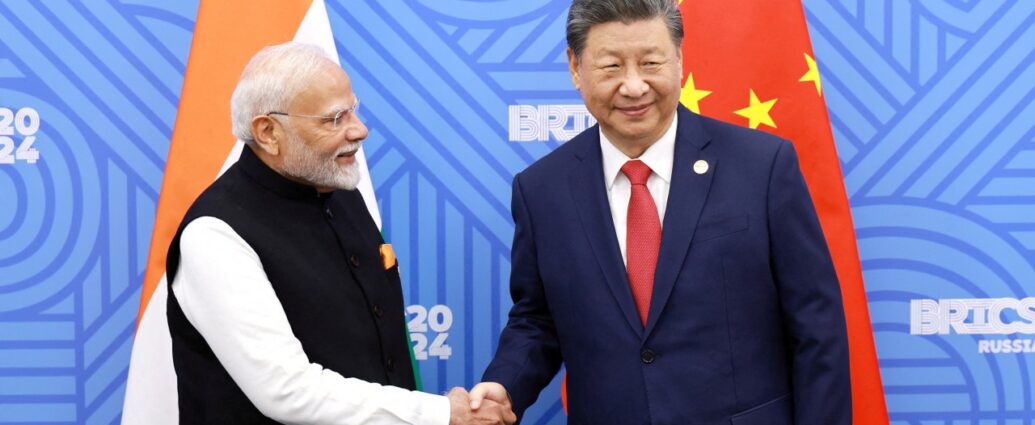
Those in Israel’s war room after Oct. 7 had to fight for their nation’s survival without the luxury of knowing how the story would end.

This post was originally published here. 

The Orthodox Jewish Chamber of Commerce is inviting business owners, professionals and community members to join its WhatsApp group and email list to stay directly connected to opportunities, events, government programs, networking, advocacy and Chamber activities.

Business moves quickly, and many opportunities are most valuable when you hear about them early.

By joining the Chamber’s WhatsApp group and emails, members can stay informed about upcoming events, business resources, job opportunities, government initiatives, trade and economic-development programs, important advocacy efforts and opportunities to connect with other business leaders.

The Chamber works year-round to open doors for businesses, strengthen relationships with government and industry, create networking opportunities and make sure the community has access to information that can help people grow and succeed.

The goal is simple: stay connected, stay informed and be in a position to benefit when opportunities arise.

Join the WhatsApp Group

Click here to join:

Sign Up for Chamber Emails

Click here to subscribe:

Whether you are a business owner, professional or someone who wants to remain connected to what is happening in the business community, joining both is an easy way to stay involved.

Don’t hear about opportunities after they happen. Be connected when they happen.

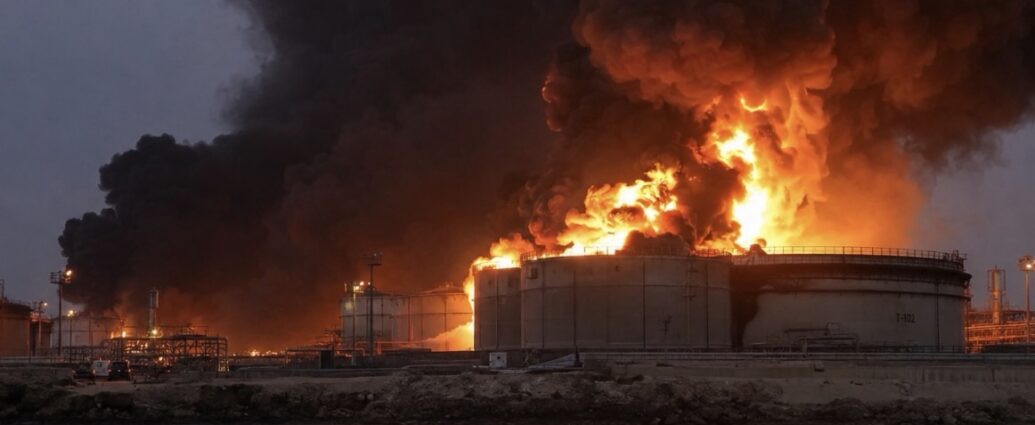
Oil crossed one of the market’s most important psychological lines Wednesday morning: $100 a barrel.

Brent crude climbed above $100 for the first time in nearly six weeks, trading around $100.70 a barrel, while U.S. crude rose above $95. Oil is now up roughly 25% since last month as the U.S.-Iran conflict increasingly moves from a geopolitical story into a direct global supply problem. 

The biggest issue is no longer simply fear of what could happen in the Strait of Hormuz.

The oil is already not moving.

About 10 million barrels a day of global oil supply is currently offline, according to Reuters, while shipping traffic through the Strait of Hormuz remains severely disrupted. Only six commodity vessels passed through Tuesday, compared with a 10-day average of 12. Before the conflict, the strait handled roughly 125 commercial vessels a day and about 20% of global oil and LNG supply. 

Now another major energy route is under pressure.

Iran-backed Houthi forces attacked Saudi oil facilities and utilities this week, igniting fires and injuring 73 people. The attacks shattered a four-year truce in Yemen and raised fears that instability could spread toward Saudi export infrastructure and the Red Sea shipping corridor. 

At the same time, the United States and Iran are directly targeting energy shipping.

U.S. Central Command said American forces destroyed five Iranian crude-oil tankers after Iran fired missiles at a U.S. warship. Iranian state media later claimed its forces attacked multiple tankers and two U.S. vessels, although CENTCOM said the claims that American warships were hit were false. 

That matters because the oil market is losing both production and transportation capacity at the same time.

For American businesses, $100 Brent does not stay on an oil trading screen.

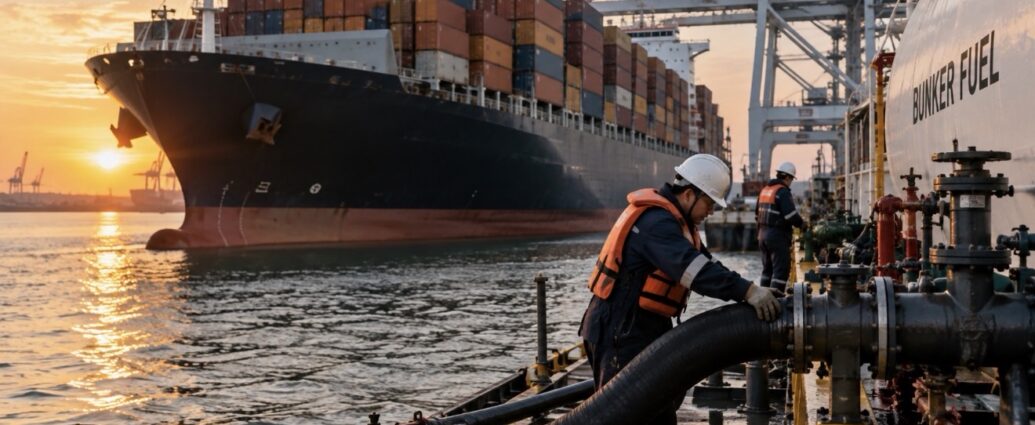
Diesel moves trucks. Jet fuel moves airplanes. Bunker fuel moves cargo ships. Petrochemicals go into plastics, packaging, manufacturing and thousands of everyday products.

The average U.S. gasoline price has already climbed to about $4.22 a gallon, more than $1 higher than a year ago, while diesel has reached approximately $5.94 a gallon — a record. 

That makes the math painful for nearly every business that moves something.

A trucking company buying 10,000 gallons of diesel a week is now spending almost $60,000 just on fuel. A distributor running hundreds of trucks cannot absorb those increases indefinitely. Eventually some of that cost moves into freight rates, grocery prices, construction materials and consumer goods.

Airlines face the same problem with jet fuel. Shipping companies face it with marine fuel. Manufacturers pay more both for energy and for moving raw materials into factories and finished products out.

And the higher oil goes, the harder the Federal Reserve’s job becomes.

Wall Street had spent much of the year debating when interest rates could come down. Now energy inflation is pushing the conversation in the opposite direction.

U.S. stock futures were lower Wednesday morning, with the Dow down roughly 0.5%, S&P 500 down 0.3% and Nasdaq down 0.4%, as investors worried that another energy shock could keep inflation elevated and interest rates higher for longer. 

Markets are now waiting for the next U.S. inflation reports and the Federal Reserve meeting next week.

The supply cushion is also thin.

The U.S. Strategic Petroleum Reserve is sitting at its lowest level since 1982, limiting Washington’s ability to offset a prolonged disruption with emergency barrels. The International Energy Agency expects global oil supply to decline by roughly 4.3 million barrels a day this year, even with additional production coming from countries including the United States, Canada and Guyana. 

That makes every additional attack more consequential.

The world has already seen significantly higher oil prices during this conflict, so $100 is not itself a worst-case scenario.

But Wednesday’s move is important because of what it signals.

The market is no longer pricing this as a short-lived Middle East scare.

It is beginning to price the possibility that millions of barrels of oil remain unavailable for much longer — while the world simultaneously loses confidence in the shipping routes needed to move the barrels that are still being produced.

For businesses, that means one of the largest costs in the global economy is rising again.

And unless supply starts moving normally through the Gulf, $100 oil may be the beginning of the problem, not the end of it.

JBizNews Desk | New York
© JBizNews.com All Rights Reserved.
Reproduction or distribution without written permission is prohibited.

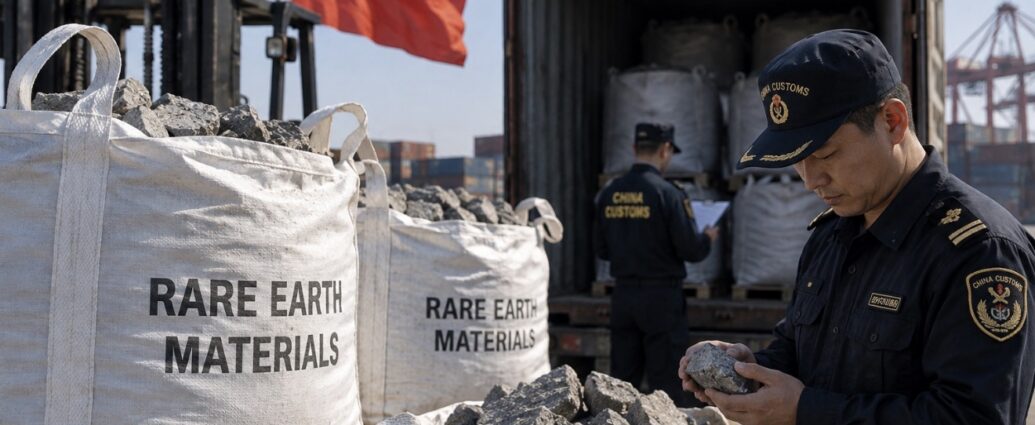
WASHINGTON — Some Chinese rare-earth suppliers are refusing to ship critical materials to American customers, reopening a supply-chain problem Washington thought it had partially stabilized and putting U.S. manufacturers back on alert ahead of President Xi Jinping’s planned visit to Washington later this month.

The refusals began after China imposed sanctions in August on the Responsible Business Alliance, a U.S.-based organization used by companies to monitor labor, sourcing and supply-chain practices.

Chinese suppliers now fear that dealing with American customers that use the alliance or related responsible-minerals programs could expose them to punishment from Beijing.

That means some exporters are choosing the safest option:

Do not ship to the United States at all.

The problem is especially serious because the materials involved are not ordinary commodities.

Rare earths and other critical minerals are used in semiconductors, fighter aircraft, missiles, medical equipment, electric motors, telecommunications systems, energy infrastructure and advanced manufacturing.

A shortage of one specialized material can stop production of an entire product worth thousands or even millions of dollars.

China Still Controls the Chokepoint

The United States has spent billions trying to reduce its dependence on China for strategically important minerals.

But China still dominates the processing and refining of many rare-earth materials.

That means an American company can build a semiconductor factory, defense plant or advanced manufacturing facility in the United States and still depend on a Chinese supplier for a small but essential ingredient.

That vulnerability is now showing up again.

Chinese suppliers have reportedly declined some American orders since early August, while other shipments remain delayed by export-license approvals.

One of the most important materials is yttrium, which is used in aerospace coatings, electronics, medical technologies and advanced industrial applications.

China resumed limited yttrium exports in July after a two-month halt, but American buyers are still struggling to receive enough material.

U.S. imports remain substantially below earlier levels.

Other materials facing restrictions or delays include gallium, terbium, tungsten and indium phosphide, all of which are important to high-technology and defense supply chains.

A Small Mineral Can Stop a Huge Factory

The business risk is easy to underestimate because rare-earth materials often represent only a tiny fraction of the cost of a finished product.

But they can be impossible to substitute quickly.

A semiconductor manufacturer may have billions of dollars of equipment and thousands of employees ready to produce chips.

If it cannot obtain one specialized mineral needed for a component, coating or manufacturing process, the entire production line can slow down.

The same applies to aircraft, missiles, medical equipment and electric motors.

That is why critical minerals increasingly resemble the semiconductor shortages companies experienced during the pandemic.

The missing item may be inexpensive.

The economic damage from not having it can be enormous.

American Companies Have Already Been Waiting Months

Some U.S. companies have reportedly waited six months or longer for Chinese export licenses.

Earlier this year, suppliers serving American aerospace and semiconductor customers were already turning away some buyers because they could not obtain enough material.

The latest refusals make the problem more complicated.

This is no longer simply Beijing delaying an export license.

In some cases, the Chinese supplier itself may decide an American customer is too politically risky to serve.

That makes traditional supply-chain planning much harder.

A company cannot solve the problem simply by submitting paperwork earlier if the supplier does not want the business.

Xi’s Washington Visit Just Became More Important for American Industry

President Xi is expected in Washington on September 24, and critical-mineral access is now expected to be part of the U.S. planning around the visit.

Washington has repeatedly pressed China to honor previous commitments to maintain a smoother flow of rare-earth export licenses.

The persistence of shortages shows those assurances have not removed the underlying problem.

China understands how valuable its mineral-processing dominance is.

The United States understands how dangerous that dependence has become.

That makes rare earths one of the most important pieces of leverage Beijing possesses in the broader U.S.-China relationship.

Tariffs can make a Chinese product more expensive.

A mineral restriction can make an American product impossible to manufacture.

That is a much more powerful weapon.

Washington Is Spending Billions to Build Alternatives

The United States is now financing new mines, processing plants, recycling operations and domestic supply agreements in an attempt to build alternatives.

The Defense Department has invested heavily in domestic rare-earth production, while private capital is increasingly moving toward companies capable of mining or processing strategic minerals outside China.

But those projects take years.

Opening a mine is difficult.

Building processing facilities is expensive.

Environmental reviews, financing, technical expertise and customer contracts all take time.

So even as billions are being committed to independence, American manufacturers remain dependent on Chinese material today.

That gap between the supply chain America wants and the supply chain America actually has is where the current risk sits.

What Businesses Should Be Watching

For manufacturers that depend on specialized minerals, this is no longer a procurement issue that can be left entirely to purchasing departments.

Companies need to know where their critical materials actually originate — including materials buried several layers deep inside components purchased from another supplier.

They also need to know whether alternative suppliers exist outside China and how long qualification of those suppliers would take.

Because the next shortage may not arrive with a formal government announcement.

It may simply arrive as an email from a supplier saying:

We cannot fill your order.

That is what makes the latest Chinese refusals so important.

The United States and China may still be negotiating tariffs, investment and trade balances.

But underneath those negotiations is a much more fundamental contest.

America wants to control the factories of the future. China still controls many of the materials those factories cannot operate without.

Until that changes, a small number of Chinese suppliers can continue holding extraordinary leverage over some of the most important industries in the American economy.

JBizNews Desk | Washington

© JBizNews.com All Rights Reserved. Reproduction or distribution without written permission is prohibited.

The fuel that carries your groceries across the ocean costs 76 percent more than it did before the Iran war started.

That is a bigger jump than crude oil itself, which is up about 40 percent over the same stretch, and the gap is the whole story. Very low sulphur fuel oil, the heavy fuel most cargo ships burn, was going for just under $825 a metric ton in Singapore as of Sept. 1, roughly $130 a barrel, according to bunker platform ZeroNorth.

Here is why it is running short. A refinery splits a barrel of crude into several fuels, and diesel, gasoline and jet fuel pay far better than the heavy stuff left at the bottom. When refineries get knocked out and crude gets scarce, refiners make the profitable fuels first and let ship fuel come last.

Ukrainian drone strikes have torn into Russia’s refineries, and the Iran war has cut Middle East output. Russia’s fuel oil exports fell to a record low 591,000 barrels a day in August, down from over 860,000 a day in 2025. Middle East exports dropped 45 percent from a year ago.

At the same time ships are burning more of it, because vessels routing around conflict waters sail longer voyages.

Less made, more needed.

Energy Aspects now expects the world to come up 218,000 barrels a day short in the third quarter. A year ago the gap was 6,000 barrels a day.

That is 36 times wider.

Rystad sees the same picture.

The cushion is thin too. Stockpiles at the three big refueling hubs — Singapore, Fujairah in the United Arab Emirates, and the Amsterdam-Rotterdam-Antwerp cluster — are about 30 percent below their three-year seasonal norms.

Where there would normally be 10 barrels sitting in a tank, there are 7.

Singapore, the world’s biggest bunkering port, imports more than half of the nearly 1 million barrels a day it burns, which leaves Asia most exposed.

For American shoppers this is the second fuel bill arriving at once.

Diesel hit a record $5.85 a gallon on Sept. 4, up from $3.71 a year ago, and that lands on every truck and railcar moving goods inside the country.

Ship fuel is the same cost at the ocean end of the trip.

Carriers recover it through bunker surcharges written into container rates, so it reaches importers within weeks and store shelves within months.

The timing is awkward.

Inflation ran 3.4 percent in July, well above the Federal Reserve’s 2 percent target, and Chair Kevin Warsh said at Jackson Hole that prices should be the Fed’s main focus.

Futures markets put the odds of a quarter-point rate increase at the Sept. 16 meeting somewhere near 60 percent.

The fix is not complicated, only slow.

Refiners can swing production back toward fuel oil once crude flows steady and damaged plants come back online.

Until then, importers with freight contracts up for renewal should be locking rates now, before the surcharges reset.

JBizNews Desk | New York

© JBizNews.com All Rights Reserved. Reproduction or distribution without written permission is prohibited.

Factory orders and industrial production rose in the second quarter, shaking off fears of a slowdown as disruptions in the Hormuz Strait sent energy prices soaring.

This post was originally published here. 

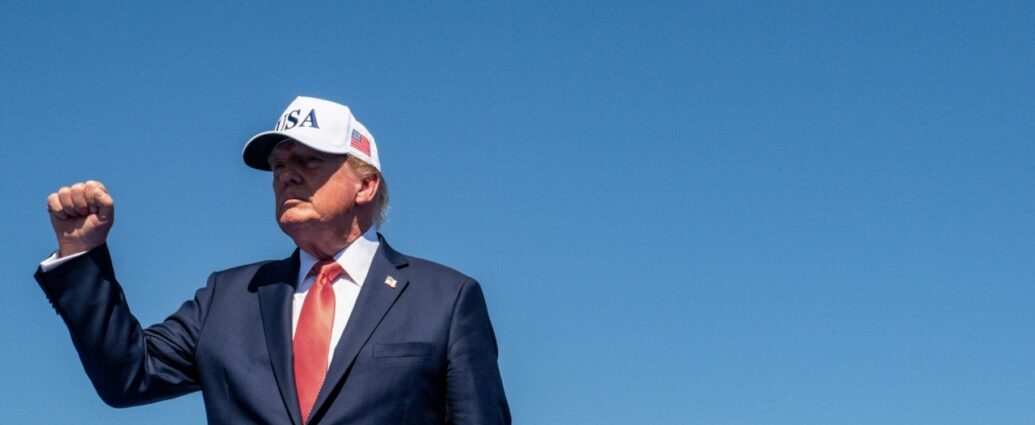
President Donald Trump is escalating his pressure campaign against Canada, warning Bombardier that it will not be allowed to keep selling aircraft into the U.S. market unless it manufactures them in America.

Trump said Monday that Canadian aircraft maker Bombardier should no longer be allowed to sell in the United States unless it begins building planes in the country, opening another front in the widening U.S.-Canada trade dispute.

“NO MORE SELLING BOMBARDIER IN THE UNITED STATES!” Trump wrote, adding that if the company wants access to the American market, “they must build here.”

The White House has not yet explained how such a restriction would be implemented or whether it would take the form of tariffs, certification changes, procurement limits or another trade measure.

That distinction matters.

For now, Trump’s statement is a political and trade warning — not yet a fully detailed regulatory action.

Bombardier is particularly exposed because the United States is one of its most important markets.

Roughly half of the company’s approximately 5,100-aircraft global fleet is operated by U.S. customers, making American access central to its business.

Bombardier does already have an American footprint.

The company operates facilities in the United States, including a defense operation in Wichita, Kansas, but its primary aircraft manufacturing remains centered in Canada.

Trump’s demand therefore goes beyond simply asking the company to invest more in the United States.

He is effectively saying that access to American customers should be tied to where the aircraft themselves are built.

The confrontation did not begin Monday.

Earlier this year, Trump threatened to impose 50% tariffs on Canadian-made aircraft and said the United States would move to decertify Bombardier Global Express business jets unless Canadian regulators approved several aircraft manufactured by U.S. rival Gulfstream.

Those threats were never fully carried out.

Canada later certified several Gulfstream aircraft.

But the latest statement shows that Bombardier remains directly in the administration’s crosshairs.

The timing is important.

Canada and the United States are already locked in a broader tariff fight involving steel, autos, agriculture and other manufactured goods.

Ottawa is preparing new retaliatory tariffs on American imports, while Washington continues pressing Canadian companies to shift more production south of the border.

Bombardier has also been expanding strategically.

The company recently announced plans to acquire a Canadian wing-manufacturing facility, strengthening its control over a key part of its aerospace supply chain.

Its latest quarterly revenue rose approximately 6%, helped by strong aftermarket-services demand.

What It Means for You

This is the clearest example yet of how Trump wants to use access to the U.S. market as leverage to force foreign manufacturers to move production into America.

The message is simple:

If you want American customers, build in America.

For Bombardier, the stakes are enormous because the U.S. market is too large to simply walk away from.

For aerospace suppliers, however, the pressure could create opportunities.

If Bombardier ultimately shifts more manufacturing into the United States, that could mean new factories, jobs and contracts for American suppliers.

But there is also risk.

Aircraft manufacturing depends on deeply integrated international supply chains, and abrupt trade restrictions can raise costs, delay deliveries and create uncertainty for customers who have already ordered planes.

The bigger issue is that Washington is increasingly applying the same strategy across multiple industries:

Autos. Steel. Pharmaceuticals. Semiconductors. Aerospace.

Trump is making market access conditional on domestic investment.

Bombardier may now become one of the highest-profile tests yet of whether that strategy actually forces companies to move production — or simply pushes the U.S. and Canada deeper into a costly trade fight.

JBizNews Desk | New York

© JBizNews.com All Rights Reserved. Reproduction or distribution without written permission is prohibited.

U.S. stock indexes started the week lower as rising oil prices added to investor anxiety.

This post was originally published here. 

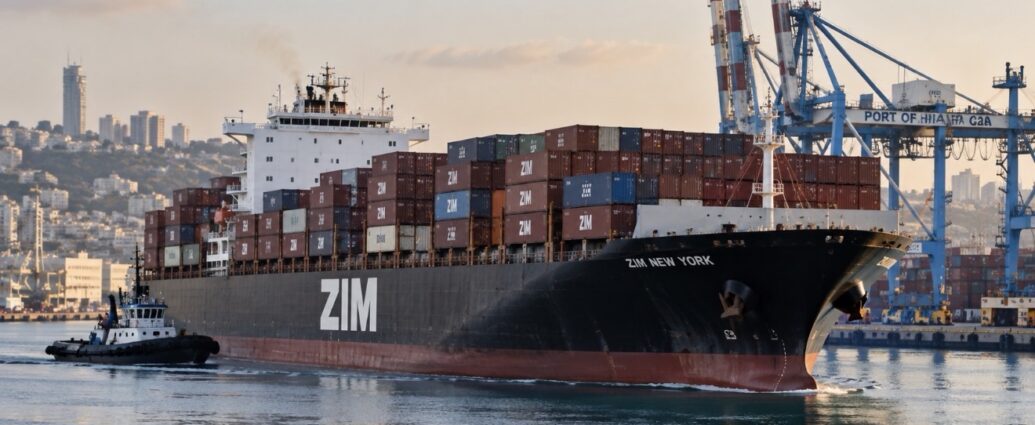
TEL AVIV — German shipping giant Hapag-Lloyd is restructuring its $4.2 billion takeover of Israel’s ZIM Integrated Shipping Services after Israeli officials raised national-security concerns over allowing one of the country’s most strategically important companies to fall under foreign control.

The revised proposal is designed to preserve Israeli control over essential shipping routes, sensitive cargo and maritime capacity while still allowing the broader acquisition to move forward.

Hapag-Lloyd and Israeli private-equity firm FIMI have been given additional time to modify the transaction after discussions with Israel’s economy, finance, defense and transportation authorities.

The central concern is straightforward:

ZIM is not simply another commercial shipping company.

Israel depends heavily on maritime trade for food, energy, industrial goods and other essential imports. During war or other emergencies, access to ships and international routes can become a matter of national security.

That has made the proposed foreign takeover unusually sensitive.

Under the revised structure being developed, ZIM Israel would remain under Israeli ownership and control through FIMI, with its own fleet of approximately 16 vessels.

Those ships would help guarantee that Israel maintains direct access to major international shipping routes even if the larger global ZIM operation becomes part of Hapag-Lloyd.

The companies are also proposing tighter restrictions on foreign ownership.

One provision would lower the threshold at which foreign ownership requires Israeli government involvement from 24% to 10%, strengthening the government’s ability to prevent outside investors from gaining influence over the Israeli-controlled operation.

FIMI has also committed not to list ZIM Israel shares on a foreign stock exchange.

The revised structure would give the Israeli government broader authority over the company and greater protection over the movement of sensitive cargo.

Hapag-Lloyd CEO Rolf Habben Jansen said the company had listened carefully to the concerns raised by Israeli authorities and was working on changes intended to strengthen Israel’s maritime independence and security.

The updated proposal is also expected to improve Israel’s access to shipping routes linking the country with Asia.

That is particularly important because Israel’s economy relies heavily on trade with Asian manufacturing centers.

Another proposed change would increase access to refrigerated shipping containers, which are essential for transporting food, pharmaceuticals and other temperature-sensitive goods.

Hapag-Lloyd and FIMI have also indicated that they would invest in Israel’s maritime workforce and training programs.

The larger acquisition still faces government approval.

The Israeli government holds special rights over ZIM through a so-called golden share, giving it authority to intervene when national-security interests are involved.

That means shareholders can approve the transaction and the companies can agree on the price, but the government can still impose conditions or block the deal.

For Hapag-Lloyd, ZIM would provide a major expansion of its global shipping network.

For Israel, however, the calculation is different.

The question is not merely whether $4.2 billion is a good price.

It is whether Israel can allow a strategically important shipping company to become foreign-owned without losing control over the ships and routes it may need during a national emergency.

That is why what began as a corporate takeover has become a test of how far governments are willing to intervene when commercial infrastructure also functions as national-security infrastructure.

JBizNews Desk | Tel Aviv

© JBizNews.com All Rights Reserved. Reproduction or distribution without written permission is prohibited.

A British shop that stocks olive oil, wine or dates grown in a Jewish community in Yehuda V’Shomron can no longer bring that product into the country. Foreign Secretary Ed Miliband told Parliament on Tuesday that the U.K. is banning imports of all goods from those communities, along with some services — financing, construction, infrastructure, real estate and advertising.

France and Canada are doing the same. The three countries said they are leading a 12-country effort to restrict the trade through national measures and European action, with Denmark, Finland, Iceland, Ireland, Norway, Poland, Portugal, Spain and Sweden signing the joint statement. The Netherlands, Belgium and several others have already imposed bans or are moving to do so.

The line Britain is drawing matters for anyone shipping into Europe. Work and Pensions Secretary Pat McFadden said before the announcement that the measure “isn’t intended to be a boycott of all Israeli goods,” and is aimed at construction over the Green Line. Israeli products made inside it are untouched. Goods produced in Jewish communities in Yehuda V’Shomron are not — and importers will now have to document origin rather than assume it.

Miliband said the British government accepts that ethnic cleansing of Palestinians is taking place in parts of the territory, carried out by what he called settler terrorists. The joint statement cited the E1 project near Jerusalem and said the Netanyahu government is undermining the possibility of a two-state solution. Israel opened bidding in August on 1,234 housing units in E1, which would link Maale Adumim to eastern Jerusalem.

Jerusalem hit back immediately. Foreign Minister Gideon Saar warned that if Britain moves against Israel, Israel will move against Britain. Finance Minister Bezalel Smotrich demanded the British ambassador be expelled, while National Security Minister Itamar Ben-Gvir called on Netanyahu to recognize Argentine sovereignty over the Falkland Islands. President Isaac Herzog called the ban gross interference in Israel’s election and said it would harm Palestinians.

Washington is not on board. U.S. Ambassador to Israel Mike Huckabee called the move an “irrational action” and said it discriminates against the Israeli government. Britain pressed ahead anyway, accepting friction with Washington, which remains Israel’s principal backer.For years Britain limited itself to condemnations and advisory guidance telling companies to steer clear of doing business there.

That guidance is now law, with roughly a dozen governments moving in the same direction at once. The European Union has held back, with officials concerned that acting before Israel’s election could help Netanyahu politically.

JBizNews Desk | London

© JBizNews.com All Rights Reserved. Reproduction or distribution without written permission is prohibited.

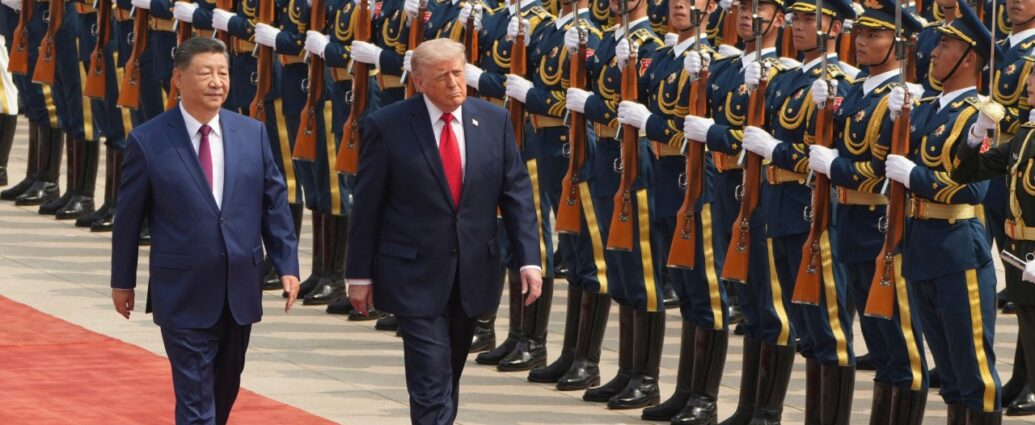
Chinese President Xi Jinping is preparing for a high-stakes Washington visit that could feature an unusually large delegation of Chinese business leaders as Beijing and the Trump administration look for concrete commercial agreements without attempting another sweeping trade deal.

Chinese President Xi Jinping is expected in Washington on September 24, and Beijing is considering bringing a significant group of corporate executives with him — a notable shift for a leader who rarely travels abroad accompanied by large business delegations.

The potential CEO presence signals that China wants the summit to produce more than political symbolism.

Both governments are increasingly focusing on practical business issues that could generate immediate economic benefits, particularly agriculture, market access and non-tariff trade barriers.

U.S. Trade Representative Jamieson Greer said the two countries are likely to make announcements involving agricultural trade and restrictions that prevent American products from reaching Chinese buyers.

But Greer has also made clear that Washington is not expecting a comprehensive new trade agreement.

The strategy instead appears to be managing the relationship sector by sector.

That matters because the two countries remain economically intertwined despite years of tariffs, export controls and restrictions on investment.

China is still one of the largest markets for American agriculture, aircraft, energy and industrial products.

The United States remains an enormous customer for Chinese manufacturers.

Agriculture could become one of the most immediate areas for progress.

China has previously agreed to purchase at least $17 billion annually in U.S. agricultural products through 2028, alongside existing soybean commitments.

It has also restored access for hundreds of American beef facilities and resumed poultry imports from qualifying U.S. states.

But barriers remain.

Chinese private soybean processors have recently struggled with expensive Brazilian supplies while a remaining tariff makes American soybeans less attractive commercially.

That puts additional pressure on both governments to find a solution.

The September summit could also expand the new U.S.-China Board of Trade, created earlier this year to give Washington and Beijing a formal mechanism for managing commerce in non-sensitive goods.

The two governments also established a separate Board of Investment to address disputes involving cross-border capital.

Another major issue will be critical minerals.

Washington remains heavily focused on maintaining access to Chinese rare-earth materials needed for automobiles, electronics, defense systems and advanced manufacturing.

China previously agreed to address American concerns involving materials including yttrium, scandium, neodymium and indium.

The potential corporate delegation adds another dimension.

If senior Chinese executives accompany Xi, companies could use the visit to announce investments, purchases, partnerships or other agreements timed to the summit.

Xi last traveled to the United States with a prominent group of Chinese business leaders in 2015, making another large delegation politically and economically significant.

What It Means for You

This summit may tell businesses something important about where U.S.-China relations are heading.

Neither side appears ready to dismantle the tariffs, export controls and strategic restrictions that now define the relationship.

Instead, Washington and Beijing are building a system where they compete intensely in sensitive areas while continuing to trade heavily everywhere else.

That creates opportunity.

American farmers could gain additional access to Chinese buyers.

Manufacturers could benefit from improved supplies of critical minerals.

Boeing and other exporters could potentially secure additional Chinese orders.

And Chinese companies may seek ways to preserve access to the American market through investments and commercial agreements.

But it also means businesses should not expect the old U.S.-China economic relationship to return.

The new model is increasingly clear:

Compete where national security matters. Negotiate where business still works.

Xi’s September 24 visit could become one of the clearest tests yet of whether that model can actually hold together.

JBizNews Desk | New York

© JBizNews.com All Rights Reserved. Reproduction or distribution without written permission is prohibited.

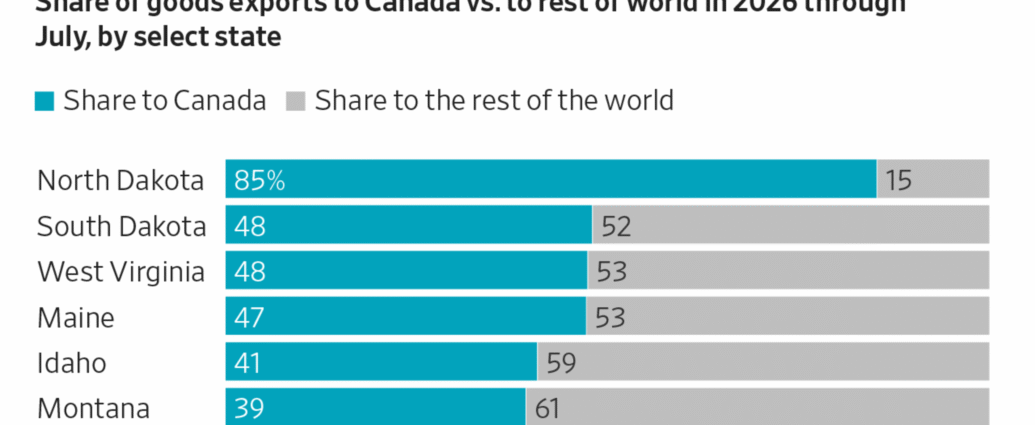
An American cheese wheel, refrigerator or steel beam crossing into Canada this morning costs 15 to 50 percent more than it did last night.

Canada’s retaliatory tariffs took effect at 12:01 a.m. today, covering $27.6 billion of American products at rates running from 15 percent to 50 percent. Each product’s rate was set to match whatever Washington charges on the same goods coming the other way. Ottawa calls it dollar for dollar, and it is meant literally.

The list runs past 700 categories. Steel and aluminum products that had been carrying a 25 percent Canadian duty now carry 50 percent, and furniture, clothing and apparel were put in the same top bracket. Appliances, cheese and other dairy, fish and seafood sit at 25 percent. Agricultural equipment, pulp and paper, plastics and electronics round out the target sectors.

For an American exporter, the arithmetic is brutal on the highest band. Ship $100,000 of steel north and $50,000 of duty rides on top of it. On appliances and cheese, it is $1 in every $4.

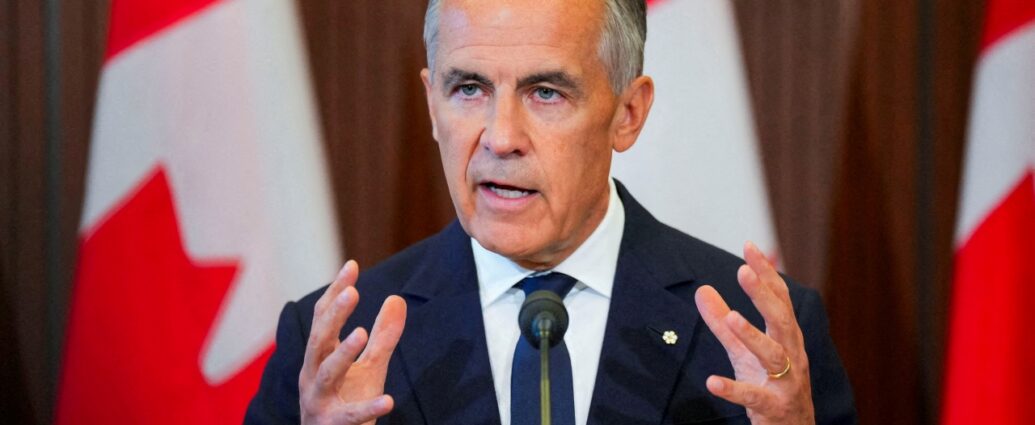
This is the answer to a punch. Washington put a 50 percent tariff on $27.6 billion of Canadian goods on Aug. 22 under Section 338 of the Tariff Act of 1930, hours after three days of talks fell apart late on a Friday night. Prime Minister Mark Carney said the American side came in at the end with terms that were “uneconomic, unfair” — in his words, they asked too much and offered too little. U.S. Trade Representative Jamieson Greer told it the other way, saying Canada walked back commitments already agreed to.

Nothing has moved since. Carney said last week that Canada will sit down “when the Americans are ready,” while Commerce Secretary Howard Lutnick accused Ottawa of tacking on truck tariff relief in the final hours before the deadline. Trump answered on Truth Social, predicting Canada’s economy would collapse before its politicians got anything out of making him the enemy.

There are two relief valves for American shippers. Goods already in transit to Canada when the tariffs came into force are exempt, so orders that left the yard over the weekend clear at the old rate. Canada’s tariff remission framework also stays open, meaning importers on the other side can apply for exceptional relief — which is where American suppliers with a sole-source Canadian customer should be pushing right now.

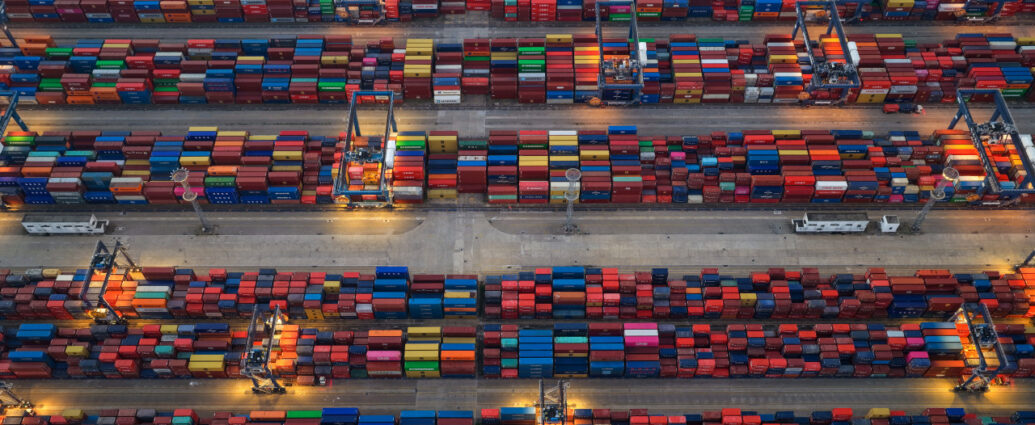

Ottawa paired the tariffs with a $7.5 billion support package for its own workers and businesses, a sign it expects this to last. Formal talks on renewing the U.S.-Mexico-Canada Agreement have started with Mexico. With Canada, they have not started at all.

JBizNews Desk | Washington, D.C.

© JBizNews.com All Rights Reserved. Reproduction or distribution without written permission is prohibited.

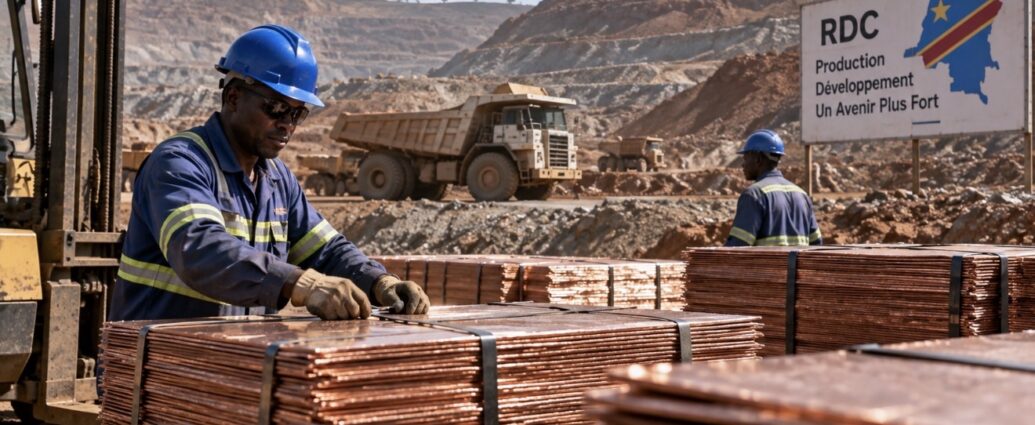
WASHINGTON — U.S. imports of copper from the Democratic Republic of Congo surged to a record in July, showing how American manufacturers are increasingly turning to Africa for one of the most important metals powering factories, electrical infrastructure, vehicles and data centers.

Copper cathode shipments from Congo reached 53,290 metric tons in July, according to U.S. trade data.

That gave Congo 23.9% of all U.S. copper imports for the month.

Total U.S. copper imports also exceeded 220,000 tons for the first time.

The numbers are striking because the United States imported less than 32,000 tons from Congo during all of 2024.

In a single month this summer, U.S. buyers brought in substantially more Congolese copper than they had during that entire year.

The shift reflects several forces hitting the copper market at once.

Copper prices have risen sharply.

Demand remains strong from power grids, electric vehicles, industrial equipment and artificial-intelligence data centers, all of which require huge amounts of electrical wiring and infrastructure.

At the same time, U.S. buyers have been trying to secure metal ahead of possible new tariffs.

That has created strong incentives to find additional sources.

Congo is now becoming one of them.

The country is already the world’s second-largest copper producer, behind Chile, and production has expanded significantly in recent years.

Historically, much of that copper has flowed toward China.

But U.S. industrial buyers are increasingly willing to purchase Congolese material directly.

Price is a major reason.

Congolese copper is generally not approved for delivery against U.S. COMEX futures contracts, unlike certain brands from countries such as Chile, Peru and Zambia.

Because of that, it can trade at meaningful discounts.

Reuters reported that some U.S. buyers have been able to purchase Congo copper at discounts of roughly $550 to $800 per metric ton compared with COMEX-approved brands.

For manufacturers buying thousands of tons of metal, those savings can become significant.

Improving quality has also helped.

Some American copper-rod mills and tube manufacturers that previously preferred other sources are becoming more comfortable using Congolese material.

That gives Congo a chance to become a much more important part of the U.S. industrial supply chain.

The timing matters.

Washington has spent years warning that China controls too much of the global supply chain for critical minerals.

Copper is not as rare as lithium or rare-earth elements, but it is arguably just as important to modern infrastructure.

Every major expansion of the electric grid requires copper.

So do transformers, factories, electric vehicles, renewable-energy installations and data centers.

AI adds another layer of demand because the enormous power systems serving new data centers require huge amounts of copper wiring and electrical equipment.

That means securing diversified copper supplies is becoming an economic-security issue.

The surge from Congo also shows how trade policy can redirect physical commodities.

China’s imports of Congolese copper declined during the first seven months of the year, while more metal moved toward U.S. buyers.

That does not mean America is replacing China as Congo’s dominant customer.

But the direction is changing.

For U.S. manufacturers, the immediate attraction is cheaper copper.

For Washington, the larger opportunity is building stronger commercial ties with one of the world’s most important mineral-producing countries.

And for Congo, rising U.S. demand could reduce its dependence on a single major buyer.

The July numbers therefore represent more than an unusual trade spike.

They show how the global scramble for the metals behind electricity, manufacturing and AI is beginning to reshape who buys from whom.

JBizNews Desk | Washington

© JBizNews.com All Rights Reserved. Reproduction or distribution without written permission is prohibited.

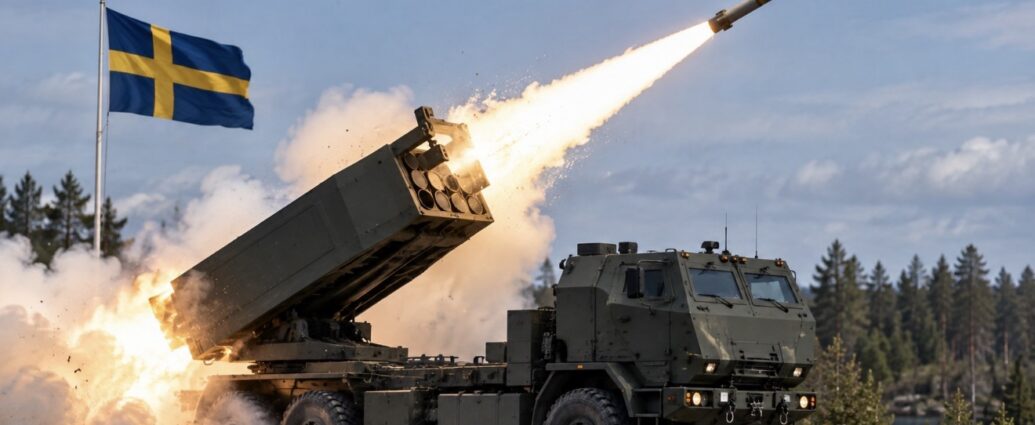
STOCKHOLM — Sweden is buying the U.S.-made HIMARS rocket-artillery system in a deal worth about $729 million, marking another major step in Europe’s rapid military buildup and deepening Sweden’s defense ties with the United States and Finland.

The Swedish government said Monday that it is authorizing the armed forces to procure the High Mobility Artillery Rocket System, built by Lockheed Martin.

The system is designed to launch long-range precision rockets from a highly mobile truck platform, giving armies the ability to strike targets far beyond the reach of conventional artillery.

That capability has become increasingly important across Europe.

Since joining NATO, Sweden has been accelerating investment in systems that can operate seamlessly with other alliance members, particularly Finland and other Nordic countries.

Sweden and Finland also signed a separate declaration Monday to deepen cooperation around rocket artillery, creating the possibility of shared training, logistics, maintenance and future ammunition planning.

The deal is about more than buying launchers.

Sweden is trying to build an entire long-range fires capability around HIMARS.

That means ammunition, training, maintenance, command systems and supply chains all become part of the investment.

The commercial impact spreads well beyond Lockheed Martin.

Rocket-artillery systems depend on electronics, guidance equipment, explosives, propulsion systems, specialized vehicles, communications technology and a large network of suppliers.

That is why Europe’s defense buildup has become one of the biggest industrial-spending stories of the decade.

Governments are no longer simply placing one-time weapons orders.

They are committing to long-term production capacity.

Sweden has already been increasing artillery-ammunition purchases and investing in domestic manufacturing so that it is less dependent on foreign deliveries during a crisis.

The government has also made clear that it wants international defense purchases to strengthen Sweden’s own industrial base wherever possible.

That is where Saab enters the picture.

Sweden has been encouraging partnerships between foreign defense contractors and Swedish manufacturers, particularly around ammunition, sensors, communications and long-term support.

The HIMARS purchase therefore fits into a broader strategy: buy proven NATO-compatible systems abroad while making sure more of the long-term economic activity stays inside Sweden.

For Lockheed Martin, the transaction adds another European customer to a system that has become one of the most recognizable weapons platforms in modern warfare.

For Sweden, it provides something strategically different from traditional artillery.

HIMARS can move quickly, fire precision-guided rockets over long distances and relocate before an enemy can easily target it.

That mobility is especially important in the Nordic region, where large distances, forests and difficult terrain complicate traditional battlefield operations.

The deal also strengthens coordination with Finland, which has its own long-range artillery capabilities and shares a long border with Russia.

The larger business story is what Europe’s rearmament is doing to manufacturing.

Defense budgets are rising.

Governments are signing longer contracts.

Factories are expanding.

Ammunition makers are increasing capacity.

And American defense companies are increasingly being asked to pair major export deals with local production and industrial partnerships.

Sweden’s $729 million HIMARS purchase is another clear example.

Europe is not simply buying more weapons.

It is rebuilding the industrial system required to produce, maintain and replenish them for years.

JBizNews Desk | Stockholm

© JBizNews.com All Rights Reserved. Reproduction or distribution without written permission is prohibited.

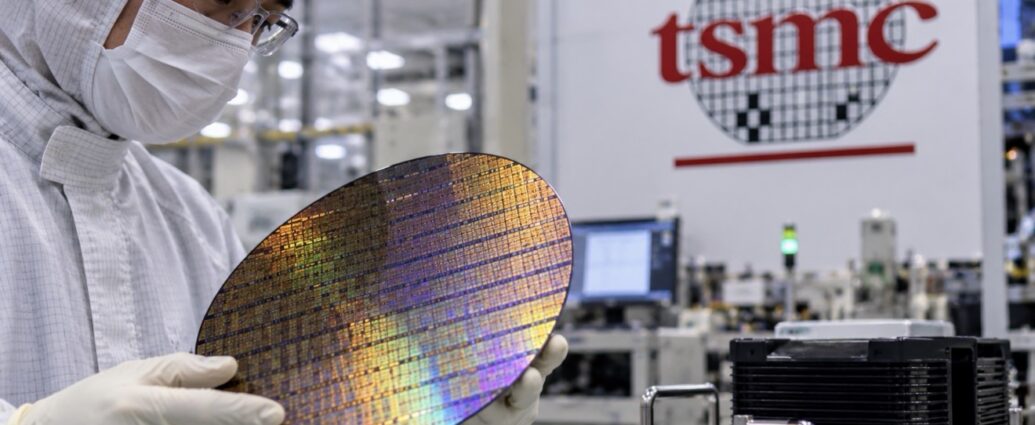
Taiwan is using its unmatched position in advanced semiconductors as a strategic diplomatic tool, expanding investment in the United States and Europe as allies push Taipei to share more of the economic benefits from the AI boom.

Taiwan is leaning more heavily on its semiconductor industry to strengthen political and economic ties with the United States and Europe, as governments increasingly view advanced chips as critical national-security infrastructure.

The shift was on display at the SEMICON Taiwan 2026 industry gathering, where officials and executives emphasized Taiwan’s role as a trusted supplier to democratic allies and a central player in the global AI economy.

Taiwan is home to companies including TSMC, Foxconn and ASE Technology, giving the island an extraordinary position in the production and packaging of advanced semiconductors.

That dominance has become both an advantage and a vulnerability.

The United States and Europe want more semiconductor manufacturing built on their own soil to reduce the risk of disruption from geopolitical tensions around the Taiwan Strait.

Taiwanese companies are responding.

TSMC is in the middle of a massive U.S. expansion centered on Arizona, where planned investment has reached approximately $265 billion across semiconductor manufacturing and related facilities.

Taiwanese officials have also indicated that companies are preparing roughly $20 billion in additional U.S. investment as part of broader efforts to deepen commercial ties and lower trade barriers.

The strategy extends beyond America.

European officials are pushing for stronger semiconductor cooperation under the EU’s next-generation Chips Act, and Taiwan is seeking a larger role in that effort.

Taiwan’s government increasingly describes its semiconductor industry not simply as an export business, but as a diplomatic asset.

The argument is that countries relying on Taiwanese chips have a direct economic interest in Taiwan’s stability and security.

At the same time, Taiwanese manufacturers acknowledge that concentrating too much production on the island creates strategic risk for customers.

That is why companies are globalizing parts of their supply chains while still keeping their most advanced technology and research capabilities anchored in Taiwan.

The balance is delicate.

Move too little production overseas, and allies may become frustrated by their dependence on Taiwan.

Move too much, and Taiwan risks weakening what has often been described as its “silicon shield” — the idea that its importance to the global technology industry gives major powers an additional reason to protect it.

What It Means for You

The AI boom is no longer just reshaping technology companies.

It is reshaping foreign policy.

Advanced chips are now treated almost like strategic commodities.

Governments care about who makes them, where they are produced and whether supply can survive a geopolitical crisis.

That gives Taiwan enormous leverage.

The island can use investment decisions to strengthen relationships with Washington, Brussels and other capitals that want secure access to AI hardware.

For companies, the result is a semiconductor supply chain that is becoming more geographically diversified — but also more expensive.

New factories in the United States and Europe cost more to build and operate than many facilities in Asia.

Businesses may eventually pay part of that price through higher chip costs.

But governments increasingly see that premium as the cost of security.

Taiwan’s strategy is becoming clear:

Use semiconductor investment to deepen alliances — while keeping enough advanced capability at home to remain indispensable.

In the AI era, that may make chips one of the most powerful diplomatic currencies in the world.

JBizNews Desk | New York

© JBizNews.com All Rights Reserved. Reproduction or distribution without written permission is prohibited.

Canada will impose a new wave of retaliatory tariffs on $27.6 billion worth of U.S. goods beginning September 8, escalating a trade fight already hitting steel, dairy, manufacturing and consumer products on both sides of the border.

Canada is preparing to hit back at the United States with a fresh round of tariffs covering $27.6 billion in American imports, matching Washington’s latest trade measures dollar for dollar.

The new Canadian tariffs take effect at 12:01 a.m. on September 8.

Rates will range from 15% to 50%, depending on the product, and are designed to mirror the corresponding U.S. tariffs imposed on Canadian goods.

The measures will target a broad range of American products, including steel and aluminum products, dairy goods, appliances, agricultural equipment, pulp and paper, plastics and electronics.

Some products will face tariffs as high as 50%.

Canada says the retaliation is a direct response to the United States imposing 50% tariffs on $27.6 billion worth of Canadian goods beginning August 22.

Prime Minister Mark Carney’s government has argued that the U.S. measures are unjustified and that Ottawa had little choice but to respond.

The new tariffs add to existing Canadian countermeasures already in place against U.S. goods, including tariffs affecting the automotive sector.

Canada is also rolling out approximately $7.5 billion in additional support for workers and businesses affected by the trade conflict.

That assistance comes on top of nearly $25 billion in previously announced support measures.

The government says the money will help companies adjust supply chains, find new export markets and compete against American products now facing higher Canadian import costs.

But tariffs rarely stop at the border.

When Canada taxes American products, Canadian importers typically pay the tariff first.

Some companies absorb part of that cost.

Others pass it through to retailers, manufacturers or consumers.

That means Canadian businesses relying on U.S. machinery, electronics, ingredients or industrial materials could face higher operating expenses.

American exporters face the opposite problem.

Their products become more expensive in Canada, potentially allowing Canadian or overseas competitors to gain market share.

The trade relationship is especially difficult to unwind because the two economies are deeply integrated.

Auto parts can cross the border several times before a finished vehicle reaches a dealership.

Steel and aluminum flow into factories on both sides.

Agricultural goods, energy products, machinery and consumer products move through supply chains that were built around relatively open trade.

Every additional tariff complicates that system.

Ottawa has already adjusted the retaliation once.

The government removed certain U.S. seafood and fish products from the tariff list after industry concerns, showing how quickly retaliatory measures can create problems for domestic companies that depend on American imports.

Canada is also maintaining a tariff-remission process allowing businesses to request relief when necessary goods cannot reasonably be sourced from Canadian or other foreign suppliers.

What It Means for You

This is where a trade war begins affecting ordinary business decisions.

A 25% tariff can completely change whether a supplier remains competitive.

A 50% tariff can effectively shut a product out of the market.

Companies therefore begin searching for new suppliers, changing production plans or raising prices.

Those changes can remain long after the original political dispute ends.

For American manufacturers, Canada is one of the largest export markets in the world.

Losing even part of that business can hurt factories, farmers and suppliers across the United States.

For Canadian businesses, retaliation creates its own pain because many rely heavily on American goods and equipment.

That is why trade wars create an unusual economic reality:

Both sides can retaliate — and businesses on both sides can still lose.

Unless Washington and Ottawa return to negotiations, September 8 will mark another significant step away from the deeply integrated North American trading system that companies spent decades building.

JBizNews Desk | New York

© JBizNews.com All Rights Reserved. Reproduction or distribution without written permission is prohibited.

Rashtriya Swayamsevak Sangh—a vast, powerful Hindu volunteer organization—has become the target of a counterproductive Western campaign.

This post was originally published here.