

Opinion | No Satisfaction in the U.K.


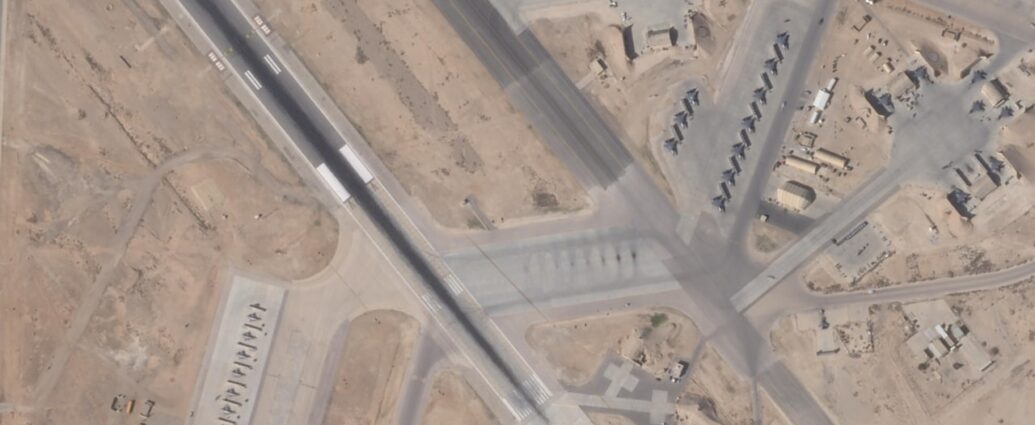
U.S.-Iran Fighting Escalates

China’s Moonshot Unveils World’s Largest Open AI Model, Escalating Global AI Competition
BEIJING — According to Moonshot AI’s official announcement released Friday, July 17, Chinese artificial intelligence company Moonshot AI has introduced Kimi K3, a 2.8 trillion-parameter open-weight large language model, making it the largest publicly released open AI model to date and marking another major step in China’s accelerating push to compete at the highest level of artificial intelligence development.
The release positions Moonshot AI among the world’s leading AI developers as competition between China and the United States intensifies. Unlike many proprietary frontier AI systems that operate only through cloud-based services, Kimi K3 is being released as an open-weight model, allowing developers, enterprises, and researchers to build, customize, and deploy applications using the model.
The company said Kimi K3 was designed to perform advanced reasoning, software engineering, scientific analysis, mathematical problem-solving, long-document processing, and AI agent tasks. It also supports a context window of up to one million tokens, enabling users to analyze extensive documents, legal filings, research papers, books, and large code repositories within a single conversation.
Moonshot AI said the model was trained using a mixture-of-experts architecture that activates only a portion of its total parameters during inference, improving efficiency while maintaining high performance on complex workloads. The company stated the model is intended for both commercial and research applications and will be available for developers through open-weight distribution.
The launch comes as Chinese AI companies continue narrowing the gap with leading U.S. developers despite export restrictions on advanced semiconductor technology. Rather than focusing solely on closed commercial models, many Chinese firms have increasingly embraced open-weight releases that allow broader adoption throughout the global developer community.
Industry analysts view the announcement as another indication that China’s AI ecosystem is advancing rapidly across foundation models, enterprise AI, software development tools, and autonomous AI agents. Businesses evaluating next-generation AI platforms are expected to compare Kimi K3 alongside other leading models based on performance, deployment flexibility, cost, and security.
Moonshot AI has become one of China’s fastest-growing artificial intelligence companies and joins a competitive field that includes Alibaba, DeepSeek, MiniMax, and Baidu, all investing heavily in large language models designed for enterprise and consumer applications.
The introduction of Kimi K3 also follows China’s broader effort to promote open artificial intelligence collaboration and strengthen its position as a global AI leader. As governments and businesses increase investments in AI infrastructure, foundation models, and digital transformation, competition between Chinese and American developers is expected to continue accelerating.
While benchmark testing and real-world enterprise deployment will ultimately determine Kimi K3’s long-term impact, its release represents another significant milestone in the global race to build increasingly capable artificial intelligence systems.
JBizNews Desk | Beijing
© JBizNews.com All Rights Reserved. Reproduction or distribution without written permission is prohibited.

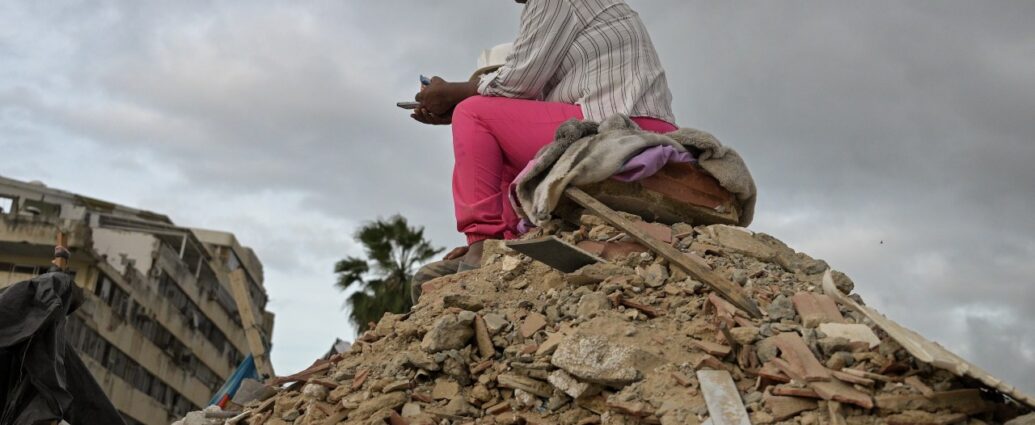

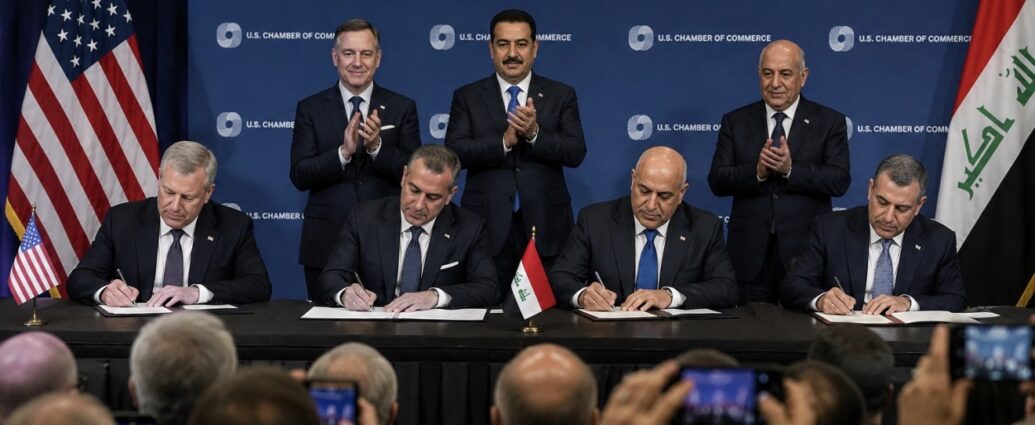
U.S.–Iraq Business Summit Generates More Than $60 Billion in Agreements
American and Iraqi officials announced more than $60 billion in commercial agreements covering energy, infrastructure, healthcare, technology and investment projects, highlighting expanding economic ties between the two countries.
WASHINGTON — The U.S. Chamber of Commerce announced Friday that American and Iraqi companies, together with the two governments, signed more than 50 agreements and memoranda of understanding totaling over $60 billion during the U.S.–Iraq Business Summit, marking one of the largest commercial initiatives between the two nations in recent years.
The agreements span energy, healthcare, communications, financial services, technology, infrastructure and industrial development, reflecting Iraq’s effort to diversify its economy while expanding opportunities for American companies seeking to invest in one of the Middle East’s largest emerging markets.
The summit brought together senior officials from both governments along with executives representing a broad cross-section of American industry. Organizers described the gathering as a turning point in the bilateral relationship, shifting the focus from decades of security cooperation toward long-term economic growth driven by private-sector investment.
Energy remained a central component of the discussions, with several companies announcing new commercial partnerships intended to expand oil and natural gas production, improve electricity generation and modernize critical infrastructure. At the same time, numerous agreements extended beyond the energy sector, underscoring Iraq’s broader economic ambitions.
Healthcare companies explored expanding access to medical technology and hospital services, while communications and technology firms announced initiatives aimed at strengthening Iraq’s digital infrastructure. Financial institutions also outlined plans to increase banking cooperation and support future commercial investment throughout the country.
Executives participating in the summit said Iraq offers significant long-term opportunities because of its large population, abundant natural resources and growing demand for modern infrastructure. Government officials emphasized that attracting foreign investment remains a national priority as Iraq works to create private-sector jobs, strengthen public services and reduce dependence on government spending supported by oil revenues.
The summit also demonstrated increasing interest from major American corporations in expanding their presence in Iraq after years in which security concerns often limited commercial activity. Business leaders said stronger economic ties could create new opportunities for trade, investment and technology transfer while supporting long-term economic stability.
Although the announced value exceeded $60 billion, officials noted that many of the agreements are memoranda of understanding or framework agreements that will require additional negotiations, financing, regulatory approvals and final contracts before projects move into construction or operation. The total therefore reflects the potential value of the announced commercial commitments rather than funds that have already been invested.
For the United States, the summit reinforces a strategy of strengthening relationships through commerce and private investment. For Iraq, the agreements represent an opportunity to accelerate economic development, attract international capital and broaden cooperation with one of its largest trading and investment partners.
If successfully implemented, the agreements could support thousands of jobs, expand infrastructure development and deepen commercial ties between the United States and Iraq for years to come.
JBizNews Desk | Washington
© JBizNews.com All Rights Reserved. Reproduction or distribution without written permission is prohibited.

South Korea Details New Steps to Make Won Trading Easier for Foreign Investors
SEOUL — South Korea’s Ministry of Economy and Finance on July 19, 2026, released new implementation details expanding its foreign-exchange market liberalization program, outlining additional measures that will make it easier for foreign financial institutions to trade the Korean won as Seoul continues its effort to transform the currency into one that is more widely used in global markets. The announcement builds on the country’s recent launch of extended weekday won trading and marks the next phase of reforms aimed at attracting international capital.
The government said the latest measures are designed to reduce operational barriers that have historically discouraged foreign participation in Korea’s currency market. Officials believe broader access to the won will strengthen the country’s financial markets, improve liquidity and support long-term economic growth while maintaining safeguards against excessive market volatility.
Among the reforms, qualified foreign financial institutions will continue gaining expanded access to Korea’s interbank foreign-exchange market without the traditional requirement of maintaining a full domestic banking presence. Authorities are also simplifying reporting procedures, reducing administrative requirements and developing new settlement mechanisms intended to make cross-border transactions faster and more efficient.
A significant component of the strategy is the continued development of offshore settlement infrastructure that will allow approved institutions to hold and use won balances more efficiently outside South Korea. The government believes these changes will reduce transaction costs for global investors while making it easier for multinational companies to hedge currency exposure and manage business operations involving Korean assets.
The reforms represent one of the most significant changes to Korea’s foreign-exchange framework since the country tightened capital controls following the 1997 Asian financial crisis. While authorities remain committed to protecting financial stability, policymakers now view greater international participation as essential to maintaining Korea’s competitiveness among the world’s leading financial markets.
For global investors, easier access to the won could simplify investment in Korean equities and bonds by reducing currency-conversion costs and improving liquidity during international trading hours. The reforms also support the government’s broader initiative to modernize capital markets, encourage foreign investment and strengthen corporate competitiveness.
Currency accessibility has become an increasingly important factor in South Korea’s long-term objective of achieving broader recognition among global index providers. International investors have frequently cited foreign-exchange restrictions and settlement limitations as obstacles to increasing exposure to Korean financial markets. Officials hope that continued liberalization will help address those concerns over time.
Businesses operating in South Korea could also benefit from the reforms. Companies engaged in international trade may experience more efficient settlement of commercial transactions, while financial institutions should gain greater flexibility in managing currency risk. Together with ongoing efforts to improve corporate governance and capital-market transparency, the government believes the changes will enhance Korea’s position as a regional financial hub.
Authorities emphasized that implementation will continue in phases while market conditions are closely monitored by financial regulators and the Bank of Korea. Additional adjustments could be introduced as trading volumes expand and foreign participation increases.
Although the reforms will not immediately create a completely unrestricted offshore won market, they represent another major step toward integrating South Korea’s financial system more closely with global markets. Investors will now be watching whether increased participation by international banks and institutional investors produces deeper liquidity and strengthens the won’s role in international finance.
JBizNews Desk | Seoul
© JBizNews.com All Rights Reserved. Reproduction or distribution without written permission is prohibited.
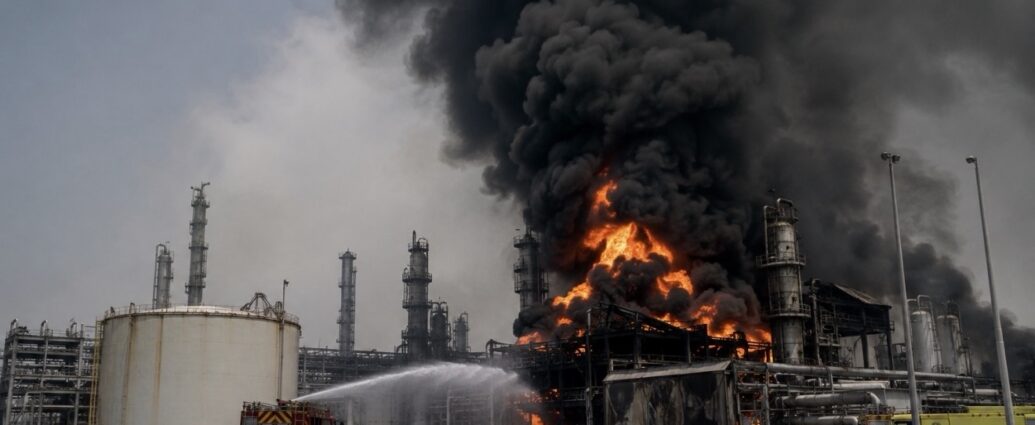
Iran Targets Kuwait’s Critical Energy Infrastructure in Overnight Escalation
Kuwait absorbed one of its heaviest nights of Iranian strikes overnight into Saturday, July 18, 2026, with a second power and water plant hit in as many days, a vital oil facility damaged, and air traffic suspended, deepening a war that is now squeezing energy supplies and household costs well beyond the Gulf. Sirens sounded repeatedly from around dawn as the barrage struck civilian and energy infrastructure, part of a widening campaign that has turned the machinery of daily life into a front line and pushed crude prices higher.
The damage inside Kuwait was extensive. The Kuwait Petroleum Corporation said one of its vital oil facilities was hit by repeated attacks that caused injuries and significant material losses, with black smoke seen rising over Mangaf, south of Kuwait City, near the Mina Al-Ahmadi refinery struck earlier in the week. The Electricity, Water and Renewable Energy Ministry reported that a second power and desalination plant was hit Saturday morning, forcing the shutdown of several generation units to protect workers and stabilize the grid. A firefighter and a plant worker were injured, and a separate strike hit an army barracks. For a country that draws close to 90% of its drinking water from desalination and faces summer heat above 110 degrees, damage to power and water capacity threatens consequences that reach far past the immediate blaze.
The strikes rippled straight into commerce. Kuwait suspended operations at its international airport amid the missile and drone threat, and Kuwait Airways rescheduled most of its flights, disrupting a regional travel and cargo network already under strain. Bahrain and Jordan also intercepted Iranian attacks overnight. Each hit on a refinery, a power station, or an airport tightens the link between the battlefield and the cost of moving goods and people across the Gulf.
The escalation sits atop a deeper fight over the Strait of Hormuz, the narrow channel through which roughly a fifth of the world’s seaborne oil and a large share of its liquefied natural gas typically move. At issue is control of the waterway itself: Iran wants vessels routed closer to its coast with a toll charged for passage, while the United States is pushing for a lane near Oman beyond Iranian control. With Tehran declaring the strait closed and Washington reimposing a naval blockade, shipping has again slowed to a near standstill after a brief recovery, and the added war-risk insurance and longer detours are lifting the delivered cost of every barrel that still moves.
Energy markets have registered the disruption. Brent crude, the international benchmark, climbed back toward the mid-$80s after trading in the high $70s, reversing a slide that had carried prices close to where they stood before the conflict began on February 28, 2026. West Texas Intermediate, the U.S. benchmark, tracked the move higher. The renewed climb followed the collapse of last month’s memorandum of understanding, which had briefly restored the free flow of traffic through Hormuz before a senior Iranian official said Tehran would suspend its commitments, mirroring what it described as a U.S. withdrawal.
The infrastructure war has hit Iran as well. A U.S. strike on a desalination plant at Bonji village on the southern coast disrupted drinking water for roughly 10,000 people across about 20 villages, and airstrikes collapsed bridges linking the critical port of Bandar Abbas to routes leading inland toward Tehran. Iran’s Energy Ministry, acknowledging damage to power infrastructure for the first time, urged residents in the south to ration electricity amid extreme heat. Iran also said its Chabahar port, where India operates a terminal, was struck, though India’s government reported the terminal itself escaped damage.
For businesses across the region, the strikes compound an already fragile picture. Ports, petrochemical complexes, and industrial zones depend on desalinated water and locally generated power, and sustained damage to either threatens production slowdowns at facilities feeding global chemical, fertilizer, and refining chains. Manufacturers that source intermediate goods from the Gulf face longer lead times and higher input costs, and the uncertainty alone is prompting some buyers to line up alternative suppliers or build inventory as a hedge.
American consumers are feeling the strain at the pump. Gasoline prices rose as crude climbed, with the national average moving well above its pre-conflict level, and fuel retailers have warned that any further loss of Hormuz throughput would push prices higher still. Because diesel powers trucking, rail, and agriculture, elevated fuel costs feed into grocery prices, delivery charges, and nearly everything that moves by road, while pump prices tend to ease slowly once fighting subsides.
With the memorandum suspended on both sides and no talks in prospect while the strikes continue, the assumptions that had allowed oil to drift back toward prewar levels no longer hold. Until the infrastructure stops burning and the strait steadies, pressure on prices and supply chains is set to build rather than ease.
JBizNews Desk | Kuwait City
© JBizNews.com All Rights Reserved. Reproduction or distribution without written permission is prohibited.
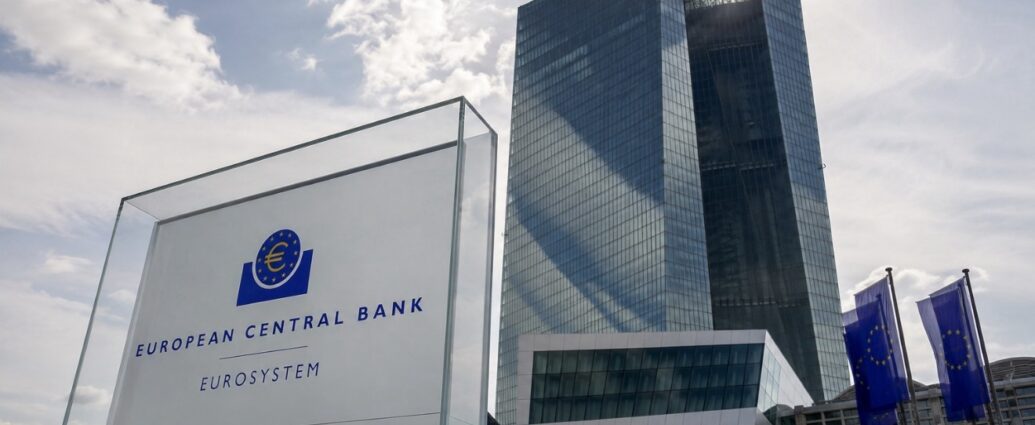
ECB Stays on War Alert as Markets Brace for Possible September Rate Hike
FRANKFURT — The European Central Bank enters the week of July 19 facing one of its most closely watched policy meetings of the year, as officials continue to warn that the ongoing war in the Middle East remains a significant inflation threat even as headline price pressures have eased. The ECB is widely expected to leave interest rates unchanged at its July 23 meeting, but policymakers have made clear they stand ready to raise rates again if higher energy costs begin feeding more broadly into wages and consumer prices.
The central bank raised its three benchmark interest rates by 25 basis points in June, lifting the deposit facility rate to 2.25% after concluding that the conflict’s impact on global energy markets had materially worsened the euro area’s inflation outlook. At the same time, the ECB revised its economic projections, forecasting inflation to average 3.0% in 2026, 2.3% in 2027, before returning to its 2% target in 2028. Officials attributed the higher outlook primarily to elevated energy prices expected to spill over into food, manufactured goods and services.
Minutes from the ECB’s June Governing Council meeting, released earlier this month, show policymakers remain concerned that continued disruption to energy supplies and shipping through the Strait of Hormuz could prolong inflation well into next year. Members agreed that while higher oil prices initially affect energy costs, the greater risk is that businesses eventually pass those increases throughout the broader economy, creating persistent inflation that requires additional monetary tightening.
Despite those concerns, financial markets overwhelmingly expect the ECB to pause next week rather than raise rates immediately. A broad survey of economists indicates policymakers are likely to keep the deposit rate at 2.25% while evaluating incoming inflation data over the summer. However, most economists now anticipate at least one additional quarter-point increase at the September meeting if energy prices remain elevated and inflation fails to move convincingly back toward the ECB’s target.
Recent comments from senior ECB officials reinforce that cautious approach. Even traditionally hawkish policymakers have argued that while inflation risks remain significant, there is currently insufficient evidence that higher oil prices have triggered widespread second-round effects in wages and broader consumer prices. At the same time, they emphasized the central bank remains fully prepared to tighten policy further should those pressures emerge.
The balancing act has become increasingly difficult. Eurozone economic growth remains subdued, with businesses already facing elevated borrowing costs following June’s rate increase. Another move higher would increase financing costs for commercial real estate, manufacturers, exporters and consumers across the euro area. Conversely, failing to respond if inflation accelerates again could undermine the ECB’s credibility after spending years bringing inflation back under control.
Global investors will therefore focus less on next week’s expected decision to hold rates steady and more on ECB President Christine Lagarde’s guidance regarding the months ahead. Markets will closely examine whether the Governing Council believes the recent surge in energy prices represents a temporary geopolitical shock or the beginning of a broader inflation cycle requiring additional policy tightening before the end of 2026.
With energy markets remaining volatile and geopolitical tensions continuing to influence inflation expectations, next week’s ECB meeting is expected to set the tone not only for European monetary policy but also for global bond markets, currencies and corporate borrowing costs heading into the second half of the year.
JBizNews Desk | Frankfurt
© JBizNews.com All Rights Reserved. Reproduction or distribution without written permission is prohibited.

World Cup Viewership Stayed Bipartisan Despite Trump’s Prominent Role, CNBC Survey Finds
Nearly half of registered voters watched the tournament, with income and education influencing audience participation more than political affiliation.
NEW YORK — The latest CNBC All-America Economic Survey found that nearly half of registered voters watched the 2026 FIFA World Cup, with Democrats and Republicans tuning in at broadly similar levels despite President Donald Trump’s prominent public role throughout the tournament.
The nationwide survey of 1,000 registered voters, conducted with a margin of error of plus or minus 3.1 percentage points, found that political affiliation was not the strongest predictor of who followed the competition. Viewership varied more noticeably by household income and education, suggesting that access, media habits and consumer demographics mattered more than partisan identity.
The findings provide an important signal for broadcasters, advertisers and corporate sponsors that invested heavily in the largest World Cup ever staged.
The tournament was hosted across the United States, Canada and Mexico, with most games played in U.S. cities. The expanded competition featured 48 national teams and 104 matches, creating more broadcast inventory, advertising opportunities and consumer engagement than any previous edition.
Trump maintained a highly visible presence around the event, appearing alongside FIFA President Gianni Infantino, attending official functions and publicly discussing teams, players and tournament decisions. He also confirmed plans to attend the final at MetLife Stadium in East Rutherford, New Jersey.
Despite the president’s involvement and the intensely partisan political environment surrounding his administration, the survey found no major party-driven separation in World Cup viewing.
That distinction matters for media companies because audiences for political programming are often sharply divided. Conservative and liberal viewers frequently choose different television networks, digital platforms and news sources, making it difficult for advertisers to reach a broad national audience through one property.
The World Cup appears to have operated differently.
The tournament attracted viewers across party lines and offered advertisers access to a national audience that was diverse not only politically, but also by age, ethnicity, language and geography. That broad reach strengthens the commercial value of major international sporting events at a time when traditional television audiences remain increasingly fragmented.
Higher-income and college-educated voters were more likely to report watching the tournament than lower-income and less-educated respondents. The pattern may reflect differences in access to streaming subscriptions, cable packages, flexible work schedules and familiarity with international soccer.
It also highlights a continuing challenge for sports broadcasters seeking to expand soccer’s American audience beyond younger, urban and higher-income consumers.
English-language coverage was carried primarily by Fox Sports, while Telemundo and Peacock provided Spanish-language broadcasts and streaming access. The availability of coverage across traditional television, cable and digital platforms allowed viewers to follow games through a wider range of services than during earlier tournaments.
Spanish-language coverage became a particularly significant part of the U.S. audience, drawing both Spanish-speaking households and some English-speaking viewers seeking a different broadcast experience.
The commercial impact extended beyond television ratings.
Restaurants, bars, streaming platforms, sports-betting companies, apparel sellers and sponsors benefited from a tournament played largely during U.S. daytime and evening hours. Host cities also experienced increased demand for hotel rooms, transportation, dining and entertainment connected to visiting supporters and public watch parties.
FIFA said tournament attendance reached approximately 6.7 million spectators, reflecting the scale of the event across the three host countries. Strong attendance and television engagement helped reinforce the organization’s claim that the expanded format produced one of the most commercially successful World Cups in history.
For sponsors, bipartisan viewership reduces the risk that involvement with the tournament will be interpreted primarily through a political lens. Companies can market around national teams, individual players and the shared experience of major matches without limiting their message to one ideological segment of the country.
That does not mean politics disappeared from the tournament.
Immigration policy, travel restrictions, ticket costs, security, presidential appearances and Trump’s relationship with FIFA remained part of the public conversation. Several decisions involving players and participating nations also generated political scrutiny.
The survey indicates, however, that those controversies did not prevent Americans from both major political parties from watching.
The broader business conclusion is that live sports remain one of the few forms of mass media capable of bringing politically divided audiences together at the same time. That scarcity gives major sporting rights increasing value as entertainment companies compete for programming that viewers are less likely to record, delay or ignore.
The World Cup’s ability to maintain a politically balanced audience may influence how broadcasters and advertisers value future soccer rights in the United States, particularly as the sport seeks to build on the tournament’s momentum.
For media companies, the result is straightforward: Americans may disagree sharply about politics, but millions still chose to watch the same matches.
JBizNews Desk | New York
© JBizNews.com All Rights Reserved. Reproduction or distribution without written permission is prohibited.
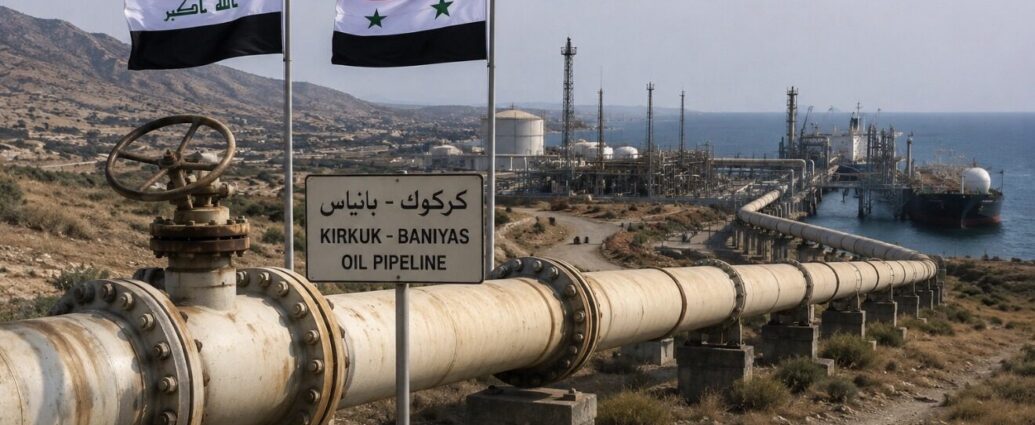
Iraq, Syria Agree to Restore Oil Pipeline to Bypass Hormuz
Iraq and Syria signed a memorandum of understanding Friday to rehabilitate the Kirkuk–Baniyas crude oil pipeline, reviving a long-dormant route that could carry Iraqi oil to Syria’s Mediterranean coast and reduce Baghdad’s dependence on exports through the Strait of Hormuz, according to an official announcement from the Syrian Petroleum Company published Saturday.
The agreement was signed in Washington by Youssef Qablawi, chief executive of the Syrian Petroleum Company, and Basim Abdul Karim Nasser, chief executive of Iraq’s Basra Oil Company, during meetings attended by the Iraqi prime minister, the U.S. energy secretary and other senior officials.
A second memorandum was signed between the Syrian Petroleum Company and an international consortium comprising Chevron, UCC Holding and TI Capital. The companies are expected to prepare technical and financial studies, assess the condition of the existing pipeline and related facilities, and establish a framework for implementing the reconstruction project.
The agreements move the project beyond months of preliminary discussions and into a formal planning stage, though no final construction contract, project cost or completion date has been announced.
The revived route would connect Iraqi oil production with the Syrian port of Baniyas, giving Iraq access to the Mediterranean and allowing crude shipments to avoid the Persian Gulf and the Strait of Hormuz. The waterway between Iran and Oman has long served as one of the world’s most important energy chokepoints.
Roughly one-fifth of global oil and gas shipments passed through Hormuz before the latest regional conflict sharply reduced traffic through the strait. Iraq has been especially exposed because most of its crude exports traditionally leave through southern terminals near Basra.
Before the current disruption, Iraq exported approximately 3.4 million barrels per day through its southern Gulf facilities. When shipments through Hormuz were interrupted, storage began filling and Baghdad was forced to accelerate efforts to move crude and refined products through alternative routes.
Iraq has already begun transporting fuel oil across Syria by truck for export from Baniyas. That emergency arrangement demonstrated that the Mediterranean route could function, but trucking is more expensive, slower and capable of moving far less oil than a pipeline.
The proposed pipeline network is intended to provide a permanent, higher-capacity alternative.
Iraqi officials have described a broader export system connecting Basra, Haditha, Kirkuk, Syria’s Baniyas port and Turkey’s Ceyhan terminal. The wider network has been projected to carry as much as 2 million barrels of oil per day, although the final capacity will depend on which sections are constructed or restored.
The original Kirkuk–Baniyas pipeline was built during the 1950s to transport crude from northern Iraq to the Mediterranean. Operations were repeatedly interrupted by disputes between Iraq and Syria, regional conflicts and infrastructure damage. Much of the system has remained unusable since the 2003 war in Iraq, while years of conflict in Syria damaged pumping stations and other facilities along the route.
Restoring the system will therefore require more than repairing a single pipe. Engineers must evaluate pumping stations, storage facilities, metering systems, terminals and security conditions across both countries before construction can begin.
The involvement of international companies provides technical and financial backing that earlier revival efforts lacked. Chevron’s participation also places a major U.S. energy company inside a project that Washington views as strategically important to global energy security.
The United States welcomed the Iraqi-Syrian agreement and the participation of a U.S.-led international consortium, describing the pipeline as a priority infrastructure project. Washington has been encouraging regional oil producers to build export routes that cannot be disrupted by the closure of a single maritime passage.
For Iraq, the project is both an economic and national-security priority.
The country is one of the world’s largest oil producers, but its export infrastructure remains heavily concentrated in the south. A functioning Mediterranean pipeline would allow Baghdad to continue selling oil even during Gulf shipping disruptions, while also giving the government greater flexibility in negotiating export and transportation agreements.
For Syria, the pipeline could generate transit fees, attract foreign investment and restore Baniyas as a regional energy terminal. Syrian officials are seeking to position the country as a corridor connecting Iraqi and Gulf energy resources with Mediterranean markets.
The project could also strengthen commercial ties between Iraq and Syria after years of war, sanctions and disrupted cross-border trade. Energy cooperation has expanded since the reopening of a major northern border crossing earlier this year, allowing additional movement of fuel, goods and equipment between the two countries.
The agreement does not provide an immediate solution to the current shortage of secure export capacity. Major pipelines crossing several countries generally require years of engineering, financing, regulatory approvals and construction before oil begins flowing.
Still, the signing represents one of the clearest steps yet toward restructuring how Iraqi oil reaches global markets.
If completed, the Kirkuk–Baniyas route would not eliminate the importance of the Strait of Hormuz. It would, however, give Iraq a second major direction for exports and reduce the ability of any future conflict or blockade to shut down nearly all of the country’s seaborne oil trade.
JBizNews Desk | Washington
© JBizNews.com All Rights Reserved. Reproduction or distribution without written permission is prohibited.
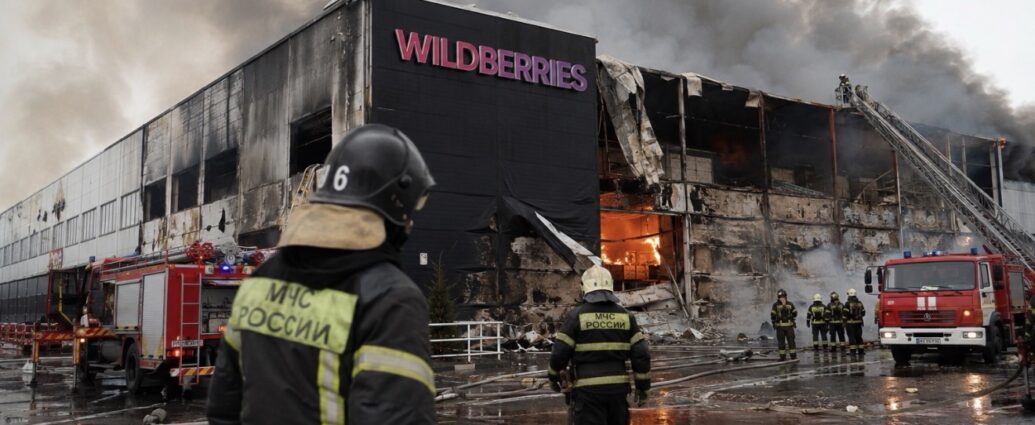
Ukraine Expands Air War With Strike on Russia’s Largest E-Commerce Network
KYIV — Ukrainian President Volodymyr Zelenskyy confirmed Saturday that Ukrainian forces carried out long-range strikes against two major logistics centers operated by Wildberries, Russia’s largest online retailer, saying the facilities were being used to supply sanctioned components for drone production and navigation equipment supporting Russia’s military. The attack marks one of the most significant expansions of Ukraine’s campaign against Russia’s commercial logistics infrastructure since the war began.
The strikes targeted massive Wildberries distribution hubs in Kotovsk in Russia’s Tambov region and Elektrostal in the Moscow region. Russian authorities reported that the attacks killed at least nine people and injured more than 80 others, making them among the deadliest Ukrainian drone operations conducted inside Russia in recent months. Fires engulfed multiple warehouse complexes while emergency crews worked for hours to contain the blazes.
For businesses, the significance extends far beyond the immediate destruction.
Wildberries is Russia’s dominant e-commerce marketplace and distribution network, frequently compared to Amazon because of its nationwide fulfillment system, millions of weekly deliveries, and central role in connecting manufacturers, merchants and consumers across Russia. Any disruption to its logistics network has the potential to ripple through supply chains, delay deliveries, increase transportation costs and place additional pressure on merchants already operating under wartime conditions.
Until now, Ukraine’s long-range drone campaign has focused primarily on military airfields, oil refineries, ammunition depots and energy infrastructure. Saturday’s operation represents a notable strategic shift by targeting commercial logistics facilities that Kyiv alleges were supporting Russia’s military supply chain through the movement of restricted electronic components and navigation equipment.
President Zelenskyy said the warehouses were legitimate military-related logistics targets because they allegedly helped facilitate supplies used in Russian drone manufacturing. Russian officials rejected that characterization, maintaining the facilities were civilian commercial warehouses serving the country’s largest online retailer.
The attacks also illustrate how modern warfare increasingly extends into commercial infrastructure. Distribution centers, transportation hubs, warehouses and logistics providers have become critical economic assets whose disruption can affect both military capability and civilian commerce. Insurance costs, freight routing, inventory management and delivery reliability all become more challenging when large logistics facilities become potential targets.
The economic consequences may extend beyond Wildberries itself. Thousands of independent merchants rely on the company’s fulfillment network to reach customers throughout Russia. Any prolonged interruption could delay shipments, increase warehousing expenses and reduce inventory availability in certain regions while businesses seek alternative distribution routes. Although the company said operations continue and supply-chain disruption has so far remained limited, logistics specialists will be watching closely for longer-term effects if additional facilities come under attack.
Wildberries founder Tatyana Kim described the attacks as a tragedy for both the company and the country while announcing compensation for affected employees and their families. The company stated it would continue operating despite the damage and work to restore normal logistics operations as quickly as possible.
Russia responded within hours by launching one of its largest missile barrages against Kyiv in recent weeks, striking residential neighborhoods and infrastructure while Ukrainian air defenses intercepted many incoming missiles. The exchange underscores how both countries continue expanding the geographic scope and economic impact of the conflict, with commercial infrastructure becoming an increasingly important component of the battlefield.
For global businesses monitoring the conflict, the latest escalation highlights a growing reality: logistics networks, distribution hubs and commercial supply chains are no longer insulated from geopolitical conflict. As the war enters another phase, companies with operations, suppliers or transportation routes connected to the region may face higher operational risks, insurance premiums and contingency planning requirements.
JBizNews Desk | Kyiv / Moscow
© JBizNews.com All Rights Reserved. Reproduction or distribution without written permission is prohibited
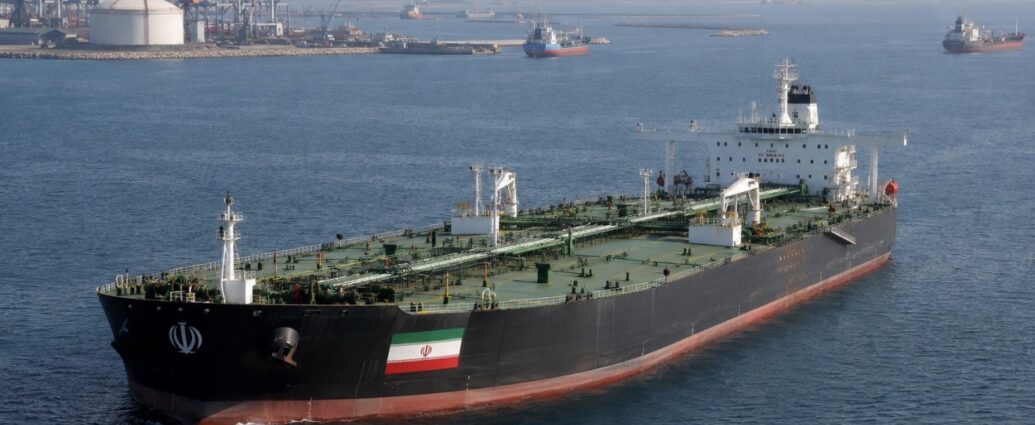
Iran Rushed Out Up to $6 Billion in Oil During Brief U.S. Truce, but China’s Buyers Are Holding Back
WASHINGTON — The U.S. Treasury Department’s Office of Foreign Assets Control records show that Washington revoked its temporary authorization for transactions involving Iranian petroleum on July 7, closing a short sanctions-relief window during which Iran moved roughly 70 million barrels of crude and condensate out of its ports. Tanker-tracking estimates value those shipments at approximately $5 billion to $6 billion, but the cargo value should not be confused with confirmed revenue because some barrels remained in transit, awaited transfers or entered a Chinese market where refiners have been limiting purchases.
The oil was loaded and dispatched primarily between mid-June and mid-July, after the United States temporarily relaxed restrictions connected to Iranian petroleum exports during its brief truce with Tehran. About 20 Iranian tankers were involved in the accelerated movement, according to shipping analysis published Saturday.
The fleet included vessels identified as the Diona, Hero II, Sonia 1 and Stream, several of which traveled toward the Eastern Outer Port Limits near Malaysia, a major staging area used for ship-to-ship oil transfers. Cargoes moved through that region can be transferred to different vessels, blended with other supplies or carried onward under revised documentation before reaching their final destination.
The principal intended market was China, historically the largest buyer of sanctioned Iranian petroleum. Chinese independent refinineries, often called “teapot” refiners, have provided Tehran with an outlet for crude that larger state-owned companies and international refiners generally avoid because of U.S. sanctions exposure.
The current demand picture, however, is considerably weaker than the headline shipment figure suggests.
Chinese refiners have been operating under pressure from weak domestic fuel demand, poor refining margins, import restrictions and the threat of additional American sanctions. Some buyers have been drawing from inventories or considering competitively priced alternatives rather than immediately absorbing every Iranian cargo offered to them.
That means the movement of as much as $6 billion worth of oil does not establish that Iran collected $6 billion in cash during the truce. The estimate measures the approximate market value of the barrels dispatched. Final proceeds depend on whether the cargoes are sold, their negotiated discounts, delivery costs, payment arrangements and whether buyers accept the sanctions risk.
Iranian oil is frequently sold below international benchmarks because purchasers demand compensation for legal, financial and logistical exposure. Payments may also pass through intermediaries or nontraditional settlement systems, making the timing and total value ultimately received by Tehran difficult to confirm publicly.
China’s state-owned refiners had considered resuming direct purchases during the temporary sanctions opening, but falling domestic demand and competing supplies reduced their urgency. Smaller private refiners also remained cautious after Washington targeted companies and vessels accused of supporting Iran’s petroleum trade.
The hesitation has produced a significant distinction between oil exported from Iran and oil fully delivered to an end buyer. A tanker can depart an Iranian port without its cargo immediately becoming completed revenue. Oil may remain aboard the original vessel, wait offshore, undergo a ship-to-ship transfer or be stored temporarily while traders search for a buyer.
Iran nevertheless used the brief opening to reduce the amount of petroleum trapped inside the country and position millions of barrels closer to Asian customers. Even when a cargo has not yet been discharged, moving it toward regional transfer points gives Tehran greater flexibility to negotiate sales, redirect vessels or wait for market conditions to improve.
The export window ended as the truce deteriorated. The United States revoked the petroleum authorization on July 7, provided wind-down instructions and restored pressure on transactions connected to Iranian crude. Renewed military escalation and the reimposition of restrictions have since sharply reduced commercial movement through the Strait of Hormuz.
Shipping conditions deteriorated further this week. Only three commodity vessels crossed the Strait on Thursday, the lowest daily total since May, as many ships stopped, reversed course or remained outside the waterway following new attacks and renewed U.S. enforcement.
The collapse in traffic has again made Hormuz a central risk to global energy markets. The waterway is not merely an Iranian export route; it carries petroleum and liquefied natural gas produced by several major Gulf suppliers. A prolonged interruption can affect fuel prices, shipping insurance, refinery costs and inflation far beyond the Middle East.
The verified conclusion is narrower than the original claim: Iran rushed an estimated $5 billion to $6 billion worth of petroleum out during the temporary opening, with much of it positioned for the Chinese market. It cannot yet be confirmed that China purchased all of those barrels or that Tehran received the full estimated value. Current evidence shows Chinese buyers are being selective, some refiners are limiting activity and the renewed blockade has again disrupted the path from Iranian ports to completed sales.
JBizNews Desk | Washington
© JBizNews.com All Rights Reserved. Reproduction or distribution without written permission is prohibited.

Trump Says U.S. Will Hold Canada Responsible for Wildfire Smoke Pollution, Threatens Tariff Response
The primary source for this development was a July 17, 2026 Truth Social statement by President Donald Trump, in which he said the United States would hold Canada responsible for wildfire smoke drifting across the border and suggested the economic cost of the pollution should be added to tariffs already imposed on Canadian imports.
Trump accused Canada of failing to properly manage its forests and brush, calling the recurring smoke “dangerous” and “totally unacceptable.” He said the cross-border pollution has become an annual problem that imposes billions of dollars in economic costs on the United States and indicated he planned to speak directly with Canadian Prime Minister Mark Carney regarding the issue.
The comments come as smoke from hundreds of active Canadian wildfires spread across much of the Midwest and Northeast, triggering air-quality alerts affecting more than 100 million Americans. Health officials in numerous states advised residents, particularly children, older adults, and those with respiratory conditions, to limit outdoor activity as air quality deteriorated.
The proposed tariff response would represent an unusual expansion of U.S. trade policy by linking environmental impacts from another country to import duties. While Trump framed the proposal as compensation for pollution-related economic damage, no formal executive action or tariff order had been issued as of Friday evening. Any new tariffs would likely require additional legal and administrative steps before taking effect.
Canadian officials continue to battle one of the country’s most severe wildfire seasons in recent years, with hundreds of active fires burning across multiple provinces. Emergency crews have carried out evacuations in several communities while smoke has repeatedly crossed into the United States under prevailing weather patterns. Provincial leaders have defended Canada’s firefighting response and called for continued cross-border cooperation rather than political confrontation.
The latest dispute adds another layer to ongoing trade tensions between Washington and Ottawa, with the White House signaling that environmental consequences from Canadian wildfires could become part of broader U.S.-Canada economic negotiations if the administration moves forward with additional tariff measures.
JBizNews Desk | Washington, D.C.
© JBizNews.com All Rights Reserved. Reproduction or distribution without written permission is prohibited

Israel’s Attorney General Reform Could Cut Red Tape, Speed Economic Development and Strengthen Competitiveness
Israel’s Knesset has approved legislation significantly restructuring the role of the Attorney General, a move supporters say will reduce bureaucratic delays, streamline government decision-making, and help Israel respond more quickly to economic and national security priorities. While Israel’s High Court of Justice remains the country’s final legal authority, the new law gives elected officials greater flexibility to implement policy without being bound by the Attorney General’s legal opinions.
Key Changes Under the New Law
- The Attorney General’s legal opinions are no longer binding on the government.
- Cabinet ministers may move forward with policies even when the Attorney General disagrees with their legal interpretation.
- Government ministries may retain independent legal counsel to represent their positions in court.
- The government gains greater influence over the appointment process for future Attorneys General.
- The Attorney General’s role shifts primarily to that of an independent legal adviser, while the courts retain the final authority on questions of legality.
- Israel’s High Court of Justice remains the ultimate judicial authority for resolving legal disputes involving government actions.
Why Supporters Believe the Reform Matters for Business
Supporters argue the legislation is intended to reduce internal legal bottlenecks that can slow government action at a time when nations are competing aggressively for investment, innovation, economic growth, and national security. They contend that allowing elected officials to implement approved policies more efficiently will enable ministries to respond faster to changing economic conditions while preserving judicial oversight through Israel’s courts.
The importance of speed has become increasingly evident through several major national projects. Development of Israel’s offshore natural gas industry, including the Leviathan and Tamar gas fields, experienced years of legal and regulatory challenges before major investment and production moved forward. The lengthy approval process delayed billions of dollars in investment and postponed the economic benefits of one of Israel’s most significant strategic energy assets.
The need for rapid government action has become even more pronounced during the current war. Israel’s Ministry of Defense has accelerated procurement from domestic defense technology companies, awarding more than NIS 1 billion in contracts to startups developing artificial intelligence, autonomous systems, drone technologies, cyber capabilities, and other advanced military solutions. Government leaders have emphasized that shortening the time between approving, purchasing, and deploying new technologies is essential to maintaining Israel’s security and technological advantage.
Housing and infrastructure present another example. Successive Israeli governments have acknowledged that lengthy permitting, planning, regulatory reviews, and administrative procedures have contributed to delays in housing construction, transportation projects, and major infrastructure investments, increasing costs and slowing economic development. Streamlining government approvals has remained a recurring objective across multiple administrations.
Israel is also competing globally to attract investment in artificial intelligence, semiconductors, biotechnology, cybersecurity, clean energy, and advanced manufacturing. Countries including the United States, the United Arab Emirates, Singapore, South Korea, and India have moved aggressively to attract these industries through investment incentives, infrastructure, and expedited government approvals. Business leaders increasingly consider the speed and predictability of government decision-making when determining where to expand operations or invest capital.
The legislation does not change Israel’s corporate tax structure, banking regulations, labor laws, securities rules, or commercial statutes. Instead, it changes how government decisions move from policy to implementation. Israel’s High Court of Justice continues to serve as the country’s final judicial authority, ensuring government actions remain subject to legal review.
Supporters believe that if the reform succeeds in reducing unnecessary procedural delays while maintaining judicial oversight, Israel could strengthen its ability to approve economic development projects more quickly, accelerate infrastructure investment, respond faster to defense and national security needs, encourage private-sector investment, and remain competitive in an increasingly fast-moving global economy.
Whether those objectives are ultimately achieved will depend on how the legislation is implemented and how Israel’s courts interpret the new framework in the months and years ahead.
JBizNews Desk | Jerusalem
© JBizNews.com All Rights Reserved. Reproduction or distribution without written permission is prohibited.

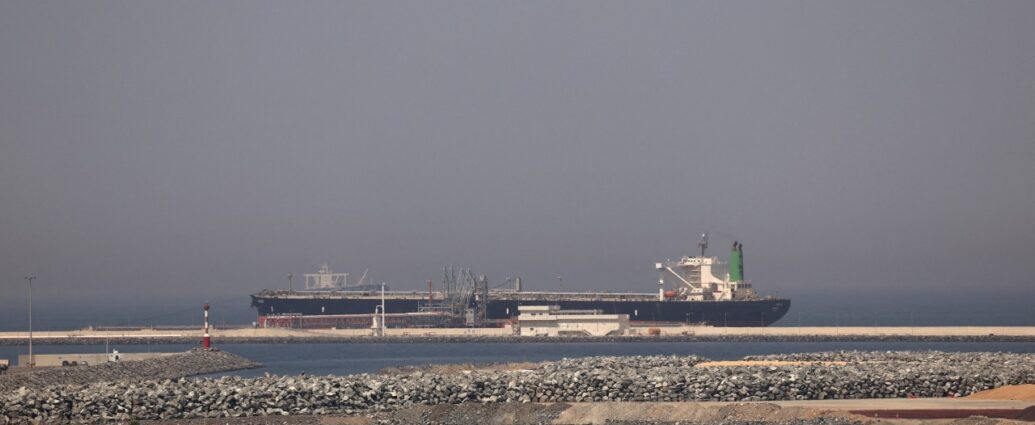

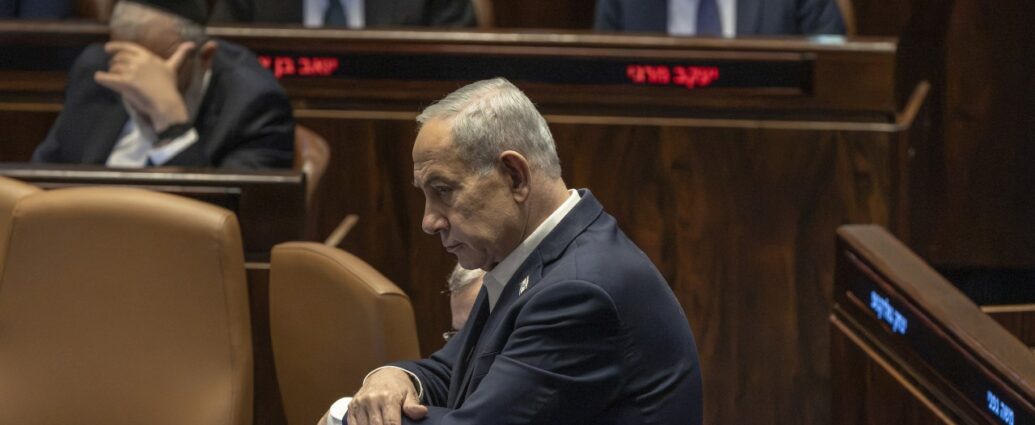
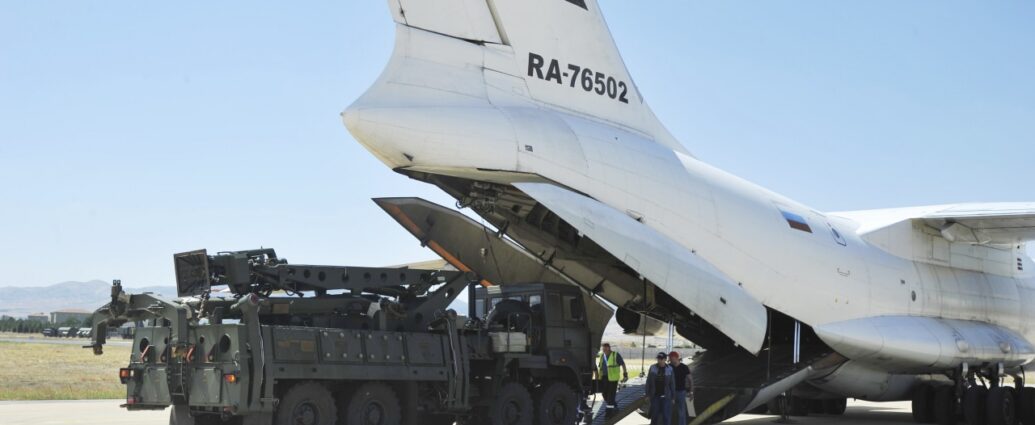





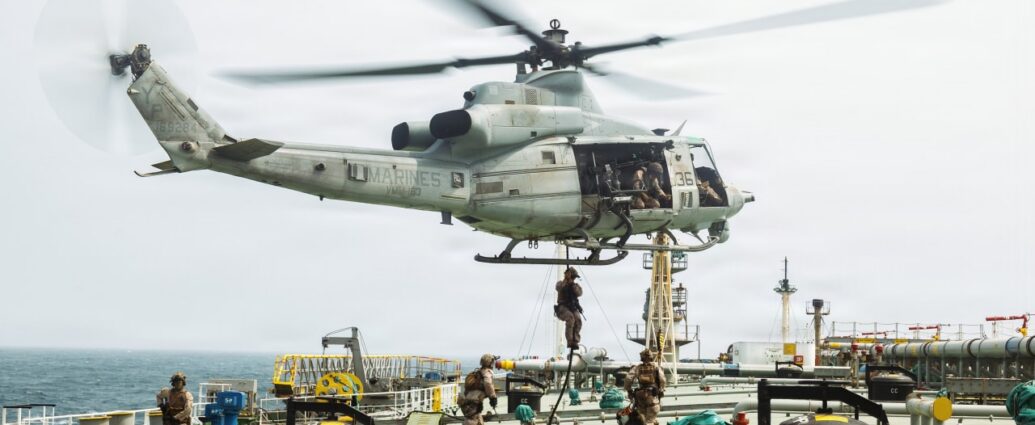

Sultan Ahmed bin Sulayem Assumes Operational Control of Malaysia’s Largest Port Operator
KUALA LUMPUR — An internal leadership memorandum issued by MMC Port Holdings Sdn. Bhd. on July 12 confirmed that Sultan Ahmed bin Sulayem, the company’s Executive Chairman, has assumed direct operational oversight of Malaysia’s largest port operating group following the immediate departure of Group Chief Executive Azman Shah Mohd. Yusof. Under the interim structure, all responsibilities previously handled by the Group CEO will report directly to Bin Sulayem while the company continues day-to-day operations and evaluates its long-term leadership plans.
The transition places one of the world’s most experienced port executives in direct control of a company operating seven major ports positioned along or near the Strait of Malacca, one of the most strategically important maritime corridors in global commerce.
MMC Ports is Malaysia’s largest port operator, handling more than 20 million twenty-foot equivalent units (TEUs) annually across its network. Its portfolio includes the internationally significant Port of Tanjung Pelepas, one of the world’s busiest container transshipment hubs, along with several other key commercial terminals that connect manufacturing centers throughout Asia with Europe, the Middle East, Africa, and North America.
The importance of the appointment extends well beyond corporate governance. The Strait of Malacca serves as one of the world’s principal shipping lanes, carrying a substantial share of global container traffic and energy shipments between the Indian and Pacific Oceans. Thousands of commercial vessels transit the waterway each year, making efficient port operations essential to global manufacturing, retail supply chains, commodity markets, and international trade.
Because of that strategic position, operational decisions made by Malaysia’s largest port operator can influence vessel scheduling, cargo movement, shipping efficiency, infrastructure investment, and logistics planning throughout the Indo-Pacific region. Businesses ranging from manufacturers and exporters to retailers, freight forwarders, and shipping companies closely monitor developments involving major port operators serving the Strait.
According to the internal memorandum, the interim reporting structure is intended to maintain continuity of governance, operational decision-making, and strategic execution while the company continues serving customers without disruption. No explanation was provided for the departure of the Group Chief Executive, and no permanent successor has been announced.
Bin Sulayem brings decades of experience managing some of the world’s largest port and logistics operations. Throughout his career, he has overseen the expansion of international maritime infrastructure, logistics networks, and global trade platforms, earning recognition as one of the shipping industry’s most influential executives.
The leadership transition also comes as international shipping continues evolving in response to changing trade patterns, larger container vessels, expanding manufacturing throughout Southeast Asia, and continued investment in modern port infrastructure. Malaysia remains one of the region’s most important logistics gateways, and MMC Ports plays a central role in supporting both regional and global commerce.
Malaysia’s government has emphasized that management appointments remain corporate decisions while ownership of strategic port assets continues to be governed by national policy. Transport Minister Anthony Loke stated that the government does not interfere in management appointments, while maintaining existing ownership requirements applicable to strategic infrastructure operators.
Industry observers will also be watching whether the leadership transition influences MMC Ports’ longer-term strategic initiatives, including a potential revival of its previously postponed initial public offering, which had been expected to become one of Malaysia’s largest public listings in more than a decade.
For the global business community, the announcement represents more than a leadership change. Direct oversight of Malaysia’s largest port operator places Bin Sulayem in a position to help shape the movement of goods through one of the world’s most critical maritime trade corridors, making the transition significant for international shipping, supply-chain resilience, infrastructure investment, and global commerce.
JBizNews Desk | Kuala Lumpur
© JBizNews.com All Rights Reserved. Reproduction or distribution without written permission is prohibited.
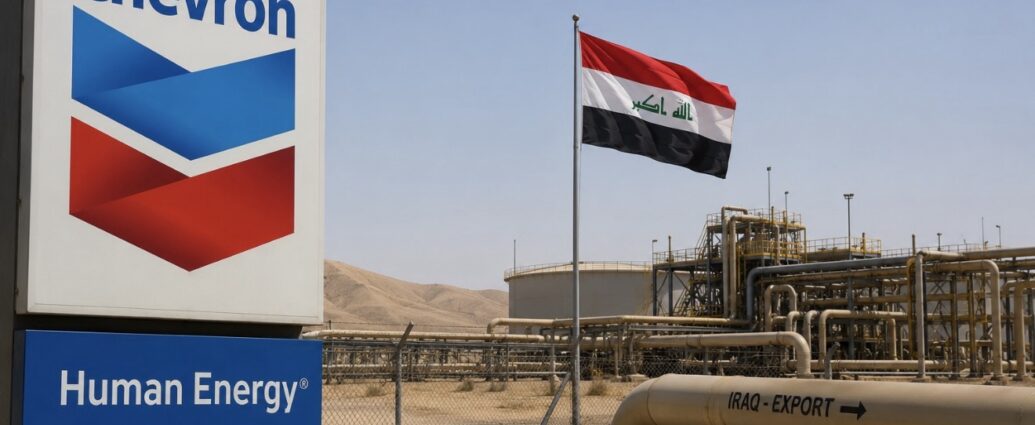
Chevron Joins Push to Build an Iraqi Oil Route Around the Strait of Hormuz
Before the U.S.-Iran war began on February 28, Iraq exported nearly 3.5 million barrels per day through Hormuz. Then the strait closed. Storage at key fields filled, and Iraq cut production to roughly a third of its normal output of more than 4 million barrels a day. Exports from its main southern fields dropped 70% during the conflict.
Iraq is OPEC’s second-largest producer, with proven reserves of 145 billion barrels. It is also, in practical terms, landlocked when Hormuz closes. Saudi Arabia has the East-West pipeline to the Red Sea, moving 5 to 7 million barrels a day. The UAE has Habshan-Fujairah to the Gulf of Oman. Iraq has almost nothing.
That is not an inconvenience. Oil is Iraq’s government. Without an export route, there is no revenue, no budget, no state.
The routes on the table
Three options are live, none of them easy.
The Kirkuk-Baniyas line to Syria’s Mediterranean coast runs roughly 800 kilometers and has been mostly out of service since it was damaged during the 2003 invasion. The Syrian port of Baniyas, home to the country’s largest refinery, has emerged as the front-runner to receive Iraqi crude. Chevron, TotalEnergies, Los Angeles-based TI Capital, and Qatar’s UCC Holding have all been part of those discussions. A State Department official said Tuesday that Washington supports the effort and expects American companies to help build it.
The Basra-Aqaba line to Jordan would carry up to 2.25 million barrels a day at an estimated cost of $18 billion. Iraq and Jordan signed an agreement to build it in 2013, due for completion in 2017, delayed in 2014. Jordanian Foreign Minister Ayman Safadi and Al Zaidi discussed moving it forward on Wednesday.
The Iraq-Turkey line already exists — roughly 600 miles, with total capacity near 1.6 million barrels a day. It had been closed and is reopening because of the Hormuz disruption, reportedly at an initial 250,000 barrels a day.
The risk nobody is pricing
The probable pipeline routes run through Iraq’s western Anbar province and eastern Syria, where ISIS cells remain active. Any company writing a check is also betting that Syria’s fledgling government can hold the ground for the decades a pipeline takes to pay back. Rebuilding Kirkuk-Baniyas alone could cost billions.
TotalEnergies chief executive Patrick Pouyanne put the strategic logic plainly: if you want to move Iraqi oil without depending on Hormuz, Syria becomes an important transit route.
The fields
West Qurna-2 holds roughly 14 billion barrels of recoverable reserves and was producing about 460,000 barrels a day — nearly 10% of Iraq’s output and half a percent of global supply — before the cuts. Russia’s Lukoil developed it under a service contract dating to 2009 and declared force majeure after U.S. and U.K. sanctions in October 2025. Basra Oil Company took temporary transfer of the contract, and in February signed a framework deal giving Chevron exclusive negotiating rights for one year. North Oil Company holds 25% of the project. Chevron could nearly double output to between 750,000 and 800,000 barrels a day if it takes over as operator.
Nasiriyah came in the same February round, alongside four exploration blocks in Dhi Qar province and the Balad field in Salaheddin. On July 1, Basra Oil signed a non-disclosure agreement with Chevron to govern data exchange for evaluating West Qurna-2, overseen by Oil Minister Bassim Khudair.
The politics
Al Zaidi, who took office in May, has said American companies will get first refusal on Iraqi energy and investment deals, and has directed the oil, electricity, and communications ministries accordingly. He has outlined a joint energy and development fund with Washington financed by the equivalent of 500,000 barrels a day.
He met President Trump at the White House on July 14. “We’re going to create a lot of jobs for both countries,” Trump said. Al Zaidi also met Tom Barrack, the special presidential envoy for Iraq.
What it means
Brent traded below $85 Thursday; West Texas Intermediate held just under $80. Every barrel that finds a route around Hormuz takes a small piece out of the war premium sitting in those prices — and in American gasoline, diesel, and airline fuel costs.
The catch is time. Pipelines take years. The war is now.
JBizNews Desk | Houston
© JBizNews.com All Rights Reserved. Reproduction or distribution without written permission is prohibited.

‘Shanghai’ Review: Two Tales of the City

Hyundai Takes Full Ownership of Boston Dynamics in Major Bet on Humanoid Robots
Hyundai Motor Group announced Thursday, July 16, that it will acquire SoftBank Group’s remaining approximately 10% stake in Boston Dynamics, making the U.S. robotics company a wholly owned subsidiary. The announcement was confirmed by Hyundai and follows SoftBank’s exercise of a contractual put option established when Hyundai first acquired control of Boston Dynamics in 2021. Financial terms were not officially disclosed, although South Korean media have estimated the transaction at roughly 500 billion won (about $335 million).
The move gives Hyundai complete strategic control over one of the world’s most recognizable robotics companies as the automaker accelerates its transformation from a traditional vehicle manufacturer into a broader mobility, artificial intelligence and robotics company.
Rather than viewing robots as a side business, Hyundai is positioning robotics as a central pillar of its long-term growth strategy.
From Viral Videos to Factory Floors
Boston Dynamics built its global reputation through highly advanced robots capable of running, climbing stairs, navigating rough terrain and performing complex movements once thought impossible for machines.
Its quadruped Spot robot has been deployed for industrial inspections, construction sites, utility operations, mining, public safety and infrastructure monitoring around the world.
More recently, attention has shifted to Atlas, the company’s next-generation humanoid robot designed for industrial work.
Hyundai plans to begin deploying Atlas robots at its new electric vehicle manufacturing facility in Georgia beginning in 2028, where the robots are expected to initially perform parts sequencing before gradually expanding into additional manufacturing functions, including component assembly by the end of the decade.
The Georgia deployment represents one of the first large-scale commercial applications of advanced humanoid robots inside an automotive production environment.
Why Hyundai Wants Full Control
Hyundai originally acquired an 80% interest in Boston Dynamics from SoftBank in 2021. Through subsequent ownership adjustments, Hyundai and its affiliated companies increased their combined ownership to more than 90%, leaving SoftBank with a minority interest of roughly 10%.
By purchasing the remaining shares, Hyundai eliminates minority ownership and gains complete authority over future investment decisions, commercialization strategy, research priorities and any potential future public offering.
The company said complete ownership provides greater flexibility to make long-term investments without needing approval from outside shareholders.
That flexibility may prove increasingly valuable as competition intensifies among companies racing to commercialize humanoid robotics.
Tesla, Figure AI, Agility Robotics and several Chinese robotics developers are investing billions of dollars into humanoid systems intended for factories, warehouses and logistics operations.
Hyundai believes Boston Dynamics gives it one of the industry’s strongest technology platforms.
Automation Meets Labor Concerns
The announcement comes during a period of heightened labor tensions in South Korea, where Hyundai’s union has raised concerns about automation replacing manufacturing jobs.
Union officials have warned that expanding use of humanoid robots could reduce future hiring needs if automation advances more rapidly than workforce growth.
Hyundai has stated that robotics is intended to improve productivity, safety and manufacturing efficiency rather than simply eliminate jobs.
The company argues that robots can assume repetitive, dangerous or physically demanding work while employees transition toward higher-value technical roles.
Nevertheless, labor organizations continue watching Hyundai’s robotics strategy closely as implementation moves forward.
A Broader Robotics Strategy
Hyundai’s ambitions extend well beyond automobile manufacturing.
The company envisions robots supporting logistics, warehousing, healthcare, construction, mobility services and smart-city infrastructure.
Boston Dynamics already sells industrial robots globally, and Hyundai hopes its manufacturing expertise can accelerate production while reducing costs over time.
Combining Hyundai’s large-scale manufacturing capabilities with Boston Dynamics’ robotics expertise could enable broader commercialization of advanced robotic systems.
Industry analysts view the acquisition as another indication that robotics is moving from experimental research into mainstream industrial deployment.
While humanoid robots remain expensive today, manufacturers increasingly see them as long-term tools capable of helping address labor shortages, improve workplace safety and increase productivity.
What Comes Next
Hyundai will continue integrating Boston Dynamics into its broader robotics strategy while preparing Atlas for commercial deployment in the United States.
The company expects full ownership to simplify decision-making and accelerate development timelines as global competition in robotics continues to intensify.
For Boston Dynamics, the transaction closes another chapter in a corporate history that has included ownership by Google, SoftBank and now full integration into Hyundai Motor Group.
For Hyundai, it represents one of the clearest signals yet that the future of the company extends far beyond automobiles.
JBizNews Desk | Seoul
© JBizNews.com All Rights Reserved. Reproduction or distribution without written permission is prohibited.

Google Ordered to Open Android and Search Data to AI Rivals Under Landmark EU Competition Ruling
The European Commission on Thursday, July 16, adopted legally binding measures requiring Google to make key parts of its Android ecosystem more accessible to competing artificial intelligence assistants and search providers under the European Union’s Digital Markets Act (DMA). The decision follows months of consultations and marks one of the Commission’s most significant enforcement actions against a major technology platform since the DMA took effect.
The ruling requires Google to improve interoperability between Android devices and third-party services while also making certain anonymized Google Search data available to qualifying competitors. European regulators say the measures are intended to reduce barriers that have historically favored Google’s own products and create greater competition in both artificial intelligence and online search.
For businesses developing AI assistants, search engines, voice technologies and connected devices, the decision could reshape how consumers interact with Android smartphones across Europe over the coming years.
Opening Android to Competing AI Services
At the center of the Commission’s decision is Android, the world’s largest mobile operating system.
European regulators concluded that Google must provide developers with greater technical access to Android features that have traditionally been more easily available to Google’s own applications and services. These include functions used by voice assistants, connected devices and emerging AI-powered digital assistants.
The Commission believes that allowing competing AI platforms to integrate more deeply into Android will encourage innovation while giving consumers additional choices beyond Google’s native ecosystem.
Rather than forcing consumers to rely primarily on Google Assistant or other Google-developed tools, device manufacturers and software developers will have broader opportunities to offer competing AI experiences that function more seamlessly on Android devices.
Implementation of many interoperability requirements will occur in phases, with some technical obligations extending through July 2027.
Search Data Sharing
The Commission also ordered Google to establish a framework allowing eligible competitors access to certain anonymized search data generated through Google Search.
European officials argue that access to search information has become increasingly important for companies developing competing search engines and artificial intelligence systems that depend on high-quality data to improve results.
The Commission emphasized that any data sharing must comply with European privacy laws and include safeguards designed to protect users’ personal information.
The measures do not authorize the release of personally identifiable search histories. Instead, regulators envision structured access to anonymized information intended to improve competition while preserving user privacy.
Google Pushes Back
Google sharply criticized the Commission’s decision, arguing that the requirements could reduce security, slow innovation and expose proprietary technology that the company has spent decades developing.
The company has maintained throughout the DMA process that excessive interoperability requirements could weaken cybersecurity protections and create additional risks for Android users.
Google also argues that mandatory data-sharing obligations could discourage long-term investment in search and artificial intelligence by reducing incentives to develop new technologies.
While the company must comply with the Commission’s legally binding measures, additional legal challenges remain possible as implementation moves forward.
A Growing Global Regulatory Trend
The decision represents another chapter in the broader effort by regulators worldwide to increase oversight of dominant digital platforms.
Over the past several years, governments in Europe, the United States and other jurisdictions have introduced new rules addressing competition in digital advertising, mobile operating systems, app stores, online marketplaces and artificial intelligence.
The European Union has generally taken the most aggressive regulatory approach through the Digital Markets Act, which establishes special obligations for designated “gatekeeper” platforms considered essential to digital commerce.
The law is designed to prevent dominant technology companies from using their market positions to disadvantage competitors.
The Google measures announced Thursday are among the most detailed technical interoperability requirements issued under the DMA to date.
Implications for Businesses
The ruling extends well beyond Google.
Artificial intelligence companies, software developers, smartphone manufacturers and enterprise technology providers will all be watching closely as implementation begins.
Companies building AI assistants could gain broader access to Android capabilities that were previously more difficult to integrate.
Search providers may receive new opportunities to improve their own platforms through access to additional anonymized search information.
Device manufacturers could also benefit from increased flexibility when deciding which digital assistants and AI services to feature on future smartphones and connected products.
For consumers, the practical effects are expected to emerge gradually as Google implements the required changes over the next several years.
Whether the measures ultimately produce significantly greater competition in AI and search remains uncertain, but the decision reinforces Europe’s determination to shape how large technology platforms operate within its borders.
The Commission said it will continue monitoring Google’s compliance throughout the implementation process and may take additional enforcement action if obligations are not met.
JBizNews Desk | Brussels
© JBizNews.com All Rights Reserved. Reproduction or distribution without written permission is prohibited.



SoftBank Plunges More Than 9% as AI Sell-Off Ripples Across Asian Chip Stocks
TOKYO — According to disclosures filed with the Tokyo Stock Exchange, official market data from the Japan Exchange Group, and company filings, shares of SoftBank Group Corp. fell more than 9% Friday as a broad sell-off in artificial intelligence and semiconductor-related stocks spread across Asia, following steep losses on Wall Street that erased billions of dollars in market value from AI leaders and chipmakers.
The decline marked one of SoftBank’s sharpest single-day losses this year and reflected growing investor concerns over whether the massive wave of spending on artificial intelligence infrastructure will generate returns sufficient to justify elevated market valuations.
SoftBank has become one of the world’s largest investors in artificial intelligence through its holdings in Arm Holdings, investments in AI startups, and multi-billion-dollar commitments to AI infrastructure projects. As sentiment toward the sector weakened, investors broadly reduced exposure to companies viewed as heavily tied to the AI investment cycle.
The selling extended well beyond SoftBank. Japanese semiconductor equipment manufacturers, including Advantest and Tokyo Electron, also posted significant losses, while technology suppliers across South Korea and Taiwan came under heavy pressure as investors reassessed expectations for AI-driven earnings growth.
In South Korea, major memory chip producers Samsung Electronics and SK Hynix experienced sharp declines, contributing to broad weakness in the Korean equity market. Taiwan’s semiconductor sector also retreated despite continued strong demand for advanced chips used in artificial intelligence applications.
The latest wave of selling followed a difficult trading session on Wall Street, where semiconductor manufacturers, AI infrastructure companies, and other high-growth technology stocks declined as investors questioned whether the industry’s unprecedented capital expenditures could continue at the current pace. The pullback reflected a broader shift toward risk reduction after months of exceptional gains fueled by enthusiasm surrounding generative AI.
Despite the market volatility, industry fundamentals remain strong. Major cloud computing providers and technology companies continue investing hundreds of billions of dollars in AI data centers, advanced processors, networking equipment, and energy infrastructure. Demand for high-performance computing remains elevated as businesses accelerate deployment of generative AI applications across nearly every sector of the economy.
Analysts note that recent market movements appear driven more by valuation concerns than by evidence of weakening demand. After substantial gains over the past year, many AI-related companies were trading at historically high multiples, leaving little room for disappointment when investors reassessed future earnings expectations.
For SoftBank, the decline underscores how closely the company’s market value has become tied to the outlook for artificial intelligence. Through its ownership stake in Arm Holdings and continued investments in AI technologies, SoftBank remains among the companies most exposed to shifts in investor sentiment surrounding the global AI boom.
Market participants will now focus on upcoming corporate earnings reports and capital spending guidance from the world’s largest technology companies. Those results are expected to provide investors with a clearer indication of whether demand for AI infrastructure remains strong enough to support continued expansion across the semiconductor industry.
JBizNews Desk | Tokyo
© JBizNews.com All Rights Reserved. Reproduction or distribution without written permission is prohibited.
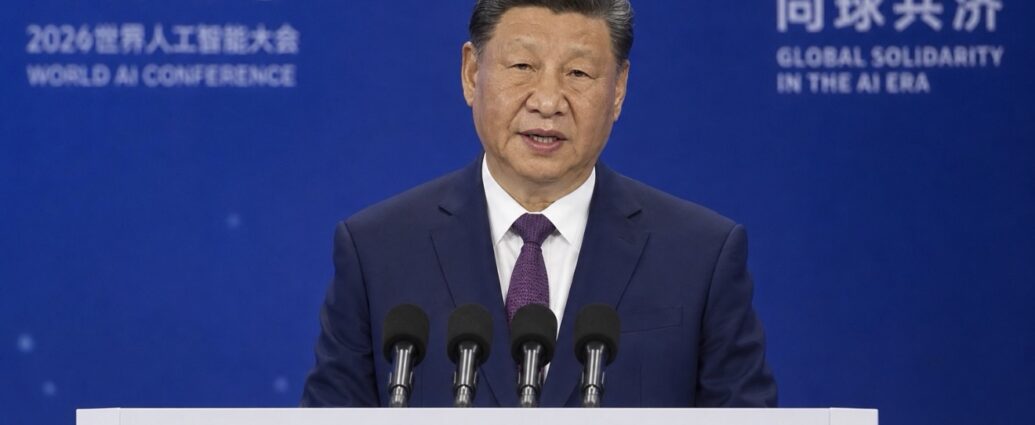
China’s Xi Touts Open-Source AI, Challenges U.S. Leadership With New Global AI Vision
SHANGHAI — According to Chinese state media and remarks delivered Friday at the opening of the 2026 World Artificial Intelligence Conference (WAIC), Chinese President Xi Jinping unveiled Beijing’s most ambitious artificial intelligence strategy to date, promoting open-source AI as the foundation of future global innovation while positioning China as an alternative to U.S. leadership in artificial intelligence governance.
In his keynote address, Xi urged countries to embrace what he called a “rare historic opportunity” created by artificial intelligence and argued that AI development should be based on openness, collaboration, and shared technological progress rather than being dominated by any single nation.
Although Xi did not mention the United States by name, his remarks were widely interpreted as a response to Washington’s export controls on advanced semiconductors, AI chips, and other technologies that have limited China’s access to cutting-edge computing hardware. Xi warned against countries using national security as justification for restricting technological cooperation and said such actions risk creating “new historical injustices” between developed and developing nations.
China is increasingly promoting open-source AI models as a strategic advantage over the proprietary approach favored by many leading American companies. Chinese developers, including Moonshot AI, have recently introduced increasingly capable open-weight models, while firms such as DeepSeek and others continue expanding their international reach.
Xi announced the creation of the World AI Cooperation Organisation (WAICO), headquartered in Shanghai, with 29 participating countries. The organization is intended to coordinate international AI governance, technical standards, research cooperation, and technology sharing, particularly among developing nations across Africa, Asia, Latin America, and the Middle East.
China also committed to providing 5,000 AI training opportunities over the next five years for professionals from developing countries and expanding access to Chinese AI-powered public services, including meteorological forecasting systems designed to improve disaster preparedness.
While emphasizing openness, Xi also called for stronger safeguards surrounding advanced AI systems. He urged governments to ensure human oversight, improve early-warning mechanisms for emerging AI risks, and establish international governance frameworks that keep artificial intelligence under meaningful human control.
The speech comes as competition between the world’s two largest economies increasingly centers on artificial intelligence. The United States continues to lead many frontier AI systems through companies such as OpenAI, Anthropic, and Google, while China has accelerated domestic AI development following U.S. export restrictions on advanced chips and semiconductor equipment. Beijing has increasingly emphasized open-source ecosystems and domestically developed computing infrastructure as a way to reduce dependence on foreign technology.
More than 1,100 companies participated in this year’s Shanghai conference, including major Chinese technology firms showcasing new AI chips, computing clusters, robotics, and large language models. The event highlighted China’s determination to become a central player in setting global AI standards as governments worldwide race to establish rules governing one of the fastest-growing technologies in history.
JBizNews Desk | Shanghai
© JBizNews.com All Rights Reserved. Reproduction or distribution without written permission is prohibited.
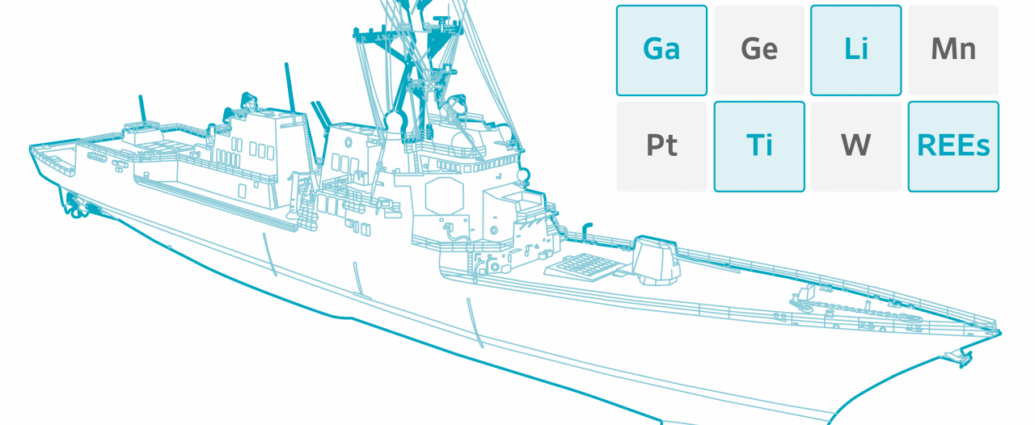


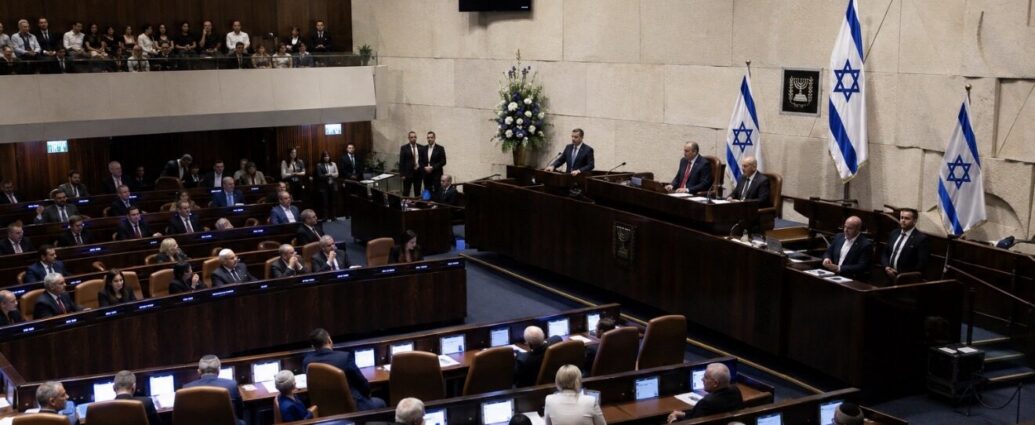
Israel Approves Sweeping Broadcast Media Reform Law Restructuring National Broadcasting Oversight
JERUSALEM, Israel — Israel’s Knesset on Thursday, July 16, approved comprehensive legislation restructuring the nation’s broadcast media regulatory framework, marking one of the final major measures passed before lawmakers concluded the current legislative session ahead of the scheduled October elections. The bill, introduced by Communications Minister Shlomo Karhi, passed its second and third readings by a vote of 53-48, completing the legislative process and becoming part of Israel’s statutory framework governing the country’s broadcasting industry.
The legislation represents a broad overhaul of how television and broadcast media will be regulated in Israel. It replaces the existing regulatory structure with a new framework that consolidates oversight responsibilities under a newly established authority while updating numerous provisions governing broadcasters, television platforms and the administration of broadcast regulation.
Among the changes included in the law are revisions to broadcaster licensing requirements, regulatory oversight, media ownership rules, television audience measurement procedures and the administration of certain government advertising activities. The legislation also modifies several long-standing regulatory requirements that previously applied to licensed broadcasters and updates the legal framework governing television distribution platforms operating throughout the country.
Lawmakers approved the measure during the coalition’s final legislative push before the Knesset adjourned ahead of Israel’s upcoming national election campaign. Prime Minister Benjamin Netanyahu attended the parliamentary debate before the legislation received final approval.
The new law establishes a revised regulatory model designed to oversee Israel’s broadcasting sector under a unified framework. As implementation moves forward, responsibilities previously divided among multiple regulatory bodies will transition to the new structure established by the legislation.
The measure also contains provisions affecting television distribution platforms and their broadcasting obligations. One amendment adopted as part of the legislation exempts Channel 14 from a newly established content distribution requirement that applies under specific circumstances outlined in the law.
Israel’s broadcasting industry includes national television networks, cable and satellite providers, digital television platforms and commercial broadcasters operating under government regulation. The new legislation updates the legal framework governing many of those entities and establishes new administrative procedures for oversight of the sector.
The passage of the legislation concludes months of parliamentary work on the proposal through committee review, amendments and multiple readings before receiving final approval in the Knesset. With the legislative process complete, the law now advances to implementation in accordance with the timetable and provisions established within the statute.
Government agencies responsible for communications and broadcasting regulation are expected to begin implementing the new regulatory framework in the coming months, including the organizational changes necessary to transition responsibilities to the authority established under the legislation.
The approval of the measure marks one of the most significant revisions to Israel’s broadcast media regulatory structure in recent years and updates the statutory framework governing television broadcasting, regulatory administration and media oversight across the country.
JBizNews Desk | Jerusalem
© JBizNews.com All Rights Reserved. Reproduction or distribution without written permission is prohibited.