
Opinion | Iran and Trump Blame Israel First
2026-06-21

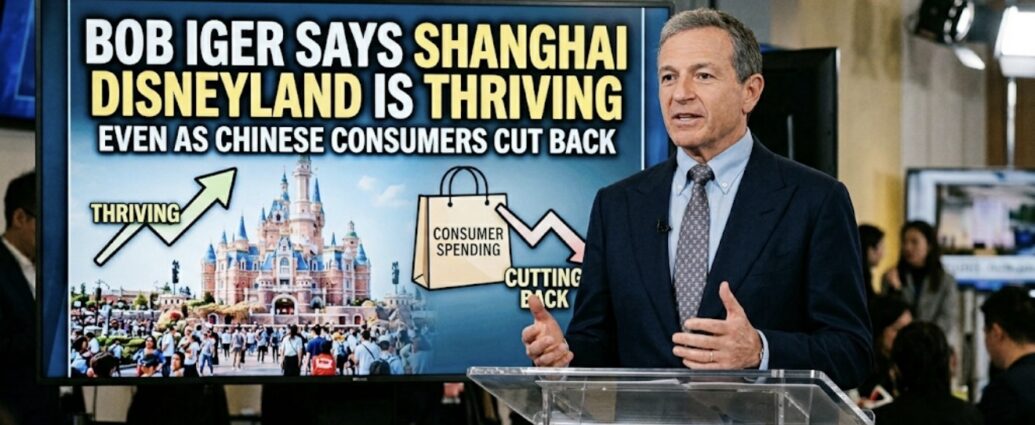
While much of China’s economy is feeling the effects of cautious consumer spending, Bob Iger says one place remains packed: Shanghai Disneyland.
Speaking with CNBC on Friday during celebrations marking the park’s 10th anniversary, the former Walt Disney Company chairman and CEO said the resort remains one of the achievements he is most proud of from his decades at Disney. Iger stepped down as CEO in March, handing leadership to Josh D’Amaro, and now serves as a senior adviser.
His comments come at a time when Chinese consumers have been pulling back spending across much of the economy. Households have become more selective with discretionary purchases as economic growth slows, affecting everything from restaurant visits to clothing sales. Yet Disney’s flagship mainland China resort continues to post strong results.
Shanghai Disneyland, which opened in June 2016, surpassed 100 million cumulative visitors in 2025, according to Disney. The company is also continuing to expand the resort, adding its third and fourth hotels and developing a new Spider-Man-themed land. The expansion follows the successful opening of the world’s first Zootopia land in 2023.
Disney also operates Hong Kong Disneyland, which opened in 2005, giving the company two major theme park destinations in Greater China.
The importance of those parks extends far beyond tourism.
Disney’s Experiences division—which includes theme parks, resorts, cruise operations and merchandise—generated nearly $9.5 billion in revenue during the quarter ended in March, a 7% increase from a year earlier.
The segment now accounts for roughly 40% of Disney’s total revenue and nearly 60% of its operating profit, making it the company’s most important earnings engine.
At the same time, Disney has reported some softness in international attendance at its U.S. parks as overseas travel to America slows. Company executives have pointed to changing global travel patterns and weaker demand from some foreign visitors.
Outside the United States, however, Disney’s parks have remained more resilient, with Shanghai standing out as one of the company’s strongest performers.
Analysts say the reason Chinese consumers continue spending at Disney while cutting back elsewhere comes down to perceived value. Experiences that create lasting memories, social-media appeal and emotional satisfaction continue attracting spending even when households are tightening budgets.
One frequently cited example is the popularity of Disney character LinaBell, whose merchandise and appearances have developed a devoted following among younger Chinese consumers. Market researchers say the character demonstrates how shoppers continue prioritizing products and experiences that deliver emotional value.
The financial trade-offs can be significant.
One university student interviewed by CNBC said she and a friend budgeted 5,000 yuan, or about $735, for a five-day trip to Shanghai. Roughly 20% of that budget was spent during a single day at Shanghai Disneyland. To stay within budget, the travelers reduced spending elsewhere, including choosing less expensive hotel accommodations.
In other words, the Disney visit remained a priority while other expenses were cut.
The resort’s success also highlights Disney’s unique position amid ongoing tensions between the United States and China.
Despite disputes over trade, tariffs and broader geopolitical issues, Disney has maintained strong relationships with Chinese officials. In January, Iger met in Beijing with Chinese Vice Premier Ding Xuexiang, who encouraged Disney to continue investing in the country.
The meeting drew attention because Beijing had previously suggested restrictions on Hollywood film imports as a potential response to U.S. tariff policies. Disney’s continued cooperation with Chinese officials has fueled speculation that the company could eventually pursue a third mainland China resort, potentially in the Greater Bay Area near Guangzhou or in Chengdu.
There are clear business reasons for Disney to focus on theme parks in China.
China maintains strict quotas limiting the number of foreign films allowed into domestic theaters each year, restricting Hollywood’s access to the market. Theme parks face no comparable restrictions. Once developed, resorts generate recurring revenue through admissions, hotels, food, beverages and merchandise sales for decades.
That makes parks one of Disney’s most effective long-term growth strategies in China.
For Iger, Shanghai Disneyland has become a defining part of his legacy as he prepares to depart Disney entirely at the end of the year. The decision on whether Disney eventually expands further in China now rests with Josh D’Amaro, whose background includes leading Disney’s parks and experiences business.
If Chinese consumers continue treating a Disney vacation as a splurge worth protecting, Disney’s next move in China may become increasingly difficult to resist.
JBizNews Desk
© JBizNews.com All Rights Reserved. Reproduction or distribution without written permission is prohibited

Chicago — Whey protein, the main ingredient in most protein powders and shakes, is in such short supply that some producers are sold out through the end of 2026, according to market data from the U.S. Department of Agriculture, dairy industry reports, and company earnings calls. Prices have climbed to record levels, squeezing manufacturers, retailers, gyms, and consumers who rely on protein products as part of their daily routines.
The numbers are striking. Standard whey powder prices have jumped more than 50% since the beginning of the year, according to DCA Market Intelligence. Whey protein concentrate containing 80% protein recently traded above $11 per pound, while whey protein isolate has climbed into the $12-per-pound range, according to USDA market reports. Both levels are historic highs.
For consumers, the impact is becoming impossible to miss. Protein powders that sold for $50 to $60 a few years ago are now approaching or exceeding $80 per container. Ready-to-drink shakes, protein bars, and other fortified foods are also becoming more expensive as manufacturers absorb or pass along higher ingredient costs.
The pressure is already showing up in corporate earnings reports. BellRing Brands, which owns Premier Protein and Dymatize, recently warned investors that whey prices have reached what CEO Darcy Davenport described as “historic highs.” The company said it is evaluating pricing actions while attempting to protect market share.
Other food manufacturers face similar challenges. Protein has become one of the fastest-growing categories in the grocery industry, and demand now stretches far beyond traditional gym users and athletes. Food companies increasingly market high-protein versions of yogurt, cereal, snacks, frozen meals, beverages, and even desserts.
According to the International Food Information Council, roughly 70% of Americans now say they are actively trying to increase their protein intake, up significantly from just a few years ago. That shift has dramatically increased demand for whey, which is prized because it contains all essential amino acids and is easily absorbed by the body.
The boom has been amplified by the rapid adoption of popular weight-loss medications such as Ozempic, Wegovy, and Mounjaro. Doctors and nutrition experts frequently recommend high-protein diets for patients taking those drugs because rapid weight loss can also lead to muscle loss.
As millions of Americans begin using those medications, demand for protein supplements has surged. Many consumers who previously paid little attention to protein are now actively seeking shakes, powders, and protein-rich foods as part of medically supervised weight-loss programs.
The shortage is not the result of a milk shortage. In fact, dairy production remains relatively healthy.
Instead, the bottleneck lies in processing capacity. Whey is produced as a byproduct of cheese manufacturing, but transforming raw whey into highly concentrated protein powders requires specialized filtration, purification, and drying facilities. Building those facilities requires significant capital investment and years of construction.
Industry executives say many existing plants are already operating near full capacity.
The dairy industry is investing aggressively to address the problem. According to the International Dairy Foods Association, more than $11 billion in new dairy processing projects have been announced across 19 states. Those investments are expected to increase production capacity substantially over the next several years.
However, most of those facilities will not begin producing meaningful new whey supplies until late 2026 or 2027, meaning current shortages are unlikely to disappear anytime soon.
The supply squeeze is hitting smaller businesses especially hard.
Large food companies often secure long-term contracts that guarantee access to whey supplies. Smaller supplement brands and startup food manufacturers frequently buy on the spot market, where prices have become far more volatile.
Some producers report being unable to obtain enough raw material to launch new products. Others have reformulated recipes to include plant-based proteins such as pea, soy, rice, or hemp protein.
Those alternatives may offer some relief, but many manufacturers and consumers still prefer whey because of its taste, texture, amino-acid profile, and performance benefits.
The shortage is also creating ripple effects internationally.
The United States is one of the world’s largest exporters of whey products. Buyers in China, which has historically imported significant quantities of American whey, have increasingly turned toward European suppliers as U.S. inventories tighten.
At the same time, European producers have retained more production for domestic markets, helping push prices higher overseas as well. Industry analysts describe the shortage as a global supply imbalance rather than a regional problem.
For retailers, higher whey costs create difficult decisions about pricing and inventory management. Some chains are reducing promotional discounts, while others are limiting orders on popular products to ensure adequate supply throughout the year.
Consumers may increasingly notice empty shelves, reduced package sizes, or higher prices across a wide range of protein products.
Nutrition experts note that protein powders remain only one source of dietary protein. Eggs, dairy products, poultry, fish, beans, and other whole-food options continue to provide affordable protein for many households.
Still, for fitness enthusiasts, athletes, and consumers seeking convenience, protein powders remain one of the easiest ways to increase daily protein intake.
Industry forecasts suggest relief is unlikely before late 2026 at the earliest. Until new processing plants come online, demand is expected to continue outpacing supply.
For consumers, that means protein products may remain expensive for the foreseeable future. For food companies, supplement makers, and dairy processors, the current shortage represents both a challenge and a major opportunity as one of the hottest categories in food continues to grow.
JBizNews Desk | New York
© JBizNews.com All Rights Reserved. Reproduction or distribution without written permission is prohibited.

Jerusalem — U.S. Ambassador to Israel Mike Huckabee opened a speech in Jerusalem on Sunday with a joke at his own expense, telling the audience he had checked President Trump’s social media “to make sure that this isn’t my last speech.” Behind the laugh line was a serious message the ambassador has built a career on: that his commitment to Israel does not bend with the political winds, and that Trump remains firmly behind the Jewish state’s security.
Huckabee was speaking at the JNS Policy Summit, recalling that his first address as ambassador a year earlier had been at the same event. The quip nodded to a well-known feature of the Trump administration — that officials sometimes learn of their dismissal from a social media post — and to recent friction between the two men. Days earlier, Trump had claimed there would be no Israel without the United States, and Huckabee had pushed back, saying America owes its own existence to Israel.
On the substance, Huckabee sought to calm any doubts. He said Trump maintains a close relationship with Prime Minister Benjamin Netanyahu and has always called America’s bond with Israel unbreakable, adding that he trusts the president means what he says. He pointed to past Trump decisions as proof: recognizing Jerusalem as Israel’s capital, moving the U.S. embassy there, and recognizing Israeli sovereignty over the Golan Heights.
Other Israeli leaders at the summit struck the same note of resilience. Netanyahu, asked about his reported disagreements with Trump, brushed them aside, saying simply, “He is the U.S. president, I’m the Israeli prime minister.” JNS CEO Alex Traiman framed the broader moment in confident terms, noting that even as Israel manages threats from Hamas, Hezbollah and Iran, “Israel’s economy is strong, and the Jewish state is emerging as a regional superpower.”
On Iran, Huckabee said the best way to counter Tehran’s regional proxies is to cut off their funding at the source. He noted that Trump had that very afternoon sent a blunt message to Iran, warning that the United States would act militarily if Tehran believed Washington would fold. That lined up with a threat Trump posted Sunday, vowing to strike Iran again if it does not stop Iran-backed fighters in Lebanon.
The timing is what gives the reassurance its weight. Huckabee spoke as U.S. and Iranian negotiators met in Switzerland to finalize the interim deal that ended their war — an agreement Israel feels it was largely shut out of. Israeli officials have bristled at terms covering Lebanon, and renewed fighting between Israel and the Iran-backed group Hezbollah has rattled the talks. For an audience worried about being sidelined, hearing the U.S. envoy restate Washington’s commitment was the point of the speech.
The security stakes are concrete. The United States provides Israel with roughly $3.8 billion in military aid each year and has deepened cooperation through the recent war, including missile defense. America’s pledge to keep Iran from building a nuclear weapon, and to blunt its missile and proxy networks, sits at the center of Israel’s defense planning. Any sign that Washington’s resolve is softening would force Israel to weigh acting more on its own.
The economic stakes are just as real, if less visible. Israel’s economy — built on a large technology sector and heavy foreign investment — depends on a stable security picture. When investors believe the United States has Israel’s back, money flows more freely into Israeli startups, bonds, and the shekel. When that backing looks shaky, risk premiums rise, borrowing costs climb, and capital can pull back. A credible U.S. commitment also underpins the regional calm that keeps oil moving and trade routes open, from the Strait of Hormuz to the Suez Canal.
There is a bigger economic prize in the background. The administration has pushed to expand the Abraham Accords and draw Saudi Arabia into normalization with Israel, a step that could unlock major investment, trade, and energy deals across the Middle East. Those efforts rest on the perception that the United States is a reliable partner — the very perception Huckabee was working to protect.
Duvi Honig, founder and CEO of the Orthodox Jewish Chamber of Commerce, said Huckabee’s remarks carried added credibility because of the ambassador’s long record of support for Israel.
“Ambassador Huckabee has spent decades demonstrating that his support for Israel is rooted in principle, not politics,” Honig said. “He has consistently stood with the Jewish people regardless of changing political winds or personal consequences. At a time when many are questioning where U.S. policy is headed, Israelis know that Huckabee’s commitment is genuine. He has put himself out there time and again for Israel, and few American public figures have earned the level of trust and respect he enjoys among the Jewish people.”
For now, Huckabee’s message was meant to steady nerves on every front — diplomatic, military, and financial. He cast Trump as a consistent ally who has repeatedly backed Israel, even as the president pursues a deal with Iran that many Israelis distrust. Whether that reassurance holds will depend less on speeches than on what happens next in Switzerland, in Lebanon, and in the Iran talks that could still unravel.
The joke about getting fired drew laughs. The serious takeaway was that the ambassador, and the country he represents, still intend to stand with Israel — a commitment that carries weight not only for the region’s security but for its economy.
JBizNews Desk | New York
© JBizNews.com All Rights Reserved. Reproduction or distribution without written permission is prohibited.

Washington — Just four days after signing a peace deal to end his war with Iran, President Donald Trump threatened on Sunday to bomb the country again — a sharp reversal that rattled negotiations meant to secure the agreement and raised fresh concerns in global energy markets. In a post on Truth Social, Trump warned that the United States would strike Iran “very hard again, just like we did last week, only harder” if it does not stop Iran-backed forces in Lebanon from escalating tensions.
The apparent contradiction is central to the story. Last week, Trump declared the conflict over, lifted the U.S. naval blockade, and reopened the Strait of Hormuz to commercial traffic. Yet the memorandum signed Wednesday with Iranian President Masoud Pezeshkian did not resolve the issue of Iran’s regional proxies, and renewed clashes involving the Iran-backed Hezbollah organization in Lebanon are now testing the durability of the agreement.
“Iran must immediately stop their highly paid PROXIES in Lebanon,” Trump wrote.
The interim agreement halted direct hostilities between the United States and Iran, opened a 60-day negotiating window to pursue a final nuclear accord, and restored passage through the Strait of Hormuz, one of the world’s most important energy corridors. Technical negotiations were originally expected to begin Friday but were delayed after Iran objected to escalating violence in Lebanon. The talks began Sunday in Switzerland, the same day Trump issued his warning.
Negotiators from both countries gathered for discussions mediated by Pakistan and Qatar. Vice President JD Vance, attending the talks, said progress had been made and expressed optimism about the situation in Lebanon.
Iran’s delegation includes parliamentary Speaker Mohammad Bagher Qalibaf, Foreign Minister Abbas Araghchi, and senior officials from the country’s central bank and energy sector. The U.S. team includes Jared Kushner and Steve Witkoff. Pakistani Prime Minister Shehbaz Sharif and Army Chief Field Marshal Asim Munir also traveled to Switzerland to support the negotiations.
At the center of the dispute remains the Strait of Hormuz, the narrow waterway connecting the Persian Gulf to international shipping routes.
Iran has signaled that continued access to the strait may depend on developments in Lebanon. According to statements from regional officials, Tehran wants Israel to commit publicly to a comprehensive ceasefire with Hezbollah and halt military operations in Lebanon. Iranian officials have also warned that failure to uphold broader commitments could jeopardize the entire memorandum.
Trump delivered a separate warning during an interview with Fox News, saying Iranian leaders had been told they “won’t have a country” if they attempt to close the strait again.
For global markets, Hormuz remains the critical issue.
Roughly 20% of the world’s oil supply passes through the waterway. During the recent conflict, disruptions pushed crude oil prices above $100 per barrel, fueling inflation concerns worldwide. Following last week’s agreement, oil prices retreated as traders anticipated increased supply and lower geopolitical risk.
That optimism is now being tested.
Any indication that the strait could face renewed restrictions would likely send crude prices higher and increase pressure on gasoline, diesel, aviation fuel, and shipping costs. Energy traders are closely monitoring developments in Switzerland and Lebanon for signs of whether the agreement can survive.
For businesses, the implications extend far beyond the oil industry.
Higher energy costs affect transportation companies, manufacturers, airlines, retailers, and agricultural producers. Shipping rates and insurance costs also tend to rise sharply whenever the Strait of Hormuz faces disruption, creating ripple effects throughout the global economy.
The renewed tensions stem largely from continued fighting between Israel and Hezbollah.
Although both sides agreed to renew a ceasefire on Friday, military activity continued throughout the weekend, including reported Israeli operations in southern Lebanon. Israeli officials have indicated they do not consider themselves bound by provisions of the U.S.-Iran memorandum relating to Lebanon, a position that has angered Tehran and complicated diplomatic efforts.
Iranian officials argue that continued Israeli military actions could themselves undermine the ceasefire and threaten the broader agreement.
The dispute has also exposed divisions within Washington.
Some lawmakers are advocating a more aggressive approach. Senator Lindsey Graham has argued that if diplomacy fails, the United States should consider taking control of the strait to guarantee freedom of navigation and energy flows.
Administration officials have at times appeared divided over how to balance support for Israel, pressure on Hezbollah, and efforts to preserve negotiations with Iran.
For now, oil continues to move through the region, and prices remain below wartime highs. But Trump’s threat highlights how fragile the current arrangement remains.
The coming days of negotiations in Switzerland, combined with developments on the Israel-Lebanon front, are likely to determine whether the recent calm in energy markets holds or whether the world faces another round of geopolitical and economic volatility.
JBizNews Desk | New York
© JBizNews.com All Rights Reserved. Reproduction or distribution without written permission is prohibited.
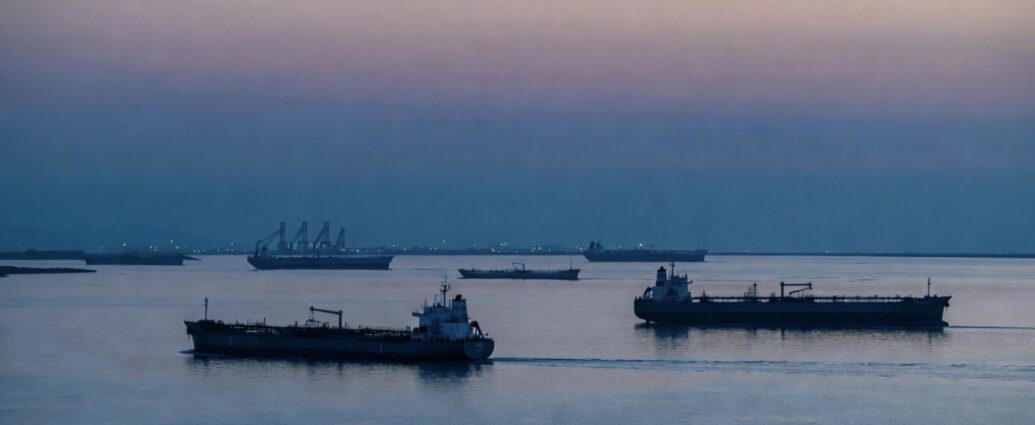
Washington — Iran can sell its crude on the open market for the first time since 2018 under an interim agreement that President Trump and Iranian President Masoud Pezeshkian signed on Wednesday, according to U.S. officials who briefed reporters on the text. The deal waives U.S. sanctions on Iranian oil and ends the American naval blockade that had choked off shipments during the war.
Trump announced the breakthrough on his Truth Social account, writing that he had authorized the toll-free reopening of the Strait of Hormuz and the immediate removal of the U.S. blockade. “Let the oil flow!” he wrote. Pakistani Prime Minister Shehbaz Sharif, who helped mediate, said the agreement took effect once both leaders signed.
The terms restore much of the status quo from before the fighting. The United States agreed to waive — but not yet permanently lift — sanctions on Iranian oil sales, allowing Tehran to seek buyers worldwide instead of relying on discounted shipments to China through a shadow fleet. The interim deal also opens a 60-day window for talks on a final agreement covering Iran’s nuclear program, with a promise to eventually end all U.S. sanctions if Iran cooperates.
There are catches. Under the deal, the Strait of Hormuz is toll-free for only 60 days, after which Iranian officials have signaled they may charge ships a service fee. Iran has agreed to let commercial vessels pass safely, and the waterway — which carried roughly a fifth of the world’s oil before the war — is meant to return to pre-war traffic within 30 days. But mines laid during the conflict are still being cleared, and the U.S. and other navies are working to make the route safe.
For oil markets, the effect was immediate. Prices fell sharply after the announcement as traders bet on more supply reaching the market. At the peak of the conflict, the strait’s effective closure pushed crude above $100 a barrel and reignited inflation in the United States. A return of Iranian barrels could ease that pressure over time.
Drivers should not expect relief at the pump right away. Summer demand is high, refiners need time to adjust, and the government may move to refill strategic reserves. Analysts who study Gulf supply expect a gradual recovery rather than a sudden flood, with full output possibly stretching into 2027 as Iran restarts idled fields and clears port backlogs. Iran earned an estimated $45 billion from oil last year even under sanctions, much of it sold at a discount.
The agreement also lays out a $300 billion fund for rebuilding Iran, to be financed by Gulf partners rather than the United States, with details to be worked out over the next two months. Vice President JD Vance said the economic incentives depend on Iran changing its behavior and complying fully.
The deal is already drawing fire in Washington, where critics call the oil waiver and the path to lifting all sanctions major concessions that go beyond the 2015 nuclear accord. It also marks a setback for Israeli Prime Minister Benjamin Netanyahu, who has faced criticism at home as the terms became public.
For everyday families and businesses, the stakes are practical. Cheaper energy eventually filters into lower costs for shipping, manufacturing, and the goods on store shelves. Shippers, refiners, and energy traders are watching closely, and tankers have already begun moving again, with buyers in India and across Asia showing renewed interest.
How fast Iran ramps up will shape oil balances heading into late 2026. For now, the guns are quiet, the strait is open, and the oil is moving — but the toughest questions, from sanctions to the nuclear file, are pushed into a 60-day negotiation that could still unravel.
JBizNews Desk | New York
© JBizNews.com All Rights Reserved. Reproduction or distribution without written permission is prohibited.

As the FIFA World Cup gets underway across North America, most U.S. host cities are enjoying a surge in visitors. But one city is moving in the opposite direction.
According to flight-booking data from travel intelligence firm Sojern, Seattle is the only American World Cup host city where air travel bookings are running below last year’s levels during the tournament period.
The decline is significant. Seattle’s flight bookings are down approximately 21% from the same period a year ago, while nearly every other U.S. host city is seeing gains. Houston is up roughly 13%, Dallas-Fort Worth about 10%, while New York and Miami are each seeing increases of nearly 8%.
“Demand is real and positive, but it’s not evenly distributed across host cities,” said Jay Wardle, president of Sojern.
The drop is surprising because Seattle has fully embraced the tournament.
The city has organized large public watch parties, floating fan events, drone displays, and downtown celebrations centered around Lumen Field. Seattle is also hosting one of the tournament’s marquee early matches, with the United States Men’s National Team scheduled to face Australia on June 19.
Yet while the atmosphere is vibrant, many of the fans attending appear to be local residents or visitors arriving by car rather than by air.
Part of the explanation may be the sheer size of this year’s tournament.
The 2026 World Cup is the largest in history, featuring 48 national teams and 104 matches spread across the United States, Canada, and Mexico. The United States alone is hosting 78 matches, creating far more inventory than previous tournaments.
With so many games taking place simultaneously across multiple cities, not every match has generated the same level of travel demand.
Industry analysts say lower-profile group-stage matches have generally been harder to fill, particularly when ticket prices remain elevated. Seattle is not entirely alone in experiencing softer travel demand. Several host cities in Mexico have also reported booking levels below expectations.
The broader concern is that the tourism boom many cities expected has not yet fully materialized.
An April report from the American Hotel & Lodging Association found that roughly 80% of hotels across the eleven U.S. host cities reported booking levels below earlier forecasts. Some hotel operators described the tournament’s impact as weaker than anticipated and pointed to visa challenges, international travel restrictions, and global economic uncertainty as factors limiting attendance.
Several hotel operators also expressed frustration after FIFA reduced or canceled previously reserved room blocks, leaving some properties scrambling to replace expected bookings.
International travel restrictions have likely played a role as well.
Fans from some countries face additional visa hurdles when traveling to the United States, while others face longer processing times or greater uncertainty. Those barriers can significantly affect international sporting events that traditionally rely on overseas visitors.
Still, travel companies believe the final numbers could improve.
Sojern notes that more than one-third of hotel bookings associated with major sporting events historically occur within the final week before arrival. That means many travelers may not have booked yet.
Major hospitality companies remain optimistic.
Marriott International says it is seeing healthy demand in both World Cup and non-World Cup markets and expects the tournament to provide a modest boost to revenue. Airbnb is even more bullish, projecting that the World Cup could become the largest event in the company’s history, surpassing the travel demand generated by the 2024 Paris Olympics.
Many World Cup visitors are choosing vacation rentals over hotels, particularly families and groups planning longer stays.
For local businesses, the lesson is that the tournament’s economic impact is proving uneven.
High-profile matches, host-nation games, and the championship match at MetLife Stadium in East Rutherford, New Jersey, are still expected to generate strong visitor spending. Smaller group-stage matches have produced more mixed results.
That leaves Seattle in an unusual position.
The city is hosting one of the tournament’s most energetic fan celebrations and one of Team USA’s biggest early matches. Yet it remains the only American host city where fewer travelers are arriving by air than they did a year ago.
For hotels, restaurants, retailers, and tourism businesses hoping for a World Cup windfall, the excitement on the streets may not necessarily translate into the economic boost many expected.
JBizNews Desk
Seattle
© JBizNews.com All Rights Reserved. Reproduction or distribution without written permission is prohibited.

Investors are pulling billions of dollars from some of the nation’s largest private credit funds, creating the biggest test yet for an industry that has grown into a roughly $2 trillion market and become a major source of financing for American businesses.
According to new data from investment bank Robert A. Stanger & Co., investors in four major private credit funds, including vehicles managed by Blackstone and BlackRock, requested approximately $12 billion in withdrawals during the second quarter, compared with $7.7 billion in redemption requests during the previous quarter. The surge comes as fundraising across the sector slows sharply and redemption requests increasingly exceed new investor inflows.
The largest fund under pressure is the $79 billion Blackstone Private Credit Fund (BCRED). Investors sought to redeem roughly 10% of fund shares during the quarter, up from 7.9% in the first quarter. Because BCRED limits quarterly withdrawals to 5% of outstanding shares, the fund capped redemptions for the first time in its history.
The situation is even more pronounced at BlackRock’s HPS Corporate Lending Fund (HLEND). Investors requested withdrawals equal to 13.3% of shares, up from 9.3% in the prior quarter. Since the approximately $26 billion fund also limits quarterly repurchases to 5%, investors will receive only about 38 cents for every dollar they sought to withdraw.
Private credit funds have become increasingly popular among wealthy individuals seeking higher yields than traditional bond investments. Many operate as Business Development Companies (BDCs), lending to midsize companies that often have weaker credit profiles than firms able to borrow in public debt markets.
The model works well when money is flowing in. The challenge arises because the loans held by these funds are difficult to sell quickly, while investors expect periodic access to their capital. Most funds therefore limit withdrawals to roughly 5% per quarter, creating a potential bottleneck when redemption requests surge.
That mismatch is now being tested.
Investor concerns began growing late last year amid worries about rising defaults and weakening credit quality. Anxiety intensified this year as investors focused on potential losses tied to software and technology-sector borrowers. At the same time, fundraising has slowed dramatically.
Stanger data shows fundraising for non-listed BDCs fell 74% in April compared with a year earlier, reaching its lowest monthly level since May 2023. For the first time, quarterly redemption requests exceeded new investor inflows, marking a significant shift for an industry that had been accustomed to rapid growth.
If outflows continue accelerating, funds could face difficult choices. Managers may be forced to sell loans at discounted prices to raise cash or impose tighter withdrawal restrictions. Industry observers often refer to such measures as “gates,” which limit investors’ ability to access their money.
Similar situations have emerged elsewhere in private markets. A Starwood Capital real estate fund restricted investor withdrawals in 2024 after facing heavy redemption requests, highlighting how quickly liquidity concerns can emerge in assets that are difficult to sell.
The implications extend beyond individual investors. Private credit has become a critical source of financing for thousands of American companies, particularly those unable or unwilling to access traditional bank loans. A prolonged period of redemptions could reduce lending activity and tighten credit conditions across portions of the economy.
Major fund managers insist the sector remains healthy.
Blackstone says BCRED has more than $15 billion in available liquidity, with loan repayments continuing to exceed redemption obligations. Speaking at an industry conference this month, Blackstone President Jonathan Gray argued that concerns about widespread stress are overblown and said private credit continues to offer attractive returns compared with traditional fixed-income investments.
Not everyone is convinced.
Analysts at Barclays recently warned that outflows could continue to increase in coming quarters. Morningstar, meanwhile, has given positive ratings to only four of 18 semiliquid private funds it follows, citing concerns over fees, leverage, and borrowing costs.
Morningstar analyst Brian Moriarty said prolonged periods of maximum redemption requests may become the norm, shifting attention from whether outflows occur to whether funds have sufficient liquidity to manage them.
There are signs conditions may not be deteriorating everywhere. Analysts at Evercore described Blackstone’s redemption figures as better than many investors had feared, while at least one private credit fund managed by Oaktree Capital Management reported easing withdrawal requests during the quarter.
Investors will soon get a broader picture of the industry’s health as funds managed by Apollo Global Management, Ares Management, and Blue Owl Capital release their latest redemption figures.
For now, one trend remains clear: more investors are trying to leave private credit funds than enter them, creating the industry’s most significant liquidity test since its rise to prominence.
JBizNews Desk
Wall Street
© JBizNews.com All Rights Reserved. Reproduction or distribution without written permission is prohibited.

Negotiators face a high-stakes test as discussions begin over Iran’s nuclear program, frozen assets, oil exports, and the future of the Strait of Hormuz.
Vice President JD Vance arrived in Switzerland on Saturday to lead the United States delegation in a new round of direct negotiations with Iran, opening what could become the most consequential diplomatic effort between the two countries in years.
The talks, scheduled to begin Sunday at the Bürgenstock resort overlooking Lake Lucerne, are expected to focus on Iran’s nuclear program, regional security concerns, sanctions relief, and the future of the Strait of Hormuz, one of the world’s most important energy corridors.
Before departing Joint Base Andrews, Vance told reporters he expected several days of discussions focused on Iran’s nuclear activities and the fragile ceasefire in Lebanon.
For financial markets and global businesses, however, the most immediate issue may not be diplomacy itself but the enormous amount of money potentially set to change hands if negotiations succeed.
At the center of the discussions is an estimated $100 billion in Iranian funds frozen around the world under sanctions and other restrictions.
President Donald Trump signaled a willingness to move forward with releasing some of those assets during remarks at the G7 summit in France earlier this week.
Speaking about the frozen funds, Trump said the money ultimately belongs to Iran and indicated that mechanisms would eventually need to be established to return it under the terms of the newly signed framework agreement.
Under the memorandum signed Wednesday, Washington agreed to work toward making frozen Iranian assets available for approved uses while negotiations continue.
The first step under discussion involves approximately $6 billion currently held in Qatar.
The funds, largely derived from Iranian oil revenues restricted under U.S. sanctions, would not be transferred directly to Tehran. Instead, Iranian authorities would be permitted to use the money for approved humanitarian purchases such as food, medicine, and medical supplies, with transactions overseen through a controlled mechanism.
Negotiators view the $6 billion release as only the beginning.
Iran is reportedly seeking access to roughly $24 billion in frozen assets as quickly as possible, representing the first phase of a broader effort to regain access to as much as $100 billion held in countries including China, India, Iraq, Japan, and Qatar.
Iranian state media has suggested that Tehran hopes to secure approximately $12 billion during the 60-day interim negotiating period.
The financial incentives come with conditions.
A U.S. official familiar with the negotiations said asset releases would be linked to specific benchmarks, including Iranian cooperation in reopening and securing the Strait of Hormuz, a critical route through which roughly one-fifth of the world’s oil supply passes.
That requirement became more complicated on Saturday after Iranian military officials announced that they were once again closing the strait following renewed tensions linked to Israeli military operations in Lebanon.
The development underscores how closely energy markets and diplomatic efforts have become intertwined.
In addition to discussions about frozen assets, the United States has agreed to permit Iran to resume certain oil exports under a sanctions waiver issued after the interim agreement was signed.
For Iran, the restoration of oil sales may be as important as gaining access to frozen funds.
Years of sanctions have severely restricted one of the country’s primary sources of revenue, and renewed exports could provide a significant boost to government finances and economic activity.
Western diplomats involved in the negotiations argue that the arrangement offers benefits to both sides.
Iran gains access to humanitarian goods and economic relief, while much of the released money is expected to be spent on internationally approved purchases, including agricultural products and medical supplies from Western suppliers.
The negotiations also carry major implications for nuclear security.
Washington is seeking renewed access for international inspectors to Iran’s key nuclear facilities, including Fordow, Natanz, and Isfahan.
Those facilities became focal points during the conflict and have remained largely inaccessible to outside inspectors in recent months.
The International Atomic Energy Agency (IAEA) is expected to oversee a renewed monitoring framework that could include inspections, verification measures, and the dilution of portions of Iran’s enriched uranium stockpile.
The diplomatic lineup reflects the importance both sides attach to the talks.
Special envoy Steve Witkoff and presidential adviser Jared Kushner were already in Switzerland before Vance arrived.
Iran’s delegation is being led by Foreign Minister Abbas Araghchi and Parliament Speaker Mohammad-Bagher Ghalibaf.
IAEA Director General Rafael Grossi is also participating in discussions involving the technical aspects of nuclear oversight and verification.
The talks are being mediated by Qatar and Pakistan, both of which played significant roles in bringing the parties together.
Qatari Prime Minister Sheikh Mohammed Al Thani arrived Friday, while Pakistani Prime Minister Shehbaz Sharif traveled to Switzerland alongside Pakistan’s military chief, Field Marshal Asim Munir.
The negotiations are built around the framework established in the Islamabad Memorandum of Understanding, signed Wednesday by President Trump and Iranian President Masoud Pezeshkian.
The economic stakes extend far beyond the negotiating table.
The Strait of Hormuz remains one of the world’s most important energy chokepoints. Any disruption to shipping through the waterway can rapidly affect global crude oil prices, fuel costs, transportation expenses, and inflation.
A durable agreement that keeps the strait open and allows Iranian oil exports to continue could help stabilize energy markets and reduce upward pressure on fuel prices worldwide.
A collapse in negotiations, by contrast, could quickly revive fears of supply disruptions and renewed price spikes.
Vance sought to keep expectations in check before the talks began, emphasizing that the initial sessions are primarily intended to establish negotiating structures and working groups before more technical discussions take place.
He is expected to remain in Switzerland for only a day or two before expert teams continue the process.
With billions of dollars in frozen assets at stake, oil exports hanging in the balance, and the future of a key global shipping route under discussion, both sides have significant financial incentives to keep the negotiations moving forward.
JBizNews Desk
© JBizNews.com All Rights Reserved. Reproduction or distribution without written permission is prohibited.
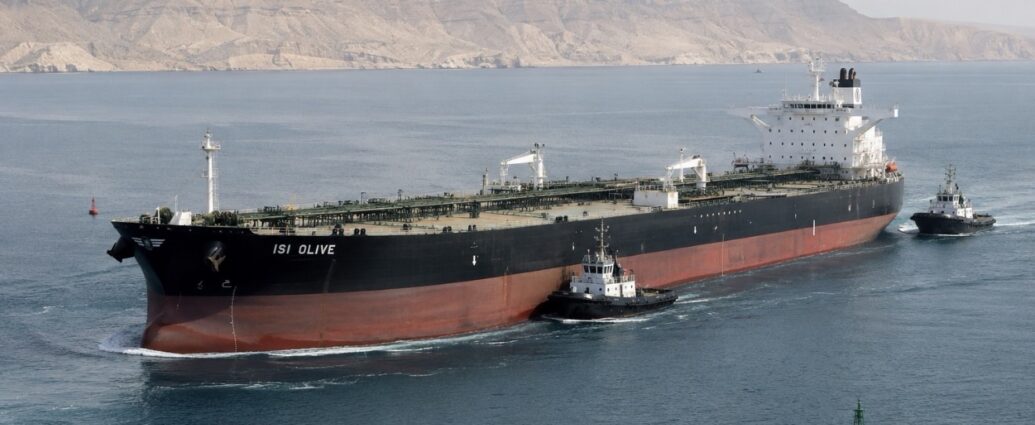
Move threatens oil supplies, shipping traffic, and gasoline prices just days after a U.S.-Iran interim agreement appeared to calm global energy markets.
On Saturday, Iran’s top joint military command declared the Strait of Hormuz closed to commercial shipping, blaming continued Israeli strikes in Lebanon and what it called American bad faith. The Islamic Revolutionary Guard Corps Navy warned vessels to stay away from the waterway, saying their safety could not be guaranteed if they attempted to cross. Iranian state television added that “subsequent steps have been planned” if the strikes continue.
The announcement immediately raised concerns across global energy markets, where traders had been hoping the worst disruptions of the four-month conflict were finally coming to an end.
The trigger was overnight violence in Lebanon. Israeli strikes in southern Lebanon killed at least 16 people, including two children, according to Lebanese authorities. Iran condemned the operation as a violation of the ceasefire framework that underpins the broader peace process.
The United States quickly disputed Tehran’s claim that it had effectively shut the waterway. Capt. Tim Hawkins, a spokesman for U.S. Central Command, said “Iran does not control the Strait of Hormuz” and that maritime traffic was continuing to move through the channel.
According to CENTCOM, 55 merchant ships transited the strait on Saturday carrying more than 17 million barrels of oil, suggesting that commercial traffic had not stopped despite Tehran’s declaration.
The competing narratives emerged just as Vice President JD Vance departed Washington for Switzerland to participate in a new round of negotiations aimed at stabilizing the region.
Speaking before leaving Joint Base Andrews, Vance said he expected several days of discussions at Bürgenstock, focused on Iran’s nuclear program and the increasingly fragile ceasefire arrangements affecting Lebanon and the broader region.
The talks are intended to build on the interim agreement signed Wednesday by President Donald Trump and Iranian President Masoud Pezeshkian. That agreement ended nearly four months of conflict that began on Feb. 28, established a 60-day negotiating window for a comprehensive settlement, and included provisions calling for the reopening of the Strait of Hormuz without tolls or restrictions.
Late Saturday, Trump weighed in on the growing dispute through Truth Social, reiterating that there would be no tolls imposed on ships passing through the strait during the 60-day negotiating period.
The president added that no tolls would be imposed afterward either unless the United States determined such charges were necessary should the parties fail to reach a final agreement. Trump described any future fees as compensation for American security efforts protecting regional shipping lanes.
The renewed confrontation carries implications far beyond the Middle East.
The Strait of Hormuz remains the world’s most important oil chokepoint. Between 13 million and 20 million barrels of oil per day typically move through the narrow passage connecting the Persian Gulf to global markets. Roughly one-fifth of the world’s seaborne oil trade depends on uninterrupted access to the route.
There is currently no alternative transportation network capable of replacing that volume.
When Iran previously closed the strait during the conflict, the impact was immediate. Brent crude oil surged above $120 per barrel, gasoline prices rose sharply across the United States, and some California drivers paid more than $6 per gallon.
The International Energy Agency described the disruption as the largest oil supply shock in modern market history.
Energy markets had begun recovering in recent days. Following the interim agreement and signs that shipping traffic was returning to normal, Brent crude settled Friday at $80.57 per barrel, well below wartime highs.
Tanker traffic had also started to rebound. Officials noted that a recent single-day export total exceeded 16 million barrels, one of the strongest shipping days since the conflict began.
Saturday’s announcement now threatens to reverse that progress.
Because commodity markets are closed during the weekend, traders will not be able to react until Monday. Analysts will be watching closely to see whether energy markets view Tehran’s declaration as symbolic political pressure or as a credible threat to global shipping.
If investors conclude that supplies are once again at risk, the war-risk premium that recently disappeared from crude prices could return quickly.
Iran also announced new requirements for commercial shipping. Tehran said vessels crossing the strait would need insurance approved by its newly created Persian Gulf authority.
Even if shipping technically remains open, additional insurance requirements could increase costs, slow transit times, and create new uncertainty for global logistics providers.
For American consumers, the consequences could be felt rapidly.
Higher crude oil prices typically translate into increased costs for gasoline, diesel fuel, aviation fuel, shipping, and freight transportation. During the earlier phase of the conflict, airlines imposed new fees, shipping companies added fuel surcharges, and transportation costs rose throughout supply chains.
A prolonged disruption would likely place renewed upward pressure on those expenses.
Despite the escalating rhetoric, diplomatic efforts continue.
Special envoy Steve Witkoff and Jared Kushner were already in Switzerland on Saturday working through technical details ahead of the formal negotiations. Technical-level discussions are scheduled to begin Sunday at Bürgenstock, with Pakistan and Qatar serving as mediators.
Iran’s delegation includes Parliament Speaker Mohammad-Bagher Ghalibaf, one of the country’s most influential political figures.
Iranian Foreign Ministry spokesman Esmail Baghaei said the delegation would use the talks to demand that other parties fulfill their obligations before Tehran agrees to any final settlement.
Whether the Strait of Hormuz remains open through the weekend may ultimately shape the atmosphere surrounding those negotiations and determine how global markets respond when trading resumes Monday.
JBizNews Desk
© JBizNews.com All Rights Reserved. Reproduction or distribution without written permission is prohibited.
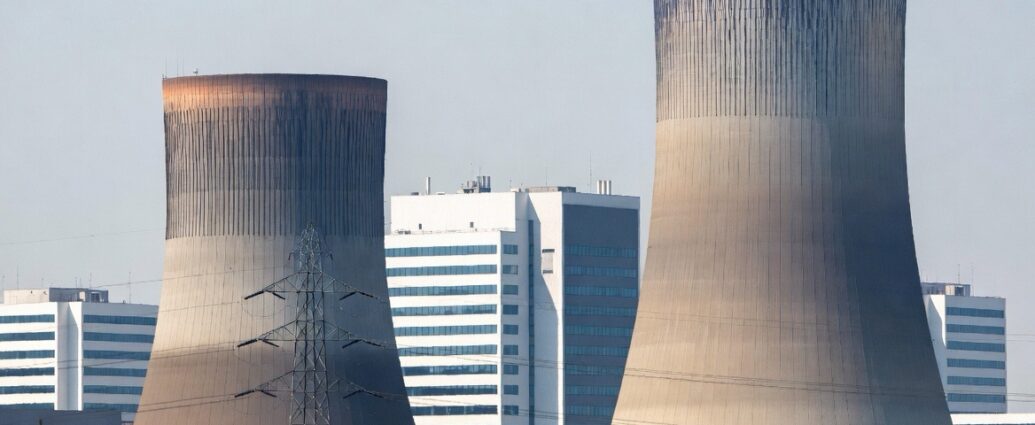
A strange thing is happening in the power business: the companies racing to build artificial intelligence are quietly becoming some of the biggest customers for nuclear energy, and the money is reshaping a corner of the market left for dead a decade ago. The clearest recent sign came this month, when GE Vernova detailed a plan to pair nuclear and natural gas at a single site to feed a data center campus. In a project with Blue Energy, the company plans to combine its gas turbines with the BWRX-300 — the only small modular reactor under construction in the Western world today — to deliver about 2.5 gigawatts to a nearby data center campus, with gas power possible by 2030 and nuclear by 2032, according to GE Vernova power chief Eric Gray.
The reason is simple math. U.S. power usage is expected to climb at least 30% by 2030, with most of the new demand coming from data centers, according to energy consulting firm Grid Strategies. Those centers need power 24 hours a day, an “always-on” supply that wind and solar cannot provide without prohibitively expensive battery storage — which is exactly what nuclear delivers.
That has lit a fire under the whole sector. Nuclear ETFs have posted triple-digit returns, uranium prices are holding near $86 a pound driven by AI data center demand, and the U.S. government is working to cut regulatory hurdles to get new reactors online faster. Over the past year, the URNM uranium fund has climbed roughly 89%, the broader NUKZ nuclear fund about 73%, and the URAN fund around 65%.
The tech giants are the demand engine. Amazon, Alphabet, and Microsoft have all signed deals to tap power from nuclear reactors, and Meta has gone furthest of all. In January, Meta struck deals with Oklo, Vistra, and TerraPower to supply up to 6.6 gigawatts of nuclear power by 2035, on top of a 20-year agreement with Constellation Energy to take output from the Clinton Clean Energy Center in Illinois beginning in 2027, a deal expected to preserve 1,100 local jobs and generate $13.5 million in annual tax revenue.
The investment thesis splits into a few clear lanes. There are utilities like Constellation Energy negotiating long-term power contracts with hyperscalers, advanced- and small-modular-reactor developers like Oklo and NuScale chasing first commercial deployments, uranium miners, and engineering firms positioned to capture reactor restarts and new construction. Cameco draws attention for its integrated uranium and reactor-services business, and its part-owned Westinghouse is tied to an $80 billion U.S. government agreement to build new reactors.
Small modular reactors are the part of the story drawing the most excitement. Unlike traditional plants that power entire cities, SMRs are compact enough to power individual buildings like factories and data centers. NuScale is the furthest along of any U.S. SMR developer and holds the only design certified by the Nuclear Regulatory Commission, with its shares jumping 7% after upbeat deployment progress in May 2026.
There is a real supply squeeze underneath the hype. The uranium market is entering a structural deficit after a decade of underinvestment in mining, and Western nations moving away from Russian enriched uranium are scrambling to rebuild domestic supply chains. That combination — surging demand, tight supply, and government backing — is what has turned a long-dormant industry into one of the hottest themes on the market.
The everyday angle is the part that should not get lost. Data center load growth has broken the grid-planning assumptions of the past decade, and utilities are now racing to add round-the-clock power. How that demand gets met — and how much new generation costs — will help determine electricity bills for ordinary households and the reliability of the grid everyone depends on.
None of this is guaranteed. Reactors take years to permit and build, costs can balloon, and timelines slip. Whether the projects now on the drawing board reach full operation on schedule remains to be seen. But the direction is hard to miss: the AI economy is turning into an energy-intensive industrial system, and nuclear power — fuel, reactors, and the companies that build them — has become one of the clearest ways that demand is showing up in the market.
JBizNews Desk | Energy Markets
© JBizNews.com All Rights Reserved. Reproduction or distribution without written permission is prohibited.
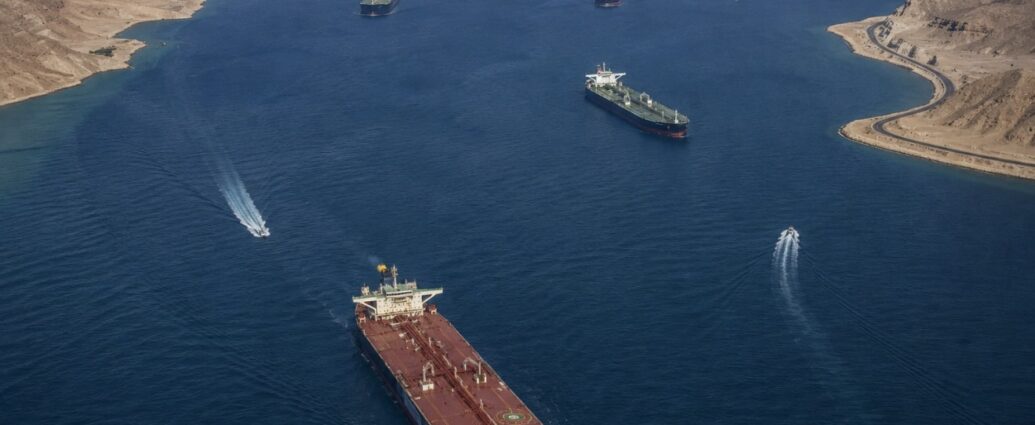
Just days after President Trump signed a deal promising that the Strait of Hormuz would stay open and free, Iran has moved to take control of it — telling the world’s shipping companies they now need Tehran’s permission, and a government-approved insurance policy, to sail through the most important oil passage on earth. The order came in a document posted this week by Iran’s newly created Persian Gulf Strait Authority, which began processing vessel applications on June 18, the day the ceasefire took effect.
For now, the insurance is free; Iran says it is covering the cost. But the same document leaves the door open to charging later, stating that the authority “reserves the right to introduce insurance fees in the future” — wording that has alarmed shippers and oil producers who see it as the first step toward tolls on a waterway that has always been free to cross.
The rules go further. Iran says ships must obtain a navigation permit, follow a single approved route hugging its coastline near Larak Island, and avoid any alternative path. Straying from the route, the authority warned, would be treated as a violation that could trigger penalties or revoked passage.
Why does a strip of water matter this much?
The Strait of Hormuz is barely 21 miles wide at its narrowest point, squeezed between Iran and Oman, yet roughly 20% of the world’s oil supply moves through it, along with massive volumes of natural gas and other commodities. Anything that raises the cost or risk of crossing it ripples outward into oil prices, shipping rates and, eventually, the prices consumers pay for fuel and goods.
Here is the problem for the White House: the move cuts directly against what Trump promised.
Throughout the conflict, Trump insisted that free passage through the Strait of Hormuz had to be part of any peace arrangement. The agreement he signed — known as the Islamabad Memorandum of Understanding — guarantees ships can cross without charges during its initial term. Yet within days, Iran is asserting authority over the waterway, requiring permits and insurance while reserving the right to impose fees after the agreement’s 60-day transition period expires.
In effect, critics argue, Tehran is building the framework for toll collection while the ink on the free-passage agreement is barely dry.
That has handed the president’s opponents new ammunition.
Republican critics including Sen. Roger Wicker of Mississippi and Sen. Bill Cassidy of Louisiana had already attacked the broader agreement as giving away too much leverage. Iran’s rapid effort to regulate passage through the strait strengthens arguments that Tehran may not view itself as constrained by the spirit of the deal.
For a president who presented the agreement as a demonstration of strength and stability, the optics are challenging. Critics say Iran’s actions create the appearance that it is attempting to rewrite terms almost immediately after the ceasefire.
The administration rejects that characterization.
Vice President JD Vance, who led negotiations for the United States, has repeatedly defended the agreement and said any benefits flowing to Iran remain contingent on compliance. Administration officials argue that the ceasefire has already reduced tensions, reopened shipping lanes and helped push oil prices lower.
On the water, the situation remains mixed.
Even as Iran announced its new requirements, U.S. officials reported that commercial vessels continued moving through alternative corridors near Oman’s coastline. Western naval forces have recommended those routes while mine-clearing operations continue in portions of the strait affected during the conflict.
A broader legal dispute is also taking shape.
The Persian Gulf Strait Authority was established by Tehran during the war and has since been sanctioned by the United States. Several Gulf nations have rejected its legitimacy and advised shipping companies not to recognize its authority.
Maritime experts note that international straits have historically been governed by principles of free navigation. Many governments argue that no country has the legal right to unilaterally impose tolls on a waterway that serves as a vital international trade corridor.
The United Arab Emirates has declared that the strait “cannot be held hostage by any country,” while Qatar has emphasized that international shipping routes must remain open to all nations.
Meanwhile, several U.S. allies, including Britain, are reportedly urging the administration to oppose any future transit-fee system.
The shipping industry itself is divided.
Many large shipping companies and energy producers oppose the concept outright, warning that fees would increase costs throughout the global economy. Others are taking a more practical view. Greek shipping billionaire Evangelos Marinakis recently suggested that some operators might be willing to pay modest fees if doing so guaranteed uninterrupted access and prevented future disruptions.
For American consumers, the implications are straightforward.
Gasoline prices have eased since the ceasefire reduced fears of prolonged disruption in the Strait of Hormuz. Additional permit requirements, insurance mandates or future transit charges could increase transportation costs and potentially reverse some of that relief.
Every additional cost imposed on tankers ultimately flows through supply chains, affecting fuel prices, shipping expenses and the cost of goods delivered around the world.
The next 60 days could determine whether the Strait of Hormuz returns to normal operations or becomes the center of a new economic confrontation.
If Iran attempts to impose fees once the transition period expires — and if shipping companies, Gulf governments and Western nations refuse to accept them — the result could be a fresh standoff over control of the world’s most important oil chokepoint.
This time, the battle may not be fought with missiles and warships, but with permits, insurance certificates and the economics of global trade.
JBizNews Desk | Gulf Region
© JBizNews.com All Rights Reserved. Reproduction or distribution without written permission is prohibited.


Oil prices tumbled this week after the U.S. military and the White House signaled a break in the Iran war, the clearest sign yet that a single geopolitical headline now moves markets more than any economic report. Brent crude, the global benchmark, dropped below $78 a barrel on Thursday, its lowest level since early March, as markets reacted to the United States and Iran reaching an agreement to end the conflict. U.S. Central Command announced it had lifted restrictions on traffic to and from Iranian ports, and President Donald Trump said an interim agreement had been signed to reopen the Strait of Hormuz.
By Friday, Brent traded around $79 per barrel and was on track to fall roughly 10% for the week. Oil has now dropped about 38% from the four-month high it reached in April, erasing nearly all the gains recorded since the conflict began in late February.
The reason is geography. The Strait of Hormuz is narrow, heavily watched, and difficult to replace, normally carrying roughly one-fifth of global petroleum consumption. When the war choked off traffic, prices spiked on fears of a lasting shortage. Now that tankers are beginning to move again — with the Joint Maritime Information Center advising vessels to follow routes closer to Oman’s coastline to reduce mine-related risks — those fears are draining out of the market. Kuwait has said it will begin increasing production, while major producers including Saudi Arabia, the United Arab Emirates, and Iraq are positioned to restore millions of barrels of previously constrained output if the route remains open.
That whipsaw is the real story. For most of the past two years, traders focused primarily on inflation reports and Federal Reserve policy. In 2026, however, the dominant market driver has been the Middle East. When the conflict escalates, oil prices jump, gasoline costs rise, and stocks often retreat. When peace appears closer, oil falls and equities rally. The same event that lowers the cost of filling a gas tank can boost the stock market in a single trading session.
Gold has been moving to a different rhythm. The precious metal remains the traditional safe-haven asset, attracting investors during periods of uncertainty. Yet gold retreated sharply in mid-June, falling to around $4,100 per ounce, pressured by a stronger U.S. dollar and elevated Treasury yields that made the non-yielding asset less attractive. Even so, longer-term demand remains robust. The World Gold Council reported first-quarter gold demand reached a record $193 billion in dollar terms, while central banks purchased approximately 244 metric tons of the metal. That level of institutional buying does not disappear simply because one shipping lane reopens.
The divergence between oil and gold offers a useful window into investor thinking. Oil responds primarily to the physical question: are energy supplies moving freely? Gold responds to the broader question: is the world becoming more dangerous and uncertain? At the moment, crude oil has been the cleaner gauge of developments involving Iran and the Strait of Hormuz, reacting sharply to each diplomatic breakthrough or setback. Gold, meanwhile, reflects a deeper and more structural concern about geopolitical instability that extends beyond any single conflict.
None of this is settled. Even as optimism surrounding Hormuz pushed oil lower, a flare-up between Israel and Hezbollah in Lebanon killed at least 18 people and forced the postponement of the next round of U.S.-Iran negotiations scheduled for Switzerland before a renewed ceasefire was reached. That sequence — progress, escalation, then renewed calm — illustrates why a geopolitical risk premium remains embedded in markets. Traders have learned that apparent stability can disappear in a matter of hours.
The implications reach far beyond Wall Street. Lower oil prices eventually flow through to gasoline stations, shipping costs, airline fuel expenses, and the price of countless consumer goods. Energy has been one of the largest contributors to inflation this year, meaning sustained declines in crude prices could ease pressure on households and businesses alike. A calmer energy market could also provide the Federal Reserve, under Chair Kevin Warsh, with greater flexibility as it weighs future interest-rate decisions.
But the opposite remains true as well. If the conflict reignites and tanker traffic through Hormuz is disrupted again, energy prices could rise rapidly, pushing inflation higher and complicating the Fed’s efforts to stabilize prices. Businesses that depend on predictable transportation costs and consumers already facing elevated living expenses would feel the impact almost immediately.
For now, the lesson from this week is straightforward. The biggest force moving oil, gold, and stocks is no longer a jobs report, an inflation reading, or even a central-bank meeting. It is the next headline out of the Middle East. Until the conflict is conclusively resolved and shipping through the Strait of Hormuz is secure, markets are likely to remain highly sensitive to every diplomatic breakthrough, military escalation, and ceasefire announcement that emerges from the region.
JBizNews Desk | Global Markets
© JBizNews.com All Rights Reserved. Reproduction or distribution without written permission is prohibited.
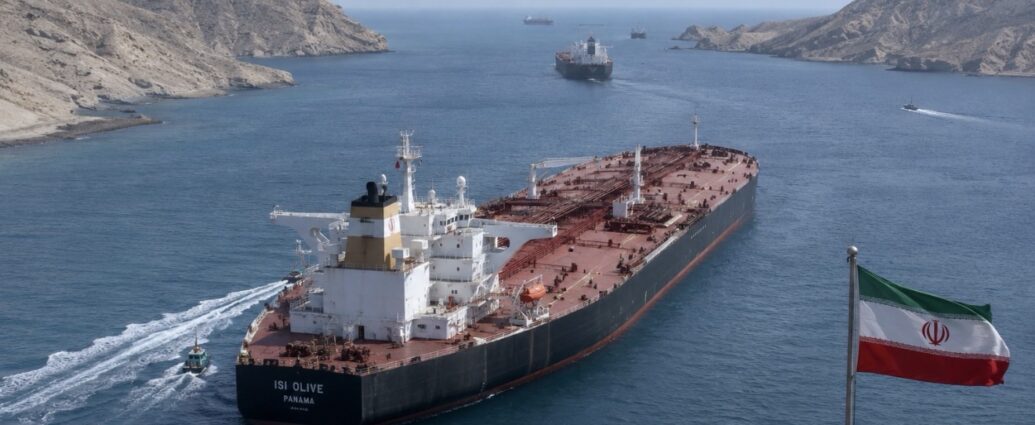
The Associated Press reported on Friday, June 19, 2026, that international shipping routes and commercial commodity desks are experiencing significant transactional swings following the signing of a historic diplomatic treaty between the United States and Iran. The bilateral agreement, which formally ends the recent military conflict between the two nations, contains strict legal mandates to immediately reopen the critical Strait of Hormuz to commercial oil tanker traffic.
According to live tracking data from international maritime hubs, global energy prices reacted sharply to the sudden easing of Middle Eastern shipping bottlenecks. On electronic exchanges early Friday, Brent crude, the international benchmark, slid 0.4% to trade at $79.50 per barrel, while the domestic benchmark, West Texas Intermediate, held completely flat at $75.85 per barrel. Commercial analysts noted that while current energy prices remain well above the $70 baseline recorded prior to the outbreak of regional hostilities, they have collapsed dramatically from the $100-plus peaks that crippled corporate logistics networks just a few weeks ago.
The immediate drop in global crude costs offers critical breathing room for commercial transport firms and retail logistics networks that have struggled under ballooning fuel surcharges. In the domestic retail sector, the average price of consumer gasoline has successfully dipped back below the $4 per gallon threshold, though corporate shipping costs remain elevated. The sudden resumption of maritime transit through the Persian Gulf is expected to gradually relieve supply-chain pressures for a wide array of consumer goods, which had seen wholesale costs climb over the past month due to forced oceanic rerouting.
However, the initial marketplace optimism surrounding the peace accord was partially checked by a sudden postponement of high-stakes diplomatic talks. International trade representatives confirmed that scheduled negotiations regarding the long-term status of Iran’s nuclear material programs and formalized energy quotas were abruptly pushed back. The unexpected diplomatic delay triggered immediate caution across global financial centers, reminding corporate operators that long-term regional stability remains highly vulnerable to political friction.
The geopolitical developments triggered a mixed performance across major international equity boards during thin regional trading sessions. In Asia, Tokyo’s Nikkei 225 index wavered throughout the day before closing 0.3% higher to hit a record-breaking lifetime high of 71,250.06 points, even as local data showed core Japanese consumer inflation holding steady. Conversely, South Korea’s Kospi index slipped 0.1% to finish at 9,052.42 points, pulling back slightly from an all-time record set during the previous session.
European equity indices showed similar fragmentation as commercial participants parsed the shifting energy landscape alongside regional corporate updates. In afternoon trading, Germany’s DAX index advanced 0.2% to reach 25,079.30 points, while France’s CAC 40 remained virtually unchanged at 8,467.75 points. In London, the FTSE 100 shed 0.2% to land at 10,376.64 points, weighed down by localized profit-taking among major multinational energy producers and mining conglomerates.
The global trading day faced significantly lower overall volume due to a complete closure of the American financial infrastructure. The New York Stock Exchange and Nasdaq suspended all regular stock trading on Friday in observance of the Juneteenth federal holiday, while top domestic banking institutions—including Bank of America, JPMorgan Chase, and Wells Fargo—fully halted retail operations and electronic payment processing. Regular corporate delivery logistics and domestic shipping operations are scheduled to resume normal schedules on Saturday, June 20.
For businesses, the reopening of the Strait of Hormuz offers the first meaningful relief to global shipping networks since the conflict began. Yet the delayed diplomatic talks underscore that while tanker traffic may be moving again, the political and economic uncertainty surrounding one of the world’s most important energy corridors is far from over.
JBizNews Desk | Global Markets
© JBizNews.com All Rights Reserved. Reproduction or distribution without written permission is prohibited.
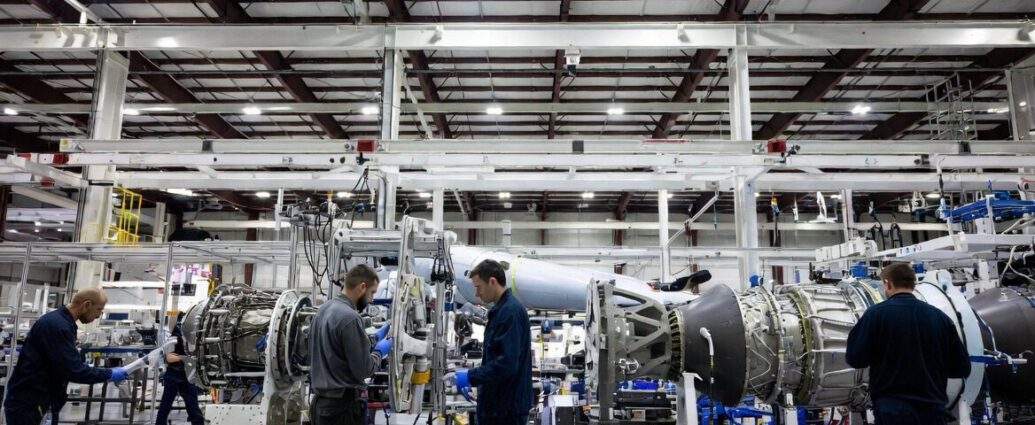
Defense contractors are heading into the second half of 2026 with the strongest order books in years, propped up by a Middle East war and a Washington spending plan that keeps getting bigger. The fiscal 2027 Department of War budget request earmarks roughly $60 billion for munitions development and procurement, including about $52.9 billion for critical munitions — a sign of how the government is rewiring the way it buys and replenishes weapons.
The political backdrop is even larger. President Donald Trump has proposed a $1.5 trillion defense budget for 2027, a substantial jump from the $901 billion approved for fiscal 2026. Spending bills of that size set the demand picture for the entire industry years in advance because most defense work is locked in through multi-year government contracts.
The urgency comes from the wider world. The war between the United States and Iran, ongoing since late February, along with tensions in Eastern Europe, has made military spending — in the words of Stifel analyst Jonathan Siegmann — “more urgent and less controversial.” When lawmakers from both parties agree that weapons stockpiles need refilling, the companies that build them gain unusually clear visibility into future sales.
Lockheed Martin, the world’s largest defense contractor, sits at the center of it. The company is anchored by the F-35 fighter jet, missile defense systems, and a large classified space business, and it has reported a record backlog of $194 billion. Lockheed has guided 2026 sales to a range of $92 billion to $93 billion. The stock trades around $525, up about 10% so far this year. The picture is not flawless: first-quarter adjusted earnings of $6.44 a share missed the $6.70 consensus estimate, dragged down by a $125 million unfavorable F-16 charge — a reminder that locked-in contract prices can cut both ways.
Northrop Grumman carries two of the military’s biggest long-term programs, the B-21 Raider stealth bomber and the Sentinel intercontinental ballistic missile program, with a backlog around $90 billion. Its shares trade near $542. General Dynamics builds the Navy’s submarines, one of the cleanest growth stories in the sector, while RTX, the parent company of Raytheon, manufactures many of the missiles and air-defense systems currently in highest demand and was the only major contractor to recently raise its 2026 outlook.
RTX has also drawn attention from the White House in a less favorable way. President Trump complained that Raytheon had been among the least responsive contractors to the needs of the Department of War and threatened to block contractors from paying dividends or repurchasing shares until they accelerate weapons production. The remarks briefly rattled defense stocks before they recovered, underscoring that the same government driving the spending boom can also pressure the companies benefiting from it.
The spending surge extends well beyond the household-name defense giants. Drone manufacturer AeroVironment has climbed more than 40% this year as militaries around the world invest heavily in unmanned aircraft and counter-drone systems. In Europe, where governments are boosting defense budgets under both domestic security concerns and U.S. pressure, shares of Britain’s BAE Systems, Italy’s Leonardo, Sweden’s Saab, and Germany’s Rheinmetall have all posted strong gains.
The broader story for taxpayers is where all that money ultimately goes. A $1.5 trillion defense budget means billions of dollars flowing into factories and facilities across states including Texas, Connecticut, California, Alabama, and Maryland, where major contractors and their suppliers employ tens of thousands of workers. Larger budgets typically translate into more hiring, more overtime, and more orders flowing through the vast network of subcontractors that provide everything from electronics and engines to software and specialized materials.
The industry’s optimism is reflected in its order books. Companies with large backlogs effectively have years of future revenue already committed under signed contracts. That visibility is rare in most industries and gives defense firms a level of predictability many technology, retail, and manufacturing companies would envy.
There are reasons for caution. Major defense contractors currently trade at roughly 22 to 25 times forward earnings, above their historical averages, meaning investors have already priced in much of the expected growth. Budget priorities can change with politics, and fixed-price government contracts have repeatedly created losses when development costs rise unexpectedly, as Lockheed’s recent F-16 charge demonstrated.
Still, the larger trend is difficult to ignore. Military conflicts, geopolitical competition, and the rebuilding of weapons inventories have created a powerful tailwind for defense spending across much of the world. As long as those conditions persist and Washington continues expanding military budgets, the companies sitting on record backlogs may enjoy one of the clearest growth runways available in the market.
JBizNews Desk | Washington
© JBizNews.com All Rights Reserved. Reproduction or distribution without written permission is prohibited.
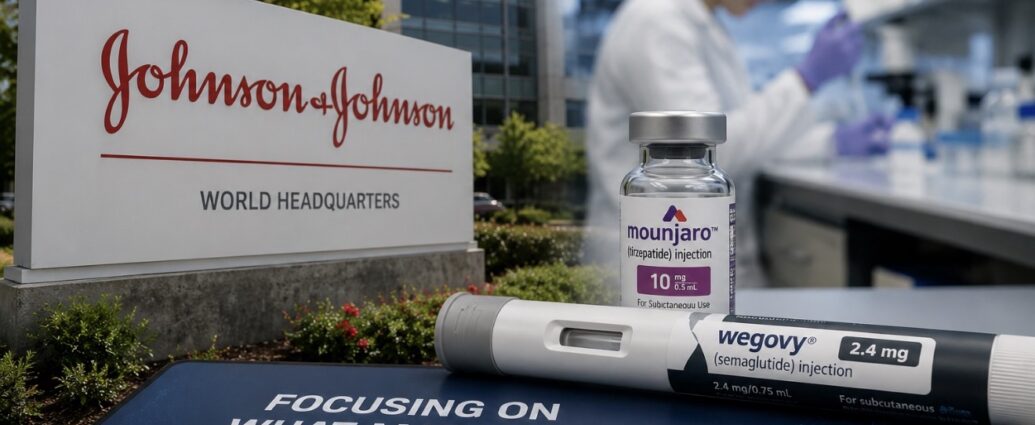
Johnson & Johnson has made a surprising decision at a time when much of the pharmaceutical industry is racing toward obesity treatments: it is staying out of the market entirely.
Speaking Tuesday at the Economic Club of Washington, D.C., Johnson & Johnson CEO Joaquin Duato said the healthcare giant has no plans to develop or acquire drugs in the booming GLP-1 category, the class of medicines behind blockbuster weight-loss and diabetes treatments that have transformed the industry over the past several years.
“We are not going to be in the GLP-1 area,” Duato said during a discussion with Carlyle Group co-founder David Rubenstein.
The statement places J&J among a small group of major pharmaceutical companies choosing not to chase one of the fastest-growing markets in healthcare history. While rivals have spent billions of dollars acquiring obesity-drug developers and launching their own programs, Johnson & Johnson is betting that its future lies elsewhere.
Instead, Duato said the company will focus its resources on two areas where it believes it can achieve greater medical and commercial success: cancer treatment and neuroscience.
“Our goal is to be No. 1 by 2030,” Duato said of the company’s oncology business.
The company already holds a strong position in multiple cancer categories. Johnson & Johnson markets leading treatments for multiple myeloma, one of the most common blood cancers, and maintains a growing portfolio of lung cancer therapies. Last year, the company expanded its oncology pipeline through a $3.05 billion acquisition of Halda Therapeutics, gaining access to a promising oral prostate cancer treatment.
The decision reflects the reality of a market already dominated by a handful of powerful competitors.
Eli Lilly and Novo Nordisk currently control the obesity-drug landscape through blockbuster products that have generated tens of billions of dollars in annual sales. Demand for GLP-1 medications has surged as studies continue to show benefits extending beyond weight loss, including improvements in diabetes management and potential cardiovascular benefits.
Lilly has emerged as the dominant player. The company became the first pharmaceutical manufacturer to surpass a $1 trillion market valuation last year, driven largely by demand for its obesity and diabetes drug tirzepatide. Lilly executives have estimated that the company captures roughly 70% to 75% of new patients entering the GLP-1 market.
For Johnson & Johnson, competing against such entrenched leaders may not represent the best use of research and development dollars.
The company’s position also aligns with a broader strategic transformation that has been underway for several years.
Johnson & Johnson has streamlined its operations to concentrate on higher-growth healthcare businesses. The company spun off its consumer-health division into Kenvue, separating well-known brands such as Tylenol, Band-Aid, and Listerine from the parent company. It has also restructured portions of its medical-device operations while increasing investments in pharmaceuticals and advanced medical technologies.
Duato highlighted the company’s recent performance, noting that Johnson & Johnson delivered a 47% total shareholder return in 2025, reflecting investor confidence in its current strategy.
Technology is also expected to play a major role in the company’s future growth.
Duato said artificial intelligence has the potential to accelerate drug discovery, improve clinical development, and enhance the effectiveness of medical devices, particularly in the field of robotic surgery.
“We are just at the beginning,” he said, describing healthcare as entering a period of significant technological change.
For investors and patients alike, the announcement underscores a growing divide within the pharmaceutical industry. Some companies are betting heavily on obesity treatments, viewing them as the defining medicines of the next decade. Others are choosing to focus on diseases where competition is less intense and unmet medical needs remain substantial.
Johnson & Johnson’s decision means one fewer major competitor pursuing obesity drugs, a market where additional competition could eventually help lower prices and improve access for patients. At the same time, the company’s vast research budget will remain focused on cancer and neurological disorders, areas where millions of patients continue to face limited treatment options.
As the obesity-drug market continues its rapid expansion, Johnson & Johnson is making a different wager: that breakthroughs in cancer and neuroscience will ultimately prove more valuable than joining the industry’s biggest gold rush.
Whether that strategy pays off will become clearer as the company works toward Duato’s goal of becoming the world’s leading oncology company by 2030.
JBizNews Desk
New Brunswick, N.J.
© JBizNews.com All Rights Reserved. Reproduction or distribution without written permission is prohibited.

Israel and Hezbollah agreed to a fresh ceasefire in Lebanon on Friday, June 19, 2026, halting the deadliest flare-up of the war just as it threatened to wreck the broader effort to end the fighting across the region. A senior U.S. official said the truce took eff The Times of Israelect at 4 p.m. local time and was brokered by the United States and Qatar through talks with Israel and Iran respectively, an arrangement the official said further highlighted Tehran’s ability to influence events in Lebanon. Reuters first reported the agreement, which three diplomats briefed on it confirmed to CBS News. CBS News
The deal came together only after the bloodiest day on the Lebanon front in weeks. Lebanese authorities said Israeli airstrikes killed 18 people, while Israel said four of its soldiers were killed in one of Hezbollah’s deadliest attacks of the war CBC News. The Israeli military said its troops struck 150 targets and killed dozens of Hezbollah operatives in southern Lebanon The Times of Israel before the truce took hold.
The same escalation forced a postponement of the most important diplomacy of all. Peace talks between the United States and Iran, set for Friday in Switzerland, were called off after Iran held back its delegation amid the Lebanon strikes. Iran’s Foreign Ministry said the Switzerland meeting had been postponed, with arrangements underway for talks in the coming days. The Times of Israel
For Israeli Prime Minister Benjamin Netanyahu, the moment was politically delicate. He stayed mum on the new ceasefire itself while touting the military’s strikes on his personal social media accounts, saying troops had hit Hezbollah “just as I instructed.” The Times of Israel The mixed message captured the strain inside Israel’s government, where hardline ministers have insisted the military will not be bound by the wider U.S.-Iran agreement.
That agreement is the thread connecting everything. The interim U.S.-Iran deal reached days earlier stipulated that all fighting on all fronts, including Lebanon, must end immediately NBC News. Lebanon was the loophole that kept reopening: earlier ceasefire arrangements tied to the Iran war did not formally include Lebanon, contributing to continued hostilities Wikipedia, and Hezbollah had rejected an earlier conditional truce that called for it, but not Israel, to stop attacks NPR. Friday’s deal is the latest attempt to close that gap.
For businesses watching from a distance, the relevance runs straight through the energy market. Since the war began in late February, oil has carried a risk premium tied to fears over the Strait of Hormuz, the shipping lane that moves a large share of the world’s crude. Every flare-up revives the worry that the corridor could be disrupted; every ceasefire eases it. A durable calm in Lebanon removes one source of that anxiety, which can take some pressure off oil prices, gasoline costs, and the shipping and insurance bills that ripple through global supply chains.
The stakes are just as real for inflation at home. Energy has been the main force pushing U.S. prices back up this year, and the longer the conflict drags on, the longer markets expect inflation to stay elevated — keeping the Federal Reserve cautious and borrowing costs high. A genuine step toward de-escalation, if it holds, is the kind of development that could eventually loosen that grip.
But the history of this conflict counsels caution. A ceasefire was reached in mid-April, establishing a short truce meant to create conditions for further negotiations Wikipedia, and U.S.-mediated talks in Washington in early June produced a conditional arrangement Al Jazeera that Hezbollah then rejected. Each pause has bought time without resolving the core disputes over Israeli forces in southern Lebanon and the future of Hezbollah’s weapons.
What makes Friday’s agreement notable is who delivered it. The role of Qatar, working through Iran to rein in Hezbollah, points to the same channels that produced the U.S.-Iran framework and suggests the two tracks are now tightly linked. If the Lebanon ceasefire holds, it clears a major obstacle to restarting the Switzerland talks; if it collapses again, it could drag the larger negotiations down with it.
For now, the guns in Lebanon have fallen quiet, and the postponed U.S.-Iran meeting has been pushed only days, not derailed. That is a fragile kind of progress, but it is progress — and for companies that depend on stable fuel costs, steady shipping, and predictable consumer spending, even a fragile calm beats another deadly escalation. The test will be whether this ceasefire outlasts the ones before it.
JBizNews Desk © JBizNews.com All Rights Reserved. Reproduction or distribution without written permission is prohibited.

The wave of investor withdrawals that rattled the private credit industry this spring appears to be receding. The Oaktree Strategic Credit Fund told shareholders in an update dated Wednesday that requests to cash out fell to about 4.5% of its shares, back below the 5% ceiling the fund offers each quarter when its latest tender expired on June 12, allowing it to honor every redemption request in full.
That marks a sharp turnaround from three months ago. During the first quarter, redemption demand at the same fund surged to 8.5%, representing roughly $400 million, well above the standard cap. To meet the unusually high demand, Oaktree repurchased approximately 6.8% of the fund’s shares while its parent company, Brookfield, purchased another 1.7%. The fund also reduced its monthly distribution from 18 cents per share to 16 cents, and its net asset value had declined from its original $25 offering price to approximately $22.64.
The latest tender paints a calmer picture. About 8.9 million shares were offered for redemption, and because requests remained below the 5% threshold, every investor who wanted to sell was able to do so without restrictions.
To understand why investors were paying close attention, it helps to understand the structure. The Oaktree Strategic Credit Fund is a non-traded business development company (BDC), a vehicle that lends directly to companies and distributes interest income to investors. These funds have become popular among retirees and income-focused investors seeking higher yields than traditional fixed-income products. However, unlike a bank account or publicly traded stock, investors can generally redeem only during designated quarterly windows and are often subject to a 5% redemption cap.
That structure came under pressure earlier this year as concerns spread across the rapidly growing $2 trillion private credit industry. The bankruptcies of First Brands and Tricolor shook confidence in parts of the market, while JPMorgan Chase CEO Jamie Dimon warned that additional problems could emerge within the sector. At the same time, concerns that advances in artificial intelligence could disrupt certain software companies that rely on private credit financing added to investor unease.
The result was a rush for liquidity across multiple funds.
Oaktree was not alone. Redemption requests exceeded 10% of shares outstanding at funds managed by Morgan Stanley, Apollo, and Ares during the first quarter, while Blue Owl reportedly faced approximately $5.4 billion in withdrawal requests. Some managers limited redemptions to the contractual 5% cap. Others, including Oaktree and Blackstone, elected to satisfy all requests in an effort to reassure investors and prevent broader concerns from spreading through the market.
Recent developments suggest the pressure may be easing. Blackstone reported that withdrawal requests slowed during the latter portion of its most recent quarter and said investor sentiment had begun to stabilize as fresh capital started returning. Oaktree’s own portfolio metrics also remain relatively strong. According to the fund, it has met every redemption request since launching in June 2022, generated an annualized net return of approximately 8.8% over three years, and continues to report minimal levels of non-performing loans.
For individual investors, the events of the past several months may ultimately serve as a reminder about the nature of these products. Much of the concern stemmed from a misunderstanding of liquidity. Many investors were attracted by the steady income streams but did not fully appreciate that access to their capital could be limited during periods of market stress.
In many respects, the funds performed exactly as designed. Redemption gates functioned as intended, and firms backed by large, well-capitalized parent companies were able to satisfy elevated demand without being forced into distressed asset sales. Still, the episode highlighted that investments offering attractive income can behave very differently from traditional savings accounts when markets become unsettled.
The decline in redemption requests below the 5% threshold does not settle the broader debate surrounding private credit. Regulators, investors, and analysts continue to scrutinize how private loans are valued and how liquidity risks are managed during periods of stress. Yet for income investors watching the sector closely, Oaktree’s latest filing offers an encouraging signal: redemption pressure has eased, confidence appears to be improving, and for now, the line at the exit is getting shorter.
JBizNews Desk
New York
© JBizNews.com All Rights Reserved. Reproduction or distribution without written permission is prohibited.
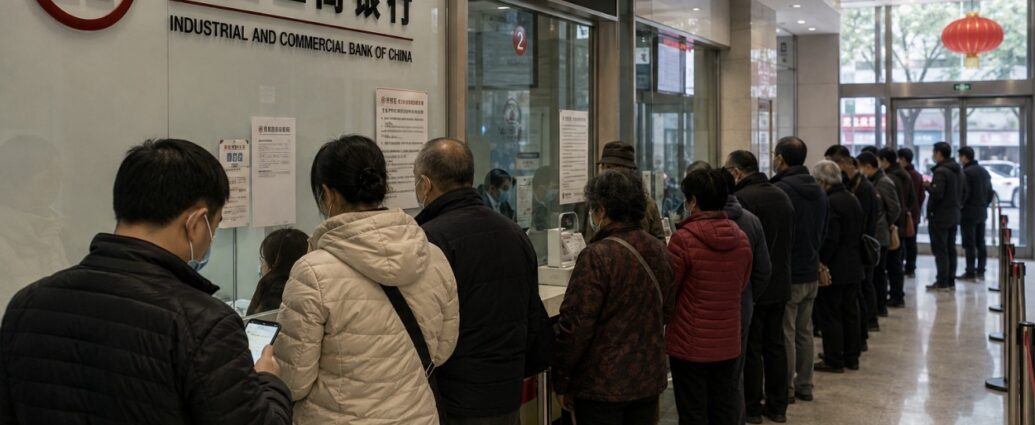
A growing mountain of soured household loans is becoming one of the biggest threats to China’s economy, and the country’s own banks are showing the strain. Industrial & Commercial Bank of China (ICBC) — the world’s largest bank by assets — reported that its bad-loan ratio on personal consumer loans climbed to 2.51% by the middle of last year, while its credit card delinquency rate hit 3.75%. That consumer bad-loan ratio stood at just 1.34% two years earlier.
Those are the figures at China’s strongest lender. At weaker regional banks, the picture is far uglier. Bohai Bank’s consumer bad-loan ratio jumped to 12.37% in 2024 from 4.44% a year earlier, and Harbin Bank’s rose to 5.51%. When more than one in eight consumer loans goes bad, a bank is in real trouble.
The rot is spreading fast enough that Beijing’s regulator has stepped in. The National Financial Regulatory Administration extended a program through the end of 2026 that lets banks bundle their bad personal loans and sell them to asset managers — a pressure valve to get the debt off bank books. Sales of these distressed personal loans more than doubled in the first half of 2025 from a year earlier. By the end of 2024, banks had packaged some 1.18 trillion yuan — roughly $165 billion — of troubled retail loans into securities, most of it tied to credit cards and unsecured consumer borrowing.
Here is the alarming part: this debt is being dumped at fire-sale prices. In early 2025, bad personal loans were selling for only about four cents on the yuan, meaning banks were recovering pennies on what they were owed. With no personal bankruptcy law in China and courts buckling under millions of retail debt cases, lenders would rather take a deep loss than chase borrowers who cannot pay.
How did the world’s second-largest economy get here? It starts with the property crash, which wiped out household wealth as apartments lost value. Then came deflation: China has been stuck in falling prices for roughly ten straight quarters, which makes every debt harder to repay because borrowers pay back loans with money that buys more than it used to. Layer on wage cuts across finance, manufacturing, and government jobs, plus worry over tariffs and incomes, and you get households that are tapped out and scared.
Scared people stop spending. A central bank survey found that 61.4% of Chinese households now want to boost their savings — nearly 20 percentage points higher than before the pandemic. Hoarding cash is rational for any one family, but for the economy it is poison: weak spending feeds more deflation, which sours more debt, which makes everyone more cautious still.
It is worth keeping perspective. By global standards, Chinese household debt is not extreme — about 60% of economic output, below the roughly 70% in the United States and far below South Korea — and economists worry less about the total than about how fast the bad loans are climbing. As ING economist Lynn Song put it, “Income growth-driven consumption would be strongly preferable” to a recovery propped up by more borrowing — but raising incomes is the harder path, and Beijing has leaned on lending instead.
The consumer mess sits inside a far bigger problem. Estimates suggest China’s banking system is carrying trillions of dollars in hidden bad debt, masked by policies that allow struggling borrowers to defer payments rather than default — keeping official bad-loan rates relatively stable while avoiding a broader banking panic. The tradeoff is that capital remains tied up in struggling borrowers and unproductive sectors rather than flowing to healthier parts of the economy. As Victor Shih, a China finance expert at the University of California San Diego, observed, “There’s no financial crisis, but there’s no free lunch in economics. The price is just growth, inefficiency and low productivity.”
For Americans, this is not a far-off story. A weak Chinese consumer pushes Beijing to lean harder on exports, flooding global markets with cheap goods and squeezing manufacturers elsewhere. And a China that cannot get its own people to spend buys less from everyone else. The pile of bad consumer debt is President Xi Jinping’s problem first — but in a connected world, a stalled Chinese consumer eventually shows up in everyone’s economy.
JBizNews Desk
Hong Kong
© JBizNews.com All Rights Reserved. Reproduction or distribution without written permission is prohibited.
The IDF announced that four soldiers were killed while fighting in southern Lebanon.
At approximately 00:20 a suspicious object struck a tank belonging to Battalion 52 forces under the Givati Brigade who were operating in the area of the village of Tebnit, the IDF reports.
The incident is under investigation.
The military revealed that one of the soldiers was Lieutenant-Colonel Dor Gedalia Ben Simhon, aged 32, from Beit HaShita, the commander of the 52nd Battalion, 401st Brigade.
Lt. Col. Ben Simhon had taken over command of Battalion 52 from Lt. Col. Y on April 20, 2026, after Lt. Col. Y was seriously wounded in southern Lebanon.
While the military said that all the families were notified, the names of the other three fallen soldiers have not yet been revealed.
Lieutenant Colonel Dor was married and the father of two daughters.
He came from a family of combat soldiers, he and four of his brothers enlisted in the 401st Brigade, while another brother enlisted in the Golani Brigade. His wife serves as a combat officer in the Combat Intelligence Collection and Border Defense Corps.
This is a developing story.
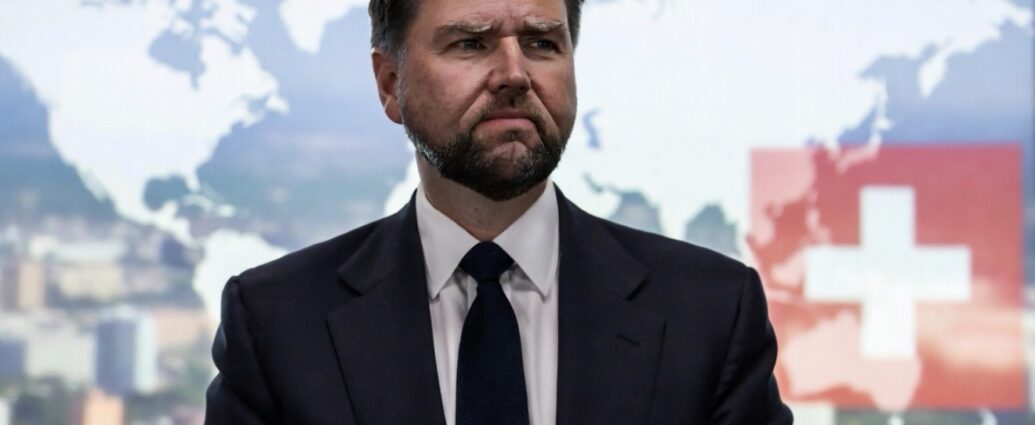
Vice President JD Vance postponed a planned trip to Switzerland on Thursday, creating fresh uncertainty around the next phase of negotiations between the United States and Iran just as a 60-day window for final talks officially began.
The White House confirmed Thursday evening that Vance would not depart as originally scheduled. A spokesperson said negotiations remain active but acknowledged that coordinating the talks has been complicated. “The vice president is not departing tonight,” the official said, while leaving open the possibility of travel later this weekend.
Vance had been expected to travel Friday to a resort near Lucerne, Switzerland, where officials were preparing for a formal ceremony tied to the next stage of negotiations. Speaking to reporters earlier in the day, Vance said the trip was still expected to happen but indicated the timetable remained uncertain.
“Our plan is to go to Switzerland. I don’t know exactly when,” Vance said.
The delay comes amid new diplomatic complications surrounding the agreement. The Switzerland meetings were already facing pressure following recent tensions linked to Israeli military operations in Lebanon. At the same time, Pakistani Prime Minister Shehbaz Sharif, whose government has helped facilitate communication between Washington and Tehran, also postponed his planned visit to the Swiss venue.
The broader agreement has already taken an unconventional path. President Donald Trump signed the memorandum Wednesday during a dinner event outside Paris, while Iranian President Masoud Pezeshkian signed remotely, allowing the framework to take effect without both leaders being physically present.
A significant development came from Tehran on Thursday when Iran’s Supreme Leader Mojtaba Khamenei publicly approved direct negotiations with the United States. In a statement carried by Iranian state media, Khamenei endorsed face-to-face discussions while emphasizing that participating in talks does not necessarily mean accepting the other side’s position.
For businesses and investors, the negotiations carry enormous economic consequences.
Much of the focus remains on the Strait of Hormuz, the world’s most important oil shipping route. While some vessel traffic has resumed through alternative channels, portions of the main shipping corridor remain restricted. Industry groups continue to monitor conditions closely as commercial shipping companies, energy traders, and insurers prepare for a gradual normalization of Gulf traffic.
The outcome of the talks will also determine the future of sanctions relief and foreign investment opportunities inside Iran. Administration officials have indicated that major international investments would still require U.S. approval through sanctions waivers or formal relief measures before companies could proceed.
That issue is particularly important because the agreement envisions a potential $300 billion reconstruction and investment framework aimed at rebuilding portions of Iran’s economy following years of sanctions and regional conflict.
Energy markets have been closely watching developments. Oil prices have eased in recent sessions as traders bet that a successful agreement could reduce geopolitical risk and increase future energy flows. U.S. gasoline prices have also retreated from recent highs, offering consumers some relief after months of elevated fuel costs.
However, analysts caution that a breakdown in negotiations or a prolonged delay could quickly reverse those gains.
Several major issues remain unresolved. According to administration officials, a final agreement would require Iran to address uranium enrichment, existing enriched uranium stockpiles, and missile development programs. Negotiators are expected to spend the next 60 days attempting to bridge those differences.
Despite the scheduling delay, the administration continues to project confidence. Vance argued that the United States maintains leverage regardless of the outcome, pointing to the damage already inflicted on Iran’s nuclear infrastructure and the potential benefits available if Tehran agrees to broader concessions.
The immediate question now is timing. While the White House insists talks remain on track, the postponement underscores how fragile and unpredictable the process remains.
For energy markets, shipping companies, investors, and governments around the world, the next several days could determine whether the agreement moves forward smoothly or encounters additional turbulence before formal negotiations even begin.
JBizNews Desk
Washington Bureau
© JBizNews.com All Rights Reserved. Reproduction or distribution without written permission is prohibited.


