


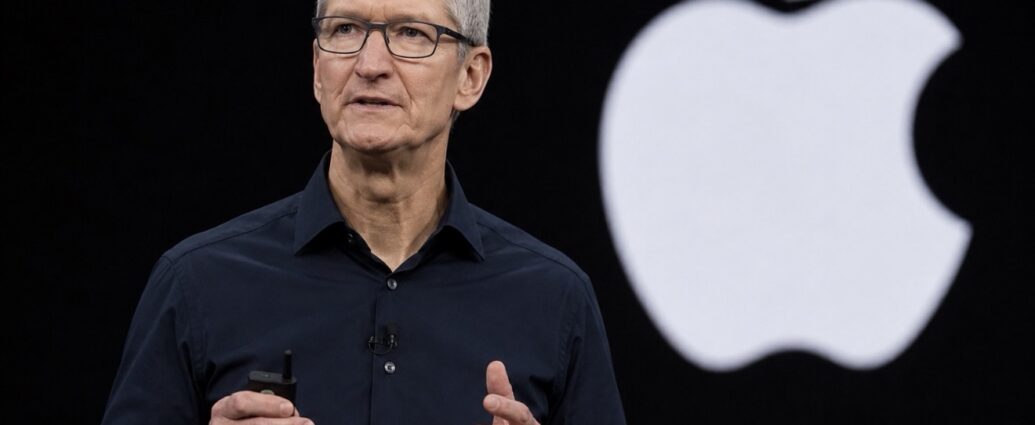
Apple Says Higher Prices Are Coming as AI-Fueled Chip Shortage Drives Up Costs
Apple plans to raise prices on some of its products as a global memory-chip shortage fueled by artificial intelligence demand drives costs sharply higher, according to comments by Chief Executive Tim Cook published Wednesday.
Speaking about the growing strain on the semiconductor supply chain, Cook said the company has absorbed higher component costs for as long as possible but can no longer shield customers completely.
“Unfortunately, price increases are unavoidable,” Cook said.
At the center of the problem is a surge in demand for memory chips used in AI data centers. The same memory technologies that power smartphones, tablets, and laptops are now being consumed in enormous quantities by companies building the infrastructure behind artificial intelligence.
As a result, memory manufacturers are increasingly prioritizing production for higher-margin AI server chips rather than components destined for consumer electronics.
That shift is putting pressure on companies such as Apple, which purchases massive quantities of memory and storage chips for products including the iPhone, iPad, and Mac.
Cook pointed specifically to shortages in DRAM, a critical type of memory used throughout Apple’s product lineup. He said growing demand for advanced memory used in AI servers has tightened supplies across the broader market and pushed prices significantly higher.
The CEO compared current market conditions to a once-in-a-century event, saying he had never seen anything similar during more than four decades in the technology industry.
Industry analysts say the financial impact could be substantial.
Research firm TechInsights estimates Apple could need to increase the price of its next-generation iPhone 18 Pro by roughly $270 to fully preserve current profit margins if memory costs remain elevated.
Apple has already taken smaller steps that effectively increased pricing in certain product categories. The company recently eliminated lower-priced configurations of several desktop computers, raising entry-level purchase prices without formally announcing broad price hikes.
The timing presents additional challenges because Apple is preparing to launch a new wave of AI-enabled products.
The company is expected to introduce its first foldable iPhone alongside the iPhone 18 Pro lineup later this year. New AI features require additional memory capacity, increasing Apple’s dependence on the very components currently experiencing the greatest shortages.
Cook indicated Apple is willing to use its financial resources to help secure supply but said the company has no intention of entering the memory-manufacturing business itself.
Instead, Apple will continue relying on suppliers including Samsung Electronics, SK Hynix, and Micron Technology, all of which are expanding production. However, much of that additional capacity is expected to be directed toward AI infrastructure rather than consumer devices.
The issue extends well beyond Apple.
Major technology companies including Samsung, Microsoft, Sony, and Dell have already implemented price increases tied to higher component costs. Industry groups representing retailers, automakers, and electronics manufacturers have also warned that ongoing shortages could lead to broader price increases across numerous consumer products.
For years, smartphones, laptops, and personal electronics were among the industry’s highest-priority customers. The rapid expansion of AI infrastructure is changing that dynamic, with data-center operators increasingly willing to pay premium prices for critical components.
Investors appeared relatively unfazed by the news. Apple shares slipped modestly during regular trading before recovering some ground after the interview was published.
For consumers, however, the message is straightforward.
The AI revolution powering Wall Street’s biggest technology boom is beginning to reach checkout counters. As data centers consume more of the world’s memory supply, the cost of everyday electronics is rising alongside it.
Unless memory supplies improve significantly, Apple customers should expect future devices to come with higher price tags.
JBizNews Desk
Cupertino, Calif.
© JBizNews.com All Rights Reserved. Reproduction or distribution without written permission is prohibited.
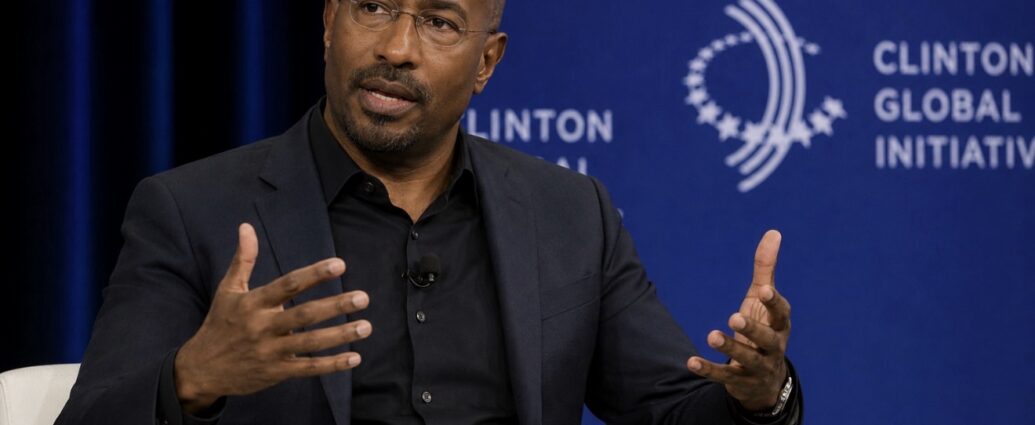
Van Jones Joins Jewish Foundation Board, Says World’s 15 Million Jews Deserve Minority Recognition
One of America’s most prominent African American voices is making a public case for recognizing Jews as a minority community deserving protection and support.
Van Jones, the CNN political commentator, attorney, and civil rights advocate, has joined the advisory board of the Genesis Prize Foundation, the organization announced Wednesday. In remarks accompanying the announcement, Jones pointed to the small size of the global Jewish population and argued that humanity has a special responsibility to stand with a people who have endured centuries of persecution and whose numbers were devastated by the Holocaust.
“There are only about 15 million Jews left in the world,” Jones said in a video released by the foundation, noting that the Jewish population is tiny compared with the world’s largest religious and ethnic groups. He argued that the Jewish community would be significantly larger today had it not suffered generations of violence, discrimination, expulsions, and ultimately the Holocaust.
Jones also highlighted the unique position of Israel, which is home to roughly half of the world’s Jewish population.
“When a group that small comes under attack, humanity has a special responsibility to defend them,” he said, while emphasizing that criticism of Israeli government policies remains legitimate. What he rejects, however, is the idea that support for the Jewish state itself should be abandoned.
“We already ran a 3,000-year experiment where Jews did not have a state,” Jones said, arguing that history demonstrated the dangers of Jewish statelessness.
The appointment carries added significance because Jones is framing the issue as one minority community standing in solidarity with another. A longtime civil rights leader, Jones said one of his goals on the board will be helping rebuild the historic alliance between Black and Jewish Americans.
“Together, Black and Jewish Americans have written some of the most important chapters in the story of American democracy,” Jones said. While acknowledging tensions and divisions in recent years, he argued that the relationship remains too important to abandon amid rising antisemitism and increasing political polarization.
Stan Polovets, co-founder and chairman of the Genesis Prize Foundation, praised Jones’s record of coalition-building and public leadership.
“Van Jones brings moral clarity, public credibility, and practical coalition-building experience,” Polovets said. “At a time of rising antisemitism, voices like his are essential.”
The foundation’s advisory board is chaired by former Soviet dissident Natan Sharansky, who spent eight years in Soviet prisons because of his pro-democracy activism and support for Jewish emigration rights. Sharansky said Jones’s appointment reflects the foundation’s belief that Jewish achievement carries with it a responsibility to engage with broader society and strengthen democratic values.
The Genesis Prize, often referred to as the “Jewish Nobel,” awards $1 million annually to individuals who have demonstrated exceptional professional achievement and commitment to Jewish values. According to the foundation, the prize has helped generate more than $50 million for charitable causes since its creation in 2013, supporting over 230 nonprofit initiatives in 31 countries.
The 2026 recipient is Israeli actress and producer Gal Gadot, whose award is being matched through the Jewish Funders Network, bringing total charitable giving associated with her prize to $2 million.
Jones’s comments also come as Jewish minority recognition has gained increasing attention in the United States.
In a landmark move, the U.S. Department of Commerce’s Minority Business Development Agency (MBDA) signed a Memorandum of Understanding with the Orthodox Jewish Chamber of Commerce on January 13, 2025, formally recognizing Jewish-owned businesses within the agency’s minority-business framework. The agreement marked the first time Jewish-owned businesses were granted access to programs traditionally available to other minority communities through the federal agency.
At the signing, then-Deputy Commerce Secretary Don Graves described the recognition as an overdue correction and praised the efforts of the Orthodox Jewish Chamber of Commerce in advancing the initiative. Greater New York Chamber of Commerce President Mark Jaffe called the move “long overdue,” while Duvi Honig, founder and CEO of the Orthodox Jewish Chamber of Commerce, described it as a historic achievement for the Jewish business community.
The timing of Jones’s appointment is notable. Antisemitic incidents have risen sharply in the United States and around the world, while longstanding partnerships between Black and Jewish organizations have faced strains in recent years.
Jones is placing his credibility as a civil rights leader behind the belief that those relationships can be rebuilt—and that a people numbering only about 15 million worldwide should not have to face growing threats alone.
JBizNews Desk
© JBizNews.com All Rights Reserved. Reproduction or distribution without written permission is prohibited.
After Months of War, Iran Returns to Nuclear Talks Stronger Politically but Still Desperate for Economic Relief
Iran and the United States are heading back to the negotiating table over Tehran’s nuclear program under a fragile new framework that halted direct fighting, reopened the Strait of Hormuz, lifted the American naval blockade, and established a 60-day ceasefire window for negotiations, with a formal signing expected in Geneva.
What makes this round of diplomacy different is the mindset on the Iranian side. After roughly four months of conflict that began in late February, Iran’s government remains in power despite extensive military strikes, economic pressure, and the loss of senior military leaders. While the war inflicted significant damage, Tehran emerged convinced that it can withstand far more pressure than many Western leaders previously believed. That perception is likely to shape every aspect of the negotiations.
At the center of the talks is Iran’s stockpile of highly enriched uranium. According to the International Atomic Energy Agency (IAEA), Iran possesses approximately 440.9 kilograms of uranium enriched to 60% purity, placing it only a short technical step away from weapons-grade material. Determining the future of that stockpile is expected to be the most contentious issue facing negotiators.
President Donald Trump has repeatedly stated that sanctions relief will not be granted merely in exchange for surrendering enriched uranium. He has also expressed opposition to proposals that would place Iranian nuclear material under the control of countries such as China or Russia, arguing that such arrangements fail to provide sufficient safeguards.
Vice President JD Vance has described the military campaign as having significantly delayed Iran’s nuclear ambitions rather than permanently ending them. His comments reflect a growing recognition within Washington that military action alone did not eliminate the underlying dispute surrounding Iran’s nuclear capabilities.
Another major obstacle involves international inspections. Following strikes on key nuclear facilities, Iran suspended portions of its cooperation with the IAEA, limiting access to sites that inspectors had previously monitored. IAEA Director General Rafael Grossi has urged Tehran to restore full cooperation, warning that uncertainty surrounding the location and condition of nuclear materials increases risks for all parties involved.
Despite its more confident political posture, Iran remains under severe economic strain. Sanctions continue to restrict access to global financial markets, foreign investment remains scarce, and energy exports have faced repeated disruptions. Oil revenue remains the backbone of the Iranian economy, making sanctions relief a critical objective for Tehran.
That reality explains why Iranian officials continue to signal interest in a negotiated settlement. Senior Iranian figures have publicly discussed the release of frozen assets and broader sanctions relief as essential components of any agreement. Foreign Minister Abbas Araghchi has indicated that Iran remains willing to discuss enhanced oversight and limitations on parts of its nuclear program if meaningful economic benefits are delivered in return.
The current negotiations build upon previous diplomatic efforts that produced temporary ceasefires and competing proposals from both sides. While substantial differences remain, the talks are now focused on two core questions: whether Iran will retain any domestic uranium enrichment capability and how quickly sanctions would be removed if an agreement is reached.
For businesses, investors, and consumers around the world, the outcome extends far beyond nuclear policy. The reopening of the Strait of Hormuz, through which a significant portion of global energy supplies pass, has already eased pressure on oil markets. Any lasting agreement that restores Iranian exports could further increase global energy supplies and influence fuel prices worldwide.
Markets are therefore watching the negotiations closely. Energy traders, shipping companies, manufacturers, and governments all have a stake in whether the ceasefire evolves into a lasting agreement or collapses into another round of confrontation.
The reality facing both sides is complicated. Iran enters the talks politically emboldened by its survival but economically weakened by years of sanctions and months of conflict. The United States enters seeking stronger nuclear safeguards while attempting to avoid another prolonged regional crisis.
That combination of confidence and economic vulnerability may ultimately define the negotiations. Iran may believe it has gained leverage, but it still needs access to global markets, oil revenues, and financial relief. Whether those competing pressures produce a breakthrough or another stalemate will determine not only the future of Iran’s nuclear program, but also the stability of one of the world’s most important energy-producing regions.
JBizNews Desk
Geneva / Washington
© JBizNews.com All Rights Reserved. Reproduction or distribution without written permission is prohibited.
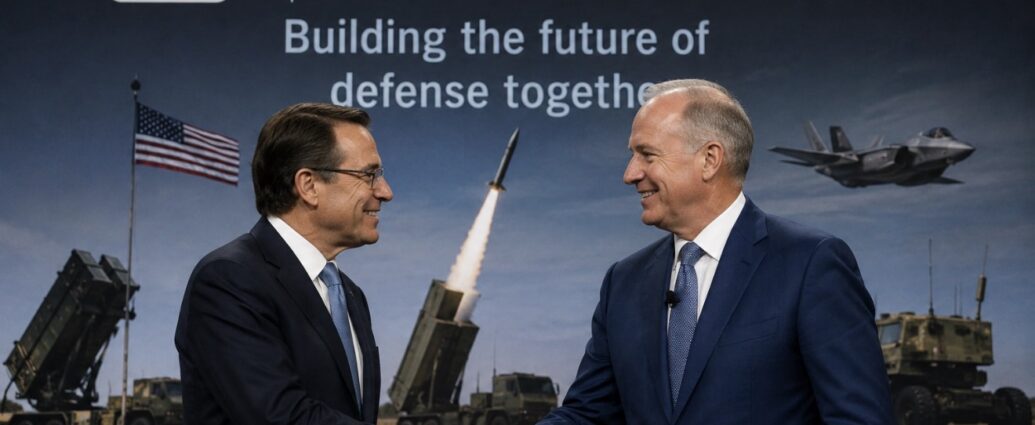
General Motors Teams Up With Lockheed Martin to Crank Out More Missiles and Munitions as Iran and Ukraine Drain U.S. Stockpiles
General Motors and Lockheed Martin announced Tuesday that they have signed a partnership aimed at using the automaker’s manufacturing expertise to help increase production of missiles, munitions, and other defense systems as growing global conflicts place pressure on U.S. weapons stockpiles.
The companies unveiled the agreement at the Reindustrialize Summit in Detroit, describing it as a step toward accelerating weapons production while strengthening America’s industrial base.
Lockheed executives argued that the manufacturing principles behind building advanced military hardware are not all that different from those used to build automobiles.
“What does a THAAD air defense interceptor have in common with a Corvette?” asked Frank St. John, Lockheed Martin’s chief operating officer. The answer, he said, is precision engineering, complex supply chains, advanced manufacturing processes, and the ability to produce at scale.
The goal is not to merge the products themselves but to apply the manufacturing strengths of one industry to another.
The timing reflects growing Pentagon concerns about production capacity.
America’s weapons inventories have been strained by military operations involving Iran and by years of weapons shipments supporting Ukraine. Defense officials have repeatedly urged contractors to increase production rates to replenish stockpiles and prepare for future conflicts.
According to company executives, the memorandum of understanding was developed following discussions with the Pentagon, which has been encouraging industry partners to find ways to expand output more rapidly.
That is where GM enters the picture.
Through GM Defense, established in 2017, the automaker already supplies military vehicles and specialized transportation systems to government agencies. The division currently holds contracts with the U.S. Army, the Department of State, and other federal entities.
But Lockheed is interested in something beyond GM Defense’s existing products.
General Motors possesses one of the world’s most sophisticated manufacturing networks, capable of producing complex systems at high volume while managing thousands of suppliers and logistics partners. Defense leaders increasingly view those capabilities as essential to rebuilding America’s defense-industrial capacity.
Bruce Brown, vice president of strategy at GM Defense, said technological innovation alone is not enough. The ability to manufacture, scale, and deliver consistently is equally important.
The partnership also represents a return to history.
During World War II, General Motors produced tanks, aircraft engines, military trucks, and other equipment for the U.S. war effort. In the decades that followed, the company focused primarily on civilian vehicles. The new partnership signals a renewed push into defense manufacturing at a time when government demand is rising.
For General Motors, defense work offers access to a market supported by long-term government contracts and potentially higher margins than traditional automotive manufacturing.
For Lockheed Martin, the agreement supports a broader expansion already underway.
The defense giant has committed more than $9 billion through 2030 to modernize and expand production facilities. That investment includes a new munitions manufacturing center in Troy, Alabama, where construction began last month and is expected to create a significant number of jobs.
Lockheed produces some of America’s most important military systems, including the F-35 fighter jet, THAAD missile-defense system, PAC-3 interceptors, and the Black Hawk helicopter. The company has faced increasing pressure from the Pentagon to expand output of missile-defense systems and precision-guided weapons.
Executives emphasized that the partnership remains in its early stages.
No specific factories, products, or contracts have been announced. St. John said it is too early to determine which Lockheed programs will benefit most from the collaboration.
Steve duMont, president of GM Defense, said both companies will spend the coming weeks identifying projects where GM’s manufacturing capabilities can provide the greatest value.
Beyond the immediate defense implications, the announcement reflects a broader trend reshaping American industry.
The push toward reindustrialization has gained momentum as policymakers seek to strengthen domestic manufacturing, reduce dependence on foreign supply chains, and expand production of strategically important goods. Increasingly, the line between commercial manufacturing and defense production is becoming less distinct.
If successful, the partnership could channel additional defense work into factories, supplier networks, and manufacturing communities across the United States, supporting skilled jobs and industrial investment.
Questions remain.
Defense manufacturing involves strict security requirements, specialized certifications, and procurement rules that differ significantly from automotive production. Transforming commercial manufacturing capacity into military output is not as simple as repurposing an assembly line.
Ultimately, both companies will be judged not by the announcement itself but by whether the partnership results in more weapons reaching U.S. stockpiles.
The first major test will come when Lockheed Martin and General Motors identify the specific defense programs they intend to pursue together.
For now, the message from Detroit is clear: the companies that helped build America’s automotive industry are being asked to help rebuild its arsenal.
Detroit – JBizNews Desk
© JBizNews.com All Rights Reserved. Reproduction or distribution without written permission is prohibited.

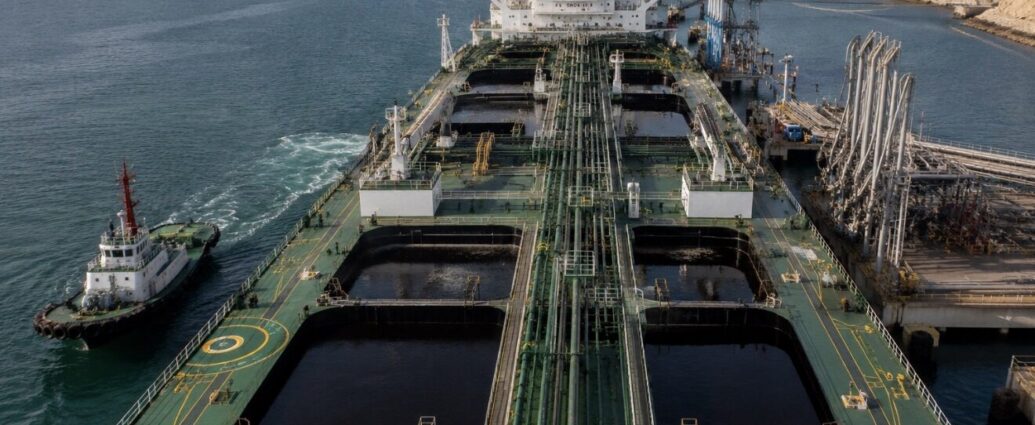
How Long Until Cheaper Gas? The Hormuz Reopening Timeline, Step by Step
The widely circulated claim that it could take 90 days to clear the Strait of Hormuz does not appear to come from any official mine-clearing estimate. Industry analysts and government officials have offered timelines ranging from several weeks to several months, but no major source has projected a 90-day mine-clearing operation.
Instead, the figure appears to stem from the length of time the strait has already been disrupted. The waterway has been largely closed since February 28, meaning it has been affected for more than 100 days, with many reports previously referring to the closure as lasting “90-plus days.” Somewhere along the way, that closure-duration figure appears to have been mistakenly interpreted as a forecast for reopening.
The actual reopening timeline is considerably more complex.
President Donald Trump and Iranian President Masoud Pezeshkian signed an agreement this week to reopen the Strait of Hormuz, but the date that matters most for consumers is not the signing date — it is how long it takes to safely restore oil flows and bring energy markets back to normal.
The U.S. Energy Information Administration describes the strait as the world’s most important oil transit chokepoint, carrying roughly 20% of global oil and liquefied natural gas supplies under normal conditions.
Phase One: Opening Safe Shipping Lanes
The first step is establishing secure passage through the strait.
Greg Brew of Eurasia Group estimates it could take two to three weeks to identify and certify safe shipping corridors for large tankers. According to maritime intelligence firm Kpler, roughly 500 commercial vessels remain in the Gulf region, including more than 100 loaded tankers waiting to move.
Some of those ships could begin departing within days, allowing oil already produced and sitting offshore to reach markets. This phase provides the first wave of supply relief.
Crude prices have already begun responding. Brent crude has eased from recent highs, and gasoline prices typically follow oil lower after a short delay.
Phase Two: Mine-Clearing Operations
The more difficult challenge is clearing mines and restoring full confidence among shipping companies and insurers.
A Pentagon briefing to Congress estimated that completely clearing the waterway could take up to six months. Earlier this month, Secretary of State Marco Rubio testified before the Senate Foreign Relations Committee that Iran had mined portions of the strait.
Some maritime-security specialists have suggested shorter timelines, but insurers are expected to remain cautious until waterways are formally certified as safe. European allies, including Britain, France, Germany, Italy, and the Netherlands, are preparing or supporting mine-clearing operations.
Until that work is completed, transportation costs are likely to remain elevated, limiting how quickly gasoline, diesel, and shipping expenses can decline.
Phase Three: Restoring Full Oil Production
Even after shipping lanes reopen, oil production does not instantly return to normal.
Amena Bakr of Kpler estimates it could take two to three months for tankers to complete export cycles and return for new cargoes. Additional time will be needed for Gulf producers to fully restart production that was disrupted during the conflict.
ADNOC CEO Sultan Al Jaber has warned that reaching 80% of pre-war oil flows could take at least four months, while full normalization may not occur until 2027. Saudi Aramco CEO Amin Nasser has issued similar assessments.
What It Means for American Consumers
For U.S. households, the key takeaway is that relief is likely to come gradually.
Gasoline prices may begin easing in the coming weeks as trapped oil reaches global markets, but broader reductions in fuel, transportation, and consumer-goods costs are expected to unfold over many months.
The biggest variable remains the durability of the agreement itself. The deal provides a framework for reopening the strait, but major issues remain unresolved, including future negotiations over Iran’s nuclear program and long-term security arrangements in the Gulf.
If the agreement holds, energy prices should continue trending lower. If tensions return, markets could quickly reverse course.
Early indicators suggest movement is already beginning. TankerTrackers.com reports that Iranian crude shipments have resumed, while Iranian officials say vessels are once again moving through the country’s ports. The International Energy Agency, led by Fatih Birol, has said the market could eventually swing into surplus once Gulf production and exports fully recover.
For now, however, consumers expecting an immediate drop at the pump may need patience. Based on current industry estimates, the path to significantly cheaper gasoline appears measured in months, not days.
JBizNews Desk
© JBizNews.com All Rights Reserved. Reproduction or distribution without written permission is prohibited.

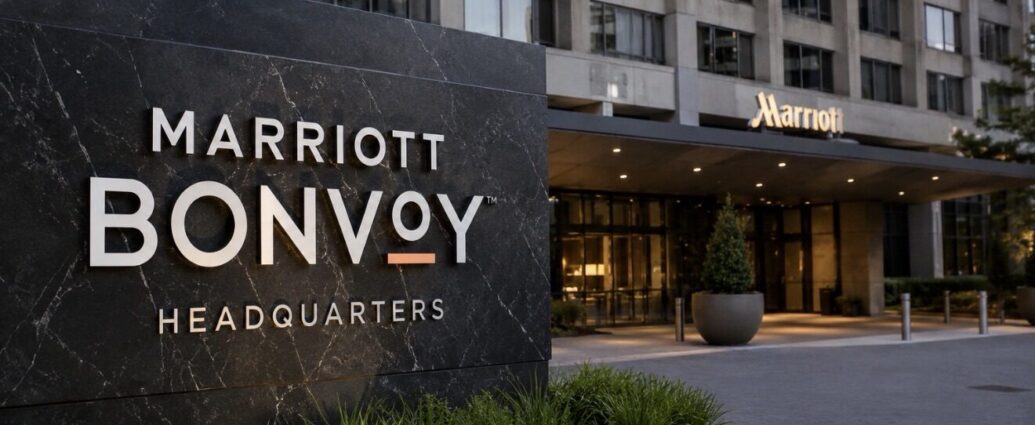
Owners of Nearly 1,000 Marriott Hotels Push Back on Bonvoy, Demanding a Bigger Cut of Loyalty Money
A group of 51 hotel owners who together run close to 1,000 Marriott-branded properties has told the company it wants a larger share of the money flowing through its Bonvoy rewards program, according to a letter the owners sent in March that became public Tuesday.
The letter went straight to the top, addressed to Chief Executive Anthony Capuano and Chairman David Marriott.
The fight comes down to a simple question: who pays when a guest cashes in points for a free night, and who pockets the profits the program throws off.
Most Marriott hotels are not owned by Marriott. They are owned by independent operators and franchisees who run the buildings, employ the staff, and pay Marriott for the right to fly its flags and tap into Bonvoy, one of the largest loyalty programs in travel.
When a member redeems points for a free stay, the hotel that hosts that guest gets reimbursed from a shared fund. Owners say that reimbursement often falls short of what the room is really worth.
Here is what changed.
For years, owners believed Bonvoy roughly broke even — a marketing engine that filled rooms without making anyone rich.
Now they have learned the program is a serious money-maker, and they feel cut out.
Marriott has said it expects fee revenue from its co-branded credit cards to climb about 35% this year, approaching $1 billion.
Much of that comes from card partners paying Marriott for the right to issue Bonvoy cards.
Owners argue they help create that value every time a guest stays, yet little of the windfall reaches them.
Their core complaints are about money and transparency.
They want higher payments when members redeem free nights — at least matching what they would earn from an online travel site like Expedia — and they want to see the program’s books, which Marriott has historically kept close.
Under the old setup, owners got a low base payment for an award night when the hotel had empty rooms to spare, on the logic that a free guest in an otherwise unsold room costs the hotel nothing.
When a property filled up, the payment rose toward the hotel’s normal nightly rate.
Owners say that formula no longer reflects how much Marriott earns from the credit-card side of the business.
Marriott has made some moves to ease the tension.
The company says it recently raised what owners are paid for loyalty stays on busy, high-demand nights, trimmed certain charge-out rates, and for the first time shared some Bonvoy financial details with owners.
It is also renegotiating agreements tied to the program.
The stakes are large because loyalty has quietly become one of the most profitable corners of the hotel business.
Bonvoy added roughly 43 million members last year and counted about 283 million members by the end of the first quarter.
Every one of those members is a reason for a traveler to book a Marriott instead of a competitor — but the value created sits at corporate, in the form of high-margin card fees, while the cost of honoring free nights lands on the individual hotel.
For travelers, the dispute could eventually show up in the value of their points.
If owners win bigger reimbursements for award stays, Marriott has to find that money somewhere.
The most common way hotel programs cover rising costs is by raising the number of points needed for a free night, which quietly erodes what each point is worth.
Nothing has changed for members yet, but a richer payout to owners tends to flow downhill to guests.
There is also a business-model question for investors.
Marriott International (MAR) has long sold Wall Street on an “asset-light” story — it manages and licenses brands rather than owning buildings, and loyalty and credit-card fees are a big part of that pitch.
A revolt by the people who actually own the hotels puts a spotlight on how durable those fees are, and how much Marriott may have to give back to keep its franchise network from walking.
For now, the two sides are negotiating.
The owners have leverage in numbers and in the simple fact that Marriott needs them to run its hotels.
Marriott has the brand, the members, and the card deals.
Somewhere between those positions is the new split of a billion-dollar pot — and the answer will ripple from hotel balance sheets all the way down to the points sitting in travelers’ accounts.
Bethesda, Md. — JBizNews Desk
JBizNews Desk / © JBizNews.com All Rights Reserved. Reproduction or distribution without written permission is prohibited.

Robinhood to Lay Off About 290 Workers, Roughly 10% of Staff, as Its Chief Executive Pushes a Leaner Company
Robinhood Markets disclosed Tuesday that it will cut about 10% of its workforce, eliminating roughly 290 jobs, in a move chief executive Vlad Tenev described not as a retreat but as a deliberate effort to keep the company lean and fast-moving.
The cuts were announced in a Form 8-K filing with the Securities and Exchange Commission and laid out in a memo Tenev sent to employees, which the company later posted on X. In it, Tenev struck an unusual tone for a layoff announcement.
“Robinhood’s business has never been stronger,” he wrote, before arguing that the company “cannot default to operating as a heavily-layered organization” and must instead be a “lean, hyper-focused team.”
The numbers back up the claim of strength, which is what makes the move notable. Robinhood, which employs about 2,900 full-time workers, said its trading volumes hit record levels in June across stocks, options and the fast-growing market for prediction-market contracts. The company recently reported a 15% jump in revenue, though its stock slipped at the time because the figure came in below what analysts had hoped.
Robinhood expects the cuts to cost about $28 million, including roughly $20 million in cash for severance and benefits and about $8 million in stock-based compensation, all to be recorded in the second quarter.
These are the company’s first layoffs in three years; the last came in 2022, when a cooling market and a crypto crash forced two painful rounds of reductions.
One detail stands out for what it leaves out.
A growing number of banks, fintech firms and payment companies cutting staff this year have pointed to artificial intelligence, saying software can now do work that once required people. Robinhood did not.
Tenev framed the decision purely as a matter of structure and speed, not automation, casting the smaller headcount as a way to push more responsibility onto fewer, higher-performing employees.
The backdrop is a broader wave of belt-tightening across financial technology and crypto.
Last month, Coinbase, one of the largest crypto exchanges, said it was cutting about 14% of its staff. Earlier in the year, Crypto.com and Algorand announced their own reductions.
The price of Bitcoin and other digital currencies has slumped, and trading has cooled from the frenzy of 2024, squeezing companies whose fortunes rise and fall with market activity.
What separates Robinhood is the framing: most of its peers are cutting because business slowed, while Robinhood says it is cutting from a position of strength.
Here is why it matters beyond Wall Street.
Robinhood is the app that pulled millions of ordinary Americans into investing for the first time, powering the meme-stock craze and turning phone-based trading into a mainstream habit.
When a profitable company posting record activity still decides to shed one in ten workers, it signals something about the moment: even healthy businesses are trimming management layers in the name of speed.
For employees across the technology sector, it is one more sign that the era of aggressive hiring has given way to a focus on doing more with less.
Investors gave the news a mixed reception.
Robinhood shares rose more than 2% early Tuesday before giving back the gains and turning lower later in the day, a sign that Wall Street is still weighing whether a leaner Robinhood means a stronger one.
For the roughly 290 people losing their jobs, the company said it would offer support through the transition.
For everyone else watching, the bigger question is whether “lean and disciplined,” the phrase Tenev keeps returning to, becomes the standard other strong companies adopt, even when business is good.
Wall Street — JBizNews Desk
JBizNews Desk / © JBizNews.com All Rights Reserved. Reproduction or distribution without written permission is prohibited.



Europe’s Central Bankers Warn That an Iran Peace Deal Won’t Quickly Undo the Damage From the Energy Shock
Even if the war in Iran ends, the price increases it set off are not going to disappear with it. That is the message coming from senior officials at the European Central Bank (ECB), who raised interest rates last week and warned that the energy shock has already worked its way too deeply into the economy for a peace deal to reverse on its own.
On June 11, the ECB lifted its key deposit rate by 0.25 percentage points to 2.25%, marking its first rate increase since 2023 and the first move by a major central bank in response to the surge in oil and natural-gas prices triggered by the conflict. ECB President Christine Lagarde said the decision was unanimous and reflected concerns that inflation pressures created by the war were becoming more persistent.
The bank’s chief economist, Philip Lane, explained the concern in simple terms: inflation can outlive the event that caused it.
Once higher energy costs begin spreading through wages, transportation, food, manufacturing, and everyday services, they develop momentum of their own. A manufacturer facing higher electricity costs raises prices. Workers facing higher living expenses seek larger wage increases. Businesses then raise prices again to offset higher labor costs. Economists call this process “second-round effects,” and it is the part of inflation that does not disappear simply because a ceasefire is signed.
That concern helps explain why policymakers remain cautious despite signs that the fighting may be winding down.
The numbers remain troubling. Inflation across the 20 nations that use the euro climbed to 3.2% in May, significantly above the ECB’s 2% target. The central bank now expects inflation to average roughly 3% this year, up from the 2.6% forecast it issued in March, before gradually returning toward target by 2028.
At the same time, economic growth remains weak. The ECB now expects the euro-area economy to expand just 0.8% in 2026, after posting only 0.1% growth during the first quarter. That combination of slowing growth and elevated inflation presents one of the most difficult challenges central bankers face.
A peace agreement may help, but not as quickly as many consumers hope.
The closure of the Strait of Hormuz, which normally handles roughly a quarter of the world’s seaborne oil shipments, disrupted global energy markets for months. In addition, attacks on energy facilities across the Gulf region damaged infrastructure and restricted supplies.
Even as shipping resumes and tensions ease, energy markets cannot immediately return to normal. Facilities must be repaired, inventories replenished, and transportation networks stabilized. Much of the economic damage has already been built into business contracts, household budgets, and corporate expectations.
Not everyone believes the ECB will continue raising rates aggressively.
Mark Wall, chief European economist at Deutsche Bank, described the latest increase as a significant milestone but cautioned that interest-rate hikes can only do so much when inflation originates from a supply shock rather than excessive demand.
Higher rates may cool spending, but they do not produce more oil, natural gas, or electricity.
That reality creates a difficult balancing act for policymakers. Raise rates too aggressively and they risk pushing an already fragile economy closer to recession. Move too slowly and inflation could become entrenched.
For households and businesses, the consequences are becoming increasingly visible.
Borrowing costs are rising just as economic growth weakens. Businesses face higher financing expenses while still coping with elevated energy and transportation costs. Families carrying mortgages, auto loans, or credit-card debt may find monthly payments becoming more burdensome even if fuel prices eventually begin to decline.
The divide among major central banks adds another layer of uncertainty.
While the ECB has chosen to tighten policy, the Federal Reserve in the United States and the Bank of England have so far held rates steady, reflecting a belief that much of the energy shock may eventually fade on its own. The ECB has taken a different view, concluding that inflation risks are too serious to ignore.
Those differing approaches can influence currency values, trade flows, investment decisions, and the cost of doing business across global markets.
What happens next depends largely on whether the energy shock leaves lasting scars.
ECB officials have signaled that another rate increase could come as soon as July if inflation remains elevated, though they have emphasized that future decisions will depend on incoming economic data.
For now, Europe’s central bankers are sending a clear message: even if peace arrives, the economic consequences of the conflict may linger far longer than the fighting itself.
Frankfurt – JBizNews Desk
© JBizNews.com All Rights Reserved. Reproduction or distribution without written permission is prohibited.


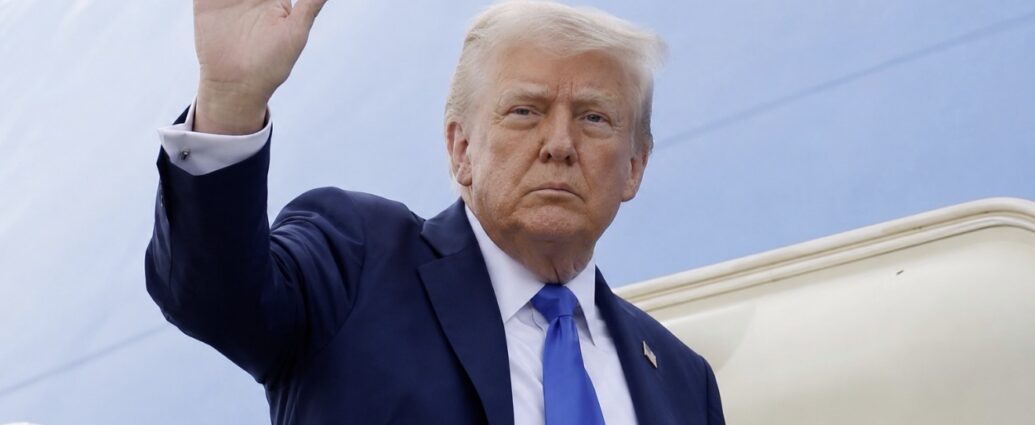
Trump’s Approval Slides in U.S. and Israeli Polls as War Costs Hit Home
A growing number of voters in both the United States and Israel appear dissatisfied with the outcome of the war against Iran, according to newly released polling that suggests the political and economic consequences of the conflict are continuing to shape public opinion.
A Rasmussen Reports survey released Wednesday found that 48% of likely U.S. voters consider the war that began in February unsuccessful, including 27% who described it as “not at all successful.” By comparison, 44% viewed the effort as successful. The survey also found that only 35% of respondents favored continuing military operations until the government in Tehran was removed from power.
Economic concerns appear closely tied to those views. Since the conflict began on February 28 under the codename Operation Epic Fury, gasoline prices have risen significantly, with the national average approaching $4 per gallon, according to data tracked by AAA. At the same time, inflation has accelerated. The Bureau of Labor Statistics reported consumer prices up 3.8% year-over-year in its most recent reading, the highest annual pace since 2023, driven largely by energy costs.
Consumers have also faced higher grocery prices and increased household expenses. Recent labor data showed that average hourly earnings, after adjusting for inflation, have declined, adding pressure to household budgets. For many voters, the debate over the war has become intertwined with concerns about everyday living costs.
Those concerns are reflected in President Donald Trump’s approval ratings. A Reuters/Ipsos poll conducted June 3–8 found Trump’s overall approval rating at 35%, among the lowest levels of his second term. The survey found 29% approval for his handling of Iran and 22% approval for his handling of the cost of living. Meanwhile, the Economist/YouGov tracker recorded a net approval rating of negative 25 points, with particularly weak marks on inflation and consumer prices.
Several analysts have noted that economic management has traditionally been one of Trump’s strongest political issues. Rising inflation and higher energy costs have complicated that advantage, placing greater focus on voters’ financial concerns heading into the election season.
The political challenges extend beyond the United States. In Israel, a poll conducted for public broadcaster Kan found significant skepticism toward the U.S.-brokered agreement that ended active hostilities. Among the 555 Israelis surveyed, 18% supported the agreement while 55% opposed it. The poll also found that 70% remain concerned about the Iranian threat despite the joint U.S.-Israeli military campaign.
Views of Trump among Israeli respondents were more mixed. Approximately 40% described him as a strong friend of Israel, while 32% said they believe his approach toward the country may be changing.
A key issue moving forward is the impact of the agreement on global energy markets. The arrangement includes the reopening of the Strait of Hormuz, a critical shipping corridor through which roughly one-fifth of global oil supplies pass. The deal also provides temporary relief on some restrictions affecting Iranian oil exports.
Energy analysts say increased oil supplies could eventually help reduce fuel prices, although several experts have cautioned that supply chains and inventories may take considerable time to normalize. As a result, any meaningful reduction in energy costs may not be immediate.
The economic effects of the conflict have also been felt by businesses. Appliance manufacturer Whirlpool, parent company of KitchenAid and Maytag, recently reported declining sales and cited weakening consumer demand. Meanwhile, the Federal Reserve, under Chairman Kevin Warsh, has kept interest rates unchanged, citing ongoing inflation concerns and uncertainty surrounding energy prices.
The months ahead could prove critical politically. With the midterm elections approaching, public opinion surveys suggest that voters remain highly focused on inflation, fuel prices, and overall economic conditions. Whether lower energy prices emerge quickly enough to ease those concerns may play a significant role in shaping both voter sentiment and market expectations.
JBizNews Desk
Washington
© JBizNews.com All Rights Reserved. Reproduction or distribution without written permission is prohibited.


Opinion | Is Iran Really a ‘Normal Country’?


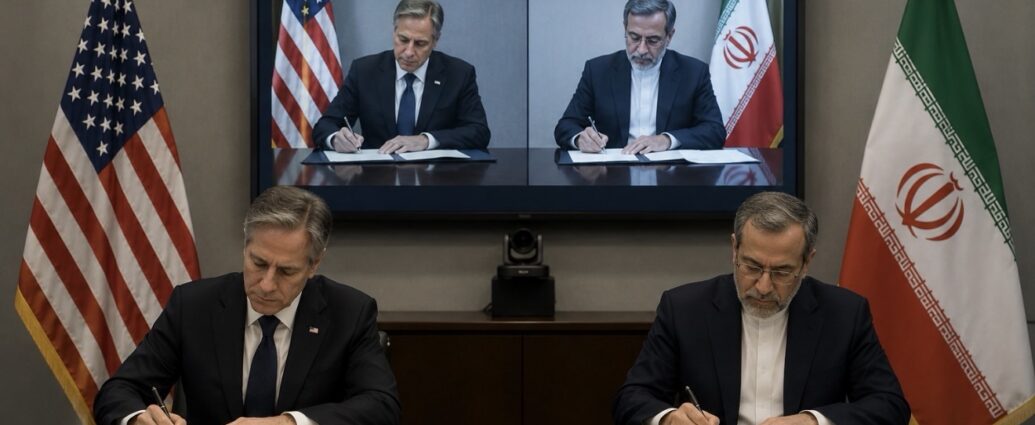
Breaking! U.S. and Iran Sign Ceasefire Memorandum Remotely as the Deal Takes Effect Immediately
The war between the United States and Iran moved a step closer to an official end Wednesday after both sides put a ceasefire memorandum into effect, activating a 60-day framework designed to halt hostilities and open negotiations toward a broader settlement.
The agreement takes effect immediately, while diplomats continue preparations for a formal signing ceremony expected later this week in Switzerland.
The move marks the most significant diplomatic breakthrough since fighting erupted on February 28, a conflict that disrupted global energy markets, rattled investors, and raised fears of a broader regional war.
For businesses, investors, and consumers, the most important provisions involve oil, shipping, and trade.
The ceasefire framework outlines steps aimed at restoring commercial traffic through the Strait of Hormuz, one of the world’s most important energy corridors. Before the conflict, roughly one-fifth of global oil and liquefied natural gas shipments moved through the narrow waterway linking the Persian Gulf to international markets.
Disruptions to that route sent oil prices sharply higher and contributed to rising gasoline costs worldwide.
The agreement also creates a pathway for increased Iranian energy exports and the restoration of commercial activity tied to shipping, insurance, banking, and transportation services associated with international trade.
Markets have already responded positively.
Oil prices have retreated from recent highs as traders anticipate improved supply conditions, while gasoline prices have begun easing as concerns over a prolonged disruption diminish. The possibility of additional Iranian crude entering global markets has added to expectations that energy costs could continue falling if the ceasefire holds.
President Donald Trump welcomed the development and has repeatedly pointed to lower oil prices and stronger financial markets as evidence that diplomacy is producing economic benefits.
Beyond energy, the memorandum establishes a 60-day negotiating period during which both countries are expected to pursue discussions on regional security issues and Iran’s nuclear activities.
Iran has agreed to maintain the current status of its nuclear program during negotiations, while the United States has agreed not to impose additional measures during the framework period.
Officials on both sides have emphasized that the memorandum represents a temporary framework rather than a final peace agreement.
That distinction remains critical.
While markets have embraced the ceasefire, investors recognize that the agreement’s success ultimately depends on what happens during the next two months. Any breakdown in negotiations or renewed military activity could quickly reverse recent gains in stocks and send energy prices higher again.
The challenge is already apparent. Regional tensions remain elevated, and military activity involving Iranian-backed groups continues to present risks that could complicate efforts to reach a permanent settlement.
The diplomatic effort has drawn support from multiple international players, including regional mediators, European governments, and the United Nations, all of whom have urged both sides to use the ceasefire as an opportunity to pursue a longer-term resolution.
For the global economy, the stakes extend far beyond the Middle East.
Lower energy prices could ease inflationary pressures, reduce transportation costs, improve corporate profit margins, and provide relief for households that have faced months of elevated fuel prices.
Airlines, manufacturers, trucking companies, retailers, and consumers all stand to benefit if stability returns to energy markets.
The next 60 days will determine whether this memorandum becomes the foundation for a broader agreement or simply a pause in a conflict that has already reshaped global energy markets and geopolitical calculations.
For now, the ceasefire is in effect, commercial shipping is preparing to normalize, and markets are cautiously betting that diplomacy may finally succeed where months of conflict failed.
JBizNews Desk
Washington
© JBizNews.com All Rights Reserved. Reproduction or distribution without written permission is prohibited.
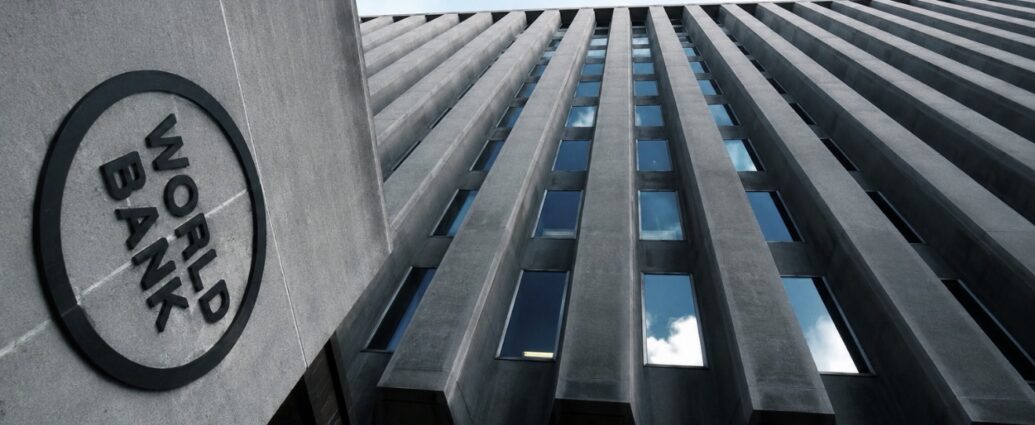
World Bank Approves Guarantees to Unlock Up to $2 Billion in Private Loans for Debt-Strapped Argentina
The World Bank Group said Tuesday it has approved a financing package designed to unlock as much as $2 billion in private bank loans for Argentina, a deal meant to cut the country’s borrowing costs just as a heavy round of debt payments comes due. The approval was announced from Washington by the bank’s board.
The structure is unusual, and the details matter. Rather than lend the money itself, the World Bank Group is backing loans that commercial banks will make to Argentina. It does this through two guarantees: a first-loss policy-based guarantee from the International Bank for Reconstruction and Development (IBRD) and a second-loss guarantee from the Multilateral Investment Guarantee Agency (MIGA). Together they cover 95% of the debt-service payments on the commercial loan.
In plain terms, the bank is promising to absorb most of the losses if Argentina fails to pay. That promise is what makes private lenders comfortable handing over money to a borrower they would otherwise treat as high-risk, and it lets Argentina lock in cheaper terms than it could get on its own.
The timing is no accident. Argentina faces roughly $4.4 billion in debt repayments by July 9, and the new package is built to help refinance part of that load rather than drain the country’s reserves to cover it. The supported loan carries a six-year maturity with a three-year grace period before repayments begin.
“We are committed to supporting Argentina’s macroeconomic stabilization and growth reform agenda,” said Susana Cordeiro Guerra, the World Bank’s Vice President for Latin America and the Caribbean. She said the guarantee structure helps bridge the country’s return to international capital markets on more affordable terms while pushing reforms that lift private investment and productivity.
That last point is the real goal behind the headline number. The guarantees are tied to changes meant to pull private money into Argentina — financing for infrastructure, stronger competition in its markets, and a friendlier environment for companies trying to do business there. The loan is less a handout than a down payment on Argentina convincing private investors to come back on their own.
And the World Bank is not acting alone. The Inter-American Development Bank is weighing a guarantee of up to $550 million for Argentina, while the Development Bank of Latin America and the Caribbean (CAF) is looking at another $500 million in support. CAF also announced Tuesday that it will provide a separate $400 million loan to Pan American Energy to fund the company’s natural-gas operations and expand output — a sign that lenders are backing both the government and the businesses driving its energy sector.
For ordinary Argentines and the companies that operate there, the stakes are practical. The country has spent years fighting punishing inflation and a weak currency, and the cost of borrowing abroad has long been one of its heaviest burdens. Cheaper refinancing eases pressure on the national budget, which in turn affects everything from the value of the peso to the price of imported goods and the government’s ability to keep spending steady. Lower financing costs also make it easier for firms to plan, hire, and invest without bracing for the next debt crisis.
There is a wider message here too. The deal is being watched closely by other developing economies, because the guarantee model offers a template for governments that have been shut out of cheap credit. If private banks are willing to lend to Argentina when most of the risk is covered, the same approach could be used to pull commercial money into countries that markets have written off.
None of this erases Argentina’s underlying problems. The package buys time and lowers costs, but it does not eliminate the debt or guarantee the reforms will deliver. The country still has to prove it can stabilize its economy and earn its way back into global markets without a safety net.
For now, the approval is a clear win. It hands Argentina a cheaper path through a near-term cash crunch and signals that international lenders are betting the country’s turnaround is worth backing. The harder test — whether private investors return on their own once the guarantees are gone — is still ahead.
Washington — JBizNews Desk
© JBizNews.com All Rights Reserved. Reproduction or distribution without written permission is prohibited.

An Annotated Analysis of Trump’s Iran Deal


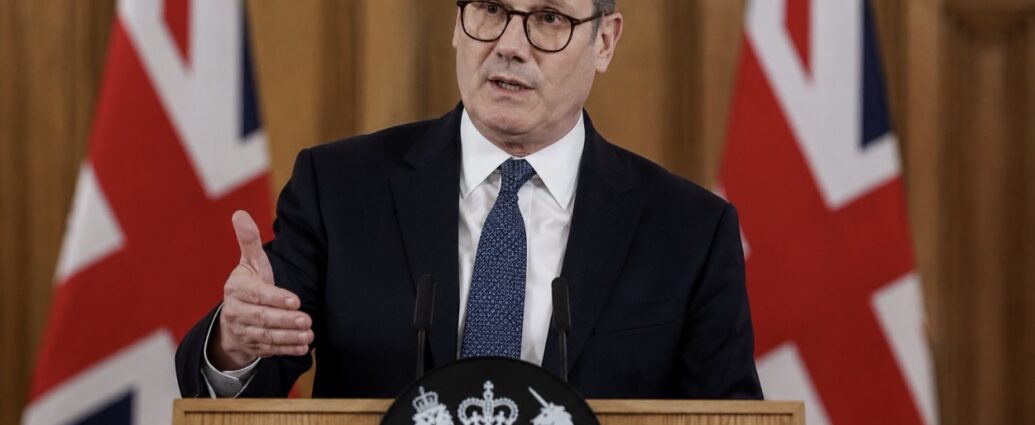
Britain Moves to Ban Children Under 16 From TikTok, YouTube and Other Social Apps, Squeezing the Tech Giants
Britain will bar children under 16 from using a range of major social media apps, Prime Minister Keir Starmer announced Monday, putting the country at the front of a global push to pull young people away from platforms built to keep them scrolling.
Speaking at Downing Street, Starmer said the ban would cover Snapchat, TikTok, YouTube, Instagram, Facebook and X, and would take effect next year.
Messaging services such as WhatsApp and Signal, along with YouTube Kids, would be exempt.
Crucially, the penalties fall on the companies, not the children. Platforms that fail to take reasonable steps to keep under-16s off their services could face fines running into the millions.
“Every parent can see it with their own eyes. Social media is making children unhappy,” said Starmer, who has two teenage children and framed the move as a “big moment for our country.”
The government said its plan drew support from about nine in ten parents and generated 116,000 responses during public consultation, one of the largest in years.
The British plan follows the model set by Australia, which last year became the first country to bar under-16s from holding social media accounts.
But Starmer said Britain would go further.
The government also intends to block livestreaming and stranger contact with children on gaming platforms, restrict AI chatbots that simulate romantic or sexual relationships to adults only, and is weighing additional measures such as overnight curfews and forced breaks in endless scrolling for those under 18.
For the technology industry, the stakes are real and largely American.
The companies in the crosshairs are among the biggest names in U.S. tech: Meta, which owns Instagram and Facebook; Snap, the maker of Snapchat; Google, which owns YouTube; and TikTok’s parent, the Chinese firm ByteDance.
These platforms depend on advertising revenue, and advertising depends on engaged users, including the teenagers a ban would lock out.
Beyond the lost users, the companies face the cost and complexity of verifying ages across millions of accounts, a technical and privacy challenge with no easy solution.
The platforms are pushing back.
A YouTube spokesperson warned that a blanket restriction could backfire by pushing children out of supervised, curated services and toward anonymous, less-safe corners of the internet.
Starmer anticipated the resistance, saying he would fight back if technology companies resisted and acknowledging that some teenagers would inevitably find workarounds.
He compared it to alcohol, arguing that the difficulty of perfect enforcement is no reason to abandon the effort.
Here is why it matters well beyond Britain.
The country is one of the largest and wealthiest markets in Europe, and a ban there sets a precedent that other governments are likely to study closely.
Australia, Canada, Brazil and Indonesia have already moved on age limits, and France, Spain, Denmark and others are weighing similar steps.
Each new market that closes to younger users chips away at a business model the social media giants have spent two decades building, one that treats teenage attention as a core asset.
The timing is pointed.
Starmer said he expected to raise the issue with President Donald Trump and other leaders at the Group of Seven summit in France this week, suggesting the campaign to regulate children’s access to social media is becoming an international cause rather than a national experiment.
For the American companies that dominate these platforms, the message from London is a warning:
The era of unrestricted access to young users is starting to close, one country at a time.
London — JBizNews Desk
JBizNews Desk / © JBizNews.com All Rights Reserved. Reproduction or distribution without written permission is prohibited.


The Deadly Drone War Terrorizing Colombia
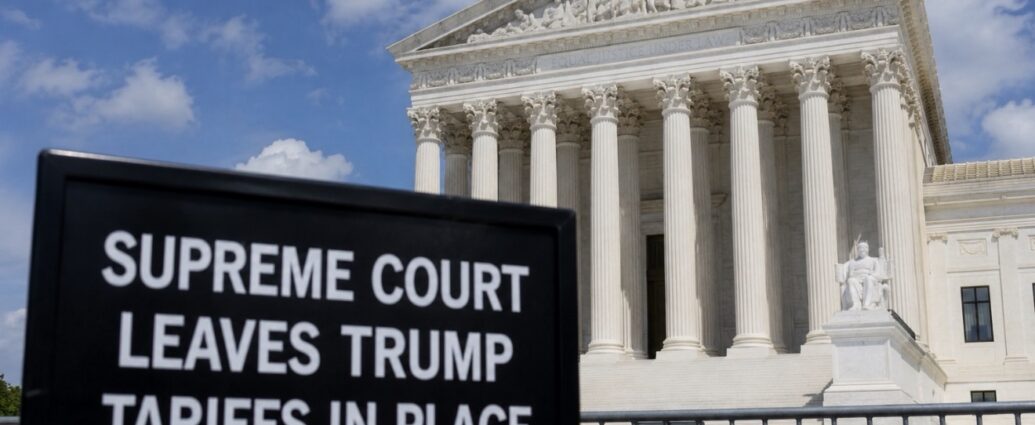
The Supreme Court Leaves Trump’s First-Term China Tariffs in Place, Turning Away a Challenge From Importers Seeking Refunds
The Supreme Court on Monday declined to hear a challenge to the tariffs President Donald Trump placed on Chinese goods during his first term, leaving the import taxes in place and ending a years-long fight by businesses that had hoped to overturn them and recover what they paid.
The justices denied review, without comment, in a case known as HMTX Industries LLC v. United States, the test case in a long-running effort to undo the duties. The decision closes the door on the lawsuit and on the refunds that importers across the country were seeking.
The tariffs at issue were imposed in 2018 under Section 301 of the Trade Act of 1974, after the U.S. Trade Representative investigated and concluded that China was engaging in unfair trade practices, including the theft of American intellectual property and the forced transfer of technology from U.S. companies.
The original duties covered about $50 billion worth of Chinese goods. The administration later expanded them sharply, to roughly $370 billion in products, a move the plaintiffs argued went beyond what the law allowed.
Lower courts, including the U.S. Court of Appeals for the Federal Circuit, had already sided with the government, and the Supreme Court’s refusal to step in lets those rulings stand.
The timing is what makes this significant.
Just four months ago, in February, the same Supreme Court struck down a far broader set of tariffs Trump imposed in his second term, ruling 6-3 that he had overstepped his authority by using a national-emergency law to tax imports from nearly every country.
That decision wiped out the sweeping “reciprocal” tariffs.
But it left the older Section 301 tariffs on China untouched because those rest on a different and firmer legal foundation.
Monday’s action confirms that distinction: the emergency-powers tariffs fell, while the China tariffs survive.
For the administration, that is a meaningful win.
With the emergency-powers route blocked, Section 301 has become one of the most reliable tools left for taxing imports, and the court has now signaled it will not interfere with how that tool has been used.
The administration has already begun leaning on it, recently opening new Section 301 actions against several seafood-trading partners over forced-labor concerns.
Here is why it matters beyond the courtroom.
The tariffs cover an enormous share of what the United States buys from China, from electronics and machinery to furniture and auto parts.
Those taxes are paid in the first place by American companies that import the goods, and a portion of the cost typically reaches consumers through higher prices.
They have been part of the economic landscape for years, and Monday’s decision means they are not going anywhere.
The businesses that paid them and hoped for relief, or for money back, will get neither.
It also leaves the broader trade picture firmly in place.
Even after the bigger tariffs were struck down in February, Chinese goods remained among the most heavily taxed imports in the country because of these Section 301 duties stacked alongside other measures.
With the legal challenge now exhausted, that structure is locked in for the foreseeable future.
The ruling lands as the United States and China continue a delicate economic relationship, one that has swung between confrontation and negotiation.
For companies that spent years building supply chains around Chinese factories and betting the courts might eventually grant them relief, the message from Washington is now unambiguous:
Plan around the tariffs, because they are here to stay.
Washington — JBizNews Desk
JBizNews Desk / © JBizNews.com All Rights Reserved. Reproduction or distribution without written permission is prohibited.
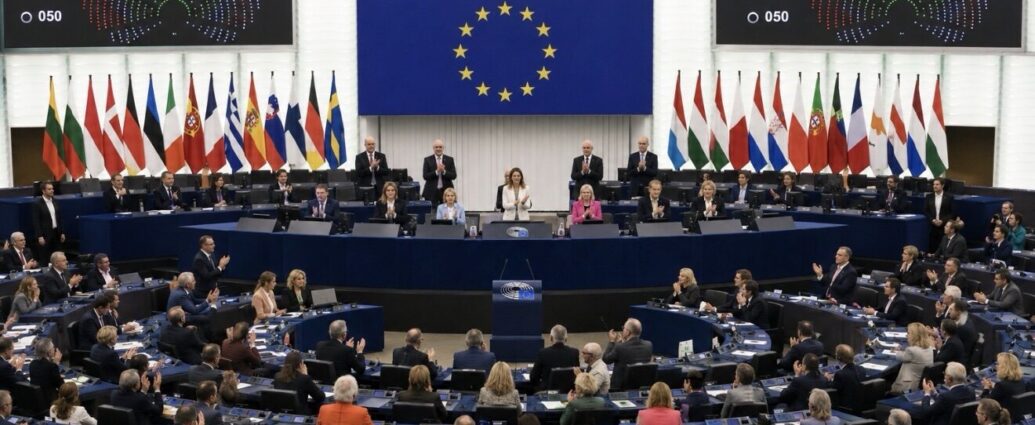
European Parliament Ratifies U.S. Trade Deal, Avoiding Trump’s Threatened 25% Auto Tariffs
The European Parliament gave its final approval Tuesday to a long-delayed trade agreement with the United States, voting 440 to 151 with 50 abstentions and clearing the last major hurdle just weeks before a deadline set by President Donald Trump that would have sharply raised tariffs on European cars.
The vote locks in the framework that Trump and European Commission President Ursula von der Leyen struck nearly a year ago in Turnberry, Scotland. Under the deal, the United States applies a tariff of up to 15% on most goods coming from Europe, while the European Union removes many of the duties it charges on American industrial products. It is meant to settle a dispute that had been hanging over the world’s largest trading relationship.
What pushed lawmakers to act now was the calendar. Trump had given the bloc until July 4 to ratify the agreement, warning that he would otherwise raise tariffs to much higher levels. He had specifically threatened to lift duties on cars and trucks built in Europe to 25%, a move that would have hit the continent’s automakers hard and raised prices for American shoppers who buy their vehicles. Tuesday’s vote takes that threat off the table, at least for now.
Getting here was not smooth. EU lawmakers had twice frozen the deal over the past several months. They paused it in January after Trump floated the idea of taking control of Greenland, a Danish territory, and again in February after a U.S. court struck down a large part of his tariff program, leaving Europe unsure what it was even agreeing to. Many members of parliament have called the agreement lopsided, arguing it gives Washington more than it gives Brussels, and they attached safeguards that would let the EU suspend the tariff cuts if the United States does not hold up its end.
The tension has not gone away. Tuesday’s approval came just days after Trump issued yet another tariff threat, this time aimed at France over its rules governing digital companies. That timing was a reminder that even a ratified deal remains fragile as long as tariffs are being used as a tool of pressure.
Why does an agreement negotiated in Brussels matter to people in the United States? Because the amounts involved are enormous. Roughly $1.8 trillion in goods and services move across the Atlantic in both directions every year, touching everything from German sedans and French wine to American machinery, software and farm products. When tariffs rise, those costs tend to land on businesses and, eventually, on the prices consumers pay. A 25% tax on imported European cars would have rippled through dealerships, repair shops and the broader auto market on both sides of the ocean.
For carmakers, the vote is a clear relief. European manufacturers such as BMW, Mercedes-Benz and Volkswagen sell large numbers of vehicles in the United States and build many of them at American plants as well. A jump to 25% would have scrambled their pricing and factory plans. The 15% rate is still well above the roughly 2.5% they paid before the dispute began, but it gives them something businesses value above almost everything else: a number they can count on.
Not everything is settled. The safeguards the parliament attached still need sign-off from the EU’s member states before the tariff reductions on American goods fully take effect. Steel and aluminum remain subject to a separate 50% tariff that the two sides have yet to resolve. And the broader relationship will stay on edge as long as new threats keep surfacing.
Still, Tuesday marked a genuine turning point. After a year of brinkmanship, missed deadlines and frozen votes, the deal that has loomed over transatlantic trade finally has the approval it needed to move forward. For companies that have spent months unable to plan, that certainty may matter as much as the tariff rate itself.
The focus now shifts to whether Washington keeps the peace or reaches for the next threat.
Brussels — JBizNews Desk
© JBizNews.com All Rights Reserved. Reproduction or distribution without written permission is prohibited.
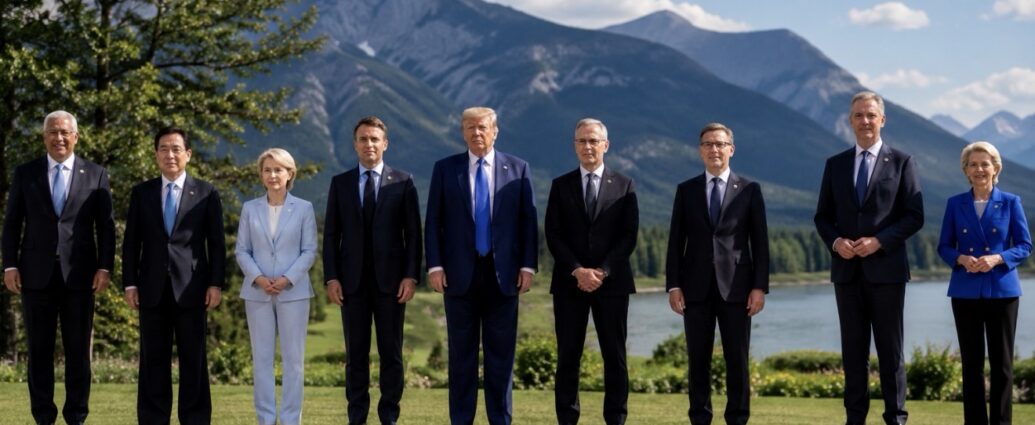
G7 Leaders’ Drive to Lead on Artificial Intelligence Collides With American Export Limits and China’s Grip on Key Minerals
The leaders of the Group of Seven gathered in Évian, France, this week wanting to show the world a united front on artificial intelligence. Instead, their push is running into two hard walls: the United States’ insistence on protecting its own technology lead, and China’s tight grip on the raw materials that AI depends on.
The summit, hosted by French President Emmanuel Macron and running through Wednesday, has put AI near the top of the agenda alongside the wars in Ukraine and the Middle East. Macron has courted the technology world to make his case, even inviting OpenAI chief executive Sam Altman to attend. But the deeper the leaders dig, the clearer it becomes that “G7 cooperation” on AI is complicated by how lopsided the field really is.
Consider the numbers. In 2025, roughly 79% of newly funded AI companies across the G7 were based in the United States, according to the Atlantic Council. France, the host, accounted for about 3.4%. When one member so thoroughly dominates an industry, agreeing on shared rules becomes a negotiation over advantage, not just principle.
That is the first wall. Washington has made clear it opposes binding multilateral agreements on AI that could dull its edge. Instead of signing onto shared governance, the United States is promoting what officials call the “American AI technology stack” — a push to export U.S. hardware and software, often backed by financing from the Commerce Department, so other countries build on American systems rather than Chinese ones. Add in U.S. export controls that restrict the sale of the most advanced AI chips abroad, and the message to allies is less “let’s write rules together” and more “build on our platform.” References to AI governance in this year’s summit language are expected to be watered down as a result.
The second wall is China, and it may be harder to climb. Artificial intelligence is not just software. It runs on physical hardware — chips, servers, data centers — and that hardware depends on rare earth elements and other critical minerals. China controls an estimated 80% to 90% of the global supply of those materials, and it has spent the past year tightening export controls on them. A suspension of some of the toughest restrictions is set to expire on November 10, less than five months away, and if it lapses, a wide swath of the world’s electronics supply chain would again need Chinese approval to operate.
The stakes are enormous. The International Energy Agency, in a report prepared for France’s G7 presidency, estimated that full enforcement of China’s controls could put $6.5 trillion a year in economic output at risk for countries outside China, with losses in the auto industry alone topping $3 trillion. The G7 has responded with a Critical Minerals Action Plan and more than $6.4 billion in new mining and processing projects, but the work is slow, and members remain divided over how confrontational to be with Beijing.
Here is why this matters beyond the summit photographs. The AI economy everyone is racing to build rests on three things: the software, where American firms dominate; the chips and the minerals inside them, where China holds the leverage; and the energy to run it all. The G7 can talk about leading together, but the United States holds most of the software and China holds most of the materials, leaving the rest of the bloc squeezed in the middle. For businesses, that shapes where the next factories and data centers get built. For ordinary people, the same mineral controls touch the price and availability of cars, phones and home electronics.
Leaders are expected to issue several statements before the summit closes on Wednesday, and French officials have promised “very concrete” progress on securing supply chains. Whether that means real action or more careful language is the open question. The pressure will not ease soon: China’s control suspension expires in November, and the United States takes over the G7 presidency next year, putting Washington and its go-it-alone instincts on AI in the host’s chair.
For now, the G7’s ambition to shape the future of artificial intelligence is bumping up against a simple reality. The technology may be global, but the power over it is not evenly shared.
JBizNews Desk
JBizNews Desk / © JBizNews.com All Rights Reserved. Reproduction or distribution without written permission is prohibited.


Can Vance Sell the Iran Deal?


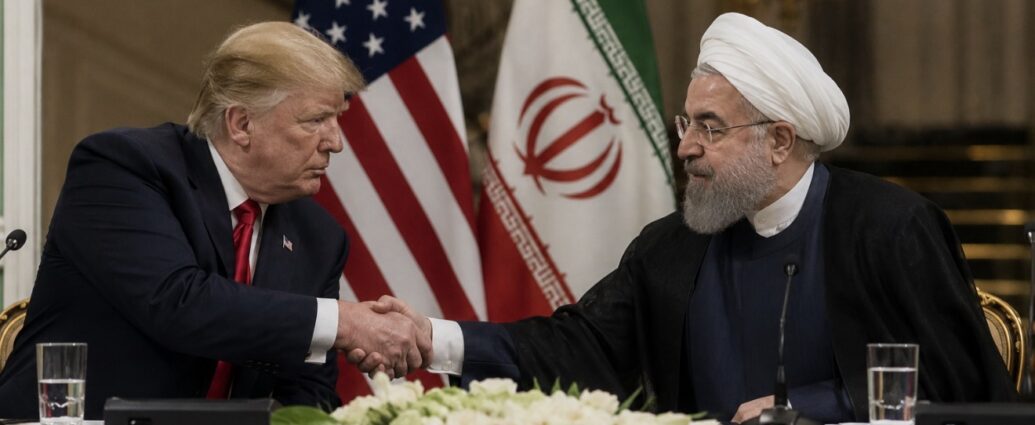
Iran Eyes Tens of Billions in Frozen Funds as Trump Opens 60-Day Negotiating Window
A senior Trump administration official told reporters Monday that the memorandum of understanding signed with Iran a day earlier leaves some of the hardest issues — sanctions relief, Iran’s nuclear program, and tens of billions of dollars in frozen Iranian money — for a later round of talks. For Tehran, that frozen money may be the biggest prize of all.
The agreement, signed digitally Sunday by President Donald Trump and Vice President JD Vance, opens a 60-day window for technical negotiations meant to produce a final deal. A formal signing ceremony with U.S. and Iranian officials, joined by Pakistani and Qatari mediators, is planned for Friday. But the official was blunt that this is a starting point, not a finished bargain.
What Iran wants is straightforward. Iranian state media, citing a 14-point draft, has described a plan to free up about $24 billion of Iran’s blocked funds during the 60-day period, with half handed over before final talks even begin. The Trump administration tells a different story.
A senior official said Friday that Iran would get nothing until it proves it is living up to the deal — turning over nuclear material, dismantling facilities, and committing to regional calm. Each step, the official said, earns Iran something in return. Treasury Secretary Scott Bessent, who oversees the sanctions machinery, has signaled the same caution. So the two sides do not yet agree on even the basic timing of any payout.
So where is all this money? Iran’s frozen and restricted assets are scattered across the globe, the leftover proceeds of oil and gas it sold but could not bring home once U.S. sanctions cut its banks off from the financial system. Estimates of the total run as high as $100 billion, though many put the realistically recoverable amount closer to $40 billion to $50 billion.
The single largest pile sits in China, Iran’s main oil customer, where Iranian funds are estimated in the tens of billions — figures range from about $20 billion to as much as $50 billion. Iraq owes Iran billions more for years of natural gas and electricity, with estimates between $6 billion and $15 billion. Qatar holds roughly $6 billion, money that originally sat in South Korea before being moved in a 2023 prisoner swap and then blocked again. Smaller sums are parked in Japan, Luxembourg, Oman, and the United Arab Emirates, and India is believed to hold around $7 billion.
None of this tension is new. Washington first froze Iranian assets in 1979 after the U.S. Embassy in Tehran was seized. The money came briefly within reach after the 2015 nuclear deal, then was locked away again in 2018 when Trump pulled the United States out of that agreement and reimposed sanctions. Each round of penalties trapped more of Iran’s oil earnings in accounts it could see but not touch.
For ordinary Iranians, the stakes are immediate. The Statistical Centre of Iran put annual inflation at 68.1% in February, the highest reading since World War II, and the recent fighting deepened an economy already in crisis. Even a partial release of frozen cash could steady Iran’s currency, ease the cost of imported food and medicine, and give the government some room to breathe.
The money is also tied to bigger questions for the world economy. Trump has said reopening the Strait of Hormuz — the narrow shipping lane Iran effectively shut during the war — is a priority in the talks. That waterway carries a large share of the world’s oil, and any lasting deal that frees Iranian funds would likely come paired with calmer energy markets and steadier prices at the pump well beyond the Middle East.
That is why companies far from Tehran are watching closely. Shippers, refiners, and importers have spent months pricing in the risk of a closed Hormuz, and a credible path to peace would start to unwind that premium. For businesses, the frozen-asset fight is not a side issue. It is one of the levers that decides whether the fragile truce holds.
For now, the frozen billions stay frozen. The weekend memorandum settled the easy part — an agreement to keep talking. The hard part, including who releases what money and when, is exactly what the next 60 days are meant to decide.
JBizNews Desk
© JBizNews.com All Rights Reserved. Reproduction or distribution without written permission is prohibited.

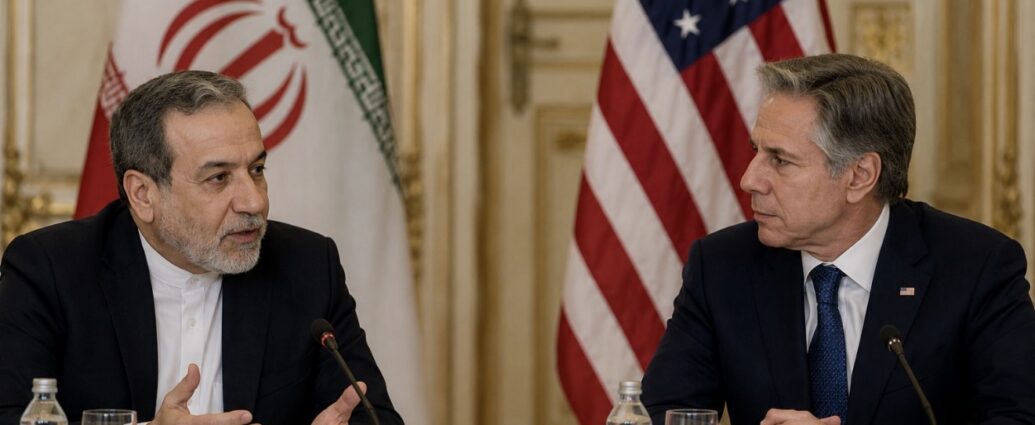
U.S.-Iran Draft Deal Revealed: What the 14 Provisions Actually Say and How They Could Reshape Oil Markets and the Middle East
Iran’s foreign minister, Abbas Araghchi, said on Tuesday that Iran and the United States will begin a new round of talks in Switzerland on Friday, right after both sides sign an interim memorandum of understanding meant to end their war.
Iranian deputy foreign minister Kazem Gharibabadi said the text is finished and the signing is set for Friday in Geneva.
A copy of the 14-point draft, reported this week by Bloomberg and Al Arabiya, shows an agreement built largely around economics — oil, shipping, sanctions, and the release of frozen money — with the hardest nuclear questions pushed into a later round.
The stakes are already showing up in prices.
Crude oil fell more than 4% to below $78 a barrel on Tuesday, its lowest level in months, as traders bet that a reopened Strait of Hormuz will bring Middle Eastern barrels back to a market that has been starved of supply since the fighting began.
Here is what the draft actually says, point by point.
1. End the War
Both countries and their allies declare an immediate and permanent end to the fighting on all fronts, including Lebanon, and pledge to stop attacks and threats against each other.
2. Respect Borders
Each side agrees to respect the other’s sovereignty and territory and to stay out of the other’s internal affairs.
3. A 60-Day Clock
The two governments commit to reaching a final agreement within 60 days, extendable if both sides agree.
4. Lift the Blockade
The United States drops its naval blockade and restores shipping to full pre-war levels within 30 days, and pulls its forces back from areas around Iran within 30 days of the final deal.
5. Reopen the Shipping Lanes
Iran moves to restore merchant traffic between the Persian Gulf and the Sea of Oman to pre-war volumes within 30 days, including clearing mines and other obstacles.
6. $300 Billion to Rebuild
The United States and regional partners agree to draw up a plan to rebuild and develop Iran’s economy, backed by financing of at least $300 billion, with the mechanics set within 60 days.
7. End the Sanctions
Washington commits to lifting all sanctions on Iran on an agreed schedule — United Nations measures, IAEA board resolutions, and U.S. penalties, both primary and secondary.
8. No Nuclear Weapons
Iran restates that it will never build a nuclear weapon, and both sides leave the fate of enriched material and other nuclear questions to the final agreement.
9. Freeze in Place
Until a final deal, both sides hold steady: Iran keeps its nuclear program as is, and the United States adds no new sanctions and no new troops to the region.
10. Oil Starts Flowing
Right after signing, the U.S. Treasury issues waivers for exports of Iranian crude oil and petrochemicals, plus the banking, insurance, and shipping services that make those sales possible.
11. Unfreeze the Money
As talks progress, frozen Iranian funds are released and made fully available, directed by the Central Bank of Iran.
Iranian media has put the near-term figure at about $24 billion.
12. A Watchdog
The two sides set up a mechanism to oversee that the final agreement is carried out and honored.
13. First Steps First
Final talks begin only once Iran gets assurances that the early economic moves — lifting the blockade, reopening shipping, the oil waivers, and the release of funds — are underway.
14. A U.N. Stamp
The final agreement would be locked in by a binding United Nations Security Council resolution.
For Americans, the most direct effect runs through energy.
Iranian oil and petrochemicals returning to the market, on top of a reopened Strait of Hormuz, point toward lower crude prices — and falling crude tends to reach the gas pump within days and ease the cost of nearly everything that is grown, made, or shipped.
Cheaper energy would also give the Federal Reserve more room as it watches inflation.
The sheer size of the numbers in the draft, from the $300 billion rebuilding fund to the $24 billion in released cash, hints at how much business could follow a lasting settlement.
The caution is real.
Neither Washington nor Tehran has formally published the text, much of the detail traces to Iranian sources, and the toughest issues — the nuclear program and full sanctions relief — are left to a 60-day round that has not yet started.
President Donald Trump has billed the accord as a guarantee that Iran will never get a nuclear weapon, but the payoff for households depends on a deal that still has to hold.
Washington — JBizNews Desk
JBizNews Desk / © JBizNews.com All Rights Reserved. Reproduction or distribution without written permission is prohibited.
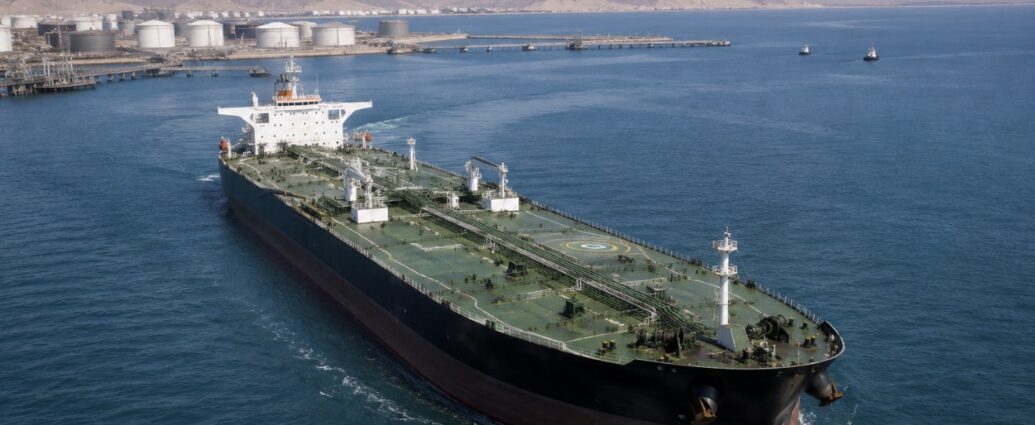
U.S.-Iran Deal Lets Tehran Begin Selling Oil Immediately, With Banking and Shipping Sanctions Waived at Signing
A senior U.S. administration official said Tuesday that Iran will be cleared to begin selling oil the instant it signs a new agreement with Washington this week, handing Tehran an immediate financial reward for winding down the war that has gripped the region since late February.
The break does not stop at crude.
The same official said the agreement also waives U.S. sanctions on the banking, shipping, and insurance services Iran needs to move its oil and collect payment for it.
That detail matters more than it sounds.
A waiver on oil sales alone would change little, because no buyer, bank, or tanker owner will touch Iranian barrels without those supporting services cleared first.
Both sides signed the memorandum of understanding electronically on Sunday, and President Donald Trump has said the full text will likely be read out Friday after a formal signing ceremony.
The relief on oil exports takes effect the moment that signature is in place.
The agreement is built to reward Iran only if it holds up its end.
“This is a performance-based agreement,” the official said, speaking on condition of anonymity.
Tehran keeps the benefits only if it follows through on its core promises: building no nuclear weapon, neutralizing its stock of enriched uranium, and keeping the Strait of Hormuz open to shipping.
That last condition sits at the center of everything.
Roughly 20% of the world’s oil and liquefied natural gas normally moves through Hormuz, the narrow waterway at the mouth of the Persian Gulf.
Iran effectively closed the strait after the U.S. and Israel struck the country on Feb. 28, choking off a major share of global supply and sending energy prices sharply higher for months.
Washington answered with a naval blockade that kept Iranian oil bottled up.
The pressure was real on both sides.
U.S. emergency crude reserves have fallen to their lowest level since 1983, drained by months of trying to keep the market supplied while the strait stayed shut.
Not everyone sees the deal as a clean win.
Brett Erickson, a sanctions expert and managing principal at Obsidian Risk Advisors, called the move a “multibillion-dollar concession to Iran.”
He noted that Tehran is sitting on more than 100 million barrels of oil in storage and on tankers, with over 60 million barrels already outside the blockade and ready to sell.
For context, the world burns through roughly 100 million barrels of oil a day.
Iran is not waiting for the ink to dry.
The nonprofit United Against Nuclear Iran reported that an Iranian supertanker left the port of Chabahar on Tuesday and sailed past the U.S. blockade line into the Gulf of Oman with its tracking transponder switched on — the first such move since Washington imposed the blockade.
Iran’s state Mehr News Agency published what it described as the 14 points of the draft agreement.
They include a permanent ceasefire, a full lifting of the naval blockade within 30 days, the reopening of Hormuz, a suspension of oil sanctions, and the release of $24 billion in frozen Iranian funds over a 60-day negotiating window.
Tehran will not get immediate access to that cash; it is tied to the talks ahead.
Markets had already begun pricing in the relief.
Brent crude, the international benchmark, fell more than 5% to below $80 a barrel on Tuesday, its lowest level since the first week of March, erasing most of the spike driven by the conflict.
West Texas Intermediate, the U.S. benchmark, dropped to around $75.50.
Both had climbed more than 45% at the height of the war.
For American businesses and households, the math is straightforward.
Cheaper crude eventually means cheaper gasoline, diesel, and jet fuel, which ripple through everything from trucking and airline costs to the price of groceries that have to be shipped.
A drop of this size, if it holds, takes pressure off shipping companies, manufacturers, and any business that has been swallowing higher fuel bills since the spring.
The timing also carries a political read.
The Trump administration has been openly worried about a gasoline price spike heading into the November midterm elections, and a deal that puts Iranian barrels back on the water is the fastest tool it has to bring pump prices down.
Plenty could still go wrong.
The text has not been publicly released, questions remain over how shipping security and Hormuz traffic will actually work, and the relief is conditional from day one.
But for the first time in months, oil is moving out of Iran, prices are falling, and the businesses caught in the middle finally have reason to expect some relief.
Washington — JBizNews Desk
JBizNews Desk / © JBizNews.com All Rights Reserved. Reproduction or distribution without written permission is prohibited.
