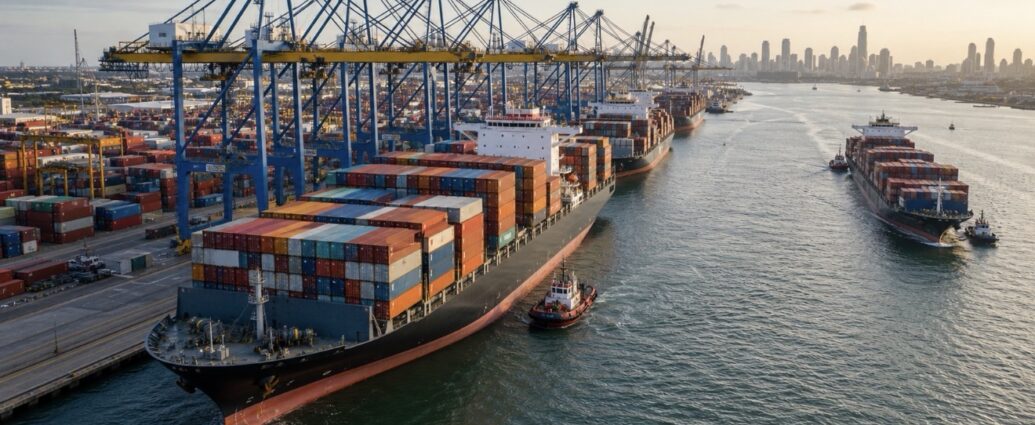
By JBizNews DeskINGOLSTADT, Germany

May 6, 2026

Audi is accelerating cost-cutting efforts as a renewed tariff threat from President Donald Trump puts fresh pressure on one of the auto industry’s most exposed luxury brands — a company that produces no vehicles in the United States and has already absorbed billions in tariff-related costs.

A New Tariff Threat

The Trump administration is weighing an increase in tariffs on European Union-made vehicles from 15% to 25%, a move analysts say could cost automakers billions and push a significant share of those costs onto consumers.

Matthias Schmidt, an independent automotive analyst in Germany, identified Audi and Porsche as among the most vulnerable, given their lack of manufacturing footprint in North America — leaving them fully exposed to import duties.

The timing is particularly difficult for Audi. Tariffs dealt the company a €1.2 billion hit in 2025, contributing to a 14% drop in operating profit to €3.4 billion. The broader Audi Group — which includes Lamborghini, Bentley, and Ducati — saw its operating margin fall to 5.1%, down from 6.0% a year earlier.

Pressure Across Volkswagen Group

The strain extends across parent company Volkswagen Group, which reported a 14% decline in operating profit to €2.5 billion in the first quarter of 2026, as revenue slipped 2.5% to €75.7 billion amid weak demand in both the United States and China.

Arno Antlitz, Volkswagen’s chief financial officer, said tariffs are adding roughly €4 billion in annual costs to the group.

“We will have to adjust capacity and continue optimizing costs at our plants,” Antlitz said.

Volkswagen has already announced plans to cut 50,000 jobs across the group by the end of the decade, with reductions affecting Audi and other divisions.

Audi’s Cost-Cutting Response

Jürgen Rittersberger, Audi’s chief financial officer, said the company is moving aggressively to offset mounting pressures.

“We are responding to the challenging overall economic situation and intensified competition with stringent cost control measures,” Rittersberger said. “At the same time, we are making our business model future-proof and resilient.”

Audi plans to eliminate up to 7,500 jobs in the coming years and is targeting more than €1 billion in annual savings through productivity gains, manufacturing flexibility, and reduced overhead at its German plants.

Despite the headwinds, Audi is projecting an operating margin recovery to 6%–8% in 2026, signaling confidence in its restructuring efforts.

Gernot Doellner, Audi’s chief executive, said the company is evaluating whether to establish its first U.S. manufacturing plant — a move that could mitigate tariff exposure.

A decision could come as early as this year, though Volkswagen CEO Oliver Blume has indicated such an investment would likely depend on securing tariff relief.

Impact on U.S. Buyers

For American consumers, the cost pressure is already visible.

Audi has raised prices across most of its 2026 lineup, with increases ranging from $800 to $4,100 depending on the model. To soften the impact, the company is bundling three years of prepaid maintenance covering up to 30,000 miles.

Sales data reflects the strain. In the first quarter of 2026, key Audi SUVs declined sharply:

  • Q5 sales fell 26% to 10,100 units
  • Q7 dropped 30% to 3,554 units
  • Q8 declined 25% to 2,285 units

Across the industry, tariff-related costs are mounting. Automakers have absorbed an estimated $35.4 billion in losses since tariffs on imported vehicles and parts were implemented in 2025, according to an analysis by Automotive News. Toyota has been among the hardest hit, projecting $9.1 billion in tariff costs for its fiscal year ending March 2026.

What Comes Next

For Audi, the stakes are unusually high.

A brand built on European manufacturing and global supply chains now faces a potential escalation in trade barriers, declining U.S. demand, and the need for a costly structural overhaul — all at once.

If tariffs rise to 25%, the company will be forced to make a strategic choice: absorb further margin pressure, pass costs to consumers, or accelerate a shift toward localized production.

For buyers, the outcome is already becoming clear.

Higher prices, fewer incentives, and tighter supply could define the next phase of the U.S. luxury car market — with Audi at the center of the shift.

JBizNews Desk

The All-Stock Merger Would Unite Five Operating Assets Under CEO Jim Beyer, Vaulting the Combined Company to Third-Largest Gold Producer on the ASX With 700,000 Ounces a Year and Nearly $2 Billion in Cash

By JBizNews Desk | Sydney — May 6, 2026

Two of Australia’s most prominent gold producers announced plans Tuesday to combine their operations in a deal that would reshape the country’s mining landscape and create a company capable of challenging the continent’s largest gold miners.

Regis Resources and Vault Minerals agreed to merge through an all-stock transaction valuing the combined entity at approximately A$10.7 billion, or about $7.7 billion. Under the terms, Vault shareholders will receive 0.6947 newly issued Regis shares for each Vault share held — representing a 10.7% premium to Vault’s closing price of A$4.50 on Monday.

The boards of both companies have unanimously recommended the merger to shareholders. The combined company will be led by Russell Clark as non-executive chairman and Jim Beyer as managing director and chief executive officer, with a board evenly split between the two companies.

What the Combined Company Looks Like

The scale of the merged operation is substantial.

The combined entity is expected to produce more than 700,000 ounces of gold annually from five operating assets primarily located in Western Australia, along with additional holdings in Canada. That level of output would position it as the third-largest primary gold producer listed on the Australian Securities Exchange, surpassing Evolution Mining.

Financially, the company will begin with no drawn debt and approximately A$1.9 billion in cash and bullion as of March 31, 2026. Annual free cash flow is projected at around A$1.7 billion.

The resource base is equally significant, with 6.0 million ounces of ore reserves and 20.5 million ounces of total mineral resources — providing a long runway for production and expansion.

The Strategic Logic

At its core, the deal consolidates two major Western Australian assets — Tropicana and Leonora — into a single, scaled operator capable of attracting global investor attention.

The combined infrastructure will deliver milling capacity exceeding 22 million tonnes per year across nine mills, offering operational flexibility and efficiency that smaller standalone operators cannot easily replicate.

Beyond scale, the companies expect more than A$500 million in corporate tax benefits, along with procurement and operational savings. Increased size also improves access to global capital markets, a key advantage as institutional investors increasingly favor larger, more liquid mining companies.

The growth pipeline extends further. The combined company will advance Regis’s McPhillamys project in New South Wales and Vault’s Sugar Zone asset in Canada — both development-stage projects with the potential to add meaningful future production.

Gold’s Role in the Deal

The timing of the merger reflects a powerful backdrop.

Gold prices have surged to record levels in 2026, driven by geopolitical instability, inflation concerns, and continued central bank demand. With gold trading above $4,500 per ounce, a producer generating 700,000 ounces annually stands to produce substantial revenue.

At those price levels, the projected A$1.7 billion in annual free cash flow may prove conservative if market conditions persist.

Jim Beyer framed the deal in clear terms: “This merger creates Australia’s third largest primary ASX-listed gold producer, which demands global recognition. The combined company is exceptionally well-positioned to deliver long-term value and enhanced capital returns for our shareholders.”

The all-stock structure allows both sets of shareholders to retain full exposure to rising gold prices without taking on additional debt. The resulting debt-free balance sheet positions the company competitively at a time when many mining firms are still managing leverage from prior cycles.

The merger is expected to close in August or September 2026, subject to shareholder, regulatory, and court approvals. A detailed scheme booklet, including an independent expert’s opinion, is expected to be distributed to Vault shareholders in the coming months.

As global demand for gold continues to rise, the creation of a new large-scale producer signals a broader shift — consolidation in the mining sector is accelerating, and scale is once again becoming a decisive advantage.

JBizNews Desk
© JBizNews.com. All rights reserved.


By JBizNews Desk | May 5, 2026

A quiet but accelerating workforce shift is beginning to reshape the American labor market.

The share of U.S.-based employees leaving their jobs to take positions abroad has more than doubled over the past five years — rising from 2.7% at the end of 2021 to 6% by the end of 2025, according to new research from workforce intelligence firm Revelio. In raw terms, roughly 2,000 to 2,500 workers per month left the United States last year for jobs overseas.

The trend spans both U.S.-born and foreign-born workers, and it is being driven by a convergence of forces that many American employers have been slow to fully address: return-to-office mandates, rising financial pressure at home, and a global job market where geography is no longer a barrier.


Tech Workers Lead the Shift

The movement is being led by highly skilled professionals, particularly in technology.

In IT consulting, nearly 16% of workers who changed jobs in December 2025 began their new roles outside the United States, according to Revelio. That surge reflects a broader shift in global talent flows.

For the first time in years, more U.S.-based tech workers are moving to Europe than European workers coming to the United States — reversing a long-standing pattern. Europe’s growing investment in artificial intelligence, cloud infrastructure, and digital services has made it a far more competitive destination for top talent.

Countries including France and the United Kingdom have expanded visa programs designed to attract skilled professionals, lowering barriers for Americans willing to relocate.


Why Workers Are Leaving

The decision to move abroad is not driven by salary alone.

“Workers are looking at the full package,” said Ege Aksu, economist at Revelio, pointing to factors such as healthcare systems, transportation, childcare, and overall work-life balance. In many cases, those benefits can offset lower nominal wages.

That tradeoff is gaining traction at a time when many Americans feel financially squeezed.

More than half of U.S. consumers say their financial situation is worsening, according to Gallup, the highest share since 2001. Rising costs for housing, groceries, and fuel are putting sustained pressure on household budgets.

At the same time, workplace expectations are shifting.

Return-to-office mandates have become a key trigger. After years of remote and hybrid work, many employees are now being asked to return full-time — even as international employers continue to offer flexible arrangements.

Revelio’s analysis found that remote-capable roles had the strongest link to workers leaving the U.S., underscoring how flexibility has become a deciding factor in employment choices.


A Shift Across the Workforce

The data shows a clear divide between foreign-born and U.S.-born workers — but both groups are moving in the same direction.

Among foreign-born employees, roughly 30% of job switchers left the United States as of December 2025. For U.S.-born workers, the number remains much lower — under 1% — but is steadily rising from a very low base.

That increase, while smaller in absolute terms, is significant. It suggests the trend is not limited to return migration, but represents a broader shift in how workers view opportunity.


What It Means for U.S. Employers

For American businesses, the implications are immediate.

Revelio found that workers who saw limited opportunities for advancement were significantly more likely to leave — particularly when combined with reduced flexibility and rising cost pressures.

Companies that are scaling back remote work, slowing promotions, or failing to keep pace with cost-of-living increases may find themselves losing talent to competitors they have never traditionally considered.

“The competition is no longer just local,” Aksu noted. “It’s global.”


The Bottom Line

The global labor market is no longer theoretical for American workers — it is operational.

And as remote work expands and international opportunities become more accessible, more workers are acting on it.

For employers, the message is clear: retaining talent increasingly means competing not just across industries — but across borders.


JBizNews Desk
© JBizNews.com. All rights reserved. This article is original reporting by JBizNews Desk. Unauthorized reproduction or redistribution is strictly prohibited.

By JBizNews Desk | May 5, 2026

The next phase of inflation may not be driven by global markets or government policy — but by small businesses across America quietly raising prices to survive.

As oil prices surge above $100 per barrel amid escalating tensions in the Middle East, small and mid-sized businesses are beginning to pass rising energy and transportation costs directly onto consumers, marking what economists describe as a “second wave” of inflation that is typically slower to emerge but harder to reverse.

Unlike large corporations, which often hedge fuel costs or absorb short-term volatility, small businesses operate with tighter margins and fewer financial buffers. That leaves them with limited options when expenses rise — cut costs, reduce staff, or increase prices.

Increasingly, they are choosing the latter.

“We’re seeing early signs of cost pass-through across multiple sectors,” said Diane Swonk, Chief Economist at KPMG, noting that energy price shocks tend to move through the economy in stages. “It starts with fuel, then transportation, then wholesale goods, and eventually shows up in the prices consumers pay every day.”

The impact is already visible in industries ranging from food service to logistics. Restaurant owners report higher delivery costs and ingredient prices tied to fuel surcharges, while contractors and service providers are adjusting quotes to reflect increased travel and material expenses.

The dynamic is particularly pronounced in sectors dependent on petroleum-based inputs, including plastics, chemicals, and packaging. As those costs rise, businesses face mounting pressure to maintain margins.

“This is not a one-time adjustment,” said Bill Dunkelberg, Chief Economist at the National Federation of Independent Business (NFIB), whose surveys track small business sentiment nationwide. “When costs keep rising, businesses keep adjusting prices — and that creates persistence in inflation.”

That persistence is what concerns policymakers.

While headline inflation had begun to ease earlier this year, the resurgence in energy prices threatens to reverse that progress. The Federal Reserve, which targets 2% inflation, now faces the possibility that price pressures could become embedded again — not through demand surges, but through cost structures.

Energy shocks historically present a unique challenge for central banks. Unlike demand-driven inflation, which can be cooled through higher interest rates, cost-push inflation is more difficult to control without slowing the broader economy.

“Raising rates doesn’t lower oil prices,” Swonk said. “But it can slow everything else.”

For consumers, the impact is cumulative. Higher fuel costs increase the price of transporting goods, which raises retail prices. At the same time, service costs — from home repairs to delivery fees — begin to climb.

The result is a gradual erosion of purchasing power, even if wage growth remains stable.

Recent data suggests that wage gains have already slowed. According to the Bureau of Labor Statistics, average hourly earnings rose 3.5% year-over-year in March, the slowest pace since 2021. If inflation accelerates again, real wages could decline — putting additional strain on household budgets.

Small business owners say the decisions are not taken lightly.

“Customers are already stretched,” said one restaurant operator in New Jersey, who asked not to be named. “But when your costs go up across the board, you don’t have a choice.”

The broader risk is that these incremental price increases, spread across thousands of businesses, collectively reinforce inflation expectations. Once consumers begin to anticipate higher prices, behavior changes — from spending patterns to wage demands — making inflation more difficult to contain.

Looking ahead, much will depend on the trajectory of energy prices. If oil stabilizes, some of the pressure could ease. If it continues to rise, the pass-through effect is likely to intensify.

For now, the shift is subtle but significant: inflation is no longer just a headline statistic — it is being rebuilt, one price adjustment at a time, across the real economy.

© JBizNews.com. All rights reserved.

Charlie Shamieh, a 39-Year Industry Veteran Who Built Gen Re Into an $11 Billion Global Reinsurer, Is Tapped to Run One of the Most Profitable Insurance Operations in the World

By JBizNews Desk | Omaha, Neb. — May 5, 2026

Berkshire Hathaway has selected Charlie Shamieh, chairman of its reinsurance subsidiary Gen Re, as the successor to Ajit Jain — the longtime insurance architect whom Warren Buffett once described as irreplaceable and credited with generating tens of billions of dollars in shareholder value over nearly four decades.

The decision, reported by the Wall Street Journal citing people familiar with the matter, resolves one of the most closely watched succession questions inside Berkshire’s sprawling empire. Shamieh is expected to assume leadership of the company’s insurance operations when Jain, 74, steps down. No formal retirement date has been announced.

The move comes just days after Berkshire’s first annual shareholder meeting under new CEO Greg Abel, who officially succeeded Buffett on January 1, 2026. Jain appeared alongside Abel at the Omaha gathering, participating in a structured Q&A with investors — an appearance that underscored both continuity and the approaching transition.

Shamieh brings nearly four decades of experience across global insurance and reinsurance markets, spanning life, health, and property and casualty businesses. Since joining Berkshire in 2018, he has led Gen Re, overseeing a global operation generating approximately $11 billion in gross written premiums and supported by roughly $15 billion in equity capital.

Before Berkshire, Shamieh built a reputation as a deeply technical and operational leader. At AIG, he served in multiple senior roles, including as the company’s first Corporate Chief Actuary across both life and non-life businesses, CEO of its Life, Health and Disability division with oversight across the U.S., Europe, and Asia, and CEO of AIG’s Legacy Segment. In that role, he managed the release of more than $9 billion in legacy capital and helped establish Fortitude Re, a major run-off reinsurer now managing over $40 billion in assets.

Earlier in his career, Shamieh held a key position at Munich Re, serving as the group’s first Chief Risk Officer — a role that helped define modern enterprise risk management practices within global reinsurance.

He holds a Bachelor of Economics from Macquarie University in Australia and is a Fellow of the Institute of Actuaries of Australia — credentials that align with Berkshire’s long-standing emphasis on disciplined underwriting and risk assessment.

The scale of what Shamieh is stepping into is difficult to overstate.

Ajit Jain, who joined Berkshire in 1986, transformed the company’s insurance operations into one of the most powerful engines of value creation in corporate history. Known for his ability to price complex and high-risk policies — particularly in catastrophe reinsurance — Jain built a business model centered on generating “float,” the pool of premiums collected before claims are paid.

That float, now measured in the hundreds of billions of dollars, has provided Berkshire with a unique and highly profitable source of investment capital. Buffett has repeatedly credited Jain with playing a central role in building that advantage, once calling him a “unique” talent whose contributions were virtually unmatched.

Recent performance underscores the strength of that foundation. At last weekend’s annual meeting, Berkshire reported that its insurance unit — including GEICO — generated underwriting profits of $1.7 billion, up from $1.34 billion a year earlier, highlighting continued operational discipline even amid broader leadership changes.

Those changes have been sweeping.

Greg Abel’s elevation to CEO marked the formal transition away from Buffett’s six-decade tenure. Todd Combs, one of Berkshire’s investment managers, departed to lead a new initiative at JPMorgan Chase. Longtime CFO Marc Hamburg stepped down, and Nancy Pierce, a Jain protégé, was appointed CEO of GEICO.

Despite the turnover, Abel has emphasized continuity. At his first annual meeting as CEO, he told shareholders he has no intention of breaking up the conglomerate, reinforcing Berkshire’s identity as a diversified but tightly integrated enterprise.

The selection of Shamieh fits that approach. Rather than looking outside, Berkshire has turned to an internal leader who has spent eight years operating within its culture — one grounded in disciplined underwriting, long-term capital allocation, and decentralized management.

Jain has not publicly indicated when he plans to retire, and Berkshire has not formally commented on the succession timeline. But the identification of a clear successor signals that the transition — whenever it occurs — is being carefully managed.

For shareholders, the message is straightforward.

Berkshire’s insurance operations are not just another division; they are the financial backbone of the company, funding investments across its entire portfolio. Ensuring continuity at the top of that business is critical to maintaining investor confidence.

By elevating a seasoned insider with deep actuarial expertise and global operating experience, Berkshire is signaling that its most important engine of value creation will remain steady — even as one of its most legendary leaders prepares to step aside.

JBizNews Desk
© JBizNews.com. All rights reserved.

Omaha, Nebraska — May 5, 2026 — Legendary investor Warren Buffett delivered one of his most pointed warnings yet to Wall Street and retail traders, lumping cryptocurrencies and the booming prediction-market industry into a broader “gambling mood” that has never been more intense in his 60-plus years in the markets. Speaking at Berkshire Hathaway’s 2026 annual shareholder meeting and in a CNBC interview broadcast to attendees, the Oracle of Omaha described financial markets as “a church with a casino attached” and said one-day options, crypto-style speculation, and prediction platforms like Polymarket and Kalshi represent pure gambling rather than investing.

The remarks come as Berkshire Hathaway sits on a record cash hoard exceeding $397 billion, a clear signal that Buffett sees limited attractive opportunities in today’s overheated environment. He explicitly tied the surge in speculative activity — including crypto trading and event-based betting on everything from elections to geopolitical outcomes — to a dangerous shift away from long-term value creation toward short-term bets that he compared to state-sponsored gambling.

Buffett has long been a vocal critic of cryptocurrencies, famously calling Bitcoin “rat poison squared” and arguing that digital assets produce no cash flow or intrinsic value. His latest comments extend that skepticism to the rapidly growing prediction-market sector, which has exploded in popularity since the 2024 U.S. election. Platforms such as Polymarket and Kalshi allow users to wager real money on real-world events, drawing billions in volume and attracting both sophisticated traders and everyday retail participants. Buffett grouped these platforms with legalized sports betting and day trading, calling the entire category a “tax on stupidity” that disproportionately benefits the house — and, indirectly, wealthier players who can afford to absorb losses.

The economic stakes are enormous. Prediction markets have grown into a multi-billion-dollar industry, with some estimates placing daily trading volume in the hundreds of millions. Crypto markets, meanwhile, continue to command hundreds of billions in daily turnover despite repeated boom-bust cycles. Buffett highlighted a recent high-profile case involving a U.S. Army soldier who allegedly used classified military intelligence to profit nearly $400,000 on a prediction market tied to a raid in Venezuela — an incident that underscores the regulatory and ethical risks inherent in these platforms. The Justice Department charged the soldier with insider trading, reinforcing Buffett’s view that much of the activity skirts the line between legitimate hedging and outright gambling.

For ordinary investors, the warning carries immediate practical weight. Retail participation in crypto and prediction markets has surged, fueled by easy mobile apps, leverage, and 24/7 trading. Yet Buffett stressed that these vehicles produce no underlying economic value — they simply transfer money from one participant to another. In contrast, traditional value investing, he argued, focuses on businesses that generate real earnings and dividends over decades. The current speculative frenzy, he suggested, is reminiscent of previous bubbles, including the dot-com era and the run-up to the 2008 financial crisis.

The impact on broader markets is already being felt. Berkshire’s massive cash position — the largest in its history — reflects not only caution but also a deliberate decision to preserve dry powder for when better opportunities emerge. Buffett noted that only a handful of years in his career have offered truly compelling bargains; the rest of the time, patience is the disciplined investor’s greatest weapon. With one-day options trading exploding in volume and prediction markets mimicking crypto’s high-leverage style, the risk of sudden, sharp drawdowns remains elevated.

Analysts say Buffett’s message is particularly timely as crypto prices remain volatile and prediction markets increasingly influence political and economic narratives. Retail investors pouring money into these assets may be chasing short-term thrills at the expense of long-term wealth building. The Oracle’s track record — turning Berkshire into one of the world’s most valuable companies through disciplined, patient capital allocation — gives his caution considerable credibility.

Buffett’s comments also come amid broader concerns about market structure. He pointed to the proliferation of ultra-short-term products as evidence that the line between investing and gambling has blurred more than ever. While most market participants still operate on the “right side” of that line, the “casino” side has become dangerously attractive, he warned.

The economic ripple effects could be significant. Heightened speculation distorts capital allocation, inflates asset bubbles, and leaves retail investors vulnerable to sharp reversals. Should a major correction hit — whether triggered by geopolitical shocks, regulatory crackdowns on prediction platforms, or a crypto meltdown — the fallout would extend far beyond individual traders to pension funds, banks, and the broader economy.

Buffett stopped short of predicting an imminent crash, but his actions speak volumes: Berkshire continues to hoard cash rather than chase today’s hot trends. For investors tempted by the allure of crypto’s upside or the thrill of prediction-market bets on everything from Fed rate moves to election outcomes, the message is clear: treat these vehicles with extreme caution.

The warning adds to a weekend filled with breaking business news, from airline fuel-price disasters to BlackBerry’s automotive software resurgence and Israel’s soaring cost of living. When markets reopen Monday, traders will be closely watching whether Buffett’s words cool the speculative fever or simply get drowned out by the casino noise.

JbizNews- Desk – Investing / Markets

By JBizNews Desk | Monday, May 4, 2026

Bank stocks moved higher Monday as rising interest rates improved the sector’s earnings outlook, reinforcing investor confidence that financial institutions stand to benefit from a prolonged period of elevated borrowing costs.

Shares of major U.S. banks advanced as Treasury yields climbed, widening net interest margins—the difference between what banks earn on loans and pay on deposits. This dynamic remains a key driver of profitability in a higher-rate environment.

Jamie Dimon, CEO of JPMorgan Chase, has emphasized that “a disciplined approach to managing interest rate exposure can position banks to perform well even in a more challenging economic environment.” His comments reflect broader industry sentiment that higher rates, while presenting risks, also create meaningful opportunities.

The current environment is particularly favorable for large, well-capitalized banks with diversified revenue streams. These institutions are better equipped to manage deposit costs and maintain lending activity, allowing them to capture the benefits of higher yields.

At the same time, investors are rotating into financial stocks as expectations for delayed Federal Reserve rate cuts take hold. The shift underscores the perception that banks are among the relative winners in a “higher-for-longer” rate scenario.

Mike Mayo, banking analyst at Wells Fargo, said “banks are in a stronger position than they were in previous cycles, with improved capital levels and more disciplined risk management, which allows them to benefit from higher rates.

However, the outlook is not without risks. Higher interest rates can also strain borrowers, particularly in segments such as commercial real estate and consumer credit. As borrowing costs rise, the risk of loan defaults increases, which could offset some of the benefits from wider margins.

Credit quality remains a key area of focus. While current levels of delinquencies are relatively contained, analysts are closely monitoring for signs of deterioration, especially if economic growth slows.

Deposit dynamics are also evolving. Banks are facing increased competition for deposits, with customers seeking higher yields on savings. This pressure can lead to rising deposit costs, narrowing margins over time if not managed carefully.

Despite these challenges, the sector’s overall position remains strong. Capital levels are robust, and regulatory frameworks have strengthened since previous financial crises, providing a buffer against potential shocks.

Additionally, banks are continuing to invest in technology and efficiency improvements, aiming to reduce costs and enhance customer experience. Digital banking platforms and data analytics are playing an increasingly important role in maintaining competitiveness.

For investors, the sector offers a mix of income and potential upside, particularly if rates remain elevated and economic conditions remain stable.

What comes next: The trajectory of bank stocks will depend on the balance between higher earnings from elevated rates and potential risks from credit deterioration, making upcoming earnings reports and economic data critical for assessing the sector’s outlook.

JBizNews Desk

Washington, D.C. — May 4, 2026

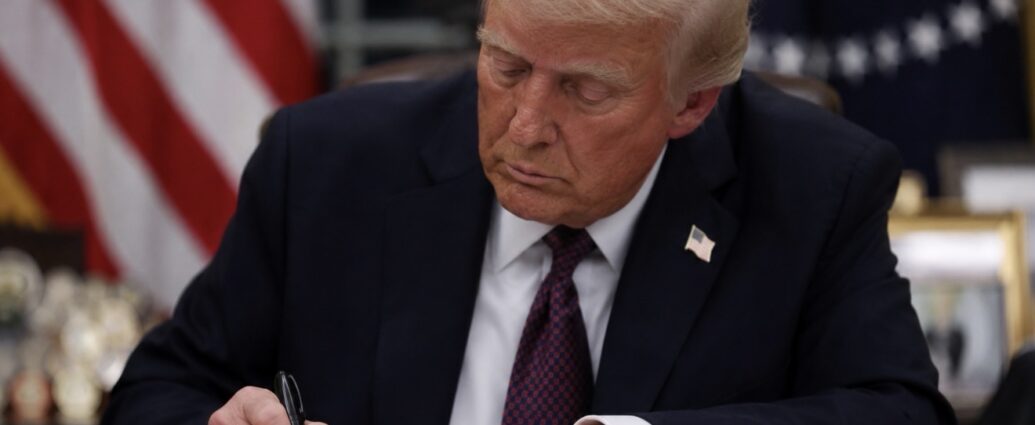
President Donald J. Trump today participated in a high-profile Small Business Summit in the White House East Room, gathering more than 130 small business owners from across the United States to mark the start of National Small Business Week (May 4–11). The event served as a platform to recognize the 2026 National Small Business Week award winners and underscore the administration’s signature policies credited with fueling a broad-based “Main Street revival.”

In remarks delivered this afternoon, the president spotlighted the transformative impact of the Working Families Tax Cuts Act — signed into law on July 4, 2025 — which has delivered permanent tax relief and regulatory certainty to the nation’s 36 million small businesses, described by the White House as “the true engine of job creation, innovation, and community prosperity.”

Key provisions highlighted include the permanent extension of the 20 percent small business deduction (formerly Section 199A), allowing pass-through entities and entrepreneurs to deduct up to 20 percent of qualified business income. The law also restored and expanded full (100 percent) immediate expensing for investments in equipment, factory construction, machinery, and domestic research and development (R&D), providing businesses with critical upfront cash-flow relief and incentives to expand operations.

Administration officials noted that these measures, combined with broader deregulation efforts, have already produced measurable results. Nearly 12 million small business owners have seen average tax reductions of roughly $7,000, with the permanent 20 percent deduction alone delivering about $4,600 in annual relief to 8 million entrepreneurs. The Deregulation Strike Force eliminated more than $110 billion in compliance costs in its first year, while the Small Business Administration (SBA) delivered record capital — guaranteeing $45 billion in 7(a) and 504 loans to over 85,000 businesses in FY25.

SBA Administrator Kelly Loeffler, who joined the president at the summit, praised the momentum: “We are a nation of builders again thanks to President Trump’s historic wins for Main Street, and I’m honored to mark National Small Business Week alongside him and the job creators who fuel our local communities — particularly as America celebrates 250 years of freedom and free enterprise. … Our nation’s 36 million small businesses now have the confidence to hire, reinvest and expand, unleashing an historic era of sustained growth. America is open for business again.”

The East Room gathering brought together owners representing a cross-section of American enterprise, including manufacturing, food production, defense, energy, retail, and other sectors. Attendees heard directly from the president about additional America First initiatives: expanded Opportunity Zones to channel capital into underserved communities, a new dedicated loan program for small manufacturers, the “Make Onshoring Great Again Portal” for domestic supply-chain sourcing, suspension of burdensome Beneficial Ownership Information (BOI) reporting requirements (saving billions in paperwork), and the termination of the Obama-era Joint Employer Rule to protect franchise owners.

The summit aligns with the official presidential message on National Small Business Week, issued Sunday, which emphasized the role of small businesses in powering the U.S. workforce (employing more than 45 percent of American workers) and advancing the American Dream. “Every day, my Administration is delivering incredible victories for America’s small businesses,” the message stated, referencing the “One Big Beautiful Bill” (the Working Families Tax Cuts Act) and ongoing efforts to slash red tape so owners can “focus on their craft rather than being burdened with endless paperwork.”

The 2026 award winners — selected by the SBA and recognized nationally during a May 3 ceremony in Washington, D.C. — include honorees in categories such as Small Business Person of the Year, Exporter of the Year, Small Business Manufacturer of the Year, Rural Small Business of the Year, Blue-Collar Small Business of the Year, and the Phoenix Award for Small Business Disaster Recovery, among others. Today’s summit provided a high-visibility stage to celebrate their achievements amid the week-long observance.

The event comes as small business optimism has rebounded under the current policy framework, with owners citing greater certainty for long-term planning, hiring, and capital investment. The administration has positioned these gains as central to a broader economic renaissance tied to America’s semiquincentennial (250th anniversary) celebrations.

National Small Business Week continues through May 11 with virtual training sessions, resources, and further recognitions hosted by the SBA. The White House has framed the week as both a celebration of entrepreneurial spirit and a reaffirmation of policies designed to keep America “open for business.”

JbizNews will continue to monitor developments from the summit and provide ongoing coverage of small business policy impacts throughout the week.

12:29 PM EDT • Monday, May 4, 2026

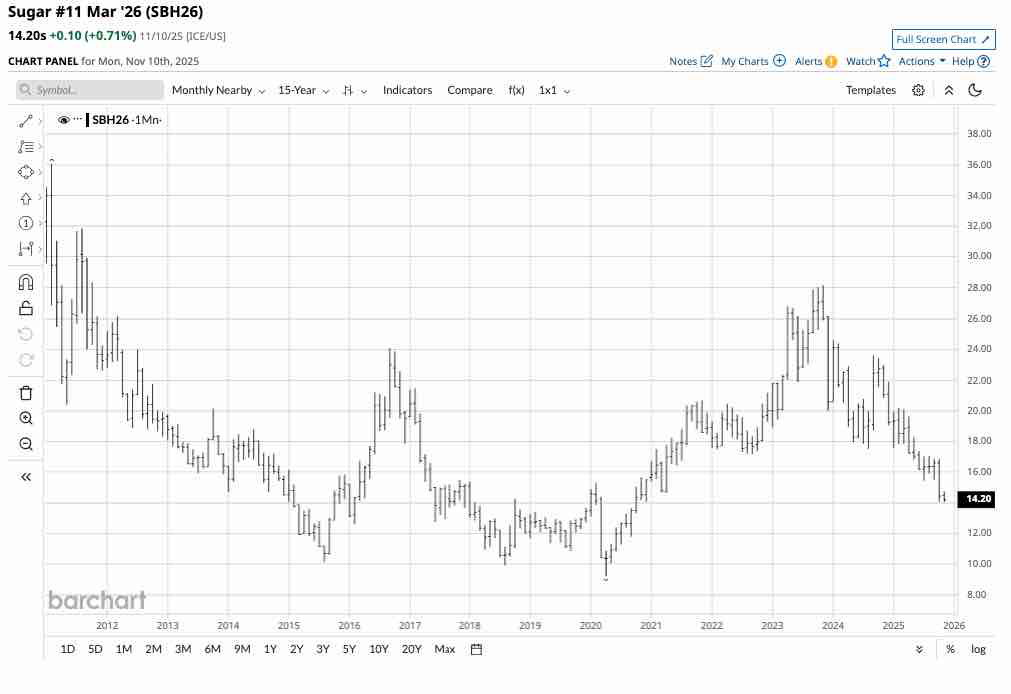
Sugar futures climbed sharply to a one-month high on Monday as investors aggressively unwound bearish short positions amid tightening supply expectations and direct spillover from elevated crude oil prices tied to geopolitical tensions in the Strait of Hormuz.

As of 11:35 AM EDT, the front-month NY Sugar #11 (May 2026 contract) was trading at 15.18 cents per pound, up approximately +1.7% on the day. The move marks the highest level since early April, recovering sharply from recent lows near the 13.20–13.50 cent range and reversing weeks of net-short speculative positioning that had built up during a period of expected global surpluses.

The primary catalyst is the surge in energy markets. With Brent crude holding near $109–110 per barrel and WTI around $101, Brazilian sugarcane mills — which account for roughly 40% of global sugar exports — are shifting more cane crush toward ethanol production. Ethanol has become significantly more profitable than sugar given high gasoline prices, reducing near-term sugar output and tightening the 2026/27 global balance faster than expected. This energy-driven diversion is a classic flex in Brazil’s dual sugar-ethanol market and has already prompted major analysts to revise forecasts downward.

Firms including Green Pool Commodity Specialists and Czarnikow have trimmed projected surpluses or widened deficit estimates for the new season, citing the ethanol shift and stronger biofuel demand. The result has been a rapid unwind of speculative shorts, with open interest data showing notable position covering that has amplified the technical rally and pushed prices through recent resistance levels.

While the longer-term outlook still anticipates large sugarcane crops later in the season from Brazil and other producers, the immediate supply squeeze — combined with the oil linkage — is dominating market sentiment and creating strong upward momentum in the soft commodity.

Additional photorealistic image of sugarcane harvesting (illustrating the real-world supply dynamics in Brazil’s fields that are driving today’s ethanol diversion and sugar rally):

Photorealistic documentary-style photograph of sugarcane harvesting in a vast Brazilian plantation at harvest time. A large modern mechanical harvester is actively cutting tall, dense rows of bright green sugarcane stalks in the foreground, kicking up light dust and debris, while a few field workers with machetes are visible in the mid-ground on a smaller plot. Expansive green fields stretch to the horizon under a bright blue sky with scattered white clouds. Golden natural sunlight, highly detailed textures on leaves, soil, machinery, and human figures, realistic shadows and depth of field, sharp focus, cinematic yet natural lighting, no text, logos, or watermarks, ultra-realistic like a National Geographic field photo.landscape

Traders will now watch for any further developments in the Middle East, weekly Brazilian crush and production reports, ethanol parity levels, and the Brazilian real’s strength for continued direction. A sustained rally in energy prices could keep sugar supported in the near term, while any easing of Hormuz tensions might temper the ethanol incentive and cap the upside.

JBizNews Commodities Desk | Real-Time Update • May 4, 2026 • 11:35 AM EDT

By JBizNews Desk | Monday, May 4, 2026

Global trade is beginning to slow as shipping delays intensify and transportation costs climb, disrupting business operations and forcing companies to absorb higher expenses across already strained supply chains.

From manufacturers waiting on critical inputs to retailers struggling to keep shelves stocked, companies are reporting longer lead times, missed delivery windows, and rising uncertainty in fulfilling customer demand. The disruption is being driven by a renewed combination of port congestion, container shortages, and elevated fuel costs, tightening global logistics networks at a critical moment.

Ngozi Okonjo-Iweala, Director-General of the World Trade Organization, warned that “persistent logistics disruptions and rising trade costs are acting as a drag on global growth, particularly as businesses rely on predictable supply chains to operate efficiently.

The operational impact is becoming increasingly visible. Businesses are being forced to adjust production schedules, delay shipments, and carry higher inventory levels to buffer against unpredictability. These changes are not only increasing costs but also reducing efficiency and profitability.

Across major shipping hubs in Asia, Europe, and North America, congestion has returned, extending vessel wait times and reducing schedule reliability. As a result, companies are finding it harder to plan, forecast, and execute on time-sensitive orders.

John Denton, Secretary-General of the International Chamber of Commerce, said “when supply chains become unreliable, businesses are forced to operate defensively—holding more inventory, paying more for logistics, and ultimately passing those costs through the system.

Freight costs are adding further pressure. Ocean shipping rates have risen sharply in recent weeks, driven by strong demand and constrained capacity. For many businesses, particularly those operating on thin margins, the increase is forcing difficult decisions around pricing, sourcing, and order volumes.

Small and mid-sized businesses are among the most exposed. With limited negotiating power and less flexibility in their supply chains, many are being forced to either raise prices or absorb losses, both of which carry long-term consequences.

The ripple effects are extending beyond individual companies. Higher shipping costs are feeding into broader inflation, while slower trade flows are beginning to weigh on overall economic momentum.

Analysts warn that if disruptions persist, the cumulative impact could deepen, affecting hiring, investment, and expansion plans across multiple sectors.

What comes next: With supply chains tightening again and shipping costs rising, businesses are entering a more defensive phase—one where operational resilience, cost control, and supply chain flexibility will be critical to navigating the months ahead.

JBizNews Desk

By JBizNews Desk | Monday, May 4, 2026

U.S. automakers are once again confronting a tightening global supply chain, as rising shipping costs, renewed parts shortages, and geopolitical disruptions begin to squeeze production just as the industry had started to stabilize.

Executives across the sector warn that a new wave of constraints—particularly in aluminum, semiconductors, and wiring systems—is extending lead times and forcing manufacturers to slow or adjust assembly lines. The pressure is being felt unevenly but is broad enough to impact output forecasts for the remainder of the year.

Mary Barra, CEO of General Motors, said the company continues to navigate “an environment where supply chain volatility remains a persistent challenge to both production consistency and cost control.” Her comments reflect a growing concern among automakers that the fragile equilibrium reached in late 2025 is beginning to unravel.

At the center of the disruption is a renewed strain on industrial inputs. Aluminum prices have climbed amid constrained global supply, while semiconductor availability—once improving—has tightened again as demand from artificial intelligence infrastructure and defense sectors accelerates. John Murphy, senior auto analyst at Bank of America, noted that “competition for key components is intensifying, and autos are no longer first in line for supply.

Shipping bottlenecks are compounding the issue. Congestion at major ports in Asia and Europe has increased transit times, while higher fuel costs continue to drive up freight rates. Vincent Clerc, CEO of A.P. Moller-Maersk, warned that “global logistics networks are tightening again faster than expected, particularly across key export hubs.

Automakers are responding by diversifying suppliers and expanding domestic sourcing, but executives acknowledge these strategies take time and come with higher costs. Reconfiguring supply chains—particularly for complex components—requires new contracts, regulatory approvals, and capital investment, limiting how quickly companies can adapt.

The financial impact is already materializing. Industry analysts estimate that rising input and logistics costs could add billions in expenses across major manufacturers this year. Companies with less pricing power may face margin compression, while others are expected to pass costs on to consumers.

That shift is likely to hit buyers at a sensitive moment. Vehicle affordability has already been strained by elevated interest rates, with monthly payments near record levels. Further price increases could dampen demand, particularly in mid-market segments.

There are early signs of that pressure emerging. Dealers report slower showroom traffic in certain regions, even as inventory levels remain uneven. The combination of high prices and economic uncertainty is prompting some consumers to delay purchases.

Still, automakers remain committed to long-term investments, particularly in electric vehicles and advanced manufacturing. However, executives caution that continued instability in supply chains could slow production ramp-ups and delay broader industry transitions.

What comes next: With supply chains tightening again and demand showing signs of strain, the auto industry is entering another volatile phase—one where cost discipline, pricing strategy, and supply security will define winners and losers through the rest of 2026.

JBizNews Desk

Caracas — May 4, 2026 — Venezuela’s crude exports have surged past 1 million barrels a day for the first time in years, marking a swift rebound less than six months after the ouster of strongman Nicolas Maduro and delivering a major economic lifeline to the cash-strapped South American nation.

April exports soared to 1.16 million barrels a day according to Bloomberg shipping reports and vessel movements, while Reuters data based on PDVSA documents and tanker tracking showed a 14% month-on-month jump to 1.23 million barrels per day — the highest monthly average since late 2018. The surge comes as a Caracas-Washington supply pact has encouraged more sales to the United States, India and Europe, with trading firms and Chevron increasing exports.

The rebound is dramatic. Exports have more than doubled from levels at the end of 2025, fueled by the easing of U.S. sanctions and a steady flow of imported diluents that have helped restart production. Production itself approached 1.1 million barrels a day in March, the highest since 2019, according to PDVSA presentations.

The economic impact is immediate and transformative for Venezuela. Oil revenue is the lifeblood of the government budget, and the jump in exports is expected to generate hundreds of millions in additional hard-currency inflows each month at current prices. This comes as the country struggles with reconstruction after years of hyperinflation, sanctions and economic collapse under Maduro. Analysts say the higher volumes could help stabilize the economy, reduce reliance on debt and ease pressure on the bolivar, while also boosting global oil supply and helping moderate prices amid the ongoing fuel crunch affecting airlines worldwide.

The post-Maduro government has moved quickly to reopen fields and restore output. International oil companies and trading houses are returning, with shipments gaining diversity and reaching more customers than in recent years. Direct exports to the U.S. rose sharply to 445,000 bpd in April, while India took 374,000 bpd and Europe 165,000 bpd, according to shipping data.

The developments carry global implications. Higher Venezuelan supply helps offset tightness caused by the Iran conflict and other disruptions, potentially easing some of the fuel-price pressure that has hammered airlines and other sectors. However, the rapid rebound also highlights Venezuela’s vulnerability: output remains far below the country’s pre-Chávez peak of more than 3 million bpd, and long-term recovery will depend on sustained investment, infrastructure repairs and political stability.

PDVSA documents and vessel tracking confirm the surge, with 66 vessels departing Venezuelan waters in April compared with 61 in March. Trading firms such as Vitol and Trafigura played a major role, alongside increased activity from Chevron.

The milestone is a clear win for the post-Maduro leadership, which has prioritized oil sector revival as a cornerstone of economic recovery. Yet challenges remain: much of the infrastructure is aging, and full rehabilitation will require billions in investment. Still, the export jump signals that Venezuela is re-entering the ranks of significant Latin American oil producers after years on the sidelines.

For global markets, the added supply is a welcome development amid the weekend’s heavy breaking business news — from airline shutdowns driven by the fuel-price crunch to conglomerate earnings and OPEC+ production decisions. Traders will be watching closely when markets reopen Monday for any signs of how the Venezuelan rebound is being priced into crude futures and related energy stocks.

JbizNews- Desk – Energy

JBizNews Desk | New York | Sunday, May 3, 2026

Wall Street enters one of its most consequential weeks of the year with investors navigating a powerful crosscurrent of forces: a critical jobs report on Friday, a wave of major corporate earnings, a Federal Reserve that just held rates steady, and an unresolved Iran conflict that continues to shadow global energy markets and economic forecasts alike.

Where Markets Stand

April ended on a high note. The S&P 500 closed Friday, May 1 at 7,230.12, up 0.29 percent on the session. The Nasdaq Composite hit a fresh all-time high, closing at 25,114.44, up 0.89 percent. The Dow Jones Industrial Average slipped 152.87 points, or 0.31 percent, to settle at 49,499.27. For the month, the S&P 500 and Nasdaq posted their best monthly performance since 2020, while the Dow notched its best month since November 2024. The CBOE Volatility Index, known as the VIX, closed below 17 — a nearly two-week low — signaling reduced near-term fear even as macro risks remain elevated.

Ben Snider, chief U.S. equity strategist at Goldman Sachs Research, said in a note published April 24 that the S&P 500 is forecast to climb 6 percent to a year-end target of 7,600, built on expectations of 12 percent earnings-per-share growth in 2026. “In the near term, equity market gyrations will likely continue to mirror geopolitical volatility,” Snider wrote, identifying the Iran war and the AI buildout as “the clearest equity market risks in coming weeks.” Year-to-date share buyback authorizations have hit a record $422 billion, and announced merger-and-acquisition volumes have more than doubled from a year ago, Snider noted.

The Fed Holds — Rates Stay Put

The Federal Reserve held interest rates steady at its meeting this week, with the federal funds rate remaining between 3.5 and 3.75 percent. Three dissents on the policy statement signaled a lack of support for any easing bias, according to Charles Schwab market commentary published May 1. According to the CME FedWatch Tool, the chance of a rate cut at the June meeting stands at just 5 percent. Futures markets suggest rates will stay at current levels through the year, with only a 10 percent probability of a cut and a 6 percent chance of a hike — a notable shift given that odds of a hike were near zero before the meeting.

Core PCE, the Fed’s preferred inflation gauge, jumped to 4.3 percent in the first quarter from 2.7 percent in the prior quarter — above the 4.1 percent expected. New York Fed President John Williams is scheduled to speak Monday and his remarks will be scrutinized for any fresh signals on the rate path. Bob Lang, founder and chief options analyst at Explosive Options, told CNBC on May 1 that a strong jobs number could be welcome news for markets, though he does not expect it would meaningfully shift the interest rate outlook given the Fed’s current posture.

Friday’s Main Event: The Jobs Report

The week’s most consequential data release arrives Friday, May 8, when the U.S. Bureau of Labor Statistics publishes the April nonfarm payrolls report. Economists polled by FactSet expect the U.S. economy to have added just 50,000 jobs in April — far below the prior reading of 178,000 — with the unemployment rate expected to hold steady at 4.3 percent. Federal Reserve Chair Jerome Powell said last week that the labor market had shown “more and more signs of stability.” Supporting data arrives throughout the week: the JOLTS job openings report for March drops Tuesday, May 5; ADP’s private payroll survey for April publishes Wednesday, May 6, with economists polled by FactSet expecting 95,000 private-sector job additions; and initial jobless claims arrive Thursday, May 7.

Palantir: Monday’s Marquee Report

Palantir Technologies reports after the market close Monday, May 4, and expectations are high. Wall Street analysts project earnings per share of $0.28 — a 115 percent jump year over year — alongside revenue of approximately $1.54 billion, up 74 percent annually, according to LSEG data cited by CNBC on May 3. U.S. commercial and government revenue are both forecast to grow more than 60 percent, reflecting surging demand for Palantir’s artificial intelligence platform. William Power, senior analyst at Baird, reaffirmed an Outperform rating and a $200 price target ahead of the print, saying he expects “another strong quarter.” Oppenheimer initiated coverage this week with an Outperform rating and a $200 price target. Citigroup carries a Buy rating with a $210 target. Not everyone is bullish: RBC Capital Markets set a $90 price target, citing elevated valuations — the stock trades at roughly 50 times expected 2026 revenue — and flagged slowing government contract trends and growing competition from Microsoft, Databricks, Snowflake, OpenAI and Anthropic.

AMD: Tuesday’s AI Bellwether

Advanced Micro Devices reports Tuesday, May 6, after the market close, with earnings and revenue both expected to grow by double digits versus a year ago, according to LSEG. All eyes will be on AMD’s artificial intelligence chip roadmap and whether the company can sustain momentum against Nvidia. Ross Seymore, analyst at Deutsche Bank, said ahead of the report that secular and cyclical revenue tailwinds combined with operating margin leverage support upside potential, but maintained a Hold rating, writing that the fundamental upside is “largely reflected in AMD’s share price following the recent significant appreciation.” Bespoke Investment Group data shows AMD tops earnings estimates 62 percent of the time.

Disney: Wednesday’s Consumer Pulse

Walt Disney reports Wednesday, May 6, before the market open, with analysts expecting earnings per share of $1.49 — a 2.8 percent increase — on revenue of $24.85 billion, up 5 percent annually, according to Forex.com analysis published May 4. Entertainment revenue is expected to rise 8.3 percent, Sports revenue around 1.5 percent, and Experience revenue 6.1 percent. The main focus will be Disney+ and Hulu streaming profitability, with management having guided to $500 million in streaming operating income — the metric most likely to move the stock. Parks and Experiences remain the largest contributor to operating income, but analysts warn that U.S. demand and international tourism trends could be softening. The report comes weeks after Disney cut roughly 1,000 jobs across multiple divisions.

Uber: Wednesday’s Ride-Hailing Read

Uber Technologies also reports Wednesday, May 6, before the bell. Analysts expect double-digit revenue growth but double-digit declines in earnings versus a year ago, according to LSEG. Ross Sandler, analyst at Barclays, said ahead of the report that he expects solid demand but flagged higher gas prices and bad weather as near-term cost pressures. “Uber has enough breadth to manage these near-term dynamics, and while robotaxi risk continues to weigh on the story, the risk/reward remains attractive,” Sandler said. Bespoke data shows Uber beats earnings estimates 61 percent of the time.

The Iran Shadow

Overhanging all of it is the ongoing Iran conflict and its grip on global energy markets. President Donald Trump said Saturday he is reviewing Iran’s 14-point peace proposal but “can’t imagine” it is acceptable. A White House Situation Room meeting on Iran is expected Monday with Vice President JD Vance, Chief of Staff Susie Wiles and special envoy Steve Witkoff. Brent crude remains elevated after surging more than 55 percent since the war began February 28. The S&P Global U.S. Manufacturing PMI rose to 54.5 in April from 52.3 in March — its strongest expansion since May 2022 — but the ISM Prices Index jumped 6.3 points to 84.6, its highest since April 2022, a warning that energy-driven inflation is seeping through the supply chain. ISM Services PMI for April publishes Tuesday, May 5, offering the next read on whether the service sector is holding up against rising costs.

With more than half of S&P 500 companies having reported thus far — over 80 percent beating expectations — the earnings season has provided a floor of confidence under the market. But with jobs data, Fed guidance, Iran diplomacy and major tech and consumer earnings all landing in the same five-day window, this week will test whether that confidence holds.

JBizNews Desk
© JBizNews.com. All rights reserved. This article is original reporting by JBizNews Desk. Unauthorized reproduction or redistribution is strictly prohibited.
JBizNews Desk | New York | Sunday, May 3, 2026

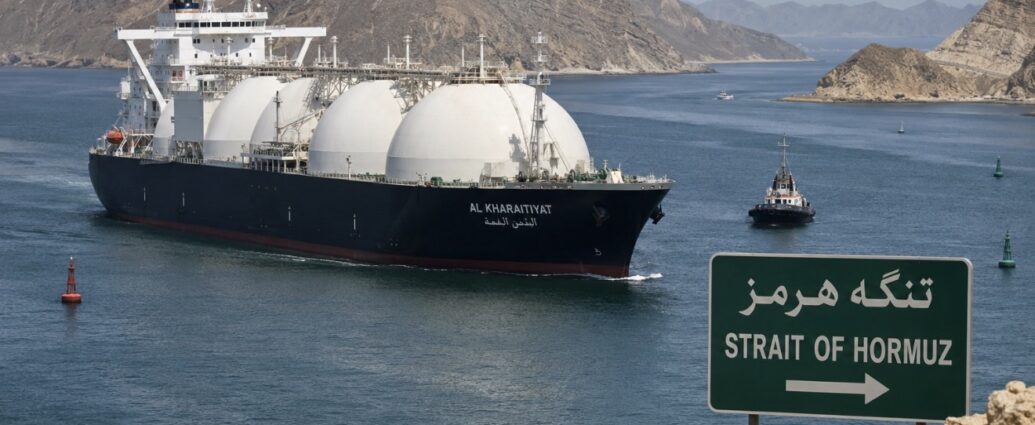
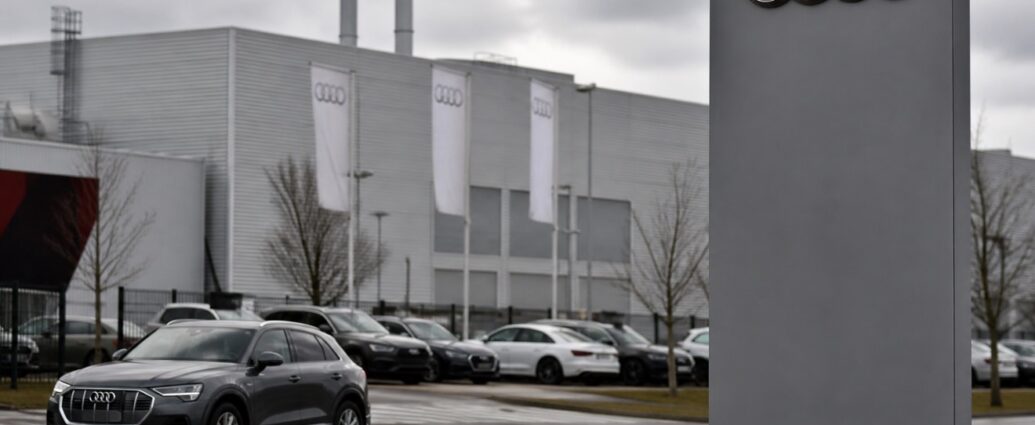
Tankers are loading up in Alaska and along the U.S. Gulf Coast and sailing to Japan, Thailand and Australia in unprecedented numbers. Nine weeks into the effective closure of the Strait of Hormuz, the United States has surpassed Saudi Arabia as the world’s top crude exporter and become the energy supplier global markets cannot function without — but energy executives and analysts warned this week that America’s supply cushion is running out faster than the world realizes.

Over the past nine weeks, more than 250 million barrels of crude from American oil wells and storage facilities have been shipped overseas, according to Bloomberg reporting published Sunday, May 3. That volume has made the U.S. once again the world’s number one crude exporter. But domestic oil and fuel stockpiles have drawn down for four consecutive weeks, falling below historical averages, raising serious questions about how long record exports can be sustained.

President Donald Trump told reporters Friday, May 2: “This has been amazing. The amount of oil and gas that we’re selling now is at a level that nobody’s ever seen.” He added: “We have more oil production right now than any time in history. And if you take a look at the ships, they’re all coming up to Texas, Louisiana, Alaska.”

Chevron chief executive Mike Wirth offered a starkly different assessment Friday, May 2, saying the global energy system is under “extreme stress.” The day before, Thursday, May 1, ConocoPhillips warned that “critical shortages” of oil are imminent. In anonymous survey comments published in late April by the Federal Reserve Bank of Dallas, energy executives said: “The unpredictable nature of the current administration makes business modeling near impossible.”

The Largest Supply Disruption in History

International Energy Agency Executive Director Fatih Birol has left no room for ambiguity about the scale of what has happened. Speaking on the podcast “In Good Company” hosted by Norges Bank Investment Management chief executive Nicolai Tangen on April 1, Birol said the energy crisis sparked by the war was “the worst in history” — worse even than the 1973 and 1979 oil shocks. “In both of them we lost each about 5 million barrels per day of oil. These oil crises led to global recession in many countries,” Birol said. “Today, we lost 12 million barrels per day — more than two of these oil crises put together.”

Crude and oil product flows through the Strait of Hormuz plunged from 20 million barrels per day before the war to just over 2 million barrels per day in March, according to the IEA’s April 14 monthly Oil Market Report. In early April, loadings through the Strait averaged just 3.8 million barrels per day, compared with more than 20 million barrels per day in February before the crisis, the IEA reported. Gulf producers including Iraq, Saudi Arabia, Kuwait, the UAE, Qatar and Bahrain collectively shut in an estimated 9.1 million barrels per day of crude production in April as onshore storage filled with oil that had nowhere to go.

Brent crude surged more than 60 percent over the course of March alone — the biggest monthly price gain since records began in the 1980s — before reaching a peak near $150 per barrel in physical markets, according to the IEA’s April Oil Market Report. JP Morgan warned that inventories are reaching minimum operational levels, with the actual shortage potentially doubling from 4 million barrels per day to as much as 8 million barrels per day as stockpiles and oil at sea are exhausted, according to analysis cited by Economics Help on May 2.

Birol told CNBC on April 1 that the IEA’s emergency reserve release of 400 million barrels — the agency’s largest ever, unanimously agreed by member countries on March 11 — was not a solution. “This is only helping to reduce the pain, it will not be a cure,” he said. “The cure is opening up the Strait of Hormuz.”

Rory Johnston, founder of Commodity Context, said April 21 that any reopening of the Strait would likely trigger an immediate drop of $10 to $20 in crude prices due to speculative positioning — but warned supply chain bottlenecks, infrastructure damage and production outages would keep the market tight, likely anchoring Brent in the $80 to $90 range even after a reopening. “This is still the largest oil supply shock in the history of the oil market,” Johnston said. “Without a sustained restoration of flows, prices may need to rise further to curb demand.”

Tony Sycamore, market analyst at IG, said in a note published April 30: “Prospects for any near-term resolution to the Iran conflict or a reopening of the Strait of Hormuz remain dim.”

Vitol chief executive Russell Hardy said April 21 that one billion barrels of oil production will be lost because of the war, with the current running total already between 600 and 700 million barrels. Naif Aldandeni, energy strategist, told Al Jazeera on March 15 that the IEA’s reserve release was “a small bandage on a large wound,” adding that the release would produce “only a temporary stabilising effect.”

What It Means at the Pump

For ordinary Americans, the consequences are direct. Retail gasoline prices have climbed to an average of $4.40 per gallon, according to Bloomberg. The U.S. Energy Information Administration reported March 30 that average retail gasoline stood at $3.99 per gallon and diesel at $5.40 per gallon — the highest levels in real terms in over two years. Gas prices have risen $1.16 per gallon since the start of the war, with prices expected to hit $5.00 per gallon if the Strait remains closed, according to the 2026 Iran War Fuel Crisis entry on Wikipedia. Jet fuel has spiked 95 percent since the war began, causing multiple airlines to raise baggage fees. Energy Secretary Chris Wright has repeatedly cited the $5-per-gallon threshold as the key political benchmark heading into November’s midterm elections.

U.S. domestic oil production has actually fallen roughly 100,000 barrels per day since the war began as drillers remain hesitant to invest amid deep uncertainty, according to Bloomberg. Exxon Mobil and Chevron are also managing disruptions to their Middle East operations, adding further constraints.

LNG and Fertilizer: The Hidden Crisis

The disruption extends well beyond crude oil. LNG supplies from Qatar and the UAE through the Strait of Hormuz have been cut by more than 300 million cubic metres per day since March 1, according to the IEA — reducing global LNG supply by roughly 20 percent. QatarEnergy declared force majeure on all export contracts after its Ras Laffan facility — the world’s largest LNG liquefaction plant — was struck on March 2 and went offline. The company warned repairs could take up to five years. Steven Wilson, a partner in the global energy practice at law firm Mayer Brown, said in late March that LNG suppliers were becoming more selective in negotiating long-term contracts because spot market pricing had become far more lucrative — squeezing buyers and driving prices higher.

Over 30 percent of global urea and significant volumes of ammonia and phosphate transit the Strait of Hormuz. Morningstar analyst Seth Goldstein projected that nitrogen fertilizer prices could roughly double from 2024 levels. The UN World Food Programme warned the disruptions are driving long-term increases in global food prices, threatening a scenario similar to the 2022 food crisis.

How Long Can Iran Hold Out?

Muyu Xu, senior crude oil analyst at Kpler, told Al Jazeera in late April that the U.S. naval blockade was already slowing Iranian oil loadings and exports, pressuring onshore inventories. “We expect any production reduction to be gradual over the coming week, with a higher likelihood of acceleration into May,” Xu said.

Kenneth Katzman, former Iran analyst at the Congressional Research Service in Washington, told Al Jazeera that Iran had between 160 million and 170 million barrels of oil “afloat” on tankers around the world — cargo that transited the Strait before the U.S. blockade began — potentially giving Tehran revenue flows through August. “Does President Trump have until August? Probably not,” Katzman said. “He’s probably going to have to look at kinetic escalation if he wants to bring this to the conclusion he wants, or he’s going to have to accept less than the deal he ideally wants.”

The question now facing energy markets, policymakers and businesses worldwide is whether diplomacy can reopen the Strait before the supply shock forces demand destruction on a scale not seen since the 1970s energy crisis — an outcome none of the parties to the conflict has yet fully prepared the world for.

JBizNews Desk
© JBizNews.com. All rights reserved. This article is original reporting by JBizNews Desk. Unauthorized reproduction or redistribution is strictly prohibited.

Vienna — May 3, 2026 — OPEC+ has agreed in principle to raise collective oil production quotas by 188,000 barrels per day for June, marking the third consecutive monthly symbolic increase aimed at stabilizing global markets.

The decision, reached during virtual consultations among members, comes as the cartel (now operating without the United Arab Emirates following its recent departure) continues its gradual unwinding of voluntary production cuts. However, actual additional barrels reaching the market are expected to remain limited due to ongoing disruptions in the Gulf region linked to the U.S.-Iran conflict and security issues around the Strait of Hormuz.

Analysts describe the move as largely “on-paper” at this stage, with real supply growth constrained by geopolitical volatility rather than cartel policy. U.S. crude exports have nevertheless surged to record levels, helping offset some of the tightness.

The quota hike reflects OPEC+’s balancing act: supporting prices for member economies while avoiding a sharp oversupply that could crash the market. Oil prices have been volatile in recent weeks amid the broader Middle East tensions, with Brent crude hovering near key technical levels.

Energy ministers emphasized that the increases are “gradual and reversible” if market conditions deteriorate. The UAE’s exit from the formal quota system earlier this year has slightly altered the group’s internal dynamics but has not derailed the broader production strategy.

For global businesses, the implications are significant. Airlines, shipping companies, and manufacturers continue to grapple with elevated fuel costs, while oil producers and service firms watch closely for any real supply relief. The Trump administration has meanwhile kept a close eye on domestic energy output and strategic reserves.

This latest quota adjustment keeps the oil market in a state of cautious equilibrium. Traders will be watching June’s actual production data and any fresh developments from the Gulf for clearer signals on direction.

JbizNews- Desk – Energy

For the first time in 60 years, Warren Buffett will not be the main attraction at Berkshire Hathaway’s annual meeting. Buffett, 95, stepped down as CEO at the end of 2025 but remains chairman of the board. Greg Abel, 63, took over as chief executive on January 1, 2026, after years of careful grooming as Buffett’s chosen successor.

Now Abel faces his first shareholder meeting in the top seat — and the pressure is real.

A Mountain of Cash, A Lagging Stock

Berkshire shares have severely underperformed since Buffett unexpectedly announced his departure last year on May 3. On a year-over-year basis, BRK stock fell 11.19%, while the S&P 500 gained 29.5% over the same period. 

Abel’s most pressing challenge is how to put Berkshire’s massive cash reserve to work, which ended 2025 at approximately $373 billion.  A pricey, AI-driven stock market has left Berkshire few deep-value opportunities for deploying that war chest  — the kind of distressed bargains that Buffett built his legend finding.

Abel has started making moves. He restarted share buybacks in March, ending a drought of more than a year.  But investors want more answers — and more action.

Proving Himself

The mood in Omaha this weekend is one of cautious watching. Some investors want to see Abel prove himself before deciding to buy more, according to Lawrence Cunningham, a governance professor at the University of Delaware, who told Reuters the market is “expressing caution.” 

Abel is considered more hands-on than his predecessor and less likely to forgive prolonged underperformance, while remaining committed to Berkshire’s culture of giving managers room to operate day-to-day. 

Key questions heading into the meeting include Berkshire‘s capital allocation strategy, potential acquisitions, succession planning beyond Abel, and the performance of major holdings including Apple, Occidental Petroleum, and the company’s insurance operations. 

Buffett remains chairman emeritus and a strategic voice on capital allocation, though Abel now holds full CEO operating authority.  Whether that arrangement reassures or unsettles long-term shareholders may be one of the more telling storylines to emerge from this weekend’s meeting.

The era after Buffett has arrived. What Greg Abel does with $373 billion — and a company carrying 60 years of legend — will define what comes next.

JBizNews Desk

© JBizNews.com. All rights reserved. This article is original reporting by JBizNews Desk. Unauthorized reproduction or redistribution is strictly prohibited.

Wall Street kicked off May on a strong note Friday, with all three major indexes rising in early trading as a blockbuster Apple earnings report, a record-setting close the night before, and fresh signs of progress in U.S.-Iran peace negotiations sent oil prices sharply lower and stocks higher.

The Numbers At The Open

The S&P 500 gained 0.5%, the Nasdaq Composite added 0.7%, and the Dow Jones Industrial Average advanced roughly 112 points, or 0.2%, in early trading.  The gains build on a historic session Thursday. The S&P 500 closed above the 7,200 threshold for the first time ever, helping both the S&P 500 and Nasdaq secure their strongest monthly performances since 2020. The Dow posted its strongest monthly performance since November 2024. 

Top Mover: Apple

The clear standout at the open is Apple. Apple reported fiscal second-quarter earnings of $2.01 per share on revenue of $111.18 billion, beating analyst estimates of $1.95 per share and $109.66 billion in revenue.  iPhone revenue reached $56.99 billion, up 21.7% year over year, beating expectations across every product category.  Services revenue surged 16.3% to a new all-time record of $30.98 billion.  Apple’s board authorized an additional $100 billion in share repurchases and raised its quarterly dividend 4% to $0.27 per share.  Shares jumped more than 4% at the open. CEO Tim Cook called the results exceptionally strong, saying “the first half of this year was very strong.” 

Analyst Calls

Venu Krishna, head of U.S. equity strategy at Barclays, pointed to a strong economic growth outlook and an intact tech story as catalysts to keep the rally going, saying “the story is good, so we remain optimistic.” 

Pakistan’s Role In Moving Oil Markets

One of the biggest market drivers this morning is not a stock — it is diplomacy. Oil prices fell after Iran reportedly sent its response through Pakistani mediators to the latest U.S. amendments to a draft peace agreement. U.S. West Texas Intermediate crude fell roughly 3% to around $102 a barrel, while international benchmark Brent edged lower to $110.23. 

Pakistan‘s role as mediator in the U.S.-Iran conflict has been one of the most consequential diplomatic developments of 2026. On March 23, Pakistan formally offered to host talks between Washington and Tehran , stepping in as a neutral bridge between two sides with no direct communication. The formal Islamabad Talks were held on April 11 and 12, led on the U.S. side by Vice President JD Vance, alongside special envoys Steve Witkoff and Jared Kushner, and on the Iranian side by parliamentary speaker Mohammad Bagher Ghalibaf and foreign minister Abbas Araghchi. The talks lasted 21 hours but ended without a deal.  A two-week ceasefire mediated by Pakistan had taken hold on April 8, and President Trump subsequently extended it to allow more time for negotiations.  Today’s oil drop reflects market optimism that Iran’s latest response through Pakistani channels could move the process forward — keeping the Strait of Hormuz from becoming a full-blown energy crisis again.

Other Movers

Roblox tumbled 24% in premarket after slashing its full-year 2026 bookings guidance, warning of “continued short-term friction” from new product changes including age verification that have slowed new user acquisition. 

Caterpillar saw several analysts raise price targets after the industrial giant beat earnings expectations, citing booming demand for power generation equipment from AI data centers and a record backlog. 

Exxon Mobil and Chevron both beat quarterly earnings expectations but reported steep profit declines as the Middle East conflict weighed on energy operations. Exxon’s net income declined 45% while Chevron’s fell 36%. 

Occidental Petroleum announced that CEO Vicki Hollub — the first woman to lead a major U.S. oil company — is retiring after a decade at the helm. COO Richard Jackson will take over June 1. 

JBizNews Desk

© JBizNews.com. All rights reserved. This article is original reporting by JBizNews Desk. Unauthorized reproduction or redistribution is strictly prohibited.