Hedge fund billionaire Ken Griffin has questioned whether wealthy individuals truly understand the risks of investing in private credit, warning they may struggle to access their money in a downturn.

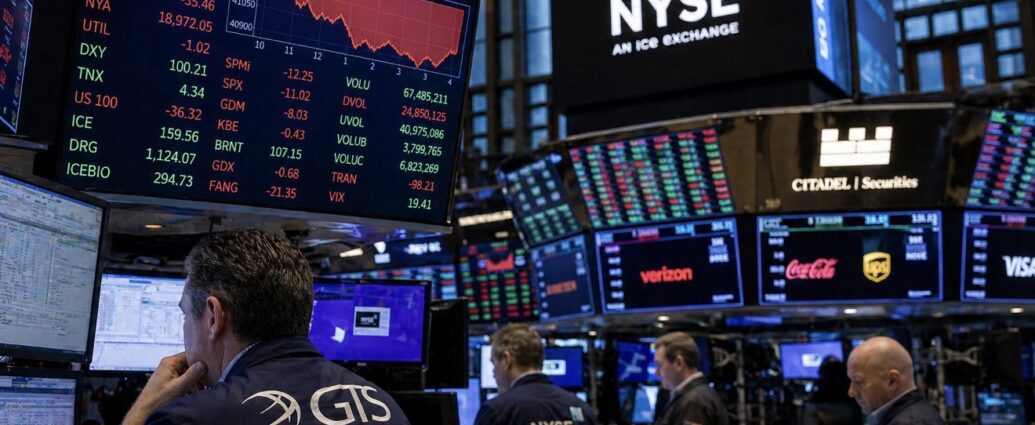
Griffin, founder of $67 billion hedge fund Citadel and trading firm Citadel Securities, made the comments in an interview with the Financial Times, as the private credit industry faces mounting redemption pressures and growing concerns over bad loans.

Liquidity Mismatch At The Core

“The real issue here is the liquidity mismatch between the wealthy investors and the duration of the investments,” Griffin said. “We live in a world where investors have become accustomed to having immediate liquidity for their investments — investing in private credit is a different story.”

Griffin also questioned whether wealthy investors fully grasped what they were buying into. “Retail was viewed as a phenomenal channel from which to raise assets,” he said. “But did the retail investors really understand the nature of the investment they were making?”

The private credit industry comprising funds that make direct loans to private equity-owned companies, has more than $3.5 trillion in assets, according to the Alternative Investment Management Association.

Firms including Blackstone (NYSE:BX), Apollo Global Management

Full story available on Benzinga.com

This post was originally published here

During times of turbulence and uncertainty in the markets, many investors turn to dividend-yielding stocks. These are often companies that have high free cash flows and reward shareholders with a high dividend payout.

Benzinga readers can review the latest analyst takes on their favorite stocks by visiting Analyst Stock Ratings page. Traders can sort through Benzinga’s extensive database of analyst ratings, including by analyst accuracy.

Below are the ratings of the most accurate analysts for three high-yielding stocks in the financial sector.

Golub Capital BDC Inc (NASDAQ:GBDC)

  • Dividend Yield: 11.18%
  • RBC Capital analyst Kenneth Lee initiated coverage on the stock with an Outperform rating and a price target of $15 on April 17, 2026. This analyst has an accuracy rate of 62%
  • Wells Fargo analyst Finian O’Shea maintained an Overweight rating and cut the price target from $14 to $13 on Feb. 6, 2026. This analyst has an accuracy rate of 62%.
  • Recent News: Golub Capital BDC announced that it will report its financial results for the second quarter on Monday, …

Full story available on Benzinga.com

This post was originally published here

Daniel Newman, CEO of Futurum Group, suggested that Microsoft‘s (NASDAQ:MSFT) Q3 earnings may hold a surprise.

Newman took to X on Tuesday to highlight CEO Satya Nadella‘s announcement of Copilot deployment to about 743,000 Accenture (NYSE:ACN) employees.

Nadella called it the “largest” rollout of the AI-driven tool to date. The deployment began in 2023 and has since scaled with 89% monthly active usage.

“MSFT Copilot Numbers may surprise this quarter?” wrote Newman.

Accenture’s chief information officer, Tony Leraris, describes Copilot as a “personal digital colleague”. A 2025 company study of 200,000 users found 97% completed routine tasks up to 15× faster with Copilot, while 53% reported major productivity gains.

data-variant=”card”

This post was originally published here

TORONTO, April 29, 2026 /CNW/ – CIBC (TSX:CM) (NYSE:CM) – CIBC Global Asset Management (CIBC GAM) today announced the expansion of its target maturity bond funds with the launch of five new CIBC Investment Grade Bond Funds and two new laddered funds (CIBC 1-5 Year Laddered Investment Grade Bond Fund and CIBC 1-5 Year U.S. Laddered Investment Grade Bond Fund) – each available in Series A, Series F and Series O.

Additionally, all new funds offer ETF series units with the exception of the CIBC 1-5 Year U.S. Laddered Investment Grade Bond Fund. These ETF Series units have completed their initial offering and are now available for trading on Cboe Canada.

“Building on the success of our CIBC Investment Grade Bond Funds, we are pleased to expand our lineup of target maturity funds to help investors achieve their shorter-term savings goals,” said Eric Bélanger, President and Chief Executive Officer, CIBC Global Asset Management. “The new CIBC 1-5 Year Laddered Investment Grade Bond Funds offer pre-built bond laddering, providing regular …

Full story available on Benzinga.com

This post was originally published here

On Tuesday, U.S. drivers faced the steepest pump prices in about four years as the Iran conflict and stalled diplomacy kept crude markets tight. The average cost of a gallon of gasoline hit $4.23, a level not seen since April 2022, according to AAA.

Pump prices are up more than 40% since the fighting began in late February. United States Gasoline ETF (NYSE:UGA), which allows investors to make a direct play on gasoline, gained about 2% on Tuesday.

Why Gas Prices Are Surging Again

The milestone came as negotiations around the reopening of the Strait of Hormuz and constraints tied to Iran’s nuclear program remained stuck. This will continue to disrupt oil flows through the Hormuz, which handles about one-fifth of global shipments, and send oil prices soaring.

Oil is doing most of the heavy lifting behind the jump, since crude makes up about 51% of what drivers pay at the pump, according to the CBS

Full story available on Benzinga.com

This post was originally published here

Tesla Inc.‘s (NASDAQ:TSLA) Chinese rivals BYD Co. Ltd. (OTC:BYDDY) (OTC:BYDDF) and Geely Automobile Holdings Ltd. (OTC:GELYF) (OTC:GELHY) reported declining profits amid slowing demand and fluctuating foreign exchange.

BYD Reports Profit Decline

On Tuesday, BYD released its quarterly financial report, sharing that its profits plunged 55% as profits of over $594 million were reported attributable to shareholders in the company. BYD’s Q1 revenue was around $21.97 billion, down 11.82% YoY from the same period in 2025.

data-variant=”card”
data-news-mode=”manual”

>


Read Also:

China’s BYD Says US Not Needed As EV Demand Surges

This post was originally published here
Brinker International, Inc. (NYSE:EAT) will release earnings for its third quarter before the opening bell on Wednesday, April 29.

Analysts expect the Dallas, Texas-based company to report quarterly earnings of $2.86 per share. That’s up from $2.66 per share in the year-ago period. The consensus estimate for Brinker’s quarterly revenue is $1.47 billion (it reported $1.43 billion last year), according to Benzinga Pro.

On March 2, Brinker International promoted George Felix to EVP, chief marketing officer.

Shares of Brinker fell 3.7% to close at $129.14 on Tuesday.

Benzinga readers can access the latest analyst ratings on the Analyst Stock Ratings page. Readers can sort by stock ticker, company name, analyst firm, rating change or other variables.

Let’s have a look at how Benzinga’s most-accurate analysts have rated the company in …

Full story available on Benzinga.com

This post was originally published here

OPKO Health (NASDAQ:OPK) reported first-quarter financial results on Tuesday. The transcript from the company’s first-quarter earnings call has been provided below.

This transcript is brought to you by Benzinga APIs. For real-time access to our entire catalog, please visit https://www.benzinga.com/apis/ for a consultation.

View the webcast at https://event.choruscall.com/mediaframe/webcast.html?webcastid=q9mua2Tv

Summary

OPKO Health Inc reported first quarter 2026 revenue of $124.2 million, a decrease from $149.9 million in Q1 2025, with a consolidated operating loss of $51 million, improving from a $67.2 million loss in the previous year.

The company is advancing its Modex product development pipeline, including several clinical trials for oncology and immunology treatments, and anticipates multiple clinical and partnership milestones in 2026.

Collaboration with Regeneron and BARDA is progressing, with potential milestones exceeding $1 billion and significant funding for infectious disease programs, respectively.

The diagnostics business is focusing on its core regional operations, with a targeted strategy to achieve breakeven by mid-year and expand its 4Kscore test offering.

OPKO Health Inc maintains a strong cash position of $341 million to support ongoing operations and R&D investments, with plans for future revenue growth driven by its biopharmaceutical and diagnostics segments.

Full Transcript

OPERATOR

Good day and welcome to the OpcoHealth First Quarter 2026 Financial Results Conference call. All participants will be in listen only mode. Should you need assistance, please signal a conference specialist by pressing the star key followed by zero. After today’s presentation, there will be an opportunity to ask questions. To ask a question, you may press star then one on your touchstone phone. To withdraw your question, please press Star then two. Please note this event is being recorded. I would now like to turn the conference over to Yvonne Briggs. Please go ahead.

Yvonne Briggs (Investor Relations)

Thank you operator and good afternoon, this is Yvonne Briggs with Alliance Advisors IR. Thank you all for joining today’s call to discuss OPKO Health Inc financial results for the first quarter of 2026. I’d like to remind you that any statements made during this call by management, other than statements of historical fact, will be considered forward looking and as such are subject to risks and uncertainties that could materially affect the company’s results. Those forward looking statements include, without limitation, the various risks described in the company’s SEC filings, including the Annual Report on Form 10-K for the year ended December 31, 2025. Furthermore, this conference call contains time sensitive information that is accurate only as of the date of the live broadcast, April 28, 2026. Except as required by law, OPCO undertakes no obligation to revise or update any forward looking statements to reflect events or circumstances after the date of this call. Regarding the format of today’s call, Dr. Philip Frost, chairman and Chief Executive Officer, will provide opening remarks. Dr. Elias Sirhouny, Vice Chairman and President, will then provide an overview of OPKO’s therapeutic segment as well as BioReference Health. After that, Adam Logel, OPKO’s CFO, will review the company’s first quarter financial results and discuss OPKO’s financial outlook. And then we’ll open the call to questions. Now I’d like to turn the call over to Dr.

Philip Frost (Chairman and Chief Executive Officer)

Thank you for joining us today. During the first quarter we made meaningful progress with our strategic initiatives, with particular emphasis on advancing our MODEX product development pipeline. MODEX now has five programs in the clinic spanning vaccines, oncology and immunology, all with the potential to be first and best in class in their therapeutic areas. Days after the close of the first quarter, we dosed our first subjects in the phase 1 clinical trial of MDX2301, our BARDA funded multispecific antibody for the prevention of COVID in high risk populations. Shortly thereafter, we announced the dosing of the first patient in a phase 1 trial to evaluate MDX 2003, a tetra specific T cell engager in patients with relapsed or refractory B cell lymphoma. We also continue to advance our other oncology candidates in Clinical Development, MDx2001, a tetraspecific T cell engager targeting solid tumors, and MDx2004, a multispecific immune rejuvenator. Over the course of this year, we expect MODEX to achieve a number of clinical and partnership milestones as these programs progress and in the case of our EBV vaccine approach, later stage development with our partner Merck. Our collaboration with Regeneron is progressing well as we align their extensive antibody binder libraries with our multispecific engineering platform across various indications in metabolism, oncology and immunology. This collaboration is another example of strategic partnerships that are a good source of non dilutive capital to support our RD efforts. The potential total value of the regenerant collaboration exceeds $1 billion in milestones plus future royalties in our diagnostics business. Q1 reflects our second full quarter with the new BioReference footprint following our oncology divestiture. We’re now centered on our core regional clinical laboratory operations in New York and New Jersey, our correctional health business and our national specialty urology testing franchise anchored by the 4K score test. We continue to streamline our infrastructure and cost base to achieve profitable growth from this segment. We closed the quarter with a solid cash balance. This reflects past asset sales, continued R and D support from our partners, and contributions from our international pharmaceutical operations. This financial strength enables us to fund our RD portfolio at a meaningful level and to return capital to shareholders through our stock repurchase program. With that overview, I’ll turn the call over to Elias.

Elias Sirhouny (Vice Chairman and President)

Well, thank you Phil, and good afternoon everyone. Let me start with the biopharmaceutical side of our business because that’s where we’re making tremendous progress advancing our pipeline right now. As Dr. Frost said, we now have five assets in the clinic and expect an additional program for our in vivo CAR T cell platform to commence first in human clinical trials this year. So let me review our programs and provide updates on each of them. Our collaboration with Merck is focused on a vaccine against Epstein Barr virus that combines four Epstein-Barr Virus (EBV) antigens developed by MODEX with Merck’s adjuvants. In the phase one trial, Merck enrolled over 200 subjects to evaluate safety, tolerability and immunogenicity, and various subgroup studies and analysis are underway to understand the responses in Epstein-Barr Virus (EBV) naive subjects and patients as young as 12 years of age, which will be important for future studies. So we expect Merck to have the data needed to inform a Phase two design by the end of this year, with initiation of a phase 2 clinical study anticipated next year. Subject to Merck’s decisions and announcements now for MDX 2001, which is our lead immuno oncology candidate for solid tumors including head and neck, esophageal, pancreatic, lung and prostate cancers. MDX2001, as you know, is a tetra specific T cell engager directed at two tumor antigens, CMET and TROP 2 and 2T cell activators CD3 and CD28. The goal is to drive a deeper and more durable response by simultaneously recognizing heterogeneous tumor antigen expression and providing both CD3 and CD28 activators and enhancers to T cells, thereby enhancing activation and T cell survival. Enrollment of Phase one studies continuing into two parallel cohorts to support dose escalation and optimize the dosing regimen. We have dosed more than 30 patients so far across multiple tumor types and have reached dose levels approximately tenfold higher than the starting dose, all with acceptable safety. We plan to present phase 1a data at a conference in the second half of this year. In addition, phase 1b is expected to start later this year, focusing on the tumor types most likely to show signs of efficacy. We’re also commencing work to enable subcutaneous formulations for our next program, MDX2004, which is our first in class multi specific immune rejuvenator that simultaneously engages CD3, CD28 and 41 BB to not only activate but also expand and sustain stem like and memory T cells in the immune system. Preclinical data has demonstrated that MDX 2004 expands stem T cells, increases the T cell activation and stimulates proliferation of CD8 and CD4 memory subsets and so these its potential as a pipeline in a product across cancers and chronic infections among the elderly and immune impaired subjects. MDX 2004 entered phase one in the third quarter of late last year and we’re currently in the dose escalation stage in heavily pretreated cancer patients. The trial includes both PD1 naive patients and patients previously treated with PD1 inhibitors with the goal of determining whether immune rejuvenation can restore or prolong responses. Our objective this year is to complete Phase 1A, define an appropriate dose and schedule, and prepare for expansion into select tumor types and longer term into broader immune impairment indications. Now our newest molecule in the clinic is MDX 2003. It’s our T3 specific T cell engager and expander targeting both CD19 and CD20 on B cells and CD3 and CD28 on T cells. The intent is to address tumor antigen heterogeneity and escape mechanisms, which we see with CD19 only or CD20 only approaches by maintaining activity even when 1B cell marker is lost while CD28CO stimulation supports sustained T cell function. We recently initiated a phase one trial in B cell lymphomas and leukemias in Australia and Israel, with additional sites to follow in parallel. We’re evaluating the optimal path to explore autoimmune indications for MDX 2003, which has a potential to play a role in autoimmunity. In March, MODEX presented two posters at the ESMO Targeted Anti Cancer Therapies Congress 2026 in Paris, further highlighting the breadth of our oncology portfolio. One presentation profiled MDX 2004 describing the ongoing first in human trial in patients with advanced tumors and introducing the concept of immune rejuvenation as a differentiated approach to restoring antitumor immunity. The second was focused on MDX 2003 and showcased its potent preclinical activity across multiple B cell malignancy models and its potential relevance in autoimmunity. In addition to our own research, we’re very pleased with the progress under our collaboration with regeneron, which, as Dr. Frost mentioned, combines their extensive library of clinically validated monoclonal antibody binders with our modular multispecific architecture across immunology, oncology and metabolic diseases. Together, the teams are focused on advancing four initial discovery programs using the MODEX platform to rapidly generate and optimize multi specific antibody candidates with the potential to expand into additional targets over time. Regeneron is responsible for funding preclinical clinical and commercial development of the selected assets, while OPCO is eligible for research development, regulatory and commercial milestones that could exceed $1 billion, as well as tiered royalties on global sales up to the low double digits. Now moving to infectious diseases, MDX2301 is the first MODEX multi specific antibody program to enter the clinic under our collaboration with BARDA. MDX2301 is a tetravalent bispecific antibody that targets distinct and conserved regions of the SARS CoV2 spike receptor binding domain and it is designed for broad coverage and long duration of protection because it really attacks two separate regions of the virus which prevents escape of the virus through mutations. The initial indications are prophylaxis in high risk immunocompromised populations who cannot be protected by immunization vaccination and used in post exposure outbreak settings with potential expansion into acute treatment of COVID and the treatment of long Covid. To date, remarkably, this multispecific antibody has demonstrated high potency against all known variants of SARS COV2V2 and continues to be effective against all circulating variants of the virus. We initiated the Phase 1 trial of MDX 2301 which is evaluating safety and tolerability across different routes of administration and dosing regimens in healthy volunteers and in adults at high risk for severe co occurring and the first dose cohort is completed and BARDA is funding the program including the clinical trial costs. BARDA is also supporting our Multi Specific Influenza program which targets conserved regions of hemagglutinin to enable broad coverage across influenza A and B strains. We’re currently conducting pre IND work using challenge models to select the lead clinical candidate and we expect this program to move closer to the commencement of clinical trials with the potential for additional financial support from BARDA. To date, BARDA has committed over $100 million since the inception of these two programs. Now, over the past several years MODEX has also built a multimodal in vivo CAR T and gene delivery platform that we believe is highly differentiated versus traditional ex vivo CAR T approaches because it combines our unique multi specific technology with proprietary in vivo CAR technologies. Using lipid nanoparticles conjugated with cell specific multi specific antibodies on the surface, we can deliver MRNA or DNA payloads encoding cars directly to specific immune cell subset not only just T cells but also B cells or NK cells to generate functional CAR T cells in vivo at lower effective doses. Preclinical data has been obtained in humanized mice and non human primates and a presentation of this work will be made at the ASGCT meeting in Boston next month and we believe this technology offers several potential advantages. It is off the shelf, can be redosed and leverages our multi specific antibodies for cell specific targeting and built in activation via CD3 CD28. It also uses site specific antibody conjugation and proprietary lipids to support manufacturability at scale and reduce off target delivery to the liver. In non human primate studies we have shown proof of concept for in vivo CAR T generation, deep B cell depletion in blood and tissues and a favorable tolerability profile. These effects were achieved at doses that were a fraction of those reported for completing platforms for competing platforms. Sorry, we’re now in IND enabling studies for our lead CD19 targeted in vivo CAR T program and expect entry into the clinic by the end of this year or early 2027. Now turning to our endocrine and metabolic programs, we continue to advance our subcutaneous injection formulation of UBCO. ADA 006 for the treatment of MASH 88006 is an analog of the natural GLP1 glucagon hormone occipital modulin and we’re planning a first in human single ascending dose and multiple ascending dose phase 12 a clinical study with data expected by the second half of 2027. The findings will be used to guide the further development of our oral oxyntomodulin in partnership with Entera Bio. We also recently expanded our relationship with Entera to include a third joint program for a first in class long acting PTH tablets for patients with hypoparathyroidism and this program combines opsco’s proprietary long acting PTH variants, Bonanteros and Tab technology and we in NTERA each hold a 50% ownership interest in this program and we will share development costs equally. Presuming favorable PK PD data, we’re targeting an IND filing later this year. Now our international pharmaceutical operations continue to experience solid growth during Q1 with healthy contributions to the overall business. For the quarter, global pharmaceutical product sales grew about 9% versus the prior year due to favorable demand trends as well as foreign currency tailwinds. Our partner Pfizer continues its global commercial expansion of our long acting growth hormone product enGENE. …

Full story available on Benzinga.com

This post was originally published here

F5 (NASDAQ:FFIV) reported second-quarter financial results on Tuesday. The transcript from the company’s second-quarter earnings call has been provided below.

This content is powered by Benzinga APIs. For comprehensive financial data and transcripts, visit https://www.benzinga.com/apis/.

View the webcast at https://events.q4inc.com/attendee/456000253

Summary

F5 Inc reported a strong Q2 with an 11% increase in revenue, driven by a 22% growth in product revenue, including 26% growth in systems and 17% in software.

The company is capitalizing on trends like hybrid multi-cloud adoption, expanding threat landscapes, and AI integration, raising its FY26 revenue growth outlook to 7-8%.

F5 Inc’s non-GAAP EPS grew by 14% year-over-year, with a record $348 million in free cash flow, and the company plans to repurchase at least 50% of its free cash flow in shares.

The company highlighted significant wins in AI-driven security solutions and increased demand for their application and API security offerings.

F5 Inc’s strategic initiatives include significant investments in hybrid multi-cloud solutions and AI-powered security innovations, positioning it for future growth amid evolving market dynamics.

Full Transcript

OPERATOR

Good afternoon and welcome to the F5 Inc. Second Quarter Fiscal 2026 Financial Results Conference call. All lines have been placed on mute to prevent any background noise. After the Speaker’s remarks, there will be a question and answer session. If you would like to ask a question during this time, simply press the star key followed by the number one on your telephone keypad. If you would like to withdraw your question, press Star one again. Also, today’s conference is being recorded. If anyone has any objections, please disconnect at this time. I’ll now turn the call over to Ms. Suzanne DeLong. Ma’am, you may begin.

Suzanne DeLong (President of Investor Relations)

Hello and welcome. I’m Suzanne DeLong, F5 Inc’s President of Investor Relations. We are here to discuss our second quarter fiscal year 2026 financial results. Francois Loco Dinou, F5’s chairman, president and CEO, and Cooper Werner, F5’s executive vice president and CFO, will be making prepared remarks on today’s call. Other members of the F5 executive team are also here to answer questions during the Q and A session. Today’s press release is available on our website at f5.com where an archived version of today’s audio will be available through July 27, 2026. We will post the slide deck accompanying today’s webcast to our IR site following this call. To access the replay of today’s webcast by phone, dial 800-770-2030 or 609-800-9909 and use meeting ID 607-6834. The telephonic replay will be available through Midnight Pacific Time, April 29, 2026. For additional information or follow up questions, please reach out to me directly at s.delong@f5.com Our discussion today will contain forward looking statements which include words such as believe, anticipate, expect, and target. These forward looking statements involve uncertainties and risks that may cause our actual results to differ materially from those expressed or implied by these statements. We summarize factors that may affect our results in the press release announcing our financial results and in detail in our SEC filings. In addition, we will reference non GAAP metrics during today’s discussion. Please see our full GAAP to Non GAAP reconciliation in today’s press release and in the appendix of our earnings slide deck. Please note that F5 has no duty to update any information presented in this call before I pass the call to Francois. I am pleased to announce that F5 will be hosting an Analyst and Investor event in New York on Thursday, May 28, 2026. Details about the event will be provided in a press release soon. I’ll now turn the call over to Francois.

Francois Loco Dinou (Chairman, President, and CEO)

Thank you, Suzanne and hello everyone. Our team delivered another robust quarter with 11% revenue growth. Product revenue grew 22%, marking our seventh consecutive quarter of double digit product growth. This includes strong 26% systems revenue growth and 17% software revenue growth. Hybrid multi cloud has become a strategic architecture and it is increasing demand across F5’s core markets. Customers are rapidly scaling their digital infrastructures to improve resiliency, meet data sovereignty requirements and get ready for AI. Our strong Q2 performance reflects those dynamics and F5’s alignment with where customers are headed. We captured robust international demand for digital sovereignty initiatives. We also converted hybrid multi cloud adoption into meaningful systems and software growth. We capitalized on heightened demand for best in class security solutions and we built on AI momentum with another standout quarter for AI wins. As a result of our strong growth and our proven operating model, we delivered 14% non GAAP earnings growth and a record $348 million in free cash flow. The powerful combination of secular and cyclical demand trends is providing strong Q3 visibility and A growing pipeline. As a result, we are raising our fiscal year 2026 outlook to reflect revenue growth of 7 to 8%, up from 5 to 6% previously. Cooper will elaborate on our outlook in his remarks. Our outlook for stronger growth is reinforced by what we are seeing in the market. We see three forces significantly reshaping how our customers operate hybrid multi cloud adoption, threat landscape expansion and AI inference inflection. First, hybrid multi cloud adoption workloads now span on premises, private cloud and multiple public clouds. Our research shows more than 90% of enterprises run hybrid multi cloud today across an average of 19 locations. Organizations need flexibility, resiliency and digital sovereignty in every environment and they are investing to support these demands. Second, threat landscape expansion as AI models become more capable, attackers are using them to launch attacks against production applications at higher volumes and with greater variation than traditional defenses were designed for. Our customers see this and they are responding. They are deploying more application security and prioritizing best in class defenses. The era of checkbox security is over. AI applications require best in class security to match both the volume and the sophistication of AI driven attacks. Third, the AI inference inflection organizations are connecting their applications and APIs to AI models and inference calls are becoming a regular part of how applications run. Our research shows 78% of enterprises run inference themselves using more than seven models on average. Organizations are standardizing on a new architecture with models distributed across the data center, the cloud and the edge and the next shift is already on the way. AI agents are moving into production and enterprises are adapting their applications for agent interaction. This is driving more compute, more data delivery and more security to protect inference. These three market forces are driving demand across our business. Because of accelerating hybrid multi cloud adoption. We are taking an already strong refresh cycle and leveraging it into significant opportunities for expansion, competitive displacement and platform consolidation. I will double click on each of these spotlighting customer examples from the quarter. With this refresh we are seeing a refresh plus dynamic that is different from prior cycles. Customers are deploying higher performance, higher capacity F5 systems as they upgrade their data centers to support modern applications, digital resilience and sovereignty. And as customers refresh, we are capitalizing on that moment to attach new use cases, expanding our footprint and growing overall wallet share. For example, this quarter a large healthcare services organization started with a life cycle refresh across hundreds of legacy systems. As the project progressed, they expanded the scope to support an AI driven consumer engagement platform. F5 became the control point for secure low latency traffic and data movement across applications, storage and their GPU server environment that gave the customer a more resilient foundation for both sensitive internal workloads and new AI interactions. At scale Our deliberate investment in hybrid multi cloud solutions is translating into market share gains. We are winning customers from competitors who did not build the same breadth and depth of capabilities across on premises software and SaaS. In Q2 we displaced a long standing incumbent at a Fortune 100 energy company whose environment had hit scalability limits. The customer needed a platform that could scale into cloud while maintaining strong on premises performance. Their incumbent provider was unable to serve workloads in hybrid multi cloud environments. S5 Modernized traffic management and simplified operations, improving reliability and creating a clean path for long term cloud adoption. Hybrid multi cloud customers require stronger performance and security with fewer tools and simpler operations. We are replacing point products with a unified approach that improves performance and security and is easier to operate at scale. For example, during Q2 an energy and utilities provider and existing big IP customer needed to secure APIs with better visibility and automation across their data center, cloud and edge environments. They selected F5 distributed cloud services to simplify their approach and standardize API protection across their full footprint with simpler management. Moving on to Threat Landscape Extension the pace and scope with which the threat landscape is expanding is driving demand for best in class application and API security both on premises and across cloud environments. For example, this quarter a software and managed service provider needed to standardize application and API security across a rapidly expanding hybrid multi cloud estate. Built through acquisitions, they lacked a consistent way to enforce front door and API protections across their multiple public cloud environments and on premises. With F5 they deployed a single policy and management layer with security enforced locally in every environment. Supporting strict privacy, audit and healthcare requirements, F5 enabled faster regional expansion with stronger security and improved data sovereignty alignment. Finally, the AI inference inflection is driving demand for F5. We are seeing this indirectly through hybrid multi cloud adoption and the requirements that come with it. We are also seeing it directly through our three primary AI use cases. With our industry leading traffic management, we are winning new AI insertion points including AI data delivery and AI factory load balancing. And we are capturing AI runtime security wins, protecting AI applications, APIs and models from emerging threats such as model abuse, data leakage and prompt injection. In an AI data delivery win, a global payments company needed a more resilient way to move rapidly growing AI data between storage and compute as they scale the training and retrieval workloads. F5 improved performance and resiliency while displacing both an in house solution and a competitor, positioning us at the center of the customer’s AI infrastructure strategy. In an AI runtime security win, an industrial automation firm needed a scalable way to assess risk and govern a growing number of AI applications and models. They chose F5 based on the depth of our red teaming insights and strong integration with their existing security stack. In an AI factory load balancing win, a major manufacturer and existing F5 customer needed to support operations and establish a digital twin of their manufacturing environment for simulation and optimization. They deployed big IP as the production traffic layer across their GPU server environment, improving availability and offloading encryption. Taken together, these wins underscore two things. The forces reshaping our customers environments are real and F5 is well positioned to capture them. Staying ahead of the pace of change requires relentless innovation. In Q2 we brought multiple new capabilities to market, strengthening our leadership in application delivery and security for the AI era and driving greater value for customers. We introduced AI powered capabilities in distributed cloud waf, replacing manual policy tuning with automated outcome based threat blocking. Our F5 trained model helps customers stay ahead of increasingly sophisticated AI driven attacks that are growing in both speed and complexity. We launched agentic bot Defense, extending our industry leading bot defense to autonomous AI agents, a new and fast growing category of traffic. The result is that customers can confidently adopt agentic AI while ensuring only verified trusted agents reach their applications. We released F5AI remediate which closes the loop between our AI Red Team and AI Guardrails products. It collapses the path from vulnerability discovery to runtime protection from days or weeks into minutes. And finally, we launched F5 Insight for ADSP, providing deeper visibility across application estates. The result is that customers can identify and resolve issues faster with less guesswork. We are innovating so customers can run faster, stay protected and simplify their hybrid, multi cloud and AI environment. And we are accelerating that innovation by rapidly integrating AI into our solutions to create practical capabilities customers can deploy quickly. That innovation engine is also sharpening our view of what’s next as we look ahead. We have conviction in the power and durability of hybrid multi cloud, the expanding threat landscape and inflecting AI inference as the main drivers for F5. We look forward to digging deeper into these drivers and our expectations for how they will shape F5’s longer term growth outlook at our May Analyst and Investor event. Now I will turn the call over to Cooper who will walk through our Q2 results and our outlook.

Cooper Werner (Executive Vice President and CFO)

Cooper thank you Francois and hello everyone. I will review our Q2 results before I provide our guidance for Q3 and and update our outlook for FY26. We delivered a strong Q2 growing revenue 11% to $812 million with a mix of 51% product revenue and 49% services revenue. Product revenue totaled 411 million, increasing 22% year over year, while services revenue of 401 million grew 2% year over year. Systems revenue totaled 226 million, up 26% over Q2 FY25. Our software revenue of 184 million grew 17% year over year. Subscription based software revenue totaled 165 million, up 20% year on year representing 90% of our Q2 software revenue. Perpetual licensed software totaled 19 million, down 4% year over year. Revenue from recurring sources contributed 70% of our Q2 revenue. Our recurring revenue consists of our subscription based revenue and the maintenance portion of our services revenue shifting to revenue distribution by region. Revenue from The Americas grew 3% year over year representing 50% of total revenue. Both our EMEA and APAC regions delivered very strong quarters. EMEA grew 22% representing 32% of revenue. APAC grew 19% representing 18% of revenue. Looking at our major verticals, Enterprise customers contributed 66% of Q2’s product bookings. Government customers represented a strong 24% of product bookings, including 8% from U.S. federal. Finally, service providers contributed 9% of Q2 product bookings. Our continued financial discipline contributed to our strong Q2 operating results. GAAP gross margin was 81.4%. Non GAAP gross margin was 83.7%. Our GAAP operating expenses were $482 million. Our non GAAP operating expenses were $406 billion. Our GAAP operating margin was 22.1%. Our non GAAP operating margin was 33.8%. Our GAAP effective tax rate for the quarter was 21.9%. Our non GAAP effective tax rate was 21.5%. Our GAAP net income for the quarter was 148 million or $2.58 per share. Our non GAAP net income was 223 million or $3.90 per share, reflecting 14% EPS growth from the year ago period. I will now turn to cash flow and balance sheet Metrics. We generated $366 million in cash flow from operations in Q2 and free cash flow of 348 million, both records highlighting the strength of our operating model. Capex was 18 million. DSO for the quarter was 47 days. Cash and investments totaled 1.46 billion at quarter end. Deferred revenue was 2.12 billion, up 10% from the year ago period. In Q2 we repurchased $100 million worth of F5 shares at an average price of $269 per share. We had $522 million remaining on our authorized share repurchase program as of the end of the quarter. Finally, we ended the quarter with approximately 6,500 employees. I will now speak to our outlook and guidance beginning with Q3 followed by our full year view. We expect the market trends we’ve outlined hybrid multi cloud adoption, threat landscape expansion and AI inferencing reflection to drive strong demand for our products and services. In the second half of FY26. We expect Q3 revenue in a range of 820 million to 840 million, reflecting approximately 6.5% growth at the midpoint. We expect non GAAP gross margin in the range of 82.5 to 83.5%. We estimate Q3 non GAAP operating expenses of 406 to 418 million. We expect Q3 share based compensation expense of approximately 68 to 70 million. We anticipate Q3 non GAAP EPS in a range of $3.91 to $4.03 per share. Turning to our fiscal year 2026 outlook, with continued strong close rates in Q2 and strong pipeline creation into the second half, we are raising our FY26 outlook we now expect FY26 revenue growth of 7 to 8%, up from our prior outlook of 5 to 6%. We continue to expect mid single digit software revenue growth, double digit systems revenue growth and low single digit services revenue growth for the year. Our gross and operating margin outlook for FY26 is unchanged. We expect FY26 non GAAP gross margin in a range of 82.5 to 83.5%. On modeling note, we expect higher component costs primarily related to memory will cause gross margins to step down sequentially from Q3 into Q4. We expect non GAAP operating margin in a range of 34 to 35%. We now expect our FY26 non GAAP effective tax rate will be in a range of 20 to 21%. Reflecting the strength of our second quarter and our increased revenue outlook, we now expect FY26 non GAAP EPS in a range of $16.25 to $16.55, up from the prior range of $15.65 to $16.05. Finally, we expect our full year share repurchase to be at least 50% of our free cash flow. I will now pass the call back to Francois.

Francois Loco Dinou (Chairman, President, and CEO)

Thank you Cooper Looking ahead, our strengths are well matched to the secular shift transforming IT infrastructure, hybrid, multi cloud adoption, threat landscape expansion and AI inference inflection. We expect these trends to support continued growth for F5 in fiscal 2026 and beyond. F5 is built for hybrid, multi cloud and the AI era. We deliver and secure every app and API anywhere with one unified platform across on premises, multiple public clouds and the edge. Our application delivery and security platform reduces complexity, customers get centralized security, high performance delivery and consistent policy without stitching together point products and we provide a control point for traffic, APIs and data flows as applications and AI become more distributed. Operator, please open the call to questions.

OPERATOR

We will now begin the question and answer session. If you have dialed in and would like to ask a question, please press Star one on your telephone keypad to raise your …

Full story available on Benzinga.com

This post was originally published here
The S&P 500 fell 0.49% on Tuesday to close at 7,138.80, pulling back from record highs as investors took profits ahead of a pivotal day for megacap earnings and the Federal Reserve’s rate decision.

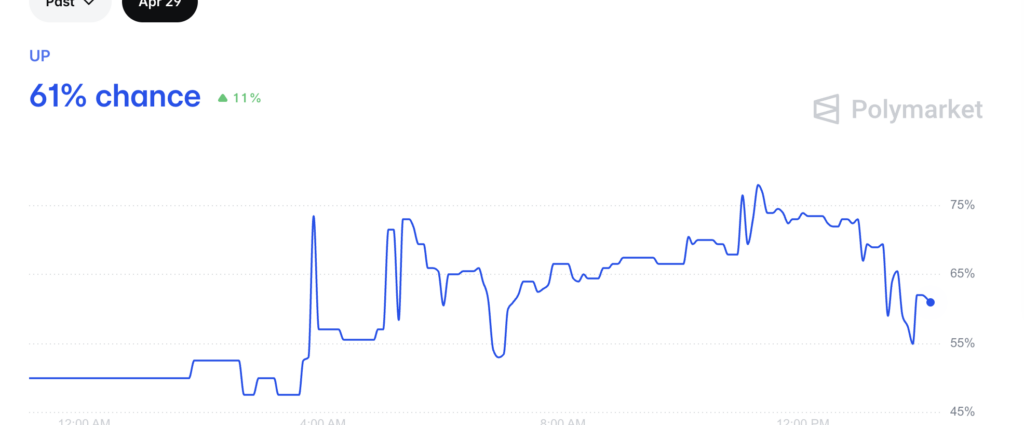
The Polygon-based (CRYPTO: POL) Polymarket crowd is leaning bullish heading into Wednesday, with the April 29 market showing 61% odds of an “Up” open for the benchmark index.

Why That Number Matters

Wednesday could test whether the recent rally has more room to run.

Investors are bracing for results from four of the “Magnificent Seven” after the close — Alphabet (NASDAQ:GOOGL) (NASDAQ:GOOG), Amazon (NASDAQ:AMZN), Meta Platforms

Full story available on Benzinga.com

This post was originally published here

The Trump administration is reportedly developing a strategy to bypass Anthropic‘s supply chain risk designation, potentially allowing the onboarding of its powerful AI model, Mythos.

The White House is working on a draft executive action that could provide a way to mitigate the ongoing dispute with Anthropic, Axios reported on Tuesday.

Earlier this month, White House Chief of Staff Susie Wiles and Treasury Secretary Scott Bessent held a meeting with Anthropic CEO Dario Amodei. The meeting was described as a “productive introductory meeting” on potential collaborations between the government and the company, as per the publication.

This week, the White House is meeting companies across sectors to discuss possible executive action and best practices for deploying Mythos. The talks also include potential guidance that could overturn the Office of Management and Budget’s directive against using Anthropic in government operations.

Mythos is a restricted AI model developed by Anthropic for sensitive …

Full story available on Benzinga.com

This post was originally published here

Shares of Brown-Forman (NYSE:BF) declined 5.88% in premarket trading on Wednesday, after French spirits behemoth Pernod Ricard S.A. (OTC:PRNDY) and the Jack Daniel’s whiskey maker mutually called off the merger talks on Tuesday.

Pernod Ricard said it remains confident in its strategy and team, and is focused on delivering long-term value for stakeholders, while Brown-Forman said it aims to expand globally, strengthening its brands, and improving operational efficiency.

According to the Wall Street Journal, there were differences over the deal’s structure and financial aspects, and both companies failed to reach a consensus on the proposed merger terms. Also, both Pernod and Brown-Forman have significant family ownership, and any deal with Brown-Forman would need the Brown family’s approval, who hold a majority of the …

Full story available on Benzinga.com

This post was originally published here

Amidst today’s fast-paced and highly competitive business environment, it is crucial for investors and industry enthusiasts to conduct comprehensive company evaluations. In this article, we will delve into an extensive industry comparison, evaluating Advanced Micro Devices (NASDAQ:AMD) in comparison to its major competitors within the Semiconductors & Semiconductor Equipment industry. By analyzing critical financial metrics, market position, and growth potential, our objective is to provide valuable insights for investors and offer a deeper understanding of company’s performance in the industry.

Advanced Micro Devices Background

Advanced Micro Devices designs a variety of digital semiconductors for markets such as PCs, gaming consoles, data centers (including artificial intelligence), industrial, and automotive applications. AMD’s traditional strength was in central processing units and graphics processing units used in PCs and data centers. However, AMD is emerging as a prominent player in AI GPUs and related hardware. Additionally, the firm supplies the chips found in prominent game consoles such as the Sony PlayStation and Microsoft Xbox.

Company P/E P/B P/S ROE EBITDA (in billions) Gross Profit (in billions) Revenue Growth
Advanced Micro Devices Inc 123.84 8.36 15.27 2.44% $2.86 $5.58 34.11%
NVIDIA Corp 43.50 32.93 24.20 31.11% $51.28 $51.09 73.21%
Broadcom Inc 77.94 23.70 28.49 9.12% $11.15 $13.16 29.47%
Micron Technology Inc 23.80 7.85 9.84 21.0% $18.48 $17.75 196.29%
Texas Instruments Inc 45.30 14.37 13.11 9.35% $2.42 $2.8 18.58%
Analog Devices Inc 70.07 5.54 16.14 2.46% $1.52 $2.04 30.42%
Qualcomm Inc 30.24 6.94 3.66 13.57% $4.11 $6.68 5.0%
Marvell Technology Inc 49.91 9.36 16.26 2.79% $0.75 $1.15 22.08%
Monolithic Power Systems Inc 116.96 20.92 26.04 4.95% $0.21 $0.41 20.83%
NXP Semiconductors NV 22.03 5.32 4.64 4.53% $0.98 $1.81 7.2%
ON Semiconductor Corp 321.72 4.78 6.41 2.33% $0.45 $0.55 -11.17%
GLOBALFOUNDRIES Inc 37.42 2.74 4.89 1.68% $0.73 $0.51 0.0%
Astera Labs Inc 150.25 23.03 38.61 3.41% $0.07 $0.2 91.77%
Credo Technology Group Holding Ltd 91.16 16.55 28.85 10.03% $0.16 $0.28 201.49%
Tower Semiconductor Ltd 99.77 7.48 14.04 2.78% $0.2 $0.12 13.69%
First Solar Inc 13.78 2.21 4.04 5.62% $0.7 $0.67 11.15%
MACOM Technology Solutions Holdings Inc 120.19 14.72 19.51 3.64% $0.07 $0.15 24.52%
Lattice Semiconductor Corp 5695.50 21.83 30.09 -1.08% $0.01 $0.1 24.16%
Average 412.33 12.96 16.99 7.49% $5.49 $5.85 44.63%

Full story available on Benzinga.com

This post was originally published here


President Donald Trump is preparing to sustain the U.S. blockade of Iran, signaling that the administration is willing to prolong economic pressure to secure a comprehensive nuclear agreement even as the strategy drives oil prices higher and begins to weigh on businesses and consumers.

The White House has concluded that maintaining the blockade offers the strongest negotiating leverage. Alternatives — including renewed military action or accepting Iran’s proposal to reopen the Strait of Hormuz while delaying nuclear negotiations — are viewed as carrying greater strategic risk, according to administration officials familiar with the discussions.

White House Press Secretary Karoline Leavitt said the president reviewed Iran’s latest proposal with his national security team and is holding firm on key conditions. “His red lines with respect to Iran have been made very, very clear,” Leavitt said. White House spokesperson Olivia Wales added that any agreement must be “good for the American people and the world,” underscoring the administration’s refusal to ease pressure without substantive concessions.

Trump has publicly characterized the pressure campaign as effective. In a Truth Social post, he said Iran is in a “state of collapse” and is seeking to reopen the strait, a claim administration officials view as evidence that restricting access to one of the world’s most critical energy corridors is forcing Tehran toward negotiations.

U.S. enforcement actions have intensified. Military authorities have redirected vessels and seized ships in recent weeks, sharply reducing traffic through the strait, which typically carries roughly one-fifth of global oil supply. Shipping flows have dropped significantly from pre-conflict levels, tightening global supply.

Energy markets have responded quickly. Brent crude has risen above $110 per barrel, while U.S. gasoline prices are averaging about $4.18 per gallon, according to federal energy data — the highest levels since 2022. Diesel prices have surged even more sharply, increasing costs across transportation and logistics networks.

For businesses, the impact is building. Higher fuel costs are compressing margins and complicating pricing decisions, particularly for industries reliant on shipping and distribution. Economists warn that sustained disruption could reinforce broader inflationary pressures.

Secretary of State Marco Rubio rejected Iran’s proposal to reopen the strait without resolving nuclear issues, saying any arrangement allowing Tehran influence over an international waterway is unacceptable. “Those are international waterways,” Rubio said. “We cannot allow a system where Iran decides who gets to use them.” He added that U.S. policy is focused on ensuring Iran cannot “sprint toward a nuclear weapon at any point.”

Diplomatic efforts remain stalled. Iranian Foreign Minister Abbas Araghchi left recent talks without meeting U.S. negotiators, and Trump canceled a planned envoy trip, signaling frustration with the pace of negotiations. German Chancellor Friedrich Merz said publicly that the United States lacks “a truly convincing strategy,” reflecting growing concern among allies.

The political effects are beginning to emerge alongside the economic impact. Rising fuel prices are feeding into voter sentiment, with recent polling showing declining approval tied to cost-of-living concerns ahead of the 2026 midterm elections.

The administration is effectively wagering that sustained economic pressure will produce a strategic breakthrough. Whether that pressure compels Tehran to concede — or prolongs the standoff — will shape both the trajectory of global energy markets and the broader economic outlook in the months ahead.

JBizNews Desk

Apple is tightening its grip on how user data is handled across its ecosystem in Europe, rolling out a sweeping set of enhanced app privacy disclosures as regulatory pressure from Brussels intensifies under the Digital Markets Act (DMA). The latest changes reflect a broader strategy by the iPhone maker: comply with mandates to open its platform, while reinforcing its long-standing position as a privacy-first gatekeeper.

The newest layer of rules stems from updates to Apple’s Developer Program License Agreement, introduced in late March, which impose binding standards on how third-party developers — particularly accessory makers — manage sensitive data such as forwarded notifications and Live Activities. The changes coincide with new code in the iOS 26.5 beta, signaling that Live Activities support will soon extend to third-party accessories in the European Union. Notably, this functionality is being introduced exclusively in the EU to meet interoperability requirements imposed by the DMA.

Apple has framed these guardrails as essential. The company has consistently argued that expanding access to its ecosystem — particularly under regulatory compulsion — increases the risk of invasive data collection. Apple executives have warned that some large technology firms continue pushing for broader access to user data, creating what they describe as heightened risks of surveillance and tracking. According to Apple, these risks have not been adequately addressed by European regulators.

The disclosure framework now touches nearly every corner of the App Store experience in the EU. Developers using alternative payment systems must clearly label product pages, alerting users when transactions occur outside Apple’s infrastructure. In-app disclosure sheets are also required to notify users at the moment they leave Apple’s payment environment. At the same time, Apple has expanded its App Review process to ensure developers accurately communicate billing terms and transaction flows.

Beyond payments, Apple is also widening user control over personal data. European users can now access more detailed information about their App Store activity and export it through Apple’s Data & Privacy portal to authorized third parties — a move aligned with the DMA’s emphasis on data portability.

The company is also moving aggressively into AI-related transparency. Updated App Review Guidelines now require any application that shares user data with external artificial intelligence systems to provide explicit disclosures and user controls. Industry analysts say this positions Apple ahead of likely regulatory expansions in both Europe and Asia, where scrutiny of AI data practices is accelerating.

At the same time, Apple’s regulatory battle with the European Commission is far from settled. In April 2025, the Commission issued its first formal non-compliance ruling under the DMA, concluding that Apple’s App Store policies restricted developers from steering users to external purchasing options. The decision targeted multiple business models — including Apple’s Original, New, and Music Streaming terms — and resulted in financial penalties along with an order for Apple to revise its practices within 60 days.

Apple responded in June 2025 with updated policies, but developers remain dissatisfied. A coalition of app developers has since accused the company of failing to deliver meaningful change, arguing in a formal appeal to European Commission President Ursula von der Leyen that Apple continues to impose commissions — in some cases up to 20% — on transactions that should fall outside its ecosystem under DMA rules.

At the center of the dispute is Apple’s evolving fee structure. Beginning January 1, 2026, the company introduced a unified EU business model anchored by a “Core Technology Commission” (CTC), replacing its earlier Core Technology Fee. The CTC applies broadly across App Store purchases, web-based transactions, and alternative marketplaces. Developers who direct users to external payment links are now subject to a 5% commission, alongside mandatory system-generated disclosures informing users when they leave Apple’s platform.

Critics, including the Coalition for App Fairness, say Apple’s approach lacks clarity and creates operational uncertainty. Developers argue that vague implementation details around the new model make it difficult to forecast costs or design compliant business strategies. The group has also urged EU regulators to take a more aggressive stance, pointing to U.S. legal precedent — particularly the Epic Games antitrust case — where courts forced Apple to loosen restrictions on external payments.

Apple, for its part, continues to push back on the broader premise of the DMA. The company maintains that the regulation has not delivered the competitive or consumer benefits policymakers promised. Apple has pointed to delayed or withheld feature rollouts in Europe — including iPhone Mirroring and AirPods Pro Live Translation — as evidence that regulatory burdens are limiting innovation and reducing product availability for EU consumers.

Supporting its argument, Apple has cited internal and third-party analyses suggesting that reductions in developer fees under DMA pressure have not translated into lower prices for end users. The company argues this undermines one of the central justifications for the legislation.

As appeals continue and enforcement actions evolve, Apple’s EU operations are becoming a test case for the global future of digital platform regulation. The company is simultaneously adapting to — and challenging — a framework that could reshape how technology ecosystems operate worldwide.

What emerges is a complex balancing act: Apple opening its platform under legal mandate, while building an increasingly sophisticated privacy and disclosure infrastructure to retain control over how data flows within it. For developers, regulators, and competitors alike, the outcome of this standoff will define the next phase of the digital economy.

JBizNews Desk- Europe

Seagate Technology delivered one of the strongest earnings surprises of the season Tuesday, with shares surging more than 12% after the company reported a blowout quarter fueled by accelerating demand from AI-driven data centers.

The storage manufacturer posted revenue of $3.11 billion, beating expectations of $2.95 billion, while adjusted earnings per share came in at $4.10, far exceeding the $3.50 consensus estimate.

The results reflect a massive surge in demand for high-capacity storage as hyperscale cloud providers — including Amazon, Microsoft, Alphabet, and Meta — continue pouring capital into AI infrastructure.

Operating margin expanded to 32.1%, up sharply from 20% a year earlier, while adjusted EBITDA reached $1.23 billion, translating to a 39.6% margin. Free cash flow margin more than tripled to 30.6%, highlighting the strength of the cycle.

The company’s forward guidance reinforced the momentum. Seagate projected earnings per share of $4.80 to $5.20 for the current quarter, well above expectations, and revenue guidance of up to $3.55 billion, signaling sustained demand.

“This reflects a structurally stronger position in the data center cycle,” said Matt Bryson, analyst at Wedbush, pointing to the company’s leverage to enterprise storage demand.

The results stand in contrast to broader weakness in some AI-linked stocks, which declined on separate concerns around revenue expectations in the sector. Seagate’s performance highlights a key distinction: while software and platform narratives may fluctuate, the physical infrastructure powering AI continues to experience strong, sustained demand.

As the AI buildout accelerates, storage capacity is becoming a critical bottleneck — positioning companies like Seagate at the center of the next phase of the technology cycle.

JBizNews Desk

Coca-Cola shares surged roughly 6% Tuesday after the beverage giant delivered a strong first-quarter earnings report, marking an early win for new Chief Executive Officer Henrique Braun and reinforcing the company’s ability to drive growth even in a challenging macroeconomic environment.

The company reported adjusted earnings per share of $0.86, beating Wall Street expectations of $0.81, while revenue came in at $12.47 billion, above the $12.24 billion forecast and representing 12% year-over-year growth. Organic revenue rose 10%, the strongest performance in five quarters.

“We’ve had a strong start to the year,” Braun said in a statement. “Our performance reflects our focus on staying close to the consumer, executing locally, and managing complexity across markets.”

Volume growth reached 3% globally, with strength in key regions including the United States, China, and India. North America posted 4% volume growth, driven by flagship Coca-Cola products and expansion across water, sports drinks, coffee, and tea.

One standout performer was Coca-Cola Zero Sugar, which recorded 13% global volume growth, continuing its momentum as consumers shift toward lower-sugar alternatives.

Profitability also improved. Operating margin expanded to 35%, up from approximately 33% a year earlier, while free cash flow reached $1.76 billion, reflecting strong operational discipline and pricing power.

A key driver of performance has been Coca-Cola’s strategy of offering smaller, more affordable packaging, allowing the company to maintain accessibility for cost-conscious consumers while preserving margins.

On the back of the strong quarter, Coca-Cola raised its full-year earnings growth guidance to 8%–9%, up from 7%–8% previously, citing a lower effective tax rate and favorable currency trends. The company maintained its organic revenue growth forecast of 4%–5%.

The results triggered a broader rally in consumer staples. PepsiCo rose about 2%, while Keurig Dr Pepper gained approximately 4%, as investors rotated into defensive names amid volatility in other sectors.

Analysts highlighted Coca-Cola’s resilience. “The company’s global scale and pricing power continue to provide stability in uncertain conditions,” said one Wall Street analyst, noting that margin expansion suggests successful cost management despite ongoing supply chain pressures.

Still, challenges remain. Coca-Cola flagged a potential 4-point headwind to revenue tied to the planned divestiture of its Africa bottling operations, expected to close later this year.

For now, however, the company’s performance is reinforcing its status as a defensive cornerstone in portfolios — capable of delivering steady growth even as broader markets fluctuate.

JBizNews Desk

Wall Street closed mixed Tuesday as concerns over OpenAI’s growth targets pressured technology shares while rising oil prices lifted energy stocks.

The S&P 500 finished the day down 0.45 percent. The Nasdaq Composite dropped 1.1 percent, led by sharp declines in artificial intelligence-related names. The Dow Jones Industrial Average eked out a small gain of 0.2 percent.

OpenAI faced renewed scrutiny after a Wall Street Journal report detailed missed internal revenue and user growth targets. Nvidia shares fell 3.8 percent. Oracle, a major partner, declined 3.2 percent. Broadcom lost 3.5 percent and AMD dropped 4.1 percent.

Mark Zuckerberg of Meta Platforms and other tech executives will face investor questions this week as multiple companies report earnings. Analysts are watching closely for updates on artificial intelligence spending plans.

Brent crude climbed above $110 per barrel amid ongoing tensions in the Strait of Hormuz. ExxonMobil rose 2.4 percent. Chevron gained 2.1 percent. Energy stocks provided support to the broader market.

General Motors reported strong first-quarter results. GM posted adjusted earnings of $3.70 per share, beating expectations. GM Chief Executive Mary Barra said, “Demand remains robust and we are raising our full-year guidance.”

Coca-Cola also beat estimates and raised its outlook. Coca-Cola shares rose 1.8 percent. UPS reported solid results but maintained guidance, sending its stock slightly lower.

Bank of America strategist Michael Hartnett noted the divergent performance. “Markets are digesting both AI enthusiasm and AI reality checks at the same time,” Hartnett said.

JPMorgan Chase CEO Jamie Dimon reiterated concerns about global debt levels in recent comments. Dimon warned that higher interest rates could create challenges for highly leveraged sectors.

Consumer confidence edged higher in April to 92.8, according to the Conference Board. Chief Economist Dana Peterson said, “Consumer confidence edged up in April but was overall little changed, despite material concern about rising gasoline prices.”

The UAE’s decision to exit OPEC added uncertainty to oil markets. Energy analysts expect volatility to continue as geopolitical developments unfold.

Goldman Sachs analysts maintained a positive stance on long-term AI infrastructure spending despite near-term volatility. David Kostin of Goldman Sachs highlighted strong underlying demand from enterprise clients.

Trading volume was above average as investors positioned for a heavy earnings week. Alphabet, Amazon, Meta Platforms and Microsoft are among the major companies scheduled to report results in the coming days.

The VIX volatility index rose modestly to 18.4, reflecting continued caution. Bond yields were little changed, with the 10-year Treasury note around 4.35 percent.

Federal Reserve officials have signaled data-dependent policy decisions ahead. Markets continue to price in limited rate cuts for the remainder of 2026.

Overseas, SoftBank shares in Tokyo fell sharply on OpenAI exposure. European markets closed mostly lower.

Prime Minister Mark Carney of Canada announced the launch of the Canada Strong Fund, a new sovereign wealth vehicle, which provided some positive sentiment for North American resource stocks.

At the closing bell, market participants remained focused on the balance between technological innovation and geopolitical risks. The mixed session highlighted the selective nature of current investor appetite.

JBizNews Desk — April 28, 2026

© JBizNews.com. All rights reserved. This article is original reporting by JBizNews Desk. Unauthorized reproduction or redistribution is strictly prohibited.

American drivers are feeling the full weight of the U.S.-Iran war at the gas pump. Pump prices surged to their highest level in nearly four years on Tuesday, as faltering peace negotiations and a blocked Strait of Hormuz sent crude markets sharply higher — and left consumers bracing for more pain ahead.

The national average price of a gallon of gas stood at nearly $4.18 on Tuesday, up from $4.11 one day prior, according to the AAA motor club. The 1.6% leap was the highest one-day jump since President Trump launched his strikes against Iran on February 28. U.S. gas prices had briefly fallen for two weeks to $4.02 following the start of a ceasefire in the Iran war. But concerns over stalled peace talks, and no agreement to reopen the Strait of Hormuz, sent prices shooting higher once again.

The geopolitical backdrop is driving every tick higher in oil markets. The price of Brent crude, an international benchmark, jumped more than 3% to more than $110 per barrel on Tuesday as the Trump administration signaled it was cool to Iran’s latest proposal for ending the war. Iran has offered to reopen the Strait of Hormuz if the U.S. drops its blockade of Iranian ports and postpones discussions about Tehran’s nuclear program. That offer is likely to be rejected by Trump — it does not address the core issue he cited when he began bombing on February 28: finding a way to ensure that Iran cannot build an atomic weapon.

President Trump said Americans should anticipate paying higher prices at the gas pump for “a little while” as a result of the Iran war, without specifying a timeline. Trump added he is in no rush to make a peace deal with Tehran, claiming the war has had less of an impact on both stocks and oil prices than he expected, and insisting the U.S. has “total control” in the Strait of Hormuz.

The economic toll on consumers is already substantial. A large majority of Americans — nearly 80% — say they have cut spending due to pain at the pump, according to the latest CNBC All-America Economic survey of 1,000 people conducted from April 15 to 19. A majority of respondents also said they expect higher prices to last at least six months.

Energy analysts warn the worst may not yet be over. Andy Lipow, president of Lipow Oil Associates, predicted average gas prices could rise as high as $4.30 in the next week to ten days. U.S. gasoline inventories have fallen below 230 million barrels, well below the roughly 250 million barrels the country typically holds in storage. As the U.S. exports record amounts of crude and refined products to offset some of the losses from the Middle East, domestic prices are expected to rise further.

California, which has long had the highest average price of any state, now carries a state average approaching $6 a gallon at $5.97.

The broader economic read remains cautiously resilient for now. Consumer confidence inched up by 0.6 points to 92.8 in the Conference Board’s monthly index. “Consumer confidence edged up in April but was overall little changed, despite material concern about rising gasoline prices as the war in the Middle East prompted a surge in Brent crude oil prices,” said Dana Peterson, chief economist at the Conference Board.

The global ramifications extend well beyond American commuters. The International Energy Agency has characterized the situation as the “largest supply disruption in the history of the global oil market,” with Iran’s closure of the Strait of Hormuz disrupting 20% of global oil supplies and significant volumes of liquefied natural gas. Analysts have forecast that prices could reach $100 per barrel if disruptions persist, potentially adding 0.8% to global inflation. Meanwhile, peace talks remain at an impasse, with Tehran insisting it will not enter what it calls “forced negotiations” — and markets pricing in every hour of uncertainty.

JBizNews Desk — April 28, 2026

© JBizNews.com. All rights reserved. This article is original reporting by JBizNews Desk. Unauthorized reproduction or redistribution is strictly prohibited

OpenAI, the company that ignited the generative AI revolution with the 2022 launch of ChatGPT, is facing its most consequential internal reckoning yet. A bombshell report from The Wall Street Journal published Monday revealed that the company has fallen short of its own benchmarks for both revenue and user growth — a disclosure that rattled markets Tuesday, sent partner and supplier stocks tumbling, and raised urgent new questions about OpenAI’s ability to sustain its astronomical capital commitments ahead of a closely watched initial public offering.

CFO Sarah Friar has expressed concerns to other company leaders that OpenAI might not be able to pay for future computing contracts if revenue doesn’t grow fast enough. Specifically, OpenAI fell short of an internal milestone of one billion weekly active ChatGPT users by year-end — a target it never publicly announced. The company also missed its annual revenue target as Google’s Gemini surged late in the year and claimed a bigger slice of the market, and Anthropic’s gains in coding and enterprise pushed OpenAI below its monthly revenue goals on several occasions earlier this year.

The competitive dynamics have shifted measurably. ChatGPT’s share of generative AI web traffic dropped from 86.7% a year ago to 64.5% in January 2026, while Gemini rose sharply from 5.7% to 21.5%. The company also grappled with subscriber defection rates.

The financial picture is made more precarious by the sheer scale of OpenAI’s infrastructure commitments. OpenAI has been saddled with approximately $600 billion in future spending commitments stemming from a series of massive deals spearheaded by CEO Sam Altman. Internal projections suggest that cash expenditures will exceed $200 billion before the company reaches positive cash flow. Friar has raised doubts about OpenAI’s readiness to go public on Altman’s preferred schedule, telling executives and board members that the company still lacks the financial infrastructure that public-market regulators demand.

The boardroom tension between Altman and Friar over spending discipline and IPO timing is now a central subplot. Friar wants more discipline over spending, which has caused disagreement with Altman, though both called the report “ridiculous” in a joint statement. The optics are nonetheless damaging for a company with an $852 billion post-money valuation. OpenAI closed a $122 billion funding round — the largest in Silicon Valley history — anchored by SoftBank, Amazon, and Nvidia, among others, with monthly revenue of $2 billion and full-year 2025 revenue of $13.1 billion, though the company had not turned a profit.

The market reaction Tuesday was swift and severe. Oracle, which holds a $300 billion, five-year partnership to supply computing power to OpenAI, dropped more than 3%. Chipmakers including Nvidia, Broadcom, and Advanced Micro Devices declined between roughly 3% and 4%. Leveraged neocloud stock CoreWeave dropped more than 4%. In Asia, SoftBank Group, one of OpenAI’s largest investors, sank about 10%.

Analysts were divided on what the miss actually signals. John Belton, portfolio manager at Gabelli Funds, said he viewed the report as “largely a rehash of what we already knew,” adding that OpenAI’s growth appears to have slowed in late-2025 into early-2026 as the business ceded share to Anthropic and Gemini. Luke Rahbari, CEO of Equity Armor Investments, said shortfalls in revenue targets should be viewed with caution, given how imprecise forecasting remains in a rapidly evolving industry.

OpenAI pushed back vigorously. Oracle defended OpenAI’s growth trajectory, saying it is seeing firsthand how quickly adoption of OpenAI’s technology is accelerating. “We’re incredibly excited about our partnership with OpenAI and remain focused on building and delivering the capacity they need to support rapidly growing demand,” an Oracle spokesperson said. OpenAI separately told Bloomberg the company is firing on all cylinders and seeing strong demand from enterprise customers and emerging interest in its advertising business.

There are pockets of genuine momentum. Codex, OpenAI’s coding tool, has been gaining users, and GPT-5.5 earned top marks across several industry benchmarks after its recent release. But with Alphabet, Amazon, Meta Platforms, and Microsoft all set to report quarterly results this week, investors will be scrutinizing every earnings call for fresh intelligence on the AI spending cycle — and whether OpenAI’s stumble is an isolated data point or a broader signal of a sector recalibration.

JBizNews Desk — April 28, 2026

© JBizNews.com. All rights reserved. This article is original reporting by JBizNews Desk. Unauthorized reproduction or redistribution is strictly prohibited.

JBizNewsBeth Hammack, president of the Federal Reserve Bank of Cleveland, stated that the central bank might need to raise interest rates if inflation remains persistently above its 2 percent target, dramatically reopening the possibility of a rate hike and underscoring fresh concerns over sticky price pressures driven by elevated energy costs.

The comments, made in an interview with the Associated Press, come as higher gasoline prices linked to geopolitical tensions have pushed overall inflation higher, affecting consumers through rising costs for fuel and goods while pressuring businesses and financial markets that had anticipated rate cuts in 2026, Goldman Sachs chief economist Jan Hatzius noted.

Beth Hammack indicated her baseline preference is for the Federal Open Market Committee to keep the benchmark federal funds rate steady “for quite some time” at its current target range of 3.50 percent to 3.75 percent. However, she explicitly outlined conditions for tightening. “I can foresee scenarios where we would need to reduce rates if the labor market deteriorates significantly. Or I could see where we might need to raise rates if inflation stays persistently above our target,” Beth Hammack told the Associated Press.

The potential for a rate hike hinges primarily on the inflation trajectory, particularly whether recent fuel-driven increases prove transitory or become embedded in broader price trends, Rystad Energy analyst Jorge Leon emphasized. Cleveland Fed estimates suggest inflation could reach 3.5 percent in April 2026, the highest level in some time.

Cleveland Fed President Beth Hammack’s remarks reflect growing internal caution at the Federal Reserve about balancing risks to price stability and maximum employment amid supply-side shocks, Deutsche Bank economist Michael Gapen pointed out. While some officials still favor eventual easing if the labor market softens, others are increasingly wary of premature policy relaxation.

Financial markets reacted with immediate repricing. Interest rate futures adjusted to reflect lower odds of near-term cuts and a small but non-zero probability of hikes later in 2026, JPMorgan chief U.S. economist Michael Feroli highlighted. Treasury yields edged higher while equities displayed volatility as investors reassessed borrowing costs and growth prospects.

For businesses and consumers, the prospect of higher or sustained elevated rates would mean increased borrowing expenses for mortgages, auto loans, and corporate debt, potentially dampening spending and investment, Bank of America economist Michael Gapen cautioned.

Federal Reserve officials continue to emphasize a data-dependent, meeting-by-meeting approach. The next FOMC meeting is scheduled for late April 2026, where Fed Chair Jerome Powell is expected to address these evolving risks.

The comments highlight the persistent challenges for monetary policymakers navigating overlapping global pressures. Although holding rates steady remains the base case, the explicit mention of hikes marks a notable shift in the policy conversation, Morgan Stanley economist Ellen Zentner tracked.

Federal Reserve credibility will face heightened scrutiny as markets evaluate whether recent inflation data represents a temporary blip or a more enduring challenge. The U.S. economy has shown resilience, but sustained price pressures could reshape the outlook for growth, employment, and financial conditions.

Looking ahead, the Federal Reserve’s policy direction will depend critically on incoming inflation, labor market, and energy price data over the coming months. Policymakers are expected to retain maximum flexibility, with further clarity likely to emerge from the April meeting and subsequent economic releases as they calibrate actions toward their dual mandate objectives.

JBizNews Desk

April 28, 2026

JBizNews – The United Arab Emirates on April 28, 2026, announced its withdrawal from the Organization of the Petroleum Exporting Countries and the broader OPEC+ alliance effective May 1, a move that severs nearly six decades of membership and has sent shockwaves through global energy markets, signaling a fundamental realignment of its energy policy toward greater production flexibility amid evolving global demand and regional tensions.

The decision, conveyed through the state-run WAM news agency and confirmed by UAE Energy Minister Suhail Mohamed al-Mazrouei, follows a comprehensive review of the country’s production policy, current capacity and future expansion plans, Rystad Energy analyst Jorge Leon noted. UAE officials framed the exit as aligned with the country’s long-term strategic and economic vision, enabling it to respond more nimbly to market dynamics without the constraints of collective quotas. The UAE, which joined OPEC in 1967 via the Emirate of Abu Dhabi and retained membership after the federation’s formation in 1971, produces roughly 3.2 million to 3.5 million barrels per day and has been investing heavily to lift capacity toward 5 million barrels per day by 2027, ICIS director of energy and refining Ajay Parmar highlighted.

Suhail Mohamed al-Mazrouei described the step as a policy decision taken after careful consideration. “This decision follows decades of constructive cooperation,” the energy ministry stated, while reaffirming the UAE’s commitment to global market stability through gradual and measured output adjustments guided by demand. The announcement comes with just days’ notice, raising questions about coordination with fellow members, energy market analysts observed. UAE diplomatic adviser Anwar Gargash separately cited frustrations with insufficient political and military support from Gulf Cooperation Council partners during the ongoing Iran conflict, adding a geopolitical layer to the economic rationale.

The exit represents a sudden and significant shock to OPEC and OPEC+ unity and to the broader global oil market, Rystad Energy analyst Jorge Leon emphasized. “The UAE withdrawal marks a significant shift for OPEC. Alongside Saudi Arabia, it is one of the few members with meaningful spare capacity,” he said, warning that the longer-term implication is a structurally weaker group and a potentially more volatile oil market. The timing amplifies the impact amid the Iran war’s disruption of flows through the Strait of Hormuz.

UAE officials downplayed immediate market disruption, noting current logistical constraints in the Gulf limit near-term export effects. Still, the move hands a symbolic victory to U.S. President Donald Trump, who has long criticized OPEC for inflating prices, global energy analysts pointed out. Oil prices trimmed some intraday gains following the news but remained elevated overall, reflecting the surprise factor.

Saudi Arabia, the de facto leader of OPEC+, now faces heightened challenges in maintaining group cohesion, energy sector analysts at Goldman Sachs noted. The UAE had frequently pushed for higher baselines to reflect its expanded capacity, a point of past tension within the alliance.

For global energy markets, the departure removes one of the cartel’s most consequential producers and could encourage other members to reassess their commitments. UAE authorities stressed the exit does not signal hostility toward former partners and pledged continued responsible contributions to supply security, consensus analyst views from Rystad and ICIS tracked.

Shares of major international oil companies with exposure to the Gulf reacted with caution, while benchmark Brent crude futures hovered near recent highs above $100 per barrel.

The developments carry implications for consumers worldwide through possible shifts in price volatility and for producing nations weighing the trade-offs between collective influence and sovereign flexibility. Regulatory and geopolitical factors, including the Iran conflict’s blockade effects and evolving energy transition pressures, add layers of complexity to the UAE’s new independent path.

UAE’s performance as an independent producer will be closely watched as a test case for whether exiting the cartel delivers the production upside it seeks without destabilizing global supply balances, Wolfe Research energy analysts observed. The global oil sector has already navigated pandemic recovery, demand uncertainties and now war-induced shocks; the UAE’s bold departure could accelerate a fragmentation trend or prompt renewed efforts at coordination among remaining members.

Looking ahead, the UAE’s trajectory will depend on its ability to ramp up output gradually while maintaining market stability commitments, the success of ongoing capacity investments by Abu Dhabi National Oil Company, and how OPEC+ responds to the loss of a key player. Further details on implementation and any ripple effects on quotas are expected in coming days, with analysts cautioning that near-term supply impacts may be muted but longer-term implications point to greater oil market volatility and questions over the future cohesion of producer alliances.

JBizNews Desk

April 28, 2026

Tuesday, April 28, 2026 — 9:35 AM ET | JBizNews Desk

Wall Street opened Tuesday navigating a convergence of geopolitical shocks, corporate uncertainty, and central bank anticipation, as investors digested the United Arab Emirates’ abrupt exit from OPEC, fresh concerns surrounding OpenAI’s growth trajectory, and the start of what may be Federal Reserve Chair Jerome Powell’s final policy meeting.

Markets showed early divergence. The S&P 500 fell 0.6%, while the Nasdaq Composite dropped 1.2%, weighed down by technology stocks. The Dow Jones Industrial Average rose 0.3%, supported by its lower exposure to tech. The Russell 2000 edged down 0.17%. Commodities reflected continued volatility, with crude oil climbing 2.76% to $99.03 per barrel, while gold pulled back 2.05% to $4,597.50. The 10-year Treasury yield ticked up to 4.364%, signaling persistent rate sensitivity.

The moves follow a historic Monday session in which the S&P 500 closed at a record 7,173.91, and the Nasdaq reached an all-time high of 24,887.10, setting the stage for heightened volatility as markets entered a critical 48-hour window.

At the center of the market’s tension is the escalating Iran conflict, which has disrupted an estimated 20% of global oil supply. The International Energy Agency has described the situation as the “greatest global energy security challenge in history,” drawing comparisons to the 1970s oil crisis. Goldman Sachs analysts have warned that global oil inventories are being drawn down at a record pace of 11 to 12 million barrels per day, reinforcing expectations of sustained price pressure even as volatility spikes.

Diplomatic efforts remain fragile. Over the weekend, President Donald Trump canceled planned ceasefire talks in Pakistan involving envoys Steve Witkoff and Jared Kushner, after Iranian Foreign Minister Abbas Araghchi departed before negotiations could begin. Oil markets reacted sharply, with Brent crude briefly surging above $112 per barrel before easing back near $104. Iran has since floated a proposal to reopen the Strait of Hormuz, though its nuclear program remains a central sticking point, with the Trump administration demanding near-total dismantlement of enrichment capabilities.

Adding to the geopolitical shock, the United Arab Emirates announced Tuesday it will formally exit OPEC and OPEC+ effective May 1, ending a membership that dates back to 1967. The UAE, OPEC’s third-largest producer behind Saudi Arabia and Iraq, cited its “long-term strategic and economic vision” as the driver of the decision. Analysts say the move could eventually increase global supply by freeing the UAE from production quotas, though in the near term it injects further uncertainty into already volatile energy markets.

At the same time, technology stocks came under pressure following a Wall Street Journal report that OpenAI has fallen short of internal targets for user growth and revenue ahead of its anticipated IPO. Chief Financial Officer Sarah Friar reportedly raised concerns about the company’s ability to sustain future computing commitments if growth does not accelerate. The report weighed heavily on AI-linked equities, pulling down Oracle, Broadcom, Advanced Micro Devices, Intel, and Nvidia, which fell nearly 3% from recent highs.

Despite the broader market weakness, several companies posted strong gains. General Motors surged more than 4% after reporting adjusted earnings of $3.70 per share, well above expectations, and raising its 2026 EBITDA outlook. Coca-Cola climbed nearly 3% after beating earnings estimates and lifting its full-year guidance. Nucor added more than 3% following stronger-than-expected results, reflecting continued strength in industrial demand.

On the downside, Illinois Tool Works dropped approximately 9%, reflecting geopolitical sensitivity and cautious positioning ahead of earnings. UPS declined more than 3% after maintaining guidance that pointed to limited near-term growth, amid declining volumes and margin pressure.

Analyst activity remained active. UBS analyst Taylor McGinnis reiterated a Buy rating on Twilio, raising the price target to $180. Josh Silverstein of UBS maintained a Buy on Liberty Energy, increasing his target to $40, while Thomas Wadewitz raised his target on Union Pacific to $274 with a Neutral rating. Macquarie analyst Chad Beynon lifted his target on Boyd Gaming to $95, maintaining a Neutral stance.

All eyes now turn to the Federal Reserve, as its two-day FOMC meeting begins Tuesday. Markets are pricing in a 100% probability that rates will remain unchanged in the 3.5% to 3.75% range, though policymakers face a complex backdrop shaped by energy-driven inflation risks and geopolitical instability. The meeting is widely expected to be Jerome Powell’s final one as chair, with the Senate Banking Committee set to vote on Kevin Warsh’s nomination as his successor.

The week’s significance extends beyond monetary policy. Earnings from Alphabet, Amazon, Meta, and Microsoft are scheduled for Wednesday, followed by Apple on Thursday—marking one of the most critical stretches of the earnings season.

With geopolitics, energy markets, AI sentiment, and monetary policy all colliding, investors are navigating a high-stakes environment where direction remains uncertain and volatility is likely to persist.

Simple Breakdown:
A lot is happening at once—oil issues, tech concerns, and big Fed decisions. That’s why some stocks are going up while others are falling.

JBizNews Desk

On Monday, an X-based stock tracker, known for following the trades of Former House Speaker Nancy Pelosi (D-Calif), highlighted concerns over a well-timed purchase of Micron Technology Inc. (NASDAQ:MU) shares by Sen. John Fetterman (D-Pa.).

Micron’s Well-Timed Purchase

The tracker showed that Fetterman bought Micron shares for $321.80 on March 30, coinciding with the purchase date of what appears to have been a short-term bottom for the semiconductor giant. Since then, the stock has reportedly surged more than 60%.

The Pelosi tracker highlighted, “Coincidentally, that was the exact bottom, and he’s up +61%.”

Sen. Fetterman did not immediately respond to Benzinga’s request for comments.

The stock tracker also revealed that “Micron received $6.165B from the CHIPS Act, which is the largest award in the program. Fetterman sits on the Commerce Committee, which directly oversees CHIPS Act funding.”

Micron’s Rally Aligns …

Full story available on Benzinga.com

This post was originally published here

Jim Cramer on Monday highlighted a sudden shift in sentiment around Nvidia Corp (NASDAQ:NVDA), noting that bearish traders appear to have vanished as selling pressure dried up, potentially signaling renewed bullish momentum for the AI chip giant’s stock.

Nvidia Selling Pressure Appears To Ease

In a post on X, the market commentator said, “these sellers of Nvidia just disappeared!”, pointing to a potential shift in near-term market structure and a change in supply-demand balance for the AI chip giant. The comment suggests that bearish pressure on Nvidia shares may be easing, at least in the near term, as fewer investors appear willing to sell at current levels.

Cramer’s comments came as Nvidia stock rallied 4% on Monday to $216.61. The stock was seen 0.99% higher at $218.75 in the after-hours session.

The sentiment aligns with recent market enthusiasm and the broad sector rally driven by rising AI demand. The Philadelphia Semiconductor Index notched 18 straight sessions of gains, the longest winning streak on record, …

Full story available on Benzinga.com

This post was originally published here

While Wall Street is focusing on Nvidia Corp.‘s (NASDAQ:NVDA) historic rise, the massive capital expenditures driving the artificial intelligence (AI) boom are championing a few other semiconductor “worker bees.”

The End Of The ‘Magical Balance Sheet’

Speaking on Phil Ronsen‘s podcast, Steve Sosnick, Chief Strategist at Interactive Brokers, said the underlying fundamentals of the world’s largest technology companies are shifting.

Tech giants like Meta Platforms Inc. (NASDAQ:META) and Microsoft Corp. (NASDAQ:MSFT) are laying off thousands of employees while simultaneously committing massive sums to build out their AI infrastructure.

These tech behemoths “went from having almost a magical balance sheet” with phenomenal margins and low fixed costs, Sosnick noted, to aggressively spending “double-digit billions” to develop their AI computing capabilities.

Rise Of The ‘Worker Bees’

While Nvidia designs the ultra-powerful processors capturing the majority of financial headlines, Sosnick argues that the immediate beneficiaries of this historic spending spree are actually the foundational hardware providers.

“The beneficiary is something like Texas Instruments. The beneficiary has been SanDisk, Micron,” Sosnick explained.

“It turns out the bigger beneficiaries, at least in this part of the cycle, have not even been the highest-end chips like Nvidia. It’s the worker bees, so to speak—the analog chips, the memory chips.”

Companies like Micron Technology Inc.

Full story available on Benzinga.com

This post was originally published here
Amkor Tech (NASDAQ:AMKR) reported first-quarter financial results on Monday. The transcript from the company’s first-quarter earnings call has been provided below.

Benzinga APIs provide real-time access to earnings call transcripts and financial data. Visit https://www.benzinga.com/apis/ to learn more.

The full earnings call is available at https://event.choruscall.com/mediaframe/webcast.html?webcastid=83oloXM1

Summary

Amkor Tech reported record first quarter revenue of $1.68 billion, a 27% increase year-on-year, driven by growth across all end markets, with communications showing the strongest growth.

The company continues to invest in advanced packaging platforms, including hdfo, flip chip, and test, and is expanding its geographic footprint with new facilities in Arizona and Korea.

Amkor Tech expects second-quarter revenue between $1.75 and $1.85 billion, with projected gross margins of 14.5% to 15.5% and a full-year CapEx estimate of $2.5 to $3 billion.

Management highlighted strong demand in the semiconductor industry, while closely monitoring risks such as geopolitical tensions and material supply constraints.

The company is preparing for a multi-year value creation journey, with a focus on advanced packaging and strategic partnerships, and anticipates a significant ramp-up in the compute segment driven by AI and data center applications.

Full Transcript

OPERATOR

Good day ladies and gentlemen and welcome to the Amkor Technology first quarter 2026 earnings call. My name is Diego and I will be your conference facilitator today. At this time all participants are in a listen only mode. After the speaker’s remarks, we will conduct a question and answer session. As a reminder, this conference is being recorded. I would now like to turn the call over to Jennifer Ju, Head of Investor Relations. Ms. Ju, please go ahead.

Jennifer Ju (Head of Investor Relations)

Good afternoon and welcome to Amcor’s first quarter 2026 earnings conference call. Joining me today are CEO Kevin Engle and CFO Megan Faust. Our earnings press release was filed with the SEC this afternoon and is available on the Investor Relations page of our website along with the presentation slides that accompany today’s call. During this presentation we will use non GAAP financial measures and you can find the reconciliation to the comparable GAAP financial measures in the slides. We will make forward looking statements today based on our current beliefs, assumptions and expectations. Please refer to our press release for a disclaimer on forward looking statements and our SEC filings for a discussion on the risk factors and uncertainties that may affect our future results. I will now turn the call over to Kevin.

Kevin Engle (Chief Executive Officer)

Thank you Jennifer Good afternoon everyone. Thank you for joining us today. Amkor delivered a strong start to the year, achieving record first quarter revenue of $1.68 billion, up 27%. Year on year we saw growth across all end markets and we’re encouraged by the breadth of demand we’re seeing across our technology platforms. Communications delivered the strongest growth and mainstream posted its fourth consecutive quarter of both sequential and year on year growth. Leading chip companies continue to trust us for their advanced packaging and test needs. We are clearly benefiting from our partnerships and our leading technology as we execute on a growing set of advanced packaging programs. Earnings per diluted share were $0.33, significantly higher than last year, reflecting disciplined execution and continued progress on our margin initiatives. Overall, this was a quarter that reflected momentum and demand, disciplined execution by our teams and continued preparation for the advanced packaging ramps we expect in the second half of the year. As we discussed last quarter, overall semiconductor demand is robust. The industry backdrop remains dynamic. We are closely monitoring export controls and evaluating trade policies. We see supply dynamics around advanced silicon, advanced substrates and memory and are managing these risks with agility alongside our customers and suppliers. Some customer supplied materials are being delayed causing nonlinear loading. This has been expected and we are prioritizing production where materials are available to minimize impact. Uncertainty related to the geopolitical events in the Middle East have increased over the last few months to date, we have not seen any supply disruptions related to these dynamics. However, conditions in the region are putting additional pressure on material pricing. We’re working closely with our customers to offset these increases across the supply chain. Now let me share an update on our strategic initiatives. First, elevating technology leadership. We continue to invest in advanced packaging platforms including HDFO, flip chip and test. These are critical to next generation AI and high performance computing as discussed last quarter. We are engaged on several HDFO programs this year and the newest Data Center CPU program is expected to begin ramping this quarter. Our preparations in Korea remain on track to scale this program into high volume the second half of the year. Overall, we see increasing opportunities for the compute market from a diverse customer base. Second, expanding our geographic footprint in 2026. Our priorities include meeting construction milestones of our Arizona facility and expanding manufacturing space in Korea. In Arizona, we are excited to see the progress as we wrap up foundation work and move towards building steel construction. Construction of phase one is planned to be completed in 2027 in Korea. The new test building is on track for completion at the end of this year. This will provide incremental space to support data center demand going into 2027. Third, enhancing our strategic partnerships in key markets, we continue to strengthen collaboration with customers across the ecosystem including foundries, fabless companies, IDMs and OEMs. As part of our partnership engagement model, our customers are making contributions that help align technology roadmaps, support our capital investment and enable rapid ramps as new capacity comes online. Across all three pillars, we remain focused on margin improvements driven by operational excellence, increased utilization, favorable pricing and a sustained mix shift towards higher value advanced packaging. Our mainstream factories in the Philippines are seeing improving demand and we’re continuing to optimize cost. In Japan, utilization of our advanced sites in Korea and Taiwan is increasing, improving profitability. In just over three weeks, we will host our 2026 Investor Day. This will give us an opportunity to provide deeper view into our strategic pillars. We will explain Amcor’s position as the semiconductor industry turns to advanced packaging for value creation. We are well positioned for this shift and we are at the beginning of a multi year value creation journey. We’re excited about our future. We look forward to sharing more of our story at the event on May 21st. I’ll now turn the call over to Megan to provide more details on our first quarter performance and near term outlook.

Megan Faust (Chief Financial Officer)

Thank you Kevin and good afternoon everyone. Amkor delivered record first quarter revenue of $1.68 billion, increasing 27% year on year revenue was above the midpoint of guidance driven by stronger than expected performance across all end markets except computing where we saw softness in PCs and laptops. The communications end market was the largest contributor to our year on year growth increasing 42%. We saw healthy demand across premium tier smartphones, especially iOS due to our strong footprint in the current generation. Android demand also remained healthy for the second quarter. Communications revenue is expected to be stronger than seasonal increasing mid to high single digits sequentially driven by continued strength in the iOS ecosystem. Revenue in the computing end market increased 19% year on year. Record revenue within AI data center applications was driven by broad based strength across multiple customers. This was partially offset by softness in PCs and laptops. Computing is expected to grow mid single digits sequentially in the second quarter driven by the ramp of the new HDFO data center CPU device that Kevin mentioned. Automotive and industrial revenue increased 28% year on year. ADAS and infotainment demand drove record revenue for advanced technology in this end market. The recovery in the mainstream portion of automotive and industrial continued with Q1 marking the fourth consecutive quarter of sequential growth. Revenue within the automotive and industrial end market is expected to grow mid single digits sequentially in Q2. Consumer revenue increased 4% year on year due to broad based improvement in demand across customers. Revenue in Q2 is expected to grow low teens percent sequentially driven by wearable products. Gross margin of 14.2% exceeded the high end of our Q1 guidance range primarily due to favorable product mix. Gross profit for the quarter was $239 million, up 52% from last year due to increased volume and focused cost management. Operating expenses for $139 million for Q1 operating income was $100 million and operating income margin was 6%, an improvement of 360 basis points year on year. Our effective tax rate for the quarter was 12.8% lower than our full year target of 20% due to discrete tax benefits recognized in the quarter. Net income was $83 million and EPS was $0.33. EBITDA was $285 million and EBITDA margin was 16.9%. As we have grown revenue by delivering high value advanced packaging technology to our customers, we are benefiting from the operating leverage in our model. In addition, our actions to structurally manage costs are showing up in our results demonstrating our ability to drive sustained margin improvement. As of March 31st we held $1.8 billion in cash and short term investments and total liquidity was $2.9 billion. Total debt was $1.4 billion and our debt to EBITDA ratio was 1.1 times. Our strong balance sheet provides the financial flexibility and liquidity for this next investment cycle. Now Turning to our second quarter outlook, building on the strong momentum in the first quarter, Q2 revenue is expected to be between 1.75 and $1.85 billion, representing a 7% sequential increase at the midpoint. Gross margin is projected to be between 14.5 and 15.5%. We expect operating expenses of approximately $120 million, which includes a gain on the sale of real estate of approximately $20 million. Our full year 2026 effective tax rate is expected to be around 20%. Net income is forecasted to be between 105 and $130 million, resulting in EPS between 42 and 52 cents. Our 2026 CapEx estimate remains at 2.5 to $3 billion. As a reminder, 65 to 70% is projected for facilities expansion including phase one of our Arizona campus. About 30 to 35% is projected for HDFO test and other advanced packaging capacity. The remaining spend is projected for R and D and quality programs. We anticipate elevated CAPEX spend for facilities expansion through 2027 as we complete phase one of our Arizona campus. At that point we will begin recognizing depreciation and other startup costs as we build and train the workforce ahead of production in 2028. Similar to our Vietnam ramp up phase, these preparation costs will be recognized in OPEX until programs are qualified for production, at which point they will transition to cost of goods sold. As a result, we anticipate this will start to dilute operating income margin by approximately 1 to 2% beginning in 2027 and improving in 2028. Once at full scale, we expect Arizona will be a significant driver of operating income margin expansion reflecting the benefits of high value advanced packaging at what is planned to be our most automated factory to wrap up we are pleased with our first quarter performance and the momentum we are building in 2026. We remain confident in the full year outlook we provided last quarter with revenue growth driven by acceleration in computing and strong growth in advanced automotive. Our focus and discipline as we execute on our strategic pillars positions us well to continue generating improved financial results and sustained shareholder value. I would like to emphasize Kevin’s remarks regarding our upcoming Investor Day. We are embarking on a multi year value creation journey, investing today to drive materially stronger earnings power in the future. We look forward to sharing more with you at our event on May 21st. This concludes our prepared remarks. We will now open the call up for your questions. Operator.

OPERATOR

Thank you. And at this time we will conduct our question and answer session. In order to get through as many questions in the time allotted, please limit yourselves to one question and one follow up question. To ask your question, press Star 1 on your telephone keypad. The confirmation tone will indicate your line is in the question queue. You may press star two if …

Full story available on Benzinga.com

This post was originally published here
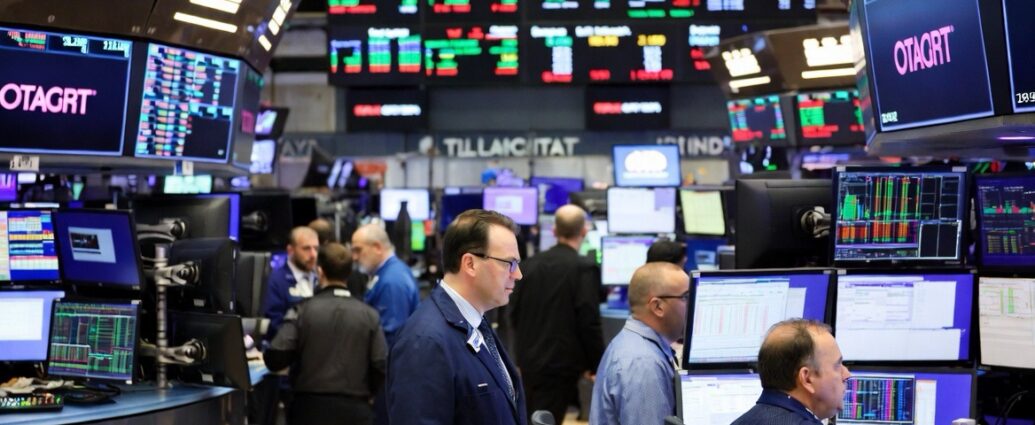
On Monday, Cadence Design Systems (NASDAQ:CDNS) discussed first-quarter financial results during its earnings call. The full transcript is provided below.

This transcript is brought to you by Benzinga APIs. For real-time access to our entire catalog, please visit https://www.benzinga.com/apis/ for a consultation.

View the webcast at https://events.q4inc.com/attendee/818860995

Summary

Cadence Design Systems reported a strong Q1 2026 with 19% year-over-year revenue growth, driven by demand for their AI-enabled solutions, resulting in a record backlog of $8 billion.

The company raised its full-year 2026 revenue growth outlook to 17%, reflecting confidence in their expanding agentic AI offerings which are expected to drive increased EDA consumption.

Cadence continues to lead in the semiconductor design transformation with new AI superagents (VitaStack, InnoStack) and a strategic collaboration with Google Cloud, enhancing their cloud-native platform capabilities.

The IP business showed a 22% year-over-year growth with significant competitive wins, while the core EDA business grew 18%, showcasing strong customer adoption of their AI-driven solutions.

Management highlighted robust opportunities in physical AI and emphasized ongoing strategic investments in R&D and go-to-market capabilities, despite short-term dilution from the Hexagon acquisition.

Full Transcript

Abby (Operator)

Ladies and gentlemen, good afternoon. My name is Abby and I will be your conference operator today. At this time, I would like to welcome everyone to the Cadence first quarter 2026 earnings conference call. All lines have been placed on mute to prevent any background noise. After the speaker’s remarks, there will be a question and answer session. If you would like to ask a question during this time, simply press star and then the number one on your telephone keypad. Thank you. And I will now turn the call over to Richard Gu, Vice President of Investor Relations for Cadence. Please go ahead.

Richard Gu (Vice President of Investor Relations)

Thank you, operator. I’d like to welcome everyone to our first quarter of 2026 earnings conference call. I’m joined today by Anirudh Devgan, President and Chief Executive Officer and John Wall, Senior Vice President and Chief Financial Officer. The webcast of this call and a copy of today’s prepared remarks will be available on our website, cadence.com today’s discussion will contain forward looking statements including our outlook on future business and operating results. Due to risks and uncertainties, actual results may differ materially from those projected or implied in today’s discussion. For information on factors that could cause actual results to differ, please Refer to our SEC filings, including our most recent Forms 10K and 10Q, CFO commentary and today’s earnings release. All forward looking statements during this call are based on estimates and information available to us as of today and we disclaim any obligation to update them. In addition, all financial measures discussed on this call are non GAAP unless otherwise specified. The non GAAP measures should not be considered in isolation from or as a substitute for GAAP results. Reconciliations of GAAP to non GAAP measures are included in today’s earnings release. For the Q and A session today, we would ask that you observe a limit of one question only. If time permits, you can re queue with additional questions now. I’ll turn the call over to Anirudh.

Anirudh Devgan

Thank you, Richard. Good afternoon everyone and thank you for joining us today. I’m pleased to report that Cadence had a strong start to 2026 with accelerating AI demand and disciplined execution delivering one of the best Q1s in company’s history. Our record backlog of of $8 billion was ahead of plan, reflecting strong customer confidence in our AI driven portfolio and its pivotal role in enabling delivery of their increasingly complex chip and system design roadmaps. Given the accelerating momentum of our business, we are raising our 2026 revenue growth outlook to 17% and expect to achieve the rule of 60 for the first time. Sean will provide more details in a moment. Agentic AI era is here, and Cadence is leading the transformation of semiconductor and system design. At Cadence live Silicon Valley 2026, we took a major step towards fully autonomous chip design, pioneering the industry’s most advanced and comprehensive Agentic full flow platform. We introduced AgentStack, the head agent framework for our AI super agents which enables knowledge sharing across the design flow and extend autonomous designs from chips to three DIC to systems. Building on our revolutionary chip Stack AI Super Agent for RTL design and verification, we introduced two new breakthrough AI superagents, Vita Stack for analog and Custom Design and InnoStack for digital implementation and sign off. Together, these solutions span the entire chip design flow, creating a connected continuous learning platform that brings the industry closer to comprehensive automation. As the industry begins transitioning to Agentic AI, the need for physically accurate and highly mathematical EDA solutions become even more critical. Our AGENTI AI solutions are built on decades of domain expertise, proprietary data and tightly integrated physically accurate engines delivering high fidelity results. We continue to view our platform as a three layer cake with accelerated compute and data as the base layer, principle, simulation and optimization as the critical middle layer and Agentic AI as the top layer. As I’ve said before, we believe the greatest value comes from the tight coupling of these layers reinforcing each other to deliver much better results. As these super agents invoke our simulation, verification and implementation engines at scale, we expect them to materially expand to EDA consumption and drive higher usage across our platforms. We announced a strategic collaboration with Google to optimize the chip stack AI Super Agent with Gemini on Google Cloud by combining LLM Reasoning with GCP Scalable Compute. This collaboration delivers a cloud native platform for next generation chip development. In Q1, we furthered our long standard partnership with MediaTek through a wide ranging expansion across our new Agentic AI offerings and core EDA3 DIC and system analysis solutions. Physical AI is emerging as the next big wave of intelligence as AI moves into autonomous systems, autos, drones and robotics, and Cadence is uniquely positioned to lead this transition. The addition of Hexagon’s DNE leading structural and multibody dynamics technologies transforms our system analysis portfolio to a leadership position in physical AI, enabling customers to build and train fundamentally new AI world models by narrowing the critical Sim 2 real gap. At cadence Live Silicon Valley, we announced an expanded partnership on AI and robotics with Nvidia. By combining our Agentic AI driven solutions with Nvidia’s advanced technologies, we are accelerating engineering workflows and boosting productivity across chip design, physical AI systems and hyperscale AI factories. Now let me provide an update on our businesses. Our IP business continued its strong momentum with 22% year over year revenue growth driven by accelerating demand of AI, High Performance Computing (HPC) and automotive workloads. Growing complexity of advanced node designs and chiplet based architectures is driving strong demands of our differentiated star IP portfolio. Across interface, memory and foundation IP we achieved meaningful competitive wins and customer expansions at marquee accounts reflecting the breadth of our portfolio and more importantly the differentiated performance of our solutions. We closed a record deal with a leading global foundry marking our largest IP engagement with this customer to date and reinforcing our leadership at the most advanced nodes. With strong market tailwinds, focused strategy and expanding customer proliferation, we remain very well positioned for continued growth in ip. Our core EDA business delivered another strong quarter with revenue growing 18% year over year driven by increasing proliferation of our solutions at market shaping customers. Our AI driven solutions and increasingly our Agentic offerings are becoming an important part of customer renewals and expansions. Demand for a hardware accelerated in Q1 resulting in our best quarter ever led by AI, High Performance Computing (HPC) customers and increasing demand in automotive and robotics. Palladium Z3 continues to be the gold standard for emulation and drove multiple competitive displacement. Momentum on verification software grew particularly in Excelium and Verisim. Sim AI and chip stack generated tremendous customer interest with a large number of evaluations underway led by AI driven cadence cerebral solution. Our digital platform continues to gain share especially at the most advanced nodes. A global semiconductor design leader significantly increased their innovus usage and adopted our digital sign off solutions and a marquee AI infrastructure company expanded their usage of our sign off solutions and their leading edge ASIC designs in custom and analog. Our AI driven virtuoso studio continued its strong momentum in design migration and layout automation as it gets increasingly deployed by analog and mixed signal leaders seeking greater productivity. Our system design analysis business delivered 18% year over year revenue growth as AI driven multiphysics simulation and 3D IC become essential to addressing growing system challenges. We have strong momentum in 3Dic where our unified multi die integrated design to analysis flow is helping customers address their rising chiplet and advanced packaging complexities. We also saw strong momentum, insigrity and clarity with multiple memory and advanced IC packaging customers expanding their deployments as they move to higher speed interfaces. Customer adoption is increasing as they look to address signal integrity, power integrity and thermal challenges earlier in the design flow through deployment of a full cadence sign off flow. In closing, I’m pleased with our strong execution and the broad based momentum of our business. As the Agentic AI era unfolds, Cadence is leading the charge to realizing much higher design productivity. Increasing design complexity and the growing need for productivity is creating a compelling long term opportunity for Cadence. With our differentiated solutions and expanding agentiq AI portfolio, I believe we are very well positioned to lead this transition and continue delivering meaningful innovation and value to our customers. Now I will turn it over to John to provide more details on the Q1 results and our updated 2026 outlook.

John Wall (Senior Vice President and Chief Financial Officer)

Thanks Anirudh and good afternoon everyone. I’m pleased to report that Cadence delivered excellent Results for the first quarter of 2026 with accelerating momentum and broad based strength across all our businesses. Robust design activity coupled with our Solid execution drove 19% year over year Revenue growth and 45% operating margin for Q1 first quarter bookings were ahead of expectations, resulting in record backlog of $8 billion. Here are some of the financial highlights from the first quarter, starting with the P and L total revenue was $1,474,000,000. GAAP operating margin was 29.3%, non GAAP operating margin was 44.7% GAAP EPS was $1.23 and non GAAP EPS was $1.96. Next, turning to the balance sheet and cash flow. Our cash balance was $1,407,000,000, while the principal value of debt outstanding was $2,925,000,000. Operating cash flow was $356,000,000. DSOs were 67 days and we used $200,000,000 to repurchase Cadence shares. Before I provide our updated outlook, I’d like to highlight that it contains the usual assumption that export control regulations that exist today remain substantially similar for the remainder of the year. For our updated outlook for 2026, we expect revenue in the range of $6,125,000,000 to $6,000,000,000 and $225,000,000 dollars. GAAP operating margin in the range of 27.5 to 28.5% non GAAP operating margin in the range Of 43.5 to 44.5% GAAP EPS in the range of $4.39 to $4.49 non GAAP EPS in the range of 7.85 to $7.95 operating cash flow in the range of 1.875 to $1.975 billion and we expect to use approximately 50% of our free cash flow to repurchase Cadence shares in 2026. With that in mind, for Q2, we expect revenue in the range of $1,555,000,000 to $1,595,000,000 GAAP operating margin in the range of 28.5 to 29.5% non GAAP operating margin in the range Of 44.5 to 45.5% GAAP EPS in the range Of $1.07 to $1.13 and non GAAP EPS in the range of $2.02 to $2.08. And as usual, we published a CFO commentary document on our investor relations website which includes our outlook for additional items as well as further analysis and GAAP to non GAAP reconciliations. In conclusion, Cadence is off to a strong start for the year. We are raising our 2026 revenue outlook to approximately 17% year over year growth. As always, I’d like to thank our customers, partners and our employees for their continued support and with that operator we will now take questions.

Abby (Operator)

Thank you. At this time I would like to remind everyone who wants to ask a question to please press STAR and then the number one on your telephone keypad. As a courtesy to all participants, we ask that you please limit yourself to one question. We will pause for just a moment to compile the Q and A roster. And our first question comes from the line of Charles Shih with Needham. Your line is open.

Charles Shih (Equity Analyst)

Hi, good afternoon. Thanks for taking my question. Anirudh, I think I have a pretty high level question, but this is probably top of the mind for a lot of investors. We obviously learned agentic AI is probably good for EDA, good for license, consumption, etc. But we’re still hearing some concerns around AI’s ability to actually write the software. And there are some doubts around whether AI can actually write better EDA based tools like Based Tool, I mean Virtuoso Universe, those kind of tools. And obviously there are always many EDA startups happening at the same time. And so the question is AI’s ability to write software worries you about the defensibility of the EDA based tool business? Obviously, once again we understand that agentic AI is good for consumption of the base tool business, but want to get your thoughts? Thank you.

Anirudh Devgan

Yeah, hi Charles, thanks for the question. So I mean there are multiple parts to this. Of course I’m super excited about agentic AI applied to chip design and eda. And your question is more specific to the base tool and whether AI can write those base tools. So first of all, I’m very confident in our position in the base tool and our competitive advantage. And just to remind everyone, I mean we have about 15,000 people now in cadence. About 10,000 are in R and D. We have more than half of them have advanced degrees. I think more than thousand of them have PhDs from the top universities. So we will anyway deploy AI internally like we are to write our software better. But I’m not worried that some other party will be able to write any better base tools. And our competitor of the base tool is anyway best in class. And I don’t see any reason that will change going forward. Okay, now what I’m super excited that we launched in CadenceLIVE is the agentic part and the interplay of the agentic tools with the base tools, the AI orchestration combined with physical accurate based tools. And that creates new opportunities for us both in terms of TAM expansion. Because what agentic AI allows us to, is to sell products in spaces we didn’t have products before, like RTL generation, verification, plan generation. And those products I think will be consumed more on a subscription plus consumption model. So this is entirely a new category for Cadence. And then in turn, like you said, agentic AI will drive more of our base tools. So I feel pretty good about this kind of three layer framework we have talked about and confident going forward.

Abby (Operator)

And our next question comes from the line of Jason Salino with Keybanc Capital Markets. Your line is open.

Jason Salino (Equity Analyst)

Great, thank you so much. Maybe just a clarifying question. So I noticed that the operating margin guide, you know, it’s coming down, you know, by a little bit curious if, if like what are the main drivers of that? John and I know we’re layering in kind of the Hexagon acquisition, but on like an absolute basis it’s, it’s relatively small layering in that, that opex. So maybe you can just help, help us understand the, the guide on the margin. Thank you.

John Wall (Senior Vice President and Chief Financial Officer)

Yeah, sure, Jason, thanks for the question. Yeah. What you’re seeing there is primarily the impact of including the hexagon design and engineering business in the current outlook. The strategic opportunity there is very large. But the 2026 PNL reflects the timing of integration that the, we announced in the press release when we, when we closed the deal that we expect 160 million of revenue this year. That’s, that’s in the guide now. We expect it to be dilutive by about 28 cents. The margin impact on the 160 million is kind of in the 5 to 10% range. But, but the dilution comes from, because we paid 30% of the acquisition price in shares and 70% in cash. So the interest component or the loss interest income on the cash causes a lot of the dilution impact in the short term. We’d expect it to be accretive in 2027. So I think the way to think about it is financially 2026 is an integration year and the guide includes the acquired cost base, the financing impact, the acquisition related integration costs and kind of near term dilution. And that’s why revenue moves higher while EPS and operating margin are lower than the February guide. So yeah, it’s 160 million. And I think in Q1 the impact was slightly less on the EPS that we had about 20 million of revenue from Q1 from Hexagon, so only about $0.01 kind of dilution impact. So EPS would have been like $0.01 higher if we didn’t have Hexagon.

Abby (Operator)

And our next question comes from the line of Vivek Arya with Bank of America securities. Your line is open.

Vivek Arya (Equity Analyst)

Thanks for taking my question. You know, Aniruddh, in the last year all we have been hearing nonstop are different news about chip shortages and growing kind of price of chips and just, you know, the pricing power that many of your customers have. And my question is what effect do shortages and the fact your customers have more pricing power, what effect does that have on their engagement with cadence? You know, does it restrict Chip start? Does it shift them towards higher ASP products? Just, just what impact do semiconductor shortages have on your growth and engagement trajectory? What, what has changed and …

Full story available on Benzinga.com

This post was originally published here

On Monday, Bed Bath & Beyond (NYSE:BBBY) discussed first-quarter financial results during its earnings call. The full transcript is provided below.

Benzinga APIs provide real-time access to earnings call transcripts and financial data. Visit https://www.benzinga.com/apis/ to learn more.

View the webcast at https://events.q4inc.com/analyst/478993577?pwd=g7emtfMu

Summary

Bed Bath & Beyond Inc reported a 7% increase in revenue year-over-year, marking the first revenue growth in 19 quarters, despite discontinuing Canadian operations.

The company achieved its lowest operating cost structure in over 12 years, contributing to a $5 million improvement in adjusted EBITDA and a $24 million decrease in net loss.

Strategic initiatives included acquisitions of Kirklands and the Container Store, with plans to integrate these into a three-pillar ecosystem focused on omnichannel retail, product and financial services, and home services.

Future outlook includes a target to remove $60 million in costs over the next nine months and a strategy to leverage data and AI for operational efficiency and customer engagement.

Management emphasized a shift towards being a data and technology company within the home space, with plans to use blockchain and tokenization for customer and home lifecycle management.

Full Transcript

OPERATOR

Hello everyone. Thank you for joining us and welcome to the Q1 2026 Bed Bath & Beyond Inc Earnings Conference Call. After today’s prepared remarks, we will host a question and answer session. If you would like to ask a question, please press star one to raise your hand. To withdraw your question, press star one again. I will now hand the conference over to Melissa Smith, the General Counsel and Corporate Secretary. Melissa, please go ahead.

Melissa Smith (General Counsel and Corporate Secretary)

Thank you. Good afternoon and welcome to Bed Bath Beyond Inc.’s first quarter 2026 earnings conference call. Joining me on the call today are Executive Chairman and Chief Executive Officer Marcus Lemonis, President Amy Sullivan, Chief Financial Officer Adrian Lee, and Chief Operating Officer Lisa Foley. Today’s discussion and our responses to your questions reflect management’s views as of today, April 27, 2026 and may include forward looking statements including without limitation, to statements regarding our future business strategy goals, financial performance outlook for the remainder of the quarter or any other period, anticipated growth, stock price, profitability, macroeconomic conditions, the value of any of our brands and investments, relationships with third parties and agreements we are entering into with them, margin improvement, expense reduction, marketing efficiencies, conversion, customer experience, changes to brands or websites, product offerings, the merger agreement with the Container Store, blockchain and tokenization efforts and strategies, and the timing of any of the foregoing. Actual results could differ materially from such statements. Additional information about risks, uncertainties and other important factors that could potentially impact our financial results is included in our Form 10K for the year ended December 31, 2025, in our Form 10Q for the quarter ended March 31, 2026 and in our subsequent filings with the SEC. During this call, we’ll discuss certain non GAAP financial measures. Our filings with the SEC, including our first quarter earnings release which is available on our Investor relations website@investors.bedbathandbeyond.com contain important additional disclosures regarding these non GAAP measures, including reconciliations of these measures to the most comparable GAAP measures. Following Management’s prepared remarks, we will open the call for questions. A slide presentation with supporting data is available for download on our Investor Relations website. Please review the important forward looking statements disclosure on slide two of that presentation. With that, Marcus, it’s all yours.

Marcus Lemonis (Executive Chairman and Chief Executive Officer)

Thank you so much. I am both honored and privileged to be serving as of January 1st as the CEO of Bed Bath & Beyond and I want to thank everybody for joining. Over the last two years our company has been focused on rebuilding this business, reconstructing the cost structure and lowering the hurdle for profitability with an intense amount of discipline and tough decisions around headcount, legacy technology and the cost of acquiring and retaining our customer base. The objective has been to reposition the company for growth with a definitive point of view of reclaiming profitability coupled with long term durability. That work was not about short term fixes or temporary solutions. It was about making structural changes to how we operate by simplifying the organization, removing layers, materially reducing our cost structure and aligning the team around a clear and consistent set of priorities focused on the homeowner asset allocation and data. These priorities have not changed. Were focused on driving top line growth, operating profitability and building something that is unique, durable and meaningful in the home space. In many cases those decisions were not immediately visible in the numbers last couple years were rough. Declining revenue while dramatically improving margins and lowering the cost structure created short term pressure on the perceived value of our company. Those changes were necessary because without resetting the foundation, there was no path to substantive profitability or to building something with purpose that would last. I knew the changes would take time to show up, but that when they did, they would appear in a way that were durable and repeatable. This is the eighth quarter in a row where the bottom line has improved. Back in January when I laid out our long term plan with our Everything Home 3 Pillow ecosystem, we as a team committed to inflect top line growth while continuing to reduce costs. That happened. We delivered revenue of approximately $248 million up 7% year over year or 9.4%. When you exclude our discontinuing operations from Canada, which marks the first time in 19 quarters that this business has delivered year over year growth, that result occurred concurrently. While our operating cost for the quarter reflected the lowest operating cost structure in over 12 years, the growth we are seeing is emerging from a fundamentally reset operating mindset, not incremental spending or short term activity. That shift becomes clearer as you look beneath the top line. We’re acquiring our customers more efficiently, our own channels are performing better and the engagement we are seeing is higher quality. As the quality of the business improves, the financial performance begins to reflect it adjusted ebitda improved by $5 million year over year and our net loss improved by $24 million. At the same time, the underlying trends are moving in the right direction. We’re encouraged by the stability of our active customer file with returning customers and orders delivered improving sequentially. These trends are important because they show that the foundation is not only holding up, but it’s beginning to build. Stabilizing the business was never the end goal. It was just my Starting Point Everything we are building starts with a simple idea. The home is not a single transaction. It is a life cycle that unfolds over time, providing us with an opportunity to use technology and data to create lifetime value from every single customer relationship. On average, homeowners remain in their home for approximately 11 to 12 years and during that period they move in, maintain their home, improve it, finance it, experience life events, and eventually transition out of it. Historically, those interactions have been fragmented across different companies and disconnected systems. What we are now building is a connected approach. As a reminder, we have organized the business into three pillars that reflect that life cycle. Lifecycle Lifecycle the Omnichannel platform is where the relationship begins. Yeah, the retail business online and in store. Our products and financial services platform allows us to participate more deeply in the economic activity tied to the home. And our home Services platform, maybe the one I’m most excited about, brings us directly physically into the home. Earlier this quarter we completed the first acquisition of our Omni Channel pillar. With the Kirkland’s transaction, we acquired Strategic Real Estate, a product development and sourcing organization second to none and Exceptional Management. Additionally, we announced the deal to acquire The Container Store. That transaction gives us Trophy Real Estate that is wildly underutilized, a world class distribution and supply chain system and a home services business with Elfa and ClosetWorks that will move into Pillar 3, a foundational culture and process that will sit at the hub of Pillar one and it comes with exceptional leadership as well. Between those two, we will absorb the capabilities our businesses and our customers want and eliminate all of the redundancies and inefficiencies quickly. Pillar two, our product and financial services group, is just getting started and as noted previously, will include property and casualty insurance and home warranties through a nationwide relationship with Brown and Brown Insurance via the Beyond Home Agency. It will also include America’s first homeowner credit union in partnership with a leading credit union. Additionally, this pillar will include our credit card program and product warranties. At the center of this pillar is a transaction agreed to in principle that includes a real estate brokerage, home title company and mortgage brokerage. This acquisition would not only create an origination engine for the overall ecosystem, but through technology and AI, will allow us to meet and transact with tens of millions of customers without a traditional cost of acquisition. The final pillar, and potentially the most exciting, is Pillar three, our home services business. Early this quarter we announced the intent to acquire F9 brands which includes Cabinets to Go Lumber Liquidators, Inc. and South Wind Building Products. This acquisition would serve as a platform Transaction bringing unbelievable executive management, warehouse and supply chain capabilities and over a half a billion dollars of revenue. Attached to that platform are ELFA and ClosetWorks organization systems which were part of The Container Store transaction. Lastly, we’ve agreed to in principle to acquire a nationwide network of installation and renovation professionals. We believe that’s part of building our moat together. We believe this creates a high margin pillar that is defensible against E commerce competitors and firmly differentiate our company as a service provider regardless of what’s happening with the economy. But what is equally important, what I want to be very clear about is how we are building this business. We are not acquiring companies for the sake of scale. We are acquiring capabilities. Many of these businesses and brands that I mentioned have had decades of success but struggled more recently as standalone entities. They became burdened with fixed costs, duplicative infrastructure and inefficient cost structures and debt that limited their ability to perform. What we see is something very different. We see capabilities that fill specific roles across our white paper for the entire homeowner life cycle. When you think about the white space of homeownership, each of these businesses represents a critical function that that customer needs over time, across those 11 or 12 years. Our strategy is to extract those capabilities, preserve what makes them valuable and eliminate very strongly eliminate the layers of cost and inefficiency that came with operating them independently. We preserve what works, we remove what does not work, and we connect everything through a single system. Earlier today we announced a partnership with BILT that allows that single operating connectivity system to work for the consumer. When we bring those capabilities together inside of one platform, supported by shared infrastructure and a unified data lake and a single customer identity, they become significantly more powerful together than they ever were apart. This is where our model is fundamentally divergent from traditional consolidation. Most consolidations focus on cost removal. That’s part of our model. And we’ll continue to eliminate those costs and inefficient operating expenses, including underperforming assets. But the real opportunity is not just cost. The real opportunity is the revenue that we believe we can create by understanding that single sign on unified customer layer, giving each of these brands and each of these businesses an opportunity to cross promote inside of one big data lake. By connecting these businesses through technology and artificial intelligence, we are building a system that allows us to engage with the same customer across multiple needs over time, dramatically lowering our cost of acquisition while increasing the lifetime value that customer could offer us. Each of these businesses has built and retained its own customer base by bringing those customer bases together into a single ecosystem. We create a competitive advantage that allows us to grow revenue at a disproportionate rate compared to standalone competitors. It’s over 100 million unique homeowners. That’s not theoretical, it’s structural. That is our business model when you look across the brands we’ve acquired and are in the process of acquiring, including Overstock, Bed, Bath and beyond, The Container Store, Bye Bye Baby, Kirkland’s Lumber Liquidators, Inc., Alpha Closet Works and Cabinets to go along with our partnerships across insurance, credit warranties and our planned acquisition in brokerage, mortgage, title, installation and renovation. What we are assembling is not a collection of businesses, it’s an ecosystem. Each business contributes a capability, each capability strengthens the platform and together they create something significantly more value than the sum of its parts. Each of these pillars has value independently, but the real value is when they work together. That’s what allows us to move from serving a customer once to serving the same customer repeatedly over time. With that, I’ll turn the call over to Adrienne.

Adrienne Lee

Thank you Marcus. I’ll now turn to our first quarter financial results. Revenue increased 7% year over year in the first quarter and 9% if you exclude the impact of discontinuing our Canadian operations. AOV improved 6% driven by our continued focus on improving assortment, driving a healthy mix in the living room, furniture and patio on the Bed Bath & Beyond site and an increased sales mix into overstock. Orders delivered increased by almost 1% in the period. Gross margin landed at 23.9% for the quarter, a decline compared to the same period last year but still within the bounds of our operating range. We maintained effective discounting tactics partially offset by lower sales and marketing expense, lapped loyalty points breakage from 1Q25 and saw benefits from improved carrier costs and exiting underperforming operations. Sales and marketing expense had improved efficiency of 50 basis points as a percent of revenue versus last year. This result was driven by disciplined spend and paid and improved return in own channels. G&A and tech expense of 36 million decreased by 5 million year over year or 8 million if you exclude the impact of one time costs from acquisition related activities. All in adjusted EBITDA came in at a loss of $8 million, a 41% or 5 million improvement versus the first quarter of 2025. Reported adjusted diluted Earnings Per Share (EPS) was a loss of $0.25 per share, a $0.17 improvement year over year. We ended the quarter with cash cash equivalents and restricted cash of 163 million. Cash used in operating activities improved year over year by more than 39 million or 77%, illustrating stabilization of operations. In the quarter, we invested approximately 26 million in acquisition related activities. With that, I’ll turn the call over to Amy.

Amy Sullivan (President)

Thank you, Adrienne. Our focus on the operating side is simple. Translate the strategy into consistent, disciplined execution and ensure that as we scale these capabilities, we do it in a way that is efficient, scalable and built to drive sustainable returns. This work is being led by a strong operating team. Lisa is driving execution across operations and shared services, while Kyla, who we announced this afternoon, is leading our technology transformation. Together, they are building the unified data and intelligence layer that connects the ecosystem and enables how we operate and scale. Today, the majority of our revenue is driven by an asset light, increasingly productive e commerce platform. We’re pairing that strength with a fleet of more than 320 stores, allowing us to serve the customer across channels while improving productivity and return on assets. As we scale, we are focused on identifying the capabilities that truly drive performance and building around them while decisively eliminating the inefficiencies that come from operating as fragmented, layered businesses. Across the fleet, we are evolving our store formats with clearer roles and stronger economics while taking a disciplined approach to underperforming locations through repositioning, consolidation or exit where returns do not meet our thresholds. That same discipline is driving our merchandising strategy where we are simplifying assortments, improving margin productivity and strengthening vendor partnerships across the organization. We are simplifying how we operate, consolidating systems and teams into a unified platform while removing layers that slow decision making and limit efficiency. This approach extends to our data and engagement layer as announced this morning. Our partnership with Bilt accelerates a unified customer identity and loyalty foundation across the portfolio, strengthening engagement and lifetime value across all our brands. Customer service is central to this transformation. As we consolidate these functions, we are raising the bar across every single brand and every touch point from so the customer experiences consistency regardless of how they engage with us. This is about building an operating model that scales, retaining what drives value and removing what does not. As we continue to integrate new capabilities into the platform, that same approach will apply across the ecosystem, ensuring we preserve what works and remove excess complexity across retail products and financial services and home services. The result is a simpler, more transparent and more accountable organization with a cost structure designed to drive profitable growth. With that, I’ll turn back to Marcus to close.

Marcus Lemonis (Executive Chairman and Chief Executive Officer)

Thanks Jamie. What you’re seeing this quarter is early proof of a model that is beginning to come together. …

Full story available on Benzinga.com

This post was originally published here
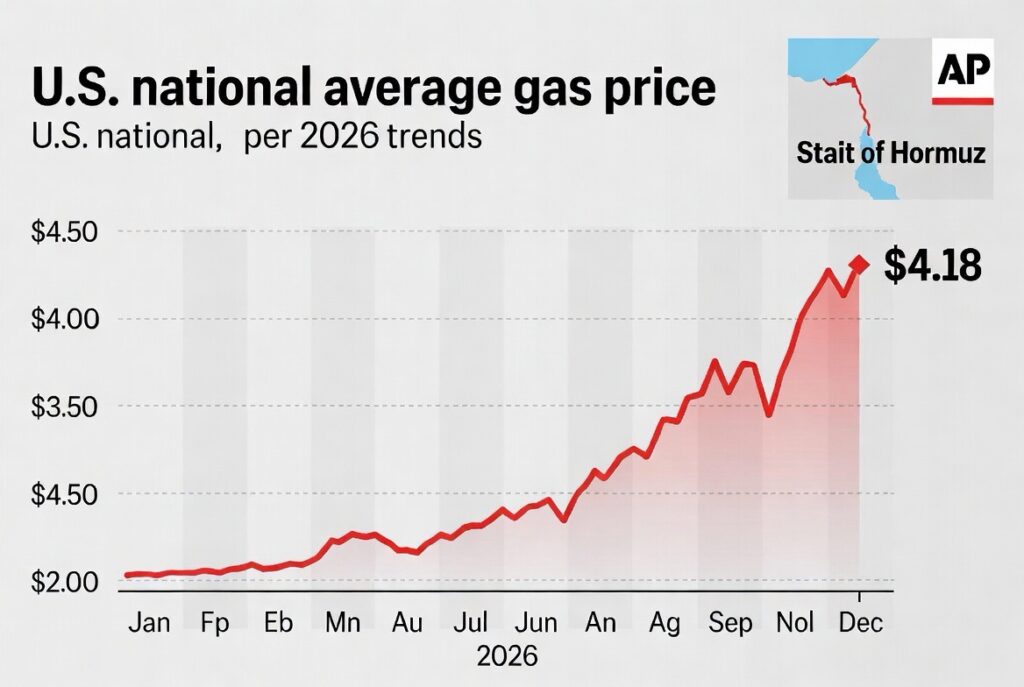
Kforce (NASDAQ:KFRC) reported first-quarter financial results on Monday. The transcript from the company’s first-quarter earnings call has been provided below.

This transcript is brought to you by Benzinga APIs. For real-time access to our entire catalog, please visit https://www.benzinga.com/apis/ for a consultation.

View the webcast at https://events.q4inc.com/attendee/458426539

Summary

Kforce Inc reported Q1 2026 revenues of $330.4 million, marking the first year-over-year growth since Q4 2022, with earnings per share of $0.46 exceeding expectations.

The company anticipates revenue growth in Q2 to accelerate to mid-single digits, driven by increased demand for flexible workforce solutions and AI-related projects.

Kforce Inc continues to focus on its integrated strategy and global talent strategy, including expanding its India Development center and establishing AI Innovation Studio and AI pods.

Management highlighted strong execution in pricing and service delivery, leading to higher gross margins and operating leverage.

The company returned $18.6 million to shareholders through dividends and share repurchases, maintaining a conservative leverage ratio of 1.2 times net debt to EBITDA.

Full Transcript

OPERATOR

Good day everyone and welcome to the Kforce Q1 2026 earnings call. As a reminder, this call is being recorded at this time. I would like to hand the call over to Mr. Joe Liberatore. Please go ahead Sir.

Joe Liberatore

Good afternoon and thank you for your time today. This call contains certain statements that are forward looking, are based upon current assumptions and expectations, are subject to risks and uncertainties. Actual results may vary materially from the factors listed in Kforce Inc’s public filing and other reports and filings with the SEC. We cannot undertake any duty to update any forward looking statements. You can find additional information about our results in our earnings release and our SEC filings. In addition, we have published our prepared remarks within the Investor Relation portion of our website. We are extremely pleased to have successfully driven results in the first quarter that again exceeded our expectations from both a revenue and profitability perspective. The momentum that we carried into the beginning of the year has continued to strengthen resulting in year over year revenue growth for the first time in several years. As Jeff Hackman will cover in more detail, our trajectory has continued to improve in the first month of the SECond quarter, which we expect will lead to accelerating year over year growth in Q2 in the mid single digits. I cannot be prouder of the tenacity of our people or more appreciative of the trust that our world class clients are increasingly placing in Kforce to drive more meaningful and valuable engagements with them. Our go to market approach which was born out of our integrated strategy efforts, appears to be paying dividends. Our people continue to operate more fully as one Kforce, leveraging the firm’s capabilities across all service offerings. While recent economic data continues to point to a generally softer labor market and professionally oriented roles, our performance reflects strong execution and a clear shift we’re seeing across our customer base. However, several of the leading indicators we track which have historically signaled strengthening demand for our services, are improving. Companies are increasingly turning to flexible talent strategies to move forward on significant backlog of high priority technology initiatives, especially in the age of artificial intelligence where CEOs remain cautious to add permanent headcount. At the same time, heightened geopolitical uncertainty, including the conflict involving Iran, has contributed to significant volatility in the global energy markets, resulting in sharp price increases across oil, gasoline, natural gas and electricity. In this environment, clients are focused on agility. We believe uncertainty is reinforcing the value of flexible workforce solutions as organizations seek to adapt while they gain greater clarity around geopolitical developments and the longer term impact of emerging technologies on their business and talent strategies. Against this backdrop, we remain optimistic that our recent operational data and several conSECutive quarters of improving revenue performance reflect a more typical historical cyclical pattern consistent with prior demand recoveries. As we have stated, we’ve witnessed and participated in transformative technology shifts before, such as personal computing, the emergence of the Internet, the mobile revolution and the move to cloud computing. Each of these periods of technological change impacted labor markets. Yet over time, workers, including technologists, have continued to upskill and retrain themselves to improve the relevancy of their skill sets. As technology has evolved over the last 50 plus years, we’ve placed skill sets that include mainframe operators, COBOL programmers, database administrators, web developers, mobile application developers, DevOps engineers, cloud architects, UI UX designers, data scientists, data engineers, AI platform engineers, AI product managers, prompt engineers, etc. The point is, the tasks change or in some cases completely go away. Job titles change, skill composition shifts and at the end of the day, new roles are created, new businesses are spurred, new industries are created resulting in a net positive amount of technology oriented job growth as society’s unquenchable thirst for technology advancements and productivity gains. We believe generative AI, and its offshoots into agentic AI and cognitive AI is in the early stages of the evolution and may just be starting to align with historical patterns we’ve experienced. Recruiting the right in demand talent, assembling effective teams and implementing target enterprise level initiatives are crucial for organizations seeking to successfully integrate and leverage these new tools to maintain a competitive advantage. Our strong position enables us to grow our client portfolio and bring on new client opportunities, thereby sustaining our history of consistent above market performance fueled by client share growth, ultimately strengthening the foundation that delivers enduring value to our shareholders. Our business model is intentionally simple, organically driven and intensely focused. By limiting inorganic growth within our existing service areas, we protect our teams from unnecessary complexity and distractions. That focus allows our people to do what they do best, build deep relationships and partner with clients to solve their most critical business challenges. Our strategy has been thoughtfully refined over time, not overhauled because it has proven durable. That focus, combined with unified and resilient culture, is a real differentiator for us and essential to our consistent market outperformance. As our operating trends continue to improve, we’re also making great progress on our key strategic initiatives, including the implementation of Workday scaling, our India Development center, advancing our internal AI initiatives and continued refinement of the execution of our integrated strategy. Further to that point, we are pleased to have recently announced the establishment of our AI Innovation Studio within our headquarters and associated AI pods in India to support evolving client needs. As I conclude my remarks, I want to acknowledge the outstanding people who make up the Kforce team. I’m incredibly proud of their fortitude, adaptability and dedication demonstrated across the firm, particularly given the challenging business environment over the past three years. I am grateful every day for the opportunity to work with colleagues who bring this level of skill and commitment. Thanks to their efforts, we are well positioned strategically and I feel confident in our trajectory and and the opportunities ahead. Dave Kelly, our Chief Operating Officer, will now give greater insights into our performance and recent operating trends. Jeff Hackman, Kforce’s Chief Financial Officer, will then provide additional detail on our financial results as well as our future financial expectations.

Dave Kelly (Chief Operating Officer)

Thank you, Joe. Total revenues of $330.4 million represented a return to overall revenue growth for the first time since the fourth quarter of 2022. Encouragingly, we were successful at delivering year over year flex revenue growth in both our technology and FA&A businesses. The first quarter is typically characterized by sequential revenue declines on a billing day basis due to calendar year assignment ends. This is a very normal part of our business and the broader sector. There’s been a lot of discussion about our ability and the sector’s ability to deliver revenue growth given the much speculated demand impact of AI tools, and technologies. A data point that we think is particularly relevant is that our first quarter performance was meaningfully better than the average sequential decline over the past 15 years. Prior to AI becoming an hourly topic of conversation. Our results were driven by a combination of lower levels of project ends and a faster than normal rebound in new assignment activity. Further to this point, as Jeff Hackman will cover in his particular remarks, the midpoint of our guidance contemplates year over year growth in Q2 of approximately 4%. While clients continue to take a measured approach to technology spending amid an uncertain macroeconomic environment, investments in critical initiatives, particularly in data, digital and platforms that underpin long term AI strategies are actively being prioritized by our clients. Our recent momentum and operating trends suggest clients are increasingly green lighting long postponed initiatives through the use of flexible workforce solutions that are strategic to their needs and don’t have an easy or obvious AI related solution. Importantly, improvements in our business have been broad based with positive trends evident across a wide range of industries within our client portfolio and utilizing a wide range of skill sets. While we certainly continue to see growth in AI related data, digital and cloud projects, we’re also seeing a ramp in demand for platform and application development roles and projects. The demand for technology is broad based. We continue to make targeted organic investments in our consulting solutions business to meet rising client demand for cost effective access to highly skilled talent. These investments are strengthening our value proposition by expanding flexible delivery models and deepening differentiated expertise. As a result, our consulting led offerings are positively contributing to the performance of our technology business supported by a strong pipeline of high quality opportunities. Our fully integrated delivery model offering a seamless client experience across consulting, project based work and staff augmentation spanning multiple technologies and skill sets remains a clear point of differentiation in the market. We’ve seen clear signs of improvement improving demand across the entire spectrum of our service models. This integrated approach has been a core driver of our technology performance, enabling meaningful gross profit expansion over the past year despite a challenging macroeconomic backdrop while maintaining stability in average bill rates. We leverage long standing client relationships as the foundation of our model and focus on simplifying the buying process and accelerating decision making. An increasingly important component of our ability to deliver cost effective solutions is our global talent strategy, including access to highly skilled professionals outside the United States. Our development center in Pune, combined with strong domestic sales and delivery capabilities and a high quality vendor network enables a scalable multi shore delivery model that comprehensively addresses client needs. Demand for this channel continues to accelerate, reinforcing its strategic importance and strengthening our confidence in the durability of this model. We now have a multi shore delivery model being utilized within 60% of our 25 largest clients. We’ve been able to maintain a stable average bill rate of approximately $90 per hour over the last three years while building a higher quality, higher margin revenue stream. The increasing mix of consulting oriented engagements which command higher bill rates and significantly stronger margin profiles, along with disciplined management of wage inflation and core technology skill sets is effectively offset the downward pressure on bill rates from a greater mix of consultants based outside of the US Demand across our core practice areas including data and AI, digital platform engineering and cloud remains strong and our pipeline of consulting opportunities continues to expand. These disciplines represent foundational capabilities for the development and deployment of AI solutions and we believe organizations will increasingly require access to specialized talent to execute their strategies, creating meaningful and durable growth opportunities for our firm. Over the last several years, we have made responsible adjustments to align headcount levels with revenue levels and productivity expectations. As noted in last quarter’s call, we implemented further refinements to our organization in the first quarter. Despite these actions, we believe we have sufficient capacity to absorb the near term improvements in demand levels without the need for significant incremental resources, particularly as we continue to enable greater efficiency through our use of AI Solutions. We remain committed to investing in our consulting solutions business and other strategic initiatives that we believe will drive long term revenue and profitability growth. The actions taken in the quarter provide increased confidence in our ability to continue making these investments while maintaining our previously stated profitability objectives. We are energized by the opportunities ahead and confident in our ability to sustain recent momentum while continuing to deliver strong results. Our success reflects the deep trust and long standing partnerships we built with our clients, candidates and consultants. These are relationships that continue to serve as the foundation for our growth and innovation. I will now turn the call over to Jeff Hackman, Kforce’s Chief Financial Officer.

Jeff Hackman (Chief Financial Officer)

Thank you Dave first quarter revenue of 330.4 million exceeded our expectations and earnings per share of 46 cents was above the high end of our guidance. Our results for the first quarter demonstrate our ability to grow revenues while also driving a higher quality of business as evidenced by better than expected gross margins in the quarter as well as generating enhanced operating leverage. Overall gross margins of 27.3% were up 60 basis points on a year over year basis due to expanding flex margins which more than offset the impact from lower direct hire mix. Sequentially, gross margins were up 10 basis points in a quarter when they were expected to be seasonally down as improved flex spreads and favorable health care costs more than offset the seasonal payroll tax resets. The success we have had expanding our margin profile can be attributed to our teams pricing more effectively with clients to more appropriately reflect the value of our services and the benefit of higher quality business that we have been strategically driving. We have discussed that solutions oriented engagements have an appreciably higher …

Full story available on Benzinga.com

This post was originally published here
U.S. stocks finished Monday on a mixed note, with the Dow Jones Industrial Average slipping 0.1% to 49,167.79, while the S&P 500 edged up 0.12% to 7,173.91 and the Nasdaq climbed 0.2% to 24,887.10.

These are the top stocks that gained the attention of retail traders and investors through the day.

Joby Aviation (NYSE:JOBY)

Joby Aviation’s stock rose by 6.35%, closing at $9.04. The stock reached an intraday high of $9.13 and a low of $8.57, with a 52-week range between $20.95 and $6.03. In the after-hours trading, the stock rose 5.08% to $9.50.

This positive movement follows the announcement of the first-ever point-to-point electric vertical takeoff and landing (eVTOL) air taxi demonstration flights in New York City. The flights are part of Joby’s 2026 Electric Skies Tour, aiming to showcase the potential for commercial air taxi services in urban settings. The campaign highlights the viability of electric air taxis, which are quieter and produce zero emissions compared to traditional aircraft. 

data-variant=”card”
data-news-mode=”manual”

>


Read Also:

Palmer Luckey Says Apple’s New CEO John Ternus May Have Built Early VR Gear He Used As A Teen: ‘His Only Non-Apple Job Was…’

This post was originally published here
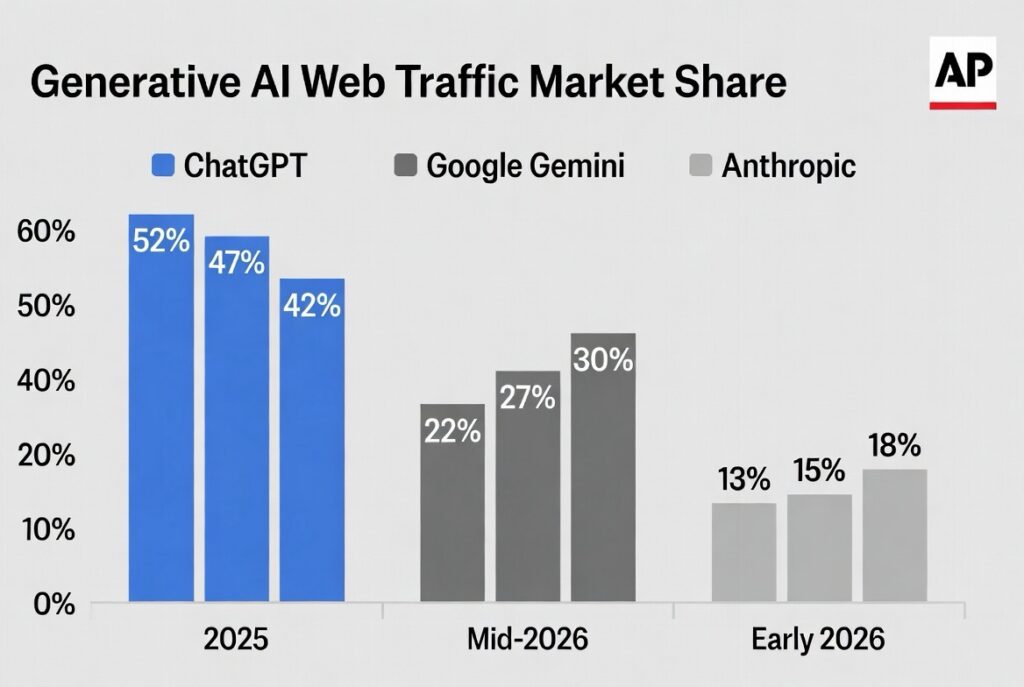
Boeing is ramping up factory hiring at its fastest pace in nearly two years, signaling renewed industrial momentum as the aerospace giant works to scale production across key aircraft programs while offsetting a wave of retirements among its most experienced workers. The expansion reflects both immediate operational demands and a longer-term effort to rebuild workforce capacity after a turbulent period marked by labor disruptions and regulatory scrutiny.

Jon Holden, Vice President of Training and Apprenticeships at the International Association of Machinists and Aerospace Workers (IAM), said Boeing is currently onboarding between 100 and 140 unionized factory workers per week. “This is more, I think, a sustained ramp that I feel good about, as long as the economy continues to go, as long as airlines continue to keep their orders,” Holden said, describing the hiring pace as durable rather than cyclical. Unionized factory headcount in the Pacific Northwest has now surpassed 34,000 workers, up from roughly 33,000 during the IAM’s 2024 strike, underscoring the scale of Boeing’s workforce rebuild.

Boeing confirmed the hiring push as part of a broader production strategy. “We’re seeing strong interest as we hire in Puget Sound and across the enterprise to support our production rate increases,” a Boeing spokesperson said, noting that recruitment is extending beyond assembly lines into logistics, warehousing, and tooling operations. The company’s hiring spans multiple divisions, reflecting the complexity of scaling modern aerospace manufacturing.

At the center of the expansion is Boeing’s narrowbody production system, particularly the 737 MAX program, which remains the backbone of global airline fleets. The company is building out a fourth Seattle-area production line—known internally as the North Line—to support higher output. Boeing is currently producing 42 aircraft per month and plans to increase that rate to 47 this summer, with a longer-term target of 53 jets per month by the end of 2026, according to comments from CEO Kelly Ortberg during the company’s latest earnings call.

Regulatory alignment is helping clear the path for that growth. Bryan Bedford, Administrator of the Federal Aviation Administration (FAA), said regulators have not identified any obstacles that would prevent certification of the 737 MAX 7 and 737 MAX 10 variants before the end of 2026. “We have not seen issues that would block certification timelines,” Bedford said in recent remarks, reinforcing Boeing’s expectation that both aircraft will be approved this year, with first deliveries anticipated in 2027. Boeing confirmed that the 737-10 has entered the Type Inspection Authorization 2 phase of flight testing, a key milestone toward certification.

Beyond narrowbody jets, Boeing is also advancing its long-delayed widebody flagship, the 777X. The 777-9 variant has progressed into the FAA’s Type Inspection Authorization 4a phase, bringing it closer to certification after years of delays tied to safety reviews and engineering adjustments. Boeing continues to target first delivery of the 777X in 2027, a timeline that requires parallel workforce scaling to support eventual production increases.

The hiring surge is not limited to aircraft assembly. Boeing is investing heavily in workforce development pipelines, including apprenticeship programs designed to train workers in specialized aerospace disciplines such as composite materials and advanced manufacturing techniques. Holden said enrollment has already exceeded the 125-participant cap established under Boeing’s 2024 labor agreement with the IAM, reflecting both immediate labor shortages and a strategic push to rebuild technical expertise. “We’re seeing demand not just for workers, but for skilled workers who can support next-generation production systems,” Holden said.

The broader labor market in Washington State—home to Boeing’s largest manufacturing base—is also showing signs of recovery. According to the Washington State Employment Security Department, aerospace employment fell to approximately 79,000 jobs in August 2025 before rebounding to around 81,800 by February 2026. The recovery aligns with Boeing’s hiring push and suggests improving stability across the regional supply chain.

Ortberg, who took over as CEO during a period of operational and reputational challenges, has prioritized restoring production discipline and rebuilding trust with regulators and customers. “Our focus is on stability, quality, and predictable output,” Ortberg said during Boeing’s recent earnings call, emphasizing that workforce readiness is central to achieving those goals. The company’s aggressive hiring reflects an acknowledgment that labor capacity—not demand—is now one of the primary constraints on growth.

Boeing’s expansion also extends into its space and satellite division, where the company is targeting 26 satellite deliveries in 2026, up sharply from just four in 2025. That increase requires additional hiring and training beyond commercial aviation, highlighting the breadth of Boeing’s operational ramp.

With a commercial aircraft backlog exceeding 5,500 planes valued at more than $435 billion, Boeing faces sustained pressure from airlines to accelerate deliveries. The scale of that backlog underscores the urgency behind the company’s hiring strategy. By rapidly expanding its workforce while investing in training and apprenticeships, Boeing is attempting to position itself for a multi-year production cycle driven by global travel demand and fleet modernization.

Looking ahead, the key variable will be execution. Boeing’s ability to integrate thousands of new workers, maintain quality standards, and meet certification timelines will determine whether this hiring surge translates into sustained operational recovery. If successful, the current workforce expansion could mark a turning point—shifting Boeing from a period of constraint and disruption into one of disciplined growth and industrial scale.

JBizNews Desk

Markets & Economy | April 27, 2026 | JBizNews Desk

Has the United States crossed a line that markets and policymakers can no longer ignore? With federal borrowing now roughly $34–35 trillion, and the total value of global trade hovering near $33–34 trillion annually, the world’s largest economy has entered a symbolic — and for some, alarming — new phase. The comparison is not a perfect one, but it raises a fundamental question: how sustainable is America’s fiscal trajectory when its debt rivals the scale of global commerce itself?

The figures, drawn from the U.S. Department of the Treasury and estimates compiled by the World Trade Organization, highlight just how rapidly U.S. borrowing has expanded in the post-pandemic era. While the U.S. continues to benefit from the dollar’s reserve currency status and deep capital markets, the pace of debt accumulation is forcing a renewed debate in Washington and on Wall Street.

Few have framed the issue more starkly than Elon Musk, CEO of Tesla Inc. and SpaceX, who has increasingly warned that only a dramatic leap in productivity — driven by artificial intelligence and automation — can offset what he sees as an unavoidable fiscal crisis. Speaking on the Dwarkesh Podcast, Musk delivered a blunt assessment that is now echoing across business and policy circles.

“We are 1,000% going to go bankrupt as a country and fail as a country… without AI and robots,” Musk said. “Nothing else will solve the national debt. We just need enough time to build the AI and robots to not go bankrupt before then.”

Musk’s comments reflect a growing view in parts of the technology sector that traditional policy levers — taxation, spending adjustments, and monetary tools — may not be sufficient to counter the scale of the problem. Instead, proponents argue, only transformative productivity gains can meaningfully shift the equation.

But is that realistic — or is it an overreliance on future innovation?

Jerome Powell, Chair of the Federal Reserve, has taken a more measured tone in recent public remarks, emphasizing that while U.S. debt is on an “unsustainable path,” the immediate focus remains on inflation control and economic stability. At the same time, Powell and other policymakers have repeatedly noted that long-term fiscal sustainability ultimately falls to Congress, not the central bank.

Meanwhile, economists at the Congressional Budget Office have projected that federal debt will continue rising as a share of GDP for decades under current law, driven largely by entitlement spending and interest costs. In its latest outlook, the CBO warned that higher debt levels could slow economic growth, increase borrowing costs, and limit the government’s ability to respond to future crises.

Janet Yellen, U.S. Treasury Secretary, has defended the resilience of the U.S. financial system, pointing to strong demand for Treasury securities and the continued dominance of the dollar in global trade and finance. Still, even Treasury officials acknowledge that the trajectory of debt cannot rise indefinitely without consequences.

Adding a global and demographic perspective to the discussion, Duvi Honig, Chief Economist and Founder of the National Roundtable for Presidents of Chambers of Commerce in Washington, D.C., and Founder & CEO of the Wall Street–based Orthodox Jewish Chamber of Commerce, framed the imbalance in stark terms.

“Think about it — the world’s population is roughly 8.3 billion, while the United States has about 349 million people. That means America represents just about 4% of the global population, yet we are carrying approximately $34–35 trillion in debt, while total global trade is only about $33–34 trillion annually — effectively the economic activity tied to the remaining 96% of the world.

It’s unsustainable. It’s financial lunacy — and we’re in denial. Eventually, it will catch up to us.”

The comparison between national debt and global trade is, by definition, imperfect — one is a cumulative stock, the other an annual flow. But analysts say the symbolism is difficult to ignore. It reflects the extent to which U.S. fiscal expansion has outpaced not just domestic growth, but global economic benchmarks.

On Wall Street, reactions are mixed. Some investors continue to view U.S. Treasurys as the world’s safest asset, particularly in times of geopolitical uncertainty. Others are beginning to question whether persistently high deficits and rising interest costs could eventually erode that confidence.

Larry Summers, former U.S. Treasury Secretary, has repeatedly warned that the U.S. is entering a period where fiscal policy is becoming increasingly constrained. In recent remarks, Summers argued that higher real interest rates could make it significantly more expensive to service the debt, compounding the challenge over time.

At the same time, major asset managers, including BlackRock Inc., have pointed to structural demand for U.S. debt from global investors, pension funds, and central banks — a factor that continues to support the system, even as headline debt levels rise.

So where does that leave policymakers — and markets?

Is Musk right that only a technological leap can prevent a crisis? Or will traditional fiscal tools, combined with steady economic growth, prove sufficient to stabilize the trajectory?

For now, the answer remains uncertain. What is clear is that the scale of U.S. borrowing has reached a point where it is no longer just a domestic issue — it is a central pillar of the global financial system.

And as debt levels continue to climb, the stakes are rising. Interest costs are consuming a larger share of federal spending. Fiscal flexibility is narrowing. And the margin for error — whether economic, political, or geopolitical — is shrinking.

The question is no longer whether the United States can carry high levels of debt. It is whether it can continue to do so indefinitely without triggering a broader reckoning — and whether innovation, policy, or markets themselves will ultimately force the adjustment.

— JBizNews Desk

Investors in a Blue Owl Capital Inc. (NYSE:OWL) fund tendered less than 1% of their shares to Saba Capital Management, led by Boaz Weinstein and Cox Capital Partners, despite the firms’ offer to purchase the stakes at a considerable markdown.

Shares in Blue Owl Capital Corp. II, one of the firm’s non-traded business development companies (BDCs), were met with limited participation. The tender offer will not be extended, according to Bloomberg.

The lack of participation in the tender offer suggests that investors are choosing to hold their shares rather than sell at prices below their original purchase cost, amid the private credit sector’s chaos.

The $1.8 trillion private credit sector has been under fire in recent weeks as investors are concerned about …

Full story available on Benzinga.com

This post was originally published here

Business First Bancshares (NASDAQ:BFST) held its first-quarter earnings conference call on Monday. Below is the complete transcript from the call.

This content is powered by Benzinga APIs. For comprehensive financial data and transcripts, visit https://www.benzinga.com/apis/.

Access the full call at https://edge.media-server.com/mmc/p/6n7xau4t/

Summary

Business First Bancshares reported one of its best first quarters, with improved earnings, strengthened capital levels, and enhanced liquidity posture.

The company completed its acquisition of Progressive Bank, adding over $700 million in assets and expanding its presence in North Louisiana.

Significant new hires, including 11 production officers, were made to support future growth, particularly in the Houston market.

Partnership with Covecta aims to leverage AI capabilities to improve efficiency and reduce future hiring needs.

Non-interest expenses were lower than anticipated, with core expenses remaining flat compared to the previous year.

The Financial Services Group contributed to non-interest income, with notable activities in interest rate swaps and SBA loan sales.

The company raised $85 million through a self-managed private placement of subordinated debt, utilizing it to redeem existing debt.

Loan growth was lower than expected due to high payoffs, but future growth is anticipated with new hires and market opportunities.

Net interest margin decreased slightly due to lower-than-expected loan discount accretion.

Overall, the company remains optimistic about future performance, reiterating full-year loan growth guidance and aiming for a 1.25 ROA by year-end.

Full Transcript

OPERATOR

Good morning and thank you for standing by. My name is John and I will be your conference operator today. At this time I would like to welcome everyone to the business Business First Bancshares’ first quarter 2026 earnings call. All lines have been placed on mute to prevent any background noise. After the speaker’s remarks, there will be a question and answer session. If you would like to ask a question during this time, simply press star followed by the number one on your telephone keypad. And if you would like to withdraw your question, press star one again. I would now like to turn the conference over to Matt Seeley, Director of Corporate Strategy. Please go ahead. Thank you.

Matt Seeley (Director of Corporate Strategy)

Good morning and thank you all for joining. Earlier today we issued our first quarter 2026 earnings press release, a copy of which is available on our website along with the slide presentation that we’ll reference during today’s call. Please refer to slide three of our presentation which includes our safe harbor statements regarding forward looking statements and the use of non GAAP financial measures. For those of you joining by phone, please note the slide presentation is available on our website at www.b1bank.com. Please also note our safe harbor statements are available on page six of our earnings press release that was filed with the SEC today. All comments made during today’s call are subject to those safe harbor statements in our slide presentation and earnings release. I’m joined this morning by Business First Bancshares CEO and Chairman Jude Melville, Chief Financial Officer Greg Robertson, Chief Banking Officer Philip Jordan and President of B1Bank Jerry Vasquez. After the presentation, we’ll be happy to address any questions you may have. And with that, I’ll turn the call over to you.

Jude Melville (CEO and Chairman)

Jude: Okay, thanks, Matt. Good morning and thank you for joining us today. We know there are plenty of things you all could be doing on a Monday morning in a world environment as complex as the one in which we find ourselves. And we appreciate you choosing to spend this time with us. This was one of, if not the best first quarters that we have had as a company. We continue to improve earnings, strengthen capital levels and improve quality of our liquidity posture while consummating our second material acquisition in the past three years and making a number of non acquisitive investments that will pay off over the course of the next few years. A highlight for the quarter was the addition of a substantial number of new teammates. As I just mentioned, we closed the progressive transaction on January 1st. In balance sheet terms, the acquisition adds over 700 million in assets in nine branches across North Louisiana deepening our footprint in an area in which we were already a market leader. Asset quality of the acquired portfolio is stellar, as is the makeup of the expanded client base. On a very promising note, since we announced the acquisition, construction on the metaverse center project in Northeast Louisiana has accelerated and been expanded, and we expect tens of billions of dollars of private investment in a region in which we are as well situated to capture the benefits as any financial institution, large or small. The morale among our former progressive teammates is high and the working partnership is off to as smooth a start as any acquisition that we’ve had the honor to participate in, which bodes well for our ability to operate as one team over the course of this year, even before conversion is executed. We also added a material number of bankers organically. In our last call I mentioned the addition of John Heine, our new market president in Houston, former market President from Veritex Bank. To date, John has attracted an additional 11 teammates, including seven production officers, the majority of which are also former Veritex bankers. Also in Houston, we are honored to add Ben Marmond to lead our corporate banking activities in Texas. Ben was a longtime banker for Iberia and then first horizons, serving in leadership capacities across South Louisiana and for the past five years as president of the FHN Financial’s Houston Market. These new partners have already begun building a pipeline of opportunities and we anticipate them contributing meaningfully to our growth in the second half of the year as we seek to take advantage of MA lead disruption in the Houston market. We announced and have begun a partnership with Covecta, a provider of agency AI capabilities. I include this in my discussion on new teammates because over time we anticipate this partnership leading to both our more efficiently leveraging the talent we have on board and to our minimizing hiring as we continue to grow. We are beginning this effort focused on our consumer workflows in which we have already identified over 300 policy rules for potential automation anticipate expanding utilization of the partnership across broader use cases throughout the bank, including deposits and credit. This effort will take time to unfold, but we are more confident with each day that the potential is actionable and will prove to be meaningful. It’s important to note that as we explore the potential of agentic AI, we remain focused on governance, validation and human oversight so that as models, policies and industry requirements change, we retain our ability to manage that evolution in a disciplined and controlled way. A very positive note for the quarter is that even as we grow the team, we remain focused on cost control with non interest expenses for the quarter lower than anticipated after accounting for the increased costs associated with the progressive current run rate. Our core expenses were essentially flat quarter over quarter as well as in comparison to last year’s first quarter. We do anticipate the cost of the new hires adding incrementally to our expense rate over the second quarter, but note that the super majority of the hires were production oriented which should lead to further operating leverage improvements As a key component of our positive earning results. We are pleased to note the contribution of our non interest income primarily through the Financial Services Group and in particular their work providing interest rate swaps and SBA loan gains on sale. As you know, we’ve been working the past three years on diversifying our revenue streams with investments in this arena in part so that we might be able to continue to produce consistent earnings even in quarters in which our spread income was not as strong as we hoped. The potential of this effect was put to test in the first quarter as loan volumes were lower than anticipated due primarily to heightened loan payoffs and pay downs. In addition to the contribution to current earnings. We utilized the Financial Services Group to successfully complete a fully self managed private placement of subordinated debt just after quarter end, raising $85 million within our cohort of correspondent banking relationships. Of the $85 million raised we utilized $67 million to redeem existing sub debt, some of which had crossed the five year mark and had already lost about $10 million in capital treatment. The successful debt raise is important in and of itself, but I’m most excited about the way in which we accomplished it, both utilizing and contributing to our growing network of community bank partners. In closing, we feel very positive about the first quarter on a number of fronts and anticipated to be the start of a solid full year. We reiterate full year loan guidance on loan growth based on our sooner than expected hiring of production officers and we continue to forecast a 1.25 ROA end of year run rate. One of our guiding principles is belief in the compounding power of incremental improvement and we see that principle in action in our first quarter results. Thank you again for being with us. And with that I’ll turn it over to Greg.

Greg Robertson (Chief Financial Officer)

Thank you Jude and good morning everyone. As always, I’ll spend a few minutes reviewing our results and we’ll discuss our updated outlook before we open up to Q and A. First quarter GAAP net income and EPS available to common shareholders was 22.2 million and included 2.2 million merger related expenses, $28,000 gain on former bank premises and $80,000 gain on sale of securities. Excluding the non core items, Non GAAP core net income and EPS available to common holders was $24,000,073 per share. From our perspective, first quarter results marked another quarter of strong financial performance generating a 1.10 core ROAA and a core efficiency ratio of 62% for the quarter. Our first quarter earnings results were highlighted by continued discipline on the expense side and a meaningful contribution from our financial services correspondent banking group. As Jude mentioned also during the quarter we completed the acquisition of North Louisiana based Progressive bank which closed on January 1st of this year and added 774 million in total assets in nine new locations. From …

Full story available on Benzinga.com

This post was originally published here

The global chocolate industry is undergoing one of its most consequential structural resets in decades, as extreme volatility in cocoa prices forces the world’s largest confectionery companies to rethink sourcing, pricing, and product composition—all while consumers continue to face elevated prices at the register.

Cocoa futures, which surged to a record $12,931 per metric ton in late 2024, have since fallen more than 70%, stabilizing in the $5,000 to $6,000 range in early 2026. Despite the sharp decline, prices remain well above historical norms, leaving manufacturers navigating a fundamentally altered cost environment. The volatility—driven by poor harvests in West Africa, climate disruptions, disease, and years of underinvestment—has exposed deep structural vulnerabilities across the cocoa supply chain.

“The scale of the shock changed how companies think about cocoa entirely,” industry analysts note, pointing to a shift from short-term hedging strategies toward long-term supply resilience. Cocoa’s role extends far beyond chocolate bars, feeding into bakery products, snacks, dairy, and beverages—meaning pricing disruptions ripple across the broader food economy.

For The Hershey Company (NYSE: HSY), the response has centered on tightening hedging strategies while expanding sourcing flexibility. Chief Financial Officer Steve Voskuil told investors the company has strengthened its commodities governance framework, combining derivatives, market intelligence, and structured oversight to manage volatility. “We have very good visibility into our cost basket, including cocoa, albeit at significantly higher pricing levels than prior years,” Voskuil said, adding that hedging allows Hershey to cap downside risk while maintaining upside exposure if prices fall.

At the same time, Hershey has quietly adjusted certain product formulations. Some seasonal and specialty items have shifted away from traditional milk chocolate toward alternative coatings using sugar and vegetable oils, a move that has sparked consumer backlash. The company has defended its core products, particularly Reese’s Peanut Butter Cups, while acknowledging ongoing experimentation across its portfolio.

Despite the controversy, Hershey has outperformed peers. The company’s latest earnings beat expectations, sending shares higher and supporting a stronger outlook for 2026. Analysts note that Hershey has managed to maintain elevated retail prices even as input costs began to ease—effectively preserving margins in a way reminiscent of previous commodity cycles.

In contrast, Mondelēz International (NASDAQ: MDLZ) has faced a more constrained recovery. Although the company exceeded earnings estimates, its shares declined after management issued a cautious outlook. Analysts point to longer-duration cocoa hedges as a key factor limiting its ability to benefit from falling prices. Chief Executive Officer Dirk Van de Put emphasized that consumer demand for chocolate remains resilient but signaled that pricing pressure could persist. “For sure, cocoa prices will remain higher than they’ve been in the past, but they will come down eventually from the current high,” Van de Put said.

Across Europe, reformulation trends are accelerating. Nestlé S.A. (SWX: NESN) removed the legal designation of “chocolate” from certain products in the UK after reducing cocoa content below regulatory thresholds, relabeling them as “chocolate-flavored” coatings. Pladis Global, the maker of Penguin and Club bars, has taken similar steps. These changes have triggered backlash from consumers, with critics arguing that the industry has moved beyond shrinkflation into ingredient substitution.

“Chocolate manufacturers are looking for ways to decrease the impact of supply challenges, quality fluctuations, and volatile cocoa pricing,” said Billy Roberts, Food & Beverage Economist at CoBank. “But such moves have not been without controversy, whether from taste changes or negative public perception.”

Retail data underscores the disconnect between commodity prices and consumer experience. Despite the sharp drop in cocoa futures, chocolate prices in U.S. stores continued to rise into early 2026. Datasembly reported a 14.4% year-over-year increase in shelf prices during the opening weeks of the year, reflecting the lag effect of higher-cost inventories and sustained pricing strategies by manufacturers.

The most significant structural shift may be unfolding at the supply chain level. Barry Callebaut AG (SWX: BARN), the world’s largest chocolate producer, is reportedly exploring options to separate its cocoa trading and processing business from its chocolate manufacturing division. Potential scenarios include a spin-off, joint venture, or sale, according to people familiar with the matter. The move would mark a major departure from the integrated model that has long defined the industry. Shares in Barry Callebaut surged following reports of the potential restructuring.

The concentration of the cocoa market adds urgency to these discussions. Just three companies—Barry Callebaut, Cargill Inc., and Olam Group Ltd. (SGX: VC2)—control an estimated 60% to 70% of global cocoa grinding capacity, giving them outsized influence over supply dynamics. Their scale-driven model, built on predictable sourcing and cost efficiency, has been strained by the unprecedented volatility of recent years.

In response to growing pressure at the farm level, major industry players are also turning toward collective action. In February, companies including Mars Inc., Mondelēz, Nestlé, Hershey, and Lindt & Sprüngli AG (SWX: LISN) launched TogetherCocoa, a joint initiative aimed at improving farmer incomes and stabilizing production in Côte d’Ivoire and Ghana—the world’s two largest cocoa producers. “We are working closely with governments and supply chain partners to address long-term sustainability challenges,” said Todd Scott, Senior Communications Manager at Hershey.

The initiative reflects a broader acknowledgment that the root causes of cocoa volatility—aging tree stock, climate stress, farmer poverty, and lack of reinvestment—cannot be solved through financial hedging or product reformulation alone. With more than 90% of global cocoa produced by smallholder farmers, many of whom face declining yields and economic pressures, the long-term outlook for supply remains uncertain.

For consumers, the implications are clear. Even after a dramatic collapse in commodity prices, retail chocolate costs are unlikely to fall significantly in the near term. Companies that absorbed higher costs through price increases have little incentive to reverse them quickly, particularly as structural risks in the supply chain persist.

The result is a new reality for the global chocolate market—one defined by higher baseline prices, evolving product formulations, and a supply system still under strain. Whether this reset ultimately stabilizes the industry or introduces a new era of volatility will depend on how effectively companies—and governments—address the deeper structural challenges now laid bare.

JBizNews Desk

New York, April 27, 2026 — U.S. equities closed at fresh record highs Monday, capping a session shaped by geopolitical tension, artificial intelligence-driven momentum, and mounting anticipation ahead of a pivotal week for monetary policy and Big Tech earnings.

The S&P 500 rose 0.12% to 7,173.91, notching a record close, while the Nasdaq Composite advanced 0.20% to 24,887.10, also finishing at an all-time high after touching new intraday peaks earlier in the session. The Dow Jones Industrial Average slipped 62.92 points, or 0.13%, to 49,167.79, reflecting continued pressure in more cyclical sectors even as growth stocks pushed higher.

Markets opened under the weight of a complex global backdrop. The U.S.-Iran conflict entered its ninth week, with the Strait of Hormuz effectively shut, constraining global oil flows and keeping energy markets on edge. West Texas Intermediate crude climbed 2.38% to $96.65 per barrel, extending gains as supply disruptions persisted. At the same time, traders were positioning ahead of Wednesday’s Federal Reserve rate decision, where policymakers are widely expected to hold interest rates steady.

Sentiment shifted mid-session following a report that Iran had submitted a new proposal through Pakistani mediators aimed at reopening the Strait of Hormuz while deferring nuclear negotiations. While details remain limited and U.S. officials have not formally responded, the development introduced a measure of cautious optimism that helped lift equities into record territory.

Volatility eased as the CBOE Volatility Index (VIX) fell 3.69% to 18.02, signaling a modest reduction in market anxiety. Gold prices declined 0.97% to $4,694.70, while Bitcoin slipped 1.54% to $77,008, reflecting a mixed response across alternative assets.

Energy markets remain central to the macro outlook. Analysts at Goldman Sachs, including Daan Struyven and Yulia Zhestkova Grigsby, estimated that current disruptions are removing approximately 14.5 million barrels per day of Persian Gulf crude supply, driving global inventories to draw at a pace of 11 to 12 million barrels per day. The firm described the pace as “not sustainable,” underscoring the fragility of current supply-demand dynamics.

Within equities, technology and AI-linked names once again led gains, reinforcing investor conviction in the long-term earnings potential of artificial intelligence. Sandisk (SNDK) rose more than 7%, while Micron Technology (MU) gained roughly 5%, after Melius Research analyst Ben Reitzes initiated coverage with Buy ratings on both companies. Reitzes set price targets implying double-digit upside, arguing that AI-driven demand for memory and data infrastructure will persist through the end of the decade and reshape how investors value the sector.

Corporate developments also drove notable moves. Organon (OGN) surged 17% after announcing its acquisition by Sun Pharmaceutical Industries, a deal the company said would deliver “immediate and compelling value to shareholders.” Verizon Communications (VZ) added approximately 3% after raising its fiscal 2026 earnings outlook, citing stronger-than-expected performance in its core wireless business. Lionsgate Studios gained about 4% following a record-setting opening weekend for its latest film release, highlighting resilience in entertainment demand.

On the downside, losses were more pronounced in select names. POET Technologies (POET) plunged nearly 50% after disclosing the cancellation of key purchase orders tied to a major customer relationship. Domino’s Pizza (DPZ) dropped 9% after reporting U.S. same-store sales growth of 0.9%, well below analyst expectations. Adobe Inc. (ADBE) edged lower after a downgrade from Mizuho, which cited rising competitive pressures and potential margin headwinds. Meanwhile, Northland Capital Markets downgraded Advanced Micro Devices (AMD), pointing to valuation concerns amid intensifying competition in AI infrastructure from rivals including Intel Corp. and Taiwan Semiconductor Manufacturing Co.

Analyst activity remained robust across sectors. TD Cowen initiated coverage of DoorDash (DASH) with a Buy rating and a $225 price target, calling the company a long-term share gainer in digital commerce. Mizuho upgraded CrowdStrike Holdings (CRWD) to outperform, citing “very healthy demand across the platform,” while Wolfe Research raised its rating on Visteon Corp., projecting improved margins and stronger organic growth in the second half of 2026.

Market strategists continue to highlight the tension between macroeconomic risks and technology-driven optimism. JPMorgan analyst Fabio Bassi said in a client note that “financial markets remain jittery but broadly resilient,” pointing to the outperformance of technology, communication services, and consumer discretionary sectors in recent weeks.

Looking ahead, investors are bracing for a convergence of critical catalysts. The Federal Reserve’s policy decision on Wednesday will be closely watched for signals on the path of interest rates, particularly as elevated oil prices complicate the inflation outlook. At the same time, earnings reports from Alphabet Inc., Amazon.com Inc., Meta Platforms Inc., Microsoft Corp., and Apple Inc. are expected to provide fresh insight into the strength and sustainability of the AI-driven growth narrative.

Wedbush Securities analyst Dan Ives described the upcoming earnings cycle as a defining moment for the market, stating that “this is a monster week for Big Tech, and we expect continued strong demand driven by the AI revolution.”

Despite closing at record highs, markets remain finely balanced. Geopolitical uncertainty, elevated energy prices, and the trajectory of monetary policy continue to present risks, even as technological innovation and corporate earnings support valuations.

As investors navigate this environment, the central question is whether the current momentum — fueled by AI and resilient corporate performance — can withstand the mounting pressures from global instability and macroeconomic uncertainty.

— JBizNews Desk

© JBizNews.com. All rights reserved.

One day, 2026 might enter the history books alongside 1973 as a year that reordered the global energy landscape.

The Iran war has effectively locked down the Strait of Hormuz and baked in the loss of at least 1 billion barrels of supply ― and the snowballing impact of the event is reordering global energy dependencies and trade relationships.

Such a shift is particularly profound for Asia, the world’s largest oil consumers, which is strongly dependent on energy from the Persian Gulf and is now forced to patch its supply chains.

This pivot is already visible in the data: Asia’s crude imports are on track for their lowest April level since 2016. In their place, refiners are aggressively sourcing U.S. WTI, U.S. Mars, Kazakh CPC Blend, and West African sweet crude to keep their economies afloat.

“It’s possible that oil flows through the Strait of Hormuz will never return to pre-war levels, Amrita Sen, director of research at Energy Aspects, said at the FT Commodities Global Summit in Lausanne.

America Becomes The World’s Backup Barrel

During a recent interview on CNBC’s Squawk Box, President Donald Trump noted a development in the physical market.

Trump said that the world’s largest oil tankers are …

Full story available on Benzinga.com

This post was originally published here

Bernstein analysts on Monday told clients “the best days of crypto are ahead,” pointing to Strategy Inc.’s (NASDAQ:MSTR) STRC perpetual preferred as a key engine driving the next leg of Bitcoin (CRYPTO: BTC) accumulation.

Polymarket bettors aren’t quite as convinced.

Bitcoin was changing hands around $77,000 Monday, closing in on the $80,000 level Bernstein flagged as a milestone on the way back up.

The bullish note from analyst Gautam Chhugani landed days after Strategy disclosed it now holds 818,334 BTC, following Michael Saylor’s largest single-day Bitcoin purchase on record.

The STRC Flywheel

Chhugani called STRC a “high-yield, low-volatility vehicle” pulling in income-focused investors and recycling that capital into more Bitcoin.

Strategy is proposing to shift the product from monthly to twice-monthly dividend payments while keeping the 11.5% annualized yield intact.

That mechanism, more than spot ETF inflows, is what Bernstein sees as the engine …

Full story available on Benzinga.com

This post was originally published here
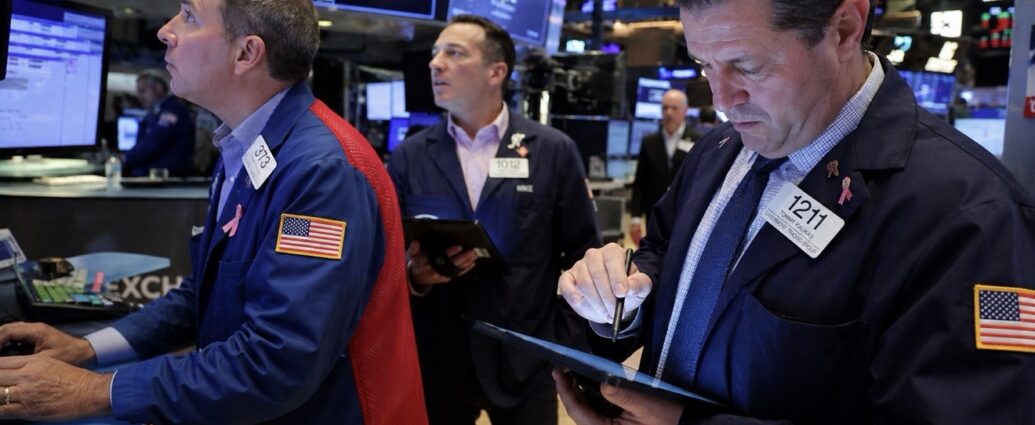
Federal Reserve Chair Jerome Powell is days from one of the most consequential decisions of his career: walk away from the central bank when his chairmanship ends May 15, or stay on as a governor through January 2028 and deny Donald Trump a working majority on the Fed board.

Friday’s Justice Department decision to drop its criminal probe into Powell removed the last condition he had set before deciding. By Sunday, holdout Sen. Thom Tillis (R-N.C.) had dropped his block on Kevin Warsh’s confirmation as the next chair.

Modern Fed chairs almost always walk when their chairmanships end. Powell told reporters in March he had “not made that decision yet” and would base it on “what I think is best for the institution and the people we serve.”

The Working Majority Math

If Powell leaves, Donald Trump fills a fourth seat on the seven-member board alongside his three other appointees: Michelle Bowman, Christopher Waller and Warsh.

That …

Full story available on Benzinga.com

This post was originally published here
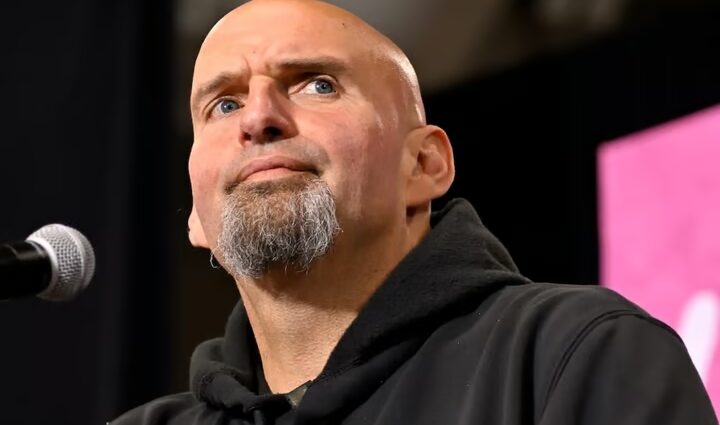
Nothing lasts forever.

This is especially true in the business world: Entrepreneurs and executives come and go, and industries and companies rise and fall.

These dynamics are very much at the core of TKer Stock Market Truth No. 9: There’s a lot of turnover in the stock market. Specifically, this observation concerns how stocks are regularly added to and removed from the market and the major indices.

But philosophically, Truth No. 9 also speaks to the many changes that long-lasting businesses experience during their time as going concerns.

People come and go 👋

Last Monday, Apple announced that Tim Cook, its CEO for 15 years, would step down from the top job in September.

This is a big deal as Cook oversaw many of the company’s wins, creating trillions of dollars of shareholder value. From the announcement:

He became CEO in 2011 and has overseen the introduction of numerous products and services, including new categories like Apple Watch, AirPods, and Apple Vision Pro, and services ranging from iCloud and Apple Pay to Apple TV and Apple Music. He was also instrumental in expanding existing product lines. Under Cook’s leadership Apple has grown from a market capitalization of approximately $350 billion to $4 trillion, representing a more than 1,000% increase, and yearly revenue has nearly quadrupled, from $108 billion in fiscal year 2011 to more than $416 billion in fiscal year 2025.

His departure surely has some investors concerned. Indeed, Apple shares fell 2.5% on the first trading day following the announcement, underperforming the market.

While leadership changes don’t always go as hoped, history also shows they can work out well. In fact, Apple is arguably the epitome of what shareholders hope for.

Cook had incredibly big shoes to fill in 2011 when he stepped in for visionary leader Steve Jobs. And he delivered.

“The fact of the matter is nobody is irreplaceable,” Berkshire Hathaway’s …

Full story available on Benzinga.com

This post was originally published here
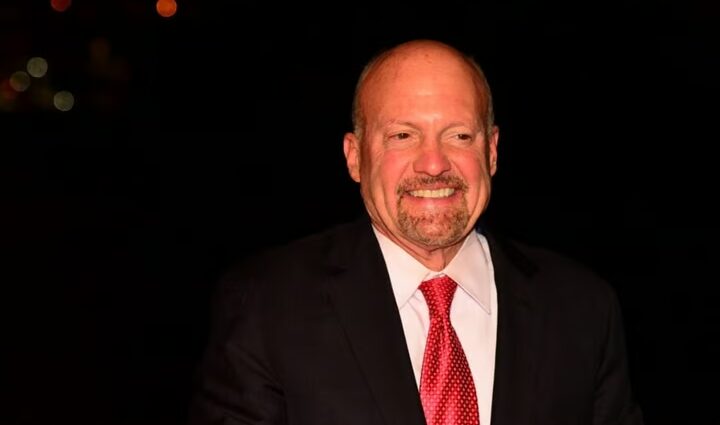
TORONTO, April 27, 2026 /CNW/ – Montfort Capital Corp. (“Montfort” or the “Company”) (TSXV:MONT), announces that Janice Lederman and Paul Geyer have resigned from the Company’s Board of Directors, effective April 26, 2026.

“We thank both Jan and Paul for their years of service as Montfort directors and committee members,” said Howard Atkinson, Chair of the Board of Directors. “Their contributions to the Company have been meaningful.”

The Company does not intend to appoint replacement directors at this …

Full story available on Benzinga.com

This post was originally published here
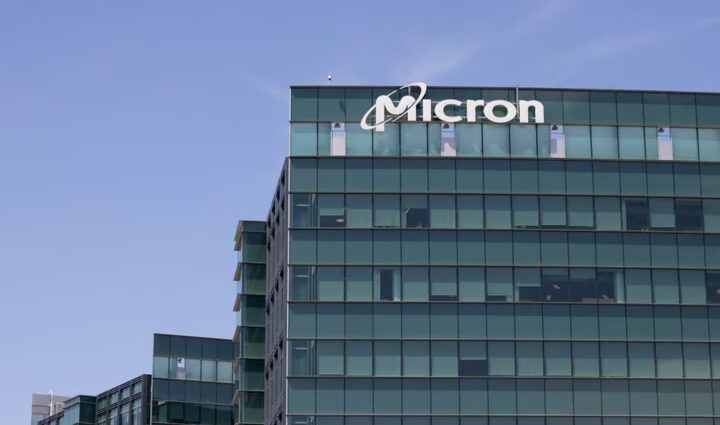
Thrive Capital has bought a small stake in the San Francisco Giants through a new holding company called Thrive Eternal.

Thrive Eternal is a permanent holding company that will focus on assets with “qualities that cannot be replicated by technology,” founder Josh Kushner wrote in a post on X. 

“Thrive Eternal is built on the belief that the most enduring of these assets share common characteristics: they benefit from long-term stewardship, they compound through cultural resonance, and they are enhanced by technology rather than displaced by it,” Kushner wrote.

The vehicle is funded by existing investors in Thrive’s venture capital and growth equity funds. 

Details on the transaction were not disclosed, although Axios reported that it is for a sub-10% stake and includes both primary and secondary purchases. 

Sixth Street Partners and Arctos, two of the club’s existing institutional owners, have kept their stake in the franchise.The deal remains subject to MLB approval.

Big Names Join The Strategy

Last week, it was …

Full story available on Benzinga.com

This post was originally published here

Asian data center operator Princeton Digital Group (PDG), which is backed by private equity firm Warburg Pincus, is considering a minority sale.

PDG has hired Goldman Sachs to conduct a strategic review, which could result in new equity partners, Bloomberg reported. The process is still in its early stages and plans could change.

In 2017, Rangu Salgame and Varoon Raghavan founded PDG in partnership with Warburg Pincus. PDG develops and operates data centers in Singapore, Japan, India, Indonesia, China, Malaysia and South Korea. The company has more than 20 data centers across seven countries and “accelerates the growth of cloud and AI for global hyperscalers and enterprises,” its website states.

data-variant=”card”
data-news-mode=”manual”

>


Read Also:

KKR, Capital Group …

This post was originally published here

Steve Eisman, the investor who shorted subprime mortgages before the 2008 collapse, said the next credit cycle is brewing inside private equity’s software loan book, and generative AI is the trigger.

Eisman pressed Apollo Global Management Inc (NYSE:APO) co-head of global originations Chris Edson on his “Real Eisman Playbook” podcast about how the buyout industry’s largest single sector exposure may be quietly unraveling.

A Third Of Every Buyout

Software has accounted for roughly a third of all private equity buyouts over the past five to six years, Edson said, with total capital exposure across the direct lending market running into “hundreds of billions of dollars.”

That matters because the loans behind those buyouts were underwritten on the assumption that SaaS revenue is the most reliable cash flow in business.

Eisman summarized the model as “future number of seats multiplied by the average price,” calling …

Full story available on Benzinga.com

This post was originally published here
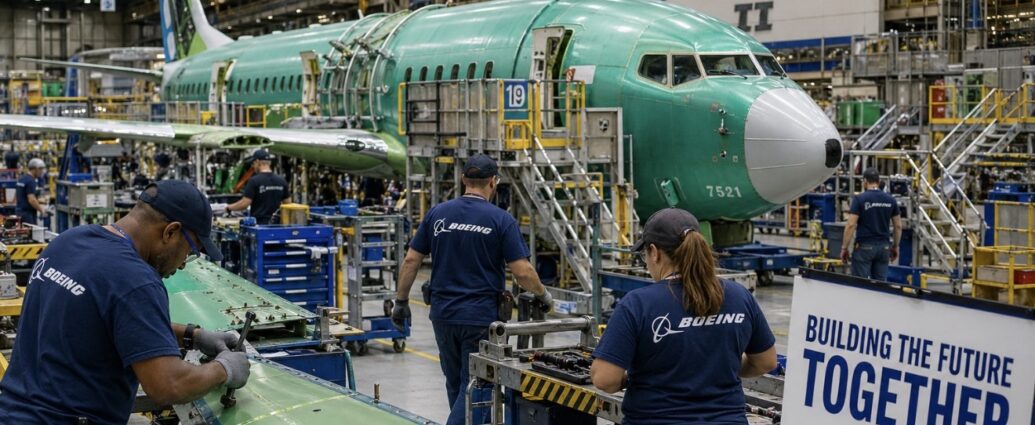
Gold enthusiast Peter Schiff said Monday that President Donald Trump has more in common with Rep. Alexandria Ocasio-Cortez (D-N.Y.) than Ronald Reagan, after the president floated using taxpayer money to buy Spirit Airlines out of bankruptcy.

If the proposal is sincere, Schiff posted on X, “either Trump doesn’t understand how capitalism works or doesn’t believe in its principles.”

The $500 Million Lifeline

Trump confirmed Thursday from the Oval Office that the government is weighing a taxpayer-funded takeover of the carrier, telling reporters he would “do it to save jobs” at the right price.

A tentative deal would hand Spirit a $500 million loan in exchange for warrants that could give the U.S. government as much as a 90% stake, according to CNBC. Spirit’s lawyer told a New York bankruptcy court Thursday that talks were at an advanced stage.

The airline …

Full story available on Benzinga.com

This post was originally published here

Major global consumer goods companies are entering a new phase of pricing pressure as surging oil prices ripple through supply chains, threatening to derail a fragile recovery in consumer demand just months after inflation showed signs of easing.

Procter & Gamble Co. (NYSE: PG) warned that higher energy costs could cut roughly $1 billion from its fiscal 2027 profits, underscoring how deeply crude oil prices—now hovering above $106 per barrel—are feeding into packaging, transportation, and raw material costs. Company executives signaled that the renewed pressure is arriving at a particularly sensitive moment, as consumers had only recently begun stabilizing spending patterns after years of inflation.

The warning reflects broader stress across the consumer packaged goods sector. Reckitt Benckiser Group Plc (LSE: RKT) and Keurig Dr Pepper Inc. (NASDAQ: KDP) both reported a noticeable shift in consumer behavior, with shoppers increasingly trading down to private-label alternatives as price sensitivity resurfaces. Analysts say the trend raises the risk that further price increases could suppress volumes, reversing the modest demand recovery seen earlier in 2026.

“The fragile demand recovery is at risk of stalling if companies pass on higher input costs too aggressively,” Savyata Mishra, a consumer goods reporter, noted in recent sector coverage, highlighting the delicate balance companies now face between protecting margins and maintaining sales volumes.

The renewed cost pressures are closely tied to geopolitical developments. Oil markets have tightened amid ongoing disruptions linked to Iran and rising tensions surrounding key shipping routes, particularly the Strait of Hormuz. Helima Croft, Head of Global Commodity Strategy at RBC Capital Markets, said the impact is already cascading through global supply chains. “Sustained energy shocks from the Strait of Hormuz are amplifying cost pressures for everyday consumer goods, forcing companies to navigate a delicate balance between margins and volume,” Croft explained.

At the same time, consumer sentiment remains fragile. Recent data shows U.S. household confidence hovering near multi-year lows, with persistent concerns about affordability and economic uncertainty. Early corporate earnings are reinforcing that caution. Domino’s Pizza Inc. (NYSE: DPZ) lowered its full-year same-store sales guidance to low single digits, citing what it described as an “intensifying macro and competitive environment,” a move that sent shares sharply lower and signaled weakening discretionary spending.

“Verizon showed resilience in essentials like wireless, but Domino’s caution on discretionary spending highlights pockets of pressure among consumers,” said Brooke DiPalma, senior reporter at Yahoo Finance, reflecting the uneven nature of current consumption trends.

Against this backdrop, financial technology firms are attempting to cushion the impact. Affirm Holdings Inc. (NASDAQ: AFRM) announced the rollout of what it calls “agentic credit,” an AI-driven underwriting system designed to evaluate each transaction in real time rather than relying on traditional credit scores. The company says the model allows it to extend credit more dynamically while managing risk in an environment of higher borrowing costs.

“Agentic credit flips the economics by repricing risk at the transaction level, saying yes to more consumers banks traditionally overlook and no to overextended buyers instantly,” said Libor Michalek, President of Affirm, describing the system as a fundamental shift away from decades-old lending frameworks.

The move comes as consumers face mounting financial pressure from both elevated interest rates and rising costs tied to energy. Payment networks are also adjusting to shifting expectations. Executives at Visa Inc. (NYSE: V) emphasized in recent remarks that financial services must increasingly operate “at the speed of need,” reflecting a demand for more flexible, real-time access to credit and payments.

Market strategists say such innovations could play a key role in sustaining spending levels, even as macroeconomic headwinds intensify. “Innovations like this could help sustain consumer spending resilience even as macro headwinds from energy costs persist,” said Mark McCormick, Head of Equity Strategy at BMO Capital Markets.

Still, the broader global picture remains mixed. In the United Kingdom, retail sales posted their sharpest year-over-year decline in more than four decades, according to the Confederation of British Industry, with inflation fears tied to Middle East tensions weighing heavily on consumer activity. The divergence between essential and discretionary spending continues to widen, creating an increasingly complex landscape for global brands.

Investors are now turning their attention to upcoming earnings from major retailers and technology giants for clearer signals on pricing power and demand durability. “How Amazon, Walmart, and others discuss pricing power and demand will be critical,” said Lori Calvasina, Head of U.S. Equity Strategy at RBC Capital Markets, pointing to this week’s earnings cycle as a key inflection point.

The interplay between rising energy costs, cautious consumers, and evolving financial tools is shaping a new phase for the global economy—one where resilience is being tested in real time. Whether companies can successfully navigate this environment without triggering a broader demand slowdown will likely define the trajectory of consumer markets in the months ahead.

JBizNews Desk

Washington — Federal Reserve policymakers convene this week in what may be Jerome Powell’s last meeting as Chair, with markets pricing in a near-certain hold on benchmark interest rates as elevated energy prices from the Iran conflict cloud the inflation outlook and complicate the path for future policy easing.0

The Federal Open Market Committee is widely expected to leave the target range for the federal funds rate unchanged at 3.50%–3.75% on Wednesday, extending the pause in place since December 2025. Isabelle Mateos y Lago, chief economist at BNP Paribas, highlighted the growth risks stemming from the Middle East standoff. “Energy shocks are amplifying uncertainty across the global economy, and the Fed will likely emphasize data dependence while acknowledging clear upside risks to inflation from sustained oil prices,” Mateos y Lago said.5

Kevin Warsh, President Trump’s nominee to succeed Powell, appears closer to confirmation after Senator Thom Tillis dropped his hold on the nomination. This development potentially sets the stage for a leadership transition as soon as mid-May. Sonal Desai, executive vice president for fixed income at Franklin Templeton, stressed the importance of maintaining Fed credibility during this period of transition. “Powell’s final acts will focus on anchoring inflation expectations; any dovish tilt in communications could be misinterpreted amid the current oil volatility and geopolitical tensions,” Desai cautioned.3

Oil prices have climbed sharply in recent sessions, with Brent crude trading above $107–$108 per barrel following disruptions and limited tanker traffic through the Strait of Hormuz. Stephen Schork, principal at The Schork Group, noted that sustained supply constraints could significantly complicate the Fed’s task. “Higher-for-longer energy costs risk re-anchoring inflation expectations at elevated levels, forcing policymakers to remain patient even as other parts of the economy show resilience,” Schork warned.10

The timing of this week’s decision is particularly notable as it coincides with the heaviest stretch of corporate earnings from major technology firms. More than $28 trillion in S&P 500 market capitalization — including reports from Meta Platforms, Microsoft, Alphabet, Amazon, and Apple — is set to report. Lori Calvasina, head of U.S. equity strategy at RBC Capital Markets, expects the central bank to carefully balance caution on growth with vigilance on price pressures. “Markets have proven resilient, but Powell will avoid signaling premature easing while the Iran situation and its impact on energy costs remain fluid,” Calvasina said.7

Broader economic implications from a steady policy stance extend directly to American households and businesses. Elevated borrowing costs for mortgages, credit cards, auto loans, and corporate investment could persist, potentially weighing on consumer spending and housing activity. Mark McCormick, head of equity strategy at BMO Capital Markets, views the week as pivotal for risk assets. “A steady Fed combined with strong results from the Magnificent Seven could reaffirm the soft-landing narrative, but oil remains the wildcard that could alter the trajectory for both inflation and growth expectations,” McCormick added.

Analysts note that Jerome Powell’s communications this week will be scrutinized not only for policy signals but also for their historical weight as potentially his final formal address in the role. His term as Chair officially ends on May 15, 2026, though he will continue serving on the Board of Governors. Paul Tudor Jones, founder of Tudor Investment Corp., has publicly highlighted the significance of leadership continuity at the Fed during turbulent times. “The transition from Powell to Warsh represents a critical juncture; markets will be listening for any hints on how the new guard might approach the balance between inflation control and economic support,” observers aligned with such views have noted in recent commentary.

The geopolitical backdrop adds another layer of complexity. With Brent crude up significantly year-to-date amid the Iran-related disruptions, economists warn of second-round effects on core inflation measures. Goldman Sachs economists have flagged that prolonged energy shocks could delay anticipated rate cuts into the second half of 2026 or later. This outlook aligns with CME FedWatch Tool data showing near-100% probability of no change this week and only modest easing priced in for later meetings.7

For businesses, steady rates mean continued elevated financing costs, which could influence capital expenditure decisions — particularly in interest-rate-sensitive sectors like real estate and technology infrastructure. Dan Ives, managing director at Wedbush Securities, remains constructive on the tech sector’s ability to weather the environment. “AI-driven productivity gains and strong balance sheets should help major companies navigate this period of policy caution,” Ives observed.

Everyday consumers are already feeling the pinch from higher gasoline prices, now averaging near $4.10 per gallon in many regions according to AAA data. This feeds directly into higher transportation and logistics costs, which ripple through to grocery bills and overall cost of living. Lori Calvasina of RBC emphasized that the Fed’s measured approach aims to avoid exacerbating these pressures through premature policy shifts.

As the FOMC prepares its statement and Jerome Powell takes the podium for what could be his swan song press conference, the focus will remain on data dependence and flexibility. Analysts broadly expect a measured, balanced tone that prioritizes continuity amid overlapping shocks from geopolitics, energy markets, and the corporate earnings cycle. The outcome will set the tone not only for the remainder of 2026 but also for the incoming leadership under Kevin Warsh.

JBizNews Staff | April 27, 2026

Procter & Gamble Co (NYSE:PG) reported better-than-expected third-quarter financial results.

Procter & Gamble reported quarterly earnings of $1.59 per share which beat the analyst consensus estimate of $1.56 per share. The company reported quarterly sales of $21.235 billion which beat the analyst consensus estimate of $20.516 billion.

“We delivered a solid acceleration in top-line results in our fiscal third quarter, with broad-based growth across product categories and regions,” said Chief Executive Officer Shailesh Jejurikar.

Procter & Gamble affirmed 2026 adjusted EPS guidance of $6.83 to $7.09, versus the $6.95 analyst estimate. The firm also reiterated its 2026 sales outlook of $85.127 …

Full story available on Benzinga.com

This post was originally published here

Allianz Global Investors (AllianzGI) announced the first close of its Allianz Asia Pacific Infrastructure Credit Fund, with $270 million in commitments.

This new fund complements AllianzGI’s existing Asia Pacific secured lending business and is designed for institutional investors seeking debt exposure to infrastructure borrowers in South and Southeast Asia. The final close is expected next year, according to a press release.

The fund targets financing for projects in renewable energy, energy transition, data centers, telecom networks, transportation, supply chain infrastructure and environmental services such as water and waste management. The strategy focuses on senior and unitranche loans backed by infrastructure assets, prioritizing steady cash flow generation and strong collateral protection.

AllianzGI’s Asia private credit team, led by Sumit Bhandari, will manage the vehicle in collaboration with the firm’s global infrastructure debt experts. Bhandari noted the inaugural fund close was anchored by commitments from the International Finance Corporation (IFC) and the Indonesia Investment Authority (INA), marking the launch of a new infrastructure-focused product for the region.

“South and Southeast Asia continue to present compelling opportunities, supported by strong structural demand for infrastructure and a clear role for private credit in addressing financing gaps. We believe this fund is well-positioned to provide investors with access to resilient, asset‑backed income while supporting the development of essential infrastructure across the region,” Bhandari said.

This post was originally published here
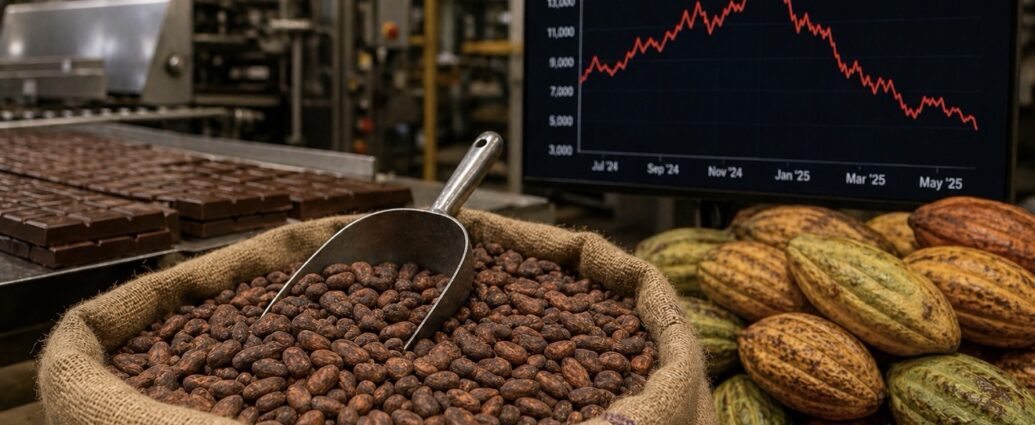
Easterly Government Props (NYSE:DEA) released first-quarter financial results and hosted an earnings call on Monday. Read the complete transcript below.

This transcript is brought to you by Benzinga APIs. For real-time access to our entire catalog, please visit https://www.benzinga.com/apis/ for a consultation.

View the webcast at https://edge.media-server.com/mmc/p/uin54vsf/

Summary

Easterly Government Props reported a 16% year-over-year increase in revenue to $91.5 million for Q1 2026, driven by recent acquisitions and stable lease conditions.

The company’s EBITDA grew by 12% to $57.3 million, with FFO per share increasing by 7% to $0.76, reflecting strong earnings growth.

Strategically, the company completed its first mezzanine investment tied to a VA outpatient clinic, with a 12% yield, highlighting a focus on capital allocation and long-term ownership opportunities.

The company maintained an occupancy rate of 97% and a weighted average lease term of 9.4 years, indicating strong operational performance.

Easterly Government Props raised the low end of its full-year guidance, now ranging from $3.06 to $3.12 per share, citing disciplined capital allocation and ongoing development projects.

Management emphasized the stability of its portfolio, supported by government functions, and the potential for future growth through strategic acquisitions and developments.

Full Transcript

OPERATOR

Welcome welcome to the Easterly Government Properties

Cole Barter

Good morning. Before the call begins, please note that certain statements made during this conference call may include statements that are not historical facts and are considered forward looking statements within the meaning of the Private Securities Litigation Reform act of 1995. Although the company believes that its expectations as reflected in any forward looking statements are reasonable, it can give no assurance that these expectations will be attained or achieved. Furthermore, actual results may differ materially from those described in the forward looking statements and will be affected by a variety of risks and factors that are beyond the Company’s control, including without limitation those contained in the company’s most recent Form 10K filed with the SEC and in its other SEC filings. The company assumes no obligation to update publicly any forward looking statements. Additionally, on this conference call, the Company may refer to certain non GAAP financial measures such as funds from operations, core funds from operations, and cash available for distribution. You can find a tabular reconciliation of these non GAAP financial measures to the most comparable current GAAP numbers in the Company’s earnings release and separate Supplemental Information package on the Investor Relations page of the company’s website@ir.easterlyreit.com I would now like to turn the conference call over to Darrell Crait, President and CEO of Easterly Government Properties.

Darrell Crait (President and CEO)

Thank you, Cole. Good morning everyone. We continue to operate in a market defined by volatility, whether it’s interest rates, geopolitical uncertainty or broader capital market disruption. In these environments, investors tend to focus on businesses with durable cash flows, strong tenant credit, and disciplined capital allocation. We believe Easterly continues to stand out in each of these areas. Our portfolio supports essential government functions that continue regardless of economic cycles or external events. These are facilities tied to critical federal missions, high credit, state and municipal agencies, and select defense related tenants. The durability of those missions and the strength of those credit relationships continues to provide a stable foundation for our business. Importantly, we believe our portfolio is often misclassified alongside traditional office real estate. That comparison misses the specialized nature of what we own from our FBI offices in places like El Paso, New Orleans and Pittsburgh. These facilities include secure classified environments, SCIFs and other controlled spaces where sensitive law enforcement and intelligence work is conducted. These are highly tailored facilities with support agents that support agency specific operations and are difficult to replicate. They serve essential functions, benefit from long duration leases, and are backed by some of the strongest credit tenants in the world. Against that backdrop, we remain focused on a straightforward strategy growing earnings, steadily allocating capital thoughtfully, and continuing to improve overall portfolio quality over time. Over the past several years we’ve taken deliberate steps to strengthen the company and including leadership transitions, resetting the dividend and maintaining additional capital internally. These decisions are not always easy, but they position us to enter 2026 from a position of strength, supporting a robust and sustainable dividend while continuing to deliver consistent earnings growth that outperforms our peers. Turning to the quarter, our portfolio continued to perform at a high level. Occupancy continues to outpace our REIT peers at 97% and weighted average lease terms stood at approximately 9.4 years. These metrics reflect both the quality of our assets and the mission critical nature of the work taking place inside our buildings during the quarter. We also completed our first mezzanine investment tied to the development of a new VA output patient clinic. This transaction reflects how we are thinking about capital allocation in today’s environment. While traditional acquisitions remain central to our long term growth strategy, we are also identifying adjacent opportunities that can generate attractive current returns while preserving future optionality. This investment is expected to deliver a 12% yield, is backed by a committed federal tenant, and allows us to remain connected to an asset that may ultimately fit in our long term term ownership strategy. VA facilities represent one of our largest portfolio exposures and that’s by design. These assets are highly specialized, tend to be very sticky, and are backed by the credit quality of the federal government. We were recently at our VA Jacksonville facility and it was filled with veterans receiving the care and services they need. An important reminder that these aren’t traditional office buildings but essential infrastructure Supporting Critical mission We also believe that the Administration’s increased focus on defense spending represents an additional tailwind for the company, particularly as it relates to external growth opportunities. As we look to the year ahead, we are encouraged by the strength of our first quarter performance and our ability to raise the low end of guidance. While broader market volatility remains, our priorities remain unchanged, disciplined capital allocation, operational execution and consistent earnings growth. We believe our portfolio offers investors a compelling combination of income stability, long term growth and exceptional tenant credit quality with a leased portfolio that generates a double A revenue stream. We look forward to working with the credit agencies on achieving an investment grade rating in 2027. To wrap up, we’re pleased with how the year started. We’re growing earnings, maintaining strong occupancy, allocating capital thoughtfully and continuing to improve portfolio quality. We believe that disciplined execution will continue creating long term value for shareholders. I want to thank our team for their continued focus and execution, as well as our tenants and shareholders for their ongoing trust and partnership. With that, I’ll turn the call over to Alison.

Alison

Thanks Darrell and good morning everyone. I’m pleased to report the financial results for the first quarter of 2026 on this sunny Monday morning. The underlying growth in the business is clear. Total revenue increased to $91.5 million, up from $78.7 million in the first quarter of 2025, a 16% year over year increase. This is driven primarily by acquisitions completed over the last 12 months, contractual rent growth and continued lease stability across the portfolio. EBITDA also grew meaningfully, increasing from $57.3 million from $51 million last year, representing approximately 12% growth, reflecting the expanding earnings power of the platform. Most importantly, that growth continued to translate into higher earnings for shareholders on a per share even as we raised capital to support portfolio expansion on a fully diluted basis. Net income per share was $0.03. FFO per share increased to $0.76, up from $0.71 representing approximately 7% growth, while core FFO per share increased to $0.77 from $0.73 or roughly 5.5% growth year over year. Our cash available for distribution was approximately $32.2 million. In terms of our active development projects, we are on track to meet previously communicated timelines. Our Fort Myers, Florida Lab project is expected to complete and commence its lease in the fourth quarter of 2026. That will be followed by the Flagstaff Courthouse in Arizona which is scheduled to deliver in the first quarter of 2027. Finally, the Medford Courthouse in Oregon is anticipated to complete during the second half of 2027. The delivery of these development projects are natural de-leveraging points towards our medium term cash leverage goals as the NOI comes online and any agreed upon lump sums are received. Turning to leverage, our adjusted net debt to annualized quarterly pro forma EBITDA was 7.3 times edging higher during the quarter due primarily to the timing of equity relating to our Commonwealth of Virginia acquisition. Given the share price volatility, the broader markets experienced in the first quarter, we elected to defer issuing the majority of that equity and we expect to complete the issuance by the end of the year. As Darrell mentioned, during the quarter we completed our first mezzanine loan investment providing $7 million of financing for the development of a new 120,000 square foot VA outpatient clinic in Kennewick, Washington. The loan carries an anticipated 12% yield and supports a 20 year firm term lease commitment from the Department of Veterans affairs with an expected project completion date of October 2028. The transaction is backed by an experienced VA and GSA developer as sponsor who our team has known for decades and Easterly has transacted with multiple times. This allows us the opportunity to acquire the property upon completion as well as and enables us to generate attractive current returns while remaining closely aligned with assets that fit our long term portfolio strategy. With the successful closing of the mezzanine loan during the quarter, we are raising the low end of our full year guidance by one penny from $3.05 to $3.06 resulting in a revised full year range of $3.06 to $3.12. While performance year to date is trending modestly ahead of our initial expectations, we continue to take a disciplined and cautious approach as we evaluate the remainder of the year, particularly given the ongoing volatility in the interest rate and broader equity market environment. At the midpoint, our guidance assumes that we will have 50 to $100 million of gross development related investment during the year and $50 million in wholly owned acquisitions. We continue to maintain a $1.5 billion acquisition and development pipeline and we are beginning to make meaningful progress on potential transactions that meet our investment criteria and can be executed at a spread to our cost of capital, either independently or through a partnership. We’re staying disciplined on capital allocation, focused on retaining our tenants and executing across our development pipeline, all in line with the strategic objectives we’ve communicated. These are the fundamentals behind Easterly’s stable and growing cash flows and we believe this will drive shareholder value. Thank you for your time this morning. We appreciate your partnership and look forward to updating you on our progress. With that, I will now turn the

Shannon (Moderator)

call back to Shannon.

OPERATOR

Thank you. As a reminder to the analysts to ask a question, you will need to press star 11 on your telephone. Please stand by while we compile the Q and A roster. Our first question is from Seth Burgay of Citi. Please proceed with your question.

Seth Burgay (Equity Analyst at Citi)

Hi. Thanks for taking my question. I guess just starting off with the mezzanine Lending piece, you know, is it 7 million kind of a one off transaction or is there something you would look to kind of do more of? And how should we think about kind of the sizing of that if that’s something that you would kind of, know, think about doing more of in the future?

Darrell Crait (President and CEO)

Yeah, I mean, look it’s a terrific way for us to get involved early in a project and I think we could see ourselves allocating about $30 million to this pipeline. The VA pipeline over the next four, five, six years is quite significant. There’s a set of terrific, well respected developers who really have a knack for building these. Well, and as you can see, at $7 million, roughly $30 million allocated to this effort would get us involved …

Full story available on Benzinga.com

This post was originally published here
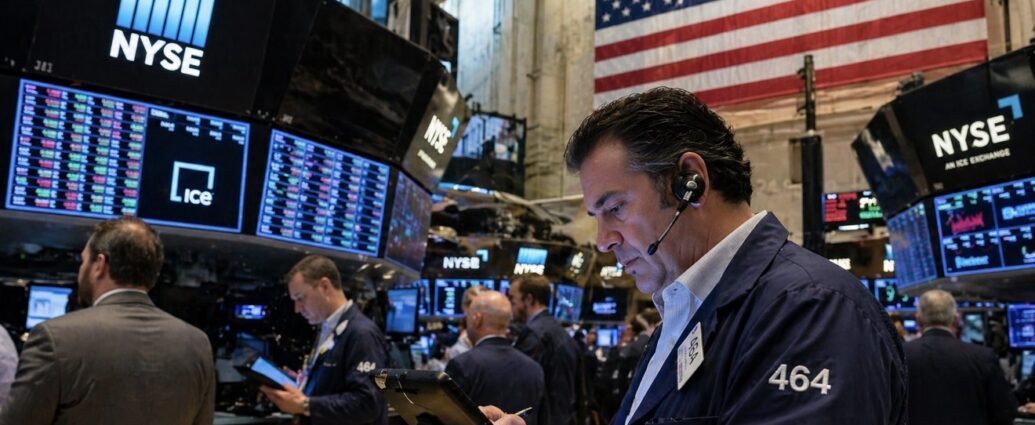
What the Luddites, the ATM, and the music industry teach long-term investors

The headlines are loud. The record is louder.

The narrative has decided that AI will devastate software companies, their workforces, and by extension, your portfolio. CBS News, CNBC, and Harvard Business Review have all written the obituary.

Nearly 55,000 U.S. layoffs are attributed to AI in 2025 alone, and here’s a twist worth noting: many of those layoffs are being driven not by AI’s actual performance, but by companies anticipating its potential. The tone is equal parts alarm and inevitability, as if the outcome is predestined.

Maybe. But certainty has a habit of making itself look foolish.

The Luddites were right about the pain

In the English textile towns of Nottinghamshire, Yorkshire, and Lancashire, between 1811 and 1816, a group of skilled weavers and textile workers took matters into their own hands. They called themselves Luddites, after Ned Ludd, a young apprentice who was rumored to have wrecked a textile machine in a fit of rage back in 1779. There’s no evidence Ludd actually existed, but just like Robin Hood, he became the mythical leader of the movement.

The protesters claimed to be following orders from “General Ludd,” and they smashed power looms across the countryside to save their wages and their way of life.

They weren’t wrong about the short-term pain. The machines were taking their jobs, their wages, and their dignity. The British government responded by making machine-breaking a capital offense. Seventeen men were executed. The movement was crushed.

And yet. Over the following decades, power looms didn’t shrink the textile workforce. They expanded it. Lower costs drove demand, created factories, and built cities. In the decades that followed, those cities created entirely new categories of work that no one had imagined: railway engineers, telegraph operators, and factory managers running workforces of thousands.

The Luddites lost the argument, but it took a full generation for anyone to notice, and by then, most of the original workers were long gone.

The bank tellers didn’t see it coming

Bank teller employment in the United States once peaked at nearly 600,000 jobs. Today, there are roughly half that number, and the Bureau of Labor Statistics projects a further 13% decline by 2034. When ATMs arrived in the 1970s, conventional wisdom was swift and decisive: bank tellers were finished. Why pay a person to do what a machine could do for less? Insightful and absolutely wrong.


As economist James Bessen of Boston University documented, teller employment actually increased as ATM deployment accelerated. ATMs reduced the cost of operating a branch, and banks responded by opening 43% more branches to compete for greater market share. The machine took the routine cash transactions. …
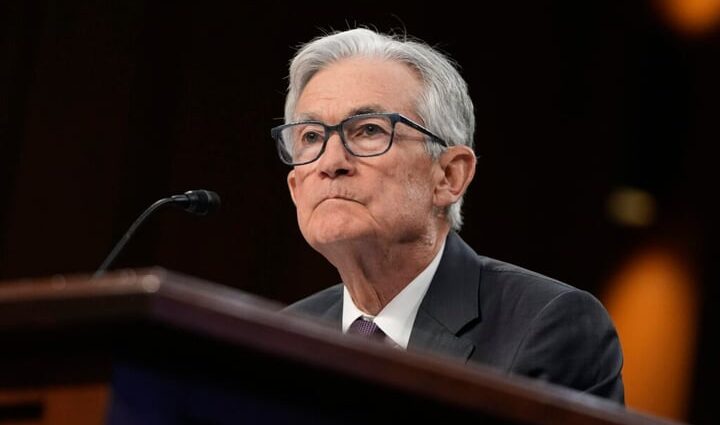

Full story available on Benzinga.com

This post was originally published here

U.S. stocks traded lower midway through trading, with the Dow Jones index falling around 0.1% on Monday.

The Dow traded down 0.13% to 49,166.76 while the NASDAQ fell 0.16% to 24,796.92. The S&P 500 also fell, dropping, 0.02% to 7,163.54.

Leading and Lagging Sectors

Communication services shares jumped by 1.1% on Monday.

In trading on Monday, consumer discretionary stocks fell by 1%.

Top Headline

Verizon Communications (NYSE:VZ) reported better-than-expected first-quarter earnings and raised its FY26 adjusted EPS guidance above estimates.

Verizon reported quarterly earnings of $1.28 per share which beat the analyst consensus estimate of $1.20 per share. The company reported quarterly sales of $34.400 billion which missed the analyst consensus estimate of $34.836 billion.

Equities Trading UP
           

  • Youxin Technology Ltd (NASDAQ:YAAS) shares shot up 52% to $1.41 after the company agreed to acquire 18% of the equity interests in YATOP in consideration …

Full story available on Benzinga.com

This post was originally published here

Trump’s Next Tariff Wave Begins Tomorrow: USTR Hearings Open On New Section 301 Duties As Radio Flyer, American Manufacturers Brace For Impact

April 27, 2026 | JBizNews Desk

The Trump administration’s trade strategy enters a new and more durable phase this week, as the U.S. Trade Representative (USTR) opens the first in a series of public hearings that will shape the next generation of American tariffs — this time built on legal authority that has already withstood judicial scrutiny.

The hearings, scheduled for April 28 and May 5, follow a major U.S. Supreme Court ruling in February that struck down tariffs imposed under the International Emergency Economic Powers Act (IEEPA). Writing for the majority in a 6–3 decision, Chief Justice John Roberts ruled that “the power to impose tariffs rests with Congress alone,” forcing the administration to rebuild its trade framework.

Now, that replacement is taking shape under Section 301 of the Trade Act of 1974 — a far more established and court-tested authority.

From Emergency Powers to Permanent Policy

In response to the court ruling, the administration quickly invoked Section 122 to impose a temporary 10% global tariff — a stopgap measure limited to 150 days — while launching sweeping Section 301 investigations targeting practices across more than 75 countries.

Those investigations focus on two core issues: failures to prevent forced labor in supply chains and structural overcapacity in global manufacturing. Unlike IEEPA, Section 301 provides a clear legal pathway for tariffs, with no statutory cap on rates and no expiration timeline, making it significantly harder to challenge in court.

Trade experts note that Section 301 was the same mechanism used to impose tariffs on China during Trump’s first term — measures that remain in place today at rates ranging from 7.5% to 100% on many goods.

Analysts at the Peterson Institute for International Economics say the current investigations are intentionally broad, covering an estimated 99% of U.S. imports, effectively replicating — and potentially expanding — the reach of the previous tariff regime under stronger legal footing.

The “Radio Flyer” Effect on Everyday Business

The real-world implications are already coming into focus.

Industry observers have pointed to Radio Flyer, the iconic American wagon brand, as a clear example of how deeply the new tariffs could reach into consumer markets. While the brand is American, much of its manufacturing is based overseas — particularly in China — making it highly exposed to sustained import duties.

For companies like Radio Flyer, the shift to Section 301 tariffs represents more than a temporary cost increase. It signals a long-term restructuring of supply chains, where sourcing decisions made decades ago may no longer be economically viable.

With limited short-term alternatives, many businesses face difficult choices: absorb higher costs, pass them on to consumers, or invest heavily in shifting production.

Hearings That Will Shape the Outcome

The hearings opening tomorrow will play a critical role in determining how these tariffs are applied. The USTR has already requested consultations with governments across dozens of countries, and companies have submitted written comments outlining the potential economic impact.

The first hearing, beginning April 28, will focus on forced labor enforcement, followed by a second session on May 5 addressing global manufacturing imbalances.

Businesses that participate will have a chance to influence how tariffs are structured — including which industries are targeted and at what rates.

The $160 Billion Legal Fallout

At the same time, the administration is dealing with the financial consequences of the Supreme Court’s earlier ruling.

More than 2,000 lawsuits have been filed by companies seeking refunds for tariffs previously collected under IEEPA, with total claims estimated between $160 billion and $175 billion.

U.S. Customs and Border Protection (CBP) is currently developing a system — known as the Consolidated Administration and Processing of Entries (CAPE) — to manage potential refunds, though no timeline has been announced.

Trade advisors are urging companies to pursue claims through both litigation and administrative channels, as the process remains uncertain.

Despite the legal challenges, Treasury Secretary Scott Bessent has indicated the administration intends to maintain overall tariff revenue levels by combining multiple authorities, including Sections 122, 232, and 301 — ensuring that even if refunds are issued, the broader tariff structure remains intact.

A Structural Shift for U.S. Business

For American companies, the message is increasingly clear: tariffs are not being rolled back — they are being rebuilt.

What began as a contested use of emergency powers is now evolving into a long-term trade framework grounded in established law, with the potential to reshape global supply chains and pricing structures for years to come.

As the hearings begin, businesses across sectors — from manufacturing to retail — are preparing for a future where tariffs are not a temporary disruption, but a permanent feature of the economic landscape.

The companies that engage now may help shape that future. Those that do not may find themselves adapting to it.

— JBizNews Desk

FanDuel parent Flutter Entertainment (NYSE:FLUT) has lost more than $30 billion in market value since August as prediction markets pioneered by Kalshi and Polymarket reshape the U.S. wagering landscape.

The drawdown has wiped out more than half of Flutter’s market cap even as the company holds roughly 35% of the $17.5 billion U.S. online sports betting market, per researcher Eilers & Krejcik Gaming.

Investors appear to be pricing in a future where event contracts cannibalize traditional sportsbook volume.

How Kalshi Took 90% Of The Market

Weekly contract volume across U.S. prediction markets has jumped from roughly $100 million a year ago to more than $3 billion currently, per a Bank of America estimate cited by Bloomberg.

Kalshi controls more than 90% of that share.

FanDuel’s response, FanDuel Predicts, launched in all 50 states in January through a joint venture with CME Group (NASDAQ:CME), which holds 51% of …

Full story available on Benzinga.com

This post was originally published here
Norfolk Southern Corporation (NYSE:NSC) reported better-than-expected earnings for the first quarter on Friday.

The company posted quarterly revenue of $3.0 billion, in line with estimates. Diluted EPS declined 27% to $2.43, while adjusted diluted EPS was $2.65, down 1% from the prior year but above the $2.51 estimate.

“In the first quarter, our team stayed focused on what we could control, operating with discipline amid volatile volumes, severe winter weather, and a rapidly shifting macroeconomic environment including the dramatic rise in fuel prices in March,” said Mark George, president and chief executive officer of …

Full story available on Benzinga.com

This post was originally published here
Former White House AI czar David Sacks confirmed the structure of Elon Musk’s Cursor play on the All-In podcast Friday. By the end of 2026, SpaceX will either acquire the AI coding startup for $60 billion or pay it $10 billion to walk away.

Sacks, also a SpaceX investor, framed the $10 billion as the cost of a one-year option on the hottest application in AI.

The Hottest Application In AI

Cursor, built by Anysphere, has become the one of the leading IDE’s for AI-assisted coding. Its run rate hit $2 billion in February and is projected at $6 billion by the end of 2026, which would triple its top line in under a year.

It also defines a category that every foundation model lab now wants to own. Cursor was rumored to be raising at a $50 billion valuation before the SpaceX deal landed at $60 billion.

Cursor Trapped Between Codex And Claude Code

Cursor’s problem was that it ran on top of OpenAI and Anthropic …

Full story available on Benzinga.com

This post was originally published here

Norwood Financial (NASDAQ:NWFL) released first-quarter financial results and hosted an earnings call on Monday. Read the complete transcript below.

This content is powered by Benzinga APIs. For comprehensive financial data and transcripts, visit https://www.benzinga.com/apis/.

View the webcast at https://edge.media-server.com/mmc/p/w8iwwmki/

Summary

Norwood Financial reported a record net interest income of $24.6 million, marking a 38% increase from Q1 2025, with net income and earnings per share both showing significant growth.

The acquisition of Presence Bank was completed, increasing the company’s assets, loan portfolio, and geographic presence; integration activities are on track, with systems and branding efforts underway.

Strategic priorities for 2026 include completing the integration of Presence Bank, boosting operational efficiency using AI, strengthening the talent pool, and enhancing shareholder value.

The company’s margin improved by 8 basis points, and loan and deposit growth was noted, with a solid pipeline of loans expected to contribute positively.

Management is optimistic about 2026, expecting continued accretion to shareholder value faster than initially projected due to favorable interest rate movements and high-quality acquisitions.

Full Transcript

OPERATOR

Good day and thank you for standing by. Welcome to the Norwood Financial Corp. First quarter 2026 earnings call. At this time, all participants are in a listen only mode. After the speaker’s presentation, there will be a question and answer session. To ask a question during the session, you’ll need to press star 11 on your telephone. You will then hear an automated message advising your hand is raised to withdraw your question. Please press star 11 again. Please be advised that today’s conference is being recorded. I’d now like to hand the conference over to Mackenzie Jackson, Corporate Secretary. Please go ahead.

Mackenzie Jackson (Corporate Secretary)

Thank you, Liz. Good morning everyone and welcome to our first quarter 2026 earnings conference call. With me today are Jim Donnelly, our president and CEO, and John McCaffrey, our CFO. The press release we issued earlier this morning, together with the presentation material that accompanies our remarks is available on the Investor Relations section of our webpage. Comments made by by any participant on today’s call may include forward looking statements. These statements are subject to various risks and uncertainties and other factors that are difficult to predict. Actual results may differ materially from those expressed or implied and we assume no obligation to update any forward looking information. Please refer to our Most recent Form 10K and other subsequent reports filed with the SEC for more information about risks related to forward looking statements. During our discussion we may refer to certain non-GAAP financial measures. These measures are useful for analysts, investors and management to evaluate ongoing performance. A reconciliation of these measures to GAAP financial results is provided in our presentation materials. I will now turn the call over to Jim.

Jim Donnelly (President and CEO)

Thank you Mackenzie. Good morning everyone. We began 2026 with strong performance, extending the momentum we began to build last year. This was the first quarter that included results from the Presence bank acquisition, increasing our assets, loan portfolio, geographic presence and earnings power. I am proud of our team’s ability to focus on our mission to make every day better by serving our customers and communities while making significant progress on our integration activities. Net interest income was a record 24,600,000, an increase of 38% compared with the first quarter of 2025. Net interest income margin expanded by 38 basis points to 3.68%. It was a great quarter for the bank as we benefited from our repositioned bond portfolio and favorable interest rate movement. Net income and earnings per share increase improved 35% and 14% respectively on an adjusted basis with higher adjusted returns on average assets and tangible equity. I am pleased with our first quarter performance and remain optimistic that 2026 will be a great year for the Bank. During our fourth quarter earnings call, I introduced our 2026 strategic priorities. I would like to provide you with an update on these. The first priority is to successfully complete the Presence Bank integration. I am pleased to report that we are on plan with these activities. Our plans include driving uniform systems and operating practices across the new combined entity, uniting the acquired businesses and branches under our new brand, and engaging in open conversations across our locations and functions to identify and adopt the best in class policies that will enable us to better serve our communities while improving our results. Among our early accomplishments is the completion of our core integration unifying our IT and HR systems. We have also begun the work of unifying all acquired locations under our brand including signage, logos and other branded materials to drive consistency and unity across our organization. The integration requires a lot of planning, organization and executing across sites and functions to complete. While we have been actively integrating the systems, we have not taken our eye off serving our customers and communities which have resulted in impressive loan and deposit growth during the same period. I am proud of our team for going above and beyond to ensure our integration plans are being accomplished and for taking great care of our customers while doing so. Our second strategic priority is to increase operating efficiency and elevate the customer experience through AI. This is an area where you’re implementing best practices from Presidents bank and deploying their developed systems and processes across the combined organization. One item I am really excited about is the Commercial credit system which we will integrate in July. This uses embedded AI and machine learning to enhance the productivity of our talented credit officers by bringing automation, speed and quality to the process. For example, automatic spreading will allow our credit analysts to save time. Better reporting will provide our credit officers with helpful insights to make informed decisions and the ability to draft credit memos will improve the speed and quality of the documentation process. These benefits will enable our employees to perform higher value functions as well as underwriting deals more quickly to improve deal flow. Our third objective is to strengthen the talent pool and deepen our leadership bench. As I’ve met with our employees across the sites, including the newly added sites in Chester, Lancaster and Dauphin Counties, I am continually reminded of the great team we have and I firmly believe our key to success is our people. They are dedicated to serving the communities and working hard to find the ways to make every day better. The team became bigger and stronger during the quarter as we welcomed the former Presence Bank employees to our organization, including additions to our executive leadership team. I’m confident that together we can continue to deliver financial solutions that improve the lives of our customers and allowing them to achieve their financial goals. Our fourth and final priority is to ensure everything we do increases shareholder value. …

Full story available on Benzinga.com

This post was originally published here
Verizon Communications (NYSE:VZ) reported first-quarter financial results on Monday. The transcript from the company’s first-quarter earnings call has been provided below.

This transcript is brought to you by Benzinga APIs. For real-time access to our entire catalog, please visit https://www.benzinga.com/apis/ for a consultation.

Access the full call at https://edge.media-server.com/mmc/p/dszrcbrc/

Summary

Verizon Communications reported a 2.9% increase in total revenues to $34.4 billion for Q1 2026, with adjusted EPS growing 7.6% year-over-year to $1.28.

The company added 55,000 postpaid phone net adds, marking the first positive Q1 in 13 years, and achieved significant improvements in customer churn and acquisition costs.

Verizon Communications raised its 2026 guidance for adjusted EPS growth to 5-6% and expects postpaid phone net adds to reach the upper half of their 750,000 to 1 million range.

A comprehensive transformation program is underway, focusing on healthier growth, improved customer economics, and stronger cash generation, with specific initiatives in AI and operational efficiency.

Free cash flow for Q1 was approximately $3.8 billion, up 4% year-over-year, supporting continued investment in network excellence and shareholder returns.

Full Transcript

OPERATOR

Good morning and welcome to Verizon’s first quarter 2023 earnings conference call. At this time, all participants have been placed in listen-only mode and the call will be open for questions following the presentation. Today’s conference is being recorded. If you have any objections, you may disconnect at this time. I would now like to turn the call over to Colleen Ostrowski, Senior Vice President, Investor Relations.

Colleen Ostrowski (Senior Vice President, Investor Relations)

Thanks Brad. Good morning and welcome to our first quarter 2026 earnings call. I’m Colleen Ostrowski and on the call with me this morning are our Chief Executive Officer Dan Schulman and Tony Sciatis, our CFO. Before we begin, I like to point you to our Safe harbor statement which can be found in the earnings presentation and on our Investor relations website. Our comments this morning may include forward looking statements which are subject to risks and uncertainties. Factors that may affect future results are discussed in our Securities and Exchange Commission filings. This presentation also contains non-GAAP financial measures and you can find reconciliations of these measures in the materials on our website. Finally, as a reminder, the results of Frontier Communications are included in our financial and operating Results Beginning on January 20, 2026, the date we closed the Frontier acquisition. With that, I’ll turn it over to Dan.

Dan Schulman (Chief Executive Officer)

Thank you, Colleen and good morning everyone. When I joined Verizon, I had a simple but ambitious goal. I wanted Verizon to reclaim its market leadership. Obviously, there are a lot of things we need to do right to make that happen. We need to delight our customers and put them at the center of everything we do. We need to drive consistent and fiscally responsible subscriber and revenue growth. We need to keep more of our customers as measured by our churn rate and convert that into stronger, more predictable cash generation for our shareholders. With all that in mind, we ended last year with our strongest quarter of mobility and broadband net adds in six years. And we entered 2026 with a clear set of priorities, a step, functional improvement and guidance and a realistic plan. Today, our first quarter results show that our turnaround is not only progressing, it is gaining momentum, powered by a comprehensive transformation program that is reshaping how we operate and serve our customers. I’m also very pleased that our unions in the East recently ratified a new four year contract that we believe will enable us to better serve our customers. Let me start by saying we delivered a strong quarter across our core operating metrics and we translated that performance into solid operational and financial outcomes, some of which we haven’t seen in over a decade. I’ll briefly review the key highlights of the quarter, including the impact of the network outage we experienced earlier in January. Then I’ll walk through three key themes how we will continue to drive healthier growth, second, how we will accomplish that with meaningfully better customer economics, and finally, how that leads to improved cash generation. I’ll close with how these results and the transformation work underway Support an increase in our 2026 guidance for both our adjusted EPS growth and our postpaid phone Net adds. In the first quarter, total revenues grew 2.9% to $34.4 billion, while our reported mobility and broadband service revenue grew below our annual guided range. Our reported growth includes one time pressure of 80 basis points on our wireless service revenues from customer credits and other impacts related to our network outage. We ended the quarter with momentum with March mobility and broadband service revenue growing in the middle of our guidance range, with consumer wireless service revenue approximately flat year over year. We anticipate Q1 mobility and broadband service revenues will be the low point of 2026 and we are highly confident that our forecast for mobility and broadband service revenue growth is in line with our 2 to 3% guidance for the year. Importantly, the quality of our revenue is improving. We are purposely shifting our mix towards durable recurring service revenues and away from low margin highly promotional activity. We are prioritizing customer lifetime value over short term revenue maximization. The benefits of that approach are obvious when looking at the combination of positive postpaid phone net adds and better churn, lower acquisition and retention costs and higher free cash flow and adjusted EPS. We added 55,000 postpaid phone net ads in the quarter. That represents an improvement of over 340,000 postpaid phone net ads versus the same period a year ago. And it’s the first time in 13 years that Verizon has had positive postpaid phone net ads. In Q1, both consumer and business had significant improvements in postpaid phone net adds. Overall, we delivered almost half a million net adds across our mobility and broadband platforms. This is a strong continuation of the momentum we established in Q4 of last year and it is happening while we are also improving the overall quality and economics of our customer relationships. I’m particularly pleased to see the early results of our transformation efforts on our customer retention. Consumer postpaid phone churn in the quarter was 90 basis points, a sequential improvement of 5 basis points from Q4. Importantly, churn improved throughout the quarter and in March, consumer postpaid phone churn improved further to below 85 basis points. That is a significant improvement both sequentially from Q4 and within the quarter, and it reversed the upward pressure we had seen in churn over the past several years. As expected, when we stop imposing blunt price increases without corresponding value on our customers and begin to remove friction from the end to end customer experience, they reward us with their loyalty. At the same time, we are acquiring and retaining customers far more efficiently. Our cost of acquisition and retention in March was down approximately 35% relative to the end of Q4, and we expect to maintain a lower cost of acquisition and retention as we look forward. I would point out that we accomplished these meaningful cost reductions while still delivering increasingly positive postpaid phone net ads versus a year ago. In other words, we are no longer predominantly reliant on expensive promotions to drive our growth. We are growing and we are doing so in a much more disciplined, repeatable and fiscally responsible manner. We of course retain the flexibility and conviction to defend our base and have a large war chest if necessary to react to competitive moves in the market. These trends in churn and unit economics are lifting our consumer lifetime value and are already flowing through to the bottom line and into our free cash flow. I’d also point out that a lower cost of acquisition will benefit our future revenue growth as the headwinds of promotion amortization finally begin to subside. Adjusted earnings per share for the quarter were $1.28, up 7.6% year over year. Our highest adjusted EPS growth rate in over four years free cash flow was approximately $3.8 billion, up 4% year over year and represents a strong start to the year. Our performance is consistent with and in a few key areas ahead of the guidance we laid out for 2026, driven by a better customer experience and operating efficiency. It is also the foundation for the capital allocation priorities we have outlined. Investing to maintain our network excellence and our overall value proposition, maintaining our ironclad commitment to our dividend, steadily reducing our leverage and returning capital to our shareholders. Now let me come back to the three themes I mentioned earlier. Healthier growth, better economics and stronger cash generation first Healthier growth the story in mobility and broadband is that we are now consistently adding more of the right customers at the right economics. The dramatic year over year improvement in postpaid phone net ads over the past two quarters with continued momentum into Q2 all reinforce that our offers and our go to market strategies are working. We are leaning into converged value mobility plus broadband, a simplified customer experience and features that matter to customers rather than chasing every promotion in the market. We are also beginning to see the benefits of our transformation efforts we which make it easier for customers to do business with us and reduce friction in their interactions with us. In fact, I’m very pleased to say that our consumer customer service team delivered its best quarter on record for customer satisfaction. Driven by improved resolution, fewer handoffs and faster response times in broadband, we continue to aggressively expand our footprint, increase penetration and and position those assets as a core part of our long term growth story. We are solidly on track to have more than 32 million fiber passings by the end of this year. We are early in the journey of fully monetizing the combination of best in class mobility and a growing fiber and fixed wireless access footprint. But we already see in our net adds and in our improved churn that customers value having more of their connectivity needs metrics a single trusted provider. Our frontier integration is on track and I am extremely pleased with the level of teamwork and focus from go to market execution to network integration and all with a keen focus on driving convergence and delivering on our more than $1 billion of run rate operating cost synergies by 2028. Now let me turn towards our second theme which revolves around driving better economics. The improvements in churn acquisition costs and retention costs are not one off events. They are the result of specific choices we have made over the past 200 days and the early benefits of a broader transformation we have launched across the company. We have put in place an ambitious company wide transformation built around 10 major work streams. These work streams span everything from becoming an AI first company to to reducing friction in every step of the customer journey, to reexamining outdated internal policies and procedures that slow us down and add to bureaucracy. We aim to simplify our products and services, apply micro segmentation to better match offers to customer needs and drive towards our goal of being the most efficient telco in the world. Each work stream has a dedicated cross functional tiger team with clear monthly and annual targets and a disciplined governance process that reviews progress, unblocks issues and reallocates resources where needed. This program is changing how we run the company day to day. As I’ve mentioned before, we will not rely on empty across the board price increases that create short term financial gains but erode the long term trust of our customers. Instead, we aim to delight customers. A central pillar of our upcoming new value proposition is the end to end redesign of our customer experiences to ensure we delight each customer in every interaction. Our commitment to customer value and trust is becoming part of our corporate DNA embedded in how we design offers, how we communicate with our customers and How We Measure Success Internally we are in the final stages of extensive market research that will inform a new generation of offers built around the principles of transparency, simplicity and genuine value delivery. We have begun to embed AI and automation into our operations and customer interactions, which is already significantly improving customer experiences and lowering costs. We will encourage more volume into digital sales and service channels which lowers costs, increases engagement and leads to higher customer satisfaction. And we have begun to see meaningful cost benefits from our transformation efforts as we take out legacy structural costs from the business. Consequently, we are well on our way towards our OPEX savings target of $5 billion in 2026. Churn is the clearest measure of whether our efforts are resonating with our customers. When we achieve the kind of churn benefits we did during the first quarter, it has profoundly positive implications for our business model. Every cohort now contributes more revenue, more margin and more cash that effect compounds over time. Lower churn also makes our marketing dollars work harder because we are not simply replacing customers who leave, we are adding to a more stable base. Our advertising is also evolving as exemplified by our Connor Story brand advertisement which resonated powerfully across social media and focused on our service and our network, not promotions or handsets. The same is true for acquisition and retention economics. We were able to meaningfully drive year over year improvement in our postpaid phone net adds while driving the cost of acquisition and retention lower by approximately 35%. Obviously, this fundamentally changes the return on investment we make to attract and keep our customers and as I mentioned, the less we spend on promotions, the lower our amortization headwinds, enabling a step function change in our future revenue growth. These improvements come from the work our teams are doing in our transformation streams smarter channel mix, less friction, better tools and modeling, the beginning of AI enabled processes and a tighter focus on fiscally responsible offers that drive profitable growth. We expect these more efficient levels to be sustainable under our current strategy and we see additional opportunities to further improve our trends as our transformation matures. Finally, our third theme revolves around stronger cash generation. The combination of healthier subscriber growth and better economics is evident in our first quarter free cash flow results and we are confident in our annual guidance of approximately 7% or more growth. We are seeing the benefits of a more disciplined capital program where we continue to invest in capacity, coverage and reliability, but do so with sharper prioritization and better utilization of the assets we already have. We are also continuing to execute on our operating expense initiatives which are delivering a substantial warjust to continue our investments in driving our end to end value proposition while driving continued shareholder returns. We see room for further meaningful efficiencies in the years ahead while simultaneously advancing our primary goal of delighting our customers and by doing so driving long term sustainable revenue growth. We have also discussed in our previous earning calls that we aim to drive incremental margin by eliminating sunsetting or creating structures to dramatically reduce our exposure to non core assets. We are well underway in this journey and we look forward to sharing more details shortly. All that brings me to our updated outlook on the back of our first quarter performance, the leading indicators we see in our business and the traction we are seeing in our transformation work streams. We are raising our guidance for adjusted eps growth to 5 to 6% versus the prior range of 4 to 5%. We also now anticipate our postpaid phone net adds to be in the upper half of our 750,000 to 1 million range. We are reaffirming the balance of our guidance mobility and broadband service revenue growth up 2% to 3% with Q1 being the low point of 2026 and free cash flow growth of approximately 7% or more versus last year. We are making these changes early in the year because the data supports a higher level of confidence. We are ahead of pace on postpaid phone net adds. In doing so with lower churn, better unit economics and record customer satisfaction scores, we have clear line of sight to the remaining cost and capital efficiency actions that underpin our free cash flow target and the transformation program gives us additional levers as the year progresses. At the same time, we are far from assuming a perfect environment. We operate in a dynamic and rapidly changing landscape. Our revised guidance continues to reflect a prudent view of competitive dynamics and the macro, …

Full story available on Benzinga.com

This post was originally published here
KKR & Co. (NYSE:KKR) and Capital Group are working on the launch of a public-private credit fund.

The fund, which will be launched in Asia this year, will target both public and private investments as a ‘’more liquid, cheaper, and more transparent” option, Capital Group chief executive officer Mike Gitlin told Bloomberg.

• KKR stock is showing downward pressure. What’s ahead for KKR stock?

Gitline added that this fund, which will start fundraising in the second half of this year, is “a calmer way to introduce private markets to wealth management.”

This is the second time Capital Group and KKR have joined together to launch a combination fund. 

Last year, the companies raised more than $500 million, which was a mix of 60% public credit assets …

Full story available on Benzinga.com

This post was originally published here

Noble Corp (NYSE:NE) released first-quarter financial results and hosted an earnings call on Monday. Read the complete transcript below.

This transcript is brought to you by Benzinga APIs. For real-time access to our entire catalog, please visit https://www.benzinga.com/apis/ for a consultation.

Access the full call at https://events.q4inc.com/attendee/107153466

Summary

Noble Corp reported Q1 2026 adjusted EBITDA of $277 million and free cash flow of $169 million, maintaining a 35% EBITDA margin.

The company secured new contract awards totaling approximately $565 million, with significant extensions and new deals in Brazil, Australia, Guyana, Ghana, and Malaysia, raising its backlog to $7.5 billion.

Noble Corp anticipates higher floater rates amid tightening deepwater rig demand, supported by energy security concerns and an upward move in oil prices.

Despite geopolitical disruptions, the company experienced limited operational impacts, with the Mick O’Brien rig being an exception due to the Iran conflict.

Management maintains 2026 guidance for total revenue between $2.8 and $3 billion and adjusted EBITDA between $940 million to $1.02 billion, with potential upside tied to operational efficiency and additional contract wins.

Full Transcript

OPERATOR

Hello everyone and welcome to Noble Corp. First quarter 2026 earnings call. Please note that this call is being recorded. After the speaker’s prepared remarks, there will be a question and answer session. If you’d like to ask a question during that time, please press STAR and then one on your telephone keypad. Thank you. I would now like to hand the call over to Ian McPherson, vice president of Investor Relations. You may now go ahead.

Ian McPherson (Vice President of Investor Relations)

Thank you, operator. And welcome everyone to Noble Corp’s first quarter 2026 earnings call. You can find a copy of our earnings report along with the supporting statements and schedules on our website at noblecorp.com we will reference an earnings presentation that’s posted in the investor relations page of our website as well. Today’s call will feature prepared remarks from our President and CEO Robert Eifler, as well as our CFO Richard Barker. We also have with us Blake Denton, Senior Vice President of Marketing and Contracts, and Joey Kawaja, Senior Vice President of Operations. During the course of this call, we will may make certain forward looking statements regarding various matters related to our business and companies that are not historical facts. Such statements are based upon current expectations and assumptions of management and are therefore subject to certain risks and uncertainties. Many factors could cause actual results to differ materially from these forward-looking statements and Noble does not assume any obligation to update these statements. Also note, we are referencing non-GAAP financial measures on the call today. You can find the required supplemental disclosure for these measures, including the most directly comparable GAAP measure and an associated reconciliation in our earnings report issued yesterday and filed with the sec. Now I’ll turn the call over to Robert Eifler, President and CEO of Noble.

Robert Eifler (President and CEO)

Thanks Ian. Welcome everyone and thank you for joining us. I’ll open today’s call with a brief summary of our Q1 highlights and recent contract awards, followed by an update on the market. Richard will then cover the financials before I wrap up with closing remarks and move to Q and a. During the first quarter, we earned adjusted EBITDA of $277 million and generated free cash flow of $169 million. We again distributed our 50 cent quarterly dividend and yesterday our board declared a 50 cent per share dividend for the second quarter, maintaining our consistent and highly differentiated return of cash strategy. Overall, it was a solid start to the year and I’d like to thank our outstanding men and women of Noble around the world for your fantastic teamwork in helping us to realize our first choice, offshore performance standards. While it’s an understatement to say that energy markets have seen extreme volatility over the past couple of months. Since the outset of the Iran conflict, we are fortunate to have experienced limited operational disruption confined to just one jackup in the Middle east, the Mick O’Brien, which we sold in January but have continued to operate under a bare boat agreement. All of our crew and related personnel were safely evacuated from the rig during the early days of the conflict and Richard will expand on the rig’s current status outside of the war impacted region in the Middle East, Commercial momentum throughout the offshore drilling market remains brisk, irrespective in many ways of the recent oil price surge. However, the recent reawakening of energy security concerns around the world and the corresponding move higher in the oil futures strip are clearly supportive of the already steadily improving demand trends evident in the deep water and harsh environment offshore markets where we are operate over the past three months we’ve secured new contract awards totaling approximately $565 million. First, the Noble Courage received an extension with Petrobras of slightly more than three years which will keep that rig committed in Brazil through the end of 2030. This extension represents net incremental backlog of $339 million, with the current day rate reduced from $290,000 to $280,000 from April 1, 2026 through late 2027, followed by the extension of slightly over three years at just over $309,000 per day. Next, I’m pleased to announce that the Noble Deliverer has been awarded a five well contract from Woodside in Australia which will support that rig’s reactivation. This contract is valued at $121 million based on an estimated 300 days of firm scope excluding options, and also does not include revenue for additional services or potential rig upgrades. In Guyana, the Noble Developer has been awarded a one well contract with ExxonMobil at $375,000 per day, which is scheduled to slot in after the rig’s current program right around year end. Next, the Noble Black Rhino has recently commenced an exercised option well for beacon in the US Gulf with an estimated duration of 100 days. In Ghana, the Noble Venturer has been awarded a one well contract with Planet One in Ghana at a day rate of $430,000, expected to commence late this year with estimated duration of approximately 45 days with two unpriced options. And finally, in Southeast Asia, the Noble Viking has received an additional one well contract in Malaysia which is expected to extend the rig through October this year. With these awards, our current backlog stands at $7.5 billion. Now I’ll share a few observations on recent developments in the market. In short, all measurable and anecdotal indicators of deepwater rig demand are flashing green. And I would submit that this is not a reflection of $100 oil because most of what we’re seeing in the market today has been in motion for months or longer. But of course, recent events absolutely have elevated energy security priorities around the world and improved upstream cash flows will only serve to enhance an already strong and expanding demand picture and deep water exploration thesis in parallel, the volume of Deepwater contract fixtures had spiked in the early part of this year, partially but not entirely due to the execution of Petrobras wide reaching contract extensions. The first quarter saw 32 rig years of Ultra-Deepwater (UDW) fixtures, which was roughly double the average quarterly run rate of last year. And with conclusion of Petrobras extensions in April, this month alone has already had more than 40 additional Ultra-Deepwater (UDW) rig years fixed, bringing year to date backlog additions significantly above the entirety of last year’s contracting volumes. For the full year, Petrobras has comprised over half of 2026 year to date Deepwater rig years fixed and non Petrobras contracting activity has also continued at a healthy level. And notably, despite this recent surge in contract fixtures, the pipeline of open demand in the form of tenders and pretenders has actually continued to expand rather than deplete. Last quarter we observed slightly over 100 rig years of open floater demand which was a 33% year on year increase. This figure has now eclipsed 110 rig years. All this tendering activity is developing alongside an increasingly tightening supply demand balance. Total Ultra-Deepwater (UDW) contracted utilization is currently 105 rigs or 95% of marketed supply. This is approaching recent peak contracted demand levels of two years ago, albeit with markedly different directional momentum, especially considering the renewed length of backlog across the South America region juxtaposed against open demand throughout the rest of the world. That’s now more than 55% higher compared to the previous high water mark two years ago. The contracted Ultra-Deepwater (UDW) count of 105 includes 14 rigs with future contracts that aren’t yet working today, six of which happen to be noble rigs. We have been anticipating the convergence of future contracted utilization and present utilization as a critical factor that could substantially eliminate industry white space and result in a comprehensively tight market. This convergence becomes increasingly tangible as these 14 future contracted assets ramp up over the next six to 12 months with average contract durations of two years per rig. Taken together, all these market dynamics are resulting in upward day rate pressure. Therefore, we believe it is likely that we will begin to see floater rates move higher as we move through the rest of this year. So overall, with the continuing positive development of our backlog as well as the state of the drilling market more broadly, we’re even more optimistic about the years ahead than we were last quarter. Now I’ll pass the call over to Richard for the Financial review.

Richard Barker (Chief Financial Officer)

Thank you Robert and good morning or good afternoon all. In my prepared remarks today, I will briefly review the highlights of our first quarter and then discuss the outlook for the remainder of 2026, starting with our quarterly results. Contract drilling services revenue for the first quarter totaled $742 million. Adjusted EBITDA was $277 million and adjusted EBITDA margin was 35%. Q1 cash flow from operations was $273 million, capital expenditures were $104 million and free cash flow was $169 million. I’d like to touch on a few discrete cash flow related items during the first quarter. Firstly, we received $210 million in cash proceeds from the jack-up sale to Bore Drilling in addition to the 150 million seller’s note which is recorded in other assets on the balance sheet. Secondly, we completed the lease buyout on the first two of the four Blackships’ BOP systems for 36.5 million. The buyout of the remaining two BOP systems is expected to occur during Q2 and Q4 this year for approximately 18 million each. In total, the lease buyout for all four systems is expected to cost 73 million. The cash outflow for these payments is not part of capital expenditures but instead is part of financing activities on our cash flow statement. Lastly, during the first quarter we redeemed 55 million principal amount of the 8.5% senior SECured notes at 103 as an opportunistic and efficient use of capital. As summarised on page 5 of the Earnings presentation slide, our total backlog as of April 26th stands at 7.5 billion. As a reminder, our backlog excludes reimbursable revenue as well as revenue from ancillary services. Our current backlog includes approximately 1.8 billion that is scheduled for revenue conversion during the remainder of 2026 and 2.4 billion scheduled for 2027. Referring to page 9 of the earnings presentation, we are maintaining full year 2026 guidance for total revenue between 2.8 and 3 billion, which includes approximately $150 million in reimbursable and other revenue and adjusted EBITDA between 940 million to 1.02 billion. Capital expenditures guidance for this year is increased by 25 million and this is due to the contract award supporting the reactivation of the Noble deliverer. The lower side of our adjusted EBITDA range is fully contracted by current backlog, although we have banked a somewhat stronger than expected first quarter in terms of adjusted EBITDA. This is offset by a few discrete items including the recent notice of early contract termination on the Mick o’, Brien, the lower near term dayrate revision resulting from the Courage’s blend and extend and slightly later estimated contract commencement dates for the Jerry d’ Souza and Endeavour driven by customer schedules. Regarding the Mick o’ Brien recall that we closed the sales of Bore Drilling in January and have continued to manage the rig through the completion of its current contract in Qatar with a corresponding bareboat that we paid to bore into early December 2026. On April 12th we received notice of early release from the customer QE LNG and we are now in the process of winding down operations. The contract termination is effective after 30 days and this will result in an estimated negative impact of approximately 15 million due to our remaining bareboat obligations through early December as well as stacking costs for the rig. To sum up, we have had a very solid start of 2026 from a financial point of view. With continued contract wins in the quarter and solid project execution. We continue to solidify the expected path to a healthy inflection of both EBITDA and free cash flow starting in 2027 as we outlined in detail on our call last quarter. With that, I’ll now pass it back to Robert for concluding remarks.

Robert Eifler (President and CEO)

Thank you Richard. Starting this summer with the Voyager, Jerry D’Souza and Interceptor startups, followed by the Valiant and Endeavour later this year and then the Great Fight Deliver, Deliver and Venture throughout next year, we have a sharp organizational focus on project execution. This is a large slate of projects to deliver in a quote, normal time. And these are of course hardly normal times given the various dislocations resulting from the Strait of Hormuz impasse. But overall, I’m pleased to report that all of our projects are progressing very well so far and we’re incredibly excited to be preparing for commencement on these important drilling campaigns for our customers. These programs span virtually all of the major non OPEC offshore basins around the world, which are increasingly critical to current and future energy supply to wrap up as outlook for our business continues to improve. Noble is very well positioned to grow into the next leg of the offshore drilling cycle with a strong balance sheet, $7.5 billion of backlog …

Full story available on Benzinga.com

This post was originally published here
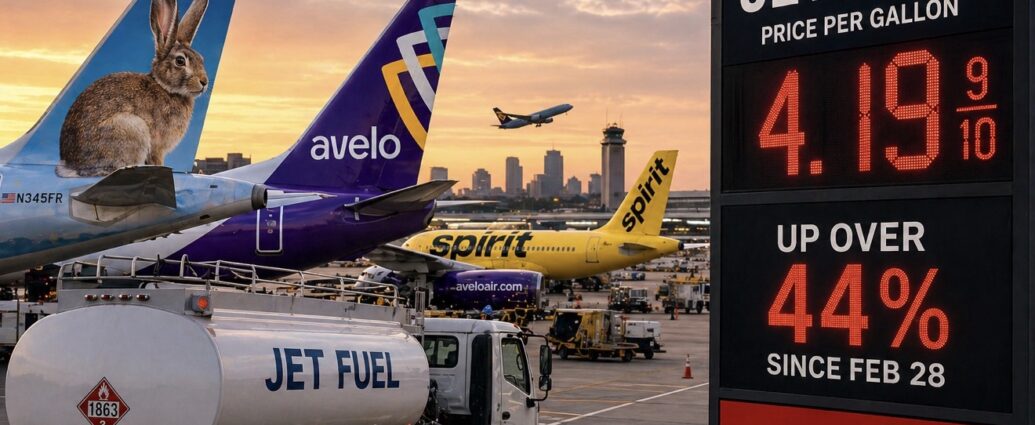
U.S. stocks traded mixed this morning, with the Nasdaq Composite falling more than 100 points on Monday.

Following the market opening Monday, the Dow traded up 0.06% to 49,261.34 while the NASDAQ fell 0.56% to 24,697.00. The S&P 500 also fell, dropping, 0.19% to 7,151.76.

Leading and Lagging Sectors

Energy shares jumped by 1% on Monday.

In trading on Monday, consumer discretionary stocks fell by 0.9%.

Top Headline

Domino’s Pizza Inc (NASDAQ:DPZ) reported worse-than-expected first-quarter financial results.

Domino’s Pizza reported quarterly earnings of $4.13 per share which missed the analyst consensus estimate of $4.28 per share. The company reported quarterly sales of $1.151 billion which missed the analyst consensus estimate of $1.163 billion.

Equities Trading UP
           

  • Youxin Technology Ltd (NASDAQ:YAAS) shares shot up 60% to $1.49 after the …

Full story available on Benzinga.com

This post was originally published here
April 27, 2026 | JBizNews Desk

Wall Street opened Monday under a cloud of geopolitical uncertainty, oil-driven inflation pressure, and Federal Reserve transition risk — a mix that is keeping investors cautious even as a historic earnings week and a blockbuster M&A deal compete for attention. The S&P 500 fell 0.2%, alongside the Nasdaq Composite, while the Dow Jones Industrial Average dropped 87 points, or 0.2%, at the opening bell, reversing sentiment after Friday’s record closes as weekend diplomacy unraveled.

The primary driver of the shift is the abrupt collapse of U.S.-Iran peace talks before they formally began. President Donald Trump scrapped plans to send envoy Steve Witkoff and Jared Kushner to Pakistan, writing on Truth Social: “Too much time wasted on traveling, too much work! Nobody knows who is in charge, including them. Also, we have all the cards; they have none!” The statement rattled markets that had been pricing in at least a partial reopening of energy flows.

A subsequent Axios report that Iran submitted a proposal to reopen the Strait of Hormuz offered only limited relief. Traders remain skeptical after repeated ceasefire headlines failed to deliver sustained normalization. The chokepoint carries roughly 20% of global oil supply, making any disruption immediately market-moving.

Goldman Sachs responded by revising its outlook. Analysts Daan Struyven and Yulia Zhestkova Grigsby raised their Q4 Brent crude forecast to $90, up from $80, noting prices are now “nearly $30 higher than before the Hormuz shock.” They warned the market is facing a 9.6 million barrel-per-day deficit swing, compared to a previously expected 1.8 million barrel surplus, adding that “extreme inventory draws are not sustainable.” Brent traded above $107, with WTI above $95.

Adding to investor caution is the Federal Reserve meeting Wednesday — expected to be Chair Jerome Powell’s second-to-last before a leadership transition to Kevin Warsh in May. Markets are pricing in a 100% probability of no rate change, according to CME FedWatch, with only an 8% chance of a hike by year-end. Former Cleveland Fed President Loretta Mester framed the dilemma: “There’s still uncertainty about how this war is going to be resolved… oil prices remain well above pre-war levels, and that will eventually impact the economy.”

Market Movers — Gainers

The standout early mover is Organon & Co. (OGN), jumping roughly 15% after Sun Pharmaceutical Industries announced an $11.75 billion all-cash acquisition, paying $14 per share. Executive Chair Carrie Cox called the deal “compelling and immediate value” following a strategic review. The transaction positions Sun Pharma among the top 25 global drugmakers, with expanded reach across 140 countries and deeper exposure to biosimilars and women’s health. J.P. Morgan and Jefferies advised Sun Pharma, while Morgan Stanley and Goldman Sachs advised Organon.

Intellia Therapeutics (NTLA) surged more than 25% ahead of Phase 3 data from its HAELO trial, a binary catalyst driving speculative biotech flows.

Micron Technology (MU) rose after Melius Research initiated coverage with a Buy rating, extending a rally that has already pushed the stock up 74% year-to-date on AI-driven demand.

Taiwan Semiconductor (TSM) gained 2.3% after Taiwan’s regulator eased concentration limits, allowing funds to increase exposure — a structural tailwind for the world’s leading chipmaker.

DoorDash (DASH) moved higher after TD Cowen initiated with a Buy rating and a $225 price target, implying 27% upside. Analyst John Blackledge cited its expanding platform, including grocery, retail, and advertising, as key growth drivers.

Market Movers — Decliners

Airlines opened under pressure. United Airlines (UAL) and American Airlines (AAL) slipped after United CEO Scott Kirby revealed he had proposed a merger that was rejected by American CEO Robert Isom, who labeled the idea “anticompetitive.” President Donald Trump also signaled opposition, effectively ending the possibility. Kirby stated: “Without a willing partner, something this big simply can’t get done.”

Analyst Calls

On the Street, Stifel raised its target on Baker Hughes (BKR) to $74, reflecting strength in energy markets. Wells Fargo lifted Caterpillar (CAT) to $960 and Corteva (CTVA) to $90, both at Overweight. Truist upgraded SBA Communications (SBAC) to Buy, while Evercore ISI raised Apollo Global Management (APO) and Ally Financial (ALLY). DA Davidson initiated Reddit (RDDT) with a Buy rating and a $200 target.

The Week Ahead

Five members of the “Magnificent Seven” — Microsoft, Amazon, Alphabet, Meta, and Apple — report earnings this week, alongside Coca-Cola, Visa, Starbucks, UPS, Mastercard, and Verizon. Wedbush analyst Dan Ives called it “a monster week for Big Tech earnings,” predicting continued upside driven by AI demand.

With a Fed decision Wednesday and Q1 GDP Thursday, markets are entering one of the most consequential weeks of the year — balancing geopolitical risk, inflation pressure, and corporate performance.

The early signal is clear: volatility is back, and investors are watching every headline.

— JBizNews Desk

Editor’s Note: The future prices of benchmark tracking ETFs, the lede, the economic data and the headline were updated in the story.

The S&P 500 and Nasdaq 100 futures pared losses to advance, whereas Dow Jones futures fell on Monday, following Friday’s mixed close.

This week, investors will be closely watching the Federal Reserve’s meeting to gauge how the central bank is navigating interest rates amid the ongoing U.S.-Iran conflict.

Simultaneously, market-moving earnings reports from the ‘Magnificent 7 tech giants—including Apple Inc. (NASDAQ:AAPL), Alphabet Inc. (NASDAQ:GOOG) (NASDAQ:GOOGL), Amazon.com Inc. (NASDAQ:AMZN), Meta Platforms Inc. (NASDAQ:META), and Microsoft Corp. (NASDAQ:MSFT)—will take center stage as Wall Street looks for returns on their massive AI investments.

Meanwhile, President Donald Trump announced on Saturday that he canceled plans for envoys to meet with Iranian leadership in Pakistan, citing divisions within Tehran. Trump’s declaration that the U.S. has “all the cards” sent immediate ripples through the energy markets.

Meanwhile, the 10-year Treasury bond yielded 4.32%, and the two-year bond was at 3.79%. The CME Group’s FedWatch tool‘s projections show markets pricing a 100% likelihood of the Federal Reserve leaving the current interest rates unchanged in its Wednesday meeting.

Index Performance (+/-)
Dow Jones -0.102%
S&P 500 0.02%
Nasdaq 100 0.17%
Russell 2000 0.13%

The SPDR S&P 500 ETF Trust (NYSE:SPY) and Invesco QQQ Trust ETF (NASDAQ:QQQ), which track the S&P 500 and Nasdaq 100, respectively, were higher in premarket on Monday. The SPY was up 0.018% at $714.07, while the QQQ advanced 0.15% to $664.89.

data-variant=”card”
data-news-mode=”manual”

>


Read Also:

Will S&P 500 Open Up Or Down On April 27? Here’s How Polymarket Traders Lean As Trump Halts Iran Talks And Oil Spikes

This post was originally published here

Brown & Brown, Inc. (NYSE:BRO) will release earnings for its first quarter after the closing bell on Monday, April 27.

Analysts expect the Daytona Beach, Florida-based company to report quarterly earnings of $1.36 cents per share, up from $1.29 per share in the year-ago period. The consensus estimate for Brown & Brown’s quarterly revenue is $1.89 billion (it reported $1.4 billion last year), according to Benzinga Pro.

On April 14, Brown & Brown announced the appointment of Eileen Akerson as chief legal officer.

Brown & Brown shares fell 2.4% to close at $65.90 on Friday.

Benzinga readers can access the latest analyst ratings on the Analyst Stock Ratings page. Readers can sort by stock ticker, company name, analyst firm, rating change or other variables.

Let’s have a look at how Benzinga’s most-accurate

Full story available on Benzinga.com

This post was originally published here

As of April 27, 2026, two stocks in the communication services sector could be flashing a real warning to investors who value momentum as a key criteria in their trading decisions.

The RSI is a momentum indicator, which compares a stock’s strength on days when prices go up to its strength on days when prices go down. When compared to a stock’s price action, it can give traders a better sense of how a stock may perform in the short term. An asset is typically considered overbought when the RSI is above 70, according to Benzinga Pro.

Here’s the latest list of major overbought players in this sector.

Uniti Group Inc (NASDAQ:UNIT)

  • On April 16, Barclays analyst Brendan Lynch maintained Uniti Group with an Equal-Weight rating and raised the price target from $8 to $11. …

Full story available on Benzinga.com

This post was originally published here

Top Wall Street analysts changed their outlook on these top names. For a complete view of all analyst rating changes, including upgrades, downgrades and initiations, please see our analyst ratings page.

  • Raymond James analyst Steve Moss upgraded First Bancorp (NYSE:FBP) from Outperform to Strong Buy and raised the price target from $26 to $27. First BanCorp shares closed at $23.41 on Friday. See how other analysts view this stock.
  • Mizuho analyst Gregg Moskowitz upgraded Crowdstrike Holdings Inc (NASDAQ:CRWD) from Neutral to Outperform and raised the price target …

Full story available on Benzinga.com

This post was originally published here
Top Wall Street analysts changed their outlook on these top names. For a complete view of all analyst rating changes, including upgrades, downgrades and initiations, please see our analyst ratings page.

  • Mizuho analyst Gregg Moskowitz downgraded Adobe Inc (NASDAQ:ADBE) from Outperform to Neutral and lowered the price target from $315 to $270. Adobe shares closed at $245.44 on Friday. See how other analysts view this stock.
  • Northland Capital Markets analyst Gus Richard downgraded Advanced Micro Devices Inc (NASDAQ:AMD) from Outperform to Market Perform and announced a …

Full story available on Benzinga.com

This post was originally published here

Mark Zuckerberg‘s Meta Platforms Inc. (NASDAQ:META) has announced a partnership with space startup Overview Energy to utilize space-based solar energy for Meta’s data centers by the end of this decade.

Overview Energy is developing a system to collect solar energy in space and transmit it to ground facilities for continuous power generation. The companies plan to demonstrate the system in orbit by 2028, with commercial power delivery expected in 2030.

The deal provides Meta with early access to up to 1 gigawatt of capacity from Overview’s system. The financial details of the agreement, however, have not been disclosed.

“Space solar technology represents a transformative step forward by leveraging existing terrestrial infrastructure to deliver new, uninterrupted energy from orbit,” stated Nat Sahlstrom, vice president of energy and sustainability at Meta.

data-variant=”card”
data-news-mode=”manual”

>


Read Also:

Meta Goes All-In On Amazon’s Beast Chips

This post was originally published here
SLB NV (NYSE:SLB) reported lower first-quarter earnings on Friday.

SLB reported first-quarter 2026 revenue of $8.72 billion, beating the $8.647 billion estimate. Adjusted EPS came in at $0.52, in line with expectations, while GAAP EPS fell 14% year over year to $0.50.

“It was a challenging start to the year as widespread disruptions in the Middle East impacted our business,” CEO Olivier Le Peuch said. “The impact was most pronounced in Well Construction and Reservoir Performance, as SLB demobilized operations in a number of countries in response to customer actions to safeguard …

Full story available on Benzinga.com

This post was originally published here
Baker Hughes Co. (NASDAQ:BKR) reported upbeat first-quarter results after the closing bell on Thursday.

Baker Hughes reported first-quarter adjusted earnings per share of 58 cents, beating the analyst consensus estimate of 49 cents. Quarterly sales of $6.587 billion outpaced the Street view of $6.335 billion.

“Despite significant disruptions in the Middle East, our teams executed at a high level and delivered results that exceeded our guidance range,” said CEO Lorenzo Simonelli.

Management expects second-quarter revenue of $6.5 billion and adjusted EBITDA of $1.13 billion, assuming the conflict lasts through June without further escalation.

Baker …

Full story available on Benzinga.com

This post was originally published here

When it comes to trading stocks and futures, most traders have come to accept that, at a basic level, there is just one way to do things. They understand there are restrictions around pattern day trading and that in order to make money, they have to tie up their own capital. But what many serious traders don’t realize is that multi-asset proprietary trading provides an entirely different path, one that removes those old barriers, puts the focus back on trader performance and doesn’t require them to risk their own capital.

This new era of prop trading was the focus of a recent Benzinga webinar in which PropShopTrader’s Senior Risk Manager Jim Simmons and Gianni Di Poce, analyst at The Mercator LLC, discussed how professional traders can build a career using the PropShopTrader platform.

“Once a trader believes the old path is the only path, they sort of stop questioning it. They just assume this is how it works, this is what I have to deal with, this is the cost of trading professionally,” said Simmons. “The biggest breakthrough is not improving your strategy, it is [realizing] that the game may be structured entirely differently than what you originally thought.” 

Taking The Pain Points Out Of Day Trading 

PropShop is “addressing a real pain point for stock traders,” says Simmons, noting that with the platform, traders don’t have to come to the table with capital to start trading. …

Full story available on Benzinga.com

This post was originally published here


April 27, 2026 | JBizNews Desk

U.S. budget airlines are escalating their appeal to Washington. Frontier Group Holdings and Avelo Airlines are leading a coalition seeking $2.5 billion in federal relief, as surging jet fuel prices push the low-cost carrier model toward a potential breaking point — with Spirit Airlines facing a make-or-break April 30 deadline that could trigger the first major U.S. airline liquidation in a generation.

According to a report first published by The Wall Street Journal, airline executives met in Washington last week with Transportation Secretary Sean Duffy and FAA Administrator Bryan Bedford to press their case. The proposal under discussion would structure government support as warrants convertible into equity stakes — echoing pandemic-era rescue frameworks.

The $2.5 billion figure reflects a simple reality: fuel costs have blown past projections. Airlines estimate jet fuel will remain above $4 per gallon through 2026. Data from Airlines for America shows prices already at $4.19, a level that is rapidly compressing margins across the sector.

Fuel Shock Hits the Weakest First

The driver is geopolitical. The ongoing Middle East conflict has disrupted flows through the Strait of Hormuz — a channel responsible for roughly 20% of global oil supply — pushing Brent crude up about 44% to near $105 per barrel and effectively doubling jet fuel costs.

For budget airlines, the impact is immediate and severe.

Conor Cunningham, airline analyst at Melius Research, said ultra-low-cost carriers are “disproportionately exposed” to fuel volatility, given their limited hedging strategies and dependence on ultra-low base fares. Simply put, they lack the pricing power of legacy airlines.

That divide is already visible. United and American Airlines have trimmed forecasts but successfully passed higher fuel costs onto passengers. Budget carriers don’t have that flexibility — raising fares undermines their core model — leaving them squeezed between rising costs and price-sensitive customers.

Avelo said it “emphatically agrees that a healthy airline industry with strong competition is important to the U.S. economy,” but declined further comment. Frontier and the White House did not respond.

Spirit’s $240 Million Deadline

The urgency is being driven by Spirit Airlines, now at the center of the crisis. The company needs access to $240 million in restricted cash by April 30 to continue operating. A bankruptcy court hearing that day could determine its fate.

A potential rescue package includes $500 million in federal support, structured as a loan that could convert into as much as a 90% government stake.

Behind the scenes, restructuring talks are intensifying. Marshall Huebner of Davis Polk, representing Spirit, and Mike Stamer of Akin, advising bondholders, are navigating a complex negotiation as creditors and policymakers weigh outcomes.

President Donald Trump has publicly backed intervention, stating: “We’re thinking about doing it… helping them out, meaning bailing them out, or buying it.” Spirit CEO Dave Davis said the airline is “grateful” for the administration’s support.

Labor groups are also pressing for action, warning liquidation would ripple through jobs, travel access, and regional economies.

Backlash Builds in Washington

The potential bailout is already triggering resistance. Secretary Sean Duffy has questioned the logic of intervention, warning against “putting good money after bad.”

On Capitol Hill, opposition is bipartisan. Sen. Ted Cruz called the proposal “an absolutely terrible idea,” while Sen. Tom Cotton said it would be “not the best use of taxpayer dollars.” Sen. Elizabeth Warren blamed the administration’s Iran policy for driving fuel prices higher and pushing airlines into distress.

Policy analyst Tad DeHaven of the Cato Institute warned that government intervention risks setting a dangerous precedent, creating expectations of future bailouts across the industry.

Industry Model Under Pressure

Aviation analyst Gary Leff highlighted a competitive contradiction: rescuing Spirit could weaken rivals like Frontier by preserving excess capacity in the ultra-low-cost segment.

Consultant Mike Boyd went further, arguing the crisis exposes a structural flaw. The ultra-low-cost model, he said, “struggles to function” when fuel remains elevated for extended periods.

Credit markets are already signaling concern. Joe Rohlena, senior director at Fitch Ratings, warned that sustained fuel pressure could lead to broader credit deterioration across budget carriers if conditions persist.

What Comes Next

The stakes extend beyond a single airline. During the pandemic, the U.S. government deployed $54 billion in airline support but recovered only a fraction through equity warrants — a precedent that continues to shape today’s debate.

Analysts at JPMorgan have cautioned that any bailout could trigger a wave of similar requests — a scenario now unfolding as Frontier and Avelo step forward.

The administration now faces a defining decision: allow market forces to play out — potentially leading to the first major airline collapse in decades — or step in and risk opening the door to sustained intervention in the aviation sector.

Secretary Sean Duffy has signaled that consolidation may be the preferred path, noting President Trump’s openness to large-scale deals — hinting that mergers, not bailouts, could ultimately reshape the industry.

For now, the timeline is clear.

April 30 is approaching — and the outcome may redefine the future of budget air travel in the United States.

— JBizNews Desk

Shares of Broadcom Inc. (NASDAQ:AVGO) are experiencing a massive surge in market momentum, driven by major artificial intelligence (AI) partnerships and robust technical strength.

Technicals And Edge Rankings Point Upward

The semiconductor giant’s Benzinga Edge’s Stock Rankings‘ momentum score climbed from 89.89 to 91.66 week-on-week, a metric that measures the stock’s relative strength based on price movement patterns and volatility over multiple timeframes.

This leap into the top 10% coincides with a stellar 22.15% year-to-date gain. The price trend indicators confirm this, showing upward trajectories across the short, medium, and long-term horizons.

Beyond momentum, Broadcom boasts a formidable quality score of 96.21, reflecting superior operational efficiency and financial health compared to its peers. However, investors are paying for this excellence; the stock’s value score sits at a low 6.36, indicating a premium valuation relative to fundamental asset and earnings measures.

Benzinga ...</a></figure></p><p><a href=https://www.benzinga.com/markets/equities/26/04/52059126/broadcoms-stock-momentum-soars-alongside-22-ytd-gain-whats-driving-the-surge?utm_source=benzinga_taxonomy&utm_medium=rss_feed_free&utm_content=taxonomy_rss&utm_campaign=channel alt=Broadcom's Stock Momentum Soars Alongside 22% YTD Gain: What's Driving The Surge?>Full story available on Benzinga.com</a></p></div></body></html>

This post was originally published here
Key Takeaways

  • On April 22, 2026, FHFA and HUD jointly announced that Fannie Mae, Freddie Mac and FHA will accept VantageScore 4.0 and FICO 10T for mortgage underwriting, ending the single-model era.
  • The mandate follows Fannie Mae’s November 2025 Selling Guide update removing the 620 minimum score from Desktop Underwriter, giving the three credit bureaus a structural revenue tailwind on trended-data products.
  • TransUnion (NYSE:TRU), Equifax (NYSE:EFX), Experian (OTC:EXPGY), Upstart Holdings (NASDAQ:UPST) and OneMain Holdings (NYSE:OMF) sit at five distinct points on the rollout.

A Discrete Catalyst, Not A Theme

The credit score modernization trade stopped being a thesis on April 22, 2026. FHFA Director Bill Pulte and HUD Secretary Scott Turner confirmed that FHA, Fannie Mae and Freddie Mac would accept VantageScore 4.0 immediately through a rollout to 21 lenders, with FICO 10T behind it. The decision layered onto Fannie Mae’s November 2025 Selling Guide change, which stripped the 620 minimum from Desktop Underwriter.

The private market was already moving. By February 2026, more than 40 lenders had joined the FICO Score 10T Adopter Program for non-conforming loans, and Cardinal Financial traded the first VA MBS pool decisioned with 10T in late 2024. Both models require 24 to 30 months of payment history rather than a single-month snapshot, so every origination pulls a richer, more margin-accretive data package from each bureau. A plain-language scoring model primer covers what the models penalize or reward.

TransUnion: US Markets Doing The Work

TransUnion (NYSE:TRU) reported Q4 2025 revenue of $1,171 million, up 13%, with US Markets revenue …

Full story available on Benzinga.com

This post was originally published here
Lionsgate Studios Corp. (NYSE:LION) is trading 9.36% higher in Monday pre-market after the production’s Michael Jackson biopic, “Michael,” has set a new record with its $217 million global box office opening over the weekend.

The film, co-produced by the Jackson estate and starring the King of Pop’s nephew, Jaafar Jackson, as the lead, generated $97 million in North American theaters and $120.4 million internationally. This has resulted in the film setting the record for the highest-grossing biopic opening of all time, reported Forbes, citing early estimates from Hollywood trade publications.

The film has been launched in most parts of the world, with a release in Japan, known for its large Jackson fanbase, scheduled for June.

Adam Fogelson, the chairman of Lionsgate, shared his optimism with Associated Press about the film’s performance, stating that they had witnessed “massive engagement with every conceivable audience segment.” 

Plans for a sequel are already in the works, with Fogelson saying the possibility of a third film is “not inconceivable.”

AMC Entertainment (NYSE:AMC) said …

Full story available on Benzinga.com

This post was originally published here
Top Wall Street analysts changed their outlook on these top names. For a complete view of all analyst rating changes, including upgrades and downgrades, please see our analyst ratings page.

  • Truist Securities raised the price target for Brunswick Corp (NYSE:BC) from $92 to $93. Truist Securities analyst Michael Swartz maintained a Buy rating. Brunswick shares closed at $79.37 on Friday. See how other analysts view this stock.
  • Guggenheim raised Equinix Inc (NASDAQ:EQIX) price target from $985 to $1,235. Guggenheim analyst Joseph Osha maintained a Buy rating. Equinix shares closed at $1,108.89 on Friday. See how other analysts view this stock.
  • Benchmark increased price target for Lionsgate Studios Corp (NYSE:LION) from $12 to $15. Benchmark analyst Matthew Harrigan maintained a Buy rating. Lionsgate Studios shares closed at $11.43 on Friday. See how other analysts view this stock.
  • HC Wainwright & Co. raised the price target for Prelude Therapeutics Inc

Full story available on Benzinga.com

This post was originally published here
Fulcrum Therapeutics (NASDAQ:FULC) held its first-quarter earnings conference call on Monday. Below is the complete transcript from the call.

This content is powered by Benzinga APIs. For comprehensive financial data and transcripts, visit https://www.benzinga.com/apis/.

Access the full call at https://edge.media-server.com/mmc/p/pzpi4fi3/

Summary

Fulcrum Therapeutics reported positive clinical data from its Phase 1b Pioneer trial for Posterior Dare in sickle cell disease, showing an increase in fetal hemoglobin levels and a reduction in vaso-occlusive crises.

The company initiated an open-label long-term dosing trial for Posterior Dare and plans to provide updates on clinical trial design following an upcoming end-of-phase meeting with the FDA.

Financially, Fulcrum Therapeutics reported a net loss of $22.2 million for Q1 2026, with cash and marketable securities of $333.3 million, providing a runway into 2029.

Full Transcript

OPERATOR

Good morning and welcome to Fulcrum Therapeutics First Quarter 2026 Financial Results and Business Update Conference Call. Currently, all participants are in a listen only mode. This call is being webcast live and can be accessed on the Investors section of Fulcrum’s website at www.fulcrumtx.do and is being recorded. Please be reminded that remarks during this call may contain forward looking statements within the meaning of the Private Securities Litigation Reform act of 1995 may include statements about the Company’s future expectations and plans, clinical development timelines and financial projections. While these forward looking statements represent Fulcrum’s views as of today, this should not be relied upon as representing the Company’s views in the future. Fulcrum may update these statements in the future, but is not taking on an obligation to do so. Please refer to Fulcrum’s most recent filings with the Securities and Exchange Commission for discussions of certain risks and uncertainties associated with the Company’s business. Leading the call today will be Alex Sapier, CEO and President of fulcrum. Joining Alex on the call are Alan Musso, Chief financial officer, and Dr. Ian Frazier, senior Vice President, Clinical Development. After providing updates on the Company’s key programs, there will be a brief Q and A in which the Fulcrum management team will be available for questions. With that, it’s my pleasure to turn the call over to Alex.

Alex Sapier (CEO and President)

That’s great. Thanks, Shannon and good morning everyone. We appreciate you all joining us today. The first quarter of 2026 was an important and exciting period for Fulcrum, highlighted by the positive clinical data we reported from the Phase 1b Pioneer trial of Poseradir in Sickle Cell disease. Now, as a reminder, sickle cell disease is a serious genetic blood disorder with a significant unmet need, affecting approximately 120,000 patients in the United States and millions more globally. Patients with sickle cell disease face a substantial disease burden, including chronic pain and fatigue, as well as serious complications such as vaso occlusive crises, stroke and progressive end organ damage, all of which result in a substantial reduction in life expectancy of over 20 years. Now, we have known for decades that increasing levels of fetal hemoglobin, or HbF, in patients with sickle cell disease leads to improvements in anemia and reductions in vaso occlusive pain crises. And so it was for that reason that that we were so pleased with the data that we reported in February, demonstrating that after only 12 weeks of treatment, 20 milligrams of Poseradir taken once daily demonstrated a robust and clinically meaningful increase in HBF from 7.1% at baseline to 19.3% at week 12, along with improvements in markers of hemolysis and improvements in anemia. We also observed continued progression toward pancellular expression of HbF, which we believe is critical for achieving meaningful clinical benefit. And importantly, we saw a reduction in the number of VOCs we would have expected in this severe patient population with 7 of the 12 patients experiencing no VOCs during the 12 week treatment period. And importantly, Poseradir has continued to be generally well tolerated with no treatment related serious adverse events reported to date. And so taken together, these data reinforce our conviction in posterior’s potential to address the underlying biology of sickle cell disease and support our belief that posterior has the potential to represent a differentiated or once daily oral treatment option for patients. Now, during the quarter we also initiated an open label long term dosing trial for patients in the Pioneer study and we recently enrolled our first patient in this new study. All patients in this long term dosing study previously completed 12 weeks of treatment as part of the Pioneer trial. Therefore, we expect to provide a distinct we expect this study to provide a distinct data set offering important insights into long term safety, durability of response and the effects of reinitiating treatment with posterior. We also continue to support initiatives aimed at improving the care journey for people living with sickle cell disease, including our recent collaboration with Medic Alert and the Sickle Cell Disease association of America or SCDAA to help improve access to patient specific care information in the emergency department setting. Looking Ahead we are now focused on the next stage of clinical development for posterior and we expect to provide an update in the design of our next trial later this quarter following our upcoming end of phase meeting with the FDA and receipt of the final meeting minutes. Pending FDA feedback from that end of phase meeting, we plan to initiate a potential registration enabling trial in the second half of 2026. And so with a strong balance sheet that provides cash Runway into 2029, we are well positioned to advance posterior through the next phase of clinical development. Now, before turning it over to Alan, I want to cover two other important corporate updates. First, I want to welcome Josh Lure to our Board of Directors. Josh brings to Fulcrum a deep experience and passion for sickle cell disease as well as a strong track record in advancing transformative therapies in this space, including his role in the development and approval of Oxbrida. We are honored to have Josh join FULCRUM at this important stage and secondly, I would also like to thank Alan for his years of dedication and leadership as he looks towards retirement later in the year. Alan has played a critical role in strengthening our balance sheet and instilling financial discipline across the organization and we are grateful for his continued commitment to Fulcrum as he remains in his role until a successor is named to ensure a smooth transition. And so with that, let me now turn it over to Alan to review our financial results. And again, Alan, thanks for all you’ve done for fulcrum.

Alan Musso (Chief Financial Officer)

Thanks Alex, and thank you for the kind words. It’s been a privilege to be part of Fulcrum’s progress and I’m proud of what we’ve accomplished together. With the impressive results from the Pioneer trial, a talented and motivated team and a strong capital base, the company is well positioned to deliver transformative therapy for sickle cell patients. I look forward to continue working with the team over the coming months and ensuring a successful transition. And with that, I’ll now go over our Results for the first quarter ended March 31, 2026. The research and development expenses were 14.1 million for the first quarter of 2026 compared to 13.4 million for the first quarter of 2025. The increase of 700,000 was primarily driven by higher employee compensation costs, including 400,000 of increased stock based compensation expense. General and Administrative expenses were 8.1 million for the first quarter of 2026 compared to 7 million for the first quarter of 2025. The increase of 1.1 million was primarily driven by higher employee compensation costs including 300,000 of increased stock based compensation expense as well as higher professional services costs. The net loss was 22.2 million for the first quarter of 2026 compared to a net loss of 20.4 million for the first quarter of 2025. Now turning to the balance sheet, we ended the first quarter of 2026 with cash cash equivalents of marketable securities of 333.3 million compared to 352.3 million as of December 31, 2025. The $19 million decrease was primarily due to cash used to fund our operating activities. And based on our current plans, we expect our existing cash, cash equivalents and marketable securities will be sufficient to fund our operating requirements into 2029, providing Runway to advanced Poseradir through the next phase of clinical development. And with that, I’ll turn it back over to you, Alex.

Alex Sapier (CEO and President)

That’s great. Thanks so much Alan. So Fulcrum has reached an important inflection point with the positive clinical data from our Pioneer trial Reinforcing our conviction in Poseradir’s potential in sickle cell disease. We are focused on the next stage of development and look forward to providing an update on our plans following our upcoming end of phase meeting with the FDA. And with a strong balance sheet and a dedicated team, we believe we are well positioned to advance Poseradir through the next phase of clinical development. And so with those brief remarks, Shannon, why don’t we go ahead and open up the line for questions?

OPERATOR

Thank you. As a reminder to ask a question, please press star 11 on your telephone and wait for your name to be announced. To withdraw your question, please press star 11 again. Please stand by while we compile the Q and A roster. Our first question comes from the line of Joe Schwartz with Lee Rink Partners. Your line is now open.

Joe Schwartz (Equity Analyst at Lee Rink Partners)

Hi. Thanks for taking my questions, Alan. Congrats on your upcoming retirement and thanks for your excellent stewardship of the company over the years. Alex, as you reflect on the experience gained through Pioneer, what are the most important things you’ve learned that you might not have fully appreciated going in? And how will those lessons shape your phase three design and execution? Yeah, it’s a great question, Joe. And I may start. And I’ll also turn it over to Ian to see if he wants to add anything. I mean, I think the one thing that I’ve really learned from Pioneer and talking with a lot of the investigators and hearing from those investigators, the conversations that they’ve had with their patients, is that there continues to be continued high, high, …

Full story available on Benzinga.com

This post was originally published here

While the market awaits the next catalyst from the Middle East, institutional money eagerly awaits the next signal from Tokyo.

The Bank of Japan (BOJ) is meeting today and tomorrow to discuss the next policy move. While the consensus is to hold rates unchanged, the jitters are about what happens next.

Untangling the Carry Trade

For decades, Japan has been the anchor of ultra-loose monetary policy. Now, even a modest tightening threatens to unwind one of the largest and least appreciated sources of leverage underpinning global markets — the yen carry trade.

“The BOJ will stand pat this time but deliver a hawkish message with an eye on a rate hike in June or July,” Tetsuya Inoue, executive economist at Sony Financial Group, said according to Reuters.

“Corporate price-setting behavior has changed, so the BOJ must keep an eye out for signs of second-round effects,” he added.

Meanwhile, ING Think’s research still sees a risk of a hike tomorrow, “if the BoJ gives priority to preventing inflation expectations from accelerating.” In a note from April 24, the bank suggested that “energy shocks …

Full story available on Benzinga.com

This post was originally published here

The stock market is roaring back to all-time highs with a historic 12.5% four-week surge, yet a stark disconnect remains as everyday consumers grapple with economic pessimism, highlights Charlie Bilello.

The ‘Elevator Up’ Market Surge

The S&P 500 has staged a staggering comeback, gaining 12.5% over four weeks to mark its 20th biggest advance since January 1950.

Chief Market Strategist at Creative Planning, Bilello, highlighted the unprecedented nature of this rapid rebound. Unlike previous massive market rallies, this surge did not emerge from the depths of a traditional bear market. Instead, the index experienced a modest 9.8% decline before rocketing upward. Bilello describes this unusual price action as “stairs down and elevator up.”

The ETF tracking the S&P 500 index, State Street SPDR S&P 500 ETF Trust (NYSE:SPY) has also returned 12.59% over the last month, 4.50% year-to-date and 29.61% over the year.

Despite the lack of a major preceding crash, history suggests the momentum could continue. Bilello notes that “strength tends to beget strength” in equities.

This post was originally published here
On CNBC’s “Mad Money Lightning Round,” Jim Cramer said Planet Labs PBC (NYSE:PL) is up “way too much” and is just going higher.

“We’re gonna say, no,” Cramer adds. “We’re not going to pay these prices.”

Goldman Sachs analyst Anthony Valentini, on April 20, maintained Planet Labs with a Neutral and raised the price target from $18 to $20.

Cramer called Symbotic Inc. (NASDAQ:SYM) an automation company and a robotic company.

“You are going up against Elon Musk,” he said. “But there’s room for both.”

On the earnings front, Symbotic is scheduled to release second-quarter financial results after the market …

Full story available on Benzinga.com

This post was originally published here
General Motors Company (NYSE:GM) will release earnings for its first quarter before the opening bell on Tuesday, April 28.

Analysts expect the car company to report quarterly earnings of $2.62 per share. That’s down from $2.78 per share in the year-ago period. The consensus estimate for GM’s quarterly revenue is $43.68 billion. It reported $44.02 billion last year, according to Benzinga Pro.

Ahead of quarterly earnings, Deutsche Bank analyst Edison Yu upgraded GM from Hold to Buy on April 14 and raised the price target from $83 to $90.

With the recent buzz around General Motors, some investors may be eyeing potential gains from the company’s dividends too. As of now, GM has an annual dividend yield of 0.92%, with a quarterly dividend of 18 cents per share (72 cents per year).  

So, how can investors exploit …

Full story available on Benzinga.com

This post was originally published here

Selected firms exemplify global standard for principles-based excellence in private equity

NEW YORK, April 27, 2026 /PRNewswire/ — Institutional Investor (II), the award-winning finance and investment news publisher, and industry-leading sponsor of investment conferences, has released its first annual Alpha Edge Buy List—a new global benchmark for excellence in private equity. Reinforcing the standards that matter most to long-term capital allocators, the list recognizes firms that demonstrate superior alignment, governance discipline, transparency and long-term value creation.

The eight firms selected for the Alpha Edge Buy List are Apollo Global Management, Goldman Sachs, HarbourVest Partners, HG Capital, Neuberger, Octopus Investments, TPG and 17Capital. Each firm was nominated by members of the Alpha Edge Advisory Board and vetted through a research and verification process to …

Full story available on Benzinga.com

This post was originally published here

U.S. stock futures were mixed this morning, with the Dow futures falling around 0.1% on Monday.

Shares of Domino’s Pizza Inc (NASDAQ:DPZ) fell sharply in pre-market trading after the company reported worse-than-expected first-quarter financial results.

Domino’s Pizza reported quarterly earnings of $4.13 per share which missed the analyst consensus estimate of $4.28 per share. The company reported quarterly sales of $1.151 billion which missed the analyst consensus estimate of $1.163 billion.

Domino’s shares dipped 3.8% to $353.77 in pre-market trading.

Here are some other stocks moving lower in pre-market trading.

  • Compass Therapeutics Inc. (NASDAQ:CMPX) gained 10.5% to $4.50 in pre-market trading. Compass Therapeutics will host webcast on April 27 to review topline secondary endpoints from Phase 2/3 COMPANION-002 clinical study assessing tovecimig …

Full story available on Benzinga.com

This post was originally published here

On CNBC’s “Halftime Report Final Trades,” Jim Lebenthal, partner at Cerity Partners, named Cisco Systems, Inc. (NASDAQ:CSCO) as his final trade.

Supporting his view, J.P. Morgan analyst Samik Chatterjee, on April 16, maintained Cisco with an Overweight rating and raised the price target from $95 to $96.

Jenny Van Leeuwen Harrington, chief executive officer of Gilman Hill Asset Management, LLC, said Hercules Capital, Inc. (NYSE:HTGC) has a 12% yield and is down 18% year-to-date.

On the earnings front, Hercules Capital, on Feb. 12, …

Full story available on Benzinga.com

This post was originally published here

The Trump administration is negotiating a $500 million bailout for Spirit Airlines Inc (OTC:FLYYQ) to keep the struggling carrier from collapsing. Trump has publicly backed the intervention, framing it as a matter of saving thousands of jobs.

Marc Scribner, Senior Transportation Policy Analyst at Reason Foundation, in an exclusive interview with Benzinga, explained why the government shouldn’t bail out Spirit or other airlines with public funds.

Who Should Pay For Spirit’s Rescue?

Scribner argued that Spirit’s financial risks should fall on its own shareholders and lenders, not taxpayers, especially given the airline’s slim odds of recovery.

Calling it a “bad investment,” Scribner said that a government loan, or in the worst case, government ownership, just transfers the risks associated with the beleaguered airlines to taxpayers. “What is the benefit of perpetuating a financial zombie like Spirit Airlines?” he questioned.

He added that, as the chronic losses at Amtrak and the U.S. Postal Service demonstrate, the government has a poor track record of running commercial operations. The policy analyst also emphasized that the entire ultra-low-cost carrier segment is “pro-competitive” and government involvement would undercut competition.

However, Trump argued the government would acquire Spirit nearly debt-free …

Full story available on Benzinga.com

This post was originally published here

During times of turbulence and uncertainty in the markets, many investors turn to dividend-yielding stocks. These are often companies that have high free cash flows and reward shareholders with a high dividend payout.

Benzinga readers can review the latest analyst takes on their favorite stocks by visiting Analyst Stock Ratings page. Traders can sort through Benzinga’s extensive database of analyst ratings, including by analyst accuracy.

Below are the ratings of the most accurate analysts for three high-yielding stocks in the consumer staples sector.

Conagra Brands Inc (NYSE:CAG)

  • Dividend Yield: 9.88%
  • BTIG analyst Rob Dickerson initiated coverage on the stock with a Neutral rating on April 14, 2026. This analyst has an accuracy rate of 62%
  • Goldman Sachs analyst Leah Jordan maintained a Sell rating and slashed the price target from $17 to $15 on April 2, 2026. This analyst has an accuracy rate of 59%.
  • Recent News: On April 13, …

Full story available on Benzinga.com

This post was originally published here

April 27, 2026 | JBizNews Desk

American consumers already feeling pressure at the grocery store may be facing a second, more severe wave of food inflation. While headline numbers are already striking—wholesale tomato prices up 102% and diesel costs soaring 88% since late February—economists and federal officials warn that the full impact of the Middle East crisis has yet to reach U.S. households.

The disruption traces back to the Strait of Hormuz, a critical global artery through which roughly 20% of the world’s oil supply and nearly one-third of globally traded fertilizer flows. Following the outbreak of conflict on February 28, closures and instability triggered what the International Energy Agency described as the largest oil supply shock in modern history. The result is a cascading effect on food prices that unfolds in stages—energy first, fertilizer next, and ultimately crop yields—each layer compounding the next.

Tyler Schipper, an economist at the University of St. Thomas, explained the mechanism clearly: “Pretty much everything you buy off a shelf is delivered by a truck that uses diesel. It’s the transmission belt from an energy shock to consumer prices.” Diesel, which powers both transportation and farm equipment, surged to over $5.60 per gallon in March and has continued climbing, with cumulative increases approaching 88% across key regions and wholesale markets.

That surge is now working its way through the supply chain. David Ortega, a food economist at Michigan State University, noted that diesel impacts every stage of production and distribution. “Tractors run on diesel. Most food moves by truck. These higher fuel costs translate directly into higher prices—and eventually, the consumer feels it.” Perishable goods, which rely on refrigerated transport, are being hit first and hardest.

Nowhere is that more visible than in tomatoes. Often viewed as a bellwether for produce inflation, tomatoes have become the clearest early indicator of stress in the system. At the retail level, prices have climbed to roughly $2.25 per pound, an 18.6% increase since February, according to David Branch of the Wells Fargo Agri-Food Institute. But wholesale dynamics are far more dramatic. Distributors report prices jumping from $25 to over $80 per 25-pound box in just weeks—a more than 200% increase in some cases.

The surge reflects a convergence of factors. Domestic supply was already constrained after Florida crops were hit by winter freezes, while Mexico’s production suffered from disease and weather disruptions. The added pressure from rising fuel costs has intensified the spike, particularly for a product that is highly perishable and heavily reliant on trucking.

Critically, economists emphasize that these increases are only partially reflected at the retail level. Ricky Volpe, an agribusiness professor at California Polytechnic State University, warned that the pricing pipeline is still catching up. “There’s more pain ahead,” he said, noting that it typically takes one to two months for energy-driven cost increases to fully reach grocery shelves.

Beyond transportation, a second and potentially more damaging wave is building at the farm level. A recent American Farm Bureau Federation survey found that 70% of farmers cannot afford all the fertilizer they need, while nearly 60% report worsening financial conditions. Fertilizer prices have surged sharply, with urea up 49%, UAN up 38%, and anhydrous ammonia up 32%, according to analyst Josh Linville.

For farmers, the economics are increasingly unsustainable. Matt Frostic, a Michigan-based operator, said nitrogen fertilizer has jumped from $350 per ton to nearly $600 in just a few months. Meanwhile, the U.S. Department of Agriculture estimates that corn costs approximately $5 per bushel to produce, yet sells for around $4.20, while soybeans cost $12.27 to produce and fetch just $10.30. That gap is forcing farmers to cut inputs—decisions that could reduce yields and tighten supply later this year.

Agriculture Secretary Brooke Rollins acknowledged the growing strain, stating that “everything is on the table” to support farmers. However, with only 20% to 25% of farmers exposed to current fertilizer prices—the rest having locked in earlier—the full impact is expected to materialize during the upcoming harvest cycle.

The USDA now projects food-at-home prices to rise 3.1% in 2026, nearly double earlier forecasts. Yet analysts caution that even this revised estimate may understate what’s coming, as it does not fully account for sustained energy volatility or reduced agricultural output.

Lydia Boussour, senior economist at EY-Parthenon, pointed to lingering structural pressures. “The impact will extend beyond the duration of the conflict,” she said, citing ongoing supply chain constraints and energy capacity limits. Similarly, Adam Hanieh of the SOAS Middle East Institute warned that earlier projections underestimated the scale of disruption. “Food inflation is very much on the table for the remainder of the year,” he said.

For consumers, the message is straightforward: the current spike may not represent the peak. The shock that began in the Strait of Hormuz is still moving through the system—measured not in days, but in months.

What comes next will depend on how long energy markets remain volatile and whether supply chains stabilize. But for now, the data points in one direction: higher prices ahead.

— JBizNews Desk

OpenAI is reportedly exploring a move into smartphones designed around artificial intelligence agents, potentially reshaping how users interact with mobile devices.

AI Agent Smartphone Concept Emerges

On Sunday, Analyst Ming-Chi Kuo posted on X, OpenAI is reportedly working with chipmakers MediaTek and Qualcomm Inc. (NASDAQ:QCOM), along with manufacturing partner Luxshare, on a potential “AI agent” smartphone concept expected for mass production as early as 2028.

The concept centers on replacing app-based interactions with a task-driven AI assistant that executes user requests directly.

“Users are not trying to use a pile of apps. They are trying to get tasks done and fulfill needs through the phone,” the report stated, framing the device as a shift in how smartphones are used.

It also noted, “Only by fully controlling both the operating system and …

Full story available on Benzinga.com

This post was originally published here

Ford Motor Co.‘s (NYSE:F) racing division has set a new record for the fastest electric vehicle on the quarter-mile track with a 2,200 hp electric Mustang.

Quarter Mile In 6.87 Seconds

In a post on the social media platform X on Saturday, Ford’s official racing handle shared the achievement with a video of the car in action on the track.

data-variant=”card”
data-news-mode=”manual”

>


Read Also:

Ross Gerber Thinks Elon Musk’s SpaceX, Tesla Could Create ‘Berkshire Hathaway Of AI’

This post was originally published here

Amkor Technology, Inc. (NASDAQ:AMKR) will release earnings for its first quarter after the closing bell on Monday, April 27.

Analysts expect the Tempe, Arizona-based company to report quarterly earnings of 24 cents cents per share, up from 9 cents per share in the year-ago period. The consensus estimate for Amkor Technology’s quarterly revenue is $1.65 billion (it reported $1.32 billion last year), according to Benzinga Pro.

On Feb. 19, Amkor announced that its board has approved a quarterly cash dividend of $0.08352 per share on the company’s common stock.

Amkor Technology shares gained 7.2% to close at $78.11 on Friday.

Benzinga readers can access the latest analyst ratings on the Analyst Stock Ratings page. Readers can sort by stock ticker, company name, analyst firm, rating change or other variables.

Let’s have a look at how …

Full story available on Benzinga.com

This post was originally published here

The White House’s move to designate U.S. grid infrastructure as “essential to national defense” could supercharge demand for companies tied to transformers, transmission lines, and high-voltage equipment, setting up a potential rally across electrification-focused stocks and ETFs, according to Anthony Pompliano.

Electrification Push

In Sunday’s post on X, Pompliano highlighted that transformers, transmission lines and conductors, substations, and high-voltage circuit breakers are the big tailwind for companies driving America’s electrification push.

Last month, Amazon.com Inc (NASDAQ:AMZN) announced that it is developing a new device known internally as “Transformer” that aims to leverage artificial intelligence to streamline user experiences.

Where The Money Goes First
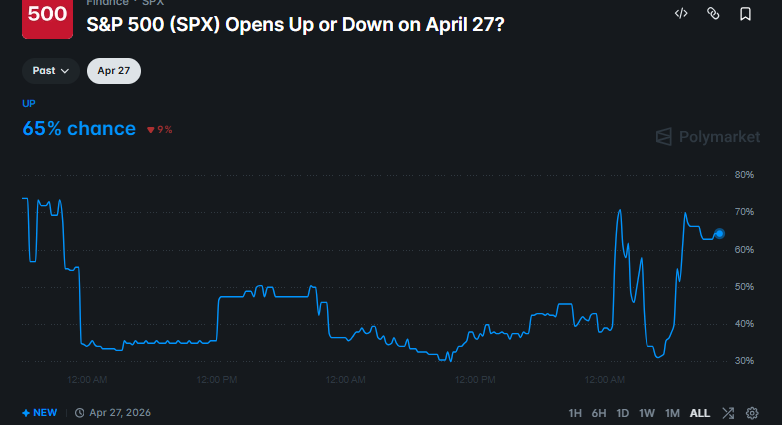
Rosanna Prestia framed the playbook as “Where the Money Goes First,” arguing that “Money doesn’t hit utilities first. She wrote, “The winners are suppliers, not just utilities.”


Prestia put “transformers (massive shortage)” at the top of …
Full story available on Benzinga.com

This post was originally published here

In the dynamic and fiercely competitive business environment, conducting a thorough analysis of companies is crucial for investors and industry enthusiasts. In this article, we will perform an extensive industry comparison, evaluating NVIDIA (NASDAQ:NVDA) in relation to its major competitors in the Semiconductors & Semiconductor Equipment industry. By closely examining crucial financial metrics, market position, and growth prospects, we aim to offer valuable insights for investors and shed light on company’s performance within the industry.

NVIDIA Background

Nvidia is a leading developer of graphics processing units. Traditionally, GPUs were used to enhance the experience on computing platforms, most notably in gaming applications on PCs. GPU use cases have since emerged as important semiconductors used in artificial intelligence to run large language models. Nvidia not only offers AI GPUs, but also a software platform, Cuda, used for AI model development and training. Nvidia is also expanding its data center networking solutions, helping to tie GPUs together to handle complex workloads.

Company P/E P/B P/S ROE EBITDA (in billions) Gross Profit (in billions) Revenue Growth
NVIDIA Corp 42.50 32.18 23.64 31.11% $51.28 $51.09 73.21%
Broadcom Inc 82.41 25.06 30.13 9.12% $11.15 $13.16 29.47%
Advanced Micro Devices Inc 133.26 9 16.43 2.44% $2.86 $5.58 34.11%
Micron Technology Inc 23.44 7.73 9.69 21.0% $18.48 $17.75 196.29%
Texas Instruments Inc 47.37 15.03 13.72 9.35% $2.07 $2.47 9.09%
Analog Devices Inc 73.05 5.77 16.82 2.46% $1.52 $2.04 30.42%
Qualcomm Inc 30.01 6.88 3.63 13.57% $4.11 $6.68 5.0%
Marvell Technology Inc 53.52 10.04 17.44 2.79% $0.75 $1.15 22.08%
Monolithic Power Systems Inc 126.91 22.70 28.25 4.95% $0.21 $0.41 20.83%
NXP Semiconductors NV 30.70 6.13 5.06 4.53% $0.98 $1.81 7.2%
ON Semiconductor Corp 339.31 5.04 6.76 2.33% $0.45 $0.55 -11.17%
Astera Labs Inc 174.46 26.73 44.83 3.41% $0.07 $0.2 91.77%
GLOBALFOUNDRIES Inc 38.86 2.84 5.08 1.68% $0.73 $0.51 0.0%
Credo Technology Group Holding Ltd 107.16 19.46 33.91 10.03% $0.16 $0.28 201.49%
Tower Semiconductor Ltd 103.37 7.75 14.55 2.78% $0.2 $0.12 13.69%
MACOM Technology Solutions Holdings Inc 130.15 15.95 21.13 3.64% $0.07 $0.15 24.52%
First Solar Inc 13.64 2.18 3.99 5.62% $0.7 $0.67 11.15%
Rambus Inc 75.07 12.56 24.45 4.81% $0.09 $0.15 18.09%
Lattice Semiconductor Corp 6139.50 23.54 32.44 -1.08% $0.01 $0.1 24.16%
Average 429.01 12.47 18.24 5.75% $2.48 $2.99 40.45%

Full story available on Benzinga.com

This post was originally published here

In today’s rapidly changing and fiercely competitive business landscape, it is essential for investors and industry enthusiasts to thoroughly analyze companies. In this article, we will conduct a comprehensive industry comparison, evaluating Advanced Micro Devices (NASDAQ:AMD) against its key competitors in the Semiconductors & Semiconductor Equipment industry. By examining key financial metrics, market position, and growth prospects, we aim to provide valuable insights for investors and shed light on company’s performance within the industry.

Advanced Micro Devices Background

Advanced Micro Devices designs a variety of digital semiconductors for markets such as PCs, gaming consoles, data centers (including artificial intelligence), industrial, and automotive applications. AMD’s traditional strength was in central processing units and graphics processing units used in PCs and data centers. However, AMD is emerging as a prominent player in AI GPUs and related hardware. Additionally, the firm supplies the chips found in prominent game consoles such as the Sony PlayStation and Microsoft Xbox.

Company P/E P/B P/S ROE EBITDA (in billions) Gross Profit (in billions) Revenue Growth
Advanced Micro Devices Inc 133.26 9 16.43 2.44% $2.86 $5.58 34.11%
NVIDIA Corp 42.50 32.18 23.64 31.11% $51.28 $51.09 73.21%
Broadcom Inc 82.41 25.06 30.13 9.12% $11.15 $13.16 29.47%
Micron Technology Inc 23.44 7.73 9.69 21.0% $18.48 $17.75 196.29%
Texas Instruments Inc 47.37 15.03 13.72 9.35% $2.07 $2.47 9.09%
Analog Devices Inc 73.05 5.77 16.82 2.46% $1.52 $2.04 30.42%
Qualcomm Inc 30.01 6.88 3.63 13.57% $4.11 $6.68 5.0%
Marvell Technology Inc 53.52 10.04 17.44 2.79% $0.75 $1.15 22.08%
Monolithic Power Systems Inc 126.91 22.70 28.25 4.95% $0.21 $0.41 20.83%
NXP Semiconductors NV 30.70 6.13 5.06 4.53% $0.98 $1.81 7.2%
ON Semiconductor Corp 339.31 5.04 6.76 2.33% $0.45 $0.55 -11.17%
Astera Labs Inc 174.46 26.73 44.83 3.41% $0.07 $0.2 91.77%
GLOBALFOUNDRIES Inc 38.86 2.84 5.08 1.68% $0.73 $0.51 0.0%
Credo Technology Group Holding Ltd 107.16 19.46 33.91 10.03% $0.16 $0.28 201.49%
Tower Semiconductor Ltd 103.37 7.75 14.55 2.78% $0.2 $0.12 13.69%
MACOM Technology Solutions Holdings Inc 130.15 15.95 21.13 3.64% $0.07 $0.15 24.52%
First Solar Inc 13.64 2.18 3.99 5.62% $0.7 $0.67 11.15%
Rambus Inc 75.07 12.56 24.45 4.81% $0.09 $0.15 18.09%
Lattice Semiconductor Corp 6139.50 23.54 32.44 -1.08% $0.01 $0.1 24.16%
Average 423.97 13.75 18.64 7.34% $5.17 $5.52 42.63%

Full story available on Benzinga.com

This post was originally published here

Amidst the fast-paced and highly competitive business environment of today, conducting comprehensive company analysis is essential for investors and industry enthusiasts. In this article, we will delve into an extensive industry comparison, evaluating Microsoft (NASDAQ:MSFT) in comparison to its major competitors within the Software industry. By analyzing critical financial metrics, market position, and growth potential, our objective is to provide valuable insights for investors and offer a deeper understanding of company’s performance in the industry.

Microsoft Background

Microsoft develops and licenses consumer and enterprise software. It is known for its Windows operating systems and Office productivity suite. The company is organized into three equally sized broad segments: productivity and business processes (legacy Microsoft Office, cloud-based Office 365, Exchange, SharePoint, Skype, LinkedIn, Dynamics), intelligence cloud (infrastructure- and platform-as-a-service offerings Azure, Windows Server OS, SQL Server), and more personal computing (Windows Client, Xbox, Bing search, display advertising, and Surface laptops, tablets, and desktops).

Company P/E P/B P/S ROE EBITDA (in billions) Gross Profit (in billions) Revenue Growth
Microsoft Corp 26.57 8.07 10.37 10.2% $58.18 $55.3 16.72%
Oracle Corp 31.11 14.86 7.85 11.65% $8.16 $11.1 21.66%
Palo Alto Networks Inc 99.19 15.42 12.84 4.78% $0.64 $1.91 14.93%
ServiceNow Inc 53.67 7.93 6.75 3.8% $0.94 $2.83 22.09%
Fortinet Inc 34.85 50.43 9.48 51.3% $0.69 $1.52 14.75%
Nebius Group NV 1283.93 8.07 70.28 -5.3% $0.01 $0.1 55.85%
Check Point Software Technologies Ltd 14 4.87 5.43 10.21% $0.37 $0.65 5.85%
Gen Digital Inc 19.63 4.95 2.51 8.02% $0.57 $0.97 25.76%
Dolby Laboratories Inc 25.94 2.36 4.66 2.04% $0.1 $0.3 -2.88%
UiPath Inc 19.94 2.61 3.51 5.21% $0.09 $0.41 13.56%
CommVault Systems Inc 48.86 19.03 3.69 8.33% $0.03 $0.25 19.5%
Monday.Com Ltd 30.23 2.78 2.92 6.1% $0.01 $0.3 24.59%
BlackBerry Ltd 56.56 4.01 5.54 3.27% $0.04 $0.12 10.09%
Qualys Inc 15.50 5.30 4.59 9.75% $0.06 $0.15 10.11%
Teradata Corp 19.58 10.86 1.54 16.48% $0.08 $0.26 2.93%
A10 Networks Inc 48.35 9.34 6.98 4.72% $0.03 $0.06 8.29%
Average 120.09 10.85 9.9 9.36% $0.79 $1.4 16.47%

Full story available on Benzinga.com

This post was originally published here

Nucor Corporation (NYSE:NUE) will release earnings for its first quarter after the closing bell on Monday, April 27.

Analysts expect the Charlotte, North Carolina-based company to report quarterly earnings of $2.82 per share. That’s up from 77 cents per share in the year-ago period. The consensus estimate for Nucor’s quarterly revenue is $8.86 billion (it reported $7.83 billion last year), according to Benzinga Pro.

On March 19, Nucor said it sees preliminary first-quarter GAAP EPS of $2.70-$2.80.

Shares of Nucor gained 0.6% to close at $214.29 on Friday.

Benzinga readers can access the latest analyst ratings on the Analyst Stock Ratings page. Readers can sort by stock ticker, company name, analyst firm, rating change or other variables.

Let’s have a look at how Benzinga’s most-accurate analysts have rated the company in …

Full story available on Benzinga.com

This post was originally published here

Investor Ross Gerber of Gerber Kawasaki thinks that the Tesla Inc. (NASDAQ:TSLA) and SpaceX merger could lead to an entity like Warren Buffett‘s Berkshire Hathaway Inc. (NYSE:BRK) (NYSE:BRK) in the artificial intelligence space.

Intertwining Of Businesses

In a video shared by The Information on Sunday on X, Gerber shared that investors wanted to own shares of both companies. “Many of the Tesla investors want to own SpaceX,” he said, which could lead to them selling Tesla shares to buy SpaceX stock. Gerber also shared that both companies being public could expose Elon Musk and the organizations to “conflict of interest lawsuits.”

data-variant=”card”
data-news-mode=”manual”

>


Read Also:

Ross Gerber Slams Elon Musk’s Tesla For Phasing Out ‘Best EV Ever’ Amid Optimus Push: ‘This Is Just Wrong’

This post was originally published here

Venture capitalist Chamath Palihapitiya is raising alarms on California’s proposed “Billionaire Tax”, claiming the measure could ultimately expand far beyond the ultra-wealthy and impact everyday residents.

Billionaire Tax Debate Heats Up

In Sunday’s post on X, Palihapitiya wrote, “The Billionaire Tax is actually an Everyone Tax.” He added, “Despite its name, it applies to every California resident who currently has assets or ever will.”

Palihapitiya pointed to what he described as a conversion mechanism buried in the text, writing, “On page 26, he explains how the government can convert to an Everyone Tax without voter approval.” He also warned, “They can also adjust the tax to be a yearly tax, not just one time…again, without your approval,” he said.

This …

Full story available on Benzinga.com

This post was originally published here

The most oversold stocks in the real estate sector presents an opportunity to buy into undervalued companies.

The RSI is a momentum indicator, which compares a stock’s strength on days when prices go up to its strength on days when prices go down. When compared to a stock’s price action, it can give traders a better sense of how a stock may perform in the short term. An asset is typically considered oversold when the RSI is below 30, according to Benzinga Pro.

Here’s the latest list of major oversold players in this sector, having an RSI near or below 30.

La Rosa Holdings (NASDAQ:LRHC)

  • On April 22, La Rosa Holdings announced it received a noncompliance notification from the Nasdaq. The company’s stock fell around 59% over the past month and has a 52-week low of $1.82.
  • RSI Value: 24.9
  • LRHC Price Action: Shares of …

Full story available on Benzinga.com

This post was originally published here

Investors are flooding the U.S. stock market with capital at an unprecedented, record-breaking pace, with equity exchange-traded funds (ETFs) hitting fresh highs since the late March bottom.

Record-Breaking April

In a massive reversal of market sentiment, total U.S. equity ETF inflows have surpassed a staggering $100 billion since the market’s March 30th low.

Being the largest ETFs in the U.S., State Street SPDR S&P 500 ETF Trust (NYSE:SPY), Vanguard S&P 500 ETF (NYSE:VOO), and iShares Core S&P 500 ETF (NYSE:IVV)—are the primary vessels for this historic surge.

According to data from Strategas Asset Management shared by The Kobeissi Letter, average daily equity ETF inflows skyrocketed to a record $7.5 billion during the first three weeks of April.

To put this sudden influx into perspective, it represents a massive 153% increase compared to the March daily average of just $2.9 billion.

Full story available on Benzinga.com

This post was originally published here

The S&P 500 enters the final week of April on the heels of a strong performance, having gained 0.80% on Friday to close at 7,165.08. However, fresh geopolitical friction over the weekend is testing investor resolve as the new trading week begins.

The Polygon-based (CRYPTO: POL) Polymarket crowd is maintaining a bullish outlook for the Monday open. The “S&P 500 Opens Up or Down on April 27?” odds currently show a 65% chance of an “Up” open.

Why That Number Matters

Geopolitical risk has surged back to the forefront after a weekend of hardline rhetoric. President Donald Trump announced on Saturday that he canceled plans for envoys to meet with Iranian …

Full story available on Benzinga.com

This post was originally published here

The CNN Money Fear and Greed index showed a slight decline in the overall market sentiment, while the index remained in the “Greed” zone on Friday.

U.S. stocks settled mixed on Friday, with the S&P 500 and Nasdaq Composite settling at record levels during the session.

Major indices saw mixed performance last week, with the S&P 500 gaining about 0.6% and the Nasdaq surging 1.5%. However, the Dow fell 0.4% last week.

Pakistan signaled that Iran’s foreign minister was heading to Islamabad for possible ceasefire talks, easing some of the energy-driven pressure that had dominated the tape all week.

In earnings, Intel Corp. (NASDAQ:INTC) shares jumped more than 23% on Friday after the company reported better-than-expected first-quarter financial results and issued second-quarter guidance above estimates. Procter & Gamble …

Full story available on Benzinga.com

This post was originally published here

Norfolk Southern (NYSE:NSC) released first-quarter financial results and hosted an earnings call on Friday. Read the complete transcript below.

Benzinga APIs provide real-time access to earnings call transcripts and financial data. Visit https://www.benzinga.com/apis/ to learn more.

Access the full call at https://app.webinar.net/9DKl5Lg0Mab

Summary

Norfolk Southern Corp reported a modest increase in adjusted expenses by just 1% year over year despite inflationary pressures and higher fuel costs.

The company is advancing PSR 2.0 structural changes to build more resilience and efficiencies across their network, enhancing safety and service capabilities.

Although first-quarter revenue remained flat, the company is optimistic about growth prospects, particularly in domestic intermodal and export coal markets, despite macroeconomic uncertainties.

Management highlighted significant improvements in fuel efficiency and labor productivity, and reiterated their commitment to safety and operational excellence.

The company remains on track with its merger application and maintains its cost guidance for 2026, though acknowledging potential volatility due to fluctuating fuel prices.

Full Transcript

OPERATOR

Good morning ladies and gentlemen and welcome to the Norfolk Southern Corporation first quarter 2026 earnings conference call. At this time, note that all participant lines are in listen-only mode. Following the presentation, we will conduct a question and answer session and if at any time during this call you require immediate assistance, please press star zero for the operator. Also note that this call is being recorded on Friday, April 24th, 2026 and I would like to turn the conference over to Luke Nichols. Please go ahead sir.

Luke Nichols (Operator)

Good morning everyone. Please note that during today’s call we will make certain forward looking statements within the meaning of the safe harbor provision of the Private Securities Litigation Reform Act of 1995. These statements relate to future events or future performance of Norfolk Southern Corporation which are subject to risks and uncertainties and may differ materially from actual results. Please refer to our annual and quarterly reports filed with the SEC for a full discussion of those risks and uncertainties we view as most important. Our presentation slides are available at norfolksouthern.com in the Investors section, along with our reconciliation of any non GAAP measures used today to the comparable GAAP measures, including adjusted or non-GAAP operating ratio. Please note that all references to our prospective operating ratio during today’s call are being provided on an adjusted basis. Turning to slide 3, I’ll now turn the call over to Norfolk Southern’s President, Chief Executive Officer Mark George.

Mark George (President and Chief Executive Officer)

Good morning and thanks for joining us with me today are John Orr, our Chief Operating Officer, Ed Elkins, our Chief Commercial Officer, and Jason Zampi, our Chief Financial Officer. Before we get into details, I wanted to start by recognizing our Thoroughbred team. Working together, we successfully navigated another challenging winter with weather events that affected most of our territory, putting real pressure on the network and our volumes in the month of February. But as conditions normalized and our network recovered, we were able to capture the available volume in March and exited the quarter with solid momentum, all while staying focused on what matters most, operating the railroad safely. Our safety performance continues to excel, which remains our most important work. We’re seeing the benefits of the investments we’ve made in technology, training and standard processes. From digital inspection tools to more rigorous operating standards, these efforts are helping us detect and address potential issues earlier and keep our employees, customers and communities we serve safe. Our FRA-reportable accident rate is down yet again thanks to the systems we have and our leadership. I’m proud of how our people stayed disciplined and committed. Through all the weather challenges and other distractions on costs, we remained disciplined. Total adjusted expenses were up just 1% year over year despite inflationary pressures, storm costs and sharply higher fuel prices. We earned new business, expanded key relationships and saw customer confidence grow across multiple sectors, reflecting improved execution and trust in our capabilities. We’re seeing strength and encouraging results across multiple parts of the business, reflecting focused investments and improved coordination across our teams. Ed will walk through some of our wins and the underlying volume drivers in more detail. Lastly, stepping back to the broader environment, the macro remains a mix of puts and takes. Customers continue to manage dynamic and shifting supply chains, but our message is simple. Norfolk Southern is well positioned to grow alongside of them. The strength of our network combined with the flexibility we built into our cost structure gives us confidence to navigate whatever the market brings. And with that, I’ll turn it over to John to get into the operational details.

John Orr (Chief Operating Officer)

John Good morning everyone and thanks Mark Throughout 2025 our Norfolk Southern team was focused on growing our team’s capabilities, skills and speak up willingness, creating the environment to deeply embed our safety and service maturity and capabilities. Now, with a full quarter behind us in 2026, we are realizing measurable gains from those successive efforts. We are advancing and layering progressive PSR 2.0 structural changes to build more resilience and efficiencies across the railway, develop generational railway leaders and provide our customers with the best possible service plan. As Mark noted, extreme and network wide winter weather in the first quarter tested the network. I am very proud of the entire enterprise in the way we anticipated, prepared and responded to deliver for our customers. The extraordinary commitment of more than 19,000 railroaders across our franchise was clear in the service and volume execution coming out of the system wide storms. Thank you to all my fellow railroaders. The entire team delivered both daily and storm backlog demand and drove post pandemic daily GTM volume records made possible by our operations and commercial teams turning to slide five at Norfolk Southern. Safety is the core value through which all of our operating decisions are made. Our continued investment in safety is producing results while building a stronger, more durable safety culture. In the quarter our FRA personal injury rate was 1.10. This is consistent with full year 2025 performance. Our FRA accident ratio was 1.43. This reflects a 37% improvement year over year. In the first quarter our FRA meanline accident ratio was 0.26. For the second consecutive year, Norfolk Southern continues to lead the way for Class 1 railroads in mainline incident reliability. This progress is not isolated, it is also mirrored in a reduction of non FRA reportable accidents. These improvements reflect the strategic impact of our intentional coordination of field level technology coupled with execution across back office work scope, process refinement and field conversion engagement combined, we are creating reliable network value by engineering out risk from operations wherever our teams work. This holistic approach to safety improvement is now embedded in how we plan, execute and manage the railway every day. While we are all proud and encouraged by our safety improvements, we are driven by a relentless drive for continuous improvement. Our enterprise is committed to putting in the work we know there’s more work to do. We are strengthening our stop work authority, reinforcing a speak up culture and relentlessly addressing root cause analysis to prevent block crossing and other incidents. Turning to Slide 6 throughout the first quarter, the network demonstrated resilience in the variable demand environment we faced. Our focus remains on improving our train speed while maintaining balanced discipline around energy management and service levels, a core operational priority. While shipments were modestly lower year over year, we moved 1.1% more gross ton miles reflecting stronger train productivity and better asset utilization across the network. Terminal dwell improved year over year. Coupled with continuous focus on execution to the plan, this supports gains in car miles per day. We have been intentional about protecting service and operating the network at a lower cost structure. That discipline is reflected in 8.6% fewer recruits. Improved locomotive reliability and continued reductions in unscheduled train stops. Improved crew scheduling and greater crew availability are supporting stronger crew productivity across the network and a better aligned qualified T and E crew base which is down about 6% year over year. And we continue to strategically recruit and renew our workforce in markets where we anticipate growth, reliability drives, improved productivity, improves locomotive and fuel efficiency. Taken together, these results demonstrate we are controlling what we can control, managing costs, improving efficiencies and positioning the network to respond to the evolving market conditions. Turning to slide 7 at the core of PSR 2.0 is a self reinforcing operating system, a flywheel where disciplined execution compounds over time. At Norfolk Southern, we know when we run the plan, reduce recruits and improve network velocity. We create stability in the operation. Stability matters to our people and to our customers. It allows us to deliver our service and utilize assets more effectively, improve locomotive and field productivity and operate with better energy efficiencies. Operational gains have manifested into the continued evolution of our service plan and its execution. They feed directly back into better schedules, better planning and more consistent execution. We now have a connected system where every improvement strengthens the next. That compounding effect is how we intentionally build a more resilient railroad. Steadily over time, our war rooms continue to translate this discipline into measurable results. The mechanical room has improved detection, quality in our wheel integrity systems while delivering confirmed defect identification that directly improves safety and reliability. This is a clear example of technology, process and field execution working together at scale. At the same time, our need for speed war room is embedding advanced analytics directly into daily operating. By pairing data science with frontline execution, we are improving plan quality, accelerating decisions and strengthening the performance across our network. Disciplined execution across the organization is delivering results in the first quarter we achieved a fuel efficiency record, strengthening our competitive position in a high fuel price environment while protecting margins. More importantly, it reflects the repeatability of this operating system. Taken Together, our PSR 2.0 transformation and operating systems position us to continue to outperform our original cost reduction commitments and deliver sustained progress across safety, service and financial performance. With that, I’ll turn it to you Ed.

Ed Elkins (Chief Commercial Officer)

Thanks a lot John and good morning everybody. Let’s move to Slide 9. We closed out the first quarter with significant volume momentum and this is offsetting a volatile February where severe winter weather impacted our customer car loadings for several weeks. Overall volume finished down 1% primarily due to challenging intermodal market conditions as well as merger related losses. However, revenue ended the quarter flat year over year and revenue per unit (RPU) was up 2% with solid core merchandise pricing and some favorable high level mix which were somewhat overshadowed by some puts and takes within the individual business groups, particularly within coal. Within merchandise, volume and revenue increased 1% from a year ago and this was driven by continued share gains in our chemicals and our automotive markets. revenue per unit (RPU) less fuel was flat year over year within the segment as strong core pricing was offset by mix interactions due to sustained growth of lower rated commodities within our chemicals franchise that we’ve talked about for a couple of quarters. Now in our intermodal business, volumes decreased 4% reflecting difficult comparisons related to tariff front running in 2025 as well as impacts from the winter storms in the quarter and ongoing merger related losses from prior quarters. Overall, intermodal revenue declined 1% and revenue less fuel decreased 2% due to these volume impacts while improved pricing and positive mix within the segment drove revenue per unit (RPU) higher by 3% and revenue per unit (RPU) less fuel higher by 2%. Looking at coal volume increased substantially as higher electricity demand, stockpile replenishment and a supportive regulatory environment powered our utility segment. Now this strength was partially offset by reduced volume in domestic met coal and so while total coal volume increased 9%, revenue declined 2% as mixed headwinds from utility growth and continued overhang of export pricing drove revenue per unit (RPU) down by 9%. Let’s go to slide 10. Here we highlight several dynamic factors influencing our market outlook, including the conflict in Iran which has obviously driven energy prices sharply upward. In the near term, our fuel surcharge revenue will be the most immediate impact as an offset to fuel expense and additionally, we’re aggressively pursuing volume and revenue opportunities in a variety of energy related markets while also monitoring potential impacts to overall consumer demand. Looking at merchandise, we have a subdued but positive outlook for vehicle production due to near term economic uncertainty on the part of consumers. Manufacturing activity remains mixed with output forecasted to expand modestly amid the shifting economic landscape. Energy prices and global supply chains will be significant wildcards in the months ahead due to the conflict in Iran and depending on the duration of supply chain disruptions, we could see near term opportunities in markets like natural gas liquids, export, plastics and potentially even crude oil. Looking to our intermodal markets, international volumes are going to remain soft due to continued tariff volatility and trade pressures. On the other hand, retailers have been maintaining lean inventories in response to this macro uncertainty for which eventual restocking offers some support for baseline freight activity. The truck market has turned relatively positive with dry band rates trending upward in 1Q26 and capacity continues to right size while demand is firming. Taken together, we have an optimistic view of intermodal, although we’re tempering that optimism somewhat due to increased competitor activity following the merger announcement, let’s turn to coal, where a combination of global factors is supporting pricing across both metallurgical and thermal seaborne markets. Now, most notably, the conflict in Iran is impacting global LNG supply chains, opening the global market to consider alternatives such as US Sourced thermal coal. The utility outlook remains positive as growing domestic electricity demand and inventory restocking should continue to support Norfolk Southern coal volumes. Okay, let’s move to slide 11 where I’m excited to introduce an innovative new short line and transload partnership which is subject to standard regulatory approval with Jaguar Transport Holdings. Unlike traditional short line transactions across the industry, which have been focused on finding efficiencies and leveraging lower density lines, our new partnership focuses on growth in a high density switching corridor located in Doraville, Georgia. Our new partnership, which includes operation of both an industrial short line and our transload terminal, will deliver exceptional local service and responsive capacity to customers in the growing metro Atlanta market. Now here’s what I want everyone to take away. This new partnership is just the latest example of our larger growth strategy in action. We’re focused on building and executing innovative deal structures that deliver new capabilities and exceptional value for our customers. Look for more innovative solutions and new capabilities in the months ahead as we continue to execute on our strategy for growth. With that, I’m going to turn it over to Jason Zampe to review our financial results.

Jason Zampi (Chief Financial Officer)

Thanks Ed. I’ll start with a reconciliation of our GAAP results to the adjusted numbers that I’ll speak to Today on slide 13 we incurred $52 million in merger related expenses during the quarter while total costs related to the Eastern Ohio incident, were $10 million. Adjusting for these items, the operating ratio for the quarter was 68.7 and earnings per share (EPS) was $2.65 per share. Moving to Slide 14, you’ll find the comparison of our adjusted results versus last year. From a year over year perspective, the operating ratio increased 80 basis points. Inflation and fuel price headwinds drove an approximate 280 basis point increase. However, we were able to mitigate a large part of that increase through productivity and higher revenue per unit. Taking a closer look at our quarter on slide 15, overall costs were up 1% as we were able to offset an estimated 5% headwind from inflationary pressures. Specifically, fuel price alone was $31 million higher than last year and over $40 million higher than our expectations, a phenomenon that really accelerated in the later part of March and has continued here into the second quarter. We have continued to deliver on our productivity initiatives with fuel efficiency and labor productivity delivering over $30 million in savings. Partially offsetting those gains, we had some volumetric increases that drove purchase services and rents higher in the quarter. So to summarize our financial Results on Slide 16, while first quarter costs were only up 1% and in line with our cost guidance for 2026, the lack of revenue growth combined to drive a modest earnings per share (EPS) reduction. While we overcame typical operating ratio seasonality in Q1, we are constantly striving to improve. We continue to refine our focus to unearth other opportunities and you heard John talk about some of those initiatives as we work towards the 150 plus million dollars of efficiencies planned for this year on top of the over $500 million in productivity we generated over the last two years. Fuel …

Full story available on Benzinga.com

This post was originally published here

Hilltop Hldgs (NYSE:HTH) reported first-quarter financial results on Friday. The transcript from the company’s first-quarter earnings call has been provided below.

Benzinga APIs provide real-time access to earnings call transcripts and financial data. Visit https://www.benzinga.com/apis/ to learn more.

View the webcast at https://events.q4inc.com/attendee/472534358

Summary

Hilltop Holdings Inc reported a net income of approximately $38 million or $0.64 per diluted share for the first quarter of 2026, with a return on average assets of 1% and return on average equity of 7.1%.

Plains Capital Bank experienced a favorable net interest margin of 3.38% and generated $47 million in pre-tax income, supported by active management of the deposit portfolio and growth in core loans and deposits.

Prime Lending narrowed its pre-tax loss to $2 million, benefiting from higher loan origination volumes and improved gain on sale margins, though overall profitability remains challenged by affordability issues and interest rate volatility.

Hilltop Securities delivered strong earnings with pre-tax income of $15 million and net revenue of $116 million, driven by solid performance in public finance services, structured finance, and wealth management.

The company maintains strong capital levels with a common equity tier 1 capital ratio of 19.1%, and returned $11.8 million to stockholders through dividends and $47.5 million in share repurchases.

Future outlook anticipates continued growth in core deposits and loans, with expectations for modest seasonal volatility, and a stable net interest income despite competitive pressures.

Management remains focused on strategic investments in technology and client-facing resources to drive productivity and future growth, while maintaining caution amidst geopolitical and economic uncertainties.

Full Transcript

Jordan (Operator)

Thank you for standing by. My name is Jordan and I’ll be your conference operator today. At this time, I would like to welcome everyone to Hilltop Holdings Inc First Quarter 2026 Earnings Conference Call and webcast. All lines have been placed on mute to prevent any background noise. After the Speaker’s remarks, there will be a question and answer session. If you’d like to ask a question during this time, simply press STAR followed by the number one on your telephone keypad. If you’d like to withdraw your question, press star one again. Thank you. I would now like to turn the call over to Matt Dunn. Please go ahead. Thank you.

Matt Dunn

Before we get started, please note that certain statements during today’s presentation that are not statements of historical fact, including statements concerning such items as our outlook, business strategy, future plans, financial condition, credit risks and trends in credit allowance for credit losses, liquidity and sources of funding, funding costs, dividends, stock repurchases, subsequent events and impacts of interest rate changes. As well as such, other items referenced in the preface of our presentation are forward looking statements. These statements are based on management’s current expectations concerning future events that by their nature are subject to risks and uncertainties. Our actual results, capital liquidity and financial condition may differ materially from these statements due to a variety of factors, including the precautionary statements referenced in the preface of our presentation and those included in our most recent annual and quarterly reports filed with the SEC. Please note that certain information presented is preliminary and based upon data available at this time. Except to the extent required by law, we expressly disclaim any obligation to update earlier statements as a result of new information. Additionally, this presentation includes certain non-GAAP measures including tangible common equity and tangible book value per share. A reconciliation of these measures to the nearest GAAP measure may be found in the appendix to this presentation, which is posted on our website@ir.hilltop.com. I will now turn the call over to Jeremy Ford.

Jeremy Ford

Thank you, Matt and good morning. For the first quarter, Hilltop reported net income of approximately $38 million or $0.64 per diluted share. Return on average assets for the period was 1% and return on average equity was 7.1%. To summarize, the quarter, PlainsCapital Bank reported a continued expansion in net interest margin while generating year over year growth in both core loans and core deposits. PrimeLending narrowed its operating loss when compared to the first quarter of 2025 as the mortgage business benefited from higher origination volumes and Hilltop Securities delivered strong earnings as net revenues across its business lines showed good momentum to start the year at PlainsCapital Bank. A favorable 3.38% net interest margin and the continued execution on a robust loan pipeline helped to produce $47 million of pre tax income and and a 1.2% return on average assets for the quarter. Operating results at the bank were supported by active management of the deposit portfolio and a further remixing of earning assets into core loans. This combination led to an increase in net interest income of $8 million versus the first quarter of 2025. Results in the quarter included a $1.8 million provision expense. This was largely driven by a stressed auto note credit that we have discussed in prior quarters. Will is going to provide further commentary on credit in his prepared remarks. The bank is poised to deliver continued core loan growth as we seek to organically recruit talented bankers to our platform and expand on our existing customer base by offering value enhancing products and services. Additionally, we expect to grow core deposits on a year over year basis, but we anticipate modest seasonal seasonal volatility in core deposit balances. We believe the backdrop of a healthy Texas economy and a constructive shape to the yield curve will continue to provide a favorable operating environment for PlainsCapital Bank moving to PrimeLending where the company reported a pre tax loss of $2 million during the first quarter. The improvement in financial results was primarily driven by year over year increases in loan origination volumes and gain on sale margins as well as cost structure enhancements that were implemented in 2025. However, overall profitability within the mortgage business remains under pressure from stubborn headwinds such as affordability and the interest rate lock. In effect, the spring and summer months historically drive elevated origination volumes at PrimeLending. However, persistent volatility in long term interest rates creates greater uncertainty around second and third quarter production than in a typical year. Given the structural challenges that homebuyers currently face, we anticipate that overall volumes will be materially impacted by prevailing mortgage rates. We remain focused on achieving internal productivity metrics to best position the business for profitability in this prolonged mortgage cycle. During the quarter, Hilltop Securities generated pre tax income of $15 million on net revenue of $116 million for a pre tax margin of 12.7%. Speaking to the business lines at Hilltop Securities, Public Finance Services continued to produce solid top line results as it delivered 23.6 million DOL net revenue which is a modest decline versus last year’s robust first quarter. Structured finance showed strength in a volatile interest rate environment as the business line delivered net revenue of $23.6 million benefiting from a material increase in TBA lock volume on a year over year basis in wealth management results further improved versus the prior year’s first quarter from higher advisory fees and transaction fees. We continue to see organic growth in the wealth business in the midst of a competitive operating environment. Finally, Fixed income services delivered $14 million of net revenue which was a 58% increase compared to the first quarter of 2025, primarily from strong sales volumes. Despite the highly volatile interest rate environment, Hilltop Securities produced a solid first quarter and improve pre tax income by 60% on a year over year basis. The firm continues to add scale to our core competencies and deliver value to our clients. Moving to page four, Hilltop maintains strong capital levels with a common equity tier 1 capital ratio of 19.1%. Additionally, tangible book value per share increased to $31.97 during the period. We returned $11.8 million to stockholders through dividends and repurchased $47.5 million in shares. Thank you and I’ll now turn the presentation over to Will to discuss our financials in more detail.

Will

Thank you, Jeremy and I’ll start on page five. As Jeremy discussed, for the first quarter of 2026, Hilltop reported consolidated income attributable to common stockholders $37.8 million, equating to $0.64 per diluted share. Quarter’s results included 7% growth in net interest income driven by ongoing efforts …

Full story available on Benzinga.com

This post was originally published here

Corporacion Inmobiliaria (NYSE:VTMX) reported first-quarter financial results on Friday. The transcript from the company’s first-quarter earnings call has been provided below.

This content is powered by Benzinga APIs. For comprehensive financial data and transcripts, visit https://www.benzinga.com/apis/.

View the webcast at https://events.q4inc.com/attendee/586656108

Summary

Vesta Real Estate Corporation SAB de CV reported strong financial performance in Q1 2026 with total rental income increasing 14.4% to $76.7 million, driven by new leases and inflationary adjustments.

The company maintained a disciplined approach to development with a focus on high-quality, tenant-aligned projects, launching new projects in Mexico City and Tijuana.

Occupancy rates remained stable, and the company anticipates continued demand from sectors such as electronics and data infrastructure, with a positive outlook for future leasing activity.

Vesta’s financial position remains robust with $250 million in cash and a low net debt to EBITDA ratio of 4.1x, enabling flexibility in capital allocation.

Management expressed confidence in the 2030 strategy, emphasizing portfolio quality over scale and anticipating favorable market dynamics and interest rate environments to support growth.

Full Transcript

OPERATOR

Greetings ladies and gentlemen and welcome to the Vesta Real Estate Corporation SAB de CV first quarter 2026 earnings conference call. All participants are currently in listen only mode. A question and answer session will follow today’s prepared remarks and as a reminder, this call is being recorded. It is now my pleasure to introduce your host Fernanda Bettinger, Vesta Real Estate Corporation SAB de CV’s Investor Relations Officer. Please go ahead. Good morning everyone and welcome to our review of the first quarter 2026 earnings results. Presenting today with me is Lorenzo Dominic Vero, Chief Executive Officer and Juan Totil, our Chief Financial Officer. The earnings release detailing our first quarter 2026 results was released yesterday after market close and is available on Vesta IR website along with our supplemental package. It’s important to note that on today’s call, management remarks and answers to your questions may contain forward looking statements. Forward looking statements address matters that are subject to risks and uncertainties that may cause actual results to differ. For more information on these risk factors, please review our public filings. Vesta assumes no obligation to update any forward looking statements in the future. Additionally, note that all figures were prepared in accordance with ifrs which differ in certain significant respects from US gaap. All information should be read in conjunction with and is qualified in its entirety by reference to our financial statements including the notes thereto and are stated in US Dollars unless otherwise noted. I’ll now turn the call over to Lorenzo.

Lorenzo Dominic Vero (Chief Executive Officer)

Thank you for joining us today and for your continued interest in Vesta. The first quarter marked a strong start to the year with solid leasing momentum and stable portfolio performance despite ongoing global tensions. Importantly, as our results demonstrate, we’re seeing not only continued activity but growing conviction from our tenants. This was reflected in new leasing and expansions with existing clients as well as with exciting new clients during the quarter. Our performance reinforces the strength of Vesta’s platform and reaffirms our approach for 2026 and of our Route 2030 strategy which is centered on expanding a well curated, high quality portfolio for disciplined development, leveraging our privileged land bank to capture demand. We believe value creation in our space is driven more by quality than size. While we are seeing increased competition for stabilized assets, Vesta’s differentiation lies in our ability to develop and operate a selective portfolio aligned with global best practices and the evolving needs of our clients. Let me briefly highlight the key drivers of Vesta’s results. As I noted, leasing activity remains Strong with total first quarter leasing reaching approximately 1.6 million square feet, including 1 million square feet in new leases with Best in Class companies. Total portfolio occupancy reached 89.7% by quarter cent while stabilized and same store occupancy reached 93.4% and 95% respectively, reflecting the strength and stability of our tenant relationships. During the quarter, we saw strength in the electronics and aerospace sectors and also in AI related data center infrastructure which is becoming an increasingly relevant demand driver that will benefit from long term structural headwinds. On the development side, our pipeline continues to convert into active construction with vested projects breaking ground across key markets. This is further evidence of both improving demand visibility and the strength of our land bank which is expected to support stabilization and gradual recovery of occupancy. Along these lines, as leasing activity continues to gain momentum and we have selectively resumed development, we launched 2 new projects in Mexico City and one in Tijuana during the first quarter, which brings our total development pipeline to approximately 1.6 million square feet. Importantly, our approach remains disciplined and demand driven, prioritizing 10 and back projects in high conviction markets. From a financial perspective, results remain solid. Total rental income increased to $76.7 million while rental revenues reached $74 million, a 14.1% sequential increase. Also, with sustained strength across our key profitability metrics including NOI and ebitda, let me now turn to the broader market environment and how we are seeing it reflected across our portfolio. Recent data has focused on rising vacancy in certain regions, particularly in the north. However, what we are seeing is better characterized as a correction, not a structural slowdown or decline in underlying demand. Markets such as Tijuana reflect more uneven dynamics, but it’s important to note that this is largely due to supply from less experienced developers. Vesta’s high quality infrastructure ready buildings continue to outperform, reinforcing our focus on portfolio quality. We’re leveraging our strength in this market and launch a new project in Tijuana during the first quarter. New construction starts in key markets such as Monterrey, have declined significantly year over year, reflecting a market that is adjusting quickly. In Mexico City, fundamentals remain Strong. According to CBRE, Mexico City gross absorption reached approximately 6.7 million square feet during the quarter, with pre leasing accounting for most of the activity and more than half of new supply delivered already pre leased. This dynamic reinforces both demand debit and forward visibility across this market. It has also led us to launch the two new projects in Mexico City which I have described. In Guadalajara, we are seeing healthy demand, particularly from electronics and technology related tenants, a key driver of activity in the market. During the quarter, we successfully preleased the two Vesta buildings under construction underscoring the strength of underlying fundamentals and the sustained momentum we’re seeing in the region. Let me now turn to how we are executing against this environment. Our strategy remains consistent. Vesta will grow through a high quality, well created portfolio developed with discipline and aligned with the long term demand. As I have commented, our focus is on portfolio quality, not scale, ensuring that each asset meets the highest standards of infrastructure, energy and operational performance. This is particularly relevant in the current environment. Despite the competition for stabilized assets we are seeing, we believe there is greater opportunity in selective development where we can create value and differentiate through product quality and tenant alignment. Before I conclude, let me briefly touch on our capital position and outlook. As Juan will discuss, we continue to operate with a strong and flexible balance sheet, maintaining a disciplined approach to leverage and liquidity which enables us to execute our strategy while navigating uncertainty. Capital allocation remains selective with a focus on high quality projects supporting efficient growth. In closing, we are highly confident in our outlook. While near term uncertainty persists, the underlying structural drivers underpinning our business are stronger than ever. Tenant activity continues to be robust, foreign direct investment is maintaining strong momentum and manufacturing exports are at record levels. At the same time, higher value industries such as electronics, aerospace, semiconductors and data infrastructure are accelerating demand for Vestas premium properties. We also expect a more favorable interest rate environment together with greater clarity around USMCA to support activity in the quarters ahead. Let me now turn the call over to Juan to review our financial results in more detail.

Juan Totil (Chief Financial Officer)

Thank you, Lorenzo. Good day everyone. Let me start with a brief overview of our first quarter results. On the top line, we delivered a solid start of the year with total revenues increasing 14.4% to 76.7 million, primarily driven by rental income from new leases and inflationary adjustments across our portfolios. In terms of currency mix, 88.9% of first quarter 2026 rental revenues were US dollar denominated compared to 89.7% in the same period last year. Turning to profitability, adjusted net operating income increased 13.4% to 74.7 million. Our adjusted NOI margins decreased 62 basis points year on year to 95.1%, reflecting higher operating property costs. Relative to rental revenues. In the quarter, adjusted EBITDA totaled 62.1 million, up 12.4% year over year, while margin contracted by 130 basis points to 83.9%, primarily driven by higher operating and administrative expenses. During the quarter, Vesta FFO excluding current tax was $43.1 million compared to $45.1 million in the first quarter 2025. The decrease was primarily due to higher interest expense in the first quarter of 2026 compared to the same period in 2025. We closed the quarter with pre tax income of $97.9 million compared to $28.6 million in 2025. This increase was primarily to higher gains in the revaluation of investment properties, higher interest income and higher other income. This was partially offset by higher interest expense reflecting an increase in debt balance during the period, along with the increase foreign exchange losses and other expenses. Turning to our balance sheet, we ended the quarter with $250 million in cash, a cash equivalent and total debt of $1.2 billion. Net debt to EBITDA stood at 4.1 times and our loan to value ratio was 26%, down from the 28.1% at the year’s end, reflecting the prepayment of the remaining 180 million MetLife 3 facilities. As of the end of the first quarter, we have no secure debt with 100% of our debt denominated in US dollars and 87.2% of our interest rate exposure on a fixed rate basis. Finally, consistent with our balanced capital allocation strategy, on April 22, 2026, Vespas shareholders approved a $74.8 million dividend for 2026, representing a 7.5% increase year over year. On May 5, we will pay a first quarter cash dividend. This concludes our first quarter 2026 review. Operator, could you please open the floor for questions?

OPERATOR

We will now begin the question and answer session. To ask a question, press Star, then the number one on your telephone keypad. To withdraw your question, press Star one. Again, our first question will come from the line of Pierre Otrada with Citibank.

Pierre Otrada (Equity Analyst at Citibank)

Hi Lorenzo, Juan and Fernando. Thank you for the call. I have two questions. The first one is SPAC development in Tijuana. So, given this start, could you elaborate to us on the key conditions that supported the decision to move forward with this project in a market where vacancies remain high? More specifically, what metrics or market finance are you monitoring most closely when allocating capital into Tijuana? Just …

Full story available on Benzinga.com

This post was originally published here

First Business Finl Servs (NASDAQ:FBIZ) reported first-quarter financial results on Friday. The transcript from the company’s first-quarter earnings call has been provided below.

This content is powered by Benzinga APIs. For comprehensive financial data and transcripts, visit https://www.benzinga.com/apis/.

Access the full call at https://events.q4inc.com/attendee/805218265

Summary

First Business Financial Services Inc reported strong financial performance in Q1 2026 with a 9% increase in net income and earnings per share year-over-year.

The company achieved a 15% loan growth, exceeding its annual target, with significant contributions from Madison, Milwaukee, and Kansas City markets, as well as asset-based lending.

Fee income grew by 16% year-over-year, with private wealth business producing record revenues.

The company reported an 18% increase in core deposits from the previous quarter, driven by new client acquisitions and strong treasury management.

Management expects loan and deposit growth to normalize in Q2 but aims to achieve a 10% annual growth by the end of 2026.

The company resolved some non-performing assets and expects further resolution in the second half of the year.

First Business Financial Services Inc maintains a positive outlook for 2026, with strategic plans focusing on high-quality growth, revenue diversification, and talent retention.

Full Transcript

OPERATOR

Good Afternoon. Welcome to the First Business Financial Services Inc. First Quarter 2026 Earnings Conference Call. All lines have been placed on mute to prevent any background noise. After today’s presentation there will be an opportunity to ask questions. If you would like to ask a question during this time, simply press STAR followed by the number one on your telephone keypad. If you would like to withdraw your question, simply press STAR one again. Please note that this event is being recorded. I would now like to turn the conference over to First Business Financial Services Inc. CEO Corey Chambas. Please go ahead.

Corey Chambas (Chief Executive Officer)

Good afternoon everyone and thank you for joining us. We appreciate your time and your interest in First Business Bank. Joining me today is our President and Chief Operating Officer Dave Seiler and our CFO Brian Spielman. Today we’ll discuss our financial performance followed by a Q and A session. I’d like to direct you to our first quarter Earnings Release and supplemental earnings call slides which are available through our website@ir.firstbusinessbank.com. We encourage you to review these along with our other investor materials before we begin. Please note this call may include forward looking statements and the Company’s actual results may differ materially from those indicated in any forward looking statements. Important factors that could cause actual results to differ materially from those indicated in the forward looking statements are listed in the Earnings Release and the Company’s most recent annual report form 10K and as may be supplemented from time to time in the Company’s other filings with the SEC, all of which are expressly incorporated herein by reference. There you can also find information related to any non GAAP financial measures we discuss on today’s call, including reconciliations of such measures. We are very pleased with our strong start to 2026. Our team’s execution was exceptional. We won new relationships in a highly competitive environment, growing loans and deposits at a pace that well exceeded our expectations. We grew fee income by nearly 16% year over year with strong contributions from multiple sources. I’ll highlight our private wealth business which again produced record revenues and provides annuity like support for our revenue growth and diversification goals. Asset quality remains stable in our core performing portfolio and we were pleased to see some swift progress toward resolving our largest non performing asset which was downgraded last quarter. At the bottom line, we grew net income and earnings per share by more than 9% over last year’s first quarter even as our margin returned to a more normalized level and after being elevated in early 2025 which was residual from the period of rapid Fed tightening and perhaps most importantly Our strong earnings and disciplined capital deployment drove 14% year over year growth intangible book value per share. This success reflects our commitment to four key objectives prioritizing high quality relationship based growth, diversifying our revenue streams, maintaining long term positive operating leverage and preserving a culture that attracts and keeps the highest quality talent. We are very pleased with the momentum of our first quarter results which Dave will discuss more now.

Dave Seiler (President and Chief Operating Officer)

Dave thank you Corey. Our outstanding first quarter growth positions us well to achieve our long term goals. As you know, we aim for 10% loan and core deposit growth on an annual basis. In the first quarter we grew loans by 126 million or 15% far outpacing our plan. Growth came from across our markets led by Madison, Milwaukee and Kansas City as well as from asset based lending which is generating some great momentum under the new leader we brought on a year ago. The growth occurred late in the quarter with 90 million or 72% added in March. That had margin implications which Brian will cover and it included some pull forward of growth we had forecasted for the second quarter after an extremely strong first quarter. Our pipelines are lighter going into Q2 and we will have some known payoffs in the second quarter. Therefore, we expect the second quarter to be lighter on growth than Q1 with normalization in the second half of the year placing us on track to achieve our 10% annual growth goal for 2026. Our 10% growth expectations are driven by continued positive trends in our businesses and the banking industry. Our largest markets in Southern Wisconsin continue to benefit from a strong regional economy. Our clients in the manufacturing and distribution space are doing well. Commercial real estate occupancies have remained strong, particularly in multifamily properties. We are also seeing signs that new development is picking up after a slight slowdown in 2024 and 2025. Additionally, we continue to expect the 2026 changes to federal tax policy should be a tailwind for our business clients and C&I portfolio. We continue to see tangible benefits from talent acquisitions as well. We recently hired a new president for our private wealth business. We are also seeing positive results from producers in asset based lending who were hired in the second half of 2025. Obviously we are looking at the same wildcards as everyone else and will continue to monitor for any impact of oil prices and geopolitical uncertainty. So far it’s been business as usual. I also want to highlight our exceptional double digit growth in core deposits this quarter. First quarter balances were up 18% from the linked quarter and up 14% year over year. That’s not an easy feat in this environment. Our focus on hiring the best treasury management talent and maintaining a disciplined approach to business development continues to pay off. We are pleased to see this core deposit growth coming from multiple bank markets and our private wealth group. Our strength is in taking market share as you saw this quarter, so we are confident in our team’s ability to not only maintain existing client relationships, but also to continue bringing in new deposit balances. As with loans, we continue to target 10% growth on an annual basis. Another highlight was our strong non interest income which grew 16% compared to last year’s first quarter. Private wealth produced record revenue of 3.9 million, up 11% year over year. This business consistently generates more than 40% of our total quarterly fee income. Strong deposit growth contributed to service charges increasing more than 26% year over year, displaying our team’s impressive success in adding and expanding full business banking relationships. And our other fee income sources, which tend to be variable from quarter to quarter, posted favorable results for the quarter. Moving to credit, we saw some rapid progress on our largest non performing asset. Recall that we downgraded $20.4 million in CRE loans from a single Southeast Wisconsin based client relationship to non accrual status. Last quarter in Q1, 3.4 million of land development loans in this portfolio were sold at par. You can see the benefit of this to our non performing asset ratio on slide 12 of the earnings supplement, appraisals exceed carrying values on the land and the remaining $17 million of loans with no specific reserves recorded. We expect ongoing resolution, but the timing will be variable based on current activity. We don’t anticipate additional progress to occur before the second half of 2026. The remainder of our portfolio is stable and you can see our favorable Trends on slide 11. Before I hand it off to Brian, I’ll note that this is Cory’s last call before his retirement next week. I want to thank Cory for his leadership and service to First Business Bank. It’s difficult to summarize as many contributions to our company, so I’ll leave you with this. During Corey’s tenure as CEO, First Business bank has produced cumulative shareholder returns of nearly 700%, outperforming bank and regional bank indices by a multiple of more than 3x and the Russell 2000 by more than 200 percentage points. This is no coincidence. Corey is a visionary and we are grateful for his leadership and friendship. We are also very happy that Cory will be continuing to serve on our board. Now I’ll hand it off to Brian.

Brian Spielman (Chief Financial Officer)

Well said Dave, thanks. First quarter net interest margin increased three basis points to 356 and there is some noise in both the first and linked quarters. You can see a breakdown of this on slide 6 of our earnings supplement. First quarter NIM included the 5 basis point impact of fewer accrual days in the quarter. Excluding this impact, first quarter NIM was 361 which would be in line with our internal budget expectations. As a reminder, fourth quarter NIM included 10 basis points of compression from the non-accrual interest reversal on the downgraded CRE MPLE. Excluding this fourth quarter NIM would have measured 363. There was no non-accrual interest reversal activity in Q1. The 2 basis point difference in these adjusted NIM measurements primarily reflects the late quarter timing of loan growth. As Dave mentioned, the bulk of our significant loan growth came late in the quarter. Two thirds of the growth was from our CNI portfolios which are higher yielding than C&I and we expect this to benefit our net interest margin going forward. You can see the historical trend of this Yield differential on slide 5 of the earnings supplement. Looking out at the year, we think the early momentum of C and I loan Growth in Q1 …

Full story available on Benzinga.com

This post was originally published here

European satellite operator Eutelsat‘s CEO Jean-Francois Fallacher on Sunday shared that the company is seeing steady demand for its services in the U.S. despite pushback from SpaceX and its CEO, Elon Musk.

US Demand Steady

In an interview with Reuters, Fallacher shared that his company’s demand from U.S.-based companies, as well as the Pentagon, was resilient. “Both businesses and the Department of Defense have appetite ⁠for ​alternative solutions,” the CEO said in the interview, as it was in talks with governments to have Earth observation and communications payloads on its satellites.

data-variant=”card”
data-news-mode=”manual”

>


Read Also:

FCC Chair Brendan Carr Gives Nod To Amazon-Globalstar Deal As Satellite Internet Race With Elon Musk-Led SpaceX Intensifies: ‘We’re Very Open-Minded…’

This post was originally published here

Netflix Inc. (NASDAQ:NFLX) Co-founder Reed Hastings said the long-standing emphasis on STEM education may be reaching its peak as artificial intelligence rapidly reshapes which skills will matter most in the future workforce.

AI Driving Shifts Away From STEM

Last week, speaking on the “Possible” podcast, Hastings framed his view around what AI does well versus what still depends on human connection.

Hastings said AI’s strengths lean toward structured, rule-based work, pointing to areas like software development and healthcare as places where capabilities could advance quickly.

He contrasted that with experiences driven by emotion and culture, arguing that those won’t become the central focus of an AI-led economy.

“You’re not going to watch a basketball game of robots,” Hastings said. He also described entertainment, art, and sports as emotional domains that are not “the big thrust of the AI world.”

Hastings suggested education may swing back toward …

Full story available on Benzinga.com

This post was originally published here

Rambus Inc. (NASDAQ:RMBS) will release earnings for its first quarter after the closing bell on Monday, April 27.

Analysts expect the San Jose, California-based company to report quarterly earnings of 64 cents per share. That’s up from 59 cents per share in the year-ago period. The consensus estimate for Rambus quarterly revenue is $179.94 million (it reported $166.66 million last year), according to Benzinga Pro.

On Feb. 10, Rambus announced the departure of chief financial officer.

Shares of Rambus jumped 14.4% to close at $158.40 on Friday.

Benzinga readers can access the latest analyst ratings on the Analyst Stock Ratings page. Readers can sort by stock ticker, company name, analyst firm, rating change or other variables.

Let’s have a look at how Benzinga’s most-accurate analysts have rated the company in …

Full story available on Benzinga.com

This post was originally published here

Tech bull Dan Ives is predicting a major consolidation of Elon Musk‘s corporate empire, forecasting a highly probable merger between Tesla Inc. (NASDAQ:TSLA) and IPO-bound SpaceX by early 2027.

The Merger Timeline

Speaking to Schwab Network about the potential for the two visionary companies to combine under one umbrella, the Wedbush Securities managing director outlined a specific sequence of events.

Ives predicts that SpaceX’s initial public offering this summer will set the financial stage for a massive corporate tie-up shortly thereafter.

“I think that’s the step process that they’ll go through,” Ives said. “And then ultimately a merger with Tesla… I think 80%, 90% type of chance.” He noted that this historic consolidation would likely finalize in the “first half” of 2027.

data-variant=”card”
data-news-mode=”manual”

>


Read Also:

Analyst Questions Why Tesla’s 90% Value Hasn’t Evaporated Following Elon Musk’s FSD Admission: ‘It’s Astonishing…’

This post was originally published here

Food inflation in the U.S. is set to accelerate in the coming months, with surging food and beverage prices fueling concerns over rising grocery bills and adding upward pressure on broader inflation measures.

Food Inflation Set To Rise

According to a Sunday post on X by The Kobeissi Letter, average inflation for food and beverage companies surged 7.9% year over year in March, the biggest jump in at least 12 months. This is up from 4.2% increase in February.

Tomatoes saw the largest price jump of 102% year over year, followed by a rise of 90% in vegetables and 88% in diesel. The social media post attributed the rise to “higher fuel costs, meaning the full impact of rising fertilizer and plastics prices has not yet been reflected.”

Full story available on Benzinga.com

This post was originally published here

Economist and former Secretary of Labor Robert Reich on Saturday criticized President Donald Trump‘s approach to the war in Iran, saying that the situation in the Middle East has raised doubts among Trump’s core MAGA supporter base.

An Important Lesson

In an episode of Reich’s podcast “The Coffee Klatch,” the economist shared that Iran had figured out “how to trump Trump,” adding that the country was engaged in “asymmetrical warfare.” Reich also said that Trump’s decision to impose a blockade on the Strait of Hormuz for Iranian ships has resulted in Iran blocking all ships and that time was on Iran’s side.

data-variant=”card”
data-news-mode=”manual”

>


Read Also:

Chevron CEO Mike Wirth Warns Oil Prices Face Prolonged Pressure Due Amid Strait of Hormuz Crisis: ‘Can’t Turn On Production At A Moment’s Notice’

This post was originally published here

Financial Institutions (NASDAQ:FISI) released first-quarter financial results and hosted an earnings call on Friday. Read the complete transcript below.

Benzinga APIs provide real-time access to earnings call transcripts and financial data. Visit https://www.benzinga.com/apis/ to learn more.

View the webcast at https://events.q4inc.com/attendee/208517337

Summary

Financial Institutions Inc reported a net income of $20.6 million, or $1.04 per diluted share, showing improvement from previous quarters.

The company completed the refinancing of $65 million in legacy sub debt and repurchased over 163,000 shares, with a total of 500,000 shares repurchased since December.

A 3.2% increase in the quarterly cash dividend to $0.32 per share was approved, reflecting confidence in long-term strategy.

Total loans decreased slightly from the previous quarter but increased by 1.6% year over year, with plans for loan growth in the second half of the year.

The company reported a net interest margin (NIM) expansion and has adjusted full-year NIM guidance to the upper 360s.

Non-interest income was slightly down due to reduced swap fee activity, while wealth management and insurance revenues remained stable.

The efficiency ratio improved, and the company expects a full-year ratio approaching 57% due to disciplined expense management.

Deposit growth was impacted by the wind-down of the banking as a service segment, but core deposits remain a focus.

Management expressed confidence in achieving a full-year loan growth target of 5%, driven by commercial loan demand in New York markets.

Full Transcript

Josh (Moderator)

Hello and welcome to the Financial Institutions Incorporated first quarter 2026 earnings call. My name is Josh and I will be the moderator for today’s call. All lines will be muted during the presentation portions of the call with an opportunity for questions and answers at the end. If you would like to ask a question please press STAR followed by one on your telephone keypad and to remove that question please press STAR followed by two. At this time I’d like to introduce your host Marty Birmingham may proceed.

Kate

Marty Birmingham, thank you for joining us. For today’s call, providing prepared comments will be President and CEO Marty Birmingham and CFO Jack Plant. You will be joined by additional members of the Company’s leadership team during the question and answer session. Today’s prepared comments and Q and A will include forward looking statements. Actual results may differ materially from forward looking statements due to a variety of risks, uncertainties and other factors. We refer you to the previous day’s earnings release and investor presentation as well as historical SEC filings which are available on our investor relations website for our safe harbor description and a detailed discussion of the risk factors relating to forward looking statements. We will also discuss certain non GAAP financial measures intended to supplement and not substitute for comparable GAAP measures. Non GAAP to GAAP reconciliations can be found in the earnings release filed with an exhibit to form 8K or in our latest investor presentation available on our IR website www.fisi-investors.com. please note this call includes information that may only be accurate as of today’s date April 24, 2026. I will now turn the call over to President and CEO Marty Birmingham.

Marty Birmingham (President and CEO)

Thank you Kate Good morning, everyone and thank you for joining us today. Our first quarter results underscore the strength of our community banking franchise, reflecting disciplined execution by our team and a continued focus on sustainable profitability. We delivered net income available to common shareholders of 20.6 million or $1.04 per diluted share, representing improvement from both the linked and year ago quarters. The first quarter operating results also supported meaningful improvement on key measures of profitability over both the length and year ago quarters including return on average assets of 1.37%, return on average tangible common equity exceeding 15% and an efficiency ratio of 57%. Our management team and board took strategic actions during the quarter that reflect our commitment to prudent capital deployment and long term shareholder value creation. In January we completed the refinancing of 65 million of legacy sub debt issuances. In addition, we repurchased a little over 163,000 shares bringing the total repurchase since December to approximately 500,000 shares, or half the 5% authorization approved under the current buyback program. In February, our Board also approved a 3.2% increase in our quarterly cash dividend to $0.32 per common share. Tangible book value per share increased 1.1% to $28.15 this quarter, and strong earnings more than offset the impact of our share repurchase activity and some downward pressure in AOCI driven by interest rate volatility. Our capital actions underscore our Board’s confidence in our strategy and long term outlook while reaffirming our commitment to disciplined capital management and long term shareholder value. From a balance sheet perspective, total loans were down modestly on a linked quarter basis and up 1.6% year over year. Commercial loans are relatively flat on a late quarter basis with business loans up 1% and mortgage down modestly. Compared to the first quarter 2025, both categories were up about 5%. On our January call we indicated that our expectation for first quarter commercial growth would be modest given the magnitude of loans that were closed in late 2025 and higher payoffs we anticipated to take place in the first quarter. Given geopolitical and economic uncertainty in the first quarter, we did see some of our commercial customers taking a cautious approach by tightening their balance sheets and paying down debt with cash reserves, which impacted both sides of our balance sheet in the form of lower loans and deposits. Asset Line activity in the fourth quarter 2025, we originated approximately $270 million in commercial loans with roughly 135 million rolling off in the first quarter 2026 originations were 147 million with 158 million in payoffs and paid out. Based on the size and health of the pipelines we have today, we expect to see loan growth rebound through the second half of the year and continue to expect full year loan growth of 5% driven by commercial in our upstate New York markets, we are seeing demand pick up on the C and I side, particularly in Rochester and Buffalo. In Syracuse, excitement on the ground is palpable following the Micron groundbreaking earlier this year. With a seasoned local lender joining our team recently, we believe we are well positioned to support the growth that will take place in central New York. In our Mid Atlantic portfolio where we have a small team of CRE lenders, we have experienced higher refinancing activity for construction loans, which is a testament to the high quality of sponsors and the liquidity of this portfolio. Turning to consumer loans on balance sheet, residential grew modestly up about 1% from the end of the link in year ago, quarters sold and service residential mortgages of 298 million were up 1.5% during the quarter and more than 6% year over year. As we shift more production to our off balance sheet service portfolio supporting fee income in the upstate New York metros of Rochester and Buffalo, the housing market remains hotter with home values projected to climb another 4% or more in 2026. Both mortgage and home equity applications are up 10% year over year and we are enthused about our opportunity as we enter the busier spring and summer home buying season. Consumer indirect loans were down 2.4% from the end of the fourth quarter and around 8% from the first quarter of 2025 to 788 million. As we have shared previously, we have been comfortable allowing runoff to outpace originations given our focus on profitable spreads and favorable credit mix. Originations in the first two months of the quarter were lighter than we planned, but March was very solid. With April pacing well, we feel well positioned …

Full story available on Benzinga.com

This post was originally published here

With U.S. stock futures trading mixed this morning on Monday, some of the stocks that may grab investor focus today are as follows:

  • Wall Street expects Verizon Communications Inc. (NYSE:VZ) to report quarterly earnings at $1.20 per share on revenue of $34.84 billion before the opening bell, according to data from Benzinga Pro. Verizon shares rose 0.3% to $46.53 in after-hours trading.
  • Analysts are expecting Domino’s Pizza Inc. (NASDAQ:DPZ) to post quarterly earnings at $4.27 per share on revenue …

Full story available on Benzinga.com

This post was originally published here

One year after Beijing’s export curbs, efforts intensify to loosen its grip

KUANTAN, Malaysia — April 27, 2026 — On Malaysia’s eastern coastline, far from Washington and Beijing, a sprawling industrial complex has quietly become one of the most critical nodes in the global balance of power. The Lynas Advanced Materials Plant, operated by Lynas Rare Earths Ltd., is now at the center of the Pentagon’s urgent push to break China’s grip on the rare earth supply chain — a dependency long viewed as one of America’s most dangerous strategic vulnerabilities.

Stretching across more than 220 football fields and powered by a workforce of roughly 850 engineers and chemists, the facility executes more than 1,300 production steps to isolate 15 rare earth elements — including samarium, terbium, and dysprosium, essential inputs for high-performance magnets used in advanced weapons systems, fighter jets, and missile guidance technologies.

The timing is no coincidence. After China imposed sweeping export restrictions on rare earth materials last year, global supply chains were shaken within weeks. Automakers from Ford Motor Co. in the United States to Suzuki Motor Corp. in Japan were forced to slow or halt production, exposing just how deeply the modern industrial economy depends on a narrow set of materials largely controlled by Beijing.

“Rare earths represent one of the most acute vulnerabilities in U.S. defense preparedness,” said Mike Cadenazzi, Assistant Secretary of Defense for Industrial Base Policy, speaking at the NDIA Pacific Operational Science and Technology Conference in Honolulu. He noted that China controls roughly 30% of global manufacturing output and dominates the processing of critical minerals essential to modern warfare.

Nowhere is that dominance more evident than in heavy rare earths — where 98% to 99% of global processing capacity remains inside China. Until recently, even Western producers had no alternative. Lynas itself, the largest rare earth miner outside China, was forced to send key materials back to Chinese refiners for final separation.

That changed in 2025, when the Malaysian plant became the first facility outside China capable of commercially separating heavy rare earth oxides at scale — a breakthrough that has rapidly elevated its geopolitical significance.

The Pentagon has responded with unusual urgency. The U.S. Department of Defense has backed Lynas with direct financial support and long-term procurement commitments, including a $110-per-kilogram price floor on key materials under a multi-year offtake agreement. The goal is clear: eliminate China’s ability to manipulate prices and choke off Western competitors.

“Price suppression has been one of China’s most effective tools,” said Amanda Lacaze, CEO of Lynas Rare Earths. “A guaranteed floor price ensures that Western production remains viable regardless of market fluctuations.”

The strategy is being coordinated across allies. Japan has adopted a similar pricing mechanism, creating a unified front designed to neutralize Beijing’s longstanding tactic of undercutting global prices to drive competitors out of business.

At the same time, the U.S. is extending the supply chain back home. The Pentagon has committed $258 million to support Lynas in building a rare earth processing facility in Texas, while also investing in domestic players including MP Materials, where it has taken a direct equity stake to accelerate U.S.-based production.

The broader push spans multiple continents. During recent diplomatic engagements, the U.S. secured agreements with Malaysia, Thailand, Japan, and Australia to expand rare earth exploration, processing, and stockpiling — part of a coordinated effort to rebuild a supply chain that had quietly migrated to China over decades.

The urgency is driven by a hard deadline. Under U.S. defense policy, starting January 1, 2027, no Chinese-origin rare earth materials can be used in American weapons systems. The rule follows a 2022 incident in which a Chinese-made magnet was discovered in an F-35 fighter jet, triggering a temporary production halt and exposing the depth of U.S. reliance on adversarial supply chains.

That deadline is forcing rapid action across the defense-industrial base. Companies like REalloys, backed by senior defense officials including former Pentagon Chief of Staff Joe Kasper and retired General Jack Keane, are racing to build domestic capabilities in rare earth metal production — one of the most technically challenging segments of the supply chain.

Yet even as investments surge, the challenge remains immense. Analysts estimate that rebuilding a fully independent Western rare earth ecosystem could take years, if not decades — particularly given China’s scale, cost advantages, and entrenched infrastructure.

For now, Malaysia has emerged as the unexpected frontline.

In a global contest increasingly defined not just by military power but by control over supply chains, the Lynas facility in Kuantan represents more than an industrial site — it is a strategic pivot point in the effort to rebalance economic and national security power away from Beijing.

Whether the West can translate urgency into sustained production before China reasserts its dominance may prove to be one of the defining industrial and geopolitical questions of the decade.

JBizNews Desk

Budget airline operators Frontier Group Holdings Inc. (NASDAQ:ULCC) and Avelo are reportedly among a group of airlines seeking a $2.5 billion relief package from President Donald Trump in exchange for convertible equity stakes in the companies.

Jet Fuel Costs

On Sunday, the Wall Street Journal reported that the airlines were factoring in jet fuel costs remaining above $4/gallon this year. Transportation Secretary Sean Duffy had earlier met with executives from low-cost carriers to discuss the sector’s challenges.

Frontier and Avelo didn’t immediately respond to Benzinga‘s request for comment.

data-variant=”card”
data-news-mode=”manual”

>


Read Also:

Sean Duffy Touts Revamped Air Traffic Control—Floppy Disks, Flight Strips To Be Retired

This post was originally published here

Organon & Co. (NYSE:OGN) said on Sunday it signed a definitive agreement to be acquired by Sun Pharmaceutical Industries in an all-cash deal valued at $11.75 billion.

According to the terms of the agreement, Organon shareholders will receive $14 per share in cash, representing a 103% premium to Organon’s closing share price on April 9. The deal is expected to close in early 2027 if required approvals are secured.

The $11.75 Billion Acquisition

Organon, which ​was ​spun off from Merck & Co Inc. (NYSE:MRK) in 2021, sells more than 70 products across Women’s Health and General Medicines, including biosimilars, and markets them in more than 140 countries.

The transaction was approved by the Boards of Directors of both Organon and Sun Pharma. Organon’s portfolio, global reach, and strong stakeholder relationships are expected to complement Sun Pharma’s existing strengths and further drive long-term value creation.

The proposed acquisition of Organon aligns with Sun Pharma’s strategy to enhance its global footprint, following a period of extensive due diligence that lasted over three months. …

Full story available on Benzinga.com

This post was originally published here

GLJ Research founder Gordon Johnson has slammed Elon Musk-led Tesla Inc.‘s (NASDAQ:TSLA) lack of progress in its self-driving efforts, questioning the company’s valuation.

Self-Driving Makes Up 80-90% Of Tesla’s Valuation

In a post on the social media platform X on Sunday, Johnson slammed Tesla. “The $TSLA brass is admitting, in broad daylight, FSD is far from ready,” he said in the post, questioning why the comments from the automaker’s first quarter 2026 earnings call weren’t a “bigger story” in the media.

data-variant=”card”
data-news-mode=”manual”

>


Read Also:

Ross Gerber Says Tesla Faces Potential SpaceX Merger As Investors Question Strategic Direction, ‘It Will All Be Wrapped Up As One Ball of Elon’

This post was originally published here

Chevron Corporation (NYSE:CVX) CEO Mike Wirth said on Sunday that oil prices are likely to remain under “upward pressure” as the U.S.-Iran conflict continues to disrupt global supply.

Hormuz Crisis Hurting Supply and Inventory

On Sunday, in an interview aired on “Face the Nation” with Margaret Brennan, Wirth described the current situation as a structural shock to the global energy system, with critical supply routes, particularly the Strait of Hormuz, significantly disrupted. He noted, “The global economy consumes about 100 million barrels of oil every day, and about 20% of that moves through the Strait of Hormuz.”

He said stockpiles in tanks, ships, and strategic reserves have been reduced over the last couple of months, making the market less able to cushion shocks and leaving prices more exposed to supply interruptions.

Wirth said the quickest path to easing pressure is restoring movement through the Strait of Hormuz, arguing that the market cannot easily replace the volume affected. He added that even if flows restart quickly, rebuilding inventories and rerouting logistics would not be immediate.

He said new oil production will take time to come into the market. “You can’t turn on production at a moment’s notice. …

Full story available on Benzinga.com

This post was originally published here


The U.S. economy did not just slow at the end of 2025 — it nearly stalled.

Real gross domestic product expanded at just a 0.5% annualized rate in the fourth quarter, according to the final estimate released by the U.S. Bureau of Economic Analysis (BEA) on April 9, marking a sharp downgrade from earlier readings and a dramatic loss of momentum heading into 2026. “Growth increased at an annual rate of 0.5 percent in the fourth quarter of 2025,” the BEA said — well below the initial 1.4% estimate and down from 0.7% in the prior revision.

The message is clear: the economy entered 2026 with almost no cushion.

The downgrade was driven by weakening demand across the board. The BEA said the revision “primarily reflected downward revisions to consumer spending and private inventory investment,” while a rise in imports — which subtract from GDP — further dragged on the headline number. “When consumption and investment are both revised lower, that’s not noise — that’s a signal,” said Bret Kenwell, U.S. investment analyst at eToro, warning that underlying demand is softening.

The slowdown marks a decisive break from earlier strength. After growing 2.4% in the third quarter, the economy lost speed rapidly, leaving investors and executives questioning whether the weakness is temporary — or the start of something deeper. Economists cited by Reuters pointed to softer household spending and uneven business investment, while analysts speaking to Bloomberg said revisions of this magnitude reinforce concerns that the economy entered 2026 “on fragile footing.”

Consumer spending — which drives roughly two-thirds of U.S. economic activity — still increased, but not enough to carry the economy. The BEA acknowledged that growth “primarily reflected increases in consumer spending and private inventory investment,” but the revised data makes clear that both were weaker than initially believed. Even modest downgrades in consumption can materially shift the economic outlook.

Trade made things worse. The BEA confirmed imports rose during the quarter, subtracting from overall growth. Economists at Wells Fargo, cited by MarketWatch, said swings in trade and inventories can distort quarterly data, but emphasized that the final reading still points to “subdued” underlying activity.

Layered on top of that was a major policy shock. The longest government shutdown in U.S. history disrupted federal spending and economic data collection late in the quarter, adding volatility to already weakening conditions. Analysts at Oxford Economics, cited by Reuters and Bloomberg, said government disruptions likely compounded private-sector softness, even if the precise impact remains difficult to isolate.

At the same time, inflation refused to cooperate. The PCE price index rose 2.9% in the quarter, with core PCE at 2.7%, keeping pressure on the Federal Reserve. “This is a difficult mix — growth slowing while inflation stays elevated,” said Sonu Varghese, Chief Macro Strategist at Carson Group, warning that the Fed’s path forward is becoming increasingly constrained.

That constraint is now front and center. In recent remarks, Federal Reserve Chair Jerome Powell reiterated that the central bank remains “focused on our dual mandate goals of maximum employment and stable prices,” signaling no immediate pivot. A near-flat growth print only intensifies the dilemma: cut rates and risk inflation — or hold steady and risk further slowdown.

Corporate America is already adjusting. Economists at The Conference Board warn that slower growth pressures hiring and capital spending decisions, while analysts cited by The Wall Street Journal say companies often respond to near-zero growth by conserving cash and delaying expansion until clearer signals emerge.

Global risks are adding to the pressure. The International Monetary Fund has cut its 2026 growth outlook to 3.1%, with Chief Economist Pierre-Olivier Gourinchas warning that escalating Middle East tensions could pose a “much larger threat” to global growth than previously expected. Higher energy prices, tighter financial conditions, and weakening demand are all moving in the wrong direction.

One area still holding up: profits. The BEA reported corporate profits rose $246.9 billion in the fourth quarter, suggesting businesses are maintaining margins — for now. But profits tend to lag economic slowdowns, not prevent them.

The real test is next.

With fourth-quarter growth now locked at 0.5%, attention shifts to incoming 2026 data to determine whether this was a temporary disruption — or the start of a broader downturn. Economists across Reuters, Bloomberg, and major bank research desks are already warning that momentum was thin before the year even began.

If the next data confirms that trend, the slowdown won’t be a surprise.

It will be a confirmation.

JBizNews Desk

In a year dominated by artificial intelligence mania, Federal Reserve uncertainty, and geopolitical risk, one of the simplest strategies on Wall Street is quietly outperforming nearly everything else — and doing so at levels not seen in almost a century.

Bank of America’s chief investment strategist Michael Hartnett calls it the “sleep like a baby” portfolio — a deliberately balanced approach designed not to chase returns, but to preserve them. In 2026, however, the strategy is doing both. “It’s on pace for its best year since 1933,” Hartnett wrote in a recent Bank of America Global Research Flow Show note, describing a performance that is now forcing even aggressive investors to take notice.

The structure is straightforward: instead of the traditional 60/40 split between stocks and bonds, the portfolio allocates 25% each to stocks, bonds, cash, and commodities. The result has been a remarkable 26% annualized return in 2026, just shy of the 27% achieved during the Great Depression-era rebound in 1933. “This is one of the strongest relative performances versus 60/40 in modern market history,” Hartnett noted.

What makes the outcome striking is that the strategy was never intended to lead. It was built to withstand — spreading exposure across growth, safety, liquidity, and hard assets. Yet in today’s environment, each of those components is contributing meaningfully. “Diversification is finally working again,” said Savita Subramanian, Head of U.S. Equity Strategy at Bank of America, pointing to a rare alignment where all major asset classes are delivering positive returns simultaneously.

The standout driver of 2026 has been commodities, particularly gold. Hartnett highlighted that while equities are posting solid gains of around 14% annualized, gold has surged 31% year-to-date, marking a rare fourth consecutive year of double-digit increases — a pattern historically associated with wartime economies and inflationary cycles. “Gold is signaling structural shifts in the global economy,” said Natasha Kaneva, Global Head of Commodities Strategy at J.P. Morgan, who has projected prices could approach $5,000 per ounce.

Other major institutions are even more bullish. UBS analysts have outlined scenarios where gold could reach as high as $6,200 per ounce by mid-2026, driven by central bank accumulation, persistent deficits, and declining real interest rates. “The macro backdrop strongly favors hard assets,” UBS noted in a recent outlook.

Despite the surge, most investors remain significantly underexposed. According to Bank of America data, private client portfolios hold an average of just 0.4% in gold, far below the 25% allocation that is powering the “sleep like a baby” strategy. “There is a massive positioning gap,” Hartnett wrote, warning that continued performance could force investors to rotate into commodities late in the cycle.

The concept itself is not new. Its roots trace back to the Permanent Portfolio introduced by Harry Browne, which advocated equal allocations across stocks, long-term bonds, cash, and gold to weather all economic conditions. Bank of America’s modern adaptation broadens the commodity exposure beyond gold into a wider basket of natural resources, aligning it more closely with today’s global economy.

The renewed interest in such strategies comes after a critical failure of the traditional 60/40 model. In 2022, both stocks and bonds declined simultaneously, breaking a decades-old assumption that bonds would provide downside protection. “That was a wake-up call,” said David Kostin, Chief U.S. Equity Strategist at Goldman Sachs, noting that “correlations have changed, and portfolios need to adapt.”

In 2026, those changes are fully visible. Rising energy prices tied to Middle East tensions, persistent inflation pressures, and elevated cash yields have created an environment where all four components of the diversified portfolio are contributing. “We are in a regime where balance is outperforming concentration,” said Mark Haefele, Chief Investment Officer at UBS Global Wealth Management, emphasizing the benefits of broad exposure.

Hartnett’s conclusion is direct: the strategy that investors often overlook as too simple is now outperforming many of the most complex approaches on Wall Street. “The boring portfolio is beating everyone,” he wrote — a statement that captures both the irony and the lesson of 2026.

As capital begins to follow performance, the key question is whether this historic run has further to go. If investors begin reallocating toward commodities and rebalancing portfolios away from concentration in high-growth sectors, the “sleep like a baby” strategy may not only sustain its edge — it could reshape how portfolios are built in the years ahead.

JBizNews Desk

Nvidia Corporation has done what no company in market history has ever achieved — crossing and sustaining a $5 trillion market capitalization, cementing its position as the most valuable enterprise ever to trade on a public exchange and redefining the upper limits of global equity markets.

The milestone, reached with a valuation of approximately $5.08 trillion, places Nvidia (NASDAQ: NVDA) far ahead of its closest rivals, with Alphabet Inc. valued near $4.1 trillion and Apple Inc. at roughly $3.97 trillion, while Microsoft Corp. and Amazon.com Inc. trail behind. “This is not just another record — it’s a structural break in how markets value dominance,” said Dan Ives, Managing Director at Wedbush Securities, calling Nvidia “the backbone of the AI economy.”

The scale of Nvidia’s valuation now defies traditional comparison — and even among America’s largest corporations, the gap is staggering. At roughly $5 trillion, Nvidia is worth more than the combined market value of companies like JPMorgan Chase, Walmart, Exxon Mobil, Procter & Gamble, Coca-Cola, PepsiCo, McDonald’s, Nike, Disney, Boeing, and IBM — a collection of iconic Fortune 500 names that collectively define entire sectors of the U.S. economy. “You’re talking about compressing decades of industrial leadership across multiple sectors into a single company,” said Bank of America analyst Vivek Arya, adding that “there has never been this level of value concentration in modern market history.”

Put another way, it would take roughly 10 to 15 of the most recognizable blue-chip companies in America combined to approach Nvidia’s valuation today. Even entire sectors struggle to match it: the total market capitalization of many traditional industries — from airlines to retail conglomerates — falls short of Nvidia alone. “This is a once-in-a-generation concentration of market power,” said Goldman Sachs analyst Toshiya Hari, noting that “AI has created a winner-take-most dynamic at a scale we haven’t seen before.”

Friday’s surge was catalyzed in part by a blowout earnings report from Intel Corp., which delivered first-quarter 2026 revenue of $13.58 billion, far exceeding the $12.42 billion consensus estimate, alongside adjusted earnings per share of $0.29 versus expectations of just $0.02. Intel’s data-center segment jumped 22% year-over-year, sending its shares to their strongest single-day gain since 1987. “The read-through for Nvidia is immediate — data center demand is accelerating, not slowing,” said Stacy Rasgon, semiconductor analyst at Bernstein, emphasizing that “every incremental dollar spent on AI infrastructure disproportionately benefits Nvidia.”

The rally quickly spread across the semiconductor landscape. Advanced Micro Devices Inc. surged more than 14%, Qualcomm Inc. climbed more than 8%, and the Philadelphia Semiconductor Index (SOX) reached a fresh all-time high. “This is a rising tide moment for chips, but Nvidia remains the clear leader,” Arya added, pointing to the company’s unmatched ecosystem and pricing power.

Underpinning Nvidia’s historic valuation is a financial profile that continues to exceed even the most aggressive forecasts. The company reported fourth-quarter revenue of $68.1 billion, up 73% year-over-year, bringing full fiscal 2026 revenue to $215.9 billion — a 65% annual increase. Data Center revenue alone reached $62.3 billion in the quarter, surging 75% from the prior year. Looking ahead, Nvidia has guided for approximately $78 billion in current-quarter revenue, implying roughly 77% year-over-year growth. “These are numbers that simply didn’t exist at this scale before,” said Morgan Stanley analyst Joseph Moore, describing Nvidia’s trajectory as “hyper-growth at megacap size.”

But Nvidia’s significance extends beyond its financial dominance. The company has become the foundational infrastructure layer for the global artificial intelligence economy — supplying the high-performance GPUs that power everything from advanced AI models to enterprise automation, autonomous systems, and national-scale computing. “Nvidia isn’t just selling chips — it’s selling the engines of modern intelligence,” said Jensen Huang, Co-Founder and Chief Executive Officer of Nvidia, who has repeatedly described AI as a new industrial revolution reshaping every sector.

That transformation traces back to humble beginnings. Nvidia was founded in 1993 by Jensen Huang, Chris Malachowsky, and Curtis Priem, who met at a Denny’s in Silicon Valley with a vision to build advanced graphics processors for gaming. The company’s early years were marked by extreme risk, including a near-collapse before the successful launch of its RIVA 128 chip in 1997. “We were thirty days from going out of business,” Huang has said, highlighting how close the company came to failure before establishing itself.

The inflection point came in 2006 with the launch of CUDA, Nvidia’s parallel computing platform, which allowed developers to use GPUs for general-purpose computing. That move — initially underappreciated — ultimately became the backbone of modern AI computing. “CUDA created the ecosystem that competitors still struggle to replicate,” said Stacy Rasgon, emphasizing that Nvidia’s software advantage now reinforces its hardware dominance.

The next phase of expansion is already underway. Nvidia’s upcoming Vera Rubin platform, expected to launch in the second half of 2026, is projected to drive up to $1 trillion in combined lifetime sales alongside its Blackwell architecture through 2027. Huang has stated that Nvidia could reach $1 trillion in annual revenue within two years. “AI is the most powerful technology force of our time,” he said, adding that “we are at the beginning of a new industrial revolution.”

Wall Street remains overwhelmingly supportive. Of the 57 analysts covering the stock, 56 rate it a buy, with price targets ranging as high as $380. Goldman Sachs, Bank of America, Wedbush, and Cantor Fitzgerald all maintain bullish outlooks. “We see continued upside driven by unmatched demand visibility,” said Cantor analyst C.J. Muse, citing Nvidia’s backlog and long-term supply agreements.

The immediate test now shifts to Nvidia’s largest customers. Microsoft, Alphabet, Meta Platforms, and Amazon — among the biggest buyers of Nvidia’s chips — are set to report earnings this week, with investors focused on capital spending plans that will signal whether AI demand remains at current levels. Nvidia itself reports next on May 20.

From a near-bankrupt startup to a company now worth more than a dozen of America’s most iconic corporations combined, Nvidia’s rise reflects a fundamental shift in how value is created in the global economy.

What comes next will determine whether $5 trillion is a ceiling — or simply the next starting point.

JBizNews Desk

Wall Street is heading into what analysts are calling the most consequential week of the 2026 earnings season — a five-day stretch beginning Monday, April 27 that will bring together Big Tech earnings, a Federal Reserve rate decision, fresh GDP data, inflation readings, and key consumer indicators, all against a backdrop of heightened geopolitical and energy market uncertainty.

The centerpiece arrives Wednesday, April 29, when Microsoft (NASDAQ: MSFT), Alphabet (NASDAQ: GOOGL), Meta Platforms (NASDAQ: META), and Amazon (NASDAQ: AMZN) all report first-quarter earnings after the close — just hours after the Federal Open Market Committee (FOMC) delivers its rate decision at 2:00 p.m. ET. Federal Reserve Chair Jerome Powell is expected to follow with what could be one of his final press conferences before a leadership transition, adding further weight to an already dense market calendar. Apple (NASDAQ: AAPL) reports Thursday, completing the cycle for the largest technology companies.

The concentration of events is unusual. Markets will be forced to process earnings from four of the world’s most valuable companies at the same time policymakers signal the path of interest rates — all within a single trading day. Investors are bracing for elevated volatility as equities, bonds, and commodities respond simultaneously to corporate results and macroeconomic signals.

At the center of this earnings cycle is a single dominant question: whether massive spending on artificial intelligence is translating into measurable financial returns. Meta Platforms has outlined capital expenditures of between $115 billion and $135 billion for 2026, while Amazon has projected as much as $200 billion in spending tied to AI infrastructure, chips, and logistics automation. Alphabet and Microsoft have similarly expanded investment at a pace that has fundamentally reshaped their cost structures.

Analysts are increasingly focused not on whether these companies will continue investing — but whether the revenue impact is accelerating fast enough to justify the scale. Management commentary this week is expected to center heavily on monetization timelines, margins, and the durability of demand tied to AI-driven products and services.

Meta enters the week with strong sentiment on the Street. Analysts expect first-quarter revenue of roughly $55.5 billion and earnings near $6.65 per share, with some pointing to its advertising platform as one of the earliest beneficiaries of AI deployment. Microsoft, by contrast, faces scrutiny around cloud growth, with expectations of approximately $81.4 billion in revenue and earnings near $4.05 per share, driven largely by Azure performance.

Outside of Big Tech, Tuesday’s earnings slate will provide a broader read on the American consumer. Coca-Cola (NYSE: KO), Visa (NYSE: V), Starbucks (NASDAQ: SBUX), General Motors (NYSE: GM), United Parcel Service (NYSE: UPS), T-Mobile (NASDAQ: TMUS), Booking Holdings (NASDAQ: BKNG), and Robinhood Markets (NASDAQ: HOOD) are all set to report. Together, they represent a cross-section of spending across retail, travel, payments, and logistics — offering investors one of the clearest real-time snapshots of household economic conditions.

Ford Motor Company (NYSE: F) reports Wednesday, with investors watching closely for insight into how rising input costs, including steel and fuel, are impacting margins across the auto sector. The results could also shed light on demand trends as financing costs remain elevated.

Macroeconomic data released throughout the week will add another layer of complexity. Thursday brings the first estimate of first-quarter GDP from the Bureau of Economic Analysis, with growth expected to come in near 1.3% annualized, according to the Atlanta Fed’s GDPNow model. The same day will also deliver the Core PCE Price Index, the Federal Reserve’s preferred inflation measure, along with jobless claims and labor cost data. Tuesday’s consumer confidence report is expected to reinforce recent readings showing historically weak sentiment.

The Federal Reserve’s rate decision itself is widely expected to result in no change. However, markets will focus intensely on Powell’s language, particularly whether policymakers view recent inflation pressures — driven in part by energy market volatility — as temporary or persistent. That distinction could shape expectations for rate policy through the remainder of 2026.

For investors, businesses, and households alike, the convergence of these events creates a rare moment where corporate performance and economic policy intersect in real time. From stock portfolios to borrowing costs, the outcomes of the coming days are likely to ripple across financial markets and the broader economy.

In practical terms, this is one of the few weeks where nearly every major driver of the U.S. economy — corporate earnings, interest rates, inflation, growth, and consumer behavior — will be revealed almost simultaneously. The implications will extend far beyond Wall Street, shaping the financial outlook for the remainder of the year.

JBizNews Desk- Markets

Large-cap stocks faced broad selling pressure last week as earnings disappointments, cautious outlooks and analyst downgrades weighed on sentiment across sectors.

From communications and retail to defense and industrials, company-specific headwinds drove sharp declines despite a mixed broader market backdrop.

These ten large-cap stocks were the worst performers last week. Are they a part of your portfolio?

Charter Communications, Inc. (NASDAQ:CHTR) slumped 24.78% in the past week after the company reported worse-than-expected Q1 EPS results.

Medpace Holdings, Inc. (NASDAQ:MEDP) decreased 20.8% this week. The company reported its Q1 financial results.

Tractor Supply Company (NASDAQ:TSCO) fell 18.54% this week after the company reported worse-than-expected first-quarter financial results and affirmed its FY26 GAAP EPS …

Full story available on Benzinga.com

This post was originally published here

Large-cap stocks rallied last week, led by strong earnings, upbeat guidance and renewed momentum in semiconductor names.

Chipmakers and industrials drove gains as optimism around demand trends and improving outlooks lifted investor sentiment.

These ten large-cap stocks were top performers last week. Are they a part of your portfolio?

Arm Holdings plc (NASDAQ:ARM) gained 40.15% this week amid sympathy with Intel Corporation (NASDAQ:INTC) after the company reported Q1 financial results.

Vicor Corporation (NASDAQ:VICR) increased 25.47% this week.

Advanced Micro Devices, Inc. (NASDAQ:AMD) jumped 23.06% this week amid sympathy with Intel.

Rambus, Inc. (NASDAQ:

Full story available on Benzinga.com

This post was originally published here

Berkshire Hathaway is drawing renewed attention from value-focused investors even as its shares continue to lag the broader market. The conglomerate, long a benchmark for steady performance under Warren Buffett, is experiencing one of its most pronounced periods of underperformance against the S&P 500 in decades.20

Berkshire Hathaway shares have fallen roughly 6-7% year-to-date in 2026, while the S&P 500 has advanced about 4%. Over the past 12 months, the gap widens significantly, with Berkshire trailing the index by around 30-40 percentage points in some measures. This stretch marks one of the widest divergences since Buffett took control in 1965.27

Highly realistic high-resolution news photograph of Berkshire Hathaway headquarters building in Omaha, Nebraska on a clear sunny daytime. Modern corporate campus style with brick and glass architecture, green lawns, trees, American flag, professional documentary photo style like Bloomberg or Reuters for business finance article.landscape

The underperformance has accelerated since Buffett announced his planned departure as CEO in 2025, with Greg Abel now leading operations. Berkshire Hathaway’s heavy cash position — exceeding $300 billion — has acted as a drag in a market dominated by high-growth technology stocks. While the cash provides a defensive buffer and earning power through Treasury investments, it has limited participation in the S&P 500’s recent rally.23

Analysts note that Berkshire Hathaway resumed share repurchases in early 2026, signaling confidence in its valuation. Greg Abel has also personally invested in the stock. Despite these moves, the company’s diversified portfolio of insurance, railroads, utilities, and consumer businesses has not kept pace with the tech-heavy index. Insurance underwriting results have faced headwinds, and organic growth in operating subsidiaries has been modest.11

Yet this very weakness is what is attracting fresh interest. At current levels, Berkshire Hathaway trades near 1.4 times book value — closer to historical norms — and offers an earnings yield in the mid-5% range when including look-through earnings from its equity portfolio. Some observers argue that not much needs to go right for the stock to deliver market-beating returns going forward, even in a post-Buffett era.35

Berkshire Hathaway’s massive cash hoard positions it to act decisively when opportunities arise. The company has historically excelled in deploying capital during periods of market stress. With valuations elevated in many sectors, patient capital like Berkshire’s could prove advantageous if economic conditions shift.19

The transition to Greg Abel remains a focal point. While he has deep operational experience running Berkshire’s energy and utilities businesses, investors are still assessing his capital allocation style compared to Buffett’s legendary track record. The stock’s recent weakness may reflect some uncertainty around this handover, though Abel has largely maintained the same conservative approach.

From a broader market perspective, Berkshire Hathaway’s lag highlights the dominance of a handful of mega-cap technology names in the S&P 500. The index’s concentration in companies like Nvidia, Apple, Microsoft, and others has driven outsized gains, leaving more diversified or value-oriented names behind. Berkshire holds significant stakes in several of these names but has been a net seller of equities in recent quarters.22

Long-term investors point out that Berkshire Hathaway has underperformed the S&P 500 in full calendar years only about 20 times since 1965. Many of those periods were followed by strong relative recoveries, especially when the market eventually rotated away from high valuations.34

Berkshire Hathaway also benefits from its insurance float, which provides low-cost leverage, and its collection of stable cash-generating businesses. These attributes make it resilient in downturns — a quality that could regain favor if inflation concerns, geopolitical risks, or a market correction materialize.

Wall Street’s view is mixed but increasingly constructive on valuation. While some analysts caution that Berkshire still needs to demonstrate stronger growth to justify current levels, others see it as one of the more attractively priced large-cap options in an expensive market. The resumption of buybacks and the potential for opportunistic acquisitions add to the appeal.23

For individual investors, Berkshire Hathaway Class B shares (BRK.B) offer a straightforward way to gain exposure to a diversified empire without the high per-share price of Class A shares. The stock’s current discount to recent highs, combined with its fortress balance sheet, is prompting many to take a closer look.

As the market digests the post-Buffett reality, Berkshire Hathaway’s underperformance may ultimately create a compelling entry point for those with a long-term horizon. Whether the company can narrow the gap with the S&P 500 will depend on capital deployment success, insurance results, and broader economic conditions.

JbizNews Desk

President Donald Trump fired multiple members of the National Science Board (NSB) on Friday.

White House Axes NSF’s Governing Board

The dismissals, delivered via boilerplate emails from the Presidential Personnel Office, terminated members “effective immediately” with no stated reason, The Wall Street Journal reported.

The NSB guides the National Science Foundation (NSF), a nearly $9 billion agency backing foundational research behind MRI technology, LASIK surgery, and cellphone innovation, and even seeded companies like Duolingo (NASDAQ:DUOL).

Budget Cuts

According to the report, physicist Keivan Stassun of Vanderbilt University confirmed that at least one-third of members received …

Full story available on Benzinga.com

This post was originally published here

Sen. Chris Murphy (D-Conn.) vowed to dismantle large media conglomerates if Democrats retake power, targeting Paramount Skydance Corp. (NASDAQ:PSKY) CEO David Ellison directly after Ellison hosted a White House Correspondents’ celebration at the U.S. Institute of Peace.

The event invitation stated that “David F. Ellison cordially invites you to an intimate gathering in celebration of the First Amendment honoring the Trump White House and CBS White House Correspondents.”

Sen. Murphy’s Breakup Threat

In his Friday post on X, Murphy wrote, “We are going to break these anti-consumer, anti-free speech media conglomerates into pieces.”

Full story available on Benzinga.com

This post was originally published here

Federal Reserve | Saturday, April 25, 2026 | JBizNews Desk

U.S. Attorney for the District of Columbia Jeanine Pirro announced late Friday that the Department of Justice is dropping its criminal investigation into Federal Reserve Chairman Jerome Powell, eliminating the last major roadblock to President Donald Trump’s effort to install Kevin Warsh as the next leader of the central bank before Powell’s term expires on May 15.

The decision, disclosed by Pirro on X, shifts oversight of the long-running inquiry into the Federal Reserve’s $2.5 billion headquarters renovation project to the central bank’s inspector general. It marks an abrupt policy reversal for Pirro, who as recently as Wednesday had vowed to press ahead with the probe. The move removes the primary obstacle cited by Senate Republicans for delaying Warsh’s confirmation and sets the stage for what could be one of the most consequential leadership changes at the Federal Reserve in decades.

Kevin Warsh, a former Federal Reserve governor and economic adviser to Trump during his first term, appeared before the Senate Banking Committee on April 21. His hearing drew intense scrutiny from both parties over questions of central bank independence, his policy views and his relationship with the president. Sen. Thom Tillis, a North Carolina Republican and influential member of the committee, had placed a hold on advancing the nomination until the Department of Justice investigation was resolved. With that condition now satisfied, Senate aides expect the hold to be lifted quickly, potentially clearing the way for a full confirmation vote as early as next week.

Powell, whose four-year term as chair ends May 15, has previously signaled he would step aside once a successor is confirmed and any pending investigations concluded. The timing is tight: confirmation would need to occur within the next three weeks to allow an orderly transition before the deadline.

Elizabeth Warren, the Massachusetts Democrat who serves as the ranking member on the Senate Banking Committee, denounced the Justice Department’s decision as politically motivated. “Dropping the investigation is nothing more than an attempt to ram through President Trump’s handpicked successor,” she said in a statement. Warren also noted that the DOJ has not dropped a separate probe involving Fed Governor Lisa Cook, whom Trump tried to remove last year and whose status remains before the Supreme Court.

During his confirmation hearing, Warsh walked a careful line. Asked whether he believed Trump had won the 2020 election, he responded only that the results “have been certified.” When pressed by Warren for an example of an economic policy where he diverged from the president, Warsh declined to offer one. On the critical issue of Federal Reserve independence, however, he was direct: “The president never once asked me to commit to any particular interest rate decision, period,” he testified. “Nor would I ever agree to do so. I will be an independent actor if confirmed.”

Trump himself has been less circumspect. In a recent CNBC interview, he said he would be “disappointed” if Warsh did not move quickly to lower interest rates upon taking office. Markets have priced in limited easing this year. CME FedWatch tool data currently implies at most one rate cut for the remainder of 2026, while a recent Reuters poll of economists showed a majority expecting the benchmark rate to remain unchanged through September.

Warsh, who has described himself as an inflation hawk, has in recent writings pushed back against concerns that Trump’s tariff policies will generate persistent price pressures. His elevation would represent a clear shift from the Powell era, which was marked by aggressive rate hikes to combat post-pandemic inflation followed by a cautious approach to cutting rates.

The Federal Reserve renovation project at the center of the now-dropped probe has drawn criticism for years over ballooning costs and delays. Trump personally toured the construction site with Powell last summer and later used the project as a frequent point of attack against the central bank’s leadership and spending practices.

Wall Street’s reaction to the news has been muted so far, with investors focusing more on the near-term policy implications than on the political drama. Treasury yields edged slightly lower in thin Saturday trading, while equity futures pointed to a modestly positive open on Monday. The broader question remains how much influence Trump might exert over monetary policy through Warsh, even as the nominee pledged fidelity to the central bank’s independence.

If confirmed, Warsh would inherit a Federal Reserve navigating a complex environment: moderating inflation that has yet to reach the 2% target on a sustained basis, elevated fiscal deficits, ongoing global trade tensions and the economic ripple effects of Middle East conflicts. His background as both a market participant—having worked at Morgan Stanley—and a policymaker positions him as someone likely to prioritize financial stability and growth alongside inflation control.

The rapid timeline reflects the high stakes for the administration. Installing a new chair before May 15 avoids any period of leadership uncertainty at the world’s most powerful central bank and allows Warsh to participate in the June policy meeting as chairman. Whether he can maintain the delicate balance between political expectations and institutional credibility will define the early months of his tenure.

This story is developing as Senate leadership finalizes the confirmation schedule.

JBizNews Desk

Media & Entertainment | Saturday, April 25, 2026 | JBizNews Desk

Warner Bros. Discovery (NASDAQ: WBD) shareholders voted overwhelmingly on Thursday, April 23, to approve the company’s $110 billion acquisition by Paramount Skydance, clearing a major procedural hurdle in what would become one of the largest media mergers in U.S. history. However, by Friday’s close and into Saturday trading, Paramount Skydance (NASDAQ: PSKY) stock had fallen approximately 4.5%, closing around $10.97–$11.27, as investors shifted focus to the deal’s heavy debt burden—estimated at more than $54 billion in financing that will weigh on the combined entity.

The shareholder vote was not close. Roughly 1.743 billion shares were cast in favor versus only about 16.3 million against, a margin exceeding 100-to-1. Boards of both companies had unanimously backed the transaction. WBD CEO David Zaslav described it as a “key milestone” delivering value to stockholders. WBD shareholders will receive $31 per share in cash upon closing—a significant premium that helped secure the strong approval.

Paramount Skydance CEO David Ellison has sought to reassure Hollywood stakeholders with commitments to maintain theatrical windows (at least 45 days before streaming), sustain robust film output (targeting around 30 films annually across the combined studios), and preserve Warner Bros. Pictures as a distinct creative entity. The deal, which prevailed over competing interest from Netflix after a heated bidding process, values WBD at roughly $81 billion in equity plus debt, for a total enterprise value near $110–$111 billion.

Markets reacted negatively to the financial structure, widely described as one of the largest leveraged media deals ever. The transaction relies heavily on debt financing, raising concerns about the combined company’s ability to service obligations amid streaming competition, advertising market pressures, and broader economic factors. Paramount’s shares have shown high volatility over the past year, reflecting ongoing uncertainty in the sector.

The merger still requires regulatory approvals from the U.S. Department of Justice and international bodies (including European antitrust regulators). Both companies anticipate closing in the third quarter of 2026, subject to those clearances. Hollywood has voiced mixed reactions, with some filmmakers and producers worried about content consolidation, reduced creative opportunities, and diminished competition.

If completed, the deal would create a media powerhouse encompassing Warner Bros.’ iconic film and TV library, HBO, Max, CNN, DC Studios, TNT, TBS, Cartoon Network, plus Paramount’s assets including CBS, MTV, Nickelodeon, BET, Paramount+, and its film studio. The central challenge for David Ellison and the new leadership will be unlocking synergies from this vast library while managing the substantial debt load in an evolving media landscape.

This story remains developing as regulatory reviews proceed and markets digest the implications.

JBizNews Desk

ServiceNow Inc. (NYSE:NOW) is pitching artificial intelligence as a growth engine, not a threat, after first-quarter results topped company guidance.

The enterprise software company said customers are moving from AI experiments into broader deployments, according to the ServiceNow earnings call transcript.

This content is powered by Benzinga APIs. For comprehensive financial data and transcripts, visit https://www.benzinga.com/apis/.

CEO Frames AI As Tailwind

Bill McDermott, ServiceNow’s chairman and CEO, rejected concerns that AI could weaken the business. “There has never been a tailwind for ServiceNow like AI,” McDermott said on the call.

He said ServiceNow sits inside a more than $600 billion total addressable market. He also said the company operates with $28 billion in remaining performance obligations.

Subscription revenue rose 19% in constant currency during the first quarter. Current remaining performance obligations grew 21% in constant currency. Operating margin reached 32%, while free cash flow margin …

Full story available on Benzinga.com

This post was originally published here

Gerber Kawasaki Wealth & Investment Management CEO Ross Gerber has suggested that SpaceX could end up stepping in to support Tesla Inc. (NASDAQ:TSLA) in a deal that gets labeled a merger rather than a straight takeover. The comment lands as Gerber has also criticized Tesla’s product and spending priorities, including winding down Model S production to focus on Optimus even as investors debate the company’s long-term direction.

In a post on X, he wrote that the situation “looks more like SpaceX will be bailing out tesla,” with the structure framed as a merger and compared to how Musk-linked ventures have been handled around xAI and Twitter. Gerber added that he expects everything to be “wrapped up as one ball of Elon.”

Gerber’s broader critique has centered on Tesla pulling back from its highest-end cars, including the Model S, which he has called the “best EV ever made.” He has argued the company is even spending to dismantle a production line, calling the move “so counter productive versus building robots elsewhere” and adding, “This is just wrong.”

This post was originally published here

Anthony Scaramucci has argued that his costliest habit in markets has been exiting positions too soon, and urged investors to stick with a simple plan: buy an S&P 500 index fund and hold it for decades. He has also pointed to his own missed Amazon call — where a $10,000 Amazon investment made that day could have grown to $16.5 million —t o show what patience can capture even after brutal drawdowns.

In his late-night post on Friday, Scaramucci said his advice is to let the S&P 500’s rules do the heavy lifting rather than trying to outsmart the cycle. he wrote that the index already filters for size and business strength, and that investors can focus on owning it instead of constantly trading around headlines.

He framed the index as a built-in upgrade mechanism, noting that companies can be removed when they no longer meet the bar. Scaramucci added that he bought his first S&P 500 index investment roughly 30 years ago and still owns it.

Why Timing The Market Is A Mistake

That message lines up with a separate regret he has described from 1999, when he said he listened to Jeff Bezos explain Amazon’s logistics-driven ambitions and left convinced he should invest. He …

Full story available on Benzinga.com

This post was originally published here

Chinese electric vehicle leader BYD Co. Ltd. (OTC:BYDDY) says it can expand globally without relying on the U.S. market, as demand surges elsewhere.

Rising fuel costs tied to geopolitical tensions have accelerated global EV interest, boosting Chinese automakers across regions outside America, BBC reports.

Global Demand Shifts Away From U.S.

BYD continues to scale operations despite limited access to the United States.

The company focuses on markets across Asia, Europe, and Latin America. Executive Vice President Stella Li said the firm already thrives without American consumers.

“We survive and are successful without the US market today,” Li told the BBC at the Beijing Auto Show.

The company now struggles to meet demand across international markets.

Li said …

Full story available on Benzinga.com

This post was originally published here

Pony AI Inc. (NASDAQ:PONY) on Friday announced a new generation autonomous driving domain controller, which is expected to enhance performance and efficiency in its L4 autonomous driving products, up 0.09%.

Pony AI unveiled its next-generation domain controller built on Nvidia Corporation’s (NASDAQ:NVDA) DRIVE Hyperion platform, designed to support advanced L4 autonomous driving applications. This development is part of the company’s ongoing collaboration with Nvidia, which has been pivotal in its autonomous driving journey.

The broader market saw gains, with the Technology sector rising 2.89% on the trading day. Pony AI’s rise occurred as the broader sector moved higher, indicating company-specific factors may have been at play.

Technical Analysis

Pony AI is currently trading within a 52-week range of $4.54 to $24.92, indicating it is positioned significantly below its 52-week high, which suggests potential challenges in regaining previous momentum. The stock is trading 6.5% above its 20-day simple moving average (SMA), indicating short-term strength, while it is 7.8% below its 50-day SMA, suggesting some intermediate weakness.

The relative strength index (RSI) is at 48.89, reflecting neutral momentum, which implies that the stock is neither overbought nor oversold at this time. …

Full story available on Benzinga.com

This post was originally published here

Benzinga examined the prospects for many investors’ favorite stocks over the last week — here’s a look at some of our top stories.

U.S. stocks extended their rally this week, with the Nasdaq 100 posting its strongest four-week gain since 2020 as investor sentiment improved on easing geopolitical tensions and resilient earnings. The Dow Jones Industrial Average, S&P 500 and Nasdaq Composite all moved higher, supported by a continued rebound in technology shares and declining volatility. The sustained advance marks a sharp turnaround from the earlier oil-driven selloff, as markets increasingly price in a more stable macro backdrop.

Semiconductor stocks were at the center of the rally, with Intel leading gains after strong earnings and renewed confidence in AI-driven demand. The chip sector’s momentum helped push major indexes toward record levels, with the broader tech complex regaining leadership after months of uncertainty. The rally in semiconductors also reinforced optimism that corporate investment in AI infrastructure remains intact despite geopolitical and macro headwinds.

Despite the strong momentum, investors remain cautious as markets approach key earnings and economic data in the coming weeks. Analysts note that the durability of the rally will depend on continued earnings strength and stability in global conditions, particularly around energy markets and interest rate expectations. For now, the market’s ability to sustain a multi-week advance highlights improving confidence, even as underlying risks have not fully dissipated.

Benzinga provides daily reports on the stocks most popular with investors. Here are a few of this past week’s most bullish and bearish posts that are worth another look.

The Bulls

UnitedHealth Stock Jumps After Q1 Beat — Here’s What Execs Say Drove It,” by Anusuya Lahiri, reports that UnitedHealth Group Inc. (NYSE:UNH) shares rose after the company delivered a strong …

Full story available on Benzinga.com

This post was originally published here

U.S. cybersecurity stocks are trading at a 24% premium to the broader software sector, measured by enterprise value to forward sales as of Apr. 15, according to a Goldman Sachs (NYSE:GS) Research report published this week.

Gabriela Borges, a software sector analyst with Goldman Sachs Research, says software industry leaders should look to cybersecurity for inspiration on meeting AI challenges.

“Over the last 10 years, cybersecurity firms have been dealing with existential threats,” Borges said. “Now they show …

Full story available on Benzinga.com

This post was originally published here

VaynerMedia CEO Gary Vaynerchuk made a blunt case for a fundamental marketing overhaul, arguing that large brands are hemorrhaging cash by ignoring the mid-funnel.

Touts Social Media Production

“Every brand on earth should be spending 20% of their entire marketing budget just on social media organic production,” Vaynerchuk said during his appearance on an episode of TBPN released on Friday.

He added that marketing teams at Fortune 500 companies are “wasting 93 cents of every dollar they spend,” remaining focused on upper-funnel sponsorships and outdated A/B testing approaches from 2016, even as the mid-funnel has become dominant.

Using the podcast itself as a real-time example, the entrepreneur explained that the conversation would be broken into organic social media clips, allowing audience engagement to determine what …

Full story available on Benzinga.com

This post was originally published here

PayPal (NASDAQ:PYPL) co-founder and Palantir Technologies (NASDAQ:PLTR) Chairman Peter Thiel has reportedly acquired a landmark estate in Buenos Aires’ ultra-exclusive Palermo Chico enclave for about $12 million, resetting the residential price ceiling for the Barrio Parque submarket.

The 17,200-square-foot property, originally designed by revered Argentine architect Alejandro Bustillo, features a French Academic facade, six en-suite bedrooms, and a marble staircase, Forbes Argentina reported on Thursday.

The deal was handled by boutique firm JdC Propiedades.

Milei Alignment Fuels Broader Investment Play

The acquisition follows reported meetings between Thiel and Argentina’s President Javier Milei. Thiel has …

Full story available on Benzinga.com

This post was originally published here

Baker Hughes Co. (NASDAQ:BKR) is factoring a prolonged Strait of Hormuz closure into its financial guidance, with CFO Ahmed Moghal telling investors Friday the waterway may not fully reopen until the second half of the year.

“There’s still a great deal of uncertainty regarding, ultimately, the duration and depth of the conflict,” Moghal said on the company’s first-quarter earnings call.

CEO Lorenzo Simonelli also said that geopolitical risk is now an enduring feature of oil and gas markets. He noted that the shutdown has removed about 10% of global oil supply and disrupted roughly 20% of global LNG output, calling it the biggest oil supply disruption ever recorded. He added that these conditions are likely to result in “persistent risk premiums” in the market.

Q1 Results Beat Estimates

Baker Hughes reported its first-quarter results for the period ended March 31, showing revenue of $6.6 billion, a 2% increase …

Full story available on Benzinga.com

This post was originally published here

On Friday, Nvidia Corp (NASDAQ:NVDA) shares gained 4.32%, pushing the chip designer’s valuation past $5 trillion as a fresh wave of AI-driven optimism lifted semiconductor stocks across the board.

AI Demand Fuels Nvidia’s Historic Rally

Shares of Nvidia closed at $208.27 on Friday, marking their first record close since October. Year-to-date, Nvidia is up 10.28%, while over the past 12 months it has risen 95.68%, according to Benzinga Pro.

Nvidia’s graphics processing units remain central to AI infrastructure, powering services at Microsoft Corp (NASDAQ:MSFT), Amazon.com, Inc. (NASDAQ:AMZN), Meta Platforms, Inc. (NASDAQ:META) and Alphabet Inc.‘s (NASDAQ:GOOG) (NASDAQ:GOOGL) Google, as well as AI developers like OpenAI and Anthropic.

Despite its dominance, Nvidia faces mounting competition. Alphabet is developing in-house AI chips aimed at reducing reliance on Nvidia’s hardware, potentially reshaping the competitive landscape.

data-variant=”card”
data-news-mode=”manual”

>


Read Also:

Intel CEO Lip-Bu Tan Is Excited …

This post was originally published here

First Hawaiian (NASDAQ:FHB) held its first-quarter earnings conference call on Friday. Below is the complete transcript from the call.

This transcript is brought to you by Benzinga APIs. For real-time access to our entire catalog, please visit https://www.benzinga.com/apis/ for a consultation.

View the webcast at https://edge.media-server.com/mmc/p/u73rxu4c/

Summary

First Hawaiian Inc reported a strong start to 2026 with growth in loans and deposits and solid credit quality.

The company maintained a return on average tangible assets of 1.2% and return on average tangible equity of 15.3% in Q1.

There was a repurchase of approximately 1.3 million shares at a cost of $32 million.

Total loans increased by $128 million, driven by growth in commercial real estate and commercial and industrial loans.

Net interest income was $167.5 million with a net interest margin of 3.19%, expected to increase slightly in the next quarter.

Non-interest income declined due to lower BOLI income and swap fee activity, viewed as timing-related.

The bank maintained strong credit performance with a $5 million provision for credit losses and an increase in allowance for credit losses.

First Hawaiian Inc expects full-year loan growth between 3% to 4% and non-interest income around $220 million.

The company emphasizes community support following recent natural disasters in Hawaii and Guam.

Management highlights a stable employment rate and steady growth in tourism and the housing market.

Full Transcript

OPERATOR

Good day and thank you for standing by. Welcome to the first Hawaiian Inc. Q1 2026 earnings conference call. At this time all participants are in a listen only mode. Please be advised that today’s conference is being recorded. After the speaker’s presentation, there will be a question and answer session. To ask a question, please press Star one one on your telephone and wait for your name to be announced. To withdraw your question, please press Star one one again. I would now like to hand the conference over to your speaker today, Kevin Hasayama, Investor Relations Manager.

Kevin Hasayama (Investor Relations Manager)

thank you Josh and thank you everyone for joining us as we review our financial results for the first quarter of 2026. With me today are Bob Harrison, Chairman, President and CEO, Jamie Moses, Chief Financial Officer and Lee Nakamura, Chief Risk Officer. We have prepared a slide presentation that we will refer to in our remarks today. The presentation is available for downloading and viewing on our website at fhb.com in the Investor Relations section. During today’s call we will be making forward looking statements, so Please refer to Slide 1 for our safe harbor statement. We may also discuss certain non GAAP financial measures. The appendix to this presentation contains reconciliations of these non GAAP financial measurements through the most directly comparable GAAP measurements. And now I’ll turn the call over to Bob thank you everyone for joining us today. I wanted to start by sharing our support for the communities impacted by the recent flooding in Hawaii from the Kona Low storms and Typhoon Sinlaku in Guam and Saipan. It’s really important for us to support our communities and we are actively providing relief and support to help our customers and those affected in the relative communities. Moving on to an outlook, the statewide unemployment rate remained relatively stable at 2.2% in January. That compares to the national rate at 4.3% for the same month through February. Total visitor arrivals were up 7.1% compared to last year, primarily due to more visitors from the US Mainland and Japan. Year to date spending through February was $4.2 billion, up 14.8% compared to 2025 levels for the same period. At this point, it’s too soon to know how tourism and the local economy might be impacted by the recent global events. The housing market remains stable with the median single family home sales price on Oahu in March at $1.2 million, up 3.4% from the and the medium condo sales price on Oahu in March was $510,000, up 2% from the prior year. Turning to Slide 2, we had a strong start to the year. Loans and Deposits grew, credit quality remained solid and we remained well capitalized. Our return on average tangible assets of 1.2% and return on average tangible equity of 15.3% for the first quarter. The effective tax rate for the first quarter was 22.5%. Turning to Slide 3, the balance sheet remains solid as we continue to be well capitalized with ample liquidity. We remain asset sensitive and well positioned to benefit from a higher for longer rate scenario. During the quarter we repurchased about 1.3 million shares at a cost of $32 million. Turning to slide 4, total loans grew over 128 million in the quarter, up 3.6% on an annualized basis. We had good growth in CRE and CNI loans, partially offset by runoff in residential loan portfolio and payoffs in the construction loan portfolio. Some of the growth in the CRE portfolio and decline in construction portfolio were due to completed construction projects converting to permanent financing. Now I’ll turn it over to Jamie.

Bob Harrison (Chairman, President, and CEO)

Thanks, Bob. Turning to Slide 5, we delivered solid deposit momentum in the prior year and quarter with total deposits increasing by 262 million, driven primarily by growth in public operating balances. Retail and commercial deposits were modestly higher and importantly did not experience the prior year and typical seasonal outflows we have seen at the prior year and start of prior years which we view as a positive signal. Public deposits increased $244 million reflecting higher operating account balances. We continue to see meaningful improvement in funding costs with the first quarter total cost of deposits declining 7 basis points to 1.22%. Our non interest bearing deposit ratio remained healthy at 31%, reinforcing the first quarter strength and stability of our core funding base. On slide 6, net interest income for the first quarter was $167.5 million, down $2.8 million from last quarter. Net interest margin was 3.19%, a decline of 2 basis points sequentially. This reflects the full quarter impact of the December rate cut. As we look ahead, we expect the balance sheet repricing story to continue throughout the year. Turning to slide 7, non interest income totaled $52.8 million for the first quarter. The decline from last quarter was primarily attributed to lower BOLI income and swap fee activity which we view as timing related rather than structural. Non interest expense was $127.9 million and there were no material, unusual or non recurring items in the first quarter. Our expense profile remains well controlled and aligned with our full year outlook. With that, I’ll turn it over to Lee to review our credit performance.

Jamie Moses (Chief Financial Officer)

Thank you, Jamie. Moving to Slide 8, the bank continued to maintain its Strong credit performance and healthy credit metrics in the first quarter quarter credit risk remains low, stable and well within our expectations. Overall, we’re not observing any broad signs of weakness across either the consumer or commercial books Criticized assets decreased by 21 basis points and nonperforming assets and loans 90 days or more past due were 30 basis points of total loans and leases down 1 basis point from the prior quarter resulting from a decrease in dealer flooring non accruals quarter to date. Net charge offs were $4.9 million or 14 basis points of average loans and leases unchanged from the fourth quarter. The bank recorded a $5 million provision. In the first quarter. The allowance for credit losses increased by just under $1,000,000 to $169,000,000. With a coverage ratio of 1.17% of total loans and leases. We believe that we are conservatively reserved and ready for a wide range of outcomes.

Lee Nakamura (Chief Risk Officer)

Thanks, lee. Turning to slide 9, we have updated our outlook for key performance drivers. We continue to expect full year loan growth to be in the 3% to 4% range. With the markets now expecting no rate cuts this year, we have revised our full year NIM outlook to be in the 3.22 to 3.23 range. We expect second quarter NIM to be up 2 to 3 basis points from …

Full story available on Benzinga.com

This post was originally published here

Ken Griffin is reportedly pushing back hard after New York City Mayor Zohran Mamdani used the Citadel CEO’s $238 million Manhattan penthouse as a prop in a ‘tax-the-rich’ campaign video.

In a Thursday email reviewed by The Wall Street Journal, Citadel COO Gerald Beeson warned the firm may not proceed with the $6 billion redevelopment of 350 Park Avenue, a project projected to generate 6,000 construction jobs and support more than 15,000 permanent positions.

Mamdani, a Democratic socialist, was filmed Apr. 15 outside Griffin’s 220 Central Park South penthouse, a 2019 purchase that set a U.S. record, to promote a proposed pied-à-terre tax on luxury second homes worth over $5 million.

A pied-à-terre tax is an annual surcharge on high-value residential properties not used as a primary residence, designed to discourage vacant luxury homes and generate municipal revenue.

Political Risk Meets Economic Clout

According to The Wall Street Journal, Beeson wrote that over the past five years, Citadel principals and team members, including nonresidents, have paid nearly $2.3 billion in city and state taxes. He …

Full story available on Benzinga.com

This post was originally published here

(Editor’s note: The story has been updated to include White House’s response.)

Sen. Bernie Sanders (I-VT) sharply criticized the Trump family’s reported profiteering from cryptocurrency and other deals on Thursday.

Sanders Spotlights Old Report On Trump Family’s Deals

Sanders referenced a January article by The New Yorker, estimating $4.05 billion in gains for the first family of the U.S. through cryptocurrency investments, Persian Gulf deals, Qatari jet deal and other sources such as Mar-a-Lago events and Truth Social.

Sanders denounced these deals as “unprecedented kleptocracy.”

A White House spokesperson told Benzinga that Trump’s assets are held in a trust managed by his children and rejected any claims of conflict of interest.

The Crypto Effect?

The January …

Full story available on Benzinga.com

This post was originally published here

The latest conflict in the Middle East only reinforced a trend that gained momentum in 2025. Investors are leaning into a full-blown rearmament supercycle, bidding up defense names and pricing in years of steady government demand.

Yet, the International Monetary Fund (IMF) sees the issue, warning that the same spending boom could destabilize the support for those valuations in the first place.

“While the resulting defense buildups can boost economic activity in the short term—lifting consumption and investment, particularly in defense-related sectors—they also temporarily increase inflation and create significant medium-term challenges,” the IMF noted in the latest outlook.

Per their estimates, average fiscal deficits worsen by about 2.6 percentage points of GDP while public debt increases by around 7 percentage points within three years of the start of a build-up.

In wartime scenarios, the fiscal impact becomes more acute. Public debt can rise by around 14 percentage points of GDP, while social spending declines in real terms. Such fiscal shifts are powerful enough to change the entire cost structure of the economy.

The mechanism is straightforward, but the implications are not. Governments don’t fund rearmament out of thin air; they must borrow. And when sovereign borrowing ramps up, it competes directly with private capital demand. Interest rates rise, tightening financial conditions …

Full story available on Benzinga.com

This post was originally published here

The U.S. Department of Justice (DOJ) is joining xAI’s lawsuit against the state of Colorado, seeking to stop the state from enforcing a law that would impose significant operational demands on companies building AI products.

The lawsuit names Colorado Attorney General Phil Weiser and asks the court to block a 2024 statute focused on “high-risk” AI uses. The law covers systems in areas such as housing, education, and employment, and requires developers to take steps to prevent “algorithm-driven discrimination.” 

The DOJ argues that the Colorado law violates the Equal Protection Clause of the Fourteenth Amendment by compelling AI developers and deployers to consider race, sex, and religion to “correct” statistically disparate impacts.

“The Colorado attorney general’s office has no comment on this active litigation,” a spokesperson for the office told Benzinga. The DOJ, and xAI were also contacted for comment.

“Laws that require AI companies to infect their products with woke DEI ideology are illegal,” said Assistant …

Full story available on Benzinga.com

This post was originally published here

Markets Closing Bell | Friday, April 24, 2026 | JBizNews Desk

Wall Street closed out one of the most consequential trading weeks of 2026 with a split but powerful finish on Friday, as surging semiconductor stocks propelled the S&P 500 and Nasdaq to fresh record highs while easing geopolitical tensions tied to renewed U.S.-Iran diplomacy pressured energy markets and weighed on the Dow.

The session underscored the defining market dynamic of April: exceptional corporate earnings momentum—led by artificial intelligence and semiconductor demand—offsetting the macroeconomic drag of a prolonged geopolitical conflict that has disrupted one of the world’s most critical energy corridors. Investors leaned into growth and technology, even as global risks remained elevated.

Globally, markets reflected that tension. Asian equities traded lower overnight amid uncertainty surrounding U.S.-Iran negotiations, before sentiment improved late in the U.S. session as diplomatic signals strengthened. Brent crude settled below $100 per barrel, down sharply from its April 7 peak near $115, as Pakistani-mediated talks raised expectations for a potential ceasefire. West Texas Intermediate crude hovered near $95, while gold closed at $4,732. The 10-year U.S. Treasury yield held steady near 4.31%. Meanwhile, the University of Michigan Consumer Sentiment Index registered a final April reading of 49.8—its lowest level on record—highlighting the persistent strain on households from elevated fuel costs and geopolitical uncertainty.

Against that backdrop, U.S. equities showed notable resilience. The S&P 500 rose 53.33 points, or 0.75%, to close at 7,161.73, marking its fourth consecutive weekly gain. The Nasdaq Composite surged 389 points, or 1.59%, to 24,827.12, setting a new all-time high. The Dow Jones Industrial Average slipped 120.74 points, or 0.24%, to 49,190.10, as weakness in traditional blue-chip sectors offset the technology rally. The Philadelphia Semiconductor Index (SOX) extended its remarkable run, advancing for an 18th straight session, while the CBOE Volatility Index (VIX) eased to around 19, down significantly from recent highs—signaling a measured decline in near-term market anxiety.

Corporate earnings continued to anchor the rally. According to data compiled by market analysts, approximately 81% of S&P 500 companies reporting so far have exceeded profit expectations, with 76% beating revenue estimates—an unusually strong performance that has helped sustain investor confidence despite global uncertainty.

The standout catalyst of the day was Intel Corp. (NASDAQ: INTC), which surged more than 23% following a blowout earnings report that exceeded Wall Street expectations and pointed to a resurgence in demand driven by AI-enabled computing workloads. The rally marked Intel’s strongest single-day gain in decades and pushed the stock above levels not seen since the dot-com era, reigniting enthusiasm across the semiconductor sector.

Nvidia Corp. (NASDAQ: NVDA) added to the momentum, climbing roughly 5% to a new all-time high and reclaiming a market valuation above $5 trillion. The move reaffirmed Nvidia’s position at the center of the global AI buildout, as demand for advanced chips continues to outpace supply.

The ripple effects extended across the chip ecosystem. Advanced Micro Devices Inc. (NASDAQ: AMD) jumped nearly 14%, bolstered by both Intel’s results and a bullish analyst upgrade pointing to broader CPU demand strength. Arm Holdings plc (NASDAQ: ARM) rose more than 15%, while Qualcomm Inc. (NASDAQ: QCOM) gained over 10%, reflecting broad-based investor conviction in AI infrastructure growth.

In the infrastructure layer, MaxLinear Inc. (NASDAQ: MXL) surged following strong revenue growth tied to optical connectivity demand in hyperscale data centers. Meanwhile, X-Energy Inc. (NASDAQ: XE) made a high-profile Nasdaq debut, raising more than $1 billion in the largest nuclear IPO on record. The stock closed up over 30%, highlighting growing investor interest in energy solutions tied to AI-driven electricity demand.

Outside of technology, results were more mixed. Procter & Gamble Co. (NYSE: PG) rose over 3% after delivering better-than-expected earnings and signaling stable U.S. consumer demand, with CFO Andre Schulten describing conditions as “stable.” The company also reaffirmed its dividend outlook. In contrast, Comcast Corp. (NASDAQ: CMCSA) fell nearly 8% after an analyst downgrade citing structural pressures in the cable business, while HCA Healthcare Inc. (NYSE: HCA) dropped more than 8% after warning that storm-related disruptions would weigh on full-year profits.

Late-session momentum received an additional boost from geopolitical developments. Officials in Islamabad confirmed that Iranian Foreign Minister Abbas Araqchi had arrived for discussions aimed at restarting U.S.-Iran negotiations. The White House, through Press Secretary Karoline Leavitt, confirmed that Steve Witkoff and Jared Kushner will travel to Pakistan to participate in talks. The development marked the most tangible diplomatic progress since the ceasefire extension earlier in the week, helping to push oil prices lower and support equities into the close.

For the week, both the S&P 500 and Nasdaq recorded their fourth consecutive gains, entering the final stretch of April with strong upward momentum. However, the outlook remains tightly balanced. A critical wave of earnings from Meta Platforms Inc., Microsoft Corp., and Apple Inc. looms in the coming days, while the trajectory of U.S.-Iran negotiations will continue to influence energy markets and global risk sentiment.

Markets now stand at a pivotal intersection—driven higher by historic earnings strength, yet still exposed to geopolitical developments that could shift the macro landscape quickly. The coming week is poised to test whether the rally can sustain its pace or whether external risks begin to reassert themselves.

JBizNews Desk

Former Disney (NYSE:DIS) CEO Bob Iger is rejoining Josh Kushner‘s Thrive Capital as an advisor, a month after handing the reins to successor Josh D’Amaro.

The Wall Street Journal reported that Iger will be working with Thrive’s investment staff and portfolio founders, but it will likely not be a full-time job. Iger apparently already has a stake in the firm as well. 

Iger stepped down from his leadership role, passing the torch to D’Amaro, the former chairman of experiences. Iger is serving as a senior adviser to D’Amaro through the end of 2026.

Iger had earlier spent about two months as a venture partner at Thrive in late 2022, but stepped away after Disney’s board requested that he return to lead the company again, following his original exit in 2020.

As the CEO …

Full story available on Benzinga.com

This post was originally published here

Procter & Gamble Company (NYSE:PG) shares rose after the company reported quarterly results that topped expectations, driven by broad-based growth across categories and regions.

The consumer goods giant highlighted steady organic momentum and reaffirmed its full-year outlook despite ongoing cost pressures and a challenging macro environment.

Details

The company reported third-quarter adjusted earnings per share of $1.59, beating the analyst consensus estimate of $1.56. Quarterly sales of $21.235 billion (+7% year over year) outpaced the Street view of $20.516 billion.

The company returned $3.2 billion of cash to shareowners via $2.5 billion of dividend payments and over $600 million of share repurchases. 

“We delivered a solid acceleration in top-line results in our fiscal third quarter, with broad-based growth across product categories and regions,” said Chief Executive Officer Shailesh Jejurikar.

Organic sales rose 3%, excluding impacts from foreign exchange, acquisitions, and divestitures. A 2% increase in volume drove growth.

Higher pricing contributed an additional 1% gain. Product mix had a neutral …

Full story available on Benzinga.com

This post was originally published here

JPMorgan Chase & Co. (NYSE:JPM) is ramping up its strategy to funnel “tens of billions” into loans originated by its commercial banking arm.

Executives George Gatch and Bob Michele said the firm is in talks with institutional investors to raise capital and has already secured some commitments, according to Bloomberg News.

The move comes as the private credit sector faces pressure, with investor concerns over defaults, elevated rates, and AI-driven disruption—particularly in software—driving a rise in redemption requests.

Morgan Stanley (NYSE:MS), Blackstone (NYSE:BX), Apollo Global (NYSE:

Full story available on Benzinga.com

This post was originally published here

Two things are true this morning. Intel just dragged semis into another record run, and Brent crude is still holding above $104 with Gulf output down 57% from pre-war levels.

That is the split market: AI leadership is saying risk-on, while energy and inflation are telling the Fed to stay careful. Thursday’s completed close had the S&P 500 at 7,108.40, the Nasdaq at 24,438.50, and the Dow at 49,310.32. By Friday morning, Nasdaq was green, Dow was red, and the market was asking one question: can chips outrun oil?

The Rundown

AI

Intel (NASDAQ:INTC) reported Q1 revenue of $13.6B and non-GAAP EPS of $0.29, then guided Q2 revenue to $13.8B-$14.8B. The stock was up more than 22% Friday morning, AMD $AMD jumped double digits, and the SOX index was riding an 18-session winning streak. That’s the tell: AI demand is still strong enough to pull old-school chip names back into the spotlight.

Oil

Brent was near $104.78 and WTI was near $94.83 Friday, even after easing intraday. Goldman estimated Gulf crude output is down 14.5M barrels per day, or 57% from pre-war levels. P&G $PG just put a number on the pain, warning of a $1B after-tax fiscal 2027 profit hit from higher oil prices. A bounce is not a bottom when the margin pressure is this visible.

Full story available on Benzinga.com

This post was originally published here

The Philadelphia Semiconductor Index has done something it has never done before — logged 17 consecutive green trading sessions, surpassing the previous record of 15 set back in 2014. 

Over that stretch, the SOX has surged roughly 42%, putting it on track for its largest monthly gain since the dot-com boom of February 2000.

The Semiconductor ETFs

The ETFs riding the wave are seeing historic numbers of their own.

The iShares Semiconductor ETF (NASDAQ:SOXX) has posted a gain of more than 30% in April — its best month in the fund’s 25-year history. 

The VanEck Semiconductor ETF (SMH) is up over 25%, its strongest monthly return since November 2003. 

For traders using Direxion Daily Semiconductor Bull 3X Shares (NYSE:SOXL) and Direxion Daily Semiconductor Bear 3X Shares (NYSE:SOXS), the volatility has been extreme in …

Full story available on Benzinga.com

This post was originally published here

U.S. stocks traded mixed midway through trading, with the Dow Jones index falling more than 150 points on Friday.

The Dow traded down 0.35% to 49,137.50 while the NASDAQ rose 1.45% to 24,793.34. The S&P 500 also rose, gaining, 0.65% to 7,154.55.

Leading and Lagging Sectors

Information technology shares jumped by 1.6% on Friday.

In trading on Friday, health care stocks fell by 1.3%.

Top Headline

Procter & Gamble Co (NYSE:PG) reported better-than-expected third-quarter financial results.

Procter & Gamble reported quarterly earnings of $1.59 per share which beat the analyst consensus estimate of $1.56 per share. The company reported quarterly sales of $21.235 billion which beat the analyst consensus estimate of $20.516 billion.

Equities Trading UP
           

  • Intel Corp (NASDAQ:INTC) shares shot up 23% to $81.92 after the company reported better-than-expected first-quarter financial results …

Full story available on Benzinga.com

This post was originally published here

Phillips Edison & Co (NASDAQ:PECO) reported first-quarter financial results on Friday. The transcript from the company’s first-quarter earnings call has been provided below.

This transcript is brought to you by Benzinga APIs. For real-time access to our entire catalog, please visit https://www.benzinga.com/apis/ for a consultation.

Access the full call at https://events.q4inc.com/attendee/868368165

Summary

Phillips Edison & Co reported a 4.7% growth in NAREIT FFO per share and a 6.2% growth in core FFO per share for Q1 2026, with same center NOI growth of 3.5%.

The company increased its full year 2026 guidance and expects mid to high single digit growth in NAREIT FFO and Core FFO per share.

Operational highlights include high occupancy rates with 97.1% overall, 98.4% in leased anchor occupancy, and 95% in leased inline occupancy, with renewal rent spreads of 21.2%.

Phillips Edison & Co is actively involved in development and redevelopment, with 19 projects under construction, totaling an estimated $74 million in investment.

The company has engaged in $185 million in acquisitions year-to-date, including grocery anchored shopping centers and development land.

Management emphasized resilience in the retail sector, focusing on necessity-based goods and services, and maintaining strong retailer relationships.

The sentiment around capital markets indicates a preference for private over public market valuations, suggesting a lean towards more private market transactions.

Phillips Edison & Co highlighted strong leasing demand and plans to drive additional growth through targeted space approaches and development initiatives.

Full Transcript

OPERATOR

Good day and welcome to Phillips Edison & Co’s first quarter 2026 earnings call. Please note that this call is being recorded. I will now turn the call over to Kimberly Green, Head of Investor Relations. Kimberly, you may begin.

Kimberly Green (Head of Investor Relations)

Thank you. I’m joined today by our Chairman and CEO Jeff Edison, President Bob Myers and CFO John Caulfield. As a reminder, today’s discussion may contain forward looking statements about the Company’s view of future business and financial performance including forward earnings guidance and future market conditions. These are based on management’s current beliefs and expectations and are subject to various risks and uncertainties as described in our SEC filings and our discussion today will reference certain non GAAP financial measures. Information regarding our use of these measures and reconciliations of these measures to our GAAP results are available in our earnings press release and Supplemental information packet, both of which have been posted on our website. Please note that we have also posted a presentation and our caution on forward looking statements also applies to these materials. Following our prepared remarks, we will open the call to Q and A. Given the number of participants on the call today, we respectfully ask that you be limited to one question. Please rejoin the queue if you have follow up questions. With that, I’ll turn the call over to Jeff Edison.

Jeff Edison (Chairman and CEO)

Jeff thank you Kim and thank you everyone for joining us today. We’re pleased to report another quarter of strong results which reflect the strength of our high quality portfolio and the consistency of our execution. The PECO team delivered NAREIT FFO per share growth of 4.7%, core FFO per share growth of 6.2% and same center NOI growth of 3.5%. We’re pleased to increase our full year 2026 guidance. Our growth rates for NAREIT FFO and Core FFO per share are in the mid to high single digits consistent with our long term targets. We are operating in a time where there are many ongoing uncertainties both domestically and globally. Interest rates have been volatile, the global trade picture is shifting and conflicts overseas continue to affect markets. Technology, especially AI is changing how companies work. Add in an active election cycle and high energy cost and it’s no surprise that there is a general feeling of uncertainty in times like this. The market tends to reward businesses that have stability and that’s exactly where PECO plays Grocery anchored necessity based everyday retail. PECO offers resilience while also offering steady growth. We believe PECO is built to deliver growth across changing economic cycles. Our long term growth targets remain unchanged. We are maintaining our focus and driving value at the property levels, our retailers are healthy and continue to look long term. We’re seeing a resilient consumer and our top grocers and necessity based retailers continue to drive solid foot traffic to our centers. One of the dynamics we’re watching closely is the gap between private and public market pricing of assets. This influences our capital decisions including how we fund growth and where we invest and it’s why the PECO team stays disciplined about accessing the most efficient capital. Our platform can raise capital in the public markets through institutional joint ventures and through asset recycling. We believe markets in 2026 will reward companies with a focused growth strategy and and the ability to fund growth responsibly. PECO is well positioned to continue to do both. In summary, we’re pleased with first quarter results and our outlook for 2026. We operate in a resilient part of retail. We’re located in the neighborhood close to your home. We’re disciplined about our investments and most importantly, we have the best teams in the business. With our shares trading at a discount to our long term growth profile, we believe PECO represents an attractive opportunity to invest in a leading operator that can deliver mid to high single digit annual earnings growth. We will continue to drive more alpha with less beta. With that, I’ll turn the call over to Bob.

Bob Myers (President)

Bob thank you Jeff and thank you for joining us everyone. Our first quarter results were marked by solid leasing activity and success in growing cash flows. We continue to see high retailer demand with no current signs of slowing. Necessity based categories including quick service and fast casual restaurants, health and wellness, beauty, fitness and medtail (medical retail) continue to be excellent drivers of demand. 74% of PECO’s rents come from necessity based goods and services. PECO’s leasing team remains focused on capturing demand and driving continued high occupancy while pushing very impressive comparable rent spreads. Our pricing power remains market leading during the first quarter. Lease portfolio occupancy remained high at 97.1%. Leased anchor occupancy remained strong at 98.4% and leased in line occupancy remained high at 95%. Our rent spreads reflect an extremely positive retailer environment. During the first quarter, PICO delivered comparable renewal rent spreads of 21.2%. Solid retention during the quarter means less downtime and lower tenant improvement costs which translates to better economics for PECO. Looking at comparable new rent spreads, they remain strong at 36.2% during the quarter. Inline leasing deals executed during the first quarter, both new and renewal achieved average annual rent bumps of 2.7%. This is another important contributor to our long term growth as it relates to bad debt. We actively monitor the health of our neighbors. Bad debt was lower than expected in the first quarter at around 60 basis points of revenue. We continue to expect bad debt in 2026 to be in line with 2025 which came in at just 78 basis points of revenue for the year. Our retailers remain healthy. We have a highly diversified neighbor mix with no meaningful rent concentration outside of our grocers. Turning to development and redevelopment, PECO has 19 projects under active construction. Our total investment in this activity is estimated to be approximately 74 million with average estimated yields between 9 and 12%. During the first quarter, six projects were stabilized with over 87,000 square feet of space delivered to our neighbors. This reflects incremental NOI of approximately 1.7 million annually. We are focused on growing PECO’s development and redevelopment pipelines which is an important driver of growth. In addition, the PECO team continues to find accretive acquisitions that add long term value to to our portfolio. Our year to date acquisition activity through this week reflects 185 million. This includes five grocery anchored shopping centers, three everyday retail centers and land for future development. Currently in our pipeline we have approximately 150 million in assets that we’ve been awarded or under contract that we expect to close by the end of the second quarter. Our pipeline reflects a combination of grocery anchored neighborhood shopping centers, everyday retail centers and joint venture opportunities. I will now turn the call over to John.

John Caulfield (Chief Financial Officer)

John thank you Bob and good morning and good afternoon everyone. Our strong first quarter results demonstrate what we’ve built at Pico A high performing grocery anchored and necessity based portfolio that generates reliable high quality cash flows. First quarter 2026 NAREIT FFO increased to $92.9 million or $0.67 per diluted share. First quarter core FFO increased to $96.4 million or $0.69 per diluted share and same center NOI increased 3.5% in the quarter primarily due to higher revenue which was driven by increases in average rent and economic occupancy. Turning to our balance sheet this quarter we extended our weighted average duration on our maturities and increased our percentage of fixed rate debt which is important in times of interest rate volatility. In February we completed a public debt offering of $350 million. Aggregate principal amount of 4.75% senior notes due 2033. The proceeds were used to repay term loans that were maturing in 2027 and a portion of our revolver with $810 million in liquidity at the end of the quarter we have the capacity to execute our growth plans. Our net debt to trailing twelve month annualized adjusted EBITDA was 5.3 times at quarter end and was 5.1 times on a last quarter annualized basis. At the end of the first quarter PECO’s outstanding debt at a weighted average interest rate of 4.4% and a weighted average maturity of 5.8 years when including all extension options and 94% of our total debt is fixed rate debt which includes Pico share of debt. For our JVs we are pleased to increase our 2026 guidance. Key drivers of our increased guidance include a continued strong operating environment, strong year to date acquisitions activity and our recent bond offering. Our updated guidance for 2026 NAREIT FFO per share reflects a 5.9% increase over 2025 at the midpoint and our updated guidance for 2026 core FFO per share represents a 5.8% increase over 2025 at the midPoint. We are pleased with these strong growth rates. We are reiterating Our full year 2026 guidance of 3 to 4% same Center NOI growth and we are pleased to reaffirm Our full year 2026 guidance of 400 to $500 million in gross acquisitions at PECO’s share. The Pico team is not just maintaining a high quality portfolio, we’re building one. We continue to have one of the best balance sheets in the sector which has us well positioned for continued external growth. As Jeff mentioned, we remain disciplined about accessing the most efficient capital. These sources include additional debt issuance dispositions, joint ventures and equity issuance when the markets are more favorable. Year to date we’ve sold $29 million of assets at PECO’s share. We plan to sell between 100 and 200 million dollars in assets in 2026. In summary, we’re very pleased with our results this quarter and our ability to raise guidance for the remainder of the year. We continue to see a resilient consumer and we believe our portfolio will outperform as necessity based retailer demand remains Strong. Looking beyond 2026, we continue to believe that Pico can consistently deliver 3 to 4% same center NOI growth and achieve mid to high single digit core FFO per share growth on a long term basis. We also believe that our long term AFFO growth can be higher as more of our leasing mix is weighted towards renewal activity. We believe our targets for core FFO per share and AFFO growth will allow Pico to outperform the growth of our shopping center peers on a long term basis. With that, we will open the line for questions. Operator.

OPERATOR

Thank you. If you would like to ask a question, please press Star one on your telephone keypad to raise your hand and join the queue. And if you’d like to withdraw that question again, press star one. As a gentle reminder, please limit yourself to one question. If you have a follow up, you may re queue. Your first question comes from Andrew Real with Bank of America. Please go ahead.

Andrew Real (Equity Analyst)

Good afternoon. Thanks for taking my question. You know, we can appreciate your necessity focused tenant base’s position to weather some macro uncertainty. But just curious to hear any latest color on your conversations with, you know, some of these discretionary or off price mom and pop tenants in the current environment. Maybe just any incremental changes in their tone or plans versus say six months ago. And how do those conversations compare to what you’re hearing on the necessity side?

Jeff Edison (Chairman and CEO)

Well, Andrew, great question because it’s one that we are, you know, very focused on trying to read where, what feedback we can get there. Bob, I don’t know if you want to give a little, you know, color to that and how we’re, you know,

Bob Myers (President)

what, what we’re doing. Yeah, absolutely. So Andrew, thank you for the question. This is something that we monitor all the time and probably our best indicator, not only are we, you know, on the ground locally smart, we also the visibility that we have would suggest that, you know, we have the best renewal pipeline and new leasing pipeline that we’ve seen and about the last six to nine months, …

Full story available on Benzinga.com

This post was originally published here

Firstcash Holdings Inc (NASDAQ:FCFS) reported upbeat earnings for the first quarter on Thursday.

The company posted quarterly earnings of $2.69 per share which beat the analyst consensus estimate of $2.31 per share. The company reported quarterly sales of $1.052 billion which beat the analyst consensus estimate of $1.003 billion.

Mr. Rick Wessel, chief executive officer, said, “FirstCash is pleased to report its first quarter results highlighted by record revenue, net income and earnings per share. Consolidated revenues again exceeded $1 billion for the quarter, representing an increase of 26% over the first quarter of last year. Resulting net …

Full story available on Benzinga.com

This post was originally published here

On Friday, First Western Financial (NASDAQ:MYFW) discussed first-quarter financial results during its earnings call. The full transcript is provided below.

This transcript is brought to you by Benzinga APIs. For real-time access to our entire catalog, please visit https://www.benzinga.com/apis/ for a consultation.

View the webcast at https://edge.media-server.com/mmc/p/qjapsr5j

Summary

First Western Financial reported a strong first quarter with notable improvements in loan and deposit growth, net interest margin expansion, and asset quality, leading to an 85% increase in EPS quarter over quarter.

The company maintained a disciplined approach to new loan production, with a focus on pricing criteria and expanding their banking team, resulting in diversified loan production and an average rate of 6.31% on new loans.

Total deposits increased by $95 million, with significant growth in non-interest-bearing deposits, bringing the loan-to-deposit ratio below 95.

Assets under management increased by $43 million due to new accounts and contributions, and the company’s trust and investment management fees rose by 5.3% from the previous year.

The company anticipates continued growth in 2026, leveraging market conditions and potential disruptions to expand client and talent acquisition, while maintaining a focus on deposit growth and operating leverage.

Management highlighted a focus on expanding in markets like Scottsdale, Arizona, and capitalizing on market disruptions in Colorado for talent acquisition.

First Western Financial continues to see opportunities for further net interest margin expansion, although not at the same pace as previous quarters, with a long-term goal of reaching a 3.15% to 3.20% margin.

Full Transcript

OPERATOR

Good day and thank you for standing by. Welcome to the First Western Financial first quarter 2026 earnings conference call. At this time, all participants are in a listen only mode. After the speaker’s presentation, there will be a question and answer session. To ask a question during the session you will need to press star 11 on your telephone. You will then hear a message advising your hand is raised to withdraw your question. Please press star 1-1 again. Please be advised that today’s conference is being recorded now. It’s my pleasure to hand the conference to Tony Rossi. Please proceed.

Tony Rossi

Thank you Carmen. Good morning everyone and thank you for joining us today for First Western Financial’s first quarter 2026 earnings call. Joining us from First Western’s management team are Scott Wiley, Chairman and Chief Executive Officer, Julie Corkamp, Chief Operating Officer and David Weber, Chief Financial Officer. We’ll use a slide presentation as part of our discussion this morning. If you have not done so already, please visit the events and Presentations page of First Western’s investor relations website to download a copy of the presentation. Before we begin, I’d like to remind you that this conference call contains forward looking statements with respect to the future performance and financial condition of First Western Financial that involve risks and uncertainties. Various factors could cause actual results to be materially different from any future results expressed or implied by such forward looking statements. These factors are discussed in the Company’s SEC filings which are available on the company’s website. I would also direct you to read the disclaimers in our earnings release and investor presentation. The company disclaims any obligation to update any forward looking statements made during the call. Additionally, management may refer to non GAAP measures which are intended to supplement but not substitute for the most directly comparable GAAP measures. The press release available on the website contains the financial and other quantitative information to be discussed today as well as a reconciliation of the GAAP to non GAAP measures and with that I’d like to turn the call over to Scott.

Scott Wiley (Chairman and Chief Executive Officer)

Thanks Tony and good morning everybody. We executed well in the first quarter and saw positive trends in many areas including loan and deposit growth, net interest margin expansion, well managed expenses, higher mortgage banking revenues and improved asset quality. This resulted in another increase in our level of profitability with EPS up 85% quarter over quarter. We continued to maintain a conservative approach to our new loan production with our disciplined underwriting and pricing criteria. As a result of the additions we’ve made to our banking team over the past few years, as well as the generally healthy economic conditions in our markets, we had a Solid level of loan production which was diversified across our market industries and loan types. As a result of our financial performance and the balance sheet management strategies, we had a further increase in both book value and tangible book value per share. Moving to Slide 4, we generated net income of $6.2 million or $0.63 per diluted share in the first quarter which was higher than the prior quarter. This represented our third consecutive quarter where we generated an increase in net income and earnings per share with our prudent balance sheet management. Our tangible book value per share increased 3.3% for the quarter quarter over quarter. Now I’ll turn the call over to Julie for additional discussion of our balance sheet and trust investment management trends. Julie?

Julie Corkamp (Chief Operating Officer)

Thank you, Scott. Turning to Slide 5, we’ll look at the trends in our loan portfolio. Our loans held for investment increased 41 million from the end of the prior quarter. We continue to be conservative and highly selective in our new loan production, but with the higher level of productivity we are seeing from the additions to our banking team that we have made over the last several quarters, we are seeing a solid level of new loan production. New loan production was 116 million in the first quarter. That production was diversified across our portfolios and we are also getting deposit relationships with most of these new clients. We continue to be disciplined and are maintaining our pricing criteria. This resulted in the average rate on new production of 6.31% in the quarter. Moving to Slide 6, we’ll take a closer look at our deposit trends. Our total deposits increased 95 million from the end of the prior quarter with growth in all types of deposits. The increase was driven by both new deposit relationships and inflows from existing deposit accounts. Notably, non interest bearing deposits increased 10% or 35 million in the quarter. The deposit growth in the quarter brought our loan to deposit ratio down from 96.5 in the prior quarter and 96.4 from a year ago to below 95. Now turning to trust and investment management, Slide 7. We had a $43 million increase in our assets under management in the first quarter, primarily attributed to lower market values which were partially offset by the addition of new accounts. Net new accounts and contributions contributed a net increase of 42 million in the quarter. On a year over year basis, our assets under management increased by approximately 1%. As David will cover shortly. Our trust and investment management FEES have increased 5.3% from the second quarter of 2025 as we have restructured that team for growth. Now I’ll turn the call over to David for further discussion. Of our financial results.

David Weber (Chief Financial Officer)

David thank you Julie. Turning to slide 8, we’ll look at our gross revenue. Our GROSS Revenue increased 3.4% from the prior quarter due to increases in both net interest income and non interest income. Turning to slide nine, we’ll look at our trends in net interest income and margin. Our net interest income increased 1.5% from the prior quarter due to an increase in our net interest margin. Our NIM increased 10 basis points from the prior quarter to 2.81%. This was due to a reduction in our cost of funds which was primarily due to lower rates on money market deposit accounts as a result of the company reducing deposit rates commensurate with the short term rate decreases in 2025 and runoff of higher cost deposit accounts. Our net interest income increased 19.7% from the first quarter of 2025 due to an increase in net interest margin and an increase in average interest earning assets. Now turning to Slide 10, our non interest income increased by approximately 600,000 from the prior quarter. This was primarily due to increases in gain on sale of mortgage loans, risk management and insurance fees and trust and investment management fees which increased for the third consecutive quarter. Now turning to slide 11 and our expenses our non interest expense decreased by 1.1 million from the prior quarter. The decrease was due to an OREO (Other Real Estate Owned) write down in the fourth quarter of 2025 and a decrease in professional services partially offset by an increase in salaries and employee benefits due to payroll tax seasonality and an increase in bonus accruals as a result of the improved earnings in the quarter. Our efficiency ratio improved for the sixth consecutive quarter as we continue to tightly manage expenses while also making investments in the business that we believe will positively impact our long term performance. Now turning to slide 12, we’ll look at our asset quality. As Scott indicated earlier, we saw improved trends in the loan portfolio in the first quarter with decreases in non accrual loans and NPAs. This was partially driven by the sale of the last OREO (Other Real Estate Owned) property we had on the balance sheet. Additionally, we had no loan charge offs in the quarter. Our allowance coverage was 77 basis points of total loans as improved trends during the quarter drove a release of provision. Now I’ll turn it back to Scott.

Scott Wiley (Chairman and Chief Executive Officer)

Scott Thanks David. Turning to slide 13, I’ll wrap up with some comments about our outlook based on our first quarter performance and what we’re seeing in our markets. Our expectations for the year are unchanged from what we provided at the start of the year. Overall, we continue to see relatively healthy economic conditions in our markets, we’re seeing good opportunities to add both new clients and banking talent. Due to the ongoing disruption from M and A activity, particularly in the Colorado banking market, we’re also seeing. Well, we also recently added a new market president for Scottsdale, Arizona, where we see good opportunities for growth. Our loan and deposit pipelines remain strong and should continue to result in solid balance sheet growth in 2026, with loan deposit growth at similar levels to what we had in 2025. In addition to the balance sheet growth, we expect to see more positive trends in our net interest margin or fee income and more operating leverage resulting from our disciplined expense control. We had net interest margin expansion of 26 basis points in 2025 and while we expect further expansion in 2026, it may not be at the same level as last year. While we’ll remain disciplined in our expense control, we believe that investing in the business will drive future shareholder value and ongoing disruption from the M and A activity in our markets creates unique opportunities for us to add banking talent. We will take advantage of those opportunities if and when they materialize, as well as opportunities to add new clients. Based on the trends we’re seeing in the portfolio and the feedback we’re getting from clients, we don’t see anything to indicate that we’ll experience any meaningful deterioration in asset quality. The positive trends we’re seeing in a number of key areas expected to continue, which we believe should result in steady improvement in our financial performance and further value being created for shareholders in 2026. So with that we’re happy to take your questions. So Carmen, please open up the call.

OPERATOR

Thank you so much. And as a reminder, if you do have a question, press star 11 and wait for your name to be announced. To remove yourself, press star 11 again. One moment for our first question. It comes from the line of Brett Rabatin with Stonex Group. Please proceed.

Brett Rabatin (Equity Analyst)

Hey good morning everyone. Or good afternoon to some. Wanted to start off obviously great to see the trends this quarter in a number of categories. How many MLOs have you guys added and then just obviously stronger starts than usual on mortgage. How much production that you guys have this quarter? I know it was better than usual for 1q.

Scott Wiley (Chairman and Chief Executive Officer)

I think we added one new MLO this quarter and we added another seven folks in front office banker type jobs. The MLO additions are especially nice if they’re a good fit for us and producers because they have very low fixed costs and their compensation largely comes from variable cost from production. Do either of you have the data for last year handy? Last year MLO Ads. Yeah, we’ll look up that number, Brett. And then just mortgage production totals. Yeah, mortgage had a good strong first quarter. We saw gains on mortgage loans go from 800,000 in quarter four to 1.3 in quarter one. So several strong production, good economic conditions I think spurred that. But also the MLO ads we’ve been doing over the last several quarters have just given us a level of ability to produce mortgages. Yeah, block volume increased a little under 40 million. Quarter over quarter, we were just under 180 million secondary LOC volume for Q1. And then we added in 2025, we added 8 MLOs. Okay, that’s helpful. Color. Brett, just on that point, just on that point, I would love to tell you that we were expecting a strong first quarter, but actually our experience is first quarter tends to be pretty …

Full story available on Benzinga.com

This post was originally published here

Churchill Downs Inc (NASDAQ:CHDN) reported better-than-expected earnings for the first quarter, after the closing bell on Wednesday.

The company posted quarterly earnings of $1.21 per share which beat the analyst consensus estimate of $1.00 per share. The company reported quarterly sales of $663.000 million which beat the analyst consensus estimate of $662.185 million.

Churchill Downs shares gained 3.2% to trade at $101.06 on Friday.

These analysts made changes to their price targets on Churchill Downs following earnings announcement.

  • Citizens analyst Jordan Bender …

Full story available on Benzinga.com

This post was originally published here

Boyd Gaming Corp (NYSE:BYD) on Thursday reported worse-than-expected first-quarter financial results and announced a $500 million buyback plan.

Boyd Gaming reported quarterly earnings of $1.60 per share which missed the analyst consensus estimate of $1.73 per share. The company reported quarterly sales of $997.355 million which missed the analyst consensus estimate of $1.000 billion.

Keith Smith, President and Chief Executive Officer of Boyd Gaming, said: “Our first-quarter results reflect the benefits of our diversified business, our successful focus on operating efficiencies and our ongoing capital investment program. On a property-level basis, we achieved year-over-year revenue and Adjusted EBITDAR growth, as property margins once again exceeded 39%. These results were supported by …

Full story available on Benzinga.com

This post was originally published here

Baker Hughes Co. (NASDAQ:BKR) shares rose Friday, gaining about 4% after the oilfield services provider reported first-quarter results that topped expectations, driven by solid execution and portfolio moves.

Quarterly Highlights

Baker Hughes reported first-quarter adjusted earnings per share of 58 cents, beating the analyst consensus estimate of 49 cents. Quarterly sales of $6.587 billion outpaced the Street view of $6.335 billion.

Revenues had a slight year-over-year increase of 2%, while net income surged 131% to $930 million.

The company emphasized its ongoing portfolio management strategy, including the divestiture of Waygate Technologies, which is expected to generate approximately $3 billion in gross proceeds this year.

“Despite significant disruptions in …

Full story available on Benzinga.com

This post was originally published here

Union Pacific Corp (NYSE:UNP) reported better-than-expected earnings for the first quarter on Thursday.

The company posted first-quarter 2026 diluted EPS of $2.87 and adjusted diluted EPS of $2.93 on Thursday, beating analyst estimates of $2.86. Operating revenue rose 3% year over year to $6.217 billion, exceeding estimates of $6.199 billion.

“Our safety, service, and operating momentum continued in the first quarter as we further challenged ‘what’s possible’ from our great railroad,” said Jim Vena, Union Pacific CEO.

The company reaffirmed its 2026 outlook, expecting mid-single-digit EPS growth, further operating ratio improvement and strong cash generation.

Union Pacific shares fell 0.2% to trade at $270.85 on Friday.

These analysts made changes to their price targets on Union Pacific following earnings …

Full story available on Benzinga.com

This post was originally published here

Southwest Airlines Company (NYSE:LUV) reported worse-than-expected first-quarter financial results and issued second-quarter adjusted earnings per share guidance with its midpoint below estimates, after the closing bell on Wednesday.

Southwest reported adjusted earnings per share of 45 cents, missing the consensus estimate of 47 cents. In addition, it reported revenue of $7.24 billion, missing the consensus estimate of $7.26 billion.

“Our customers have embraced and value our new products, and that is reflected in our financial performance,” said CEO Bob Jordan.

The company is guiding for second quarter earnings per share to be in a range of 35 cents to 65 cents per share. The current Street …

Full story available on Benzinga.com

This post was originally published here

Elon Musk borrowed $500 million from SpaceX at interest rates as low as 1%, used the rocket company to bail out a struggling solar venture, and most recently had SpaceX swallow his cash-burning AI lab, according to a New York Times investigation published Friday.

The report lands six weeks before SpaceX is expected to hit the road with the largest IPO in history.

What The NYT Documented

Musk pulled three loans totaling $500 million from SpaceX between 2018 and 2020, at rates that ranged from under 1% to nearly 3%, according to the Times.

The prime rate sat closer to 5% for most of that period. Under the 2002 Sarbanes-Oxley Act, public companies cannot lend to senior executives. SpaceX could because it is private.

SpaceX also lent Tesla Inc. (NASDAQ:TSLA) $20 million during the 2008 crisis, per Musk’s own earlier comments. It injected $255 million …

Full story available on Benzinga.com

This post was originally published here

Keurig Dr Pepper Inc. (NASDAQ:KDP) on Thursday posted better-than-expected earnings for the first quarter.

The company, which owns brands such as Dr Pepper, 7Up, Snapple and Green Mountain Coffee, reported first-quarter adjusted earnings per share of 39 cents, beating the analyst consensus estimate of 37 cents. Quarterly sales of $3.976 billion (+9.4% year over year) outpaced the Street view of $3.838 billion.

The firm affirmed the 2026 sales outlook of $25.900 billion-$26.400 billion, compared with the $26.081 billion estimate.

“With well-constructed plans in place, high-quality execution, and improving cost visibility as the year unfolds, we remain confident in our ability to deliver …

Full story available on Benzinga.com

This post was originally published here

Gentex Corporation (NASDAQ:GNTX) shares moved higher Friday after the company reported first-quarter results that exceeded Wall Street expectations, supported by strong demand for advanced features.

The firm also raised its sales outlook, signaling confidence in its growth trajectory despite ongoing headwinds in global vehicle production.

Quarterly Details

The company reported first-quarter adjusted earnings of 48 cents per share, topping the analyst consensus estimate of 45 cents. Quarterly revenue rose 17% year over year to $675.44 million, beating the Street view of $648.71 million.

VOXX contributed $88.6 million in revenue during the first quarter of 2026. Core Gentex revenue reached $586.8 million, increasing 2% sequentially despite a decline in global light vehicle production.

“Core Gentex revenue growth in …

Full story available on Benzinga.com

This post was originally published here

Technology | Friday, April 24, 2026 | JBizNews Desk

Alphabet Inc. is making one of the largest single bets in artificial intelligence history, confirming Friday it will invest up to $40 billion in Anthropic, the rapidly scaling AI company behind the Claude model family, in a deal that values Anthropic at approximately $350 billion and underscores the intensifying global race for compute power, talent, and enterprise dominance.

The structure of the agreement reflects both urgency and caution. Alphabet Inc. (NASDAQ: GOOGL) will deploy $10 billion in immediate capital, with an additional $30 billion tied to performance milestones, effectively linking the bulk of its investment to Anthropic’s continued growth trajectory. Alongside the capital infusion, Google is committing a massive infrastructure package through Google Cloud, providing up to 5 gigawatts of computing capacity over five years—one of the largest known AI compute allocations ever structured between two companies.

Central to that infrastructure are Google’s proprietary Tensor Processing Units (TPUs), advanced AI accelerators designed to rival Nvidia’s dominant GPUs. Under the agreement, Anthropic has committed to purchasing up to one million TPUs, a move that not only secures its own compute future but also positions Google as a direct challenger to Nvidia in the high-stakes AI hardware market.

Krishna Rao, Chief Financial Officer of Anthropic, described the agreement as a continuation of a deepening alliance. “We are making our most significant compute commitment to date to keep pace with our unprecedented growth,” Rao said, emphasizing that demand for Claude has accelerated faster than internal capacity could support. Anthropic confirmed the deal expands on a previously disclosed partnership with Broadcom Inc. (NASDAQ: AVGO) and Google that secured 3.5 gigawatts of compute capacity expected to come online in 2027.

The announcement lands just days after another major capital injection reshaped Anthropic’s trajectory. On April 20, Amazon.com Inc. (NASDAQ: AMZN) said it would invest up to an additional $25 billion into the company—$5 billion upfront and $20 billion tied to commercial milestones—bringing Amazon’s total commitment to as much as $33 billion when including earlier investments dating back to 2023. In return, Anthropic agreed to spend more than $100 billion over the next decade on Amazon Web Services, including its proprietary Trainium and Graviton AI chips.

Taken together, the Google and Amazon deals give Anthropic access to more than 8 gigawatts of contracted compute capacity across multiple platforms, placing it firmly among the top tier of AI developers alongside Microsoft Corp. (NASDAQ: MSFT) and OpenAI, as well as Google’s own internal Gemini platform. The scale of these commitments highlights a defining reality of the AI era: success is increasingly dictated not just by model performance, but by access to vast, reliable computing infrastructure.

The competitive dynamics behind these investments are unusually complex. Google is simultaneously building and promoting Gemini while backing Anthropic’s Claude, and Amazon is funding both Anthropic and OpenAI. Industry analysts say this reflects a deliberate hedging strategy by hyperscale cloud providers. By securing deep partnerships across multiple frontier AI labs, companies like Google and Amazon ensure that whichever models dominate the market, their infrastructure remains indispensable.

Anthropic’s growth trajectory helps explain the scale of the spending. The company confirmed it has surpassed $30 billion in annualized run-rate revenue, up sharply from roughly $9 billion at the end of 2025—a more than threefold increase in under six months. That surge has forced the company to lock in long-term compute agreements to avoid being constrained by hardware shortages, a problem that has already slowed competitors in earlier stages of the AI boom.

Markets reacted positively to the news. Shares of Alphabet Inc. rose roughly 1.25% intraday following reports of the investment, while Amazon.com Inc. gained 2.82% and Broadcom Inc. edged higher, reflecting investor confidence in the expanding ecosystem of AI infrastructure demand that benefits chipmakers and cloud providers alike.

For Google, the strategic logic extends beyond equity upside. Anthropic’s Claude models are gaining traction across enterprise software, legal workflows, financial analysis platforms, and developer tools—areas where they increasingly compete directly with Gemini. By serving as both a major investor and Anthropic’s primary compute provider, Google effectively monetizes that competition. Even if Claude captures enterprise market share, the underlying infrastructure demand flows through Google Cloud.

The result is a structural shift in how competition is defined in the AI industry. Instead of a zero-sum battle between model developers, the emerging landscape allows dominant infrastructure providers to win regardless of which AI system leads. In that environment, compute capacity—not just algorithms—has become the most valuable currency.

With tens of billions now committed across multiple alliances, the next phase of the AI race will likely be defined by execution: how quickly companies like Anthropic can translate unprecedented access to capital and compute into durable enterprise adoption. As the scale of investment continues to climb, the line between competitor and partner is increasingly blurred—reshaping not just the AI industry, but the broader structure of global technology markets.

JBizNews Desk

VeriSign, Inc (NASDAQ:VRSN) reported upbeat earnings for the first quarter on Thursday.

The company posted quarterly earnings of $2.34 per share which beat the analyst consensus estimate of $2.25 per share. The company reported quarterly sales of $428.900 million which beat the analyst consensus estimate of $425.912 million.

VeriSign raised its FY2026 sales guidance from $1.715 billion-$1.735 billion to $1.730 billion-$1.745 billion.

“Through the first quarter of 2026 we continued to execute on our primary mission, extending into its 29th year our unparalleled record of providing 100% availability of our resolution service for the .com/.net domains. For the quarter, we …

Full story available on Benzinga.com

This post was originally published here

German Chancellor Friedrich Merz has unveiled a €1.6 billion ($1.9 billion) fuel relief package aimed at shielding households and businesses from surging energy costs triggered by the Iran conflict, as Europe’s largest economy grapples with the growing fallout from global supply disruptions.

The package, announced following coalition discussions within the German Federal Government, includes temporary reductions in fuel taxes and provisions allowing employers to provide tax-free bonuses to workers. The measures are designed to offset rising inflation and stabilize economic activity amid a rapidly shifting energy landscape.

“The war is the root cause of the problems we face,” Friedrich Merz said, directly linking Germany’s economic challenges to disruptions in global oil markets. His remarks underscore the extent to which geopolitical developments are influencing domestic policy decisions.

Fuel prices across Europe have surged following disruptions tied to the Strait of Hormuz, according to data from the International Energy Agency (IEA). Germany, as a major industrial economy, is particularly sensitive to energy costs, which feed directly into production, transportation, and consumer prices.

Economic forecasts are already being revised downward. Leading institutions including the Ifo Institute and DIW Berlin have cut their outlook for Germany’s 2026 growth, citing higher energy costs and weakening industrial output.

Katherina Reiche, Germany’s Economy Minister, is pushing additional support measures, including expanded subsidies for energy-intensive industries, highlighting concerns about competitiveness and employment.

The impact extends beyond Germany. Governments across Asia, including the Philippines Department of Energy, have declared energy emergencies, while countries such as Thailand have introduced conservation measures and remote work policies to reduce fuel consumption.

Despite the scale of intervention, Friedrich Merz acknowledged the limits of government action. “The state cannot absorb all uncertainties, not all risks, not all disruptions,” he said, signaling that further economic adjustments are likely.

Critics argue that the package is a short-term solution to a structural problem, as Europe continues to grapple with dependence on global energy markets. At the same time, fiscal constraints limit the government’s ability to provide broader support without undermining long-term policy goals.

The broader implication is clear: the Iran conflict is no longer a regional issue — it is a global economic shock affecting growth, inflation, and policy decisions across continents.

For Germany, the coming months will test its ability to navigate that reality while maintaining economic stability.

The energy crisis is evolving — and its full impact is still unfolding.

JbizNews Desk – Europe

Global equity markets have staged a powerful rebound from early geopolitical shocks, climbing back to record highs even as the Iran conflict continues and energy markets remain volatile — a divergence that is drawing increasing concern from central bankers and market strategists.

The MSCI World Index, tracked by MSCI Inc., has fully erased losses tied to the outbreak of hostilities and pushed to new highs, reflecting a rapid shift in investor sentiment. On Wall Street, the S&P 500 and Nasdaq Composite, according to data from Bloomberg, recently reached fresh intraday records, supported by strong corporate earnings and easing fears of worst-case scenarios.

Much of the rally has been driven by a reversal in positioning. Billy Leung, investment strategist at Global X ETFs, said investors who had moved into defensive assets during the early stages of the conflict quickly reversed course as ceasefire expectations improved. “That repositioning has done most of the heavy lifting,” he said.

A similar view was expressed by Ray Farris, chief economist at Eastspring Investments, who noted that markets have largely discounted extreme outcomes. “Investors are taking out worst-case scenarios, particularly around oil prices, and refocusing on earnings,” he said in remarks reported by CNBC.

Corporate performance has reinforced the bullish outlook. Data from FactSet shows that a significant majority of S&P 500 companies reporting this earnings season have exceeded both profit and revenue expectations, providing a strong fundamental backdrop for equity valuations.

However, warnings are growing louder. Sarah Breeden, Deputy Governor at the Bank of England, told the BBC that markets may be underestimating risk. “There’s a lot of risk out there and yet asset prices are at all-time highs,” she said. “We expect there will be an adjustment at some point.”

Other strategists share that concern. Kristina Hooper of Man Group has expressed skepticism about the sustainability of the rally, while Craig Johnson of Piper Sandler warned that market technicals are becoming increasingly fragile following the rapid shift from oversold to overbought conditions.

Energy prices remain a key risk factor. Oil continues to trade at elevated levels amid uncertainty surrounding the Strait of Hormuz, and any renewed escalation could quickly reverse recent gains in equities.

The divergence between market performance and underlying macro risks is becoming more pronounced. While investors are betting that the worst of the geopolitical shock has passed, policymakers are signaling that volatility may not be fully priced in.

For now, momentum remains with the bulls. But as warnings from institutions like the Bank of England intensify, the sustainability of the rally is coming under increasing scrutiny.

Markets have proven resilient — but whether that resilience reflects strength or complacency remains an open question.

JBizNews Desk- World Markets

The most definitive rejection yet of a potential airline mega-merger came this week, as American Airlines CEO Robert Isom publicly dismissed any combination with United Airlines, calling the proposal “a non-starter” and fundamentally anti-competitive.

Speaking to CNBC’s Phil LeBeau, Robert Isom of American Airlines (NASDAQ: AAL) made his position unmistakably clear. “The idea of the two largest airlines in the world getting together — there is no way to view that as anything but anti-competitive,” he said, emphasizing that such a deal would ultimately harm consumers, employees, and the broader industry.

The proposal, initially floated by United Airlines CEO Scott Kirby, had sparked speculation earlier this year that a transformational consolidation could reshape the global aviation landscape. According to data from OAG, a combined airline would control approximately 40% of U.S. domestic capacity — an unprecedented level of market concentration.

Legal experts quickly cast doubt on the feasibility of the deal. George Hay of Cornell University described the proposal as “the biggest [antitrust case] of all time,” noting that it would face overwhelming regulatory resistance under current U.S. competition laws.

Political opposition has also been swift. President Donald Trump, speaking on CNBC’s Squawk Box, stated plainly, “I don’t like having them merge,” reinforcing expectations that federal regulators would block any such transaction.

Operational hurdles further complicate the picture. Analyst Tom Fitzgerald of TD Cowen estimated that hundreds of overlapping routes would need to be divested, while capacity limits imposed by the Federal Aviation Administration (FAA) at major hubs such as Chicago O’Hare would constrain expansion opportunities.

Despite rejecting a merger with United, Robert Isom indicated that American Airlines remains open to more targeted strategic opportunities. He pointed to the company’s history of partnerships, including its relationship with Alaska Airlines, as potential avenues for growth.

The timing of the merger discussion reflects broader pressures across the aviation sector. Jet fuel prices have surged amid the Iran conflict, with data from Platts showing significant increases, while carriers worldwide are grappling with rising costs and shifting demand patterns.

European airlines are already feeling the strain. Lufthansa has cut tens of thousands of flights as fuel costs surge, underscoring the global impact of the current energy environment.

For American Airlines, the strategy remains focused on independence — strengthening its financial position, expanding premium offerings, and maintaining its competitive standing across key markets.

The broader message from Robert Isom is clear: while consolidation may continue in more limited forms, mega-mergers that fundamentally reshape the competitive landscape face nearly insurmountable barriers.

JBizNews Desk

A strong start to first-quarter earnings season is giving investors fresh evidence that large banks and key technology suppliers entered 2026 with more momentum than many expected. According to Reuters and company filings released over the past week, results from Goldman Sachs, JPMorgan Chase and Taiwan Semiconductor Manufacturing Co. pointed to resilient trading activity, steady corporate demand and continued spending tied to artificial intelligence infrastructure, even as executives kept warning that the macro backdrop remains uncertain.

At Goldman Sachs, Chief Executive David Solomon said in the bank’s earnings release that the firm delivered “very strong results” in the quarter, with performance supported by its markets and investment banking businesses. In its official statement, Goldman Sachs reported net revenue of $14.2 billion and net earnings of $4.1 billion for the first quarter, figures that marked one of the firm’s strongest quarterly showings in recent years and exceeded analyst expectations cited by Bloomberg and Reuters. The results suggested that market volatility, often a drag on sentiment, instead created opportunities for the biggest trading franchises.

JPMorgan Chase reinforced that picture a day later, with Chief Executive Jamie Dimon saying in the bank’s earnings release that “the U.S. economy remained resilient” even though geopolitical and inflation risks still require caution. According to Reuters and the company’s filing, the bank posted better-than-expected profit as higher investment-banking fees and solid trading revenue helped offset pressure in other areas. Dimon also said the bank continues to monitor “a range of significant uncertainties,” a reminder that strong quarterly numbers do not eliminate concerns over rates, regulation and global growth.

The most closely watched read-through for the technology sector came from Taiwan Semiconductor Manufacturing Co., whose numbers added to optimism around AI-related demand. In its quarterly statement, TSMC said first-quarter revenue rose sharply from a year earlier, while net income also climbed well above market forecasts. Chief Executive C.C. Wei said on the company’s earnings call, according to a transcript and reporting from CNBC and Reuters, that “AI-related demand continues to be very strong,” even as the company kept an eye on broader semiconductor cyclicality. That comment mattered because TSMC sits at the center of the global chip supply chain for advanced processors used in data centers.

The company’s outlook carried equal weight with markets. C.C. Wei said TSMC expects full-year revenue growth in the mid-20% range in U.S. dollar terms, according to the company’s investor materials, and he added that demand for leading-edge process technologies remains robust. Financial Times and Reuters both noted that the guidance helped reassure investors that spending by cloud companies on AI servers and accelerators continues despite questions about whether the pace can hold. For executives across the semiconductor ecosystem, that outlook offered a practical signal that capital expenditure plans tied to AI infrastructure remain intact.

Those early reports matter beyond the companies themselves because they shape expectations for the broader S&P 500 earnings season. Analysts at LSEG, cited by Reuters, have said investors entered the reporting period looking for confirmation that profit growth can broaden beyond a handful of mega-cap technology names. Bank of America strategist Savita Subramanian said in a recent client note, as reported by Bloomberg, that the market increasingly needs “earnings delivery” rather than multiple expansion to sustain gains. In that sense, strong bank and chip results serve as an early test of whether corporate America can justify elevated equity valuations.

The banking numbers also offered a read on the health of corporate and consumer activity. JPMorgan executives said in prepared remarks that credit trends remained broadly stable, while Goldman Sachs pointed to improved dealmaking conditions compared with the more subdued environment of recent quarters. Associated Press and Reuters both highlighted that major lenders benefited from client activity in fixed income, currencies and equities as investors repositioned around shifting expectations for interest rates. That dynamic matters for boards and finance chiefs because it suggests capital markets remain open, even if borrowing costs stay relatively high.

For technology investors, TSMC’s results added to a growing body of evidence that AI spending still has room to run. Nvidia Chief Executive Jensen Huang has said repeatedly, including at public company events covered by CNBC, that a multiyear buildout of accelerated computing infrastructure is underway, and TSMC’s latest quarter gave that thesis fresh operational support. At the same time, executives and analysts continue to stress that concentration risk remains high, with a small group of hyperscale customers driving a large share of demand for advanced chips and server capacity.

What comes next is likely to determine whether this early burst of optimism turns into a broader market trend. Results due from more industrial, consumer and software companies should show whether strength in trading desks and AI supply chains extends into the wider economy. As Jamie Dimon cautioned in JPMorgan’s release, the operating environment still includes “significant uncertainties,” and as C.C. Wei made clear on TSMC’s call, demand remains strong but not immune to macro shocks. If upcoming reports match the tone set by the banks and the world’s largest contract chipmaker, investors may gain confidence that 2026 profit growth has a firmer base than skeptics assumed.

JBizNews Asia Desk

Friday Morning Markets — April 24, 2026

U.S. equities opened Friday on a broadly positive note, with tech leading the charge as Intel’s blowout earnings ignited a surge in semiconductor and AI-linked stocks, even as the Dowlagged and geopolitical concerns over the U.S.-Iran standoff continued to cast a shadow over energy markets and investor sentiment.

The Nasdaq Composite jumped 0.90% at the open, lifted by a wave of earnings-driven enthusiasm in chipmakers and software names. The S&P 500 gained 0.37%, while the Russell 2000 edged up 0.05%. The Dow Jones Industrial Average bucked the trend, declining 0.28%, weighed down by select blue-chip laggards even as the broader tape held firm. The CBOE Volatility Index (VIX) pulled back to 18.96, down 1.81%, suggesting a modest easing of near-term fear.

As trading began, the S&P 500 hovered near 7,134, the Nasdaq near 24,658, and the Dow around 49,172. Crude oil slipped 1.00% to $94.89 per barrel, while gold climbed 0.47%to $4,746. The 10-year Treasury yield dipped to 4.312%, and the dollar index held near 98.48.

The dominant story of the morning was Intel (INTC). Shares surged as much as 30% in premarket trading, briefly touching $87.09 and approaching all-time high territory, after the chipmaker delivered a sales forecast that shattered Wall Streetexpectations. Intel projected second-quarter revenue and profit well above consensus estimates and now expects its CPU business to post double-digit growth in 2026—a dramatic revision from prior guidance of only modest gains. Agentic AI-driven demand for processors was cited as a key catalyst. Intelalso announced it would hold fixed-income investor calls Friday, arranging the sessions through Citigroup, JPMorgan, Barclays, Bank of America, and Deutsche Bank.

The Intel momentum spilled directly into Advanced Micro Devices (AMD), which surged nearly 12% as investors renewed their conviction in the AI chip trade. DA Davidsonupgraded AMD, arguing that Intel’s blowout results serve as a precursor to a broader ramp in the CPU business across the sector.

MaxLinear (MXLR) was another standout gainer, soaring 38% after its first-quarter results topped estimates and the company raised its forward outlook. MaxLinear earned 22 cents per share on revenue of $137.2 million, beating FactSet’s expectations of 18 cents on $134.6 million. SAP, the German enterprise software giant, popped nearly 7% after posting earnings of $1.72 per share excluding items—just ahead of the $1.69 consensus—with cloud revenue rising 19% in the quarter.

On the downside, Boyd Gaming (BYD) fell 6% after reporting first-quarter adjusted earnings of $1.60 per share, missing the $1.73 LSEG consensus. Revenue of $997.4 million also fell short of the expected $1 billion, with soft performance at its Las Vegas properties weighing on results. ASGN Incorporated—now rebranded as Everforth—cratered roughly 35% after reporting Q1 EPS of $0.69, nearly 30% below the $0.98 consensus, with a weak Q2 revenue outlook compounding the disappointment. KKR Real Estate Finance Trust (KREF) slid approximately 22% on thin volume, signaling sector-specific stress in commercial real estate.

On the analyst front, Friday brought a flurry of notable calls. Citi analyst Atif Malik issued a constructive note on Intelfollowing the earnings beat, arguing that improving agentic AI-driven CPU demand should lift all CPU suppliers in the coming years. Intel now expects unit growth as the primary driver of CPU expansion, with average selling prices also benefiting from higher core counts. Ahead of the print, HSBC analyst Frank Lee had upgraded Intel from Hold to Buy with a price target of $95, up from $50. Stifel analyst Ruben Roy, who carries a 90% accuracy rate, had raised his Intel target from $42 to $65.

For AMD, Stifel raised its price target to $320—well above the broader analyst consensus of $291.52—while Bank of America’s Vivek Arya pushed his target to $310 from $280, projecting data-center revenue growth exceeding 60% year over year in both 2026 and 2027. Morgan Stanley upgraded Phillips 66 (PSX) to Overweight from Equal Weight, citing chemicals upside and attractive relative valuation. Stephensinitiated Rocket Companies (RKT) at Overweight with a $22.50 price target. JPMorgan initiated Hims & Hers (HIMS) at Overweight with a $35 December 2026 price target. TD Cowen reiterated Apple (AAPL) as a Buy ahead of its earnings report expected next week.

The macro backdrop remains complex. Asian equities opened lower overnight as concerns grew that U.S.-Iran negotiations are making little progress, with the Strait of Hormuzremaining effectively closed to normal shipping traffic. Oil prices reflected the tension, with Brent crude trading above $102 per barrel. Despite this headwind, earnings season has provided a powerful counterweight: of the 87 S&P 500companies that have reported results so far, 81% have beaten earnings estimates and 76% have topped revenue expectations—an unusually strong showing that has helped sustain the market’s historic April rally.

For now, bulls and bears are fighting over the same data points. Strong earnings argue for continued upside; high oil prices and unresolved geopolitical risk argue for caution. Markets closed Thursday with the S&P 500 at 7,108, the Dow at 49,310, and the Nasdaq at 24,438, each retreating from record intraday highs as software stocks—IBM and ServiceNow (NOW) among them—dragged on the tape. Friday’s session will test whether Intel’s blowout can reignite the momentum that carried equities to all-time highs just days ago.

JBizNews Markets Desk

Erie Indemnity (NASDAQ:ERIE) reported first-quarter financial results on Friday. The transcript from the company’s first-quarter earnings call has been provided below.

This transcript is brought to you by Benzinga APIs. For real-time access to our entire catalog, please visit https://www.benzinga.com/apis/ for a consultation.

Access the full call at https://edge.media-server.com/mmc/p/e7v7bdm8/

Summary

Tom Hagan stepped down as Chairman of the Board and was succeeded by Jonathan Herd Hagen, maintaining leadership continuity at Erie Indemnity.

The first quarter of 2026 saw a 3.6% growth in direct written premium, a slowdown compared to 13.9% in 2025, influenced by competitive pricing and market conditions.

The combined ratio improved to 99.4% from 108.1% in the previous year, driven by reduced catastrophe losses and improved non-catastrophe underwriting performance.

Net income for Erie Indemnity increased to $151 million, or $2.88 per diluted share, up from $138 million or $2.65 per diluted share in the first quarter of 2025.

Strategic initiatives include the rollout of Erie Secure Auto and Business Auto 2.0, with expansions planned across multiple states, aiming to enhance agent and customer experience.

The company is investing in technology modernization and AI, enhancing operational efficiency and supporting growth, while maintaining a focus on the human element of service.

Future outlook includes continued disciplined growth, profitability restoration, and expansion of new products, with a focus on leveraging AI to improve operational workflows.

Full Transcript

OPERATOR

Good morning and welcome to the Erie Indemnity Company first quarter 2026 earnings conference call. This call was pre recorded and there will be no question and answer session following the recording. Now I’d like to introduce our host for the call, Vice President of Investor Relations Scott Valhartz. Please proceed.

Scott Valhartz (Vice President of Investor Relations)

Thank you and welcome everyone. We appreciate you joining us for this recorded discussion about our first quarter results. This recording will include remarks from Tim Nicastro, President and Chief Executive Officer and Julie Pockowski, Executive Vice President and Chief Financial Officer. Our earning release and financial supplement were issued yesterday afternoon after the market closed and are available within the Investor Relations section of our website erieinsurance.com before we begin, I would like to remind everyone that today’s discussion may contain forward looking remarks that reflect the company’s current views about future events. These remarks are based on assumptions subject to known and unexpected risks and uncertainties. These risks and uncertainties may cause results to differ materially from those described in these remarks. For information on important factors that may cause such differences, please see the Safe harbor statements in our Form 10Q filing with the SEC filed yesterday and in the related press release. This prerecorded call is the property of Erie Indemnity Company. It may not be reproduced or rebroadcast by any other party without the prior written consent of Erie Indemnity Company. With that, we move on to Tim’s remarks. Tim thanks Scott and good morning everyone. Before we get into our first quarter results, I’d like to share some recent changes to the Erie Indemnity Company Board of Directors. First, Tom Hagan recently informed the Board of his decision to step down as Chairman after serving in the role for more than 20 years. Following a special meeting of the Board of directors on April 19, Jonathan Herd Hagen was unanimously elected as Chairman of the Board. Jonathan is the son of Tom Hagan and the late Susan Hert Hagen and the grandson of our co founder Ho Hurd. He has served on our board since 2005 and as vice chairman since 2013. Jonathan brings a thoughtful, steady approach to leadership along with a strong understanding of our business and of our culture. It also carries forward the legacy of those who helped build this company. Grounded in service, integrity and a long term perspective, Tom will continue to serve as a member of the Board as Chairman Emeritus and Chair of the Executive Committee. His …

Full story available on Benzinga.com

This post was originally published here

U.S. stocks were mixed, with the Dow Jones falling over 150 points on Friday.

Shares of Sensient Technologies Corp (NYSE:SXT) rose sharply during Friday’s session following upbeat quarterly earnings.

Sensient Technologies reported quarterly earnings of $1.04 per share which beat the analyst consensus estimate of 84 cents per share. The company reported quarterly sales of $435.834 million which beat the analyst consensus estimate of $411.283 million.

Sensient Technologies shares jumped 15.8% to $114.92 on Friday.

Here are some other big stocks recording gains in today’s session.

  • Maxlinear Inc (NASDAQ:MXL) shares jumped 69.2% to $57.95 after the company reported better-than-expected first-quarter financial results and issued second-quarter sales guidance above estimates.
  • Intel Corp (NASDAQ:INTC) gained 22.7% to $81.95 after the company reported better-than-expected first-quarter financial results and issued second-quarter guidance above estimates.
  • Organon & Co (NYSE:OGN) surged …

Full story available on Benzinga.com

This post was originally published here

Elon Musk is telling investors the Cybercab is finally rolling off the line. Prediction market traders are pricing in a much slower story than the one Tesla is selling.

Tesla Inc. (NASDAQ:TSLA) has started manufacturing the two-seat driverless sedan, Musk said Friday on X, fulfilling a long-promised production timeline as the company’s global sales slump and the stock sits down 17% year-to-date.

The Cybercab was unveiled two years ago without a steering wheel or pedals, a design that will need exemptions from US regulators before it can scale. Musk has said it will be cheaper than anything else in the Tesla lineup.

What Polymarket Is Pricing

Polymarket traders give Tesla a 9% chance of launching a driverless robotaxi service in California by June 30.

Tesla has not filed for the permit required to run …

Full story available on Benzinga.com

This post was originally published here

On Friday, Primis Finl (NASDAQ:FRST) discussed first-quarter financial results during its earnings call. The full transcript is provided below.

This transcript is brought to you by Benzinga APIs. For real-time access to our entire catalog, please visit https://www.benzinga.com/apis/ for a consultation.

View the webcast at https://events.q4inc.com/attendee/286254303

Summary

Primis Finl reported first-quarter earnings of $7.3 million or $0.30 per share, down from $22.6 million or $0.92 per share in the same quarter last year; however, operating earnings increased to $0.33 per share, up 126% from the previous year.

The company’s net interest margin improved to 3.43% due to securities restructuring and a favorable mix of earning assets. Loan growth was robust, ending at $3.4 billion, reflecting an 11.7% increase, while deposit growth was strong at over 8%.

Primis Finl is focusing on technology and service to drive deposit growth and plans to leverage AI for operational efficiency. The mortgage division had a strong quarter with pre-tax income rising to $2.1 million, and the company expects to be a top 50 mortgage firm by 2026.

Management highlighted their aim to achieve a 1% ROA by the end of the year, with aspirations for 1.25% or higher in the future, driven by growth in mortgage, warehouse, and core banking operations.

The company is keen on using AI to enhance operational leverage, reduce costs, and improve customer satisfaction, positioning itself as a leader among banks under $10 billion.

Full Transcript

OPERATOR

Ladies and gentlemen, thank you for standing by. My name is Colby and I’ll be your conference operator today. At this time I would like to welcome you to the Primis Finl Primis Finl First quarter earnings call. All lines have been placed on mute to prevent any background noise and after the speaker’s remarks we will conduct a question and answer session. If you’d like to ask a question at that time, please press Star then the number one on your telephone keypad to raise your hand and enter the queue. If you’d like to withdraw your question at any time, you can press Star one again. I will now turn the call over to Matthew Switzer. You may begin.

Matthew Switzer

Good morning and thank you for joining us for this financial conference call. Before we begin, please note that many of our comments during this call will be forward looking statements which involve risk and uncertainty. There are many factors that can cause actual results to differ materially from the anticipated results or other expectations expressed in the forward looking statements. Further discussion of the Company’s risk factors and other important information regarding our forward looking statements are part of our recent filings with the Securities and Exchange Commission, including our recently filed earnings release which has also been posted to the Investor Relations section of our corporate site, firm’s bank website. We undertake no obligation to update or revise forward looking statements to reflect changes, assumptions, the occurrence of unanticipated events or changes to future operating results over time. In addition, some of the financial measures that we may discuss this morning are non GAAP financial measures. Our non GAAP measure relates to the most comparable GAAP measure will be discussed when the non GAAP measure is used, if not readily apparently. I will now turn the call over to our President and Chief Executive Officer, Dennis Seppert.

Dennis Seppert (President and Chief Executive Officer)

Dennis thank you Matt. Thank you. For all of you that have joined our first quarter conference call, we’re excited to report that in the first quarter we earned $7.3 million or $0.30 per share which compares to $22.6 million $0.92 per share in the same quarter of 25. I guess I’m reading that excited to report earnings shrinking that much. The fact of the matter is on an operating basis we earned $0.33 per share in the first quarter, which excluded a small tax adjustment related to 2025 results. And when you compare that to second quarter a year ago, it’s up 126% operating earnings where we reported $0.14 in the same quarter of 25. And Matt may mention this but the first quarter 25 included a substantial gain on the deconsolidation of Panacea, which is the. Which is what I’m excluding. Our key operating ratios obviously improved alongside that earnings number I just gave you. On an operating basis, our ROA improved to 84 basis points compared to 40 basis points in same quarter of 25. Driving that were a couple items margin mostly and as well as operating expense control on net interest margin. Our net interest margin, excuse me, benefited from the securities restructure as well as the mix of earning assets and climbed to 3.43% in the first quarter compared to 315 in the same quarter of 25. We continue to put up nice growth numbers that are manageable but really distinguish us amongst our peer group. Loans ended at $3.4 billion 11.7% compared to the same quarter in 26. That excludes about $40 million or so that Matt that we moved into loans held for sale related to a flow agreement with Panacea. So really our growth was probably stronger than this. Deposit growth over the same period is really what you should look at. That came in at just better than 8% with very little of that from the digital platform which is pretty steady state at about a billion dollars. The growth in checking accounts in our company was even more notable with non interest bearing checking accounts growing to 541 million which is almost 19% higher than where we were in 25. Checking accounts continue to be a more meaningful element of our deposit mix and we’re 15.9% of total deposits compared to just 14.2% in 1Q25. And lastly, it’s very important to note that we grew deposits in this strong fashion and never once felt pressured in our core bank or on our digital platform to be more aggressive on rate. We’re doing it with technology, with service, with people getting in front of folks, focusing on commercial deposits and having real success. All of the energy and momentum on our balance sheet really starts at our core bank. There’s never been a time since I came to premise that our core bank has had this opportunity on both sides of the balance sheet. Honestly, we’re winning business that several years ago we just wouldn’t have been in the running for or maybe even had a conversation about. Virtually nothing that we’re doing to win this business has to do with rates or fees. Is we’re leaning hard into our technology, our service, our people, our existing customers who are turning out to be amazing centers of influence for us. For so long it felt like we were that all we were doing here is working on our factory and stuff in the factory. But today stuff is rolling off that assembly line faster and faster and I’m very encouraged by what our people are accomplishing. Mortgage Warehouse is full, fully replaced. Life Premium finance at this point has been so well received in the marketplace. We finished the quarter with about 460 million outstanding for a few days in the quarter. At the end, near the end of March we crested half a billion dollars outstanding. This is before any refi boom. It’s before the busy spring and summer seasons for retail mortgage. Importantly, Warehouse is still producing impressive yields and margins efficiency ratios in the 20s. The amount of scale and impact on our overall operating ratios from this business is not really something that’s been fully baked or recognized in our current numbers as really they’ve been just scaling the business so quickly over the past year. But as we I believe we could probably double this business in the next 12 to 18 months and I believe the incremental impact from that second double is going to be very meaningful. Retail mortgage had an absolute blowout quarter. They’ll tell you that it was impacted by some Middle east activities and an impact on rates and fair value adjustments. And that’s true. We might have reported half a billion dollars looking at map half a billion dollars more had that. But regardless pre tax income in the mortgage group grew to $2.1 million in the first quarter compared to 766,000 same quarter a year ago. In the quarter our earnings crept up to 57 basis points on close volume compared to 46 in the same period a year ago. So on a profitability basis we’re up maybe 20 little better than 20% on closed volume. Our recruiting pipeline has never been this strong and consistently we double each month on apps, close volume, new files, so we have real so we’re very positive about what the second half of the year would look like right now we believe Primis Mortgage is on track to be a top 50 mortgage company nationwide in 2026. And lastly before I turn it over to Matt, I want to emphasize what’s really present mind for us in our desire to build this into a top performing bank in our day to day here we are laser focused on growing checking accounts like I mentioned earlier to about 20% of total deposits. Secondly, we’re determined to drive massive amounts of operating leverage from our consistent reliable balance sheet growth using steady to decreasing opex. And I know I’ve been saying this for several quarters and so as the quarter ended I was pretty delighted to start playing with the numbers and see what I’m about to tell you here. If you look at the last year first quarter 25 to from first quarter of 25 all the way back to 1Q24, we’re reporting growth in core revenue of about 45. Excuse me, we’re reporting core revenue of about $45.6 million, which is higher about 33.7%. Call it 34% over a year ago, reported operating expenses straight off of map income statement, no adjustment came in at 33.8 million which is only 4% higher than the same time a year ago. That’s 34% growth in revenue, only a 4% growth in opex. I had in my comments that I’d like to promise that we could do that for a couple more years, but I was afraid Matt would grimace so I took that out. But this is an extraordinary level of operating leverage and really the driver of our results. Nobody at Primis thinks we’re done in this area and that revenue may not be outpacing OPEX going forward. We have …

Full story available on Benzinga.com

This post was originally published here

Byline Bancorp (NYSE:BY) held its first-quarter earnings conference call on Friday. Below is the complete transcript from the call.

Benzinga APIs provide real-time access to earnings call transcripts and financial data. Visit https://www.benzinga.com/apis/ to learn more.

View the webcast at https://events.q4inc.com/attendee/539835327

Summary

Byline Bancorp reported strong financial performance with a net income of $37.6 million and EPS of $0.83 per share, reflecting growth of 8.9% and 9.2%, respectively.

The company maintained a solid balance sheet with total deposits increasing by 8.2% annualized to $7.8 billion, while loan balances were slightly lower due to planned runoff of acquired loan portfolios.

Operational highlights included being named a U.S. Best in Class Employer and the top SBA 7A lender in Illinois for the 16th consecutive year.

Capital levels remain robust with a CET1 ratio over 12.5% and a share repurchase program in place, returning 40% of net income to shareholders through stock buybacks and dividends.

Management remains optimistic about future prospects, citing stable credit quality, disciplined expense management, and ongoing strategic initiatives to drive growth.

Full Transcript

OPERATOR

Good morning and welcome to Byline Bancorp first quarter 2026 earnings call. My name is Tiffany and I will be your conference operator today. All lines have been placed on mute to prevent any background noise. After the speaker’s remarks, there will be a question and answer period. If you would like to ask a question, simply press the star followed by the number one on your telephone. If you would like to withdraw your question, simply press star one again. If you are listening via speakerphone, please lift your handset prior to asking your question. If you require operator assistance, please press star then zero. Please note the conference call is being recorded at this time. I would like to introduce Brooks Reaney, Head of Investor Relations for Byline Bancorp, to begin the conference call.

Brooks Reaney (Head of Investor Relations)

Thank you, Tiffany. Good morning everyone and thank you for joining us today for the Byline Bancorp First Quarter 2026 Earnings Call. In accordance with Regulation FD, this call is being recorded and is available via webcast on our investor relations website along with our earnings release and the corresponding presentation slides. As part of today’s call, management may make certain statements that constitute projections, beliefs or other forward looking statements regarding future events, the future financial performance of the company. We caution that such statements are subject to certain risks, uncertainties and other factors that could cause actual results to differ materially from those discussed. The Company’s risk factors are disclosed and discussed in its SEC filings. In addition, our remarks and slides may reference and contain certain non GAAP financial measures which are intended to supplement but not substitute for the most directly comparable GAAP measures. Reconciliation of each non GAAP financial measure to the comparable GAAP financial measure can be found within the appendix of the earnings release. For additional information about risks and uncertainties, please see the forward looking statement and non GAAP financial measure disclosures in the earnings release. As a reminder for investors during the quarter, we plan to participate in two upcoming conferences here in Chicago. The Stevens Chicago bank tour on May 14 and the Raymond James Chicago Bank Symposium on May 28. With that, I’ll now turn the call over to Alberto Farcini, President of of Byline Bancorp.

Alberto Farcini (President)

Great. Thank you. Brooks. Good morning and welcome to Byline’s first quarter earnings call. We appreciate all of you taking the time to join the call this morning. With me today are Chairman and CEO Roberto Horencia, our CFO Tom Bell and our Chief Credit Officer Mark Fusinato. Before we get started, I’d like to pass the call over to Roberto for his comments. Roberto.

Roberto Herencia

Thank you, Alberto and good morning to all. As Alberto said. We do appreciate you joining us today and taking the time to engage with Byline. Markets in general continue to offer plenty of distractions and at times entertainment. Shifting interest rate expectations, inconsistent economic signals, policy uncertainty and heightened geopolitical tensions. With the Iran tensions at the center of it and its broader implications, these add another layer of complexity for businesses and investors alike. We have learned over time that durable results do not come from reacting to every headline. They come from being anchored to purpose, discipline, execution and long term thinking. So we remain focused on driving value for our stockholders as we work and make progress, I may add, toward becoming the preeminent commercial bank in Chicago. We started the year with another strong quarter. Roa, ptpp, NIM and Efficiency remain among the best in class. Tangible book value growth of 14% year over year are also knocking on the door of best in class. Our balance sheet remains strong and positioned to support customers through the cycle. I want to recognize what matters deeply to us. Our people by land bank was recently honored as a U.S. best in Class Employer in Gallagher’s 2025 U.S. benefits Strategy and Benchmarking Survey. We were also named to Newsweek’s America’s Greatest Mid Sized Workplaces for Women, highlighting our dedication to practices grounded in transparency, professional development and flexibility, empowering women to build careers that grow with their lives. These awards reflect effective people strategies with measurable outcomes including employee well being and engagement. They reinforce our people first approach and strengthens our ability to attract, retain and develop top talent in a very competitive environment. I would like to point out that our SBA platform continues to perform well. For the 16th consecutive year, our team ranked as the number one SBA 7A lender in Illinois according to the most recently published fiscal year rankings. This kind of consistency does not happen by accident. It reflects decades of experience, disciplined execution and the dedication of an outstanding team. I would also like to recognize two individuals who have been familiar voices to many of us for a long time. This marks the end of an era as Terry McAvoy of Stevens and David Long of Raymond James step into new chapters in their careers. Collectively as sell side analysts, they’ve covered more than 200 earning seasons and more importantly, they brought professionalism, consistency and thoughtful engagement to their work. We are grateful for the time they spent covering Bylane and for the relationships built over many years. On behalf of the Board and the entire management team. We wish both Terry and David continued success in their new roles. To close I remain very optimistic about byline. We are operating with clarity of purpose supported by strong fundamentals an engaged workforce and a resilient business model. We are very focused on compounding returns the right way through prudent growth, disciplined risk management and an unwavering commitment to our people and customers. With that, Alberto, back to you. Great.

Alberto Farcini (President)

Thank you Roberto. As is our normal practice, I’ll start with the highlights for the quarter, followed by Tom who’ll take you through the financials and then I’ll come back to wrap up before we open the call up for questions. As always, you can find the deck we’re using this morning on the IR section of our website and please refer to the disclaimer at the front. Turning to slide four on the deck Overall, I’m pleased to report that we had a solid start to the year and delivered another excellent quarter. Earnings momentum continued along with strong profitability, disciplined expense management and stable credit quality despite an evolving macro and geopolitical backdrop. For the quarter, we reported net income of 37.6 million and EPS of $0.83 per diluted share, representing growth of 8.9% and 9.2% respectively. Profitability was strong with ROA of 156 basis points and ROTCE of 13.77%. Pre tax preparation income totaled 55.2 million, resulting in a pre tax preparation margin of 229 basis points points, which marks the 14th consecutive quarter in which this metric exceeded 2%, reflecting the durability and consistency of our operating results. Total revenues were 1:12.4 million for the quarter. Net interest income remained solid at just under 100 million, while non interest income was lower at 12.5 million, largely due to lower fair value marks. For the quarter, the margin remains stable at 4.33% notwithstanding a lower day count and lower yields. This was offset by a drop in deposit costs driven by a better mix coupled with pricing discipline, which Tom will cover in more detail shortly. From a balance sheet standpoint, total deposits increased 8.2% annualized to 7.8 billion, reflecting growth across both quarters. Core as well as time deposits. Loan balances were modestly lower linked quarter as payoffs more than offset solid origination activity of $241 million. Expenses remain well managed at 57 million, down 5.3% from the prior quarter, with our efficiency ratio improving to 49.8% for the first quarter, one of the lowest levels we’ve reported since becoming a public company. Asset quality remained stable. Credit costs were 5.5 million for the quarter and consisted of 6 million in net charges and a small reserve release of half a million dollars. Both NPLs and criticized loans showed declines and the ACL increased 1 basis point to 1.46% of total loans. Moving on to capital Our capital levels continue to grow and balance sheet strength is excellent evident with a TCE at 11.1% and CET1 over 12.5%. We exercised some of that capital flexibility this quarter and returned 40% of net income back to shareholders by repurchasing approximately 318,000 shares of stock at an average price of $30.84, in addition to our quarterly dividend …

Full story available on Benzinga.com

This post was originally published here

Amkor Technology, Inc. (NASDAQ:AMKR) has what I would consider a very fascinating long-term story, but in the near-term, it’s a bit uncomfortable. That is primarily because of its current share price, not the business itself. The business has a lot going for it, and I’ll drill down into those later. The price, though, is not as cheap as it looks, in my opinion, and that is because the market is already valuing the upside from the company’s Arizona campus. That facility is not going to reach meaningful production levels until 2028, according to what Amkor tells us.

I believe that paying 14x EV/EBITDA for a business that is going to have sharply negative free cash flow, smaller gross margins, and very high capex figures over the next two fiscal years doesn’t sound like the best possible deal. To be clear, I’m confident in Amkor’s growth and expansion over a longer period of 5-10 years, but the next two years are also important when deciding what the stock is worth now.

Amkor’s Business

I think it’s fair to say that most people who own a smartphone, a laptop, or a car have interacted with Amkor’s work on some level, even if they don’t know it. The company runs one of the biggest outsourced semiconductor assembly and test provider (OSAT) businesses in the world, along with ASE Technology Holding Co Ltd (NYSE:ASX). OSAT companies are a critical part of the semiconductor supply chain, and they handle the packaging, testing, and prep work for semiconductor chips before they go into the devices I mentioned above.

There are a fair few tailwinds for the company’s business today because of how complex chip design and packaging have now become. For example, Nvidia Corp (NASDAQ:NVDA)’s AI accelerators depend on high-bandwidth memory connected through exactly this kind of advanced packaging architecture. We can also say the same for Apple Inc. (NASDAQ:AAPL)‘s entire lineup of custom silicon.

Also, Amkor’s product mix is interesting to me because of how much of its revenue comes from just one segment, and that segment has what I’d consider to be some of the strongest possible industrial support in the company’s sector. Advanced Products (the segment that contains its flip-chip chip-scale packages, flip chip ball grid array, and memory and wafer-level packages) brought in around 83% of its revenue in FY25, and it only has a few big customers that are driving sales here. According to the same FY25 annual report, Apple is Amkor’s biggest customer (~30% of total revenue), and it’s not even close. Then there’s Qualcomm Inc (NASDAQ:QCOM), which made up another 11% of the total for the year. Together, those two companies are supporting 40% of Amkor’s sales, and they are two of the biggest chip designers and producers globally. Besides them, there are some other AI-adjacent hyperscalers, so that’s an incredibly solid customer base that’s not going anywhere anytime soon.

I also believe that Amkor’s geographical location is another strategic advantage, especially when you look at the current geopolitical landscape. Generally speaking, most of the advanced packaging industry is in Asia, especially in Taiwan and China. ASE Technology, which is arguably the biggest of them, is in Taiwan, and JCET Group is a Chinese company. Amkor is the only one of them that has its headquarters in the US, and that’s partly why it is able to take advantage of CHIPS Act funding support for its $7 billion Arizona facility and have Apple and Nvidia as anchor customers there.

The Bull Case: Arizona And The AI Packaging Cycle

In my intro, I mentioned that I can see the long-term appeal to owning Amkor stock, and the Arizona campus is the main reason why. The company is spending $7 billion to build what will be the most advanced semiconductor packaging facility in the US, and it is supposed to start production there in early 2028. Roughly 5-8% of that amount could come from the US government’s CHIPS Act purse if Amkor takes the initial $400 million in direct funding and another $200 million in loans from the program, so it will fund the rest of the build by other means. 

All of that is normal, but the main reason why I’m ascribing so much value to the campus is how important it is in terms of a geopolitical advantage. The US has made the semiconductor industry and its domestic advanced packaging capacity a national priority, and that’s not going to change anytime soon, regardless of which administration is in power. Amkor is the only company that can benefit from the policy change on such a huge scale, and that just gives it another moat.

Now, the demand backdrop for what Arizona will produce is as strong as anything I can point …

Full story available on Benzinga.com

This post was originally published here

Westport Fuel Systems (NASDAQ:WPRT) reported fourth-quarter financial results on Friday. The transcript from the company’s fourth-quarter earnings call has been provided below.

This content is powered by Benzinga APIs. For comprehensive financial data and transcripts, visit https://www.benzinga.com/apis/.

Access the full call at https://edge.media-server.com/mmc/p/uxhk9mgz/

Summary

Westport Fuel Systems successfully completed a review following a cybersecurity incident, ensuring IT system integrity and business continuity.

The company divested its light-duty business, receiving a $6.5 million payment, and ended the year with over $27 million in cash and low debt.

Total revenue for Q4 2025 was $29.3 million, a 28% increase from the previous year, driven by strong market adoption of HPDI fuel systems.

Westport Fuel Systems is focusing on expanding its market reach with its proprietary CNG fuel storage and delivery system, particularly in North America.

The company reported a net loss from continuing operations of $29.6 million for 2025, a slight improvement over the previous year’s $31.3 million loss.

Strategic initiatives include relocating manufacturing capacity to Canada and China, aiming for cost reductions and improved competitiveness.

Future outlook emphasizes the growing role of natural gas in transportation, with plans for demonstrations and fleet trials of new technology in 2026.

Full Transcript

OPERATOR

Good day ladies and gentlemen and thank you for standing by. Welcome to the Westport Fuel Systems’ fourth quarter 2025 conference call. At this time, all participants are in a listen only mode. After the speaker’s presentation, there will be a question and answer session. To ask a question during the session, you will need to press Star 11 on your telephone keypad. As a reminder, this conference call is being recorded. At At this time, I would like to turn the conference over to Ms. Ashley Newell. Ma’am, Please begin.

Ashley Newell (Moderator)

Thank you. Good morning everyone. Welcome to Westport Fuel Systems’ conference call regarding its fourth quarter and full year 2025 financial and operating results. This call is being held to coincide with the press release containing Westport’s financial results that were issued yesterday after market close. On today’s call, speaking on behalf of Westport will be Chief Executive Officer and Director Dan Selai and Chief Financial Officer Elizabeth Owen. You are reminded that certain statements made on this conference call and our responses to certain questions may constitute forward looking statements within the meaning of the U.S. and applicable Canadian securities laws. And as such, forward looking statements are made based on our current expectations and involve certain risks and uncertainties. With that, I’ll turn the call over to you, Dan.

Dan Selai (Chief Executive Officer and Director)

Thank you, Ashley. And good morning everyone. I want to begin by addressing recent events. We appreciate the patience and support of our shareholders as we work through our recent cybersecurity incident. Our priority was to ensure the integrity of our IT systems, business continuity and financial reporting and we are pleased to confirm that this review has been successfully completed. With this behind us, we’re looking forward to executing on our strategy and delivering on the next phase of our business objectives. Turning to our financial results, the past year has been a defining one for Westport, marked by the successful divestiture of our light duty business, the recent receipt of a 6.5 million payment and further strengthened by Suspira’s agreement with a leading OEM to manufacture and deliver HPDI components for a truck trial assessing the future commercialization. These accomplishments, combined with ending the year with over $27 million in cash and very low debt, reflect the meaningful progress we have made in sharpening our strategic focus and building a stronger company. The global heavy duty transportation market is increasingly recognizing natural gas as a practical lower emissions solution available today. This is evidenced by Volvo’s recent milestone of delivering more than 10,000 natural gas trucks on the road, underscoring the accelerating adoption of Suspira’s HPDI fuel system technology and validates the strategic direction we have taken from a market perspective. The UK leads the adoption of HPDI powered LNG trucks, followed by Germany, Sweden, the Netherlands, Norway and France. Emerging gas markets such as India and Latin America are also gaining momentum with volume seeing steady growth. When we introduced our proprietary CNG fuel storage and delivery system several months ago, we emphasized its potential to significantly expand our addressable market, particularly in North America. Development has progressed well and our confidence in the commercial opportunity continues to build. We look forward to showcasing this solution at the upcoming Advanced Clean Transportation Expo act where we will have the opportunity to show off our technology to industry partners and customers. By integrating advanced high pressure CNG storage with Suspira’s field proven HPDI fuel system, we match or exceed the performance and efficiency expected from diesel engines with compelling economics. In markets where CNG is the natural choice like North America, we believe this innovation meaningfully enables Westport and Suspira to capture new opportunities as we move into field testing our GFI brand through our high pressure controls, business has also delivered important operational milestones. The opening of one of the world’s fastest growing hydrogen markets and in Canada represents a step in localizing manufacturing, reducing costs and improving competitiveness. As the transportation industry continues to balance economic realities with sustainability objectives, we are confident that alternative fuel systems, including Suspira’s HPDI technology and our high pressure components provide real world solutions that deliver both performance and affordability. With the completion of our strategic transition and only a few milestones remaining, a growing market, validation of Suspira’s expansion, a path to address the North American market and a clear strategic focus Westport is excited to drive into this next phase. Now I’ll have Elizabeth run through some financial details and then come back afterwards. Over to you Elizabeth.

Elizabeth Owen (Chief Financial Officer)

Thank you Dan. Before I dive into the details, I’ll just touch on a few key milestones that we achieved, the first of which is our strong cash position reflective of a successful divestiture of the light duty segment. As of December 31, 2025, our cash and cash equivalents position increased by 12.4 million to 27.2 million compared to 14.8 million at December 31, 2024. The increase in cash was primarily driven by the sale of our light duty segment, as I mentioned, partially offset by cash used in our operating activities and debt repayments exiting 2025 with the proceeds from the disposition of Westport’s light duty segment debt, including the current portion reflected a 57% reduction to 2.9 million as at December 31, 2025. This was compared to 6.8 million in the prior year period, including the long term debt from discontinued operations. The reduction was more than 90%. This improved financial position provides Westport with greater flexibility to concentrate on markets that are best suited to our current strategy. Suspira continues to drive meaningful improvement in our Results. In the fourth quarter of 2025, total revenue was $29.3 million compared to 22.9 million in the same period last year, representing an increase of 28%. This progress is supported by strong market adoption, including Volvo reaching the milestone of more than 10,000 natural gas trucks on the road equipped with Saspira’s HPDI fuel systems. We are also encouraged by the continued progress of a second OEM that is …

Full story available on Benzinga.com

This post was originally published here

On Friday, Westport Fuel Systems (TSX:WPRT) discussed fourth-quarter financial results during its earnings call. The full transcript is provided below.

This content is powered by Benzinga APIs. For comprehensive financial data and transcripts, visit https://www.benzinga.com/apis/.

The full earnings call is available at https://edge.media-server.com/mmc/p/uxhk9mgz/

Summary

Westport Fuel Systems successfully completed a cybersecurity review, ensuring business continuity and financial reporting integrity.

The company divested its light-duty business, received a $6.5 million payment, and ended the year with $27 million in cash, reflecting improved financial health with low debt.

Total revenue in Q4 2025 was $29.3 million, a 28% increase from the previous year, driven by strong market adoption and OEM trials, despite a yearly revenue drop due to the end of a transitional service agreement.

Adjusted EBITDA for 2025 was negative $17.3 million, and the net loss from continuing operations was $29.6 million, slightly improved from the prior year.

Strategic focus includes expanding the market for its CNG fuel storage and delivery system, with progress in North America and growing opportunities in India and Latin America.

The company plans to showcase its technology at the upcoming Advanced Clean Transportation Expo, with a focus on high-pressure CNG systems and HPDI technology.

Operational highlights include transitioning manufacturing from Italy to Canada and China, leading to temporary margin pressures but expected improvements in 2026.

Management is optimistic about 2026, focusing on disciplined execution, advancing OEM programs, and addressing new market opportunities, especially in North America and China.

Full Transcript

OPERATOR

Good day ladies and gentlemen and thank you for standing by. Welcome to the Westport Fuel Systems’ fourth quarter 2025 conference call. At this time, all participants are in a listen only mode. After the speaker’s presentation, there will be a question and answer session. To ask a question during the session, you will need to press Star 11 on your telephone keypad. As a reminder, this conference call is being recorded. At At this time, I would like to turn the conference over to Ms. Ashley Newell. Ma’am. Please begin.

Ashley Newell

Thank you. Good morning everyone. Welcome to Westport Fuel Systems conference call regarding its fourth quarter and full year 2025 financial and operating results. This call is being held to coincide with the press release containing Westport Fuel Systems’ financial results that were issued yesterday after market close. On today’s call, speaking on behalf of Westport will be Chief Executive Officer and Director Dan Selai and Chief Financial Officer Elizabeth Owen. You are reminded that certain statements made on this conference call and our responses to certain questions may constitute forward looking statements within the meaning of the U.S. and applicable Canadian securities laws. And as such, forward looking statements are made based on our current expectations and involve certain risks and uncertainties. With that, I’ll turn the call over to you, Dan.

Dan Selai (Chief Executive Officer and Director)

Thank you, Ashley. And good morning everyone. I want to begin by addressing recent events. We appreciate the patience and support of our shareholders as we work through our recent cybersecurity incident. Our priority was to ensure the integrity of our IT systems, business continuity and financial reporting and we are pleased to confirm that this review has been successfully completed. With this behind us, we’re looking forward to executing on our strategy and delivering on the next phase of our business objectives. Turning to our financial results, the past year has been a defining one for Westport, marked by the successful divestiture of our light duty business, the recent receipt of a 6.5 million payment and further strengthened by Cispira’s agreement with a leading OEM to manufacture and deliver HPDI components for a truck trial assessing the future commercialization. These accomplishments, combined with ending the year with over $27 million in cash and very low debt, reflect the meaningful progress we have made in sharpening our strategic focus and building a stronger company. The global heavy duty transportation market is increasingly recognizing natural gas as a practical lower emissions solution available today. This is evidenced by Volvo’s recent milestone of delivering more than 10,000 natural gas trucks on the road, underscoring the accelerating adoption of Cispira’s HPDI fuel system technology and validates the strategic direction we have taken from a market perspective. The UK leads the adoption of HPDI powered LNG trucks, followed by Germany, Sweden, the Netherlands, Norway and France. Emerging gas markets such as India and Latin America are also gaining momentum with volume seeing steady growth. When we introduced our proprietary CNG fuel storage and delivery system several months ago, we emphasized its potential to significantly expand our addressable market, particularly in North America. Development has progressed well and our confidence in the commercial opportunity continues to build. We look forward to showcasing this solution at the upcoming Advanced Clean Transportation Expo act where we will have the opportunity to show off our technology to industry partners and customers. By integrating advanced high pressure CNG storage with Cispira’s field-proven HPDI fuel system, we match or exceed the performance and efficiency expected from diesel engines with compelling economics. In markets where CNG is the natural choice like North America, we believe this innovation meaningfully enables Westport and Suspira to capture new opportunities as we move into field testing our GFI brand through our high pressure controls, business has also delivered important operational milestones. The opening of one of the world’s fastest growing hydrogen markets and in Canada represents a step in localizing manufacturing, reducing costs and improving competitiveness. As the transportation industry continues to balance economic realities with sustainability objectives, we are confident that alternative fuel systems, including Cispira’s HPDI technology and our high pressure components provide real world solutions that deliver both performance and affordability. With the completion of our strategic transition and only a few milestones remaining, a growing market, validation of Cispira’s expansion, a path to address the North American market and a clear strategic focus Westport is excited to drive into this next phase. Now I’ll have Elizabeth run through some financial details and then come back afterwards. Over to you Elizabeth.

Elizabeth Owen (Chief Financial Officer)

Thank you Dan. Before I dive into the details, I’ll just touch on a few key milestones that we achieved, the first of which is our strong cash position reflective of a successful divestiture of the light duty segment. As of December 31, 2025, our cash and cash equivalents position increased by 12.4 million to 27.2 million compared to 14.8 million at December 31, 2024. The increase in cash was primarily driven by the sale of our light duty segment, as I mentioned, partially offset by cash used in our operating activities and debt repayments exiting 2025 with the proceeds from the disposition of Westport’s late duty segment debt, including the current portion reflected a 57% reduction to 2.9 million as at December 31, 2025. This was compared to 6.8 million in the prior year period, including the long term debt from discontinued operations. The reduction was more than 90%. This improved financial position provides Westport with greater flexibility to concentrate on markets that are best suited to our current strategy. Cispira continues to drive meaningful improvement in our Results. In the fourth quarter of 2025, total revenue was $29.3 million compared to 22.9 million in the same period last year, representing an increase of 28%. This progress is supported by strong market adoption, including Volvo reaching the milestone of more than 10,000 natural gas …

Full story available on Benzinga.com

This post was originally published here

President Donald Trump on Thursday said he is “not happy” with prediction markets, after federal prosecutors charged an Army special forces soldier with turning $33,000 into more than $409,000 on Polymarket by betting on the raid that captured Venezuelan leader Nicolás Maduro.

Master Sgt. Gannon Van Dyke allegedly placed the wagers using classified information about the operation in the days before it became public.

Asked about the case in the Oval Office, Trump reached for a sympathetic comparison. “That’s like Pete Rose betting on his own team,” he said. “Now, if he bet against his team, that would be no good, but he bet on his own team.”

Rose, the all-time MLB hits leader, was banned from baseball in 1989 for betting on games involving his own team.

Pressed on separate insider trading concerns around Iran war contracts, Trump’s tone shifted. “You know the whole world, …

Full story available on Benzinga.com

This post was originally published here

Orchid Island Cap (NYSE:ORC) released first-quarter financial results and hosted an earnings call on Friday. Read the complete transcript below.

This content is powered by Benzinga APIs. For comprehensive financial data and transcripts, visit https://www.benzinga.com/apis/.

View the webcast at https://edge.media-server.com/mmc/p/pp74w7ci/

Summary

Orchid Island Cap reported a net loss of $0.11 per share for Q1 2026, a significant drop from the net income of $0.62 per share in Q4 2025.

The company’s average portfolio balance grew to approximately $11 billion compared to $9.5 billion in the previous quarter, with a leverage ratio increase to 7.9.

Management highlighted the impact of geopolitical events on market variables, noting stability in interest rates and a modest recovery in mortgage spreads.

The company maintained a focus on a highly liquid 100% agency portfolio, raising $108 million in Q1 and an additional $28 million in early April.

Orchid Island Cap’s outlook remains bullish due to stable market conditions and attractive returns, despite uncertainties related to geopolitical tensions.

Full Transcript

OPERATOR

Good day and thank you for standing by. Welcome to the Orchid Island Capital First Quarter 2026 Earnings Call. At this time, all participants are in listen only mode. After the speaker’s presentation there will be a question and answer session. To ask a question during the session you will need to press star 11 on your telephone. You will then hear an automated message advising your hand is raised to withdraw your question. Please press star 11 again. Please be advised that today’s conference is being recorded. I would now like to hand the conference over to Melissa Alfonso, Office Manager. Please go ahead. Good morning and welcome to the first quarter 2026 earnings conference call for Orchid Island Capital. This call is being recorded today, April 24, 2026. At this time the Company would like to remind the listeners that statements made during today’s conference call relating to matters not historical facts are forward looking statements subject to the safe harbor provisions of the Private Securities Litigation Reform act of 1995. Listeners are cautioned that such forward looking statements are based on information currently available on the management’s good faith belief with respect to future events and are subject to risks and uncertainties that could cause actual performance or results to differ materially from those expressed in such forward looking statements. Important factors that could cause such differences are described in the Company’s filings with the securities and Securities and Exchange Commission, including the Company’s most recent annual report on Form 10-K. The company assumes no obligation to update such forward looking statements to reflect actual results, changes in assumptions or changes in other factors affecting forward looking statements. Now I’d like to turn the conference over to the Company’s Chairman and Chief Executive Officer, Mr. Robert Cawley. Please go ahead sir.

Robert Cawley (Chairman and Chief Executive Officer)

Thank you Melissa. Good morning everyone. I hope everybody’s had a chance to download our deck as usual. That will be kind of the basis of our call today. First off, I’d just like to walk you through the agenda as usual. Jerry Cintez, our controller will walk you through the financial results. I’ll then go through the market developments. Basically discuss briefly the market variables that impact our decision making and our performance and have a few comments on those. Then we’ll talk about the portfolio and our hedging positions and then we will open the call up for questions. With that I’ll turn it over to Jerry. Thank you Bob. If we start on page 5, we’ll look at the financial highlights of the first quarter. For the first quarter we had a net loss of $0.11 per share compared to net income of $0.62 in Q4. Our book value at March 31 was 708 per share compared to 754 at December 31st. Total return for the quarter was a negative 1.3% compared to 7.8% in Q4, and we declared dividends of $0.36 during both quarters on page 6. Portfolio highlights Our portfolio continued to grow during Q1. We had an average balance of approximately 11 billion compared to 9.5 billion in Q4. Our leverage ratio increased to 7.9 compared to 7.4 at December 31. Three month CPR during the quarter was 14.7% compared to 15.7% and our liquidity at March 31 was 54.5% compared to 57.7%. On page 7 is our financial statements, which are also presented in our earnings release last night and will also be available in our 10-Q later. And with that I’ll turn it back over to Bob for a discussion of the market development. Thanks Jerry. Alrighty, I will start on slide number nine. As I mentioned, we’re just going to go through the market variables that impact our decision making and our performance. So on page or slide 9 we have the interest rate curves on the top of the page. On the top left is the nominal or cash market curve. On the right is a swap curve. On the bottom it’s just the spread between 3 month treasury bills and 10 year treasuries. Just a few general comments. Obviously in this environment, the war headlines with respect to the war are driving performance of not just interest rates but basically all risk assets. We kind of have competing forces at play. On the one hand you have forces that are inflationary in nature. Others are kind of impact growth or slow growth. The ultimate outcome that’s yet to be seen. We could end up with both. We could end up with stagflation. With respect to the economic data we’ve been seeing, it’s actually been fairly resilient, although I would characterize it as mixed. We’ve had some strong, some weak. But that being said, most of the data that we’ve seen so far is really for the pre war period, so we haven’t seen a lot to gauge the impact of the war. I’d also like to point out that while the war kind of represents a headwind to economic activity and maybe supportive of inflation, there are also tailwinds impacting the economy. The one big beautiful bill was passed last year. The government is running a very significant fiscal deficit. But both of those factors should be kind of supportive of the economy and I think they go a long way in explaining why the data has been so resilient and kind of finally, as we’re Fairly far into Q1 earnings, the earnings have been very strong. So at least so far the impact of the war seems to be modest. With respect to rates, as I mentioned, rates have been very stable. If you look on the left you can see that the curve has flattened. The market is pricing out most Fed cuts that were in the market three months ago or pre war. Now there’s virtually nothing priced in in terms of cuts for the balance of 26 a few basis points, but the curve has been very stable. The impact of inflation is driving Fed cuts out of the market and the impact on growth is keeping longer term rates stable. On the right hand side you can see the swap curve even more stable, same kind of flattening. I would say that the difference between these two is simply just swap spreads. And if you look at where swap spreads are for some comp context, most spreads across the curve are at or slightly above their 12 month averages. They have been moving in Q1. I’ll say a little bit about that in a moment. Moving on to the next kind of variable for us, obviously mortgage spreads and the performance of To Be Announced (TBAs). We do not own typically a lot of To Be Announced (TBAs), we do own spec polls, but they trade at a spread to To Be Announced (TBAs). So obviously the performance of this matters. If you look on the top, you can see the spread of a current coupon mortgage to the 10 year Treasury. This data goes back 16 years. So it gives you a lot of perspective. As you can see on the right hand side, for quite a while mortgages have been tightening. I think it’s noteworthy to note that’s pretty solid performance and also without the participation of one of the largest, typically one of the largest holders of mortgages, which are the large banks, they have not been active in the market and yet this market has performed well. If you look at the extreme right, you can see the tightening. As we all know, early in January President Trump put out a post on Truth Social media indicating that the GSC, Fannie and Freddie would be buying up to $200 billion in mortgages this year. Mortgages gapped tighter. That was in early January. As we moved into February, the performance of the sector was still very solid. At the end of the month, the war hit, we gapped wider, but as you can see, we’ve been tightening since. And so the way I look at that is that the tightening that we’ve seen in place for two years appears to be resuming in terms of the extent of the tightening, our book was down about 6.1%. We’ve gotten back a little under half this week. We’ve given back a little bit, but we’ve basically recouped about half. With respect to the prices of To Be Announced (TBAs) on the bottom left, as we always show, these prices are normalized. So for each coupon we start at 100. I just basically want to show the change over the quarter. Obviously, the announcement by President Trump early in the month caused most mortgages to do very, very well. The exception being the orange line there. Those are higher coupon mortgages, representative of higher coupons, and they would be impacted by speeds. The rationale for the buying of the GSEs is to try to drive spreads tighter, which would presumably impact refinancing, driving …

Full story available on Benzinga.com

This post was originally published here

ASGN Inc. (NYSE:ASGN) shares jumped on Friday as traders reassessed the fallout from a recent earnings miss and soft guidance amid improving tech-led risk appetite.

ASGN will change its name to Everforth, Inc. on April 24, 2026, and begin trading under the ticker “EFOR.”

The move reflects its rebranding strategy, with no action required from shareholders and no change to its NYSE listing or CUSIP.

Post-Earnings Selloff And Miss

The stock had previously dropped more than 25% after reporting first-quarter EPS of 69 cents, missing the 98-cent consensus estimate, and revenue of $968.3 million, slightly below expectations.

ASGN expects second-quarter revenue of $970 million to $1 billion, with net income of $8.0 million to $13.7 million and adjusted EBITDA of $85 million to $95 million, assuming stable end markets.

Full story available on Benzinga.com

This post was originally published here

Mobileye Global Inc (NASDAQ:MBLY) reported better-than-expected first-quarter financial results and raised FY26 revenue outlook on Thursday.

Revenue rose 27% year over year to $558 million, topping the $515.501 million estimate, while adjusted diluted EPS of 12 cents beat the 9 cents estimate.

“First quarter results reflected a stronger than expected start to 2026, and continued favorable demand trends enable us to modestly increase our 2026 outlook. We also secured an important design win with Mahindra which adds a third Surround ADAS customer and a second customer for our next-generation SuperVision product,” said CEO Professor Amnon Shashua.

Mobileye raised its full-year 2026 revenue guidance to $1.935 billion–$2.015 billion. …

Full story available on Benzinga.com

This post was originally published here

Ripple Chief Technology Officer David Schwartz pushed back against speculation that Ripple is coordinating a large-scale XRP (CRYPTO: XRP) adoption strategy with central banks, warning that investors who believe conspiracy theories are “fooling” themselves.

The NDAs Don’t Mean What You Think

Schwartz addressed rumors on X that Ripple is quietly working on major undisclosed announcements involving central banks and XRP adoption.

“I’m saying the conspiracy theories that constantly claim something big is about to happen or that the government is going to do something massive are almost always going to be completely false,” Schwartz wrote. 

“And if you’re investing time, money, or emotion based on them, you’re fooling yourself,” he added.

Moreover, Schwartz acknowledged that many of Ripple’s partners insist on NDAs to keep their business confidential, but he stressed that non-disclosure agreements don’t …

Full story available on Benzinga.com

This post was originally published here

HCA Healthcare (NYSE:HCA) reported first-quarter financial results on Friday. The transcript from the company’s first-quarter earnings call has been provided below.

Benzinga APIs provide real-time access to earnings call transcripts and financial data. Visit https://www.benzinga.com/apis/ to learn more.

View the webcast at https://events.q4inc.com/attendee/339022795

Summary

HCA Healthcare reported a 4.3% increase in revenue and a nearly 2% increase in adjusted EBITDA for Q1 2026, with diluted earnings per share rising by approximately 11%.

The company experienced a reduction in respiratory-related volumes due to a milder season and winter storms, which affected admissions by 70 basis points and ER visits by 140 basis points.

State supplemental programs provided a net benefit of $200 million to adjusted EBITDA, offsetting some of the volume shortfalls.

Strategic initiatives included a focus on digital transformation and AI, with new key initiatives rolled out to more facilities, and continued investments in network development, expanding sites of care by 4%.

The company reaffirmed its full-year guidance, expecting volume growth of 2-3% for the rest of the year and maintaining its outlook for the impact of health insurance exchanges on adjusted EBITDA.

Full Transcript

Operator

Ladies and gentlemen, welcome to HCA Healthcare’s first quarter 2026 earnings conference call. Today’s call is being recorded at this time for opening remarks and introductions. I would like to turn the call over to Vice President of Investor Relations, Mr. Frank Morgan. Please go ahead, sir.

Frank Morgan (Vice President of Investor Relations)

Good morning and welcome to everyone on today’s call. With me this morning is our CEO Sam Hazen and CFO Mike Marks. Sam and Mike will provide some prepared remarks and then we’ll take questions. Before I turn the call over to Sam, let me remind everyone that should today’s call contain any forward looking statements, they’re based on management’s current expectations. Numerous risks, uncertainties and other factors may cause actual results to differ materially from those that might be expressed today. More information on forward looking statements and these factors are listed in today’s press release and in our various SEC filings. On this morning’s call, we may reference measures such as adjusted EBITDA, which is a non GAAP financial measure. A table providing supplemental information on adjusted EBITDA and reconciling net income attributable to HCA Healthcare Inc. Is included in today’s release. This morning’s call is being recorded and a replay of the call will be available later today.

Sam Hazen

With that, I’ll now turn the call over to Sam. Good morning and thank you for joining the call. First, I want to recognize our colleagues for continuing to demonstrate a remarkable ability to adapt to changing conditions and deliver positive results for our patients, communities and stakeholders. The start of the year presented a dynamic environment for HCA Healthcare. From a volume perspective, we did not experience the typical lift related to seasonal respiratory conditions compared to the first quarter of last year. Our respiratory related admissions were down 42% and our respiratory related emergency room visits were down 32%. Additionally, the storm that hit a few of our markets adversely impacted our volumes in the quarter. On the positive side, however, we experienced a greater net benefit than anticipated from state supplemental programs. As a reminder, these programs are complex, they’re variable and difficult to predict. This benefit mostly offset impact from the shortfall in volumes. Regarding payer mix for the quarter, the underlying shifts resulting from the changes in the health insurance exchanges were generally in line with our expectations. This area remains fluid. As we stated in our fourth quarter call, we have considered a range of potential scenarios as the effects continue to evolve. As mentioned, over the last several quarters, our teams have been focused on a broad resiliency plan designed to generate cost savings where appropriate, enhance network execution and strengthen organizational capabilities. I’m pleased with our resiliency efforts to date and we expect they will continue to help offset some of the expected impact from the payer mix shift. Additionally, we were pleased with the volume results exiting the quarter. The respiratory related and winter storm impacts were mostly contained to January with February and March volumes rebounding nicely. For the first quarter. Revenue increased 4.3% compared to the first quarter last year. Adjusted EBITDA increased almost 2% and diluted earnings per share as adjusted increased approximately 11% versus the prior year period. We continue to deliver for our patients in important metrics including improved quality measures, increased patient satisfaction and reductions in average length of stay. I remain excited about our digital transformation program and AI agenda. They progressed during the quarter with rollout of some key initiatives to more facilities. Our clinical teams continue to advance efforts to enhance quality, safety and services to our patients with progress on broad initiatives across nursing care, hospital based physician services and support functions. We continue to invest significantly in network development with our capital spending and with selective outpatient facility acquisitions as compared to the first quarter. Last year, our networks expanded their overall sites of care by more than 4%, increased hospital beds through capital spending by almost 1% and added 4% to emergency room capacity. To summarize, we view the respiratory related volume shortfall and the increase in supplemental payment net benefits as first quarter events. As such, we believe our assumptions for the remainder of the year related to volumes, payer mix and costs continue to remain in line with our original guidance. HCA Healthcare has an impressive capability to remain disciplined in dynamic environments. This is a resounding strength of our teams and what they have built over time. It is rooted in our culture and it helps us to execute on our mission to provide high quality care to our patients while delivering strong financial results. With that, I will turn over the call to Mike for more details on the quarter.

Mike Marks (Chief Financial Officer)

Thank you Sam and good morning everyone. Let me start by providing same facility volume comparisons for the first quarter of 2026 versus the first quarter of 2025. Admissions increased 0.9%, equivalent admissions increased 1.3%, inpatient surgeries were down 0.3% and outpatient surgeries declined 1.7%. ER visits increased 0.3%. As Sam mentioned, we had a much milder respiratory season in the quarter. This produced a drag on our quarterly volume growth in admissions and ER visits of 70 basis points and 140 basis points respectively. In addition, the winter storm in January impacted a wide swath of our markets including Texas, Tennessee, North Carolina and Virginia, reducing admissions and ER visits by an estimated 30 basis points and 50 basis points, respectively. The impact of these two factors was consistent across all payer categories and in total adversely impacted adjusted EBITDA by an estimated $180 million. Regarding payer mix, commercial equivalent admissions excluding exchanges increased 0.6%, Medicare increased 1.9%, and Medicaid increased 0.3%. We believe the variance in volume relative to our expectations was almost entirely driven by the respiratory season and winter storm. We view these factors as being temporal and not structural. Overall, taking all of this into consideration, our volume growth in the quarter was generally in line with our 2 to 3% volume growth assumption for the year, albeit at the lower end of the range. Adjusted EBITDA margin decreased 50 basis points versus prior year. Quarter salaries and benefits as a percentage of revenue improved 30 basis points and supplies improved 20 basis points. Other operating expenses as a Percentage of revenue increased 90 basis points, primarily due to an increase in costs related to the Medicaid state supplemental payments, professional fees, and technological investments. As Sam noted in his comments, volumes continued to improve throughout the quarter and we noted a similar progression of operating leverage and cost trends regarding Medicaid supplemental payment programs. While we expected an increase in net benefit of $80 million, we realized an increase in net benefits of approximately $200 million to adjusted EBITDA versus the prior quarter. This was primarily due to the grandfathered approval of Georgia, the reinstatement of the ATLAS program in Texas, and the year over year benefit of the Tennessee program that was Approved in the third quarter of 2025. We are adjusting our full year range to reflect a decline in supplemental payment program net benefit between $50 million to $250 million versus prior year. This updated guidance does not include any potential impacts from additional approvals of grandfathered applications. We continue to monitor the ongoing developments related to these programs and particularly Florida. We continue to feel positive about the prospects for the approval of the Florida program which covers the period of October 1, 2024 to September 30, 2025. If approved, we believe it should result in additional revenues which may be significant. Now let me provide additional information regarding the exchange environment. As we stated in our fourth quarter call, the complexity of the exchanges is significant and we’re tracking several areas within the company for the quarter. We estimate our same facility exchange equivalent adjusted emissions declined approximately 15% versus prior year quarter. This represents our comprehensive evaluation of patients that presented with exchange coverage but ultimately will not be covered for their episodes of care. Using the same analysis, we estimate same facility uninsured equivalent missions increased approximately 16% versus versus prior year quarter. Over half of this implied increase relates to the movement from exchanges and normal uninsured growth. The remaining portion reflects a slowdown of conversions to Medicaid from patients who were not willing to fill out applications. We estimate the adjusted EBITDA impact from the exchanges to be approximately $150 million in the first quarter of 2026 versus the prior year quarter. Given our experiences today, we still believe our full year range of $600 million to $900 million expected impact on adjusted EBITDA is appropriate. However, the exchange environment remains dynamic and has not fully settled. We will continue to track the fluid nature of this reform and will provide further commentary on our second quarter call moving to capital allocation capital expenditures total $1.1 billion in the quarter. Additionally, we purchased 1.57 billion of our outstanding shares and we paid 183 million in dividends for the quarter. Cash flow from operations was $2 billion in the quarter, representing a 22% increase in the first quarter of 2026 versus the prior year quarter. Our debt to adjusted EBITDA leverage remains in the lower half of our stated target range and we believe our balance sheet is strong and well positioned for the future. As noted in our release, we are reaffirming our estimated guidance races for 2026. I will now hand the call back to Frank Morgan for questions.

Abby

Thank you. Mike. As a reminder, please limit yourself to one question so that we might give as many as possible in the queue an opportunity to ask a question. Abby, you may now give instructions to those who would like to ask a question. Thank you. If you have dialed in and would like to ask a question, please press Star one on your telephone keypad to raise your hand and join the queue. If you would like to withdraw your question, simply press Star one again. If you’re called upon to ask your question and are listening via speakerphone on your device, please pick up your handset and ensure that your phone is not on mute when asking your question. Again, it is Star one to join the queue and our first question comes from the line of Ben Hendricks with RBC Capital Markets. Your line is open.

Ben Hendricks (Equity Analyst)

Thank you very much. I appreciate the color on the Respiratory STP and other components. Maybe you could just give us a rundown broadly of how your results compared to your internal expectations for the quarter.

Mike Marks (Chief Financial Officer)

Thanks, Ben, this is Mike. I mean, our results were a bit short in terms of adjusted EBITDA to our internal expectations. You know, I would size our internal expectations as being pretty consistent with the midpoint of Our guidance in terms of growth, pretty consistent actually with consensus coming into the call. Really two main drivers in terms of the shortfall to internal expectations. The first one is this kind of shortfall in the seasonal volume uplift from respiratory and the winter storms, which was mostly offset by the net benefit from the supplemental payment programs. A little detail here on the on seasonal volumes that fall. You know, I’ve already kind of quantified the volume side of that, so let me talk about the expense side. As we were, as we were coming into January, our respiratory season was actually strong at the beginning of the year. However, later in January, it became apparent that the respiratory season was was actually ending abruptly and we were then hit with a significant January winter storm across several of our states. Both the quick ramp down of the respiratory volume as well as the winter storm delayed our ability to flex down our seasonal cost in the quarter. We were ultimately able to do so as we move through the quarter, but there was a delay. So let me switch now to the supplemental payment program activity. The as noted, you know, Medicaid supplemental payments net benefits was better than expected as we came into the quarter. We did anticipate an increase in the supplemental payment net benefit in Q1 of $80 million, largely due to the increase in the Tennessee program that was approved in Q3 of 2025. So the $200 million in net benefit in the first quarter was about $120 million higher than our internal expectations in the quarter and again resulted from the approval of the Grandfather Georgia program as well as the reinstatement of the Atlas program in Texas. So in summary, Ben, when I think about first quarter, you know, largely we were just a bit short in total. But when you take the temporal factors of the lack of the seasonal volume uplift and the pickup in net benefit supplemental payments, those are really the main drivers in the quarter.

AJ Rice (Equity Analyst)

Thanks. Appreciate that color. And then kind of as a quick follow up, can you just give us an update on the moving pieces that kind of get you back to the initial guide? You know, maybe walk us through the components of the EBITDA bridge as you see them today after such a dynamic first quarter. Thanks. Sure. You know, if you go back to the release, you know, the really only change to our key assumptions for the 2026 guidance relates to the supplemental payment programs. We estimate that the Georgia approval and the reinstate Atlas program previously discussed will provide approximately $200 million of incremental net benefit for the full year that was not originally included in our guidance. I would note that, you know, the $120 million Georgia and Texas that we talked about for first quarter had a prior period impact in it. And so, you know, the component that applied the first quarter and for the full year of 26 really make up that $200 million. And so, you know, that’s why we’re adjusting our assumption for full year net benefit to now be a decline of 50 million to $250 million. And just to note, that assumption does not include any additional approvals of grandfathered applications. When I think about the rest of our assumptions, Ben, if you think about the impact of the exchanges, we still believe that that 600 to $900 million range is appropriate based on what we’ve learned in first quarter, our resiliency assumptions that we’re in guidance also we believe are still reasonable and appropriate. And so, you know, at the end of the day, we just felt like that it was, it was appropriate not to change our total guidance ranges even with the $200 million improvement in first quarter. You know, a chunk of that really goes back to this, this temporal nature of the headwinds that we saw in first quarter being related to the seasonal volume impacts in the winter storm and the related cost impacts. And so as we think about how we progress through the quarter, you know, Sam mentioned that, you know, as we exited the calling, exited the quarter in March, there are volumes. We’re improving largely back to our original plan. We also saw the same thing in our cost structure as we got through March. Our cost trends really reflected good performance in March and were largely on plan. And so that’s the walkthrough on guidance. Thank you very much. And our next question comes from the line of AJ Rice with ubs. Your line is open.

Mike Marks (Chief Financial Officer)

Hi everybody. Just to put a fine point on what we’re just going, all the numbers flying back and forth is the right way. Am I hearing you say you basically had 180 million of negative impact from flu and weather in the first quarter. …

Full story available on Benzinga.com

This post was originally published here

On Friday, NBT Bancorp (NASDAQ:NBTB) discussed first-quarter financial results during its earnings call. The full transcript is provided below.

Benzinga APIs provide real-time access to earnings call transcripts and financial data. Visit https://www.benzinga.com/apis/ to learn more.

The full earnings call is available at https://edge.media-server.com/mmc/p/jw5n3uqu/

Summary

NBT Bancorp reported solid first-quarter 2026 financial results, with a 27% increase in net income compared to the same period in 2025, driven by disciplined balance sheet management and diversified revenue streams.

The company’s operating return on assets was 1.29%, and return on tangible equity was 15.50%, reflecting significant improvements over the prior year.

Net interest margin improved by 28 basis points year-over-year, although commercial real estate payoffs and challenging winter conditions impacted early 2026 performance.

Non-interest income reached a new high with growth in retirement plan administration services, and the company continues to focus on organic growth and dividend increases.

The integration of Evans Bancorp is progressing well, and NBT Bancorp is actively exploring M&A opportunities while maintaining strong capital levels.

Loan portfolio diversification is maintained, despite a slight decline in total loans, with a strategic focus on deposit growth and optimizing funding costs.

Management noted continued economic activity in their markets, particularly in advanced manufacturing and infrastructure, with confidence in future growth opportunities.

The company repurchased 250,000 shares in the first quarter and plans to continue opportunistic share repurchases.

Key asset quality metrics showed an increase in provision for loan losses due to a higher level of net charge-offs and non-performing loans, though reserves are well-positioned.

Full Transcript

OPERATOR

Good day everyone. Welcome to the conference call covering NBT Bancorp’s first quarter 2026 financial results. This call is being recorded and has been made accessible to the public in accordance with the SEC Regulation FD. Corresponding presentation slides can be found on the company’s website at nbtbancorp.com before the call begins, NBT’s management would like to remind listeners that as noted in slide 2, today’s presentation may contain forward looking statements as defined by the Securities and Exchange Commission. Actual results may differ from those projected. In addition, certain non-GAAP measures will be discussed. Reconciliations for these numbers are contained within the appendix of today’s presentation. At this time, all participants are in listen only mode. Later we’ll conduct a question and answer session. Instructions will follow at that time. As a reminder, this call is being recorded. I will now turn the conference over to NBT Bancorp President and CEO Scott Kingsley for his opening remarks. Mr. Kingsley, please begin.

Scott Kingsley (President and CEO)

Thank you. Good morning and thank you for joining us for this earnings call covering NBT Bancorp’s first quarter 2026 results. With me today are Annette Burns, NBT’s Chief Financial Officer, Joe Stagliano, President of MBT bank and Joe Ondesco, our Treasurer. Our solid operating performance for the first quarter was driven by disciplined balance sheet management, the growth of our diversified revenue streams and the continued benefits of integrating Evans Bancorp into our franchise following the merger in May 2025. These factors have contributed to productive gains in operating leverage. Operating return on assets was 1.29% for the first quarter with a return on tangible equity of 15.50%. These metrics represent meaningful improvement over the first quarter of last year and have provided incremental capital flexibility. Our tangible book value per share of $27.05 at quarter end was more than 9% higher than a year ago. The continued remix of earning assets, diligent management of funding costs and the addition of the Evans balance sheet resulted in a 28 basis point improvement in net interest margin year over year. We got off to a slow start in January and February with the very difficult winter weather conditions and we experienced a higher than expected level of commercial real estate payoffs. With that said, activity since then has been quite good and we are very pleased with the types of customer opportunities we are seeing across our footprint as well as our current pipeline levels. Growth in non interest income continue to be positive, highlighted by a new all time high in quarterly revenue generation from our retirement plan administration business. Our capital utilization priorities remain focused on supporting organic growth while continuing our long standing commitment to annual dividend growth. In addition, our strong capital levels continue to allow us to evaluate a variety of M and A opportunities. Another component of our capital planning is to return capital to shareholders through opportunistic share repurchases. Consistent with that approach, we repurchased 250,000 of our own shares again in the first quarter of 2026. One year in the integration of our Evans bank colleagues has gone smoothly and validated the strong cultural alignment we saw from the outset. Their customer and community focused approach continues to enhance our franchise and we remain excited about the opportunities ahead in the western region of New York. Momentum across upstate New York’s semiconductor corridor continues to build. Since Micron’s groundbreaking late last year and the completion of its site acquisition from Onondaga county in the first quarter, development activity has accelerated. Site development and infrastructure buildout for the first fabrication facility are now underway and we are already seeing tangible benefits with more than a dozen of our customers and securing contracts tied to the project. Stepping back more broadly across our seven state footprint, we continue to see encouraging activity tied to advanced manufacturing, infrastructure investment, housing development and workforce driven economic initiatives. These dynamics are evident across our core markets including manufacturing and defense activity in New England as well as construction and community revitalization efforts throughout our legacy regions. While activity levels can vary quarter to quarter, the depth and diversity of these initiatives reinforce our confidence in the markets we serve. We believe NBT is well positioned to support this activity through our relationship driven model, significant balance sheet capacity and a diversified set of financial solutions. I will now turn over the meeting to Annette to review our first quarter results with you in detail.

Annette Burns (Chief Financial Officer)

Annette thank you Scott and good morning. Turning to the Results Overview page of our earnings presentation for the first quarter we reported net income of $51.1 million or $0.98 per diluted common share. We have improved earnings 27% from the first quarter of 2025 with growth in our balance sheet, net interest margin improvement and a 4.5% year over year growth in our fee based income as well. Earnings were modestly lower than the prior quarter, consistent with seasonal expectations, two fewer days in the quarter and a normalized effective tax rate. The next page shows trends in outstanding loans. Total loans at $11.5 billion were down $50.9 million from December 31, 2025, with other consumer and residential solar portfolios in a planned runoff status representing half of that decline. In addition, we continue to experience an elevated level of commercial payoffs similar to the prior 2/4. Our total loan portfolio remains purposely diversified and is comprised of 56% commercial relationships and 44% consumer loans. On page six total deposits were up $244 million from December 2025, primarily due to the inflow of seasonal municipal deposits during the quarter along with increases in consumer and commercial customer account balances. Generally, in most of our markets, municipal tax collections are concentrated in the first and third quarters of each year. We experienced a favorable change in our mix of deposits out of higher cost time deposits and into checking, savings and money market products. 59% or $8 billion of our deposit portfolio consists of no and low cost checking and savings account at a cost of 38 basis points. The next slide highlights the detailed changes in our net interest income and margin. Our net interest margin in the first quarter increased 7 basis points to 3.72% compared with the prior quarter as the 9 basis point decrease in the cost of funds more than offset the 2 basis point decline in earning asset yields. Loan yields decreased 4 basis points from the prior quarter to 5.66% primarily due to the repricing of variable rate loans following the prior quarter’s federal funds rate decreases. We were able to actively manage our funding costs downward to more than offset that impact as evidenced by the 10 basis point decline in our total cost of deposits to 1.34% for the quarter. Net interest income for the first quarter was $134.3 million, a decrease of $1 million compared to the prior quarter, but more than 25% above the first quarter of 2025. The decrease in net interest income from the prior quarter was driven by two fewer days in the first quarter of 2026. The opportunity for further upward movement in earning asset yields and net interest margin will depend largely on the shape of the yield curve and how we reinvest loan and investment portfolio cash flows. The trends in non interest income are outlined on Page 8. Excluding securities gains, our fee income was $49.7 million consistent with the prior quarter and increased 4.5% from the first quarter of 2025. Our combined revenues from retirement plan services, wealth management and insurance services exceeded $32 million in quarterly revenues. Noninterest income represented 27% of total revenues in the first quarter and reflects the strength of our diversified revenue base. Total operating expenses were $112 million for the quarter, a 0.5% increase from the prior quarter. Salaries and employee benefit costs were $68.8 million, an increase of $2.8 million from the prior quarter. This increase was primarily driven by seasonally higher payroll taxes and stock based compensation partially offset by lower medical expenses. In addition, annual merit increases occurred in mid March at an average rate of 3.3%. The quarter over quarter increase in occupancy expenses was expected driven by increases in seasonal costs including utilities and higher maintenance costs. The effective tax rate for the first quarter was higher than the prior quarter at 23.3% primarily due to the finalization of the deductibility of last year’s merger related expenses and the associated impact on the full year effective tax rate in 2025. Slide 10 provides an overview of key asset quality metrics. Provision expense for the three months ended March 31, 2026 was $5.6 million compared to $3.8 million for the fourth quarter of 2025. The increase in provision for loan losses was primarily due to a slightly higher level of net charge offs and non performing loans resulting in a higher level of allowance for loan losses. Reserves were 1.2% of total loans and covered more than two times the level of non performing loans. In closing, we believe the strength of our franchise positions us well for growth opportunities as they arise. We continue to see productive engagement across our markets reflecting our ongoing investment in our people and communities. Thank you for your interest in our results. At this time we welcome any questions you may have.

OPERATOR

Thank you. To ask a question, please press star 11 on your telephone and wait for your name to be announced. To withdraw your question, please press star 11 again. One moment please. Our first question comes from the line of Mark Shutley with kbw.

Mark Shutley (Equity Analyst)

Hey, good morning. Good morning. So expenses came in a little bit better than, you know, we were expecting despite sort of the seasonal factors there. So I was wondering if you could maybe update us on your outlook there and sort of maybe what’s an appropriate run rate for the year?

Annette Burns (Chief Financial Officer)

Sure, I’ll take that. Mark. So yes, there were some seasonality in our first quarter expenses, primarily higher levels of salaries and benefit costs related to payroll taxes and stock based compensation as well as some higher level of occupancy costs. As we look into the next quarter and we think about salaries and benefit costs, we’ll probably see some increased costs related to our merit increases as well as an additional payroll day as well as our occupancy expense. Seasonal increase will probably be offset in the second quarter by just increase in productivity across our markets like higher travel training as well as technology initiatives. So with all that being said, our run rate in the first quarter was right around 112 million that will probably be a good place to be in the second quarter. And we still think our run rate or overall increase in occupancy or overall operating expenses typically runs between 3% and 4% annually. We still think that that is, you know, kind of where we’re landing for 2026.

Scott Kingsley (President and CEO)

And Mark, we had some costs in the third and the fourth quarter of last year on the operating expense side that were a little bit higher than sort of standard run rate, you know, some specific initiatives or some specific costs that we incurred in those quarters. So not unusual for sort of the other, the other expense line to be a little bit lower in the first quarter with that, as Annette mentioned, with the costs associated with stock based compensation and payroll taxes to kind of be the higher one.

Mark Shutley (Equity Analyst)

Great, that’s helpful. Thank you. And then maybe …

Full story available on Benzinga.com

This post was originally published here

Top Wall Street analysts changed their outlook on these top names. For a complete view of all analyst rating changes, including upgrades, downgrades and initiations, please see our analyst ratings page.

  • Morgan Stanley analyst Erin Wright upgraded Phillips 66 (NYSE:PSX) from Equal-Weight to Overweight and raised the price target from $147 to $174. Phillips 66 shares closed at $159.53 on Thursday. See how other analysts view this stock.
  • Needham analyst N. Quinn Bolton upgraded Maxlinear Inc (NASDAQ:MXL) …

Full story available on Benzinga.com

This post was originally published here

Kinsale Cap Gr (NYSE:KNSL) released first-quarter financial results and hosted an earnings call on Friday. Read the complete transcript below.

This content is powered by Benzinga APIs. For comprehensive financial data and transcripts, visit https://www.benzinga.com/apis/.

Access the full call at https://events.q4inc.com/attendee/540154483

Summary

Kinsale Cap Gr reported a 37.7% increase in diluted operating earnings per share for Q1 2026, with an annualized operating return on equity of 24%.

Net written premium grew by 5.6%, despite a 0.5% decrease in gross written premium, reflecting growth in business lines with less reinsurance participation.

The company highlighted its commitment to disciplined underwriting and a low-cost business model, supported by a strong focus on technology and analytics.

Operationally, new business submissions, quotes, and bind orders increased, with significant growth seen in smaller accounts amid increased competition in larger commercial property divisions.

The company continues to leverage AI and technology innovations to enhance efficiency and maintain an expense ratio advantage.

Management expressed confidence in maintaining strong ROE, targeting a low 20s return, and adapting to competitive market conditions.

The overall sentiment from management was optimistic about future growth opportunities, particularly in small to medium-sized accounts, despite some market challenges.

Full Transcript

OPERATOR

Before we get started, let me remind everyone that through the course of the teleconference, Kinsale Capital Group’s management may make comments that reflect their intentions, beliefs and expectations for the future. As always, these forward looking statements are subject to certain risk factors which could cause actual results to differ materially. These risk factors are listed in the company’s various SEC filings, including the 2025 Annual Report on Form 10K, which should be reviewed carefully. The Company has furnished a Form 8K with the securities and Exchange Commission that contains the press release announcing its first quarter results. Kinsale Capital Group’s management may also reference certain non GAAP financial measures in the call today. A reconciliation of GAAP to these measures can be found in the press release which is available at the company’s website at www.kinsalecapitalgroup.com. I will now turn the conference over to Kinsale Capital Group’s Chairman, President and CEO, Mr. Michael Keogh. Please go ahead sir.

Michael Keogh (Chairman, President and CEO)

Thank you Operator and good morning everyone. Today I’m joined by Brian Petrocelli, our Chief Financial Officer, Stuart Winston, our Chief Underwriting Officer and Salman Alabay, our Chief Actuary and head of our data and analytics team. In the first quarter 2026 Kinsale Capital Group’s diluted operating earnings per share increased by 37.7% over the first quarter of 2025, generating an annualized operating return on equity of 24%. Gross written premium was down half of 1% but net written premium grew by 5.6% for the quarter as our business lines with the least reinsurance participation continue to show positive top line growth. Sales combined ratio was 77.4%. E&S market conditions in the first quarter continued to be competitive with the level of competition and our growth rate varying from one market segment to another. We added additional disclosure to our 10Q this quarter with gross written premium detailed by Underwriting Division first quarter of 2026 and 2025. This quarterly disclosure complements the annual disclosure of premium by Underwriting division in our 10k and provides some insight into market conditions and growth prospects at a more granular level and continuing the trend from the last few quarters. Much of the headwind to our growth emanates from our large commercial property division where we write larger layered property accounts and where there is an abundance of competition and falling rates. Excluding the commercial property division, Kinsale’s growth in Gross written premium was 6% for the first quarter. The investment thesis in Kinsale has always started with our disciplined underwriting and low cost business model. By maintaining control over our underwriting operation and never outsourcing it to third parties. We drive a more accurate and more profitable underwriting process while offering our brokers the best customer service and the broadest risk Appetite in the E&S market. Likewise, our 17 year commitment to making technology and analytics a core competency allows us to operate a smarter business with a tremendous cost advantage over every competitor in the market. No exceptions. And in this competitive period of the insurance cycle, the model continues to succeed. In the first quarter, new business submissions were up 6%, new business quotes were up 8% and new business bind orders were up 9%. We are seeing the largest headwind to growth among larger accounts, particularly within our commercial property division. It’s on the larger premium accounts where the competition is most intense, hence our continued focus on smaller transactions where margins continue to be robust. You can see this smaller account trend in our average policy premium for the quarter. It was $12,200 per policy, down from 14,200 in the first quarter of 2025. Finally, we continue to work on technology innovation, including extensive use of AI models to drive automation in our business process, especially underwriting and claim handling, and throughout our software development and analytics teams. This innovation is improving efficiency, customer service, accuracy and data collection across our business and we have begun incorporating various AI agents into our enterprise system. With the talent of our technology professionals and our bespoke enterprise system and the lack of any legacy software, we are well positioned to expand our tech lead to the benefit of both profitability and growth. And with that, I’ll turn the call over to Brian Petrucelli.

Brian Petrocelli (Chief Financial Officer)

Thanks Mike. As Mike just noted, the profitability of the business continues to be strong with net income and net operating earnings increasing by 26.1% and 36.3% respectively. Quarter over quarter 77.4% combined ratio for the quarter included 4.5 points from net favorable prior year loss reserve development compared to 3.9 points last year, with less than a point in cat losses this year compared to six points in Q1 last year. Gross written premium decreased by a half point for the quarter while net written Premium grew by 5.6%. And as Mike mentioned, the growth in net written premium was higher than gross as the lesser reinsured lines continue to grow at a nice clip. We produced a 21.1% expense ratio for the quarter compared to 20% last year. The other underwriting expense portion of the ratio, which is the best measure of the operational efficiency of the business, was 10.3% for the quarter compared to 10.5% in Q1 2025. The overall expense ratio increase is attributable to a higher net commission ratio resulting from higher reinsurance retentions. The larger retention provides a positive economic trade for the company with a higher net commission ratio being more than offset by greater underwriting and investment income. On the investment side, net investment income increased by 26.5% for the first quarter over last year as a result of continued growth in the investment portfolio generated from strong operating cash flows. Kinsale Capital Group’s float mostly unpaid losses and unearned Premium grew to 3.3 billion at March 31 from 3.1 billion at the end of 2025. Annual gross return was 4.5% for the quarter compared to 4.3% last year. New money yields are averaging around 5% with an average duration slightly above four years on the company’s fixed maturity investment portfolio. And lastly, diluted earnings per share continues to improve and was $5.11 per share for the quarter compared to $3.71 per share for the first quarter 2025. And with that I’ll pass it over to Stuart.

Stuart Winston (Chief Underwriting Officer)

Thanks Brian. There’s plenty of competition in the E&S market, but there’s also opportunity and it’s also a market in constant transition areas like large shared and layered placements in commercial property, certain professional lines, management, liability and public entity all continue to experience strong competition and headwinds to growth. Recently we have noticed more aggressive competition in some long tail lines like construction over the last quarter as well. There are also strong areas of opportunity with favorable growth prospects within the E&S market. Within the overall property market, our small business property, inland marine, agribusiness, property and personal insurance divisions all experienced favorable underwriting conditions and strong growth in the quarter. Within casualty, our agribusiness, casualty, Allied Health, General casualty, Health care, Entertainment and Product Liability division saw favorable markets and growth in the quarter as well. We also continue to drive growth through new product offerings and product expansions, robust marketing efforts, new broker appointments and continually improving service standards combined with the broadest risk appetite in the business. As Mike mentioned, overall new Business submission growth increased 6% in the first quarter, a similar rate to the fourth quarter of 2020. We continue to see a decline in new business submissions in the commercial property division that handles large shared and layered deals and excluding the commercial property division, new business submissions were up 9% for the quarter. While our lines of business are experiencing varying levels of competition and pricing pressure, the combined pricing trend for Kinsale is in line with the AmWINS pricing index which showed a rate decrease of 3 and a third percent compared to a 2.7% decrease in the fourth quarter of 2025. Although large …

Full story available on Benzinga.com

This post was originally published here

Amid the ongoing Iran war, Chevron (NYSE:CVX) CEO Mike Wirth has cautioned that air travel costs could surge, and flight availability may dwindle.

Wirth, on Thursday, expressed that the conflict over the Strait of Hormuz is causing instability in global markets, leading to a rise in fuel prices. “We’ve seen some upward pressure on gasoline prices now. I think aviation is clearly an area where it’s going to probably get worse over the next few weeks,” he said on CBS’s Face the Nation with Margaret Brennan.

He also pointed out that the jet fuel market in Europe and Asia is tightening rapidly, compelling airlines to modify their flight schedules and hike fares.  “We’re seeing it flow through into fares. I think that’s one of the first places it will be felt most broadly,” Wirth noted.

“And yes, fares — fares could be higher,” he said. 

Wirth highlighted that a jet fuel shortage was already in effect in certain regions before the Iran war commenced on Feb. 28. In response, airlines have increased bag check …

Full story available on Benzinga.com

This post was originally published here

Top Wall Street analysts changed their outlook on these top names. For a complete view of all analyst rating changes, including upgrades, downgrades and initiations, please see our analyst ratings page.

  • BTIG analyst Thomas Shrader initiated coverage on Neonc Technologies Holdings Inc (NASDAQ:NTHI) with a Buy rating and announced a price target of $15. NeOnc Technologies shares closed at $4.79 on Thursday. See how other analysts view this stock.
  • Jefferies analyst Stephanie Moore initiated coverage on Navios Maritime Partners L.P. (NYSE:NMM) with a Buy rating and announced a price target of $85. Navios Maritime Partners shares closed …

Full story available on Benzinga.com

This post was originally published here

Procter & Gamble (NYSE:PG) reported third-quarter financial results on Friday. The transcript from the company’s third-quarter earnings call has been provided below.

This content is powered by Benzinga APIs. For comprehensive financial data and transcripts, visit https://www.benzinga.com/apis/.

Access the full call at https://events.q4inc.com/attendee/506630038

Summary

Procter & Gamble reported a solid acceleration in top-line results for Q3, with organic sales up more than 3% year-over-year, driven by a 2% volume increase and 1% pricing increase.

The company achieved broad-based growth across all product categories and regions, with notable sales growth in skin and personal care, and strong performance in North America and Greater China.

Core earnings per share (EPS) grew 3% to $1.59, though margins were pressured by incremental investments and energy cost impacts related to geopolitical conflicts.

Procter & Gamble announced a 3% increase in its dividend, marking the 70th consecutive annual increase, and returned $3.2 billion to shareholders this quarter.

The company is focusing on strategic initiatives such as innovation, consumer communication, and supply chain enhancements to drive future growth and mitigate cost headwinds.

Management expressed confidence in maintaining momentum despite geopolitical uncertainties and affirmed its commitment to its Integrated Growth Strategy.

Fiscal 26 guidance remains unchanged, with organic sales growth expected to be in the range of 0-4%, but results are likely to be at the lower end due to cost headwinds.

Management highlighted ongoing investments in innovation and productivity to support business growth and expressed optimism about long-term opportunities.

Full Transcript

OPERATOR

Good morning and welcome to Procter & Gamble’s quarter end conference call. Today’s event is being recorded for replay. This discussion will include a number of forward looking statements. If you will refer To P&G’s most recent 10K, 10Q and 8K reports, you will see a discussion of factors that could cause the Company’s actual results to differ materially from these projections as required by Regulation G. Procter & Gamble needs to make you aware that during the discussion the Company will make a number of references to non GAAP and and other financial measures. Procter and Gamble believes these measures provide investors with useful perspective on underlying business trends and has posted on its Investor Relations website www.pginvestor.com A full reconciliation of non GAAP financial measures. Now I will turn the call over to P&G’s Chief Financial Officer Andre Schulten.

Andre Schulten

Good morning everyone. Joining me on the call today are John Chevalier and Kerry Cohen, our Senior Vice Presidents of Investor Relations. I will start with an overview of results for the third quarter of fiscal ’26 and then discuss our progress on near term business interventions and longer term transformation efforts. I’ll close with guidance for fiscal ’26 and then we’ll take your questions. As we expected, we saw solid acceleration in top line results in our fiscal third quarter. Bottom line results reflect the strength of the top line progress with partial offsets from incremental investments in the business and energy cost impacts from the conflict in the Middle East. Taken together, we remain on track to deliver within our guidance ranges. For the fiscal year, organic sales increased more than 3% versus the prior year. Volume increased 2 points, pricing was up a point and mix was flat. For the quarter we delivered broad based growth across the business with each of our 10 product categories growing organic sales. Skin and personal care grew organic sales high single digits. Hair care, family care and home care grew mid singles personal health care, oral care, fabric care, baby care, feminine care and grooming each grew low single digits. Growth was also broad based geographically. While with each of our seven regions growing organic sales focus markets were up 3%. Organic sales in North America grew 4%. Volume was up 3 points driven by improved consumption and trade inventory dynamics. We saw a benefit from base period trade inventory destocking and a modest help from a current period trade inventory increase late in the quarter driven by Easter timing. Price mix added a point of growth. The Europe region was up 2% led by enterprise markets being up 6% and modest growth in focus markets led by the UK, Italy and Spain. Greater China organic sales grew 3% continued growth in what remains a challenging consumer environment. Campus and SK2 led the growth, each up double digits. Enterprise markets in aggregate grew 5% for the quarter. Latin America organic sales were up 5% with Mexico and Brazil each up high single digits. Organic sales in Asia Pacific, Middle East, Africa enterprise region was up 4%. Global aggregate market share improved to in line with prior year with positive Trends through the quarter. 26 of our 50 top 50 category country combinations held or group share for the quarter. On the bottom line, co earnings per share came in at $1.59 up 3% versus prior year. On the currency neutral basis, Core EPS was in line with prior year core growth margin was down 100 basis points and core operating margin was down 80 basis points versus prior year. Strong productivity improvement of 330 basis points was offset by healthy reinvestment in innovation and demand creation. Currency neutral core operating margin was down 70 basis points. Adjusted free cash flow productivity was 82% and we returned $3.2 billion of cash to share owners this quarter, $2.5 billion in dividends and over $600 million in share repurchases. Earlier this month we announced a 3% increase in our dividend, continuing our commitment to return cash to share owners and this marks the 70th consecutive annual dividend increase and the 136th consecutive year P&G has paid a dividend. In summary, this was a solid quarter of progress, positive sales and share trends and earnings growth in a difficult environment. Geopolitical dynamics have thrown new challenges in front of us, but we will continue to fully support the business to maintain the momentum that we are creating as we move forward. We remain committed to the Integrated Growth Strategy, a portfolio of daily use products in categories where performance matters. In these performance driven categories, we must deliver irresistibly superior products across the product itself, the package, the brand, communication, retail execution and value. We continue to drive productivity with multi year visibility, to fund innovation and demand creation and to mitigate cost headwinds. Constructive disruption is key to staying ahead of and to creating emerging trends and opportunities in our fast changing industry. Finally, an organization that is fully engaged, enabled and excited to serve consumers and to win in the marketplace. Now P&G’s point of difference Our competitive advantage comes from outstanding integrated execution of these strategies across all activity systems in the company and from anticipating what capabilities are needed next. While the core strategy remains constant. On last quarter’s call and at the CAGNY conference, we outlined three major changes in the landscape around us. Media fragmentation and changing consumer media preferences preferences are affecting how consumers are collecting information about our categories, including platforms like social media, retail media and AI portals. The retail landscape is changing. More concentration, but also brand proliferation. Retailers are becoming media platforms and media platforms are becoming retailers. Third is Inflation across food, energy, health care and many other areas of spending has taken a toll on consumers and how they assess value. Recent geopolitical events have elevated this to a new level of concern. In short, the consumer path to purchase is changing every day and we expect an even more intense pace of change in the next three to five years. The interventions and investments we’re making in P&G capabilities to adapt to these changes are beginning to bear fruit. Strong innovation supported by sharper consumer communication and retail execution. A few examples Building on the success of Dawn Powerwash in the US Ferries Skip the Soak in the UK is a great example of deep consumer insight that’s driving innovation. Consumer research showed us that more than 70% of UK consumers soap dishes before washing. With this insight in mind, we created the Ferry Skip the soap idea which instantly and intuitively helps consumers understand what the product is and what it’s for. Integrated superiority across all vectors where the product name inspires the packaging in store. Execution and communication all supported by superior performance that delivers on the promise. Skip the Soak drove Fairy brand wholesale penetration to 61%, up 5 points in its first year. Mister Clean continues to innovate on its core proposition and solving more cleaning jobs with new additions to the portfolio core and more. The brand has launched new innovations on the Magic Eraser platform that improved the longevity with a denser foam and a wider micro scrubbing structure that now lasts two times longer. We restaged the packaging to use room and mass focused names that clearly signal where to use the eraser. At the same time, we launched Mister Clean Shower and Tub Scrubber to address consumers number one most hated cleaning chore Shower and tub Mistr. Clean Shower and Tub Scrubber delivers a quicker, easier and deeper clean with the power of the Magic Eraser, a sturdy grip handle built in squeegee and a pivoting head for hard to reach areas. The results Mister Clean is winning consumers and driving category growth, delivering 18 times its fair share of the bath cleaning category growth since launch. Germany Pantene identified an opportunity to improve brand and product superiority awareness by capitalizing on media landscape shifts. The increased investments in social media and influencer partnerships including top German beauty opinion leaders, hair experts and brand events including talk worthy local events like the Oktoberfest and Berlin Fashion Week. The impact earned influencer posts grew four times and total reach tripled despite a 20% reduction in media spend. Content value share in Germany is up 60 basis points versus a year ago and accelerating. The other examples we’ve discussed recently also continue to deliver strong results including Greater China baby Care, Mexico fabric enhancers, Brazil hair care and US Personal care. Finally, tight boosted liquid detergent in the US continues to deliver strong results. Initial weeks in the tight EVO launch are on track with our high expectations. While we work to improve our near term results, we’re also making progress on a longer term reinvention of PNG capabilities, the next phase of constructive disruption that will create and extend our competitive advantages in each element of our strategy. The way to break through consistently is to build the strongest brands in the industry. P&G has the unique strengths and capabilities to redefine brand building to deliver consumer relevant superiority. First, we are leveraging our large iconic brands with huge consumer bases and all the data we gather. We are now scaling the integrated data platforms and the technologies that will enhance our team’s ability to mine this data for insights that lead to new product innovations, brand ideas, performance claims and marketing campaigns across all relevant consumer platforms. Next, we are driving our unique set of innovation capabilities, substrate technology, thermoleic chemistry devices and biology to deliver breakthrough solutions in every part of the business. Third, we have tremendous supply chain capability. Supply chain 3.0 is driving a more complete system connection from purchase signal to our production planning and material ordering to ensure consumers find the product they want each time they shop. We know how to automate, digitize and autonomize our operations and more importantly, we have qualified a financial framework to generate strong returns on these investments. Our innovation and supply capabilities are key enablers to win in the volatile market we operate in today. Connecting R and D supply chain and procurement allows us to adjust, sourcing, optimize formulations and qualify alternative suppliers faster and more effectively than ever done before. It took years to build these underlying platforms and capabilities and we are now in full scaling mode across the company. The next step is to connect the dots to integrate the pieces. We will close the loop and we believe this will create a new S curve for growth and value creation centered around our consumers. We are confident in the short term progress we’re making and we’re excited about the mid to long term as we leverage our strength and unique capabilities to set us apart from the industry. Moving on to Guidance as we saw in our press release this morning, we are maintaining our fiscal ’26 guidance ranges across organic sales, growth, core, EPS and adjusted free cash flow productivity. However, where we will land within those ranges has become more uncertain. Given the geopolitical dynamics in the Middle east, we continue to expect organic sales growth of in line to 4%. We’re seeing progress in most categories and regions as you can see in this quarter’s results. Underlying global market growth for our portfolio footprint is around 2% on a value basis with a positive trend over the last two months. However, it’s unclear how much higher gasoline and energy costs will impact near term consumer spending in our categories. Also, as I mentioned earlier, the trade inventory increase we saw in March was driven by Easter timing and likely some protection against potential price increases or supply chain disruptions resulting from the conflict in the Middle East. We expect this to result in fourth quarter organic sales somewhat lower than third quarter. As a reminder, our top line guidance includes a roughly 30 to 50 basis point headwind from product and market exits as part of our restructuring work. Our bottom line guidance is for core EPS growth in line to 4% versus prior year. This equates to a range of 683 to 709 per share. This guidance includes a foreign exchange tailwind of approximately $200 million after tax, unchanged from our prior outlook. We now expect a headwind of approximately $150 million after tax for the fiscal from a combination of commodity linked cost inflation, feedstock exposures and logistics disruptions resulting from the conflict in the Middle East. Almost all of these increased cost excuse me, will be in the fiscal fourth quarter. Our teams are doing a tremendous job to protect supply continuity and to minimize cost impacts. Much of this work, such as rapid product reformulation and supplier diversification is enabled by the advanced data, tools and capabilities we discussed earlier. With the timing of these cost impacts, there is little opportunity to create short term offsets within cost of goods sold. Likewise, we will protect our demand creation investments in the business to support our new innovation and maintain positive momentum. In fact, we’ve approved incremental investments in several businesses in the last month. Given all the above, we now expect full year EPS results to be toward the lower end of the guidance range. Our fiscal ’26 outlook continues to call for approximately $500 million before tax and higher costs from tariffs below the operating line. We continue to expect modestly higher interest expense versus last fiscal year and a core effective tax rate in the range of 20 to 21% for fiscal ’26 combined, a $250 million after tax headwind to earnings growth. We continue to forecast adjusted free cash flow productivity in the range of 85 to 90% for the year. This includes an increase in capital spending as we add capacity in several categories and as we incur the cash costs from the restructuring work. We expect to pay around $10 billion in dividends and to repurchase approximately $5 billion of common stock combined, a plan to return roughly $15 billion of cash to shareholders at fiscal ’26. This outlook is based on current market growth rates, commodity prices and foreign exchange rates. Significant additional currency weakness, commodity or other cost increases further geopolitical disruptions, major supply chain disruptions or store closures are not anticipated within the guidance range. We won’t provide guidance for fiscal 27 until our next call in July. However, we understand investor concern about potential cost and supply impacts from the Middle east conflicts. For perspective, the annual cost impact of Brent crude at around $100 per barrel is roughly $1.3 billion before tax or $1 billion after tax versus a pre conflict oil price in the mid-60s. Again, this goes beyond direct commodity cost to include other upstream and downstream cost impacts that would hit our pnl. Regarding supply impacts, we are hopeful the full flow of materials will resume in the coming weeks. We continue to work closely with our suppliers and contract manufacturers to identify potential short term risks. So far our business continuity plans continue to perform well and despite some force majeure declarations by our direct suppliers or by their upstream suppliers, no company will be immune to these effects. But this is an example of where our capabilities help us buffer the impacts on our business. Our business teams have been developing multiple contingency plans to mitigate potential cost and supply disruptions. Underpinning each of these options is a commitment to maintain support for our brands and superior value for our consumers. We remain willing to manage some short term pressure on the bottom line to come out of this period with stronger brands and business momentum on the other side. This has proven to be the right path in the past and we are confident that it is now. In summary, we continue to believe the best path to sustainable balanced growth is to double down on the strategy. Stronger integrated execution to delight consumers with superior products at superior value. Challenging markets like the ones we compete in today are an opportunity for P&G to step out from the pack and to lead. We have the brands, the tools, the capabilities and most importantly the people required to win. We’re confident in the short term progress we’re making. It won’t be a straight line, but we are moving in the right direction. We are building momentum and we are excited about the long term opportunities ahead and with that we are happy to Take your questions.

Steve Powers (Equity Analyst)

Thank you very much. Good morning everybody. Andre, you covered a lot of ground in your prepared remarks, but I guess as you as you look through the puts and takes and timing nuances in the third quarter, how do you assess underlying progress on organic …

Full story available on Benzinga.com

This post was originally published here

On Friday, Amerant Bancorp (NYSE:AMTB) discussed first-quarter financial results during its earnings call. The full transcript is provided below.

Benzinga APIs provide real-time access to earnings call transcripts and financial data. Visit https://www.benzinga.com/apis/ to learn more.

The full earnings call is available at https://event.choruscall.com/mediaframe/webcast.html?webcastid=0cascMmg

Summary

Amerant Bancorp focused on credit quality, improving loan portfolio, and cost-saving initiatives, achieving approximately $30 million in cost savings for 2026.

The company reported a Q1 net income in line with guidance and strong international deposit growth, particularly from Venezuela, contributing $188 million in total deposit growth.

Amerant Bancorp’s strategic initiatives include optimizing risk management, exiting non-core loans, and emphasizing sustainable growth with disciplined expense management.

The company’s net interest margin faced pressure due to lower loan yields and a shift in asset mix, with expectations to stabilize around 3.4% by year-end.

Management highlighted enhancements in credit evaluation processes and proactive portfolio management, aiming for long-term sustainable financial results.

Full Transcript

OPERATOR

Greetings and welcome to the Amerant Bancorp First Quarter 2026 Earnings Conference Call and webcast. At this time, all participants are in listen only mode. A question and answer session will follow the formal presentation. You may be placed into question queue at any time by pressing Star1 on your telephone keypad. As a reminder, this conference is being recorded. If anyone should require operator assistance, please press Star zero. It’s now my pleasure to turn the call over to Laura Rossi, Executive Vice President, Head of Investor Relations. Laura, please go ahead.

Laura Rossi (Executive Vice President, Head of Investor Relations)

Thank you operators. Good morning everyone and thank you for joining us to review Amerant Bancorp’s first quarter 2026 results. On today’s call are Carlos Yafigliola, our interim CEO, and Cherima Calderon, our CFO. Additionally, we’re pleased to welcome as a guest speaker this quarter Leanne Craig, Chief Credit Officer who will share further insight into our credit risk management initiatives as we begin. Please note that discussions on today’s call contain forward looking statements within the meaning of the securities Exchange Act. In addition, references will also be made to non GAAP financial measures. Please refer to the Company’s earnings release for a statement regarding forward looking statements as well as for information and reconciliation of non GAAP financial measures to GAAP measures. I will now turn it over to our interim CEO, Carlos Yafigliola.

Carlos Yafigliola (Interim CEO)

Thank you Laura Good morning everyone and thank you for joining us today to discuss Amerant Bancorp first quarter 2026 results. As we begin, I want to acknowledge where we are in the execution of our strategic plan. I’m proud of the continued progress we have made on the three priorities we outlined last stabilizing the business, optimizing our credit portfolio, and growing sustainably. I also want to thank the Ameren team for the hard work and dedication throughout the quarter. Our people are the key enablers of this plan and that continues to guide our execution. So let’s begin with our primary focus, which has been credit quality and improving our loan portfolio. As a reminder, in Q4 last year we completed a comprehensive reassessment of our portfolio in terms of risk identification and classification and subsequently exited a segment of loans from classified categories. This process continued into the first quarter where we demonstrated proactive credit management and further refined declassifications of certain loans based on current macroeconomic data and new information received. We identified both necessary downgrades as well as merited upgrades. Additionally, we exited and transferred to held-for-sale another group of loans that we no longer consider core to our business. The new process and people we have put in place have significantly improved our credit evaluation capabilities and the team is executing well. The composition of our loan portfolio now reflects a healthier mix with a risk profile that is more consistent with our long term goals. Leanne will share additional details shortly going forward as we prioritize business development and we will pursue growth within credit parameters that allow for sustainable financial results. To this end, we have enhanced risk based limits to adjust concentration risk and prevent single borrower overexposure. We have also refined our market approach by moving away from out of market collateral projects except selectively for existing clients in core markets where we have deeper borrower insight. We have also fundamentally shifted underwriting, prioritizing borrowers with proven stable operating history over projection based lending and tightening our policy exception framework by lowering allowable exception thresholds to better align with our risk appetite. Lastly, we have continued to invest in experienced, talented and we’re taking a more intentional approach to growth focusing on what we believe are the right fundamentals to drive stability, consistency and sustainable top line performance. Our top priority is continuing to improve our efficiency which the team executed well against. This quarter Our net income for Q1 was in line with our guidance and we have significantly reduced non interest expenses quarter over quarter supported by better than expected cost savings. To put this in perspective, our expense management efforts represents approximately 30 million in cost savings for 2026. Additionally, we saw strong growth in favorable low cost international deposits as a result of the reactivation of the Venezuelan economy and our deep knowledge and experience in the market as well as the extensive work that for many years we have done to preserve and expand our relationships in the country. In line with this, I would like to take a moment to provide some additional context on our international deposit growth. Last quarter we highlighted Venezuela as an area of opportunity and this quarter we delivered recording $188 million of total deposit growth in Q1 from which 95 million came from Venezuela and 66 million of this growth was in March alone. These deposits are quite attractive due to their stability, overall cost of funds and beta in rates up cycle such as the one we recently experienced, allowing for improved profitability as we continue to grow our international presence. Furthermore, these customers are well aligned with our relationship first approach as they can be cross sold via our wealth management offering. Moving forward, Venezuela represents a key opportunity to continue generating net interest income from a source of funds and to capture increased market share. We believe Amerent is uniquely positioned to take advantage of this opportunity and support both individual entities as the country reopens. In summary, we believe we executed well against our strategic plan, we took a focused, deliberate action to further optimize our credit portfolio while reinforcing risk management. We implemented cost savings initiatives that have reduced our expenses and improved our efficiency. We generated long growth that is aligned with our risk appetite despite exits of certain criticized loans and significant loan repayments, which provides a clear line of sight to sustained credit performance. And we executed well on our international strategy, particularly in Venezuela, which we view as a meaningful opportunity to further scale our international deposit franchise and drive incremental earnings. With that, I will turn it over to Sherry to review our quarterly financial results in more detail.

Charima Calderon (CFO)

Thank you, Carlos and good morning everyone. I want to begin by saying that going forward we will be discussing results without breaking down core versus non core metrics in our financials. We would like to be more selective with adjustments with the goal of providing a clearer and more straightforward view of our quarterly performance. All comparisons made to last quarter’s results are to our GAAP reported figures. Let’s turn to slide 4 where you will see our balance sheet highlights. Note that in the next three slides I will focus on those items that are most relevant to the quarter and will not be covered in subsequent slides. Total assets were $9.9 billion as of the end of the first quarter, an increase from $9.8 billion as of the end of the fourth quarter. The increase was primarily driven by higher deposit balances. Additionally, we reallocated our assets to fund net loan growth, including selected residential loan purchases, and deployed available cash into higher yielding assets. Cash and cash equivalents were 188.7 million, down by 281.5 million, compared to 470.2 million in the fourth quarter due to the purchases of investment securities at attractive yields as well as to fund loan growth. Total Investment securities were $2.4 billion, up by $346.3 million compared to $2.1 billion in the previous quarter. Total gross loans were $6.8 billion, up by $56.5 million compared to $6.7 billion in the fourth quarter. While we experienced increases in certain portfolios, overall loan balances were only slightly higher than in the fourth quarter due to a high level of prepayments and some loans that we exited in line with our focus on credit quality. This was anticipated and guided to in our call last quarter. On the deposit side, total deposits were $7.9 billion, up by 152.2 million compared to 7.8 billion in the fourth quarter, primarily driven, as Carlos mentioned, by strong growth and international deposits. Our assets under management increased $148.6 million to $3.4 billion driven by higher market valuations. As we’ve shared previously, we continue to see this business as an area of opportunity for us to grow fee income going forward. Increasingly, in light of the opportunity in Venezuela, let’s turn to slide 5 looking at the income statement, Diluted income per share for the first quarter was $0.44 compared to $0.07 in the fourth quarter. Net interest income was 80.3 million, down 9.9 million from 90.2 million in the fourth quarter. This was primarily driven by lower average balances and yields on interest earning assets, largely attributable to the anticipated cuts of 50 basis points in market rates impacting the portfolio for the entire quarter. The decrease in net interest income was also driven by the asset mix reallocation that translated into a contraction of our financial margin to 3.55% from 3.78% in the fourth quarter. Provision for credit losses was $7.8 million compared to $3.5 million in the fourth quarter. Non interest income was $17.4 million, down $4.6 million from $22 million, primarily driven by the absence of the gain that we had in the fourth quarter from the sale and leaseback of two banking centers as well as lower securities gains this quarter compared to the fourth quarter. Non interest income this quarter includes securities gains of $516,000. Non interest expense was $66.9 million down by $39.9 million or 37.3% from $106.8 million in the fourth quarter. The significant reduction in …

Full story available on Benzinga.com

This post was originally published here

On Friday, Ameris (NYSE:ABCB) discussed first-quarter financial results during its earnings call. The full transcript is provided below.

This transcript is brought to you by Benzinga APIs. For real-time access to our entire catalog, please visit https://www.benzinga.com/apis/ for a consultation.

The full earnings call is available at https://event.choruscall.com/mediaframe/webcast.html?webcastid=wlhfkm1n

Summary

Ameris reported a strong financial performance with a return on assets (ROA) of 1.62% and a return on tangible common equity of nearly 15%.

The company achieved a 10% increase in quarterly revenue compared to the first quarter of 2025, while expenses only rose by 4%, maintaining an efficiency ratio just under 50%.

Ameris repurchased 1.4% of its shares during the quarter, demonstrating active capital management.

Loan production saw a significant increase with a 45% rise over the previous year, while deposits grew by 5% annualized.

The company anticipates mid-single-digit loan and deposit growth for the rest of the year, with some expected slight margin compression.

Non-interest income increased due to better mortgage fees and equipment finance fees, while non-interest expenses rose due to higher compensation costs.

Management expressed confidence in their competitive positioning and focus on growing core deposits and organic growth.

Full Transcript

OPERATOR

Good day and welcome to the Ameris Bancorp first quarter conference call. All participants will be in a listen only mode. Should you need assistance, please signal a conference specialist by pressing the star key followed by zero. After today’s presentation, there will be an opportunity to ask questions. To ask a question, you may press star then one on the touchtone phone. To withdraw your question, please press Star then two. Please note this event is being recorded. I would now like to turn the conference over to Nicole Stokes, Chief Financial Officer. Please go ahead.

Nicole Stokes (Chief Financial Officer)

Thank you. And thank you to all who have joined our call today. During the call we will be referencing the press release and the financial highlights that are available on the investor Relations section of our website at amerisbank.com I’m joined today by Palmer Proctor, our CEO, and Doug Strange, our Chief Credit Officer. Palmer will begin with some opening comments and then I will discuss the details of our financial results before we open up for Q and A. But before we begin, I’ll remind you that our comments may include forward looking statements. These statements are subject to risks and uncertainties. The actual results could vary materially. We list some of the factors that might cause results to differ in our press release and in our SEC filings which are available on our website. We do not assume any obligation to update any forward looking statements as a result of new information, early developments or otherwise, except as required by law. Also during the call we will discuss certain non GAAP financial measures in reference to our performance. You can see our reconciliation of these measures and GAAP financial measures in the appendix to our presentation. And with that, I’ll turn it over to Palmer for his comments.

Palmer Proctor (Chief Executive Officer)

Thank you, Nicole. Good morning everyone. We appreciate you taking the time to join our first quarter call. I’m proud of our performance to start the year primarily due to three factors. First, we operated at a high level of core profitability with an ROA above 160ppnr, ROA at 2.30, and a return on tangible common equity of almost 15%. Second, we experienced good growth in loans, deposits earning assets and revenue. And third, we actively managed our capital by repurchasing 1.4% of the company in the quarter at about a 7.5% discount to yesterday’s closing price. In addition to those 3 positives, I want to revisit something I said on our first quarter call last year. I said we were focused on enhancing revenue generation and positive operating leverage, and once again we executed on our plan. Compared to the first quarter of 2022, our quarterly revenue is up 10% with expenses up only 4%. That’s about a 21% growth efficiency on our growth due to our focus on efficient, organic profitable growth. More specifically, on an annualized basis, we grew loans and deposits by 5 to 6% along with earning assets at nearly 10%. Revenue increased 9.5% driven by an uptick in fee income which represented a strong 22% of total revenue for the quarter. Our continued focus on expense discipline across the company results in an efficiency ratio of just under 50%. Despite some seasonal revenue and expense headwinds in the first quarter, our net interest margin expanded 3 basis points to 388 in the quarter and remains well above peer level. Loan production was 2.2 billion in the first quarter of a 45% increase over first quarter last year. Our loan pipeline remained robust at 2.8 billion. On the deposit front, we continue to focus on core granular deposits and relationship banking with total deposits up 5% annualized in the quarter. Our non interest bearing deposits grew 323 million in the quarter, recapturing some of the seasonal decline of last quarter. Our non interest bearing deposits returned to 30% of total deposits and we have minimal reliance on brokered funds. We increased our capital return in the quarter by repurchasing 75 million or 1.4% of shares outstanding, which is the highest level of buybacks we have had in any one quarter. Capital levels remain robust with CET1 finishing at roughly 13% and our TCE ratio slightly above 11%. These capital levels position us well for any type of environment. Credit quality was stable, our 1.62% reserve was unchanged and both net charge offs and nonperforming assets excluding government guaranteed mortgages improved modestly in the quarter. CRE and construction concentrations were relatively stable at 265 and 46% respectively. Overall, we remain well positioned for future growth and this growth should be positively impacted by the continued disruption in our southeastern footprint. I’ll stop there and turn it over to Nicole to discuss our financial results in more detail.

Nicole Stokes (Chief Financial Officer)

Great. Thank you Palmer. So we reported net income of 110.5 million or $1.63 per diluted share in the first quarter. Our return on assets was 1.62%, our PPNR ROA was 2.3% and our return on tangible common equity was 14.75%. For the quarter our tangible book value increased to 44.79 and that’s about 12.5% than a year ago. As Palmer said, capital levels remain robust and we were notably active in our share buybacks during the quarter, repurchasing 74.9 million of common stock or 950,400 shares at an average price of $78.76. Combined with our full year 2025 share buybacks, we’ve repurchased just over 3% of the company over the last five quarters. Our remaining share repurchase authorization was 84.3 million. At the end of the first quarter, our net interest margin expanded 3 basis points to a strong 388. The expansion came from 6 basis point positive impact on the funding side, more than offset the three basis point decline from the lower asset yields. Our margin level is well above peer and is at 100% core without any purchase accounting accretion from M and A. Our asset liability sensitive is effectively neutral and has really served us well through this macroeconomic environment. That said, we do anticipate we could have some slight margin compression over the next few quarters and that’s really due to pressure on the deposit costs as we fund our balance sheet growth. We believe the margin could decline a few basis points per quarter, probably 5 to 10 total basis points lower over the next few quarters but but we will continue to focus on growth in net interest income both through earning asset growth and margin management. Non interest income increased 8.1 million this quarter, mostly from better mortgage fees as well as an increase in our equipment finance fees. Total non interest expense increased about 14 million in the quarter, partially driven by seasonally higher compensation costs, specifically higher payroll taxes, 401 matching expenses and incentive accruals. Comparing cyclical first quarters, our efficiency ratio this year was 49.97, an improvement from 52.83 first quarter of last year. This improvement was driven by the positive operating leverage as year over year quarterly revenue growth was 28.5 million and our expense growth was only 6 million for that same period. Going forward, I anticipate the efficiency ratio to be slightly above 50% for the rest of the year. During the quarter we recorded $16.6 million of provision expense. Annualized net charge offs this quarter decreased to 21 basis points. We continue to anticipate net charge offs in the 20 to 25 basis point range. For 2026, our reserve remains strong at 1.62% of loans, the same as last quarter and overall asset quality trends remain strong with nonperforming assets excluding government guaranteed mortgages and net charge offs down in the quarter and both classifies and criticize remain well below peer. Looking at our balance sheet, we ended the quarter at 28.1 billion of total assets compared to $27.5 billion at year end. Earning assets grew 607.8 million or 9.7% annualized. As we grew, both the loan book and the bond portfolio loans grew 314.5 million or about 5.9% annualized. And as Palmer mentioned, our loan production and our pipelines rem strong. The real big win for the quarter was our core deposit growth. Deposits grew 261 million or 4.7% annualized. And that was really strong growth in both our consumer and commercial customers of 547 million. As expected, we had the seasonal outflows of about 430 million of public funds and our non interest bearing to total deposit ratio improved back up to 29.8% from 28.7 at year end. We project our loan and deposit growth to be in the mid single digit range for the rest of the year. And as I previously mentioned, we expect longer term deposit growth will be the governor on loan growth. With that, I’m going to wrap it up and turn the call back over to Bailey for any questions from the group.

OPERATOR

We will now begin the question and answer session. To ask a question, you may press star then one on your touchtone phone. If you are using a speakerphone, please pick up your handset before pressing the keys. If at any time your question has been addressed and you would like to withdraw the question, please press star then two. At this time we will pause momentarily to assemble our roster. Our first question comes from Will Jones with kbw. Please go ahead.

Will Jones (Equity Analyst)

Yeah. Hey, thanks. Good morning guys. Good morning. Good morning, Will. Hey. So Nicole, I just wanted to start just with the margin. You know, you guys have just perpetually continued to outperform your guidance and kind of outperform your expectations there. Although you know, the forward outlook, the messaging has really been the same that you kind of see, you know, a couple basis point headwind just as, it becomes more competitive to fund some of your growth. Although it feels like that messaging hasn’t particularly changed much either. So maybe just a backward looking question. What has kind of differed from your expectations with that dynamic and maybe more forward looking, where are you seeing new loan yields today? Coming on just relative to new deposits?

Nicole Stokes (Chief Financial Officer)

Yep, great question. So I’ll start with kind of the look back and you know, we’ve said all of our guidance when we talk about our Asset Liability Management (ALM) modeling and where our margin guidance is going, we’ve said all along that that had to do with some of our guidance we added was deposit pressure and also the funding and the mix of the deposits as we fund the growth. So where is the growth coming from? So certainly in the first quarter something that really helped the margin was the deposit growth, you know, of the non interest bearing. So $323 million of non interest bearing growth …

Full story available on Benzinga.com

This post was originally published here

Apogee Enterprises (NASDAQ:APOG) reported fourth-quarter financial results on Friday. The transcript from the company’s fourth-quarter earnings call has been provided below.

This transcript is brought to you by Benzinga APIs. For real-time access to our entire catalog, please visit https://www.benzinga.com/apis/ for a consultation.

Access the full call at https://edge.media-server.com/mmc/p/nep9ptwn/

Summary

Apogee Enterprises reported better-than-expected fourth-quarter results, with a 1.6% increase in net sales to $351.4 million, driven by favorable pricing in the metals segment.

The company successfully integrated UW Solutions into its Performance Services segment, achieving first-year financial targets of $100 million in revenue and an adjusted EBITDA margin of at least 20%.

Strategic initiatives include leveraging the Apogee management system to drive manufacturing improvements, actively managing the cost structure, and enhancing strategic pillars to position the company for growth.

Future guidance for fiscal 2027 anticipates net sales between $1.38 billion to $1.43 billion and adjusted diluted EPS of $2.70 to $3.25, reflecting a challenging macroeconomic environment.

Management highlighted the impact of aluminum cost increases and tariffs, with efforts to offset these through pricing actions and strategic cost management.

Full Transcript

OPERATOR

Good day and thank you for standing by. Welcome to Apogee Enterprises’ fourth quarter earnings Conference call. At this time, all participants are in a listen only mode. After the speaker’s presentation, there will be a question and answer session. To ask a question during the session, you press star 11 on your telephone. You will then hear an automated message advising your hand is raised to withdraw your question. Please press star 11 again. As a reminder, this conference is being recorded for replay purposes. I will now turn the conference over to Jeremy Stephan, Vice President, Investor Relations and Communications to begin. Jeremy, please go ahead.

Jeremy Stephan (Vice President, Investor Relations and Communications)

Thank you. Good morning and welcome to Apogee Enterprises fiscal 2026 fourth quarter earnings call. On call today are Don Nolan, Apogee’s Chief Executive Officer, and Mark Abdall, our Chief Financial Officer. During this call, the team will reference certain non-GAAP financial measures. Definitions of these measures and a reconciliation to the nearest GAAP measures are provided in the Earnings Release and Slide deck which are available in the Investor Relations section of our website. As a reminder, today’s call will contain forward looking statements. These reflect management’s expectations based on currently available information. Actual results may differ materially from those expressed today. More information about factors that could affect Apogee’s business and financial results can be found in our press release and in the company’s SEC filings. With that, I’ll turn the call over to Don.

Don Nolan (Chief Executive Officer)

Thanks Jeremy and good morning everyone. We’re glad you could join us for our fourth quarter earnings call. As I spent more time with the business over the past several months engaging with our teams, visiting our operations and working closely with our leadership group, I’ve gained a deeper appreciation for both the strengths of our portfolio and the discipline embedded in how we operate. While the market environment continues to evolve, we are focused on executing what is within our control, managing through near term pressures, and continuing to build a strong foundation for long term sustainable performance. I’m confident in the organization we have in place and the enhanced strategic direction we are taking as we move forward. With that said, I’m pleased to share that our results for the quarter were ahead of our expectations on both the top and bottom line, despite what continued to be a dynamic and challenging environment. I’d like to thank our team of dedicated and resilient employees for their focus on delivering exceptional products and services to all of our valuable customers. Fiscal 2026 was a year of disciplined execution for Apogee and as we navigated a difficult environment while continuing to strengthen our operating foundation, our teams delivered meaningful gains in safety, service and productivity and generated solid cash flow. I’d like to emphasize three areas that position us particularly well for the future. First, Performance Services successfully integrated UW Solutions into the segment. They delivered upon the first year financial targets for the acquisition of $100 million in revenue and adjusted EBITDA margin of at least 20%. The total segment delivered revenue of almost $200 million and an accretive margin for the company and we’re excited for the future given the expanded market, greater geographical reach along with the added substrate capability and coating technology. Second, the Apogee management system continues to drive meaningful improvements across our manufacturing footprint utilizing technology with embedded AI. Last fiscal year our Architectural Metals segment made significant progress improving outcomes for our Tube Light brand, completing a value stream redesign which resulted in improved service levels and lead times. We also reconfigured our linetech finishing facility in Wausau, Wisconsin, creating a tighter, more connected footprint that streamlined anodizing paint and packaging operations. This drove significant reductions in material movement, ultimately creating a leaner and safer environment. AMS has truly become a cornerstone of Apogee’s operating success, creating a safer work environment for our teams, delivering better quality service and reliability for our customers, and building a culture of continuous improvement that will drive even stronger outcomes in the years ahead. And third, we actively managed our cost structure and manufacturing footprint to mitigate portions of direct and indirect tariffs while driving efficiencies across the organization. These decisions were difficult and we certainly don’t take them lightly, but we are confident that the actions further position Apogee to successfully navigate the market headwinds we see today and expect in the near future. What we delivered in fiscal 2026 reflects more than just execution. It reflects the strength of a strategy that has guided Apogee through change and positioned us to lead. The strategy we put in place in 2021 continues to serve us well with a clear focus on becoming the economic leader in our target markets, actively managing our portfolio and strengthening our core capabilities and platforms. That focus has driven meaningful improvement across the business, including a more competitive cost structure through facility consolidation and organizational alignment, tighter supply chain integration and greater leverage of enterprise back office functions. At the same time, the Apogee management system delivered substantial gains in productivity and safety. We elevated pricing discipline and sharpened our portfolio, resulting in higher margins and increased profit dollars over the past five years. Moving forward, we are enhancing these strategic pillars to position Apogee as a more growth oriented, customer obsessed organization. Pillar number one is focused on accelerating leadership in target markets by differentiating through deep customer focus and insight, shaping what we offer and how we deliver it to be the economic leader in the markets we serve. The second pillar involves growing and strengthening the portfolio through organic and inorganic advancements and differentiated solutions that address evolving customer challenges and deliver lasting value. And the third pillar is all about advancing core capabilities by driving a culture of continuous improvement through operational excellence, talent development and technology that truly elevates a customer experience. Building on the progress we’ve made, we continue to identify areas for growth in non residential construction markets. We see opportunities to further …

Full story available on Benzinga.com

This post was originally published here

SouthState (NASDAQ:SSB) held its first-quarter earnings conference call on Friday. Below is the complete transcript from the call.

This transcript is brought to you by Benzinga APIs. For real-time access to our entire catalog, please visit https://www.benzinga.com/apis/ for a consultation.

The full earnings call is available at https://events.q4inc.com/attendee/361570488

Summary

SouthState reported a return on assets of 1.37% and a return on tangible common equity of 17.6% for Q1 2026.

The company is focusing on expanding its commercial banking sales force, achieving organic growth, systematic share repurchases, and leveraging artificial intelligence.

Loan pipelines have increased by 50% since last summer, leading to solid annualized loan growth, with a significant boost in Texas and Colorado.

SouthState repurchased nearly 4% of its shares since Q3 2025 at an average price of $95.28, viewing this as an attractive use of excess capital.

Net interest margin guidance was slightly missed due to higher-than-expected deposit costs, but the company remains optimistic about continued loan growth with strong loan pipelines.

Non-interest income reached $100 million, slightly above expectations, with strong performance in capital markets and wealth.

The company is embracing AI to improve efficiency and customer service, with plans to integrate AI tools at various levels.

SouthState maintains strong credit quality with non-performing assets stable and a focus on long-term growth through strategic hiring, particularly in the Texas and Colorado markets.

Overall capital levels remain healthy, with a payout ratio higher than long-term expectations due to strategic share repurchases.

Full Transcript

Audra (Conference Operator)

Good morning, My name is Audra and I will be your conference operator today. At this time I would like to welcome everyone to the SouthState Bank Corporation first quarter 2026 earnings conference call. Today’s conference is being recorded. All lines have been placed on mute to prevent any background noise. After the speaker’s remarks, there will be a question and answer session. If you would like to ask a question during this time, simply press the star key followed by the number one on your telephone keypad. If you would like to withdraw your question, press star one again. At this time I would like to turn the conference over to William Matthews, Chief Financial Officer. Please go ahead.

William Matthews (Chief Financial Officer)

Good Morning. Welcome to SouthState’s first quarter 2026 earnings call. This is Will Matthews and I’m here with John Corbett, Steve Young and Jeremy Lucas. We’ll follow our pattern of brief remarks followed by Q&A. I’ll refer you to the earnings release and investor presentation under the Investor Relations tab of our website. Before we begin our remarks, I want to remind you that comments we make may include forward looking statements within the meaning of the federal securities laws and regulations. Any such forward looking statements we may make are subject to the Safe Harbor rules. Please review the forward looking disclaimer and safe harbor language in the press release and presentation for more information about our forward looking statements and risks and uncertainties which may affect us now. I’ll turn the call over to you. John.

John Corbett (Chief Executive Officer)

Thank you Will. Good morning everybody. Thanks for joining us. For the quarter, SouthState delivered a return on assets of 1.37% and a return on tangible common equity of 17.6%. As we progress through 2026, our four main priorities are first, to expand our commercial banking sales force, second, to deliver meaningful organic growth, third, to systematically retire shares at an attractive valuation, and fourth, to learn how to leverage the benefits of artificial intelligence implement it throughout the company. We’re making good progress on all four fronts as far as recruiting. We’re now in a yield curve environment that is more favorable to balance sheet growth, and with the consolidation disruption occurring throughout our markets, we see an opportunity to expand our commercial banking team by 10 to 15% in the next couple years. In the last six months alone, our division presidents were successful in attracting and growing our commercial banking team by about 7%. We’re going to continue to be opportunistic, but based upon the rapid success, we may slow the pace of hiring in the next few months. Second, for organic loan growth, loan pipelines have grown 50% since last summer and that’s resulted in solid annualized loan growth of 8% in the fourth quarter and then another 7.5% loan growth in the first quarter. Pipelines grew significantly again in the first quarter, which gives us confidence moving forward. Our previous loan growth guidance for 2026 called for mid to upper single digit growth this year. There’s a decent chance that we could end up on the higher end of our guidance. The biggest highlight by far has been the success in Texas and Colorado on a year over year comparison. Loan production in those two states have more than doubled from 500 million in 1Q25 to 1.1 billion in 1Q26. And Houston, specifically experienced the highest loan growth of any market in the entire company this quarter. Third on stock buybacks, we’ve repurchased nearly 4% of our shares outstanding since the beginning of the third quarter at an average price of $95.28. We continue to see this as an attractive use of excess capital at a time when bank valuations seem, at least to us, disconnected from fundamental performance and intrinsic value. And then fourth, we’re enthusiastically embracing the potential for artificial intelligence. We’re deploying more and more copilot licenses and training our bankers at the individual user level. We’re researching and beginning to deploy AI tools from our major software providers at the department level, and we’re looking for ways to re engineer processes between departments at the enterprise level. More to come, but we’re pleased with the way the entire organization is embracing these new tools with the goal of improving our speed and scalability. Speed for improved customer service and then scalability for efficiency and shareholder returns. Before I turn it over to Will, I’ll point out that we’ve refreshed some of the slides in our deck to highlight the value proposition of being a SouthState shareholder. Our story hasn’t changed and it isn’t complicated. We’re building a premier deposit franchise and we’re doing it in the fastest growing markets in the United States. We adhere to a geographic and local market leadership business model. It’s a model that empowers our division presidents to tailor their team products and pricing to deliver remarkable service to their unique local community and at the same time, an incentive system built on geographic profitability that instills a CEO and shareholder mindset. This is a model that produces durable results that have outperformed our peers on deposit cost, asset quality and overall returns. And the outperformance is consistent and durable over the last year, over the last five years and over the last 20 years. Ultimately leading to a top quartile shareholder return over multiple cycles. Will, I’ll turn it back over to you to walk through the details on the quarter.

William Matthews (Chief Financial Officer)

Thanks John. Our net interest margin of 379 was just below our guidance of 380 to 390. The slight miss was primarily a result of deposit costs being a few basis points above our expectation. In spite of the 6 basis point improvement from the prior quarter, loan yields of 596 were slightly below our new loan production coupons of 609 for the quarter. An accretion of 38.8 million was in line with expectations and $11.5 million below Q4 levels. Excluding accretion, our net interest margin (NIM) was up a basis point. Net interest income of 562 million was down 19 million from Q4 with the day count impact being 12.6 million of that difference. As John noted, we had another good loan growth quarter with loans growing 896 million 7.5% annualized growth rate. Average loans grew at a 6.5% annualized rate. Our Texas and Colorado team led the company in loan growth and every banking group within the company grew loans in the first quarter. We have some optimism about continuing loan growth as our pipeline at quarter end was up 33% compared with year end. Non interest income of 100 million was at the high end of our range of 55 to 60 basis points guidance. We had a solid quarter in capital markets and wealth with seasonally lighter deposit fees offset by stronger mortgage revenue which was aided by an increase in the MSR asset value net of the hedge. NIE of 359.5 million was in line with expectations. Looking ahead, we have no changes to our NIE guidance for the remainder of the year, but if we have greater success in our recruiting efforts and we’ve been pleased with our success thus far, NIE could of course move up somewhat. Net charge offs of $10 million represented a 9 basis point annualized rate for the quarter and this amount was matched by our provision for credit losses. Non accrual and substandard loans were down slightly. Payment performance remains very good and we continue to feel good about our credit quality. Turning to capital, we repurchased one and a half million shares in the quarter at a weighted average price of $100.84. This makes a total of three and a half million shares repurchased in the last two quarters and our share count was 97.9 million shares at quarter end, down from 101.5 million shares a year prior. Like last year’s fourth quarter, the first quarter payout ratio was higher than we expect to maintain over the long term, but we thought it an opportune time to be more active. Our strong loan pipeline and recruiting success give us some optimism. We’ll need to retain capital to support healthy growth. Even with a higher capital return posture and a 7.5% annualized loan, growth in the quarter capital levels remained very healthy. CET1 ended at 11.3%, our TCE was 8.64% and our tangible book value per share ended at $56.90. I’ll point out that our TBV per share is up almost $7 or 14% above the year ago levels and our TCE ratio is up 39 basis points from March 2025, even with our higher capital return activity of the last couple of quarters. Operator, we’ll now take questions.

Audra (Conference Operator)

Thank you. We will now begin the question and answer session. If you have dialed in and would like to ask a question, please press Star one on your telephone keypad to raise your hand and join the queue. If you would like to withdraw your question, simply press Star one again. We’ll go first to Kathryn Mueller at kbw. Thanks. Good morning.

Kathryn Mueller (Equity Analyst)

Hey Kathryn, I wanted to see if we could start on the margin. Will you talked about how the margin fell a little bit below the range just on deposit costs. Curious if you still think that 380 to 390 range is fair for the year or if deposit pressures are bringing that a little bit lower than the range. Thanks.

Steve Young

Sure. Thanks. Kathryn,, this is Steve. Let me kind of, walk through our various assumptions and kind of, update them versus last quarter. So to your point, yes, we were, you know we thought that the margin would start out in the low 380s for the first quarter and trend higher during the year. It looks like we missed that by a couple of basis points to start the year. If you look at, you know the four things that really make up that guidance in our forecast or the level of interest earning assets, the rate forecast, what our loan accretion forecast is, and deposit costs. So those four things and if you look at the interest earning assets I think we forecasted for the first quarter we’d be between 60 and 60 and a half. I think we ended up at 60.2. So right, right in the middle of that we said for the year that our interest earning assets would average somewhere in the 61 to 62 billion dollars range. And I think where we are with that, we think that it’s potential. We’re kind of reiterating that, but we do think that the loan growth might drive that slightly higher. A little bit too early to tell, but that, you know it could, it could, interest earning assets could end the year in the 63, 64 million dollar range, billion dollar range relative to the fourth quarter. But the average is probably going to be more on the high end of what we were thinking as it relates to rate forecast. Last quarter we thought that there would be three rate cuts coming into 2026 and it looks like right now the market’s at zero relative to the conflict and so on. I think the two year and the five year treasury rates are up 40 basis points from the lows earlier this quarter. So we’ve now taken out the rate cuts in our forecast on loan accretion, which is our third one is we forecasted 125 million for the full year of 26 and there’s really no change. So that’s coming in line with what we’d expected. And then the last one was on deposit costs and our original deposit beta forecast was 27%. And then, you know, it looks like we came in around 20% for the quarter. So you know, if you kind of go back and look at the movie, I think for the first hundred basis points of cuts we got 24 had a 38% beta and then the last 75 basis points we had a 20% beta. So you combine it all together, we’ve had a 30% beta on 175 basis points. But as we look forward and think about the deposit environment that we’re at, in the flat environment with our growth trajectory, we think that the deposit cost will be in the mid-170s versus our early forecast to be in the low mid-170s. So based on all these assumptions, we’d expect NIM to be in the 375 to 380 range. If the mid, if growth is in the mid single digit, we would expect them to be on the high end of the range. And if growth is as we expect, a little bit …

Full story available on Benzinga.com

This post was originally published here

(Editor’s note: The futures and ETFs data and headline were updated.)

U.S. stock futures were mixed on Friday following Thursday’s decline, after President Donald Trump announced the extension of the ceasefire between Israel and Lebanon by three weeks.

Meanwhile, peace talks between Iran and the United States could resume soon in Pakistan, with Iranian Foreign ​Minister Abbas Araqchi expected to arrive on Friday night, Reuters reported, citing three Pakistani sources.

On Thursday, the Dow Jones index closed 179 points lower as investors gauged the evolving Middle East conflict and a downturn in the software sector.

The 10-year Treasury bond yields stood at 4.316%, and the two-year bond was at 3.831% at the time of writing. The CME Group’s FedWatch tool‘s projections show markets pricing a 99.5% likelihood of the Federal Reserve leaving the current interest rates unchanged in April.

Index Performance (+/-)
Dow Jones -0.07%
S&P 500 0.42%
Nasdaq 100 1.30%
Russell 2000 -0.16%

The SPDR S&P 500 ETF Trust (NYSE:SPY) and Invesco QQQ Trust ETF (NASDAQ:QQQ), which track the S&P 500 index and Nasdaq 100 index, respectively, were higher in pre-market on Friday. The SPY was up 0.36% at $711.01, while the QQQ surged 1.2% to $659.21.

data-variant=”card”
data-news-mode=”manual”

>


Read Also:

Can Trump’s ‘Maritime Golden Age’ Catch Up With China? Navy Secretary Firing In Focus As Shipbuilding Tensions Deepen

This post was originally published here

As of April 24, 2026, two stocks in the utilities sector could be flashing a real warning to investors who value momentum as a key criteria in their trading decisions.

The RSI is a momentum indicator, which compares a stock’s strength on days when prices go up to its strength on days when prices go down. When compared to a stock’s price action, it can give traders a better sense of how a stock may perform in the short term. An asset is typically considered overbought when the RSI is above 70, according to Benzinga Pro.

Here’s the latest list of major overbought players in this sector.

Oklo Inc (NYSE:OKLO)

  • On April 23, Oklo announced an agreement with NVIDIA and Los Alamos National …

Full story available on Benzinga.com

This post was originally published here

On Friday, AtlasClear Holdings, Inc. (NYSE:ATCH) announced it has signed a letter of intent to acquire Ark Financial Services, Inc. and its subsidiary Dawson James Securities, Inc., expanding into investment banking and capital markets origination.

AtlasClear Signs LOI to Acquire Ark Financial, Dawson James

The transaction will be completed in two stages, with an initial 24.9% stake followed by full ownership after FINRA approval. The deal is expected to be accretive in the first year.

AtlasClear said the combined business, including its pending acquisition of Commercial Bancorp of Wyoming, could generate about $45 million in annualized revenue and roughly $5 million in net income, as …

Full story available on Benzinga.com

This post was originally published here

President Donald Trump on Thursday ordered the US Navy to “shoot and kill any boat” laying mines in the Strait of Hormuz, boasting that Iran’s naval ships were “ALL, 159 of them, at the bottom of the sea.”

Traders on prediction market Kalshi are pricing in a 52% chance that US gasoline prices top $5 per gallon at some point in 2026.

Oil Prices Climb As Hormuz Stays Shut

Brent crude popped above $105 after Iran’s Mehr news agency reported on Thursday that air defense systems were activated in parts of Tehran to counter unspecified hostile targets.

Trump added that US minesweepers are clearing the Strait, and ordered them to continue, but “at a tripled up level.”

The Pentagon said it intercepted two oil supertankers attempting to evade its blockade on Iranian ports. Tehran has said it will not return to negotiations while the blockade remains in …

Full story available on Benzinga.com

This post was originally published here

POET Technologies Inc. (NASDAQ:POET) shares jumped in Friday’s premarket session. Traders are leaning into the week’s fast-moving rebound narrative.

The move follows the company pushing back on short-seller claims and a sharp prior pullback.

Risk appetite is also supportive with tech leadership, and the tape is still reacting to profit-taking on Thursday after an earlier surge.

What Is Driving POET Technologies Stock Today?

The latest move follows a volatile stretch in which POET ripped about 75% earlier in the week, then retreated on Thursday as traders took profits after the company’s CFO, Thomas Mika, dismissed a Wolfpack Research report as a “big nothing burger.”

Mika also confirmed a business relationship with Marvell Technology, Inc. (NASDAQ:

Full story available on Benzinga.com

This post was originally published here